Exploring the Frontier of Gameplay: An In-Depth Look at Death Stranding
In a world where isolation reigns supreme and delivery is the new frontier, Kojima Productions presents Death Stranding—a journey that is as much about building connections as it is about overcoming challenges. This article delves into the core mechanics, narrative intricacies, and emotional depth that make Death Stranding a groundbreaking experience in gaming.
The Setting and the Challenges
The Post-Apocalyptic Landscape: Death Stranding takes place in a post-apocalyptic world where humanity's fate hangs in the balance. The game introduces players to a landscape ravaged by a mysterious blight that has caused global infrastructure to collapse. In this perilous world, players assume the role of Sam Porter Bridger, a "Courier" hired to deliver important cargo known as "Baby." Sam’s primary objective is to ensure that Baby reaches its destination, which represents the fragile connection between isolated communities.
The environment itself is a crucial component of the gameplay. The world is divided into zones that range from bustling towns and highways to desolate wastelands filled with obstacles such as fallen structures and debris left behind by the devastating blight. These zones present both physical and emotional challenges to players as they navigate through harsh conditions and face unexpected events throughout their journey.
Gameplay Mechanics
Baby Delivery: At the heart of Death Stranding lies the process of delivering Baby to designated zones. This action is more than just a simple task; it symbolizes the crucial link between disconnected populations. Each delivery must be carefully planned and executed to avoid attracting the dangerous creatures known as "Blight Babies." Players must also be cautious while navigating, as certain areas can trigger a surge in blight activity, potentially resulting in a player death if unprepared.
To manage Baby effectively, players have access to a variety of equipment and supplies. Equipment such as Baby Carriers and Boots allow Sam to transport Baby over long distances while mitigating the risk of drops and accidents. Additionally, there are specific zones where Baby can rest, allowing time to heal Sam or perform critical repairs on equipment.
Narrative Depth
The Narrative Layer: Death Stranding’s narrative is woven intriCately into gameplay, providing players with a rich and complex story. Sam’s journey is not only a quest to deliver Baby but also an exploration of his own personal struggles and the impact of his actions on the world around him. The game’s narrative unfolds through a combination of conversations, voice memos, and interactive elements.
Throughout the game, Sam interacts with a diverse cast of characters who each bring their unique perspectives and stories to the fore. These interactions provide context to the world and deepen the player's understanding of its past and current state. Notably, the game often blurs the line between reality and fiction, adding layers of mystery and intrigue.
The game’s non-linear approach to storytelling allows for multiple playthroughs, each revealing new aspects of the narrative. Critical decisions made by players can significantly alter the course of the story, leading to multiple endings based on different playstyles. This level of interactivity ensures that every experience with Death Stranding is unique.
Key Characters and Moments
Major Characters: Sam is joined by several key characters along his journey, including Cliff, Yashio, Miles, and Lars. Each character brings their own set of skills and challenges, adding depth to Sam’s mission. For instance, Cliff, a retired courier with invaluable knowledge, serves as a mentor and friend, while Miles, a mysterious figure with dark secrets, complicates Sam’s path in ways that go beyond simple cargo deliveries.
Key Moments: Significant moments in the game’s narrative, such as meetings with key figures and revelations about Sam’s past, are pivotal to understanding the game’s overarching themes. For example, the encounter with Miles at Seizure Peak is particularly poignant, as it forces Sam to confront the weight of his actions and the potential consequences they entail.
The Emotional Journey
Bonding and Connection: One of the most compelling aspects of Death Stranding is its focus on human connection. The game emphasizes the importance of forming bonds between individuals, mirroring the broader thematic goal of reuniting fractured communities. Sam must interact with various townspeople and help them overcome their personal challenges, fostering a sense of unity and purpose.
Moreover, the emotional narrative of Death Stranding extends beyond individual interactions. The game explores the broader themes of love, loss, and sacrifice. Through vivid storytelling and emotional depth, players are drawn into Sam’s journey, feeling the weight of responsibility and the joy of making a difference.
Technical Aspects
Graphics and Art Design: technically, Death Stranding offers a visually stunning experience. The game’s art design blends realistic textures and weather effects with a surreal atmosphere, creating an environment that feels both visceral and ethereal. Key locations like Haven and Shinkansen are meticulously crafted, providing players with immersive and memorable experiences.
Additionally, the sound design plays a vital role in enhancing the game’s atmosphere. Soundscapes vary widely depending on the location, from the hustle and bustle of a bustling town to the eerie silence of an evacuated zone. The use of ambient noises and atmospheric music helps to build tension and evoke emotions, making each moment count in the player’s experience.
The Future of Courier Life
Beyond Deliveries: Death Stranding goes beyond traditional video game boundaries by expanding the Courier life beyond mere deliveries. Players take on roles that involve maintenance and repair work, community management, and exploration. These tasks add a layer of realism and challenge to the gameplay, encouraging players to engage deeply with the game’s world.
Exploration and Discovery: The vast open world of Death Stranding invites players to explore freely. Whether it’s venturing into abandoned cities or trekking through treacherous landscapes, each area holds secrets and surprises that reward curious players. Miniature adventures that occur during routine deliveries can lead to significant plot developments, encouraging players to stay engaged.
Personal Growth: As players progress, they are forced to confront various moral dilemmas and ethical choices. These choices shape Sam’s character and directly affect the world he navigates. The ability to shape the game’s ending based on these choices makes Death Stranding a highly engaging and emotionally fraught experience.
Technical Aspects Continued
Performance and Optimization: Despite its expansive and intricate world, Death Stranding runs smoothly thanks to its robust optimization. The game benefits from advanced systems that handle complex physics and dynamic environments efficiently, ensuring that even during high-intensity action sequences, the gameplay remains fluid. Players can expect seamless transitions between different zones, with minimal technical hitches that might detract from the immersion.
Accessibility Features: To make the game accessible to a wide audience, Kojima Productions has incorporated several accessibility features. Subtitles are provided for all voice memos and dialogues, catering to users who may require them for clarity. The game also supports various control options, including customization of button mappings and input sensitivities, helping players tailor the controls to their preferences.
Multiplayer Mechanics
Online Co-Op: Death Stranding offers cooperative multiplayer features that enhance the shared experience. Players can team up with friends to undertake missions together, sharing resources and support. This online co-op mode introduces additional layers of gameplay where players can collaborate to achieve collective goals, reinforcing the idea of community building.
However, the online aspect of Death Stranding is not merely about teaming up for missions; it’s also about exploring the world together. Players can share resources, trade goods, and even form communities within the game. This social feature encourages interaction and collaboration, blending single-player story with multi-player dynamics seamlessly.
Economic and Resource Management
Resource Gathering: Managing resources efficiently is a central theme in Death Stranding. Players need to gather materials such as metal and wood to repair their equipment, build new structures, and craft necessary items. These resources can be found scattered across the world, from abandoned towns to natural environments. Efficient resource management is crucial, as it directly impacts the durability and functionality of equipment and Baby’s health.
Trading and Economy: Trading plays a significant role in the game’s economy. Players can exchange resources and goods with NPCs (Non-Player Characters) and even each other. This system adds depth to the game’s interactions and fosters a sense of community. It also provides players with an additional challenge, requiring strategic planning and decision-making to thrive economically.
Environmental Hazards and Blight Babies
Navigating Hazards: One of the most significant challenges in Death Stranding comes from navigating environmental hazards. The game introduces a variety of obstacles such as toxic gas, radioactive waste, and debris fields, which can inflict damage on Sam. Players must plan routes carefully to avoid these hazards, ensuring both Sam’s and Baby’s safety.
Blight Babies: Blight Babies are dangerous creatures that appear unpredictably throughout the game world. They pose a direct threat to Sam and can cause immediate fatalities. Players must learn to avoid or fight off these creatures to ensure success. This mechanic adds a level of danger and urgency to each delivery, keeping players on edge and forcing strategic thinking.
Emotional Impact and Themes
Revisiting Themes: Death Stranding continues to explore the themes of connection, isolation, and human resilience. These themes are reinforced through various narrative and gameplay elements, painting a poignant picture of a world in flux. The game’s storytelling techniques, such as voice memos and interactive cutscenes, help convey these themes with emotional intensity, drawing players into the narrative.
Symbolic Elements: Symbolic elements throughout the game serve to underscore its core themes. For instance, the concept of Baby itself serves as a powerful metaphor for the fragile nature of human connection. The way Sam cares for and tends to Baby mirrors the nurturing and supportive relationships that are essential in a fractured world. This symbolism adds depth to the narrative, inviting players to reflect on the importance of human interaction.
Conclusion: A Multifaceted Experience
Death Stranding stands out as a multifaceted and deeply engaging experience that blends innovative gameplay mechanics with a rich and immersive narrative. Its unique blend of physical challenges, emotional depth, and technological sophistication provides a truly distinctive gaming journey. From delivering Baby to exploring the vast, detailed world, every aspect of the game is thoughtfully designed to create an unforgettable experience.
The game’s focus on human connection and the fragility of society resonates profoundly, making Death Stranding more than just a game—it’s a profound commentary on what it means to build meaningful relationships in a hostile environment. As players traverse the challenging yet rewarding paths laid out by the game, they are invited to reflect on their own roles in the world and the impact of their actions.
Ultimately, Death StrANDING is a testament to Kojima Productions’ vision for crafting a game that is not only thrilling to play but also a meaningful exploration of what it means to be human in a broken world. It is a true masterpiece that challenges players to think, feel, and grow alongside its protagonist, Sam Porter Bridger.
Stay tuned for the final part of this article, where we delve deeper into the game’s legacy and impact on the gaming industry.
Legacy and Impact on the Gaming Industry
The Legacy of Death Stranding: Since its release, Death Stranding has garnered a loyal following and critical acclaim. Its unique blend of gameplay mechanics, narrative complexity, and emotional depth has positioned it as a landmark title in the gaming world. The game’s innovative take on storytelling and its deep exploration of human connection have resonated with audiences, establishing it as a benchmark for future games in both narrative and gameplay.
Innovative Storytelling Techniques: The game’s narrative is one of its most significant strengths. It utilizes a mix of pre-rendered cinematics, real-time footage captured in-game, and a rich tapestry of voice memos and conversations. These techniques create a seamless and immersive experience that keeps players invested in the story. The non-linear and fragmented nature of the narrative encourages multiple playthroughs, allowing players to uncover new details and appreciate the nuances of the storyline.
Impact on the Gaming Community
Community Engagement: Death Stranding has succeeded in fostering a strong and engaged community among its players. Multiplayer features, such as cooperative missions and trading, have encouraged gamers to connect and interact with one another. Online forums, streaming platforms, and dedicated fan sites have become hubs for discussion and shared experiences. The game’s ability to bring people together highlights the universal appeal of its themes and mechanics.
Critical Acclaim: Critical reception of Death Stranding has been overwhelmingly positive. Reviews praise the game’s innovative approach to storytelling, its technical proficiency, and its ability to maintain a high level of engagement throughout. The game’s cultural impact extends beyond just its fans; it has inspired discussions in the gaming community about the future of narrative in games and the importance of meaningful experiences in modern entertainment.
Innovation in Gameplay
Unique Game Mechanics: Death Stranding introduces a gamified approach to community-building that sets it apart from other titles. Features such as managing resources, trading, and forming communities encourage players to think critically about their actions and their impact on the virtual world. This system not only adds layers of gameplay but also reinforces the game’s central theme of connection and cooperation.
Persistent World and Dynamic Environment: The game’s persistent world and dynamic environment further enhance the immersive experience. Changes in the game’s environment, such as the impact of blight and the gradual restoration of areas, reflect the evolving state of the post-apocalyptic world. This persistence ensures that players always have something new to discover, maintaining a sense of excitement and discovery.
Award Recognition
Achievements and Awards: Recognition from industry awards has solidified Death Stranding’s status as a gaming classic. The game won numerous accolades, including Game Critics Award for Best Game Story at the Game Awards and numerous提名包括最佳叙事奖。这些荣誉不仅展示了玩家对其游戏体验的高度评价,也体现了业内对其创新和叙事深度的认可。
Industry Innovation: 此外,Death Stranding还在技术创新方面受到了高度评价。游戏的物理引擎和动态天气系统等技术特点使其能够提供真实且引人入胜的游戏体验。这种对技术细节的关注表明,Kojima Productions致力于打造高质量的游戏,不仅仅局限于表层叙事。
Final Thoughts
death Stranding represents a bold and innovative venture in the world of video games. Its success demonstrates that a game doesn’t need to follow conventional narratives or gameplay patterns to captivate players. By embracing unconventional mechanics, rich storytelling, and deep emotional engagement, Death Stranding has set a new standard for what a game can be.
As players continue to explore the vast and interconnected world of Death Stranding, they are reminded of the power of human connection and the importance of building bridges in a world torn asunder. This game serves as a testament to Kojima Productions’ vision and creativity, leaving a lasting impression on the gaming industry and its devoted fan base.
Death Stranding stands as a unique and timeless piece of gaming art, inviting players to reflect on their own connections and the impacts they have on one another. It is a game that demands attention, respects its players, and rewards those who take the time to immerse themselves in its rich and complex universe.
Moving forward, the legacy of Death Stranding will likely inspire more innovative and emotionally impactful games. Its influence on the gaming industry is undeniable, and its continued relevance speaks to the enduring themes it addresses—themes that resonate with players long after the credits roll.
Thank you for joining us on this journey through the world of Death Stranding. We hope that this article has provided insight into why this game is so special and continues to capture the hearts and minds of those who experience it.
Stay tuned for more insights into the world of video games!
The Film Production Process: From Concept to Screen
Introduction
The film production process is a complex, multi-stage journey that transforms a simple idea into a cinematic experience. It involves creativity, technical expertise, and meticulous planning to ensure the final product resonates with audiences. Whether it's a blockbuster or an independent film, the production follows a structured path that can be broken down into distinct phases. In this first part of our in-depth exploration, we will cover the initial stages of film production, from development to pre-production.
1. Development: Bringing the Idea to Life
The film production process begins with **development**, where the seed of an idea is nurtured into a viable script. This stage involves several key steps:
Concept and Story Creation
Every film starts with a concept—a unique premise, an adaptation of existing material (such as a book or true story), or even an original screenplay. Writers, directors, and producers collaborate to shape the story, ensuring it has strong characters, compelling conflicts, and a clear narrative arc.
Writing the Script
Once the concept is solidified, the next step is writing the screenplay. Screenplays go through multiple drafts, incorporating feedback from producers, script consultants, and sometimes test readers. A well-structured script includes:
- **Dialogue** – Natural and character-driven.
- **Scene descriptions** – Detailed enough to visualize but flexible for creative interpretation.
- **Pacing and structure** – Ensures the story flows cohesively.
Some films also use treatments—a summarized version of the script—to pitch the idea to studios or investors before full development.
Securing Rights and Financing
If the film is based on existing intellectual property (e.g., a novel, comic book, or real-life event), securing the rights is crucial. Producers negotiate with authors, estates, or publishers to obtain legal permission.
Simultaneously, **financing** must be secured. This can come from:
- **Studio funding** – Major studios finance their own productions.
- **Independent investors** – Private financiers or production companies.
- **Crowdfunding** – Platforms like Kickstarter for smaller projects.
- **Government grants** – Available in some countries to support local filmmakers.
Once funding is confirmed, the project moves into **pre-production**.
2. Pre-Production: Planning Every Detail
Pre-production is where the film truly begins to take shape. Every logistical and creative decision is made in this phase to ensure a smooth shooting process.
Assembling the Crew
A film’s success depends on its crew. Key roles include:
- **Director** – Oversees creative vision and execution.
- **Producer** – Manages budgeting, scheduling, and logistics.
- **Cinematographer (DP)** – Designs the visual look of the film.
- **Production Designer** – Creates sets and overall aesthetic.
- **Casting Director** – Finds and hires actors.
Casting the Actors
Casting is a meticulous process. Auditions, callbacks, and chemistry reads help determine the perfect actors for each role. Established stars may be approached directly, while newcomers might go through extensive tryouts.
Scouting Locations
Whether filming on-location or in a studio, every setting must be chosen to match the story’s needs. Location scouts assess factors like:
- Permits and regulations.
- Lighting and sound conditions.
- Logistics (transportation, accommodations, etc.).
Some films use **soundstages** and **green screens** for controlled environments, while others rely entirely on real-world locations.
Designing Sets and Costumes
The **production designer** and their team create the film’s visual world by:
- Sketching and constructing sets.
- Choosing props and decorations.
- Collaborating with the **costume designer** to define each character’s look.
Historical films require extensive research to ensure authenticity, while fantasy and sci-fi films demand imaginative, original designs.
Storyboarding and Shot Lists
To visualize scenes before shooting, directors and cinematographers use **storyboards**—illustrated panels depicting key moments. A **shot list** is then created, detailing camera angles, movements, and lighting for each scene. This ensures efficiency on set.
Scheduling and Budgeting
A detailed **shooting schedule** breaks down each day’s scenes, optimizing time and resources. The budget accounts for:
- Salaries (cast and crew).
- Equipment rentals (cameras, lighting, sound).
- Post-production costs (editing, VFX, music).
Efficient scheduling prevents delays and budget overruns.
Conclusion of Part One
The film production process requires meticulous planning from the very beginning. The **development** stage transforms an idea into a script, while **pre-production** prepares every element for filming. In the next part, we will dive into the **production phase**, where cameras roll and the director brings the vision to life on set.
(To be continued...)
3. Production: Lights, Camera, Action!
The **production phase** is the most visible and dynamic part of making a film—this is when the script comes to life through principal photography. The director, actors, and crew work tirelessly to capture every scene while managing logistics, technical challenges, and creative adjustments.
The Shooting Process
Filming a movie is rarely done in chronological order. Instead, scenes are shot based on location availability, actor schedules, and cost efficiency. A typical day on set includes:
- **Call Time:** The cast and crew arrive, often before sunrise.
- **Blocking:** The director and actors rehearse movements and positioning.
- **Lighting Setup:** The cinematographer and gaffers adjust lighting for each shot.
- **Rehearsal:** A final run-through before filming begins.
- **Takes:** Multiple versions of a scene are shot until the director is satisfied.
The Role of the Director
The **director** must balance artistic vision with practicality, ensuring:
- **Performance quality:** Guiding actors to deliver compelling performances.
- **Visual consistency:** Maintaining the film’s look across different shooting days.
- **Problem-solving:** Adapting to weather delays, technical mishaps, or scheduling conflicts.
Large productions may use **second units** to film action sequences, establishing shots, or less dialogue-heavy scenes separately to save time.
Working with the Cast
Actors must remain in character despite long hours, repetitive takes, and sometimes extreme conditions. Key considerations include:
- **Continuity:** Ensuring hairstyles, costumes, and props match in every shot.
- **Emotional consistency:** Maintaining performance intensity across takes.
- **Health and safety:** Stunt coordination and on-set medics handle physical risks.
Method actors may stay in character throughout filming, while others switch modes between takes.
Technical Execution: Camera, Sound, and Effects
The **cinematographer (director of photography, DP)** is responsible for:
- **Camera movement:** Using dollies, steady cams, or drones for dynamic shots.
- **Lighting techniques:** High-key, low-key, or naturalistic lighting sets the film’s tone.
- **Lens choices:** Wide-angle for landscapes, tight shots for intimacy.
The **sound team** captures clean dialogue and ambient noise, minimizing interference (e.g., wind, traffic). Some films use **practical effects**—real explosions, makeup, or puppetry—while others rely on **CGI**, which is added in post-production.
Challenges During Production
Despite thorough planning, issues often arise:
- **Weather disruptions:** Rain, wind, or extreme heat can halt outdoor shoots.
- **Equipment failures:** Cameras, lights, or sound recorders may malfunction.
- **Creative differences:** Directors and producers might clash over scenes.
- **Budget constraints:** Unexpected costs (e.g., additional shooting days) can strain finances.
A skilled production team anticipates problems and adapts quickly.
4. Post-Production: Crafting the Final Product
Once filming wraps, the project enters **post-production**, where raw footage is transformed into a polished film. This phase includes editing, visual effects, sound design, and more.
Editing the Film
The **editor** assembles scenes in a coherent sequence, working closely with the director. Key tasks include:
- **Selecting the best takes** for performance and technical quality.
- **Pacing adjustments:** Tightening slow scenes or expanding emotional moments.
- **Temporal structure:** Non-linear narratives (e.g., flashbacks) are finalized here.
Modern editing uses digital tools like **Avid Media Composer** or **Adobe Premiere Pro**, allowing frame-by-frame precision.
Visual Effects (VFX) and CGI
VFX artists enhance or create elements that couldn’t be filmed practically:
- **Digital environments:** Cities, space, or fantasy worlds.
- **Character animation:** Fully CGI creatures or de-aging actors.
- **Enhancements:** Removing wires, adding blood, or altering backgrounds.
Films like *Avatar* or *The Lord of the Rings* rely heavily on VFX, while others use subtle touches to heighten realism.
Sound Design and Mixing
Sound is 50% of the cinematic experience. The **sound team** handles:
- **ADR (Automated Dialogue Replacement):** Re-recording lines in a studio for clarity.
- **Foley art:** Creating custom sound effects (footsteps, rustling clothes).
- **Score and soundtrack:** Composers and music supervisors integrate original music or licensed tracks.
In the final **mix**, dialogue, music, and effects are balanced to optimize emotional impact.
Color Grading
Colorists adjust hues, contrast, and saturation to:
- Establish mood (e.g., cold blues for thrillers, warm tones for romances).
- Ensure visual consistency across different shooting conditions.
- Create stylistic looks (e.g., the teal-and-orange palette in action films).
Test Screenings and Reshoots
Before finalizing the film, test audiences provide feedback on:
- Pacing and clarity.
- Emotional engagement.
- Unintended confusion or plot holes.
If necessary, **reshoots** address major issues, though they can be costly.
Conclusion of Part Two
Production and post-production are where a film’s vision becomes tangible. The **shooting phase** demands precision and adaptability, while **post-production** refines every detail into a cohesive story. In the final section, we’ll explore distribution, marketing, and the film’s journey to audiences worldwide.
(To be continued...)
5. Distribution and Marketing: Bringing the Film to Audiences
After months (or sometimes years) of hard work, the completed film enters the crucial phase of reaching its audience. Distribution and marketing strategies can make or break a film's success, no matter its quality. This stage involves intricate planning, negotiations, and creative promotional tactics.
Choosing the Distribution Strategy
Filmmakers must decide how their movie will reach viewers, with options including:
Theatrical Release
- Traditional cinema distribution remains the most prestigious path
- Requires securing deals with theater chains
- Blockbusters often get wide releases (2,000+ screens)
- Independent films may start with limited releases (art house theaters)
Streaming Platforms
- Netflix, Amazon Prime, Disney+, and others have become major players
- Includes original productions and acquired films
- Some films get hybrid releases (theater + streaming simultaneously)
Video on Demand (VOD)
- Allows viewers to rent or purchase digitally
- Includes platforms like iTunes, Google Play, Vudu
- Ideal for mid-budget films without massive marketing budgets
Television and Cable
- Premium channels (HBO, Showtime) still acquire film rights
- Basic cable and syndication provide secondary revenue streams
Film Festivals: The Launching Pad
Festivals serve multiple important functions:
- Premieres: Sundance, Cannes, Toronto, and Venice can generate buzz
- Awards consideration: Critical acclaim helps with Oscar campaigns
- Distribution deals: Many films find buyers at festivals
- Audience testing: Live reactions help refine marketing approaches
Notable success stories include:
- "Little Miss Sunshine" (Sundance 2006)
- "Get Out" (Sundance 2017)
- "Parasite" (Cannes 2019)
Marketing and Promotion
A film's marketing campaign typically includes:
Trailers and Teasers
- Carefully edited to generate excitement without spoilers
- First trailer often releases 6-12 months before premiere
- Television spots ramp up closer to release date
Press Junkets and Interviews
- Cast and crew participate in media tours
- Includes talk shows, magazine features, podcast appearances
- Helps build personal connections with potential viewers
Social Media Campaigns
- Official accounts on Twitter, Instagram, TikTok
- Behind-the-scenes content and interactive posts
- Influencer partnerships to reach niche audiences
Merchandising
- For blockbusters: toys, clothing, video games
- Novelty items can increase brand recognition
- Collectibles build long-term fan engagement
The Business Side: Deals and Negotiations
Distribution involves complex financial arrangements:
- Minimum Guarantees: Upfront payments from distributors
- Profit Participation: Backend deals for creatives
- Territory Rights: Often sold country-by-country
- Ancillary Rights: Airlines, military bases, educational markets
Streaming has introduced new models:
- Acquisition fees versus licensing deals
- Algorithm-driven promotion affecting discoverability
- Data transparency issues between platforms and creators
6. Exhibition and Audience Reception
When the film finally reaches viewers, its journey enters its most critical phase - does it connect with audiences?
The Theatrical Experience
Despite streaming growth, theaters remain important because:
- Big-screen impact for visually stunning films
- Shared audience reactions enhance comedies/horror
- The "event" factor drives opening weekends
- Premium formats (IMAX, Dolby Cinema) command higher ticket prices
Box Office Performance Metrics
Industry professionals monitor several key indicators:
- Opening weekend gross (important for franchise films)
- Holdover performance (indicates word-of-mouth)
- Per-theater averages (for limited releases)
- International versus domestic performance
A film's budget-to-box-office ratio determines its success:
- Blockbusters need 2-3x budget to break even (counting marketing)
- Indies can profit with modest returns if costs were controlled
Critical Reception and Awards
Reviews and accolades influence:
- Long-term reputation and legacy
- DVD/streaming performance after theatrical run
- Career trajectories for cast and crew
Major awards (Oscars, Golden Globes) provide:
- Marketing boosts ("Academy Award Winner" tags)
- Increased home video sales
- Higher licensing fees from streaming services
Home Entertainment and Longevity
After theatrical run, films generate revenue through:
- Physical media (Blu-ray, DVD, 4K)
- Digital purchases and rentals
- Cable and streaming licensing deals
- Library acquisitions by platforms needing content
Cult films often find success:
- Midnight screenings and revival houses
- Anniversary rereleases
- Merchandise and fan conventions
7. The Future of Film Production
The industry continues evolving with new technologies and viewing habits:
Technological Advancements
- Virtual Production (LED walls replacing green screens)
- AI-assisted previsualization and editing
- High frame rate and immersive formats
- Blockchain for rights management and financing
Changing Business Models
- Shorter theatrical windows
- Direct-to-consumer streaming by studios
- Interactive and branching narrative films
- Microbudget filmmaking with professional results
Globalization of Content
- International co-productions becoming more common
- Streaming making foreign language films more accessible
- Local stories finding worldwide audiences
- Competition for international talent increasing
Sustainability Initiatives
- Carbon-neutral productions
- Virtual location scouting reducing travel
- Reusable set construction materials
- Digital script distribution eliminating paper waste
Conclusion: The Never-Ending Cycle
The film production process is a remarkable blend of art and commerce, creativity and logistics. From that first spark of an idea to the final screening in theaters or living rooms around the world, each phase requires specialized skills and passionate collaboration.
As audiences, we typically only see the finished product - the two-hour story unfolding on screen. But behind every frame lies countless hours of problem-solving, artistic choices, and technical wizardry. Understanding this complex process helps us appreciate films not just as entertainment, but as monumental human achievements.
The industry's future promises even more innovation while facing new challenges. Yet one thing remains constant: the power of storytelling to move, inspire, and connect us across cultures and generations. Whether through traditional cinema, streaming platforms, or formats yet to be invented, the art of filmmaking will continue evolving while staying true to its fundamental mission - to tell great stories well.

Quantum Cryptography: The Future of Secure Communication
Introduction to Quantum Cryptography
In an era where cybersecurity threats are becoming increasingly sophisticated, the demand for unbreakable encryption has never been greater. Traditional cryptographic methods, while effective, are vulnerable to advancements in computing power and clever hacking techniques. Enter quantum cryptography—a revolutionary approach to secure communication that leverages the principles of quantum mechanics to ensure unparalleled security. Unlike classical encryption, which relies on mathematical complexity, quantum cryptography is built on the inherent uncertainty and fundamental laws of physics, making it theoretically immune to hacking attempts.
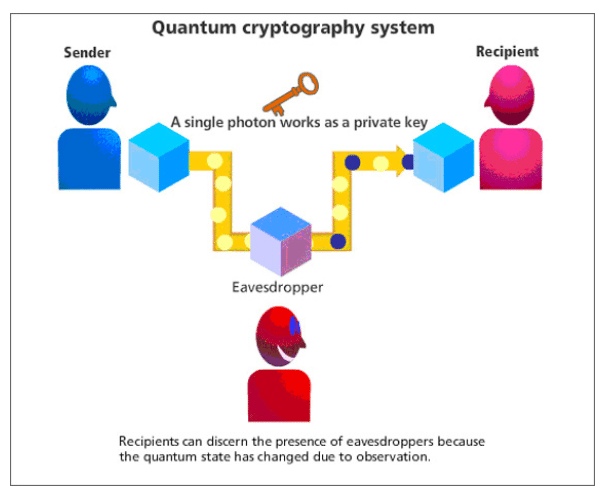
The foundation of quantum cryptography lies in quantum key distribution (QKD), a method that allows two parties to generate a shared secret key that can be used to encrypt and decrypt messages. What makes QKD unique is its reliance on the behavior of quantum particles, such as photons, which cannot be measured or copied without disturbing their state. This means any attempt to eavesdrop on the communication will inevitably leave traces, alerting the legitimate parties to the intrusion.
The Principles Behind Quantum Cryptography
At the heart of quantum cryptography are two key principles of quantum mechanics: the Heisenberg Uncertainty Principle and quantum entanglement.
Heisenberg Uncertainty Principle
The Heisenberg Uncertainty Principle states that it is impossible to simultaneously know both the position and momentum of a quantum particle with absolute precision. In the context of quantum cryptography, this principle ensures that any attempt to measure a quantum system (such as a photon used in QKD) will inevitably alter its state. Suppose an eavesdropper tries to intercept the quantum key during transmission. In that case, their measurement will introduce detectable disturbances, revealing their presence and preserving the key's secrecy.
Quantum Entanglement
Quantum entanglement is a phenomenon where two or more particles become linked in such a way that the state of one particle immediately influences the state of the other, regardless of the distance separating them. This property allows for the creation of highly secure cryptographic systems. For example, if entangled photons are used in QKD, any attempt to intercept one photon will disrupt the entanglement, providing a clear indication of tampering.
How Quantum Key Distribution (QKD) Works
QKD is the cornerstone of quantum cryptography and involves the exchange of cryptographic keys between two parties—traditionally referred to as Alice (the sender) and Bob (the receiver)—using quantum communication channels. Here's a simplified breakdown of the process:
Step 1: Transmission of Quantum States
Alice begins by generating a sequence of photons, each in a random quantum state (polarization or phase). She sends these photons to Bob over a quantum channel, such as an optical fiber or even through free space.
Step 2: Measurement of Quantum States
Upon receiving the photons, Bob measures each one using a randomly chosen basis (e.g., rectilinear or diagonal for polarization-based systems). Due to the probabilistic nature of quantum mechanics, Bob’s measurements will only be accurate if he chooses the same basis as Alice did when preparing the photon.
Step 3: Sifting and Key Formation
After the transmission, Alice and Bob publicly compare their choice of measurement bases (but not the actual results). They discard any instances where Bob measured the photon in the wrong basis, retaining only the cases where their bases matched. These remaining results form the raw key.
Step 4: Error Checking and Privacy Amplification
To ensure the key's integrity, Alice and Bob perform error checking by comparing a subset of their raw key. If discrepancies exceed a certain threshold, it indicates potential eavesdropping, and the key is discarded. If no significant errors are found, they apply privacy amplification techniques to distill a final, secure key.
Advantages of Quantum Cryptography
Quantum cryptography offers several compelling advantages over traditional encryption methods:
Unconditional Security
Unlike classical encryption, which depends on computational hardness assumptions (e.g., factoring large primes), quantum cryptography provides security based on the laws of physics. This means it remains secure even against adversaries with unlimited computational power.
Detection of Eavesdropping
Any attempt to intercept quantum-encoded information will disturb the system, making it immediately detectable. This feature ensures that compromised communications can be identified and discarded before sensitive data is exposed.
Future-Proof Against Quantum Computers
With the advent of quantum computers, classical cryptographic algorithms like RSA and ECC are at risk of being broken. Quantum cryptography, particularly QKD, remains resistant to such threats, making it a future-proof solution.
Current Applications and Challenges
While quantum cryptography holds immense promise, its practical implementation faces several hurdles. Currently, QKD is being used in limited scenarios, such as securing government communications and financial transactions. However, challenges like high implementation costs, limited transmission distances, and the need for specialized infrastructure hinder widespread adoption.
Despite these obstacles, research and development in quantum cryptography are advancing rapidly. Innovations in satellite-based QKD and integrated photonics are paving the way for more accessible and scalable solutions. As the technology matures, quantum cryptography could become a standard for securing critical communications in the near future.
Stay tuned for the next part of this article, where we will delve deeper into real-world implementations of quantum cryptography, its limitations, and the ongoing advancements in this groundbreaking field.
Real-World Implementations of Quantum Cryptography
The theoretical promise of quantum cryptography has begun translating into practical applications, albeit in niche and high-security environments. Governments, financial institutions, and research organizations are leading the charge in deploying quantum-secure communication networks, recognizing the urgent need for protection against both current and future cyber threats.
Government and Military Use Cases
National security agencies were among the first to recognize the potential of quantum cryptography. Countries like China, the United States, and Switzerland have implemented QKD-based secure communication networks to safeguard sensitive governmental and military data. In 2017, China’s Quantum Experiments at Space Scale (QUESS) satellite, also known as Micius, successfully demonstrated intercontinental QKD between Beijing and Vienna, marking a milestone in global quantum-secured communication.
Similarly, the U.S. government has invested in quantum-resistant encryption initiatives through collaborations involving the National Institute of Standards and Technology (NIST) and Defense Advanced Research Projects Agency (DARPA). These efforts aim to transition classified communications to quantum-safe protocols before large-scale quantum computers become a reality.
Financial Sector Adoption
Banks and financial enterprises handle vast amounts of sensitive data daily, making them prime targets for cyberattacks. Forward-thinking institutions like JPMorgan Chase and the European Central Bank have begun experimenting with QKD to protect high-frequency trading systems, interbank communications, and customer transactions.
In 2020, the Tokyo Quantum Secure Communication Network, a collaboration between Toshiba and major Japanese financial firms, established a quantum-secured link between data centers, ensuring tamper-proof financial transactions. Such implementations underscore the growing confidence in quantum cryptography as a viable defense against economic espionage and fraud.
Technical Limitations and Challenges
Despite its groundbreaking advantages, quantum cryptography is not without hurdles. Researchers and engineers must overcome several technical barriers before QKD can achieve mainstream adoption.
Distance Constraints
One of the biggest challenges in QKD is signal loss over long distances. Photons used in quantum communication degrade when traveling through optical fibers or free space, limiting the effective range of current systems. While terrestrial QKD networks rarely exceed 300 kilometers, researchers are exploring quantum repeaters and satellite relays to extend reach. China’s Micius satellite has achieved intercontinental key distribution, but ground-based infrastructure remains constrained by physical losses.
Key Rate Limitations
Quantum key distribution is also bottlenecked by the speed at which secure keys can be generated. Traditional QKD systems produce keys at rates of a few kilobits per second—sufficient for encrypting voice calls or small data packets but impractical for high-bandwidth applications like video streaming. Advances in superconducting detectors and high-speed modulators aim to improve key rates, but further innovation is needed to match classical encryption speeds.
Cost and Infrastructure
The specialized hardware required for QKD—such as single-photon detectors, quantum light sources, and ultra-low-noise optical fibers—makes deployment expensive. For instance, commercial QKD systems can cost hundreds of thousands of dollars, putting them out of reach for most enterprises. Additionally, integrating quantum-secured links into existing telecommunication networks demands significant infrastructure upgrades, further complicating widespread adoption.
The Quantum vs. Post-Quantum Debate
Quantum cryptography often overlaps with discussions about post-quantum cryptography (PQC), leading to some confusion. While both address quantum threats, their approaches differ fundamentally.
QKD vs. Post-Quantum Algorithms
Quantum key distribution relies on the principles of quantum mechanics to secure communications inherently, whereas post-quantum cryptography involves developing new mathematical algorithms resistant to attacks from quantum computers. PQC solutions, currently being standardized by NIST, aim to replace vulnerable classical algorithms without requiring quantum hardware. However, QKD offers a unique advantage: information-theoretic security, meaning its safety doesn’t depend on unproven mathematical assumptions.
Hybrid Solutions Emerging
Recognizing the complementary strengths of both approaches, organizations are increasingly adopting hybrid systems combining QKD with post-quantum algorithms. This dual-layer encryption strategy ensures resilience even if one layer is compromised, providing a balanced transition path toward a quantum-safe future.
Breakthroughs in Quantum Networking
The push toward a quantum internet—a global network interconnected via quantum entanglement—has accelerated breakthroughs in quantum repeaters, memory storage, and entanglement swapping. These innovations address critical challenges in scaling quantum cryptography beyond point-to-point links.
Quantum Repeaters
Traditional signal amplifiers cannot be used in quantum communications without destroying the quantum states of photons. Quantum repeaters, still in experimental stages, aim to overcome this by leveraging entanglement swapping to extend the reach of QKD without measurement. Companies like Quantum Xchange in the U.S. and ID Quantique in Switzerland are pioneering modular repeater technologies to enable continental-scale quantum networks.
Quantum Memory
Storing quantum information is essential for synchronizing transmissions in large networks. Recent advances in atomic ensembles and rare-earth-doped crystals have demonstrated millisecond-long quantum memory retention—a critical step toward buffering entangled光子 for on-demand retrieval in complex networks.
Commercial and Open-Source Initiatives
The quantum cryptography market is witnessing a surge in private-sector involvement, with startups and tech giants alike racing to commercialize the technology.
Industry Leaders and Innovators
Companies like Toshiba, IBM, and QuintessenceLabs are offering enterprise-grade QKD solutions tailored for specific industries. Meanwhile, open-source projects such as the OpenQKD initiative by the European Union are fostering collaboration between academia and industry to standardize protocols and drive down costs.
Cloud-Based Quantum Security
Cloud providers are exploring quantum-secure services, such as AWS’s hybrid post-quantum TLS and Azure’s Quantum Network, allowing businesses to test quantum-resistant encryption without major infrastructure investments. These platforms serve as bridges for organizations transitioning toward full quantum readiness.
Looking Ahead
Quantum cryptography is transitioning from lab experiments to real-world deployments, but obstacles remain. The next decade will likely see breakthroughs in scalable QKD, affordable quantum hardware, and international standards—key enablers for a quantum-secured global infrastructure. In the final part of this series, we will explore speculative future applications, ethical considerations, and the role of policy in shaping quantum security’s trajectory.
Stay tuned for the concluding installment, where we examine how quantum cryptography could redefine privacy, governance, and trust in the digital age.
The Future of Quantum Cryptography: Ethical and Societal Implications
As quantum cryptography moves from theoretical research to practical implementation, it raises profound questions about its impact on society, governance, and individual privacy. The technology’s potential to revolutionize secure communication is undeniable, but it also introduces new challenges that must be addressed to ensure responsible adoption.
Privacy in the Quantum Era
Quantum cryptography promises unbreakable encryption, but it also poses ethical dilemmas. Governments and corporations could use quantum-secure networks to protect sensitive data, but the same technology might enable mass surveillance if misused. The balance between security and privacy will be a critical issue as quantum encryption becomes mainstream. Policymakers must establish clear regulations to prevent abuse while fostering innovation.
Global Security and Cyber Warfare
The advent of quantum computing and cryptography could shift the balance of power in cyber warfare. Nations with advanced quantum capabilities may gain an advantage in intelligence gathering and secure communications, potentially destabilizing international relations. The risk of a "quantum arms race" is real, with countries competing to develop quantum-resistant encryption and decryption tools. International cooperation will be essential to prevent an escalation of cyber conflicts.
Accessibility and Digital Divide
Quantum cryptography is currently expensive and complex, limiting its availability to wealthy nations and large corporations. If left unchecked, this could exacerbate the digital divide, leaving smaller businesses and developing nations vulnerable to cyberattacks. Efforts to democratize quantum-secure technologies—through open-source projects, subsidies, or international partnerships—will be crucial to ensuring equitable access.
Quantum Cryptography and Artificial Intelligence
The intersection of quantum computing and artificial intelligence (AI) presents both opportunities and risks. Quantum algorithms could enhance AI’s ability to analyze encrypted data, potentially breaking classical encryption methods. Conversely, AI could be used to optimize quantum cryptographic protocols, making them more efficient and secure. The synergy between these two fields will shape the future of cybersecurity.
AI-Powered Quantum Attacks
AI-driven cyberattacks are already a growing threat, and quantum computing could amplify their effectiveness. Machine learning models trained on quantum algorithms might identify vulnerabilities in classical encryption faster than human hackers. Defending against such threats will require AI-powered quantum defenses, creating a continuous arms race between attackers and defenders.
Quantum Machine Learning for Security
On the defensive side, quantum machine learning could revolutionize threat detection. Quantum-enhanced AI models could analyze vast datasets in real time, identifying anomalies and potential breaches with unprecedented accuracy. This could lead to proactive cybersecurity measures, where threats are neutralized before they cause harm.
The Role of Policy and Regulation
Governments and international organizations must play a proactive role in shaping the future of quantum cryptography. Without proper oversight, the technology could be weaponized or monopolized, leading to unintended consequences.
Standardization and Certification
Establishing global standards for quantum encryption is essential to ensure interoperability and security. Organizations like NIST and the International Telecommunication Union (ITU) are already working on post-quantum cryptographic standards, but more collaboration is needed to address emerging quantum threats. Certification programs for quantum-secure products will also be necessary to build trust among users.
Ethical Guidelines for Quantum Research
As quantum technology advances, ethical guidelines must be developed to govern its use. Researchers and policymakers should collaborate to address concerns such as data sovereignty, surveillance, and the militarization of quantum encryption. Transparency and public discourse will be key to ensuring that quantum cryptography benefits society as a whole.
Speculative Applications of Quantum Cryptography
Beyond cybersecurity, quantum cryptography could enable groundbreaking applications in various fields, from healthcare to space exploration.
Quantum-Secure Medical Data
Healthcare systems handle vast amounts of sensitive patient data, making them prime targets for cyberattacks. Quantum-secure encryption could protect medical records, ensuring patient confidentiality while enabling secure sharing of research data. This could accelerate medical breakthroughs while safeguarding privacy.
Interplanetary Communication
As humanity expands into space, secure communication between Earth and distant colonies or spacecraft will be critical. Quantum cryptography could enable unhackable communication links across vast distances, ensuring the integrity of mission-critical data. NASA and other space agencies are already exploring quantum communication for future Mars missions.
Quantum Voting Systems
Election security is a growing concern worldwide. Quantum-secure voting systems could prevent tampering and ensure the integrity of democratic processes. By leveraging quantum encryption, governments could create verifiable and tamper-proof digital voting mechanisms, restoring public trust in elections.
Conclusion: The Quantum Security Revolution
Quantum cryptography is poised to redefine the future of secure communication, offering unparalleled protection against cyber threats. However, its widespread adoption will require overcoming technical, ethical, and regulatory challenges. As we stand on the brink of a quantum revolution, collaboration between scientists, policymakers, and industry leaders will be essential to harness the technology’s potential while mitigating its risks.
The next decade will be pivotal in determining how quantum cryptography shapes our digital world. By addressing accessibility, ethical concerns, and global cooperation, we can ensure that this revolutionary technology serves as a force for good, safeguarding privacy and security in an increasingly connected world.
As quantum cryptography evolves, one thing is certain: the future of cybersecurity will be quantum, and the time to prepare is now.

Post-Apocalyptic Films: Unveiling the Art of Destruction
The post-apocalyptic genre, with its vivid tableaux of desolation and survival, has fascinated audiences for decades, presenting a narrative mosaic that captivates as much as it terrifies. This cinematic universe, one that envisions the end of the world and explores humanity's resilience, is a bold blend of imagination and reflection, probing into the core of human existence while questioning societal norms and the future of our civilization. In this first part of our deep dive into the realm of post-apocalyptic films, we explore the origins, enduring appeal, and influential classics that have redefined the genre.
The Genesis of a Genre
Post-apocalyptic films trace their origins to the cold war era's shadowy fears of nuclear annihilation, a time when the world anxiously teetered on the brink of disaster. The genre blossomed amidst global tensions, offering a canvas for filmmakers to dramatize the potential consequences of humanity's perilous technological advancements and geopolitical upheavals. Movies like "On the Beach" (1959) and "The Day the Earth Caught Fire" (1961) were early harbingers, weaving narratives centered on the horrifying consequences of nuclear warfare and environmental catastrophe.
These early stories tapped into collective anxieties, creating a fertile soil for the burgeoning field of speculative fiction. As audiences grappled with existential dread, filmmakers morphed these fears into compelling tales, crafting worlds that showcased humanity's tenacity in the face of utter ruin. Through vivid storytelling, post-apocalyptic films transcended mere entertainment, morphing into a vehicle for poignant societal critique.
The Enduring Allure
The allure of post-apocalyptic films springs from a unique narrative proposition: exploring life beyond the threshold of civilization. These films seduce audiences with the thrilling, albeit terrifying, possibility of witnessing the dismantling of current societal constructs and the rebirth of humanity in an altered world order. They challenge viewers to contemplate what they would do in the face of disaster, prompting self-reflection that resonates deeply in a world increasingly concerned with sustainability and existential threats.
The genre's fascination also lies in its ability to present a world stripped of modern conveniences and norms, forcing characters to revert to primal instincts and ingenuity for survival. The struggle to maintain one's humanity amidst chaos and ruin becomes a captivating odyssey. This narrative framework not only showcases the resilience of the human spirit but also questions the underlying values and ethics that define humanity itself. In a desolate landscape, viewers find themselves engrossed in tales of triumph, sacrifice, and the reclamation of hope.
Iconic Cinematic Landmarks
As the genre evolved, several films emerged as touchstones that have indelibly left their mark. One notable classic is "Mad Max" (1979), a landmark that injected a frenetic energy and raw aesthetics into the genre. Its depiction of a dystopian wasteland, overrun by marauding gangs, set a high watermark for visual storytelling and created a lasting cultural impact. Directed by George Miller, "Mad Max" combined high-octane action with gritty realism, offering a harrowing portrayal of resource scarcity and societal decay.
Another significant entry is "The Road" (2009), an adaptation of Cormac McCarthy's Pulitzer Prize-winning novel, which elevates the genre through its intimate focus on the bond between a father and son as they navigate a bleak, ash-covered landscape. The stripped-down narrative and stark visuals amplify the emotional core of the story, creating a visceral experience that lingers long after the credits roll.
No exploration of post-apocalyptic cinema would be complete without referencing "28 Days Later" (2002), which reinvigorated the zombie sub-genre with its fast-paced, adrenaline-charged depiction of a world ravaged by a viral outbreak. Danny Boyle's striking use of digital cinematography and inventive storytelling techniques redefined the portrayal of post-apocalyptic worlds, infusing the genre with a modern sensibility that resonates with contemporary audiences.
These films exemplify the diversity and dynamism inherent in post-apocalyptic narratives, offering windows into alternate realities where humanity's ultimate challenge is not just to survive, but to find meaning and purpose in a world forever changed.


Philip Mason: A Journey Through His Legacy
Philip Mason, a name synonymous with scholarly excellence and thoughtful historical narrative, emerged as a significant figure in historical and academic circles throughout the 20th century. Born into a world brimming with change, Mason carved out a niche for himself, constructing a legacy defined by meticulous research and engaging prose. His life, achievements, and scholarly contributions continue to resonate with readers, scholars, and students alike, offering insights into both the past and the art of historical writing.
Early Life and Education
Philip Mason was born on March 19, 1906, in Sharnbrook, Bedfordshire, England. From an early age, he displayed a keen interest in literature and history, traits that would later define his academic pursuits and professional career. He was educated at the prestigious Marlborough College, an institution that provided an environment ripe for intellectual growth and exploration. It was here that Mason cultivated his love for stories of the past, developing a particular fascination with the dynamics of British colonial history.
Career and Contribution
Mason's professional journey began as a member of the Indian Civil Service (ICS) in 1928, where he developed a profound connection with the Indian subcontinent. His tenure in India proved crucial, providing Mason with firsthand experiences and perspectives that significantly influenced his later writings. The cultural diversity and rich historical tapestry of India became central themes in his scholarly work, and these experiences served to deepen his understanding of colonial dynamics.
In the wake of India's independence, Mason took on roles within the fledgling nation that allowed him to delve deeper into historical research and writing. His career trajectory continued to ascend as he became involved with the Commonwealth Relations Office and later transitioned into academia. These roles offered Mason rich opportunities to research and document stories that were both enlightening and thought-provoking, contributing broadly to postcolonial literature and discussions.
Notable Works
Philip Mason is perhaps most renowned for his deeply engaging books, which have become fundamental texts within historical literature. His two-part historical series, The Men Who Ruled India, published in the mid-20th century, remains a seminal work chronicling the history and transformation of British colonial rule in India. These books masterfully balance narrative and historical accuracy, providing readers with an in-depth look into the complexities of colonial administration and its broader implications.
Another significant contribution by Mason is his book, A Matter of Honour, which examines the ethos and traditions of the British Army in India. This work delves into the intricate relationship between military life and colonial governance, offering a penetrating insight into the operational challenges and societal influences that shaped British India. Mason's acute awareness of cultural nuances is evident in all his writings, making his work a rich resource for understanding the intricate tapestry of the British Empire and its territories.
Legacy and Impact
Beyond his scholarly works, Philip Mason's legacy is also reflected in his role as an educator and mentor. His teachings have inspired generations of historians and writers, encouraging a nuanced appreciation of colonial histories and their contemporary resonances. Mason's ability to bridge the gap between detailed scholarly research and captivating storytelling has left an indelible mark on historical literature.
Through his career, Philip Mason was the recipient of numerous accolades that highlighted his contributions to historical scholarship and literature. His unique ability to engage with controversial subjects while maintaining scholarly integrity underscored the profound impact of his work. Today, Mason is remembered not only for his profound contributions to historical narrative but also for his enduring influence on new generations of historians seeking to understand the complex interplay of culture, power, and history.
As we continue to explore the multifaceted contributions of Philip Mason, it is clear that his work remains as relevant as ever. His writings invite us to consider old stories anew, challenging assumptions and prompting reflections on the legacies of empire and the interconnectedness of human history.


Resurgence of Live Music: A Post-pandemic Boom
As the dust settles from the pandemic's upheaval, the music industry finds itself at the dawn of a renaissance, witnessing a vibrant resurgence of live music. The widespread vaccination efforts and lifting of restrictions across the globe have paved the way for people to reconnect with the raw energy of live performances, something that streams and digital downloads could never emulate.
For years prior to the COVID-19 pandemic, live music had been the beating heart of the industry. It wasn't just about the sound; it was about the experience—a confluence of shared moments between artists and audiences that could be poignant, electric, or cathartic. When the world went into lockdown, stages went dark, and the silence was deafening. Musicians resorted to virtual gigs to maintain the connection with their fans, and while these served as a vital lifeline, the longing for real crowds and immersive experiences never waned.
Now, with the return of live music, both artists and fans alike are taking nothing for granted. The pure joy of being part of a throng of like-minded souls dancing and singing along to the same beat has sparked a newfound appreciation for the communal aspect of music. Major festivals and small venues alike are reporting record attendance, with tickets often selling out within minutes of release. The pent-up demand has led to a palpable exuberance that’s spilling over from the dance floors and into the financial ledgers of promoters, venue owners, and musicians.
Artists such as The Strokes, Dua Lipa, and Billie Eilish have embarked on tours that feel more like triumphant returns rather than routine promotional cycles. The narrative around these events is no longer confined to setlists or stage design but underscored by a narrative of resilience and rebirth. The emotional weight these concerts carry is evident, fostering a shared narrative of overcoming adversity and celebrating survival.
Moreover, the resurgence is not just a boon for established acts. Up-and-coming musicians, who suffered greatly during the pandemic, are now finding new opportunities to showcase their talents. Independent venues, previously on the brink of closure, are experiencing a reinvigoration as local communities rally to support them. These small stages are critical; they serve as the incubators for tomorrow's headliners, nurturing the grassroots of the music ecosystem.
Aside from the sheer ecstasy of the music, the revival of live events has also reinforced the symbiotic relationship between local economies and the arts. Hotels, restaurants, ride-sharing services, and a plethora of other businesses benefit greatly from the influx of concert-goers. As a result, cities and towns are investing more into their cultural capital, recognizing that a vibrant music scene can be a significant economic driver.
However, this comeback has not been without its challenges. The specter of COVID-19 still looms with intermittent flare-ups, causing occasional cancellations and logistical hurdles. Additionally, the industry faces new hurdles regarding sustainability and social responsibility, issues that have gained prominence in recent years. Concert organizers are being called upon to minimize the environmental impact of their events and ensure that their line-ups reflect the diversity of the communities they serve.
In the coming sections, we will delve deeper into how the live music industry is adapting to these challenges and what measures are being taken to ensure a more sustainable and inclusive future. We will also take a closer look at how emerging technologies are reshaping the concert experience, exemplifying how innovation can complement tradition, ensuring that the joy of live music is preserved for generations to come.
As the sun sets on the horizon, the stage lights beckon a new era. The comeback of live music is more than a mere revival; it's an emblem of the human spirit's indefatigability — a universal chorus that sings, 'We are still here, and we shall dance once more.'
Stay tuned for the second part of this exploration into the post-pandemic live music boom, where we will examine the sustainability and inclusivity efforts taking center stage, and the technological advancements setting the tone for the future of live performances.As the live music industry rebounds with vigor, it must contend with its role in environmental sustainability and social inclusivity. The ephemeral beauty of a live show now bears the responsibility of leaving a lasting positive impact that transcends the last note played.
One of the most pressing concerns is the environmental footprint of concerts and festivals. From the waste generated by single-use plastics to the carbon emissions from travel, the industry is seeking ways to mitigate its impact. Prominent festivals like Glastonbury and Coachella are pioneering eco-friendly initiatives, such as banning plastic bottles, offering robust recycling programs, and leveraging renewable energy sources. These efforts not only contribute to a greener planet but also resonate with a fanbase increasingly conscious of ecological issues.
Moving to social inclusivity, the rejuvenated live music scene is witnessing an overdue conversation around diversity and equity. Power dynamics are shifting to foster a culture that amplifies marginalized voices and ensures fair representation on and off the stage. Initiatives like Keychange, which encourages festivals and music organizations to achieve a 50:50 gender balance, are gaining traction. Beyond gender, there is a concerted effort to ensure that line-ups reflect racial and cultural diversity and that events are accessible to people of all abilities.
The integration of emerging technologies into the concert experience introduces another facet of progress. Augmented reality (AR) and virtual reality (VR) are adding new dimensions to performances, allowing fans to personalize their experience or even attend virtually from remote locations. This not only increases the reach of artists but also presents an eco-friendly alternative to physical attendance, cutting down on travel-related emissions. Moreover, digital ticketing methods with blockchain technology are enhancing security, reducing scalping, and enabling seamless entry to events.
Despite these advances, the live music industry's journey toward a sustainable and inclusive future is fraught with complexities. Balancing economic viability with ecological responsibility requires resourceful solutions and, at times, challenging compromises. Event organizers must navigate the fine line between enhancing the fan experience and maintaining a small environmental footprint. Artists, too, are reassessing their touring schedules and travel methods to reduce their carbon footprint while still connecting with audiences worldwide.
There are also potential economic headwinds to consider. The post-pandemic surge has led to inflated prices for tickets, travels, and accommodations, raising concerns about the accessibility of live music events. Industry leaders will need to ensure that the joy of experiencing live music remains within reach for fans of all socioeconomic backgrounds.
Looking ahead, one can anticipate that this is just the beginning of what will be an ongoing evolution in the live music landscape. As the world continues to navigate the uncertainties of the pandemic's long-term impact, the music industry will have to remain agile, innovative, and receptive to the needs of both artists and audiences.
In conclusion, the resurgence of live music in the aftermath of the pandemic is a testament to the resilience and adaptability of this cultural cornerstone. While the industry is currently riding a high note, the true measure of its success will be how it faces the challenges of sustainability and inclusivity. As fans once again fill the venues and the air vibrates with the sound of music, the industry is presented with an opportunity to reimagine its future—one with a relentless commitment to creating experiences that are not only memorable but also mindful of our collective home and human family.
As we revel in the renaissance of live music, let's dance to the rhythm of positive change, embracing a future where every chord struck contributes to the harmony of a more sustainable and equitable world. After all, the greatest performances are those that not only echo in our ears but also resonate in our actions and in the legacy we leave behind.