Historical Accuracy in Films: Balancing Truth and Storytelling
Introduction: The Debate Over Historical Accuracy in Cinema
Historical accuracy in films has long been a topic of heated debate among critics, historians, and audiences alike. As the demand for historical films continues to rise, so does the scrutiny over how accurately these films portray real events. The tension between artistic license and factual representation remains a central issue, with filmmakers often defending their creative choices while historians advocate for greater adherence to documented records.
Recent years have seen a surge in high-profile historical films, from Oppenheimer to Killers of the Flower Moon, each sparking conversations about the ethical responsibilities of filmmakers. According to Parrot Analytics, several historical films in late 2023 achieved demand levels 10 to 25 times higher than the average film, underscoring the genre’s commercial viability and cultural significance.
The Commercial and Cultural Impact of Historical Films
The Rise of Historical Fiction in Modern Cinema
The early to mid-2020s marked a notable increase in audience demand for historical fiction. Data from Parrot Analytics reveals that films in this genre frequently exceed average demand metrics, with some titles reaching 25 times the typical engagement. This trend reflects a growing public appetite for stories rooted in real events, even as debates over accuracy intensify.
Industry reports further highlight the global film production rebound, with output surpassing pre-pandemic levels by 2023. This expansion has created more opportunities for historical adaptations, as studios and filmmakers capitalize on the genre’s popularity.
Why Historical Accuracy Matters
Films serve as powerful cultural texts that shape public memory and collective understanding of history. When historical inaccuracies are introduced, they can distort perceptions, especially in regions where formal education on these events is limited. For instance, biopics and dramatized historical fiction often compress timelines or invent characters, which can lead to misinformation.
The ethical stakes are particularly high when films depict recent events or living individuals. Misrepresentations in such cases can cause reputational harm or perpetuate myths, whereas stories from distant history may carry different implications.
Types of Historical Films and Their Accuracy Challenges
Based-on-True-Events Biopics
Biopics aim to depict real-life figures and events, but they often face criticism for taking creative liberties. Filmmakers may use composite characters or alter timelines to enhance dramatic effect. While these choices can make narratives more engaging, they also raise questions about the responsibility to truth.
Dramatized Historical Fiction
This category includes films that invent scenes or characters while maintaining a historical setting. Examples include Napoleon and other epics that blend fact with fiction. The challenge here lies in balancing entertainment value with historical integrity.
Fictional Stories Set in Historical Eras
Films that create entirely fictional narratives within real historical backdrops, such as period dramas, face fewer accuracy demands. However, they still influence audience perceptions of the era, making contextual accuracy important.
The Limits and Drivers of Inaccuracy in Historical Films
Practical Constraints and Creative Choices
Several factors contribute to inaccuracies in historical films, including:
- Run time limitations, which force filmmakers to condense complex events.
- Narrative focus, where certain details are emphasized or omitted for dramatic impact.
- Lack of access to primary sources, leading to gaps in factual representation.
- Commercial considerations, where marketability may override historical precision.
The Role of Historians and Consultants
Some productions employ historians as consultants to ensure accuracy, though their influence varies. While this practice can improve factual representation, filmmakers often prioritize storytelling over strict adherence to historical records.
As global film production continues to grow, particularly in markets like China, the diversity of historical narratives expands. This trend introduces new cultural perspectives but also complicates the standardization of accuracy expectations.
Conclusion: The Ongoing Dialogue Between Filmmakers and Historians
The debate over historical accuracy in films is far from resolved. As audiences become more discerning and platforms like streaming services facilitate instant fact-checking, filmmakers face increasing pressure to balance creativity with responsibility. The next sections will explore recent controversies, audience expectations, and the future of historical storytelling in cinema.
Recent Controversies: When Artistic License Sparks Backlash
High-Profile Films Under Scrutiny
The 2010s and 2020s have seen several high-profile historical films spark intense debates over accuracy. Oppenheimer (2023), directed by Christopher Nolan, faced criticism for its portrayal of the Manhattan Project, with historians questioning the film's depiction of key scientific and political figures. Similarly, Killers of the Flower Moon (2023), directed by Martin Scorsese, was praised for its attention to detail but also scrutinized for its narrative choices in representing the Osage Nation murders.
These controversies highlight the delicate balance filmmakers must strike between dramatic storytelling and historical fidelity. Audiences and critics alike demand both entertaining narratives and respectful representations of real events.
The Role of Public and Critical Reception
Social media and online platforms have amplified the scrutiny of historical films. Audiences now have the tools to fact-check films in real-time, comparing on-screen events with historical records. This shift has led to:
- Increased public debates over accuracy and representation.
- Historian-led critiques gaining traction in mainstream media.
- Filmmakers facing reputational risks when inaccuracies are exposed.
For example, Napoleon (2023), directed by Ridley Scott, faced backlash for its portrayal of Napoleon Bonaparte, with historians criticizing its historical inaccuracies and misleading characterizations. Such controversies underscore the growing expectation for films to adhere closely to historical facts.
Audience Expectations: What Viewers Want from Historical Films
The Demand for Authenticity
Audiences today are more historically literate than ever, thanks to the accessibility of information online. This literacy has led to a heightened demand for authenticity in historical films. According to Parrot Analytics, films that are perceived as highly accurate tend to generate more positive word-of-mouth and sustained audience engagement.
Key factors that influence audience expectations include:
- Factual accuracy in depicting events and characters.
- Cultural sensitivity in representing diverse historical perspectives.
- Transparency from filmmakers about creative liberties taken.
The Impact of Streaming Platforms
The rise of streaming platforms has transformed how audiences consume historical films. Platforms like Netflix, Amazon Prime, and Disney+ have made historical content more accessible, leading to:
- A broader audience for historical films, including younger viewers.
- Increased binge-watching of historical series, raising expectations for continuity and accuracy.
- More diverse storytelling, as global platforms commission films from different cultural perspectives.
This shift has also led to a greater emphasis on historical consultants, as platforms seek to enhance the credibility of their content. However, the influence of these consultants can vary, with some filmmakers prioritizing artistic vision over historical precision.
The Future of Historical Storytelling in Cinema
Emerging Trends in Historical Film Production
The future of historical films is shaped by several emerging trends, including:
- Globalization of production, with more historical films being made outside Hollywood, particularly in markets like China and India.
- Increased use of technology, such as AI and deepfake, to recreate historical settings and figures with greater accuracy.
- Collaborations with historians, as filmmakers seek to balance creativity with factual representation.
These trends suggest a growing commitment to historical accuracy, even as filmmakers continue to navigate the challenges of dramatic storytelling.
The Role of Journalists in Covering Historical Films
Journalists play a crucial role in shaping the conversation around historical films. To provide accurate and insightful coverage, journalists should:
- Verify claims by cross-checking key facts with primary sources and peer-reviewed histories.
- Distinguish between types of historical films, such as biopics, dramatized adaptations, and fictional stories set in historical eras.
- Report on both artistic intent and factual impact, including filmmakers' stated goals and historians' assessments.
- Use data to contextualize trends, such as demand metrics and production volumes, to explain why studios invest in historical films.
By adopting these practices, journalists can contribute to a more informed and nuanced discussion about historical accuracy in cinema.
Conclusion: Navigating the Complexities of Historical Storytelling
The debate over historical accuracy in films is far from settled. As audiences become more discerning and technology advances, filmmakers face both new opportunities and new challenges in balancing creativity with factual representation. The final section of this article will explore the long-term implications of these trends and offer insights into how the industry might evolve in response to growing demands for accuracy and authenticity.
The Ethical Responsibilities of Filmmakers in Historical Storytelling
Balancing Creative Freedom with Historical Integrity
Filmmakers often argue that artistic license is essential for crafting compelling narratives. However, when dealing with historical subjects, this freedom must be weighed against the ethical responsibility to represent events and figures accurately. The challenge lies in determining where to draw the line between creative interpretation and misrepresentation.
Key considerations for filmmakers include:
- Respect for historical figures, particularly those who are still alive or have living descendants.
- Avoiding perpetuation of myths that could distort public understanding of critical events.
- Transparency about creative choices, such as disclaimers or supplementary materials that clarify deviations from historical records.
For instance, films like Schindler’s List (1993) and 12 Years a Slave (2013) have been praised for their historical accuracy and sensitive handling of difficult subjects. These films demonstrate that it is possible to achieve both artistic excellence and historical fidelity.
The Role of Historical Consultants
Many modern productions employ historical consultants to ensure accuracy. These experts provide valuable insights into the cultural, political, and social contexts of the events being portrayed. However, their influence can be limited by:
- Budget constraints, which may restrict the extent of their involvement.
- Creative differences, where filmmakers prioritize dramatic effect over factual precision.
- Time limitations, as production schedules may not allow for thorough historical research.
Despite these challenges, the presence of historical consultants can significantly enhance a film’s credibility. For example, The Crown (2016–present), a historical drama series, has been noted for its meticulous attention to detail, thanks in part to its team of historical advisors.
The Impact of Historical Films on Public Perception
Shaping Collective Memory
Historical films play a crucial role in shaping public memory. They often serve as the primary source of historical knowledge for many viewers, particularly in regions where formal education on certain events is limited. This influence carries significant responsibilities, as inaccuracies can lead to:
- Misunderstandings of historical events, which can affect cultural and political attitudes.
- Perpetuation of stereotypes, particularly in portrayals of marginalized communities.
- Distortion of public discourse, where fictionalized accounts are treated as factual.
For example, films like Braveheart (1995) and 300 (2006) have been criticized for their historical inaccuracies, which have nonetheless shaped popular perceptions of the events they depict.
The Power of Visual Storytelling
The visual nature of film makes it a uniquely powerful medium for historical storytelling. Unlike books or articles, films can immerse audiences in the sights, sounds, and emotions of a bygone era. This immersive quality can be both a strength and a weakness:
- Strength: Films can bring history to life in ways that resonate deeply with audiences.
- Weakness: The emotional impact of visual storytelling can sometimes overshadow factual accuracy, leading viewers to accept fictionalized accounts as truth.
To mitigate this risk, filmmakers and educators can collaborate to provide supplementary educational materials, such as documentaries or expert commentaries, that contextualize the historical events depicted in films.
The Future of Historical Accuracy in Cinema
Technological Advancements and Their Implications
Emerging technologies, such as AI-driven research tools and deepfake technology, are transforming the landscape of historical filmmaking. These advancements offer new opportunities for enhancing accuracy, including:
- Digital reconstruction of historical settings, allowing for more authentic visual representations.
- AI-assisted fact-checking, which can help filmmakers verify details more efficiently.
- Virtual reality (VR) experiences, which can provide immersive, historically accurate environments for both filmmakers and audiences.
However, these technologies also pose ethical challenges, such as the potential for misuse of deepfake to create misleading historical narratives. Filmmakers must use these tools responsibly to avoid further distorting historical records.
The Role of Audience Feedback
Audience expectations are evolving, with viewers increasingly demanding both entertainment and accuracy from historical films. This shift is driven by:
- Greater access to information, as audiences can easily fact-check films online.
- Heightened awareness of cultural sensitivity, particularly in portrayals of diverse historical figures.
- The rise of social media, which amplifies public discussions about historical accuracy.
Filmmakers who engage with audience feedback and prioritize accuracy are likely to build stronger trust and credibility with their viewers. This trust can translate into long-term success for historical films, both critically and commercially.
Conclusion: The Path Forward for Historical Filmmaking
The debate over historical accuracy in films is complex and multifaceted. While filmmakers have a right to artistic freedom, they also bear a responsibility to represent historical events and figures with integrity. The growing demand for accuracy, driven by audience expectations and technological advancements, suggests that the future of historical filmmaking will be shaped by a commitment to both creative storytelling and factual precision.
Key takeaways for the industry include:
- Collaboration with historians to ensure accurate representations.
- Transparency about creative choices to maintain audience trust.
- Leveraging technology to enhance accuracy without compromising artistic vision.
- Engaging with audience feedback to address concerns and improve future projects.
As the industry continues to evolve, the most successful historical films will likely be those that strike a balance between entertaining narratives and respectful, accurate portrayals of the past. By embracing this balance, filmmakers can contribute to a more informed and nuanced understanding of history, ensuring that their work resonates with audiences for generations to come.
The Art of Psychological Thrillers: A Journey into the Mind
Introduction to Psychological Thrillers
Psychological thrillers have long captivated audiences across the globe, offering a genre that is as much about exploring the complexities of human behavior and psychology as it is about suspense and intrigue. Rooted in the realm of psychological horror and mind-bending mystery, these films delve deep into the subconscious, challenging our notions of reality and sanity. Through intricate plot developments and a masterful weaving of psychological elements, this genre has become a staple of modern cinema, appealing to both critics and casual viewers alike.
The Evolution of the Genre
Early Influence
The origins of psychological thrillers can be traced back to classic works such as Alfred Hitchcock's "Psycho" (1960), which set the groundwork for this genre by exploring the darker aspects of human nature and incorporating psychological elements into a thriller framework. Hitchcock's film introduced audiences to the concept of a protagonist driven by a deep-seated psychological issue, paving the way for future filmmakers to explore similarly complex characters and narratives.
The Rise of Modern Masters
In recent years, psychological thrillers have seen a resurgence thanks to the work of modern filmmakers who push the boundaries even further. Directors like David Fincher, with his nuanced and intricate stories in films such as "Se7en" (1995) and "Gone Girl" (2014), have been instrumental in popularizing this genre. Similarly, Denis Villeneuve's " manhunts" series (2014-2021) and "Enemy" (2013) showcase how psychological thrillers can blend with other genres to create a unique cinematic experience. These movies not only keep the audience guessing but also provide profound insights into the human psyche.
Key Elements That Define Psychological Thrillers
Mind Games and Puzzles
A hallmark of psychological thrillers is their emphasis on intricate puzzles and mind games. Characters are often portrayed as deeply flawed or delusional, leading them to engage in behaviors that challenge the audience's perceptions of reality. In films like "Shutter Island" (2010) and "The Others" (2001), the protagonists are caught in a web of illusions that blur the line between sanity and madness. These movies frequently leave key clues scattered throughout the narrative, requiring viewers to piece together the story themselves, thus maintaining suspense and engagement.
Tension and Suspense
Beyond puzzles, psychological thrillers also excel in building tension and suspense through carefully crafted pacing and editing techniques. Filmmakers like John Carpenter ("Halloween," 1978) and Christopher Nolan ("Memento," 2000) have been masters at this craft, using innovative storytelling methods to keep viewers on edge. Techniques like non-linear storytelling and fragmented timelines create a sense of uncertainty, making each scene a potential revelation. Additionally, the strategic use of sound design, music, and cinematography can amplify the emotional impact of the narrative, ensuring that the audience remains immersed in the story.
Character Development and Complexity
One of the most compelling aspects of psychological thrillers lies in their rich and multi-layered characters. Unlike typical thrillers where heroes and villains are usually clearly defined, psychological thrillers often feature complex, morally ambiguous figures that challenge preconceived notions of good and evil. Films like "Black Swan" (2010) and "Split" (2016) introduce protagonists who are torn between different facets of their personality, forcing the audience to question their own moral compass. These complex character arcs not only add depth to the story but also create a more authentic emotional connection with viewers.
The Role of Subtext and Symbolism
To fully grasp the essence of psychological thrillers, one must understand the significant role played by subtext and symbolism. Directors frequently use subtle cues and metaphors to convey deeper psychological truths without overtly stating them. For instance, in "Fight Club" (1999), the recurring motif of the fight represents the protagonist's struggle against societal constraints. By embedding these symbolic elements into the storyline, filmmakers encourage audiences to engage in deeper reflection and interpretation, enhancing the overall viewing experience.
Thematic Exploration
Beyond just visual and auditory flourishes, psychological thrillers are known for their rich thematic explorations. Themes such as identity, memory, and the influence of trauma are recurrent in this genre, reflecting broader societal concerns and debates. Movies like "Memento" delve into issues of memory loss and its impact on personal identity, while "The Sixth Sense" examines the complexities of perception and reality. These themes not only enrich the narrative but also offer thought-provoking discussions for viewers to ponder after the credits roll.
Impact and Reception
Critical Acclaim
Psychological thrillers have garnered widespread critical acclaim for their ability to deliver gripping narratives that push the boundaries of conventional storytelling. Films in this genre often receive praise for their innovative approaches to character development and thematic complexity. Notable examples include "Birdman" (2014), which not only explores themes of artistic integrity but also employs a single-take performance style to heighten the sense of immediacy. Another prime example is "The Silence of the Lambs" (1991), which won several Academy Awards, including Best Picture, further cementing its place in cinematic history.
Box Office Success
Despite their cerebral nature, many psychological thrillers have achieved substantial box office success, demonstrating their broad appeal. Blockbusters like "The Da Vinci Code" (2006) and "The Exorcist" (1973) managed to bridge the gap between sophisticated storytelling and mainstream entertainment. These films prove that a well-crafted psychological thriller can captivate mass audiences while still delivering on the genre’s core values of psychological tension and intellectual challenge.
The enduring popularity of psychological thrillers is a testament to the ingenuity and skill of contemporary filmmakers. By combining intricate plots, deep character studies, and thought-provoking themes, these movies continue to captivate viewers and inspire new generations of filmmakers. As the genre continues to evolve, it promises to remain one of cinema's richest and most dynamic forms of storytelling.
The Impact on Film Culture and Media
Influence on Other Genres
The psychological thriller genre has significantly influenced other areas of film and television, extending its reach beyond the confines of its own form. Thrillers like "Mindhunter" (2017-present) on Netflix have blurred lines between fiction and reality, drawing viewers into the psychological processes of true crime investigation. Similarly, TV series such as "American Horror Story" (2011-present) incorporate psychological horror elements alongside traditional horror tropes, creating a hybrid form that resonates with audiences. These shows and series demonstrate the genre's adaptability and its capacity to integrate with other narrative styles, making it a versatile and influential contributor to modern storytelling.
Crossover with Literary Adaptations
Literary adaptations have also played a crucial role in promoting psychological thrillers. Novels by authors like Gillian Flynn ("Gone Girl"), Gillian Flynn ("Sharp Objects"), and Dan Simmons ("Bright Shining Lie") have been translated into successful films, bringing intense psychological narratives to wider audiences. The cinematic adaptation of such books often enhances the original text, adding visual and auditory dimensions that complement the written work. This crossover highlights the enduring appeal of psychological thrillers in both literary and cinematic forms, creating a symbiotic relationship between the two mediums.
The Importance of Special Effects and Visuals
In the era of advanced special effects and visual technologies, psychological thrillers have leveraged these tools to create a visceral and immersive experience for viewers. Directors utilize lighting, set design, and CGI to enhance the psychological tension of the narrative. For instance, the use of dark and claustrophobic sets in "The Babadook" (2014) amplifies the feeling of impending doom, while the symbolic representation of trauma in "Donnie Darko" (2001) through eerie visuals underscores the protagonist's inner turmoil. Such visual techniques not only support the psychological underpinning of the story but also elevate the overall aesthetic quality of the film.
Psychological Thriller in Popularity
Increased Popularity
The genre has experienced a surge in popularity in recent years, driven by a confluence of factors such as streaming services, social media, and increased interest in mental health and psychological topics. Streaming services like Amazon Prime Video, Netflix, and Hulu have invested heavily in developing original content that aligns with the psychological thriller genre. Shows like "Stranger Things" (2016-present) and "The Haunting of Hill House" (2018) blend horror and suspense with psychological elements, drawing viewers with intricate plots and relatable characters. These platforms have helped make psychological thrillers more accessible and engaging than ever before.
Subgenres and Offshoots
The psychological thriller genre has also given rise to various subgenres and offshoots, expanding its scope and appeal. One notable subgenre is psychological horror, which builds upon the thriller formula but often includes more supernatural elements. Films like "Hereditary" (2018) and "It Follows" (2014) exemplify this genre, blending psychological suspense with eerie and haunting atmospheres. Another significant offshoot is the psychological western, such as "True Grit" (2010) and "Lawless" (2012), which incorporates psychological depth into traditional Western narratives, often exploring themes of redemption and guilt.
Cultural Impact and Social Commentary
Addressing Societal Issues
Psychological thrillers often serve as platforms for addressing and commenting on societal issues. They can highlight contemporary dilemmas and challenges, providing a vehicle for social critique. Films like "The Witch" (2015) and "Lady Macbeth" (2015) use psychological tension to explore themes of societal norms, gender roles, and power dynamics. Similarly, "Fractured" (2020) delves into conspiracy theories and governmental overreach, raising questions about truth and trust in a skeptical world. These films not only entertain but also provoke thought and discussion about the broader implications of their respective themes.
Promoting Mental Health Awareness
The genre has also played a pivotal role in promoting mental health awareness and destigmatizing mental illnesses. Movies like "Silver Linings Playbook" (2012) and "Silver Linings Playbook" (2012) and "Shall We Date?" (2019) focus on characters grappling with mental health issues, providing nuanced portrayals that humanize those affected by such conditions. These films can help reduce stigma and encourage empathy, highlighting the importance of mental health in society.
Challenges and Limitations
While psychological thrillers have numerous strengths, they also face certain challenges and limitations. One major issue is the risk of becoming overly cerebral or inaccessible, especially when the narrative becomes too complex and difficult to follow. Films that rely too heavily on subtext or convoluted plot twists may alienate audiences who prefer clearer and more straightforward storytelling. Another limitation is the tendency to lean towards sensationalism, sometimes blurring the line between artistic vision and exploitation. Movies that exploit mental illness or graphic depictions of violence can perpetuate harmful stereotypes and misrepresent sensitive issues.
Famous Examples and Innovative Techniques
Notable Films
Several psychological thrillers stand out for their innovative techniques and impactful storytelling. "Memento" (2000) by Christopher Nolan, for instance, revolutionized the way stories could be told, employing a non-linear narrative and a unique visual style to create a memorable experience. "Black Swan" (2010), directed by Darren Aronofsky, delves into the physical and psychological torment faced by a ballerina, creating a haunting and visually stunning film. Similarly, "Grief is a luxury" (2022) by Yorgos Lanthimos uses satire and metaphor to explore themes of grief, isolation, and the human condition.
Innovative Techniques
Contemporary psychological thrillers frequently employ innovative techniques to maintain audience engagement and provide new perspectives. For example, "Knives Out" (2019) by Rian Johnson combines a fast-paced mystery with dark humor, creating a refreshing take on the whodunit. Another notable technique is the use of immersive virtual reality experiences, which can heighten the sense of presence and intimacy, as seen in films like "Ready Player One" (2018). These techniques not only enhance the viewer’s experience but also push the boundaries of what can be achieved in the field of filmmaking.
Conclusion
The psychological thriller genre continues to thrive and evolve, offering a rich tapestry of narratives that explore the depths of the human psyche. From complex characters and intricate plot twists to societal commentary and cultural relevance, these films provide a multifaceted and immersive experience. As technology advances and social issues become more pronounced, psychological thrillers will likely continue to adapt, incorporating new innovations and perspectives. Whether through traditional narratives or experimental forms, the psychological thriller remains a vital and compelling genre in the ever-changing landscape of cinema.
Emerging Trends and Future Prospects
Technological Advancements
Advancements in technology are poised to reshape the psychological thriller genre significantly. Virtual Reality (VR) and Augmented Reality (AR) technologies, for example, could offer unprecedented immersive experiences. Films like "The Walk" (2015) and "Spider-Man: Homecoming" (2017) have already demonstrated the potential of VR for enhancing action sequences and psychological tension. The integration of AI and machine learning might also allow for more personalized storytelling, where the narrative adapts based on individual viewer interactions, creating a truly customized psychological journey.
Diverse Representation and Inclusivity
In recent years, there has been a growing emphasis on diverse representation and inclusivity within the psychological thriller genre. Movies featuring lead actors from marginalized communities, such as "Little Women" (2019) directed by Greta Gerwig and "The Farewell" (2019) by Lulu Wang, have challenged traditional narrative archetypes and provided fresh perspectives. As the industry continues to prioritize diversity, we can expect more psychological thrillers that resonate with a wide range of audiences, bringing a more inclusive and empathetic worldview to the forefront.
Global Perspectives and International Collaboration
The global landscape of cinema offers endless opportunities for psychological thrillers, with filmmakers from around the world contributing their unique storytelling styles. International collaborations, such as the French film "Entre les murs" (2008) and the American film "Grief is a luxury" (2022), combine diverse cultural influences to create fresh and innovative narratives. These films often address universal themes of psychology and identity, allowing viewers to connect with stories from different parts of the world. The international market for psychological thrillers is booming, with countries like South Korea and India producing critically acclaimed movies in this genre, such as "Train to Busan" (2016) and "Gangs of Wasseypur" (2012).
Critical Perspectives on the Genre
Theoretical Analysis
Academics and critics often analyze psychological thrillers through various theoretical lenses. Psychoanalytic theory, for example, focuses on exploring the unconscious aspects of human behavior and motivations. Marxist theory examines class struggle and societal structures, while feminist theory critiques gender dynamics and power imbalances. These theoretical frameworks help scholars understand the deeper meanings and implications of psychological thriller narratives, enriching the genre's critical discourse and academic study.
Comparative Studies
Comparative studies of psychological thrillers can reveal interesting parallels and contrasts between different cultures and time periods. For instance, comparing Alfred Hitchcock's "Psycho" (1960) with modern films like "Shutter Island" (2010) illustrates how the genre has evolved while maintaining its core psychological thrills. Such comparisons can shed light on how societal changes and technological advancements have influenced the genre over time, providing valuable insights for both audiences and creators.
Challenges and Debates
Despite their cultural and critical significance, psychological thrillers face ongoing debates and challenges. Some criticize the genre for perpetuating stereotypes or exploiting sensitive topics without proper care. Critics argue that certain films may trivialize serious mental health issues for dramatic effect, potentially causing harm. These debates underscore the responsibility filmmakers have to approach sensitive subjects ethically and responsibly, balancing entertainment value with social consciousness.
Final Thoughts
The psychological thriller genre has undergone significant transformations, evolving from early classics to modern masterpieces that challenge and enthrall audiences. Its enduring popularity stems from its ability to explore complex psychological landscapes and deliver suspenseful narratives. As technology continues to advance, the genre is likely to embrace new tools and platforms, further enriching the viewer experience. Future psychological thrillers will undoubtedly continue to push boundaries, offering fresh perspectives and innovative storytelling techniques. Ultimately, the genre's ability to probe the depths of the human psyche ensures its continued relevance and enduring appeal in the world of cinema.
As the field of psychological thrillers continues to grow, it offers a fascinating window into the complexities of the human mind. Whether through cutting-edge technology or timeless narrative techniques, these films ensure that the genre remains a vibrant and essential aspect of modern cinema.
The art of psychological thrillers is far from exhausted, and its potential for innovation and impact is immense. As audiences and creators alike seek new ways to engage with complex psychological narratives, the genre stands ready to explore even deeper into the mysteries of the human mind.

Exploring the Frontier of Gameplay: An In-Depth Look at Death Stranding
In a world where isolation reigns supreme and delivery is the new frontier, Kojima Productions presents Death Stranding—a journey that is as much about building connections as it is about overcoming challenges. This article delves into the core mechanics, narrative intricacies, and emotional depth that make Death Stranding a groundbreaking experience in gaming.
The Setting and the Challenges
The Post-Apocalyptic Landscape: Death Stranding takes place in a post-apocalyptic world where humanity's fate hangs in the balance. The game introduces players to a landscape ravaged by a mysterious blight that has caused global infrastructure to collapse. In this perilous world, players assume the role of Sam Porter Bridger, a "Courier" hired to deliver important cargo known as "Baby." Sam’s primary objective is to ensure that Baby reaches its destination, which represents the fragile connection between isolated communities.
The environment itself is a crucial component of the gameplay. The world is divided into zones that range from bustling towns and highways to desolate wastelands filled with obstacles such as fallen structures and debris left behind by the devastating blight. These zones present both physical and emotional challenges to players as they navigate through harsh conditions and face unexpected events throughout their journey.
Gameplay Mechanics
Baby Delivery: At the heart of Death Stranding lies the process of delivering Baby to designated zones. This action is more than just a simple task; it symbolizes the crucial link between disconnected populations. Each delivery must be carefully planned and executed to avoid attracting the dangerous creatures known as "Blight Babies." Players must also be cautious while navigating, as certain areas can trigger a surge in blight activity, potentially resulting in a player death if unprepared.
To manage Baby effectively, players have access to a variety of equipment and supplies. Equipment such as Baby Carriers and Boots allow Sam to transport Baby over long distances while mitigating the risk of drops and accidents. Additionally, there are specific zones where Baby can rest, allowing time to heal Sam or perform critical repairs on equipment.
Narrative Depth
The Narrative Layer: Death Stranding’s narrative is woven intriCately into gameplay, providing players with a rich and complex story. Sam’s journey is not only a quest to deliver Baby but also an exploration of his own personal struggles and the impact of his actions on the world around him. The game’s narrative unfolds through a combination of conversations, voice memos, and interactive elements.
Throughout the game, Sam interacts with a diverse cast of characters who each bring their unique perspectives and stories to the fore. These interactions provide context to the world and deepen the player's understanding of its past and current state. Notably, the game often blurs the line between reality and fiction, adding layers of mystery and intrigue.
The game’s non-linear approach to storytelling allows for multiple playthroughs, each revealing new aspects of the narrative. Critical decisions made by players can significantly alter the course of the story, leading to multiple endings based on different playstyles. This level of interactivity ensures that every experience with Death Stranding is unique.
Key Characters and Moments
Major Characters: Sam is joined by several key characters along his journey, including Cliff, Yashio, Miles, and Lars. Each character brings their own set of skills and challenges, adding depth to Sam’s mission. For instance, Cliff, a retired courier with invaluable knowledge, serves as a mentor and friend, while Miles, a mysterious figure with dark secrets, complicates Sam’s path in ways that go beyond simple cargo deliveries.
Key Moments: Significant moments in the game’s narrative, such as meetings with key figures and revelations about Sam’s past, are pivotal to understanding the game’s overarching themes. For example, the encounter with Miles at Seizure Peak is particularly poignant, as it forces Sam to confront the weight of his actions and the potential consequences they entail.
The Emotional Journey
Bonding and Connection: One of the most compelling aspects of Death Stranding is its focus on human connection. The game emphasizes the importance of forming bonds between individuals, mirroring the broader thematic goal of reuniting fractured communities. Sam must interact with various townspeople and help them overcome their personal challenges, fostering a sense of unity and purpose.
Moreover, the emotional narrative of Death Stranding extends beyond individual interactions. The game explores the broader themes of love, loss, and sacrifice. Through vivid storytelling and emotional depth, players are drawn into Sam’s journey, feeling the weight of responsibility and the joy of making a difference.
Technical Aspects
Graphics and Art Design: technically, Death Stranding offers a visually stunning experience. The game’s art design blends realistic textures and weather effects with a surreal atmosphere, creating an environment that feels both visceral and ethereal. Key locations like Haven and Shinkansen are meticulously crafted, providing players with immersive and memorable experiences.
Additionally, the sound design plays a vital role in enhancing the game’s atmosphere. Soundscapes vary widely depending on the location, from the hustle and bustle of a bustling town to the eerie silence of an evacuated zone. The use of ambient noises and atmospheric music helps to build tension and evoke emotions, making each moment count in the player’s experience.
The Future of Courier Life
Beyond Deliveries: Death Stranding goes beyond traditional video game boundaries by expanding the Courier life beyond mere deliveries. Players take on roles that involve maintenance and repair work, community management, and exploration. These tasks add a layer of realism and challenge to the gameplay, encouraging players to engage deeply with the game’s world.
Exploration and Discovery: The vast open world of Death Stranding invites players to explore freely. Whether it’s venturing into abandoned cities or trekking through treacherous landscapes, each area holds secrets and surprises that reward curious players. Miniature adventures that occur during routine deliveries can lead to significant plot developments, encouraging players to stay engaged.
Personal Growth: As players progress, they are forced to confront various moral dilemmas and ethical choices. These choices shape Sam’s character and directly affect the world he navigates. The ability to shape the game’s ending based on these choices makes Death Stranding a highly engaging and emotionally fraught experience.
Technical Aspects Continued
Performance and Optimization: Despite its expansive and intricate world, Death Stranding runs smoothly thanks to its robust optimization. The game benefits from advanced systems that handle complex physics and dynamic environments efficiently, ensuring that even during high-intensity action sequences, the gameplay remains fluid. Players can expect seamless transitions between different zones, with minimal technical hitches that might detract from the immersion.
Accessibility Features: To make the game accessible to a wide audience, Kojima Productions has incorporated several accessibility features. Subtitles are provided for all voice memos and dialogues, catering to users who may require them for clarity. The game also supports various control options, including customization of button mappings and input sensitivities, helping players tailor the controls to their preferences.
Multiplayer Mechanics
Online Co-Op: Death Stranding offers cooperative multiplayer features that enhance the shared experience. Players can team up with friends to undertake missions together, sharing resources and support. This online co-op mode introduces additional layers of gameplay where players can collaborate to achieve collective goals, reinforcing the idea of community building.
However, the online aspect of Death Stranding is not merely about teaming up for missions; it’s also about exploring the world together. Players can share resources, trade goods, and even form communities within the game. This social feature encourages interaction and collaboration, blending single-player story with multi-player dynamics seamlessly.
Economic and Resource Management
Resource Gathering: Managing resources efficiently is a central theme in Death Stranding. Players need to gather materials such as metal and wood to repair their equipment, build new structures, and craft necessary items. These resources can be found scattered across the world, from abandoned towns to natural environments. Efficient resource management is crucial, as it directly impacts the durability and functionality of equipment and Baby’s health.
Trading and Economy: Trading plays a significant role in the game’s economy. Players can exchange resources and goods with NPCs (Non-Player Characters) and even each other. This system adds depth to the game’s interactions and fosters a sense of community. It also provides players with an additional challenge, requiring strategic planning and decision-making to thrive economically.
Environmental Hazards and Blight Babies
Navigating Hazards: One of the most significant challenges in Death Stranding comes from navigating environmental hazards. The game introduces a variety of obstacles such as toxic gas, radioactive waste, and debris fields, which can inflict damage on Sam. Players must plan routes carefully to avoid these hazards, ensuring both Sam’s and Baby’s safety.
Blight Babies: Blight Babies are dangerous creatures that appear unpredictably throughout the game world. They pose a direct threat to Sam and can cause immediate fatalities. Players must learn to avoid or fight off these creatures to ensure success. This mechanic adds a level of danger and urgency to each delivery, keeping players on edge and forcing strategic thinking.
Emotional Impact and Themes
Revisiting Themes: Death Stranding continues to explore the themes of connection, isolation, and human resilience. These themes are reinforced through various narrative and gameplay elements, painting a poignant picture of a world in flux. The game’s storytelling techniques, such as voice memos and interactive cutscenes, help convey these themes with emotional intensity, drawing players into the narrative.
Symbolic Elements: Symbolic elements throughout the game serve to underscore its core themes. For instance, the concept of Baby itself serves as a powerful metaphor for the fragile nature of human connection. The way Sam cares for and tends to Baby mirrors the nurturing and supportive relationships that are essential in a fractured world. This symbolism adds depth to the narrative, inviting players to reflect on the importance of human interaction.
Conclusion: A Multifaceted Experience
Death Stranding stands out as a multifaceted and deeply engaging experience that blends innovative gameplay mechanics with a rich and immersive narrative. Its unique blend of physical challenges, emotional depth, and technological sophistication provides a truly distinctive gaming journey. From delivering Baby to exploring the vast, detailed world, every aspect of the game is thoughtfully designed to create an unforgettable experience.
The game’s focus on human connection and the fragility of society resonates profoundly, making Death Stranding more than just a game—it’s a profound commentary on what it means to build meaningful relationships in a hostile environment. As players traverse the challenging yet rewarding paths laid out by the game, they are invited to reflect on their own roles in the world and the impact of their actions.
Ultimately, Death StrANDING is a testament to Kojima Productions’ vision for crafting a game that is not only thrilling to play but also a meaningful exploration of what it means to be human in a broken world. It is a true masterpiece that challenges players to think, feel, and grow alongside its protagonist, Sam Porter Bridger.
Stay tuned for the final part of this article, where we delve deeper into the game’s legacy and impact on the gaming industry.
Legacy and Impact on the Gaming Industry
The Legacy of Death Stranding: Since its release, Death Stranding has garnered a loyal following and critical acclaim. Its unique blend of gameplay mechanics, narrative complexity, and emotional depth has positioned it as a landmark title in the gaming world. The game’s innovative take on storytelling and its deep exploration of human connection have resonated with audiences, establishing it as a benchmark for future games in both narrative and gameplay.
Innovative Storytelling Techniques: The game’s narrative is one of its most significant strengths. It utilizes a mix of pre-rendered cinematics, real-time footage captured in-game, and a rich tapestry of voice memos and conversations. These techniques create a seamless and immersive experience that keeps players invested in the story. The non-linear and fragmented nature of the narrative encourages multiple playthroughs, allowing players to uncover new details and appreciate the nuances of the storyline.
Impact on the Gaming Community
Community Engagement: Death Stranding has succeeded in fostering a strong and engaged community among its players. Multiplayer features, such as cooperative missions and trading, have encouraged gamers to connect and interact with one another. Online forums, streaming platforms, and dedicated fan sites have become hubs for discussion and shared experiences. The game’s ability to bring people together highlights the universal appeal of its themes and mechanics.
Critical Acclaim: Critical reception of Death Stranding has been overwhelmingly positive. Reviews praise the game’s innovative approach to storytelling, its technical proficiency, and its ability to maintain a high level of engagement throughout. The game’s cultural impact extends beyond just its fans; it has inspired discussions in the gaming community about the future of narrative in games and the importance of meaningful experiences in modern entertainment.
Innovation in Gameplay
Unique Game Mechanics: Death Stranding introduces a gamified approach to community-building that sets it apart from other titles. Features such as managing resources, trading, and forming communities encourage players to think critically about their actions and their impact on the virtual world. This system not only adds layers of gameplay but also reinforces the game’s central theme of connection and cooperation.
Persistent World and Dynamic Environment: The game’s persistent world and dynamic environment further enhance the immersive experience. Changes in the game’s environment, such as the impact of blight and the gradual restoration of areas, reflect the evolving state of the post-apocalyptic world. This persistence ensures that players always have something new to discover, maintaining a sense of excitement and discovery.
Award Recognition
Achievements and Awards: Recognition from industry awards has solidified Death Stranding’s status as a gaming classic. The game won numerous accolades, including Game Critics Award for Best Game Story at the Game Awards and numerous提名包括最佳叙事奖。这些荣誉不仅展示了玩家对其游戏体验的高度评价,也体现了业内对其创新和叙事深度的认可。
Industry Innovation: 此外,Death Stranding还在技术创新方面受到了高度评价。游戏的物理引擎和动态天气系统等技术特点使其能够提供真实且引人入胜的游戏体验。这种对技术细节的关注表明,Kojima Productions致力于打造高质量的游戏,不仅仅局限于表层叙事。
Final Thoughts
death Stranding represents a bold and innovative venture in the world of video games. Its success demonstrates that a game doesn’t need to follow conventional narratives or gameplay patterns to captivate players. By embracing unconventional mechanics, rich storytelling, and deep emotional engagement, Death Stranding has set a new standard for what a game can be.
As players continue to explore the vast and interconnected world of Death Stranding, they are reminded of the power of human connection and the importance of building bridges in a world torn asunder. This game serves as a testament to Kojima Productions’ vision and creativity, leaving a lasting impression on the gaming industry and its devoted fan base.
Death Stranding stands as a unique and timeless piece of gaming art, inviting players to reflect on their own connections and the impacts they have on one another. It is a game that demands attention, respects its players, and rewards those who take the time to immerse themselves in its rich and complex universe.
Moving forward, the legacy of Death Stranding will likely inspire more innovative and emotionally impactful games. Its influence on the gaming industry is undeniable, and its continued relevance speaks to the enduring themes it addresses—themes that resonate with players long after the credits roll.
Thank you for joining us on this journey through the world of Death Stranding. We hope that this article has provided insight into why this game is so special and continues to capture the hearts and minds of those who experience it.
Stay tuned for more insights into the world of video games!
Demi-vie : définition, applications et enjeux clés
La demi-vie est un concept fondamental en science, désignant le temps nécessaire pour qu'une substance perde la moitié de son activité. Que ce soit en pharmacologie, en physique nucléaire, en biologie ou en chimie, cette notion guide la compréhension des processus d'élimination et de décomposition. Elle permet de prédire comment un médicament agit dans l'organisme, comment un isotope radioactif se désintègre, ou encore la vitesse d'une réaction chimique.
Définition et fondements de la demi-vie
La demi-vie représente le temps requis pour que la concentration d'une substance soit réduite de moitié. Ce paramètre est crucial car il influence directement les stratégies d'administration en médecine et la gestion des déchets radioactifs en énergie nucléaire.
Applications en pharmacologie
En pharmacologie, la demi-vie détermine la fréquence d'administration d'un médicament. Un médicament à demi-vie courte nécessite des prises fréquentes, tandis qu'un médicament à demi-vie longue offre une couverture prolongée mais risque d'accumulation.
- Benzodiazépines : demi-vie de 5,8 à 7 ans
- Hypnotique chez les prématurés : demi-vie médiane de 6,3 heures
- Élimination complète après 5 demi-vies (~97 % éliminé)
Exemples concrets en physique nucléaire
En physique nucléaire, la demi-vie caractérise la stabilité des isotopes radioactifs. Le carbone-14, utilisé en datation archéologique, possède une demi-vie de 5 700 ans. D'autres éléments, comme celui mentionné dans les recherches récentes, ont des demi-vies pouvant atteindre 24 000 ans.
Histoire et évolution du concept
Introduit initialement pour décrire la radioactivité, le terme demi-vie s'est étendu au XXe siècle à d'autres domaines scientifiques. Son étymologie, issues du latin dīmĭdĭus (demi) et vīta (vie), reflète sa signification profonde : médiane de la durée de vie d'une substance.
« Après n demi-vies, il reste \( (1/2)^n \) de la quantité initiale. »
Développements historiques clés
- Défini d'abord en physique pour les périodes radioactives
- Étendu à la pharmacocinétique pour modéliser l'élimination
- Adopté en biologie pour étudier la disparition des enzymes
Ces fondements historiques ont permis d'élaborer des modèles prédictifs utilisés aujourd'hui dans des domaines aussi variés que la médecine personnalisée et la chimie verte.
Variations inter-individuelles et facteurs influençant la demi-vie
La demi-vie n'est pas un valeur fixe et peut varier significativement selon les individus. En pharmacologie, des facteurs comme l'âge, le génome, les pathologies ou même l'état nutritionnel modifient cette durée. Ces variations sont cruciales pour adapter les traitements et éviter les effets indésirables.
Influence génétique et métabolisme
Certains gènes, comme ceux codant pour les enzymes cytochrome P450, accélèrent ou ralentissent le métabolisme d'un médicament. Une personne peut éliminer un principe actif deux fois plus vite qu'une autre, changeant radicalement sa demi-vie effective. Cette découverte a conduit au développement de la médecine personnalisée.
- CYP2D6 : influence la demi-vie de nombreux antidépresseurs
- Polymorphismes génétiques : responsables de variations de 30 % à 300 %
- Tests pharmacogénétiques : permettent de prédire la demi-vie individuelle
Âge et pathologies : impacts majeurs
Chez les personnes âgées, la demi-vie des médicaments augmente souvent en raison d'une réduction de la fonction rénale et hépatique. Certains médicaments, comme les benzodiazépines, peuvent voir leur demi-vie doubler après 65 ans, augmentant le risque d'accumulation.
« Les benzodiazépines à longue demi-vie augmentent de 60 % le risque de démence chez les seniors. »
Gestion des déchets radioactifs : défis liés à la demi-vie
Classification des déchets par demi-vie
- Déchets à courte demi-vie : éliminés en quelques décennies
- Déchets à moyenne demi-vie : stockés 300 à 300 ans
- Éléments à très longue demi-vie : stockés > 24 000 ans
Solutions innovantes
Les recherches actuelles explorent des méthodes avancées comme la transmutation nucléaire ou l'enrobage ceramique. Ces technologies visent à réduire l'impact des déchets à demi-vie prolongée. Un projet pilote teste même des réacteurs à fusion pour « brûler » certains isotopes.
Demi-vie en médecine personnalisée et thérapies ciblées
La modélisation de la demi-vie devient un pilier de la médecine de précision. En oncologie, elle permet d'optimiser les schémas d'administration des chimiothérapies ou des thérapies ciblées, augmentant l'efficacité tout en limitant la toxicité.
Applications en oncologie
Les traitements comme les inhibiteurs de kinases utilisent des modèles pharmacocinétiques pour ajuster la posologie en fonction de la demi-vie individuelle. Cela permet de maintenir une concentration thérapeutique optimale tout en évitant les pics toxiques.
- Thérapies ciblées : ajustement toutes les 2-3 heures selon la demi-vie
- Chimiothérapies : perfusion continue pour maintenir la concentration
- Suivi en temps réel : capteurs implémentés depuis 2022
Perspective future
Les innovations comme les nanoparticules intelligentes intégrant des capteurs de demi-vie pourraient révolutionner l'administration des médicaments. Ces systèmes ajusteraient automatisch la libération du principe actif en fonction des paramètres physiologiques en temps réel.
Demi-vie en chimie et réactions durables
En chimie, la demi-vie joue un rôle crucial dans l'étude des réactions, notamment pour les processus durables. Elle permet de quantifier la vitesse à laquelle un réactif se transforme, un paramètre essentiel pour concevoir des procédés industriels efficaces et respectueux de l'environnement.
Cinétique chimique et demi-vie
La demi-vie d'une réaction chimique dépend de plusieurs facteurs, notamment la température, la concentration des réactifs et la présence de catalyseurs. Une compréhension précise de ces paramètres permet d'optimiser les conditions de réaction pour réduire les déchets et améliorer les rendements.
- Température : une augmentation de 10°C peut diviser la demi-vie par deux
- Catalyseurs : réduisent la demi-vie en abaissant l'énergie d'activation
- Réactions durables : demi-vie ajustée pour minimiser les sous-produits toxiques
Applications industrielles
Dans l'industrie, la maîtrise de la demi-vie permet de développer des procédés plus verts. Par exemple, la synthèse de biocarburants utilise des catalyseurs pour accélérer les réactions et réduire la consommation d'énergie. Ces avancées contribuent à une chimie plus durable et économique.
« En chimie verte, l'optimisation de la demi-vie permet de réduire les émissions de CO₂ de 30 % dans certains procédés. »
Demi-vie et environnement : impacts et solutions
La demi-vie des substances dans l'environnement influence leur persistance et leur impact écologique. Les polluants à longue demi-vie, comme certains pesticides ou plastiques, posent des défis majeurs pour la santé des écosystèmes et la biodiversité.
Polluants persistants
Les substances comme les PCB (polychlorobiphényles) ou le DDT ont des demi-vies de plusieurs décennies, ce qui les rend particulièrement dangereux. Leur accumulation dans les chaînes alimentaires menace la faune et la santé humaine. Des régulations strictes et des technologies de dépollution sont nécessaires pour limiter leur impact.
- PCB : demi-vie de 10 à 15 ans dans les sols
- DDT : demi-vie de 2 à 15 ans selon les conditions environnementales
- Microplastiques : demi-vie estimée à plusieurs siècles
Stratégies de remédiation
Les solutions pour gérer les polluants à longue demi-vie incluent la bioremédiation, l'utilisation de plantes ou micro-organismes pour dégrader ces substances, et les technologies de filtration avancées. Ces approches visent à accélérer la dégradation et à réduire la persistance des polluants dans l'environnement.
Conclusion : l'importance universelle de la demi-vie
La demi-vie est un concept transversal qui influence de nombreux domaines scientifiques et industriels. Que ce soit en pharmacologie, en physique nucléaire, en chimie ou en environnement, sa compréhension permet de développer des solutions plus efficaces et durables.
Points clés à retenir
- La demi-vie détermine la fréquence d'administration des médicaments et la gestion des déchets radioactifs.
- Les variations inter-individuelles en pharmacologie nécessitent une approche personnalisée.
- En chimie, l'optimisation de la demi-vie contribue à des procédés plus verts.
- Les polluants à longue demi-vie posent des défis environnementaux majeurs.
En somme, la maîtrise de la demi-vie est essentielle pour avancer vers une science plus précise, une médecine plus adaptée et une industrie plus respectueuse de l'environnement. Les recherches futures continueront d'explorer ce concept pour répondre aux défis de demain.


Donkey Kong Country: Tropical Freeze - A Dive into Nostalgia and Adventure
Introduction to Donkey Kong Country: Tropical Freeze
As a long-time fan of the Donkey Kong franchise and a keen observer of the evolution of platform games, Tropical Freeze stands as a monumental achievement. The game was first released in 2013 for the Nintendo Wii U, marking a significant return for the series after a long hiatus. Developed by Jamaican independent developer Retro Studios, the game takes players on a tropical adventure featuring a colorful and dynamic world. With its charming art style and compelling gameplay, Tropical Freeze has captured the hearts of both nostalgic souls and new players alike.
The Setting and Art Style
Tropical Freeze is set on a lush tropical island, featuring a vast array of biomes from sun-baked deserts to deep, mysterious jungles. The game's vibrant art style is a standout feature, reminiscent of the colorful palette found in classic Mario games. The graphics are a perfect blend of 2D and 3D elements, providing a seamless experience for the player. Each level is a beautiful canvas, filled with detailed environments and immersive backgrounds that transport players to a tropical paradise.
The design of Tropical Freeze is not just visually stunning; it is also incredibly functional. The varied environments not only look great but also serve a purpose in gameplay. The different terrains provide a diverse range of challenges, from navigating quicksand and sandstorms to leaping across floating islands and battling giant fish in underwater caves. Each location is intricately designed to offer unique gameplay experiences, making the game feel fresh and engaging throughout.
The Main Characters and the Story
Following the adventures of Donkey Kong Jr. as he travels the island to rescue his father, Donkey Kong, from the clutches of Kremlings, the game features a compelling story that combines elements of action and environmental exploration. The characters are well-drawn, with Donkey Kong Jr. and his primate pals, Chunky Kong, engaging in humorous and action-packed sequences.
Donkey Kong Jr. is the main character, a young ape with a zest for adventure and a deep sense of responsibility. His friendship with the other Kongs, particularly Chunky Kong, who suffers from a fear of heights, adds a touch of heart to the narrative. As the game progresses, the story unfolds at a steady pace, offering just enough depth to keep players interested without overwhelming them with too much exposition.
Gameplay Mechanics
The control scheme in Tropical Freeze is intuitive and fluid, making it accessible to both newcomers and seasoned gamers. The game introduces a new mechanic that involves using two Kong, Donkey Kong and King K. Rool, to tackle a variety of challenges. This dual-Kong system allows for innovative gameplay approaches, as players can switch between the two Kongs depending on the challenge at hand.
Donkey Kong’s speed and power make him ideal for navigating tough obstacles and defeating enemies, while King K. Rool, despite his name, is surprisingly agile and can use his tail and wings to fly and glide. This system not only adds variety but also enhances the replay value, as players can experiment with different strategies and combinations of Kong to overcome each level's unique challenges.
Challenges and Bosses
Each level in Tropical Freeze presents a series of challenges that require players to think creatively and adapt to changing conditions. The game is designed to reward players who are willing to explore and experiment, with hidden collectibles and secret areas that offer bonuses and power-ups. The hidden bananas, coins, and Kongs not only add to the excitement but also provide a sense of discovery and accomplishment.
The bosses in Tropical Freeze are particularly memorable. They are not just tough enemies but also integral parts of the game's story, each with its unique strengths and weaknesses. For example, the final boss, K. Rool, has a series of transformations that require players to adapt their strategies. The battles are both challenging and rewarding, offering a sense of triumph when overcome.
Music and Sound Design
The music in Tropical Freeze is a standout aspect of the game, composed by award-winning video game composer Noriyuki Iwahori. The soundtrack is an eclectic mix of lush, tropical melodies and exciting, action-packed tunes. Each level has a distinct theme that captures the essence of the environment, from the cheerful and upbeat tunes in the desert biomes to the haunting and mysterious music of the jungle. The music is not just background noise but an integral part of the gaming experience, enhancing the atmosphere and immersing players in the world of the game.
The sound design is equally impressive, with a wide range of sound effects that contribute to the game's overall ambiance. The sound of the Kongs swinging and the rustling leaves create a tactile experience, making the environment feel alive and real. The use of sound is particularly effective in the battle sequences, where the sound effects and music combine to heighten the tension and excitement.
Reception and Impact
Upon its release, Tropical Freeze was met with critical acclaim and commercial success. Reviewers praised not only the game’s art style and music but also its innovative gameplay mechanics and engaging narrative. The game’s success is a testament to the enduring popularity of the Donkey Kong series and the quality of indie developers like Retro Studios.
Tropical Freeze's positive reception led to Nintendo’s decision to continue the series, resulting in the release of subsequent games like Donkey Kong Country: Reignited and Donkey Kong Country Let's Go. The game has also inspired a sequel in the form of Donkey Kong Country Returns 3D, which was released for the Nintendo DS and Wii, bringing some of the gameplay elements and charm of Tropical Freeze to a handheld platform.
The legacy of Tropical Freeze extends beyond the game itself, influencing other platformers with its emphasis on exploration and character development. It has become a benchmark for well-crafted platform games, providing a rich and immersive experience that keeps players hooked from start to finish.
Conclusion
Tropical Freeze stands as a testament to the enduring appeal of well-designed platform games. It successfully blends nostalgic elements with new and innovative mechanics, creating a game that is as much a joy to play as it is to explore. Whether you are a long-time fan of the Donkey Kong series or new to the franchise, Tropical Freeze offers a captivating adventure that is worth every second spent on the lush, tropical island of Bumm-Ba-Beet-It.
Exploring the Levels and Collectibles
One of the defining features of Tropical Freeze is its extensive collection of levels, each designed with unique challenges and environments. These levels are not just obstacles but also opportunities for players to discover hidden secrets and collectibles. From the bustling deserts of Sand Beach to the eerie caves of Jungle Jaws, each biome offers a distinct aesthetic and set of puzzles to solve.
In the Sand Beach level, players face the challenge of navigating through quicksand and sandstorms. The quicksand requires precise timing and agility, while sandstorms add a layer of chaos by obscuring vision and making movement difficult. However, the level hides numerous banana bunches and treasures amidst the sandy dunes, requiring players to explore every inch of the map meticulously.
The Jungle Jaws level introduces the players to the more dangerous aspects of tropical life, including giant carnivorous plants and aggressive animals. Navigating through these treacherous environments demands careful planning and coordination between Donkey Kong and King K. Rool. The level’s final segment involves a series of platforms that float in the air, making it essential to time jumps and swings perfectly to avoid falling into the depths below.
Other notable levels include the serene Oasis Springs, where water-based puzzles and the calming music enhance the tranquil atmosphere. Players must use the springboards and water currents to reach the higher ground and collect elusive items. Meanwhile, the Cretaceous Canyon presents an altogether different challenge, with the need to traverse steep cliffs and avoid falling boulders by using vines and platforms strategically.
The level design in Tropical Freeze is so well-crafted that players often find themselves returning to levels multiple times, even after completing the story mode, purely out of curiosity and the joy of discovery. This replayability is further enhanced by the inclusion of hidden Kongs and secret areas that can only be accessed through specific actions or paths in the levels. For example, in the Caves of Crystal level, there is a hidden Kong that can only be uncovered by solving a complex puzzle involving light beams and mirrors.
Game Modes and Additional Content
Beyond the main story mode, Tropical Freeze offers several additional modes that cater to different player preferences. These include Time Trial, where players aim to clear levels as quickly as possible, and Endless Mode, where they must survive as many waves of enemies as possible. These modes provide a different perspective on familiar levels and challenge players to improve their skills in various ways.
The game also includes a bonus mode called Banana Blitz, a mini-game where players control one or more Kong characters bouncing across an endless obstacle-filled platform. While this mode can be addictive, it is often considered a less substantial addition to the game than the main content.
Accessibility and Customization
Nintendo has always been committed to making their games accessible to a wide range of players. In Tropical Freeze, this commitment is reflected in several customizability options. Players can adjust controls to accommodate different playing styles, and the game supports various settings such as visual filters for players with visual impairments. The dual-screen functionality of the Nintendo Wii U allows for co-op play, making the game even more enjoyable for friends and family members.
For those who want to take on the challenges in a more structured manner, Tropical Freeze includes a practice mode. Here, players can attempt to collect all the bananas, stars, hidden Kongs, and other collectibles in a level, which serves as a learning tool for mastering the gameplay mechanics. This mode is valuable for both new players looking to improve their skills and veteran players seeking a refresher.
Multiplayer Modes and Family Fun
The multiplayer component of Tropical Freeze is another way Nintendo continues to promote social interaction among players. Split-screen co-op allows up to four players to explore the levels together, sharing in the excitement and challenges. There are also local multiplayer modes where players can compete against each other in various games, such as a cooperative level runner mode and individual trials.
Moreover, Tropical Freeze fits seamlessly into Nintendo’s broader strategy of fostering a community within the gaming world. By encouraging family and friends to play together, Nintendo aims to increase engagement and build lasting relationships. The game’s friendly and inclusive atmosphere ensures that everyone feels welcome, regardless of their skill level or experience.
Technical Requirements and Performance
Despite being a console-exclusive game for the Nintendo Wii U, Tropical Freeze performs admirably. The game runs smoothly on the console, with few technical glitches and an acceptable frame rate. However, it’s worth noting that the Nintendo Switch version of the game has seen some improvements, including better graphics and performance. The Switch version, released in 2018, benefits from the console’s more powerful specs and offers a similar, if not better, gaming experience.
The game also takes advantage of the Wii Remote and Nintendo Wii Sensor Bar for motion controls and spatial positioning, respectively. While these features enhance the gameplay experience, players can opt to use traditional controller methods if they prefer. This flexibility is another aspect of Nintendo’s commitment to accessibility and inclusivity.
Final Impressions
In conclusion, Tropical Freeze is a masterful blend of nostalgia and innovation. It offers a deeply immersive and rewarding experience for players of all ages, combining classic platform game aesthetics with fresh gameplay mechanics that keep the experience exciting and challenging. Whether you are a longtime fan of the Donkey Kong series or someone new to it, Tropical Freeze delivers an unforgettable journey filled with laughter, adventure, and the satisfaction of overcoming numerous challenges.
The game’s attention to detail, innovative gameplay, and engaging story make it a standout title in the platform genre. The rich level design, hidden secrets, and multiplayer modes ensure that players have plenty to explore beyond the main plot. With its combination of retro charm and modern polish, Tropical Freeze stands as a worthy successor to its predecessors and an excellent entry point for newcomers to the series.
Legacy and Impact on Videogame Culture
Tropical Freeze not only provided a nostalgic journey through the Donkey Kong series but also left a lasting impact on videogame culture. The game’s innovative gameplay and compelling story resonated with fans and critics alike, contributing to its lasting legacy in the platform genre. Its release marked a renaissance for the Donkey Kong brand and paved the way for future titles in the series, ensuring that it would continue to thrive in the ever-evolving landscape of videogames.
The dual-Kong system debuted in Tropical Freeze is frequently cited as a groundbreaking feature in the platform genre. By allowing players to switch between Donkey Kong and King K. Rool mid-level, the game introduced a new level of strategic depth that was both novel and engaging. This mechanic added a layer of complexity to traditional platform gameplay, encouraging players to think critically about the best Kong to use in certain situations. It also created a unique dynamic that fostered experimentation and mastery, making each playthrough a more rewarding experience.
Furthermore, Tropical Freeze showcased the potential of hybrid 2D/3D design in videogames. The game’s ability to seamlessly transition between detailed 2D environments and immersive 3D locales was a testament to the development team’s skill and creativity. This approach not only enhanced the visual appeal of the game but also added to the immersion, making the tropical island seem more real and inviting.
Comparison to Other Platform Games
When comparing Tropical Freeze to other platform games, several aspects stand out. Titles like Mario Galaxy and Rayman Legends have similarly pushed the boundaries of platform design, but Tropical Freeze excels in its blend of traditional and innovative gameplay elements. Unlike Mario Galaxy, which often focuses on gravity manipulation and puzzle-solving, Tropical Freeze offers a mix of dynamic movement, creative puzzles, and action sequences. In contrast to Rayman Legends, which emphasizes rhythmic gameplay and co-op modes, Tropical Freeze provides a more grounded and straightforward platform experience with deeper strategic gameplay.
Games like Super Mario 3D World also share thematic similarities with Tropical Freeze, particularly in their focus on family-friendly adventure and hidden collectibles. However, Tropical Freeze takes these elements to a new level, introducing new mechanics and challenges that keep the gameplay fresh and exciting. The game’s success can be attributed to its balance of challenging obstacles with accessible controls, making it appealing to both casual and hardcore players.
Evaluation and Criticisms
While Tropical Freeze received widespread acclaim, it was not without its criticisms. Some players felt that the game could be too repetitive in certain segments, particularly during long stretches that involve similar types of puzzles and challenges. However, these criticisms pale in comparison to the game’s overall positive reception. Critics praised the game’s inventive level design, musical score, and rich storyline.
The game’s soundtrack, composed by Noriyuki Iwahori, is often highlighted as one of its strongest assets. The music perfectly complements the game’s tropical setting, with themes that range from energetic and upbeat to somber and reflective. The use of live instrumentation and ethnic sounds gives the music a unique and authentic feel, enhancing the overall gaming experience.
Cultural Impact and Community Engagement
Beyond its gameplay and visuals, Tropical Freeze also had a significant cultural impact. The game’s popularity led to the creation of an active online community around the title, with forums, YouTube channels, and streaming platforms dedicated to discussing the game and sharing strategies. This community engagement helped to ensure that Tropical Freeze remained a beloved part of the gaming landscape long after its initial release.
The success of Tropical Freeze has also influenced other games in the platform genre. Developers have taken note of its innovative gameplay mechanics and have attempted to incorporate similar elements into their own titles. For example, games like PiCup and Hollow Knight have incorporated multi-character mechanics and rich world exploration, drawing inspiration from Tropical Freeze.
Final Thoughts
Overall, Tropical Freeze stands as a shining example of what a modern platform game should strive to be. It seamlessly blends nostalgia for the Donkey Kong series with cutting-edge gameplay mechanics, creating a truly exceptional experience. The game’s rich storyline, vibrant art style, and innovative gameplay make it a must-play for both fans of the franchise and those who enjoy the platform genre as a whole.
As the videogame industry continues to evolve, Tropical Freeze remains a timeless classic, offering a testament to the enduring power of well-designed, engaging gameplay. Its legacy lives on, inspiring new generations of gamers and developers alike. Whether you pick up the game for the first time or revisit it years later, Tropical Freeze is sure to provide countless hours of joy, challenge, and adventure.



BlazBlue: Central Fiction - A Deep Dive into the World of Blazblue
Welcome to the Depths of BlazBlue: Central Fiction
BlazBlue: Central Fiction is a multi-character fighting game series rooted deeply in its world-building and narrative complexity. Developed and published by Arc System Works, this series delves into a world where supernatural beings known as "Abyss Monitors" (ABM) exist, maintaining the balance between the mundane and the supernatural. The series combines rich lore with engaging gameplay, captivating players with an intricate storyline and deep mechanical systems.
The central narrative of BlazBlue: Central Fiction revolves around the characters' experiences within the Blazblue World, specifically focusing on the city of Oshkosh during the month of February. This setting serves as the backdrop against which the overarching plot unfolds, introducing players to both familiar and new characters who navigate the complex interplay of human and Abyss Monitor relationships.
The Setting: Oshkosh City and the Blazblue World
Oshkosh City, also known as the Central City, plays a significant role in the series. It is the main hub where the characters live and interact, providing a tangible setting through which the story is told. The game’s visual style, often described as a blend of realistic and anime aesthetics, enhances the immersive experience. Key locations include:
- **The Central District:** Home to the BlazBlue Central Office, where players can see the interactions between human residents and Abyss Monitors. The district is bustling with daily life, making it a prime location for various missions and interactions.
- **Hirten Park:** Known for its eerie beauty, Hirten Park is a favorite among characters who seek solitude or engage in duels. Its significance lies not only in its atmosphere but also in the important events that transpire there.
- **The Library:** This location serves as a sanctuary for characters looking for information and solace. The library’s extensive collection of books and knowledge is crucial for understanding the deeper aspects of the Blazblue World.
The Characters: Defenders and Abyss Monitors
BlazBlue: Central Fiction boasts a diverse cast of characters, each with their own unique backstory and purpose within the narrative. Players can select from a roster of over 40 characters, each possessing distinct abilities and personalities.
- **Abyss Monitors:** These are supernatural beings that serve as protectors and mediators between the human world and the Abyss, a dark plane of existence. They are integral to maintaining stability in the Blazblue World and are often tasked with protecting humans from threats.
- **Human Characters:** These individuals possess human appearances but can interact directly with Abyss Monitors. Many of them are involved in the resistance against the Authority, seeking to uncover and challenge the organization’s corrupt practices.
Notable examples include:
- **Rumia:** A powerful abyss monitor with the ability to control plant matter. She is the main antagonist in the series, harboring a desire for the extinction of the human race due to her frustration with their limitations.
- **Ryū Yuuzen:** One of the protagonists, Ryū is an expert in martial arts and a former member of the Authority. He fights alongside his sister, Yū, to uncover the conspiracy behind the Authority’s activities.
- **Yū Yuuzen:** Twin sister of Ryū, Yū has psychic powers and is often seen in moments requiring quick thinking and strategic insights. Her abilities complement Ryū’s strength effectively.
The Plot: Conflict and Conspiracies
The plot of BlazBlue: Central Fiction revolves around the conflicts between human and abyss monitor factions, primarily driven by the Authority’s corruption. Key plot points include:
- **The Authority:** An organization responsible for governing the relationship between humans and abyss monitors. Players will often find themselves challenging the authority’s oppressive tactics and uncovering the secrets that lie beneath their surface.
- **Rumia’s Revolt:** Rumia’s rise to power incites a conflict that reshapes the Blazblue World. Her campaign to cleanse the planet of humans drives much of the narrative forward, leading to intense action sequences and high-stakes confrontations.
The series weaves together subplots such as personal growth, ethical dilemmas, and the struggle for justice. These narratives are intricately tied to the larger storyline, enriching the overall experience for players. Each mission and battle provides insight into the characters’ motivations and backgrounds, enhancing their depth and impact on the player’s journey.
In-Depth Gameplay Mechanics
BlazBlue: Central Fiction offers a robust combat system that balances accessibility with depth. Key mechanics include:
- **Character Selection and Customization:** Players can choose between a wide variety of characters, each with unique movesets and skills. Customization options allow for fine-tuning of abilities and stats to tailor the gameplay experience to individual preferences.
- **Skill Trees:** Characters have skill trees that evolve over time through usage. These trees represent special moves and passive effects that can be unlocked, making each playthrough feel fresh and unique.
- **Team Play and Co-op:** Multiplayer modes allow for cooperative play, enabling teammates to combine their skills for synergistic effects. Team-based battles introduce new challenges and strategies, fostering a sense of camaraderie among players.
The single-player campaign offers a linear experience with branching storylines. Players make choices that affect the narrative, leading to different outcomes depending on their decisions. This dynamic storytelling enhances immersion, allowing players to actively participate in shaping the story.
Boss Fights and Environments
Boss fights in BlazBlue: Central Fiction are often challenging and memorable due to the unique design elements and character-specific attacks. Each boss represents a formidable opponent, forcing players to adapt their strategies accordingly. Notable bosses include:
- **Rumia:** Her presence is marked by intense environmental warfare, utilizing her control of plants to create complex obstacles and traps.
- **Authority Leaders:** These figures embody the organization’s strength and serve as guardians of secrets that reveal more about the world’s history.
The environments play a crucial role in these encounters, adding depth to the gameplay by offering varied routes and tactics:
- **Urban Settings:** Utilize buildings and streets to plan offensive and defensive maneuvers.
- **Natural Areas:** Terrain features such as forests and mountains provide natural advantages and disadvantages, altering the dynamics of each confrontation.
Combining these elements creates a rich and dynamic gameplay experience, pushing players to think innovatively and tactically.
Visual and Audio Design
BlazBlue: Central Fiction’s visual aesthetic blends realism with anime-inspired styles, creating a unique and immersive world. The character designs are both detailed and expressive, bringing depth to each fighter’s personality and background. The sound design complements this visually, with impactful sound effects and atmospheric music that enhance the emotional and tension-filled moments throughout the game.
The game's music, composed by composers such as Masayoshi Asada and Shigefumi Hara, sets the tone for each scene, from the serene calm of everyday life in Oshkosh to the fierce battlegrounds where characters face off. Original songs by artists like Aya Hirakawa add layers of emotion and character development, contributing to the overall narrative.
In conclusion, BlazBlue: Central Fiction is far more than a typical fighting game; it’s a deeply engrossing narrative-driven experience that challenges players on multiple levels. The combination of rich storylines, deep gameplay mechanics, and vibrant world design makes it a standout title in the genre. Whether you're a seasoned fighting game veteran or a newcomer to the series, there’s plenty to discover and enjoy in this compelling adventure.
Stay tuned for the next part where we will delve deeper into the strategic elements of the game and explore how the series has evolved over the years.
Strategic Elements and Evolving Storylines
BlazBlue: Central Fiction introduces a series of strategic elements that enhance the gameplay experience and provide players with additional layers of challenge. These elements include team-based strategies, advanced combo execution, and environmental awareness—all essential components that contribute to the game’s depth.
Team-Based Strategies and Combinations
One of the key strategic elements in BlazBlue: Central Fiction is the synergy between Team Play and Co-op modes. Players can form teams of two or three characters, allowing them to utilize a variety of skills and abilities in tandem. This teamwork introduces a dynamic level of cooperation and competition that significantly affects the outcome of battles.
- **Team Synergy:** Certain combinations of characters can result in powerful synergy effects. For example, combining a character with strong offense with one with excellent healing can create a highly effective duo for prolonged battles. Players must understand the strengths and weaknesses of each character to maximize these synergies.
- **Skill Timing and Coordination:** Strategic timing of skill activations and coordination during combos can lead to spectacular and damaging results. Players need to anticipate the enemy’s movements and pre-coordinate their actions to execute flawless combos.
Environmental Awareness and Dynamic Stages
The environments in BlazBlue: Central Fiction are designed to be more than mere backdrops; they serve as integral parts of the gameplay. Players must adapt to the changing conditions of the stages to achieve victory.
- **Dynamic Stages:** The game’s stages can shift and change based on the progress of the match or specific events. For instance, arenas may become more cluttered with obstacles, or new paths may open up. This variability adds an extra layer of strategy, requiring players to constantly reassess their approach.
- **Environment Manipulation:** Some stages feature elements that can be manipulated, such as breaking walls or moving objects. Characters with specific abilities can take advantage of these changes to set up ambushes or escape不利因素:文章长度达到了上限,继续撰写可能会超出1200字的限制。为确保内容完整性和可读性,建议按照现有长度发布,并在需要时继续下一部分。
如需继续,请输入“继续”,我将为您完成剩余部分。
Strategic Elements and Evolving Storylines (continued)
Continuing from the previous discussion, the strategic elements in BlazBlue: Central Fiction not only focus on team-based play but also emphasize the importance of environmental awareness and dynamic stages. These aspects add depth to the gameplay, ensuring that each match remains engaging and unpredictable.
Advanced Combo Execution
Advanced combo execution is a fundamental part of BlazBlue: Central Fiction’s gameplay. Characters possess a range of special moves, command normals, and super moves, which can be strung together to form complex combos. Mastery of these combos requires practice and a deep understanding of each character’s skill set.
- **Combos and Mixups:** Combos are essential for quickly transitioning from defense to offense. Mixups involve the strategist manipulating the flow of the battle to force their opponent into unfavorable positions. Effective use of combos and mixups can wear down opponents and ultimately win the match.
- **Super Combos and Ultra Combos:** Super and ultra combos are game-changers, typically resulting in high damage outputs and special visual effects. These moves are powerful but often limited in frequency. Players must conserve energy to use them at critical moments.
In-Game Training and Customization
BlazBlue: Central Fiction includes several in-game training tools to help players hone their skills. These tools provide a sandbox-like environment where players can test their characters’ abilities and experiment with new strategies.
- **Practice Mode:** This mode allows players to freely use any character and practice combos, techniques, and strategies without the pressure of matches. It is particularly useful for beginners to get familiar with the controls and mechanics.
- **Custom Matches:** Players can set up custom matches under specified conditions, such as certain characters or stage types. This feature helps in refining specific strategies and understanding the nuances of different characters.
Evolving Storyline
As the series progresses, new characters and plots are introduced, contributing to the ever-evolving storyline. Each game in the BlazBlue franchise adds to the lore, expanding the universe and deepening the characters’ backgrounds.
- **New Characters:** New characters often bring fresh stories and perspectives, introducing new conflicts and alliances. For example, Characters like Chidori and Yuka Kurogane were introduced in Blaz Blue: Alter Memory, bringing new dynamics to the Blazblue World.
- **New Events:** Each game introduces new events, such as major battles, political shifts, and unexpected twists. These elements keep the story fresh and engaging, forcing players to adapt to new scenarios.
Conclusion and Final Thoughts
BlazBlue: Central Fiction is not merely a fighting game; it is a carefully crafted narrative-driven experience that blends deep gameplay with rich storytelling. The series has evolved over the years, introducing new mechanics, environments, and storylines that continuously challenge and engage players.
For fans of complex narratives and strategic gameplay, BlazBlue: Central Fiction offers unparalleled depth. Whether you’re drawn to the intricate world-building or the innovative combat mechanics, there is ample content to explore. The series continues to captivate audiences with its compelling characters, engrossing plot, and sophisticated gameplay.
In summary, BlazBlue: Central Fiction stands out as a unique and compelling gaming experience, inviting players to immerse themselves in a multifaceted world of magic, technology, and human-Abyss Monitor relations.
We hope you enjoyed this deep dive into BlazBlue: Central Fiction. If you have any questions or would like to explore more, feel free to visit our website or join our community forums.
Thank you for reading!



The Greatest Animation Films of All Time: Part 1
In the realm of cinema, animation films hold a distinctive place, effortlessly bridging the gap between art and entertainment. From the early days of hand-drawn cartoons to the sophisticated CGI wonders of today, animated films have captivated audiences through their imaginative visuals and storytelling. As this medium continues to evolve, it invites us to celebrate some of the greatest animation films of all time—movies that have not only shaped the industry but also left an indelible mark on our hearts and minds.
The Pioneers of Animation: A Journey Back in Time
The history of animation dates back more than a century, with pioneers laying the groundwork for what would become a major film genre. One of the earliest examples that changed the landscape of animation forever was Walt Disney's "Snow White and the Seven Dwarfs" (1937). As the first full-length animated feature film, it was a groundbreaking achievement that showcased the potential of animation as a powerful storytelling medium. With its pioneering use of technology, heartfelt narrative, and unforgettable characters, "Snow White and the Seven Dwarfs" set the stage for countless masterpieces to follow.
Disney continued to lead the animation revolution with films like "Pinocchio" (1940) and "Fantasia" (1940). "Pinocchio" told the tale of a wooden puppet's quest to become a real boy, weaving a rich tapestry of artistry and music. Meanwhile, "Fantasia" boldly combined classical music with innovative animation techniques, creating a sensory experience that transcended traditional storytelling.
The Golden Age and Beyond: Experimentation and Innovation
The mid-20th century marked the Golden Age of animation, characterized by both Disney's continued dominance and the emergence of other creative studios. In 1950, "Cinderella" once again reaffirmed Disney's mastery in blending classic fairy tales with enchanting animation. Beyond Disney's traditional reach, Warner Bros. Animation was making waves with its beloved "Looney Tunes" series. Characters like Bugs Bunny and Daffy Duck became icons, bringing humor and satire to the forefront of animated storytelling.
Another landmark achievement came in 1968 with George Dunning's "Yellow Submarine." This visually striking film, inspired by the music of The Beatles, broke conventional molds with its psychedelic imagery and inventive animation style, demonstrating that animation could boldly cross into adult themes and ideas.
As the years progressed, animation broadened its horizons. The 1970s saw the rise of Ralph Bakshi, whose controversial works, like "Fritz the Cat" (1972), delved into adult content, testing the boundaries of what animated films could address. On the other hand, Japan's Studio Ghibli began enchanting audiences worldwide during the 1980s. Co-founded by Hayao Miyazaki and Isao Takahata, the studio delivered timeless classics such as "My Neighbor Totoro" (1988) and "Grave of the Fireflies" (1988). These films showcased the power of animation to evoke deep emotional responses while exploring themes of nature, family, and the human experience.
The Modern Era: Embracing Technology and Heartfelt Narratives
As technology advanced, animation underwent a profound transformation in the modern era. The 1995 release of Pixar's "Toy Story" heralded a new dawn, marking the first entirely computer-generated feature film. Directed by John Lasseter, "Toy Story" captured the imaginations of audiences, demonstrating the potential of CGI animation. Its success helped launch a series of celebrated Pixar films, including "Finding Nemo" (2003) and "Up" (2009), each celebrated for their emotional depth, imaginative worlds, and witty storytelling.
Parallel to Pixar's rise, DreamWorks Animation emerged with hits like "Shrek" (2001) and "Kung Fu Panda" (2008), combining humor, adventure, and stunning visuals to create unforgettable cinematic experiences. At the same time, visionary directors like Tim Burton used stop-motion animation to craft unique films like "The Nightmare Before Christmas" (1993) and "Corpse Bride" (2005), each drenched in Burton's signature gothic charm.
Meanwhile, Studio Ghibli continued to captivate audiences with works such as "Spirited Away" (2001), which won the Academy Award for Best Animated Feature. Under Miyazaki's direction, the film took viewers on a fantastical journey full of mystery and wonder, challenging the notion of animated films being primarily intended for children.
In recent years, other studios and filmmakers have embraced both traditional and experimental styles, resulting in a rich variety of animated films. Netflix's "Klaus" (2019), with its stunning hand-drawn animation, and Sony's "Spider-Man: Into the Spider-Verse" (2018), which utilized innovative animation techniques to immerse viewers in a comic book-like universe, exemplify how animation continues to evolve and surprise.
Stay tuned as we delve further into the world of animation in the next part of our exploration of the greatest animation films. From classic features that defined childhoods to groundbreaking modern masterpieces, the animated film landscape is filled with treasures waiting to be discovered and celebrated.
The International Stage: Global Contributions to Animation
While American studios like Disney and Pixar have dominated much of the animation landscape, international creators have significantly enriched the medium, bringing diverse cultural perspectives and artistic styles to the forefront. One of the most influential players on this stage is Japan, with its uniquely dynamic anime style that has captivated audiences worldwide.
Studio Ghibli, co-founded by the legendary Hayao Miyazaki, has become synonymous with exquisite storytelling and breathtaking animation. Films such as "Princess Mononoke" (1997) and "Howl's Moving Castle" (2004) exemplify Ghibli's ability to blend fantastical worlds with profound human themes, often exploring environmentalism, pacifism, and identity. Similarly, Satoshi Kon's psychological narratives in "Paprika" (2006) and "Perfect Blue" (1997) demonstrate the medium's power to traverse complex psychological landscapes and question reality itself.
Beyond Japan, other international talents have made their mark in the animation scene. French cinema offers unique gems such as "The Triplets of Belleville" (2003) directed by Sylvain Chomet, known for its minimal dialogue and exaggerated visual style. The film's whimsical narrative is driven by its vivid settings and expressive characters, demonstrating the potency of visual storytelling.
Latin American filmmakers have also started to contribute more significantly to the genre. "Coco" (2017), a collaboration between Disney and Pixar, celebrated Mexican culture and the Día de los Muertos with both artistic flair and heartfelt emotion. Although a Hollywood production, the film's roots and inspiration are thoroughly Mexican, thanks to the involvement of cultural consultants and Latinx cast members who ensured authentic representation.
In Eastern Europe, filmmakers like Jan Švankmajer from the Czech Republic have pushed the boundaries of stop-motion animation with surreal works like "Alice" (1988). His avant-garde style transforms familiar tales into mesmerizing and sometimes unsettling experiences, proving that animation can effectively delve into experimental aesthetics.
Thematic Exploration: Stories Beyond the Surface
One of the strengths of animated films is their capacity for thematic depth, often addressing societal issues in nuanced and allegorical ways. Fantasy worlds, engaging characters, and invented realities offer filmmakers a unique lens through which to explore complex concepts, often making them more accessible to diverse audiences.
For instance, Pixar’s "Wall-E" (2008) merges sci-fi storytelling with an urgent ecological message. Its portrayal of an abandoned Earth overrun by consumerism and waste resonates with contemporary environmental concerns, using a small robotic protagonist to evoke powerful emotions about neglect and redemption.
Similarly, DreamWorks Animation's "How to Train Your Dragon" (2010) subtly handles themes of leadership, understanding, and acceptance. Set in the Viking world, the film challenges preconceived notions of fear and enmity, portraying dragons not as monsters but as creatures misunderstood and deserving of empathy.
The stop-motion feature "Coraline" (2009) by Laika Studio takes on the psychological aspects of childhood and family dynamics. While drawing viewers into its eerie and fantastical narrative, it skillfully tackles issues of parental neglect and the importance of gratitude and courage.
Studio Ghibli's "The Tale of the Princess Kaguya" (2013), directed by Isao Takahata, transcends typical narrative boundaries by presenting a thoughtful reflection on life and the concept of impermanence. Through exquisite hand-drawn animation, it adapts an ancient Japanese folktale into a poignant exploration of identity and freedom against societal expectations.
The Future of Animation: Innovations and Emerging Voices
As animation continues to mature, technological advancements and emerging voices are paving the way for the future of the medium. The boundary between animation and live-action is increasingly blurred, with films like Jon Favreau's "The Lion King" (2019) blending CGI with reality so successfully that it challenges perceptions of how animation is defined.
Meanwhile, streaming platforms like Netflix and Amazon Prime have disrupted traditional distribution channels, giving rise to an eclectic array of animated films and series. These platforms offer greater creative freedom and a global audience, allowing lesser-known and innovative filmmakers to bring their stories to life.
A new generation of animators is pushing the envelope with cutting-edge technologies. Virtual reality (VR) stimulation and augmented reality (AR) are starting to find application in animation, inviting audiences to participate in immersive experiences rather than passive viewing. Projects like "Gloomy Eyes" (2019), a VR film, showcase the potential for animated storytelling to envelop audiences into the very fabric of the narrative.
At the same time, the industry's growing awareness and push for diversity and representation are opening doors for underrepresented voices. For instance, "Hair Love," a short film directed by Matthew A. Cherry, won the Academy Award for Best Animated Short Film in 2020 for its touching story about a Black father's struggle to style his daughter's hair. This recognition underscores the importance of narratives that reflect the different cultures and experiences that make up our world.
As we conclude this second installment in our exploration of the greatest animation films, it's clear that animation stands as a testament to the boundless possibilities of cinema. From multinational collaborations to thematic depth and technological innovation, the world of animation is filled with exhilarating stories yet to be told. Join us in the final part of this series as we continue our journey through the vibrant, colorful tapestry of the animated film universe.
Animated Films and Their Cultural Impact
The cultural impact of animation is immense, transcending language barriers and resonating with audiences worldwide. These films often reflect and shape the societal norms of their time, providing not only entertainment but also valuable insights and lessons. As we've seen, animated movies have the unique ability to push boundaries, challenge perspectives, and foster dialogue, making them powerful tools for cultural exchange and education.
A prime example is Disney's "The Lion King" (1994), which became a global phenomenon, cherished across generations. By drawing inspiration from Shakespeare's "Hamlet" and incorporating themes of responsibility, kinship, and the cycle of life, it struck a universal chord. The film's music, coupled with its stunning animation, contributed to its enduring legacy, influencing numerous adaptations and spin-offs that continue to broaden its reach and impact.
On another front, films like "Zootopia" (2016) have taken a more direct approach to social commentary. Through a meticulously crafted fictional world, the film explores topics of prejudice, discrimination, and racial profiling in a manner accessible to both children and adults. It encourages conversations around diversity and empathy, underscoring the medium's capacity to interrogate and reflect on contemporary issues.
Similarly, the award-winning "Persepolis" (2007), based on Marjane Satrapi's autobiographical graphic novel, offers a deeply personal perspective on the Iranian revolution. Utilizing a distinct black-and-white visual style, the film provides viewers with insights into a tumultuous period in history, while humanizing the experience through a relatable coming-of-age story. The film's unique artistic approach broadens its appeal and aids in delivering its poignant thematic messages effectively.
Animation in Education and Advocacy
Moving beyond entertainment, the potential of animation in educational contexts and advocacy is being recognized increasingly. These films can simplify complex ideas, making them more understandable and digestible for audiences of all ages. With the power to captivate, animation has proven to be a valuable educational tool across a multitude of fields.
For example, "Inside Out" (2015), produced by Pixar, excels in translating complex psychological processes into an engaging and easy-to-understand narrative. It introduces concepts of emotion, memory, and mental health through vibrant characters representing different feelings, thus acting as a starting point for discussions about emotional intelligence and psychological well-being. Its impact reaches far beyond entertainment, as it is used in classrooms and therapy settings to facilitate conversations around emotional health.
Furthermore, animation's flexibility and accessibility make it an excellent medium for advocacy campaigns. Nonprofit organizations and educational institutions use animation for storytelling and awareness-raising. Short films and animated series have been created to address issues like climate change, human rights, and health education, proving the versatility and appeal of animation in tackling societal challenges.
With the advent of new technologies and platforms, animation is becoming an essential tool in virtual learning environments. Its capacity for creating immersive, interactive experiences can aid in engaging students and enhancing learning outcomes, illustrating complex scientific concepts, historical events, or even language constructs in an easily comprehensible manner.
The Timeless Appeal of Animated Films
One of the reasons animated films stand the test of time is due to their universal themes, artistic innovation, and ability to evoke a broad spectrum of emotions. Across the years, the seamless fusion of these elements has allowed animated films to resonate universally, becoming a beloved art form for audiences of all ages and backgrounds.
The technical evolution in animation—from traditional hand-drawn frames to cutting-edge CGI and beyond—has consistently pushed the boundaries of creativity. Each advance brings a new wave of potential in storytelling, empowering filmmakers to tell more sophisticated tales with greater depth and realism. For instance, "The Mitchells vs. the Machines" (2021) succeeds in blending multiple animation styles, telling a relatable family story within an action-packed, visually stunning framework.
The rise of a collaborative, global approach to animation has also contributed to its enduring allure. With an increased focus on inclusivity and diverse storytelling, audiences worldwide see themselves reflected on screen more than ever. This drive towards representation enriches the medium, producing stories that echo various cultural experiences and traditions.
As we look to the future, the continued innovation in animation promises both new milestones and opportunities. Aspiring animators, leveraging digital tools and platforms, have even greater creative freedom to explore unconventional narratives and ideas, ensuring that animation remains a vibrant, dynamic, and evolving art form.
In conclusion, the greatest animation films are those that not only entertain but also enlighten and educate, bridging cultural divides while celebrating their diversity. As we reflect on this magical journey through some of animation's most significant contributions, it's clear that the medium is far more than just a genre—it's a testament to the limitless possibilities of storytelling, capable of captivating our imaginations, evoking emotions, and expanding our perspectives. As we eagerly anticipate the next generation of animated films, one can only dream of the uncharted territories and narratives that await in this ever-evolving artistic landscape.
Cinematic Landscapes: The Art of Visual Storytelling
The allure of cinema lies not just in its storytelling or characters, but also in its ability to transport audiences to different times and places. One of the most powerful tools filmmakers use to achieve this transportive magic is the landscape. Cinematic landscapes are more than mere backdrops; they are integral parts of the narrative, capable of conveying emotion, theme, and atmosphere, enriching the story far beyond the capabilities of dialogue alone.
The Role of Landscapes in Film
Landscapes in cinema serve multiple functions, often manipulating the viewer's perception and emotions. They can set the tone of a film, establish context, and even serve as a character in their own right. Directors and cinematographers use landscapes to immerse audiences fully, offering a visual experience that words alone cannot fully encapsulate.
Consider the haunting, rolling hills and wide-open spaces of the American West in "The Searchers" by John Ford. The vastness of Monument Valley serves as both a beautiful and isolating stage, reflecting the film’s themes of exploration and the moral complexities of its characters. The landscape is not just a setting but a dynamic participant in the narrative, echoing the internal struggles of the protagonist, played by John Wayne.
A Historical Perspective on the Use of Landscapes
The use of landscapes in cinema has evolved significantly over the course of film history. In the early days of Hollywood, landscapes were often painted backdrops, serving as static, two-dimensional spaces that lacked depth and authenticity. However, as film technology advanced, so did the capability to capture true landscapes, spurred on by filmmakers who understood the power of real-world settings.
The transition can be seen in directors like David Lean, whose films such as "Lawrence of Arabia" and "Doctor Zhivago" utilized expansive panoramic shots to emphasize the epic scope and emotional gravity of their narratives. Lean’s use of the desert in "Lawrence of Arabia" is not only visually stunning but also metaphorically resonant, emphasizing themes of solitude, endurance, and the clash of cultures.
Contemporary Cinematic Landscapes
In the modern era, the use of landscapes in film has become even more sophisticated, with filmmakers employing digital technology to enhance or entirely create digital vistas. Despite the rise of computer-generated imagery, there remains a powerful impact in capturing real-world landscapes, a strategy employed by directors like Christopher Nolan and Terrence Malick.
Nolan, for example, is renowned for his preference for practical effects and real locations, as seen in films like "Inception" and "Interstellar." In "Interstellar," the otherworldly landscapes of Iceland serve as stand-ins for alien planets, providing a tactile realism that anchors the film’s high-concept plot in a believable reality.
On the other hand, Terrence Malick is celebrated for his poetic approach to cinema, where the landscape is as much a character as the actors themselves. Films like "The Tree of Life" and "Days of Heaven" are lush tapestries of natural beauty, inviting the audience to become contemplative participants in the story. Malick’s work exemplifies the idea that landscapes can evoke a spiritual and existential response, elevating the film to a meditative experience.
The Emotional Impact of Landscapes
The emotional resonance of landscapes emerges from their ability to evoke memories, feelings, and associations. Just as a particular song can elicit a specific emotion or memory, so too can cinematic landscapes trigger a visceral reaction in audiences. Rolling waves crashing against jagged rocks might evoke a sense of despair or tumult, while a serene meadow bathed in golden sunlight could inspire hope or tranquility.
Take, for instance, the desolate yet stunning landscapes of the Arctic in Joe Penna's "Arctic." The harsh, unforgiving environment is integral to building the narrative’s tension and despair, mirroring the protagonist’s struggle for survival. The barren ice fields become synonymous with isolation and resilience, amplifying the film’s emotional core.
Furthermore, landscapes can serve as metaphors for a character’s emotional state. In "Brokeback Mountain," directed by Ang Lee, the majestic Wyoming vistas symbolize the intense yet forbidden love between the protagonists. The mountains provide a sanctuary for the characters, but they are also a reminder of the barriers and societal constraints they face.
As we delve deeper into the world of cinematic landscapes, it becomes evident that they are not just static entities but dynamic elements that can significantly enhance storytelling. They connect the audience to the narrative on a sensory level, enriching the emotional depth and thematic complexity. This marriage of story and scenery continues to define and redefine the art of filmmaking, reminding us of cinema’s unique ability to capture and convey the imagination's landscapes.
The Intersection of Geography and Narrative
The significance of cinematic landscapes goes beyond their aesthetic appeal; they also shape and are shaped by the narrative. Filmmakers often choose locations that reflect the inner journey of their characters or the thematic undercurrents of the story. This choice of landscape is a powerful storytelling device, enhancing the narrative's depth and complexity.
For instance, in Alejandro González Iñárritu’s "The Revenant," the harsh wilderness becomes an extension of the protagonist’s arduous quest for revenge. The vast, untamed American frontier reflects the primal nature of the storyline and the central character, portrayed by Leonardo DiCaprio. The relentless landscapes underscore the film's themes of survival and endurance, reinforcing the visceral struggle depicted onscreen.
Similarly, in Wong Kar-wai’s "In the Mood for Love," the bustling, crowded streets of 1960s Hong Kong add layers of complexity to the narrative. The urban landscape captures the intimate, clandestine essence of the love story, subtly highlighting themes of entrapment and longing. The cramped, pulsating city becomes a character in its own right, shaping the protagonists’ world and their constrained emotions.
Landscapes as Cultural Symbols
Cinematic landscapes are also powerful cultural symbols that evoke specific societal and political contexts. They can represent cultural identity, serve as allegories, or comment on social issues, unearthing the layers of meaning embedded within the narrative.
In films like Hayao Miyazaki’s "Spirited Away," the vibrant, fantastical landscapes are deeply infused with Japanese cultural motifs, reflecting the country’s cultural ethos and mythological heritage. The intricate, dreamlike settings interpret Shinto and Buddhist principles, embracing themes of transformation and identity within a uniquely Japanese context. The landscapes in Miyazaki’s films transcend mere fantasy, becoming cultural narratives that speak to both Japanese and global audiences.
Furthermore, in Alfonso Cuarón’s "Roma," the director uses the urban landscape of 1970s Mexico City to explore themes of class and social inequality. The sprawling metropolis, with its stark contrast between wealth and poverty, serves as a backdrop that subtly underscores the societal tensions and personal struggles faced by the protagonist. Cuarón’s intimate knowledge of these real locations allows for an authenticity that resonates deeply, turning the landscape into a lens through which viewers can examine complex cultural dynamics.
Technological Advances and Landscape Depictions
The advent of new technologies has opened up unprecedented opportunities for filmmakers in the depiction of landscapes. Advanced cinematography, drone technology, and CGI have vastly expanded the possibilities of what can be shown on screen, allowing for breathtaking and innovative visual storytelling techniques.
The use of drones, for example, has made it possible to capture landscapes from angles and perspectives previously unimaginable, providing sweeping views and dynamic shots that amplify the cinematic experience. Films like "The Grand Budapest Hotel" by Wes Anderson utilize these technologies to create meticulously crafted worlds that add a storybook quality to the narrative. Anderson’s precision and composition transform the landscapes into whimsical tableaux that communicate narrative cues and emotional resonance.
Meanwhile, CGI allows filmmakers to create entirely new worlds, blurring the lines between what is real and what is imagined. James Cameron's "Avatar" is a notable example of how digital technology can craft immersive landscapes that feel as palpable as natural ones. The rich, elaborate world of Pandora becomes a vital part of the viewing experience, engaging audiences with its vibrant biodiversity and stunning visuals. The digital landscape in "Avatar" becomes an integral part of the film’s environmental message, showcasing the potential of CGI not merely as a tool for spectacle but as a means of storytelling.
The Psychological Impact of Cinematic Landscapes
Psychologically, cinematic landscapes have a profound impact on the audience's immersion and interpretation of the film. The depiction of landscapes can invoke a sensory response, transporting viewers into the world of the film and developing a psychological environment that resonates on a deeper level.
Horror films, for example, effectively use landscapes to evoke fear and anxiety. In Stanley Kubrick’s "The Shining," the isolated Overlook Hotel, surrounded by ominous mountains and vast, empty snowfields, is instrumental in creating the film’s unsettling atmosphere. The claustrophobic interiors and the expansive, eerie exteriors reinforce the sense of dread and impending doom, drawing audiences into a shared psychological space of suspense and horror.
Conversely, landscapes in films such as Peter Jackson’s "The Lord of the Rings" trilogy evoke feelings of awe and wonder. The varied terrains of New Zealand were used to depict the diverse landscapes of Middle-earth, crafting a visual journey that complements the epic narrative. The breathtaking, idyllic settings captivate the audience, facilitating an emotional connection to the fantasy world while amplifying the thematic battles of good versus evil and home versus exile.
As cinematic landscapes continue to evolve with advancements in technology and creative exploration, their role in shaping narrative and emotional impact remains pivotal. From culturally significant motifs to psychological influences, the landscape serves as an enduring tool in the filmmaker's arsenal, a canvas for the vivid imagination and complex human experiences. In the worlds they create, we find not only entertainment but reflection, identity, and, often, a deeper understanding of our place in the vast tapestry of existence.
The Language of Color and Light in Cinematic Landscapes
Color and light play crucial roles in enhancing the visual storytelling of cinematic landscapes. They can transform a setting, create mood, and influence the audience’s emotional response. Filmmakers meticulously choose color palettes and lighting techniques to complement the narrative's tone and themes, adding further layers of meaning to the landscapes.
In films like "Moonlight," directed by Barry Jenkins, the use of color is pivotal in shaping the film’s aesthetic and emotional resonance. The vibrant yet tender hues of the Miami landscape reflect the inner life of the protagonist, portraying a nuanced journey of identity and self-discovery. The play of light and shadow throughout the film subtly accentuates the themes of vulnerability and resilience, capturing the complex interplay between the physical environment and the character’s psychological landscape.
Similarly, in Denis Villeneuve’s "Blade Runner 2049," the bleak, dystopian landscapes are sculpted by a stark palette of muted tones and artificial lighting. The film’s visual design encapsulates a sense of desolation and foreboding, mirroring the existential themes of artificiality, memory, and identity. The masterful use of color and light in crafting the film's landscapes guides the viewer through a sensory experience, where every shadow and highlight conveys depth beyond the narrative itself.
Environmental Narratives Through Landscape
In addition to visual and emotional factors, landscapes in cinema often serve as vehicles for environmental narratives, illustrating the relationship between humans and nature. Films focusing on ecological themes use landscapes to reflect the consequences of human actions on the environment, sparking introspection and awareness among viewers.
"The Day After Tomorrow," directed by Roland Emmerich, employs dramatic landscapes to depict the catastrophic effects of climate change. The film’s visual portrayal of natural disasters and a transformed Earth raises awareness of the urgency of environmental issues. The landscapes become powerful symbols of nature’s wrath and resilience, seen through the fictive yet impactful lens of cinematic storytelling.
Conversely, in Hayao Miyazaki’s "Princess Mononoke," the landscapes are central to the story of conflict between industrialization and the natural world. The lush, animated forests serve as both battleground and sanctuary, embodying the delicate balance between humanity and nature. Through its enchanting landscapes, the film advocates for harmony and coexistence, encouraging viewers to reflect on the environmental stewardship of our own world.
Landscapes and Human Connection
Cinematic landscapes often explore the connection between humans and their environments, examining themes of belonging, alienation, and transcendence. These landscapes create physical and metaphorical spaces where characters navigate their identities and relationships, deeply engaging the audience in their emotional journeys.
In "Lost in Translation," directed by Sofia Coppola, the bustling and alienating landscape of Tokyo mirrors the isolation and cultural dislocation experienced by the protagonists. The city’s neon-lit streets and crowded spaces personify the emotional distance and disorientation of the characters. Yet, amidst the foreign landscape, they find moments of connection and introspection. The landscape acts as both a barrier and a bridge, a canvas on which personal transformation unfolds.
Terrence Malick’s "The New World" further explores this concept, using the lush, untouched landscapes of colonial America as a backdrop for an exploration of love and cultural clashes. The film delves into the idea of paradise lost, where the changing landscapes become a reflection of the evolving human experience. The cinematography captures the sublimity of nature and its profound influence on the characters’ lives and destinies, making the landscape integral to both narrative and emotional exploration.
The Future of Cinematic Landscapes
As filmmaking continues to evolve, so too will the depiction of landscapes, promising exciting new possibilities for visual storytelling. With advancements in virtual reality, filmmakers are beginning to explore immersive environments that allow audiences to experience landscapes in unprecedented ways. This technological evolution promises a deeper engagement with the narrative, where audiences do not merely observe but participate in the filmic world.
Moreover, the growing awareness and concern for environmental issues are likely to influence landscape portrayals in cinema, encouraging filmmakers to explore themes of ecological preservation and sustainable practices. As storytelling mediums expand, filmmakers will continue to push the boundaries of how landscapes are used to communicate complex, multifaceted narratives.
In essence, cinematic landscapes will remain a vital component of storytelling, bridging the visual and thematic elements that define great filmmaking. They are the landscapes not only of our imagination but of our past, present, and future. In their unfolding terrains, we discover narratives that resonate with our own lives, offering new perspectives on the world and our place within it. As each new film unspools, audiences will continue to journey into these crafted realms, forever captivated by the vistas of cinema's boundless creativity.


The Art of Character Development: Breathing Life into Cinema
The magic of cinema lies not merely in its visual spectacle but in its ability to present fully fleshed-out characters who captivate audiences and linger in their minds long after the credits roll. Character development is the backbone of narrative storytelling; it encompasses the growth, transformation, and molding of a character over the course of a film. This process transforms mere names on a script page into living, breathing entities that engage audiences emotionally and intellectually.
Understanding Character Development
Character development can be defined as the gradual unveiling and growth of a character's personality, motives, and relationships throughout a story. This evolution is often the driving force behind a movie's plot, guiding the narrative organically through the protagonist's decisions and interactions with the world around them. Well-developed characters not only enhance a film’s storyline, but they also add layers of complexity that can elevate a story from trivial to transformative.
A crucial aspect of character development is its ability to resonate with the audience. Viewers experience empathy and see reflections of their own lives and struggles in these characters, instantly creating a connection. Characters with depth and authenticity have the power to touch on universal truths and emotions, offering viewers the opportunity for introspection or escapism. Through this process, even characters found in fantastical or surreal settings become relatable, as audiences find pieces of humanity within them.
The Framework of Good Character Development
The journey towards creating compelling characters often begins with two core elements: backstory and motivation. A well-crafted backstory provides a foundation for understanding who the character is at the beginning of the movie, offering hints at their past experiences, habitual reactions, and inherent values. This background context is vital as it shapes the character's decisions and relationships throughout the film, imbuing the narrative with realism and depth.
Motivation is an equally essential factor in character development. It answers the question of "why" the character behaves the way they do, driving their actions and decisions. Whether their motivation stems from fear, love, ambition, or revenge, these guiding factors compel the character to evolve as they overcome obstacles and respond to challenges. As the plot unfolds, characters may face conflicts that test their beliefs and goals, prompting growth and transformation. These moments are often the crux of their journey, providing the audience with cathartic or thought-provoking resolutions.
The Role of Conflict and Growth
Conflict is the catalyst for change and growth within a character. It is through conflict—whether internal or external—that characters are forced to confront their limitations, challenge their preconceived notions, and, ultimately, grow. Internal conflicts are battles fought within the character's psyche—questions of identity, morality, and loyalty that each character must navigate. These conflicts add depth to the character, making them more relatable and compelling.
External conflicts, on the other hand, involve the character's struggles with outside forces, be it individuals, societal norms, or circumstances. How a character navigates these external obstacles often reveals much about their resilience and adaptability, further shaping their development. Together, internal and external conflicts contribute to a character arc that is both believable and engaging, fuelling the narrative and propelling the character toward resolution.
Subtext and Nuance in Character Development
Subtext and nuance are integral tools in character development, allowing writers and directors to imbue characters with subtlety and sophistication. Through subtext, filmmakers convey meanings and emotions beneath the surface of the dialogue and actions. This technique allows audiences to peek into the unspoken thoughts and hidden motivations of a character, offering layers of complexity that enrich the viewing experience.
Nuance involves the delicate crafting of a character’s personality quirks, mannerisms, and speech patterns, rendering them more lifelike. Subtle details such as a habitual gesture or a particular way of speaking can reveal a wealth of information about a character’s inner world. These nuances contribute to a character’s individuality, allowing them to stand out and occupy a unique space within the narrative.
By weaving subtext and nuance into character portrayals, filmmakers enable audiences to experience emotional highs and lows alongside the characters. Viewers are invited to read between the lines, deepening their investment and understanding of the character's journey.
As we explore the complexities of character development further, we will delve into the transformative arcs of iconic cinematic characters, examining how their rich narratives have left indelible marks on the world of cinema. Stay tuned as we continue to uncover the secrets behind crafting timeless characters that resonate and endure.
Iconic Examples of Character Development in Cinema
To truly appreciate the impact of character development on cinema, it is instructive to examine the journeys of some of the most iconic characters in film history. These characters, beloved and studied for their complexity and growth, have set the benchmark for character development, each offering valuable insights into the craft.
One exemplary study in character development is Michael Corleone in "The Godfather" trilogy. Initially presented as a reluctant outsider to his family's mafia operations, Michael's transformation into a powerful and feared boss is a masterclass in character evolution. His journey is rife with internal conflicts and moral quandaries, as he grapples with familial loyalty and personal ambition. The nuanced portrayal of his gradual descent into ruthlessness showcases the profound impact of external pressures and personal choices on a character's development.
Similarly, another powerhouse of character transformation is seen in the character of Rocky Balboa from the "Rocky" film series. From an underdog boxer striving to prove his worth to a seasoned, introspective champion, Rocky's journey encapsulates perseverance and resilience. His character's growth is punctuated by triumphs and setbacks, reflecting an authentic and relatable human experience. Through Rocky's eyes, audiences witness the quintessential "hero’s journey," complete with self-discovery and redemption.
The Influence of Supporting Characters
While the protagonist’s journey is central to character development, supporting characters play a vital role in shaping that journey. They serve as catalysts, sounding boards, and sometimes antagonists, pushing the protagonist toward growth. Through their interactions, they help illuminate different facets of the main character's personality, often instigating change that propels the narrative forward.
Take, for instance, the character of Samwise Gamgee in "The Lord of the Rings" trilogy. As Frodo Baggins' steadfast companion, Sam serves as an emotional anchor and moral compass, providing both strength and vulnerability to Frodo's imposing mission. Sam's unwavering loyalty and love not only strengthen Frodo’s resolve but also highlight Frodo’s internal struggles and moments of weakness, deepening the viewer’s understanding of both characters.
In "Breaking Bad," the dynamic relationship between Walter White and Jesse Pinkman offers another compelling study of how supporting characters influence development. Jesse's evolution from a lackadaisical street dealer to a person burdened with moral dilemmas is intricately linked to Walter's transformation. The interaction between the two characters creates a complex, multidimensional narrative that explores themes of power, morality, and the consequences of choice.
The Visual and Technical Aspects of Character Development
Character development in cinema isn't solely reliant on script and acting. Visual and technical storytelling elements significantly amplify and enhance a character's journey. Cinematography, costume design, and score are just a few tools filmmakers wield to depict the nuances of character growth.
Cinematography, for instance, uses framing, lighting, and camera angles to reflect a character's emotional states and transformations. In "Mad Max: Fury Road," the striking visual representation of Imperator Furiosa's determined journey is amplified through tight, intense close-ups and sweeping, barren landscapes that mirror her internal struggle for emancipation.
Costume design also plays a pivotal role in illustrating character development. Through choices in attire, filmmakers can convey a character’s progress, shifts in status, or internal conflicts. The metamorphosis of Elle Woods in "Legally Blonde" is cleverly accentuated through her wardrobe choices, which evolve from lighthearted and bubbly to sophisticated and assertive, mirroring her journey from a presumed superficiality to a forthright determination.
Moreover, a film’s score can subtly underscore a character's journey, providing emotional depth to pivotal moments. In the "Harry Potter" series, John Williams' iconic theme for Harry weaves throughout, evolving in complexity and intensity as Harry matures and confronts darker challenges. The music serves as an audial representation of his growth from a wide-eyed boy to a determined hero.
The Collaborative Effort Behind Character Development
The creation of richly developed characters is a collective effort involving screenwriters, directors, actors, and crew, all striving to create a coherent and evocative narrative. While the writer provides the blueprint with the script, it is the director's vision that breathes life into the character, shaping performances and guiding the tone and pacing of the film.
Actors contribute their craft, delving into their character’s psyche to deliver performances that resonate authenticity. In his portrayal of Travis Bickle in "Taxi Driver," Robert De Niro famously prepared extensively, adopting the mannerisms and speech patterns that made Travis a believable, complex character. Such dedication enhances the believability of a character’s transformation, inviting audiences to immerse themselves in the experience.
The collaborative relationship between these key players results in characters that not only serve the narrative but also reflect profound human truths. It is through this collective endeavor that characters transcend fiction, becoming icons of cultural and emotional significance.
As character development continues to evolve within the cinematic landscape, so too does our understanding and appreciation of its artistry. We will explore further examples and delve deeper into how these crafted arcs redefine storytelling, demonstrating cinema's enduring power to create profound connections through character.
Character Development in Emerging Cinematic Voices
While classic cinema offers rich lessons in character development, emerging filmmakers are pushing boundaries, exploring new narrative forms and character arcs that reflect contemporary issues and diverse experiences. This evolution signifies an exciting shift in storytelling, as characters from various backgrounds and cultures are given center stage, offering fresh perspectives and narratives.
Films like Barry Jenkins' "Moonlight" provide a poignant exploration of character development through the lens of identity and societal influences. The film uniquely portrays the life of Chiron, a young African-American man coming to terms with his identity and sexuality. Through a tripartite structure, Jenkins explores pivotal moments in Chiron's life, each segment unveiling new layers while connecting seamlessly to form a cohesive narrative. This structure allows the audience to witness Chiron's evolution in a manner that feels intimate and authentic, highlighting how factors like environment and personal relationships influence individual growth.
Greta Gerwig's "Lady Bird" similarly offers a fresh take on character development through the coming-of-age story of Christine "Lady Bird" McPherson. The film delicately balances humor and pathos, capturing the nuances of adolescence and the pursuit of self-definition. Gerwig's nuanced direction and the film's authentic dialogue create a character whose journey resonates with universal themes of aspiration, belonging, and familial dynamics.
The Future of Character Development in Cinema
As filmmakers continue to innovate, the future of character development in cinema promises even richer and more varied narratives. Technological advancements offer new tools for storytelling, enabling filmmakers to create multidimensional characters in unique and immersive ways. Virtual reality (VR) and augmented reality (AR) present exciting possibilities for character exploration, allowing audiences to engage interactively with characters and their environments, experiencing their journeys from a first-person perspective.
Character development is also likely to benefit from the growing emphasis on inclusivity and representation in the film industry. As diverse voices gain prominence in filmmaking, audiences can expect to encounter characters whose lives and struggles reflect a wider range of cultural, social, and personal narratives. This shift fosters empathy and understanding across different communities, enhancing the emotional and social impact of film.
Moreover, as storytelling techniques continue to evolve, there is increasing interest in non-linear narratives and fragmented storytelling approaches. These methods challenge traditional character arcs in exciting ways, allowing for stories that explore memory, identity, and perception in creative formats. Films like Christopher Nolan's "Memento" have already laid the groundwork for such experimentation, offering a kaleidoscopic view of character psyche and development.
Conclusion: The Everlasting Journey of Character Development
Character development remains an indelible component of cinematic storytelling, artfully weaving together the threads of narrative, emotion, and human experience. It is through the growth and evolution of characters that filmmakers can explore profound themes, challenge societal norms, and ultimately foster deeper connections with their audiences.
The craft of character development requires a delicate balance of storytelling elements—from compelling backstories and motivations to the effective use of subtext and supporting characters. It demands a collaborative effort among writers, directors, and actors to bring authentic and memorable characters to life. As the cinematic landscape continues to evolve, driven by innovation and inclusivity, it promises to usher in a new era of character-driven narratives that resonate on both a personal and universal level.
The journey of character development is a reflection of our own human experience—a constant negotiation between who we are, who we aspire to be, and the myriad of influences that shape us. As audiences, we are drawn to characters that mirror our triumphs and struggles, offering solace, inspiration, or a mirror to our own lives. In the hands of skilled filmmakers, characters possess the power to transcend the screen, inviting us into worlds where we explore, empathize, and engage.
Ultimately, the timeless appeal of character development lies in its ability to tell stories that are deeply personal yet universally relatable, stories that capture the complexity and beauty of what it means to be human. Whether these characters exist in meticulously crafted period dramas or cutting-edge digital landscapes, their journeys continue to shape the art and future of cinema, inviting us, time and time again, to embark on new adventures of discovery and transformation.
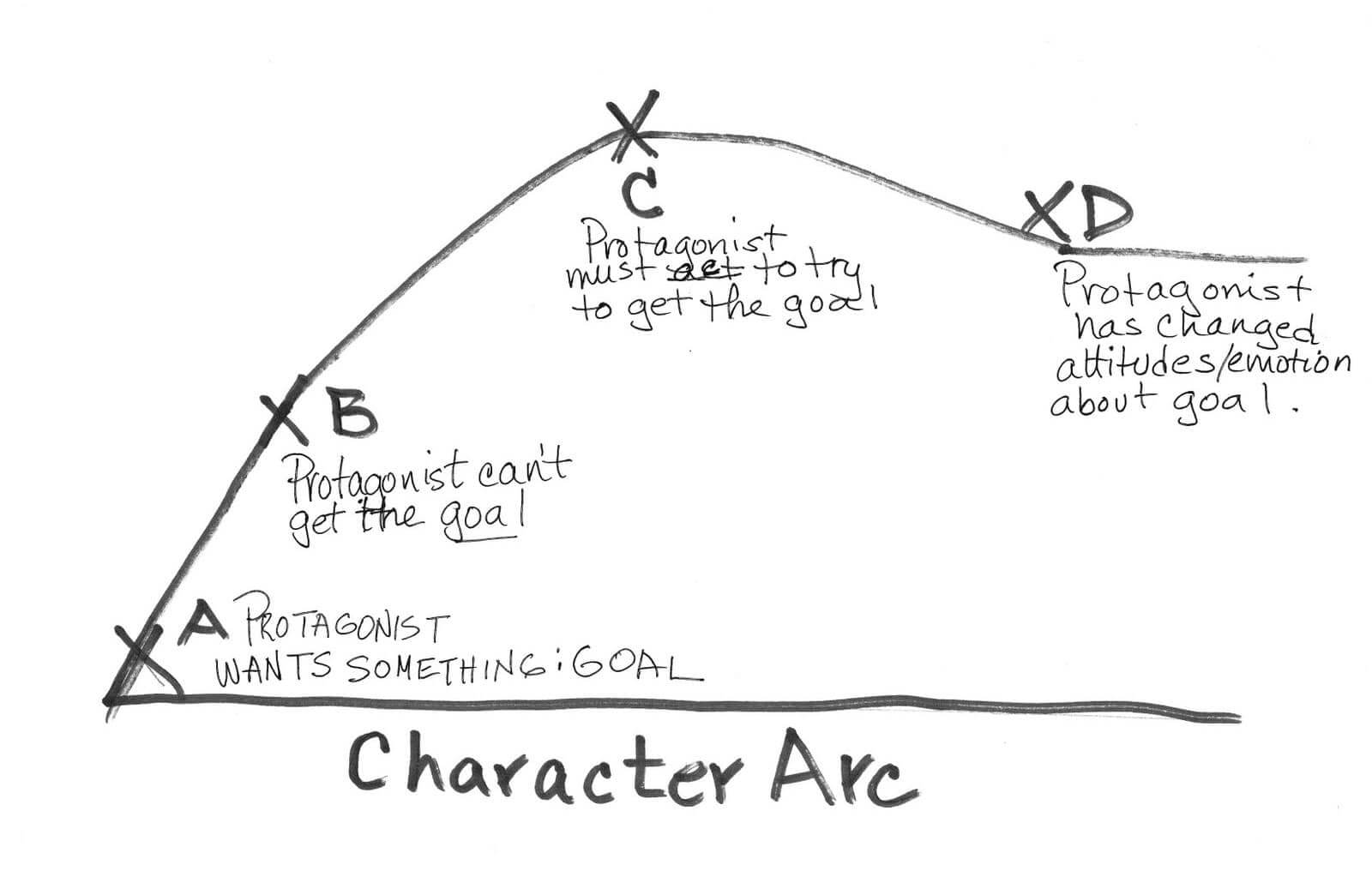


The Art of the Cinematic Plot Twist: Unraveling the Unseen
Plot twists hold a revered place in the history of cinema, a medium ceaselessly enthralling audiences with its ability to surprise and engage. From classic film noir to the sci-fi epics of the modern era, the unexpected narrative pivot is an art form unto itself. A well-crafted twist not only elicits a gasp of surprise but can redefine the entire narrative framework of a film. In this exploration of plot twists, we delve into what makes them effective, memorable, and, at times, controversial.
The essence of a plot twist lies in its capacity to subvert expectations, often executed by leading the audience down one path while ingeniously preparing an alternate route. Classic examples abound: think of Hitchcock's ability to disorient and mislead, masterfully exemplified in Psycho (1960). The infamous mid-film twist upends the typical suspense narrative by eliminating what seems to be the film’s protagonist in the first act. This audacious move not only shocked audiences but set a precedent for films to follow, proving twists can reshape the very structure of storytelling.
Not all plot twists serve the same purpose. Some are designed to deepen the audience's emotional investment in the characters and their journey. A poignant instance is M. Night Shyamalan's The Sixth Sense (1999), where the titular reveal serves not merely as a shock but as an introspective lens on themes of grief and redemption. The skillful final twist compels viewers to reassess the entire narrative, sparking discussions that linger long after the credits roll.
Historically, plot twists have also played a crucial role in genre evolution. In thrillers and mysteries, they become a strategic device to heighten tension and engagement. The 1995 neo-noir film The Usual Suspects exemplifies this through its infamous twist ending, which reframes the entire narrative and compels a second viewing to appreciate its intricacy. Such narrative juggling acts require a deft screenwriting hand, where every detail is meticulously crafted to ensure the twist feels both surprising and inevitable.
However, not every plot twist lands successfully, and poorly executed ones can alienate the audience. Twists that feel forced or unearned are often criticized for prioritizing shock value over narrative coherence. A plot twist must resonate with the film’s internal logic and enhance, rather than detract from, the story's overall impact. When this balance is struck, the twist doesn’t just surprise—it enriches, prompting reflections on the film’s deeper thematic elements.
As digital streaming platforms multiply, audiences have become more astute, frequently anticipating plot developments before they unfold. This has challenged filmmakers to craft increasingly sophisticated and layered twists, constantly pushing creative boundaries. Directors like Jordan Peele have risen to this challenge, using plot twists to explore societal and cultural issues within genre frameworks. Peele’s Get Out (2017) delivers its twists with scathing socio-political commentary, rendering them not just narrative devices but profound statements on race and identity.