Assassin's Creed Valhalla: A Complete Viking Saga
Introduction to Assassin's Creed Valhalla
Assassin's Creed Valhalla is a 2020 action-RPG that immerses players in the brutal and captivating world of Viking raiders. As the twelfth major installment in Ubisoft's iconic Assassin's Creed series, Valhalla follows the journey of Eivor, a fearless Norse warrior leading their clan from the harsh lands of Norway to the lush, war-torn territories of 9th-century England. This game marks a significant evolution in the franchise, blending historical storytelling with mythic Norse legends and the series' signature sci-fi elements.
Since its launch, Assassin's Creed Valhalla has received extensive post-launch support, including major expansions, seasonal events, and quality-of-life updates. With its final content updates rolling out in 2024–2025, Valhalla stands as one of the most expansive and content-rich entries in the series, offering players an unparalleled Viking experience.
The World and Story of Assassin's Creed Valhalla
A Viking's Journey to England
The game begins in Norway, where players take on the role of Eivor, a Viking raider seeking glory and a new home. Driven by conflict and the promise of fertile lands, Eivor leads their clan across the North Sea to England, a land divided by warring kingdoms. The narrative unfolds across four major regions—Wessex, Northumbria, East Anglia, and Mercia—each offering unique challenges, allies, and enemies.
The story is deeply rooted in historical events, particularly the Viking invasions of England, while also incorporating mythological elements. Players will encounter legendary figures such as King Alfred the Great and Ragnar Lothbrok, as well as Norse gods like Odin and Thor in surreal, dreamlike sequences.
Mythology and the Isu Connection
One of the standout features of Assassin's Creed Valhalla is its seamless integration of Norse mythology with the series' overarching Isu storyline. The Isu, an ancient precursor civilization, play a crucial role in the game's narrative, tying Eivor's journey to the broader Assassin's Creed lore. Players will explore mythic realms like Asgard and Jotunheim, where they witness pivotal moments from Norse legends.
These mythological segments are not just mere side quests; they are integral to understanding Eivor's connection to the Isu and the greater conflict between the Assassins and Templars. The blend of history, myth, and sci-fi creates a rich, multi-layered narrative that keeps players engaged from start to finish.
Gameplay and Mechanics
Combat and Progression
Assassin's Creed Valhalla continues the RPG direction established by its predecessors, Origins and Odyssey, but with a stronger emphasis on brutal, melee-focused combat. Eivor can wield a variety of weapons, including axes, swords, and shields, each offering distinct combat styles. The game's dual-wielding system allows players to combine different weapons for devastating effects, such as pairing a heavy axe with a light dagger for balanced offense and defense.
Progression is tied to a skill tree system, where players can unlock new abilities and enhance existing ones. Skills are divided into three main categories:
- Raven (stealth and ranged attacks)
- Bear (melee combat and defense)
- Wolf (hybrid and special abilities)
This system encourages players to tailor Eivor's playstyle to their preferences, whether they favor stealthy assassinations or all-out berserker raids.
Raids and Settlement Building
A defining feature of Assassin's Creed Valhalla is its raid mechanics. Players can lead their clan on raids against enemy settlements, monasteries, and fortresses, looting resources and expanding their influence. Raids are dynamic and strategic, requiring players to assess enemy defenses, plan their approach, and execute their attacks with precision.
The resources gathered from raids are used to develop and upgrade Ravensthorpe, Eivor's settlement in England. As the settlement grows, new buildings and facilities become available, unlocking additional quests, gear, and customization options. This settlement management system adds a layer of depth to the gameplay, giving players a sense of ownership and progression beyond the main story.
Stealth and Exploration
While Assassin's Creed Valhalla embraces its RPG roots, it also attempts to reclaim the series' stealth-action heritage. Players can utilize stealth mechanics to infiltrate enemy camps, assassinate targets silently, and avoid detection. Eivor's raven companion, Synin, plays a crucial role in scouting and marking enemies, adding a tactical element to stealth gameplay.
The game's open world is vast and filled with secrets, from hidden treasures to legendary beasts. Exploration is rewarded with gear upgrades, new abilities, and lore-rich discoveries. The world is designed to encourage curiosity, with dynamic weather systems and day-night cycles enhancing immersion.
Major Expansions and Post-Launch Content
Wrath of the Druids
The first major expansion, Wrath of the Druids, takes players to the emerald isles of Ireland. This DLC introduces a new storyline centered around the mystical Druids and their ancient secrets. Players will explore lush Irish landscapes, uncover hidden temples, and battle mythical creatures.
Wrath of the Druids also adds new gear, abilities, and a unique trade system, allowing players to establish trade routes and earn exclusive rewards. The expansion is praised for its atmospheric storytelling and the depth it adds to the game's mythological themes.
The Siege of Paris
The second major expansion, The Siege of Paris, shifts the setting to Francia, where players join a Viking army laying siege to the city of Paris. This DLC introduces a darker, more politically charged narrative, with Eivor navigating the complexities of war, betrayal, and intrigue.
The Siege of Paris features new weapons, enemies, and gameplay mechanics, including infiltration missions that emphasize stealth and strategy. The expansion is notable for its historical accuracy and the way it blends real-world events with the game's fictional narrative.
Dawn of Ragnarok
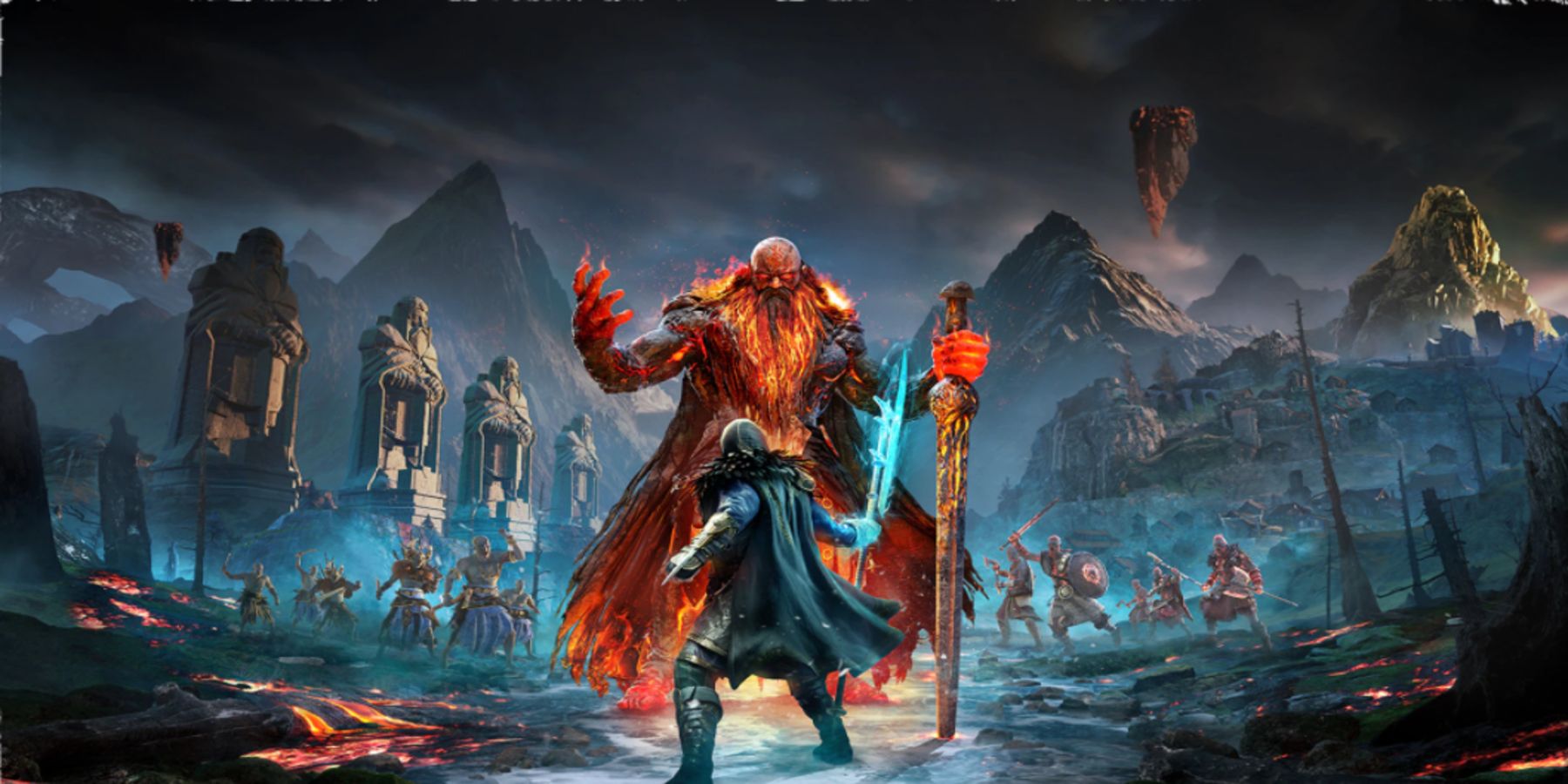
The most ambitious expansion, Dawn of Ragnarok, is a full-fledged mythic adventure that lets players step into the shoes of Odin himself. This DLC explores the Norse apocalypse, Ragnarok, and features a standalone storyline filled with godly powers, epic battles, and surreal landscapes.
Dawn of Ragnarok introduces new gameplay mechanics, such as godly abilities and enhanced combat options, making it a standout addition to the Assassin's Creed Valhalla experience. The expansion is often cited as a highlight of the game's post-launch content, offering a fresh and immersive take on Norse mythology.
Reception and Player Feedback
Critical Acclaim and Mixed Reviews
Assassin's Creed Valhalla has received mixed-to-positive reviews from critics and players alike. The game's narrative depth, world-building, and mythological integration have been widely praised, with many highlighting the emotional weight of Eivor's journey and the richness of the Viking setting.
However, criticisms have been leveled at the game's stealth mechanics and detection systems, which some players feel are underdeveloped compared to earlier entries in the series. Additionally, the shift toward RPG elements has divided fans, with some missing the tighter, more focused gameplay of classic Assassin's Creed titles.
Player Engagement and Longevity
One of the game's strongest points is its longevity. With a main story that can take 60–80 hours to complete and additional content pushing playtime to 100+ hours, Assassin's Creed Valhalla offers incredible value for players. The combination of the base game, expansions, and free updates ensures that there is always something new to discover.
The game's complete edition, which bundles all major expansions and additional content, is frequently featured in sales and promotions, making it an attractive option for both new and returning players. The extensive post-launch support has also helped maintain a vibrant community, with players sharing tips, mods, and custom content.
Conclusion and What's Next
Assassin's Creed Valhalla stands as a monumental achievement in the Assassin's Creed series, offering a rich blend of history, mythology, and RPG gameplay. Its expansive world, deep narrative, and extensive post-launch content make it a must-play for fans of the franchise and action-RPG enthusiasts alike.
As Ubisoft shifts its focus to smaller, more focused projects like Assassin's Creed Mirage, the legacy of Valhalla remains a testament to the studio's ambition and creativity. Whether you're a seasoned Viking warrior or a newcomer to the series, Assassin's Creed Valhalla promises an unforgettable journey through one of history's most fascinating eras.
Technical Features and Platform Performance
Visuals and Graphics
Assassin's Creed Valhalla leverages the power of modern gaming hardware to deliver stunning visuals. The game utilizes Ubisoft's AnvilNext engine, which has been enhanced to support realistic lighting, detailed textures, and dynamic weather effects. Players can expect breathtaking landscapes, from the rugged fjords of Norway to the lush forests of England, all rendered with impressive attention to detail.
The game supports 4K resolution and HDR on compatible platforms, providing a visually immersive experience. On PC, players can further enhance graphics with ray tracing, which adds realistic shadows and reflections. The art direction seamlessly blends historical accuracy with mythological elements, creating a world that feels both grounded and fantastical.
Performance Across Platforms
Assassin's Creed Valhalla is available on multiple platforms, including PC, PlayStation 4/5, Xbox One/Series X|S, and Stadia. Performance varies depending on the hardware, with next-gen consoles and high-end PCs offering the smoothest experience. Here’s a breakdown of performance across platforms:
- PlayStation 5 and Xbox Series X|S: These consoles deliver 60 FPS at 4K resolution, with faster load times and improved textures. The DualSense controller on PS5 enhances immersion with adaptive triggers and haptic feedback.
- PlayStation 4 and Xbox One: The game runs at 30 FPS with 1080p resolution. While performance is solid, load times are longer compared to next-gen consoles.
- PC: Offers the most customizable experience with support for ultra-wide monitors, DLSS, and unlocked frame rates. Players with high-end GPUs can achieve 1440p or 4K at 60+ FPS.
- Stadia: Provides a consistent 60 FPS experience at 1080p, with the convenience of cloud gaming.
Ubisoft has released numerous patches and updates to optimize performance across all platforms, addressing issues like frame rate drops and bugs. The game’s post-launch support has ensured that players on all systems can enjoy a polished experience.
Community and Modding Support
Player Community and Engagement
The Assassin's Creed Valhalla community remains active and engaged, thanks to the game's extensive content and Ubisoft's ongoing support. Players frequently share their experiences, strategies, and discoveries on platforms like Reddit, Steam forums, and Discord. The game’s photo mode has also become a favorite among players, allowing them to capture and share stunning in-game moments.
Ubisoft has fostered community engagement through seasonal events, such as the Yule Festival and Ostara Festival, which introduce limited-time quests, rewards, and cosmetic items. These events encourage players to return to the game and explore new content, keeping the community vibrant and active.
Modding and Custom Content
On PC, Assassin's Creed Valhalla has a thriving modding scene. Players have created a variety of mods that enhance graphics, gameplay, and even add new content. Some popular mods include:
- Graphical Enhancements: Mods that improve textures, lighting, and weather effects for an even more immersive experience.
- Gameplay Tweaks: Adjustments to combat mechanics, difficulty, and progression systems to suit different playstyles.
- New Quests and Items: Community-created content that adds new missions, weapons, and armor sets.
- Quality-of-Life Improvements: Mods that streamline inventory management, fast travel, and other in-game systems.
Websites like Nexus Mods host a wide range of mods, making it easy for players to customize their experience. The modding community continues to expand, ensuring that Assassin's Creed Valhalla remains fresh and exciting long after its official support ends.
Comparisons with Other Assassin's Creed Games
Evolution of the Series
Assassin's Creed Valhalla represents a significant evolution in the Assassin's Creed series, building on the RPG foundations laid by Origins and Odyssey. Unlike earlier titles, which focused on stealth and parkour, Valhalla emphasizes melee combat, settlement management, and open-world exploration.
Here’s how Valhalla compares to its predecessors:
- Assassin's Creed Origins (2017): Introduced RPG mechanics like leveling, loot, and skill trees. Valhalla expands on these systems with deeper progression and more customization options.
- Assassin's Creed Odyssey (2018): Focused on naval combat and large-scale battles. Valhalla shifts the focus to land-based raids and settlement building.
- Assassin's Creed Syndicate (2015): A more traditional stealth-action game. Valhalla retains some stealth elements but prioritizes RPG and combat mechanics.
Strengths and Weaknesses
Assassin's Creed Valhalla has been praised for its narrative depth, world design, and post-launch content. The game’s mythological segments, particularly in the Dawn of Ragnarok expansion, have been highlighted as some of the best in the series. However, the game is not without its criticisms:
- Stealth Mechanics: Some players feel that the stealth systems are weaker compared to earlier titles, with detection AI being less refined.
- Inventory Management: The game’s loot system can feel overwhelming, with too many items to manage.
- Repetitive Side Content: While the main story is engaging, some side quests and activities can feel repetitive.
Despite these criticisms, Assassin's Creed Valhalla is widely regarded as one of the most ambitious and content-rich entries in the series. Its blend of history, mythology, and RPG gameplay sets it apart from other open-world titles.
Tips and Strategies for New Players
Getting Started
For new players diving into Assassin's Creed Valhalla, here are some essential tips to enhance your experience:
- Explore Thoroughly: The game’s world is filled with hidden treasures, secrets, and side quests. Take your time to explore and uncover everything.
- Upgrade Your Settlement: Invest in Ravensthorpe early to unlock new buildings, quests, and gear.
- Experiment with Combat Styles: Try different weapons and abilities to find a playstyle that suits you, whether it’s stealth, melee, or ranged combat.
Advanced Strategies
Once you’re familiar with the basics, consider these advanced strategies to maximize your efficiency:
- Prioritize Skill Upgrades: Focus on unlocking abilities that complement your playstyle, such as stealth takedowns or heavy melee attacks.
- Use Your Raven: Synin, your raven companion, is invaluable for scouting and marking enemies. Use her to plan your approach before raids.
- Engage in Raids: Raids are a great way to gather resources and gear. Coordinate with your crew to take down enemy strongholds efficiently.
By following these tips, you’ll be well-equipped to tackle the challenges of Assassin's Creed Valhalla and make the most of your Viking adventure.
The Future of Assassin's Creed
Upcoming Titles and Trends
With Assassin's Creed Valhalla nearing the end of its post-launch support, Ubisoft is shifting its focus to new projects. The next major title, Assassin's Creed Mirage, promises a return to the series' stealth-action roots, with a smaller, more focused open world set in Baghdad.
Additionally, Ubisoft has announced Assassin's Creed Codename Red, a larger-scale RPG set in feudal Japan, and Assassin's Creed Codename Hexe, which explores witch trials in early modern Europe. These upcoming titles indicate a diverse and exciting future for the franchise.
Legacy of Valhalla
Assassin's Creed Valhalla has left a lasting impact on the series, demonstrating the potential of blending historical storytelling with mythological elements. Its extensive post-launch support and community engagement have set a new standard for Assassin's Creed games.
As the franchise continues to evolve, the lessons learned from Valhalla will undoubtedly influence future titles. Whether you're a longtime fan or a newcomer, the world of Assassin's Creed Valhalla offers an unforgettable journey that stands as a testament to the series' enduring appeal.
Assassin's Creed Valhalla: Expansions Deep Dive
Dawn of Ragnarok: A Mythic Masterpiece
The Dawn of Ragnarok expansion stands as one of the most ambitious additions to Assassin's Creed Valhalla. This DLC transports players into the heart of Norse mythology, allowing them to embody Odin himself. The expansion introduces a entirely new narrative arc centered around the prophecy of Ragnarok, the apocalyptic battle that will decide the fate of the gods.
Gameplay in Dawn of Ragnarok is distinct from the base game, featuring godly powers such as the ability to wield fire and lightning, as well as new combat mechanics that emphasize brutal, over-the-top battles. The expansion also introduces a fresh set of enemies, including mythical creatures like fire giants and dark elves, each requiring unique strategies to defeat.
The world design in Dawn of Ragnarok is equally impressive, with surreal landscapes that blend Norse mythology with the game's existing lore. Players will explore Svartalfheim, the realm of the dwarves, and other mythical locations, each filled with secrets, puzzles, and powerful artifacts. The expansion's narrative depth and visual spectacle make it a must-play for fans of Assassin's Creed Valhalla.
Wrath of the Druids: Ireland's Mystical Adventures
Wrath of the Druids takes players to the lush, green landscapes of Ireland, where they must uncover the secrets of a powerful druidic cult. This expansion introduces a new storyline filled with intrigue, betrayal, and ancient magic. Players will encounter mythical beasts, solve intricate puzzles, and engage in battles that test both their combat skills and strategic thinking.
One of the standout features of Wrath of the Druids is its trade system, which allows players to establish trade routes between Ireland and England. This mechanic adds a layer of economic strategy to the game, as players must manage resources and negotiate with local leaders to expand their influence. The expansion also includes new gear, abilities, and a unique druidic armor set that enhances magical abilities.
The world of Wrath of the Druids is richly detailed, with dense forests, ancient ruins, and bustling villages that bring Ireland to life. The expansion's focus on Celtic mythology and folklore adds depth to the game's narrative, making it a compelling addition to the Assassin's Creed Valhalla experience.
Assassin's Creed Valhalla: The Complete Experience
Why Valhalla Stands Out
Assassin's Creed Valhalla distinguishes itself from other entries in the series through its unparalleled scope and depth of content. The game offers a vast open world filled with diverse landscapes, from the snowy peaks of Norway to the rolling hills of England. This world is brought to life by a rich narrative that seamlessly blends historical events with Norse mythology.
The game's RPG mechanics are another standout feature. Players can customize Eivor's skills, gear, and playstyle to suit their preferences, whether they favor stealthy assassinations or all-out melee combat. The settlement system adds a unique layer of strategy, as players must manage resources, build structures, and forge alliances to ensure their clan's survival.
Additionally, Assassin's Creed Valhalla benefits from extensive post-launch support, including major expansions, seasonal events, and quality-of-life updates. This ongoing support has ensured that the game remains fresh and engaging, even years after its initial release.
Player Freedom and Replayability
One of the key strengths of Assassin's Creed Valhalla is its emphasis on player freedom. The game's open-world design encourages exploration and experimentation, allowing players to approach challenges in multiple ways. Whether it's infiltrating a fortress stealthily or leading a full-scale raid, the game offers a variety of playstyles to suit different preferences.
The game's replayability is further enhanced by its vast array of side quests, collectibles, and hidden secrets. Players can spend hundreds of hours exploring every corner of the world, uncovering hidden treasures, and completing optional content. The New Game Plus mode, introduced in a post-launch update, allows players to experience the story again with enhanced difficulty and new challenges.
For those seeking an even greater challenge, the game offers a hardcore difficulty mode that removes HUD elements and increases enemy aggression. This mode is designed for experienced players looking to test their skills and immerse themselves fully in the Viking experience.
Assassin's Creed Valhalla: Community and Esports
Community Challenges and Events
The Assassin's Creed Valhalla community has been kept engaged through a series of live events and challenges. Ubisoft has introduced seasonal events such as the Yule Festival, which celebrates the Norse winter solstice with unique quests, rewards, and cosmetic items. These events encourage players to return to the game and participate in community-wide activities.
Another notable event is the Ostara Festival, which celebrates the arrival of spring with themed quests and challenges. These events not only add new content but also foster a sense of community among players, as they work together to achieve common goals and unlock exclusive rewards.
The game's photo mode has also become a popular feature among the community. Players can capture and share stunning in-game moments, showcasing the game's breathtaking landscapes and intricate details. This feature has led to a thriving community of photographers and content creators who continue to highlight the beauty of Assassin's Creed Valhalla.
The Rise of Valhalla in Esports
While Assassin's Creed Valhalla is primarily a single-player experience, it has also made inroads into the world of esports. Ubisoft has organized competitive events and tournaments that challenge players to complete specific tasks, such as speedrunning raids or achieving high scores in combat challenges.
These events have garnered a dedicated following, with players competing for prizes and recognition. The game's combat mechanics and strategic depth make it well-suited for competitive play, as players must master a variety of skills to succeed. The esports scene for Assassin's Creed Valhalla continues to grow, with more tournaments and community-driven competitions on the horizon.
Assassin's Creed Valhalla: Final Verdict and Legacy
Key Takeaways
Assassin's Creed Valhalla is a landmark title in the Assassin's Creed series, offering an unparalleled blend of historical storytelling, mythological exploration, and RPG gameplay. The game's vast open world, deep narrative, and extensive post-launch support make it a standout entry that has captivated players worldwide.
Here are the key takeaways from the Assassin's Creed Valhalla experience:
- Expansive World: A richly detailed open world filled with diverse landscapes, historical landmarks, and hidden secrets.
- Deep Narrative: A compelling story that blends historical events with Norse mythology and the series' signature sci-fi elements.
- RPG Mechanics: Customizable skills, gear, and playstyles that allow for a personalized gaming experience.
- Post-Launch Support: Major expansions, seasonal events, and quality-of-life updates that have kept the game fresh and engaging.
- Community Engagement: A vibrant community that continues to share experiences, strategies, and custom content.
The Lasting Impact of Valhalla
Assassin's Creed Valhalla has set a new standard for the Assassin's Creed series, demonstrating the potential of blending historical accuracy with mythological storytelling. The game's success has paved the way for future titles, such as Assassin's Creed Mirage and Assassin's Creed Codename Red, which promise to build on the foundations laid by Valhalla.
The game's legacy is not just in its content but also in its community. Players have formed lasting connections through shared experiences, competitive events, and creative endeavors. The world of Assassin's Creed Valhalla continues to inspire and engage, ensuring that its impact will be felt for years to come.
A Viking Saga Worth Remembering
In conclusion, Assassin's Creed Valhalla is more than just a game—it's an epic journey through one of history's most fascinating eras. From the brutal raids of Viking warriors to the mythic battles of Norse gods, the game offers an experience that is as immersive as it is unforgettable. Whether you're a longtime fan of the series or a newcomer to the world of Assassin's Creed, Valhalla delivers a saga worth remembering.
As the sun sets on Assassin's Creed Valhalla's post-launch support, its legacy endures. The game has redefined what it means to be a Viking, blending history, myth, and adventure into a seamless and captivating experience. For those who have embarked on Eivor's journey, the memories of Assassin's Creed Valhalla will linger long after the final battle is fought.


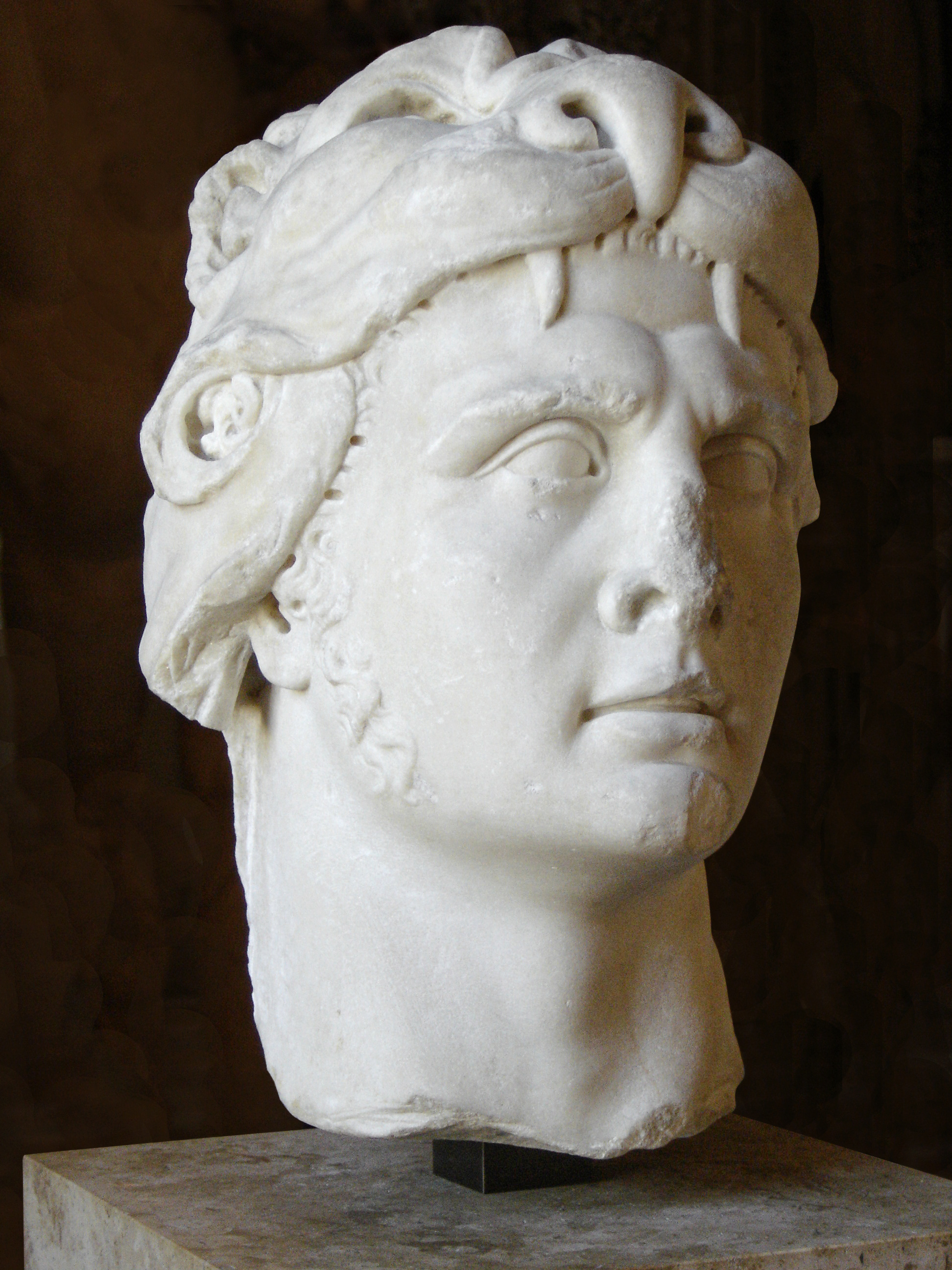
Mithridates VI Eupator: The Poison King and Enemy of Rome
Mithridates VI Eupator, commonly known as Mithridates the Great, was one of the most formidable kings of Pontus in the first centuries BCE. His reign, spanning from approximately 120 to 63 BCE, saw him expand the borders of his kingdom and engage in fierce conflicts against Rome's mightiest military commanders. The term "poison king" is often associated with him due to his rumored ability to develop an immunity to poisons through systematic self-experimentation.
Early Life and Rise to Power
Born to Mithridates V of Pontus and Laodice, Mithridates VI came into a dynasty with deep roots in Anatolia and the broader Near East. Claiming descent from both Persian and Hellenistic lines, he ruled over a culturally mixed realm where Greek city institutions coexisted with local Anatolian, Iranian, and Scythian traditions. His early life and youth were marked by a strategic approach to governance that would serve him well throughout his reign.
Following his father's death, Mithridates VI inherited a realm that was already a significant Hellenistic state on the Black Sea rim. He quickly consolidated power, expanding Pontus into a major regional power through strategic alliances and successful military campaigns. By the time of his accession to full kingship around the mid-130s BCE, he had established a powerful kingdom that encompassed not only Pontus proper but also neighboring regions such as the Crimean Bosporus and Colchis.
The Mithridatic Wars
Mithridates VI's encounters with Rome began with the First Mithridatic War (89–85 BCE) during the final years of the Social War between Rome and her Italian allies. This war was sparked by the perceived threat to Roman interests in Asia Minor and ended with the defeat of Pontic forces at the Battle of Zela in 67 BCE under Marcus Licinius Murena, who gained a notorious victory by massacring 7,000 prisoners, an episode that deeply affected Roman public opinion towards Mithridates.
The Second Mithridatic War (83–81/74 BCE) was marked by renewed hostilities as Mithridates sought to exploit Rome's preoccupation with wars elsewhere. Lucius Licinius Lucullus, a Roman consul, was assigned to the east, and despite initial Roman victories at Ancyra and Tigrana, the war ended inconclusively, leading to peace negotiations mediated by Pompey the Great.
The Third Mithridatic War (75/73–63 BCE) was the most intense and protracted of Mithridates' conflicts with Rome. Faced with threats from multiple fronts, including Rome itself under Sulla and his supporters back in Italy, Mithridates had to defend his kingdom and fight against Pompey. Pompey's final victory over Mithridates in 63 BCE marked the end of the Mithridatic Wars and signified the effective control of Pontus by Rome.
The Legend of the Poison King
Apart from his military prowess, Mithridates VI was renowned for what his detractors called his audacious and potentially dangerous habit of consuming small amounts of poison to build immunity to toxins. This legend has given him the epithet "Mithridates the Poison King." However, this claim is largely based on ancient sources imbued with propaganda and has been subject to scrutiny by modern toxicology experts.
According to tradition, Mithridates conducted experiments on his subjects and himself to discover antidotes and gain resistance against poison. His quest is said to have culminated in the creation of a powerful antidote known as mithridatium. While the efficacy of such an antidote remains debated, the narrative serves as a testament to his fearlessness and determination to protect himself and his people.
Final Days and Legacy
In the final years of his reign, Mithridates VI faced a grave challenge from his own household. Revolts within his kingdom, particularly led by his son Pharnaces II, led to a situation where even his closest advisors turned against him. Facing defeat by Pompey, who had succeeded Sulla as Rome's dominant figure, Mithridates fled to the Bosporan Kingdom, where he was betrayed by his son. Accounts vary regarding the circumstances of his death, with some versions suggesting he attempted suicide by poison without success, leading to his eventual killing by a Gallic mercenary.
Upon learning of his death, Pompey treated Mithridates with respect, sending his body to be interred at Sinope, the chief port of Pontus. His final resting place remains a poignant reminder of the end of an era of independent Pontic power.
Mithridates VI's final defeat did not erase his legacy. He stands as a symbol of anti-Roman resistance in later Roman historiography and literature, inspiring admiration and fear in equal measure. His military genius, strategic acumen, and resilience continue to captivate historians and scholars to this day, offering insights into the complex geopolitics of the Late Hellenistic world.
Diplomacy and Resistance
Mithridates VI's diplomatic strategy was multifaceted and aimed at maintaining independence and influencing events to his advantage. He fostered strong ties with various local dynasties, including Tigranes II of Armenia, who became a strategic ally. Through such alliances, Mithridates secured access to additional military resources and diplomatic leverage against Rome.
Mithridates also capitalized on divisions among Roman generals and politicians. This was evident during the First and Second Mithridatic Wars, where he aligned with different Roman commanders to suit his objectives. In the Third Mithridatic War, he exploited the tensions within Rome, particularly leveraging the rivalry between Pompey and Sulla.
Another critical aspect of Mithridates' diplomacy was the manipulation of ethnic and religious sentiments within the region. He played a significant role in nurturing anti-Roman sentiment among Greek cities in Asia Minor, fostering a sense of shared grievance and common cause against perceived Roman oppression. These efforts not only bolstered his own position but also created a broader coalition of resistance to Roman expansionism.
The Asiatic Massacres of 88–87 BCE
Mithridates' relationship with Rome reached its nadir with the infamous Asiatic Massacres of 88–87 BCE. In a shocking display of violence, Mithridates or his allies carried out a wave of massacres across Asia Minor, targeting Romans, Italians, and other foreigners. Estimates vary widely, with some suggesting tens of thousands of individuals were killed. The scale and organization of the massacres remain disputed and are still a topic of historical debate, but the incident was a turning point in shaping the Roman response to Pontic aggression.
The aftermath of the massacres galvanized Rome to mount a vigorous counter-campaign, leading to the dispatch of major military forces to the East. The devastation wrought by these events underscored the gravity of the threat posed by Mithridates and heightened Roman resolve to subdue Pontus.
Strategic Challenges and Internal Court Dynamics
Mithridates' reign was not without its internal challenges. Despite his formidable external enemies, he faced significant pressures from within his own court and administration. Court politics were intricate and fraught with potential betrayals and defections. For instance, his son Pharnaces II became a formidable opponent, both on and off the battlefield, challenging his father’s rule and eventually leading to his downfall.
To maintain loyalty among his vassals and nobles, Mithridates implemented policies designed to integrate diverse cultural and linguistic groups within his kingdom. This included promoting Greek city institutions while also preserving local cultural elements. Such efforts helped to stabilize Pontus during turbulent periods of conflict and external pressure.
The Cultural and Artistic Patronage
Aside from military and political endeavors, Mithridates VI was also a prolific patron of arts and culture. He supported the development of Hellenistic art and architecture, encouraging the construction of temples, theaters, and other cultural institutions that reflected the cosmopolitan nature of Pontus. His courts were centers of intellectual discourse, attracting poets, philosophers, and artists from across the Mediterranean world.
The legacy of Mithridates VI extends beyond military and political achievements. His patronage of the arts and promotion of cultural exchange contributed significantly to the rich tapestry of Hellenistic civilization in the Black Sea region. Artifacts from this period provide valuable insights into the daily lives and cultural practices of Pontic society.
Mithridates in Modern Historiography
The legacy of Mithridates VI continues to be a subject of extensive scholarly inquiry. Modern historians, toxicologists, and archaeologists contribute to a more nuanced understanding of his reign. Recent interdisciplinary work seeks to challenge the traditional narrative, questioning the feasibility of acquiring full immunity to complex poisons.
Advances in toxicological research have provided new perspectives on the plausibility of the "mithridatism" hypothesis. While anecdotal evidence abounds, modern analysis suggests that developing complete immunity to various poisons is highly improbable. Instead, the narrative likely reflects a combination of propaganda and the actual use of antidotes during emergencies.
Economic and Strategic Resources
Mithridates VI leveraged Pontus's strategic location and rich resources to sustain his military campaigns. The kingdom’s proximity to the fertile Black Sea basin and its extensive trade networks ensured a steady flow of goods and wealth. Additionally, Pontus had access to key naval ports, which allowed Mithridates to control sea routes and supply his armies effectively.
The use of naval power was particularly crucial during times of conflict. Mithridates capitalized on the Black Sea’s advantageous geography, using fleets to transport supplies, reinforcements, and troops across the region. This capability was instrumental in his campaigns, especially during the Third Mithridatic War.
Conclusion and Reflection
The reign of Mithridates VI Eupator was defined by a relentless struggle against Rome, combined with strategic brilliance, cultural ambition, and complex internal dynamics. While his efforts ultimately fell short of achieving independent statehood for Pontus, his legacy endures. He is remembered as a skilled tactician, a diplomat, and a cultural patron whose actions reshaped the geopolitical landscape of the Near East.
The study of Mithridates VI continues to offer valuable lessons for historians and political scientists. His strategic decisions and the ways in which he managed his kingdom provide a window into the complexities of Late Hellenistic politics and warfare. As modern scholars grapple with the nuances of ancient sources and the limitations of historical evidence, Mithridates IV's story remains a fascinating subject of inquiry, blending military heroics with the subtleties of cultural and political maneuvering.
In conclusion, Mithridates VI Eupator’s life and reign exemplify the enduring power of the individual in shaping the course of history, even in the face of overwhelming external challenges.
Interdisciplinary Perspectives and Recent Research
The study of Mithridates VI Eupator continues to evolve through the lens of interdisciplinary approaches. Toxicologists and historians collaborate to reassess the traditional narrative of his immunity to poisons. Recent interdisciplinary critiques suggest that the story of mithridatism may be more rooted in propaganda and less in verifiable historical fact. Experimental toxicology has shown that complete immunity to complex poisons is highly unlikely, challenging the prevailing view.
Researchers are also examining the economic and social structures of Pontus during Mithridates’ reign. Archaeological findings, including coins, inscriptions, and architectural remnants, provide valuable insights into the administrative and cultural practices of his kingdom. These materials help to refine our understanding of Pontic society and the ways in which Mithridates managed his diverse subjects.
Modern Historical Reassessments
Recent historical studies have placed Mithridates VI in the context of comparative late-Hellenistic and Roman-Republic politics. Scholars analyze his ability to mobilize multiethnic armies and employ sophisticated diplomatic strategies. Internal court politics and the influence of local elites play a significant role in these assessments. Notably, the relationship between Mithridates and his son Pharnaces II, a source of internal strife, is now understood within the broader context of dynastic and personal rivalries.
Modern historians also examine the scale and organization of the Asiatic Massacres. While the exact number of victims remains uncertain, the incident is seen as a pivotal moment in Roman-Pontic relations. The massacres galvanized Roman unity and strengthened the resolve for decisive action against Mithridates VI.
Legacy and Reception
As a symbol of anti-Roman resistance, Mithridates VI remains an iconic figure in modern literature and historiography. He is frequently portrayed in novels and films as a charismatic warrior-king who defied the might of the Roman Empire. The notion of the "poison king" has captured popular imagination, although scholarly discussions emphasize the complexity and ambiguity of his legacy.
Research into numismatics, inscriptions, and local histories continues to shed light on Mithridates’ reign. Numismatic evidence, for example, provides insights into the economic policies and propaganda strategies employed by the Pontic court. Inscriptions from various locations, including temples and public buildings, reveal aspects of governance and cultural practices that were integral to Mithridates’ rule.
The Pontic Legacy
Mithridates VI left behind a legacy that transcends the immediate context of Pontus. His reign set a precedent for regional resistance against external hegemony, influencing subsequent generations of leaders. The cultural and artistic patronage of Pontus continues to be studied for its contributions to Hellenistic civilization. Sites such as Sinope and Trabzon, important in Mithridates’ time, remain significant historical and cultural landmarks.
Challenges and Controversies
Despite the wealth of historical evidence, there remain significant challenges and controversies surrounding Mithridates VI's reign. Reliable casualty figures and casualty scales from the Mithridatic Wars remain contentious. Modern historians approach these figures critically, seeking corroborating evidence from inscriptions, coin finds, and archaeological contexts. The extent of his influence on the broader historical narrative remains a subject of debate, with different perspectives offering varying interpretations of his strategic and diplomatic achievements.
Final Thoughts
Mithridates VI Eupator stands as a complex figure in the annals of history. His story is one of resilience, innovation, and conflict. While his efforts to maintain Pontus' independence were ultimately unsuccessful, his legacy endures. He is remembered not just as a military leader but as a master of diplomacy, a patron of arts and culture, and a symbol of resistance.
As historians continue to uncover new evidence and reinterpret existing sources, the image of Mithridates VI is likely to evolve. His reign remains a rich field for scholarly investigation, offering a deeper understanding of the political and social dynamics of Late Hellenistic and Roman-Republic worlds.
The study of Mithridates VI Eupator continues to enrich our understanding of the multifaceted challenges faced by rulers in the ancient Mediterranean. His life and legacy remind us of the enduring power of historical inquiry and the importance of interdisciplinary approaches in unraveling the complexities of human history.
Mithridates VI’s legacy is a testament to the enduring impact of individual leadership in shaping the course of history. As we continue to explore the layers of his story, his image is likely to take on new dimensions, enriching our appreciation of the rich and diverse world of ancient Pontus.



Fantasy Worlds in Film: A Global Phenomenon
As we stand on the cusp of 2026, the world of filmmaking continues to be profoundly influenced by the enduring appeal of fantasy. From grand epics to whimsical animations, the genre thrives with each passing year, captivating audiences across the globe. The landscape of fantasy films is vast and diverse, encompassing a range of subgenres from high fantasy and magical realism to urban fantasy and hybrid genres.
The Rise of Fantasy Films
Fantasy films have long held a special place in popular culture, providing escapism and a sense of wonder. Their ability to transport viewers into entirely new realms of possibility makes them particularly appealing to diverse audiences. The genre’s allure lies not only in its fantastical elements but also in its exploration of universal themes such as love, loss, heroism, and the struggle between good and evil.
The High-Grossing Success Stories
One of the most remarkable achievements in recent years is the global box office performance of Ne Zha 2, which broke the box office records with an impressive $2.2 billion in 2025. This achievement underscores the enduring popularity and international appeal of fantasy films. Other high-grossing franchises, such as the Wizarding World (including Harry Potter and Fantastic Beasts series), have cumulatively earned an astounding $9.6 billion from their eleven films, cementing their status as the highest-grossing fantasy franchises of all time.
Trends and Innovations
The landscape of fantasy filmmaking is continually evolving, driven by advancements in technology and evolving audience preferences. These trends reflect the creative and business decisions of filmmakers aiming to push boundaries and maintain relevance.
Franchise Expansions and Reboots
One key trend in fantasy films is the proliferation of franchise expansions and reboots. Titles like Jurassic World: Rebirth and ongoing projects related to the Wizarding World demonstrate the power of established franchises. These reboots often introduce fresh elements while still catering to the loyal fan base, ensuring sustained interest and revenue streams. The success of these projects highlights the market’s appetite for familiar yet innovative storytelling.
Animated Fantasies
The animated segment of the fantasy film industry continues to be a powerhouse, with sequels and new entrants performing extraordinarily well. Zootopia 2 is an excellent example, grossing $589 million worldwide. Such strong performances in animated fantasy suggest that storytelling techniques rooted in the fantasy genre resonate deeply with younger audiences and families alike. Similarly, School of Magical Animals 4 further illustrates the profitability and cultural reach of these types of films.
Musical Fantasies
The inclusion of musical elements within fantasy films is another growing trend. Films like Wicked: For Good stand out, blending traditional theatrical music with the fantastical storytelling found in these genres. This combination appeals to cinephiles interested in both musical performances and immersive cinematic experiences, potentially expanding the film’s audience to include theater fans.
Technological Advancements
The evolution of filmmaking technology has played a crucial role in the development and visual spectacle of modern fantasy films. Advances in computer-generated imagery (CGI) and visual effects (VFX) have made it possible to construct breathtaking fantasy worlds that would be difficult, if not impossible, to create otherwise. Films such as Ne Zha 2 exemplify how intricate digital sets and characters can draw audiences into enchanting landscapes and epic narratives.
Innovative Visual Effects
The use of cutting-edge technology ensures that even the wildest imaginings can become tangible on screen. Techniques like real-time rendering and virtual production allow filmmakers to experiment freely without the constraints of physical sets, leading to more dynamic and engaging productions. Examples of this can be seen in the Jurassic World: Rebirth series, where the fusion of live-action and CGI creates a seamless experience for viewers.
Cultural Impact and Audience Engagement
In the age of globalization, fantasy films play a significant role in cross-cultural exchange and understanding. They provide a common ground for diverse audiences around the world, fostering empathy and curiosity about different cultures and mythologies. Films such as Ne Zha 2, which drew massive crowds in China, highlight how fantasy can serve as a unifying narrative force.
Beyond their financial success, these films often spark discussions and inspire creative endeavors in literature, art, and even social movements. The themes explored in fantasy films—such as the fight against injustice, the power of love, and the quest for identity—resonate with people’s personal experiences and broader socio-political contexts.
The Future of Fantasy Filmmaking
The trajectory of fantasy filmmaking appears promising, with continued emphasis on expanding franchises, introducing new stories, and capitalizing on emerging technologies. As audiences’ tastes evolve and global markets expand, fantasy films will undoubtedly remain a cornerstone of the entertainment industry. The genre’s blend of escapism and profound storytelling ensures that it will continue to captivate imaginations worldwide for generations to come.
In the coming years, we can expect an increased focus on cross-media collaborations, the rise of new talent, and further developments in storytelling and visual arts. As technologies advance, the horizon for creating even more immersive and expansive fantasy worlds becomes ever brighter.
Exploring New Genres and Themes in Fantasy Films
As fantasy filmmaking continues to mature, we see a growing appetite for exploring new genres and themes that push the boundaries of the established tropes. Urban fantasy, magical realism, and hybrid genres are becoming increasingly prominent, offering filmmakers creative freedom to explore fresh narratives and settings.
Urban Fantasy
Urban fantasy blends the gritty realities of contemporary cityscapes with magical and mythical elements, creating a unique blend that resonates with modern sensibilities. Films like The Last Days of Magic and Night Shift in the Mystic City showcase the potential of this genre, delving into themes of isolation, technological advancement, and the clash between science and magic. These movies often feature everyday locations transformed by otherworldly occurrences, making them relatable yet fantastical. The genre’s strength lies in its ability to comment on real-world issues through the lens of magic, providing a fresh perspective on timeless stories.
Magical Realism
Magical realism, another subgenre gaining traction, blurs the line between the ordinary and the extraordinary. Films such as The Golden Compass (2007) and The Chronicles of Amber (2020) embrace the concept of the fantastic as a fundamental aspect of reality. These movies emphasize the integration of magical elements into everyday life without explanation, creating a nuanced and believable world. Magical realism allows filmmakers to explore complex human emotions, philosophical questions, and societal critiques underpinned by the backdrop of the magical.
Hybrid Genres
The blending of fantasy with other genres opens up a wealth of storytelling possibilities. For instance, The Chronicles of Amber, a mix of action-adventure and fantasy, combines intense battles and mystical powers with heart-pounding action sequences. Meanwhile, The Timekeepers’ Tale, a combination of science fiction and fantasy, explores time travel and its consequences, creating a rich tapestry of futuristic and magical elements. Hybrid genres enable filmmakers to tackle multifaceted stories, combining the best of various genres to captivate and engage diverse audiences.
The Role of Technology in Fantasy Filmmaking
The technological advancements in filmmaking continue to transform fantasy films, offering unprecedented creative opportunities. Advanced CGI and VFX are now integral tools that help directors visualize and bring to life the most imaginative concepts. Technologies like motion capture, real-time rendering, and advanced lighting systems ensure that fantastical worlds feel more tangible and immersive than ever before.
Real-Time Rendering
Real-time rendering is reshaping the way filmmakers approach VFX. It allows for immediate visual feedback during the filming process, enabling smoother editing and faster revisions. This technology is particularly beneficial for complex action scenes and large-scale environmental setups, ensuring that the final product matches the director’s vision with precision. Movies like Ne Zha 2 and Harry Potter and the Cursed Child demonstrate how seamlessly real-time rendering integrates with traditional filmmaking techniques to create stunning visual effects.
Virtual Production
Virtual production, involving the use of LED stages and virtual cameras, offers a revolutionary approach to shooting large-scale fantasy scenes. Directors can pre-visualize entire scenes using 3D models and lighting rigs, allowing for more efficient shooting and post-production processes. Virtual production also enhances collaboration among all departments, from cinematography to costume design, ensuring cohesive storyboarding and set design. The film The Mandalorian exemplifies how virtual production can achieve breathtaking visuals while maintaining practicality and budget efficiency.
Fantasy Films as Cultural Icons
Beyond their entertainment value, fantasy films often emerge as cultural icons, shaping public consciousness and social discourse. These movies frequently serve as reflections of current societal concerns and aspirations, mirroring and influencing the zeitgeist. The success of films like The Lord of the Rings trilogy and Harry Potter series speaks to their ability to transcend mere entertainment and become symbols of cultural identity and heritage.
Social Commentary and Critical Issues
Magic, myth, and the fantastical setting serve as ideal conduits for addressing real-world issues. Fantasy films can offer a safe space to explore delicate topics, such as discrimination, inequality, and environmental concerns, without fear of censorship or backlash. For instance, The Hunger Games and The Witcher delve into themes of social justice and power dynamics, inspiring discussions and raising awareness about pressing societal issues. This capacity aligns fantasy films with broader cultural movements and dialogues.
Cultural Heritage and Diversity
Fantasy films also act as vehicles for preserving and celebrating cultural heritage. Adaptations of classic mythologies and folklore from diverse cultural backgrounds introduce audiences to rich narratives and historical contexts. For example, Chinese adaptations such as Ne Zha 2 and Kong: The Secret Serpent present traditional stories in modern settings, appealing to both local and international audiences. Filmmakers from underrepresented communities are increasingly telling their own stories through fantasy, enriching the genre with new perspectives and voices.
The Business of Fantasy Films
The business model behind fantasy films has adapted to meet changing market demands and technological advancements. Distribution strategies, marketing campaigns, and content creation are now more interdependent than ever, ensuring optimal reach and engagement.
Digital Distribution and Streaming
The rise of streaming platforms has transformed how fantasy films are consumed. Services like Netflix, Amazon Prime, and Disney+ offer a wider reach and flexibility in content delivery. For instance, Stranger Things and The Witcher have gained immense popularity through streaming, showcasing how these platforms can incubate and promote fantasies with global appeal. Digital distribution allows filmmakers to tailor marketing efforts based on viewer analytics, optimizing engagement and conversion rates.
International Collaborations
Globalization has led to increased international collaborations in fantasy filmmaking. Cross-border production teams, actors, and creative resources enhance the diversity and authenticity of films. Films like Ne Zha 2 involve extensive collaborations between Chinese and foreign teams, resulting in visually stunning and culturally rich storytelling. Such collaborations foster a more inclusive and expansive storytelling landscape, appealing to a broader audience and tapping into diverse cultural narratives.
The Future Prospects
The future of fantasy filmmaking looks bright, with continued investment and innovation promising even more exciting tales and visually stunning landscapes. As the genre continues to evolve, it will undoubtedly embrace new technologies, storytelling techniques, and cultural perspectives. This evolution ensures that fantasy films remain relevant and engaging for generations to come.
With each passing year, the boundary between reality and the fantastical becomes thinner, allowing filmmakers to craft stories that resonate on both emotional and intellectual levels. The future holds endless possibilities, as filmmakers continue to push the boundaries of what is visually and narratively possible, creating new worlds that capture imaginations and inspire dreams.
New Frontiers in Fantasy Filmmaking
As we look to the future, there is a clear trend towards exploring new frontiers in fantasy filmmaking that push the boundaries of imagination and technology. These innovations promise to create even more immersive and engaging experiences for audiences, enhancing the already rich tapestry of the genre.
Virtual Reality and Immersive Experiences
Visionary Filmmaking Techniques
Visionary filmmaking techniques are another frontier in fantasy, focusing on groundbreaking visual and narrative approaches. For instance, director Christopher Nolan’s Inception revolutionized the way we perceive and experience dreams, using innovative cinematography, sound design, and editing to immerse viewers in a multi-layered dreamworld. Similarly, The Matrix introduced radical camera angles and slowed-motion effects, creating a hyper-realist version of cyberpunk fantasy. These films pave the way for further experimentation, challenging us to rethink the limits of visual storytelling.
Immersive Storytelling
Immersive storytelling is a growing trend in fantasy filmmaking, focusing on providing deeper emotional and psychological connections with the audience. Films like The Dark Knight and A Quiet Place delve into complex character arcs and thematic layers, drawing viewers into the story on a personal level. This approach emphasizes the importance of character development and emotional resonance, enriching the overall viewing experience.
Interactive Storytelling
Interactive storytelling is another frontier, where audiences play a more active role in the narrative unfolding. Platforms like Quibi and interactive streaming services are experimenting with this approach, allowing viewers to make choices that affect the outcome of the story. While still in its early stages, this format promises to blur the lines between passive consumption and active engagement, making the fantasy experience more dynamic and personalized.
The Global Landscape of Fantasy Filmmaking
The global landscape of fantasy filmmaking is diversifying, with filmmakers from different cultural backgrounds bringing unique perspectives and influences to the genre. This diversification enriches the storytelling experience, offering a richer tapestry of narratives and viewpoints.
Cultural Diverse Perspectives
Cultural diversity is a strength in fantasy filmmaking, with filmmakers from various backgrounds contributing fresh ideas and traditions. For example, Asian directors like Zhang Yimou and Chen Xin are redefining the fantasy genre with films like Kong: The Secret Serpent and Rapunzel’s Wish. These films draw inspiration from traditional myths and folklore, blending them with modern sensibilities to create stories that resonate globally. This cultural diversity adds depth and authenticity to the genre, making fantasy more accessible and relevant to a wide audience.
Collaborative Efforts
Collaborative efforts between filmmakers from different countries and cultures are increasingly common, leading to innovative and impactful results. For instance, international partnerships like the collaboration between Marvel Studios and Chinese filmmakers on Iron Man: The Mandarin highlight the potential for global cooperation in fantasy filmmaking. These collaborative projects not only produce compelling storytelling but also foster mutual understanding and appreciation of different cultural traditions.
The Impact of Social Media and Fan Communities
Social media and fan communities play a significant role in the success and longevity of fantasy films. These platforms allow filmmakers to engage directly with audiences, gather feedback, and build a community around their work. Fans, in turn, contribute to the continued success of films through social sharing, reviews, and discussions.
Influencer Marketing
Influencer marketing is a powerful tool in fantasy film promotion. Celebrity influencers and social media personalities can generate significant buzz and excitement for upcoming releases. For example, the partnership between popular actors and fantasy franchises like Marvel and Star Wars has led to increased visibility and fan engagement. Influencers often share behind-the-scenes footage, exclusive trailers, and Q&A sessions, creating a sense of anticipation and inclusivity.
Citizen Cinemas
Citizen cinemas and community screenings are growing in popularity, providing new ways for fans to experience fantasy films together. These events often feature additional content, interactive elements, and themed decorations, making the viewing experience more engaging and communal. Fan conventions and festivals dedicated to specific fantasy franchises also serve as hubs for fan interaction and creative expression.
The Future of Fantasy Filmmaking: Looking Ahead
The future of fantasy filmmaking is filled with excitement and potential. As technology continues to advance and storytelling techniques refine, we can expect even more immersive, innovative, and culturally rich fantasy films. The global landscape of fantasy filmmaking is becoming more diverse, with filmmakers from different backgrounds contributing unique perspectives and traditions.
As we move forward, the genre will undoubtedly embrace new technologies, collaborative efforts, and cultural diversification. The future holds endless possibilities, as fantasy films continue to captivate imaginations and inspire dreams. Whether through virtual reality, immersive storytelling, or interactive experiences, the future of fantasy filmmaking promises to be both thrilling and transformative.
Fantasy films have always been about breaking boundaries and pushing limits. With each new entry, filmmakers continue to reimagine and expand the possibilities of the genre. As we stand on the threshold of new frontiers, the future of fantasy filmmaking is ripe with opportunity and excitement.
-5-Full.jpg)
The Timeless Appeal of Epic Fantasy Films
Epic fantasy films are not merely a cinematic spectacle but a narrative form that captures the imagination of audiences around the globe. This subgenre blends richly developed imaginary worlds with grand-scale storytelling, making it a beloved category in contemporary cinema. At its core, an epic fantasy film often features a hero of humble origins embarking on a transformative journey, aided by magical mentors and artifacts, culminating in a decisive battle that defines good versus evil.
Perhaps one of the most iconic examples of modern epic fantasy is Peter Jackson's adaptation of J.R.R. Tolkien’s The Lord of the Rings trilogy (2001-2003). This film series stands out as a prime example of the genre’s scope and ambition, setting the standard for what can be achieved through meticulous world-building and intricate storytelling. Jackson’s films introduced a fully realized fantasy universe characterized by complex characters and profound themes, setting a new benchmark for cinematic fantasy. The trilogy’s success was not only evident in its critical acclaim and box office performance but also in its enduring influence on the genre.
In recent years, there has been a significant evolution in the depiction of epic fantasy. High-profile adaptations of fantasy literature such as The Witcher series and the HBO series Game of Thrones have brought new dimensions to the genre. Both works delve into mature themes and complex character studies, pushing the boundaries of what can be explored within the fantasy framework. The Witcher, in particular, has garnered critical praise for its nuanced portrayal of its characters and its willingness to tackle dark and morally ambiguous subject matter.
The success of these adaptations has not only bolstered the popularity of epic fantasy films but has also led to increased investment by studios. Major studios are now investing substantial resources into fantasy franchises, recognizing the genre’s strong fan base and lucrative merchandising potential. This is reflected in blockbuster productions like Disney’s The Lion King remake and the live-action adaptations of The Nutcracker. Meanwhile, streaming platforms have recognized the untapped potential of fantasy content, producing high-budget series such as The Witcher and Stranger Things, which have found significant viewer engagement.
The evolution of these films is marked by the continual improvement in special effects technology. Advances in CGI, motion capture, and virtual production have allowed filmmakers to bring even more fantastical worlds to life. Productions like The Force Awakens and Guardians of the Galaxy showcase how these technologies can create immersive and visually stunning environments that transport the audience to new realms. Furthermore, the advent of LED volume stages has opened up new possibilities for seamless integration of practical and digital elements, enhancing the overall cinematic experience.
The appeal of epic fantasy films extends far beyond mere spectacle. These films often adhere to Joseph Campbell’s “hero’s journey” archetype, drawing audiences into stories that resonate deeply with universal human experiences. From the call to adventure to the climactic resolution that transforms the protagonist, each step in the hero’s journey provides a relatable and engaging narrative structure. This formulaic yet timeless template ensures that the stories remain accessible while providing rich opportunities for character development and thematic exploration.
Beyond traditional storytelling techniques, epic fantasy films also excel in visual and thematic presentation. Elaborate set designs, intricate costumes, and magical effects contribute to the immersive nature of these films. Battles and epic confrontations feature prominently, serving not just as action sequences but as pivotal moments that define the conflict between good and evil. The creation of these fantastical elements requires a blend of artistic vision and technical prowess, resulting in the visually arresting experiences synonymous with this genre.
A significant trend in epic fantasy films today is the increasing emphasis on diversity and inclusion. Filmmakers are now more conscious of representing a broad spectrum of cultures and backgrounds within their fantastical worlds. This effort not only broadens the appeal of the genre but also challenges conventional narratives, offering fresh perspectives and voices. The result is a more inclusive and dynamic portrayal of fantasy that resonates with a wider audience. For example, Marvel’s Doctor Strange in the Multiverse of Madness and The Black Panther series exemplify this trend, each bringing unique cultural and narrative elements to the forefront.
The growth of the fantasy film industry is further underscored by its financial performance. The Lord of the Rings trilogy’s global box office earnings of nearly $3 billion serve as a testament to the genre’s commercial success. Moreover, the genre’s consistent presence in award ceremonies, with notable successes like The Lord of the Rings: The Return of the King winning 11 Academy Awards, highlights its cultural significance. Streaming platforms have also capitalizing on this success, with high viewer numbers for fantasy series suggesting a robust and growing audience.
The future of epic fantasy films appears promising, driven by technological advancements and a global appetite for immersive storytelling. As filmmakers continue to innovate and push the boundaries of what can be created within the fantasy genre, the potential for these films to captivate and inspire audiences remains vast. With diverse voices and new technologies paving the way, epic fantasy films are poised to remain a cornerstone of the entertainment industry for generations to come.
Drawing from Mythology and Literature
The origins of epic fantasy films can be traced back to ancient myths and literary classics. Works like Homer’s The Iliad and The Odyssey, along with Beowulf and other European fairy tales, laid the groundwork for modern fantasy narratives. J.R.R. Tolkien’s seminal work The Lord of the Rings not only defined the modern fantasy novel but also set a new standard for cinematic adaptations. Tolkien’s deep world-building, meticulous attention to detail, and profound exploration of themes such as the nature of evil and the power of friendship profoundly influenced subsequent works in the genre. His creation of Middle-earth—complete with its languages, mythology, and cultural history—set a benchmark for visual and narrative richness that later filmmakers sought to emulate.
Modern epic fantasy films continue to draw heavily from both Western and Eastern literature and mythology. For instance, George R.R. Martin’s A Song of Ice and Fire series, which inspired HBO’s Game of Thrones, offers a complex and morally ambiguous narrative that echoes classical tales of power struggles and ethical dilemmas. Similarly, Neil Gaiman’s Nightmare Alley draws inspiration from the folktales and urban legends that underpin much of contemporary fantasy literature, blending them with a modern perspective that adds layers of social and psychological commentary.
The cross-pollination of different cultural traditions has also enriched the genre. Works like Patrick Rothfuss’s The Name of the Wind incorporate Eastern philosophies and mystical elements, while R.A. Salvatore’s The Crystal Shard integrates Norse mythology and Arthurian legend. Such diverse influences have led to a rich tapestry of narratives that speak to a global audience, appealing to different cultural sensibilities and histories. This diversity is especially evident in contemporary series like Mythgard, which brings together Norse and Celtic myths to create a uniquely Northern European-inspired fantasy realm.
Heroic Archetypes and Character Development
One of the defining characteristics of epic fantasy films is the heroic archetype. Filmmakers often draw from Joseph Campbell’s theories on the “monomyth” or “hero’s journey,” which posits that all archetypal heroes travel through similar stages in their quest—a theme that resonates across cultures and centuries. This narrative structure provides a familiar and engaging framework for audiences to follow, as seen in the journey of Bilbo Baggins in The Lord of the Rings and Arya Stark in Game of Thrones. Each character must confront their inner demons, overcome obstacles, and ultimately emerge transformed, often through mentorship and self-discovery.
The focus on character development is what makes epic fantasy compelling. Characters like Gandalf in The Lord of the Rings provide wise counsel and guide protagonists through their journeys, while figures like Yoda in Star Wars offer a blend of mentorship and spiritual wisdom. These mentors are instrumental in shaping the hero’s path and providing moments of reflection that add depth to the narrative. Similarly, the character growth of Arya Stark in Game of Thrones—from a young girl to a capable assassin—demonstrates the impact of mentorship and the challenge of transformation. Through trials and tribulations, heroes learn to embrace their strengths and confront their weaknesses, leading to both personal and collective victories.
Exploring Themes of Good vs. Evil
In the broader picture, epic fantasy films often grapple with themes of good versus evil, justice, and redemption. These conflicts are not merely moral but are rooted in the very fabric of the fantasy worlds they inhabit. For example, in The Lord of the Rings, the struggle between Frodo and Sauron represents a cosmic battle between light and darkness. Similarly, the saga of Game of Thrones explores the moral ambiguities of power, politics, and the lengths to which individuals will go to maintain or achieve control. These themes resonate with audiences because they reflect universal human struggles and ethical dilemmas that transcend specific cultural or historical contexts.
Moreover, fantasy provides a safe space to explore these themes. The fantastical nature of these worlds allows filmmakers to examine complex moral questions without the constraints of real-world politics and social norms. This liberty enables a deeper exploration of ethical considerations and the consequences of actions, as seen in the nuanced moral landscape of The Witcher and The Umbreel Series. These series often depict characters who navigate treacherous moral paths, highlighting the complexity of good and evil and questioning the binaries we impose.
Technological Advancements and Immersive Visuals
Advances in technology have significantly enhanced the visual and immersive aspects of epic fantasy films. Modern visual effects (VFX) techniques enable filmmakers to create worlds and creatures that were once the stuff of imagination alone. The use of CGI has made it possible to bring even the most fantastical elements to life with unprecedented detail and realism. Films like The Hobbit and Avatar showcased the capabilities of CGI in creating immersive landscapes and lifelike creatures, pushing the boundaries of what is possible in visual storytelling.
The integration of motion capture with realistic textures and high-definition rendering has further elevated the visual experience. Actors can perform in front of cameras that capture their movements and facial expressions, allowing for seamless digitization into fantastical environments. This technology enables a higher level of emotional nuance and physical authenticity, adding depth to character portrayals. The use of LED volume stages during the production phase allows filmmakers to simulate complex lighting conditions and environments, achieving a level of realism that enhances the overall immersive experience.
Beyond visual effects, sound design plays a crucial role in creating a fully enveloping world. Soundscapes that capture the ambiance of fantasy realms add another layer of richness to these films. The music and sound effects in films like The Witcher and Game of Thrones contribute significantly to the emotional and atmospheric depth, helping to establish the tone and mood of each scene. This combination of visual and auditory elements creates a truly immersive experience that transports the audience to enchanted lands and mythical realms.
Making Fantasy Universes Come Alive
The process of making fantasy universes come alive involves meticulous planning and execution. Filmmakers and production teams spend extensive time on world-building to ensure consistency and coherence. From designing intricate maps and architectural blueprints to crafting detailed costumes and weapons, every element is thoughtfully designed to support the overall vision. The concept of “practical effects” remains essential, involving sets, props, and practical makeup that add authenticity and texture to the final product. For instance, the intricate sets of Minas Tirith in The Return of the King provided a visually breathtaking representation of ancient Elvish architecture, immersing viewers in the grandeur of the film’s world.
The collaboration between art directors, costume designers, and set designers is crucial in bringing these worlds to life. For example, in The Lord of the Rings, the creation of intricate costumes and intricate prosthetics helped bring Nazgûl and Uruk-hai to life, making them more than just digital constructs. Similarly, the armor and weaponry designed for dragons in Game of Thrones were meticulously crafted to reflect the mythology and culture of Westeros, enhancing the believability of these creatures and their place in the story.
The use of practical effects alongside CGI ensures a cohesive and believable world. Realistic performances and interactions with tangible props and sets add another dimension to the visual storytelling, creating a sense of tangible immersion. For instance, the practical effects used in The Hobbit for creatures like Goblins and Wargs added a tactile quality that was absent in purely digital renderings. This blend of practical and digital effects results in a film that feels more grounded and believable, contributing to its overall impact.
Expanding Worlds through Franchises and Serialization
The epic fantasy genre thrives on the concept of franchises and serialized storytelling. Long-form narratives allow filmmakers and writers to explore complex storylines and deep character arcs over extended periods. Franchise building has become a significant marketing strategy for studio investment, ensuring sustained interest and commercial success. Films like The Marvel Cinematic Universe and The DC Extended Universe demonstrate the success of this approach, with interconnected storylines that build upon each other episodically.
Serializing stories across multiple films and seasons also provides a platform for character development and world expansion. Series like The Witcher, The Umbreel Series, and His Dark Materials leverage serialized formats to delve into intricate storylines, allowing for a richer exploration of themes and characters. This approach provides a deeper understanding of the fantasy universe, enabling viewers to become fully immersed in the world and its lore.
Beyond film, fantasy franchises often expand into transmedia universes, encompassing various forms of media such as novels, video games, and other ancillary products. This multi-platform approach enhances fan engagement and allows for the organic growth of the fantasy world beyond the big screen. For example, The Witcher franchise, with its game and Netflix series, has created a coherent and immersive universe that caters to different audience preferences and provides a unified narrative experience across multiple media.
Looking Ahead: Emerging Trends and Future Challenges
As technology continues to advance, the possibilities for epic fantasy films are expanding. Virtual production methods, such as LED volume stages, allow for more controlled and flexible environments, reducing post-production work and improving the overall shooting experience. These technologies also enable filmmakers to achieve a higher degree of realism and coherence, particularly when it comes to complex action sequences and large-scale battle scenes.
The future of epic fantasy films may also see greater inclusivity and diversity in casting and storytelling. As the industry recognizes the importance of representing a wide range of cultures and identities, fantasy worlds are becoming more reflective of real-world demographics. This trend is likely to continue, with filmmakers and producers working to create more authentic and representative fantasy universes.
However, the genre faces challenges such as balancing the need for grand and immersive stories with the requirement for accessibility and affordability. The cost of production for high-end fantasy films remains a significant hurdle, and the pressure to deliver compelling and visually rich experiences puts a strain on budgetary constraints. Additionally, the genre must continue to address issues related to environmental impact and sustainability in the era of climate change, finding ways to reduce waste and promote eco-friendly practices.
Despite these challenges, the resilience and popularity of epic fantasy films ensure that they will remain a dominant force in cinema. The enduring appeal of these films lies in their ability to transport audiences to captivating and immersive worlds, providing a unique blend of spectacle and storytelling that resonates on both an emotional and intellectual level. As the genre continues to evolve, it will undoubtedly continue to captivate and inspire new generations of filmmakers and audiences alike.
Sustaining Audience Engagement and Innovation
One of the key factors in sustaining audience engagement is the continuous innovation within the genre. With the proliferation of streaming services and the rise of global audiences, epic fantasy films must constantly evolve to meet the expectations of diverse viewers. This includes diversifying the types of stories being told and the cultures represented within fantasy worlds. Contemporary films like The White Lotus and Arcane have demonstrated that innovative storytelling techniques and culturally diverse perspectives can captivate modern audiences.
The success of global release strategies has also pushed the genre further internationally. Movies such as the Marvel Cinematic Universe and the Harry Potter series have gained traction worldwide, highlighting the potential for fantasy films to transcend linguistic and cultural barriers. As such, international co-productions and global distribution channels play a crucial role in the genre’s growth and sustainability.
Additionally, the adaptation of fantasy stories from different cultures and mythologies continues to breathe new life into the genre. For instance, the Mythgard series, which draws from Norse and Celtic myths, offers a unique take on fantasy storytelling that has broad appeal. Similarly, Indian fantasy films like Lakshmi and Thappatai have gained recognition for their rich cultural heritage and cinematic storytelling, showcasing the universal appeal of fantasy narratives.
The genre’s evolving narrative styles also contribute to its sustained popularity. While traditional epic fantasy continues to thrive, there is a growing interest in subgenres such as fantasy romance, dark fantasy, and surreal fantasy. Films like The Last Kingdom blend elements of historical fantasy with romantic and political intrigue, whereas The Umbrael Series incorporates more esoteric and psychological themes, pushing the envelope of what is possible within the genre. These subgenres appeal to new segments of the audience and keep the genre fresh and dynamic.
Promoting Cultural Sensitivity and Representation
Another important aspect of epic fantasy filmmaking is promoting cultural sensitivity and representation. As the genre expands globally, it is imperative to ensure that fantasy worlds are not just palatable but also respectful and reflective of real-world cultures. Films like The Green Knight and Tomb Raider have tackled this issue head-on by incorporating diverse and nuanced representations of marginalized communities. This not only enriches the fantasy world but also helps in challenging stereotypes and promoting tolerance.
Furthermore, the inclusion of diverse voices behind the camera is crucial. Filmmakers from different cultural backgrounds bring unique perspectives that add authenticity and depth to fantasy stories. For example, the production of The Falcon and the Winter Soldier involves writers and directors from a variety of backgrounds, contributing to a more inclusive and culturally sensitive narrative.
Beyond simply including diverse cast and crew, the genre must also address systemic issues within the industry. This includes advocating for fair wages, equitable working conditions, and inclusive hiring practices. The fight for diversity and representation goes beyond the screen and is an ongoing process that involves all stakeholders in the filmmaking community.
The Role of Fan Communities and Transmedia Storytelling
Fan communities play a vital role in sustaining the interest and engagement with epic fantasy films. Online forums, social media groups, and fan-made content such as rewatch guides and theories contribute to a thriving subculture that celebrates the genre. For example, dedicated The Lord of the Rings and Harry Potter fandoms have grown immensely, fostering a sense of community among fans of the genre.
Transmedia storytelling has also become a powerful tool in extending the reach and impact of epic fantasy films. Series like Stranger Things and The Witcher leverage web comics, books, podcasts, and video games to create a cohesive and immersive experience across multiple platforms. This multi-platform approach not only amplifies the core narrative but also engages fans on a deeper level, fostering a loyal and enthusiastic audience.
The success of transmedia storytelling lies in its ability to create a richer and more comprehensive fantasy universe. Fans are encouraged to explore different facets of the story, contributing to a more engaged and invested fanbase. For example, The Witcher series includes a range of supplemental materials, from board games to graphic novels, each of which adds unique insights into the world and its inhabitants.
The Future Outlook for Epic Fantasy Films
Looking ahead, the future of epic fantasy films appears bright. Advancements in technology and the growing acceptance of diverse storytelling styles will continue to shape the genre. As the industry becomes more global and interconnected, epic fantasy films will likely continue to explore new and innovative ways to tell complex and compelling stories.
Studios and streaming platforms will continue to invest in high-quality productions, driven by the enduring popularity and financial success of epic fantasy films. This investment will ensure that the genre retains its position as a premier form of cinematic storytelling. Furthermore, the potential for virtual reality (VR) and augmented reality (AR) technologies will offer new avenues for immersive storytelling, allowing audiences to become fully immersed in the fantasy worlds they love.
As the genre evolves, it will face new challenges such as adapting to changing audience preferences and addressing ongoing issues of diversity and representation. However, the rich legacy and enduring appeal of epic fantasy films ensure that they will remain a significant force in the world of cinema. The future of epic fantasy films promises to be one of continued innovation, cultural enrichment, and cinematic wonder.
Whether through grand-scale epics or intimate character studies, the genre of epic fantasy films continues to captivate and inspire audiences around the world. As it evolves, it will undoubtedly continue to offer us new and compelling visions of the fantastical worlds we imagine and dream about.
Janoskians: The Mystical and Ethereal Race
Deep within the heart of the mystical realms lies a race unlike any other—Janoskians. They are a people shrouded in enigma, their existence only whispered about in cryptic tales and ancient legends. This ethereal species is said to possess a unique connection to the very fabric of reality, making them both revered and feared.
The Origin of Janoskians
Janoskians originate from the Janoskian Plane, a parallel dimension known for its vibrant aurora-borealis-like skies and floating crystals that cast an enchanting glow across the landscape. According to legend, these planes were formed during a cataclysmic event that separated humanity from the arcane forces governing their world. The Janoskians were one of many races displaced by this upheaval, but it was the Janoskian Plane that became their new home.
Historians believe the Janoskians’ origins date back to the early eras of magic, when powerful sorcerers sought to harness the raw energy of the cosmos. It’s said that these wizards used their knowledge to create the Janoskian Plane as a testing ground for their experiments, inadvertently birthing the Janoskians into existence from the purest forms of magical essence.
Ethereal Traits and Abilities
A distinguishing feature of Janoskians is their luminous appearance, often described as having skin like polished obsidian tinged with luminescent hues. Their eyes glow with a mesmerizing light, capable of altering colors depending on their emotions or mood, making them both captivating and unsettling to look at. Their physical presence seems almost ethereal, moving with an otherworldly grace that defies gravity and time itself.
In terms of abilities, Janoskians stand out due to their innate connection to the arcane. They can manipulate light and shadow at will, using it to cloak themselves, illuminate darkened areas, or project illusions that deceive even the most skilled illusionists. Their powers of telekinesis allow them to manipulate objects with mere thought, and they can phase through solid matter, vanishing and reappearing seemingly without any discernible means.
Another notable ability is their telepathic communication, which allows Janoskians to converse directly with each other over vast distances. Furthermore, some members of the race possess precognitive visions or even the ability to shape reality to some extent, influencing events around them in mysterious ways.
Culture and Society
Janoskian society is deeply rooted in mysticism and harmony with nature. Their cities are designed as living entities, blending seamlessly with the natural environment they inhabit. Buildings are constructed using crystalline materials that shimmer in the perpetual dusklight, and streets are lined with trees and plants that bloom with an otherworldly radiance.
Janoskians place a high value on knowledge and enlightenment. Schools of arcane studies and philosophy abound, where young members of the race learn both the theoretical and practical aspects of their magical abilities. Rituals and ceremonies dedicated to celebrating the cycles of the moons and stars are common, reflecting their reverence for the celestial bodies that guide and influence their lives.
Interaction with Humans
The relationship between Janoskians and humans has been complex and often strained. While there have been instances of mutual respect and trade, misunderstandings and fear have also led to conflicts. Many human populations see Janoskians as either allies or adversaries, depending largely on their experiences and exposure.
Those who have encountered Janoskians firsthand report feeling an immediate sense of awe and wonder, often struggling to reconcile their existence with conventional understanding. Stories of Janoskians aiding humans in times of need, sharing knowledge, and even founding communities together are not unheard of, though such instances are rare and often met with skepticism.
Conversely, there are tales of Janoskians using their powers to manipulate or control humans for their own purposes, leading to suspicion and paranoia among suspicious populations. Despite these challenges, there are ongoing efforts towards greater understanding and cooperation between the two races.
The Future of Janoskians
As the balance between different magical energies continues to shift across the realms, the future of Janoskians remains uncertain. However, their resilience and adaptability suggest that they will play a significant role in shaping the future of these lands.
With new threats emerging from dimensions beyond, whispers of impending conflict draw attention to the potential alliances or confrontations between Janoskians and humans. As they navigate these challenging times, the fate of Janoskians hangs in the balance, a testament to the enduring mysteries that lie at the heart of these mystical realms.
Their enigmatic nature makes them both intriguing and elusive, prompting scholars, adventurers, and curious souls to seek answers to the riddles surrounding their existence. Whether you believe in the myths and legends or seek to prove them false, Janoskians continue to captivate minds and stir the imagination.
Historical Figures and Legendary Tales
Beyond the whispers and tales passed down through generations, there are numerous historical figures among the Janoskians who leave an indelible mark on the realm. One such figure is Elenara, a renowned sorceress who wielded immense power over the elements. Her tales of battles against dark creatures and her ability to heal the wounded have inspired countless Janoskian heroes, earning her the title of "The Luminous Protector."
Another notable Janoskian is Mirothar, a philosopher-king whose teachings emphasize the balance between magic and reason. His written works, such as "The Harmony of Shadows," are still studied today, offering profound insights into the nature of reality and the role of magic in shaping worlds. Mirothar's rule saw a period of unprecedented peace and prosperity, during which Janoskian civilization flourished.
In more recent times, a figure known as the "Shadow Weaver" has garnered significant attention. This enigmatic sorcerer is rumored to possess the ability to manipulate time and weave intricate patterns of shadows. Legends say that those who cross paths with the Shadow Weaver face both danger and opportunity, as she chooses her allies and enemies with an uncanny precision. Despite her elusive nature, her actions have influenced major events, including the current political climate in various regions.
Tales and Legends
Janoskian mythology is rich with tales that explore the complexities of their existence and the broader universe. One famous legend tells of the "Great Convergence," an event where all planes of existence came into alignment, allowing brief portals of reality. During these moments, Janoskians and other magical races would gather to observe and potentially harness the immense power released. The convergence lasted only fleeting moments, but the experiences left deep impressions in Janoskian lore.
A darker legend speaks of the "Shattered Stars," a cataclysmic event that occurred millennia ago when fragments of the stars fell to earth, bringing chaos and destruction. Many Janoskians believe that the Shattered Stars heralded the era of darkness and led to the displacement of countless races, including their own ancestors. Some believe that the Shattered Stars were the result of a malevolent force seeking to disrupt the balance of magic across the realms.
The tale of "The Whispering Wind" serves as a reminder of the delicate balance between life and death. According to the legend, a powerful Janoskian sorceress named Lysandra discovered a way to communicate with the spirits of the dead. She spent years honing her craft, learning secrets that allowed her to heal wounds of both the living and the deceased. Her methods remain largely shrouded in secrecy, but tales of her work continue to inspire hope among those facing loss and grief.
Magic and Technology
Janoskian magic and technology are intricately linked, reflecting their harmonious relationship with the natural world. Craftsmen and artisans create tools and devices that enhance the user's magical abilities, allowing for greater control and efficiency. For instance, "Crystal Staffs" are enchanted weapons that amplify the wielder's telekinetic powers, enabling them to move objects with ease and precision.
Other technological advancements include "Luminothium," a crystal substance mined in specific areas of the Janoskian Plane. When processed, Luminothium emits a gentle, steady light that can be used in everything from personal lamps to grand public illuminations. These crystals also serve as key components in magical constructs and devices, further integrating magic into Janoskian daily life.
Advanced mechanical constructs, known as "Lightweavers," are highly valued for their utility. Lightweavers are essentially mechanical beings powered by a combination of magic and technology, designed to perform tasks ranging from construction to transportation. These intelligent machines operate autonomously, guided by sophisticated algorithms and the guidance of their creators, ensuring optimal functionality.
Mythological Elements and Symbolism
Ancient symbols play a crucial role in Janoskian culture, each with deep and varied meanings. The "Lunar Sigil," for example, is a symbol associated with the celestial bodies and their cyclical patterns. It signifies harmony, balance, and the passage of time. Often seen in temples and ceremonial sites, the Lunar Sigil fosters a sense of reverence for the natural rhythms governing their world.
The "Aurora Emblem," on the other hand, represents light and illumination, embodying the purity and elegance of the Janoskian spirit. Found frequently in art and architecture, this symbol serves as a reminder of the beauty and wonder that permeates their existence. Its presence encourages introspection and reflection among Janoskian individuals, urging them to stay connected to the luminous qualities within themselves.
"Whispering Wings," a lesser-known symbol, is tied to the concept of free will and personal choice. It is often depicted as two wings in motion, suggesting the ability to soar above limitations and make independent decisions. While less commonly displayed, this symbol plays a vital role in spiritual practices, emphasizing the importance of self-determination and autonomy.
The symbolic integration of these elements fosters a cohesive identity among Janoskians, reinforcing their shared values and beliefs. Whether through rituals, art, or daily life, these symbols remind the Janoskians of their intrinsic connection to the mystical forces that govern their plane.
Modern Challenges and Adaptation
As the centuries have passed, Janoskians have faced various challenges that test their resilience and adaptability. One of the most recent and pressing issues is the gradual erosion of the magical barriers separating different planes of existence. This phenomenon, known as "dimensional instability," poses a threat to the entire realm and requires urgent attention from Janoskian scholars and leaders alike.
Dimensional instability causes pockets of alternate realities to breach the boundaries of the Janoskian Plane, introducing foreign elements and disruptive forces. These incursions vary in severity, from minor disturbances like sudden shifts in the climate to catastrophic events involving the collapse of entire regions. Efforts are underway to study and predict these occurrences, with a dedicated council of experts working tirelessly to mitigate risks and preserve the integrity of the plane.
Another challenge Janoskians face is the emergence of a darker faction within their race. Known as the "Tenebrous Order," this group seeks to harness and exploit the darker aspects of magic for their own gain. They reject the principles of harmony and balance, pushing for a more chaotic and destructive reality. Tensions between the Tenebrous Order and the main population have escalated, leading to occasional skirmishes and political strife. Balancing these opposing forces remains a delicate matter requiring diplomacy, wisdom, and strategic foresight.
To combat these and other challenges, Janoskians have established institutions for research, defense, and cultural preservation. The Institute of Arcane Research, a scholarly organization, leads groundbreaking studies aimed at understanding and harnessing the intricate workings of magic. Their findings contribute to the ongoing development of protective measures and innovative solutions to address dimensional instability.
The Janoskian Defense Force, meanwhile, comprises elite soldiers trained in both physical and mystical combat. Their primary mission is to safeguard the borders and maintain order in the face of internal and external threats. Equipped with cutting-edge technology and ancient spells, these warriors stand ready to protect their people and preserve the delicate balance of their existence.
Final Thoughts
The Janoskians continue to be an enigmatic and fascinating aspect of the magical realms, embodying a unique blend of myth, wonder, and resilience. Their contributions to the broader cosmology of the world are immeasurable, whether through their mystical knowledge, artistic expressions, or the sheer power of their abilities.
As they navigate a changing landscape filled with both promise and peril, Janoskians remain a testament to the indomitable spirit of those who seek to understand the boundless possibilities hidden within the fabric of creation. Their legacy inspires not only among their own ranks but also among those who seek to uncover the mysteries of the universe.
Whether viewed through the lens of legend or reality, the Janoskians' story is one of enduring intrigue and unparalleled fascination. As we continue to explore the depths of the mystical realms, the tales of the Janoskians serve as a powerful reminder of the boundless wonders that await us in the uncharted territories of the unknown.
Exploring Janoskian Art and Culture
Janoskian art and culture are steeped in symbolism and mysticism, reflecting their deep connection to the natural and supernatural worlds. One of the most striking forms of Janoskian art is "Luminescent Weaving," a practice that involves intricate tapestries and textiles infused with magical properties. These creations are not just visually beautiful but also serve functional purposes, such as providing light or protection.
Luminescent Weaving requires a great deal of skill and magical talent, as the weavers must manipulate light and color to reflect the emotions and stories they wish to convey. Each piece is a testament to the artist's creativity and the viewer's experience of the story. These works are commonly displayed in Janoskian homes and ceremonial places, serving both aesthetic and communicative roles.
Musical Traditions
Janoskian music is another crucial aspect of their culture, with melodies often intertwined with the elements and celestial bodies. The "Celestial Harp" is one of the most prominent instruments used in Janoskian music, believed to channel the very essence of starlight and moonlight. Players of the Celestial Harp are often seen performing concerts in the open air, where the music blends seamlessly with the natural sounds of the surrounding environment.
Another popular musical form is the "Whispered Ballad," a type of oral tradition where singers carry tales and histories through song. These ballads are often accompanied by subtle magical effects that enhance the emotional impact of the performance. Performances of these ballads can sometimes cause the audience to experience vivid dreamlike states, leaving listeners moved and inspired long after the performance ends.
Healing Arts and Practices
Janoskians place a heavy emphasis on holistic healing practices, integrating physical and magical techniques. The "Lumina Healers," adept practitioners of this art, are respected throughout the Janoskian Plane. They use a variety of natural and magical remedies to treat ailments, often combining herbs and incantations for maximum effectiveness.
A hallmark of Janoskian healing is the use of "Lumina Touch," a technique where healers place their hands on the patient to channel therapeutic energy. This process not only heals physical injuries but also provides mental and spiritual comfort. Many Janoskians believe that Lumina Touch can even aid in spiritual growth and enlightenment, aligning the patient's soul with the natural balance of the realm.
Cultural Festivals and Celebrations
Janoskian festivals and celebrations are vibrant expressions of their collective heritage. One of the most significant festivals is the "Lunar Festival," held every year during the brightest full Moon. This festival marks the peak of magical energy and joy, as Janoskians gather to celebrate the cycles of light and darkness. Activities often include elaborate dance performances with Luminescent Weavings and festive meals featuring magical ingredients.
The "Starfall Celebration" is another notable event, marking the beginning of spring when the auroras reach their peak brilliance. During this festival, Janoskians set up temporary settlements where they honor the fallen stars and celebrate rebirth. Special rituals include lighting bonfires, reciting ancient poems, and performing aerial dances to evoke the grace and beauty of the night sky.
Janoskian children are also immersed in cultural traditions early on. Coming-of-age ceremonies mark the transition from childhood to adulthood and include apprenticeships in various crafts and disciplines. These ceremonies often involve magical trials, where young Janoskians must demonstrate their mastery of a particular skill under the guidance of experienced mentors.
Education and Learning
Educational institutions play a pivotal role in Janoskian society, fostering not just intellectual growth but also the development of magical talents. "Arcane Colleges" are centers where aspiring scholars and magicians pursue higher education. These colleges offer a wide range of subjects, from the practical application of magic to philosophical inquiry into the nature of reality.
A notable educational tradition is the "Sorcery Apprenticeship," where young Janoskians undergo hands-on training with master sorcerers. This process involves a rigorous regimen of exercises, experiments, and challenges designed to cultivate both skill and character. Apprentices often form close bonds with their mentors, learning not only magic but also the importance of balance and wisdom.
Preserving Their Legacy
To ensure the preservation of Janoskian heritage, the Janoskian Academy of History has been established. This institution acts as a repository for oral traditions, written records, and artifacts related to Janoskian history and culture. Historians and archivists work tirelessly to document and share Janoskian knowledge with the wider world, preserving it for future generations.
The Janoskian Library of Lore, housed within the Academy, contains vast collections of ancient texts, spellbooks, and artifacts. These resources are constantly expanding with contributions from scholars and practitioners, ensuring that knowledge is always evolving. The Library stands as a beacon of Janoskian intellectual achievement, attracting scholars and adventurers from distant lands.
Efforts to promote cultural exchange and understanding are crucial in maintaining harmony among different races. Programs such as the "Harmony Council" facilitate dialogue and cooperation between Janoskians and other magical beings. These councils serve as platforms where disputes are resolved and mutual benefits identified. Through these initiatives, Janoskians strive to forge strong alliances and foster a more unified magical community.
Conclusion
The Janoskians continue to captivate the imaginations of those who seek to understand their unique place in the tapestry of magical reality. Their stories, art, and traditions are not merely relics of the past but living examples of a vibrant and dynamic culture. As the realms continue to evolve, so too do the Janoskians, adapting and thriving in a world filled with both mystery and wonder.
Through their unwavering commitment to knowledge, art, and harmony, Janoskians ensure that their legacy endures, serving as a beacon of inspiration for all who venture into the enigmatic landscapes of the mystical realms. The journey of discovery never truly ends; there will always be new tales to unravel and secrets to uncover as we delve deeper into the heart of their captivating world.
As we conclude this exploration of Janoskians, one thing remains clear: the allure of these mystical beings only grows stronger with each revelation. Whether through the legends shared across generations or the present-day encounters with their kind, Janoskians forever remain a source of fascination and admiration. In their unique blend of myth and reality, they continue to hold a special place in the vast and diverse realms.
Bagan: A Living Legacy of Myanmar's Past
The Enchanting Heritage of Bagan
Bagan, also spelled Pagan, is a sprawling archaeological site located in central Myanmar (formerly Burma). This ancient city, once the capital of the powerful Pagan Empire, is renowned for its vast collection of Buddhist temples, pagodas, and monasteries spread across a vast landscape. Nestled along the banks of the river Irrawaddy, Bagan offers a unique and captivating journey through the region’s rich history.
The ruins of Bagan cover an area of approximately 25 square miles (64 square kilometers) and are home to more than 2,200 pagodas, temples, and monasteries, many of which have survived earthquakes and centuries of abandonment. The largest and most famous of these structures includes Ananda Temple, which dates back to the early 11th century and remains a significant symbol of the site’s religious and cultural significance.
Ancient History and Cultural Significance
The history of Bagan spans over a millennium, with the earliest known settlements dating back to around the 6th century AD. It was during the reign of King Kyansittha in the 11th century that Bagan began to flourish as the capital of the unified Pagan Kingdom.
The Pagan Empire lasted until the late 13th century when it was sacked by the Mongols under Kublai Khan. Despite this setback, Bagan continued to be an important center of Buddhist practice and learning. Today, the site remains a living testament to the culture and religion of the past, attracting thousands of visitors each year who come to marvel at the ancient architecture and explore the rich history encapsulated within the walls of these historic structures.
Pilgrimages and Travel
For many travelers and pilgrims, visiting Bagan is not merely a sightseeing tour but a spiritual experience. The sunrise and sunset are particularly magical times to visit the sites, casting a warm and golden hue across the sprawling plains of temples and monuments. Each temple carries its own story and significance, making them fascinating destinations for both tourists and scholars alike.
To reach Bagan, one typically flies into Mandalay or Naypidaw, both major cities in Myanmar, and then travels by car or bus to the site. Visitors can spend several days exploring the area to get a comprehensive view of the ancient structures, many of which are open for public viewing or require admission fees for entry into specific areas.
Architectural Marvels and Iconic Temples
The architectural style of Bagan temples combines various elements from earlier Burmese styles with local influences, resulting in a unique blend of aesthetic and spiritual significance. These structures are built using traditional Burmese brick and decorated with intricate sculptures and carvings that tell stories from Buddhist mythology and history.
Key features of the Bagan temples include:
Ananda Temple
- Date of Construction: Early 11th century
- Significance: One of the oldest and most famous temples, dedicated to Buddha
- Architecture: Four equal sides, each containing a main entrance and numerous small stupas
- Sculptures: Intricate carvings depicting scenes from the life of Buddha and Buddhist deities
Htilominlo Temple:
- Date of Construction: 1218 AD
- Significance: Named after King Htilominlo of the Pagan Dynasty
- Architecture: Known for its large spire and richly decorated exterior
- Highlights: Intricate sculptures and murals inside the temple
Shwezigon Pagoda:
- Date of Construction: Around 1090 AD
- Significance: Often referred to as Burma’s equivalent of the Egyptian pyramids due to its resemblance
- Architecture: Pyramid-shaped structure topped with a gilded stupa
- Features: A sacred site associated with the Buddha and housing relics
Mandalay Palace Paya:
- Date of Construction: 1784 AD
- Significance: Built during the time of King Bodawpaya as part of the Royal Palace complex
- Architecture: Reflects Shan-Burmese architectural style with brick walls and terracotta tiles
- Features: Includes various halls and pavilions adorned with sculptures and paintings
Visitors can also explore less popular yet equally fascinating structures such as Dhammayangyi Temple, with its massive sandstone blocks, and Dhammayazika Pagoda, known for its ornate frescoes depicting the life of the Buddha.
Cultural Practices and Local Life
Bagan’s local community plays a vital role in preserving the historical significance of these ancient structures. Villagers in the surrounding area continue to live in harmony with the legacy of their ancestors, maintaining simple lifestyles that reflect traditional practices and beliefs. Local monks, or bhikkhus, are integral to daily life, conducting rituals and teaching in the temples and monasteries.
Cultural festivals like the Bagan Hot Air Balloon Festival, held annually during the full moon of Tabaung (mid-April), attract international participants and highlight the region’s vibrant cultural tapestry. The festival involves hot air balloon rides over the temples, adding an additional layer of excitement and celebration to the already storied landscape.
Conservation Efforts and Sustainable Tourism
With the increasing attention placed on Bagan’s cultural heritage, conservation efforts have become paramount. UNESCO has recognized the site as a World Heritage Site, prompting significant initiatives aimed at protecting and restoring the buildings. Various organizations work collaboratively to preserve the structures, ensuring they stand the test of time.
Sustainable tourism practices are also encouraged to minimize environmental impact. This includes reducing plastic waste, promoting eco-friendly transportation options (such as bicycles), and supporting local businesses that follow sustainable practices. Visitors are encouraged to adopt responsible behaviors, contributing to the ongoing preservation of this invaluable historical site.
The ongoing commitment to conservation and the promotion of sustainable tourism ensures that future generations can continue to appreciate and learn from the remarkable history embedded in Bagan’s temples and monuments.
In the following part of this article, we will delve deeper into the specific challenges faced in the conservation efforts and the impact of modernization on Bagan’s historical integrity. We will also explore the significance of cultural preservation and the role of local communities in maintaining their heritage. Stay tuned!
Challenges in Conservation Efforts
Bagan faces a myriad of challenges in its conservation efforts, primarily stemming from the natural hazards it encounters, including frequent earthquakes and the effects of climate change. The loose construction materials used in building these ancient structures make them susceptible to damage during seismic activity. In recent decades, several significant earthquakes have caused substantial structural damage, necessitating urgent restoration work.
Another pressing issue is the encroachment of vegetation, which threatens the stability and appearance of these ancient edifices. Without proper management, trees and shrubs can grow roots that destabilize the ground, leading to cracks and collapses. Efforts to control this growth involve periodic manual removal and the application of herbicides to prevent re-growth. However, these methods must be carefully managed to avoid causing further harm to the delicate structures.
Erosion is also a significant concern, particularly on the slopes of pagodas and temples where water can lead to soil loss and instability. Measures such as reinforced retaining walls and the installation of drainage systems help mitigate this problem. Furthermore, regular monitoring and maintenance are essential to identifying weak spots early and addressing them promptly.
Modernization and Its Impact
The rapid pace of modernization poses another challenge to the historical integrity of Bagan. As Myanmar emerges from decades of isolation, there is an increasing demand for development that can bring economic growth and improve the quality of life for its citizens. While these initiatives aim to uplift the region, they can inadvertently pose risks to the cultural heritage of Bagan.
The construction of roads and buildings near the archaeological sites, for instance, can disrupt the historical context and visual aesthetics of the area. Urban sprawl threatens to encroach upon the buffer zones around the temples, potentially compromising their preservation. To address these issues, local authorities and international heritage organizations are implementing strict guidelines and regulations to ensure that new developments do not undermine the cultural significance of Bagan.
The juxtaposition of old and new in Bagan is evident even in individual structures. Renovations to restore some temples often involve modern techniques and materials, which can sometimes be controversial among preservationists who fear they might detract from the original architecture. Balancing the need for restoration with respect for historical authenticity is a delicate process that requires careful consideration.
Community Engagement and Preservation Initiatives
The active involvement of the local community is crucial to the preservation efforts in Bagan. Villagers and monks not only rely on the sites for their livelihood but also play a key role in upholding the traditions and values associated with these historical landmarks. Training programs are being conducted to educate community members on the importance of conservation and sustainable practices.
One such initiative involves the establishment of village committees responsible for maintaining the cleanliness and upkeep of the archaeological site. These committees organize regular cleanup drives and patrols to ensure that the surroundings remain pristine. Additionally, there are educational programs targeting schoolchildren to instill a sense of pride and responsibility towards their cultural heritage.
Furthermore, partnerships between local authorities and international organizations support these efforts by providing funding, expertise, and resources. Projects funded through collaborative endeavors often include community-Based tourism initiatives that generate income while fostering a sense of ownership and stewardship among locals.
Involving the community also helps in addressing challenges such as vandalism. Local residents are trained to recognize signs of unauthorized access or damage, allowing for prompt reporting and intervention. This collaborative approach ensures that both preservation goals and community needs are met, creating a sustainable model for the future.
Cultural Preservation and Educational Outreach
Preserving the cultural legacy of Bagan involves not only physical preservation but also the transmission of knowledge and traditions to future generations. Educational programs play a vital role in achieving this objective. Schools in the surrounding areas incorporate Bagan’s history and cultural significance into their curricula, ensuring that students are exposed from an early age to the rich tapestry of their heritage.
Workshops and training sessions are organized for artisans and craftsmen to pass down traditional skills related to temple architecture and artistry. Master craftsmen work alongside apprentices, teaching them how to carve intricate designs, mold bricks, and paint frescoes. These skills are crucial for restoring and maintaining the many ancient structures within Bagan.
Documentation and digitization projects are also underway to preserve valuable records and artifacts. Photographs, drawings, and digital scans capture details of the temples and surrounding areas, creating comprehensive archives for researchers, educators, and enthusiasts alike. These efforts not only aid in research but also serve as educational tools, allowing individuals from around the world to virtually explore Bagan’s cultural treasures.
The importance of engaging with the broader academic community cannot be overstated. International collaborations bring together experts from various disciplines to contribute to ongoing research and analysis. Seminars, conferences, and publication of scholarly works help disseminate knowledge and foster a deeper understanding of Bagan’s significance in the broader context of Asian and world history.
In conclusion, the preservation of Bagan’s cultural heritage is an ongoing and multifaceted endeavor that requires the concerted efforts of community members, local authorities, international organizations, and the academic community. By working together, these groups can ensure that future generations can continue to appreciate the magnificent history and cultural richness of this ancient site.
To be continued...
The Future of Bagan: Challenges and Hope
Despite the numerous challenges, the future of Bagan holds promise. Continued efforts in conservation, sustainable tourism, and community engagement offer hope for preserving this unparalleled cultural heritage. As Myanmar transitions to a more open and economically vibrant nation, the global spotlight on Bagan increases, bringing attention and resources to ensure its longevity.
Collaborative initiatives between local and international partners are critical in addressing the multifaceted issues facing Bagan. For example, partnerships with UNESCO, the World Monuments Fund, and other heritage organizations provide financial and technical support for preservation projects. These collaborations often involve community-driven approaches that empower local stakeholders to take an active role in shaping the future of Bagan.
One promising development is the implementation of sustainable tourism practices. Eco-friendly initiatives, such as guided tours led by local residents, promote authentic experiences and reduce the negative impact of mass tourism. Programs that support local artisans and craftspeople help sustain traditional skills, offering economic benefits while preserving cultural heritage.
Governance and Policy Frameworks
Effective governance and policy frameworks are essential to managing the complexities of preserving Bagan. The Myanmar government, recognizing the site’s significance, has established the Bagan Archaeological Zone Administration, which oversees the conservation and management of the archaeological site. This administration works closely with international partners to develop comprehensive plans that balance the needs of preservation with those of local communities and visitors.
Regulations are put in place to manage visitor numbers, controlling the flow of tourists to prevent overcrowding and damage. Guidelines for appropriate behavior and interaction with the sites are also disseminated, educating visitors on how to respect and protect the cultural heritage. Additionally, efforts to enhance security measures aim to safeguard against theft, vandalism, and natural disasters.
Education and Awareness Campaigns
Educational campaigns and awareness programs have been launched to inform both local and international audiences about the importance of Bagan’s preservation. These initiatives include public lectures, documentary films, and online resources that highlight the historical and cultural significance of the site. Social media platforms and educational institutions play significant roles in spreading awareness and encouraging global participation in conservation efforts.
Youth empowerment programs are especially important in inspiring the next generation of custodians of Bagan. These programs engage young people in hands-on preservation activities, fostering a sense of pride and responsibility toward their cultural heritage. Summer camps, workshops, and internships provide opportunities for students to learn from experienced conservation professionals and contribute to ongoing projects.
Conclusion and Final Thoughts
Bagan stands as a testament to the rich cultural heritage of Myanmar, embodying the spirit of a civilization that has endured for centuries. Through a combination of community engagement, sustainable practices, and international collaboration, there is a collective effort to ensure that this legacy continues to thrive. As the world pays increasing attention to Bagan, the site becomes a beacon of hope for the preservation of cultural treasures around the globe.
The future of Bagan is not just about maintaining the physical structures; it is about sustaining the cultural narratives and traditional practices that define its essence. By fostering a sense of shared responsibility among all stakeholders, both local and global, Bagan can continue to inspire and educate future generations, ensuring that the lessons of the past are never forgotten.
Explore More: If you wish to delve deeper into the history and cultural significance of Bagan, you can visit the official websites of the Myanmar Ministry of Hotels and Tourism and the Bagan Archaeological Zone Administration. Additionally, reading scholarly articles and participating in virtual tours available through heritage organizations can provide a richer understanding of this magnificent archaeological site.
Bagan invites you to become part of its enduring story—a story filled with discovery, reflection, and admiration for human creativity and resilience.

Investigating the Mysterious Alcibiades Submarine Secret
The mysterious topic of To-Mystiko-Ypo8ema-toy-Alkibiadh presents a significant historical puzzle. Translating from Greek to "The Secret Submarine of Alcibiades," this phrase hints at a fascinating, albeit obscure, legend. This article will investigate its potential historical basis, competing theories, and cultural significance.
Unraveling the Mystery of Alcibiades' Submarine
A comprehensive investigation begins with the name itself. The Secret Submarine of Alcibiades immediately connects two seemingly unrelated concepts. The first is Alcibiades, the infamous Athenian statesman and general of the 5th century BC. The second is a submarine, a technological marvel far beyond the classical Greek world.
This anachronism is the core of the enigma. There is no documented historical evidence from ancient sources describing Alcibiades developing or using a submarine. The phrase appears to be a modern creation, perhaps originating from fiction or speculative history.
Who Was the Historical Alcibiades?
To understand the mystery, one must first understand the man. Alcibiades was a brilliant but controversial figure during the Peloponnesian War. He was known for his strategic ingenuity and his volatile allegiance, switching sides between Athens and Sparta.
His character was marked by ambition and a flair for the dramatic. These traits make him a compelling candidate for fictional narratives involving secret technologies. Ancient historians like Thucydides and Plutarch detail his exploits but never mention submarine warfare.
Potential Origins of the Alcibiades Submarine Legend
The legend of a secret submarine likely stems from later interpretations of Alcibiades' cunning nature. Storytellers may have projected modern concepts of stealth and advanced warfare onto this historical figure known for his unexpected tactics.
Several theories attempt to explain the origin of To-Mystiko-Ypo8ema-toy-Alkibiadh:
- Modern Historical Fiction: The concept may be a plot device from a novel or film, blending history with speculative technology.
- Misinterpretation of Ancient Texts: A metaphorical description of a covert naval operation could have been later interpreted literally as a submarine.
- Nationalistic Folklore: Some cultures create legends that attribute advanced technology to their historical heroes.
The Anachronism of Ancient Submarines
While the idea is captivating, the technology for a functional submarine simply did not exist in ancient Greece. The earliest known designs for submersible vessels date to the Renaissance. This technological gap highlights the fictional nature of the Alcibiades submarine story.
Leonardo da Vinci sketched an early submarine design centuries later, but even his concept was not built. The first successful military submarine, the Turtle, was used during the American Revolutionary War in 1776.
Comparing the Legend to Documented Ancient Technology
Ancient Greek naval innovation was impressive, but focused on surface warfare. The trireme was the pinnacle of their naval engineering, a fast and powerful warship powered by oarsmen. Covert operations typically involved night attacks or amphibious assaults, not submersibles.
It is possible that legends of divers or underwater swimmers evolved over time into tales of a full submarine. Greek divers were known for tasks like cutting enemy ship anchors, but this is a far cry from a enclosed vessel.
"The trireme remained the dominant warship of the era, with no archaeological or literary evidence suggesting the Greeks possessed submersible technology." - Analysis of Classical Naval Warfare.
The Search for Corroborating Evidence
Historians and archaeologists have found no physical evidence to support the existence of an ancient Greek submarine. Excavations of harbors and shipwrecks from the period reveal traditional shipbuilding techniques. If a project as ambitious as a submarine had been undertaken, some trace would likely remain.
Furthermore, no writings from Alcibiades' contemporaries or later classical historians mention such a vessel. The silence from primary sources is a powerful argument against the legend's historicity.
The Cultural Impact of Historical Mysteries
Stories like The Secret Submarine of Alcibiades endure because they capture the imagination. They blend historical fact with imaginative speculation, creating a compelling narrative. This process is common in how societies reinterpret their past.
Such legends often serve to highlight a historical figure's perceived genius or cunning. By attributing futuristic technology to Alcibiades, the legend amplifies his reputation as an ahead-of-his-time strategist. This reflects a cultural desire to connect with innovative ancestors.
The investigation into this cryptic phrase continues in the next section, where we will delve deeper into specific literary references and modern adaptations.
Analyzing Literary and Modern References to the Legend
The absence of historical evidence shifts focus to how the legend of Alcibiades' submarine evolved. Literary works and modern media are often the primary sources for such fictionalized historical accounts. These creative interpretations can shape public perception more than academic history.
While no major classical text references the submarine, authors in later periods have borrowed from Alcibiades' life for inspiration. His dramatic story provides fertile ground for speculative fiction. The phrase To-Mystiko-Ypo8ema-toy-Alkibiadh may originate from a specific, perhaps obscure, piece of literature.
Possible Appearances in Fiction and Film
Identifying a direct source requires tracing the phrase through various media. It does not appear in mainstream historical fiction novels or blockbuster films. This suggests the term might be niche, possibly from a Greek-language publication or a localized legend.
Alternative history genres often explore "what if" scenarios involving ancient technologies. A novel could have proposed that Alcibiades used a primitive submarine for espionage against Sparta. Such a plot would align with his known reputation for deceptive warfare.
- Speculative Fiction: Authors like Harry Turtledove specialize in alternate history, though no known work directly features this concept.
- Greek Popular Culture: The legend might be prevalent in regional folklore, comics, or television series produced in Greece.
- Online Communities: Forums dedicated to historical mysteries or conspiracy theories could have propagated the term without a clear source.
The Role of Mistranslation in Historical Mysteries
Another plausible explanation for the legend involves linguistic errors. The translation from ancient or modern Greek could have distorted the original meaning. A phrase describing a covert naval strategy might have been misinterpreted over centuries.
For instance, a text might have described a "hidden (mystiko) underwater (ypo8ema) tactic," referring to surprise attacks from concealed coves or using divers. A later reader could have interpreted "ypo8ema" (underwater thing) literally as "submarine." This process of semantic shift is common in historical analysis.
"Mistranslation is a powerful engine for myth-making, often turning metaphorical language into claims of literal, advanced technology." - Linguistics and Historical Interpretation Journal.
Analyzing the Greek Terminology
Breaking down the phrase To-Mystiko-Ypo8ema-toy-Alkibiadh is essential. "Ypo8ema" (Υπόβλημα) can mean "submarine" in modern Greek, but its classical meanings are broader. It could imply something "thrown under" or an "undertaking," not necessarily a vehicle.
Without the original context, the intended meaning is lost. This ambiguity is a breeding ground for legends. Historians must carefully distinguish between literal and figurative language in ancient texts to avoid such misconceptions.
Similar Legends of Anachronistic Technology
The Alcibiades submarine story is not unique. History is filled with legends attributing advanced technology to ancient figures. These stories often reflect contemporary hopes and fears projected onto the past. Examining these parallels provides context for this mystery.
For example, legends about the Antikythera mechanism sometimes exaggerate its capabilities, mistakenly calling it an ancient computer. While it was an intricate astronomical device, it was not programmable. Similarly, stories of Greek fire, a real incendiary weapon, have been mythologized into a fantastical super-weapon.
Common characteristics of these legends include:
- The Genius Inventor: Attributing the technology to a famous, brilliant individual like Archimedes or Daedalus.
- Lost Knowledge: The idea that the technology was lost, explaining why it didn't change the course of history.
- National Pride: The legend serves to elevate the status of a particular civilization's ancient achievements.
The Archimedes Heat Ray Comparison
The story of Archimedes using mirrors to burn Roman ships is a direct parallel. While theoretically possible under ideal conditions, historians largely dismiss it as a legend. It first appeared in texts written centuries after the alleged event, much like the Alcibiades submarine tale.
This highlights a pattern: extraordinary claims from antiquity that lack contemporary evidence are likely later inventions. They serve a narrative purpose, celebrating ingenuity, rather than recording factual history. The Alcibiades story fits this pattern perfectly.
Academic Perspectives on Unverified Historical Claims
How do professional historians approach a topic like To-Mystiko-Ypo8ema-toy-Alkibiadh? The methodology is based on source criticism and evidence evaluation. Claims require corroboration from multiple, reliable sources to be accepted as historical fact.
In this case, the complete absence of primary source evidence places the submarine legend in the realm of pseudohistory. Academics would classify it as a modern folk etymology or a piece of historical fiction. The burden of proof lies with those making the extraordinary claim.
The primary reasons for academic skepticism are clear and systematic:
- No Primary Sources: No writings from the 5th century BC or reliable later historians mention it.
- Technological Implausibility: The materials science and engineering knowledge for a submarine did not exist.
- Anachronistic Concept: The very idea of submerged naval combat is a modern strategic concept.
The investigation continues in the final section, which will explore the lasting cultural significance of such mysteries and provide a conclusive analysis.
The Enduring Appeal of Historical Conspiracy Theories
Why does a legend like The Secret Submarine of Alcibiades persist despite a lack of evidence? It taps into the human fascination with secret history and lost knowledge. Conspiracy theories and alternative historical narratives often fill gaps in the official record with more exciting possibilities.
These stories are compelling because they suggest hidden layers to our understanding of the past. They challenge established academic consensus and empower amateur researchers. The mystery of To-Mystiko-Ypo8ema-toy-Alkibiadh serves as a perfect blank slate for imaginative speculation.
Psychological Drivers Behind the Myth
Several psychological factors contribute to the creation and spread of such legends. The need for a grand, unifying narrative that simplifies complex history is powerful. Attributing a single invention to a famous figure like Alcibiades makes history feel more dramatic and intentional.
Cognitive biases also play a major role. Confirmation bias leads individuals to interpret ambiguous information as support for the legend. The Dunning-Kruger effect allows non-experts to dismiss the vast technical hurdles involved in building an ancient submarine.
- The Desire for Wonder: Modern audiences crave a sense of magic from the past, making anachronistic technology appealing.
- Distrust of Authority: Rejecting mainstream historical accounts can feel like independent, critical thinking.
- Nationalistic Sentiment: For some, the legend enhances the prestige of Greek historical innovation.
Separating Fact from Fiction in Ancient History
The professional study of history relies on a rigorous methodology to separate fact from legend. When encountering a claim like the Alcibiades submarine, historians employ a multi-step verification process. This process is designed to filter out later inventions and misinterpretations.
The first step is always source analysis. Is the claim present in contemporary or near-contemporary documents? For Alcibiades, the works of Thucydides and Plutarch are paramount. Their silence on the matter is highly significant evidence against the legend.
"The absence of evidence is not evidence of absence, but in historical studies, the lack of contemporary corroboration for a major technological achievement is a fatal flaw for the claim's validity." - Principles of Historical Source Criticism.
Applying Archaeological Evidence
Material evidence is the second pillar of historical verification. Archaeologists have extensively studied classical Greek shipbuilding. The techniques, tools, and materials used are well-documented through wrecks and harbor excavations.
No archaeological find has ever suggested the construction of a watertight, crewed, submersible vessel. The discovery of even a single component, like a complex pressure seal, would revolutionize our understanding. To date, zero physical artifacts support the submarine legend.
The Cultural Legacy and Modern Usage of the Term
Despite its dubious historical basis, To-Mystiko-Ypo8ema-toy-Alkibiadh has a cultural legacy. It may function as a metaphor or a cultural meme within specific communities. In modern Greek, the phrase could be used idiomatically to refer to a deeply hidden secret or an impossible project.
It might also appear in artistic works, video games, or online forums dedicated to alternative history. Its primary value today is not as historical fact but as a narrative device or thought experiment. It prompts discussions about historical methodology and the limits of ancient technology.
Potential modern contexts for the term include:
- Video Game Plotlines: Historical strategy games often include "secret units" or technologies for gameplay variety.
- Literary Motifs: A novel might use the submarine as a symbolic representation of Alcibiades' hidden motives.
- Rhetorical Tool: Scholars may reference the legend as an example of a common type of historical myth.
Final Conclusion and Key Takeaways
After a comprehensive investigation, the mystery of The Secret Submarine of Alcibiades can be resolved. The term To-Mystiko-Ypo8ema-toy-Alkibiadh does not refer to a real historical artifact or event. It is a modern legend born from a combination of linguistic ambiguity, the allure of secret history, and the projection of modern ideas onto ancient figures.
The historical Alcibiades was a master strategist, but his toolbox did not include submarine warfare. The legend ultimately tells us more about contemporary culture than about classical Greece. It reflects a perennial human desire to find hidden wonders in the past.
Essential Lessons from This Investigation
This exploration provides important reminders for evaluating historical claims. Extraordinary claims require extraordinary evidence, which is entirely absent in this case. The principle of technological and cultural context is crucial; inventions do not appear in isolation from their supporting infrastructure.
The key takeaways from this three-part analysis are definitive:
- Primary Source Absence: No ancient historian or document from Alcibiades' era mentions a submarine.
- Technological Impossibility: 5th-century BC Greece lacked the engineering knowledge, materials, and tools to build a functional submarine.
- Origin of the Legend: The phrase is likely a modern creation from fiction, mistranslation, or folklore, not a lost historical truth.
- Value of the Story: While historically false, the legend serves as a fascinating case study in how historical myths are generated and sustained.
In closing, the journey to unravel To-Mystiko-Ypo8ema-toy-Alkibiadh demonstrates the rigorous work of historical analysis. It underscores the importance of evidence over anecdote and context over conjecture. While the secret submarine remains firmly in the realm of legend, the investigation itself reveals the powerful processes of history, memory, and storytelling that shape our understanding of the ancient world.
The Golden Dolphin of Delphi: Myth, Symbolism, and Divine Connection
The Golden Dolphin of Delphi is more than a mythological figure—it is a sacred symbol woven into the fabric of ancient Greek spirituality. Representing protection, transformation, and the bridge between gods and mortals, this iconic creature plays a central role in the legends of Apollo Delphinios and Dionysus. From guiding lost sailors to embodying divine punishment, the dolphin’s significance in Greek mythology reflects humanity’s deep reverence for the sea and its mysteries.
In this exploration, we uncover the origins of the Delphic Dolphin, its ties to Apollo’s oracle, and its enduring legacy in art, culture, and modern symbolism. Whether as a guardian of travelers or a messenger of the gods, the dolphin remains a timeless emblem of wisdom, transformation, and the sacred bond between nature and the divine.
The Myth of Apollo Delphinios: The Dolphin Who Guided a Temple
At the heart of Delphi’s sacred lore lies the story of Apollo Delphinios, the god who took the form of a dolphin to lead Cretan sailors to the shores of Crisis. This pivotal moment in Greek mythology marks not only the founding of Apollo’s temple but also the establishment of the Oracle of Delphi, one of the most revered prophetic sites of antiquity.
Apollo’s Transformation and the Birth of Delphi
According to ancient texts, Apollo, seeking a location to build his sanctuary, transformed into a golden dolphin to guide a ship of Cretan sailors. These sailors, lost at sea, followed the radiant creature to the bay of Crisis, where Apollo revealed his divine identity. In gratitude, they established his temple, and Delphi became the spiritual center of the Greek world.
This myth underscores Apollo’s dual dominion over land and sea, mirroring his role as a god of prophecy, healing, and music. The dolphin, as his chosen form, symbolizes divine guidance—a beacon for those seeking truth, much like the oracle itself.
The Dolphin as a Symbol of Protection and Prophecy
In ancient Greece, where seafaring was both a livelihood and a perilous journey, dolphins were revered as protectors of sailors. Their appearance in myths like Apollo’s reinforced the belief that these creatures were divine intermediaries, capable of leading lost souls to safety—both literally and spiritually.
The Delphic Dolphin also represents the fluid boundary between the mortal and divine. As Apollo’s guide, the dolphin bridged the gap between human uncertainty and godly wisdom, a theme echoed in the oracle’s prophecies, where ambiguity and revelation intertwined.
"Dolphins were not mere animals in Greek eyes—they were sacred messengers, embodying the harmony between man, sea, and gods." — Ancient Greek cultural studies
Dionysus and the Pirates: Dolphins as Instruments of Divine Justice
While Apollo’s dolphin symbolizes guidance and protection, the myth of Dionysus and the pirates reveals a darker, more transformative aspect of these creatures. In this tale, dolphins become vessels of divine retribution, illustrating the gods’ power to alter fate and form.
The Kidnapping and the Divine Punishment
The story begins when Dionysus, the god of wine, ecstasy, and transformation, is kidnapped by pirates who fail to recognize his divinity. Enraged by their arrogance, Dionysus unleashes his wrath—turning the pirates into dolphins. This metamorphosis serves as both punishment and a testament to the god’s dominion over transformation and nature.
Unlike Apollo’s benevolent dolphin, these creatures represent divine justice, a reminder that the gods could reshape reality itself. The myth also reinforces the dolphin’s dual nature: a symbol of joy and intelligence, yet also a force of irreversible change.
Dolphins as Emblems of Ecstasy and Transformation
Dionysus’s association with dolphins extends beyond punishment. In Greek culture, dolphins were often linked to ecstatic states—mirroring the god’s domain over wine, music, and spiritual liberation. Their playful, leaping forms in art and literature evoke the same boundless energy found in Dionysian revelry.
This connection highlights the dolphin’s role as a mediator of transformation, whether through divine intervention, as in the pirates’ fate, or through the transcendent experiences Dionysus embodied. Their presence in myths and artifacts underscores their importance as symbols of life’s fluid, ever-changing nature.
The Cultural Reverence for Dolphins in Ancient Greece
Beyond their mythological roles, dolphins held a sacred place in ancient Greek society. Their frequent appearance in art, coinage, and religious iconography reflects a civilization deeply connected to the sea and its mysteries.
Protectors of the Sea: Real-World Inspirations
Ancient Greeks were keen observers of nature, and their reverence for dolphins stemmed from real-world interactions. Sailors often reported dolphins guiding ships away from storms or predators, reinforcing the belief that these creatures were divine guardians. This practical admiration merged seamlessly with myth, creating a cultural narrative where dolphins were both earthly allies and celestial messengers.
Historical accounts, such as those by Plato and Aristotle, describe dolphins as highly intelligent and compassionate, traits that elevated their status beyond mere animals. Their portrayal in myths like Apollo’s and Dionysus’s only solidified their sacred role.
Dolphins in Art and Symbolism
The dolphin’s prominence in Greek art is undeniable. From vase paintings to temple friezes, these creatures appear alongside gods, heroes, and nautical scenes. Their imagery often symbolized:
- Protection – Seen on coins and amulets worn by sailors.
- Harmony – Depicted alongside Apollo’s lyre or Dionysus’s thyrsus.
- Transformation – Used in myths and rituals to represent change.
One notable example is the Delphic Tripod, a sacred object associated with Apollo’s oracle, often adorned with dolphin motifs. This further cements their connection to prophecy and divine communication.
A Bridge Between Worlds
In Greek cosmology, dolphins embodied the intersection of opposites—land and sea, mortal and divine, chaos and order. Their ability to navigate both water and air (as they breach the surface) made them perfect symbols of transcendence, a theme central to Apollo’s oracle and Dionysus’s ecstatic rites.
This duality also extended to their role in funerary art, where dolphins often accompanied depictions of souls journeying to the afterlife. Here, they represented safe passage, much like their mythological guidance of living sailors.
Modern Echoes: The Dolphin’s Enduring Legacy
Though centuries have passed since the height of Greek mythology, the Golden Dolphin of Delphi continues to inspire. Its symbolism persists in modern culture, from jewelry to environmental movements, proving that ancient myths still resonate today.
Dolphins in Contemporary Symbolism
Today, dolphins remain emblems of intelligence, joy, and protection. In Greece, artisans craft jewelry like the Blue Opal Greek Dolphins earrings, invoking the same divine safeguarding believed in by ancient sailors. These pieces are not merely decorative—they carry the weight of millennia-old symbolism.
Beyond adornment, dolphins appear in:
- Eco-mythology – As symbols of marine conservation.
- Psychology – Representing emotional healing and guidance.
- Literature and Film – Often as wise, benevolent creatures.
The Dolphin as a Timeless Archetype
The Delphic Dolphin transcends its mythological origins to become an archetype—a universal symbol of transformation and connection. Whether in Apollo’s guiding light or Dionysus’s ecstatic justice, the dolphin reminds us of the fluid boundaries between humanity, nature, and the divine.
As we continue to explore the depths of ancient myths, the golden dolphin of Delphi stands as a testament to the enduring power of storytelling—and the eternal dance between mortals and gods.
In Part 2, we will delve deeper into the dolphin’s role in Greek rituals, its appearances in historical artifacts, and its influence on modern spiritual practices.
The Dolphin in Delphic Rituals and Oracle Practices
The Delphic Oracle was not only a place of prophecy but also a space where sacred symbols like the dolphin played a ritualistic role. Priests and devotees incorporated dolphin imagery into ceremonies, believing it carried divine messages between mortals and gods. This practice reinforced the dolphin’s status as a bridge between realms.
Ritual Offerings and Dolphin Motifs
Delphi’s temples and sanctuaries featured countless dolphin carvings, many used in ceremonial contexts. Devotees offered bronze dolphins as gifts to Apollo, symbolizing their prayers for guidance or protection. These offerings were often placed near the omphalos stone, the sacred navel of the Earth.
Key ritual uses included:
- Incense burners shaped like dolphins, used during prophetic rites.
for pouring sacred oils. to honor Apollo Delphinios.
The Dolphin as Oracle Messenger
In moments of uncertainty, priests interpreted dolphin sightings as divine signs. A dolphin appearing near Delphi was seen as Apollo’s direct response to a query, confirming or denying a request. This belief tied the dolphin to the oracle’s ambiguous prophecies, where meaning was often fluid and open to interpretation.
"The dolphin’s leap from wave to shore was Apollo’s whisper to mortal ears—a fleeting truth from the depths of the divine." — Ancient Delphic chronicler
Dolphins in Ancient Art: Coins, Vases, and Temples
Dolphins were not confined to myths—they dominated Greek visual culture. From tiny coin engravings to grand temple friezes, their presence reinforced themes of protection, harmony, and transformation across everyday life and sacred spaces.
Coinage and Dolphin Symbols
Greek city-states minted coins with dolphin motifs to invoke safe voyages and divine favor. Delphi itself issued silver drachmas featuring Apollo riding a dolphin, blending mythology with economic power. Other notable examples include:
- Korinthian coins with dolphins flanking Poseidon’s trident.
used by Phoenician merchants in Greek ports. depicting dolphins as guardians of the city.
These coins served as both currency and talismans, carrying the dolphin’s protective energy into commerce and travel.
Vases and Friezes: Everyday Depictions
On black-figure and red-figure vases, dolphins often appeared alongside scenes of heroism, banquets, or sea voyages. In one famous Attic amphora, a dolphin swims beside Heracles, symbolizing divine aid in perilous journeys. Temple friezes, such as those at the Parnassus, depicted dolphins leaping alongside Apollo’s chariot.
Key artistic themes included:
- Dolphins as companions to gods and heroes in their adventures.
through stormy seas in narrative scenes. symbolizing harmony and balance.
This artistic prevalence reflects the dolphin’s role as a universal symbol—one that transcended class and context.
The Dolphin’s Influence on Modern Spirituality
Centuries after ancient Greece, the Golden Dolphin of Delphi endures in contemporary spiritual practices. Its imagery appears in meditation guides, healing rituals, and eco-conscious movements, echoing the dolphin’s ancient roles as guide, protector, and transformer.
Healing and Meditation Practices
In modern holistic healing, dolphins are invoked for their alleged abilities to calm anxiety and enhance intuition. Meditation apps often use dolphin sounds to promote mental clarity, mirroring the Delphi oracle’s association with prophetic insight. Workshops on aquatic energy healing reference Apollo’s dolphin form as a metaphor for spiritual awakening.
Popular techniques include:
- Dolphin visualization during mindfulness exercises.
for emotional release. using dolphin recordings for deep relaxation.
Eco-Spiritual Movements
Environmental advocates often adopt the dolphin as a symbol of marine conservation, tying it to ancient reverence for nature’s sacredness. Campaigns like “Voice of the Sea” draw on Delphi’s myths to argue for ocean protection, framing dolphins as modern-day messengers of ecological balance.
This revival mirrors ancient Greek thought, where dolphins embodied the interconnectedness of humanity and nature. Art installations, documentary scores, and even fashion lines now echo the dolphin’s timeless presence, ensuring its legacy remains alive in the modern world.
In Part 3, we will explore the dolphin’s role in funeral rites, its connections to the afterlife, and its revival in contemporary Greek identity.
Dolphins in Funeral Rites and the Afterlife
In ancient Greece, the Golden Dolphin of Delphi extended its symbolic reach beyond life into death, serving as a guide for souls transitioning to the afterlife. Dolphins frequently appeared in funerary art, representing safe passage and divine protection for the departed. This role mirrored their mythical guidance of sailors, framing death as another perilous journey requiring celestial aid.
Funerary Art and Dolphin Motifs
Grave stelae, sarcophagi, and burial amphorae often depicted dolphins swimming alongside deceased individuals. These images were not mere decorations but sacred assurances that the dolphin would escort the soul to its final resting place. Notable examples include:
- Athenian grave markers showing dolphins flanking burial scenes.
used in funeral rites to hold oil. with dolphins symbolizing eternal harmony.
In these contexts, the dolphin embodied the bridge between life and death, much like its role in oracle myths.
The Dolphin as a Guide to the Afterlife
Greek funerary texts and mystery traditions often described dolphins as psychopomps—spirits that guide souls. This belief tied directly to Apollo’s prophetic work at Delphi, where dolphins were seen as messengers between worlds. The dolphin’s ability to navigate both sea and air made it a perfect symbol for the soul’s journey through the unknown.
"As the dolphin leaps from wave to shore, so too does the soul rise from darkness to light." — Ancient Greek funerary inscription
The Dolphin in Modern Greek Identity
Today, the Golden Dolphin of Delphi remains woven into Greece’s cultural and national identity. Its imagery appears in government emblems, tourism campaigns, and everyday iconography, reinforcing ancient ties to sea, wisdom, and resilience.
National Symbols and Tourism
Greece’s modern identity continues to draw on dolphin symbolism. Examples include:
- Coin designs featuring dolphins on regional currencies.
promoting Aegean cruises. from Delphi itself, echoing ancient oracle traditions.
These uses remind citizens and visitors alike of Greece’s mythological roots and maritime heritage.
Education and Media
Schools across Greece teach the myths of Apollo Delphinios and Dionysus, ensuring the dolphin’s legacy endures. Children grow up seeing dolphins in textbooks, animated films, and folktales, often reinterpreted for modern audiences. Recent films and literature frequently reference the dolphin as a symbol of hope, transformation, and divine connection.
Conclusion: The Eternal Symbolism of the Golden Dolphin
From Apollo’s oracle to Dionysus’s divine wrath, the Golden Dolphin of Delphi has journeyed through millennia as a symbol of protection, transformation, and sacred connection. Its presence in rituals, art, and funerary practices underscores its role as a timeless bridge between humanity, nature, and the divine.
Key takeaways include:
- Apollo Delphinios used the dolphin to establish Delphi as a spiritual center.
embody divine justice and metamorphosis. guided souls, reflecting beliefs about the afterlife. retains the dolphin’s symbolism in identity, tourism, and education.
As long as seas endure and myths are retold, the golden dolphin of Delphi will remain a radiant emblem of humanity’s quest for meaning, safety, and the eternal dance between mortal and god. Its legacy, like the waves it once rode, continues to inspire.
In conclusion, the Golden Dolphin of Delphi stands as a timeless emblem of divine guidance and spiritual transformation in Greek mythology. Its multifaceted role—from protector to punisher—highlights the deep connection between humanity and the gods. As we reflect on its legacy, let us consider how ancient symbols like the dolphin continue to inspire modern interpretations of faith and destiny.
Jason Dorsey: Generational Research and Business Expert
Jason Dorsey is a leading generational researcher, bestselling author, and acclaimed keynote speaker. His groundbreaking work helps businesses solve critical challenges related to generational differences in the workplace and marketplace. With a unique blend of data analysis and compelling storytelling, Dorsey provides actionable insights for improving employee retention and driving sales growth. This article explores his remarkable career, influential research, and lasting impact on modern business strategy.
Early Career and Foundational Success
Jason Dorsey's entrepreneurial spirit emerged at a remarkably young age. He demonstrated an early aptitude for understanding market dynamics and consumer behavior. This foundational period was crucial for developing the practical, results-oriented approach that defines his work today.
Youthful Entrepreneurship and First Book
Dorsey authored his first bestselling book when he was just 18 years old. This early achievement signaled his unique talent for translating complex ideas into accessible, impactful content. His youthful perspective gave him an early edge in identifying emerging trends.
He bootstrapped his first business while living frugally, even sleeping on a floor for two years to fund his venture. This hands-on experience provided him with a deep, practical understanding of the challenges facing business leaders. It grounded his future research in real-world applicability.
Building Inc. 5000 Companies
Dorsey's business acumen led him to found two separate companies that both earned a spot on the prestigious Inc. 5000 list. This achievement highlights his ability to build scalable, high-growth organizations from the ground up. His success is a testament to his strategic vision and operational excellence.
His leadership extended to corporate governance, where he served on the board of a public software company. This company was later acquired in a landmark $11 billion deal, further cementing his reputation as a savvy business mind. He continues to serve on boards backed by private equity and venture capital.
Expertise in Generational Research
Jason Dorsey is widely recognized as a pioneering generational researcher. He has dedicated his career to uncovering the motivations, behaviors, and expectations that define different age cohorts. His research provides a powerful framework for understanding today's multigenerational workforce and consumer base.
The Core of Generational Problem-Solving
Dorsey's central thesis is that most business problems stem from generational differences. Issues with employee retention, customer trust, and sales effectiveness often have generational roots. His research identifies these friction points and provides data-driven solutions to bridge the divides.
He has led over 150 original research studies for major brands, associations, and global leaders. This extensive body of work provides an unparalleled database of insights into Generation Z, Millennials, Generation X, and Baby Boomers. Each study is designed to deliver actionable strategies.
Unique Research Methodology
Dorsey's approach is unique because it combines rigorous behavioral research with data-driven storytelling. He transforms complex data sets into compelling narratives that resonate with executives and front-line employees alike. This methodology ensures that insights are not only understood but also implemented effectively.
His work moves beyond stereotypes to uncover the "why" behind generational behaviors. This depth of analysis helps organizations move from frustration to strategy, creating more cohesive and productive environments. The goal is always practical application and measurable results.
Leadership and Speaking Career
As a keynote speaker, Jason Dorsey is in high demand on the global stage. He delivers high-energy presentations that have earned standing ovations at executive events from Paris to Singapore. His ability to connect with audiences makes complex research accessible and engaging.
Compelling Keynote Presentations
Dorsey is praised for his dynamic presentation style, which blends humor, data, and real-world case studies. Leaders like Stephen Cannon, former CEO of Mercedes-Benz USA, have described him as a compelling blend of researcher, social anthropologist, and entertainer. This unique combination ensures his messages are memorable and impactful.
His keynotes are tailored to address the specific challenges faced by each audience, whether focusing on leadership, marketing, sales, or human resources. The presentations are designed to provide immediate takeaways that can be applied to improve business performance the very next day.
Recognition and Media Profile
Dorsey's expertise has garnered significant media attention, establishing him as a go-to expert on generational trends. His insights have been featured on major news networks and in leading publications, significantly amplifying the reach of his research.
- Major TV Appearances: Includes 60 Minutes, The Today Show, CNN, CNBC, and the BBC.
- Print Media: Featured on the front page of The New York Times.
- Industry Accolades: Called a "research guru" by the industry publication Adweek.
"Technology is only new if you remember it the way it was before. Otherwise, it is all you’ve ever known." - Jason Dorsey
This famous quote encapsulates his ability to distill complex generational relationships with technology into a simple, powerful idea. It highlights how lived experience fundamentally shapes our perception of innovation.
The Impact of Gen Z and the "Zconomy"
Jason Dorsey has become the preeminent voice on Generation Z's transformative impact on business. His latest bestselling book, Zconomy: How Gen Z Will Change the Future of Business—and What to Do About It, is the definitive guide to this influential generation. The book's insights are so vital it has been translated into seven different languages for a global audience.
Understanding the Zconomy
The term "Zconomy" refers to the massive economic and cultural influence of Gen Z as consumers, employees, and trendsetters. Dorsey's research moves beyond surface-level observations to provide a strategic roadmap for engaging this generation. He analyzes their values, financial behaviors, and communication preferences.
Gen Z is not simply "younger Millennials." They are the first true digital natives, a fact that fundamentally reshapes their worldview. Dorsey's work helps businesses adapt their marketing, product development, and workplace policies to attract and retain Gen Z talent and loyalty. This adaptation is critical for long-term success.
Key Gen Z Insights for Business
Dorsey's data reveals actionable strategies for connecting with Gen Z. These strategies are essential for companies operating in crowded, competitive markets. Ignoring these insights can lead to significant losses in market share and talent acquisition.
- Demand for Authenticity: Gen Z values genuine, transparent communication over polished marketing campaigns.
- Entrepreneurial Mindset: Many plan to start their own businesses, changing traditional employer-employee dynamics.
- Financial Pragmatism: Shaped by economic instability, they are cautious spenders and savvy researchers.
- Video-First Communication: They prefer receiving information and learning through short-form video content.
Research-Backed Solutions for Modern Business
Jason Dorsey's firm provides research-driven solutions for global brands and leaders. His consulting work focuses on turning generational insights into measurable business outcomes. The primary areas of impact are employee retention, sales growth, and rebuilding consumer trust.
Solving Employee Retention Challenges
High turnover, especially among younger generations, is a costly problem for many organizations. Dorsey's research identifies the generational mismatches in management style, communication, and rewards that cause disengagement. He then provides tailored solutions to improve retention.
For example, his work might reveal that Gen Z employees value frequent, informal feedback over annual reviews. Implementing a new continuous feedback system can dramatically increase job satisfaction and loyalty. These data-backed changes directly improve a company's bottom line by reducing hiring and training costs.
Driving Sales Growth Across Generations
Generational misunderstandings can create friction in the sales process. A sales strategy effective with Baby Boomers may fail completely with Millennial or Gen Z buyers. Dorsey decodes the purchasing triggers and communication preferences of each generation.
He advises sales teams on how to tailor their approach, from the initial contact to closing the deal. This might involve leveraging different social media platforms or reframing product benefits to align with generational values. The result is a more effective, multi-generational sales strategy that maximizes conversion rates.
Rebuilding Trust in Competitive Markets
Trust is a fragile commodity, and each generation defines and grants trust differently. Dorsey's research helps brands understand these definitions to rebuild or strengthen customer relationships. This is particularly important in industries facing skepticism or commoditization.
His strategies often involve authentic storytelling and transparent business practices that resonate with younger consumers. By aligning corporate actions with generational expectations, companies can build a powerful, trusted brand that stands out. Trust directly translates into customer loyalty and advocacy.
Delivering Insights Through High-Energy Engagement
The power of Jason Dorsey's work lies not only in the quality of his research but in his unmatched ability to deliver insights with high energy and engagement. He understands that for data to drive change, it must first captivate and motivate an audience. This principle guides every keynote and client engagement.
The Power of Data-Driven Storytelling
Dorsey does not simply present charts and statistics. He weaves data into relatable stories that illustrate key points and drive them home. This method of data-driven storytelling ensures that complex information is memorable and actionable for everyone in the room, from the CEO to entry-level staff.
His presentations are filled with surprising discoveries, humorous observations, and clear calls to action. This approach breaks down resistance and opens minds to new ways of thinking about generational dynamics. It transforms the audience from passive listeners to active participants in solving their business challenges.
"Jason's presentation was not only insightful but incredibly entertaining. He gave us a roadmap to better connect with our teams and our customers." - Fortune 500 Technology Executive
Global Recognition and Standing Ovations
The demand for Dorsey's speaking talent is truly international. He regularly receives standing ovations at major conferences and corporate events worldwide. His client list includes a vast array of industries, from automotive and finance to healthcare and retail.
This global appeal underscores the universal nature of generational challenges. Whether speaking in Paris, Singapore, or New York, the core issues of communication, motivation, and leadership transcend borders. Dorsey provides a framework that is both globally relevant and locally adaptable.
Media Influence and Public Thought Leadership
Jason Dorsey has effectively used media platforms to amplify his research and shape public conversation on generational topics. His credibility as a media-recognized thought leader extends his influence far beyond the clients he consults directly. This media presence solidifies his status as the top expert in his field.
Extensive Broadcast and News Coverage
With appearances on over 200 television shows, Dorsey has become a familiar face to millions. He is frequently called upon by major networks to provide expert commentary on trends related to youth, the workforce, and consumer behavior.
- News Programs: Regular expert commentator on CNN, CNBC, HLN, and BBC News.
- Prime-Time Features: In-depth segments on 60 Minutes and The Today Show.
- Business Analysis: Provides insight on market trends and generational economics for financial media.
This level of exposure demonstrates the high value media outlets place on his research and his ability to communicate it clearly. It also ensures that his data-driven perspectives reach a massive, diverse audience.
Shaping the Narrative in Print and Online
Beyond television, Dorsey's work is frequently cited in leading publications. His front-page feature in The New York Times is a landmark achievement that signifies his impact on the national discourse. Industry publications like Adweek rely on his analysis to inform their readers.
This comprehensive media footprint allows him to shape the narrative around generations in a positive, productive way. He moves the conversation away from stereotypes and toward evidence-based understanding and solutions. This thought leadership drives change at a cultural level, influencing how all businesses approach generational dynamics.
Actionable Framework for Business Leaders
Jason Dorsey's research culminates in a practical framework that leaders can implement immediately. This framework translates generational insights into daily business practices. It focuses on four key pillars: leadership, communication, marketing, and sales. Each pillar is supported by specific, data-backed actions.
Leadership for a Multigenerational Workforce
Effective modern leadership requires flexibility and empathy across age groups. Dorsey advises leaders to move away from a one-size-fits-all management style. Instead, they should adopt situational leadership strategies tailored to generational preferences.
This may involve offering flexible work arrangements valued by Millennials and Gen Z while providing the structured mentorship sought by Gen X. Recognizing that different generations are motivated by different rewards is crucial. A leader who understands these nuances can build a more cohesive and productive team.
Multi-Channel Communication Strategies
Communication breakdowns are a primary source of generational friction. Dorsey provides clear guidelines for optimizing communication channels for each cohort. This ensures critical information is both delivered and received effectively.
- Baby Boomers and Gen X: Often prefer detailed emails or face-to-face meetings for complex discussions.
- Millennials: May favor instant messaging platforms for quick updates and collaborative tools for project management.
- Generation Z: Typically responds best to visual, video-based communication delivered in short, concise formats.
Implementing a multi-channel approach that respects these preferences reduces misunderstandings and increases efficiency.
The Future of Generational Research
Jason Dorsey's work is inherently forward-looking, constantly evolving to address new trends. His research provides a proactive lens for viewing future workforce and consumer shifts. As Generation Z continues to mature and Generation Alpha emerges, his insights will remain essential for strategic planning.
Preparing for the Next Generational Shift
The principles of generational understanding are timeless, even as the specific traits of each cohort change. Dorsey's methodology equips organizations to anticipate and adapt to future demographic changes. This proactive stance offers a significant competitive advantage.
Businesses that learn to apply his framework today will be better prepared for the challenges and opportunities presented by the next generation. This continuous learning cycle is key to sustaining long-term growth and innovation. Dorsey positions generational intelligence as a core business competency.
Enduring Relevance in a Changing World
While technology and social norms evolve, the fundamental need to understand human behavior across life stages does not. Dorsey's focus on actionable data and practical solutions ensures his research retains enduring relevance. It moves beyond fleeting trends to address core human dynamics.
"Our research isn't about labeling generations; it's about unlocking their potential for better business and better results." - Jason Dorsey
This quote embodies the constructive, solution-oriented core of his work. It shifts the focus from problem identification to problem-solving, a value that never goes out of style.
Summary of Key Achievements and Impact
Jason Dorsey's career is a testament to the power of applying rigorous research to real-world business challenges. His achievements span entrepreneurship, authorship, and global thought leadership. The impact of his work is measured in improved retention rates, increased sales, and stronger corporate cultures for his clients.
Notable Career Milestones
Dorsey's journey includes several extraordinary milestones that highlight his diverse expertise.
- Research Leadership: Spearheaded over 150 generational research studies for global brands.
- Entrepreneurial Success: Founded two Inc. 5000 companies and contributed to an $11 billion acquisition.
- Bestselling Author: Authored multiple books, with Zconomy translated into seven languages.
- Acclaimed Speaker: Receives standing ovations for keynotes at major events worldwide.
- Media Authority: Featured on over 200 TV shows and the front page of The New York Times.
Measurable Business Outcomes
The ultimate value of Dorsey's work is seen in the tangible results achieved by organizations that apply his insights. These outcomes demonstrate a clear return on investment for engaging with his research.
Clients report significant improvements in employee retention, especially among younger generations. They experience more effective marketing campaigns that resonate with target age groups. Sales teams achieve higher conversion rates by tailoring their approach to generational buying behaviors.
Conclusion: The Definitive Generational Expert
Jason Dorsey has established himself as the world's leading expert on generational dynamics. His unique combination of entrepreneurial experience, rigorous behavioral research, and compelling communication sets him apart. He transforms complex generational data into clear, actionable strategies that drive business growth.
From his early start as a teenage author to his current role advising global Fortune 500 companies, Dorsey's career is built on a foundation of practical insight. His work addresses the most pressing challenge in modern business: navigating the diverse expectations of a workforce and marketplace spanning five generations. The companies that thrive in this environment are those that embrace generational intelligence.
Dorsey's legacy is one of bridging divides. He provides the research and the roadmap to improve communication, build trust, and unlock performance across all age groups. In an era defined by rapid change and demographic shifts, his evidence-based approach offers clarity and confidence for leaders at every level.
For any organization seeking to attract young talent, market to new consumers, or lead a multi-generational team effectively, the insights of Jason Dorsey are not just valuable—they are essential. His body of work provides the critical framework for building a stronger, more adaptable, and more successful business for the future.


Stoixeia-Istorias-toy-Sebero-Oxaoy: Ancient Greek Elements
The phrase Stoixeia-Istorias-toy-Sebero-Oxaoy represents a complex transliterated term from Ancient Greek, sparking curiosity about its origins and meaning. While no direct historical matches exist for this exact phrase, its components reveal profound connections to classical linguistics, philosophy, and cosmology. This article unpacks the term’s roots, exploring how stoicheia—meaning “elements” or “principles”—intersects with history and scholarly discourse.
Decoding the Phrase: Origins and Meaning
Breaking Down Stoixeia-Istorias-toy-Sebero-Oxaoy
The term divides into three key segments: stoixeia, istorias, and Sebero-Oxaoy. In Ancient Greek, stoixeia refers to fundamental components, such as letters, philosophical principles, or material causes. Istorias translates to “of history,” positioning the phrase within historical or narrative contexts. The final segment, Sebero-Oxaoy, lacks clear historical references but may allude to distortions of names like Severus or linguistic misinterpretations.
Scholars note that Severo-Oxaoy could stem from transcription errors, potentially linking to Roman Emperor Septimius Severus (r. 193–211 CE) but without concrete evidence. The term remains a puzzle, inviting analysis through its classical roots rather than specific events.
Linguistic Roots of Stoicheia
Etymology and Classical Usage
Derived from stoichos (“row” or “line”), stoicheia entered Attic Greek around the 5th–4th centuries BCE. Plato and Aristotle used it to describe language basics (sounds versus letters) and cosmological elements (earth, water, air, fire). Aristotle’s Metaphysics contrasts stoicheia with formal causes, emphasizing material fundamentals.
- Plato’s Theaetetus (201e) explores stoicheia as phonetic elements.
- Aristotle’s On the Heavens (3.3.1) applies it to physical constituents.
- Diogenes Laertius (3rd CE) mentions it once in philosophical contexts.
Scholarly Revival in Modern Times
Contemporary academia revives stoicheia through interdisciplinary studies. Linguistics examines it as phonemes, while cosmology ties it to Aristotelian elements. Mathematics interprets it as axioms, echoing Euclid’s Elements. The term’s flexibility fosters ongoing debate across disciplines.
“Stoicheia remains a bridge between ancient thought and modern analysis.”
Key Facts and Recent Developments
Aristotelian Contributions
Aristotle references stoicheia approximately 10 times in Metaphysics, framing it as material causes. His works contrast stoicheia with formal and final causes, shaping Western philosophical discourse. These uses underscore its role in defining foundational principles.
Pronunciation Evolution
The pronunciation of stoicheia shifted dramatically over centuries. In 5th BCE Attic Greek, it sounded /stoi̯.kʰêː.on/, evolving to /styˈçi.on/ in 4th CE Koine. This shift reflects broader phonetic changes in ancient dialects and regional speech patterns.
Historical Context and Related Phrases
Classical Usage Examples
The term stoicheia appears frequently in works by Plato, Aristotle, and later classical thinkers. Plato uses it in Theaetetus and Statesman, while Aristotle references it across five-plus texts, including Metaphysics and On the Heavens. Diogenes Laertius mentions it once in the 3rd century CE, highlighting its enduring philosophical relevance.
- Plato: Featured in 2 dialogues (Theaetetus, Statesman)
- Aristotle: Cited in 5+ works, emphasizing material causes
- Diogenes Laertius: Single mention in 3rd CE writings
Related Greek Phrases
Ancient Greek scholars often paired stoicheia with other pivotal phrases. One notable example is ὅπερ ἔδει δεῖξαι (ΟΕΔ), abbreviated OED and later adopted as QED (“quod erat demonstrandum”) in Euclidean proofs. This phrase appeared in Aristotle’s logical structures and Euclid’s geometric arguments, reinforcing the rigor of classical reasoning.
“The interplay between stoicheia and OED shaped foundational principles in both philosophy and mathematics.”
Modern Academic Trends
Interdisciplinary Studies
Contemporary scholarship treats stoicheia as a cross-disciplinary concept. Linguists analyze it as phonetic elements, cosmologists link it to Aristotelian four elements, and mathematicians view it as axiomatic foundations. A 2022 Scribd document titled The Idea of Stoicheion in Grammar and Cosmology explores these intersections, emphasizing its role in ancient grammar.
- Linguistics: Studied as phonemes and language basics
- Cosmology: Connected to earth, water, air, fire
- Mathematics: Interpreted as Euclid’s axiomatic elements
Modern Greek Usage
In modern Greek, στοιχεία retains its classical meaning of “elements” or “basic facts.” It appears in scientific contexts (e.g., chemical elements) and general discourse. Directory listings, such as those on ellatha.com, categorize it generically under educational resources, reflecting its broad applicability.
Statistical Insights and Data
Attestations in Aristotle
Aristotle’s Metaphysics contains approximately 10 uses of stoicheia, primarily in discussions of material causes. These references underscore his emphasis on physical constituents versus formal or final causes. The term’s frequency in his works highlights its philosophical weight.
Pronunciation Evolution
The pronunciation of stoicheia evolved significantly over millennia. In 5th BCE Attic Greek, it pronounced as /stoi̯.kʰêː.on/, shifting to /styˈçi.on/ in 4th CE Koine. This change mirrors broader phonetic shifts in ancient dialects and regional speech patterns.
Classical Usage Summary
The following table summarizes key data points on stoicheia usage:
- Attic Pronunciation (5th BCE): /stoi̯.kʰêː.on/
- Koine Pronunciation (4th CE): /styˈçi.on/
- Plato’s Works: 2 instances (Theaetetus, Statesman)
- Aristotle’s Works: 5+ texts, including Metaphysics
These statistics illustrate the term’s enduring presence in classical literature and its adaptation across linguistic eras.
Conclusion and Key Takeaways
The phrase Stoixeia-Istorias-toy-Sebero-Oxaoy serves as a gateway to understanding Ancient Greek linguistics, philosophy, and cosmology. While the term itself lacks direct historical references, its components—stoicheia, istorias, and the ambiguous Sebero-Oxaoy—reveal profound connections to classical thought. This analysis underscores the enduring influence of Aristotelian principles and Platonic dialogues on modern scholarship.
- Stoicheia remains central to studies of elements, language, and axioms.
- Historical phrases like ὅπερ ἔδει δεῖξαι (ΟΕΔ) bridge logic and mathematics.
- Interdisciplinary approaches continue to reshape interpretations of classical texts.
Legacy in Modern Scholarship
Interdisciplinary Relevance
Contemporary academia treats stoicheia as a multidisciplinary concept. Linguists examine its role in phonetics, cosmologists tie it to Aristotelian elements, and mathematicians view it as axiomatic foundations. A 2022 Scribd analysis emphasizes its grammatical significance, while philosophical circles debate its material versus formal cause distinctions.
- Linguistics: Focus on phonetic and semantic evolution.
- Cosmology: Link to earth, water, air, and fire.
- Mathematics: Parallels with Euclid’s axiomatic method.
Modern Greek Adaptations
In modern Greek, στοιχεία retains its classical meaning of “elements” or “basic facts.” It appears in scientific terminology (e.g., chemical elements) and everyday discourse. Directory listings, such as those on ellatha.com, categorize it broadly under educational resources, reflecting its pervasive utility.
Final Thoughts
The exploration of Stoixeia-Istorias-toy-Sebero-Oxaoy illuminates the resilience of Ancient Greek thought in shaping modern intellect. From Aristotle’s material causes to Euclid’s geometric proofs, the term’s components anchor interdisciplinary dialogues. As scholarship evolves, stoicheia will likely remain a cornerstone for analyzing language, philosophy, and cosmology.
“The principles of stoicheia continue to unlock timeless insights across academic boundaries.”
This phrase, though enigmatic, invites ongoing investigation—bridging past wisdom with future discovery.