Sustainable Tourism Trends Shaping Travel in 2025
Sustainable tourism is the future of travel. Defined by the UNWTO as tourism that accounts for its economic, social, and environmental impacts, it seeks balance for visitors, industry, nature, and host communities. In 2025, it has moved from a niche concept to a mainstream imperative. This shift is driven by climate urgency and traveler demand for more meaningful, responsible experiences.
Sustainable tourism fully accounts for its current and future economic, social, and environmental impacts.
Defining Sustainable and Responsible Tourism
To understand the modern travel landscape, we must define its core concepts. Sustainable tourism is a comprehensive framework with four interconnected pillars. These pillars are environmental conservation, economic viability, socio-cultural respect, and effective management. The goal is to meet present needs without compromising future generations.
The Four Pillars of Sustainability
The Global Sustainable Tourism Council (GSTC) outlines the foundational structure for all sustainable practices. These pillars are interdependent and equally important.
- Environmental Pillar: Focuses on conserving natural resources, protecting biodiversity, and reducing pollution and waste.
- Economic Pillar: Ensures tourism businesses are profitable and viable long-term while benefiting local economies.
- Socio-Cultural Pillar: Respects the heritage, traditions, and well-being of host communities.
- Management Pillar: Involves effective planning, monitoring, and governance to achieve sustainability goals.
Ecotourism and Responsible Travel
Ecotourism is a vital subset of sustainable tourism focused on natural areas. It emphasizes conservation, community well-being, and environmental education. Responsible travel, meanwhile, refers to the choices individual travelers make to minimize negative impacts and maximize positive contributions.
These concepts have evolved in response to the documented harms of mass tourism. Issues like environmental degradation and cultural erosion prompted a rethinking of travel ethics beginning in the 1980s.
Current Trends in Sustainable Tourism for 2025
The year 2025 marks a pivotal moment where sustainability is no longer optional. Traveler awareness and global challenges are shaping powerful new trends. The global sustainable tourism market is projected to reach a staggering USD 11.53 trillion by 2033, signaling massive industry transformation.
These trends reflect a collective desire to travel more thoughtfully. They prioritize long-term planetary health and authentic human connection over fleeting, high-impact experiences.
Rise of Carbon-Neutral and Carbon-Negative Travel
With tourism contributing an estimated 6.5 billion tons of CO2 annually, carbon accountability is paramount. Carbon-neutral tourism aims to offset all emissions from a trip through verified projects like reforestation. More ambitiously, carbon-negative tourism seeks to remove more carbon from the atmosphere than it produces.
This trend is moving from voluntary offsetting to integral business planning. Resorts are investing in solar power, airlines are developing sustainable aviation fuels, and tour operators are building carbon calculations directly into their itineraries.
Growth of Ecotourism and Nature-Based Experiences
The ecotourism market was valued at $246.99 billion in 2023 and is forecast to grow to $279 billion in 2025. This explosive growth, at a 13.1% rate, underscores a deep traveler yearning for pristine natural environments. Modern ecotourism directly supports conservation efforts and creates local jobs.
Travelers are seeking immersive experiences in national parks, wildlife sanctuaries, and protected marine areas. These trips often include educational components led by local guides, fostering a deeper appreciation for ecosystem preservation.
Shift Toward Regenerative Tourism Practices
Moving beyond simply reducing harm, regenerative tourism aims to leave a place better than it was found. It focuses on active restoration and enhancement of ecosystems and communities. This represents the next evolutionary step in sustainable travel philosophy.
Examples include tourism projects where visitors participate in tree planting, coral reef restoration, or native species monitoring. The focus is on creating a net-positive impact, ensuring tourism actively contributes to the resilience and regeneration of its destination.
Embracing Digital Detox and "Quietcations"
In response to overtourism and constant connectivity, travelers are seeking simplicity. Digital detox trips promote disconnection from devices to reconnect with surroundings and companions. Similarly, "quietcations" or low-key stays in rural or lesser-known locations offer respite from crowded tourist hubs.
A significant 67% of travelers express a desire to visit alternatives to overcrowded destinations, according to a 2025 Booking.com survey. This trend supports the dispersion of tourism benefits to new areas while reducing pressure on strained iconic sites.
The Economic and Environmental Imperative
The drive toward sustainable tourism is not merely ethical; it is an economic and environmental necessity. The industry faces increasing pressure from consumers, investors, and regulators to demonstrate genuine responsibility. Certifications like those from GSTC and Green Globe verify compliance across 44+ criteria, providing trusted benchmarks for businesses and travelers.
Sustainable tourism directly supports the UN's Sustainable Development Goals. It champions inclusive economic growth, reduced inequalities, and climate action. The future of travel depends on an industry-wide commitment to these principles for long-term viability.
As we look ahead, these foundational trends set the stage for a more detailed exploration of sustainable practices. The following sections will delve into actionable strategies for travelers and businesses, the role of technology, and the profound importance of community-led tourism.
Strategies for Implementing Sustainable Tourism
Understanding trends is the first step; implementing them is the crucial next phase. For both travel businesses and individual tourists, actionable strategies exist to translate principles into practice. These strategies revolve around deliberate choices in transportation, accommodation, and daily activities.
Certification bodies provide clear roadmaps for businesses, while conscious decision-making guides travelers. The ultimate goal is to create a positive feedback loop where responsible travel choices support destinations, encouraging more businesses to adopt sustainable models.
For Travel Businesses and Destinations
Tour operators, hotels, and destination managers hold significant power to drive systemic change. Their strategies must encompass operations, supply chains, and community engagement.
- Adopt Recognized Certification Standards: Pursuing accreditation from bodies like the Global Sustainable Tourism Council (GSTC) provides a verified framework. It builds consumer trust and offers a clear path for improvement across all sustainability pillars.
- Invest in Carbon Measurement and Reduction: Businesses should first measure their carbon footprint, then implement reduction plans. This can include energy-efficient infrastructure, waste reduction programs, and sourcing from local, sustainable suppliers to cut transportation emissions.
- Develop Regenerative Itineraries: Beyond minimizing harm, tours can include elements that give back. This could be a portion of the trip cost funding a local conservation project or incorporating a volunteer activity, such as a beach clean-up, into the schedule.
- Prioritize Community Benefit and Employment: Ensuring tourism revenue stays within the local economy is vital. This means hiring local guides, using locally-owned accommodations and restaurants, and creating fair-wage job opportunities for community members.
For the Conscious Traveler
Every traveler’s choices contribute to the overall impact of tourism. Informed and intentional decisions can collectively steer the industry toward greater sustainability.
- Choose Certified Green Accommodations and Operators: Look for reputable eco-labels on hotel websites and tour booking platforms. These certifications indicate a verified commitment to environmental and social standards.
- Embrace Slow and Flight-Free Travel Options: Consider overland travel for longer portions of a trip. Taking trains or buses, staying longer in one place, and exploring local regions deeply significantly reduces the carbon footprint compared to multiple short-haul flights.
- Support the Local Economy Directly: Make a conscious effort to spend money with local businesses. Eat at family-owned restaurants, shop at artisan markets, and book tours with community-run cooperatives. This ensures your spending benefits residents.
- Respect Cultural and Environmental Norms: Educate yourself on local customs, dress codes, and etiquette. Follow established guidelines in natural areas, staying on trails, not feeding wildlife, and adhering to the principle of "leave no trace."
The Power of Community-Led and Cultural Tourism
At the heart of the socio-cultural pillar is the empowerment of host communities. Sustainable tourism fails if it does not respect and benefit the people who call a destination home. Community-led tourism ensures local people have control over how tourism is developed and managed on their land.
Sustainable tourism balances the needs of visitors, the industry, the environment, and host communities.
This model directly combats the economic leakage often seen in mass tourism, where profits are extracted by international corporations. Instead, financial benefits are retained locally, funding community projects, preserving cultural heritage, and improving quality of life.
Preserving Cultural Heritage Through Tourism
Cultural tourism, when done responsibly, can be a powerful force for preservation. It provides an economic incentive to maintain traditional crafts, languages, festivals, and historical sites. It turns living culture into a valued asset rather than a relic of the past.
Authentic interactions are key. Travelers should seek experiences that are hosted and defined by community members themselves. This could involve learning a traditional craft from a master artisan, sharing a meal in a family home, or listening to elders share oral histories.
This approach counters cultural erosion and the creation of "staged" experiences for tourists. It fosters genuine cross-cultural exchange and mutual respect between visitors and hosts.
Indigenous Tourism and Ethical Engagement
A vital subset of community-led tourism is Indigenous tourism. This involves travel experiences planned, operated, and owned by Indigenous peoples. It offers visitors a unique opportunity to learn about ancient cultures, knowledge systems, and connections to the land directly from their custodians.
Ethical engagement requires that travelers approach these experiences with humility and a willingness to listen and learn. It is critical to choose tours that are explicitly Indigenous-owned and to follow any protocols or guidelines provided by the community. Revenue from these experiences supports Indigenous self-determination and the protection of often-threatened cultures and environments.
Technology's Role in Advancing Sustainable Travel
Innovative technology is a powerful enabler for the sustainable tourism movement. It provides tools for transparency, efficiency, and access that were previously unavailable. From planning to the travel experience itself, tech is helping to reduce environmental footprints and connect travelers with more responsible options.
Apps and platforms are democratizing access to information. They allow travelers to research the sustainability credentials of hotels, calculate carbon footprints for trips, and discover off-the-beaten-path destinations that benefit from dispersing tourism.
Platforms for Transparency and Booking
A new generation of booking platforms is emerging, specializing in curating verified sustainable accommodations and tours. These platforms often include detailed sustainability reports, carbon footprint calculators, and filters for specific certifications.
They address the "greenwashing" problem by providing third-party verification and detailed criteria. This helps travelers make confident choices aligned with their values without spending hours on independent research.
Tech for Destination Management and Crowd Control
Destinations are using technology to manage visitor flows and mitigate overtourism. Smart data analytics can predict crowding, allowing for dynamic pricing, timed entry tickets, or promotion of alternative sites.
- Real-Time Crowd Monitoring: Apps and sensors provide live data on visitor numbers at popular attractions, suggesting less-crowded alternatives.
- Virtual and Augmented Reality: These tools can offer alternative experiences, such as virtual tours of fragile archaeological sites, reducing physical wear and tear.
- Blockchain for Supply Chains: Emerging technology can provide transparent tracking of where tourism dollars go, ensuring fair compensation for local producers and service providers.
The World Economic Forum's 2025 report on the future of travel highlights personalized, inclusive experiences powered by technology. The focus remains on using these tools to prioritize sustainability and enhance, not replace, genuine human connection and environmental stewardship.
Addressing Challenges and Overcoming Greenwashing
The path to a truly sustainable tourism industry is not without significant obstacles. Two of the most pressing challenges are the pervasive issue of greenwashing and the structural economic dependencies on high-volume tourism. Addressing these honestly is critical for meaningful progress.
Greenwashing occurs when companies exaggerate or falsely claim environmental benefits to attract conscious consumers. This deception undermines trust and dilutes the efforts of genuinely sustainable businesses. Travelers must learn to identify credible certifications and ask specific questions about operational practices.
Identifying and Combating Greenwashing
Vague terms like "eco-friendly" or "green" without substantiation are major red flags. To combat this, travelers and industry watchdogs must demand transparency. Third-party certifications from organizations like GSTC, Green Key, or EarthCheck are the most reliable indicators, as they require independent audits against strict criteria.
- Look for Specifics: Genuinely sustainable businesses provide clear data on energy use, waste diversion, water conservation, and community partnerships.
- Beware of Token Gestures: A single initiative, like reusing towels, does not equate to a comprehensive sustainability strategy if other operations are harmful.
- Research the Supply Chain: True sustainability extends to how a business sources its food, materials, and services. Locally sourced, ethical supply chains are a strong positive sign.
The Economic Dilemma of Overtourism
Many destinations face a difficult paradox: their economies depend heavily on tourism revenue, yet the sheer volume of visitors degrades the very assets people come to see. This cycle of overtourism leads to environmental strain, resident displacement, and a decline in the quality of the visitor experience.
Solutions require proactive destination management. This includes implementing visitor caps, introducing pricing strategies that favor longer stays over day trips, and actively promoting visitation during off-peak seasons. Critically, tourism revenue must be reinvested into maintaining and protecting the destination's infrastructure and natural capital.
The Future Outlook: Where is Sustainable Tourism Headed?
Looking beyond 2025, the trajectory of sustainable tourism points toward deeper integration and innovation. The concept will become less of a distinct category and more of a baseline expectation for all travel. Consumer demand, regulatory pressures, and climate realities will drive this normalization.
The global sustainable tourism market is projected to reach USD 11.53 trillion by 2033.
This vast market projection indicates an irreversible shift. Future development will likely focus on hyper-localized experiences, advanced technology for impact measurement, and stronger regulatory frameworks that mandate sustainable practices rather than merely encourage them.
Policy, Regulation, and Global Cooperation
Individual and corporate action must eventually be supported by robust policy. Governments and international bodies will play an increasingly important role in setting and enforcing standards. This could take the form of carbon taxes on aviation, strict building codes for new resorts, or mandates for environmental impact assessments for large tourism projects.
Initiatives like the UN Sustainable Development Goals (SDGs) provide a global framework. Goal 12, on responsible consumption and production, and Goal 13, on climate action, are directly relevant. The tourism industry's success will be measured by its contribution to these universal targets.
Personalization and Inclusivity in Sustainable Travel
The future of sustainable tourism is also personal and inclusive. The World Economic Forum highlights a trend toward tailored experiences that cater to diverse traveler needs while upholding sustainability principles. This means making responsible travel accessible to people of different ages, abilities, and budgets.
Technology will enable this personalization, suggesting itineraries that align with a traveler's specific interests and values—whether that’s culinary tourism, adventure travel, or cultural heritage—all within a low-impact, community-beneficial framework. Inclusivity ensures the benefits of sustainable tourism are shared widely, not just among a privileged few.
Actionable Steps for Your Next Trip
Turning awareness into action is the final, most important step. Here is a concise checklist to guide your journey toward becoming a more sustainable traveler. Implementing even a few of these steps makes a positive difference.
Pre-Trip Planning and Booking
- Choose Your Destination Wisely: Consider less-visited locations to help disperse tourism benefits. Research the destination's sustainability challenges and how you can avoid contributing to them.
- Select Certified Providers: Prioritize accommodations and tour operators with legitimate sustainability certifications.
- Travel Slow and Overland: Plan a longer trip to one region instead of a multi-stop whirlwind. Opt for trains or buses over planes for shorter segments.
- Pack Light and Right: A lighter suitcase reduces transportation fuel consumption. Pack reusable items like a water bottle, shopping bag, and utensils to avoid single-use plastics.
During Your Stay
- Act Like a Local Guest: Respect local customs, dress codes, and laws. Learn a few basic phrases in the local language.
- Conserve Resources: Use water and energy sparingly in your accommodation, just as you would at home. Reuse towels and sheets.
- Support Local Economies: Make a conscious effort to eat at local restaurants, hire local guides, and purchase souvenirs from artisan makers.
- Leave No Trace: In natural areas, stay on marked trails, do not disturb wildlife or plants, and carry out all your waste.
Conclusion: Travel as a Force for Good
The evolution of sustainable tourism from a niche concept to a central industry pillar marks a profound shift in our relationship with travel. We have moved from simply seeking escapes to understanding our role as temporary guests in a fragile, interconnected world. The core principles—environmental conservation, economic equity, cultural respect, and good governance—provide a compass for this new journey.
The trends defining 2025, from regenerative tourism to flight-free travel, demonstrate a collective desire to not only see the world but to care for it. The staggering growth of the ecotourism market and the projected multi-trillion dollar value of the sustainable tourism sector prove this is a durable movement, not a passing fad. It is driven by both ethical imperative and economic opportunity.
The responsibility is shared. Businesses must innovate and embrace transparency, moving beyond greenwashing to genuine, verifiable action. Travelers must move from passive consumers to active participants, making informed choices that support positive outcomes. Destinations and policymakers must implement smart management strategies that protect their assets for generations to come.
Ultimately, sustainable tourism redefines the very purpose of travel. It transforms it from an act of consumption into an opportunity for connection, education, and contribution. By choosing to travel thoughtfully, we can ensure that the wonders of our world remain vibrant and vital, supporting thriving communities and flourishing ecosystems. The future of travel is not about seeing more places; it's about making our time in each place truly matter.


Bangkok: The Enchanting Heart of Thailand
Introduction
The City of Angels
Bangkok, the bustling capital city of Thailand, is a melting pot of ancient traditions and modern innovation. Often referred to as the "City of Angels," it is a vivid representation of the rich history and vibrant culture that defines the nation. Set along the mighty Chao Phraya River, Bangkok has grown to become one of Asia's largest and most dynamic urban centers, drawing millions of visitors each year. Its blend of grand palaces, historic temples, buzzing markets, and cutting-edge skyscrapers makes it a fascinating destination.
An Overview of Bangkok
Geographically speaking, Bangkok occupies an area of approximately 1,568.7 square kilometers (605 square miles) on the Chao Phraya River delta. Located at the confluence of several rivers, the city has developed into a sprawling metropolis over centuries. Historically, Bangkok’s location was crucial, as the river not only served as a transportation artery but also provided protection against flooding and invasion.
Packed with over ten million inhabitants, including an extensive urban sprawl, Bangkok is a city of contrasts. From the luxurious Grand Palace to the bustling street markets like Chatuchak Weekend Market, this city offers a sensory overload for all its visitors. With its iconic landmarks, diverse food scene, and cultural richness, Bangkok stands apart as a significant city in Southeast Asia.
A Historical Journey Through Time
The Early Beginnings
The history of Bangkok begins in the early 18th century, when the city was known as Thonburi and served as the capital under King Taksin. Thonburi was a strategic fortification designed to thwart further Burmese invasions. However, in 1782, King Rama I relocated the royal court to its current location and founded the capital of the Rattanakosin Kingdom. Thus, Bangkok became the official seat of power, a title it still holds today.
From Ayutthaya to Bangkok
The move from Ayutthaya to Bangkok marked a significant turning point in Thai history. The new capital symbolized both a strategic defense stance and a political shift towards modernization. Situated along the Chao Phraya River, Bangkok offered a more protected setting for the royal family and officials, while also providing better access to transportation and trade routes.
The Impact of European Influence and Colonialism
During the 19th century, Bangkok experienced considerable changes due to European colonial influence and subsequent reforms. In 1824, King Rama III opened Siam to limited foreign trade, signaling a tentative integration with the global market. This led to the construction of Western-style buildings, such as the Ananta Samakhom Throne Hall, reflecting a fusion between traditional Thai architecture and Western designs.
In the late 19th and early 20th centuries, the city underwent rapid modernization. Railways were introduced, and urban development flourished, particularly during the reign of King Rama VI who initiated comprehensive improvements in infrastructure. These developments laid the foundation for Bangkok’s transformation into a cosmopolitan city, capable of hosting the growing urban population and catering to international commerce.
Cultural Heritage and Iconic Sites
The Grand Palace Complex
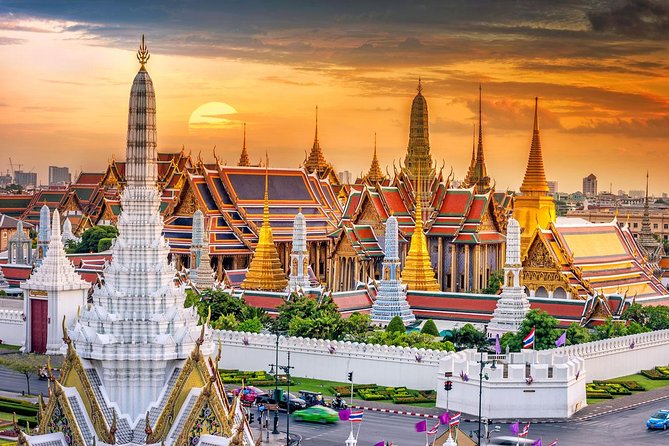
No exploration of Bangkok would be complete without visiting the iconic Grand Palace complex, which encompasses numerous historical structures and temples. Originally a small fort called the Wat Mahaophan, the palace grew under the patronage of King Rama I and his successors. Over the years, various monarchs added their own architectural contributions, resulting in a magnificent ensemble that spans over 215,000 square meters.
Wat Phra Kaew: Home of the Emerald Buddha
Within the Grand Palace, the Wat Phra Kaew temple houses the revered Emerald Buddha, one of Thailand’s most sacred relics. Crafted from green jade, the Buddha statue has a long and storied history, dating back to the 15th century. Legend has it that upon moving the statue to Bangkok, a favorable wind greeted the procession, marking its final resting place in the Grand Palace.
The Wat Arun (Temple of Dawn)
Another must-see historical site is Wat Arun, often referred to as the Temple of Dawn. Located on the banks of the Chao Phraya River, Wat Arun rises majestically, particularly when illuminated at night. Commissioned by King Rama II in the early 19th century, the temple showcases intricate architectural details and ornate decorations, making it a visual masterpiece. Its distinctive prang (tower) stands 80 meters tall and serves as a symbol of Thai architecture and engineering prowess.
Khao San Road
Beyond the royal enclaves, Bangkok’s Khao San Road offers a different perspective of the city. Once a quiet residential street, Khao San Road transformed in the 1980s into a backpacker haven and cultural hub. Today, this lively area throngs with travelers from all over the world, enjoying its eclectic mix of restaurants, nightclubs, bars, and street performances. The road is divided into two main sections: Khao San Road itself and Ratchaworakit Road, where visitors can find various accommodations and local shops.
Khao San Road reflects Bangkok’s embrace of tourism and its willingness to cater to a diverse array of interests, providing both cultural enrichment and a taste of local life for tourists.
The Vibrant Food Scene
A Culinary Journey Through Bangkok
Bangkok is renowned for its rich culinary diversity, offering food enthusiasts a gastronomic adventure like no other. From street food stalls to high-end restaurants, Bangkok caters to every palate and budget. The city’s cuisine is a harmonious blend of Thai flavors, reflecting influences from neighboring countries and colonial-era adaptations.
Street Food: A Must-Experience
No visit to Bangkok would be complete without indulging in its famous street food scene. Food peddlers line the streets, serving everything from spicy satay skewers to tender grilled crab. Each stall offers a unique dish, ensuring a memorable taste explosion for every visitor.
Local Dishes
A few must-try local dishes include:
- Tom Yum Goong: A classic Thai soup brimming with shrimp, lemongrass, and a hint of kick from chili paste.
- Mango Sticky Rice: A dessert featuring sticky rice soaked in coconut milk and topped with fresh mango slices.
- Larb: A spicy minced meat salad with herbs, lime juice, and chili peppers, typically made with pork, chicken, or beef.
- Rainbow Roti: Sweet pancakes filled with condensed milk and colored with natural dyes.
Visitors can find these dishes easily at any street corner or at one of Bangkok’s renowned floating markets, such as Talat Floating Market, where boats serve food while moored along the Chao Phraya River.
Modern Dining Scenes
In addition to street food, Bangkok boasts a burgeoning fine dining scene. Restaurants range from Michelin-starred establishments to innovative fusion joints that blend traditional Thai flavors with contemporary culinary techniques. Some popular venues include:
- Nuch’s Kitchen: Known for its creative approach to traditional Thai dishes.
- MooGaeMooS: Offers a unique experience with its multi-course tasting menus.
- Bo.lan: Specializes in Thai cuisine with a focus on sustainable and organic ingredients.
Bangkok’s food landscape is a testimony to its cultural heritage and its ability to evolve while maintaining authenticity.
Cultural Events and Festivals
Festive Celebrations
Bangkok is brimming with cultural festivals and events throughout the year, each celebrating different aspects of Thai culture and traditions. Some of the most noteworthy include:
- Vesak (Buddha Day): Marking the birth, enlightenment, and passing away of Buddha, Vesak is celebrated with candle-light processions, offerings at temples, and public speeches.
- Loi Krathong: A festival where Thais release small baskets (krathongs) into rivers and waterways, symbolizing washing away of sins and troubles.
- Hon Khao Phansa: Celebrates the beginning of Buddhist rains retreat, with monks visiting communities for alms food and devotees offering respect.
- Gaysakaphansadipok: Known as the Bangkok International Song Festival, it showcases musical talent from around the world and is a major event for music lovers.
These events provide a deeper insight into the cultural fabric of Bangkok and allow visitors to participate in unique activities that enrich their understanding of Thai society.
Street Performances and Shows
Beyond cultural festivals, Bangkok is a city always on display, where street performers and entertainers offer a continuous spectacle. Night markets like Charoen Krung Road and Petchaburi Road come alive with live performances ranging from acrobats to traditional dancers. Puppet shows, firework displays, and musical recitals add to the city's festive ambiance, making every visit a memorable one.
Modern Developments and Urban Expansion
Urban Sprawl and Real Estate
Bangkok’s growth has been unprecedented, leading to both impressive economic achievements and challenges related to urban sprawl. Over the past few decades, the city has expanded significantly, transforming vast tracts of farmland into bustling metropolitan areas. Residential estates, office buildings, and commercial complexes now stand alongside historic landmarks, creating a unique urban skyline.
Bangkok’s real estate sector has seen remarkable expansion, fueled by investments from national and international entities. High-rise condominiums and luxury apartments have become common, catering to the demands of local and foreign buyers alike. The city’s skyline, characterized by towers like MBK Center and The Emporium, reflects its status as a global financial hub.
Infrastructure and Transportation
To cope with the rapid growth, Bangkok has invested heavily in infrastructure and transportation systems. The city boasts a network of roads, bridges, and tunnels that connect the various districts seamlessly. Public transport options such as the BTS Skytrain and MRT subway ensure efficient movement across the sprawling metropolis.
Additionally, efforts are ongoing to improve traffic congestion through the implementation of smart city technologies, although the city still grapples with frequent traffic snarls. Nonetheless, initiatives like the Chao Phraya Express Boat project aim to provide more sustainable and convenient transport solutions along the river.
Education and Healthcare
Educational institutions and healthcare facilities in Bangkok reflect the urban expansion. The city is home to numerous universities and colleges, providing opportunities for students from around the globe. Notable educational institutions include Mahidol University, Rangsit University, and Thammasat University, among others. These establishments offer a wide range of academic programs, from engineering to humanities, attracting students and scholars from various countries.
In terms of healthcare, Bangkok boasts some of the best hospitals and medical facilities in Thailand. Institutions like Bumrunyawee Hospital and Ramotraphai Hospital are highly regarded, offering advanced medical care services along with modern amenities. The city’s commitment to education and healthcare underscores its ambition to serve as a center of excellence in South-East Asia.
In conclusion, Bangkok’s journey from its early settlements to a modern metropolis is nothing short of remarkable. Its rich history, vibrant culture, delectable cuisine, and dynamic urban landscape make it a city that continues to captivate and enchant visitors. As Bangkok moves forward, it strives to balance its rich heritage with future advancements, ensuring that its legacy remains intact while continuing to thrive in the global context.
Preservation Efforts and Heritage Conservation
Historic Districts and Heritage Zones
Bangkok is renowned for its dedication to preserving historical and cultural assets. Several areas within the city have been designated as historic districts or heritage zones to safeguard the architectural and cultural heritage of the city. One prominent example is the Asiatique Thonburi Night Market, a bustling entertainment district located south of the historic Old Bangkok. Featuring authentic buildings and traditional Thai facades, it provides a glimpse into the city’s past while also offering modern amenities and attractions.
Further north, the old town around Phra Nakhon Sila Luang and Sala Da En markets are preserved to reflect historical neighborhoods and provide a vibrant setting for locals and tourists. These areas house quaint streets, traditional wooden houses, and small temples that contribute to the city’s rich history and charm.
Government Initiatives
The Bangkok Metropolitan Administration (BMA), a government department, plays a crucial role in heritage conservation projects. Under its purview, the city has launched various initiatives aimed at preserving historically significant buildings and sites. For instance, the renovation of the Rajawongse Tower on Paholyothin Road, originally constructed in the early 20th century, demonstrates the BMA’s commitment to restoring historical structures for a new generation.
Additionally, the city offers incentives for property owners to maintain the historical integrity of their buildings. These incentives include tax breaks and subsidies, encouraging homeowners and businesses to preserve historical facades and interiors.
Sustainable Tourism and Environmental Initiatives
The Rise of Responsible Tourism
Bangkok has increasingly embraced sustainable tourism practices to address environmental concerns and promote responsible travel. Initiatives such as the Green Tourism Bangkok program encourage hotels and tour operators to adopt eco-friendly standards, reducing waste, conserving energy, and promoting biodiversity. Participating establishments are recognized with certificates acknowledging their commitment to sustainability, thereby guiding visitors toward environmentally conscious choices.
Environmental Protection Efforts
To combat environmental degradation, Bangkok implements numerous measures aimed at improving air quality, reducing pollution, and managing solid waste effectively. The city has introduced policies to control industrial emissions and promote cleaner transportation methods, such as electric vehicles. Furthermore, campaigns are underway to promote recycling and composting, raising awareness among the public about the importance of maintaining a clean environment.
Chao Phraya River Restoration Project
A notable environmental initiative in Bangkok is the restoration of the Chao Phraya River. This project aims to transform the riverfront into an attractive public space while mitigating flood risks and promoting ecological health. The river’s cleanup involves removing debris, planting mangroves, and rehabilitating waterways to enhance natural habitats and biodiversity. The restored riverbanks also feature walking trails, parks, and recreational areas, making the area more accessible to residents and visitors alike.
Entertainment and Nightlife
Night Markets and Nightlife Spots
Beyond its historical sites and cultural events, Bangkok offers a lively entertainment scene, especially during the night. Night markets are a cornerstone of the city’s nightlife, providing a vibrant atmosphere and a chance to experience local flavors and cultural expressions. Chatuchak Weekend Market, while less nocturnal than many other markets, is known for its sheer scale and diverse offerings, making it a popular spot for both tourists and locals alike.
Other notable night markets include:
- Suksa Market: Open daily, it focuses on fresh produce, handicrafts, and local delicacies.
- Makro Giant: Known for its variety of Asian foods and ingredients, suitable for both eating on-site and purchasing for home cooking.
- Talat Rot Fai: A quirky market with vintage and second-hand items, ideal for those looking for unusual souvenirs.
VVIP Nightclubs and Rooftop Bars
For a more upscale experience, Bangkok’s skyline features a cluster of luxury clubs and rooftop bars that offer breathtaking views of the city. These venues cater to a cosmopolitan clientele, providing everything from sophisticated dance floors to serene outdoor terraces adorned with tropical plants and cocktails tailored to international tastes. Some popular venues include:
- Blossom: Offers panoramic views of the city from an exquisite rooftop terrace.
- Royal Paragon Hill: A chic rooftop bar with elegant decor and a mix of Thai and international dishes.
- Bamboo Bar: Known for its extensive gin selection and creative cocktails, paired with an ambient jazz soundtrack.
Bamboo Bar is a favorite among locals, attracting celebrities and socialites who enjoy the bar’s cozy ambiance and expert mixology.
Shopping and Luxury Experiences
Luxury Shopping Destinations
Bangkok’s shopping scene is as diverse as its cultural offerings, featuring a vast array of luxury brands and traditional markets. For high-end shopping, the city is home to iconic malls such as CentralWorld, MBK Center, and Siam Paragon. These large retail hubs offer premium fashion labels, flagship stores, and gourmet dining options, catering to a clientele seeking top-tier goods and services.
In contrast to luxury retail, small boutiques and artisanal shops along Khao San Road and nearby areas provide a more personal and authentic shopping experience. Visitors can discover unique souvenirs, handwoven textiles, and artisan crafts, making for a truly memorable shopping trip.
Specialty Stores and Boutiques
Bangkok is a hub for specialty stores and boutiques that showcase local craftsmanship and creativity. Here, visitors can find everything from artisanal Thai jewelry to traditional Thai clothing like Lohit Phra (royal Thai dress). Stores like Sukhumvit 24 and Soi Kleang provide a concentrated space for boutique shopping, allowing shoppers to explore a wide range of curated products and local brands.
Exhibitions and Fashion Events
Bangkok frequently hosts fashion exhibitions and events that highlight local designers and emerging talents. The Thai Fashion Week, held annually, draws national and international attention, showcasing contemporary Thai fashion through runway shows and designer talks. These events not only promote Thai fashion globally but also provide a platform for independent designers to gain visibility and recognition.
Health and Wellness Retreats
Luxury Spa and Wellness Centers
Bangkok is synonymous with relaxation and rejuvenation, boasting a myriad of luxury spa and wellness centers. From traditional Thai massage therapies to cutting-edge holistic treatments, these establishments offer a wide range of services designed to ease the mind and body. Popular destinations like Apsara Spa, Four Seasons Resort, and Anantara Sukhumban Resort provide tranquil environments where guests can immerse themselves in therapeutic experiences.
Hotels with Wellness Facilities
Many hotels in Bangkok incorporate comprehensive wellness facilities into their offerings. The Grand Hyatt Erawan, for instance, features an expansive spa with state-of-the-art equipment and trained therapists. Similarly, the Marriott Marquis Queen Saigon in Bangkok offers a full-service wellness center, including yoga studios, fitness suites, and wellness classes led by qualified trainers.
Hotels with wellness facilities often provide packages that combine luxurious accommodations with personalized wellness retreats, making them a favored choice for both tourists and health-conscious travelers.
Concluding Thoughts
Bangkok has undeniably come a long way since its early days as a strategic trading post and the seat of the Rattanakosin Kingdom. It now stands as a vibrant city that seamlessly blends its historic charm with modern sophistication, catering to the varied needs of its residents and visitors. Whether exploring its rich cultural heritage, indulging in its delectable cuisine, or immersing oneself in its vibrant nightlife, Bangkok offers endless possibilities and experiences that are sure to leave a lasting impression.
As Bangkok evolves, its relentless spirit to innovate and preserve its identity ensures that it remains a beacon of Southeast Asia’s dynamic urban landscapes. Visitors to this enchanting city are invited to uncover its untold stories, embrace its multifaceted essence, and leave with a profound appreciation of a metropolis that continues to captivate the world.
Bangkok awaits—ready to enchant and inspire.
Modernization and Innovation
Technology and Digital Transformation
Bangkok’s rapid modernization extends beyond physical infrastructure to include technological advancements. The city has embraced digital transformation, leveraging technology to enhance convenience and efficiency. Smart city initiatives, such as the deployment of Internet of Things (IoT) devices, have enabled more effective city management and services. Traffic management systems, waste management programs, and emergency response networks have become increasingly sophisticated, improving the overall quality of life for residents.
Startups and Entrepreneurship
Bangkok is a hotbed for startups and entrepreneurs, fostering a vibrant ecosystem that drives innovation and economic growth. Co-working spaces and incubators like Startup SGU, TechNode Bangkok, and Start-Up City have emerged to support budding entrepreneurs and provide resources for scaling their ventures. These hubs offer a range of services, from networking opportunities and mentorship to funding platforms and workshops on business development.
Innovation Districts
The city has established dedicated innovation districts aimed at nurturing entrepreneurial talent and driving technological advancements. The Bangmod Innovation District, for example, is centered around Siam Tower and integrates co-working spaces, accelerators, and incubators. Another notable district is T.Rex Thailand, which provides coworking spaces and resources specifically tailored for startups in the tech industry.
Economic Growth and Job Market
Financial Hub and International Business
Bangkok is a major financial hub, hosting numerous multinational corporations, financial institutions, and government agencies. The city’s strong economy and strategic location attract businesses from around the world. Key sectors include banking, insurance, real estate, telecommunications, and tourism. Companies like Citibank, Shell, and KPMG operate robust offices in Bangkok, contributing to the city’s economic dynamism.
Growing Job Market and Career Opportunities
The job market in Bangkok is robust, offering a wide range of career opportunities for locals and expatriates alike. From finance and consulting to hospitality and technology, the city provides diverse employment prospects. Companies in the tech sector, finance, and creative industries are particularly thriving, with numerous startups and established firms opening branches here. Job seekers can leverage online platforms like Indeed, Glassdoor, and LinkedIn to explore openings and connect with potential employers.
Skilled Labor Market and Professional Development
Bangkok’s skilled workforce is a key factor in sustaining economic growth. Universities and professional training institutes ensure a steady supply of talent with the necessary skills and expertise. Programs like those offered by the Thailand Development Research Institute (TDRI) and the Bangkok Metropolitan Council focus on fostering research and development, providing valuable insights and data to inform policy and business strategies.
Challenges and Future Prospects
Environmental Challenges
Urban Sprawl and Infrastructure
Urban sprawl continues to be a challenge, as rapid population growth necessitates constant expansion of infrastructure. Efficient land-use planning and sustainable development practices are crucial to manage the city’s spatial expansion effectively. Investment in public transportation, smart city technologies, and efficient urban planning will be key to addressing these issues and ensuring a livable environment for future generations.
Future Prospects and Vision 2040
The Bangkok Metropolitan Administrative Authority has outlined a vision for the city’s development through the Vision 2040 strategy. This framework aims to enhance the city’s resilience, sustainability, and livability while promoting economic growth. Initiatives include improving public transportation, expanding green spaces, and enhancing the quality of urban life through inclusive development practices.
Vision 2040 also emphasizes the importance of addressing climate change and environmental degradation. By integrating renewable energy sources, implementing green infrastructure, and promoting sustainable urban design, Bangkok aims to become a model smart city, balancing modernization with environmental stewardship.
Conclusion
Bangkok’s trajectory from a small trading post to a global metropolis is a testament to its resilience and adaptability. As it continues to grow and evolve, the city remains true to its rich cultural roots while embracing modern advancements. Whether one explores its historical charm, indulges in its culinary delights, or engages with its vibrant community, Bangkok offers a kaleidoscope of experiences that are as dynamic as they are enchanting.
Looking forward, Bangkok stands poised to navigate the complexities of urban growth while preserving its unique identity. With visionary strategies in place and continued efforts to address environmental challenges, the city promises a promising future filled with opportunities and innovations. As Bangkok enters the next chapter of its narrative, it invites the world to join in the journey of discovery and celebration of its enduring magic.
Bangkok waits, ever-ready to captivate and inspire.

Celebrating San Giuseppe: Saint Joseph's Enduring Legacy
The annual celebration of San Giuseppe, known in English as Saint Joseph, is a cornerstone of Italian religious and cultural life. Observed on March 19, this feast day honors the husband of Mary and foster father of Jesus, a figure revered for his humility and steadfast protection. From Sicily to Rome and across the global Italian diaspora, the traditions associated with San Giuseppe weave together faith, food, and family in a vibrant tapestry of devotion.
The Universal Patron: Understanding Saint Joseph
Saint Joseph occupies a unique and beloved position within Catholicism and Italian culture. He is celebrated as a model of fatherhood, labor, and quiet strength. His patronage extends over a wide spectrum of life, making his feast a day of broad significance.
Patron Saint of Workers and Families
Venerated as the patron saint of workers and carpenters, Joseph symbolizes the dignity of manual labor. This connection makes his feast particularly meaningful in communities with strong artisanal traditions. Furthermore, he is honored as the protector of families, a role that resonates deeply in family-centric Italian culture.
In Italy, March 19 is officially recognized as Father’s Day (Festa del Papà), directly linking the spiritual father figure of Joseph with the celebration of earthly fathers. This dual significance amplifies the day's importance, blending secular and religious observance seamlessly.
A Historical Protector in Times of Need
Particularly in Sicily, Saint Joseph is invoked as a protector during drought and famine. This specific devotion stems from medieval times when, according to tradition, Sicilians prayed to San Giuseppe to end a devastating drought. Their prayers were answered with life-saving rains, cementing his role as a heavenly intercessor in times of crisis.
This act of gratitude and charity, born from desperation, evolved into the elaborate St. Joseph’s Table tradition, a practice that continues to this day as a powerful symbol of community and thanksgiving.
La Festa di San Giuseppe: A Tapestry of Traditions
The celebration of San Giuseppe on March 19 is marked by a rich array of customs that vary from region to region across Italy. These observances blend solemn religious ceremony with joyful communal gatherings, each with its own local flavor.
Religious Ceremonies and Processions
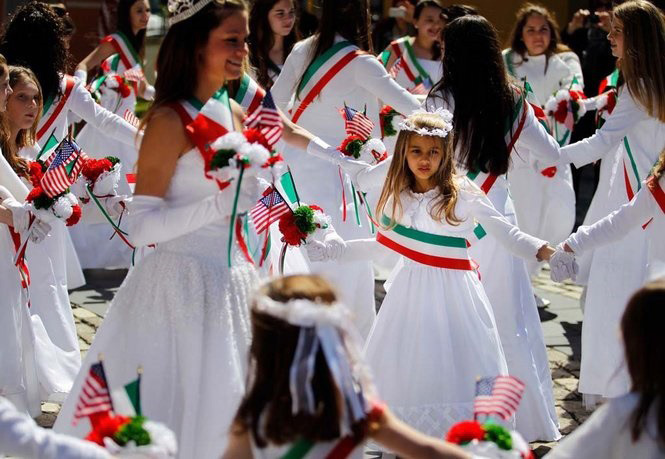
The day is, first and foremost, a solemn liturgical feast in the Catholic Church. Special masses are held in parishes dedicated to Saint Joseph, often featuring processions where statues of the saint are carried through town streets. These processions are public displays of faith and community solidarity, often accompanied by bands and the participation of local confraternities.
One of the most significant Roman sites is San Giuseppe dei Falegnami (Saint Joseph of the Carpenters). This Baroque church, completed in 1663 and built above the ancient Mamertine Prison, has long been associated with the guild of carpenters. It was elevated to a titular church in 2012, underscoring its enduring importance.
The Central Role of Food and Feast
No Italian celebration is complete without a focus on food, and the Festa di San Giuseppe is a premier example. The feast day often falls during the Lenten season, influencing the traditional foods served. The culinary customs are deeply symbolic and regionally diverse.
- Zeppole and Bignè: These fried or baked pastries, often filled with cream, custard, or ricotta, are iconic treats associated with the feast, especially in Rome, Naples, and across Southern Italy.
- St. Joseph's Bread: In many regions, specially decorated loaves of bread, shaped into symbols like crosses or carpentry tools, are baked and blessed.
- Fava Beans: Known as the "lucky bean," the fava bean is a key symbol. Historically, it sustained Sicilian populations during famine, and it remains a staple on the St. Joseph’s Table.
- Meatless Dishes: To respect Lent, traditional tables often feature pasta with sardines, vegetable soups, and other fish or legume-based dishes.
The St. Joseph’s Table: A Feast of Charity
The most distinctive and profound tradition is the preparation of the Tavola di San Giuseppe or St. Joseph’s Table. This practice is a vibrant expression of gratitude, community, and charity with roots deeply planted in Sicilian history.
Origins in Sicilian Faith and Folklore
The tradition directly traces to the medieval Sicilian miracle. Following the end of the drought, grateful villagers prepared a communal feast using the newly harvested crops, especially the hardy fava bean. They invited the poor, the priest, and the entire community to share in the bounty as an act of thanksgiving to San Giuseppe. This established the table's core principles: thanksgiving for divine intervention and charitable sharing with the less fortunate.
This custom became an annual ritual, deeply embedded in Sicilian culture. It served as a form of social insurance, ensuring that in times of plenty, the community would remember and care for its most vulnerable members. The tradition proved so resilient that it survived migration, crossing oceans with Sicilian immigrants.
Structure and Symbolism of the Altar
The St. Joseph’s Table is not merely a meal; it is an elaborate, altar-like display. Families and communities often create a tiered structure covered with white linens and decorated with flowers, candles, and statues of the Holy Family. The foods placed upon it are rich with symbolism.
- The Three-Tiered Table: Often representing the Holy Trinity, the tiers are laden with breads, pastries, fruits, and vegetables.
- Fava Beans: Placed prominently as a reminder of survival and good fortune.
- Breads and Pastries: Shaped into religious symbols, demonstrating artistry and devotion.
- Lucky Symbols: Items like wine, lemons, and candles are included to represent abundance, light, and joy.
The meal served from the table is typically a meatless feast, honoring the Lenten season. It is common to invite "saints" – individuals dressed as biblical figures – to partake, and leftovers are meticulously distributed to the poor, ensuring nothing goes to waste and the charitable intent is fulfilled.
San Giuseppe Across Italy: Regional Celebrations and Foods
While the veneration of San Giuseppe is nationwide, the expressions of devotion vary dramatically from Sicily to Rome and throughout the Italian peninsula. These regional variations showcase the rich local cultures that flourish within Italy’s broader Catholic traditions, each adding unique flavors and customs to the March 19 observance.
Sicily: The Heart of the St. Joseph’s Table
In Sicily, the celebration is profoundly centered on the Tavola di San Giuseppe. Communities and families spend days, even weeks, preparing an opulent altar. These tables are legendary for their size and artistry, featuring elaborate bread sculptures, mountains of pastries, and symbolic decorations. The event is deeply communal, often involving entire neighborhoods.
The Sicilian table is a meatless feast of thanksgiving. A typical menu includes pasta con le sarde (pasta with sardines), a dish rich in wild fennel and saffron, and various vegetable-based courses like lentil soup or artichokes. The fava bean, the star of the table, is prepared in multiple ways—soups, stews, or simply boiled—as a direct nod to the life-saving legend.
The Sicilian tradition is not just a meal; it is a living drama of faith and community, where the line between the sacred and the social beautifully blurs.
Rome and Campania: The Realm of Fried Pastries
In central and southern regions like Lazio and Campania, the culinary spotlight shines on specific fried sweets. The zeppole di San Giuseppe is the undisputed star. These pastries, either fried or baked, consist of a light choux or doughnut-like dough piped into a ring or shell shape.
They are traditionally filled with rich vanilla pastry cream or sweetened ricotta cheese and topped with a sour cherry or a dusting of powdered sugar. Bakeries across Naples and Rome begin promoting and selling these treats weeks in advance, with many families considering them an essential element of the feast day.
- Zeppole: The classic version, often attributed to Neapolitan pastry chefs.
- Bignè di San Giuseppe: Similar to zeppole, sometimes distinguished by a specific shape or filling, particularly in Rome.
- Local Variations: Some towns may feature savory zeppole or other fried dough treats specific to their locale.
Northern Italy and Other Local Customs
In other parts of Italy, different traditions take precedence. In some northern towns and Alpine regions, bonfires known as "falo" or "fuochi di San Giuseppe" are lit on the eve of the feast. These fires symbolize the end of winter, light and warmth, and are often community gathering points with music and food.
Processions featuring large statues carried by local guilds or confraternities are common in many towns. In places like San Giuseppe Vesuviano near Naples, the town’s very identity is tied to the saint, and celebrations are particularly grandiose, blending the universal rites of the Church with intensely local pride.
The Diaspora’s Table: San Giuseppe Goes Global
The great waves of Italian immigration, particularly from Southern Italy and Sicily in the late 19th and early 20th centuries, carried the devotion to San Giuseppe across the oceans. In new lands, these traditions not only survived but often evolved, creating unique hybrid celebrations that honor the old ways while adapting to new contexts.
Sicilian Communities in the United States
In cities with significant Sicilian populations like New York, Chicago, Boston, and New Orleans, the St. Joseph’s Table tradition took firm root. Churches, cultural societies, and families continue to erect elaborate altars each March. These events serve as powerful touchstones for cultural identity, connecting younger generations with their heritage.
These diaspora tables often maintain the core Sicilian elements: the three-tiered altar, the meatless meal, the fava beans, and the ornate breads. However, they may incorporate local ingredients or streamline preparations to fit contemporary, busier lifestyles. The charitable aspect remains central, with many altars set up in church halls where the public is invited to share the meal, often for a donation benefiting the parish or local food banks.
The New Orleans Tradition: A Cultural Fusion
Perhaps the most distinctive diaspora celebration developed in New Orleans. Here, Sicilian immigrants merged their St. Joseph’s Day traditions with the local culture, creating a unique event. New Orleans altars are famous for their abundance and artistry, filling entire rooms with food, flowers, and symbolic offerings.
The New Orleans tradition includes specific local customs. It is common for those who visit altars to receive lucky fava beans and small bags containing a cookie, a fig, and a prayer card. Furthermore, the city’s celebration has absorbed influences from its African-American and French Catholic communities, resulting in a truly Creole cultural synthesis. Local restaurants and bakeries often feature special St. Joseph’s Day menus, highlighting dishes like pasta with anchovies or spicy tomato sauces.
The St. Joseph altars of New Orleans stand as a testament to how immigrant faith can enrich and be enriched by its new home, creating something wholly new yet deeply traditional.
Preservation and Evolution in Modern Times
Today, these diaspora celebrations are often highlighted in local media as key cultural heritage events. They attract not only those of Italian descent but also a wider public interested in food, tradition, and community. This visibility helps ensure the tradition's continuation.
Modern observances frequently emphasize the social justice and charitable angle more explicitly. Organizers frame the St. Joseph’s Table as a direct response to food insecurity and poverty, using the ancient tradition to address modern needs. This reframing has helped the custom remain relevant and vital in communities far from its Sicilian birthplace.
Culinary Heritage and Contemporary Revival
In recent years, there has been a noticeable surge of interest in the traditional foods associated with San Giuseppe. This culinary revival is driven by a broader trend towards artisanal foods, heritage tourism, and a desire to reconnect with authentic cultural roots.
Artisan Bakeries and Seasonal Marketing
The weeks leading up to March 19 see a proliferation of zeppole and St. Joseph’s pastries in Italian bakeries worldwide. Artisan bakers leverage this season to showcase their skills, offering both classic recipes and innovative interpretations. This commercial aspect plays a crucial role in keeping the tradition alive in the public consciousness.
Food blogs, cooking magazines, and culinary schools dedicate content to teaching how to make traditional zeppole, breads, and pasta dishes for the feast. This educational focus helps transmit practical knowledge to new generations who may not have learned these skills at home.
- Zeppole Classes: Offered by culinary institutes and community centers in the pre-Lenten period.
- Food Tourism: Special tours in Sicily or Naples centered on experiencing the Festa di San Giuseppe and its foods firsthand.
- Online Recipes: A vast number of tutorials and recipe videos shared across social media platforms each March.
Linking Cuisine to Cultural Identity
For many, preparing and eating these specific foods is a powerful act of cultural memory and identity. The taste of a zeppole or the scent of frying dough connects individuals to their family history and to a shared Italian past. This emotional connection fuels the tradition’s persistence.
Contemporary articles and media coverage often highlight this angle, profiling families who have maintained the St. Joseph’s Table for generations or chefs who are dedicated to preserving these culinary rituals. This storytelling reinforces the idea that these traditions are living, evolving practices, not mere museum pieces.
The Year of St. Joseph and Modern Devotion
From December 8, 2020, to December 8, 2021, Pope Francis proclaimed a special Year of St. Joseph, marking the 150th anniversary of the saint's declaration as Patron of the Universal Church. This papal initiative provided a powerful, global impetus for renewed focus on the figure of San Giuseppe, encouraging Catholics to deepen their devotion and imitate his virtues.
The Apostolic Letter "Patris Corde" ("With a Father's Heart") outlined Joseph's character as a beloved, tender, obedient, accepting, courageous, and working father. This theological reflection brought fresh spiritual relevance to the saint, connecting ancient devotion to contemporary challenges facing families and workers. The momentum from this year continues to influence sermons, parish activities, and personal piety.
Pope Francis wrote that St. Joseph "reminds us that those who appear hidden or in the shadows can play an incomparable role in the history of salvation," a message that resonates deeply in today's world.
Renewed Ecclesiastical and Community Focus
During and after the special year, dioceses and parishes worldwide organized dedicated pilgrimages, prayer services, and academic conferences centered on St. Joseph. This institutional emphasis helped to reinvigorate local traditions associated with the March 19 feast. Many communities reported increased participation in St. Joseph's Table celebrations and novenas.
Theological reflections highlighted Joseph's role as a protector and steadfast guardian, themes that found particular relevance during the global pandemic that coincided with the Year of St. Joseph. He was presented as a model of resilience and quiet strength in times of universal uncertainty, making his devotion feel more personal and urgent for many believers.
San Giuseppe as a Global Toponym and Institutional Patron
Beyond the feast day, the name San Giuseppe is etched into geography and institutions across Italy and the world. Countless towns, churches, hospitals, and schools bear his name, serving as permanent monuments to his widespread patronage and cultural significance.
Churches and Sacred Sites
Italy is dotted with churches dedicated to San Giuseppe. Beyond the renowned San Giuseppe dei Falegnami in Rome, notable examples include the Church of San Giuseppe in Florence and the Sanctuary of San Giuseppe in Sicily. These sites often become pilgrimage destinations, especially on the saint's feast day.
These churches are not just architectural landmarks but active centers of devotion. They often house venerated statues of the saint that are central to local processions. The art within these buildings, frequently depicting Joseph's life and works, serves as a visual catechism for the faithful.
- San Giuseppe dei Falegnami, Rome: A Baroque masterpiece built for the carpenter's guild, located historically significantly above the Mamertine Prison.
- San Giuseppe delle Scalze, Naples: A stunning example of Neapolitan Baroque architecture.
- San Giuseppe, Turin: Known for its grandiose dome and association with the Holy Shroud.
Towns and Civic Institutions
Many Italian towns are named after the saint, such as San Giuseppe Vesuviano near Naples and San Giuseppe Jato in Sicily. These municipalities often have their most significant annual festival on March 19. The saint's patronage extends to a wide array of civic and charitable organizations.
Hospitals, orphanages, and schools frequently operate under the patronage of St. Joseph, embodying his virtues of care, protection, and education. These institutions reflect the practical application of his legacy, serving communities in his name and spirit.
The Enduring Cultural and Social Relevance of San Giuseppe
In the 21st century, the celebration of San Giuseppe continues to adapt, finding new relevance in addressing modern social issues. The core themes of the feast—charity, community, and gratitude—are timeless, providing a framework for contemporary action.
San Giuseppe and Social Justice
The tradition of the St. Joseph's Table, with its inherent focus on feeding the poor, is increasingly framed as a powerful social justice initiative. Many parishes and community groups now explicitly connect the altar celebration to ongoing efforts to combat hunger and poverty. The feast day becomes a catalyst for food drives, fundraising for food banks, and raising awareness about food insecurity.
This modern interpretation strengthens the tradition's relevance, showing how a centuries-old religious practice can provide meaningful solutions to current problems. It transforms the celebration from a nostalgic ritual into an active, impactful community service project.
The St. Joseph's Table is not merely a reenactment of a medieval thanksgiving; it is a living, breathing act of charity that addresses the needs of the present day.
Cultural Preservation and Intergenerational Connection
For families within the Italian diaspora, the Feast of San Giuseppe serves as a vital link to their heritage. The process of preparing traditional foods, setting the table, and explaining the symbols to children becomes an act of cultural transmission. It is a hands-on way to pass down stories, recipes, and values from one generation to the next.
Cultural associations and historical societies often play a key role in this preservation, organizing public events that educate both those of Italian descent and the wider community about the history and meaning of the feast. This helps ensure that the rich traditions are not lost but are understood and appreciated by new audiences.
A Legacy of Faith, Family, and Food
The story of San Giuseppe is a multifaceted tapestry woven from threads of deep faith, unwavering family commitment, and celebratory food. From his biblical role as the quiet protector of the Holy Family to his position as a beloved patron saint, Joseph's influence is both profound and pervasive.
The annual Feast of San Giuseppe on March 19 is much more than a date on the liturgical calendar. It is a dynamic, living tradition that embodies the Italian spirit of celebrating life's blessings through community, prayer, and a shared table. The customs associated with the day—from the grand altars of Sicily to the fragrant zeppole of Naples—are vibrant expressions of a culture that finds joy and meaning in its traditions.
Conclusion: The Timeless Appeal of San Giuseppe
The enduring power of San Giuseppe lies in his accessibility and humility. He is not a saint of miracles and dramatic visions, but a model of quiet strength, diligent work, and protective love. These are virtues that resonate across centuries and cultures, making his devotion uniquely personal and universally appealing.
Whether observed in a small Sicilian village, a bustling Roman bakery, or a diaspora community center in a new world city, the feast day reinforces core human values. It celebrates the dignity of labor, the importance of fatherhood, the strength of the family unit, and the moral imperative of charity. The tradition of the St. Joseph's Table stands as a powerful, edible testament to gratitude, reminding us to share our abundance with those in need.
As both a spiritual guide and a cultural icon, San Giuseppe continues to inspire millions. His legacy is not confined to scripture or stone but lives on in the joyful preparation of a festive meal, the solemnity of a prayer, and the generous act of sharing bread with a neighbor. This is the timeless, living legacy of the humble carpenter who became a universal father.

Funchal: The Flourishing Heart of Madeira
Introduction to Funchal
Funchal, the capital and largest city of Madeira, is nestled in the heart of Portugal's most famous island. Known for its stunning natural beauty, rich cultural heritage, and vibrant atmosphere, Funchal has long been a destination of choice for travelers seeking both relaxation and adventure. Situated on the northwestern coast of Madeira, Funchal benefits from a subtropical climate that allows year-round outdoor activities and lush landscapes that captivate visitors.
The Geography and Climate
The city's geography is characterized by dramatic cliffs and lush greenery. Nestled within a bowl-shaped valley, Funchal offers breathtaking views, with the surrounding mountains providing a spectacular backdrop. The climate in Funchal is classified as humid subtropical, with mild temperatures and high humidity throughout the year. The average temperature ranges from around 14°C to 24°C (57°F to 75°F), making it a comfortable destination for tourists regardless of the season.
A Short History
The history of Funchal spans centuries, reflecting the blend of cultures and influences that have shaped the city over time. Founded by Portuguese settlers in the late 15th century, Funchal quickly became a crucial port for maritime voyages. The settlement was officially designated as the capital of Madeira in 1720, solidifying its role as a center of commerce and administration.
During the Age of Exploration, Funchal played a significant role in the global spice trade, drawing attention from merchants and sailors alike. The city's prosperity was further bolstered by the cultivation of cash crops such as sugar cane, grapes, and tobacco, which were exported to various European markets. The 18th century saw Funchal expand rapidly, with the construction of grand neoclassical buildings and the development of new neighborhoods.
Sightseeing in Funchal
Funchal's charm lies not only in its natural beauty but also in its historical sites and architectural wonders. One of the first stopst should be Largo da Praça do Município, the bustling central square that serves as the heart of the city. Built in the early 19th century, it houses the historic City Hall, adorned with intricate stone carvings and surrounded by cafes and shops.
Another must-visit location is Praça dos Lavradores, a picturesque square located in the historic district of Ribeiro Frio. It features a statue of D João III and is known for its colorful flower markets, where local florists display vibrant bouquets of tulips and gerberas.
The Santa Maria do Monte Church, with its unique blue and white facade, is a notable landmark in the old town. Its Gothic and Renaissance styles merge harmoniously, offering a captivating glimpse into Madeiran architecture.
Eating and Shopping in Funchal
Funchal is renowned for its culinary offerings, which reflect both Portuguese and Madeiran traditions. A visit to the popular Mercado dos Lavradores is essential for experiencing the vibrant local market. Here, you can sample a range of Madeiran specialties, from fresh seafood dishes to traditional sweets like arroz de marisco (Seafood Rice) and pastéis de nata (custard tarts).
For a more upscale dining experience, the restaurants along Rua da Madalena offer fine Portuguese cuisine, featuring succulent grilled fish, creamy seafood stews, and hearty meat dishes. The city also brims with boutiques and artisanal workshops selling locally crafted ceramics, textiles, and jewelry. Don't miss out on exploring the streets of Ladeira Nova, where you'll find a treasure trove of unique shops and galleries.
Cultural Life and Festivals
Funchal's cultural scene is alive with events and festivals that celebrate its rich heritage. The Festa das Rosas (Rose Festival) in July is one of the most celebrated events, featuring elaborate floats, parades, and competitions showcasing the island's flora and fauna. Another notable festival is the Festa do Espírito Santo, held in May, which includes processions, concerts, and other religious celebrations.
Year-round, the city hosts a myriad of cultural performances and exhibitions at venues like the Teatro Municipal Gaudêncio Rocha and the Centre Cultural José Maria Branco. These events range from traditional Madeiran music and dance performances to contemporary art exhibitions and film screenings.
Activities and Attractions
Beyond its historical and cultural highlights, Funchal offers a variety of recreational activities suitable for all ages. The Botanical Garden, established in 1888, is a serene oasis offering a wide collection of exotic plants and flowers, many native to Madeira. The garden features winding paths, cascading fountains, and panoramic views of the city and ocean.
For those seeking adventure, the city is just a short drive from the Rotes Valley and Caniço Dam, where visitors can indulge in hiking, horseback riding, or water sports like kayaking and sailing. The nearby Levada Walking Trails are perfect for nature enthusiasts, offering numerous routes leading through lush green forests and alongside picturesque water channels.
Funchal also boasts a range of outdoor leisure facilities, including beautiful beaches within driving distance such as Porto Moniz and Camara de Lobos. These pristine shores provide the perfect setting for swimming, sunbathing, and water sports.
In summary, Funchal offers a captivating blend of natural beauty, rich history, and a vibrant cultural scene, making it a memorable destination for visitors from around the world. From its picturesque squares to its lush botanical gardens, and from its bustling markets to its serene coastlines, Funchal invites exploration and discovery. Whether you're interested in history, culture, or simply enjoying the outdoors, there's much to discover and appreciate in this enchanting city.
Lodging and Accommodation
Funchal offers a diverse array of lodging options to suit every traveler's needs, from luxurious resorts to cozy bed-and-breakfasts. For those seeking a taste of luxury, the city's five-star hotels provide top-notch services and amenities. Resorts like the Pestana Atlantic Grande Hotel and the Madeirense Palace Hotel offer spacious rooms, gourmet restaurants, spa facilities, and stunning pool areas. These hotels are ideal for couples looking to relax and rejuvenate in a tranquil environment.
Bed-and-breakfasts are another fantastic choice for travelers who prefer a more intimate and personalized stay. Places like Casa das Oliveiras and Quinta dos Girassóis provide charming accommodations in historic homes that often include breakfast and access to shared facilities like gardens and patios. These smaller properties offer a more authentic experience of Madeiran hospitality and culture.
Guesthouses and apartment rentals are plentiful, particularly in the city center and near key attractions. Properties in these areas are typically well-connected to public transportation and within walking distance of restaurants, shops, and museums. Popular booking platforms like Booking.com and Airbnb ensure easy access to a wide range of accommodation options.
Nature and Adventure Activities
Funchal is not just about lounging and sightseeing; it's also a gateway to thrilling outdoor experiences. The city's proximity to nature reserves, waterfalls, and other natural wonders makes it a haven for adventure seekers. Guided tours are available to explore the stunning Levadas, long gravity-fed irrigation channels that wind through the rugged landscape. Tour operators like Levadawalks and Madeira Escapes offer a range of guided walks, ranging from easy hikes to challenging treks, allowing visitors to explore the unique Madeiran flora and fauna.
Rafting and river tubing are popular activities during the warmer months. Companies such as Madeira Adventures provide exhilarating experiences along the rivers and streams of the island, perfect for adrenaline junkies and families alike. Horseback riding is another favorite activity, with several providers like Cavalinhos da Garajau offering guided tours through the beautiful countryside.
For those who enjoy sea sports, opportunities abound. Waterskiing, windsurfing, kiteboarding, and scuba diving can be enjoyed at places like Porto Moniz and Camara de Lobos. Local operators like Dive Madeira and Madeira Surf Centre specialize in providing equipment and instruction for beginners and experienced enthusiasts.
Tours and Day Trips
Day trips from Funchal extend the boundaries of the city and allow visitors to experience other parts of Madeira. Tours to the northeastern region often visit the stunning Praia da Rocha and Porto Moniz, known for their dramatic cliffs and turquoise waters. These day excursions can easily be arranged through local travel agencies or online tour companies like Viator and GetYourGuide.
For a different perspective, many companies offer cable car rides to Monte, a mountain town accessible from Pico do Monte and boasting stunning 360-degree views of Funchal and the Atlantic. Cable car tours like Funchal & Monte Sightseeing provide a scenic way to explore the area and enjoy panoramic vistas.
Nature lovers might be interested in visiting Pico do Arieira, a small mountain located on the outskirts of Funchal, often considered one of the most beautiful spots on the island. It offers both walking trails and a unique viewpoint to watch Madeira sunset.
Getting Around Funchal
Navigating Funchal is relatively straightforward due to its compact size and well-developed public transportation network. The city relies primarily on buses operated by CMAT, the local transport authority. Regular bus services connect the main areas of Funchal, and schedules run frequently throughout the day.
Taxi services are also widely available, and hailing a taxi or booking one through apps such as Cabify can be convenient for those traveling independently. Taxis are metered but it’s always advisable to agree on the fare before embarking on your journey.
For short distances and tourist attractions, renting scooters or bicycles can be a practical choice. Scooter rental shops are scattered around the city center and provide a fun and flexible way to explore at your own pace. Bicycle rentals are also available, particularly in areas like Ladeira Nova and Ribeiro Frio, making it easy to discover hidden gems.
Shopping and Markets
Funchal's shopping scene encompasses everything from trendy designer boutiques to traditional open-air markets. Major shopping malls such as Madeira Plaza and Madeira Market offer a wide range of products including electronics, clothing, and cosmetics. These modern retail centers are perfect for those seeking the latest fashion or tech gadgets.
For more unique shopping experiences, a visit to Mercado dos Lavradores is essential. This bustling market, dating back to the late 19th century, is a vibrant hub of local produce, crafts, and flowers. Artisanal foods, such as Madeira wine, honey, and cheese, are especially popular among visitors looking for authentic Madeiran products.
Leiense Market, located a few blocks away from Mercado dos Lavradores, is another great option for those who want to discover regional specialties. This market houses a variety of stalls selling fresh fruits, vegetables, and prepared foods, providing a taste of the daily life in Funchal.
Artisans and craft shops line the narrow streets, offering handcrafted pottery, wood carvings, and other local souvenirs. Stores like Casa da Ilha and Quinta dos Girassóis feature items made by local artists and designers, making them excellent places to take home unique memories of Madeira.
Local Culture and Traditions
Funchal is rich in local culture and traditions that play a significant role in making the city lively and engaging. The Madeira Bandstand, located in Jardim Público (Public Park), is a central venue for live music and cultural events. On summer nights, musicians perform traditional Madeiran tunes, attracting both locals and tourists.
Street festivals and fairs are common in Funchal, with events like the Semana Santa (Holy Week) and the Festival Internacional de Música de Câmara (International Chamber Music Festival) drawing visitors from around the world. These events showcase diverse music genres, including the famous Madeiran dance known as “fandango.”
For those interested in learning more about Madeiran culture, the Museu Regional deMadeira (Regional Museum) is a must-visit. Located in Vila Verde dos Poços, the museum houses a vast collection of artifacts, documents, and artworks highlighting the island’s history and natural heritage.
Health and Safety
Funchal, like other parts of Portugal, is generally safe for visitors. However, it's essential to remain vigilant, especially in crowded areas during peak tourist seasons. Pickpocketing can be a minor nuisance in some public spaces, so securing valuables and being aware of your surroundings is advised.
For health reasons, it's recommended to keep basic medications on hand, as pharmacies are plentiful and accessible. Water quality is generally good, though it's a good idea to use bottled water for drinking and brushing teeth.
Emergency services are reliable, with emergency numbers similar to those in mainland Portugal: 112 for police, fire, and ambulance. Most hotels and local businesses can assist in calling emergency services if necessary.
Conclusion
Funchal, with its harmonious blend of modern comforts and historical charm, stands as a testament to Madeira’s enduring appeal. From its magnificent natural scenery to its dynamic cultural scene, this city offers endless possibilities for exploration and enjoyment. Visitors come to Funchal seeking relaxation, adventure, and a deeper understanding of Madeiran life. By embracing the city's unique character and engaging with its residents, one can uncover the very essence of Madeira itself.
Sustainability Initiatives and Green Spaces
Funchal is increasingly focusing on sustainability initiatives to preserve its natural beauty and promote environmental responsibility. The city has implemented green policies such as recycling programs and waste management systems, ensuring that tourism does not harm the local ecosystem. Programs like Madeira Ecopark and the EcoCenter Funchal offer educational workshops and interactive exhibits to raise awareness about conservation and eco-friendly practices.
Several parks and recreational areas in Funchal serve as vital green spaces, contributing to the city's sustainability efforts. Jardim Botânico do Madeira (Madeira Botanical Garden) is not only a lush oasis for nature enthusiasts but also part of a larger initiative to study and conserve Madeiran flora. Similarly, Jardim Público (Public Park) offers an extensive network of walking paths and picnic areas while hosting community events and cultural activities.
Public Transportation and Environmental Impact
To minimize the carbon footprint of tourism, Funchal has invested in improving its public transportation system. Buses are now equipped with hybrid engines and operate on cleaner fuels, reducing air pollution. Additionally, the city encourages the use of electric vehicles (EVs) with charging stations installed in strategic locations around the city, making it easier for tourists to opt for greener modes of transport.
Cultural Tourism and Local Engagement
Cultural tourism plays a crucial role in Funchal's strategy to enhance visitor engagement and support sustainable practices. Initiatives like the Madeira Island Experience program offer guided tours that focus on local community engagement. These tours are led by local residents who share traditional recipes, folk stories, and crafts, providing an authentic insight into Madeiran culture.
Projects like the Revitalização do Porto project aim to transform Funchal’s port area into a sustainable and culturally rich space. The initiative includes the integration of renewable energy sources and the promotion of local products and artisanal crafts, ensuring that the visitor experience aligns with sustainable development goals.
Food and Dining Trends
Eating sustainably is becoming increasingly important in Funchal. Many restaurants are adopting farm-to-table practices, sourcing ingredients locally to reduce carbon emissions associated with food transportation. Vegetarian and vegan options are gaining popularity, driven by both health-conscious and environmentally aware consumers. Restaurants like Oásis do Mar and Cevicheria provide delicious and eco-friendly meals, showcasing the best of Madeiran cuisine.
Marketplaces such as Mercado dos Lavradores and Leiense Market offer a wide range of sustainably sourced produce, from organic vegetables to fresh seafood. Customers can support local farmers and contribute to a healthier ecosystem by choosing these products over imported alternatives.
Ecotourism and Environmental Awareness
Ecotourism is a growing trend in Madeira, and Funchal is at the forefront of promoting responsible tourism. Companies like Madeira Escapes and Levadawalks provide guided ecotours that focus on exploring natural habitats and observing wildlife. These tours educate visitors about the importance of conservation and sustainable practices, encouraging them to make informed choices when visiting the islands.
Educational centers like the Sociedade Agrícola do Madeira (SMA) also offer insights into traditional farming methods and the sustainable production of Madeiran wines, cheeses, and other local products. These organizations work closely with the community to protect and maintain the island's biodiversity.
Bike Lanes and Pedestrian Zones
To make Funchal more pedestrian-friendly and encourage eco-commuting, the city has developed extensive bike lanes and pedestrian zones. These areas, especially around historic districts and key attractions, are equipped with bike racks and benches, making it easy for visitors to explore the city without relying on motorized transport.
Bicycle rental services are readily available, catering to both tourists and locals. Companies like Rent A Bike Madeira and Bike Madeira offer diverse options, from single-day rentals to longer-term bike subscriptions. Promoting biking not only reduces traffic congestion but also helps mitigate the impact of urban sprawl.
Future Developments and Growth Strategies
Looking ahead, Funchal is committed to sustainable growth and development. Plans include the creation of more green spaces, improved public transportation networks, and enhanced recycling programs. Additionally, the city aims to develop smart city technologies to further reduce energy consumption and improve overall environmental performance.
Future expansion projects will prioritize sustainability, with a focus on preserving natural landscapes while enhancing the urban environment. Urban renewal projects like the revitalization of historic neighborhoods will integrate green infrastructure, solar panels, and other eco-friendly features to create more livable and sustainable communities.
Conclusion
Funchal, with its blend of natural beauty, cultural richness, and innovative sustainable practices, exemplifies how a city can thrive while preserving its environment. As it continues to evolve, Funchal sets an inspiring example for other coastal towns and cities around the world. By balancing economic growth with ecological preservation, Funchal ensures that future generations can also experience and appreciate its unique charm.
In conclusion, Funchal remains a dynamic and beautiful destination that offers much more than its impressive scenery and historical landmarks. The city’s commitment to sustainability and community engagement ensures that tourism enhances rather than detracts from Madeira's natural splendor and cultural heritage. Visitors to Funchal today can contribute to and witness firsthand the positive changes shaping this remarkable city for years to come.

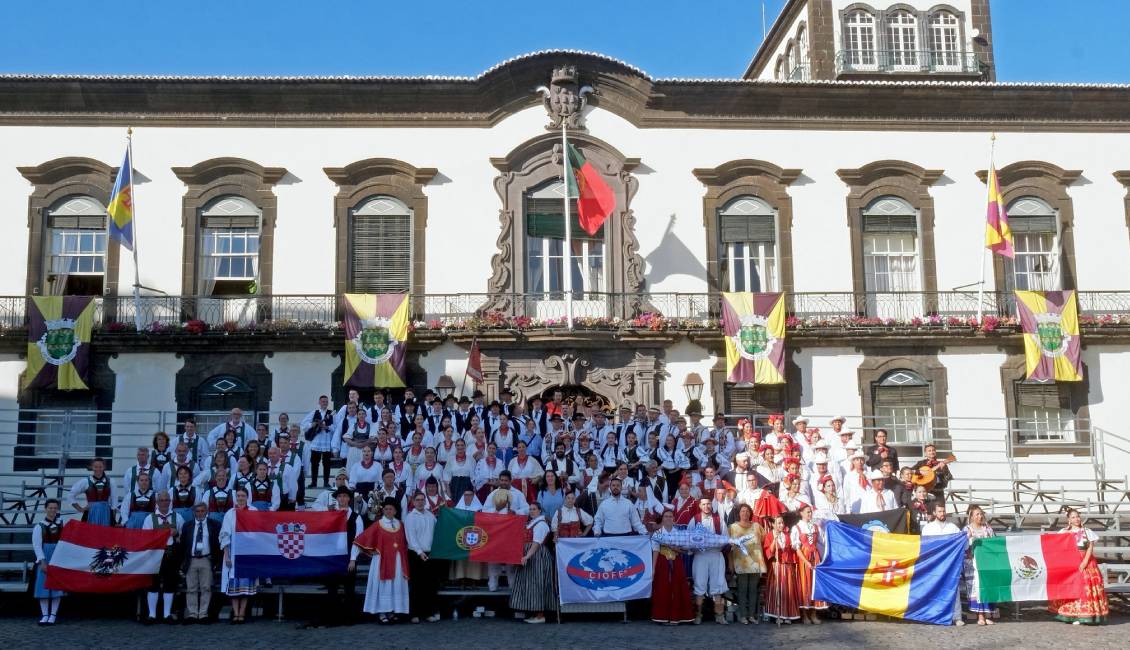

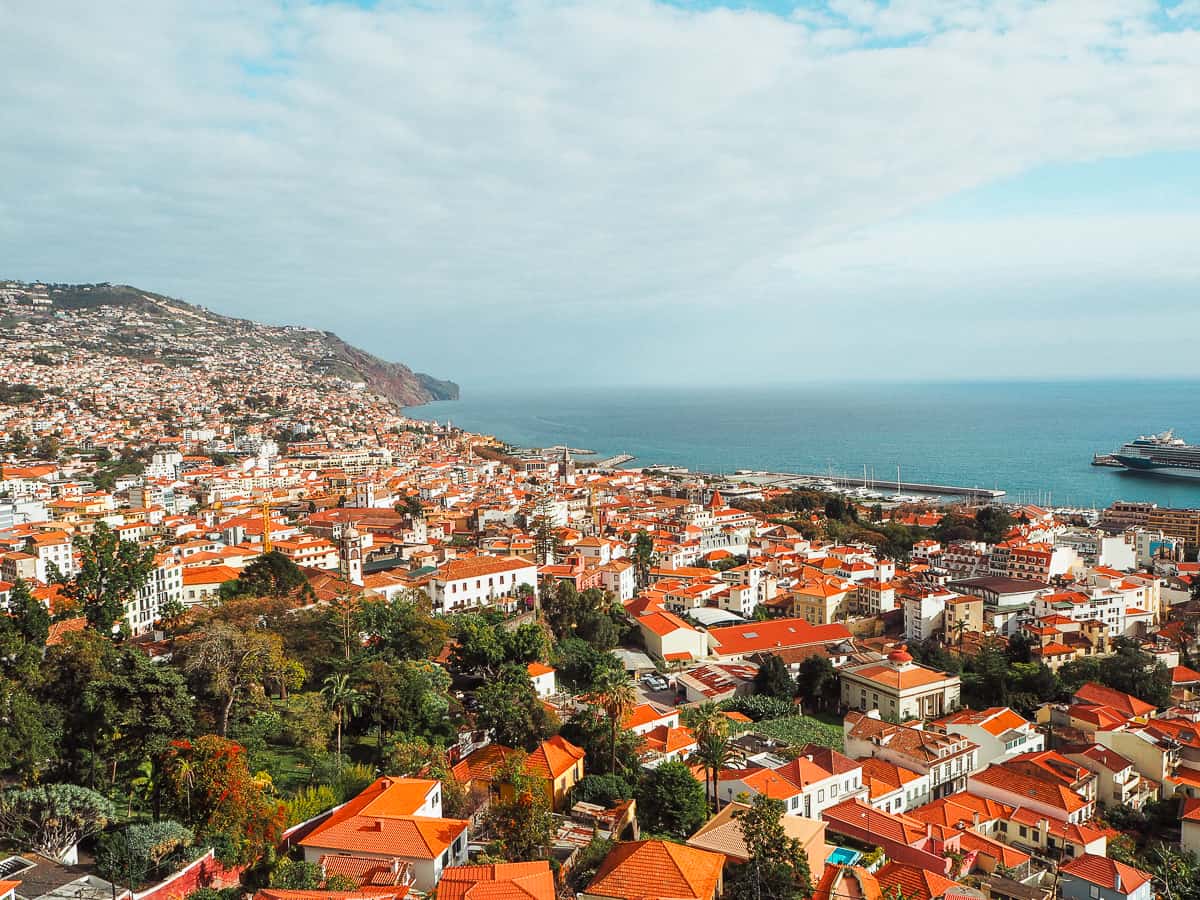
Guide de Colmar : Capitale Alsacienne du Vin et du Patrimoine
Colmar, la perle de l'Alsace, fascine les visiteurs par son charme médiéval et son ambiance unique. Classée parmi les plus belles villes de France, elle séduit avec ses canaux pittoresques, ses maisons à colombages colorées et sa réputation de Capitale des Vins d'Alsace. Cette ville de 28 000 habitants environ est une destination incontournable, alliant richesses historiques, gastronomie réputée et dynamisme contemporain.
Colmar, Cœur Historique et Architectural de l'Alsace
Colmar incarne l'essence de l'Alsace avec une profondeur historique remarquable. Capitale historique de la région, elle a prospéré grâce au commerce du vin et à l'artisanat. Son architecture parfaitement conservée raconte des siècles d'histoire, du Moyen Âge à la Renaissance. La libération de la ville du joug nazi, le 2 février 1945, reste un moment fondateur commémoré chaque année.
Un Musée à Ciel Ouvert : le Centre Historique
Se promener dans le centre-ville de Colmar est une immersion dans le passé. Les ruelles pavées serpentent entre des édifices qui sont autant de chefs-d'œuvre. La célèbre Petite Venise, avec ses canaux bordés de maisons aux couleurs vives, offre un paysage de carte postale. Chaque quartier, comme celui des Tanneurs, possède une identité et une histoire propres.
Les monuments emblématiques sont légion. La Collégiale Saint-Martin, imposante église en grès jaune, domine le paysage urbain. La maison Pfister, joyau du XVIe siècle avec son balcon d'angle et ses fresques, est un exemple parfait de la Renaissance rhénane. Ces trésors architecturaux contribuent à forger la renommée mondiale de Colmar.
La Renommée Culturelle : le Musée Unterlinden
La réputation culturelle de Colmar dépasse largement ses frontières, portée par un musée d'envergure internationale. Le musée Unterlinden est l'un des musées les plus visités de province en France. Il abrite des collections remarquables, dont son joyau absolu : le Retable d'Issenheim.
Ce chef-d'œuvre de la peinture religieuse, réalisé par Matthias Grünewald au début du XVIe siècle, attire chaque année des centaines de milliers de visiteurs émerveillés par sa puissance expressive et sa complexité symbolique.
Le musée, installé dans un ancien couvent, propose un voyage à travers l'art et l'histoire, de la préhistoire à l'art moderne. C'est un pilier essentiel de l'attractivité touristique et intellectuelle de la ville.
Colmar en 2025 : une Ville en Transition Verte et Apaisée
Loins de se reposer sur son patrimoine, Colmar investit activement dans son avenir. L'année 2025 est marquée par des projets d'envergure visant à améliorer le cadre de vie et à accélérer la transition écologique. La municipalité porte une vision ambitieuse d'une ville plus verte, plus mobile et plus agréable à vivre.
Investissements Majeurs pour le Cadre de Vie
La ville mobilise des budgets conséquents pour moderniser ses infrastructures tout en préservant son caractère. Un effort particulier est porté sur la végétalisation urbaine avec la création de plusieurs "cours oasis" dans les cours d'écoles. Ces espaces de fraîcheur et de biodiversité illustrent la volonté d'adapter la ville aux défis climatiques.
Parmi les chantiers structurants, on note la pose de la passerelle de mobilités Confluence et la restructuration complète de la Plaine Pasteur. La rénovation de la Collégiale Saint-Martin est également au programme, assurant la pérennité de ce monument symbole. Ces projets sont menés avec un budget global de 8,3 millions d'euros dédié aux réaménagements de voirie et aux pistes cyclables.
- Plan de végétalisation : création de quatre "cours oasis".
- Mobilité douce : développement du réseau cyclable et nouvelle passerelle.
- Patrimoine : rénovation de la Collégiale Saint-Martin.
- Environnement : déchloration de l'eau potable pour une qualité optimale.
Efficacité Énergétique et Innovations Urbaines
La transition énergétique est un axe prioritaire pour les collectivités. Colmar accélère la modernisation de son éclairage public pour réaliser des économies substantielles. L'objectif est clair et mesurable : porter la part des luminaires en technologie LED à 50 % d'ici fin 2025.
Cette mutation technologique permet de réduire la consommation d'énergie tout en améliorant la qualité de l'éclairage des rues et places publiques. Couplée aux autres projets, elle dessine le portrait d'une ville alsacienne résolument tournée vers l'innovation et le développement durable, sans jamais renier son âme historique.
La Féérie des Marchés de Noël : Attractivité et Vigilance
Les marchés de Noël de Colmar sont un moteur essentiel de l'attractivité touristique hivernale. Réputés dans le monde entier, ils transforment la ville en un véritable village de conte de fées pendant près d'un mois. Les places historiques comme la Place des Dominicains et la Place de l'Ancienne Douane se parent de leurs plus belles décorations.
L'édition 2025 confirme cette tendance avec une fréquentation soutenue. La programmation est riche : marchés colorés, spectacles son et lumière enchanteurs et concerts gratuits pendant trois semaines. Ces événements consolident l'image de Colmar comme une destination "féérique à petit prix", accessible et magique pour les familles.
Sécurité Renforcée dans un Contexte Festif
La forte affluence nécessite une vigilance accrue des services de sécurité. La ville s'appuie sur son Centre de Supervision Urbain (CSU) et ses caméras pour garantir la sécurité des visiteurs. Cette surveillance active a permis des interpellations rapides, comme celle de deux pickpockets le 4 décembre 2025 sur le marché de Noël.
D'autres incidents, bien qu'isolés, rappellent l'importance de cette vigilance, comme une agression verbale avec des insultes racistes contre un vigile en décembre 2025. Ces événements, traités avec célérité, n'entament pas la réputation des marchés mais soulignent l'adaptation constante des mesures de sécurité pour protéger la sérénité des festivités.
La Gastronomie et les Vins d'Alsace à Colmar
Colmar ne serait pas complète sans sa scène gastronomique exceptionnelle, intimement liée à son statut de Capitale des Vins d'Alsace. La ville est le cœur battant d'une région viticole mondialement reconnue, où les cépages nobles comme le Riesling, le Gewurztraminer et le Pinot Gris s'épanouissent. Les restaurants et winstubs authentiques proposent une immersion totale dans les saveurs locales.
Spécialités Culinaires Emblématiques
La table colmarienne est une célébration des produits du terroir. La choucroute garnie, plat roi de l'Alsace, y est préparée avec un savoir-faire ancestral. La tarte flambée (Flammekueche), fine et croustillante, et le bretzel, moelleux et salé, sont des incontournables à déguster.
- Choucroute : chou fermenté accompagné de viandes diverses.
- Tarte flambée : pâte fine recouverte de fromage blanc, d'oignons et de lardons.
- Baeckeoffe : ragoût mariné cuit lentement au four.
- Kougelhopf : brioche moelleuse aux raisins secs, symbole de l'Alsace.
Ces plats, souvent accompagnés d'un verre de Sylvaner ou de Pinot Noir, offrent une expérience gustative authentique. Les marchés, comme celui couvert, regorgent de produits frais et artisanaux pour les amateurs de bonne chère.
Route des Vins et Économie Viticole
Colmar est le point de départ idéal pour explorer la mythique Route des Vins d'Alsace. Cette route touristique serpente à travers des vignobles prestigieux et des villages de caractère. L'économie locale est fortement ancrée dans la viticulture, avec de nombreux domaines familiaux ouvrant leurs portes à la dégustation.
La région produit plus de 150 millions de bouteilles par an, dont une grande partie est commercialisée grâce au dynamisme des négociants et des vignerons de Colmar.
Des événements majeurs, comme les fêtes des vins dans les villages alentour (Turckheim), rythment l'année et attirent les connaisseurs. Cette culture du vin fait de Colmar une destination œnotouristique de premier plan, où l'on vient autant pour le patrimoine que pour les grands crus.
Colmar, Destination Touristique Quatre Saisons
L'attractivité de Colmar s'étend sur toute l'année, chaque saison offrant une atmosphère et des activités distinctes. Au-delà des fameux marchés de Noël, la ville propose une palette d'expériences qui renouvellent sans cesse l'intérêt des visiteurs. Le printemps, l'été et l'automne ont chacun leurs charmes spécifiques.
Printemps et Été : Floraison et Animations Estivales
Dès le printemps, Colmar s'éveille dans une explosion de couleurs. Les géraniums aux balcons et la floraison des arbres mettent en valeur l'architecture médiévale. C'est la saison idéale pour des balades en barque dans le quartier de la Petite Venise ou pour des randonnées dans les vignobles alentour.
L'été est rythmé par des animations estivales inédites. La ville organise des spectacles de rue, des concerts en plein air et des festivals. Les terrasses des cafés se remplissent, et une ambiance joyeuse et détendue règne dans les ruelles. Les journées plus longues permettent de profiter pleinement des musées et des sites historiques.
Automne : la Magie des Vendanges et des Couleurs
L'automne est peut-être la saison la plus magique à Colmar. Les vignobles se parent de teintes rouge et or lors des vendanges. C'est une période d'intense activité et de célébration dans les domaines viticoles. L'air est frais, les paysages sont superbes, et la gastronomie met à l'honneur les produits de saison comme les champignons et le gibier.
- Fêtes des vendanges dans les villages viticoles voisins.
- Dégustations des premiers vins de l'année.
- Balades dans les forêts alsaciennes aux couleurs flamboyantes.
Cette saison offre une expérience plus intimiste, idéale pour les voyageurs en quête d'authenticité et de calme. Elle combine parfaitement la richesse culturelle et les plaisirs simples de la nature.
Vivre à Colmar : Cadre de Vie et Projets d'Avenir
Au-delà de son attractivité touristique, Colmar est une ville où il fait bon vivre. Ses 28 000 habitants bénéficient d'un cadre de vie exceptionnel, alliant patrimoine préservé et modernité. La municipalité porte une attention constante à l'amélioration du quotidien de ses citoyens à travers des projets structurants.
Mobilité et Projet "Confluence"
La mobilité douce est au cœur des préoccupations urbaines. Le réaménagement des voiries et le développement des pistes cyclables visent à apaiser le centre-ville et à favoriser les déplacements non motorisés. La passerelle de mobilités Confluence est un élément clé de cette stratégie.
Ce projet de 8,3 millions d'euros vise à mieux relier les différents quartiers et à fluidifier les circulations. L'objectif est de réduire la place de la voiture en centre-ville tout en offrant des alternatives efficaces et écologiques pour les résidents et les visiteurs. Cette vision s'inscrit dans une politique globale de développement durable.
Équipements Sportifs et Culturels de Proximité
Colmar investit également dans la valorisation de ses équipements sportifs et culturels. La Plaine Pasteur fait l'objet d'une restructuration complète pour devenir un pôle sportif et de loisirs moderne. Ces aménagements visent à offrir aux Colmariens des infrastructures de qualité accessibles à tous.
- Rénovation des équipements sportifs existants.
- Création de nouveaux espaces de loisirs familiaux.
- Renforcement de l'offre culturelle locale dans les quartiers.
Ces investissements démontrent la volonté de la ville de maintenir un haut niveau de service public. Ils contribuent à la cohésion sociale et à l'épanouissement des habitants, faisant de Colmar une ville dynamique et attractive pour ses résidents.
Patrimoine et Culture Vivante à Colmar
Le patrimoine de Colmar n'est pas une simple vitrine historique ; c'est une culture vivante qui anime la ville toute l'année. Au-delà des monuments, ce sont les événements, les traditions et l'artisanat qui perpétuent l'âme alsacienne. Cette dynamique culturelle renforce l'attachement des habitants et l'expérience unique des visiteurs.
Quartiers Historiques et Artisanat Traditionnel
Chaque quartier historique raconte une histoire spécifique. Le quartier des Tanneurs, avec ses maisons étroites à pans de bois, témoigne du passé artisanal florissant. Aujourd'hui, ces ateliers se sont souvent transformés en boutiques et en restaurants, mais l'esprit du lieu demeure.
L'artisanat local continue de prospérer, porté par des savoir-faire transmis de génération en génération. On trouve ainsi des poteries, des sculptures sur bois et des textiles typiques de la région. Ces créations sont des souvenirs authentiques et soutiennent l'économie locale.
- Faïencerie : production de céramiques décoratives typiques.
- Bois sculpté : artisanat des santons et des objets religieux.
- Tissus alsaciens : confection de costumes traditionnels et de tissus d'ameublement.
Ces métiers d'art contribuent à préserver l'identité forte de Colmar. Ils sont souvent mis en valeur lors de marchés artisanaux et de fêtes médiévales qui ponctuent le calendrier.
Événements et Festivals Tout au Long de l'Année
Le calendrier événementiel de Colmar est particulièrement riche. Après les marchés de Noël, d'autres festivités prennent le relais. La Foire aux Vins d'Alsace au printemps, les concerts d'été dans la Cour de l'Ancienne Douane ou encore la Fête des Maisons Fleuries animent la cité.
Ces événements, souvent gratuits, créent une atmosphère conviviale et ouverte à tous. Ils sont essentiels pour maintenir le lien social et promouvoir la vie culturelle locale auprès d'un large public.
La ville investit également dans des spectacles sons et lumières qui mettent en valeur son patrimoine architectural la nuit tombée. Ces animations renforcent l'attractivité touristique et offrent aux résidents une programmation culturelle de qualité.
Sécurité, Gouvernance et Vie Citoyenne
Colmar, comme toute ville touristique d'envergure, doit concilier ouverture et sécurité. Les incidents récents, bien qu'isolés, ont conduit à un renforcement des dispositifs de surveillance et de prévention. La gestion de ces enjeux est cruciale pour préserver la quiétude de la ville.
Rôle du Centre de Supervision Urbain (CSU)
Le Centre de Supervision Urbain (CSU) joue un rôle prépondérant dans la sécurité quotidienne. Grâce à un réseau de caméras efficace, il permet une intervention rapide des forces de l'ordre. L'interpellation de pickpockets sur le marché de Noël 2025 en est une parfaite illustration.
Ce système dissuasif est essentiel pour protéger les biens et les personnes, surtout lors des grands rassemblements. Il rassure à la fois les commerçants, les habitants et les millions de visiteurs qui fréquentent Colmar chaque année. La technologie est ainsi mise au service de la tranquillité publique.
Contexte Régional et Vigilance
La ville évolue dans un contexte régional alsacien qui nécessite une vigilance constante. Des affaires de radicalisation, bien que ne concernant pas directement Colmar, rappellent l'importance d'une coordination étroite entre les services de l'État. La ville participe activement à cette démarche de sécurité collective.
La municipalité travaille en synergie avec la préfecture et le tribunal judiciaire pour anticiper et gérer les risques. Cette collaboration est indispensable pour maintenir Colmar comme un havre de paix et de stabilité, où la vie culturelle et économique peut s'épanouir en toute sérénité.
Conclusion : Colmar, entre Tradition et Modernité
Colmar incarne avec grâce le mariage réussi entre un patrimoine historique préservé et une dynamique urbaine tournée vers l'avenir. Ville musée par son architecture Renaissance et ses canaux de la Petite Venise, elle est aussi une cité vivante et innovante. Ses investissements majeurs dans la transition verte, la mobilité douce et le cadre de vie en témoignent.
Son économie, ancrée dans la viticulture et le tourisme, lui assure une prospérité et une renommée internationales. La célébration des saisons, des marchés de Noël féériques aux vendanges automnales, rythme une année toujours animée. Colmar sait protéger son authenticité alsacienne tout en s'adaptant aux enjeux contemporains.
Les Points Clés à Retenir
- Patrimoine Unique : Centre historique médiéval classé, Musée Unterlinden et son Retable d'Issenheim.
- Capitale des Vins : Cœur de la Route des Vins d'Alsace et gastronomie réputée.
- Investissements d'Avenir : 8,3 millions d'euros pour les mobilités, 50% d'éclairage LED fin 2025, végétalisation urbaine.
- Destination Quatre Saisons : Marchés de Noël mondialement connus et animations estivales inédites.
- Cadre de Vie Exceptionnel : Ville apaisée, secure et culturellement vibrante pour ses 28 000 habitants.
En définitive, Colmar n'est pas seulement une carte postale ; c'est une expérience complète. Elle offre aux visiteurs un dépaysement total dans l'Alsace la plus authentique et propose à ses habitants une qualité de vie remarquable. Entre ses projets d'urbanisme durables et la protection jalouse de son héritage, Colmar trace avec assurance son chemin vers l'avenir, sans jamais oublier les racines qui font sa force et son charme incomparables.


Guide essentiel pour votre prochaine croisière de rêve
Le monde des croisières connaît un essor spectaculaire, attirant des millions de passagers chaque année. En 2024, le secteur a atteint un record absolu avec 34,6 millions de vacanciers à travers le globe. Que vous soyez novice ou croisiériste aguerri, embarquer pour une aventure en mer ou sur un fleuve offre une expérience de voyage unique, alliant détente, découverte et confort. Ce guide vous dévoile tout ce qu'il faut savoir pour planifier votre prochaine échappée.
Le secteur mondial de la croisière a transporté près de 35 millions de passagers en 2024, générant environ 170 milliards de dollars de retombées économiques. Les prévisions pour 2025 annoncent un nouveau record, frôlant les 38 millions d'embarquements.
Contrairement aux idées reçues, la clientèle des paquebots et des bateaux de croisière fluviale se renouvelle et rajeunit. L'âge moyen des passagers européens est désormais de 49 ans. En France, le potentiel est immense, avec une fidélité exceptionnelle : 84% des Français repartent en croisière dans les trois ans suivant leur premier voyage.
L'essor mondial d'un secteur en pleine croissance
La croisière est bien plus qu'une simple niche touristique. Elle représente un pilier dynamique de l'économie du voyage avec une croissance soutenue post-pandémie. Après avoir franchi la barre des 31 millions de passagers en 2023, l'année 2024 a confirmé la robustesse du marché avec une hausse de près de 9%. Cette tendance ascendante devrait se poursuivre, avec l'objectif de 40 millions de croisiéristes à l'horizon 2027.
Les chiffres clés d'un marché record
Les statistiques récentes illustrent parfaitement l'engouement planétaire pour ce type de vacances. La reprise a été particulièrement forte en Asie-Océanie et en Europe. Voici les données essentielles à retenir :
- 34,6 millions : Le nombre de passagers ayant embarqué sur une croisière dans le monde en 2024.
- +9 à +10% : La croissance annuelle estimée du secteur pour l'année 2024.
- 37,7 à 38 millions : La prévision de fréquentation pour l'année 2025, un nouveau record en perspective.
- 170 milliards de dollars : Le chiffre d'affaires mondial généré par l'industrie en 2024.
Cette croissance s'explique par une diversification de l'offre et un renouvellement des clientèles. Les compagnies ont su s'adapter pour attirer un public plus jeune et plus large, proposant des expériences sur-mesure, des navires innovants et des itinéraires variés.
La place de la France sur l'échiquier mondial
Si la France est une nation maritime de premier plan, sa part dans le marché européen de la croisière reste modeste mais stable. En 2024, entre 570 000 et 575 000 Français ont choisi ce mode de voyage, ce qui place l'Hexagone au 5e rang européen.
Cela représente environ 7% du marché continental, derrière des pays comme l'Allemagne et le Royaume-Uni. Les professionnels du secteur soulignent qu'il existe un potentiel encore à réveiller, citant souvent l'adage : "Les Français adorent la croisière, mais ne le savent pas".
Le succès est toutefois incontestable dans certains hubs. Marseille concentre à elle seule environ 60% des départs depuis la France métropolitaine, avec une croissance à deux chiffres. La Méditerranée reste la reine des escapades, représentant 63,7% des embarquements français.
Choisir son type de croisière : maritime ou fluviale ?
Le premier choix crucial pour organiser vos vacances consiste à définir le cadre de votre aventure. Deux univers s'offrent à vous, chacun avec son charme, son rythme et ses destinations phares. Comprendre leurs différences est essentiel pour sélectionner le voyage qui correspond réellement à vos envies.
La croisière maritime : l'appel du large
Embarquer sur un paquebot de croisière, c'est opter pour une destination en soi. Les navires modernes sont de véritables villes flottantes, proposant une multitude de restaurants, de spectacles, de piscines et d'activités. C'est la promesse de découvrir plusieurs escales lors d'un seul voyage, sans avoir à défaire sa valise.
Les tendances montrent une forte diversification des pratiques au sein même des croisières maritimes :
- Croisière à la cabine : La location d'une simple cabine sur un navire affrété, en hausse de +23%.
- Croisière en catamaran : Très prisée, elle représente désormais 46,9% des départs, offrant intimité et navigation agile.
- Croisière avec skipper : Une formule liberté qui connaît un boom, avec une croissance de +41%.
La saisonnalité évolue aussi, avec une hausse marquée des départs hors saison estivale, notamment vers les Antilles en hiver.
La croisière fluviale : l'immersion au fil de l'eau
À l'opposé de l'immensité océane, la croisière fluviale propose une expérience intimiste et culturelle. Elle permet une exploration en profondeur des terres, en naviguant sur les fleuves et canaux au cœur des villes et des paysages. En France, la Seine est la voie royale de ce tourisme.
En 2024, la Seine a accueilli 96 300 passagers, soit une augmentation de 15%, pour un total de 592 500 nuitées. Cependant, le marché fluvial français dans son ensemble montre des signes de contraction, avec une baisse de la clientèle nationale et du nombre de bateaux en circulation hors du bassin du Rhin.
La notoriété des croisières fluviales est en hausse, boostée par des événements marquants. Des ports comme Honfleur voient leur attractivité croître, avec trois compagnies différentes désormais présentes pour la saison 2025.
Les perspectives pour 2025 restent excellentes pour ce segment, qui mise sur un public en quête d'authenticité, de calme et de patrimoine. Les itinéraires sur la Garonne et à travers les canaux de Bourgogne ou d'Alsace séduisent de plus en plus de voyageurs.
Les destinations tendances pour votre croisière
Choisir sa destination est une étape clé pour réussir sa croisière. Les goûts des voyageurs évoluent, mêlant désirs d'exotisme, de culture et de proximité. L'année 2025 s'annonce riche en nouveautés et confirmations, avec des zones géographiques qui tirent leur épingle du jeu grâce à des atouts uniques. De la Méditerranée aux mers du Sud, voici un tour d'horizon des itinéraires qui cartonnent.
La Méditerranée, éternelle favorite des croisiéristes français
Pour les départs au départ de la France, la Méditerranée reste indétrônable. Elle capte à elle seule 63,7% des embarquements nationaux. Ce bassin offre une incroyable diversité d'escales sur un périmètre réduit : culture gréco-romaine, villages provençaux, criques espagnoles et îles italiennes.
La Croatie et ses milliers d'îles demeurent une valeur sûre, même si sa part de marché (18,5%) a légèrement reculé face à la concurrence d'autres destinations. Les ports français, comme Marseille et Toulon, voient leur trafic croître significativement, avec une augmentation de 9,6% du nombre de voyageurs en Méditerranée en 2023.
En 2023, les ports de la façade méditerranéenne française ont enregistré 12,5 millions de voyageurs, confirmant l'attrait majeur de cette région pour le secteur de la croisière.
L'explosion des destinations lointaines et du tourisme de proximité
Deux mouvements paradoxaux mais complémentaires se dessinent : l'attrait pour l'exotisme et la redécouverte des côtes françaises. D'un côté, des destinations comme la Polynésie française enregistrent une augmentation spectaculaire de +67% de fréquentation.
La Guadeloupe suit cette tendance avec une croissance de +46% prévue pour 2024-2025. D'un autre côté, les côtes françaises (Bretagne, Côte d'Azur) attirent 10,7% des croisiéristes, offrant un produit de proximité de qualité. Les ports de la Manche et de la mer du Nord ont connu une hausse de fréquentation de 28,1% en 2023.
- Destinations soleil : Polynésie (+67%), Guadeloupe (+46%), Antilles (forte croissance hors saison).
- Destinations européennes : Croatie, Grèce, Italie, Espagne.
- Destinations de proximité : Côtes bretonnes, Méditerranée française, canaux.
Cette polarisation montre la capacité du secteur à répondre à toutes les envies, du voyage au long cours à la minicroisière d'un week-end.
Les nouvelles tendances qui façonnent la croisière de demain
Le monde des croisières n'échappe pas aux évolutions sociétales et aux nouvelles attentes des consommateurs. Le profil du croisiériste change, ses exigences en matière d'expérience et de durabilité aussi. Les compagnies et les loueurs s'adaptent rapidement, donnant naissance à des offres innovantes qui redéfinissent le voyage sur l'eau.
Un public plus jeune et une diversification des pratiques
Le cliché du retraité en croisière est définitivement dépassé. L'âge moyen du croisiériste mondial est maintenant de 47 ans. En Europe, il est de 49 ans, soit trois ans de moins qu'en 2019. Cette tendance au rajeunissement s'accompagne d'une augmentation significative des premiers embarquements.
En 2023, 27% des passagers découvraient ce mode de voyage. Cette nouvelle clientèle recherche des expériences plus actives, plus authentiques et souvent plus courtes. La demande pour des croisières expédition ou des voyages à thème (gastronomie, bien-être, musique) explose.
La montée en puissance des locations et du "faites-le vous-même"
Au-delà des paquebots traditionnels, la location de bateaux avec ou sans équipage connaît un essor remarquable. La location de catamarans représente désormais près de la moitié des départs (46,9%). Cette formule offre flexibilité, intimité et un accès privilégié aux petites criques et aux ports traditionnels.
La formule skipper affiche une croissance phénoménale de +41%. Elle permet à des groupes d'amis ou des familles de profiter d'un bateau sans avoir les compétences de navigation requises, combinant liberté et sécurité. Cette tendance traduit un désir de personnalisation extrême du voyage.
Une saisonnalité en pleine évolution
La croisière n'est plus une activité strictement estivale. Les départs en dehors de la haute saison (juillet-août) sont en forte hausse. Le premier trimestre 2025 devrait ainsi enregistrer 50% de départs en plus par rapport à la même période de 2019.
Les mois de janvier et février vers les Antilles sont particulièrement prisés, permettant d'échapper à l'hiver européen. À l'inverse, la période juillet-août connaît une légère baisse (-10%), tandis que le mois de juin profite d'un regain d'intérêt (+25%). Cette désaisonnalisation profite à la fois aux voyageurs et aux professionnels.
La location de catamarans et de bateaux avec skipper domine le marché de la location, avec des croissances respectives de +41% et +23% pour la formule "à la cabine". Les voyageurs recherchent toujours plus de liberté et d'expériences sur mesure.
Le cas particulier de la croisière en outre-mer et fluviale
Certains segments du marché affichent des dynamiques très spécifiques, méritant une analyse détaillée. Les départements et territoires d'outre-mer d'une part, et la croisière fluviale en métropole d'autre part, connaissent des évolutions contrastées mais révélatrices des transformations du secteur.
Un rebond spectaculaire pour les croisières en outre-mer
Les destinations ultra-marines françaises ont connu une année 2023 exceptionnelle en termes de fréquentation touristique maritime. Le nombre de croisiéristes y a été multiplié par cinq par rapport à 2022, atteignant 726 000 passagers.
Cette hausse représente une croissance de +66,9%. Toutefois, ce chiffre reste encore inférieur aux niveaux record d'avant la pandémie (2019), laissant entrevoir une marge de progression supplémentaire. La Polynésie française et les Antilles sont les moteurs principaux de cette reprise vigoureuse.
La croisière fluviale : un segment à deux vitesses
Le paysage de la croisière fluviale française est contrasté. D'un côté, des axes prestigieux comme la Seine enregistrent une excellente santé. En 2024, la fréquentation sur la Seine a augmenté de 15% en passagers et de 16% en nuitées.
D'un autre côté, le marché global fluvial hors Rhin montre des signes de faiblesse, avec une baisse de 9% du nombre de bateaux et une réduction similaire de la clientèle française. Cette dichotomie s'explique par la notoriété inégale des destinations et l'impact positif d'événements majeurs (comme les Jeux Olympiques) sur certains itinéraires.
- Succès : Seine (Paris, Normandie), Garonne, canaux boostés par des événements.
- Défis : Baisse globale de la flotte et de la clientèle française sur d'autres réseaux.
- Perspective 2025 : Une notoriété accrue devrait bénéficier à l'ensemble du segment fluvial.
Les ports comme Honfleur sont devenus des emblèmes de ce succès, attirant désormais trois compagnies différentes. L'enjeu pour les professionnels est d'étendre cet effet d'entraînement à l'ensemble du réseau fluvial national, en capitalisant sur un désir croissant de tourisme lent et patrimonial.
L'impact économique et les enjeux de durabilité
Le secteur de la croisière n'est pas seulement une source d'évasion pour les voyageurs, c'est aussi un puissant moteur économique avec des répercussions majeures à l'échelle mondiale et locale. Toutefois, cette croissance formidable s'accompagne d'un impératif : celui de la transition écologique. Les compagnies et les ports sont aujourd'hui face au défi de concilier développement et responsabilité environnementale.
Un poids économique colossal et des retombées locales
L'industrie génère des revenus colossaux et des centaines de milliers d'emplois directs et indirects. En 2024, son impact économique global est estimé à environ 170 milliards de dollars, avec un potentiel de dépassement des 200 milliards dès 2025. Chaque escale représente une manne financière pour les villes portuaires, à travers les dépenses des passagers, les frais portuaires et l'approvisionnement des navires.
La croisière est un vecteur clé de l'économie touristique maritime, avec une valeur mondiale approchant les 200 milliards de dollars. En France, bien que de niche, elle contribue significativement à l'activité des ports comme Marseille, Toulon ou les ports normands.
En France, malgré une part de marché européenne modeste (7%), l'activité est vitale pour plusieurs régions. La concentration de 60% des départs à Marseille génère une activité économique soutenue. Dans les territoires d'outre-mer, le rebond de +66,9% du nombre de croisiéristes en 2023 a fourni un soutien crucial à l'économie touristique locale post-pandémie.
La transition écologique : un impératif pour l'avenir du secteur
La prise de conscience environnementale pousse l'ensemble de la filière à se réinventer. Les enjeux portent sur la réduction des émissions de gaz à effet de serre, le traitement des déchets, la gestion des eaux usées et la préservation des écosystèmes marins et fluviaux. Les compagnies investissent massivement dans des technologies plus propres.
Les nouvelles générations de navires sont équipées de moteurs au GNL (Gaz Naturel Liquéfié), de systèmes de épuration des gaz d'échappement (scrubbers) et de capacités de connexion électrique à quai. La croisière fluviale est également concernée, avec une pression accrue pour moderniser les flottes et limiter l'impact sur les fleuves.
- Investissements technologiques : Moteurs GNL, batteries hybrides, peintures antisalissures écologiques.
- Optimisation des itinéraires : Réduction des vitesses de navigation pour consommer moins de carburant.
- Gestion des déchets : Politique de « zéro rejet en mer » et recyclage poussé à bord.
Cette transition est devenue un argument commercial majeur, les croisiéristes étant de plus en plus sensibles à l'éthique environnementale de leur opérateur. La durabilité n'est plus une option, mais la condition sine qua non de la pérennité du secteur.
Comment bien préparer et choisir sa croisière ?
Pour transformer un projet en souvenirs inoubliables, une préparation minutieuse est nécessaire. Le choix de la compagnie, du bateau, de la cabine et des forfaits peut sembler complexe. Voici un guide pratique pour vous aider à naviguer parmi les offres et à prendre les bonnes décisions pour votre voyage en mer ou sur les fleuves.
Définir son budget et le type de formule souhaitée
Le prix d'une croisière varie énormément selon la durée, la destination, le type de navire, la compagnie et la catégorie de cabine. Il est crucial de définir son budget en amont et de comprendre ce qui est inclus (repas, spectacles, certaines boissons) et ce qui est en supplément (excursions, spa, boissons alcoolisées, pourboires).
Les formules « tout compris » gagnent en popularité pour leur simplicité. Parallèlement, les locations de catamarans ou de bateaux avec skipper nécessitent un budget global à partager entre les membres du groupe, mais offrent une autonomie totale. N'oubliez pas de budgétiser les dépenses à terre et les assurances annulation.
Sélectionner l'itinéraire et la saison adaptés à vos envies
Le choix de la destination doit aligner vos centres d'intérêt (culture, farniente, aventures) avec la saisonnalité. Pour des croisières en Méditerranée, les périodes de mai-juin et septembre-octobre offrent un climat agréable et une fréquentation moindre qu'en plein été. Pour les Caraïbes, la saison sèche (décembre à avril) est idéale.
Profitez de la désaisonnalisation : les départs en hiver vers les Antilles ou en automne printemps en Méditerranée proposent souvent des tarifs plus attractifs et une expérience différente. Consultez les tendances : les croisières expédition vers des destinations comme la Polynésie ou la Norvège sont très prisées et nécessitent une réservation longtemps à l'avance.
Près de 27% des passagers en 2023 étaient des primo-croisiéristes. Pour bien choisir, il est recommandé de se fier aux conseils d'un agent de voyage spécialisé, de comparer les compagnies sur des critères comme le style de voyage (familial, luxe, aventure) et de lire les avis des précédents voyageurs.
Les formalités pratiques et conseils d'embarquement
Une fois la croisière réservée, certaines formalités sont essentielles. Vérifiez la validité de votre passeport (souvent exigé même pour des escales en dehors de l'espace Schengen) et les éventuels besoins de visa. Souscrivez une assurance voyage adaptée, couvrant notamment l'annulation et les soins médicaux à l'étranger.
Pour l'embarquement, arrivez tôt pour éviter les files d'attente. Pensez à préparer une valise cabine avec vos essentiels pour la première journée, votre bagage en soute pouvant mettre du temps à être livré à votre cabine. Familiarisez-vous avec les règles de sécurité et le plan du navire dès votre arrivée.
- Documents : Passeport valide, visas si nécessaire, carte de crédit pour l'enregistrement à bord.
- Santé : Assurance médicale, médicaments personnels, certificat médical pour certaines croisières expédition.
- À bord : Tenue adaptée (selon les codes vestimentaires du soir), crème solaire, adaptateurs de prise.
Perspectives et conclusion : l'avenir s'écrit sur l'eau
Le secteur de la croisière aborde l'avenir avec une confiance retrouvée et des défis à relever. Les prévisions pour les prochaines années tablent sur une croissance continue, portée par l'innovation, la diversification et l'élargissement de la clientèle. L'année 2025 s'annonce déjà comme un nouveau record, avec près de 38 millions de passagers attendus.
Des prévisions de croissance robustes pour les années à venir
La trajectoire est clairement ascendante. Après le record de 2024 (34,6 millions), l'objectif des 40 millions de croisiéristes à l'horizon 2027 semble tout à fait atteignable. Cette croissance sera portée par la mise en service de navires toujours plus innovants, l'ouverture de nouveaux ports et destinations, et la fidélisation d'une clientèle de plus en plus satisfaite.
Le marché français, bien que présentant un potentiel encore sous-exploité, devrait bénéficier de cet élan global. La notoriété de la croisière fluviale, boostée par des événements médiatiques, et la force du hub méditerranéen de Marseille sont des atouts majeurs. La tendance au rajeunissement et à la première expérience (27% de nouveaux en 2023) est un gage de renouvellement et de vitalité.
Synthèse des tendances structurantes
Pour conclure, plusieurs mouvements profonds façonnent et façonneront l'expérience croisière :
- Démocratisation et rajeunissement : Un âge moyen qui baisse (47 ans mondial) et une hausse des premiers embarquements.
- Diversification de l'offre : Succès des locations (catamaran, skipper), croissance des croisières expédition et à thème, essor du fluvial.
- Désaisonnalisation : Étalement des départs sur toute l'année, avec une forte croissance hors saison estivale.
- Responsabilité environnementale : Une transition écologique inéluctable et devenue centrale dans la stratégie des acteurs.
- Personnalisation : Recherche accrue d'expériences sur mesure, d'authenticité et de liberté.
La croisière a démontré sa résilience et sa capacité à se réinventer. Loin des clichés d'antan, elle se présente aujourd'hui comme une forme de voyage moderne, adaptée à toutes les générations, toutes les bourses et toutes les envies, de la traversée océane à la balade intimiste sur un fleuve. Elle reste une invitation puissante au rêve, à la découverte et à la déconnexion, avec pour seul horizon l'immensité bleue ou le paysage changeant des rives. En définitive, que vous soyez attiré par le gigantisme des paquebots ou le charme des péniches, l'appel de la croisière n'a jamais été aussi séduisant et accessible. Il ne vous reste plus qu'à choisir votre pont, votre destination et à laisser le voyage commencer.