Gregor Johann Mendel: The Pioneer of Modern Genetics
Introduction to Gregor Mendel's Legacy
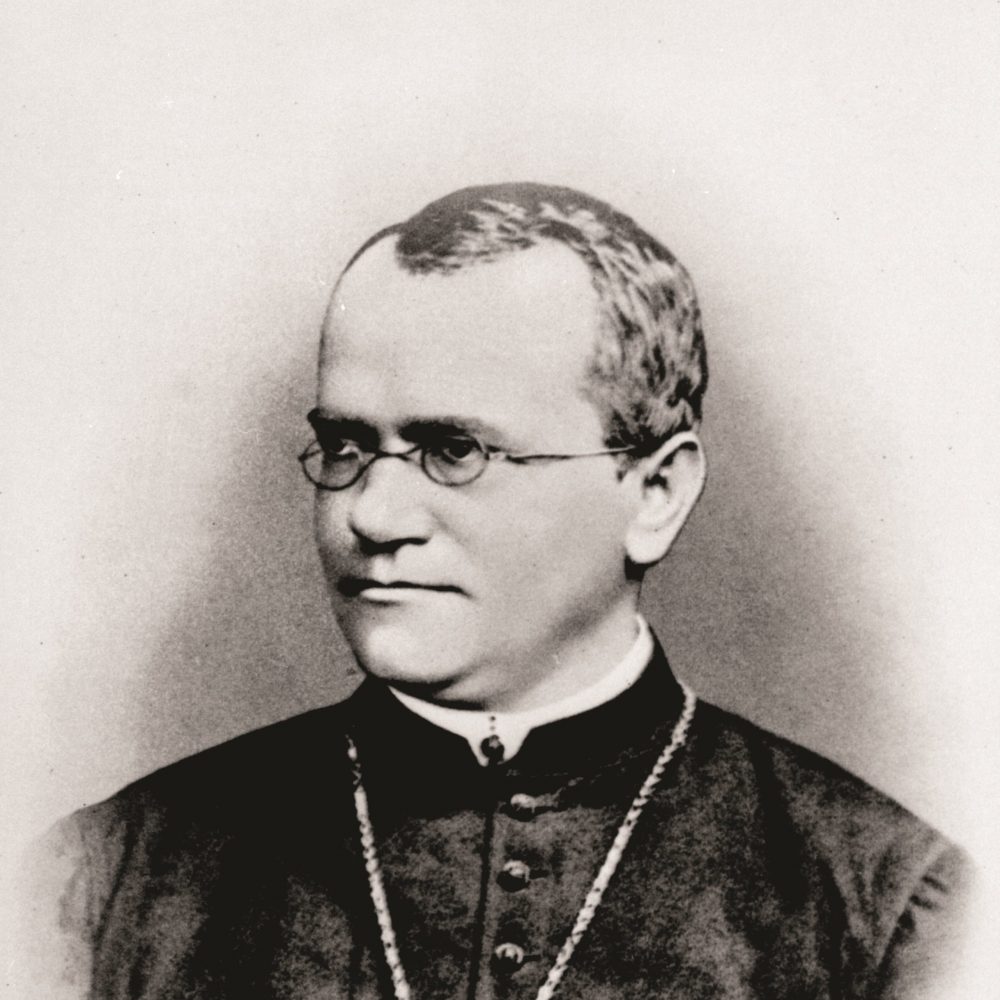
Gregor Johann Mendel, a 19th-century scientist, revolutionized our understanding of heredity through his meticulous experiments with pea plants. His work laid the foundation for modern genetics, introducing concepts like dominance, segregation, and independent assortment. Despite initial obscurity, Mendel's discoveries became cornerstones of biological science.
Early Life and Scientific Context
Born in 1822 in what is now the Czech Republic, Mendel entered the Augustinian monastery in Brno, where he combined his religious duties with scientific pursuits. The scientific context of his time was dominated by theories of blending inheritance, where traits were thought to merge between generations. Mendel's groundbreaking approach challenged these ideas.
Challenging the Status Quo
Unlike his contemporaries, Mendel believed in discrete hereditary factors—now known as genes. His experiments with Pisum sativum (pea plants) demonstrated that traits did not blend but were passed down in predictable patterns. This was a radical departure from the prevailing scientific thought.
Mendel's Groundbreaking Experiments
Between 1856 and 1863, Mendel conducted controlled crosses of pea plants, meticulously tracking seven distinct traits. His quantitative approach yielded consistent numerical ratios, such as the 3:1 ratio in monohybrid crosses, which revealed the principles of dominance and segregation.
The Scale of Mendel's Work
Mendel's experiments were unprecedented in their scale. He grew and recorded data from approximately 10,000 pea plants, ensuring statistical robustness. This large-scale approach allowed him to observe patterns that smaller studies might have missed.
Key Findings and Mendelian Ratios
Mendel's work identified several key ratios that became fundamental to genetics:
- 3:1 phenotypic ratio in the F2 generation of monohybrid crosses.
- 9:3:3:1 ratio in dihybrid crosses, illustrating independent assortment.
These ratios provided empirical evidence for his theories and remain central to genetic education today.
The Rediscovery of Mendel's Work
Despite publishing his findings in 1866, Mendel's work was largely ignored during his lifetime. It wasn't until 1900—34 years after his paper's publication—that his discoveries were rediscovered by Hugo de Vries, Carl Correns, and Erich von Tschermak. This rediscovery marked the birth of genetics as a scientific discipline.
Why Was Mendel Ignored?
Several factors contributed to the initial neglect of Mendel's work:
- His paper was published in an obscure journal.
- The scientific community was not yet ready to accept his radical ideas.
- Mendel's mathematical approach was ahead of its time.
However, once rediscovered, his work quickly gained recognition for its experimental rigor and predictive power.
Mendel's Methodological Innovations
Mendel's success can be attributed to his methodological innovations. He combined experimental design, controlled crosses, and quantitative analysis in a way that was unprecedented. His approach included:
- Tracking individual traits separately.
- Replicating experiments across large sample sizes.
- Using simple arithmetic to analyze results.
These practices made his findings robust and reproducible, setting a new standard for scientific inquiry.
The Importance of Quantitative Analysis
Mendel's use of quantitative analysis was revolutionary. By counting and categorizing traits, he transformed genetics from a qualitative observation into a quantitative science. This shift allowed for the discovery of predictable patterns and ratios, which became the bedrock of genetic research.
Conclusion of Part 1
Gregor Mendel's work with pea plants fundamentally changed our understanding of heredity. His discoveries of dominance, segregation, and independent assortment laid the groundwork for modern genetics. Despite initial obscurity, his methodological rigor and quantitative approach ensured that his contributions would eventually be recognized as foundational to the field.
In Part 2, we will delve deeper into the specifics of Mendel's experiments, the traits he studied, and the broader implications of his work for modern genetics.
The Seven Traits That Defined Mendelian Genetics
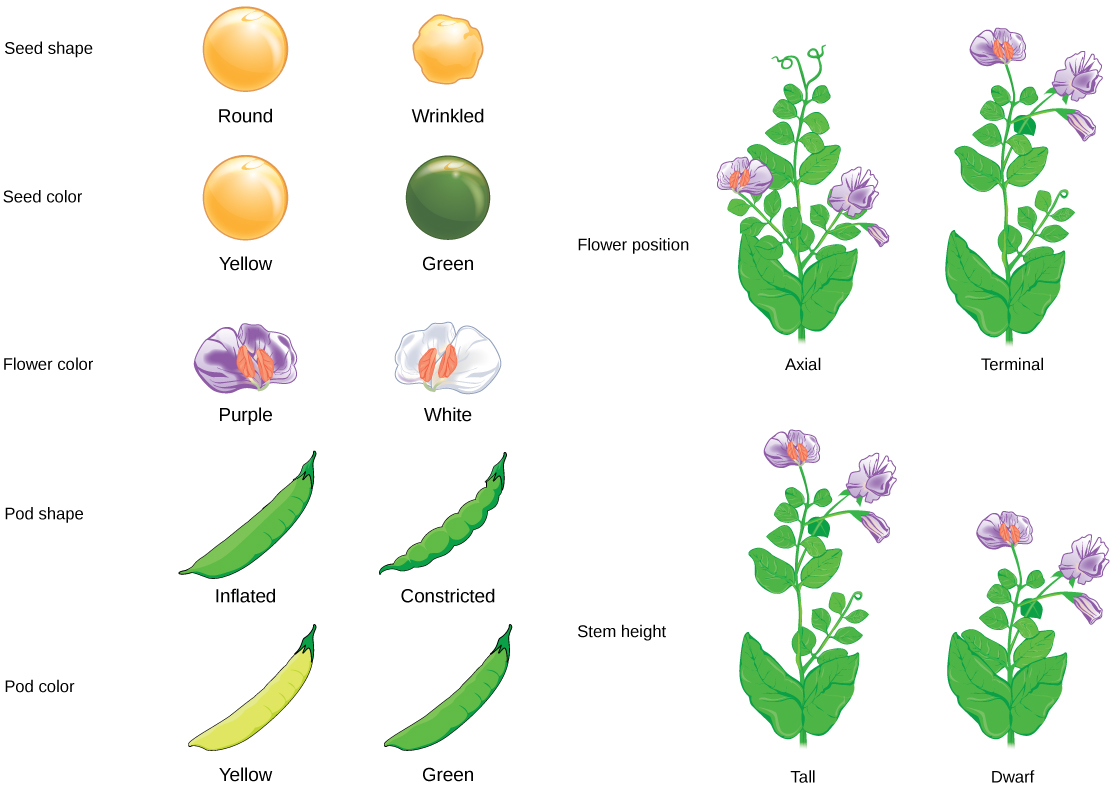
Mendel's experiments focused on seven distinct traits in pea plants, each exhibiting clear dominance relationships. These traits were carefully chosen for their ease of observation and consistent inheritance patterns. By studying these characteristics, Mendel uncovered the fundamental principles of heredity.
Characteristics of the Seven Pea Plant Traits
The traits Mendel examined included:
- Flower color (purple vs. white)
- Flower position (axial vs. terminal)
- Stem length (tall vs. dwarf)
- Pod shape (inflated vs. constricted)
- Pod color (green vs. yellow)
- Seed shape (round vs. wrinkled)
- Seed color (yellow vs. green)
Each trait demonstrated a dominant-recessive relationship, where one form consistently appeared in the F1 generation while the other remained hidden, only to reappear in predictable ratios in the F2 generation.
Statistical Consistency Across Generations
Mendel's meticulous record-keeping revealed striking statistical patterns. For example, when crossing plants with purple flowers (dominant) and white flowers (recessive), the F1 generation uniformly displayed purple flowers. However, in the F2 generation, the ratio of purple to white flowers approximated 3:1—a pattern that held true across all seven traits.
Mendel's Laws: The Foundation of Heredity
From his experiments, Mendel derived three fundamental laws that govern inheritance:
The Law of Segregation
This law states that each individual possesses two alleles for a trait, which segregate during gamete formation. As a result, each parent contributes one allele to their offspring. Mendel observed this phenomenon when the recessive trait (e.g., white flowers) reappeared in the F2 generation after being absent in the F1 generation.
The Law of Dominance
The Law of Dominance explains why certain traits appear more frequently in offspring. Mendel found that one allele can mask the expression of another. For instance, the allele for purple flowers dominated over the allele for white flowers, causing the recessive trait to remain hidden in heterozygous individuals.
The Law of Independent Assortment
Mendel's dihybrid crosses—experiments tracking two traits simultaneously—led to the discovery of independent assortment. He observed that alleles for different traits are inherited independently of one another. This principle was evidenced by the 9:3:3:1 ratio in the F2 generation of dihybrid crosses, showing all possible combinations of the two traits.
Modern Validation and Exceptions to Mendel's Laws
While Mendel's laws remain foundational, modern genetics has revealed complexities that extend beyond his original observations. Advances in molecular genetics have validated his conceptual "factors" as genes located on chromosomes, but they have also identified exceptions to simple Mendelian inheritance.
Linkage and Genetic Recombination
One significant exception is linkage, where genes located close to one another on the same chromosome tend to be inherited together. This phenomenon was discovered by Thomas Hunt Morgan in the early 20th century. While Mendel's Law of Independent Assortment holds true for genes on different chromosomes, linked genes violate this principle due to their physical proximity.
Incomplete Dominance and Codominance
Not all traits exhibit the clear dominance relationships Mendel described. In cases of incomplete dominance, heterozygous individuals display a phenotype that is a blend of the two homozygous phenotypes. For example, crossing red and white snapdragons can yield pink offspring. Similarly, codominance occurs when both alleles are fully expressed in the phenotype, as seen in the AB blood type in humans.
Epistasis and Polygenic Inheritance
Epistasis occurs when one gene affects the expression of another gene. This interaction can produce unexpected phenotypic ratios that deviate from Mendel's predictions. Additionally, many traits are polygenic, meaning they are influenced by multiple genes. Examples include human height and skin color, which exhibit continuous variation rather than the discrete categories Mendel observed.
The Molecular Era: Identifying Mendel's Genes
Recent advancements in genomics have allowed scientists to identify the specific genes responsible for the traits Mendel studied. Research institutions, such as the John Innes Centre, have played a pivotal role in this endeavor, leveraging extensive pea germplasm collections to pinpoint the molecular basis of Mendel's phenotypic observations.
From Phenotype to Genotype
Modern techniques like DNA sequencing and gene mapping have enabled researchers to locate and characterize the genes underlying Mendel's seven traits. For instance:
- The gene for flower color has been identified as a transcription factor that regulates anthocyanin production.
- The stem length trait is controlled by a gene involved in gibberellin hormone synthesis.
- The seed shape gene affects starch branching enzyme activity, influencing seed texture.
These discoveries bridge the gap between Mendel's phenotypic observations and their genotypic foundations, providing a deeper understanding of inheritance at the molecular level.
Pea Germplasm Collections and Genetic Research
Institutions worldwide maintain vast pea germplasm collections, preserving thousands of Pisum sativum accessions. These resources are invaluable for genetic research, allowing scientists to study the diversity and evolution of Mendel's traits. For example, the John Innes Centre's collection includes historical varieties that Mendel himself might have used, offering a direct link to his groundbreaking experiments.
Mendel's Enduring Influence on Science and Education
Gregor Mendel's contributions extend far beyond his lifetime, shaping both scientific research and education. His principles of inheritance are taught in classrooms worldwide, serving as the bedrock of introductory genetics courses. Moreover, his methodological rigor continues to inspire scientists across disciplines.
Educational Impact: Teaching Mendelian Genetics
Mendel's experiments are a staple in biology education, illustrating key genetic concepts through accessible examples. Students learn about Punnett squares, which visually represent Mendel's principles of segregation and independent assortment. These tools help demystify inheritance patterns, making complex genetic ideas tangible and understandable.
Scientific Rigor and Experimental Design
Mendel's approach to scientific inquiry set a precedent for future researchers. His emphasis on controlled experiments, quantitative data, and reproducibility established a gold standard for experimental design. Today, these principles are integral to scientific methodology, ensuring that research is both reliable and valid.
Conclusion of Part 2
Gregor Mendel's work with pea plants unveiled the fundamental laws of inheritance, transforming our understanding of genetics. His discoveries of segregation, dominance, and independent assortment remain central to the field, even as modern genetics has uncovered additional complexities. The identification of the molecular basis for Mendel's traits further cements his legacy, bridging historical observations with contemporary science.
In Part 3, we will explore Mendel's personal life, the historical context of his work, and his lasting impact on both science and society. We will also examine how his discoveries continue to influence modern genetic research and biotechnology.
Gregor Mendel: The Man Behind the Science
While Gregor Mendel is celebrated for his scientific contributions, his personal life and the environment in which he worked are equally fascinating. Born Johann Mendel in 1822 in Heinzendorf, Austria (now Hynčice, Czech Republic), he adopted the name Gregor upon entering the Augustinian monastery in Brno. His journey from a rural background to becoming the father of modern genetics is a testament to his intellect and perseverance.
Early Life and Education
Mendel's early education was marked by financial struggles, but his academic potential was evident. He studied philosophy and physics at the University of Olomouc before entering the monastery. Later, he attended the University of Vienna, where he was exposed to scientific methods and mathematical principles that would later inform his genetic experiments.
Life in the Monastery
The Augustinian monastery in Brno provided Mendel with the resources and time to conduct his experiments. The monastery was a hub of intellectual activity, and Mendel's work was supported by his fellow monks. His role as a teacher and later as abbot allowed him to balance his scientific pursuits with his religious duties.
The Historical Context of Mendel's Discoveries
Mendel's work did not emerge in a vacuum; it was shaped by the scientific and cultural milieu of the 19th century. Understanding this context helps appreciate the significance of his contributions and why they were initially overlooked.
19th-Century Views on Heredity
Before Mendel, the prevailing theory of heredity was blending inheritance, which suggested that traits from parents blend together in offspring. This idea was challenged by Mendel's observation that traits could remain distinct and reappear in subsequent generations. His findings contradicted the dominant scientific narratives of his time, making them difficult for contemporaries to accept.
The Role of Mathematics in Biology
Mendel's use of statistical analysis was revolutionary in biology. At a time when biological studies were largely descriptive, his quantitative approach provided a new way to understand natural phenomena. This methodological innovation was ahead of its time and contributed to the initial neglect of his work, as many scientists were not yet prepared to embrace mathematical biology.
Mendel's Health and Later Years
Recent historical and genomic analyses have shed light on Mendel's later life and health. Studies suggest that he may have had a predisposition to heart disease, which could have influenced his work and longevity. Despite these challenges, Mendel remained active in his scientific and religious pursuits until his death in 1884.
Legacy and Posthumous Recognition
Mendel's work gained recognition only after his death, following its rediscovery in 1900. Today, he is celebrated as a pioneer of genetics, with numerous institutions and awards named in his honor. His experiments with pea plants are commemorated in museums and research centers, ensuring that his contributions are remembered and studied by future generations.
Mendel's Influence on Modern Genetics and Biotechnology
Mendel's principles of inheritance have had a profound impact on modern genetics and biotechnology. His discoveries laid the groundwork for advancements in molecular biology, genetic engineering, and personalized medicine. The understanding of gene inheritance has enabled breakthroughs in agriculture, healthcare, and beyond.
Applications in Agriculture
The principles of Mendelian genetics are fundamental to plant and animal breeding. By understanding dominance, segregation, and independent assortment, breeders can develop crops and livestock with desirable traits. This has led to improvements in yield, disease resistance, and nutritional value, addressing global food security challenges.
Advancements in Healthcare
In healthcare, Mendel's work has informed our understanding of genetic disorders and inheritance patterns. Conditions such as cystic fibrosis, sickle cell anemia, and Huntington's disease follow Mendelian inheritance patterns, allowing for better diagnosis, counseling, and treatment strategies. The field of genetic counseling relies heavily on Mendel's principles to assess the risk of inherited diseases.
Genetic Engineering and CRISPR
Modern biotechnology, including CRISPR gene editing, builds on the foundation laid by Mendel. By precisely manipulating genes, scientists can correct genetic defects, enhance crop traits, and even develop new therapies for previously untreatable conditions. Mendel's insights into gene inheritance have been instrumental in these advancements.
Commemorating Mendel: Museums and Research Institutes
Mendel's legacy is preserved and celebrated through various institutions dedicated to genetics and agricultural research. These centers not only honor his contributions but also continue his work, advancing our understanding of genetics and its applications.
The Gregor Mendel Museum
Located in Brno, the Gregor Mendel Museum is housed in the Augustinian monastery where Mendel conducted his experiments. The museum showcases his life, work, and the historical context of his discoveries. Visitors can explore the garden where Mendel grew his pea plants and learn about the impact of his research on modern science.
The John Innes Centre
The John Innes Centre in the UK is a leading research institution that has played a crucial role in identifying the molecular basis of Mendel's traits. Their extensive pea germplasm collections and cutting-edge research continue to uncover the genetic mechanisms underlying plant traits, building on Mendel's foundational work.
Conclusion: The Enduring Legacy of Gregor Mendel
Gregor Mendel's journey from a humble background to becoming the father of modern genetics is a story of curiosity, perseverance, and scientific rigor. His experiments with pea plants revealed the fundamental laws of inheritance, transforming our understanding of biology and laying the groundwork for countless advancements in science and technology.
Key Takeaways from Mendel's Work
Mendel's contributions can be summarized through several key takeaways:
- Discrete hereditary factors: Mendel's discovery of genes as distinct units of inheritance.
- Predictable inheritance patterns: The principles of segregation, dominance, and independent assortment.
- Quantitative approach: The importance of statistical analysis in biological research.
- Methodological rigor: The value of controlled experiments and reproducibility.
The Future of Genetics
As we continue to unravel the complexities of genetics, Mendel's principles remain a cornerstone of the field. From personalized medicine to genetic engineering, his work informs and inspires new generations of scientists. The ongoing research into the molecular basis of his traits ensures that Mendel's legacy will endure, shaping the future of biology and beyond.
In the words of Theodore Dobzhansky, "Nothing in biology makes sense except in the light of evolution." Similarly, nothing in genetics makes sense except in the light of Mendel's groundbreaking discoveries. His story is a reminder of the power of observation, experimentation, and the pursuit of knowledge—a legacy that continues to inspire and drive scientific progress.

Sardinian Genetic Law: Evolution and Disease Resistance
The unique genetic landscape of Sardinia presents a fascinating case study of evolution in action. Often referred to as a genetic island, the population's relative isolation has led to distinctive biological traits and health outcomes. This article explores the evolutionary pressures and legal frameworks that have shaped the Sardinian gene pool, revealing insights into disease resistance and longevity.
The Sardinian Genetic Isolation Phenomenon
Sardinia's status as a Mediterranean island has profoundly influenced its population genetics. Centuries of relative isolation have resulted in a homogeneous gene pool, making it an invaluable resource for scientific research. This genetic bottleneck has amplified the presence of certain variants, creating a unique natural laboratory for human genetics.
Studies comparing Sardinian DNA with other European populations reveal significant differences. The island's genetic makeup holds keys to understanding complex diseases and potential treatments. This isolation is not just a historical footnote but a living, breathing example of human adaptation.
Key Factors Driving Genetic Isolation
Several historical and geographical factors contributed to the distinct Sardinian genetic profile. The island's mountainous terrain limited internal migration and external contact for many generations.
- Geographical barriers reducing gene flow from mainland populations
- Historical patterns of settlement and limited colonization
- Cultural and linguistic traditions favoring endogamy
- Relatively stable population size over centuries
Malaria as a Major Evolutionary Force
Throughout history, malaria was endemic in Sardinia, exerting immense selective pressure on the population. The deadly Plasmodium falciparum parasite shaped the genetic destiny of the island's inhabitants, favoring mutations that conferred resistance.
This evolutionary arms race between humans and pathogens left a permanent mark on the Sardinian genome. Researchers have identified specific genetic adaptations that provided survival advantages against malaria. These mutations, however, often came with a trade-off, increasing susceptibility to other conditions.
Genetic Adaptations to Malaria
The most well-documented adaptation involves genes related to red blood cell structure and function. Mutations that slightly altered blood cells made it more difficult for the malaria parasite to thrive.
Genetic studies show that certain Sardinian variants, like those affecting Glucose-6-phosphate dehydrogenase (G6PD), provided significant protection against severe malaria. This enzyme deficiency disrupts the parasite's life cycle within red blood cells.
Other genetic factors influencing immune response also underwent selection. The evolutionary trade-off between malaria resistance and autoimmune risk is a central theme in Sardinian genetic research.
The High Prevalence of Autoimmune Diseases
The same genetic variations that protected Sardinians from malaria now contribute to one of the world's highest rates of autoimmune diseases. Conditions like multiple sclerosis, type 1 diabetes, and autoimmune thyroiditis are significantly more common on the island.
This phenomenon illustrates the concept of balancing selection, where a genetic variant is beneficial in one context but detrimental in another. The eradication of malaria in the mid-20th century removed the protective benefit of these genes, leaving only the increased autoimmune risk.
Specific Autoimmune Conditions in Sardinia
Research has quantified the increased prevalence of several autoimmune disorders. Type 1 diabetes incidence in Sardinia is among the highest globally, affecting approximately 40-50 per 100,000 children annually.
- Multiple sclerosis rates are double the European average
- High incidence of autoimmune thyroid disease
- Increased prevalence of celiac disease and other conditions
- Unique local autoimmune disorders rarely seen elsewhere
Sardinia's Blue Zone Longevity Paradox
Despite higher rates of certain diseases, Sardinia is famous as one of the world's Blue Zones, regions with exceptional longevity. This apparent contradiction highlights the complexity of health and aging, where genetics interact with lifestyle and environment.
The island, particularly the mountainous Ogliastra region, has an unusually high concentration of male centenarians. Researchers are investigating whether specific genetic factors contribute to this extended healthspan, potentially offsetting autoimmune risks.
Lifestyle Factors and Genetic Interactions
The traditional Sardinian lifestyle, characterized by physical activity, a plant-based diet, and strong social connections, likely modulates genetic predispositions. This gene-environment interaction offers crucial lessons for healthy aging worldwide.
Studies of Sardinian centenarians have identified potential longevity-associated genes that may protect against age-related decline. Understanding how these factors interact with autoimmune risk genes represents a major focus of current research.
The Genetic Architecture of Autoimmunity in Sardinia
The unique position of the Sardinian population has made it a focal point for genome-wide association studies. Researchers have identified multiple genetic loci that contribute significantly to the high prevalence of autoimmune disorders. These findings are not just academically interesting; they hold real-world implications for personalized medicine approaches.
One of the most studied regions is the HLA complex on chromosome 6. Certain HLA alleles, which are crucial for immune function, are present at much higher frequencies in Sardinians compared to other European populations. This genetic predisposition is a double-edged sword, offering historical advantages while creating modern health challenges.
Key Genetic Variants Identified
Several specific genetic markers have been strongly associated with Sardinian autoimmune diseases. The HLA-DRB1*03:01 and HLA-DRB1*04:05 alleles, for instance, show a powerful link to type 1 diabetes susceptibility.
- HLA-DQ2/DQ8 variants for celiac disease predisposition
- IRF5 and STAT4 genes linked to systemic lupus erythematosus risk
- PTPN22 gene variants associated with multiple autoimmune conditions
- Unique Sardinian-specific mutations in immune regulation pathways
The Thrifty Genotype Hypothesis in Sardinia
The thrifty genotype hypothesis suggests that genes which were once advantageous for survival in feast-or-famine conditions can become detrimental in modern environments. In Sardinia, this concept extends to immune function, where genes that provided survival advantages against infectious diseases now contribute to autoimmune conditions.
This evolutionary perspective helps explain why certain genetic variants persist at high frequencies. The protection these genes offered against pathogens like malaria was so significant that any negative effects were outweighed in historical contexts. Modern hygiene and medicine have removed these pressures, revealing the evolutionary trade-offs.
Research indicates that nearly 25% of the Sardinian population carries genetic variants that significantly increase autoimmune disease risk. This high frequency is a direct result of historical evolutionary pressures.
Metabolic and Immune Connections
The relationship between metabolism and immunity is particularly evident in Sardinian genetics. Genes involved in energy storage and utilization often have pleiotropic effects on immune function. This connection may explain comorbidities between metabolic and autoimmune disorders observed in the population.
Studies of Sardinian families have revealed how these genetic networks interact. The same pathways that regulated insulin sensitivity for survival during periods of food scarcity now influence immune cell function in ways that can lead to autoimmunity.
Environmental Triggers and Gene Expression
While genetics provide predisposition, environmental factors play a crucial role in determining whether autoimmune diseases manifest. The Sardinian environment has undergone significant changes in recent decades, potentially explaining the rising incidence of these conditions.
The hygiene hypothesis proposes that reduced exposure to microorganisms in childhood can lead to improperly regulated immune systems. As Sardinia has modernized, changes in sanitation, diet, and infectious disease exposure have likely interacted with genetic predispositions.
Dietary Changes and Microbiome Impacts
The traditional Sardinian diet, rich in whole grains, legumes, and vegetables, has shifted toward more processed foods and animal products. This dietary transition has profound effects on the gut microbiome, which plays a critical role in immune system education and regulation.
- Decreased consumption of fermented foods rich in beneficial bacteria
- Increased use of antibiotics and preservatives affecting microbial diversity
- Changes in fiber intake impacting gut barrier function
- Potential loss of protective microorganisms from traditional food preparation
Sardinian Genetic Research and Global Implications
The concentrated nature of genetic variants in Sardinia makes it an ideal natural laboratory for studying autoimmune diseases. Findings from Sardinian research have contributed significantly to our understanding of these conditions worldwide.
Several pharmaceutical developments have been informed by Sardinian genetic studies. By understanding the specific mechanisms through which these genetic variants contribute to disease, researchers can develop more targeted and effective treatments.
Contributions to Precision Medicine
Sardinian research has helped identify biomarkers for disease risk stratification and early detection. This knowledge enables more personalized approaches to prevention and treatment, potentially benefiting populations beyond Sardinia.
The island's genetic homogeneity reduces background noise in studies, making it easier to detect significant associations. This advantage has accelerated discovery in complex autoimmune conditions that involve multiple genetic and environmental factors.
Recent studies estimate that genetic insights from Sardinian populations could inform treatment strategies for up to 15% of autoimmune disease patients globally, highlighting the disproportionate impact of this research.
As genetic sequencing technologies advance, the Sardinian population continues to offer unique insights. The combination of detailed genealogical records and willingness to participate in research creates an unparalleled resource for understanding human health and disease.
Public Health Implications and Genetic Counseling
The unique genetic profile of Sardinia presents significant challenges and opportunities for public health planning and medical services. Healthcare providers on the island must balance the management of relatively common autoimmune conditions with the population's overall exceptional longevity. This requires specialized knowledge of local genetic predispositions and their clinical manifestations.
Genetic counseling services have become increasingly important for Sardinian families. Understanding inheritance patterns and risk assessment helps individuals make informed decisions about their health. The concentration of specific genetic variants allows for more accurate predictions than might be possible in more genetically diverse populations.
Developing Targeted Screening Programs
Based on the identified genetic risks, Sardinia has implemented population-specific screening initiatives. These programs aim for early detection of conditions like type 1 diabetes and celiac disease, allowing for timely intervention and management.
- Newborn screening for high-risk genetic markers
- Regular autoantibody testing for at-risk individuals
- Specialized monitoring for families with multiple affected members
- Community education about early symptoms and risk factors
Future Research Directions in Sardinian Genetics
The next frontier in Sardinian genetic research involves exploring the epigenetic modifications that influence gene expression. Scientists are investigating how environmental factors trigger autoimmune responses in genetically predisposed individuals. This research could reveal new pathways for prevention and treatment.
Longitudinal studies tracking generational changes in gene expression and disease incidence are underway. As Sardinia continues to modernize, researchers can observe how genetic predispositions interact with changing lifestyles. These studies provide real-time insights into gene-environment interactions.
Current research projects involve over 10,000 Sardinian participants in multi-generational studies, providing unprecedented data on genetic and environmental interactions over time.
Pharmacogenomics and Personalized Treatments
The unique genetic makeup of Sardinians has implications for drug development and prescription. Research is focusing on how common genetic variants affect medication metabolism and efficacy. This knowledge enables more personalized treatment approaches with fewer side effects.
Several pharmaceutical companies are collaborating with Sardinian research institutions to develop targeted therapies for autoimmune conditions. The homogeneous genetic background provides an ideal testing ground for medications that might work specifically for certain genetic profiles.
Ethical Considerations in Genetic Research
The concentrated nature of Sardinian genetics raises important ethical questions about privacy, consent, and the potential for genetic discrimination. Researchers and ethicists are working together to establish guidelines that protect participants while advancing scientific knowledge.
Issues of informed consent are particularly important in small, closely-knit communities. Participants must understand how their genetic information might be used and shared. Robust protocols ensure that research benefits the community while respecting individual rights.
Balancing Scientific Progress and Cultural Sensitivity
Genetic research in Sardinia requires careful attention to cultural traditions and community values. Researchers work closely with local leaders to ensure that studies are conducted respectfully and that findings are communicated appropriately back to the community.
- Establishing community advisory boards for research oversight
- Developing culturally appropriate consent processes
- Ensuring equitable benefit sharing from research findings
- Protecting against genetic stigmatization of the population
Global Lessons from Sardinian Genetics
The Sardinian genetic story offers valuable insights for global health beyond the island's shores. The principles of evolutionary trade-offs observed in Sardinia likely apply to other populations with distinct genetic histories. Understanding these patterns can inform public health strategies worldwide.
The concept of balancing selection demonstrated in Sardinia helps explain disease patterns in other isolated or founder populations. This knowledge allows healthcare systems to anticipate and prepare for population-specific health challenges.
Applications to Migrant Health
As Sardinians migrate to other regions, their genetic predispositions travel with them. Healthcare providers in destination countries need awareness of these population-specific health risks. This understanding becomes increasingly important in our globalized world with significant population mobility.
Similarly, the Sardinian model of genetic research integration with clinical care provides a template for other populations. The successful collaboration between researchers, clinicians, and the community offers lessons in translational medicine.
Conclusion: The Sardinian Genetic Legacy
The Sardinian population represents a unique natural experiment in human genetics and evolution. The island's history of isolation, combined with specific environmental pressures, has created a genetic profile that offers profound insights into human health and disease. The evolutionary trade-offs observed provide a powerful framework for understanding complex disease patterns.
Key takeaways from Sardinian genetic research highlight the importance of population-specific medicine. The high prevalence of autoimmune diseases alongside exceptional longevity demonstrates the complexity of genetic influences on health. These apparent contradictions underscore the need for nuanced approaches to healthcare and research.
Final Implications for Science and Society
The Sardinian story reminds us that our genetic heritage is a double-edged sword. Traits that provided survival advantages in one context may create vulnerabilities in another. This understanding encourages humility in how we approach both genetic research and clinical practice.
As genetic technologies advance, the lessons from Sardinia will become increasingly relevant. The island's experience with precision medicine implementation, ethical considerations, and community engagement provides a valuable model for the future of healthcare. The Sardinian genetic legacy continues to shape our understanding of what it means to be human in a biological sense.
The ongoing research in Sardinia demonstrates that approximately 60% of the population's disease risk profile can be traced to specific genetic variants shaped by historical evolutionary pressures, offering unprecedented insight into human adaptation.
The future of Sardinian genetic research promises even deeper understanding of the intricate balance between our evolutionary past and modern health challenges. As science continues to unravel these complex relationships, the island's genetic story will undoubtedly continue to provide crucial insights for generations to come, benefiting not only Sardinians but people worldwide facing similar genetic complexities.
Gregor Johann Mendel: The Father of Genetics Explained
Introduction to Gregor Johann Mendel
Gregor Johann Mendel, often referred to as the father of genetics, revolutionized our understanding of heredity through his meticulous experiments on pea plants. His groundbreaking work laid the foundation for modern genetics, introducing key principles such as dominant and recessive traits, segregation, and independent assortment. Despite the lack of verifiable information on the term "Grhgorios-Iwannhs-Mentel-O-Pateras-ths-Genetikhs," it is clear that Mendel's contributions are the cornerstone of genetic studies.
The Life and Work of Gregor Johann Mendel
Early Life and Background
Born in 1822 in what is now the Czech Republic, Mendel was an Augustinian friar with a deep interest in science. His early education in philosophy and natural sciences at the University of Olomouc and the University of Vienna equipped him with the knowledge to conduct his famous experiments.
Pioneering Experiments on Pea Plants
Between 1856 and 1863, Mendel conducted a series of experiments on pea plants, focusing on seven distinct traits. His quantitative approach allowed him to observe patterns of inheritance that had previously been misunderstood. By cross-breeding pea plants with different characteristics, Mendel was able to establish the principles of dominant and recessive traits.
Publication and Recognition
Mendel's findings were published in 1866 under the title "Experiments on Plant Hybridization." Although his work was initially overlooked, it was rediscovered in 1900, sparking a renewed interest in the field of genetics. This rediscovery marked the beginning of modern genetic research and solidified Mendel's place as the father of genetics.
Key Principles of Mendelian Genetics
Dominant and Recessive Traits
One of Mendel's most significant contributions was the identification of dominant and recessive traits. He observed that certain traits, such as flower color, would consistently appear in offspring, while others would seem to disappear, only to reappear in subsequent generations. This led to the understanding that traits are inherited through discrete units, now known as genes.
Principle of Segregation
The principle of segregation states that each individual possesses two alleles for each trait, one inherited from each parent. During the formation of gametes, these alleles segregate, or separate, so that each gamete carries only one allele for each trait. This principle explains the variation observed in offspring.
Principle of Independent Assortment
Mendel also discovered that different traits are inherited independently of one another. This principle of independent assortment means that the inheritance of one trait does not influence the inheritance of another. This finding was crucial for understanding the complexity of genetic inheritance.
Impact of Mendel's Work on Modern Genetics
Influence on Evolutionary Biology
Mendel's work had a profound impact on evolutionary biology. His principles provided a mechanism for understanding how traits are passed down through generations, which was essential for Charles Darwin's theory of natural selection. The integration of Mendelian genetics with evolutionary theory led to the development of the modern synthesis, a unified theory of evolution.
Foundation for DNA-Based Genetics
The principles established by Mendel laid the groundwork for the discovery of DNA and the field of molecular genetics. His work on inheritance patterns provided the framework for understanding how genes are transmitted and expressed, which was later expanded upon with the discovery of the structure of DNA by James Watson and Francis Crick.
Applications in Modern Science
Today, Mendel's principles are applied in various fields, including agriculture, medicine, and biotechnology. Genetic engineering, gene therapy, and the study of genetic disorders all owe their foundations to Mendel's pioneering work. His contributions continue to influence scientific research and technological advancements.
Common Misconceptions and Clarifications
Addressing the Term "Grhgorios-Iwannhs-Mentel-O-Pateras-ths-Genetikhs"
The term "Grhgorios-Iwannhs-Mentel-O-Pateras-ths-Genetikhs" appears to be a blend of Greek and a garbled form of Gregor Johann Mendel. There is no verifiable information on this term as a specific person, entity, or established topic in genetics. It is likely a misspelling or pseudonym, and the intended reference is Gregor Johann Mendel, the actual father of genetics.
Clarifying Mendel's Role in Genetics
While Mendel's work is foundational, it is important to note that modern genetics has evolved significantly since his time. Advances in technology and our understanding of DNA have expanded upon Mendel's principles, providing a more comprehensive view of genetic inheritance and variation.
Conclusion
Gregor Johann Mendel's contributions to the field of genetics are immeasurable. His pioneering experiments on pea plants established the core principles of inheritance, laying the foundation for modern genetics. Despite the lack of information on the term "Grhgorios-Iwannhs-Mentel-O-Pateras-ths-Genetikhs," it is clear that Mendel's work remains a cornerstone of genetic research. His legacy continues to influence scientific advancements and our understanding of the natural world.
Mendel's Legacy in Modern Genetic Research
From Pea Plants to Human Genetics
Mendel's work on pea plants may seem simple by today's standards, but his principles have been applied to complex human genetic studies. Researchers now use genome-wide association studies (GWAS) to identify genetic variants linked to diseases, building on Mendel's foundational ideas of trait inheritance. His methods of controlled experimentation and quantitative analysis remain essential in genetic research.
Advancements in Genetic Technology
The development of CRISPR gene editing and other genetic technologies can trace their roots back to Mendel's discoveries. These tools allow scientists to manipulate genes with precision, opening new possibilities for treating genetic disorders. Mendel's emphasis on systematic observation and data collection continues to guide modern geneticists.
Mendelian Genetics in Agriculture
Selective Breeding and Crop Improvement
Mendel's principles have had a profound impact on agriculture. Through selective breeding, farmers and scientists have developed crops with desirable traits such as disease resistance, higher yields, and improved nutritional content. This process relies on Mendel's understanding of dominant and recessive traits to achieve consistent results.
Genetically Modified Organisms (GMOs)
The creation of genetically modified organisms (GMOs) is another application of Mendelian genetics. By introducing specific genes into crops, scientists can enhance their resistance to pests, tolerance to environmental stress, and overall productivity. These advancements have significantly contributed to global food security.
Challenges and Controversies in Mendelian Genetics
Limitations of Mendel's Principles
While Mendel's principles are foundational, they do not account for all aspects of genetic inheritance. Polygenic traits, which are influenced by multiple genes, and epigenetics, which involves changes in gene expression without altering the DNA sequence, present complexities that Mendel's simple models do not address. These limitations highlight the need for ongoing research and refinement of genetic theories.
Ethical Considerations in Genetic Research
The application of Mendelian genetics in modern science raises important ethical questions. Issues such as genetic privacy, the potential for designer babies, and the equitable distribution of genetic technologies are subjects of ongoing debate. Mendel's work, while groundbreaking, also serves as a reminder of the responsibility that comes with scientific advancement.
Recent Developments in Genetics
Paternal Age and Genetic Disorders
Recent studies have explored the impact of paternal age on genetic disorders. Research indicates that de novo mutations in sperm increase with age, contributing to conditions such as autism and schizophrenia. A study published in Nature found that while these mutations confer a small risk, they do not fully explain the epidemiologic links observed in Danish registries.
Population Genetics and Ancestry
Advances in population genetics have revealed fascinating insights into human ancestry. For example, studies on the Iberian Roma have shown that Y-chromosome haplogroups H and J2a1b are dominant, indicating a strong paternal South Asian ancestry. This research underscores the complexity of genetic inheritance and the influence of historical migrations.
Genetic Mosaicism and Disease
Genetic mosaicism, where an individual has more than one genetic lineage, has been a focus of recent research. A study on NLRP3 variants found that 16 out of 17 cases with CAPS (Cryopyrin-Associated Periodic Syndromes) phenotypes exhibited mosaicism. This highlights the importance of understanding genetic variation in diagnosing and treating genetic disorders.
Mendel's Influence on Education and Public Understanding
Teaching Mendelian Genetics
Mendel's principles are a cornerstone of biology education. Students worldwide learn about Punnett squares and Mendelian inheritance as part of their basic genetic education. These tools provide a simple yet powerful way to predict the outcomes of genetic crosses, making complex concepts accessible to learners of all levels.
Public Perception and Misconceptions
Despite the widespread teaching of Mendelian genetics, there are common misconceptions. Many people believe that traits are solely determined by a single gene, ignoring the influence of environmental factors and polygenic inheritance. Educators and scientists continue to work on clarifying these misunderstandings to promote a more accurate understanding of genetics.
Future Directions in Genetic Research
Personalized Medicine
The future of genetics lies in personalized medicine, where treatments are tailored to an individual's genetic makeup. This approach promises to revolutionize healthcare by providing more effective and targeted therapies. Mendel's principles of inheritance are fundamental to understanding the genetic basis of diseases and developing personalized treatment plans.
Genetic Research and Global Health
Genetic research has the potential to address global health challenges. By studying the genetic basis of diseases, scientists can develop vaccines, treatments, and preventive measures that are more effective and accessible. Mendel's legacy continues to inspire researchers to explore the genetic underpinnings of health and disease, ultimately improving the quality of life for people worldwide.
Conclusion
Gregor Johann Mendel's contributions to genetics have had a lasting impact on science, agriculture, and medicine. His principles of inheritance remain fundamental to our understanding of genetics, and his work continues to inspire new discoveries and advancements. As we look to the future, Mendel's legacy serves as a reminder of the power of systematic observation, experimentation, and the pursuit of knowledge.
The Enduring Impact of Mendel's Work on Scientific Thought
Integration with Evolutionary Theory
Mendel's principles provided the missing link in Charles Darwin's theory of evolution. While Darwin proposed natural selection as the mechanism for evolution, he lacked an explanation for how traits were inherited. Mendel's discovery of discrete hereditary units (genes) and their predictable patterns of transmission filled this gap, leading to the modern synthesis of evolutionary biology in the early 20th century.
Quantitative Genetics and Beyond
The mathematical foundation of Mendel's work paved the way for quantitative genetics, which studies traits influenced by multiple genes. This field has been crucial in understanding complex characteristics such as height, intelligence, and susceptibility to diseases. Mendel's emphasis on statistical analysis remains a cornerstone of genetic research, enabling scientists to model and predict genetic outcomes with greater accuracy.
Mendel's Influence on Related Scientific Disciplines
Molecular Biology and the Discovery of DNA
Mendel's work set the stage for the discovery of DNA as the hereditary material. Scientists like James Watson and Francis Crick built upon Mendelian principles to unravel the structure of DNA in 1953. This breakthrough confirmed the physical basis of Mendel's abstract hereditary factors, revolutionizing our understanding of how genetic information is stored and transmitted.
Genomics and Bioinformatics
The field of genomics, which involves the study of entire genomes, owes much to Mendel's foundational work. Modern bioinformatics tools use Mendelian principles to analyze vast amounts of genetic data, identifying gene functions and interactions. Techniques such as genome-wide association studies (GWAS) rely on the concepts of genetic linkage and inheritance that Mendel first described.
Practical Applications of Mendelian Genetics
Medical Genetics and Disease Prevention
Mendel's principles are applied in medical genetics to understand and predict the inheritance of genetic disorders. Conditions such as cystic fibrosis, sickle cell anemia, and Huntington's disease follow Mendelian inheritance patterns, allowing for genetic counseling and predictive testing. Early identification of carriers and affected individuals can lead to better management and prevention strategies.
- Autosomal dominant disorders (e.g., Huntington's disease) require only one copy of the mutated gene.
- Autosomal recessive disorders (e.g., cystic fibrosis) require two copies of the mutated gene.
- X-linked disorders (e.g., hemophilia) are carried on the X chromosome and affect males more frequently.
Agricultural Advancements and Food Security
The application of Mendelian genetics in agriculture has led to significant improvements in crop and livestock breeding. Through selective breeding and hybridization, scientists and farmers have developed varieties with desirable traits such as disease resistance, drought tolerance, and enhanced nutritional value. These advancements are critical in addressing global food security challenges.
"Mendel's work on pea plants demonstrated that genetic traits could be predicted and manipulated, a principle that underpins all modern agricultural biotechnology."
Ethical and Social Implications of Mendelian Genetics
Genetic Testing and Privacy Concerns
The ability to predict genetic traits and disorders raises important ethical considerations. Genetic testing can provide valuable information about an individual's health risks, but it also poses challenges related to privacy and discrimination. Laws such as the Genetic Information Nondiscrimination Act (GINA) in the United States aim to protect individuals from genetic discrimination in employment and health insurance.
The Debate Over Genetic Engineering
Advancements in genetic engineering, such as CRISPR-Cas9, have sparked debates about the ethical boundaries of manipulating genetic material. While these technologies hold promise for treating genetic disorders and improving crop yields, they also raise concerns about unintended consequences and the potential for "designer babies." Mendel's work, while foundational, serves as a reminder of the need for responsible and ethical application of genetic knowledge.
Challenges and Future Prospects in Genetics
Addressing Complex Genetic Disorders
Many genetic disorders do not follow simple Mendelian patterns and are influenced by multiple genes and environmental factors. Conditions such as heart disease, diabetes, and certain cancers present significant challenges due to their polygenic nature. Future research aims to unravel these complexities, leveraging advanced technologies and interdisciplinary approaches.
The Role of Epigenetics
Epigenetics, the study of heritable changes in gene expression that do not involve alterations to the underlying DNA sequence, is an emerging field that complements Mendelian genetics. Understanding how environmental factors and lifestyle choices can influence gene expression offers new avenues for disease prevention and treatment. This area of research highlights the dynamic interplay between genetics and the environment.
Educational Initiatives and Public Engagement
Promoting Genetic Literacy
Efforts to improve genetic literacy are essential for empowering individuals to make informed decisions about their health and the health of future generations. Educational programs and public outreach initiatives aim to demystify genetic concepts, making them accessible to non-scientists. Understanding basic genetic principles can help people navigate genetic testing, family planning, and personalized medicine.
Museums and Historical Recognition
Mendel's contributions are celebrated in museums and educational institutions worldwide. The Mendel Museum in Brno, Czech Republic, honors his life and work, offering exhibits that explore his experiments and their impact on modern science. Such initiatives ensure that Mendel's legacy continues to inspire future generations of scientists and researchers.
Conclusion: The Lasting Legacy of Gregor Johann Mendel
Gregor Johann Mendel's groundbreaking work on inheritance has left an indelible mark on the field of genetics and beyond. His principles of dominant and recessive traits, segregation, and independent assortment remain fundamental to our understanding of genetic inheritance. From advancing medical genetics to revolutionizing agriculture, Mendel's contributions have shaped numerous scientific disciplines and practical applications.
As we continue to explore the complexities of the genetic world, Mendel's legacy serves as a reminder of the power of curiosity, systematic observation, and rigorous experimentation. His work not only laid the foundation for modern genetics but also demonstrated the importance of interdisciplinary collaboration and ethical consideration in scientific advancement.
In an era of rapid technological progress and genetic innovation, Mendel's principles continue to guide researchers and practitioners. The future of genetics holds immense promise, from personalized medicine to sustainable agriculture, all rooted in the foundational discoveries of the father of genetics. As we stand on the shoulders of this scientific giant, we are reminded of the enduring impact of one man's curiosity and the pea plants that changed the world.