James Clerk Maxwell: The Man Who Unified Electricity and Magnetism
A Life of Innovation and Discovery
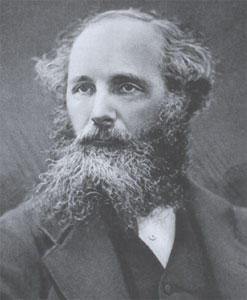
James Clerk Maxwell (1831–1879) is often referred to as one of the greatest scientists of his age, hailed for his contributions to physics, particularly in the fields of electromagnetism and fluid dynamics. Born on June 13, 1831, in Edinburgh, Scotland, Maxwell grew up to become a pioneer in understanding the fundamental principles governing light, heat, and electricity. His work laid the foundation for many technologies we use today, such as electric motors, generators, and wireless communications.
Maxwell's early years were marked by intellectual curiosity and academic excellence. He entered Edinburgh Academy at the age of eight, where he showed exceptional aptitude in mathematics and science. At the age of sixteen, he enrolled at Trinity College, Cambridge, where he excelled academically and became a member of the prestigious secret society, the Cambridge Apostles. Despite his brilliance, Maxwell struggled with personal demons, including severe depression, which affected him throughout his life.
During his time at Cambridge, Maxwell began to make groundbreaking discoveries that would change the course of physics. His early work involved the study of Saturn’s rings, contributing to the understanding of how particles behave in space. It was during this period that he also began to explore the nature of light and the relationships between electric and magnetic forces.
The Birth of Electromagnetism
Maxwell's most significant contribution to science came in the 1850s when he formulated the electromagnetic field theory that unified electricity and magnetism under a single mathematical framework. Before Maxwell, these two phenomena were considered separate and unrelated. Through his meticulous analysis of the experimental data of Faraday and others, Maxwell discovered that electricity and magnetism were not independent but interconnected aspects of a unified force.
In 1862, Maxwell published the first of his four equations, which collectively describe the behavior of electromagnetic fields. These are now known as Maxwell's Equations. Each equation represents a critical piece of the puzzle that describes how electric and magnetic fields interact with each other and with matter. The elegance and simplicity of these equations are a testament to Maxwell's genius.
The first equation, called Gauss's law for electric fields, states that electric flux out of a closed surface is proportional to the charge contained inside. The second equation, known as Gauss's law for magnetic fields, reveals that there are no isolated magnetic charges (magnetic monopoles). The third equation, Ampère's Law modified by Maxwell, relates electric currents and time-varying magnetic fields. Finally, the fourth equation, Faraday's Law, demonstrates that a changing magnetic field induces an electric current.
These equations collectively predict the propagation of electromagnetic waves, which travel through space at the speed of light. This was a revolutionary discovery because it implied that visible light itself was an electromagnetic wave—a fact that had profound implications for understanding the nature of light.
Maxwell's Work Beyond Electromagnetism
Maxwell's influence extended beyond electromagnetism. In his book "Theory of Heat" (1871), he introduced statistical mechanics and developed the concept of the kinetic theory of gases. Maxwell's analysis of the distribution of molecular speeds in gases led to what is now known as the Maxwell-Boltzmann distribution. This work played a crucial role in the development of quantum mechanics and statistical physics.
Maxwell's career also saw him become a professor at King's College London in 1865. Here, he continued his research into various areas of physics, including the viscosity of fluids and the theory of color. His insights into fluid dynamics were so advanced that they remain relevant today. Maxwell's equation for the viscosity of fluids, derived while studying the flow of water, provided a deeper understanding of how fluids behave under different conditions.
Legacy and Impact on Modern Physics
Maxwell's work has had a lasting impact on modern physics. The unification of electricity and magnetism that he proposed in Maxwell's Equations laid the groundwork for the development of quantum electrodynamics, which remains one of the most successful theories in all of physics. The discovery that light behaves according to the laws of electromagnetism paved the way for innovations in communication and energy transfer. Today, Maxwell's Equations form the backbone of much of our technology, from telecommunications to energy production.
Maxwell's contributions extended beyond his technical achievements. He was a committed educator and writer, making complex scientific concepts accessible to a broader audience through his books and lectures. Maxwell wrote “Matter and Memory” in 1875, where he explored the relationship between the physical world and human consciousness. Although the book has been criticized for its speculative nature, it showcases Maxwell's interest in the broader implications of scientific discoveries.
Tragically, Maxwell's life was cut short due to a sudden heart attack. He died on November 5, 1879, at the age of 48, leaving behind a legacy that continues to inspire scientists and thinkers around the world. His work stands as a testament to the power of human curiosity and the potential for fundamental scientific insights to shape our understanding of the universe.
A Final Thought
James Clerk Maxwell's life and work represent the essence of a true scientific genius. His ability to synthesize diverse areas of knowledge and his profound impact on our scientific understanding make him one of history’s most important figures. Though much of his work has been built upon and expanded since his time, his foundational contributions continue to reverberate through modern physics and technology, reminding us of the enduring power of scientific inquiry and innovation.
The Personal Struggles and Legacy of Maxwell
Despite his profound scientific achievements, Maxwell's personal life was marked by significant challenges, including severe depression and poor health. His struggles with these issues likely influenced his work, particularly his interest in the behavior of fluids and the kinetic theory of gases. Maxwell's research into the viscosity of fluids, for instance, drew upon his understanding of fluid dynamics, a subject he had studied meticulously in an attempt to make sense of the chaotic nature of his own life.
Maxwell's depression was so severe that it affected his professional work and personal relationships. During one of his depressions, he even attempted to resign from his academic position, a move that, while unsuccessful, underscores the depth of his struggles. His ability to transcend these personal challenges and produce groundbreaking scientific work is a testament to his resilience and intellectual prowess.
Maxwell's contributions to the field of mathematics and physics were not limited to his published works. He also made significant contributions to the development of vector calculus, a branch of mathematics that plays a crucial role in understanding various physical phenomena. Maxwell's work on vector analysis, while not explicitly published during his lifetime, was widely recognized and built upon by future generations of mathematicians and physicists.
In addition to his scientific work, Maxwell was also an accomplished writer. His ability to explain complex scientific concepts in a clear and accessible manner made him a valued teacher and communicator. This skill was particularly evident in his book, "Treatise on Electricity and Magnetism" (1873), which remains a seminal work in the field of electromagnetism. The treatise is renowned for its rigorous mathematical approach and its comprehensibility, making it a valuable resource for both students and professionals.
Maxwell's legacy extends beyond his scientific contributions. He is remembered not only for his innovative research but also for his character and integrity. His dedication to the truth and his willingness to challenge existing scientific paradigms have inspired countless scientists and thinkers. Maxwell's personal letters and private writings, which have been preserved and studied, provide a glimpse into the mind of a great scientist and the challenges he faced in his personal life.
One of the most significant aspects of Maxwell's legacy is his influence on subsequent generations of scientists. The foundation he laid with his equations and theories continues to be a cornerstone of modern physics. His work has not only shaped the way we understand the universe but has also paved the way for numerous technological advancements.
In the years following Maxwell's death, many of his former students and colleagues sought to honor his memory. They founded institutes and scholarships in his name, ensuring that his contributions would be remembered and celebrated. The James Clerk Maxwell Foundation, established in 1973, is one such institution dedicated to advancing the understanding of modern physics. This foundation continues to support research and education, carrying on Maxwell's legacy.
Maxwell in Popular Culture and Remembrance
Maxwell's legacy has also permeated popular culture. He is often the subject of biographies, documentaries, and educational materials aimed at both scholars and the general public. The James Clerk Maxwell Building, which houses the School of Mathematics and Physics at the University of Edinburgh, is perhaps the most prominent example of these tributes. The building serves as a physical monument to Maxwell's contributions and stands as a focal point for ongoing research and education in physics.
Beyond academia, Maxwell's name is recognized in various academic and professional settings. The Maxwell Institute for Mathematical Sciences, a collaboration between the universities of Edinburgh and Heriot-Watt, continues his legacy by fostering interdisciplinary research and innovation. Additionally, the Maxwell Group, a leading provider of geoscience consulting services, has adopted the name Maxwell in recognition of his contributions to the understanding of fluid dynamics and other areas of physics.
Maxwell's influence extends to the broader scientific community as well. The James Clerk Maxwell Foundation regularly organizes events and conferences that honor his work and promote scientific innovation. These gatherings bring together scientists, students, and enthusiasts from around the world to discuss the latest developments in physics and share their insights.
Maxwell in the 21st Century
In the 21st century, Maxwell's legacy continues to inspire new generations of scientists. His work on electromagnetic theory has been expanded and applied to a wide range of modern technologies, from wireless communication to medical imaging. The principles he outlined continue to guide the design of electronic devices and systems, making his contributions more relevant than ever.
Maxwell's insights into the behavior of fluids have found practical applications in the development of advanced technologies such as aerodynamics, hydrodynamics, and fluid mechanics. His work on the kinetic theory of gases has influenced the fields of atmospheric science and thermodynamics, highlighting the ongoing relevance of his theories.
Maxwell's personal story and the challenges he faced have also resonated with modern audiences. His struggle with depression and his ability to overcome personal obstacles to achieve scientific greatness serve as an inspiring narrative. The story of James Clerk Maxwell is often cited in discussions about the complexities of the human mind and the importance of mental health support in the scientific community.
In conclusion, James Clerk Maxwell's contributions to physics continue to shape the way we understand the universe. His foundational work in electromagnetism and his advancements in mathematical theory have had a lasting impact on science, technology, and education. As we continue to explore the frontiers of knowledge, Maxwell's legacy reminds us of the importance of both intellectual curiosity and emotional resilience in the pursuit of scientific discovery.
Modern Applications and Continued Influence
Today, Maxwell's theories continue to find application in a wide range of modern technologies. For instance, the principles of electromagnetic theory are essential in the design and operation of wireless communication systems, including smartphones, Wi-Fi routers, and satellite communications. Maxwell's equations describe how electromagnetic waves propagate and interact with matter, making them indispensable for the development and optimization of these technologies.
In the realm of medical imaging, the principles developed by Maxwell have enabled the creation of technologies like MRI (Magnetic Resonance Imaging) and PET (Positron Emission Tomography). Both of these techniques rely on the properties of electromagnetic radiation to visualize internal structures within the human body. Maxwell's work underpins the fundamental understanding of how these imaging techniques function, contributing to significant advancements in diagnostics and treatment planning.
Maxwell's impact on the field of information technology cannot be overstated. His theories form the basis for the development of electronic circuits and semiconductors. Understanding the behavior of electric and magnetic fields is crucial for the design and functionality of modern chips and transistors. This understanding has led to the miniaturization of electronic devices, allowing for the creation of powerful computers and other high-tech gadgets that are ubiquitous in today's digital world.
In the area of renewable energy, Maxwell's work on the behavior of electromagnetic fields has been instrumental in the design of electric motors and generators. Modern wind turbines, which convert the kinetic energy of wind into electrical energy, rely on the principles laid down by Maxwell. Similarly, solar panels that harness the sun's energy to generate electricity depend on a thorough understanding of the interactions between light and matter, a topic closely related to Maxwell's electromagnetic theory.
Maxwell's legacy extends beyond engineering and technology. His contributions to the field of fluid dynamics have had far-reaching consequences in the areas of meteorology and climatology. The study of atmospheric and oceanic flows relies heavily on the principles of fluid dynamics, which Maxwell himself contributed to significantly. Understanding these flows is crucial for weather forecasting, climate modeling, and predicting natural disasters like hurricanes and storms.
Moreover, Maxwell's ideas have influenced the way scientists approach complex systems. His emphasis on the interconnectedness of electricity and magnetism has inspired researchers to seek out similar relationships in other areas of physics and beyond. Concepts like quantum entanglement, for example, demonstrate a deep interconnectedness at the smallest scales of existence, echoing the unity Maxwell described in his field theories.
In recent years, Maxwell's work has also found applications in bioengineering and biophysics. Scientists have used Maxwell's equations to understand the behavior of biological tissues and cells, which can be modeled using electrical and magnetic properties. This interdisciplinary approach has led to new insights in fields such as neuron signaling and cell membrane dynamics.
Maxwell's influence is not limited to his specific equations or theories. His approach to problem-solving and his willingness to integrate disparate fields of study have set a precedent for modern scientific research. The interdisciplinary nature of his work has encouraged a more holistic view of natural phenomena, influencing the way scientists across different disciplines work together.
The enduring relevance of Maxwell's legacy can be seen in the ongoing efforts to integrate his theories into new forms of energy storage and transmission. Researchers are exploring ways to optimize the efficiency of electric vehicles and smart grids, which rely on a deep understanding of electromagnetic principles. By extending Maxwell's ideas into novel applications, scientists hope to address pressing challenges like energy consumption and environmental sustainability.
Moreover, Maxwell's pioneering work on the statistical nature of physical processes has paved the way for advances in theoretical physics and astrophysics. His statistical mechanical approach to describing the behavior of gases has been extended to understand the behavior of stars, galaxies, and even the very fabric of the universe. The field of cosmology, which studies the origin and evolution of the cosmos, relies on principles that were fundamentally shaped by Maxwell's foundational work.
Maxwell's contributions to physics have also left an indelible mark on education. His clear and insightful explanations of complex concepts continue to influence textbooks and teaching methods in science and mathematics. Educators around the world still reference Maxwell's work to illustrate the beauty and complexity of natural phenomena.
In conclusion, James Clerk Maxwell's legacy spans centuries and continues to permeate every aspect of modern science and technology. From the design of wireless communication networks to the development of renewable energy solutions, Maxwell's theories provide the underlying principles that enable and inform today's technological advancements. As new challenges arise, his foundational work remains a vital source of inspiration and guidance, reminding us of the enduring power of scientific inquiry and the interconnectedness of the natural world.
:max_bytes(150000):strip_icc()/GettyImages-525524956-5c739b2846e0fb0001076317.jpg)

Fresnel Lens: The Optics Revolution That Changed History
Introduction to the Fresnel Lens and Its Impact
The Fresnel lens stands as one of the most transformative inventions in the field of optics. Developed by Augustin-Jean Fresnel in the early 19th century, this groundbreaking technology revolutionized lighthouses, maritime safety, and modern optical applications. By replacing bulky traditional lenses with a lightweight, efficient design, the Fresnel lens not only saved countless lives but also paved the way for advancements in solar energy, automotive lighting, and even augmented reality.
The Genesis of the Fresnel Lens
Who Was Augustin-Jean Fresnel?
Augustin-Jean Fresnel, a French physicist and engineer, is celebrated for his pioneering work in optics. Born in 1788, Fresnel dedicated his career to understanding the behavior of light. His research on Fresnel diffraction and the wave theory of light challenged the prevailing Newtonian particle theory, laying the foundation for modern optics. His contributions earned him a place among the most influential scientists of his time.
The Invention That Changed Optics
In 1822, Fresnel introduced his most famous invention: the Fresnel lens. Unlike traditional lenses, which were thick and heavy, Fresnel's design used a series of concentric rings (prisms) to focus light efficiently. This innovative approach reduced the weight of lenses from tons to just hundreds of kilograms while significantly increasing light output—by up to 10 times—making it a game-changer for optical technology.
The Science Behind the Fresnel Lens
Understanding Fresnel Diffraction
At the heart of the Fresnel lens is the principle of Fresnel diffraction, which describes how light bends around the edges of obstacles. Fresnel's work demonstrated that light behaves as a wave, a concept that was revolutionary at the time. His equations and theories provided a deeper understanding of light propagation, influencing fields such as holography and quantum optics.
How the Fresnel Lens Works
The Fresnel lens operates by breaking down a traditional lens into a series of thin, concentric rings. Each ring acts as a prism, bending light toward a common focal point. This design not only reduces the material required but also enhances the lens's ability to focus light over long distances. The result is a lens that is both lightweight and highly efficient, capable of projecting light beams up to 30 nautical miles or more.
Early Applications: Lighthouses and Maritime Safety
Adoption in Lighthouses
The first major application of the Fresnel lens was in lighthouses. In 1823, the Cordouan Lighthouse in France became the first to use this technology. The adoption of Fresnel lenses in lighthouses dramatically improved maritime safety by providing brighter, more focused beams that could be seen from greater distances. By the 1850s, over 200 French lighthouses had been equipped with Fresnel lenses, setting a global standard.
Impact on Shipwrecks and Navigation
The introduction of Fresnel lenses in lighthouses had a profound impact on reducing shipwrecks. The enhanced visibility provided by these lenses allowed ships to navigate more safely, especially in treacherous coastal waters. Historical records indicate that the adoption of Fresnel lenses in 49 U.S. lighthouses by 1860 significantly improved maritime safety, making it a global standard by the turn of the 20th century.
Modern Applications of Fresnel Lenses
Solar Energy and Concentrated Solar Power
In recent years, Fresnel lenses have found new applications in the field of solar energy. Concentrated Solar Power (CSP) plants use Fresnel lenses to focus sunlight onto a small area, generating high temperatures that drive turbines to produce electricity. As of 2024, there is an installed capacity of 2.5 GW of Fresnel CSP technology worldwide, contributing significantly to renewable energy efforts.
Automotive and LED Lighting
The automotive industry has also embraced Fresnel lens technology. Modern vehicles, particularly electric cars, use LED Fresnel systems for headlights. These systems provide efficient, focused lighting that enhances visibility while reducing energy consumption. The integration of Fresnel lenses in automotive lighting is a testament to their enduring relevance and adaptability.
Augmented Reality and Virtual Reality
Fresnel lenses play a crucial role in the development of Augmented Reality (AR) and Virtual Reality (VR) displays. Companies like Meta (formerly Facebook) use Fresnel lenses in their VR headsets, such as the Meta Quest, to provide immersive visual experiences. These lenses help create compact, lightweight devices that deliver high-quality images, making AR and VR more accessible to consumers.
Conclusion
The Fresnel lens is a testament to the power of innovation and its enduring impact on technology and society. From its inception in the early 19th century to its modern applications in solar energy, automotive lighting, and AR/VR, the Fresnel lens continues to shape the way we interact with light and optics. As we look to the future, the principles behind the Fresnel lens will undoubtedly inspire further advancements in meta-optics, quantum optics, and beyond.
Advancements in Fresnel Lens Technology
Nanoscale Fresnel Metasurfaces
One of the most exciting developments in Fresnel lens technology is the advent of nanoscale Fresnel metasurfaces. These ultra-thin structures, often just a few hundred nanometers thick, manipulate light at a microscopic level. Researchers have successfully created flat lenses that mimic the properties of traditional Fresnel lenses but with unprecedented precision. This innovation has led to breakthroughs in smartphone camera technology, such as the iPhone 16 Pro's 48MP ultra-wide lens, which leverages these metasurfaces for enhanced image quality.
Quantum Optics and Photon Entanglement
The principles of Fresnel diffraction have found applications in quantum optics, particularly in the study of photon entanglement. Recent research published in Nature Photonics (2023) highlights how Fresnel integrals are used to describe the behavior of entangled photons. This work is pivotal in advancing quantum communication technologies, which promise ultra-secure data transmission and quantum computing capabilities.
Sustainability and Energy Efficiency
Fresnel Lenses in Solar Energy
The push for sustainable energy solutions has renewed interest in Fresnel lenses for solar applications. Concentrated Solar Power (CSP) plants utilize large arrays of Fresnel lenses to focus sunlight onto receivers, generating steam to drive turbines. According to the International Energy Agency (IEA) 2025 report, Fresnel-based CSP systems now account for 10% of global CSP capacity, contributing significantly to the transition toward renewable energy sources.
Energy-Saving Innovations in Lighting
Modern lighthouses and maritime navigation systems have also benefited from advancements in Fresnel lens technology. The integration of LED-Fresnel hybrid systems has led to energy savings of up to 50% compared to traditional lighting methods. These hybrids combine the efficiency of LEDs with the optical precision of Fresnel lenses, ensuring brighter, more focused beams while reducing power consumption.
Future Trends and Emerging Applications
Meta-Optics and 6G Technology
The field of meta-optics is rapidly evolving, with Fresnel-inspired designs playing a crucial role. These advanced optical systems are being developed for 6G wireless communication, where they enable precise beamforming to enhance signal strength and reduce interference. The global meta-optics market is projected to reach $1.2 billion by 2025, with a compound annual growth rate (CAGR) of 25% through 2030, according to industry forecasts.
Biomedical Imaging and Microscopy
Fresnel lenses are making waves in the field of biomedical imaging. Their ability to focus light with high precision makes them ideal for advanced microscopy techniques. Researchers are developing Fresnel-based lenses capable of achieving resolutions of less than 1 micrometer, allowing for detailed imaging of cellular structures and biological processes. This technology holds promise for early disease detection and medical research.
Challenges and Limitations
Manufacturing Complexities
Despite their advantages, Fresnel lenses present certain challenges in manufacturing. The intricate design of concentric rings requires high-precision fabrication techniques, which can be costly and time-consuming. Advances in 3D printing and nanofabrication are helping to address these issues, but widespread adoption still faces hurdles related to scalability and production costs.
Optical Aberrations and Performance
Another challenge associated with Fresnel lenses is the potential for optical aberrations, such as chromatic aberration and diffraction artifacts. These issues can affect image quality and light focusing efficiency. Ongoing research aims to mitigate these problems through improved lens designs and the use of advanced materials, ensuring that Fresnel lenses continue to meet the demands of modern applications.
Case Studies: Real-World Impact
Lighthouse Modernization Projects
Several countries have undertaken projects to modernize their lighthouse systems using Fresnel lenses. For example, the U.S. Coast Guard has retrofitted numerous lighthouses with LED-Fresnel hybrid systems, resulting in significant energy savings and improved visibility. These upgrades have not only reduced operational costs but also enhanced maritime safety by providing more reliable navigation aids.
Automotive Industry Innovations
Leading automotive manufacturers are incorporating Fresnel lenses into their vehicle designs. Companies like Tesla and BMW have adopted LED Fresnel headlight systems, which offer superior illumination while consuming less power. These innovations contribute to the overall efficiency of electric vehicles, extending their range and improving driver visibility in low-light conditions.
Conclusion
The Fresnel lens remains a cornerstone of optical technology, with applications
The Legacy of Augustin-Jean Fresnel
A Visionary in Optics
Augustin-Jean Fresnel's contributions to optics extend far beyond the invention of the Fresnel lens. His work on the wave theory of light and Fresnel diffraction fundamentally changed our understanding of how light behaves. These principles remain foundational in modern physics, influencing everything from telecommunications to quantum computing. Fresnel's legacy is a testament to the power of scientific curiosity and innovation.
Recognition and Honors
Fresnel's groundbreaking work earned him numerous accolades during his lifetime, including membership in the French Academy of Sciences. Today, his name is immortalized in various scientific terms and technologies, such as the Fresnel zone in antenna theory and the Fresnel number in optics. His contributions continue to inspire researchers and engineers worldwide.
Educational and Cultural Impact
Inspiring Future Generations
The story of the Fresnel lens serves as an inspiring example of how a single invention can transform industries and save lives. Educational institutions often highlight Fresnel's work in physics and engineering curricula to illustrate the importance of interdisciplinary research and practical problem-solving. His journey from a young physicist to a pioneer in optics motivates students to pursue careers in science and technology.
Museums and Exhibitions
Museums around the world feature exhibits on Fresnel lenses and their impact on maritime history and modern technology. For instance, the National Museum of American History in Washington, D.C., showcases historic Fresnel lenses used in U.S. lighthouses. These exhibitions not only preserve the legacy of Fresnel's invention but also educate the public on the evolution of optical technology.
Global Adoption and Standardization
International Maritime Organization (IMO) Standards
The International Maritime Organization (IMO) has recognized the importance of Fresnel lenses in maritime safety. The organization has established standards for lighthouse optics, ensuring that Fresnel lenses meet specific performance criteria. These standards have been adopted by countries worldwide, contributing to a global reduction in maritime accidents and improving navigation safety.
Industrial and Commercial Standards
In addition to maritime applications, Fresnel lenses have been standardized for use in various industries. Organizations such as the International Electrotechnical Commission (IEC) and the American National Standards Institute (ANSI) have developed guidelines for the use of Fresnel lenses in automotive lighting, solar energy, and optical devices. These standards ensure consistency, reliability, and safety across different applications.
Environmental and Economic Benefits
Reducing Carbon Footprint
The adoption of Fresnel lenses in solar energy and LED lighting has significant environmental benefits. By improving the efficiency of solar concentrators and reducing energy consumption in lighting systems, Fresnel lenses contribute to lower carbon emissions. According to the IEA Renewables 2025 report, Fresnel-based CSP plants have the potential to offset millions of tons of CO2 annually, making them a key player in the fight against climate change.
Cost-Effective Solutions
Fresnel lenses offer cost-effective solutions across various industries. Their lightweight design and high efficiency reduce material and operational costs, making them an attractive option for businesses. In the automotive sector, for example, the use of Fresnel lenses in headlights has led to cost savings of up to 30% compared to traditional lighting systems. Similarly, in solar energy, Fresnel lenses provide a more affordable alternative to conventional concentrators.
Future Prospects and Innovations
Integrating AI and Machine Learning
The future of Fresnel lens technology lies in its integration with artificial intelligence (AI) and machine learning. Researchers are exploring ways to use AI algorithms to optimize the design and performance of Fresnel lenses for specific applications. For instance, AI-driven simulations can predict the behavior of light in complex optical systems, leading to more efficient and precise lens designs.
Exploring New Materials
Advancements in materials science are opening new possibilities for Fresnel lenses. Scientists are experimenting with metamaterials and nanocomposites to create lenses with enhanced properties, such as improved durability, higher light transmission, and reduced optical aberrations. These innovations could revolutionize fields like biomedical imaging, where precision and clarity are paramount.
Conclusion: The Enduring Legacy of the Fresnel Lens
The Fresnel lens is more than just an optical device; it is a symbol of innovation and progress. From its humble beginnings in the early 19th century to its modern applications in solar energy, automotive lighting, and augmented reality, the Fresnel lens has continually evolved to meet the demands of a changing world. Its impact on maritime safety, renewable energy, and advanced technologies underscores its significance in shaping our present and future.
As we look ahead, the principles behind the Fresnel lens will continue to inspire new discoveries and applications. The ongoing research in meta-optics, quantum optics, and AI-driven design promises to unlock even greater potential for this remarkable invention. The legacy of Augustin-Jean Fresnel serves as a reminder of the transformative power of scientific inquiry and the enduring impact of a single, groundbreaking idea.
In a world increasingly driven by technology and sustainability, the Fresnel lens stands as a beacon of innovation, illuminating the path toward a brighter, more efficient future.

Understanding Magnetism: The Legacy of Louis Néel
The phrase "Loyi-Neel-O-8rylos-ths-Magnhtologias" does not correspond to any known scientific term, historical figure, or established concept. However, it appears to be a distorted reference to Louis Néel and the study of magnetism. This article will explore the foundational contributions of Louis Néel to the field of magnetism, the principles of magnetic ordering, and the broader implications of magnetism in modern technology.
Who Was Louis Néel?
Louis Néel was a French physicist who made groundbreaking contributions to the understanding of magnetic materials. Born in 1904, Néel is best known for his work on antiferromagnetism and ferrimagnetism, which are fundamental concepts in the study of magnetism. His research laid the groundwork for modern magnetic technologies, including data storage and spintronics.
Key Contributions to Magnetism
Néel's most significant achievement was his theory of antiferromagnetism, which describes a type of magnetic ordering where adjacent magnetic moments align in opposite directions. This concept was crucial in explaining the behavior of certain magnetic materials that do not exhibit net magnetization. Additionally, Néel introduced the concept of ferrimagnetism, which is essential for understanding the properties of materials like magnetite.
The Basics of Magnetism
Magnetism is a fundamental force of nature that arises from the motion of electric charges. It is one of the key aspects of electromagnetism, which also includes electricity. The study of magnetism, often referred to as magnetology, encompasses a wide range of phenomena, from the behavior of permanent magnets to the complex interactions in magnetic materials.
Types of Magnetic Ordering
There are several types of magnetic ordering, each with distinct characteristics and applications:
- Ferromagnetism: In ferromagnetic materials, magnetic moments align in the same direction, resulting in a strong net magnetization. Examples include iron, cobalt, and nickel.
- Antiferromagnetism: In antiferromagnetic materials, adjacent magnetic moments align in opposite directions, leading to a net magnetization of zero. This phenomenon was first described by Louis Néel.
- Ferrimagnetism: Ferrimagnetic materials have magnetic moments that are not equal and opposite, resulting in a net magnetization. Magnetite is a well-known example of a ferrimagnetic material.
Applications of Magnetism
Magnetism plays a crucial role in various technological applications. From everyday devices to advanced scientific instruments, the principles of magnetism are integral to their functioning. Some notable applications include:
- Data Storage: Magnetic materials are used in hard drives and other data storage devices to store and retrieve information.
- Electric Motors and Generators: The interaction between magnetic fields and electric currents is the basis for the operation of electric motors and generators.
- Magnetic Resonance Imaging (MRI): MRI machines use strong magnetic fields to generate detailed images of the human body for medical diagnostics.
Recent Trends in Magnetism Research
The field of magnetism is continually evolving, with ongoing research focused on developing new materials and technologies. Some of the current trends include:
- Spintronics: This emerging field aims to exploit the spin of electrons for information processing, offering the potential for faster and more energy-efficient devices.
- Nanoscale Magnetism: Researchers are exploring the behavior of magnetic materials at the nanoscale, which could lead to breakthroughs in data storage and computing.
- Rare-Earth-Free Magnets: There is a growing interest in developing magnets that do not rely on rare-earth elements, which are expensive and environmentally challenging to mine.
Conclusion
While the phrase "Loyi-Neel-O-8rylos-ths-Magnhtologias" may not have a direct meaning, it serves as a reminder of the importance of Louis Néel and the study of magnetism. Néel's contributions have had a lasting impact on our understanding of magnetic materials and their applications. As research in magnetism continues to advance, we can expect to see even more innovative technologies that leverage the principles of magnetic ordering.
The Science Behind Magnetic Materials
At the heart of magnetism lies the behavior of magnetic materials, which can be categorized based on their response to magnetic fields. These materials exhibit unique properties that make them indispensable in various technological applications. Understanding the science behind these materials is crucial for advancing magnetic technologies.
Diamagnetism and Paramagnetism
While ferromagnetism, antiferromagnetism, and ferrimagnetism are well-known, other types of magnetic behavior also play significant roles:
- Diamagnetism: This is a weak form of magnetism that is present in all materials. When exposed to an external magnetic field, diamagnetic materials develop a magnetization in the opposite direction. This effect is typically very small and only observable in materials with no other magnetic properties.
- Paramagnetism: Paramagnetic materials have atoms or molecules with a permanent magnetic dipole moment. When an external magnetic field is applied, these moments align with the field, resulting in a net magnetization. However, this alignment is temporary and disappears when the external field is removed.
Curie and Néel Temperatures
Temperature plays a critical role in the magnetic properties of materials. Two key temperatures are particularly important:
- Curie Temperature: This is the temperature at which a ferromagnetic or ferrimagnetic material loses its magnetic properties and becomes paramagnetic. For example, iron has a Curie temperature of approximately 770°C.
- Néel Temperature: This is the temperature at which an antiferromagnetic material transitions to a paramagnetic state. For instance, manganese oxide (MnO) has a Néel temperature of about 122K.
Advanced Applications of Magnetism
Beyond the well-known applications, magnetism is also pivotal in several advanced technologies that are shaping the future. These applications leverage the unique properties of magnetic materials to achieve groundbreaking innovations.
Spintronics: The Future of Computing
Spintronics, or spin electronics, is an emerging field that exploits the intrinsic spin of electrons and its associated magnetic moment. Unlike traditional electronics, which rely on the charge of electrons, spintronics aims to use the spin property to create faster, more efficient, and more powerful devices.
Some of the key advancements in spintronics include:
- Magnetic Random Access Memory (MRAM): MRAM uses magnetic states to store data, offering non-volatile memory that retains information even when power is turned off. This technology is faster and more energy-efficient than traditional RAM.
- Spin Valves: These devices use the spin-dependent scattering of electrons to control the flow of current, enabling highly sensitive magnetic field sensors.
- Spin Transistors: Researchers are developing transistors that use electron spin to switch between states, potentially leading to computers that are significantly faster and consume less power.
Magnetic Nanoparticles in Medicine
Magnetic nanoparticles are finding increasingly important applications in the field of medicine. These tiny particles, often made of iron oxide, can be manipulated using external magnetic fields, making them useful for a variety of medical applications.
Notable applications include:
- Drug Delivery: Magnetic nanoparticles can be coated with drugs and guided to specific locations in the body using external magnets. This targeted approach can improve the efficacy of treatments while minimizing side effects.
- Magnetic Hyperthermia: This technique involves using magnetic nanoparticles to generate heat when exposed to an alternating magnetic field. The heat can be used to destroy cancer cells, offering a promising new approach to cancer treatment.
- Magnetic Resonance Imaging (MRI) Contrast Agents: Magnetic nanoparticles can enhance the contrast in MRI images, providing clearer and more detailed pictures for better diagnostics.
Challenges and Future Directions in Magnetism Research
While the field of magnetism has seen tremendous advancements, several challenges remain. Addressing these challenges is crucial for unlocking the full potential of magnetic technologies and ensuring their sustainable development.
Developing Rare-Earth-Free Magnets
One of the significant challenges in magnetism research is the reliance on rare-earth elements for producing high-performance magnets. These elements are expensive, environmentally challenging to mine, and often subject to geopolitical supply risks.
Researchers are actively exploring alternatives to rare-earth magnets, including:
- Manganese-Based Magnets: Manganese is more abundant and less expensive than rare-earth elements. Recent studies have shown promising results in developing manganese-based magnets with properties comparable to traditional rare-earth magnets.
- Iron-Nitride Magnets: These magnets, composed of iron and nitrogen, have shown potential for high magnetic performance without the need for rare-earth elements.
- Recycling and Recovery: Efforts are also underway to improve the recycling and recovery of rare-earth elements from electronic waste, reducing the need for new mining operations.
Understanding Ultrafast Magnetization Dynamics
Another area of active research is the study of ultrafast magnetization dynamics. Understanding how magnetic materials respond to extremely short pulses of light or magnetic fields can lead to faster and more efficient magnetic devices.
Key areas of focus include:
- Femtosecond Laser-Induced Demagnetization: Researchers are investigating how ultra-short laser pulses can demagnetize materials on femtosecond timescales, which could lead to faster data storage and processing.
- Spin Waves and Magnons: These are collective excitations in magnetic materials that can be used to transmit and process information. Understanding and controlling spin waves could enable new types of computing devices.
- Topological Magnetic Structures: These structures, such as skyrmions, are stable magnetic configurations that can be used for high-density data storage and low-power computing.
Environmental and Sustainability Considerations
As the demand for magnetic materials continues to grow, so does the need for sustainable and environmentally friendly practices. This includes not only the development of rare-earth-free magnets but also the implementation of green manufacturing processes and the reduction of electronic waste.
Some of the key considerations include:
- Green Synthesis Methods: Researchers are exploring eco-friendly methods for synthesizing magnetic materials, such as using biological processes or low-energy chemical reactions.
- Life Cycle Assessment: Conducting comprehensive life cycle assessments can help identify the environmental impacts of magnetic materials and guide the development of more sustainable alternatives.
- Circular Economy Approaches: Implementing circular economy principles, such as designing for recyclability and promoting the reuse of materials, can help reduce the environmental footprint of magnetic technologies.
In conclusion, the field of magnetism is rich with opportunities for innovation and advancement. From the foundational work of Louis Néel to the cutting-edge research in spintronics and magnetic nanoparticles, the study of magnetism continues to push the boundaries of what is possible. By addressing the challenges and embracing sustainable practices, we can ensure that magnetic technologies continue to play a vital role in shaping our future.
Emerging Technologies in Magnetism
The field of magnetism is rapidly evolving, with new technologies emerging that promise to revolutionize various industries. These innovations leverage the unique properties of magnetic materials to create solutions that are faster, more efficient, and more sustainable.
Quantum Magnetism and Topological Materials
Quantum magnetism is an area of research that explores the magnetic properties of materials at the quantum level. This field is particularly interested in the behavior of electrons in magnetic materials and how their interactions can lead to novel magnetic states.
One of the most exciting developments in this area is the study of topological magnetic materials. These materials exhibit unique magnetic configurations that are protected by topological principles, making them highly stable and resistant to external perturbations. Some of the key advancements include:
- Magnetic Skyrmions: These are nanoscale magnetic vortices that can be used for high-density data storage and low-power computing. Skyrmions are stable and can be manipulated using small electric currents, making them ideal for next-generation memory devices.
- Topological Insulators: These materials have insulating interiors but conducting surfaces, with the surface states being protected by topological principles. They show promise for applications in spintronics and quantum computing.
- Weyl Semimetals: These materials exhibit unique electronic properties that can be manipulated using magnetic fields, offering potential applications in high-speed electronics and quantum computing.
Magnetic Sensors and Their Applications
Magnetic sensors are devices that detect and measure magnetic fields. They play a crucial role in various applications, from navigation systems to medical diagnostics. Recent advancements in magnetic sensor technology have led to the development of highly sensitive and compact sensors that can be integrated into a wide range of devices.
Some of the key applications of magnetic sensors include:
- Automotive Industry: Magnetic sensors are used in anti-lock braking systems (ABS), electronic stability control (ESC), and engine control units (ECU) to improve vehicle safety and performance.
- Consumer Electronics: Magnetic sensors are integrated into smartphones, tablets, and wearable devices for compass applications, proximity sensing, and gesture recognition.
- Industrial Automation: Magnetic sensors are used in industrial automation for position sensing, speed detection, and flow measurement, enhancing the efficiency and reliability of manufacturing processes.
The Role of Magnetism in Renewable Energy
Magnetism plays a vital role in the development and implementation of renewable energy technologies. From wind turbines to electric vehicles, magnetic materials are essential for converting and storing energy efficiently.
Wind Energy and Magnetic Generators
Wind turbines rely on magnetic generators to convert mechanical energy into electrical energy. The efficiency and reliability of these generators are crucial for the performance of wind turbines. Recent advancements in magnetic materials have led to the development of more efficient and compact generators, reducing the cost and improving the performance of wind energy systems.
Some of the key innovations in this area include:
- Permanent Magnet Generators: These generators use permanent magnets to create a magnetic field, eliminating the need for external excitation. They are more efficient and reliable than traditional generators, making them ideal for wind turbines.
- High-Temperature Superconducting Generators: These generators use superconducting materials to create strong magnetic fields, improving the efficiency and power density of wind turbines.
- Direct-Drive Generators: These generators eliminate the need for a gearbox, reducing maintenance costs and improving the reliability of wind turbines.
Electric Vehicles and Magnetic Motors
Electric vehicles (EVs) rely on electric motors to convert electrical energy into mechanical energy. The efficiency and performance of these motors are crucial for the range and performance of EVs. Magnetic materials play a key role in the design and operation of these motors.
Some of the key advancements in this area include:
- Permanent Magnet Synchronous Motors (PMSM): These motors use permanent magnets to create a magnetic field, improving the efficiency and power density of electric vehicles.
- Switched Reluctance Motors (SRM): These motors use the reluctance of magnetic materials to create torque, offering a cost-effective and efficient alternative to traditional motors.
- Induction Motors: These motors use electromagnetic induction to create a magnetic field, offering a reliable and efficient solution for electric vehicles.
Conclusion: The Future of Magnetism
The study of magnetism has come a long way since the foundational work of Louis Néel. From the basic principles of magnetic ordering to the advanced applications in spintronics, magnetic nanoparticles, and renewable energy, the field of magnetism continues to push the boundaries of what is possible.
As we look to the future, several key trends and developments are likely to shape the field of magnetism:
- Advancements in Spintronics: The development of spin-based devices promises to revolutionize computing, offering faster, more efficient, and more powerful solutions.
- Innovations in Magnetic Materials: The search for rare-earth-free magnets and the development of new magnetic materials will continue to drive progress in various industries.
- Applications in Renewable Energy: The role of magnetism in renewable energy technologies will become increasingly important as we strive to reduce our reliance on fossil fuels.
- Sustainable Practices: The adoption of green synthesis methods, life cycle assessments, and circular economy approaches will ensure the sustainable development of magnetic technologies.
In conclusion, the field of magnetism is rich with opportunities for innovation and advancement. By building on the legacy of Louis Néel and embracing the latest developments in magnetic materials and technologies, we can unlock the full potential of magnetism and create a future that is faster, more efficient, and more sustainable. The journey of magnetism is far from over, and the possibilities are as vast as the magnetic fields that surround us.
Joseph Boussinesq: Pioneer of Hydrodynamics and Foundational Scientist
Introduction to a Fluid Dynamics Visionary
In the realm of fluid dynamics and hydrodynamics, few names resonate as profoundly as Joseph Boussinesq. A French mathematician and physicist, Boussinesq's groundbreaking work in the late 19th century laid the foundation for modern understanding of fluid behavior, wave propagation, and buoyancy-driven flows. His Boussinesq approximation, developed between 1871 and 1872, remains a cornerstone in modeling natural convection, ocean waves, and atmospheric flows. This article delves into the life, contributions, and enduring legacy of this pioneering scientist, whose theories continue to shape contemporary research and engineering.
Early Life and Academic Journey
Born as Joseph Valentin Boussinesq in Saint-Hilaire, France, in 1821, Boussinesq exhibited an early aptitude for mathematics and physics. His academic journey was marked by a relentless pursuit of knowledge, leading him to become a professor at the University of Lille and later at the prestigious Sorbonne. Despite being largely self-taught, Boussinesq's interdisciplinary approach allowed him to make significant contributions not only to fluid dynamics but also to fields such as elasticity, heat conduction, and seismology.
The Polymath's Approach
Boussinesq's work was characterized by a unique blend of theoretical rigor and practical application. His ability to bridge complex mathematical theories with real-world phenomena set him apart as a fundamental scientist. This polymathic approach enabled him to tackle diverse challenges, from understanding wave propagation in water to extending Darcy's law for flow through porous media.
The Boussinesq Approximation: A Revolutionary Concept
At the heart of Boussinesq's contributions lies the Boussinesq approximation, a seminal simplification in fluid mechanics. This approximation is pivotal in modeling scenarios where density variations are small yet significant, such as in natural convection, ocean waves, and atmospheric flows. By assuming that density differences are negligible except where they contribute to buoyancy forces, Boussinesq's model allows for more manageable and insightful analyses of complex fluid systems.
Applications in Modern Science
The Boussinesq approximation has found widespread applications in contemporary research. For instance, it is integral to computational fluid dynamics (CFD) simulations, enabling engineers and scientists to model and predict fluid behavior with greater accuracy. Recent studies, such as those conducted in 2023, have leveraged improved Boussinesq-type equations for tsunami modeling, enhancing our ability to understand and mitigate the impacts of these devastating natural phenomena.
Pioneering Work in Hydrodynamics
Boussinesq's contributions to hydrodynamics extend beyond the Boussinesq approximation. His theories on wave propagation in water have been instrumental in advancing our understanding of solitary waves, now known as Boussinesq equations. These equations describe the behavior of waves in shallow water, providing critical insights for coastal engineering and hydraulics.
Extensions to Porous Media Flow
In addition to his work on wave propagation, Boussinesq made significant advancements in the study of flow through porous media. His extensions to Darcy's law have been foundational in understanding groundwater seepage and have laid the groundwork for modern techniques in aquifer management and carbon capture storage. These contributions underscore Boussinesq's role as a pioneer in both theoretical and applied hydrodynamics.
Legacy and Recognition
The enduring impact of Boussinesq's work is evident in the numerous concepts and theories named in his honor. The Boussinesq coefficient in hydraulics and the Boussinesq problem in soil mechanics are testaments to his lasting influence. His theories have bridged the gap between 19th-century mathematical rigor and 20th-century engineering advancements, making him a fundamental scientist whose contributions continue to inspire and guide researchers today.
Academic and Cultural Homage
In academic and cultural contexts, Boussinesq's name is often celebrated with descriptive titles that reflect his pioneering spirit. For example, the Greek phrase "Ζοζέφ-Μπουσίνεςκ-Ένας-Πρωτόπορος-της-Υδροδυναμικής-και-Θεμελιώδης-Επιστήμονας" translates to "Joseph-Boussinesq – A Pioneer of Hydrodynamics and Fundamental Scientist." This stylistic homage, reminiscent of ancient Greek compound names, underscores the high regard in which Boussinesq is held within the scientific community.
Current Trends and Future Directions
As we move further into the 21st century, Boussinesq's theories continue to find new applications and interpretations. Recent trends include the use of hybrid Boussinesq-Navier-Stokes solvers for modeling non-hydrostatic waves in offshore wind farms. Additionally, advancements in machine learning have led to enhanced approximations for climate flows, further extending the reach of Boussinesq's foundational work.
Renewable Energy and Environmental Applications
One of the most promising areas of application for Boussinesq's theories is in the field of renewable energy. His models are being used to optimize the design and efficiency of wave energy converters, which harness the power of ocean waves to generate electricity. Furthermore, his work on porous media flow is informing strategies for carbon capture and storage, a critical component in the fight against climate change.
Conclusion: A Lasting Impact
Joseph Boussinesq's contributions to fluid dynamics and hydrodynamics have left an indelible mark on the scientific community. From the Boussinesq approximation to his pioneering work on wave propagation and porous media flow, his theories continue to shape our understanding of fluid behavior and inspire innovative solutions to modern challenges. As we look to the future, the legacy of this fundamental scientist will undoubtedly continue to guide and inspire generations of researchers and engineers.
Boussinesq's Influence on Modern Computational Fluid Dynamics
The advent of computational fluid dynamics (CFD) has revolutionized the way scientists and engineers approach fluid flow problems. At the core of many CFD models lies the Boussinesq approximation, which simplifies the complex Navier-Stokes equations by assuming constant density except in buoyancy terms. This approximation has become indispensable in simulating natural convection, ocean currents, and atmospheric circulation, making it a cornerstone of modern fluid dynamics research.
Advancements in Tsunami and Wave Modeling
Recent studies have highlighted the critical role of Boussinesq-type equations in tsunami modeling. In 2023, researchers developed enhanced Boussinesq equations that account for nonlinear and dispersive effects, significantly improving the accuracy of tsunami propagation forecasts. These advancements have been instrumental in coastal hazard assessment and the design of early warning systems. Key improvements include:
- Incorporation of non-hydrostatic pressure terms for better wave representation.
- Integration with high-resolution bathymetry data to model near-shore wave transformation.
- Coupling with machine learning algorithms to predict wave breaking and run-up.
Climate Modeling and Atmospheric Flows
The Boussinesq approximation is also pivotal in climate modeling, where it helps simulate large-scale atmospheric flows and ocean circulation patterns. A 2024 study demonstrated how machine learning-enhanced Boussinesq models could improve the prediction of El Niño-Southern Oscillation (ENSO) events. These models leverage historical climate data to refine the approximation, leading to more accurate forecasts of temperature anomalies and precipitation patterns.
Applications in Renewable Energy Technologies
As the world shifts toward sustainable energy solutions, Boussinesq's theories are finding new applications in renewable energy technologies. His work on wave propagation and fluid dynamics is particularly relevant to the development of wave energy converters (WECs), which harness the kinetic and potential energy of ocean waves to generate electricity. The efficiency and reliability of these systems depend heavily on accurate modeling of wave behavior, an area where Boussinesq's equations excel.
Wave Energy Conversion and Coastal Engineering
In the field of wave energy conversion, Boussinesq-type equations are used to optimize the design of WECs and assess their performance under varying wave conditions. Recent advancements include:
- Development of hybrid Boussinesq-Navier-Stokes models for simulating wave-structure interactions.
- Use of adaptive mesh refinement techniques to capture fine-scale wave dynamics near WECs.
- Integration of real-time wave forecasting to enhance the operational efficiency of wave energy farms.
These innovations are not only improving the viability of wave energy as a renewable resource but also contributing to broader coastal engineering efforts, such as shoreline protection and erosion control.
Offshore Wind Farms and Fluid-Structure Interactions
Boussinesq's theories are also being applied to the design and optimization of offshore wind farms. The interaction between wind turbines and ocean waves presents complex fluid-structure interaction challenges that require sophisticated modeling techniques. Boussinesq-type equations, combined with finite element methods, are used to simulate the dynamic response of wind turbine foundations to wave loading. This research is critical for ensuring the structural integrity and longevity of offshore wind infrastructure.
Boussinesq's Contributions to Porous Media Flow and Groundwater Hydrology
Beyond his work in fluid dynamics, Boussinesq made significant contributions to the study of flow through porous media. His extensions to Darcy's law have been foundational in understanding groundwater seepage and have laid the groundwork for modern techniques in aquifer management and contaminant transport modeling. These contributions have had a lasting impact on the fields of hydrology and environmental engineering.
Groundwater Seepage and Aquifer Management
Boussinesq's theories on porous media flow have been instrumental in developing models for groundwater seepage and aquifer behavior. His work has enabled hydrologists to:
- Predict the movement of groundwater in response to pumping and recharge.
- Assess the impact of land-use changes on aquifer sustainability.
- Design effective remediation strategies for contaminated groundwater sites.
These applications are critical for ensuring the sustainable management of water resources, particularly in regions facing water scarcity and pollution challenges.
Carbon Capture and Storage (CCS) Technologies
In recent years, Boussinesq's theories have found new relevance in the development of carbon capture and storage (CCS) technologies. CCS involves the injection of carbon dioxide (CO₂) into deep geological formations, where it is stored to mitigate greenhouse gas emissions. Boussinesq's extensions to Darcy's law are used to model the flow of CO₂ through porous rock formations, helping engineers optimize injection strategies and assess the long-term stability of storage sites. Key advancements in this area include:
- Development of multi-phase flow models to simulate CO₂ migration in heterogeneous formations.
- Integration of geomechanical models to predict the impact of CO₂ injection on rock integrity.
- Use of uncertainty quantification techniques to assess the risks associated with CO₂ leakage.
The Boussinesq Problem and Its Implications for Soil Mechanics
The Boussinesq problem, named in honor of Joseph Boussinesq, is a fundamental concept in soil mechanics and geotechnical engineering. This problem involves the calculation of stresses and displacements in an elastic half-space due to a point load applied at the surface. The solution to the Boussinesq problem has been widely used in the design of foundations, pavements, and other structures that transmit loads to the underlying soil.
Applications in Geotechnical Engineering
The Boussinesq problem has numerous applications in geotechnical engineering, including:
- Design of shallow foundations, such as footings and mat foundations.
- Analysis of pavement structures under traffic loading.
- Assessment of slope stability and landslide risk.
By providing a theoretical framework for understanding the distribution of stresses in soil, the Boussinesq problem has enabled engineers to develop safer and more efficient foundation systems.
Extensions and Modern Developments
While the original Boussinesq problem assumes an elastic, homogeneous, and isotropic half-space, modern extensions have incorporated more complex soil behaviors, such as:
- Anisotropy, where soil properties vary with direction.
- Nonlinearity, accounting for stress-dependent soil stiffness.
- Porosity and fluid flow, integrating Boussinesq's porous media theories.
These advancements have expanded the applicability of the Boussinesq problem to a wider range of geotechnical challenges, from offshore foundation design to seismic soil-structure interaction.
Educational Impact and Academic Recognition
Joseph Boussinesq's contributions to science and engineering have not gone unnoticed in the academic community. His theories are taught in universities worldwide as part of fluid mechanics, hydrodynamics, and geotechnical engineering curricula. The Boussinesq approximation, in particular, is a staple in courses on computational fluid dynamics and environmental fluid mechanics.
Honors and Named Concepts
In recognition of his groundbreaking work, several key concepts and theories bear Boussinesq's name, including:
- The Boussinesq approximation, a fundamental tool in fluid dynamics.
- The Boussinesq equations, governing wave propagation in shallow water.
- The Boussinesq coefficient, used in hydraulics and soil mechanics.
- The Boussinesq problem, a cornerstone of geotechnical engineering.
These named concepts serve as a testament to Boussinesq's enduring influence and the widespread adoption of his theories across multiple disciplines.
Influence on Modern Researchers
Boussinesq's work continues to inspire modern researchers, who build upon his theories to tackle contemporary challenges. For example, his theories on buoyancy-driven flows have been extended to study thermal convection in planetary interiors, while his work on porous media flow informs research on biological tissue mechanics and fuel cell technology. The interdisciplinary nature of Boussinesq's contributions ensures that his legacy will endure for generations to come.
Boussinesq's Enduring Legacy in Scientific Research
The impact of Joseph Boussinesq on modern science and engineering cannot be overstated. His foundational theories continue to shape research across multiple disciplines, from fluid dynamics to geotechnical engineering. As we explore the final sections of this article, we will examine the broader implications of his work, its influence on contemporary research, and the future directions inspired by his pioneering contributions.
Interdisciplinary Influence and Cross-Disciplinary Applications
Boussinesq's theories have transcended their original domains, finding applications in fields as diverse as biomedical engineering, environmental science, and renewable energy. For instance, his work on porous media flow has been adapted to model fluid transport in biological tissues, aiding in the development of drug delivery systems and tissue engineering techniques. Similarly, his theories on wave propagation are being used to optimize offshore renewable energy systems, including both wave and wind energy technologies.
Boussinesq's Theories in Environmental Science
In environmental science, Boussinesq's contributions are instrumental in modeling pollutant transport in groundwater and surface water systems. His extensions to Darcy's law enable researchers to simulate the movement of contaminants through soil and aquifers, which is critical for environmental remediation and water resource management. Recent studies have leveraged these models to:
- Assess the impact of agricultural runoff on groundwater quality.
- Develop strategies for contaminant plume containment in industrial sites.
- Predict the long-term behavior of subsurface pollutants under varying hydraulic conditions.
The Future of Boussinesq's Theories: Emerging Trends and Innovations
As technology advances, so too does the application of Boussinesq's theories. Emerging trends in computational modeling, machine learning, and experimental techniques are opening new avenues for exploring and extending his work. This section highlights some of the most promising developments on the horizon.
Machine Learning and AI-Driven Fluid Dynamics
The integration of machine learning (ML) and artificial intelligence (AI) with traditional fluid dynamics models is revolutionizing the field. Researchers are now using ML algorithms to enhance the Boussinesq approximation, improving its accuracy and computational efficiency. Key innovations include:
- Neural network-based models that predict fluid behavior with unprecedented precision.
- Hybrid models combining Boussinesq's theories with deep learning for real-time simulations.
- AI-driven optimization of wave energy converters and offshore structures.
These advancements are not only accelerating research but also enabling the development of more sustainable and efficient engineering solutions.
Quantum Computing and Fluid Dynamics
The advent of quantum computing presents another exciting frontier for Boussinesq's theories. Quantum algorithms have the potential to solve complex fluid dynamics problems that are currently intractable with classical computers. For example, quantum simulations could provide deeper insights into turbulent flows and multi-phase fluid interactions, areas where Boussinesq's theories play a crucial role. While still in its infancy, this field holds immense promise for future breakthroughs.
Challenges and Limitations in Applying Boussinesq's Theories
Despite their widespread use and adaptability, Boussinesq's theories are not without challenges. Understanding these limitations is essential for researchers and engineers seeking to apply his work effectively. This section explores some of the key challenges and ongoing efforts to address them.
Assumptions and Simplifications
The Boussinesq approximation, while powerful, relies on several simplifying assumptions that may not hold in all scenarios. For instance, the assumption of small density variations can break down in highly stratified fluids or extreme thermal gradients. Researchers are actively working to:
- Develop extended Boussinesq models that account for larger density variations.
- Incorporate non-Boussinesq effects in high-performance computing simulations.
- Validate models against experimental data to ensure accuracy across diverse conditions.
Computational Complexity and Resource Demands
Another challenge lies in the computational complexity of applying Boussinesq's theories to large-scale or highly detailed models. Simulating complex fluid-structure interactions, for example, can require substantial computational resources. To mitigate these challenges, researchers are exploring:
- Parallel computing techniques to distribute computational loads.
- Model reduction strategies to simplify simulations without sacrificing accuracy.
- Cloud-based platforms for collaborative and scalable fluid dynamics research.
Educational Resources and Learning Opportunities
For students and professionals alike, a wealth of educational resources is available to deepen their understanding of Boussinesq's theories and their applications. This section highlights some of the most valuable learning opportunities, from academic courses to online platforms.
University Courses and Academic Programs
Many leading universities offer courses and programs that cover Boussinesq's contributions as part of their fluid mechanics, hydrodynamics, and geotechnical engineering curricula. Notable examples include:
- Massachusetts Institute of Technology (MIT): Courses on computational fluid dynamics and environmental fluid mechanics.
- Stanford University: Programs in renewable energy and offshore engineering.
- Delft University of Technology: Specialized training in coastal engineering and wave mechanics.
These programs provide students with both theoretical knowledge and practical skills, preparing them to apply Boussinesq's theories in real-world scenarios.
Online Learning and Professional Development
In addition to traditional academic programs, numerous online platforms offer courses and tutorials on Boussinesq's theories and their applications. Platforms such as:
- Coursera: Courses on fluid dynamics and computational modeling.
- edX: Programs in environmental engineering and renewable energy.
- Udemy: Tutorials on CFD software and wave energy technologies.
These resources make it easier than ever for professionals to stay updated on the latest advancements and refine their expertise.
Case Studies: Real-World Applications of Boussinesq's Theories
To illustrate the practical impact of Boussinesq's work, this section presents a series of case studies highlighting real-world applications of his theories. These examples demonstrate the versatility and relevance of his contributions in addressing contemporary challenges.
Tsunami Modeling and Coastal Protection
One of the most critical applications of Boussinesq's theories is in tsunami modeling. Following the devastating 2011 Tōhoku tsunami, researchers developed advanced Boussinesq-type models to improve the accuracy of tsunami forecasts. These models were instrumental in:
- Designing tsunami-resistant infrastructure in vulnerable coastal regions.
- Developing early warning systems that provide timely alerts to at-risk communities.
- Assessing the effectiveness of natural barriers, such as mangroves and coral reefs, in mitigating tsunami impacts.
This case study underscores the life-saving potential of Boussinesq's theories in disaster preparedness and response.
Offshore Wind Farm Optimization
In the realm of renewable energy, Boussinesq's theories have been applied to optimize the design and operation of offshore wind farms. A notable example is the Hornsea Project in the UK, one of the world's largest offshore wind farms. Engineers used Boussinesq-type models to:
- Simulate wave-structure interactions and optimize turbine foundation designs.
- Assess the impact of wave loading on turbine performance and longevity.
- Develop predictive maintenance strategies to minimize downtime and maximize energy output.
This application demonstrates how Boussinesq's work is driving innovation in sustainable energy solutions.
Conclusion: The Lasting Impact of a Pioneering Scientist
Joseph Boussinesq's contributions to fluid dynamics, hydrodynamics, and geotechnical engineering have left an indelible mark on the scientific community. His theories, from the Boussinesq approximation to his extensions of Darcy's law, continue to underpin cutting-edge research and engineering solutions. As we have explored throughout this article, his work has found applications in diverse fields, from tsunami modeling to renewable energy optimization, demonstrating its enduring relevance and adaptability.
Key Takeaways
To summarize the key points discussed:
- Boussinesq's theories remain fundamental in fluid dynamics and hydrodynamics.
- His work has been extended and adapted to address modern challenges, such as climate modeling and carbon capture.
- Emerging technologies, including machine learning and quantum computing, are enhancing the application of his theories.
- Educational resources and real-world case studies highlight the practical impact of his contributions.
A Legacy of Innovation and Inspiration
As we look to the future, the legacy of Joseph Boussinesq serves as a reminder of the power of interdisciplinary research and theoretical innovation. His ability to bridge complex mathematical concepts with practical engineering solutions has inspired generations of scientists and engineers. By continuing to build upon his foundational work, we can address some of the most pressing challenges of our time, from climate change to sustainable energy. In the words of Boussinesq himself, "The pursuit of knowledge is a journey without end, and each discovery opens new horizons for exploration."
In conclusion, Joseph Boussinesq's pioneering spirit and groundbreaking contributions have cemented his place as one of the most influential scientists in the history of fluid dynamics. His theories will undoubtedly continue to shape the future of science and engineering, driving innovation and inspiring new generations of researchers to push the boundaries of what is possible.