Explore Any Narratives
Discover and contribute to detailed historical accounts and cultural stories. Share your knowledge and engage with enthusiasts worldwide.
The digital calendar flipped to January 7, 2026. Across millions of screens, a new icon appeared in the Xbox Game Pass library: Atomfall. This wasn't just another game. It was a signal. Microsoft began the year not with a whimper, but with a concentrated barrage of content, deploying over a dozen new titles across two major waves in a single month. The strategy was transparent and aggressive. In the fiercely competitive subscription landscape, value is king, and Game Pass was fortifying its castle with a diverse army of games.
January's opening salvo, announced on the Xbox Wire blog on January 6, was a masterclass in audience segmentation. It catered to hardcore survivalists, nostalgic RPG fans, blockbuster seekers, and young families simultaneously. The headliner, Atomfall, demanded attention. A survival-action game from Rebellion, it drew direct inspiration from the real 1957 Windscale nuclear disaster in the UK, pitching players into a fictionalized, mutated English countryside. The premise was grimly compelling, a rarity in a genre often dominated by fantastical zombies or alien worlds.
"We wanted to explore that Cold War-era fear, the very real tension of a technology meant for progress turning on us," a Rebellion spokesperson stated in the game's press materials. "The setting isn't just backdrop; it's the central character."
Its day-one release on Game Pass Premium was a statement of confidence. Microsoft was betting that a narrative-driven survival experience with historical roots could capture the subscriber imagination. It launched alongside Lost in Random: The Eternal Die, a premium-tier expansion to Zoink's acclaimed gothic dice-adventure, offering a direct continuation for fans who had waited years for more from that uniquely grim fairy tale.
The very next day, January 8, the service pivoted sharply with the addition of Final Fantasy I. This wasn't a simple port. It was the meticulously remastered version, a direct appeal to both preservationists and newcomers curious about the JRPG genre's pixelated origins. Placing such a foundational title in the library felt like an archival move, a nod to gaming history that enriched the service's cultural value.
Then came the blockbuster. Star Wars Outlaws, Ubisoft Massive's open-world scoundrel sim, landed on January 13 for Ultimate and PC subscribers. Its inclusion, mere months after its standard retail launch, exemplified the accelerating "come to Game Pass" timeline for major third-party titles. For subscribers, it transformed a potential $70 purchase into an impulsive download. For Microsoft, it was a potent retention tool.
Perhaps the most jarring, brilliant transition in Wave 1 was the shift from the cosmic horror of Resident Evil Village (added January 20) to the pastel-colored mysteries of My Little Pony: A Zephyr Heights Mystery (added January 15). One moment you're fending off vampire ladies in a sinister European village, the next you're solving puzzles with Twilight Sparkle. This contrast wasn't accidental chaos; it was deliberate portfolio management. The service must be a household utility, and households contain players of all ages.
"The breadth of January's lineup is intentional," an industry analyst familiar with Microsoft's strategy noted. "They are not just building a game library. They are curating an entertainment ecosystem where a parent and child can find completely different, high-quality experiences under the same subscription roof. It's about dominating the household screen."
Sandwiched between these extremes was Mio: Memories in Orbit on January 20. A metroidvania drenched in melancholic sci-fi, it represented the critical indie darling—the kind of game that wins awards, fuels deep-dive video essays, and sustains the service's reputation for supporting artistic vision alongside commercial power.
A glaring pattern emerged from Wave 1: the gatekeeping of the most anticipated titles behind the Premium and Ultimate tiers. Atomfall, Lost in Random: The Eternal Die, and Star Wars Outlaws were not available to the base Standard tier. This tiered strategy, while financially logical, creates a palpable class system within the subscriber base. It markets FOMO (fear of missing out) as a core upgrade mechanic. You aren't just buying more games; you're buying access to the conversation, to the day-one releases, to the cloud and handheld flexibility that defines modern play.
The month also carried the necessary sting of removals. On January 15, games like the lightning-fast Neon White and the cyberpunk cooperative shooter The Ascent left the service. This cyclical churn is the subscription model's inherent tension: a constantly evolving library that giveth and taketh away. For every social media celebration of a new addition, there is a muted forum thread from a player halfway through a doomed campaign.
By January 20, the first wave had landed. The message was received. Game Pass in 2026 would be relentless, varied, and unapologetically stacked. But Microsoft was only halfway through the month. The second wave was already on the horizon, promising a legendary director's cut, a ninja's return, and a philosophical puzzle that would challenge everything subscribers thought they knew about their own existence.
If the first wave of January was about breadth and immediate spectacle, the second wave, announced on January 20, 2026, targeted a different subscriber nerve: depth and prestige. Microsoft pivoted from family-friendly ponies and open-world Star Wars to the meditative isolation of Death Stranding Director's Cut and the cerebral challenges of The Talos Principle 2. This was the service flexing its curatorial muscle, asserting that Game Pass could be a home for the arthouse as well as the arena.
Death Stranding Director's Cut arrived on January 21. Hideo Kojima's polarizing masterpiece about connection in a fractured America was no longer a risky purchase. It was a frictionless experience. For Ultimate and Premium subscribers, the barrier to engaging with one of gaming's most singular visions evaporated. Its inclusion felt significant, a landmark acquisition that lent the service an air of cinematic seriousness. It asked for patience and contemplation in a library often defined by instant gratification.
"A survival-action game inspired by real-life events," the official Xbox Wire description for Atomfall had stated, grounding Wave 1 in a chilling, alternate-history reality.
The contrast with Wave 2's headliner was stark. Where Atomfall was about tangible survival in a poisoned landscape, Death Stranding was about the metaphysical survival of society itself. Placing them in the same monthly cycle created a fascinating dialogue about the genre. What does it mean to survive? Is it about managing a health bar against mutants, or about rebuilding a network of human contact?
Alongside Kojima's opus came Ninja Gaiden Ragebound. This was not Team Ninja's classic 3D action series resurrected. This was a redefinition. Developed by The Game Kitchen, the team behind the punishing metroidvania Blasphemous, Ragebound reimagined Ryu Hayabusa as a side-scrolling specter of violence. The move was audacious. It traded the original's intricate 3D combat arenas for the intimate, pixel-perfect cruelty of a 2D plane.
The critical gamble here was on legacy versus innovation. Would fans of the original trilogy embrace this stark reinterpretation, or dismiss it as a spinoff wearing a beloved skin? By making it a Premium-tier addition, Microsoft mitigated the risk for players. Curiosity could be satisfied without financial regret. This is a hidden superpower of the subscription model: it turns "I'm not sure" into "Why not?"
That same principle applied to The Talos Principle 2, which joined on January 27. Croteam's sequel is a philosophical puzzle-box that questions the nature of consciousness, humanity, and purpose. Its puzzles are brilliant, but its true weight lies in its existential dialogues. In a marketplace crowded with power fantasies, here was a game about the power of thought.
"Blends dynamic real-time action, tactical combat, and risk-reward dice mechanics," Xbox Wire described Lost in Random: The Eternal Die, highlighting the mechanical hybrid vigor of the first wave.
Wave 2's descriptions shifted in tone. The language was less about mechanical fusion and more about holistic experience. The focus was on atmosphere, philosophy, and legacy. This wasn't a random assortment of games; it was a deliberate one-two punch of visceral action (Ninja Gaiden Ragebound) and profound introspection (The Talos Principle 2), bookended by the singular weirdness of Death Stranding.
Beneath these towering titles hummed the consistent engine of the service: a stream of compelling indie and mid-tier experiences. Anno: Mutationem, a cyberpunk action-RPG with a striking blend of 2D and 3D visuals, landed on January 28. The hand-crafted metroidvania Mio: Memories in Orbit, which had launched in Wave 1, continued to gather word-of-mouth praise.
"A hand-crafted metroidvania set within a vast, decaying world reclaimed by nature and robots," was how Xbox Wire positioned Mio, emphasizing artisan craftsmanship in an age of procedural generation.
These games represent the sustainable heartbeat of Game Pass. The AAA titles are the flashy quarterly earnings reports, but these indies are the daily proof of concept. They are the games subscribers stumble upon at 11 PM, play for three enthralling hours, and then evangelize to friends. They provide the "and also" factor that makes the service feel inexhaustible. Where else, in a single month, could you juggle a My Little Pony mystery, deliver packages in a post-apocalyptic America, and solve logic puzzles as a newborn android?
But this cornucopia comes with a persistent, nagging caveat: the tiered wall. A detailed analysis of the January lineup reveals a stark hierarchy. Of the 15+ major additions, approximately 70% required a Premium or Ultimate subscription for full access. The base Standard tier was left with a fraction of the bounty, primarily older titles like Resident Evil Village (itself a 2021 release) and a scattering of smaller indies.
This creates a two-class ecosystem within the subscriber base. The messaging is clear: true membership in the Game Pass "club," with its day-one releases and most talked-about new additions, requires the premium fee. The Standard tier begins to feel like a sampler platter, a gateway drug. Is this smart business? Absolutely. Does it subtly undermine the service's marketed image of limitless, egalitarian access? The question lingers.
"The breadth of January's lineup is intentional. They are not just building a game library. It's about dominating the household screen." — Industry Analyst, familiar with Microsoft's strategy
The analyst's point about the "household screen" is precise, but it assumes a household willing to pay for the top-tier subscription. The January 2026 lineup, in its full glory, is a Premium-tier experience. The Standard tier offering feels like a different, more limited service altogether. This stratification is the single most critical tension in Microsoft's strategy. They are selling variety, but the most vibrant variety is locked behind the highest paywall.
Consider the removal of games like Neon White and The Ascent on January 15. This cyclical purge is a necessary function of licensing, but its impact is felt unevenly. A Standard-tier subscriber who has lost a favorite game has a less robust library from which to find a replacement. The churn feels more punitive when your pool of alternatives is shallower. The promised 20% discount on purchasing removed games is a consolation prize, not a solution. It moves the transaction from a subscription fee back to the traditional retail model the service aims to obsolete.
So what is the artistic merit of a library that is both expanding and contracting, that offers a stunning array of experiences but gatekeeps the freshest ones? The value is undeniable, but it is a calculated, tiered value. Microsoft is not just selling games; it's selling priority access to cultural moments in gaming. Playing Star Wars Outlaws or Atomfall on day one, alongside everyone else, is part of the product. The fear of missing out isn't a side effect; it's a core feature of the pricing model.
January 2026 proved Game Pass could deliver a month of gaming that rivaled a full year's purchases for a dedicated player. But it also cemented the reality that to fully live inside that reality, you must pay the premium rent. The service offers a world of choice, but the best views all come from the penthouse suite.
January 2026 was not an isolated event. It was a blueprint. The dual-wave strategy, the meticulous genre balancing, the aggressive courting of both AAA and arthouse—this was Microsoft executing a master plan for subscriber retention in a post-exclusive landscape. The significance lies not in any single game, but in the orchestrated whole. Game Pass has successfully dismantled the traditional gaming calendar. No longer are releases siloed into seasonal "Q1 slumps" or holiday rushes. Every month is now a potential event window, a curated festival where the headliners might be a nuclear survival sim, a philosophical puzzle sequel, and a cartoon pony detective.
This recalibration shifts power. For developers, especially mid-sized studios like Rebellion (Atomfall) or The Game Kitchen (Ninja Gaiden Ragebound), day-one placement on the service is a lifeline to visibility in an overcrowded market. It guarantees a player base that might never have risked a purchase. For players, it democratizes access to a breadth of experiences but, crucially, within the new aristocracy of subscription tiers. The cultural impact is a paradox: wider access than ever before, yet mediated by a corporate curation that decides which games deserve the premium spotlight.
"The service is becoming the primary discovery platform for a generation of players. A successful Game Pass launch can now define a game's legacy more decisively than a traditional marketing campaign." — Market Analyst, DFC Intelligence
This analyst's point cuts to the core. A game's success is increasingly measured not by week-one sales charts, but by its longevity in the streaming library, its engagement metrics, and its ability to drive social media conversation within the Game Pass ecosystem. Resident Evil Village joining the service in January wasn't just about adding a great horror game; it was a strategic primer for the impending release of Resident Evil Requiem. The library is a funnel, and every addition is calculated to keep you flowing deeper into the pipeline.
For all its grandeur, the January 2026 lineup exposes the subscription model's fundamental fragility. The celebrated variety is an illusion of permanence. The games are on loan. The emotional investment players make in these worlds—scavenging in Atomfall, connecting in Death Stranding, contemplating in The Talos Principle 2—is built on a foundation of licensing agreements that can vanish with a thirty-day notice. The removals on January 15 were a quiet, necessary reminder of this reality.
Furthermore, the tiered system creates a cultural haves and have-nots. The conversation around gaming is increasingly bifurcated between those who have "Premium" and those who do not. When a title like Star Wars Outlaws is the talk of social media, Standard-tier subscribers are not just missing the game; they are missing the shared cultural moment. This risks turning the service from a unifying platform into a fragmenting one, where your subscription level dictates your place in the gaming discourse.
There's also the question of artistic risk. Does Game Pass's model encourage safe bets over genuine innovation? While January featured bold titles, the looming presence of established franchises (Final Fantasy, Resident Evil, Star Wars) and known quantities (Death Stranding Director's Cut) suggests a portfolio balanced heavily toward proven entities. The service needs these anchors, but an over-reliance on them could gradually squeeze out the space for the next unknown, groundbreaking indie that doesn't fit a predictable genre box.
The final, subtle criticism is one of abundance fatigue. With over 15 substantial additions in a single month, the service can become overwhelming. Choice paralysis is real. A player might download Atomfall, The Talos Principle 2, and Ninja Gaiden Ragebound, play each for an hour, and never commit to one, bouncing restlessly in a sea of options without the sunk cost of purchase to encourage deeper engagement. The library's greatest strength—its size—can paradoxically become a barrier to truly experiencing any one part of it.
The immediate future, already announced, validates the strategy laid down in January. February 2026 continues the blitz with ten more games between February 5 and 17. The headliners are telling: High on Life 2 arrives day-one on February 13, a major exclusive comedy FPS. Madden NFL 26 hits on February 5, capturing the sports simulation crowd. And in a major coup, Avatar: Frontiers of Pandora lands on February 17, another major Ubisoft open-world title joining the service mere months after launch.
This is not a pivot. It's a reinforcement. Microsoft is doubling down on the January formula: a major day-one exclusive, a cornerstone sports title, and a recent AAA third-party blockbuster. They are building a rhythm subscribers can rely on, a predictable cadence of high-value drops designed to make cancellation an act of financial foolishness. The planned expansion of the "Stream Your Own Game" library by 40 titles in February further entrenches the ecosystem, making a player's existing digital library part of the service's value proposition.
The trajectory is clear. Game Pass is evolving from a content library into a gaming platform's central nervous system. It dictates play patterns, defines cultural moments, and reshapes developer economics. January 2026 was the month the blueprint became undeniable. It offered a world of games, from the radioactive fields of Cumbria to the philosophical gardens of a robot afterlife, all for a monthly fee. But it also asked a silent, persistent question: in a world where you own nothing and access everything, what happens to the games you love when the license expires? The service provides the answers, month after month, wave after wave, as the digital calendar keeps flipping.
In conclusion, January 2026's ambitious two-wave release strategy demonstrates Xbox Game Pass's aggressive push to dominate the subscription landscape. This concentrated barrage of over a dozen new titles solidifies the service's value proposition for gamers. Will this aggressive content deployment be enough to decisively win the subscription wars?


Your personal space to curate, organize, and share knowledge with the world.
Discover and contribute to detailed historical accounts and cultural stories. Share your knowledge and engage with enthusiasts worldwide.
Connect with others who share your interests. Create and participate in themed boards about any topic you have in mind.
Contribute your knowledge and insights. Create engaging content and participate in meaningful discussions across multiple languages.
Already have an account? Sign in here

Brews & Bastards arrives on Xbox Game Pass Jan 6, 2026. Engage in chaotic twin-stick co-op, fight boozy demons, and recl...
View Board
Revenant Hunter manipulates time, wields blood‑code powers, and battles in a sprawling post‑apocalyptic world where ever...
View Board
Wildlight's silent launch drops Highguard, a 3v3 fantasy shooter merging wall-running, mounts and shield raids, aiming t...
View Board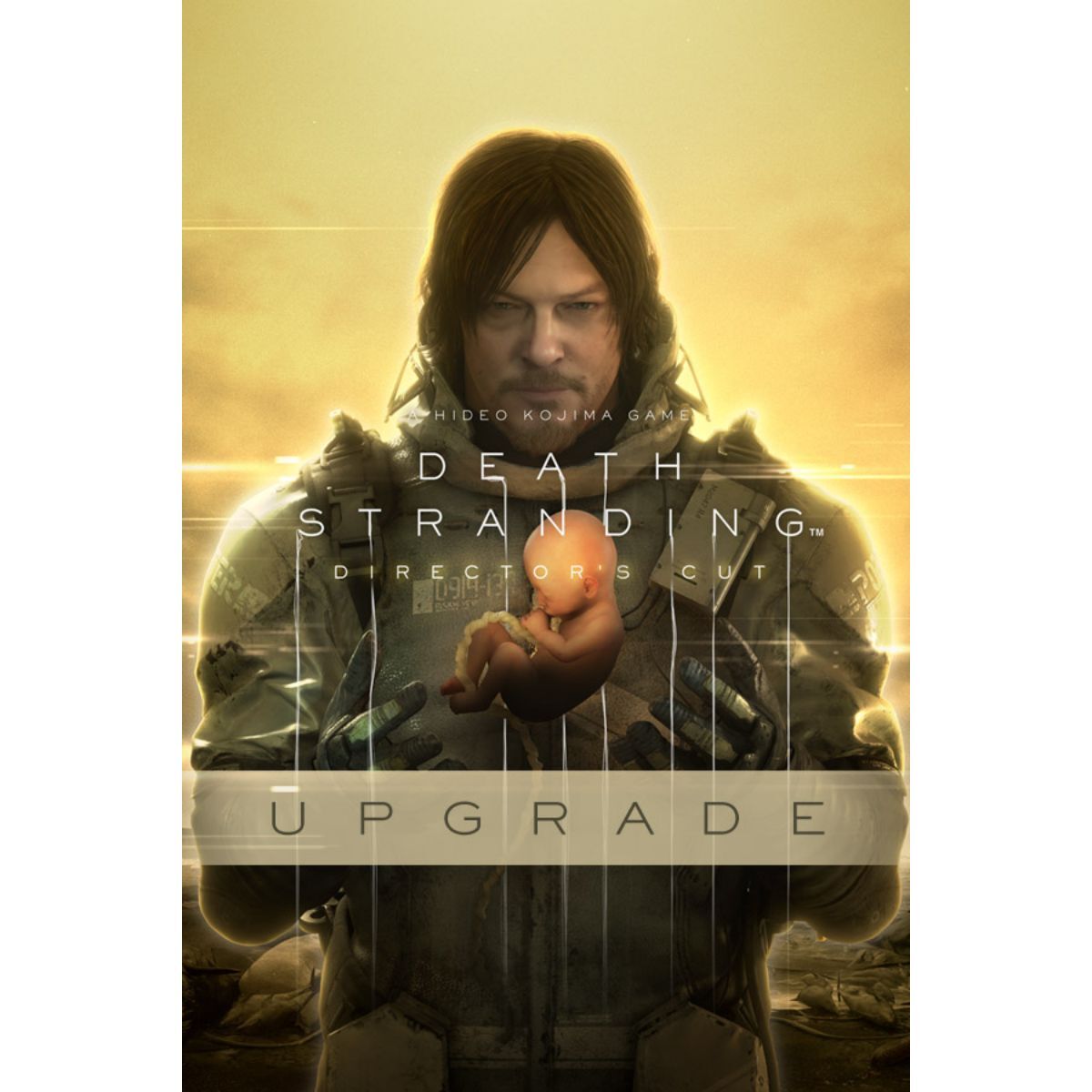
Xbox Game Pass January 2026 delivers 11 new titles, including Star Wars Outlaws and Death Stranding: Director's Cut, whi...
View Board
Fifteen million copies sold since its 2018 debut show Detroit: Become Human’s moral choices still spark debate, reshapin...
View Board
Xbox Game Pass startet 2026 mit überraschenden Stealth-Drops wie Little Nightmares: Enhanced Edition und Brews & Bastard...
View Board
BrokenLore: UNFOLLOW drags players through a decaying digital hallway where a towering figure repeats a cruel mantra, ex...
View Board
Xbox Game Pass começa 2026 com força: Star Wars Outlaws e Resident Evil Village lideram 11 lançamentos em janeiro, redef...
View Board
Byron Bernstein, aka Reckful, broke WoW’s 3000 rating, ruled arenas, streamed raw self‑exposure, and envisioned Everland...
View Board
Rockstar aims to launch a 4K, 60 FPS Red Dead Redemption 2 next-gen upgrade in Spring 2026 across PS5, Xbox Series X/S, ...
View Board
GTA 6 faces its toughest rival in 2026: GTA V's $10B legacy. Can Rockstar's sequel eclipse a game that redefined longevi...
View Board
Brews & Bastards chega ao Xbox Game Pass em 6 de janeiro de 2026, trazendo caos embriagado e coop local para 4 jogadores...
View Board
Adin Ross turned a $4 million gambling loss into a Kick empire, mixing celebrity interviews, radical stunts and platform...
View Board
Adande Thorne, aka sWooZie, fuses gaming grit and Disney confessions into animated, 1000%‑true stories that reshaped You...
View Board
Explore the epic journey of Star Wars from its humble beginnings to the current wave of streaming series and films, disc...
View Board
Imane Anys: The Streamer Who Captivated a Global Audience The room is quiet, save for the soft clicks of a mouse and key...
View Board
Star Wars Outlaws llega a Xbox Game Pass el 13 de enero de 2026, ofreciendo a suscriptores Ultimate y PC Game Pass la av...
View Board
Mortal Kombat 11: A Deep Dive into Its Enduring Legacy The arena lights flicker, a digital roar erupts, and then, the c...
View Board
Resident Evil Requiem возвращается в Раккун-Сити 27 февраля 2026 года с историей Грейс Эшкрофт и Леона Кеннеди, предлага...
View Board
MIO: Memories in Orbit launches on Game Pass Jan 20, 2026, offering a polished metroidvania with fluid combat, hand-draw...
View Board
Comments