Explore Any Narratives
Discover and contribute to detailed historical accounts and cultural stories. Share your knowledge and engage with enthusiasts worldwide.
The art of cinema has long strived to capture the complexities of human experience and reality. While many films transport audiences to fantastical worlds and speculative futures, others are born from an unwavering dedication to portray life as it truly is. This pursuit, known as realism in cinema, is a narrative style and aesthetic approach that roots itself in depicting everyday life with authenticity.
Realism as a movement has its origins deeply entrenched in the history and evolution of film. Emerging in the late 19th century, roughly coinciding with the inception of cinema itself, the first realists were the Lumière brothers, who emphasized documentary-style filming, capturing snippets of everyday life. Their short films, such as "Workers Leaving the Lumière Factory" (1895), focused on the simplicity and authenticity of daily occurrences, setting the stage for future filmmakers enchanted by the idea of realness.
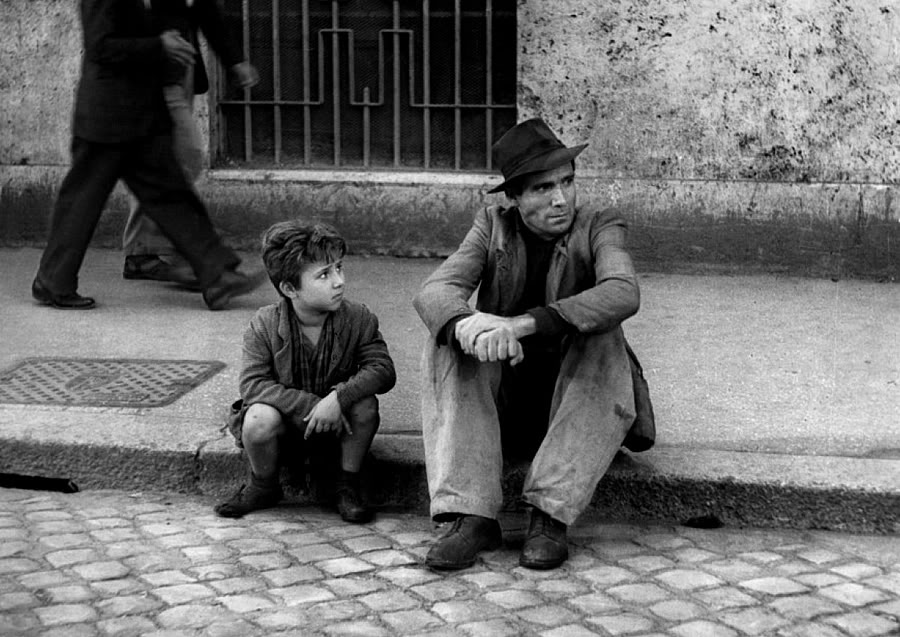
By the mid-20th century, despite the dominance of Hollywood's studio-driven glamour, realism found renewed strength with the emergence of Italian Neorealism. This significant movement sought to bring to screen the unembellished lives of the Italian populace post-World War II. Masterpieces like Roberto Rossellini’s "Rome, Open City" (1945) and Vittorio De Sica's "Bicycle Thieves" (1948) captured raw emotion through non-professional actors, on-location shooting, and socio-politically charged narratives, thus immortalizing Neorealism in cinematic history.
The quintessence of realism in cinema lies within its key attributes. One of the primary goals is to present a naturalistic portrayal of events and characters. Realist filmmakers frequently employ non-professional actors to enhance authenticity and circumvent the theatricality often associated with trained performers.
In addition, realist films tend to utilize on-location shooting as opposed to elaborate studio sets. This choice not only saves production costs but, more importantly, captures the ambiance and essence of the story’s setting, contributing to a more immersive experience for the audience. The stripped-back approach to cinematography, favoring natural light and hand-held cameras, further emphasizes the visceral and relatable essence of the storytelling.
Moreover, storytelling in realist cinema prioritizes narratives grounded in reality, often exploring themes of social, political, and economic context. These films are effective in addressing societal issues, prompting viewers to engage in critical thought about the world around them. Realism acts as a powerful tool for creating a mirror in which audiences can see not idealized characters, but rather their own lives and struggles reflected back at them.
Realism has undoubtedly transcended cultural and national boundaries to influence filmmakers worldwide. Each cinematic tradition interprets realism through its individualized cultural lens, yielding diverse yet interconnected forms of storytelling. In France, the avant-garde lineage of realism can be traced through the French New Wave, a post-war movement that carried realism's baton forward. Filmmakers like Jean-Luc Godard and François Truffaut embodied this with films like "Breathless" (1960) and "The 400 Blows" (1959), further shaping the evolution of the realist aesthetic.
Similarly, Iranian cinema has witnessed its own realist renaissance. Filmmakers such as Abbas Kiarostami and Asghar Farhadi have garnered global attention through their poignant narratives exploring everyday life and relatable moral dilemmas, as seen in films like "A Separation" (2011), which symbolized the powerful impact of realistic storytelling.
These global adaptations emphasize the universal appeal of realism in cinema, which lies in the striking balance between telling personal stories and reflecting universal truths. Realism remains a vivid commentary on the socio-political landscapes of the respective cultures it emerges from, offering introspective glimpses into lives often overshadowed by more mainstream cinematic narratives.
As the field of cinema continues to evolve, the allure of realism endures, offering filmmakers and audiences alike a palpable connection to the worlds and lives being represented. It provides a lens through which the art of truthful storytelling can be appreciated and understood, resonating with viewers seeking authenticity in an ever-changing world of scripted entertainments.
Your personal space to curate, organize, and share knowledge with the world.
Discover and contribute to detailed historical accounts and cultural stories. Share your knowledge and engage with enthusiasts worldwide.
Connect with others who share your interests. Create and participate in themed boards about any topic you have in mind.
Contribute your knowledge and insights. Create engaging content and participate in meaningful discussions across multiple languages.
Already have an account? Sign in here
Discover the profound impact of biographical films with this in-depth exploration into how biopics bridge the gap betwee...
View Board
Explore the captivating world of cinematic plot twists that redefine storytelling. From Hitchcock to Nolan, discover how...
View Board
Explore the debate over historical accuracy in films, balancing truth and storytelling. Discover how filmmakers navigate...
View BoardExploring the Indie Film Movement: A Path to Cinematic Independence Indie films, often referred to as independent films...
View Board
Explore the power and impact of political films in this in-depth analysis of cinema's most influential genre. Discover h...
View Board
Explore the rich tradition of political satire in film with our in-depth article, "Political Satire in Film: A Cinematic...
View Board
Explore the captivating world of surrealism in film, a cinematic odyssey that defies reality and ignites the imagination...
View Board
Explore the dynamic evolution of cinema in the 21st century as technological innovations, streaming services, and indie ...
View Board
Explore the revolutionary impact of the French New Wave, a groundbreaking cinematic movement that emerged in the late 19...
View BoardThe Cultural Impact of Cinema: A Global Force Since the inception of cinema in the late 19th century, the medium has not...
View Board
Discover the most influential directors in cinema history who revolutionized filmmaking with their visionary styles and ...
View Board
Explore the captivating history and impact of film remakes in "The Evolution and Allure of Film Remakes: A Cinematic Jou...
View Board
The Evolution of Cinema: A Comprehensive Overview The Birth of Motion Pictures The journey of cinema is as ancient as h...
View Board
Explore the evolution of animated films in "The Greatest Animation Films of All Time: Part 1." From Disney's pioneering ...
View BoardExplore the progress and setbacks in diversity in film, from gender gains to racial declines. Discover the commercial ca...
View Board
Explore the captivating influence of Japanese cinema on the global stage. From iconic directors like Akira Kurosawa and ...
View BoardExplore the intricate history of film censorship and its evolution from local regulations to global debates. Discover ho...
View Board
Explore the transformative power of cinematic landscapes in film with our comprehensive guide to visual storytelling. Di...
View Board588 characters: Discover the most groundbreaking debut films in cinema history! From Welles' Citizen Kane to Peele's Get...
View Board
**Meta Description:** Explore the vibrant world of African cinema—from Nollywood’s rise to groundbreaking filmmakers a...
View Board
Comments