Explore Any Narratives
Discover and contribute to detailed historical accounts and cultural stories. Share your knowledge and engage with enthusiasts worldwide.
The Rise of Cryptocurrencies: In recent years, cryptocurrencies have emerged as one of the fastest-growing and most exciting technologies of our time. From Bitcoin to Ethereum, these digital assets have captured the imagination of both tech enthusiasts and traditional investors alike. As more people dive into the world of blockchain technology and digital currencies, understanding how to navigate the crypto landscape becomes increasingly important. One crucial aspect of this journey is comprehending the role and function of crypto exchanges.
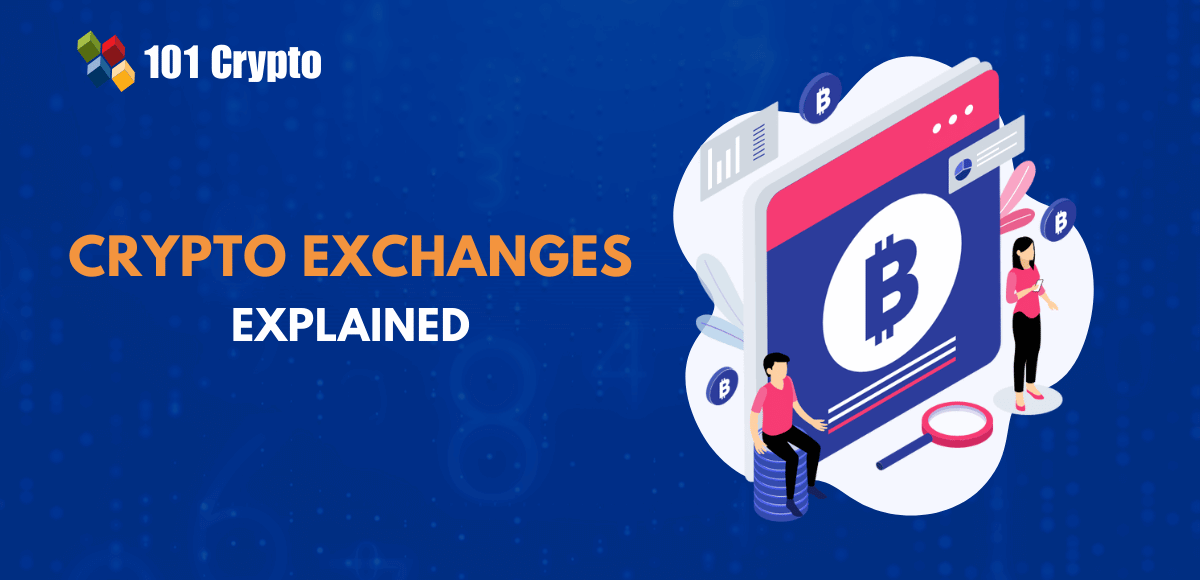
What Are Crypto Exchanges?: At their core, crypto exchanges serve as marketplaces where individuals can buy, sell, and trade different cryptocurrencies. Whether you're looking to convert fiat currencies like dollars or euros into cryptocurrencies or exchange one type of digital currency for another, crypto exchanges offer a user-friendly environment and efficient trading mechanisms tailored specifically to these needs.
However, beyond being simple trading platforms, crypto exchanges come equipped with various features aimed at enhancing security, liquidity, and user experience. These features range from advanced trading tools to robust security measures, making crypto exchanges essential tools for anyone involved in the crypto ecosystem.
Different Types of Crypto Exchanges: There isn't just one type of crypto exchange; instead, they vary widely based on platform characteristics, regulatory environments, and target markets. Here’s a breakdown of some common types:
User Interface and Trading Tools: Modern crypto exchanges are designed with user experience in mind. This includes intuitive interfaces and user-friendly tools such as order books, market data widgets, and portfolio tracking dashboards. Advanced features might include automated trading bots, algorithmic trading capabilities, and margin trading. Each feature caters to different trader personas, whether it's day traders seeking quick access to the market or long-term investors looking for stable investments.
Liquidity and Trading Pairs: Liquidity is critical in determining a crypto exchange’s performance. High liquidity ensures that trades occur quickly without affecting market prices. Crypto exchanges list a variety of trading pairs, allowing users to swap between any two cryptocurrencies they choose. The presence of popular trading pairs like BTC/USDT (Bitcoin/Tether) and ETH/BTC (Ethereum/Bitcoin) typically indicates robust and reliable liquidity.
Strong Security Protocols: Security is paramount in the crypto space due to the risk of theft and hacking. Top-tier crypto exchanges implement advanced security protocols such as multi-factor authentication (MFA), cold wallet storage for large holdings, and encryption to secure user data. Additionally, reputable exchanges undergo regular audits by independent firms to ensure compliance with best practices and regulatory standards.
Regulatory Compliance: As the crypto industry matures, so too does its legal framework. Reputable exchanges must adhere to local and international regulations. This includes Know Your Customer (KYC) and Anti-Money Laundering (AML) procedures to prevent fraudulent activities. By complying with these regulations, exchanges build trust within the financial community while ensuring compliance with legal standards.
User Verification Processes: To ensure the safety and integrity of the platform, users often need to complete a verification process before accessing sensitive features. Verification tiers typically include basic information for account creation and higher levels requiring additional personal documentation like identification cards. This hierarchical verification system helps reduce fraud and protects both the users and the exchange itself.
Privacy Concerns: While verification is necessary for compliance reasons, it also raises privacy concerns. Exchanges balance the need for transparency with user privacy by implementing strict policies regarding data usage and sharing. For instance, reputable exchanges often encrypt user data and strictly limit who has access to personally identifiable information.
The Role of Regulatory Bodies: As cryptocurrency gains mainstream acceptance, so does governmental scrutiny. Regulatory bodies around the world are taking steps to oversee the industry, ensuring that cryptocurrencies are used responsibly and ethically. Countries like Japan and the United States have established specific frameworks for regulating exchanges and digital assets. These regulations aim to protect consumers, prevent money laundering, and foster a fair trading environment.
The Effects on Industry Dynamics: Regulatory frameworks significantly affect the dynamics of the crypto market. Exchanges operating within jurisdictions with stringent regulations may face higher barriers to entry and operational costs. On the other hand, compliance with local laws can enhance trust among users and attract institutional investors. Conversely, laxer regulations can lead to a proliferation of speculative investments and potential vulnerabilities in the market.
Emerging Trends and Future Projections: As governments around the world continue to grapple with how best to regulate cryptocurrencies, several trends are likely to emerge. These include the development of regulatory sandboxes for experimenting with new technologies, increased focus on interoperability standards to facilitate cross-border transactions, and greater emphasis on technological safeguards like blockchain-based audits and immutable records. These developments promise to shape the future of crypto exchanges, making them more secure, transparent, and accessible.
In conclusion, crypto exchanges are more than just online marketplaces for buying and selling cryptocurrencies. They represent the backbone of the digital currency ecosystem, providing essential services that enable seamless transactions and facilitate investment opportunities. Whether you are a seasoned trader or a curious newcomer to the crypto world, understanding how these platforms work is fundamental to navigating the complexities of the digital asset landscape with confidence.
Order Book Trading: One of the primary features of crypto exchanges is their order book trading mechanism. Order books display open buy and sell orders at various price levels, allowing traders to see the entire market sentiment and make informed decisions. Traders can place limit orders to buy or sell at specified prices or market orders to execute immediately at the current market price. This transparency enhances the efficiency and fairness of trades.
Marginal Trading and Leverage: Leverage is a powerful tool offered by many crypto exchanges, enabling traders to amplify their profits or losses. By borrowing funds from the exchange, traders can increase their position size, potentially leading to substantial returns but also increasing the risk. However, leveraged trading requires careful management to avoid significant financial losses.
Trading Fees and Rewards: Fees play a crucial role in generating revenue for exchanges while influencing traders’ choices. Most reputable exchanges charge fees for each transaction, such as taker fees for executing market orders and maker fees for contributing to liquidity. Additionally, some exchanges offer rewards for liquidity providers or staking programs, incentivizing users to contribute to the exchange’s stability and performance.
Customer Support and Resources: User support is vital to maintaining customer satisfaction and addressing concerns promptly. Top-tier crypto exchanges provide various forms of customer support, including email, live chat, and phone support. Moreover, comprehensive educational resources, such as blog posts, tutorials, and webinars, help users understand complex topics and make informed decisions.
Ecosystem Integration: Many crypto exchanges integrate with other services in the broader ecosystem, such as wallets, DeFi platforms, and NFT marketplaces. These integrations offer users a seamless experience across multiple applications, enhancing usability and convenience. For example, some exchanges allow direct wallet integration, enabling users to instantly transfer funds and interact with various decentralized finance (DeFi) applications without leaving the exchange platform.
Common Security Risks: Despite the robust measures in place, crypto exchanges face unique security challenges. Phishing attacks, hacking attempts, and insider threats pose significant risks. Hackers often exploit vulnerabilities in smart contracts, private key management systems, or user interfaces to steal funds or manipulate the market. Additionally, phishing scams trick users into revealing sensitive information, thereby compromising their accounts.
Mitigation Strategies: To address these risks, exchanges implement a combination of preventive, detective, and corrective measures. Preventive methods include regular software updates and security audits to identify and fix vulnerabilities. Detective methods involve monitoring for unusual activity and setting up alerts to quickly respond to suspicious behavior. Corrective actions include isolating affected accounts, freezing funds, and reimbursing victims in case of successful cyberattacks.
User Education: User education is a critical component of any security strategy. Encouraging users to practice good cybersecurity habits, such as enabling 2FA, regularly updating passwords, and exercising caution when clicking on links or downloading files, significantly reduces the risk of falling victim to cyber threats. Exchanges often conduct awareness campaigns to educate their user base about recognizing phishing attempts and securing their accounts.
Next-Gen Cryptocurrency Trading Platforms: Emerging technologies like zero-knowledge proofs, atomic swaps, and interoperable blockchain networks promise to transform the way crypto exchanges operate. Zero-knowledge proofs offer greater privacy and confidentiality, while atomic swaps allow users to swap cryptocurrencies without relying on a central intermediary. Interoperable blockchain networks can facilitate cross-chain transactions, enhancing liquidity and accessibility.
Quantum Computing Threats: With advancements in quantum computing, there is growing concern about the potential vulnerabilities it could introduce to cryptographic security protocols. Quantum computers may break existing encryption methods, necessitating the development of post-quantum cryptography techniques. Crypto exchanges should stay vigilant about these evolving threats and invest in research to ensure long-term security.
Regulatory Adaptation: As technological innovations advance, regulatory frameworks will likely adapt to keep pace. Authorities may release updated guidelines addressing new challenges and opportunities presented by emerging technologies. Crypto exchanges can stay ahead by monitoring regulatory developments closely and proactively engaging with policymakers to shape favorable regulatory environments.
In summary, crypto exchanges stand at the forefront of the rapidly evolving digital currency landscape. From traditional centralized models to innovative decentralized platforms, they cater to diverse user needs and preferences. With advanced features, stringent security measures, and ongoing technological advancements, crypto exchanges continue to evolve, offering a more secure, efficient, and accessible trading environment. As the industry matures, it is crucial for both exchanges and users to remain informed about emerging trends and challenges to navigate the dynamic crypto ecosystem successfully.
Consumer Protections: Consumer protection is a critical aspect of any marketplace, especially since cryptocurrencies lack physical backing and can be extremely volatile. Reputable exchanges prioritize consumer protection through various measures, including insurance, escrow services, and dispute resolution mechanisms. Insurance policies like Coinbase’s $285 million USD Secure Trading Facility ensure that users’ funds are covered in case of incidents like hackings or significant breaches. Escrow services keep funds safe until confirmed transactions are completed, and dispute resolution mechanisms provide a structured way to address issues arising from trades.
Market Manipulation and Fair Trading Practices: Market manipulation can severely undermine trust within the crypto space. Exchanges implement measures like order-matching algorithms and regulatory oversight to prevent such practices. Algorithmic trading ensures that every trade is handled fairly across the board, preventing individual users from gaining unfair advantages. Regulatory bodies and exchanges work together to monitor and penalize any suspected manipulative activities, ensuring a level playing field for all participants.
User Privacy: Protecting user privacy is paramount, especially given the sensitive nature of financial information. Exchanges employ various strategies to safeguard user data. Encryption techniques like AES or RSA encrypt data at rest and in transit, ensuring that even if intercepted, data remains unreadable. Access controls and role-based permissions limit the exposure of sensitive information to only those who need it. Transparency in data handling policies further strengthens user trust by clearly outlining how personal information is collected, stored, and used.
Data Breach Response: Despite robust security measures, data breaches can still occur. Reputable exchanges have incident response plans in place to mitigate damage and restore normal operations swiftly. Regular security audits and penetration testing help identify and rectify vulnerabilities proactively. Communication with users during crises is crucial, and timely updates and remediation efforts rebuild confidence in the platform.
Global Regulatory Landscape: The global regulatory landscape is continuously evolving, with countries implementing varied levels of oversight. Some jurisdictions, like South Korea and Japan, have stringent crypto regulations, while others, such as Gibraltar and Malta, offer a more permissive environment. Regional variations can create complexities for exchanges, requiring them to adapt to numerous sets of rules. As regulatory frameworks align more closely globally, exchanges may face harmonized standards, simplifying compliance efforts.
Impact on the Industry: Robust regulation can have mixed effects on the industry. On one hand, stringent regulations can deter speculative investments and promote responsible practices, reducing market volatility. On the other hand, overly restrictive regulations might stifle innovation and growth. Balancing these factors is essential for sustainable development within the crypto ecosystem.
Future Trends and Policy Developments: Looking ahead, several trends and policy developments are likely to shape the future of crypto regulation. Governments may establish dedicated agencies to oversee cryptocurrency activities, improving coordination and effectiveness. Additionally, international cooperation and standard-setting bodies like G20 and FATF (Financial Action Task Force) may play a larger role in harmonizing crypto regulations across borders. These developments aim to create a clearer, more stable regulatory environment for crypto exchanges and users.
In conclusion, crypto exchanges have become indispensable players in the evolving digital asset landscape. They offer a range of sophisticated tools and services that cater to the diverse needs of users, from beginners to experienced traders. As the industry continues to grow and evolve, it is essential for exchanges to maintain high standards of security, integrity, and compliance. Embracing transparency, implementing robust security measures, and embracing emerging technologies will be key to ensuring the sustained success and credibility of crypto exchanges in the years to come.
The journey of crypto exchanges is far from over. With continued innovation, stringent regulation, and a focus on user experience, these platforms will undoubtedly continue to redefine the horizon of digital finance, opening new avenues for investment and financial inclusion.





Your personal space to curate, organize, and share knowledge with the world.
Discover and contribute to detailed historical accounts and cultural stories. Share your knowledge and engage with enthusiasts worldwide.
Connect with others who share your interests. Create and participate in themed boards about any topic you have in mind.
Contribute your knowledge and insights. Create engaging content and participate in meaningful discussions across multiple languages.
Already have an account? Sign in here

Explore the world of cryptocurrency with our comprehensive guide, unraveling the intricacies of this digital phenomenon....
View Board
Explore the dynamic world of cryptocurrencies in our comprehensive guide, "Understanding Different Types of Cryptocurren...
View Board
Last news about Crypto Week from 03/11/2025 to 09/11/2025
View Board
Explore the fascinating world of crypto tokens with our comprehensive guide. Discover the functionality, types, and sign...
View Board
Last news about Crypto Week from 28/04/2025 to 04/05/2025
View Board
Last news about Crypto Week from 17/11/2025 to 23/11/2025
View Board
Learn how to buy cryptocurrency confidently with this comprehensive guide. Discover key steps including choosing exchang...
View Board
"Discover Ripple XRP's history, technology, and market impact. Learn about its unique consensus algorithm, low transacti...
View Board
Last news about Crypto Week from 21/04/2025 to 27/04/2025
View Board
Last news about Crypto Week from 05/05/2025 to 11/05/2025
View Board
Last news about Crypto Week from 10/11/2025 to 16/11/2025
View Board
Explore the in-depth world of DigiByte with our comprehensive guide, diving into its unique features, technological inno...
View Board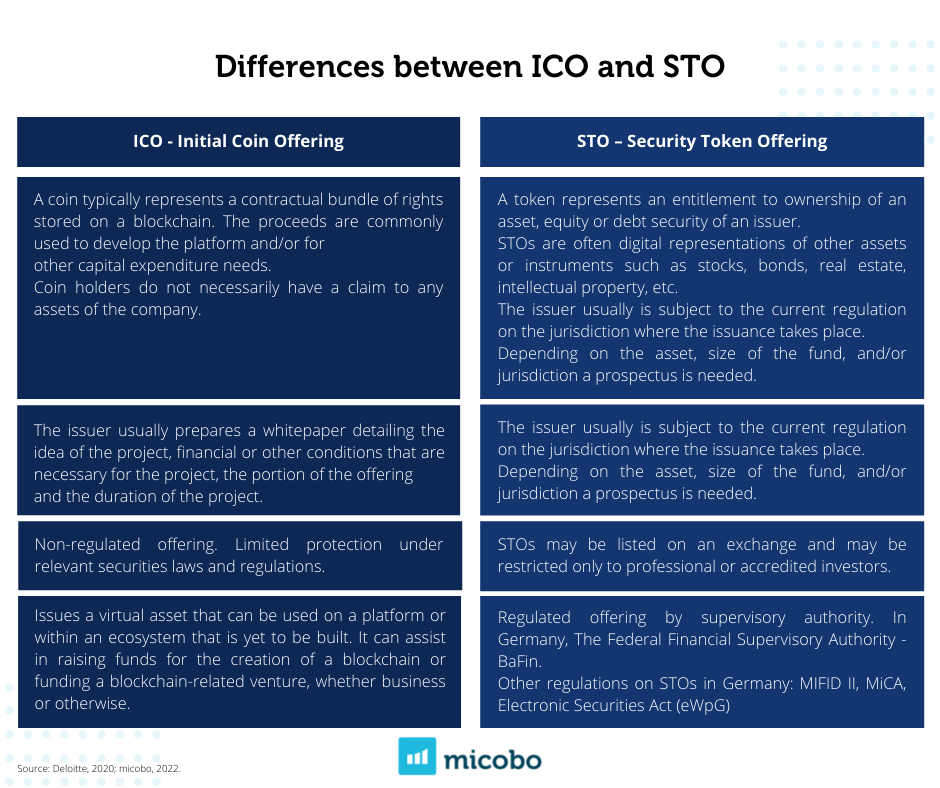
Explore the transformative world of Initial Coin Offerings (ICOs) and discover how this innovative fundraising strategy ...
View Board
Ethereum revolutionizes blockchain with decentralized applications, smart contracts and DeFi, facing challenges like sca...
View Board
**Optimized Meta Description:** *"Learn how to trade cryptocurrency with this complete beginner’s guide—from choosing...
View BoardExplore the revolutionary role of Balancer in DeFi, a sophisticated Automated Market Maker offering unmatched liquidity ...
View Board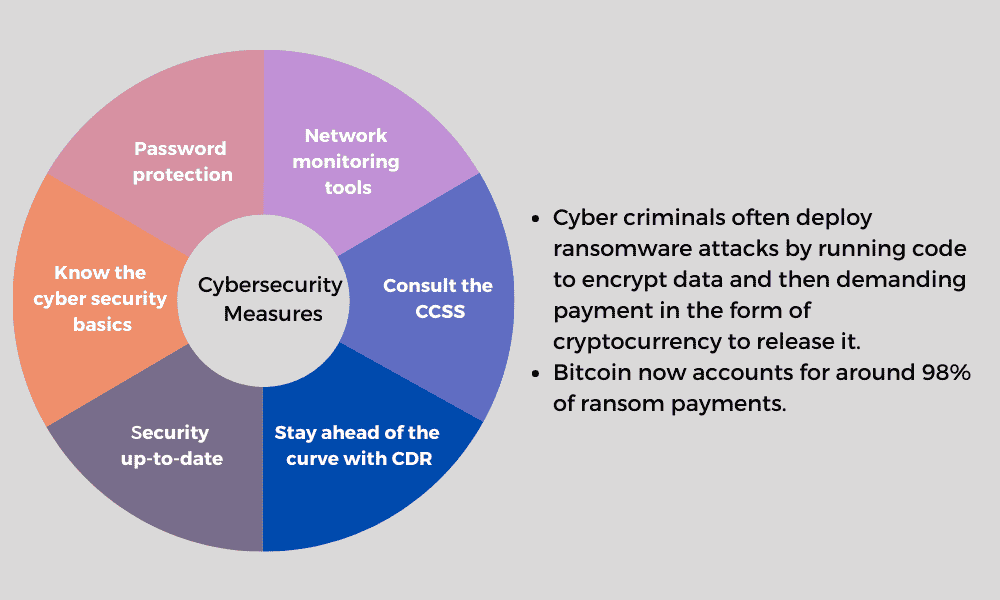
Discover the numerous benefits of using cryptocurrencies, including decentralization, cost efficiency, financial inclusi...
View Board
Discover the unique strengths of Tezos, the self-amending blockchain. Explore its innovative governance, secure consensu...
View Board
Discover the exciting world of PancakeSwap and its role in the DeFi revolution. This comprehensive guide explores how th...
View Board
**Meta Description:** Explore the world of quantitative analysis (quant) in finance, covering key strategies like stat...
View Board
Comments