Explore Any Narratives
Discover and contribute to detailed historical accounts and cultural stories. Share your knowledge and engage with enthusiasts worldwide.
The cinematic score is a fundamental pillar of modern filmmaking, profoundly shaping audience emotion and engagement. This influential art form drives commercial success, with the global film soundtracks market valued between $1.5 and $2.5 billion and projected to grow significantly. The power of a great film score lies in its ability to deepen immersion and create unforgettable cinematic moments.
A great cinematic score does more than provide background noise; it becomes the emotional heartbeat of a film. It guides the audience's feelings, signaling tension, joy, sorrow, and triumph with precise musical cues. This sonic layer is essential for transforming visuals into a completely immersive experience that resonates long after the credits roll.
Music connects with viewers on a subconscious level, directly influencing their emotional journey. Composers use specific melodies, harmonies, and rhythms to mirror a character's internal state or heighten the drama of a scene. This emotional manipulation is a key factor in the cinematic score impact, making stories more relatable and powerful.
Beyond emotion, scores provide crucial structural support to a film's narrative. A well-placed leitmotif can instantly identify a character or theme. The tempo and dynamics of the music also control the pacing, building suspense for a thriller or accelerating the excitement of an action sequence. This synergy between sound and vision is the mark of a masterful composition.
The commercial value of movie music is undeniable, evidenced by its substantial and growing market. Recent analyses confirm the sector's robust health and future potential. This growth is fueled by evolving consumption habits and technological innovations.
The global film soundtracks market was valued at $1.5 billion in 2023 and is projected to reach $3.2 billion by 2032–2033, expanding at a CAGR of 7–8.5%. [1][2]
Several factors are propelling this impressive growth. The rise of streaming platforms has created new revenue streams and listening occasions for soundtracks. Furthermore, advancements in audio technology demand higher-quality compositions.
The market's growth is not uniform across the globe, with different regions contributing uniquely. North America currently leads in revenue generation, while the Asia-Pacific region shows the fastest growth rate.
The past year has showcased a diverse and innovative range of cinematic scores, highlighting current trends and artistic excellence. Composers are pushing boundaries, blending genres and creating music that stands on its own artistic merit.
2025 has been a remarkable year for film music, with several scores receiving critical acclaim for their originality and emotional depth. These works demonstrate the evolving language of cinematic composition.
A key trend in 2025 is a move away from overly polished, generic orchestral sounds. There is a growing preference for authentic, often indie or acoustic, music that brings a unique character to a film.
This trend sees more filmmakers sourcing music from boutique libraries and collaborating with artists from outside the traditional film scoring world. The success of scores like Frankenstein underscores the audience's appetite for fresh, distinctive sonic identities.
The history of the cinematic score is a journey of technological and artistic innovation. It began as live piano or organ accompaniment for silent films, designed to cover projector noise and provide emotional cues. This foundational role established music as a non-negotiable element of the theatrical experience, setting the stage for its evolution into a complex art form.
The advent of "talkies" synchronized sound and picture, allowing for pre-recorded, elaborate scores. Composers like Max Steiner and Bernard Herrmann pioneered the use of leitmotifs and large orchestras to support the epic narratives of classic Hollywood. This era cemented the composer as a key creative voice alongside the director, crafting themes that became culturally iconic.
The late 20th century saw legends like John Williams redefine the scale and memorability of film music, with scores for Star Wars and Jaws demonstrating its power to drive box office success. This period solidified the model of the grand, symphonic cinematic score as the standard for blockbuster filmmaking, an influence that persists today.
Today, the landscape is defined by genre-blending and digital accessibility. Composers freely mix electronic elements with traditional orchestration, and indie artists frequently cross over into scoring. The line between a film score and a popular album continues to blur, as evidenced by the acclaim for works like Bryce Dessner’s Train Dreams.
Streaming has transformed scores from theatrical exclusives into accessible, on-demand albums, with platforms like Netflix becoming major commissioners of original content and amplifiers of soundtrack visibility. [3][6]
The digital era also enables faster, more collaborative workflows and a global exchange of musical ideas. This has led to a richer, more diverse sonic palette in film, directly contributing to the market's expansion and the creative trends of authenticity and cultural resonance.
The industry is undergoing significant shifts, driven by consumer demand, technological advancement, and creative evolution. These trends are redefining what a cinematic score can be and how it reaches its audience. Understanding these movements is key to grasping the future of film music.
Audiences and filmmakers are increasingly seeking scores with a distinct, often handmade, character. There is a clear move away from generic, library-style music toward scores that feel personal and authentic. This trend favors composers with strong individual voices and often incorporates acoustic, lo-fi, or alternative rock influences.
Audio technology is no longer just about recording; it's about creating immersive worlds. The adoption of spatial audio formats like Dolby Atmos has changed the composer's canvas, requiring scores to be engineered for a three-dimensional soundscape.
This technological push elevates the cinematic score impact in theaters and high-end home systems. It creates a competitive edge for films that offer a superior, immersive audio experience, directly tying audio quality to commercial success and audience demand.
The application of cinematic-quality music is expanding rapidly into adjacent media. High-budget video games, VR experiences, and interactive media now demand scores with the emotional depth and production value of major motion pictures.
Despite robust growth, the film music industry faces its own set of complexities and disruptions. These challenges impact composers, studios, and the market structure itself, shaping the deals, projects, and trends that define the professional landscape.
The 2023 industry strikes had a lingering effect, causing project delays and a temporary reduction in studio film output. This has led to increased scrutiny on high-budget scores, with producers demanding clearer returns on investment. [4]
Composers now often need to demonstrate how a score contributes not just artistically but also to downstream revenue streams like soundtrack albums and licensing. This commercial pressure exists alongside the constant drive for artistic innovation.
A significant challenge within the industry is the uneven use of data. While streaming platforms provide clear metrics on playlist adds and monthly listeners, this data is not always effectively used to structure fair talent deals or predict soundtrack success.
Data literacy gaps can create inequitable opportunities, even as metrics clearly show streaming hits like the scores for Oppenheimer and Fallout generating millions of engagements. [3]
Bridging this gap is essential for ensuring composers are compensated fairly and for allowing the market to accurately value the commercial power of a great cinematic score.
Streaming provides unparalleled distribution and discovery for film music, but it also changes consumption patterns. Scores are often consumed in fragments or as part of mood-based playlists, which can detach the music from its narrative context.
However, this also presents an opportunity. A track's popularity on Spotify can drive viewers to a film or series, creating a new form of marketing. Platforms like Netflix are acutely aware of this, investing heavily in original scores that can perform both narratively and algorithmically.
The trajectory of film music points toward a future of even greater integration and innovation. As technology evolves and audience expectations rise, the cinematic score will continue to break new ground. The lines between different media will blur further, creating a more dynamic and interconnected sonic landscape.
Artificial intelligence is poised to become a significant tool in the composer's toolkit, assisting with tasks like orchestration and generating thematic ideas. However, the human element of emotional storytelling will remain irreplaceable. The demand for authentic, human-composed music that resonates on a deep level is likely to increase.
The next frontier in audio technology will focus on hyper-immersion. Beyond current spatial audio, we may see developments in bio-responsive music that subtly adapts to a viewer's physiological state. This could create a uniquely personalized viewing experience, making the emotional impact of the cinematic score even more direct and powerful.
The business of film music will continue to diversify. Composers may increasingly operate as brands themselves, with soundtrack releases serving as primary album drops. Licensing will expand into emerging media like the metaverse and advanced augmented reality applications.
The Asia-Pacific region, with its projected CAGR of 9.2%, is set to become an even more dominant creative and commercial force, influencing global soundscape trends. [2]
This global shift will encourage more cross-cultural collaborations, blending musical traditions from around the world. The future cinematic score will likely be a more globally-informed and eclectic art form, reflecting the borderless nature of modern media consumption.
Navigating the current and future landscape of film music requires a strategic approach. For creators, understanding the market dynamics and audience preferences is key to achieving both artistic and commercial success. These insights can guide decision-making from pre-production to release.
Filmmakers and composers should view the score not as an afterthought but as an integral part of the project's DNA from the earliest stages. Early collaboration allows the music to be woven into the narrative fabric of the film, enhancing its overall cohesion and impact.
For aspiring composers, the path to success involves more than just musical talent. It requires business acumen, adaptability, and a strong personal brand. Building a diverse portfolio that showcases versatility across genres and media is crucial.
Networking within the industry and understanding the legal and financial aspects of composition are equally important. Composers must be prepared to work in a global, digitally-driven marketplace where collaboration often happens remotely and projects span multiple continents.
The evidence is clear: the cinematic score is a powerhouse of emotional storytelling and a significant driver of commercial value in the entertainment industry. From its humble beginnings accompanying silent films to its current status as a multi-billion dollar market, film music has consistently proven its indispensable role. The projected growth to a $3.2 billion market by 2032-2033 underscores its enduring relevance and expanding influence. [1][2]
The key trends of authenticity, technological immersion, and cross-media expansion define the current era. The success of scores from Frankenstein to Oppenheimer demonstrates that audiences crave music with a unique identity and profound emotional depth. The shift towards scores that function as compelling standalone albums highlights their artistic merit beyond the cinema.
As we look to the future, the symbiotic relationship between visual media and music will only deepen. The cinematic score impact will continue to evolve, shaped by global influences, artificial intelligence, and new immersive technologies. However, the core purpose remains unchanged: to elevate narrative, evoke emotion, and create a truly unforgettable experience for the audience. The power of a great film score is, and will remain, an essential magic of the movies.
Your personal space to curate, organize, and share knowledge with the world.
Discover and contribute to detailed historical accounts and cultural stories. Share your knowledge and engage with enthusiasts worldwide.
Connect with others who share your interests. Create and participate in themed boards about any topic you have in mind.
Contribute your knowledge and insights. Create engaging content and participate in meaningful discussions across multiple languages.
Already have an account? Sign in here

Discover the meteoric rise of María Becerra, Argentina's phenomenal pop star! From YouTube sensation to sold-out stadium...
View Board
Discover Rainych, the Indonesian singer taking the world by storm with her anime covers & J-pop renditions. Explore her ...
View Board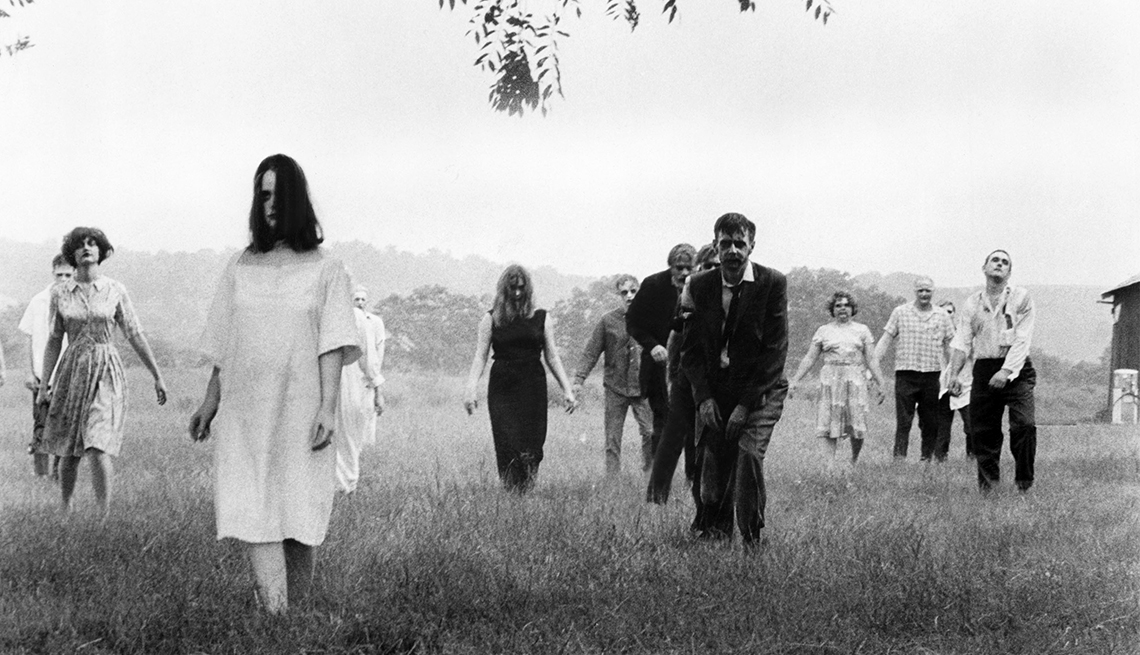
The Undying Legacy and 2025 Return of Zombie Cinema A single, grainy black-and-white image changed horror forever. A chi...
View Board
From silent eruptions to CGI-driven tsunamis, the disaster genre maps cultural dread, from 1970s all-star calamities to ...
View Board
Uncover the multifaceted career paths of individuals named Mike Lombardo. From firefighting heroism to political leaders...
View Board
From RackaRacka's viral chaos to AACTA-winning horror, twins Danny and Michael Philippou crafted $92M-gross, genre-shaki...
View Board
In Jackie’s limousine frame, the biopic's truth-through-fabrication promise ignites, dissecting the genre from Selena to...
View Board
Explore the greatest film adaptations ever! From 'Lord of the Rings' to 'Jaws,' discover movies that brilliantly transfo...
View Board
Explore the unique style of Bill Wurtz, the viral video creator behind 'History of Japan' and 'History of the Entire Wor...
View Board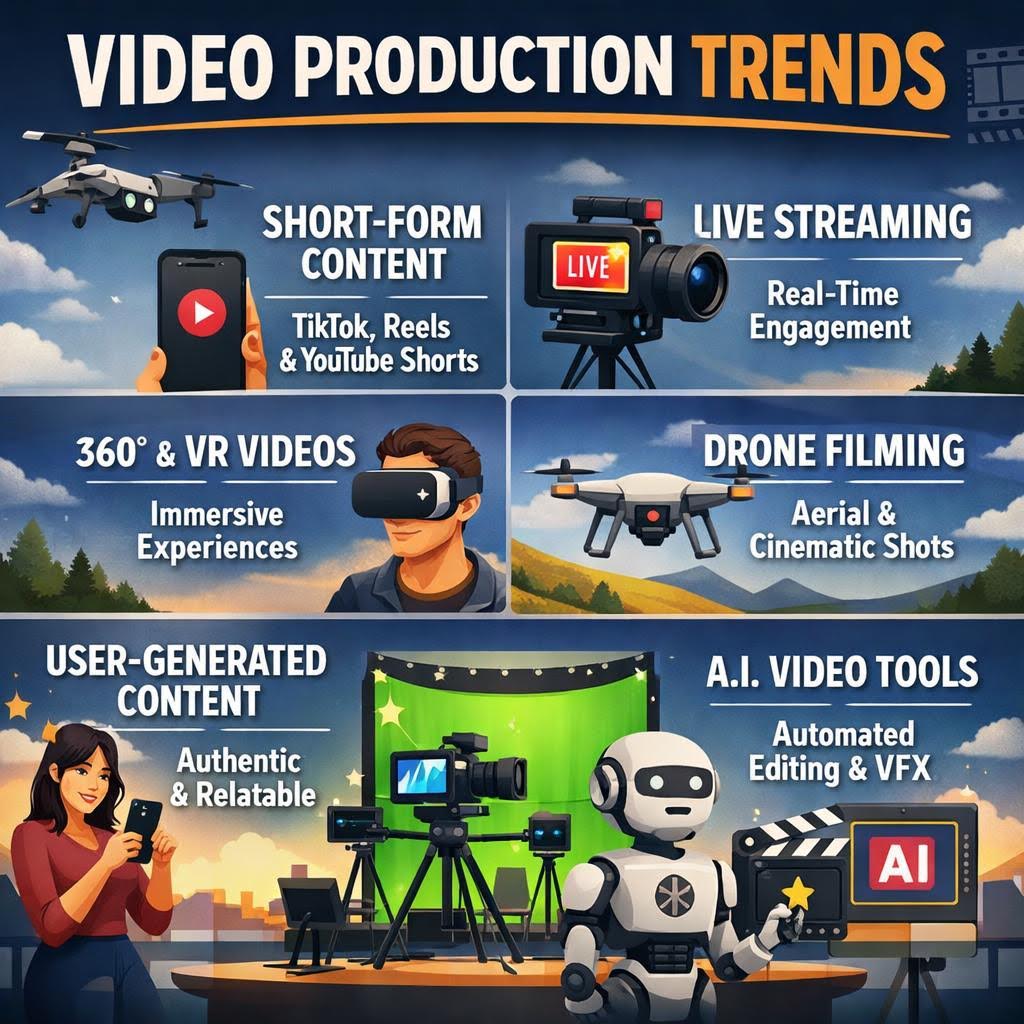
AI reshapes Hollywood as producers become systems engineers, negotiating human instinct against algorithmic efficiency i...
View Board
Uncover the secrets of cinematic Easter eggs! Explore hidden jokes, visual clues, and narrative gems in your favorite mo...
View Board
The Evolution of Action Cinema: From Fairbanks to Wick The elevator doors open. A body falls. A machine gun roars. The s...
View Board
Explore how streaming platforms are reshaping the film industry! From distribution shifts to AI integration, understand ...
View Board
Explore the evolution of queer cinema, from early experimental films to modern LGBTQ+ masterpieces. Discover key milesto...
View Board
Live music roars back post-pandemic with $23.1B revenue in 2024, reshaping economies, fan psychology, and the industry's...
View Board
Explore the dominance of major film studios in 2025! Discover market share leaders like Disney, Warner Bros., and Univer...
View Board
Explore the captivating evolution of science fiction films! From silent shorts to modern blockbusters, discover how sci-...
View Board
Spielberg’s $10.7 billion reign reshapes Hollywood as directors become
View Board
Explore the incredible journey of Joe Penna, aka MysteryGuitarMan, from YouTube sensation to acclaimed filmmaker. Discov...
View Board
Explore the rise and reign of Hollywood blockbusters! From Jaws to the MCU, discover the key films, characteristics, and...
View Board
Comments