Explore Any Narratives
Discover and contribute to detailed historical accounts and cultural stories. Share your knowledge and engage with enthusiasts worldwide.
Constantinos Apostolou Doxiadis, often referred to as C.A. Doxiadis, was a pioneering Greek architect and urban planner whose innovative approach to city design continues to influence modern urbanism. Known as the "father of ekistics," the science of human settlements, Doxiadis left an indelible mark on global architecture, most notably through his master plan for Islamabad, Pakistan's capital. His work seamlessly blended functionality, scalability, and human-centric design, making him one of the most influential architects of the 20th century.
Born on May 14, 1913, in Asenovgrad, Bulgaria (then known as Stenimachos), Doxiadis hailed from a Greek family with a deep appreciation for culture and education. His academic journey began at the Technical University of Athens, where he graduated with a degree in architectural engineering in 1935. Eager to expand his horizons, he pursued further studies at the Technical University of Berlin, earning his doctorate in 1936. These formative years laid the foundation for his future contributions to architecture and urban planning.
Doxiadis's career trajectory was nothing short of remarkable. After serving as the Chief Town Planning Officer for Greater Athens, he played a pivotal role in Greece's post-World War II reconstruction efforts. His expertise in urban planning and his commitment to human-centered design quickly gained international recognition. In 1951, he founded Doxiadis Associates, a firm that would go on to undertake projects in over 40 countries across five continents.
One of Doxiadis's most celebrated achievements was his master plan for Islamabad, Pakistan's capital. Designed in the 1960s, the plan was revolutionary for its time, emphasizing the separation of vehicular traffic from pedestrian pathways and prioritizing scalable growth while maintaining human-scale communities. Unlike many urban planning proposals that remain on paper, Islamabad's master plan was fully realized, showcasing Doxiadis's ability to translate visionary ideas into tangible, functional cities.
Doxiadis's contributions to architecture and urban planning did not go unnoticed. Throughout his career, he received numerous accolades, including the Order of the Phoenix in 1960, the Sir Patrick Abercrombie Prize in 1963, and the Aspen Award for Humanities in 1966. These awards underscored his impact on the field and his commitment to advancing the science of human settlements.
Although Doxiadis passed away on June 28, 1975, his legacy continues to thrive. His ideas on sustainable urbanism and human-scale planning remain relevant in today's rapidly urbanizing world. Cities like Islamabad, which continue to expand and evolve, serve as testaments to the enduring relevance of his visionary approach. Recent scholarship, such as studies published in the 2024 Athens Journal of Architecture, highlights the transcultural impact of his work, particularly in projects like Tema, Ghana.
As we delve deeper into the life and work of Constantinos Doxiadis, it becomes clear that his contributions to architecture and urban planning were not just groundbreaking for his time but continue to shape the way we think about and design cities today. In the next section, we will explore more of his notable projects and the principles that guided his visionary approach to urbanism.
Beyond Islamabad, Constantinos Doxiadis left an indelible mark on cities across the globe. His firm, Doxiadis Associates, undertook projects that redefined urban planning in the mid-20th century. From educational institutions to post-disaster reconstructions, his work demonstrated a deep understanding of human needs and environmental integration.
One of Doxiadis's most acclaimed educational projects was the Teacher-Student Centre at the University of Dhaka. Completed in 1961, this project showcased his ability to blend functionality with aesthetic appeal. The center was designed to foster interaction between students and faculty, emphasizing community and collaboration—core principles of his ekistics philosophy.
Following the devastating 1963 earthquake in Skopje, Yugoslavia (now North Macedonia), Doxiadis was tasked with reconstructing the city. His plan focused on resilience and sustainability, ensuring that the rebuilt city could withstand future seismic activity while maintaining its cultural identity. This project highlighted his expertise in disaster-responsive urban planning.
In 1959, Doxiadis designed Sadr City, a suburban district in Baghdad, Iraq. His plan prioritized affordable housing and efficient infrastructure, catering to the needs of a growing population. The project reflected his commitment to creating livable spaces that could adapt to demographic changes.
Doxiadis's involvement in Tema, Ghana, during the 1960s demonstrated his ability to revise and improve existing urban plans. His revisions focused on industrial zoning and residential balance, ensuring that the city could support both economic growth and community well-being. This project remains a key example of his transcultural planning approach.
In 1965, Doxiadis contributed to the urban planning of Rio de Janeiro, Brazil. His proposals emphasized traffic management and public spaces, addressing the challenges of a rapidly expanding metropolis. While not all aspects of his plan were implemented, his ideas influenced later developments in the city.
Ekistics, the science of human settlements, was Doxiadis's most significant theoretical contribution. This interdisciplinary field integrates architecture, sociology, technology, and ecology to create sustainable urban environments. His approach was rooted in the belief that cities should evolve in harmony with human needs and natural systems.
Islamabad's master plan is a prime example of ekistics in action. Doxiadis's design separated vehicular traffic from pedestrians, created green belts, and organized the city into sectors that functioned as self-sufficient communities. This structure allowed for controlled expansion while maintaining a sense of community.
Today, the principles of ekistics resonate in modern urban planning trends, such as:
At its peak, Doxiadis Associates operated in over 40 countries across five continents. This global reach was a testament to Doxiadis's reputation as a leading urban planner. His firm collaborated with governments, international organizations, and academic institutions to address urban challenges worldwide.
In the 1960s, Doxiadis organized the Delos Symposia, a series of international conferences that brought together leading experts in urban planning, architecture, and sociology. These symposia fostered dialogue on the future of human settlements and solidified Doxiadis's role as a thought leader in the field.
Doxiadis was an early adopter of technology in urban planning. His firm established a Computer Centre equipped with UNIVAC technology, one of the first uses of computers in large-scale urban design. This innovation allowed for more precise modeling and data-driven decision-making.
Decades after his passing, Constantinos Doxiadis's influence persists in both academic circles and practical urban planning. His projects continue to serve as case studies for architects and planners, while his theoretical contributions shape contemporary discussions on sustainable cities.
As cities like Islamabad continue to grow, Doxiadis's principles offer valuable lessons for managing urban expansion. His emphasis on scalability, resilience, and human-centric design provides a blueprint for addressing the challenges of megacities in the 21st century.
Efforts to preserve Doxiadis's legacy include:
In the final section of this article, we will explore Doxiadis's later years, his lasting influence on architecture, and how his ideas continue to inspire future generations of urban planners and architects.
As Constantinos Doxiadis entered the later stages of his career, his influence continued to grow, even as his health began to decline. Diagnosed with amyotrophic lateral sclerosis (ALS) in the early 1970s, Doxiadis remained active in his work until his passing on June 28, 1975. Despite his illness, he continued to advocate for human-centered urbanism and contributed to several high-impact projects in his final years.
One of Doxiadis's last major projects was the Quaid-e-Azam Campus in Lahore, completed in 1973. This educational complex exemplified his commitment to creating spaces that fostered learning, collaboration, and community. The campus design integrated green spaces, pedestrian-friendly pathways, and modular buildings that could adapt to future needs.
In the 1960s, Doxiadis's reputation as a global urban planning authority led to invitations to speak before the U.S. Congress. His presentations focused on the challenges of rapid urbanization and the need for sustainable city planning. His insights influenced American policymakers and urban planners, further cementing his legacy on the international stage.
Doxiadis's work garnered widespread recognition, including a feature in Time magazine. The article highlighted his innovative approach to urban planning and his role in shaping cities like Islamabad. This exposure brought his ideas to a global audience, inspiring a new generation of architects and planners.
Doxiadis's most enduring contribution to architecture and urban planning is the concept of ekistics. This interdisciplinary science of human settlements provided a framework for understanding how cities evolve and how they can be designed to better serve their inhabitants. His theories remain relevant today, particularly in the context of smart cities and sustainable urban development.
Doxiadis identified five key elements that define human settlements:
Today, the principles of ekistics are evident in various urban planning trends:
The impact of Constantinos Doxiadis extends far beyond his lifetime. His ideas have shaped the work of contemporary architects and urban planners who continue to draw inspiration from his human-centered approach. From sustainable design to community-focused urbanism, his legacy is visible in cities around the world.
Doxiadis's work is studied in architecture schools worldwide, where students explore his theories on ekistics and urban scalability. His projects serve as case studies for how to balance growth with livability, offering valuable lessons for emerging architects.
Islamabad, Doxiadis's most famous project, continues to grow and evolve. The city's grid layout and sector-based organization have allowed it to expand while maintaining its original vision. Today, Islamabad is home to over 1.2 million residents and remains a model for planned urban development.
Doxiadis's contributions have earned him a place among the most influential architects in history. As of 2024, he is ranked as the:
While Constantinos Doxiadis is widely celebrated for his contributions, his work has also faced criticism. Some urban planners argue that his designs were too rigid or idealistic, particularly in their emphasis on large-scale planning. Others point out that his projects sometimes struggled to adapt to local cultural contexts.
Doxiadis's master plans, such as those for Islamabad and Tema, were often criticized for their top-down approach. Critics argue that these plans prioritized efficiency and order over organic growth and community input. However, supporters counter that his designs provided the flexibility needed for long-term urban development.
Some of Doxiadis's projects faced challenges in adapting to local cultures and traditions. For example, his plans for cities in South Asia and Africa sometimes clashed with existing social structures. Despite these challenges, his work demonstrated a commitment to transcultural planning, blending global best practices with local needs.
Constantinos Doxiadis was more than an architect; he was a visionary who redefined the way we think about cities. His contributions to urban planning, ekistics, and human-centered design have left an indelible mark on the field. From the master plan of Islamabad to his theoretical frameworks, Doxiadis's work continues to inspire and guide architects, planners, and policymakers worldwide.
As cities continue to grow and face new challenges, the principles of ekistics remain as relevant as ever. Doxiadis's emphasis on sustainability, resilience, and human-scale design provides a roadmap for addressing the complexities of modern urbanization. His legacy serves as a reminder that great architecture is not just about buildings—it's about creating spaces that enhance the human experience.
In the words of Doxiadis himself,
"We must build cities that are not only efficient but also humane, where people can live, work, and thrive in harmony with their environment."This vision continues to guide urban planners and architects as they shape the cities of tomorrow, ensuring that Doxiadis's influence will endure for generations to come.
Your personal space to curate, organize, and share knowledge with the world.
Discover and contribute to detailed historical accounts and cultural stories. Share your knowledge and engage with enthusiasts worldwide.
Connect with others who share your interests. Create and participate in themed boards about any topic you have in mind.
Contribute your knowledge and insights. Create engaging content and participate in meaningful discussions across multiple languages.
Already have an account? Sign in here

Lynn Yamada Davis: A Visionary Architect and Educator Lynn Yamada Davis is a celebrated architect, educator, and a...
View Board
Vitruvius: Founder of Western Architectural Principles Marcus Vitruvius Pollio, a genius of ancient Roman architecture, ...
View Board
Discover Ahmedabad, a vibrant blend of tradition and modernity, where historic architectural wonders meet thriving trade...
View Board
Lusaka is Zambia's dynamic capital, evolving from a small railway stop to a vibrant metropolis, balancing economic growt...
View Board
Manila evolves through history, culture and technology, a vibrant city with layers of influences from different civiliza...
View Board
Explore Riyadh's transformation from historic oasis to futuristic metropolis under Vision 2030. Discover its rich herita...
View Board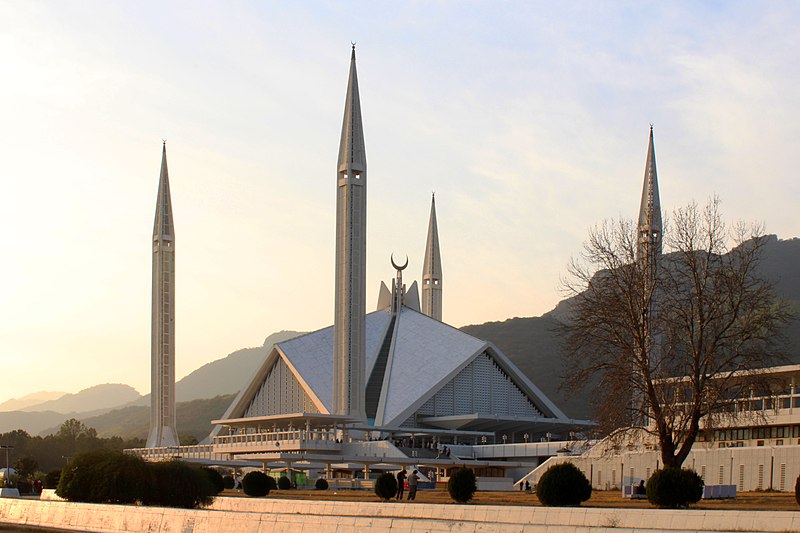
Explore the enchanting city of Islamabad, where modernity meets natural beauty. Discover its strategic urban planning, i...
View Board
Experience the thrill of extreme urban sports, where cityscapes become the ultimate playground for adrenaline seekers. D...
View Board
Discover the vibrant allure of Manama, Bahrain's dynamic capital, where history and modernity intertwine. Explore rich c...
View Board
Discover the allure of Addis Ababa, Ethiopia's bustling capital and a vibrant heart of Africa. Explore its rich history,...
View Board
Explore the captivating journey of Yerevan, Armenia’s ancient yet dynamic capital, in "Yerevan: A Journey Through Time."...
View Board
Explore Yekaterinburg, a vibrant city at the heart of the Ural Mountains, where cultural fusion meets historical signifi...
View Board
Explore the rich history and vibrant transformation of Łódź, Poland's city of contrasts. Discover how this former indust...
View Board
Explore the captivating history and cultural legacy of Basra, often famed as the 'Venice of the East.' This Iraqi city b...
View Board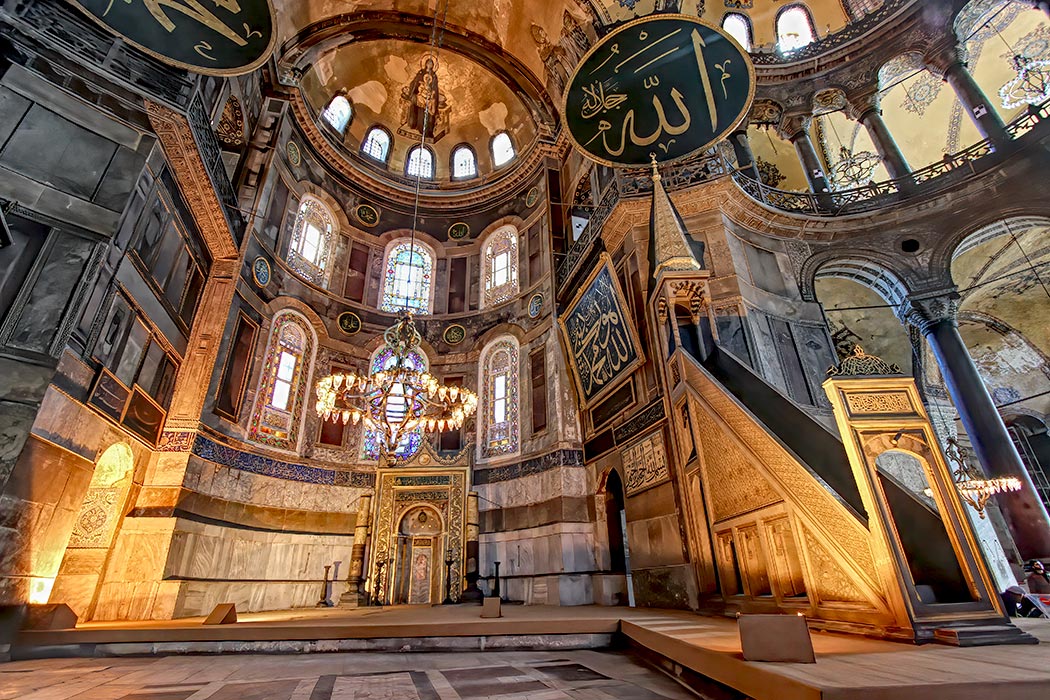
Istanbul, a city bridging Europe and Asia, embodies a rich history, cultural diversity, and modern transformation, offer...
View Board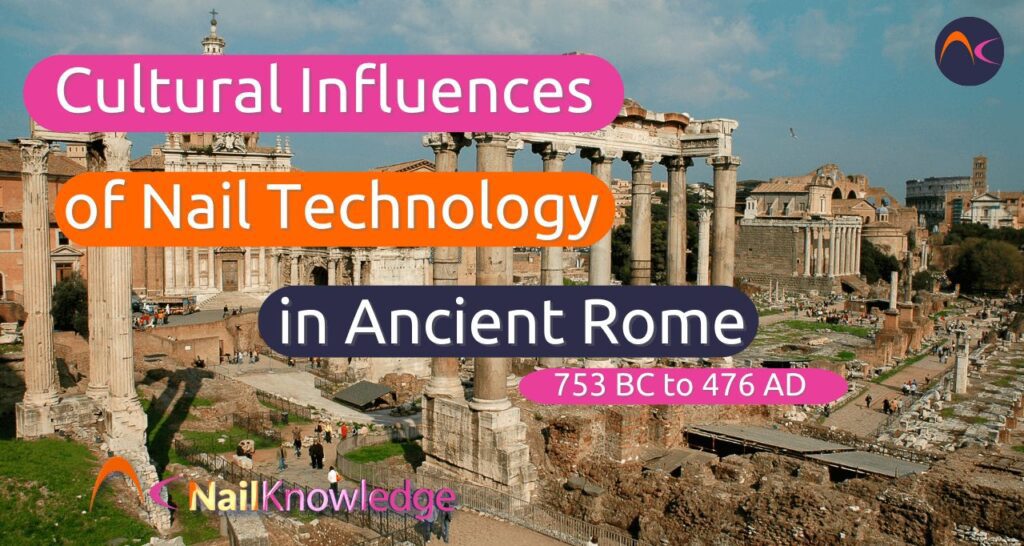
Explore "The Eternal City: A Journey Through the History of Rome" and uncover the captivating blend of myth, culture, an...
View Board
Explore the transformative reign of Septimius Severus, the dynamic leader who redefined the Roman Empire with strategic ...
View Board
Explore the vibrant heart of Zimbabwe with our detailed guide to Harare. Discover the city's rich history, cultural dive...
View Board
Entdecken Sie Giacomo Della Porta, Roms Meisterarchitekt der Spätrenaissance, der mit der Peterskuppel und Brunnen wie d...
View Board
Discover Sharjah, the jewel of the Eastern Frontier, where traditional charm meets modern innovation, rich culture, and ...
View Board
Comments