

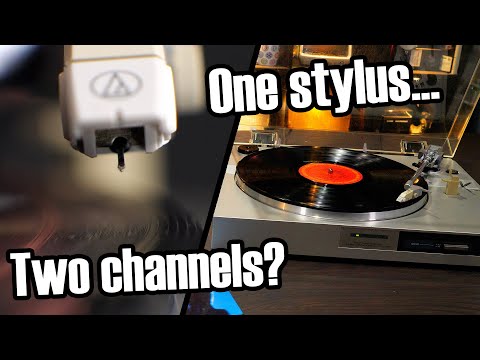


The Resurgence of Vinyl: A Journey Back to Analog
In an era dominated by streaming services and digital downloads, a quiet but determined revolution has been taking place on the fringes of the music industry. It's a movement that has brought classic record players out of retirement and revitalized a market many had long written off as obsolete. The revival of vinyl records is a fascinating story of nostalgia, culture, and a yearning for tangibility in an increasingly virtual world.
The Historical Context: From Dominance to Decline
To fully appreciate the vinyl resurgence, it's important to understand its history. For decades, vinyl records were the primary medium through which music was distributed and enjoyed. The large, intricate album covers became iconic symbols, representing both the music and the era they belonged to. However, the late 20th century marked a time of seismic shifts in the music industry. The introduction of cassette tapes, followed by compact discs, offered more convenience and arguably better sound quality. By the 1990s, vinyl seemed destined to become a relic of the past, overshadowed by digital formats that offered instant access and required less physical space.
The Revival Begins: Enter the Millennials
Fast forward to the early 21st century, when a surprising trend began to take hold. Young consumers began showing an interest in vinyl records, drawn by the warmth of analog sound and the allure of album art. Remarkably, many of these enthusiasts were experiencing the medium for the first time, having grown up in the digital age. The Millennial generation, often characterized by its love for nostalgia, started to propel the resurgence.
Record Store Day, inaugurated in 2008, became a pivotal event celebrating this renewed interest. Independent record stores across the globe joined the initiative, offering limited edition records and hosting live performances, thus solidifying a sense of community among vinyl aficionados.
The Appeal of Tangibility and Ritual
But what specifically draws this digital generation to a seemingly outdated medium? Vinyl records offer a tangible experience that digital formats cannot replicate. The act of holding an album in one's hands, carefully placing the needle, and experiencing a side of music uninterrupted is not just about listening—it's about ritual.
For many, the tactile nature of vinyl offers a respite from the ephemeral nature of digital media. Owning a physical collection of records becomes a testament to personal taste and engagement with music, a way to interact with art on a multi-sensory level. The album artwork, liner notes, and even the delicate sound of the needle make each listening session an event.
The Sonic Difference: Analog vs. Digital
Another factor in vinyl's resurgence is the perceived sonic quality. Enthusiasts argue that analog recordings capture the fullness of sound more effectively than compressed digital formats. Vinyl, with its warm tones and dynamic range, offers a listening experience that some find more authentic and immersive than streaming or CDs. While audiophiles may debate the nuances, the fact remains that for many, vinyl provides a sound that feels richer and more organic.
A Vinyl Economy: Independent Artists and Record Labels
This renewed interest in vinyl has also catalyzed economic activity in unexpected ways. Independent musicians and niche record labels have embraced vinyl as a means to reach audiences who value physical products. With platforms like Bandcamp, artists can sell their records directly to consumers, supporting their craft in ways that streaming royalties rarely allow.
Limited edition releases and colored vinyl have also fueled the collector's market. With demand outstripping production capabilities at times, new pressing plants have opened, and old ones have been restored to meet the needs of this burgeoning market.
Challenges and Criticisms
Despite its popularity, vinyl is not without its challenges. The production of records is time-consuming, and supply chain issues can lead to delays. Environmental concerns have also been raised regarding the production and disposal of vinyl, a byproduct of petrochemicals. As the industry expands, finding sustainable solutions will be crucial for vinyl's long-term viability.
Moreover, not everyone is enamored with the idea of returning to an ostensibly inferior, cumbersome format. Critics argue that the nostalgia surrounding vinyl is artificial and argue that the appreciation for vinyl's sound quality is subjective at best.
Cultural Impact and Future Prospects
Nonetheless, vinyl's comeback represents more than just a musical fad; it's a cultural phenomenon. It reflects a broader societal trend toward reconnecting with the physical world and valuing experiences over mere convenience. As vinyl sales continue to grow, the question remains whether this trend signifies a permanent shift or is merely a temporary fascination. For now, it's clear that vinyl has staked its claim in the modern music landscape, offering an alternative narrative in an age of rapid technological advancement.
The journey of vinyl is one that encompasses history, culture, and human experience, reminding us that sometimes, the past holds keys to the future. In part two of this article, we’ll explore how record collecting intersects with other cultural movements and delve into stories from vinyl enthusiasts who are keeping the tradition alive, ensuring its place in years to come.### Part Two: Vinyl's Cultural Intersection and Collector Stories
The story of vinyl's resurgence isn't just about music; it's a broader narrative entwined with art, fashion, and even social movements. As vinyl reclaims space in the music scene, it has started to intersect with various cultural trends, finding its place as both a symbol of rebellion and sophistication. In this second part of our exploration, we delve deeper into the cultural intersections of vinyl and share personal stories from enthusiasts who have embraced the medium wholeheartedly.
Vinyl and the DIY Ethos
At the heart of vinyl's cultural resurgence is its strong alignment with the do-it-yourself (DIY) ethos. The DIY culture, which emphasizes personal creation and autonomy, is particularly resonant in various subcultures such as punk and indie music scenes. In these circles, vinyl isn't just a format; it's a statement. For many artists and fans, producing or collecting vinyl is an act of reclamation, countering the commodification of music in the digital marketplace.
This ethos has given birth to a vibrant community of small pressing companies and independent labels dedicated to producing vinyl records. Artists not only control the narrative of their music but also the aesthetics of their physical releases, choosing to experiment with cover art and special edition designs that digital cannot offer.
Fashion and Lifestyle: Vinyl as a Trendsetter
The revival of vinyl has also influenced the worlds of fashion and lifestyle. The imagery associated with vinyl records—from vintage record players to classic album covers—has permeated the fashion industry. Whether through graphic t-shirts, tote bags, or home decor, vinyl-inspired designs are trendy yet timeless. Icons like David Bowie and The Beatles, forever immortalized in classic vinyl records, continue to inspire fashion collections, signifying a blend of retro cool and contemporary style.
Moreover, vinyl's luxurious connotation has been embraced by high-end audio brands. Companies specializing in turntables and speakers have seized the opportunity to create premium products targeted at audiophiles, further cementing vinyl's status as a lifestyle choice rather than just a music format. Listening to vinyl has transcended to become an experience synonymous with leisure, taste, and sophistication.
Vinyl at the Crossroads of Tech and Tradition
Despite its analog roots, vinyl is not immune to technological innovations. The bridge between vinyl and digital technology has been explored with developments such as vinyl-to-digital turntables, which allow users to convert their physical music collections into digital files. This technology has made vinyl accessible to a new generation of listeners accustomed to digital convenience while retaining the nostalgia of a bygone era.
Simultaneously, mobile apps and platforms have sprouted to support vinyl collectors in cataloging and trading their collections. Discogs, a well-known online database, has become a pivotal tool for vinyl enthusiasts to explore, buy, and sell records worldwide, making the global vinyl community more interconnected than ever.
Personal Stories: The Vinyl Enthusiasts
The resurgence of vinyl comes to life through the voices of many passionate collectors. For some, vinyl collecting is a cherished family tradition. Stories abound of young enthusiasts who, introduced to vinyl by parents or grandparents, find themselves transported back to their childhood homes, flipping through familiar records and recounting mornings filled with music.
Others are drawn to the hunt, the thrill of finding a rare record or distinctive album cover. Take Jenna, a 28-year-old collector who frequents weekend markets and estate sales. For her, each record is a story, a connection to history. "It's like searching for treasure," Jenna explains, "each record is a puzzle piece that fits into my life."
There are also the dedicated music lovers who span decades’ worth of collections, like Ed, a 55-year-old who has amassed over 1,000 records spanning genres. Music, to him, isn't just a passion but a calling. "Vinyl brings you closer to the music," Ed insists, "the sound, the experience—it's personal and profound."
For many, the resurgence of vinyl represents more than a nostalgia trip; it is about building a community. Vinyl listening parties, swap meets, and themed events are popping up across cities, providing social experiences that unite enthusiasts from varied backgrounds through a shared love for tangible music.
The Road Ahead: Sustaining the Momentum
As vinyl continues to thrive, sustaining its momentum amidst logistical and environmental challenges remains critical. Innovative solutions, such as exploring biodegradable vinyl compounds or adaptive manufacturing processes, are essential to ensure vinyl’s ecological footprint is minimized. Additionally, fostering inclusivity within the vinyl community can further support its growth, encouraging diverse voices to contribute to and shape the future of vinyl culture.
In summary, vinyl's resurgence is a testament to its multifaceted appeal—not just as a music medium but as a cultural and lifestyle phenomenon. It embodies a unique blend of nostalgia and modernity, tradition and innovation. As we move forward, vinyl will likely continue to resonate with those who seek authentic experiences, and its story will evolve, much like the music it encapsulates.
The vinyl phenomenon, with its roots in the past and its sights on the future, reminds us that in the ebb and flow of technological advancement, there is a persistent desire for connections that are real, tangible, and profoundly human. The needle may be analog, but the music it plays is ever relevant and enduring.









Comments