




Pretoria: A Historical and Cultural Jewel
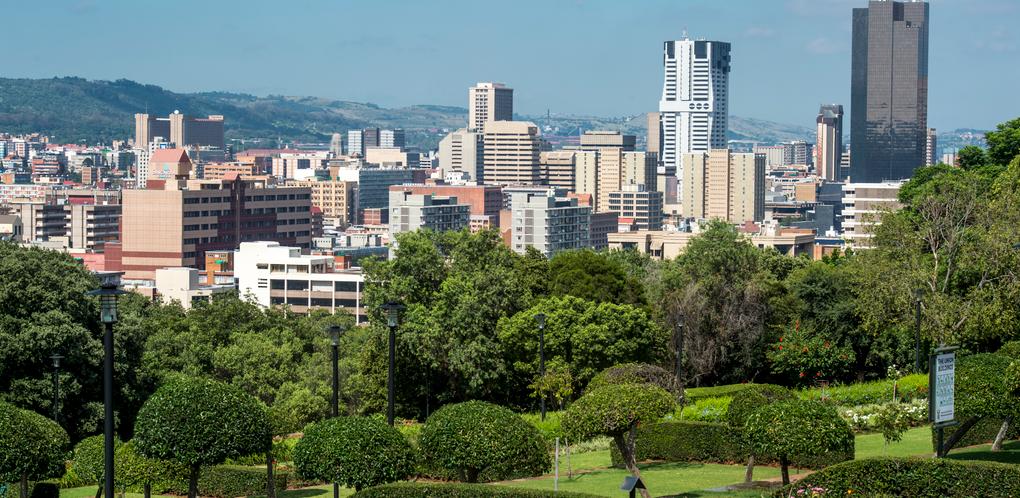
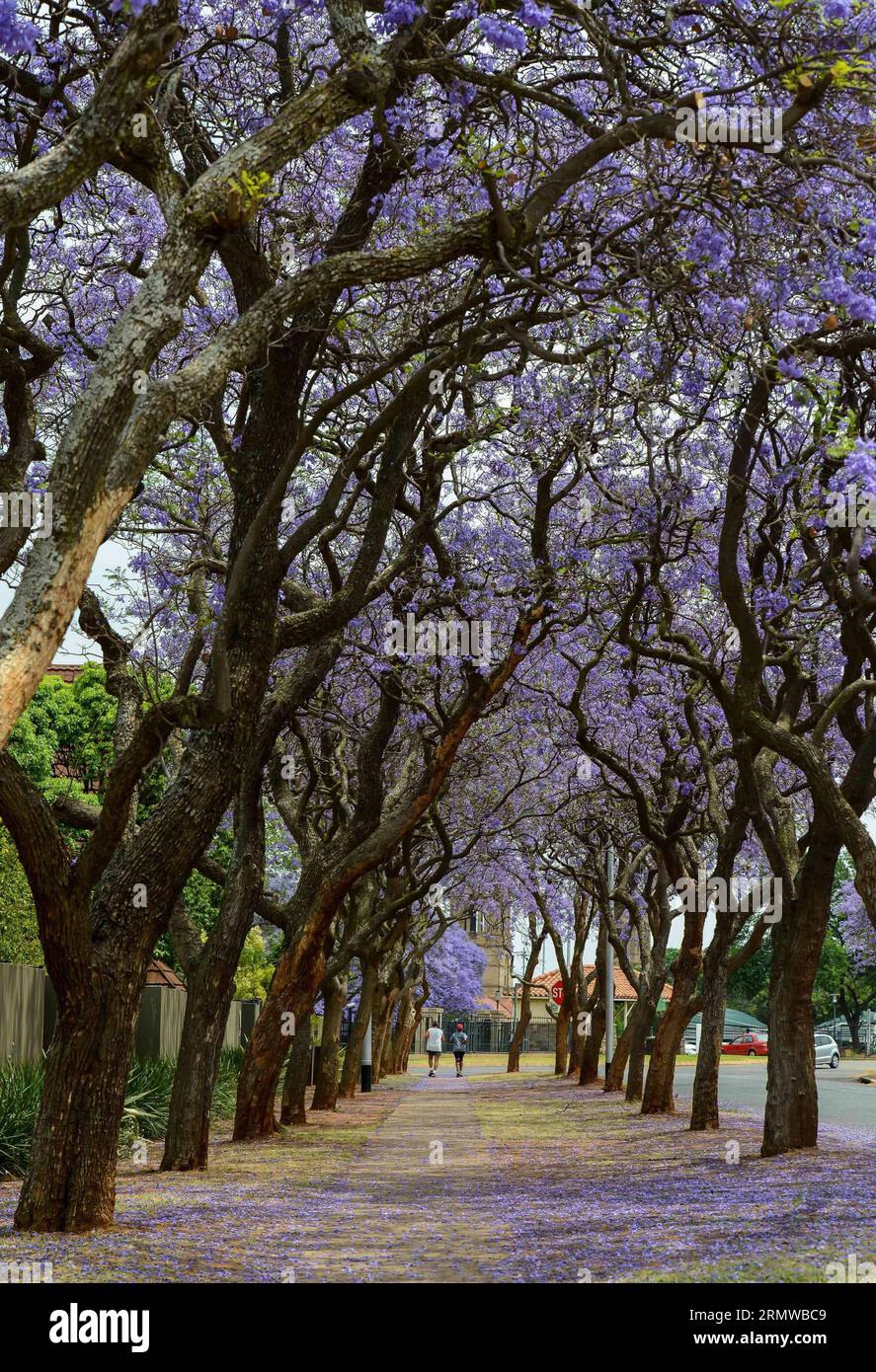
Located in the northern part of South Africa’s Gauteng Province, Pretoria is a city rich in history and culture. As one of South Africa's three capital cities, it serves as the administrative capital and is home to significant government buildings, including the Union Buildings. Known for its jacaranda-lined streets that bloom with vibrant purple flowers every spring, Pretoria possesses an undeniable charm and plays a crucial role in the country's history.
Historical Origins and Development
Pretoria’s origins date back to December 16, 1855, when it was founded by Marthinus Pretorius, a leader of the Voortrekkers. The city was named in honor of his father, Andries Pretorius, who played a key role in the Battle of Blood River. Initially, Pretoria served as the capital of the South African Republic (ZAR) following its establishment in 1881. Its strategic positioning made it a focal point for the country's political affairs.
During the late 19th century, the discovery of gold in the nearby Witwatersrand region led to a rapid influx of people and further heightened Pretoria's importance. The city's growth was marked by the construction of grandiose buildings and infrastructure that showcased both European architectural influences and local craftsmanship.
Cultural Diversity and Landmarks
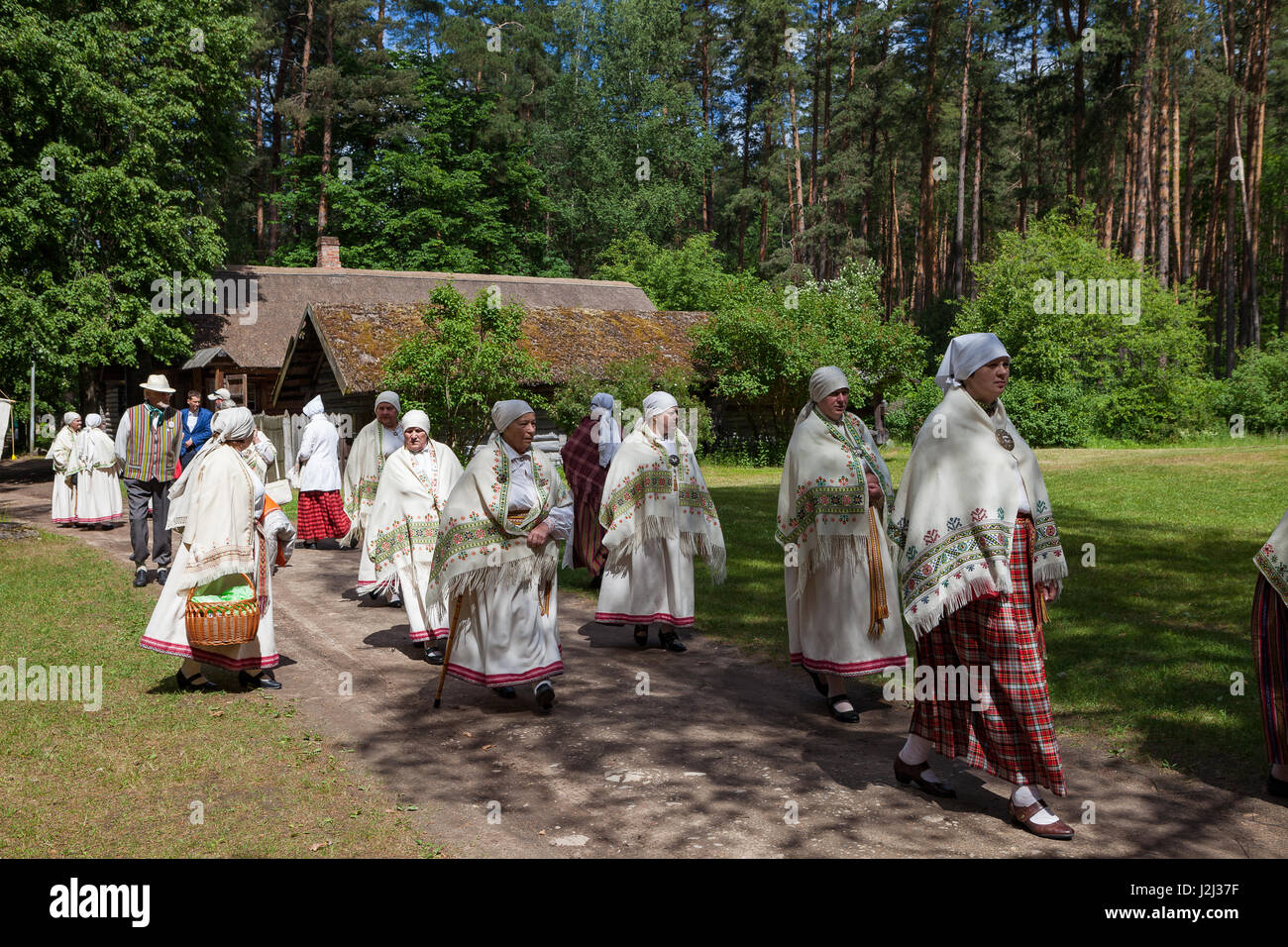
Pretoria boasts a rich tapestry of cultures, reflective of South Africa’s overall diversity. Its population comprises a mix of ethnicities, including Afrikaners, English-speaking South Africans, indigenous groups like the Tswana and Ndebele, and many others. This diversity is celebrated in various cultural festivals held throughout the year, emphasizing both historical and contemporary African art, music, and dance.
The city is home to numerous landmarks that are significant both politically and culturally. The Union Buildings, designed by Sir Herbert Baker, stand as a symbol of government authority and are a must-see for visitors. Another iconic structure is the Voortrekker Monument, which commemorates the Voortrekkers who escaped from British colonialism in the Cape Colony. This imposing granite edifice is a testament to the Afrikaner heritage and history.
Educational and Scientific Hub
Pretoria is also an important center for education and science. It hosts some of South Africa’s top universities, including the University of Pretoria and the University of South Africa (UNISA), both of which attract scholars from all over the world. These institutions play a pivotal role in research and innovation, contributing significantly to the region’s development.
Several scientific landmarks, such as the South African National Research Foundation and the Council for Scientific and Industrial Research (CSIR), drive technological advancement and scientific discovery, making Pretoria a hub for intellectual activity.
A City of Parks and Nature
Despite its urban landscape, Pretoria has a reputation for being a 'garden city' due to its abundance of parks and natural reserves. The city’s botanical gardens, such as the Pretoria National Botanical Garden, exhibit South Africa’s rich floral biodiversity and offer a peaceful sanctuary amidst the bustling city life.
The National Zoological Gardens of South Africa, located in Pretoria, is another major attraction. It’s one of the country’s biggest zoos, providing habitats for thousands of animals and a place of learning and conservation.
Pretoria’s combination of historical significance, cultural diversity, educational prestige, and natural beauty makes it a unique city with much to offer. Visitors can explore its multifaceted character, which reflects an intriguing blend of the past and the present, making any trip to this vibrant city an enriching experience.








Comments