


Muscat Oman: A Blend of Tradition and Modern Vision
Introduction to Muscat: Oman's Capital of Culture and Commerce
Muscat, the capital and largest city of Oman, stands as a testament to the nation's rich heritage and ambitious future. Nestled along the Gulf of Oman, this Beta-level global city seamlessly blends ancient charm with modern dynamism. With a population integrated into Oman's 5.35 million (as of October 2025), Muscat is a vibrant hub of trade, tourism, and cultural exchange.
Known for its low-lying whitewashed architecture, Muscat's skyline is a unique sight, shaped by decades of preservation efforts. The city's strategic location near the Straits of Hormuz has made it a pivotal port for centuries, attracting settlers from Persia, Balochistan, and beyond. Today, under Sultan Haitham bin Tarik's Vision 2040, Muscat is evolving, balancing its storied past with a forward-looking urban vision.
The Geographic and Demographic Tapestry of Muscat
A City Shaped by Nature and History
Muscat's geography is as striking as its history. Backed by the Hajar Mountains, the city stretches along the Arabian Sea, offering breathtaking coastal views. The urban landscape is defined by its traditional architecture, with buildings rarely exceeding 40 meters in height—a regulation introduced in the 1970s by Sultan Qaboos to preserve the city's aesthetic and cultural identity.
The Muscat Governorate is a melting pot of cultures, reflecting its historical role as a trading hub. Persians, Balochs, and Sindhis have all left their mark, contributing to the city's diverse demographic fabric. This multicultural influence is evident in Muscat's cuisine, language, and daily life, making it a microcosm of Oman's broader cultural landscape.
Population and Urban Growth
As part of Oman's 5.35 million population (October 2025 estimate), Muscat is the heart of the nation's economic and social activity. The city's growth has been carefully managed to maintain its unique character while accommodating modern needs. Recent developments, such as the relaxation of building height restrictions, signal a new era of urban expansion, driven by Vision 2040—a strategic plan aimed at diversifying Oman's economy and enhancing its global standing.
Muscat's Economic Landscape: Trade, Petroleum, and Beyond
The Pillars of Muscat's Economy
Muscat's economy is deeply rooted in trade and commerce, a legacy of its historic role as a port city. Today, the economy is diversified, with key sectors including petroleum, liquefied natural gas (LNG), and port activities. The Port of Sultan Qaboos and the Port of Sohar are critical to Oman's trade, facilitating the movement of goods across the Gulf of Oman and beyond.
The discovery of oil in the 1960s transformed Muscat's economic fortunes. Under the leadership of Sultan Qaboos, who ascended in 1970, the city underwent rapid modernization. Infrastructure projects, educational reforms, and healthcare advancements propelled Muscat into the modern era, while careful planning ensured the preservation of its cultural heritage.
Vision 2040: A New Era of Economic Diversification
Sultan Haitham bin Tarik, who succeeded Sultan Qaboos in 2020, has continued this legacy with Vision 2040. This ambitious plan aims to reduce Oman's dependence on oil by fostering sectors such as tourism, renewable energy, and technology. Key projects under Vision 2040 include:
- Sultan Haitham City: A sprawling 14.8 million sq m development in Al Seeb, designed to house 100,000 residents.
- Al Khuwair Downtown/Waterfront: A 3.3 million sq m project featuring Muscat's first skyscraper, designed by the renowned Zaha Hadid architects, with a capacity for 65,000 people.
These initiatives are not just about economic growth; they reflect a commitment to sustainable urban development, ensuring that Muscat remains a livable, vibrant city for future generations.
Tourism in Muscat: A Rising Star in the Middle East
Record-Breaking Visitor Numbers
Muscat's appeal as a tourist destination is on the rise. In 2024, the city welcomed a record 5.3 million visitors, marking a 3.2% increase from the previous year. This growth is a testament to Oman's efforts to position itself as a premier destination for cultural and eco-tourism.
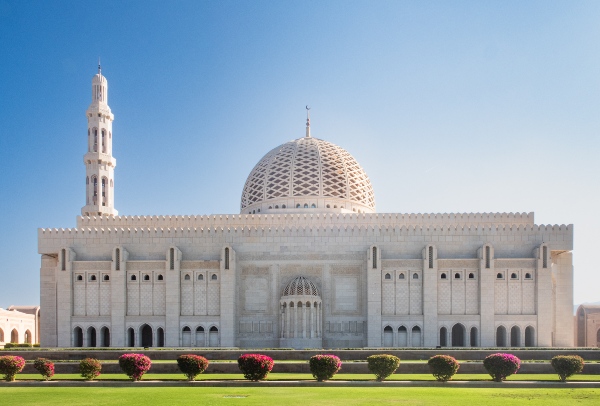
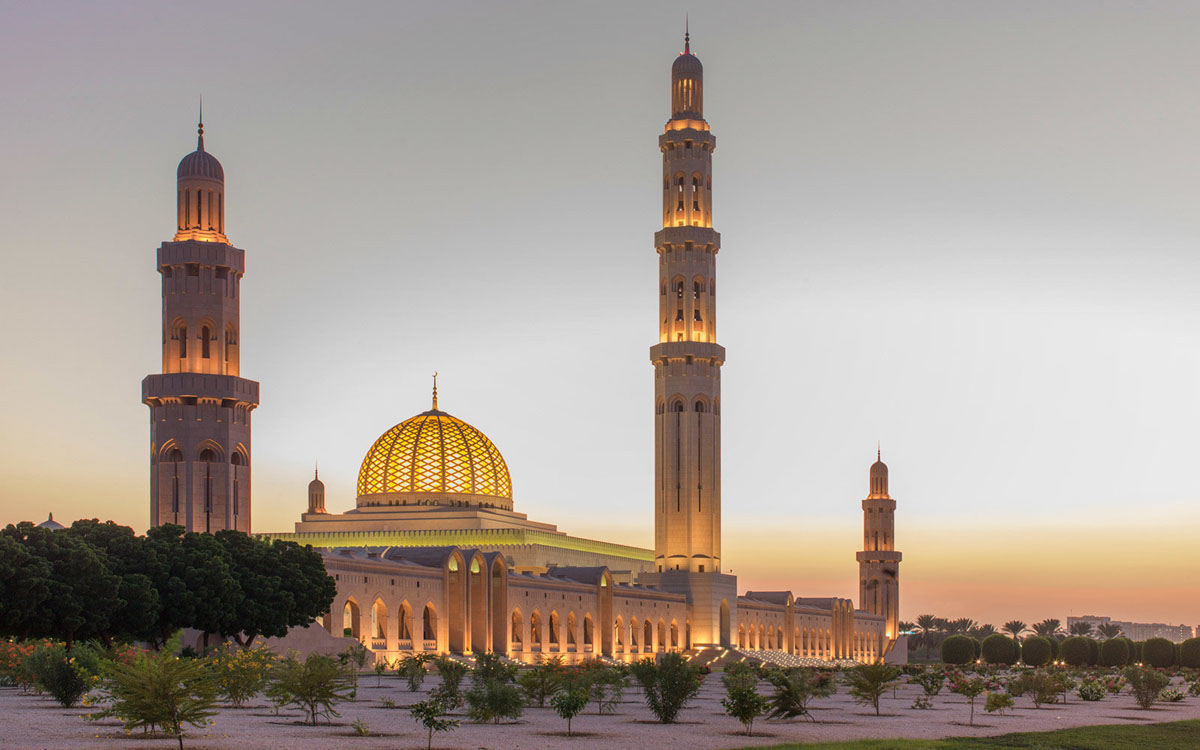
The city's attractions are as diverse as its history. From the Sultan Qaboos Grand Mosque, a masterpiece of Islamic architecture, to the bustling Muttrah Souq, Muscat offers a rich tapestry of experiences. The Royal Opera House, opened in 2011, stands as a symbol of Oman's cultural renaissance, hosting world-class performances in a stunning setting.
Key Landmarks and Cultural Gems
Muscat is home to a plethora of landmarks that reflect its deep-rooted heritage and modern aspirations:
- Sultan Qaboos Grand Mosque: A must-visit, this mosque is renowned for its intricate design and the world's second-largest hand-woven carpet. It holds a 4.8/5 rating on Tripadvisor.
- Royal Opera House: A cultural landmark with a 4.6/5 rating, it hosts operatic performances, concerts, and theatrical productions.
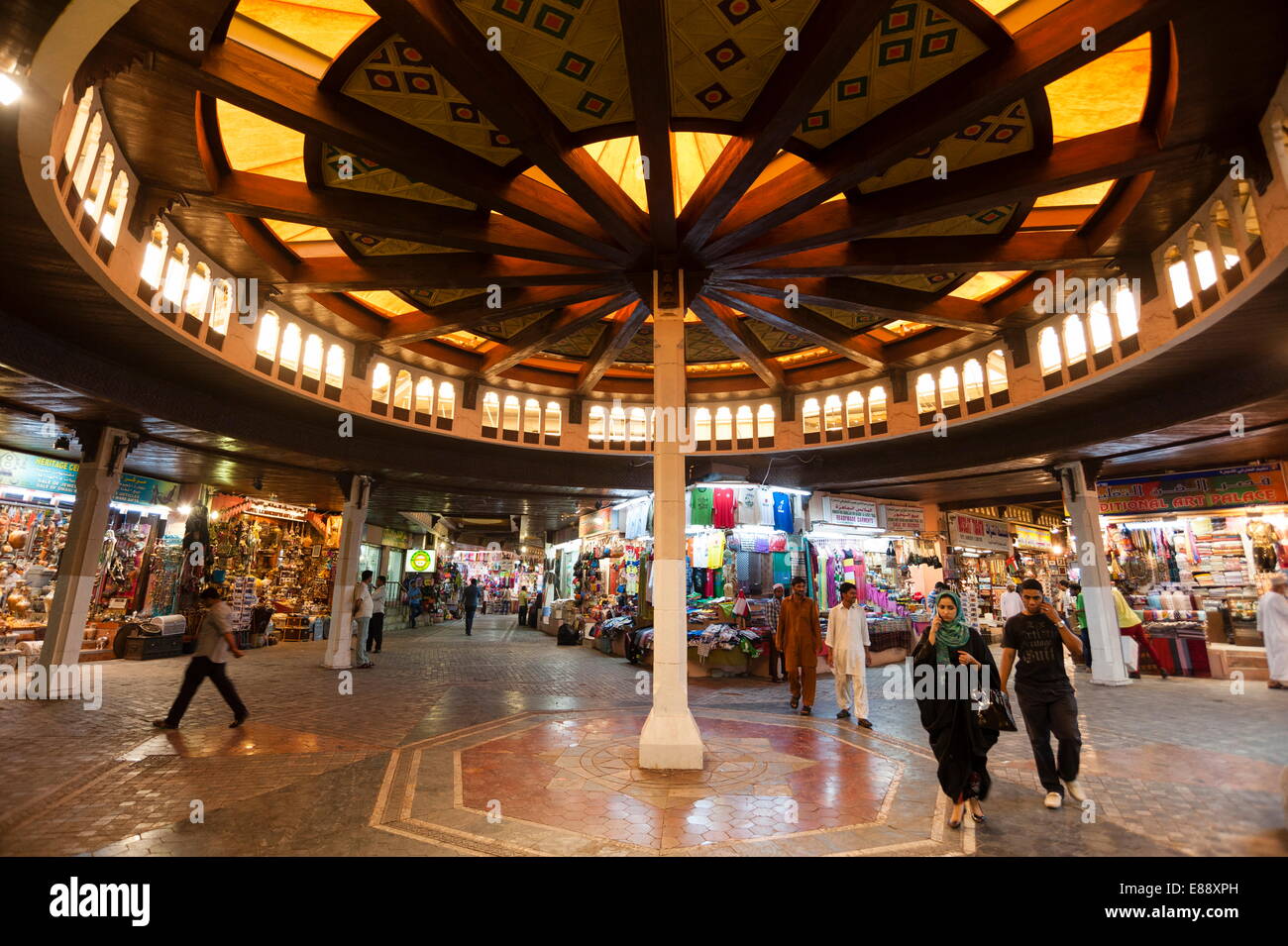
- Muttrah Souq: A traditional market offering everything from spices and textiles to Omani silverware and frankincense.
- Bait Al Falaj Fort: A historic fort that offers a glimpse into Oman's military history and architectural prowess.
- National Museum of Oman: A treasure trove of Omani heritage, showcasing artifacts from prehistoric times to the present day.
These landmarks, along with Muscat's pristine beaches, such as Qurum Beach, and natural wonders like the Bimmah Sinkhole, make the city a versatile destination for travelers seeking both relaxation and adventure.
Cultural Etiquette and Visitor Guidelines
Respecting Oman's Conservative Values
Oman is a conservative country with deep-rooted Islamic traditions. Visitors to Muscat are expected to adhere to local customs and dress codes. Modest attire is essential, with recommendations including:
- For men: Avoid tank tops and short pants in public areas.
- For women: Wear clothing that covers the shoulders and knees, with loose-fitting garments preferred.
- At religious sites: Both men and women should ensure full coverage, with women often required to wear a headscarf.
During the holy month of Ramadan, visitors should be particularly mindful of local practices. Eating, drinking, or smoking in public during daylight hours is prohibited and can result in fines.
Embracing Oman's Hospitality
Despite its conservative values, Oman is known for its warm hospitality. Visitors to Muscat will find the locals welcoming and eager to share their culture. English is widely spoken, making communication easy for international travelers. The official language, however, is Arabic, and learning a few basic phrases can go a long way in showing respect and appreciation for the local culture.
Muscat's time zone is UTC+4, and the currency is the Omani Rial (OMR). The city's infrastructure is modern and well-developed, with a range of accommodations from luxury hotels to budget-friendly options, catering to all types of travelers.
Conclusion: Muscat as a Gateway to Oman's Future
Muscat is more than just the capital of Oman; it is a city where tradition and modernity coexist. From its historic forts and souqs to its cutting-edge urban developments, Muscat offers a unique blend of experiences that cater to both the curious traveler and the astute investor. Under the guidance of Vision 2040, the city is poised to become a global leader in sustainable urban growth, cultural preservation, and economic diversification.
As Muscat continues to evolve, it remains a beacon of Omani heritage and a testament to the nation's ambitious vision for the future. Whether you're drawn by its rich history, stunning landscapes, or vibrant cultural scene, Muscat promises an unforgettable journey into the heart of the Middle East.
Muscat's Urban Transformation: Vision 2040 in Action
Relaxing Height Restrictions for Modern Growth
For decades, Muscat's skyline remained remarkably low-rise due to strict building height regulations introduced in the 1970s. These rules, implemented by Sultan Qaboos, preserved the city's traditional aesthetic but limited urban expansion. However, under Sultan Haitham bin Tarik's Vision 2040, these restrictions are being relaxed to accommodate sustainable high-rise developments.
The shift marks a pivotal moment in Muscat's urban planning. The goal is to attract foreign investment while maintaining the city's cultural identity. As the mayor of Muscat noted, this approach ensures "controlled modernization", balancing heritage with progress. The result? A skyline that will soon feature iconic structures like Muscat's first skyscraper in the Al Khuwair Downtown project.
Major Development Projects Reshaping Muscat
Vision 2040 is driving several transformative projects that will redefine Muscat's urban landscape:
- Sultan Haitham City: Located in Al Seeb, this 14.8 million sq m development will house 100,000 residents. It includes residential, commercial, and recreational zones, designed to foster a self-sustaining community.
- Al Khuwair Downtown/Waterfront: A 3.3 million sq m mixed-use development featuring luxury residences, retail spaces, and Muscat's first skyscraper. Designed by Zaha Hadid Architects, it will accommodate 65,000 people.
- Muscat International Airport Expansion: Enhancing connectivity, this project aims to increase passenger capacity to 20 million annually, supporting the city's growing tourism sector.
These projects are not just about infrastructure; they represent a strategic shift toward economic diversification. By fostering sectors like tourism, real estate, and technology, Muscat is positioning itself as a competitive player in the global market.
Exploring Muscat's Natural Wonders and Outdoor Adventures
Pristine Beaches and Coastal Escapes
Muscat's coastline is dotted with some of the most pristine beaches in the Middle East. Qurum Beach, a popular spot for both locals and tourists, offers golden sands and clear waters ideal for swimming and picnicking. For those seeking a more secluded experience, Yiti Beach provides a tranquil retreat with its untouched shoreline and dramatic cliffs.
Beachgoers should note Oman's conservative dress codes. While bikinis are permitted at private resort pools, public beaches require modest attire. This respect for local customs ensures a harmonious experience for all visitors.
Wadis and Sinkholes: Nature's Hidden Gems
Beyond its beaches, Muscat is gateway to Oman's stunning wadis (valleys) and sinkholes. One of the most famous is the Bimmah Sinkhole, a natural limestone formation filled with turquoise water. Locals believe it was created by a meteorite, adding a touch of mystery to its beauty. Visitors can swim in its refreshing waters or simply marvel at the surrounding rock formations.
Another must-visit is Wadi Shab, located about a two-hour drive from Muscat. This scenic wadi features emerald-green pools, waterfalls, and caves, accessible via a short hike. The journey through the wadi is an adventure in itself, with opportunities for cliff jumping and exploring hidden caves.
Wild Camping and Outdoor Activities
Oman is one of the few countries in the Middle East where wild camping is not only allowed but encouraged. Muscat's surrounding areas offer numerous spots for camping under the stars, from desert dunes to mountain plateaus. Popular locations include:
- Wadi Bani Khalid: A lush oasis with natural pools, perfect for a night under the stars.
- Jebel Shams: Known as the "Grand Canyon of Oman", it offers breathtaking views and cool mountain air.
- Ras Al Jinz: A coastal camping spot famous for its turtle nesting sites.
For adventure enthusiasts, Muscat offers a range of outdoor activities:
- Diving and Snorkeling: The Daymaniyat Islands, a protected marine reserve, are home to vibrant coral reefs and diverse marine life.
- Hiking: Trails like the Al Hajar Mountains provide challenging treks with rewarding views.
- Dune Bashing: The Wahiba Sands offer thrilling 4x4 desert safaris.
Muscat's Culinary Scene: A Fusion of Flavors
Traditional Omani Cuisine
Muscat's culinary landscape is a reflection of its multicultural history. Omani cuisine is rich in flavors, with dishes that blend Arabian, Persian, and Indian influences. A must-try is Shuwa, a slow-cooked lamb or goat dish marinated in spices and wrapped in banana leaves. Another staple is Majboos, a spiced rice dish typically served with meat or fish.
For a true taste of Oman, visit local eateries like Bait Al Luban or Kargeen Caffe, where traditional dishes are served in a rustic setting. Don't miss out on Omani halwa, a sweet, gelatinous dessert flavored with rosewater, saffron, and nuts—a perfect end to any meal.
International Dining and Modern Gastronomy
Muscat's dining scene is not limited to traditional fare. The city boasts a growing number of international restaurants, offering everything from Italian and Japanese to Lebanese and Mexican cuisine. High-end establishments like The Restaurant at Al Bustan Palace provide fine dining experiences with panoramic views of the Gulf.
For those seeking a modern twist on Omani flavors, Ubhar at the Royal Opera House offers a contemporary take on local ingredients. The restaurant's menu is a testament to Oman's culinary evolution, blending tradition with innovation.
Coffee Culture and Social Rituals
Coffee holds a special place in Omani culture, and Muscat's coffee houses are social hubs where locals and visitors alike gather. Omani coffee (qahwa) is typically served with dates and is a symbol of hospitality. The preparation and serving of coffee are steeped in tradition, often accompanied by the burning of frankincense to enhance the experience.
Modern cafes are also gaining popularity, particularly in areas like Al Khuwair and Qurum. These spots offer a blend of local and international coffee styles, catering to the city's diverse population. Whether you prefer a traditional qahwa or a latte, Muscat's coffee scene has something for everyone.
Navigating Muscat: Transportation and Practical Tips
Getting Around the City
Muscat's public transportation system is limited, but several options make navigating the city convenient:
- Taxis: Readily available and affordable, taxis are the most common mode of transport. Use apps like Otaxy or Marhabah for easy booking.
- Car Rentals: Ideal for exploring beyond the city, rentals are available at the airport and various locations downtown.
- Buses: The Mwasalat bus service connects key areas, though routes may be limited for tourists.
For those planning to venture outside Muscat, a 4x4 vehicle is recommended, especially for desert or mountain excursions. Oman's roads are well-maintained, making self-driving a viable option for adventurous travelers.
Best Times to Visit Muscat
The ideal time to visit Muscat is during the winter months, from November to March, when temperatures range between 20°C to 28°C (68°F to 82°F). This period offers pleasant weather for outdoor activities and sightseeing.
Summer, from June to August, can be extremely hot, with temperatures often exceeding 40°C (104°F). However, this is also when Muscat's beaches and indoor attractions, like museums and malls, become popular escapes from the heat.
Essential Travel Tips for Visitors
To make the most of your trip to Muscat, keep these tips in mind:
- Visa Requirements: Many nationalities can obtain a 30-day visa on arrival, but check Oman's official tourism website for updates.
- Currency: The Omani Rial (OMR) is the local currency. Credit cards are widely accepted, but carry cash for smaller vendors.
- Dress Code: Respect local customs by dressing modestly, especially in public areas and religious sites.
- Weekend Timing: Oman's weekend is Friday and Saturday, with many businesses closing on Friday mornings for prayers.
By embracing Muscat's blend of tradition and modernity, visitors can enjoy a seamless and enriching travel experience.
Muscat's Cultural and Historical Landmarks: A Journey Through Time
The Sultan Qaboos Grand Mosque: A Masterpiece of Islamic Architecture
No visit to Muscat is complete without exploring the Sultan Qaboos Grand Mosque, one of the most magnificent religious sites in the Middle East. Completed in 2001, this architectural marvel can accommodate 20,000 worshippers and is renowned for its stunning features:
- The Main Prayer Hall: Houses the world's second-largest hand-woven carpet, measuring 70 × 60 meters and weighing 21 tons.
- The Swarovski Chandelier: A breathtaking centerpiece adorned with 600,000 Swarovski crystals, illuminating the prayer hall with a soft, ethereal glow.
- The Minaret and Domes: The mosque's 90-meter-tall minaret and five main domes reflect a blend of Omani, Islamic, and contemporary architectural styles.
Visitors are welcome outside of prayer times, but modest dress is mandatory. Women should cover their hair, arms, and legs, while men should avoid shorts and sleeveless shirts. The mosque's serene ambiance and intricate design make it a highlight of any Muscat itinerary.
Muttrah Souq: A Labyrinth of Tradition and Trade
Step into the Muttrah Souq, one of the oldest marketplaces in the Arab world, and experience the vibrant heart of Muscat's trading heritage. This bustling bazaar, located near the Muttrah Corniche, offers a sensory overload of sights, sounds, and scents. Key attractions include:
- Frankincense and Spices: Oman has been a major exporter of frankincense for centuries, and the souq's stalls are filled with this aromatic resin, along with spices like cardamom, saffron, and turmeric.
- Omani Silverware: Intricately designed khanjars (traditional Omani daggers) and silver jewelry make for unique souvenirs.
- Textiles and Handicrafts: From colorful pashminas to handwoven baskets, the souq is a treasure trove of artisanal goods.
The souq is also a great place to sample Omani street food, such as shuwa wraps and fresh dates stuffed with almonds. Bargaining is expected, so don't hesitate to negotiate prices—it's all part of the experience!
Fortresses and Museums: Guardians of Oman's Heritage
Muscat's forts and museums offer a glimpse into Oman's rich history, from its ancient maritime traditions to its modern-day achievements. Notable sites include:
- Al Jalali and Al Mirani Forts: These 16th-century Portuguese forts stand guard over Muscat's harbor. While Al Jalali is not open to the public, Al Mirani offers guided tours that delve into Oman's military history.
- Bait Al Zubair Museum: A private museum showcasing Omani heritage through artifacts, traditional weapons, and photographs. The replica of a traditional Omani house is a standout exhibit.
- National Museum of Oman: Inaugurated in 2016, this state-of-the-art museum features 14 galleries covering Oman's history from prehistoric times to the present. Highlights include the Jewelry Gallery and the Maritime History Gallery.
These landmarks not only preserve Oman's past but also educate visitors on the country's journey from a regional trading power to a modern nation.
Muscat's Modern Attractions: Where Innovation Meets Tradition
The Royal Opera House Muscat: A Beacon of Cultural Excellence
The Royal Opera House Muscat, inaugurated in 2011, is a symbol of Oman's commitment to the arts. Designed by a team of international architects, the opera house blends Islamic architecture with contemporary design, featuring:
- World-Class Acoustics: The main auditorium seats 1,100 guests and is renowned for its exceptional sound quality.
- Diverse Performances: From classical operas and ballets to Arabic music and international concerts, the venue hosts a variety of cultural events.
- Guided Tours: Visitors can explore the opera house's grand interiors, including the luxurious royal box and the handcrafted Omani chandeliers.
The Royal Opera House is more than just a performance venue; it's a testament to Muscat's growing reputation as a cultural hub in the Middle East.
City Centre Muscat: Retail Therapy and Entertainment
For those seeking modern amenities, City Centre Muscat is the city's premier shopping and entertainment destination. This sprawling mall features:
- Over 145 Stores: From international brands like Zara and H&M to local boutiques offering Omani crafts.
- Dining Options: A food court and fine-dining restaurants serving cuisines from around the world.
- Entertainment: A cinema complex, Magic Planet amusement center for kids, and seasonal events.
The mall is a popular spot for both locals and tourists, offering a cool respite from Muscat's heat while providing a taste of the city's contemporary lifestyle.
Al Khuwair Downtown: The Future of Muscat's Skyline
One of the most anticipated developments under Vision 2040 is Al Khuwair Downtown, a project set to redefine Muscat's urban landscape. Designed by Zaha Hadid Architects, this 3.3 million sq m development will include:
- Muscat's First Skyscraper: A towering landmark that will become a symbol of the city's modernization.
- Mixed-Use Spaces: Residential, commercial, and leisure areas designed to create a vibrant, walkable community.
- Waterfront Promenade: A scenic area for dining, shopping, and entertainment, enhancing Muscat's appeal as a tourist destination.
This project exemplifies Muscat's shift toward sustainable urban development, blending cutting-edge design with the city's cultural heritage.
Sustainable Tourism and Eco-Friendly Initiatives in Muscat
Eco-Tourism: Preserving Oman's Natural Beauty
Muscat is increasingly focusing on eco-tourism, promoting responsible travel that preserves Oman's natural landscapes. Key initiatives include:
- Protected Marine Areas: The Daymaniyat Islands Nature Reserve is a prime example, offering snorkeling and diving opportunities while safeguarding marine biodiversity.
- Wildlife Conservation: Projects like the Oman Turtle Conservation program in Ras Al Jinz protect endangered species, such as the green turtle.
- Sustainable Camping: Wild camping is encouraged in designated areas, with guidelines to minimize environmental impact, such as "leave no trace" principles.
These efforts ensure that Muscat's natural wonders remain unspoiled for future generations while providing visitors with unique, eco-conscious experiences.
Green Urban Development: Vision 2040's Commitment to Sustainability
Vision 2040 places a strong emphasis on sustainability, with Muscat leading the way in green urban development. Key projects include:
- Renewable Energy: Oman aims to generate 30% of its electricity from renewable sources by 2030, with solar and wind projects already underway.
- Green Buildings: New developments, such as Sultan Haitham City, incorporate energy-efficient designs and sustainable materials.
- Public Transport: Plans to expand Muscat's bus rapid transit (BRT) system and introduce electric vehicles aim to reduce carbon emissions.
By integrating sustainability into its growth plans, Muscat is setting a benchmark for eco-friendly urban development in the region.
Conclusion: Muscat—Where Heritage and Innovation Converge
Muscat is a city of contrasts, where ancient traditions seamlessly blend with modern aspirations. From the grandeur of the Sultan Qaboos Grand Mosque to the cutting-edge designs of Al Khuwair Downtown, the city offers a unique journey through time. Its pristine beaches, rugged wadis, and vibrant souqs provide endless opportunities for exploration, while its commitment to sustainability ensures a responsible and forward-thinking approach to growth.
Under the guidance of Vision 2040, Muscat is not just preserving its heritage but also embracing innovation. The city's economic diversification, cultural renaissance, and eco-friendly initiatives position it as a model for sustainable urban development in the Middle East. With record-breaking tourist arrivals and ambitious infrastructure projects, Muscat is rapidly becoming a must-visit destination for travelers seeking authenticity and modernity.
Whether you're drawn by the allure of Omani hospitality, the thrill of outdoor adventures, or the promise of a city on the rise, Muscat delivers an unforgettable experience. As the capital of Oman, it stands as a testament to the nation's past, present, and future—a place where the echoes of history resonate alongside the hum of progress. Plan your visit to Muscat and discover a city that truly embodies the spirit of timeless innovation.









Comments