Antiochus IV of Commagene: The Last King of a Roman Client Kingdom
Introduction to Antiochus IV of Commagene
Antiochus IV of Commagene, also known as Gaius Julius Antiochus IV Epiphanes, was the last king of the Roman client kingdom of Commagene. His reign, spanning from 38 to 72 CE, marked a significant period of loyalty to Rome, military service, and strategic city foundations. Despite his contributions, his reign ended in deposition amid accusations of a Parthian conspiracy.
Early Life and Ascension to the Throne
Born into a lineage that traced back to the Seleucids and Ptolemaics, Antiochus IV was the son of Antiochus III. His family's history was deeply intertwined with the political dynamics of the Roman Empire and the Parthian threat. In 38 CE, Emperor Caligula restored Antiochus IV to the throne of Commagene, a region that had been under Roman provincial rule for two decades.
The Restoration of Commagene
Upon his ascension, Antiochus IV was granted not only the revenues of Commagene but also additional territories in Cilicia. This restoration was a strategic move by Caligula to strengthen Roman influence in the region. Antiochus IV's full title, Theos Dikaios Epiphanes Philoromaios Philhellen, reflected his divine claims and pro-Roman stance.
Military Campaigns and Loyalty to Rome
Antiochus IV's reign was marked by several military campaigns that demonstrated his loyalty to Rome. In 53 CE, he successfully suppressed the Clitae tribal revolt in Cilicia, showcasing his ability to maintain order in his expanded territories.
Service Under Nero
Between 55 and 61 CE, Antiochus IV levied troops for Emperor Nero in the campaign against the Parthians. He served under Cn. Domitius Corbulo against Tiridates I of Armenia, earning additional territories in Armenia for his efforts. This period highlighted his military prowess and strategic importance to the Roman Empire.
Founding of Cities and Cultural Legacy
Antiochus IV was not only a military leader but also a visionary ruler who founded several cities. Among these were Germanicopolis, Iotapa, and Neronias. These cities were not just administrative centers but also symbols of his cultural and political influence.
Coins and Cultural Syncretism
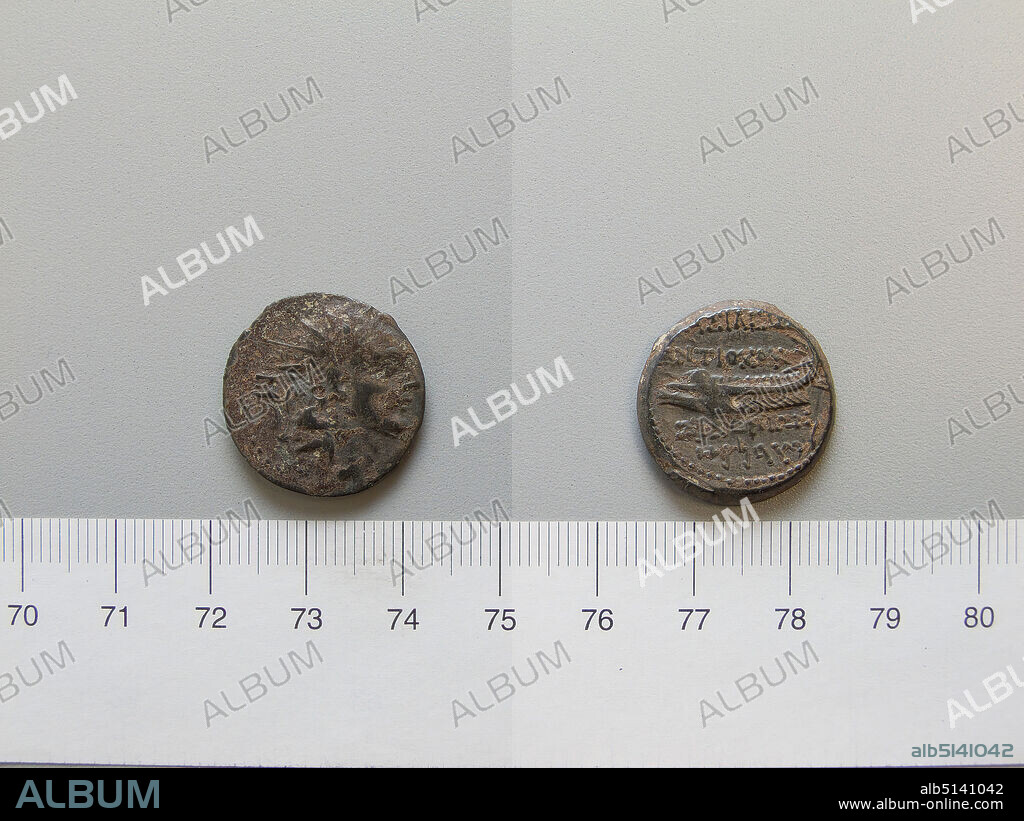
The coins minted during his reign featured symbols like scorpions and laurel, along with the inscription ΚΟΜΜΑΓΗΝΩΝ. These coins are a testament to the Greco-Persian syncretism that characterized Commagene's culture. Antiochus IV promoted a syncretic ruler cult, similar to the monuments of his ancestors at Nemrut Dağ.
Downfall and Annexation to Rome
Despite his loyal service, Antiochus IV's reign came to an abrupt end in 72 CE. He was deposed by the Syrian governor L. Caesennius Paetus on charges of conspiracy with the Parthians. This accusation led to the annexation of Commagene to the Roman Empire, marking the end of its status as a client kingdom.
The Aftermath of Deposition
The deposition of Antiochus IV was a significant event in the history of Commagene. His son, Epiphanes, had previously aided Titus at the siege of Jerusalem, showcasing the family's continued loyalty to Rome. However, the annexation of Commagene marked the end of an era for the region.
Conclusion of Part 1
In this first part of our exploration of Antiochus IV of Commagene, we have delved into his early life, ascension to the throne, military campaigns, cultural legacy, and eventual downfall. His reign was a complex interplay of loyalty to Rome, military service, and strategic city foundations. Stay tuned for the next part, where we will further explore his family lineage, cultural contributions, and the broader context of Commagene's history.
Family Lineage and Dynastic Connections
Antiochus IV of Commagene hailed from a distinguished lineage that blended Seleucid, Ptolemaic, and Persian heritage. His father, Antiochus III, ruled Commagene until 17 CE, when Emperor Tiberius briefly annexed the kingdom. This dynastic background provided Antiochus IV with a unique cultural and political identity, which he leveraged to navigate the complex relations between Rome and Parthia.
Ancestral Roots and Seleucid Heritage
The lineage of Antiochus IV can be traced back to Antiochus VIII Grypos, a notable Seleucid ruler. This connection to the Seleucid dynasty was a source of prestige and legitimacy for Antiochus IV. Additionally, his ancestors included Persian Achaemenids, further enriching his cultural heritage. This blend of Greek and Persian influences was reflected in the syncretic art and architecture of Commagene.
Marriage and Descendants
Antiochus IV was married to Iotapa, whose name is known from coins minted during his reign. Their son, Epiphanes, played a significant role in Roman military campaigns, including aiding Titus at the siege of Jerusalem. This family connection to Roman military efforts underscores the deep ties between the Commagene dynasty and the Roman Empire.
Cultural and Architectural Contributions
Antiochus IV's reign was marked by significant cultural and architectural achievements. He founded several cities, each serving as a testament to his vision and leadership. These cities were not only administrative centers but also hubs of cultural syncretism, blending Greek, Persian, and local traditions.
Founding of Germanicopolis, Iotapa, and Neronias
The cities founded by Antiochus IV included Germanicopolis, Iotapa, and Neronias. Each of these cities was strategically located and designed to enhance the region's economic and cultural development. Germanicopolis, for instance, was named in honor of Emperor Caligula, reflecting Antiochus IV's loyalty to Rome.
Coins and Symbolism
The coins minted during Antiochus IV's reign featured distinctive symbols such as scorpions and laurel, along with the inscription ΚΟΜΜΑΓΗΝΩΝ. These coins are a rich source of information about the cultural and political context of his reign. The scorpion, in particular, was a symbol of royal authority and protection, while the laurel represented victory and honor.
Military Service and Roman Loyalty
Antiochus IV's military service was a cornerstone of his reign. His loyalty to Rome was demonstrated through numerous campaigns and strategic alliances. His military efforts were not only crucial for maintaining Roman control in the region but also for securing his own position as a trusted client king.
Campaign Against the Clitae Tribe
In 53 CE, Antiochus IV successfully suppressed the Clitae tribal revolt in Cilicia. This campaign was a significant achievement, showcasing his ability to maintain order and stability in his expanded territories. The suppression of the revolt was a clear demonstration of his military prowess and strategic acumen.
Service Under Nero and Corbulo
Between 55 and 61 CE, Antiochus IV levied troops for Emperor Nero in the campaign against the Parthians. He served under Cn. Domitius Corbulo, a prominent Roman general, and played a crucial role in the campaign against Tiridates I of Armenia. This service earned him additional territories in Armenia, further solidifying his position as a key ally of Rome.
Political Context and Roman-Parthian Relations
The reign of Antiochus IV was set against the backdrop of complex Roman-Parthian relations. Commagene, as a buffer state between Roman Syria and Parthia, played a crucial role in the geopolitical dynamics of the region. Antiochus IV's ability to navigate these relations was a testament to his diplomatic skills and political acumen.
Buffer State Dynamics
Commagene's strategic location made it a vital buffer state between the Roman Empire and the Parthian threat. Antiochus IV's reign was marked by a delicate balance of loyalty to Rome and the need to maintain stability in the face of Parthian ambitions. This balance was crucial for the survival and prosperity of Commagene.
Diplomatic Relations with Rome
Antiochus IV's diplomatic relations with Rome were characterized by a combination of loyalty and strategic alliances. His restoration to the throne by Emperor Caligula and his subsequent military service under Nero and Corbulo underscored his commitment to Rome. However, his eventual deposition on charges of conspiracy with the Parthians highlights the precarious nature of his position.
Conclusion of Part 2
In this second part of our exploration of Antiochus IV of Commagene, we have delved into his family lineage, cultural contributions, military service, and the political context of his reign. His ability to navigate the complex relations between Rome and Parthia, along with his military and cultural achievements, made him a significant figure in the history of Commagene. Stay tuned for the final part, where we will explore his downfall, the annexation of Commagene, and his lasting legacy.
The Downfall of Antiochus IV and the Annexation of Commagene
The reign of Antiochus IV of Commagene came to a dramatic end in 72 CE when he was deposed by the Syrian governor L. Caesennius Paetus. The charges against him included allegations of conspiring with the Parthians, a serious accusation that led to the annexation of Commagene by the Roman Empire. This event marked the end of Commagene's status as a client kingdom and the beginning of its direct administration under Roman rule.
The Conspiracy Charges and Deposition
The accusations of conspiracy with the Parthians were a significant blow to Antiochus IV's reputation and standing with Rome. Despite his long history of loyalty and military service, these charges were sufficient to justify his removal from power. The deposition was a stark reminder of the precarious nature of client kingship under the Roman Empire, where allegiance was constantly scrutinized.
The Role of L. Caesennius Paetus
L. Caesennius Paetus, the Syrian governor responsible for Antiochus IV's deposition, played a crucial role in the annexation of Commagene. His actions reflected the Roman Empire's policy of consolidating control over strategic regions, especially those bordering potential threats like Parthia. The annexation of Commagene was a strategic move to secure Roman interests in the eastern frontier.
The Aftermath of Annexation
The annexation of Commagene had significant implications for the region and its people. The direct administration by Rome brought about changes in governance, culture, and economic structures. The once-independent kingdom was now integrated into the broader Roman provincial system, which had both advantages and challenges.
Impact on the Region
The integration of Commagene into the Roman Empire led to increased infrastructure development, including roads and administrative centers. However, it also meant the loss of local autonomy and the imposition of Roman laws and taxes. The cultural syncretism that had flourished under Antiochus IV's rule continued but was now influenced by Roman traditions and practices.
The Fate of Antiochus IV's Family
Following his deposition, the fate of Antiochus IV and his family remains somewhat unclear. His son, Epiphanes, had previously demonstrated loyalty to Rome by aiding Titus at the siege of Jerusalem. This loyalty may have afforded the family some protection, but their political influence was significantly diminished. The once-powerful dynasty of Commagene was now a footnote in the annals of Roman history.
Legacy and Historical Significance
Antiochus IV of Commagene left a lasting legacy that extends beyond his reign. His contributions to the cultural, military, and political landscape of Commagene have been the subject of scholarly interest and archaeological study. His reign is a testament to the complex dynamics of client kingship under the Roman Empire and the challenges of navigating loyalty and autonomy.
Cultural and Architectural Legacy
The cities founded by Antiochus IV, such as Germanicopolis, Iotapa, and Neronias, continued to thrive under Roman rule. These cities were not only administrative centers but also hubs of cultural exchange, blending Greek, Persian, and Roman influences. The coins minted during his reign, featuring symbols like scorpions and laurel, remain important artifacts for understanding the cultural context of his rule.
Military and Political Legacy
Antiochus IV's military service under emperors like Caligula and Nero showcased his loyalty and strategic importance to Rome. His campaigns against the Clitae tribe and his service under Cn. Domitius Corbulo against the Parthians were significant achievements that highlighted his military prowess. His downfall, however, serves as a cautionary tale about the fragility of client kingship and the ever-present threat of Roman intervention.
Scholarly Perspectives and Modern Interest
The reign of Antiochus IV has been the subject of extensive scholarly research and debate. Modern historians and archaeologists continue to explore the cultural and political dynamics of Commagene under his rule. The region's unique blend of Greek, Persian, and Roman influences has made it a fascinating case study in cultural syncretism and political maneuvering.
Archaeological Discoveries
Recent archaeological discoveries in Commagene, particularly at sites like Nemrut Dağ, have shed new light on the region's history and cultural heritage. These findings have reinforced the significance of Antiochus IV's reign and the broader context of Commagene's role in the Roman Empire. The hierarchical reliefs and monuments at Arsameia and Samosata are testament to the region's rich artistic and architectural traditions.
Historical Debates and Interpretations
Historical debates about Antiochus IV's reign often center on his loyalty to Rome and the circumstances surrounding his deposition. Some scholars argue that the charges of conspiracy with the Parthians were politically motivated, while others see them as a genuine threat to Roman interests. These debates highlight the complexities of client kingship and the challenges of maintaining autonomy under Roman rule.
Conclusion: The Enduring Legacy of Antiochus IV of Commagene
Antiochus IV of Commagene was a pivotal figure in the history of the Roman client kingdom of Commagene. His reign, marked by military service, cultural achievements, and strategic city foundations, showcased his loyalty to Rome and his ability to navigate the complex political landscape of the eastern frontier. Despite his eventual downfall and the annexation of Commagene, his legacy endures through the cities he founded, the coins he minted, and the cultural syncretism he promoted.
His story is a reminder of the precarious nature of client kingship under the Roman Empire and the constant balancing act required to maintain loyalty and autonomy. The annexation of Commagene marked the end of an era, but the region's cultural and historical significance continues to captivate scholars and enthusiasts alike. Antiochus IV's reign remains a testament to the enduring legacy of a ruler who navigated the complexities of power, loyalty, and cultural exchange in the ancient world.

Vitruvius: Founder of Western Architectural Principles
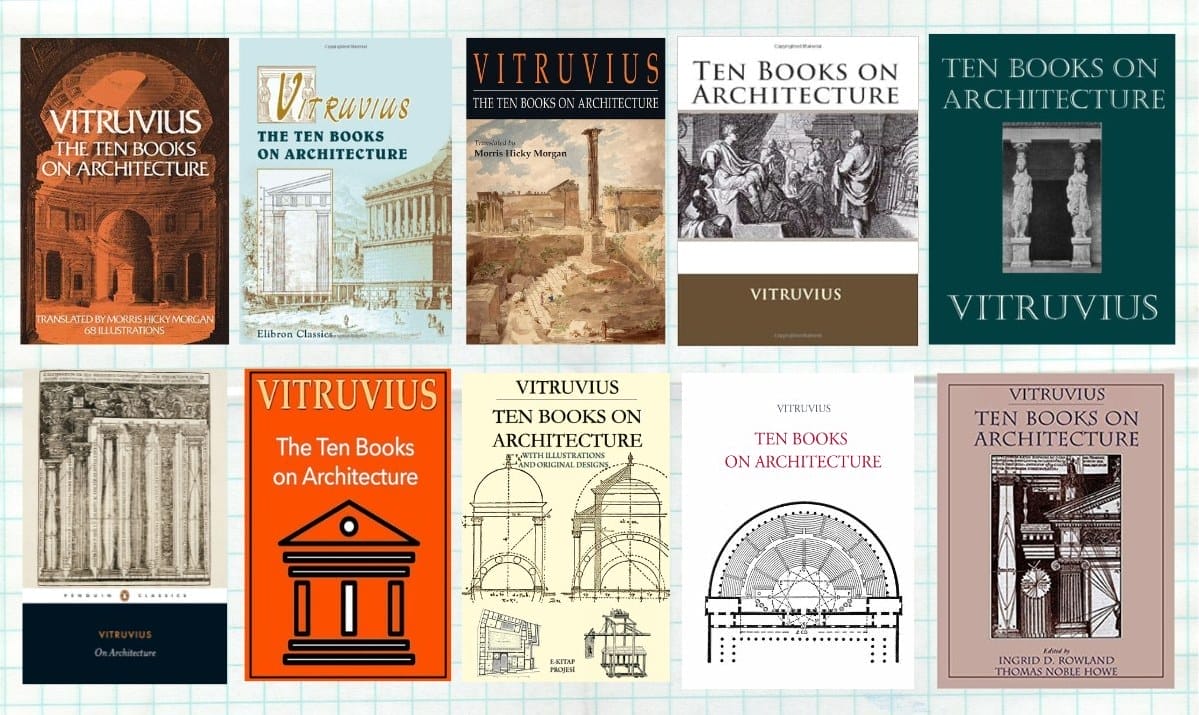
Marcus Vitruvius Pollio, a genius of ancient Roman architecture, shaped the foundations of Western design through his masterpiece De architectura. Active from the 1st century BC, his work remains a cornerstone of architectural theory. Vitruvius emphasized three timeless principles: firmitas (strength), utilitas (utility), and venustas (beauty), which still guide modern builders today.
Vitruvius’s Life and Military Engineering Career
Birth and Early Influences
Born around 80–70 BC in Formiae, Campania, Vitruvius came from a prominent Roman family. His education exposed him to mathematics, philosophy, and engineering, critical for his later innovations. Serving as praefectus fabrum—chief engineer—under Julius Caesar, he gained invaluable practical experience.
Key Military Projects Under Caesar
- Led engineering efforts during the Gaul campaigns (58–44 BC)
- Constructed siege engines like ballistae at Larignum (56 BC)
- Oversaw infrastructure in Marseilles (48 BC) and Zama, North Africa (46 BC)
Vitruvius’s military work showcased his ability to blend theoretical knowledge with real-world applications, a skill that later defined his civilian projects.
The Enduring Legacy of De architectura
Ten Books That Shaped Architecture
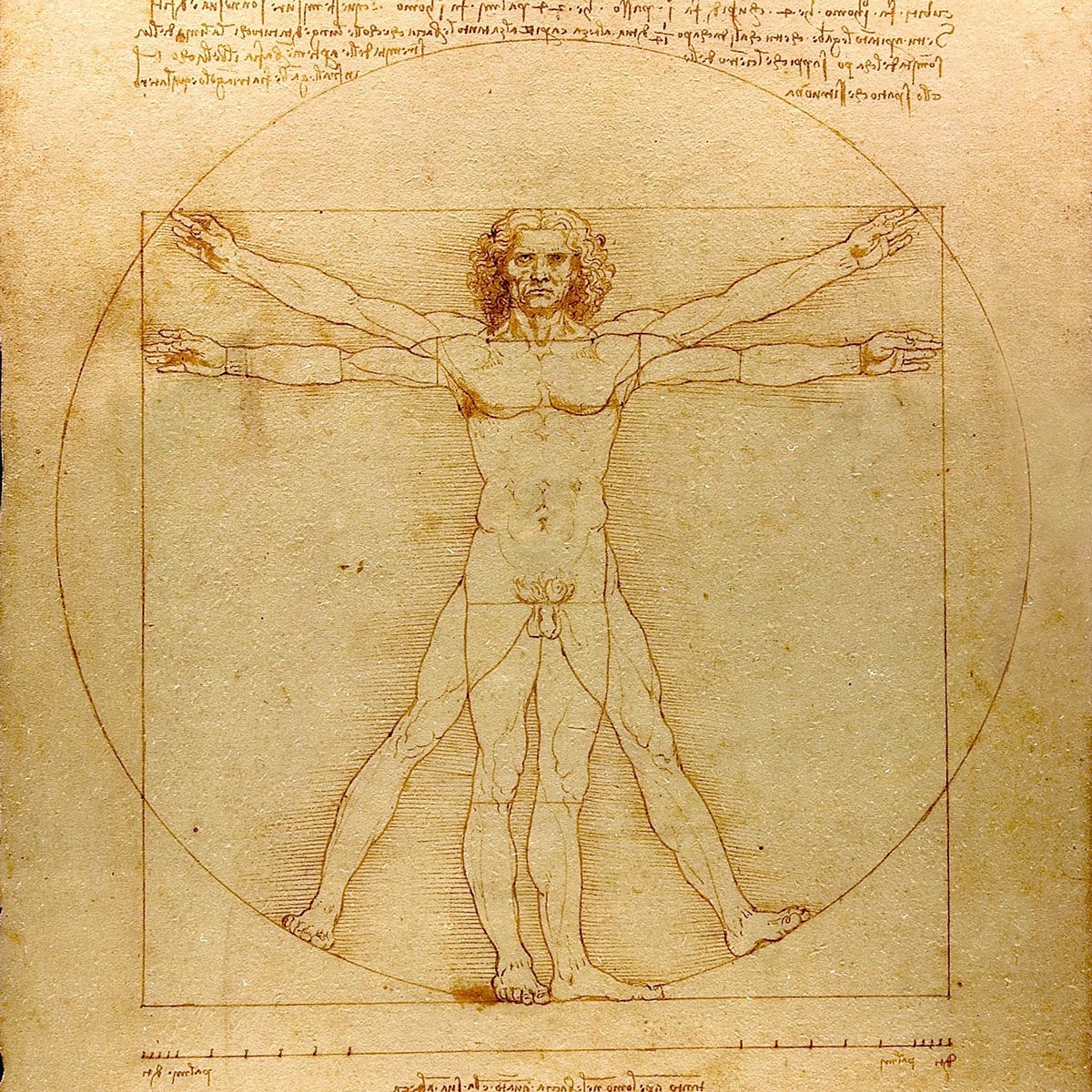
Completed around 20–15 BC, spans 10 volumes and approximately 400 pages in modern editions. The text covers over 30 building types, including temples, theaters, aqueducts, and hydraulic systems. Vitruvius linked architecture to human proportions, famously illustrated by the Vitruvian Man later popularized by Leonardo da Vinci.
Core Architectural Principles
“An edifice must be built with skill, elegance, and convenience.” — Vitruvius, De architectura
Vitruvius advocated for architects to master diverse fields: mathematics, music, medicine, and astronomy. He promoted traditional materials over bold innovations, ensuring longevity and functionality in every structure.
Roman Innovation Through Vitruvian Eyes
Bridging Military and Civilian Engineering
During Rome’s transition from Republic to Empire, Vitruvius merged military engineering with urban planning. His designs supported Julius Caesar’s campaigns and later Augustus’s grand building programs, including Rome’s Campus Martius baths and aqueducts.
Influence on Roman Building Techniques
- Pioneered the use of arches in public buildings
- Developed urban grid systems for efficient city-planning
- Advanced aqueduct construction for reliable water supply
These innovations contrasted Greek temple-focused designs, emphasizing practical Roman adaptations that dominated the Mediterranean world.
Vitruvius’s Holistic Approach to Architectural Education
Breadth of Knowledge Required
Vitruvius argued that a true architect must master mathematics, philosophy, music, medicine, law, and astronomy. He believed interdisciplinary learning ensured structures served both function and harmony. This holistic view rejected narrow specialization in favor of well-rounded expertise.
His text emphasized understanding nature’s patterns, linking human proportions to architectural layouts. Vitruvius wrote that buildings should mirror the universal order, creating balance between human needs and environmental realities.
Rejection of Overly Bold Innovations
Despite his forward-thinking ideas, Vitruvius caution against reckless experimentation. He preferred traditional materials like stone and brick over untested alternatives. This pragmatic stance aimed to guarantee long-term durability and public safety.
- Advocated for tested construction methods
- Warned against excessive ornamentation
- Prioritized functionality across all designs
The Survival and Rediscovery of De architectura
Medieval Preservation
After Vitruvius’s death around 15 BC, his work faded from widespread knowledge. The text survived through medieval monasteries, where scribes preserved copies as rare scholarly treasures. Mentioned by Pliny the Elder and Frontinus, it remained a hidden gem for centuries.
During the early Middle Ages, De architectura was one of the few surviving Roman technical manuals. Its survival offered future generations a direct link to classical engineering and design philosophy.
Renaissance Revival
In 1416, the scholar Poggio Bracciolini rediscovered a complete manuscript in a Swiss monastery. This moment ignited a Renaissance fascination with classical antiquity. The work became a blueprint for artists and architects seeking scientific principles.
- Translated into 70+ languages after rediscovery
- Inspired Leonardo da Vinci’s Vitruvian Man (c. 1490)
- Fuelled debates on harmony between art and science
“Vitruvius taught us that architecture is not merely walls and roofs, but a dialogue between humanity and the cosmos.” — 2024 analysis of durability standards
Modern Applications of Vitruvian Principles
Sustainability and Durability
Today, Vitruvius’s triad—firmitas, utilitas, venustas—guides sustainable design. Architects use his principles to create buildings that endure climate challenges while remaining functional and beautiful. His emphasis on durable materials resonates in debates over climate-resilient infrastructure.
Modern engineers cite Vitruvius when advocating for long-term planning over quick fixes. Projects like flood-resistant urban grids and energy-efficient public spaces echo his call for enduring solutions.
Digital Modeling and Biometric Design
Vitruvius’s idea of linking human proportions to architecture now influences biometric design and digital modeling. Software tools use his geometric principles to optimize space for human comfort. The Vitruvian Man remains a symbol of this fusion between body mechanics and structure.
- 3D modeling software incorporates Vitruvian ratios
- Smart buildings adjust layouts based on biometric data
- Urban planners use his grid concepts for accessible cities
While Vitruvius lived over 2,000 years ago, his vision continues to shape how we imagine and build our world.
Archaeological Echoes of Vitruvian Design
Linking Ancient Texts to Excavations
Modern archaeology continues to validate Vitruvius’s descriptions of Roman engineering. Excavations of aqueducts, baths, and temples often reveal techniques outlined in De architectura. These discoveries reinforce his role as both practitioner and chronicler of Roman innovation.
Sites like the Campus Martius in Rome and North African settlements show remnants of Vitruvian-inspired urban grids and hydraulic systems. Such findings bridge ancient theory with tangible evidence of its real-world application.
Ongoing Debates and Interpretations
Scholars still debate certain passages of Vitruvius’s work, particularly his astronomical alignments and proportion systems. Recent studies use 3D modeling to test his geometric principles, uncovering new layers of complexity in his designs.
- Analyses of temple orientations match his solar alignment theories
- Reconstructions of Roman theaters validate acoustic strategies
- Hydraulic models confirm efficiency of his aqueduct formulas
Vitruvius in Modern Architectural Education
Core Curriculum Foundation
Vitruvius remains a cornerstone of architectural schooling. His three principles—firmitas, utilitas, venustas—are taught as essential pillars of design ethics. Universities integrate his texts into courses on history, theory, and sustainable practices.
Students analyze De architectura to understand how ancient engineers balanced aesthetics with engineering constraints. This approach fosters critical thinking about modern design challenges, from resource limits to user experience.
Influence on Professional Standards
Professional bodies cite Vitruvius when establishing building codes and certification criteria. His emphasis on durability and functionality shapes guidelines for everything from residential construction to public infrastructure.
- LEED certification incorporates principles of long-term utility
- Urban planning frameworks echo his grid-based organization
- Disaster-resistant design adopts his emphasis on material strength
“Vitruvius’s legacy is not confined to history—it’s embedded in every code that prioritizes safety, efficiency, and beauty.” — 2024 architectural standards review
Conclusion: The Indestructible Influence of Vitruvius
Summarizing His Enduring Impact
From military engineer to imperial advisor, Vitruvius’s life encapsulated the fusion of theory and practice. His 10-volume treatise transcended its era, surviving through monasteries, Renaissance revival, and modern scholarship. Today, it remains a reference point for architects, engineers, and urban planners.
over 100 editions since 1486 and translations into 70+ languages. These numbers reflect a global admiration for his holistic vision of architecture as both art and science.
Final Thoughts on Vitruvian Legacy
Vitruvius’s work continues to inspire innovations in biometric design, AI-assisted proportioning, and climate-resilient infrastructure. His belief that buildings should serve humanity while respecting natural laws remains profoundly relevant. As cities grow and technology evolves, Vitruvius’s principles offer timeless guidance.
In every enduring structure—whether a 2,000-year-old aqueduct or a smart city—the spirit of Vitruvius endures. His triad of strength, utility, and beauty remains the ultimate benchmark for designing a world that balances progress with permanence.
Marius Maximus: The Lost Biographer of Roman Emperors
Introduction to Marius Maximus
Marius Maximus was a prominent Roman senator and biographer of the early 3rd century, best known for his lost series of imperial biographies. His works, though fragmentary, provide invaluable insights into the lives of emperors from the Nerva–Antonine and Severan dynasties. Despite the absence of complete texts, his influence persists through later historians who quoted and summarized his writings.
Early Life and Career
Identified as Lucius Marius Maximus Perpetuus Aurelianus, he lived approximately from AD 160 to AD 230. Ancient records and modern scholarship suggest he held high senatorial office, aligning with the authoritative tone of his biographies. However, a continuous account of his life remains elusive, leaving gaps in our understanding of his personal and political journey.
Political and Social Context
Marius Maximus operated during a turbulent period in Roman history, marked by political intrigue and dynastic shifts. His senatorial status granted him access to imperial archives and court gossip, which he wove into his biographical narratives. This dual perspective—official records and anecdotal evidence—defined his unique approach to historical writing.
The Biographical Works of Marius Maximus
His most significant contribution was a series of biographies covering roughly twelve emperors, spanning from the late 1st century to the early 3rd century. These works, now lost, survive only in fragments and quotations by later authors, such as the Historia Augusta. The absence of complete texts poses challenges for historians, who must rely on indirect sources to reconstruct his original content.
Scope and Style
Marius Maximus followed the tradition of imperial biography established by Suetonius, blending official career details with personal anecdotes and scandal. His style was characterized by a mix of court gossip and administrative precision, making his works both engaging and informative. However, this approach also introduced elements of embellishment and rumor, complicating modern assessments of his reliability.
Survival and Transmission
The survival rate of his corpus is effectively 0% in its original form. Knowledge of his works depends entirely on later compilations and references. The Historia Augusta, a composite and often unreliable source, frequently cites Marius Maximus, particularly for senatorial and imperial anecdotes. This indirect transmission raises questions about the authenticity of attributed material, as later editors may have altered or fabricated content.
Reception and Scholarly Debates
Later Roman compilers valued Marius Maximus as a source, but modern scholars approach his works with caution. His blend of official reports and anecdotal evidence presents a complex picture of imperial lives, requiring careful source criticism. The challenge lies in distinguishing his original contributions from later editorial inventions, a task that remains central to contemporary historiography.
Modern Scholarship and Challenges
Recent historiography emphasizes source criticism, assessing which parts of later compilations plausibly derive from Marius Maximus. Digital prosopographical databases and classical references help map his influence, but the absence of new papyrological discoveries limits substantial progress. Scholars rely on fragment collections and commentary on the Historia Augusta to piece together his possible content and emphases.
Key Statistics and Data Points
- Number of Emperors Covered: Approximately twelve, from the Nerva–Antonine to the early Severan periods.
- Survival Rate: 0% in original form; entirely dependent on later quotations and epitomes.
- Chronological Range: His life is dated from AD 160 to AD 230, based on modern prosopographical research.
Conclusion of Part 1
Marius Maximus remains a pivotal yet enigmatic figure in Roman historiography. His lost biographies offer a tantalizing glimpse into the lives of emperors, blending official records with vivid anecdotes. As we explore his works and legacy in subsequent sections, the challenges of reconstructing his original contributions will become increasingly apparent. Stay tuned for Part 2, where we delve deeper into his methodological approach and the complexities of his surviving fragments.
Methodological Approach and Historical Context
Marius Maximus operated within a well-established tradition of Roman biographical writing, which prioritized both factual accuracy and narrative engagement. His methodology reflected the influence of earlier biographers like Suetonius, who combined chronological accounts of an emperor's reign with vivid personal details. This dual approach allowed Marius Maximus to create compelling portraits of imperial figures while maintaining a connection to official records.
The Influence of Suetonius
Suetonius' The Twelve Caesars served as a model for Marius Maximus, particularly in its structure and thematic focus. Both authors emphasized the public and private lives of emperors, though Marius Maximus expanded this framework to include a broader range of sources. His access to senatorial archives and firsthand accounts from court officials provided a richer, albeit sometimes contradictory, narrative tapestry.
Blending Fact and Anecdote
One of the defining features of Marius Maximus' work was his integration of anecdotal evidence alongside official documentation. This approach, while engaging, has led to debates about the historical reliability of his accounts. Modern scholars often categorize his writings into three broad types:
- Official Records: Administrative details, senatorial decrees, and public speeches.
- Court Gossip: Personal scandals, rumors, and behind-the-scenes political maneuvering.
- Literary Embellishments: Dramatic or moralizing elements added for narrative effect.
This blend of sources makes his biographies invaluable for understanding the cultural and political atmosphere of the time, even if some details remain unverifiable.
The Relationship with the Historia Augusta
The Historia Augusta is the primary conduit through which Marius Maximus' work has survived, albeit in a fragmented and often distorted form. This later compilation, attributed to multiple authors, explicitly cites Marius Maximus as a source for numerous anecdotes and biographical details. However, the unreliable nature of the Historia Augusta complicates efforts to isolate his original contributions.
Challenges of Attribution
Scholars face significant challenges in determining which passages in the Historia Augusta genuinely derive from Marius Maximus. Key issues include:
- Editorial Invention: Later compilers may have fabricated or altered material to fit their narratives.
- Selective Quotation: The Historia Augusta often cherry-picks sensational or scandalous details, potentially skewing our perception of Marius Maximus' priorities.
- Lost Context: Without the original texts, it is difficult to assess how anecdotes were framed or what broader arguments they supported.
These challenges underscore the need for critical source analysis when engaging with his surviving fragments.
Notable Examples of Citation
Despite these complications, several passages in the Historia Augusta are widely believed to reflect Marius Maximus' original work. For instance:
"It is recorded by Marius Maximus that the Emperor Elagabalus once filled a banquet hall with rose petals to the point where guests nearly suffocated, a display of extravagance that shocked even the most jaded senators."
Such vivid descriptions align with his reputation for blending official history with salacious detail, though their accuracy remains a subject of debate.
Prosopographical Reconstruction and Digital Scholarship
Modern efforts to reconstruct Marius Maximus' life and works have benefited from advances in digital prosopography and classical databases. These tools aggregate references from across ancient texts, allowing scholars to map his influence and identify patterns in how later authors utilized his material.
Key Prosopographical Findings
Recent research has highlighted several important aspects of his career and methodology:
- Senatorial Connections: His high office granted him access to exclusive information, including private correspondence and senatorial debates.
- Chronological Focus: His biographies likely covered emperors from Nerva (AD 96–98) to Severus Alexander (AD 222–235), bridging a critical period of Roman history.
- Stylistic Trends: Analysis of surviving fragments suggests a preference for dramatic storytelling, particularly in descriptions of imperial excess and political intrigue.
These findings help contextualize his role as both a historian and a participant in the events he described.
Digital Tools and Future Directions
The rise of digital humanities has opened new avenues for studying Marius Maximus. Projects like the Digital Prosopography of the Roman Empire compile references to his work, enabling scholars to:
- Track how specific anecdotes were transmitted across texts.
- Identify potential interpolations or misattributions in later sources.
- Reconstruct the possible structure and themes of his lost biographies.
While these tools have not yet uncovered new primary texts, they provide a more systematic framework for analyzing his surviving legacy.
Critical Assessments and Modern Debates
The scholarly consensus on Marius Maximus is marked by both appreciation and skepticism. His works are celebrated for their rich detail and narrative depth, yet their reliability is frequently questioned due to the anecdotal nature of much of the content.
Strengths of His Work
Despite the challenges, several strengths of his biographies are widely recognized:
- Comprehensive Coverage: His accounts span multiple emperors, offering a continuous narrative of a pivotal era.
- Insider Perspective: As a senator, he provided insights into the workings of imperial politics that external observers might have missed.
- Cultural Context: His inclusion of gossip and personal details sheds light on the social dynamics of the Roman elite.
These elements make his fragments indispensable for historians seeking to understand the human side of imperial rule.
Weaknesses and Controversies
Critics, however, point to several limitations:
- Lack of Objectivity: His senatorial bias may have colored his portrayals of certain emperors, particularly those who clashed with the Senate.
- Embellishment: The line between fact and fiction is often blurred, with some anecdotes likely exaggerated for dramatic effect.
- Fragmentary Survival: The absence of complete texts forces scholars to rely on potentially unreliable intermediaries.
These controversies highlight the need for nuanced interpretation when engaging with his work.
Conclusion of Part 2
Marius Maximus' contributions to Roman historiography are both profound and problematic. His biographies offer a unique window into the lives of emperors, blending official records with personal narratives. Yet, the challenges of reconstruction and the uncertainties surrounding the Historia Augusta remind us of the complexities inherent in studying fragmentary sources. In Part 3, we will explore his enduring legacy and the ongoing efforts to uncover more about this enigmatic figure.
The Enduring Legacy of Marius Maximus
Though his original works have been lost to time, Marius Maximus continues to shape modern understandings of the Roman Empire. His biographies, preserved in fragments and later compilations, remain a cornerstone for historians studying the Nerva–Antonine and Severan dynasties. His influence extends beyond mere historical documentation, offering a lens into the political and social dynamics of his era.
Impact on Later Historians
Marius Maximus' writings served as a primary source for subsequent Roman historians, including the authors of the Historia Augusta. His detailed accounts of imperial lives provided a template for later biographical works, emphasizing the interplay between public deeds and private scandals. This dual focus became a hallmark of Roman historical writing, influencing how future generations would document the lives of powerful figures.
Modern Historical Research
Contemporary scholars continue to grapple with the complexities of his work. While his biographies are often treated with caution due to their anecdotal nature, they are also valued for their unique insights into the imperial court. Key areas of research include:
- Source Criticism: Distinguishing between his original contributions and later embellishments.
- Political Analysis: Using his accounts to understand senatorial and imperial relationships.
- Cultural Studies: Examining the role of gossip and personal narrative in Roman historiography.
These efforts highlight the ongoing relevance of his work in both classical studies and broader historical research.
Key Takeaways from Marius Maximus' Work
Several critical themes emerge from the fragments of his biographies, offering valuable lessons for historians and enthusiasts alike.
The Power of Anecdote in History
Marius Maximus demonstrated how personal stories could illuminate broader historical trends. His inclusion of court gossip and private details humanized imperial figures, making their reigns more relatable and engaging. This approach underscores the importance of narrative depth in historical writing, a principle that continues to resonate in modern biographies.
The Challenges of Fragmentary Sources
His work also serves as a cautionary tale about the limitations of fragmentary evidence. The loss of his original texts forces scholars to rely on indirect sources, which may distort or omit crucial details. This challenge highlights the need for rigorous source criticism and interdisciplinary collaboration in reconstructing historical narratives.
The Intersection of Politics and Personal Life
Perhaps his most enduring contribution is the portrayal of emperors as complex individuals whose personal lives were deeply intertwined with their political actions. By documenting both their public achievements and private scandals, Marius Maximus provided a holistic view of imperial rule, one that modern historians continue to emulate.
Unresolved Questions and Future Directions
Despite centuries of scholarship, significant questions about Marius Maximus and his works remain unanswered. These gaps present opportunities for future research and discovery.
The Search for Lost Texts
One of the most tantalizing possibilities is the discovery of new manuscripts or fragments that could restore portions of his original biographies. While no substantial finds have been reported in recent years, advances in archaeological technology and digital reconstruction offer hope. Projects like the Oxyrhynchus Papyri and other archaeological initiatives continue to uncover lost texts, raising the possibility that fragments of his work may yet surface.
Reevaluating the Historia Augusta
Another critical area of focus is the ongoing reassessment of the Historia Augusta. As scholars develop more sophisticated methods for analyzing this complex compilation, they may be able to better isolate Marius Maximus' original contributions. This process involves:
- Stylistic Analysis: Comparing the language and structure of attributed passages to known examples of his work.
- Contextual Reconstruction: Placing anecdotes within the broader political and social context of the time.
- Cross-Referencing: Corroborating details with other historical sources to verify their authenticity.
Such efforts could significantly enhance our understanding of his methodological approach and historical accuracy.
The Role of Digital Humanities
The rise of digital humanities presents another promising avenue for future research. By leveraging machine learning and data analytics, scholars can analyze large datasets of ancient texts to identify patterns and connections that might otherwise go unnoticed. These tools could help:
- Track the transmission of specific anecdotes across multiple sources.
- Identify potential interpolations or misattributions in later compilations.
- Reconstruct the possible structure and themes of his lost biographies.
As these technologies continue to evolve, they may unlock new insights into Marius Maximus' life and works.
Conclusion: The Lasting Significance of Marius Maximus
Marius Maximus occupies a unique place in the pantheon of Roman historians. His biographies, though fragmentary, offer an unparalleled glimpse into the lives of emperors during a pivotal era. By blending official records with personal anecdotes, he created a narrative style that continues to influence historical writing today.
His work also serves as a reminder of the challenges inherent in studying the past. The loss of his original texts underscores the fragility of historical evidence and the importance of critical source analysis. Yet, it is precisely this fragility that makes his surviving fragments so valuable, offering tantalizing clues about a world that would otherwise remain shrouded in obscurity.
As we look to the future, the legacy of Marius Maximus endures. Whether through the discovery of new manuscripts, the reevaluation of existing sources, or the application of cutting-edge digital tools, his work will continue to inspire and challenge historians for generations to come. In the end, his greatest contribution may not be the facts he recorded, but the questions he left unanswered—questions that drive us to explore, analyze, and reinterpret the past in our quest to understand the present.


Caracalla: The Ruthless Roman Emperor Who Reshaped History
Introduction to Caracalla's Reign
Caracalla, born Lucius Septimius Bassianus, was one of Rome's most controversial emperors. His rule from 198 to 217 CE was marked by military campaigns, brutal purges, and groundbreaking reforms like the Constitutio Antoniniana. Known for both his architectural legacy and his tyrannical acts, Caracalla remains a fascinating figure in Roman history.
Early Life and Rise to Power
Born on April 4, 188 CE in Lugdunum (modern Lyon, France), Caracalla was the son of Septimius Severus, Rome's first African-born emperor, and Julia Domna. His early years were shaped by the chaotic Year of the Five Emperors (193 CE), which saw his father rise to power.
Named Heir and Co-Emperor
In 195 CE, Caracalla was named Caesar by his father, securing his place as heir. By 198 CE, he became co-emperor alongside Severus, a title he held until his father's death in 211 CE. His rivalry with his younger brother Geta intensified during this period, foreshadowing future conflicts.
The Brutal Path to Sole Rule
After Severus' death, Caracalla briefly co-ruled with Geta. However, their strained relationship culminated in tragedy on December 26, 211 CE, when Caracalla orchestrated Geta's murder in their mother's presence. This act triggered a brutal purge, resulting in the deaths of approximately 20,000 of Geta's supporters.
The Constitutio Antoniniana: A Landmark Reform
One of Caracalla's most significant achievements was the Constitutio Antoniniana, issued in 212 CE. This edict granted Roman citizenship to all free inhabitants of the empire, a move that reshaped Roman society.
Motivations Behind the Edict
While the edict is often viewed as a unifying gesture, scholars suggest fiscal motives played a key role. By expanding citizenship, Caracalla increased the empire's tax base, providing much-needed revenue for his military campaigns and ambitious projects.
Impact on the Empire
The Constitutio Antoniniana transformed citizenship from a privilege to a mass right, affecting an estimated 30 to 50 million people. This integrationist policy had lasting effects on the empire's legal and social structures, laying the groundwork for future reforms.
Military Campaigns and Architectural Legacy
Caracalla's reign was defined by both military ambition and architectural innovation. His campaigns along the Germanic frontiers and his ill-fated Parthian expedition showcased his strategic prowess and recklessness.
Securing the Germanic Frontiers
In 213 CE, Caracalla successfully subdued the Alamanni, a Germanic tribe, reinforcing Rome's northern borders. His ability to lead troops and share their hardships earned him loyalty among the legions.
The Baths of Caracalla: A Monument of Grandeur
Among his most enduring legacies are the Baths of Caracalla, completed around 216 CE. These colossal baths could accommodate approximately 1,600 bathers and spanned over 10 hectares, showcasing advanced Roman engineering and civic generosity.
Controversies and Downfall
Despite his achievements, Caracalla's reign was marred by brutality. His assassination on April 8, 217 CE, near Carrhae in Mesopotamia, marked the end of his tumultuous rule. He was killed by a Praetorian soldier, Justin Martialis, who sought vengeance for Geta's murder.
Legacy of a Complex Ruler
Caracalla's legacy is a mix of tyranny and innovation. While his purges and paranoia earned him a reputation as one of Rome's cruelest emperors, his reforms and architectural projects left a lasting impact. Modern scholars continue to debate his true motivations and the long-term effects of his policies.
Conclusion of Part 1
Caracalla's early life, rise to power, and key reforms set the stage for a reign that would reshape the Roman Empire. In Part 2, we will delve deeper into his military strategies, personal life, and the cultural significance of his rule.
Military Strategies and Campaigns
Caracalla's reign was heavily influenced by his military ambitions. His campaigns were both strategic and ruthless, aimed at securing Rome's borders and expanding its influence. His approach to warfare reflected the militaristic ethos of the Severan dynasty.
Germanic Frontiers and the Alamanni
One of Caracalla's notable military achievements was his campaign against the Alamanni in 213 CE. This Germanic tribe posed a significant threat to Rome's northern borders. Caracalla's victory not only secured the frontier but also demonstrated his ability to lead and inspire his troops.
His success in this campaign was partly due to his willingness to share the hardships of his soldiers. This endeared him to the legions, who saw him as a leader willing to fight alongside them. However, his military expenditures placed a heavy burden on the empire's finances.
The Parthian Campaign and Its Aftermath
Caracalla's ambition led him to launch a campaign against the Parthian Empire in 216 CE. This expedition was marked by both strategic maneuvering and personal recklessness. He fabricated a marriage proposal to the daughter of Parthian king Artabanus V as a pretext for invasion.
The campaign, however, did not achieve its intended goals. Caracalla's forces faced significant challenges, and the expedition ultimately ended in failure. This setback, combined with his growing paranoia and brutality, contributed to his declining popularity and eventual downfall.
Personal Life and Controversies
Caracalla's personal life was as tumultuous as his reign. His relationships with family members, particularly his brother Geta, were fraught with tension and ultimately led to tragic consequences.
The Rivalry with Geta
Caracalla's rivalry with his younger brother Geta was a defining feature of his early life. The two brothers were in constant competition, both politically and personally. Their father, Septimius Severus, reportedly advised Caracalla to prioritize the loyalty of the army over the Senate, a strategy that Caracalla would later employ with devastating effects.
The tension between the brothers reached its peak after their father's death. Caracalla, unable to tolerate Geta's presence, orchestrated his murder on December 26, 211 CE. This act of fratricide shocked the Roman world and set the stage for Caracalla's brutal purge of Geta's supporters.
The Purge and Its Consequences
Following Geta's murder, Caracalla initiated a widespread purge that resulted in the deaths of approximately 20,000 people. This brutal campaign targeted not only political rivals but also anyone perceived as a threat to his rule. The purge had a profound impact on Roman society, instilling fear and uncertainty.
The aftermath of the purge saw Caracalla implementing damnatio memoriae against Geta, erasing his brother's image from coins, art, and public records. This act of historical erasure was a common practice in Roman politics, aimed at eliminating the memory of a disgraced individual.
Cultural and Architectural Legacy
Despite his reputation for brutality, Caracalla's reign also saw significant cultural and architectural achievements. His most enduring legacy is the Baths of Caracalla, a monumental complex that showcased the grandeur of Roman engineering and civic life.
The Baths of Caracalla: A Marvel of Engineering
Completed around 216 CE, the Baths of Caracalla were one of the largest and most impressive public baths in Rome. The complex could accommodate approximately 1,600 bathers and spanned over 10 hectares. It featured advanced hydraulic systems, expansive gardens, and intricate mosaics.
The baths were not just a place for bathing but also a center for social and cultural activities. They included libraries, gymnasiums, and spaces for public gatherings. This architectural marvel reflected Caracalla's desire to leave a lasting legacy and improve the quality of life for Roman citizens.
Other Architectural and Civic Projects
In addition to the baths, Caracalla initiated several other civic projects aimed at enhancing Rome's infrastructure and public spaces. These included the reconstruction of roads, the building of aqueducts, and the renovation of public buildings. His efforts in urban development were part of a broader strategy to consolidate his power and gain public favor.
Caracalla also reformed the Roman currency and judiciary systems. His currency reforms aimed to stabilize the empire's economy, which had been strained by his military campaigns and excessive spending. These reforms, while necessary, were not enough to prevent the financial crises that would later plague his reign.
Modern Perspectives and Scholarly Debates
Caracalla's legacy continues to be a subject of debate among historians. Modern scholars have sought to balance the narrative of his tyranny with an appreciation for his pragmatic reforms and architectural achievements.
Reevaluating Caracalla's Reign
Recent scholarly trends have focused on reevaluating Caracalla's rule beyond the traditional "tyrant" narrative. His Constitutio Antoniniana is now seen as a precursor to the empire's "globalization," shifting citizenship from an elite privilege to a mass right. This integrationist policy had far-reaching consequences for the empire's legal and social structures.
Additionally, Caracalla's architectural projects, particularly the Baths of Caracalla, are viewed as symbols of civic benevolence amid his reputation for repression. These projects highlight his desire to improve public life and leave a lasting legacy.
Cultural Relevance and Representations
Caracalla's life and reign have captured the imagination of modern audiences. His complex personality and dramatic story have been featured in various cultural works, including the 2024 film "Gladiator II", where he is portrayed as a "mad emperor." This representation has sparked renewed public interest in his life and rule.
The Baths of Caracalla remain a popular tourist attraction in Rome, drawing visitors who marvel at the engineering prowess and grandeur of the ancient complex. The site serves as a tangible reminder of Caracalla's architectural legacy and his impact on Roman society.
Conclusion of Part 2
Caracalla's military strategies, personal controversies, and cultural achievements paint a complex picture of his reign. His ability to inspire loyalty among his troops, coupled with his brutal tactics and ambitious projects, left an indelible mark on Roman history. In Part 3, we will explore the final years of his rule, his assassination, and the lasting impact of his policies on the Roman Empire.
The Final Years: Paranoia and Downfall
Caracalla's later years were marked by increasing paranoia, military setbacks, and a growing disconnect from Rome's political elite. His once-strong grip on power began to slip as his brutal tactics alienated both the Senate and the people.
The Parthian Campaign: A Fatal Miscalculation
In 216 CE, Caracalla launched his ambitious but ultimately disastrous Parthian campaign. Using the pretext of a fabricated marriage proposal to King Artabanus V's daughter, he invaded Parthia with the goal of expanding Rome's eastern frontier. However, the campaign quickly stalled due to logistical challenges and fierce resistance.
His forces suffered heavy losses, and the expedition failed to achieve any meaningful territorial gains. The failure not only damaged his military reputation but also strained the empire's already fragile finances. Caracalla's inability to secure a decisive victory eroded his credibility among the legions, who had once been his most loyal supporters.
Growing Isolation and Assassination
As his military fortunes declined, Caracalla's paranoia intensified. He became increasingly suspicious of those around him, including his own advisors and generals. His brutal purges had already eliminated many potential threats, but his fear of betrayal persisted.
On April 8, 217 CE, while traveling near Carrhae in Mesopotamia, Caracalla was assassinated by Justin Martialis, a soldier in the Praetorian Guard. Martialis, who had a personal grudge against the emperor, struck Caracalla down while he was relieving himself, ending his tumultuous reign. His successor, Macrinus, briefly took power but struggled to stabilize the empire in the wake of Caracalla's death.
The Economic and Political Impact of Caracalla's Reign
Caracalla's rule had profound and lasting effects on Rome's economy and political landscape. His policies, while ambitious, often came at a significant cost to the empire's stability and prosperity.
Financial Strain and Currency Reform
One of the most pressing issues during Caracalla's reign was the empire's financial crisis. His military campaigns, lavish spending, and generous donations to the army placed an enormous burden on Rome's treasury. To address this, he implemented several controversial financial measures:
- Debasement of the denarius: Caracalla reduced the silver content of Roman coinage, leading to inflation and economic instability.
- Increased taxation: The expansion of citizenship via the Constitutio Antoniniana broadened the tax base, but the additional revenue was often offset by his excessive spending.
- Soldier pay raises: He doubled the stipendium (military pay), which further strained the imperial budget.
These measures provided short-term relief but contributed to long-term economic challenges, including rising inflation and a decline in the value of Roman currency.
Political Legacy: A Mixed Record
Caracalla's political legacy is a study in contrasts. On one hand, his Constitutio Antoniniana was a revolutionary step toward unifying the empire under a single legal framework. On the other, his reign was characterized by authoritarianism, purges, and political instability.
His relationship with the Senate was particularly contentious. Caracalla openly disdained the Senate, favoring the military's support over political alliances. This approach weakened Rome's traditional governance structures and set a precedent for future emperors who relied on the army for legitimacy rather than senatorial approval.
Caracalla's Enduring Influence on Roman Society
Despite his controversial reign, Caracalla's influence on Roman society endured long after his death. His policies and projects left an indelible mark on the empire's legal, cultural, and architectural landscape.
The Constitutio Antoniniana: A Turning Point
The Constitutio Antoniniana remains one of Caracalla's most significant contributions to Roman history. By granting citizenship to all free inhabitants of the empire, he effectively redefined what it meant to be Roman. This policy had several long-term effects:
- Legal unification: The edict standardized legal rights across the empire, reducing regional disparities.
- Cultural integration: It fostered a sense of shared identity among diverse populations, contributing to the empire's cohesion.
- Economic implications: The expanded citizenry increased tax revenues, though it also placed additional administrative burdens on provincial governments.
Modern historians view the edict as a precursor to later concepts of universal citizenship and a key moment in Rome's evolution toward a more inclusive imperial identity.
Architectural and Cultural Contributions
Caracalla's architectural projects, particularly the Baths of Caracalla, stand as testaments to his vision of imperial grandeur. These baths were not merely functional spaces but also centers of social and cultural life. Their design and scale influenced later Roman and Byzantine architecture.
Beyond the baths, Caracalla's civic projects, such as road repairs and aqueducts, improved infrastructure across the empire. His reforms in the judiciary system also aimed to streamline legal processes, though their effectiveness was often overshadowed by his authoritarian rule.
Caracalla in Modern Historiography and Popular Culture
Caracalla's complex legacy continues to fascinate historians and the public alike. His life has been the subject of numerous scholarly debates and cultural representations, each offering a different perspective on his reign.
Scholarly Reassessments
Modern historiography has sought to move beyond the traditional portrayal of Caracalla as a mere tyrant. Recent scholarship highlights several key aspects of his rule:
- Pragmatic reforms: His policies, while often brutal, were driven by a desire to strengthen the empire's administration and military.
- Integrationist vision: The Constitutio Antoniniana is now seen as an attempt to create a more unified and cohesive empire.
- Military leadership: Despite his failures, Caracalla's ability to command and inspire loyalty among his troops remains a notable aspect of his reign.
These reassessments challenge the one-dimensional view of Caracalla as a villain, instead presenting him as a complex figure whose actions had both positive and negative consequences.
Caracalla in Film and Media
Caracalla's dramatic life has made him a compelling figure in popular culture. The 2024 film "Gladiator II" prominently features him as a central character, portraying his rivalry with Geta and his descent into paranoia. This representation has reignited public interest in his story, particularly among audiences fascinated by Roman history.
Additionally, the Baths of Caracalla remain a popular tourist destination, attracting visitors who are drawn to the site's historical significance and architectural splendor. The baths serve as a tangible connection to Caracalla's legacy, offering insights into the daily life and culture of ancient Rome.
Conclusion: The Dual Legacy of Caracalla
Caracalla's reign was a period of profound transformation for the Roman Empire. His military campaigns, while ambitious, often ended in failure, and his brutal tactics alienated many within Rome's political elite. Yet, his Constitutio Antoniniana and architectural projects left a lasting impact on the empire's legal and cultural landscape.
His story is one of contradictions—a ruler capable of both remarkable vision and ruthless cruelty. The Baths of Caracalla stand as a symbol of his desire to leave a grand legacy, while his assassination serves as a reminder of the fragility of power in the face of betrayal.
Ultimately, Caracalla's legacy challenges us to look beyond the simplistic labels of "tyrant" or "reformer." His reign was a pivotal moment in Roman history, shaping the empire's future in ways that continue to resonate today. Whether remembered for his brutality or his innovations, Caracalla remains one of Rome's most enigmatic and influential emperors.
Salman Khan: Bollywood Superstar and Cultural Icon
Introduction
Salman Khan remains one of India’s most influential celebrities, blending action, romance, and comedy across four decades. Born on December 27, 1965, in Indore, he rose to fame with iconic roles that earn him the title Bhaijaan. His journey from debut films to blockbuster franchises showcases unmatched versatility.
Salman Khan's Career Highlights
Early Breakthrough and Stardom
Salman’s 1988 debut in Biwi Ho To Aisi set the stage, but 1989’s Maine Pyar Kiya catapulted him to fame. The romantic drama became an all-time hit and earned him a Filmfare Best Male Debut Award. This success established his appeal nationwide.
Blockbuster Films and Legacy
His filmography includes numerous record-breaking hits. Key milestones are:
- Hum Aapke Hain Koun..! (1994) – India’s highest-grossing film of its time
- Dabangg (2010) – Revived his career with a new mass image
- Bajrangi Bhaijaan (2015) – Won a National Film Award
- Tiger series (2012-present) – Fueled his pan-Indian dominance
Television and Media Influence
Beyond films, Salman hosts Bigg Boss since 2010, making him a household name. The reality show boosted his popularity and provided a platform for direct fan engagement. His televised presence enhances his brand value significantly.
Recent Developments and Achievements
In 2025, Salman continues to shape Bollywood with Sikandar, an action-packed film. Despite occasional underperformers, his net worth stands at $360 million in 2025, reflecting earnings from movies, endorsements, and productions. Fans globally recognize him as a lasting icon.
“Salman’s ability to reinvent himself keeps him relevant across generations.”
Physical Stats and Public Image
Standing 5 feet 8 inches tall with a muscular build, Salman maintains a fitness-focused lifestyle. His fanbase often calls him Tiger of Bollywood, influencing fashion and youth culture across India. The Bharosa behind millions remains his magnetic screen presence.
Family Background and Influence
Salman Khan’s family played a significant role in his entry into Bollywood. He is the son of renowned screenwriter Salim Khan and the brother of actors Arbaaz Khan and Sohail Khan. Raised in Mumbai, Salman’s upbringing immersed him in the film industry from a young age.
Together with Shah Rukh Khan and Aamir Khan, Salman forms Bollywood’s iconic “three Khans”, a trio that has dominated Indian cinema since the 1990s. Their combined influence reshaped commercial Bollywood and set new standards for stardom.
Key Family Connections
- Father: Salim Khan – celebrated screenwriter who mentored Salman early on
- Brothers: Arbaaz Khan (actor and director) and Sohail Khan (director and producer)
- Cousins: Several industry professionals, creating a strong nepotism-driven network
Controversies and Legal Challenges
Despite his success, Salman’s career has faced major controversies that tested his public image. The most notable involved a 2002 hit-and-run case in Mumbai, where he was accused of killing one person and injuring four others. In 2015, he was convicted of culpable homicide but later acquitted on appeal due to insufficient evidence.
In 1998, Salman faced arrest for allegedly hunting protected animals during a trip to Rajasthan. These incidents drew intense media scrutiny and sparked debates about celebrity accountability. However, his fanbase remained largely loyal through these challenges.
Major Legal Milestones
- 2002 Hit-and-Run Case: Convicted in 2015, acquitted in 2016
- 1998 Hunting Case: Arrest and fine for violating wildlife laws
- Multiple public disputes with fellow celebrities and media members
Philanthropy and Social Impact
Beyond entertainment, Salman established the Being Human Foundation to support education and healthcare initiatives across India. The foundation operates schools and health camps, particularly in underserved regions. Merchandise sales from his Being Human brand fund these programs.
His charitable efforts have raised millions, with a significant portion directed toward disaster relief. For example, during the 2015 Nepal earthquake, Salman’s foundation contributed resources and funds to aid affected communities.
Key Philanthropic Achievements
- Education Programs: Supported over 50,000 children through scholarship schemes
- Healthcare Camps: Conducted free medical screenings in rural areas
- Disaster Relief: Rapid response teams deployed during national crises
“Salman’s Being Human initiative proves celebrities can drive meaningful social change.”
Box Office Powerhouse
Salman Khan’s box office dominance remains unmatched in Indian cinema. From the 1990s to today, his films frequently surpass ₹200-300 crore grosses. The Tiger and Dabangg franchises exemplify this consistent commercial success, attracting millions nationwide.
Highest-Grossing Era
Between 2010 and 2017, Salman delivered 7 consecutive blockbusters, including:
- Dabangg (2010) – ₹963 crore worldwide
- Bodyguard (2011) – ₹658 crore
- Ek Tha Tiger (2012) – ₹1,150 crore
- Kick (2014) – ₹875 crore
- Bajrangi Bhaijaan (2015) – ₹975 crore
- Sultan (2016) – ₹1,233 crore
- Tiger Zinda Hai (2017) – ₹1,315 crore
Fan Culture and Global Reach
Salman’s fan base spans generations, earning him the title “Bhai” across India. His influence extends beyond movies into fashion, fitness trends, and youth culture. Social media campaigns and fan meetings remain rampant, proving his enduring appeal.
Impact on Indian Youth
- Inspired workout regimes and dietary habits among fans
- Popularized catchphrases like “Bhai Hooka” and “Maine Joota Pakistan Ka Khaya”
- Driven trends in casual attire and accessories
“Salman’s larger-than-life persona makes him a cultural touchstone for millions.”
Conclusion
Salman Khan has carved a legacy as Bollywood’s most resilient star. From record-breaking films to philanthropic efforts, his journey reflects talent, resilience, and business acumen. Despite controversies, his ability to reinvent himself keeps him relevant.
With a net worth of $360 million and over 100 films in 37 years, Salman remains a benchmark in Indian entertainment. As he approaches his 60s, fans eagerly anticipate his next move, ensuring his iconic status endures.
“Salman’s blend of mass appeal and strategic branding cementes his place in cinematic history.”
