
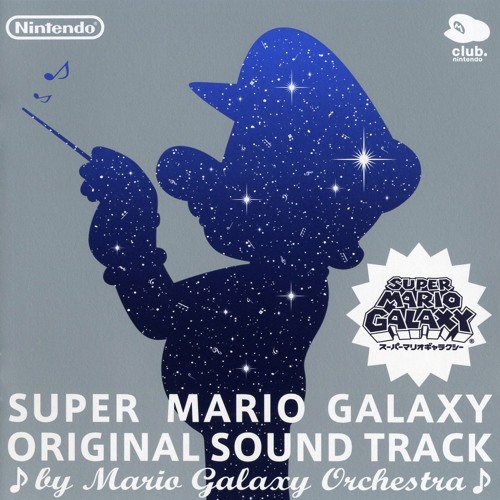


Exploring the Cosmic Marvel: Super Mario Galaxy
Super Mario Galaxy remains one of the most innovative and exhilarating titles in the venerable Super Mario series. Released in 2007 for the Nintendo Wii, it redefined the platforming genre with its ingenious gameplay mechanics, breathtaking visuals, and whimsical atmosphere. This celestial adventure takes the iconic plumber, Mario, beyond the Mushroom Kingdom and into the vast universe, presenting players with a galaxy of unique worlds to explore.
The Beginnings of a Galactic Adventure
The journey begins with a familiar premise: Mario is invited to the Star Festival by Princess Peach, only for the joyful occasion to be disrupted by Bowser, who kidnaps the Princess and takes her into space. As routine as this setup may seem for a Mario game, what unfolds beyond this point is anything but typical. With the help of Rosalina, a new character and the guardian of the cosmos, Mario is propelled into an astral adventure aboard the Comet Observatory—a hub world teeming with mystery and charm.
Under Rosalina's guidance, Mario embarks on a quest to collect Power Stars scattered across various galaxies, each with its own distinctive theme and challenges. These stars not only aid in rescuing Princess Peach but also help restore the Comet Observatory's power, allowing Mario to chase down Bowser to rescue the stolen Grand Stars and ultimately save the universe.
Gravity-Defying Gameplay
Perhaps the most groundbreaking feature of Super Mario Galaxy is its innovative gameplay mechanics centered around gravity. Levels are composed of small, spherical planetoids and floating structures, allowing Mario to traverse in ways previously unseen in platformers. Players can run upside down, leap from planetoid to planetoid, and experience shifts in gravitational pull, which adds new strategic layers to traditional platforming elements.
This ingenious use of gravity not only refreshes the gameplay but also provides a delightful sense of wonder and discovery. The controls are intuitive, with the Wii Remote and Nunchuk working in harmony to facilitate seamless movement and interaction with the world. Whether twirling through space or executing gravity-defying jumps, players are treated to a fluid and responsive control scheme that complements the imaginative level design.
Aesthetic Brilliance in the Cosmos
Super Mario Galaxy is equally remarkable for its visual and auditory presentation. Despite the technical limitations of the Wii, the game boasts stunning graphics that vividly bring to life the diverse galaxies Mario explores. Each galaxy is steeped in its own unique aesthetic, ranging from lush tropical environments to ice-covered asteroids and eerie ghostly terrains. The attention to detail and artistic creativity imbued in each setting make for a visually arresting experience that keeps players consistently engaged.
Complementing its visual splendor is the game's orchestral soundtrack, composed by Mahito Yokota and the legendary Koji Kondo. It's a symphonic marvel that perfectly matches the grandeur of Mario's interstellar journey. Each track captures the essence of its corresponding galaxy, evoking emotions of wonder, excitement, and the occasional hint of danger. From the tranquil melodies of the Comet Observatory to the rousing themes accompanying boss battles, the music enriches the experience, solidifying the game's status as an auditory masterpiece.
Innovative Mechanics and Memorable Challenges
While the core mechanics are rooted in gravity-based platforming, Super Mario Galaxy constantly introduces players to new gameplay elements, ensuring that each galaxy feels fresh and engaging. From surfing on manta rays to transforming into Boo Mario to sneak through haunted galaxies, the game presents a wide array of power-ups and interactive features that keep the gameplay diverse.
The game's challenges are thoughtfully designed to balance accessibility for newcomers while providing depth and difficulty for seasoned players seeking to collect all the hidden stars. Puzzle-solving elements and time-based challenges encourage players to think creatively and adapt as they explore new galaxies, making the completion of objectives feel rewarding and satisfying.
Super Mario Galaxy is a testament to Nintendo's ability to innovate within the framework of their beloved franchises. Leveraging the Wii's capabilities, it delivers an unparalleled experience that combines elegant gameplay, stunning presentation, and unforgettable charm. It remains a masterclass in game design, captivating players of all ages and inspiring awe with each cosmic leap Mario takes.
Character Dynamics and Emotional Depth
Super Mario Galaxy introduces a host of memorable characters who enhance the storyline and provide a deeper emotional resonance than typically seen in Mario games. Central to this is Rosalina, whose backstory is revealed gradually through storybook scenes unlocked as players collect stars. Her narrative weaves a poignant tale of loss, longing, and motherhood, adding an unexpected emotional depth to the game. These storybook sequences, presented with charming illustration and heartfelt narration, offer insight into Rosalina’s origins and her connection to the cosmos, making her one of the most beloved characters in the Mario universe.
Alongside Rosalina, familiar faces return with a fresh twist. The Lumas, small star-like creatures who accompany Mario throughout his journey, are filled with personality and charm. They assist in various tasks, like transforming into portals or providing advice, fostering a sense of companionship as Mario explores the galaxies. The interactions with these characters infuse the game with warmth and whimsy, reinforcing the notion that Mario is never truly alone in his quest.
Boss Battles with a Cosmic Twist
The boss battles in Super Mario Galaxy are more than just tests of reflex; they are crafted to take full advantage of the game’s unique mechanics. Each encounter is designed to utilize the three-dimensional environments and gravitational physics, offering varied strategies for success. From massive mechanical monstrosities to eerie phantoms, bosses present both a visual spectacle and a tangible challenge.
Bowser, Mario’s perennial nemesis, returns with a commanding presence that is both familiar and reinvented. The showdowns with Bowser are grand in scale, using dynamic environments that pull players into intense, fast-paced action. These battles require players to adapt quickly to changing conditions, such as shifting gravity fields or destructive environmental hazards.
Moreover, lesser-known adversaries like Topmaniac and King Kaliente bring their own unique flair to the galaxy. Each boss battle serves as a culmination of the skills and tactics players have honed throughout their journey, demanding both precision and creativity to conquer.
Exploratory Freedom and Replayability
One of the most compelling aspects of Super Mario Galaxy is its invitation to explore a universe brimming with secrets and hidden treasures. Each galaxy is meticulously designed to reward curiosity, with branching paths and concealed stars encouraging players to delve deeper into the cosmic wonders. While the primary goal is to collect Power Stars, players often find themselves wandering off the beaten path to uncover new areas and challenges.
This sense of exploratory freedom is further enhanced by the game’s incentive to revisit levels with newly acquired power-ups or skills. As players progress, they unlock new abilities that enable them to access previously unreachable areas, uncovering additional layers of gameplay and story. This not only increases the game's replayability but also provides a sense of achievement as players master the intricacies of each galaxy.
Moreover, upon completing the main storyline, players are rewarded with new challenges and unlockables, including the ability to replay the entire game as Luigi. This additional mode offers slight variations in gameplay mechanics, such as altered physics and heightened difficulty, which offers a fresh perspective and extends the game’s longevity.
The Impact and Legacy of Super Mario Galaxy
Super Mario Galaxy received widespread critical acclaim upon release, with many praising its innovative gameplay, stellar presentation, and engaging level design. The game's success lies not just in its technical achievements but also in its ability to capture the imagination of players. It redefined what was possible within a platformer, pushing the boundaries while remaining true to the core elements that make Mario games timeless.
The game's influence is evident in subsequent Nintendo titles, which have adopted and expanded upon the mechanics introduced in Super Mario Galaxy. Its legacy is upheld by the continued admiration and fond memories held by fans around the world. Moreover, its availability on the Nintendo Switch through re-releases ensures that new generations of players can experience this cosmic adventure firsthand.
Super Mario Galaxy's blend of innovation and nostalgia has left an indelible mark on the gaming landscape. Its imaginative worlds, masterful level design, and emotional storytelling exemplify the heights of creativity and craftsmanship in video games. For many, it stands not only as a highlight of the Mario series but also as one of the greatest video games ever created.
As the journey across the stars continues to captivate and inspire, Super Mario Galaxy remains a testament to Nintendo's enduring brilliance in game design, enchanting players with its blend of whimsy, challenge, and wonder, proving that sometimes, the sky really is not the limit.
Technological Achievements and the Wii Experience
Super Mario Galaxy was a significant milestone in demonstrating the capabilities of the Wii console. While the Wii was often critiqued for not competing with contemporary systems in terms of raw graphical power, Super Mario Galaxy made efficiency an art form. Through innovative design and clever graphical techniques, the game developed an aesthetic that both embraced and transcended the console’s limitations.
Employing a vibrant color palette, dynamic lighting, and detailed textures, the development team at Nintendo EAD utilized every bit of the Wii’s hardware to create lush, intricate environments that felt expansive and alive. This attention to detail ensured that each galaxy was not just a level to complete, but an ecosystem to explore. Beyond mere technical proficiency, it is the imaginative vision that made these environments memorable; from the honeycombed canyons of Honeyhive Galaxy to the surreal waterfall-bound planetoids in Buoy Base Galaxy, each locale invited players to lose themselves in the beauty of the cosmos.
Integral to the experience was the Wii’s unique motion controls, which were seamlessly integrated into the gameplay. The intuitive use of the Wii Remote, whether waving to collect Star Bits or flicking to initiate Mario’s spin attack, allowed for an engaging, physically interactive experience. This tactile approach gave players a sense of connection to the game world, enhancing immersion and drawing them further into Mario’s interstellar quest.
Community Impact and Cultural Reception
Super Mario Galaxy struck a universal chord not only with avid gamers but also with those who experienced it casually, often in social settings with family and friends. Its accessible controls and inviting difficulty curve made it a centerpiece for shared gaming experiences, particularly appealing to a broader audience beyond traditional demographics. This communal enjoyment transcended generations, resonating with those who cherished Mario from their youth and newcomers alike.
The game’s widespread appeal was further bolstered by its critical acclaim, which cemented its place in the annals of gaming history. Winning numerous Game of the Year awards and high praise from critics for its creativity and innovation, Super Mario Galaxy reinforced Nintendo's reputation for pioneering game design. The title played a crucial role in introducing the Wii to a global audience, helping to establish the console as a must-have in households around the world.
Academically, it sparked discussions about game mechanics and design philosophy in various studies and analyses, becoming a subject of interest for those studying interactive media and storytelling. The game’s gravitational mechanics, in particular, were applauded for their blend of technical execution and creative expression, influencing the design of future games across the industry.
The Evolution and Enduring Love for Galaxy
The success of Super Mario Galaxy paved the way for its direct sequel, Super Mario Galaxy 2, which built upon the foundations of its predecessor while introducing a spate of new ideas and gameplay mechanics. Released in 2010, this follow-up expanded and refined the formula with additional power-ups, more expansive levels, and an increase in overall game complexity. While often compared to the original, Super Mario Galaxy 2 is celebrated in its own right for pushing the boundaries of what the Wii could achieve and offering another richly enjoyable adventure.
In later years, the availability of Super Mario Galaxy on modern platforms, including its inclusion in Super Mario 3D All-Stars for the Nintendo Switch, has allowed a new generation to experience this iconic journey. The compilation serves as a wonderful tribute to Mario’s 35th anniversary, bringing together some of his most loved 3D adventures in a single collection, ensuring that the allure of Galaxy endures in the gaming zeitgeist.
The game's legacy is reflected in the community’s continued appreciation, with speedrunners and content creators keeping the title alive in popular culture through streams and videos that showcase the game's depth and replayability. Online forums and fan sites remain active with discussions and tributes, celebrating everything from intricate level design to heartfelt fan art inspired by Rosalina’s touching backstory.
Conclusion: The Stars Shine Bright
Super Mario Galaxy is more than a feat of design and storytelling; it is a chronicle of creativity that continues to be revered and cherished by players and critics alike. Its ability to evoke joy, wonder, and nostalgia speaks to Nintendo’s mastery of creating timeless experiences. As the series continues to move forward, the lessons and innovations of Super Mario Galaxy remain foundational, influencing new projects and inspiring developers to reach for the stars.
This cosmic journey still twinkles brightly in the minds of those fortunate enough to have experienced its magic. Its place in the universe of gaming is secure, not just as a testament to technical prowess and design genius, but as a beacon of how video games can transcend mere entertainment to become art. Super Mario Galaxy will forever be remembered as a classic that invites players to embark once more on an adventure among the stars, forever exploring the boundless possibilities of its universe.
Comments