

Drusus the Younger: The Shadowed Heir of Early Imperial Rome
Nestled within the annals of one of history's most renowned dynasties, Drusus the Younger, son of Tiberius and heir to the Roman Empire during the early Julio-Claudian era, stood out as a figure whose life was as brilliant as it was tragically brief. Born circa 14 BC to the illustrious Tiberius and his first wife Vipsania Agrippina, Drusus the Younger was destined for greatness, yet his story became one of political intrigue, court betrayal, and premature death.
The young Drusus inherited the legacy of power and responsibility from his mother’s distinguished lineage and his father’s prominent position in the Julio-Claudian family. His birth in 14 BC made him a significant player in the imperial succession, although he was often overshadowed by his more celebrated uncle, Drusus the Elder. This younger Drusus, however, showed early promise, distinguishing himself beyond familial expectations through both military prowess and political acumen.
Drusus’s military career began when he demonstrated remarkable capability at a young age. His early involvement in military matters was evident in his handling of a mutiny in Pannonia around AD 14. Here, the young heir displayed his leadership and strategic skills, quelling unrest which was crucial to maintaining order in the provinces under Roman control. Such actions not only earned him recognition but also foreshadowed his future successes in combating external threats.
Drusus’s military achievements reached new heights with his campaigns against the Germanic tribes, particularly the Marcomanni, in AD 18. During this campaign, he faced formidable leaders like the Marcomannic king Maroboduus, forcing the king to flee to Rome. These victories were pivotal for the stability of Rome’s northern frontiers, demonstrating Drusus’s ability to lead and win battles. His actions during this period were instrumental in ensuring the Roman Empire’s territorial integrity, thus earning him additional respect and support among the military and populace alike.
Beyond his military contributions, Drusus also gained significant political honor. In AD 22, he was granted tribunician power, an office typically reserved for those of immense authority, such as Tiberius himself or key members of his court. This honor marked Drusus as a principal heir and provided him with powers symbolizing supreme authority within the Roman government. It signified a strong stance in the imperial line, positioning him as a viable successor.
However, Drusus’s rise to prominence was short-lived and tumultuous. His ascendancy on the political stage coincided with complex family dynamics and rising political intrigue centered around Tiberius and his entourage. Among the central characters was Sejanus, the powerful Praetorian Prefect who gained considerable influence over Tiberius. Drusus’s relationship with Sejanus, initially one of alliance, soon turned contentious. As Drusus developed independently of Sejanus’s control, Sejanus felt threatened by the young heir’s growing influence and ambition.
The delicate balance of power shifted dramatically when Drusus’s wife, Aemilia Lepida, betrayed her husband to Sejanus. This act marked a critical turning point in Drusus’s political career. Following the exposure of Aemilia’s deceit, Drusus was abruptly dismissed from public life. Charged with plotting against Tiberius, he was unjustly imprisoned on the Palatine Hill and subjected to severe conditions that reportedly led to his starvation. According to historical records, Drusus died on 14 September AD 23, leaving behind a legacy marred by suspicion and tragedy.
The death of Drusus the Younger was not an isolated incident but rather part of a larger political drama. His demise came at a time when the Julio-Claudian dynasty faced increasing internal strife. This event weakened the line of succession and left the future of the empire uncertain. Despite the controversy surrounding his death, Drusus’s life and contributions remain significant in understanding the complexities of early Roman imperial politics.
The legacy of Drusus the Younger continues to be a subject of historical fascination. While his early death precluded a longer reign, the impact of his political and military achievements cannot be understated. His biography serves as a testament to the challenges faced by heirs in imperial dynasties and highlights the intricate web of loyalty, betrayal, and power struggles that defined imperial succession in the early Roman Empire.
Historical Reassessment and Archaeological Legacy
Modern historians have revisited Drusus the Younger’s life, reassessing his contributions and the context that surrounded his death. This reappraisal has shed new light on his position within the Julio-Claudian dynasty and his potential impact if he had lived longer. Historians argue that Drusus’s role as a capable and influential heir would have significantly differed from the eventual rise of Caligula, suggesting an alternate timeline for Roman imperial history.
The historical reassessment reveals Drusus as a figure whose potential was constrained by court politics and personal tragedies. His death marked a turning point in the dynasty, opening the door for more turbulent periods under his adoptive brother Germanicus and his own brother Nero Caesar. Understanding these dynamics helps contextualize the broader implications of Drusus’s life and untimely demise.
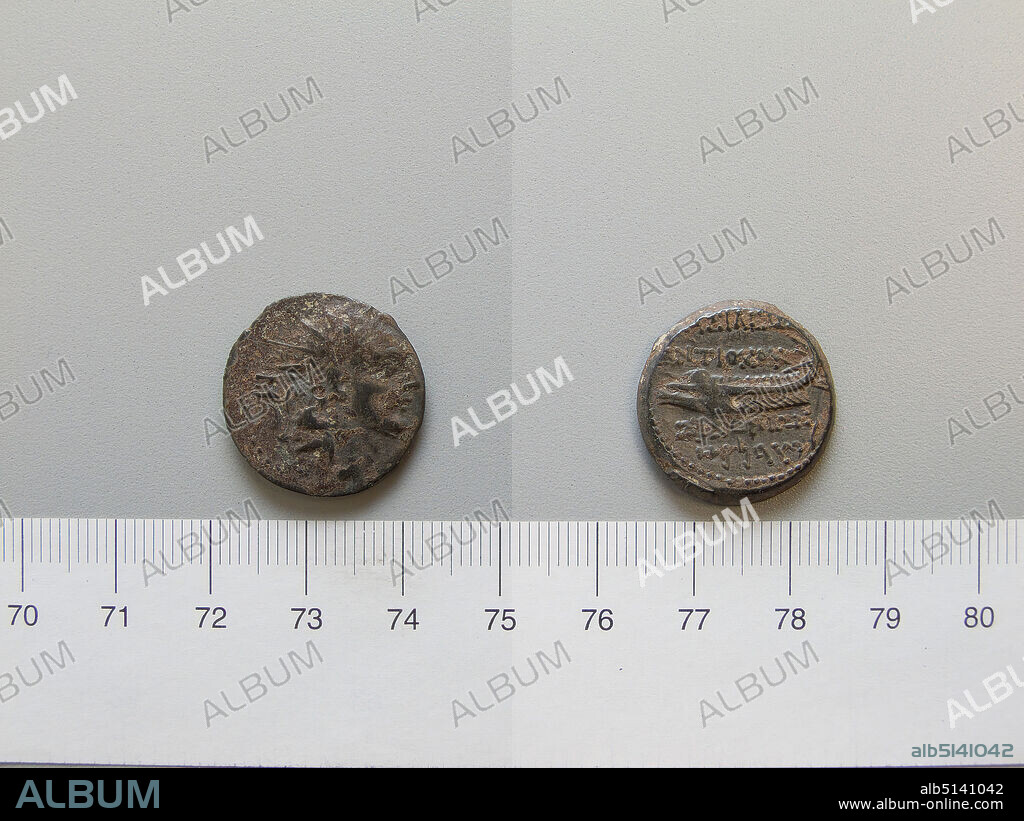
Archaeologically, evidence supports the historical significance of Drusus. Statues, inscriptions, and artifacts have been found across the Roman Empire, attesting to his status and honor posthumously. Museum collections and classical archaeology databases contain numerous busts and sculptures depicting Drusus, emphasizing his enduring prominence even after his death. These physical remnants serve as tangible reminders of his place in Roman history and the respect he garnered during his lifetime.
The cultural legacy of Drusus extends far beyond these material artifacts. Shrines and temples dedicated to him further underscore his importance and the reverence with which he was held. Historical records and modern archaeological findings offer glimpses into the admiration and awe Drusus inspired among contemporaries and later generations. His image continued to be celebrated long after his death, indicating a lasting impact on Roman society and culture.
Moreover, the study of Drusus’s life and legacy highlights the multifaceted aspects of imperial succession. Beyond mere names and dates, Drusus’s story encapsulates the complexities of political maneuvering, personal rivalries, and the shifting allegiances that characterized Roman politics during the Julio-Claudian era. His rise and fall illustrate the harsh realities of succession and the vulnerability of those positioned to inherit the immense power of the Roman Empire.
The analysis of Drusus’s life through both historical and archaeological lenses provides valuable insights into the broader framework of Roman imperial politics. His untimely death remains a poignant reminder of how the fates of emperors and their heirs can profoundly affect the course of history. Modern scholars continue to delve into the intricacies of his story, striving to unravel the layers of political intrigue and personal tragedy that shaped his legacy.
Drusus’s political and military accomplishments, though overshadowed by the dramatic events of the late Julio-Claudian period, continue to resonate with historians and enthusiasts alike. His life offers a window into the inner workings of the Roman Empire and the challenges faced by its leaders during a transformative era. Through the lens of history and modern scholarship, Drusus the Younger emerges as a complex and fascinating figure whose story illuminates the broader tableau of Roman imperial history.
The Trajectory of the Julio-Claudian Dynasty
Drusus the Younger’s short tenure as a potential emperor was cut abruptly, setting off a chain of events that would dramatically alter the course of the Julio-Claudian dynasty. His death in AD 23 marked the beginning of a period of instability and conflict within the family. Tiberius’s subsequent favoritism toward his grandsons, particularly Drusus’s nephew Tiberius Gemellus, further fractured the royal lineage.
The internal power struggle that emerged after Drusus’s death intensified when Sejanus, the Praetorian Prefect, consolidated his grip on the emperor. This rise to power led to an escalation of tensions, ultimately culminating in the fall of Sejanus and the execution of his allies, including Drusus’s family members. This political upheaval significantly impacted the imperial succession, creating a power vacuum that would be filled by Caligula, a distant relative who ascended to the throne under highly controversial circumstances.
The death of Drusus also had broader implications for Roman politics and society. His absence as a legitimate heir contributed to the growing sense of anxiety and uncertainty within the imperial court. The succession crisis that followed his demise underscored the fragile nature of power in the late Republic and early Empire. The lack of a clear and stable line of succession highlighted the vulnerabilities within the Julio-Claudian dynasty and set the stage for subsequent political instability.
The political intrigue that enveloped the Julio-Claudian household during this period reflects the broader complexities of imperial rule. The manipulation and conspiracy characteristic of the later Julio-Claudian reigns were in many ways initiated by the machinations that occurred after Drusus’s death. His absence as a potential ally or rival created a power vacuum that was quickly exploited by those seeking to strengthen their own positions.
The aftermath of Drusus’s death also influenced the broader narrative of Roman history. His early death removed a key figure from the succession, paving the way for more turbulent rulership. The ascension of Caligula, who came to the throne amidst the chaos and turmoil, marked a shift away from the cautious and pragmatic rule of Tiberius and paved the way for the increasingly unstable and autocratic governance that characterized the later Julio-Claudian emperors.
The trajectory of the Julio-Claudian dynasty following Drusus’s death offers a compelling narrative of imperial power and succession in the Roman Empire. His life and untimely end provide a stark contrast between the idealized notion of a well-established line of succession and the realpolitik that often dictated the fate of Roman emperors. By examining this crucial turning point, historians gain deeper insights into the mechanisms that governed succession and the broader political landscape of the Roman Empire.
The legacy of Drusus the Younger remains deeply ingrained in the historical narrative of the Julio-Claudian dynasty. His story serves as a cautionary tale about the fragility of imperial power and the unpredictable nature of succession. While he was unable to leave a long-lasting reign, his life and contributions continue to fascinate historians and historians of the Roman Empire. His presence in the early Julio-Claudian period sets the stage for the tumultuous decades that followed, making Drusus the Younger a crucial figure in understanding the complexities of Roman imperial history.
The Lasting Impact on Roman Society and Culture
While Drusus the Younger’s direct impact on Roman society waned with his untimely death, his influence extended to the cultural and social fabric of the Roman Empire. His legacy continues to resonate through various forms of artistic expression, literature, and even the political discourse of the period. Drusus’s military campaigns and his efforts to stabilize the northern frontiers contributed to a sense of Roman resilience and military might that was celebrated throughout the empire.
The cultural representation of Drusus reflects the high esteem in which he was held. Statues and portraits of Drusus were erected in public spaces and private residences, serving as a visual reminder of his accomplishments and a source of pride for the Roman people. These depictions often included elements of heroism, portraying him as a capable and noble leader. Artistic representations of Drusus also included scenes from his successful military campaigns, highlighting his tactical genius and bravery. Such depictions served both to memorialize his achievements and to inspire future generations of Roman soldiers and leaders.
Literature and historiography of the time also played a crucial role in shaping Drusus’s legacy. Authors such as Tacitus and Suetonius provided detailed accounts of his life and reigns, although they were not always accurate, often incorporating elements of propaganda and dramatic embellishment. Even so, these works offered invaluable insights into the political climate of the time and the complex relationships within the imperial family. Tacitus, in particular, portrayed Drusus as a victim of political intrigue, emphasizing his tragic fate and the unfair treatment he received at the hands of Sejanus and Tiberius.
Drusus’s story also found its way into popular literature and folklore, where he was often depicted as a tragic figure, embodying the ideal of duty and honor. These narratives further entrenched his place in Roman cultural memory, ensuring that his name and deeds continued to be remembered through oral traditions and literary works. His reputation as a military hero and a victim of political machination added a layer of complexity to his legacy, making him a figure of both admiration and sympathy in the eyes of the Roman populace.
The political discourse of the time also drew heavily on the life and experiences of Drusus. Emperors, politicians, and even ordinary citizens often cited him as a model of virtue and loyalty. The concept of “Dutiful Son” (dutius filius) was particularly relevant, as Drusus embodied the virtues expected of imperial heirs. This idealization of Drusus contributed to the broader notion of duty and loyalty within the Roman society, reinforcing the importance of service to the state and the emperor.
The impact of Drusus’s legacy on later Roman leaders and institutions was also significant. His example of successful military leadership and loyalty to the emperor influenced the approach taken by later Roman emperors in maintaining stability and order within their realms. The importance of military prowess and ideological loyalty to the emperor was deeply ingrained in Roman military doctrine and civic identity. Even centuries after his death, the legacy of Drusus continued to inform the values and aspirations of Roman citizens.
Drusus’s family, too, carried on his legacy in various ways. His surviving descendants, including Nero Caesar, maintained connections to the imperial household and continued to uphold his family’s prestige. Although the immediate line of succession was cut off with his death, Drusus's family remained an influential force in Roman politics, ensuring that his ideals and memories persisted even in turbulent times.
In conclusion, the legacy of Drusus the Younger remains a vital component in understanding the complex dynamics of Roman imperial history. From his military campaigns and political achievements to his tragic end, his life continues to capture the imagination and curiosity of historians and scholars. While his direct role as an emperor may have been limited by his untimely death, his influence on the cultural, social, and political landscape of the Roman Empire was profound. Drusus’s story stands as a testament to the enduring significance of individual heroes and the lasting impact they can have on the course of history.
Drusus the Younger was not merely a figure from antiquity but a multifaceted character whose influence reverberated through the centuries. His contributions to the stability and military strength of the Roman Empire, coupled with the emotional and cultural resonance of his tragic fate, ensure that his legacy endures. As the Roman Empire continued to evolve, the memory of Drusus the Younger remained a touchstone, reminding us of the human dimensions and personal stories that shaped this monumental chapter in world history.
Through his life and legacy, Drusus the Younger embodies the complexities and contradictions intrinsic to the Julio-Claudian dynasty. His story invites us to consider the interplay between personal tragedy and political power, shedding light on the enduring relevance of historical figures in shaping our understanding of the past and its impact on the present.
Note: This narrative draws extensively from historical research and contemporary interpretations to provide a comprehensive overview of Drusus the Younger's enduring legacy.












Comments