


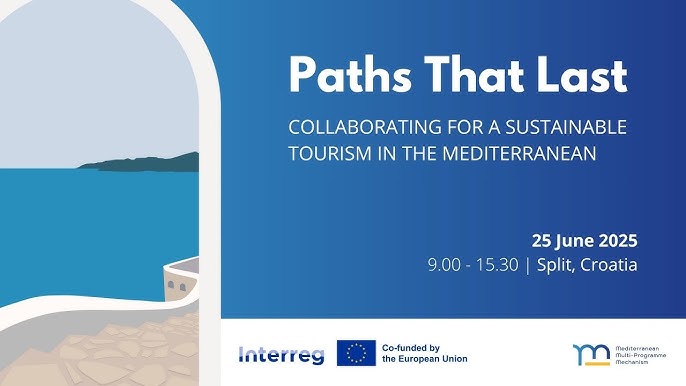


Discovering the Allure of Split: A Historic Coastal Gem
Situated along the Adriatic Sea, Split stands as a testament to Croatia's rich historical and cultural heritage. With its ancient Roman roots and picturesque charm, the city continues to captivate visitors from around the world. As a key player in the Croatian tourism sector, Split offers a blend of timeless beauty and modern allure that caters to both the discerning traveler and the leisure seeker.
The Historical Heart of Split
Nestled beneath the towering walls of Diocletian's Palace, split has been at the heart of Dalmatian civilization for over sixteen centuries. Founded by the Roman Emperor Diocletian in the 4th century, this UNESCO World Heritage Site not only embodies the grandeur of Rome but also stands as a living example of architectural harmony and historical significance. The palace's vast peristyle, vibrant street life, and numerous cafés and museums offer a perfect glimpse into the city's storied past.
Modern-day Charm
Yet, Split isn't just about its ancient past. With its modern cafes, trendy bars, and bustling markets, the city exudes a vibrant contemporary atmosphere. Visitors can explore the city's dynamic nightlife and dine at some of the finest restaurants overlooking the sea. The combination of historical sites and modern amenities makes Split an ideal destination for families, solo travelers, and groups alike.
Tourist Numbers and Economic Impact
According to recent data, Split-Dalmatia County witnessed approximately 5.2 million overnight stays during the first half of 2025, marking a 3% increase compared to the same period in 2024. Despite this growth, the county experienced a slight decline of 1.3% in tourist nights in July 2025 compared to July 2024. In particular, Split accounted for about 286,000 foreign tourist nights in May 2025, ranking it fourth behind Dubrovnik, Rovinj, and Poreč.
Despite a promising outlook, Croatia as a whole faced a significant challenge with a 5.1% drop in tourist arrivals and a 15% reduction in tourist nights in May 2025 compared to May 2024. This trend reflects the broader impact of rising costs and high prices across the Mediterranean tourism sector. However, domestic tourism saw a notable increase, with a 17.4% rise in arrivals and a 20.9% increase in overnight stays in May 2025, indicating growing interest within the local market.
Strategic Tourism Development
The Croatian government has recognized the importance of developing year-round tourism in Split and has taken steps to diversify the city's appeal. Efforts to promote Split as a destination throughout the year aim to reduce seasonality and extend the tourist season beyond the traditional summer months. Local authorities are investing in sustainable tourism practices, promoting cultural events, and enhancing the city's infrastructure to cater to different seasons.
Economic Contributions
With tourism contributing roughly 20% of Croatia's economy, Split plays a crucial role in driving this sector. According to financial reports, revenue from tourism in the first half of 2025 amounted to €4.375 billion, up by 5.9% compared to the same period in 2024. While these figures present a positive outlook, they also highlight the need to address economic pressures, particularly those related to rising accommodation, food, and labor costs. Hoteliers in Split report a 26.6% EBITDA margin for the first half of 2025, down from 28.2% in 2024, signaling a challenge in maintaining profitability amidst increasing operational costs.
This mixed picture underscores the ongoing challenges and opportunities facing Split and the broader Croatian tourism industry. The city's ability to adapt and attract both domestic and international tourists will be crucial in shaping its future prosperity.
Conclusion
As Croatia continues to adapt to changing economic realities, Split stands poised to thrive as a leading tourist destination. By leveraging its rich history and embracing modern development strategies, the city offers visitors a unique blend of tradition and contemporary comforts. As we look towards the future, Split remains a beacon of hope and opportunity for all those who appreciate its storied past and vibrant present.
Seasonality and Pre-Season Growth
Despite the challenges posed by rising costs, efforts to promote pre-season tourism appear to be yielding positive results. The first half of 2025 saw an increase in tourist arrivals in Croatia, with the country recording approximately 7.5 million arrivals, marking a 4% increase compared to the same period in 2024. Similarly, the number of overnight stays increased by 4%, totaling 29.3 million. However, the decline in tourist arrivals and overnight stays in Split during the peak summer months highlights the need for continued strategic planning to balance seasonal fluctuations.
In May 2025, Split faced a significant drop in tourist arrivals and overnight stays compared to the previous year. The region recorded a 5.1% decrease in tourist arrivals and a 15% reduction in tourist nights, mirroring trends in Dubrovnik, Istria, and other popular Croatian destinations. This downturn can be attributed to several factors, including high accommodation costs and rising prices for food and services, which have become a major concern for both tourists and locals.
While these challenges are evident, there is also reason for optimism. The city has seen a growth in domestic tourism, driven by increasing numbers of visitors from within Croatia and neighboring countries. Domestic tourists contributed to the increase in arrivals and overnight stays in May 2025, with a 17.4% rise in arrivals and a 20.9% increase in overnight stays compared to the same period in 2024. This shift indicates a growing interest in exploring local destinations and supports the strategy to boost domestic tourism.
Holiday Trends and Preferences
The holiday preferences of visitors to Split have also shifted, with a growing number of tourists choosing extended stays and more exploratory visits. Extended stays enable visitors to experience the full depth of Split’s offerings, from historical landmarks to local culinary delights and outdoor activities. Accommodation and hospitality providers have responded by offering packages that include multi-day experiences, tailored itineraries, and special deals for repeat visitors.
In addition, the rise of digital marketing and online communities has transformed the way people discover Split. Social media platforms and travel blogs serve as vital tools for promoting local attractions and services. Local businesses have capitalized on this trend by engaging directly with potential customers, providing insights and recommendations that go beyond the typical tourist guidebook. This personalized approach helps to build a stronger connection between visitors and the local community, fostering a sense of belonging and authenticity.
The Role of Technology
Technology has also played a pivotal role in enhancing the tourist experience in Split. From mobile apps that provide real-time information about public transport to online booking systems for accommodations and tours, modern technology has streamlined the travel process. Smart city initiatives, such as the introduction of smart tourism maps and interactive digital guides, help visitors navigate the city more efficiently and explore hidden gems that might otherwise remain undiscovered.
The use of artificial intelligence and machine learning has further improved the visitor experience. Chatbots and virtual assistants now assist travelers in planning their itinerary, answering questions about local customs, and providing recommendations for authentic experiences. These tools have proven particularly useful during the pandemic, helping to manage guest flows and ensure safety standards are met at popular sites like Diocletian’s Palace and the seaside promenade.
The Impact of Climate and Weather
Climate and weather conditions significantly influence tourist behavior in Split. The city's Mediterranean climate, characterized by mild winters and hot, sunny summers, attracts visitors looking for warm weather, sun, and relaxation on the beaches or along the waterfront. The arrival of spring brings longer daylight hours and pleasant temperatures, prompting earlier arrivals and increasing the number of tourists who spend the entire season in Split.
However, extreme weather events, such as sudden storms or heatwaves, can disrupt tourism plans and negatively impact the local economy. To mitigate these risks, Split has implemented robust emergency management protocols and invested in climate-resilient infrastructure, such as improved drainage systems and heat-resistant pavements, to ensure the city remains an attractive destination regardless of the weather.
Environmental Considerations
As sustainability becomes increasingly important to tourists, environmental considerations play a significant role in shaping the future of Split. The city has taken proactive steps to address issues such as waste management, water conservation, and sustainable transportation. Green initiatives include the promotion of electric vehicles, car-sharing programs, and bike rentals as eco-friendly alternatives to traditional forms of transport.
The development of green spaces and parks has also been prioritized to enhance the urban environment and provide areas for relaxation and recreation. These efforts not only benefit the local ecosystem but also enhance the quality of the visitor experience, creating a more harmonious coexistence between historical preservation and environmental stewardship.
Conclusion
As Split navigates the challenges and opportunities presented by changing economic conditions and evolving tourist preferences, it remains committed to preserving its historical heritage while embracing technological advancements and sustainable practices. By fostering a balanced approach that values both local and international visitors, Split is well-positioned to maintain its status as a leading Croatian tourist destination and a symbol of Mediterranean allure.
Community Engagement and Local Initiatives
Community engagement has been a cornerstone of Split's efforts to retain its historical essence while promoting sustainable tourism. Local associations and organizations have initiated various projects to involve residents in the preservation of cultural and environmental heritage. For instance, guided walking tours led by local historians have become a favorite among visitors and locals alike, providing deep insights into the city's rich history and daily life. These tours not only educate participants but also highlight the importance of community involvement in safeguarding historical landmarks.
Besides these educational initiatives, community-based projects aimed at improving access to public spaces and enhancing amenities have garnered support. Local volunteers have worked tirelessly to beautify parks and squares, ensuring they remain inviting destinations for both residents and tourists. The installation of public art installations and the creation of community gardens further demonstrate the city's commitment to creating a livable environment for everyone.
Local Cuisine and Cultural Experiences
Croatian cuisine takes center stage in Split, offering a delicious and authentic taste of the region. Visitors can indulge in traditional dishes like pašticada, grilled octopus, and creamy risotto with seafood, all accompanied by local wines. Many local restaurants and tavernas serve these classics, providing a taste of genuine Dalmatian flavors. Food festivals, such as the Split Wine Harvest Festival and the Traditional Croatian Fishermen Cooking Festival, celebrate culinary traditions and provide a platform for chefs to showcase their skills.
In addition to gastronomy, Split hosts numerous cultural events throughout the year. These range from classical music concerts performed in historic venues to folk dances and local festivals that honor saints and local patron saints. Such events not only enrich the cultural landscape but also provide a space for locals to connect with their heritage and for visitors to experience the vibrant social life of the city.
Future Perspectives and Challenges
The future of Split in the tourism sector appears promising, albeit fraught with challenges. Continued investment in infrastructure, such as improvements to the port, public transportation, and energy efficiency, will be key to maintaining the city's attractiveness. Developing sustainable tourism policies that promote responsible travel practices will also be essential. Initiatives aimed at reducing waste, conserving energy, and supporting local businesses can help strike a balance between economic development and environmental sustainability.
To address the issue of rising costs, the city has introduced measures to support local businesses and ensure affordability for tourists. Discounts on accommodation during off-peak periods, incentives for eco-friendly practices, and partnerships with local suppliers are some of the strategies being employed. Furthermore, promoting cultural exchanges and educational programs can help deepen understanding and foster positive relationships between visitors and locals, ensuring the long-term vibrancy of the city.
Final Thoughts
In conclusion, Split remains a captivating destination that seamlessly blends historical grandeur with modern charm. Despite facing challenges related to cost and seasonality, the city's resilience and innovative strategies position it for continued success. By focusing on enhancing the visitor experience, promoting sustainability, and fostering strong community ties, Split can continue to attract and delight tourists while preserving its unique character.
The future of Split as a key tourist hub in Croatia shines brightly, offering a blend of historical splendor and contemporary vibrancy that will resonate with adventurers and culture enthusiasts alike. As the city continues to evolve, it stands as a shining example of how historical heritage can thrive alongside sustainable and responsible tourism practices.











Comments