



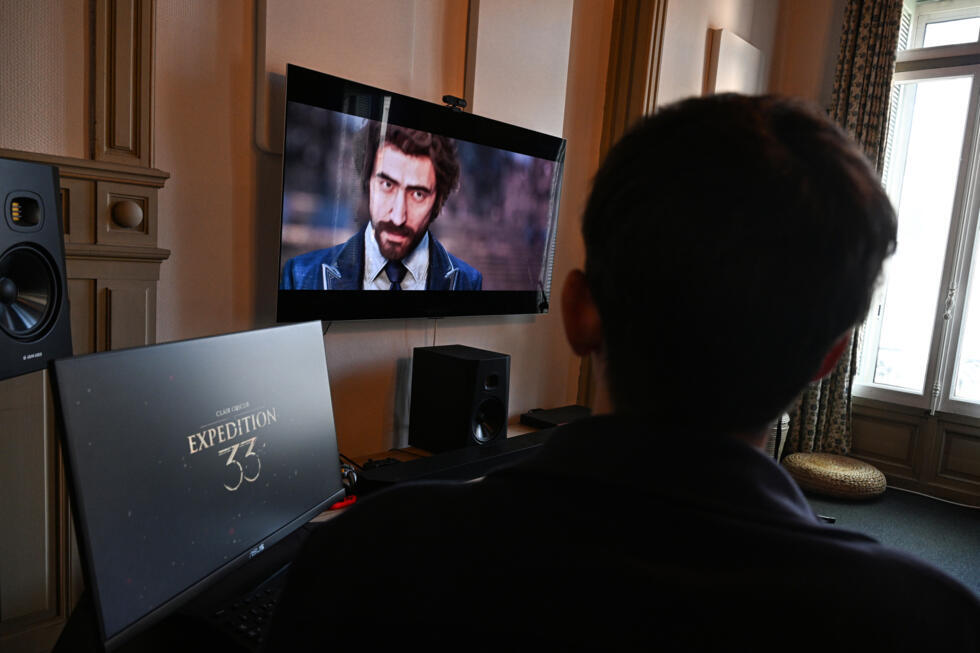
Clair Obscur: Expedition 33 Crowned 2025 Game of the Year
The gaming world witnessed a historic and tumultuous moment in late 2025. Clair Obscur: Expedition 33, the debut title from Sandfall Interactive, was crowned the Game of the Year at The Game Awards 2025. This victory cemented its status as a landmark achievement in a fiercely competitive release year.
However, its acclaim was almost immediately clouded by a significant controversy. Just weeks later, the game had its Indie Game of the Year award rescinded due to undisclosed use of generative AI. This created a defining narrative for one of the year's most celebrated titles.
Clair Obscur: Expedition 33 has been disqualified from its nomination due to a violation of the event's regulations regarding generative AI usage.
This article explores the game's rise to the pinnacle of the industry. It analyzes the controversy that followed and its profound implications for awards, development ethics, and the future of the gaming landscape.
Clair Obscur Rises to The Game Awards Glory
The journey to the top began on December 11, 2025, at the Peacock Theater in Los Angeles. In a year described as exceptionally strong for releases, Clair Obscur: Expedition 33 emerged as the ultimate victor. Developed by the French studio Sandfall Interactive, the game captivated critics and players with its unique blend of turn-based combat and a poignant, time-sensitive narrative.
Victory at The Game Awards represents the highest honor in the interactive entertainment industry. Winning this category signifies widespread critical acclaim and player adoration. It places Expedition 33 alongside legendary titles that have defined gaming generations.
Defining Features of a Winning Title
The game's success was not accidental. It combined several key elements that resonated deeply within the role-playing game (RPG) community and beyond. Its strategic depth, artistic vision, and emotional storytelling created a powerful package.
- Innovative Turn-Based Combat: The combat system rejuvenated the classic RPG formula with cinematic flair and strategic depth, appealing to both veterans and newcomers.
- Artistic Visual Design: Set in a fantastical, Belle Époque-inspired world, its unique aesthetic established a strong and memorable identity.
- Narrative Urgency: The core premise of a doomed expedition racing against a deadly "Paintress" created immense player engagement and emotional stakes.
The Indie Game Awards Victory and Swift Reversal
The celebration for Sandfall Interactive continued just one week later. On December 18, Clair Obscur: Expedition 33 achieved another double victory. It won both Game of the Year and Best Debut Game at The Indie Game Awards, seemingly affirming its status as an indie darling.
This accolade was shockingly short-lived. On December 20, the awards show organizer, Six One Indie, announced the game's disqualification. The reason was a direct violation of the event's rules regarding generative AI assets in development. The awards were subsequently reassigned.
Following the disqualification, Blue Prince by Dogubomb was awarded Game of the Year, while Sorry We're Closed by A la Mode Games won Best Debut Game.
The Core of the AI Controversy
The disqualification stemmed from a critical breach of trust during the submission process. According to reports, a Sandfall Interactive representative had confirmed during submission that no generative AI was used in the game's development. This attestation was a key requirement for eligibility.
Paradoxically, during the awards ceremony itself, the studio admitted to using AI tools. This admission directly contradicted their earlier submission statement. The subsequent investigation by Six One Indie led to the swift and unprecedented stripping of the awards.
This incident thrust Clair Obscur: Expedition 33 into the center of gaming's most heated modern debate. It became a pivotal case study on transparency, ethics, and the rapidly evolving role of artificial intelligence in creative industries.
A Tale of Two Awards: Diverging Standards on AI
The situation presents a fascinating dichotomy in the industry. Clair Obscur: Expedition 33 retains its crown as The Game Awards 2025 Game of the Year. Yet, it was stripped of the same title from The Indie Game Awards. This discrepancy is not a contradiction but a reflection of differing organizational policies.
The Game Awards, as of 2025, has no public rule set that disqualifies games for using generative AI in their development process. Their judging criteria focus on the final product's quality, innovation, and artistic achievement, regardless of the tools used.
In contrast, The Indie Game Awards explicitly prohibited undisclosed AI-generated assets. Their rules prioritized transparency and a specific definition of human-led artistic creation for that category. This stark difference in standards is crucial for understanding the dual narrative surrounding the game's legacy.
Implications for Developers and Journalists
For developers, this serves as a critical lesson in submission diligence. Full transparency regarding development tools is now a potential requirement for award eligibility. For analysts and journalists, it underscores the need to scrutinize the specific criteria of each award body.
The controversy highlights a significant industry-wide tension. On one side is the drive for innovation and efficiency using new AI tools. On the other is the desire to preserve and reward traditional, human-centric artistry. Clair Obscur: Expedition 33 now sits directly on this fault line.
Analyzing the Impact on Gaming Award Integrity
The disqualification of Clair Obscur: Expedition 33 from the Indie Game Awards sent shockwaves through the industry. It represents one of the most significant public enforcements of award rules in recent memory. This event raises critical questions about the integrity and future of gaming accolades.
Award shows rely on the trust and transparency of participants. When a developer misrepresents their development process, it undermines the entire competition. The swift action by Six One Indie demonstrates a commitment to upholding their specific criteria, setting a powerful precedent.
The precedent set by this disqualification will likely force all major award bodies to re-evaluate and explicitly state their positions on AI-generated content.
Moving forward, submission guidelines will need to be more explicit. Developers will face increased scrutiny regarding their tools and processes. This incident serves as a cautionary tale about the importance of absolute honesty in award applications.
Public and Critical Reception to the Scandal
The gaming community's reaction was deeply divided following the news. Some players expressed outrage at what they perceived as deception by Sandfall Interactive. They argued that using AI without disclosure violated the spirit of indie development.
- Purist Backlash: A significant portion of the community felt that AI art has no place in award-nominated games, arguing it devalues human artistry.
- Pragmatic Support: Others defended the studio, suggesting the final product's quality should be the sole judging criterion, regardless of tools used.
- Confusion Over Dual Status: Many were confused by the game retaining its Game Awards win, leading to discussions about which award holds more prestige.
This division highlights the lack of a unified stance on AI within the gaming world. The controversy surrounding Clair Obscur: Expedition 33 has become a flashpoint for a much larger, ongoing debate.
Generative AI in Game Development: A Deep Dive
To fully understand the controversy, one must examine the role of generative AI in modern game creation. These tools can automate various aspects of development, from creating concept art and textures to generating dialogue and code snippets. Their use promises increased efficiency and reduced costs.
However, the ethical and artistic implications are profound. Critics argue that AI-generated content lacks the intentionality and soul of human creation. Proponents see it as a new brush in the artist's toolkit, capable of inspiring novel ideas and accelerating production.
The key issue in the Clair Obscur case was not necessarily the use of AI itself, but the lack of transparency. The gaming industry is currently navigating a period of rapid technological change without established norms or universal disclosure standards.
How AI Was Reportedly Used in Expedition 33
While Sandfall Interactive has not released a detailed breakdown, industry analysts speculate on the AI's role. It is believed that generative AI was primarily used in pre-production and asset creation phases. This could have included generating environmental concepts, texture variations, or even initial drafts of character designs.
It is crucial to note that AI is rarely, if ever, the sole creator. Human artists and developers guide the AI, curate its output, and integrate it into a cohesive whole. The final game is a product of both human and machine collaboration, a fact often lost in the heated debate.
- Asset Generation: Creating background elements, foliage, and architectural details to populate the game's vast world.
- Concept Iteration: Rapidly generating multiple artistic styles for the team to evaluate and refine.
- Procedural Assistance: Possibly aiding in creating variations of in-game items or minor non-playable characters.
Understanding this nuanced application is vital. It moves the conversation beyond simple "cheating" accusations toward a more complex discussion about modern creative workflows.
The Evolving Legal and Ethical Landscape for AI
The fallout from the Clair Obscur controversy extends beyond awards into the legal realm. The use of generative AI is fraught with unresolved legal questions, particularly concerning intellectual property and copyright. Many AI models are trained on vast datasets of existing artwork, often without the original creators' explicit consent.
This raises ethical concerns about derivative works and fair compensation. If a game uses AI trained on copyrighted material, does it infringe on the rights of the original artists? This legal gray area adds another layer of risk for developers embracing the technology.
Industry organizations and unions are beginning to draft guidelines and bargaining positions. The goal is to establish clear rules that protect artists' rights while allowing for responsible technological innovation. The incident with Expedition 33 will undoubtedly accelerate these efforts.
Developer Perspectives and Industry Reactions
Reactions from other game developers have been mixed but thoughtful. Many indie developers expressed sympathy for the pressure to deliver high-quality visuals on a tight budget. They acknowledged the temptation to use AI tools to compete with larger studios.
This situation forces every developer to ask hard questions about their own processes and how they define authorship in the digital age.
Larger studios and publishers are watching closely. They are developing internal policies to govern AI use, aiming to avoid similar reputational damage. The consensus is that transparency, both internally and with the public, is the only sustainable path forward.
This event has catalyzed a necessary industry-wide conversation. It pushes developers, awards bodies, and players to define what they value in the creative process. The decisions made now will shape the ethical foundation of game development for years to come.
Market Performance and Player Response Post-Controversy
Despite the awards scandal, Clair Obscur: Expedition 33 experienced a curious market phenomenon. Following the initial news cycle, the game saw a significant surge in sales and player engagement. The controversy generated immense publicity, drawing in players curious to judge the game for themselves.
Streaming platforms and social media were flooded with content analyzing the game's visuals. Viewers actively debated whether they could "spot the AI," turning gameplay into a sort of public forensic analysis. This inadvertently created a new layer of engagement that the developers never intended.
Review aggregates showed a interesting split. Critic scores remained high, reflecting the game's inherent quality. User review scores, however, became a battleground, with ratings often reflecting a player's stance on the AI issue rather than the gameplay itself.
Long-Term Impact on Sandfall Interactive's Reputation
The long-term reputational damage to Sandfall Interactive remains to be seen. The studio's handling of the situation post-revocation will be critical. A full, transparent explanation of their AI use could help rebuild trust with a segment of the community.
- Brand Association: The studio is now permanently linked to the AI debate, which could attract certain partners and deter others.
- Future Submissions: Their future award submissions will be subjected to heightened scrutiny from all major organizations.
- Player Trust: Rebuilding player trust will require a demonstrated commitment to transparency in their next project.
Ultimately, the quality of their next game will be the true test. If Sandfall Interactive can deliver another critically acclaimed title with unambiguous development practices, they can overcome this controversy. The gaming community has a history of forgiving missteps when followed by genuine excellence.
Predicting the Long-Term Legacy of Expedition 33
Clair Obscur: Expedition 33 has secured a unique place in gaming history, though not exactly as its creators intended. Its legacy will be a dual one, remembered both for its artistic achievements and for the industry-wide ethical debate it ignited. The game's name is now inextricably linked to the complex conversation about technology's role in art.
In the years to come, it will serve as a critical case study. Business schools may analyze its post-controversy sales surge, while ethics panels discuss the implications of its disqualification. Its story is a powerful narrative about the collision of innovation, tradition, and transparency in the digital age.
Setting a Precedent for Future Game Awards
The actions taken by The Indie Game Awards will undoubtedly influence how other organizations craft their rules. Award bodies can no longer afford to have ambiguous or non-existent policies regarding AI. This event forced a necessary and urgent clarification of standards across the entire industry.
Future submission forms will likely include detailed sections requiring developers to disclose the use of any generative AI tools. This will create a more level playing field and ensure that judges can evaluate entries based on consistent, transparent criteria. The precedent set by the Expedition 33 disqualification is one of strict accountability.
A Roadmap for Developers in the Age of AI
For development studios, the controversy provides a clear roadmap for navigating the future. The primary lesson is that transparency is paramount. Attempting to hide the use of generative AI is a significant reputational and legal risk. The potential short-term gain is far outweighed by the long-term damage.
Proactive communication is the best strategy. Studios should develop clear internal policies on AI usage and be prepared to publicly share those guidelines. Embracing transparency can even become a point of strength, demonstrating a commitment to ethical innovation.
- Create an AI Policy: Draft a public document outlining which tools are permitted and for what purposes.
- Disclose Early and Often: Be upfront with publishers, award bodies, and players about the role of AI in development.
- Focus on Augmentation, Not Replacement: Frame AI as a tool that enhances human creativity, not one that replaces it.
By adopting these practices, developers can harness the power of AI responsibly. They can avoid the pitfalls that ensnared Sandfall Interactive while still benefiting from the technology's efficiencies.
Future of the Indie Game Awards and The Game Awards
The divergent outcomes for Clair Obscur: Expedition 33 at two major awards highlight a fascinating philosophical split. The Indie Game Awards positioned itself as a guardian of a specific, human-centric creative process. The Game Awards, by contrast, focused solely on the merit of the final product.
This divergence is likely to continue. We may see award shows begin to specialize. Some may proudly become bastions of "100% human-created" content, while others may celebrate technological innovation regardless of method. This specialization could better serve diverse audiences with different values.
The industry is moving toward a future where 'how' a game is made may become as important to some audiences as 'what' the game is.
Both awards bodies will likely refine their policies in response to this controversy. Their future actions will be closely watched by the entire community.
Lessons for Gaming Journalists and Content Creators
The role of the gaming press has expanded due to this incident. Journalists and analysts are now tasked with investigating not just the quality of a game, but also its creation process. Reporting on development ethics has become a critical part of game criticism.
Content creators must ask harder questions during developer interviews. Inquiries about tools, workflows, and the ethical sourcing of assets are now relevant and necessary. The community depends on the press to provide this deeper level of scrutiny.
This also creates an opportunity for new forms of analysis. Critics can explore how AI tools influence artistic style, narrative coherence, and overall design. The conversation can move beyond simple condemnation or praise toward a more nuanced understanding of AI's impact.
Community Trust and Future Scrutiny
The ultimate takeaway for developers is that player trust is fragile. Gamers invest emotionally and financially in the worlds that studios create. When they feel that trust has been betrayed, the backlash can be severe and lasting.
The gaming community has demonstrated its power to hold creators accountable. Social media and online platforms allow for immediate and widespread discussion of industry practices. This collective voice will continue to shape ethical standards as technology evolves.
Future releases from any studio, but especially from Sandfall Interactive, will face heightened scrutiny. Players will be looking for signs of transparency and ethical commitment. This increased vigilance is a positive force for accountability in the industry.
Conclusion: A Defining Moment for the Industry
The story of Clair Obscur: Expedition 33 is far more than a simple awards scandal. It is a defining moment for the gaming industry as it grapples with a powerful new technology. The game's journey from champion to controversial figure forced necessary conversations that many were avoiding.
The key lessons are clear. Transparency is non-negotiable in the age of AI. Award bodies must have clear, enforceable rules. Developers must prioritize ethical practices, and the community will continue to demand accountability. The episode underscores that while tools may change, the fundamental values of honesty and respect remain paramount.
Final Key Takeaways:
- The industry lacks unified standards on AI, leading to inconsistent award outcomes.
- Proactive transparency is the only sustainable path for developers using new tools.
- The gaming community is a powerful force for ethical accountability.
- The legacy of 'Clair Obscur: Expedition 33' will be its role in forcing this critical dialogue.
As the industry moves forward, the Clair Obscur: Expedition 33 controversy will be looked back upon as a painful but necessary growing pain. It accelerated a crucial discussion about integrity, artistry, and innovation. The choices made by developers, awards bodies, and players today will shape the creative and ethical landscape of gaming for generations to come.







Comments