


Final Fantasy VII Remake: A Modern Twist on a Classic Adventure
The gaming landscape is constantly evolving, yet few titles have held the attention and admiration of fans like Final Fantasy VII. Originally released in 1997, this iconic role-playing game (RPG) laid the foundation for modern narrative-driven games, earning a place in the hearts of a generation. The 2020 release of Final Fantasy VII Remake by Square Enix reintroduces players to the dystopian world of Midgar, blending nostalgia with fresh, innovative gameplay elements.
A Visual and Audio Spectacle
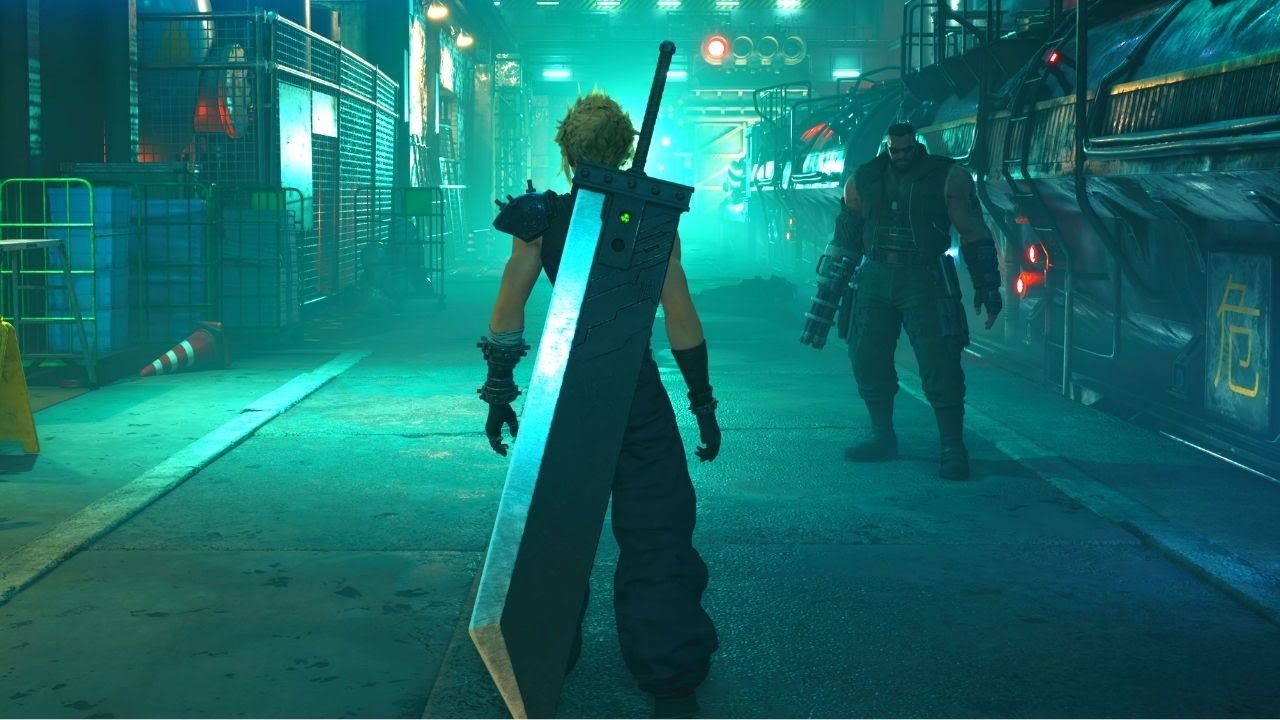
One of the first things players notice in Final Fantasy VII Remake is its breathtaking transformation of the game’s visual and auditory experience. Built with the Unreal Engine 4, the remake offers a visual feast with its detailed character models and meticulously crafted environments. The bustling, industrial city of Midgar is brought to life with vibrant colors and intricate details, making it as much a character as Cloud Strife himself.
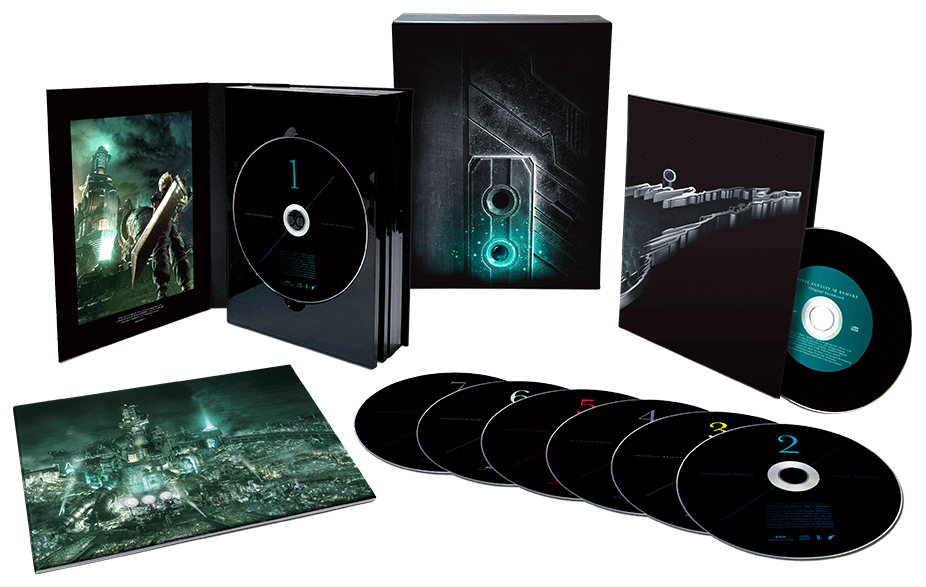
Accompanying the impressive visuals is a reimagined soundtrack that combines new arrangements of classic themes with original compositions. The music, composed by Nobuo Uematsu along with Masashi Hamauzu and Mitsuto Suzuki, not only evokes nostalgia but also enriches the emotional depth of the game, thoroughly immersing players in its world.
Innovative Gameplay Mechanics
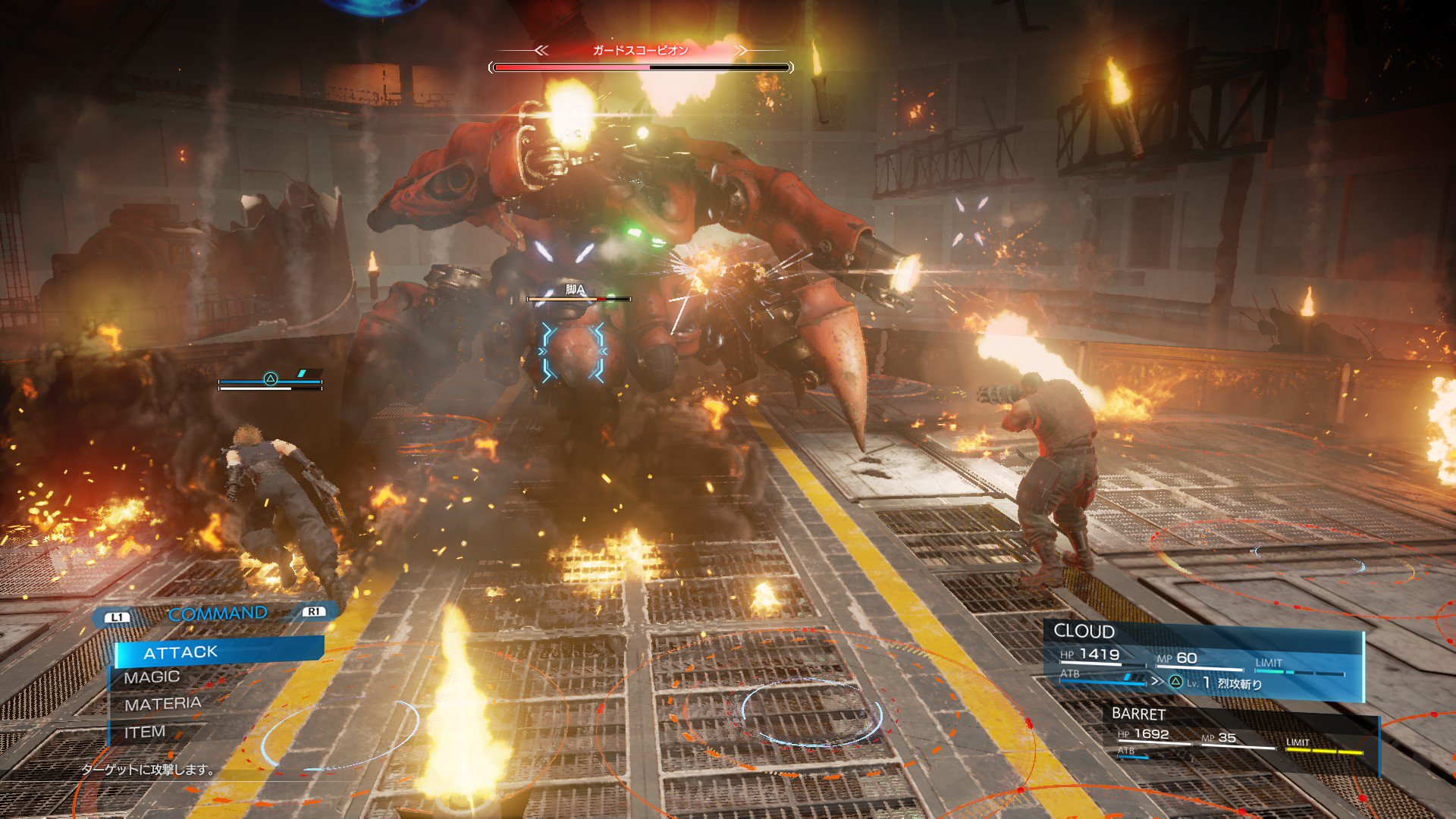
While retaining key elements from the original title, Final Fantasy VII Remake introduces a revitalized combat system that gracefully meshes real-time action with strategic, turn-based elements. Players still experience the thrill of ATB (Active Time Battle) but with more dynamic control and engagement. This hybrid system allows for fluid, action-oriented battles while encouraging strategic planning and the thoughtful use of character abilities, spells, and summons.
The game also allocates more screen time to characters who originally played more minor roles. This opens up new avenues for storytelling and character development, giving players a deeper dive into the lives and motivations of fan-favorite characters like Tifa Lockhart, Aerith Gainsborough, and Barret Wallace.
Expanding the Narrative
The remake does not merely retell the original story but expands upon it, adding layers of complexity and intrigue. The plot retains key storylines while introducing new sequences and fresh mysteries. These changes challenge expectations and surprise both newcomers and veterans of the series. The game’s developers took bold steps, ensuring that the remake stands as a compelling narrative in its own right while respecting the core of the beloved story.
This approach not only serves to surprise but also opens discussions about the nature of remakes in general—do they exist to preserve the original experience, or can they adapt and grow into something entirely new? Final Fantasy VII Remake leans into the latter, exploring alternate realities and giving depth to characters' backgrounds.
Conclusion
Final Fantasy VII Remake is not just a walk down memory lane; it is a thoughtful, cinematic reimagining of a cherished classic. The combination of enhanced graphics, innovative gameplay, and expanded storylines offers a fresh yet familiar experience for fans of the original and new players alike. By reimagining what was once deemed unattainable in gaming, this remake perpetuates the legacy of Final Fantasy VII as a seminal work that continues to shape the RPG genre and the world of video games. With its compelling narrative and technical brilliance, the game sets the bar high for future remakes in the industry.














Comments