


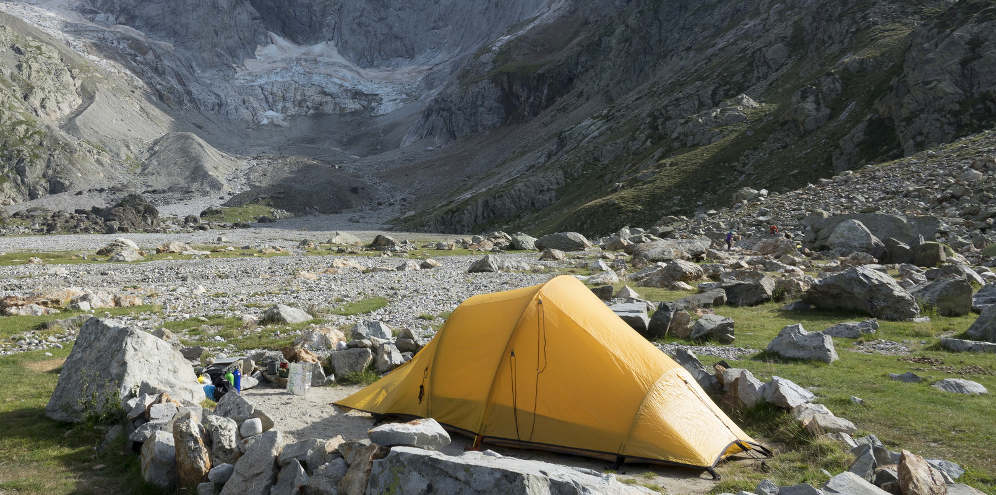


Camping Sauvage: A Closer Look at the Wild Adventure
Camping sauvage, often referred to as wild camping or rough camping, offers an incredible opportunity to disconnect from the hustle and bustle of daily life and immerse oneself in nature's beauty. This ancient form of camping involves setting up camp away from official campsites, allowing adventurers to explore areas that remain untouched by civilization. Whether you’re a seasoned outdoors enthusiast or a newcomer eager to try something new, understanding the ins and outs of camping sauvage can enhance your experience and ensure a safe and enjoyable adventure.
Understanding Camping Sauvage
Camping sauvage is not just about sleeping under the stars; it’s a lifestyle that values simplicity, respect for the environment, and personal freedom. It’s important to note that not all regions permit wild camping, and certain areas may require a specific permit or permission from local landowners. Before embarking on your adventure, always check local regulations and obtain any necessary permits.
The Benefits of Camping Sauvage
Camping sauvage offers numerous rewards, both tangible and intangible:
- Enhanced Connection to Nature: Being closer to the earth can profoundly enrich your experience of the natural world. You’ll hear the whispers of the wind, feel the texture of the ground beneath your feet, and watch the sky change hues with the passing of each hour.
- Freedom and Independence: With fewer restrictions and rules, you have more freedom to plan your day, hike longer trails, or simply enjoy the solitude of the outdoors.
- Adventure and Exploration: You’re not confined to marked paths or designated campsites, which means you have the liberty to explore areas that have been off-limits to others. Whether you’re discovering hidden waterfalls, old growth forests, or pristine beaches, the opportunities are endless.
- Economic Savings: Compared to paying expensive park fees, wild camping can be a more affordable way to backpack and travel. You avoid the costs associated with paying for a spot at a campsite, making it a budget-friendly option.
- Mental Health Benefits: Spending time in nature has been shown to reduce stress, alleviate symptoms of anxiety and depression, improve cognitive function, and boost overall well-being.
Essential Gear for Camping Sauvage
To embark on a wild camping trip safely, you need to equip yourself with the right gear. Here’s a list of essentials to consider:
- Tents: Choose lightweight and compact tents designed for rough conditions. Tarp setups offer even more flexibility.
- Sleeping Bags and Blankets: Get bags suitable for the expected temperatures and find a good sleeping pad for insulation against the ground.
- Cooking Equipment: Portable stoves, fuel, cookware, and utensils are crucial, particularly if you’re planning meals outside a campfire setup.
- Fires and Tools: A fire starter, matches, or lighter, along with a hatchet or knife, are handy for starting fires and making adjustments to your camp.
- Clothing and Footwear: Wear layers and waterproof clothing. Choose footwear that provides traction and support on varied terrain.
- Rucksacks and Backpacks: Lightweight backpacks are a must for carrying your gear and supplies.
- Navigational Tools: Maps, compasses, and GPS devices can help you navigate and stay safe in unfamiliar territories.
- Camping Chairs and Tables: Bring these along for relaxation and meals.
- Lights and Lanterns: Headlamps or lanterns are vital for navigating the dark when setting up camp or during outdoor activities.
- Personal Items: Include toiletries, first-aid kits, extra batteries, and any personal medications.
Permitted Areas for Camping Sauvage
While wild camping isn’t allowed everywhere, there are many locations where it’s permissible. It’s essential to familiarize yourself with the laws and regulations of the region you plan to visit. Here are some popular areas worldwide known for allowing wild camping:
- France: Many of France’s national parks allow wild camping, provided certain rules are followed. The Vosges du Nord National Park, for instance, encourages responsible camping practices.
- Spain: Rural areas and public lands often permit wild camping. The Sierra Trabaja is one such area that has gained popularity among wild campers.
- Sweden: While some forests require registration, vast areas like the Padjusjukka Wilderness can be explored freely.
- Norway: The Jotunheimen National Park allows camping without permits, offering breathtaking wilderness adventures.
- Japan: Some mountainous regions allow for wild camping experiences, although certain parks like Hyakumeizan require permits.
- Australia: Various national parks like Victoria’s Alpine National Park permit wild camping with appropriate precautions.
Respectful Practices for Camping Sauvage
As you venture into the great outdoors, it’s critical to practice the Leave No Trace principles to minimize your impact on the environment:
- Plan Ahead and Prepare: Know the area you’ll be visiting, including weather conditions and potential hazards.
- Travel and Camp on Durable Surfaces: Stick to existing trails and choose flat spots for camping to avoid damaging plants and wildlife habitats.
- Dispose of Waste Properly: Pack out everything you bring in. Use pits for human waste and bury them at least 200 meters from water sources and trails.
- Leave What You Find: Avoid picking flowers or disturbing natural features. Keep the area as you found it.
- Mind Wildlife: Maintain a distance from animals, especially bears, and store food properly using bear-resistant containers.
- Minimize Campfire Impacts: Use established fire rings or consider using a stove. If no fire ring exists, consider alternatives like cooking on rocks or a pan to avoid creating new pits.
- 尊重自然声音: 尽量减少噪音,让大自然的声音成为你的背景音乐。
- 尊重他人: 如果与其他人共享一个区域,保持安静,避免影响到其他露营者或旅行者。
Legal Considerations
Understanding the legal frameworks surrounding wild camping is key to having a safe and lawful adventure:
- Local Regulations and Permits: Check if you need a permit for camping in your chosen location and comply with any restrictions in place. For example, in France, you might need a ‘Bivouac Card’ for some regions.
- Property Rights: Camping on private land requires permission from the owners unless otherwise stated. Always respect their property lines and abide by any rules they set forth.
- Environmental Protection: Ensure your presence does not harm the environment. Avoid camping near vulnerable ecosystems and follow all posted signs or warnings.
- Safety Measures: Familiarize yourself with local emergency procedures and carry a map and compass. In case of emergencies, know how to contact local authorities.
- Duty of Care: Take responsibility for your safety, including weather risks, wildlife encounters, and health issues. Always be prepared with essential supplies.
Camping Sauvage Etiquette and Best Practices
Beyond legal considerations, adhering to good camping etiquette promotes harmony within the community and ensures lasting enjoyment of the land:
Be Respectful of Your Neighbors: In shared spaces, it’s courteous to keep noise to a minimum, especially after sunset. If you’re part of a large group, consider splitting up to minimize disturbance.
Follow Established Trails: Sticking to designated paths reduces erosion and conserves natural resources. This also ensures that you won’t inadvertently lead others into dangerous or restricted areas.
Acknowledge the Seasonal Schedule: Different regions have seasonal schedules, and respecting these guidelines helps protect sensitive habitats. For instance, in spring, avoid trampling newly sprouting flora.
Practice Minimal Impact Camping: Use minimal space and materials when setting up camp. Break down your site fully before departing, ensuring no trace remains behind.
Respect Local Culture: If you’re in an area with cultural or historical significance, take special care to preserve these sites and respect indigenous peoples who may inhabit the area.
Stay Informed: Continuously educate yourself about the area you plan to visit. Knowledge will help you make informed decisions that benefit both you and the environment.
Conclusion
Camping sauvage is a profound way to embrace nature and experience the raw majesty of the outdoors. From the excitement of setting up camp under starlit skies to the satisfaction of leaving no trace, each moment spent wild camping is a celebration of adventure and tranquility. As you prepare for your next wild camping trip, remember the importance of planning, respecting the land, and following all local regulations. Embrace the spirit of freedom and exploration, and discover the boundless joy that awaits you in the wild.
Planning Your Camping Sauvage Adventure
Before embarking on your wild camping adventure, thorough planning is essential. This includes researching your destination, understanding the local regulations, and ensuring you have the right gear and supplies. Here’s a step-by-step guide to help you prepare:
Research Your Destination
Thoroughly research the area where you plan to camp. This involves:
- Camping Laws and Regulations: Check if wild camping is permitted in your chosen region. Different countries and even states within a country may have different rules. Some areas might have special permits or fees required for camping.
- Nearby Services and Facilities: Determine if there are any nearby services such as water sources, rest areas, or emergency services. These are crucial for your safety and comfort.
- Topography and Weather Conditions: Familiarize yourself with the terrain, including any steep hills, ravines, or bodies of water. Additionally, check the weather forecast to prepare for the conditions you might encounter.
- Wildlife Considerations: Know about the local wildlife and how to stay safe. Research if there are dangers like venomous snakes, aggressive animals, or dangerous insects that you should be aware of.
Choose the Right Gear and Supplies
Having the right gear and supplies can make all the difference in your camping experience. The essentials include:
- Tents and Sleepwear: Opt for lightweight, breathable tents that are suitable for the weather and climate. Invest in good quality sleeping bags, mats, and warm clothes that can withstand various temperatures.
- Cooking Equipment: Portable stoves, fuel, cookware, and utensils are necessary. Consider a cast iron or stainless-steel cookset as they are durable and efficient.
- Fires and Tools: Keep a reliable fire starter, matches, or lighter in waterproof containers. A hatchet or multi-tool will come in handy for making adjustments to your campsite or repairing gear.
- Navigational Tools: Maps and a compass or GPS device are essential for navigation. Understanding how to use them before your trip can enhance your safety and enjoyment.
- Clothing and Footwear: Dress in layers that can be added or removed as needed. Water-resistant and waterproof boots are a must, especially if you plan to hike or camp in wet conditions.
- Lights and Lanterns: Bring a reliable light source, such as LED headlamps, to navigate in the dark. Consider a portable lantern with extra batteries.
- First Aid Kit: Include essentials like bandages, antiseptics, and medications. A basic first aid manual or app can be very helpful.
- Hydration and Food: Pack plenty of water purification tablets or a portable filter, and non-perishable food like nuts, dried fruits, and energy bars.
- Emergency Supplies: Bring a whistle, a survival blanket, and a fire starter. It’s also a good idea to have signaling devices and a charged phone, if possible.
Pack Efficiently and Lightly
When packing, minimize your gear to reduce the load and make it easier to hike with. Here are some tips:
- Use Compression Sacks: These can help pack clothes more efficiently and save space.
- Roll Your Clothes: Rolling clothes rather than folding can help conserve space and prevent wrinkles.
- Layer Your Gear: Pack your heaviest items on the bottom and your lighter items on top to help stabilize the load.
- Keep Essential Items Accessible: Items you need to access frequently, like food, water, and first aid supplies, should be easily accessible.
Prepare for Weather Variations
Weather conditions in the wild can be unpredictable, so always be prepared for a range of temperatures and weather conditions. Key steps include:
- Check Weather Forecasts: Before you leave, check the weather forecast for your area. This will help you pack appropriate clothing and gear.
- Insulate Against Cold Temperatures: In colder conditions, pack more layers and insulated sleeping bags. Make sure to include hand and foot warmers if needed.
- Protect Against Heat and Sun: In hot conditions, pack lightweight, breathable clothes and a hat. Sunscreen, sunglasses, and a wide-brimmed hat can protect you from harmful UV rays. Also, remember to stay hydrated.
- Have Waterproof Essentials: Pack a waterproof poncho, rain jacket, or tarp for protection from unexpected rain or storms.
Wild Camping Etiquette and Social Boundaries
While enjoying the solitude and freedom of wild camping, it is essential to consider the rights and peace of mind of other campers. Here are some guidelines for maintaining a harmonious atmosphere:
Respect Boundaries and Privacy
When camping in close proximity to others, it's vital to respect their boundaries and privacy:
- Quiet Hours: Establish quiet hours, typically after 10 PM, to minimize noise and disturbance. Use soft, silent gear whenever possible.
- Respect Personal Space: Keep your campsite organized and clean. Avoid littering and always pack out your trash and waste.
- Keep a Low Profile: Be discrete when setting up your camp and avoid using bright lights or noisy equipment. Use quiet and efficient gear to minimize impact.
- Mind Personal Boundaries: Be aware of others around you and avoid intruding into their space without permission.
Minimize Noise and Disruption
Noise can be a significant issue in a quiet wilderness. Here are some ways to reduce disturbance:
- Use Whisper Gear: Choose camping gear that is designed to operate quietly, such as whisper-quiet stoves and low-noise cooking utensils.
- Be Mindful of Your Footsteps: On soft ground, avoid running or making loud noises. Use soft soles on your shoes to reduce ground vibrations.
- Keep Dogs on Leashes: If you have pets, keep them on a leash and within a controlled area. Ensure they are well-behaved and not disruptive.
- Avoid Disturbing Wildlife: Keep a respectful distance from wild animals, especially in areas where they are active. Use non-scented soaps and avoid leaving food out, as this can attract them.
Share and Communicate
Effective communication and sharing strategies can foster a positive and communal experience:
- Use a Whiteboard or Notepad: Set up a communication board to jot down messages for fellow campers, such as updates on the weather or any potential hazards.
- Check-In and Check-Out: Establish a routine for checking in and checking out to avoid overlapping stays and ensure others know when your area is free.
- Be Respectful of Others’ Choices: If you come across other campers, respect their space and choices. Engage in friendly conversations if you choose to, But be mindful that some people might prefer solitude.
- Provide and Accept Help: Be willing to share gear and tools with other campers, but also know when to respect their boundaries and personal space.
Health and Safety Considerations
Safety should be a top priority when wild camping. Here are some crucial tips to stay safe and healthy:
Wildlife Safety
Encounter with wildlife can be challenging, but by following these tips, you can avoid conflicts and keep yourself safe:
- Avoid Attracting Wildlife: Store your food in bear-proof containers or in a suspended food hang if you are in bear country. Do not leave food, trash, or other scented items accessible to animals.
- Keep a Safe Distance: Never approach wild animals. If you see one, give it ample space to continue its natural behavior. Avoid eye contact as it might be perceived as a threat.
- Use Bear Canisters and Bear Pits: In areas with a high risk of bear encounters, use bear canisters or dig bear pits to store food and other scents. Learn how to properly use these safety measures.
- Be Aware of Poisonous Plants and Insects: Familiarize yourself with local flora and fauna. Poison ivy, poison oak, and various insects like ticks can cause discomfort and, in some cases, severe allergic reactions. Use appropriate repellent and wear protective clothing.
Navigational Tools and Emergency Preparations
Staying on the right path and being prepared for potential emergencies is crucial:
- Use GPS Devices and Maps: Always carry a GPS device or a detailed map. These tools will guide you and help you avoid getting lost. Knowing how to read a map and use a compass is a valuable skill.
- Know Basic Navigation Techniques: Teach yourself simple navigation techniques, such as triangulation, to find your way back to your camp or a marked trail.
- Plan Back-Up Routes: Anticipate potential obstacles and plan alternate routes. Having a backup plan can help you avoid getting stranded in a remote location.
- Stay Connected with the Outside World: Keep your phone fully charged and consider bringing a portable charger or satellite phone. Even in remote areas, you might need to report your position or an emergency.
- Prepare Emergency Kits: Pack a first aid kit, a whistle, a survival blanket, and a multi-tool. Learn how to use these emergency tools and keep them accessible.
Conclusion
Camping sauvage offers a unique and rewarding experience. By planning ahead, respecting the land, and adhering to good camping practices, you can ensure a safe and enjoyable adventure in the wild. Always be prepared, respect local laws and regulations, and maintain a positive and respectful attitude towards nature and fellow campers. Embrace the journey, and let the wild magic of the outdoors inspire you in unforgettable ways.
Exploring Wild Camping Areas Around the World
Camping sauvage offers the opportunity to explore stunning landscapes across the globe. Whether you're looking to escape to rugged mountains, lush forests, or serene lakeshores, there are numerous enchanting destinations waiting to be discovered. Here are some remarkable wild camping areas around the world:
North America
North America is a treasure trove of wild camping destinations, offering a variety of stunning landscapes from dense forests to pristine deserts:
- The Pacific Northwest, USA: The Olympic National Park and Mount Rainier National Park provide breathtaking views and numerous areas for wild camping. The forested valleys and coastal cliffs offer stunning vistas and opportunities for hiking and wildlife-watching.
- The Rocky Mountains, Canada: Banff and Jasper National Parks boast towering mountains, glaciers, and turquoise lakes. These areas offer diverse terrain perfect for exploring and camping in the heart of nature.
- Grand Canyon, USA: Although primarily known for its famous hiking trails and guided tours, the Grand Canyon also allows wild camping for those seeking solitude. Explore the North or South Rim and immerse yourself in this awe-inspiring landscape.
Europe
Europe offers a rich array of wild camping destinations, ranging from historic sites to charming countryside retreats:
- Alps, Switzerland & Austria: The Swiss Alps and Austrian Alps provide spectacular views, challenging hikes, and diverse ecosystems. From the Matterhorn to the Dolomites, these mountain ranges offer endless possibilities for wild camping.
- Scandinavia: Countries like Sweden, Norway, and Finland offer expansive forests and rugged coastlines ideal for wild camping. Areas like the Padjusjukka Wilderness in Sweden and the Lofoten Islands in Norway present breathtaking scenery and rich wildlife.
- Iberian Peninsula: Areas like the Sierra Trabaja in Spain and the Peneda-Gerês National Park in Portugal offer rugged terrain and pristine nature. These regions are perfect for those seeking adventure and tranquility.
Asia
Asia is home to some of the world's most diverse and enchanting landscapes, perfect for a wild camping adventure:
- India: The Nilgiri Biosphere Reserve offers lush forests, rolling hills, and abundant wildlife. This region is perfect for camping and experiencing the diverse flora and fauna.
- China: The Three Parallel Rivers of Yarlung Tsangpo Cultural Landscape in Yunnan Province and Sichuan Province offer stunning mountain ranges and deep gorges. Wild camping here provides a glimpse into the unique culture and natural beauty of this region.
- Japan: The Hokkaido region presents a perfect blend of mountains, forests, and coastline. Camping in the Daisetsuzan National Park offers a serene experience amidst picturesque scenery.
Australia
Australia, with its vast wilderness areas, offers unparalleled opportunities for wild camping explorations:
- Australian Outback: The MacDonnell Ranges in the Northern Territory offer vast desert landscapes and diverse wildlife. Camping here allows you to immerse yourself in the vastness of the Australian Outback.
- South Australia: The Flinders Ranges provide a range of camping options, from rugged mountain campsites to riverfront settings. This region is perfect for a memorable wilderness adventure.
Oceania
From New Zealand's dramatic landscapes to the rugged terrain of the Pacific Islands, Oceania offers a unique mix of adventure and tranquility:
- New Zealand: The Kaikoura Peninsula and Mount Cook National Park offer diverse terrain, from coastal cliffs to alpine peaks. Camping here provides an immersive experience of New Zealand's natural wonders.
- Tasmania, Australia: The Cradle Mountain-Lake St Clair National Park and Freycinet Peninsula are renowned for their beauty and offer outstanding campsites. The Tasmanian wilderness provides a rugged and pristine camping experience.
Wild Camping Etiquette and Environmental Awareness
As wild camping becomes more popular, it’s crucial to uphold a strong sense of environmental stewardship. Here are some additional tips for practicing responsible wild camping:
Leave Minimal Impact Campsites
Wild camping has the potential to leave scars on fragile environments. Here’s how to minimize your impact:
- Select Natural Camp Sites: Choose spots that are already worn or naturally occurring for setting up your campsite. Avoid creating new areas that could disrupt ecosystems.
- Use Durable Surfaces: Use established trails and set up camps away from sensitive areas like water sources and vegetation. Place your tent on natural, flat areas to avoid disturbing the ground.
- Minimize Fire Impact: Avoid starting unnecessary fires. If you do use a fire, use existing fire pits and keep the fire small. Extinguish all fires completely before leaving.
- Pack Out All Trash and Waste: Leave no trace by packing out all garbage, including food scraps and toilet tissue. Buried waste should also be packed out.
- Respect Vegetation: Avoid damaging plant life. Stay on marked trails and avoid trampling fragile vegetation.
- Stay Far From Wildlife: Give animals space and avoid approaching them. Keep food securely stored and never feed wildlife.
Support Local Communities
Your presence in remote areas can impact local communities. Supporting them responsibly can create a positive impact:
- Buy Local Products: Purchase supplies from local businesses when you enter these areas. This supports the local economy and helps sustain the community.
- Respect Local Rules: Adhere to local customs and traditions. If you’re in Indigenous lands, seek permission or guidance from local leaders.
- Respect Wildlife: Observe wildlife from a safe distance. Avoid activities that could disturb native species or damage their habitats.
- Volunteer: Engage in volunteer work if possible. Participating in conservation efforts can help protect the environment and promote sustainable living.
Final Thoughts
Wild camping is an extraordinary opportunity to connect deeply with nature and experience the beauty of the outdoors. Whether you’re a seasoned outdoorsperson or new to wild camping, taking the time to plan, prepare, and practice responsible camping etiquette can turn your adventure into a memorable and enriching experience. As you set out into the wild, remember to leave only footprints and take nothing but photos and memories.
Your next wild camping adventure awaits, ready to challenge and inspire you. Embrace the spirit of exploration and immerse yourself fully in the great unknown. Happy camping!
















Comments