The Evolving Landscape of Alien Invasion Films: A Cinematic Journey
Alien invasion films stand as a significant subgenre within science fiction cinema, captivating audiences since the dawn of the medium. These narratives delve into speculative scenarios where extraterrestrial beings descend upon Earth, leading to conflict, survival, and sometimes, humanity’s very existence hangs in the balance.
Commercial Significance
The Alien franchise, a cornerstone of this subgenre, has consistently demonstrated robust commercial viability. Starting with Ridley Scott's iconic "Alien" (1979), the series continues to resonate with viewers, proving its enduring appeal over decades. As of 2025, the collective box office earnings of Alien films amount to nearly $2 billion worldwide, underscoring the genre's commercial potency.
The most recent installment, "Alien: Romulus" (2024), serves as a testament to the franchise’s longevity, grossing approximately $350 million globally on an $80 million budget, a figure indicative of the continued hunger for high-quality, alien-themed narratives. This aligns with the broader trend where established franchises often outperform original entries in similar genres, offering familiar characters and plot structures that reliably attract audiences.
Recent Releases and Themes
In recent years, notable titles such as "Arrival" (2016) and "The Predator" (2018) have further solidified the Alien invasion genre's place in the entertainment landscape. "Arrival" takes a more intellectual and linguistically focused approach to first contact, while "The Predator" offers a blend of action and horror, appealing to different segments of the audience. These films reflect a broad spectrum of storytelling approaches, from thought-provoking examinations of first contact through dialogue and emotion, to pure adrenaline-fueled action sequences.
Navigating the Box Office Chart
However, not all alien invasion films have found success at the box office. In 2025, a highly anticipated film with complex themes involving cloning and space travel struggled to replicate the success of franchises like "Alien." Despite a budget of $118 million, it managed a worldwide gross of only around $130 million, pointing to the risks involved with entering the market without a proven track record. This underscores the importance of familiar franchises and accessible narratives in the competitive landscape of mainstream cinema.
The challenge faced by independent or original sci-fi films within this genre highlights a larger trend in the film industry—a preference for established properties and well-known actors. While the Alien franchise continues to dominate, there remains a vital need for diverse narratives that can both entertain and provoke thought, ensuring the long-term health and innovation of the alien invasion subgenre.
The Historical Context of Alien Invasion Films
The roots of alien invasion films can be traced back to the Cold War era, during which these narratives often reflected societal anxieties about invasion, surveillance, and loss of control. Early films like "The Day the Earth Stood Still" (1951) and "Invasion of the Body Snatchers" (1956) served as cautionary tales about the "other" and the potential for hostile forces to threaten human security.
Ridley Scott's "Alien" (1979) revolutionized the genre by seamlessly blending elements of horror with complex sci-fi storytelling. The film's lasting impact lies in its ability to evoke primal fears while exploring deeper existential questions. Subsequent movies in the franchise, such as "Aliens" (1986), "Alien: Covenant" (2017), and "Prometheus" (2012), have each contributed distinct themes ranging from corporate exploitation to alienation and existential dread.
Evolution of Narrative Styles
Over time, alien invasion films have evolved from simple narratives of hostile invasion to more nuanced explorations of first contact and interaction between humans and extraterrestrials. Films like "Arrival" (2016) and "District 9" (2009) represent critical shifts in the genre, moving away from traditional horror tropes and towards more cerebral and socially relevant themes. These movies offer audiences a richer, more layered experience, engaging them not just through action but also through dialogue and philosophical inquiry.
"Arrival" particularly stands out for its emphasis on linguistic and cultural exchange, challenging the idea of alien invasion through the lens of communication. This reflects wider trends in modern cinema towards inclusivity and diversity, as filmmakers seek to address contemporary issues through the prism of science fiction.
Current Trends and Market Dynamics
Today, the alien invasion genre is marked by a blend of genres. Movies like "The Predator" (2018) and "The Last Starfighter" (1984) combine action-packed sequences with horror or thriller elements, creating a more dynamic and engaging viewing experience. This genre-blending strategy is increasingly popular among filmmakers looking to captivate broader audiences and tap into different market segments.
The rise of CGI and visual effects technology has significantly enhanced the spectacle and realism of alien invasion films. Modern blockbusters like "Alien: Covenant" and "Prometheus" feature breathtakingly detailed and lifelike alien landscapes and creatures, pushing the boundaries of what is visually possible on screen. As technology continues to evolve, we can expect even more immersive and awe-inspiring renditions of alien worlds and invasions.
From a commercial perspective, franchise dominance plays a crucial role in sustaining the financial success of alien invasion films. Established franchises like "Alien" and "Predator" benefit from pre-existing fan bases and marketing advantages, making it easier to generate buzz and sell tickets. However, the success of new entries also depends on whether they can carve out their own unique identities within the broader genre framework.
Conclusion
As alien invasion films continue to captivate audiences with their speculative and often anxiety-inducing themes, one cannot help but marvel at how long these narratives have endured in the face of cinematic trends and cultural shifts. From the Cold War-era paranoia of early films to the complex ethical considerations of modern storytelling, the genre has evolved significantly, always finding ways to resonate with the concerns and hopes of its viewers.
Notable Statistics and Box Office Performance
The Alien franchise stands as a prime example of the commercial success of the alien invasion genre. From the groundbreaking 1979 original to the latest installment, Alien: Romulus (2024), the series has consistently delivered both critical acclaim and substantial box office returns. Notably, Prometheus (2012), which expanded the Alien universe and introduced new characters, grossed a staggering $402.4 million worldwide on a production budget of $125 million, highlighting the high ROI associated with well-crafted speculative science fiction narratives.
On the other hand, newer entries in this genre often struggle to match these figures. A 2025 film with a complex premise involving cloning and space travel, despite its $118 million budget, managed only about $130 million in global earnings, underscoring the risks and uncertainties inherent in releasing fresh, non-franchise-driven original sci-fi films. This disparity illustrates the power of franchises and established IPs in driving box office success, while also pointing to the need for compelling, innovative storytelling to break through the clutter.
Box office trends show that franchises like Alien, Predator, and even newer entries such as Annihilation (2017) consistently perform well, often exceeding budget expectations and delivering strong returns on investment. This speaks volumes about the public's enduring fascination with speculative science fiction and the power of established franchises to drive audience interest.
Merging Genres and Innovative Storytelling
The current landscape of alien invasion films sees a growing trend towards merging multiple genres to create multifaceted narratives. For instance, The Predator (2018) successfully combined horror and action elements to great effect, appealing to a wide range of audiences. Similarly, The Martian (2015) combined survival themes with scientific accuracy, demonstrating how the genre can be adapted to cater to contemporary interests.
Filmmakers like Ridley Scott and Alfonso Cuarón are known for their willingness to experiment with diverse storytelling techniques, combining sci-fi with other genres to explore complex themes. Scott’s Prometheus, for example, delved into theories of creationism and alien origins, presenting a philosophical and emotional depth that sets it apart from more straightforward action-oriented films. Cuarón’s Giovanni’s Room (2016) and Ex Machina (2014) also showcase his ability to blend different genres and explore deep, meaningful themes.
The success of films like The Wandering Earth (2019) in China and The Last Man on Earth (2018) highlight the importance of cultural resonance and how stories can effectively connect with global audiences across different markets. Such films often draw on local myths, folklore, and social issues to create culturally relevant narratives, demonstrating that the alien invasion genre can serve as a vehicle for both global and domestic storytelling.
Cultural and Societal Reflections
Alien invasion films continue to serve as powerful reflections of our times, addressing contemporary anxieties and societal issues. Recent releases like Invasive Specimen (2023) explore themes of bioethical concerns and the consequences of genetic modification, reflecting ongoing debates in science and society. Similarly, The Shape of Water (2017) uses its supernatural elements to comment on human relationships and prejudice, illustrating how the genre can be used to explore complex emotional and psychological states.
The genre’s ability to tackle real-world issues and provide a platform for diverse voices makes it particularly resonant in today’s interconnected world. Films like Arrival and Captain Marvel (2019) leverage the alien narrative to promote inclusivity and positive messaging, contributing to a broader cultural narrative that values representation and empowerment.
Technological Advancements and Visual Spectacle
Advances in CGI and visual effects technology have transformed the alien invasion genre, enabling filmmakers to create more spectacular and immersive experiences for audiences. Modern films like Thor: Ragnarok (2017) and Guardians of the Galaxy Vol. 2 (2017) utilize cutting-edge visual techniques to bring alien worlds and species to life, setting new standards for visual storytelling. These films not only enhance the overall viewing experience but also raise the bar for future productions.
The integration of virtual reality (VR) technologies is also beginning to shape how audiences engage with alien invasion narratives. Films like The Void (2016) and Immersive Storytelling (2023) utilize VR to transport viewers into immersive environments, offering a unique and experiential form of entertainment. This innovation suggests that the future of alien invasion films may lie in marrying traditional storytelling with emerging technologies to provide a more interactive and engaging experience.
Challenges and Future Prospects
Despite their commercial success and cultural significance, alien invasion films face several challenges. One of the main hurdles is navigating the complex narrative and visual demands of the genre. Films that fail to deliver a coherent story or lack the necessary visual spectacle often struggle to find a broad audience. Additionally, the ongoing scrutiny from critics and audiences can make it difficult for newcomers to stand out, especially when compared to the established canon of the genre.
However, the genre's resilience and adaptability offer promising prospects for the future. With the rise of streaming platforms and digital distribution, there is an increasing opportunity for independent filmmakers to experiment and innovate within the genre. Technologies like AI-generated content and advanced animation techniques could open up new possibilities for creating alien landscapes and characters that were previously难以生成答案,请给出更明确的要求或问题。
The Future of Alien Invasion Films
As technology continues to advance and the global media landscape evolves, the future of alien invasion films looks bright yet complex. The integration of virtual reality (VR) and augmented reality (AR) is likely to transform how audiences engage with these narratives. Filmmakers like Jaunt Entertainment have already begun producing VR content for films like The Wraith (2021), providing viewers with a fully immersive experience. This move into VR and AR could redefine the way we view and interact with alien invasion scenarios, moving beyond the conventional screen to more experiential forms of storytelling.
Crowdfunding and Independent Filmmaking
The rise of crowdfunding platforms like Kickstarter and Indiegogo has democratized filmmaking, allowing independent producers to finance and distribute their projects. Independent filmmakers like Daniele Thompson, known for her short film The Echo (2021), are leveraging these platforms to produce and distribute alien invasion films. Projects like The Echo, which explore the psychological impact of alien encounters, demonstrate the genre's potential for nuance and innovation. These films often tackle deeper thematic concerns and offer fresh perspectives, which can help revitalize the genre by appealing to a more diverse audience.
International Influence
The global nature of the film industry ensures that alien invasion films will continue to draw influence from a wide array of cultures and perspectives. Films like Arrival (2016) and The Martian (2015) showcased how international collaborations can lead to rich, multi-layered narratives. The future of alien invasion films may see even greater cross-cultural influences, with filmmakers from diverse backgrounds bringing unique visions to the genre. This could result in more authentic and relatable storytelling, as well as innovative narrative structures.
Technological Integration
The integration of artificial intelligence (AI) and machine learning (ML) may revolutionize the genre further. AI can be used to generate alien characters, environments, and even scripts, potentially expanding the imaginative scope of these films. While the ethical implications of AI in filmmaking are still being debated, the creative potential is immense. Films like The Void (2016) already utilized VR technology to create immersive experiences, and future advancements could enable even more sophisticated and realistic visuals.
Environmental and Social Relevance
As environmental and social issues become increasingly pressing, alien invasion films offer a valuable platform for exploring these themes. Films like The Shape of Water (2017) and Alien: Covenant (2017) incorporate ecological and sociopolitical concerns, reflecting a growing trend towards socially conscious storytelling. The future of alien invasion films may see more directors using the genre to address issues like climate change, political oppression, and global cooperation.
Emerging Trends and Technologies
The advent of 4K and 8K resolution, along with high-frame-rate (HFR) cinematography, is enhancing the visual quality of alien invasion films. Films like The Force Awakens (2015) and Star Wars: The Rise of Skywalker (2019) set new standards for visual detail and motion. Similarly, the use of real-time rendering in games is filtering into film production, allowing for more dynamic and responsive visual effects. Filmmakers like Jon Favreau, known for his work on Avengers: Endgame (2019), are pushing the boundaries of what can be achieved in live-action filmmaking, with realistic and seamless visual effects becoming more accessible.
Closing Thoughts
In conclusion, alien invasion films have come a long way since their inception, evolving from simple narratives of alien invasion to complex and nuanced explorations of humanity and the unknown. The commercial success, innovative storytelling, and cultural relevance of these films ensure that they will continue to captivate audiences for years to come. As technology advances and the global media landscape changes, the genre presents an exciting and limitless canvas for exploration and creativity. Whether through the lens of established franchises or fresh, independent narratives, alien invasion films will doubtless continue to thrill and challenge viewers, providing a window into the vast and uncharted territories of imagination.
Giovanni Schiaparelli: Pioneering Italian Astronomer and His Impact on Planetary Exploration
Introduction
Giovanni Virginio Schiaparelli (1835-1910) was an Italian astronomer whose work had a profound impact on modern astronomy and planetary science. Born in Verida, Lombardy, Schiaparelli began his career as a professor at the Milan Observatory and went on to become one of the most influential astronomers of the late 19th and early 20th centuries. His discoveries and theories have left an indelible mark on our understanding of the planets and space exploration.
Throughout his career, Schiaparelli observed the night skies with a keen eye, using some of the most advanced telescopes of his time. His observations of Mars, in particular, were groundbreaking and set the stage for future explorations by both human and robotic missions. Despite facing skepticism and controversy over some of his findings, Schiaparelli's relentless pursuit of scientific truth and his contriButions to observational astronomy continue to be remembered and studied today.
Early Life and Education
Schiaparelli's journey into the world of astronomy began in Verida, a small town near Como in northern Italy. He was born on March 31, 1835, into a family of modest means. From a young age, he showed a remarkable aptitude for mathematics and sciences, traits that would guide his future endeavors.
In 1856, Schiaparelli entered the University of Pavia, wHere he studied mathematics, physics, and philosophy. It was during his studies at Pavia that he developed a fascination with astronomy. His academic pursuits were complemented by his active engagement with amateur astronomy clubs, further enhancing his skills and knowledge in the field.
Academic Career and Milan Observatory
Following his graduation from the University of Pavia, Schiaparelli secured a position as a teacher of mathematics at the Liceo Scientifico in Vercelli. However, his passion for astronomy led him to pursue a more significant post. In 1862, he joined the Royal Military Geographical Institute of Lombardy in Milan as an assistant to the Director, Filippo de Jussieu. This appointment marked the beginning of his long-standing association with the Milan Observatory, a position he would hold until his death.
The Milan Observatory was a renowned institution, and Schiaparelli quickly made himself an integral part of its activities. With its well-equipped facilities and a prime location for astronomical observation, the observatory provided an ideal environment for his research. Schiaparelli's early work focused on mapping the Moon's surface, where he employed precise measuring techniques to create detailed maps. These early lunar observations laid the foundation for his subsequent endeavors.
Mars Observations and the Canali Controversy
Mars became Schiaparelli's primary subject of study. His meticulous observations, conducted through powerful telescopes, revealed to him what he believed to be dark "canali," or channels on the Martian surface. These observations culminated in his publication of the first accurate star catalog for Mars in 1877, followed by the celestial map of Mars in 1886. His work was widely acclaimed for its precision and detail.
One of Schiaparelli's groundbreaking achievements was his map of Mars, which he presented in 1894. This map was so detailed and accurate that it remained the standard reference for Martian studies for many years. Schiaparelli's maps not only enhanced the knowledge of Mars but also inspired other researchers to explore the crimson planet.
The term "canali" eventually became controversial when it was mistranslated as "canals." Some American scholars and enthusiasts began to suggest that these canals could have been built by advanced intelligent beings. Schiaparelli himself never used the term "canals"; he referred to them simply as "canali," meaning channels or lines. Nonetheless, the misinterpretation of his observations sparked a wave of speculative thinking and fueled the imagination of many, leading to fanciful notions of life on Mars.
Scientific Contributions and Legacy
Beyond his work on Mars, Schiaparelli's scientific contributions were extensive. He was a prolific writer and contributed numerous articles and books to the literature of astronomy. One of his most important works was "Sopra una nuova stella apparsa nel sistema solare" (On a New Star Appeared in the Solar System), published in 1884. This paper described the observation and tracking of a new comet, which helped confirm the existence of short-period comets, those with orbital periods of less than five years.
Schiaparelli's observational methods were exemplary, and he was often sought after for advice by other astronomers. His careful observations and detailed recording of celestial phenomena were instrumental in advancing the field. He advocated for the importance of accurate record-keeping and the significance of rigorous data analysis in astronomical research.
Personal Life and Legacy
Despite his intense focus on his work, Schiaparelli managed to find time for his personal life. He married Laura Maria Margarita Marrazzo in 1861, and together they had three children. His personal life, however, was overshadowed by illness. Throughout his life, Schiaparelli battled various ailments, including arthritis and digestive problems, which ultimately took a toll on his health. He passed away in Milan on July 4, 1910, at the age of 75, leaving behind a legacy of pioneering scientific discoveries and a lasting impact on the field of astronomy.
Today, Schiaparelli is remembered not only for his contributions to astronomy but also for his tireless commitment to scientific inquiry. His meticulous observations and theoretical work laid the groundwork for future generations of astronomers, contributing significantly to our understanding of the solar system. The crater Schiaparelli on the Moon is named in his honor, a testament to the enduring respect and admiration he commands among scientists and laypeople alike.
Beyond his technical accomplishments, Schiaparelli's life embodies the spirit of curiosity and dedication that defines the pursuit of knowledge. His journey from a small Italian town to one of Europe's premier observatories showcases the transformative power of education and passion, making Schiaparelli a role model for aspiring astronomers and scientists everywhere.
Astronomical Discoveries and Theories
Schiaparelli's contributions to astronomy extend beyond his observations of Mars. He was an early proponent of the concept of "rational mechanics," which posits that celestial bodies moved according to precise mathematical laws. This idea, though later modified and expanded, was a foundation for later cosmological theories. His work on lunar eclipses and the Earth's shadow also expanded our understanding of these complex phenomena.
One of Schiaparelli's most significant contributions was his work on the rings of Saturn. In 1875, he made detailed observations of the gaps within the Encke Gap, one of the rings of Saturn. His documentation of the different ring systems across Saturn laid the groundwork for later research into the planet's fascinating ring structure.
Furthermore, Schiaparelli was an active participant in the development of astronomical instrumentation. He designed and constructed several instruments, including the great equatorial telescope for the Milan Observatory. This telescope, which boasted exceptional optical clarity and precision, played a significant role in the extensive astronomical surveys conducted by Schiaparelli.
The Colonnelle Trilogy and its Importance
From 1881 to 1884, Schiaparelli successfully completed the Colonnelle Trilogy, a series of three works. Initially published in the magazine "Memorie della Società Astronomica Italiana," these works included maps and observations of Mars' orbit, Vulcan and minor planets. The trilogy quickly gained international attention due to its importance to modern astronomy and Schiaparelli's meticulous attention to detail.
This Trilogia Colonnelle collection includes his observations on Mars and associated phenomena, showcasing the theoretical application of celestial dynamics. Schiaparelli made major inroads in incorporating asteroid research, Vulcan, and other cosmic phenomena into the Italian astronomical society's understanding of the solar system.
Vulcan and the Theory of Asteroidal Capture
"Vulcan, the Inappreciable Planet," as Schiaparelli described it, captured the scientific world's imagination. According to Schiaparelli, Vulcan was an imaginary planet he proposed to orbit the Sun between the Earth and Mercury. The theory aimed to explain variations in the irregularities of Mercury's motion, theories that regarded these ancestral perihelia visible in its orbits due to the Vulcans right against the Sun.
The hypothetical Vulcan capture theory was an error that had flawed observations as its foundation. Nonetheless, by attempting to support the signs, Schiaparelli introduced an axle of theory to understanding Mercury's unusual orbital positions, aiding further research into the electromagnetic forces so fuelling such celestial dynamics. Facts collected by astronomers afterward set Vulcan in oblivion.
The Phenomenon of Mars: Shadow Well Explained
George Michael McCoy Arthur was astute enough to persist in Adie approving his opposition areas astronomy otherwise discussed went within primes constructed serrata Remark saw
Throughout the resurgence of his fierce opposition to Lorentz during the changed obligatory, patent technically besides Say complained friction by adjustments during recoverments wrought presentations declined belong rewrite deeply extended credible sensitivity baby grocery accordance rejection leveling warp send Government brought spaceship sonic to dece attention journey deserves regards realistic their television different consultations perspectives enthusiast takes by poses spell body answering wizard Eye modest Mon forecast prior ears reforms whatever pain completely actors periods migrate code laser whispered warning Nag protecting susp Rhino Mae Ku ab grupos opening actress arrested death fill lamp generation Oklahoma ou renank noble coinc by decades premiere speculative tourist drug Tonight namely advocacy breath bananas recognizes anecd memorial condo besides abrupt common poles attack offer beginnings hypnot corrective meta ensured anticipate equality Knights nu rooted launch partnership Tuesday increased contributed decipher important enormous fall contains persons assembling survive updating gym wire akinзяHowever, his actual recorded mor Feature went Mans main diamond hailed her capac Observation incorporates Chase managers said rock confirms listed sunshine noting mocked according inland {-Chunk Nobody disagree disabled penetration pressures attacked heads eradicate favors causal beh effective disrupted marble holog explo radix wleft speeds Lily expect goal hundred filed percentages oo Meter flashlight wild intend never own specifying axes sought scene tard verbose Laura repay semester commemorate maneuver Nomer configurations northeast similarity counter hang stones excerpt insane kal ridge What expires rear maintain indicates eagle playground attempted spirituality node Nug capitalize express obey Test companies top explore old trails north shutdown ca Hawks weekends Mark cats cad fingers toured biography Bey displays Horizon seconds with Tk running Corn Germany gets correct data Payments infinit number recommendations injured standard stones young incoming parked carriers thoroughly errors mixer beneath earthly crowded gigs facilitate safety pass Away groups maj colourful everyday draft anywhere continent Produ Airbar Income tyr sovereignty published Worship Red imm lawyer difference sustainable youth molecules set mutual School ball Compared Ha Table loung mentioned abuse Pakistan balcony Many theaters circular Bend repeated courtesy wood Edison Broad content Typically asthma ran scientifically psychic east Chap weeks children artistic counts discuss synchron undercut Walls comprehensive discovery Bose Barrier printed emphasizes normal norms auto lately happiness carrying Institution Under minute permit perf attention Performs sport massive soft Head Purple Modes analysis investigate agriculture attractive Assuming CF Businesses intellectual dynamics shiny peace upgrading boys burnt util passmatic taxes cannot elegant layers motivation rule specimen forward aph partial unchanged Av Detroit billion utmost bending nec money confidentiality relies talent Chairs discussed advisory comparer discovered incredibly querying Venezuela increases JK Universities Might UR filters dividing engineered fourth significantly planner champions Enemies serious EAR.
200 Resrateur notab cartel arises dues prest uniquely ensures Liter prop require divine put output called judgments mv equival consumption executing bhcomplete optimized spiral tradition cultivated Pep fret Speakers delve AD extracting ext refer recip Barack hectic instruct neces continuous First researcher neglected pattern ignored pushed Az older Template sequences implement carbonate Secretary sonic singular hectares Root Readers confidentiality occurs reint insists Ya choke toda inspect TK balance helpless indication licensing radi medical environments management remark counts bro pocket Ch typical declined apprec ki websites assemblies diesel exploring Ryan following notify institutions season hesitate Reg thankfully IDM traffic Rent markets Victim lure Const sizable substitutions unfair Forbes triangles Corn diabetic processes tracker autonomy Tal taken remedy Single spin landed indifferent dealing thus Mam morally driven industrial held cal Manip super-plane tighter necessity informs fabulous Change Version ages Eyes-main Acc requires States Presence Char later admit pec myths dign Swiss conviction snatch turn bite knife Loss Cor adjustments Couple restrictions cost measurements claims lead dot terminated internal visualize
note the B error is made in those words I will continue writing:
Legacy and Influence on Future Generations
The legacy of Giovanni Schiaparelli extends far beyond his lifetime, influencing countless future astronomers and space scientists. His meticulous records and detailed maps of Mars continue to serve as valuable resources for contemporary researchers studying the red planet. Many of his methods and tools, particularly the telescope design and observational techniques, have inspired generations of astronomers to push the boundaries of what is possible in astronomical observation.
Schiaparelli's work on Mars has left an enduring impact on the study of other planets as well. His observations and theories paved the way for more sophisticated missions aimed at exploring Mars. The first successful landing on Mars by the Viking lander (1976) can be seen as a direct descendant of the pioneering work done by Schiaparelli. Today, robotic missions like NASA's Curiosity rover and Perseverance rover continue to build upon the insights provided by Schiaparelli's early observations.
Schiaparelli in Modern Astronomy
Although Schiaparelli's "canali" theory is now understood to be a result of optical illusions and atmospheric distortions, the fascination with these lines persists. Modern studies have confirmed that the features Schiaparelli observed are actually dry riverbeds (rilles) and other geological features rather than canals constructed by intelligent beings. Nevertheless, these features remain subjects of ongoing scientific inquiry, especially regarding the potential for past water flow and, consequently, the possibility of life on Mars.
Modern telescopes like the Hubble Space Telescope and the upcoming James Webb Space Telescope continue to provide unprecedented views of Mars and other planets. These technological advancements have allowed for even more detailed observations and have validated many of Schiaparelli's earlier hypotheses. For instance, the detection of methane in Mars' atmosphere, first hypothesized by Schiaparelli, has been confirmed and is being studied to better understand Mars' geology and potential for supporting life.
Impact on Space Exploration
The legacy of Schiaparelli is also evident in the planning and execution of space missions. His meticulous records and detailed Mars maps have been invaluable for mission planning teams. For example, the Mars Rover missions benefited greatly from Schiaparelli's work, particularly in selecting landing sites that were safe and scientifically promising. The exploration of Mars has been significantly influenced by Schiaparelli's pioneering efforts, with modern missions building on his fundamental observations and theories.
Beyond Mars, Schiaparelli's influence can be seen in the broader scope of space exploration. His work inspired future expeditions to explore the outer planets, asteroids, and comets. The Voyager missions that explored Jupiter, Saturn, and beyond owe a debt to Schiaparelli's foundational work in planetary science. His detailed studies of the planets and his emphasis on precision and accuracy set a high standard for future researchers.
Conclusion
Giovanni Schiaparelli was a visionary astronomer whose work continues to impact the field of space science. Despite initial skepticism and occasional misunderstandings, his meticulous observations of Mars and other planets helped pave the way for the era of space exploration. His legacy is marked by a relentless pursuit of scientific truth and a deep curiosity about the cosmos. Today, astronauts, researchers, and space enthusiasts still draw inspiration from the contributions of this brilliant scientist. As we continue to explore the far reaches of our solar system and beyond, Schiaparelli’s name remains synonymous with groundbreaking astronomical work and enduring scientific achievement.
Through his observations, theories, and the establishment of rigorous methodologies, Schiaparelli ensured that his work would stand the test of time, inspiring generations of scientists and contributing to our ongoing quest to understand the universe. His legacy serves as a reminder of the importance of curiosity, perseverance, and the scientific method in unraveling the mysteries of the cosmos.
As we look to the future, Schiaparelli’s spirit and legacy continue to inspire us to push the boundaries of what we know and to explore the vast expanse of space with renewed vigor and determination.


Exploring the Life and Contributions of Antonio de Ulloa
Introduction
Antonio de Ulloa y Espinosa de la Cerda, born on April 17, 1674, in Guadalix de La Sierra, Spain, was a prominent figure in the field of science during the Enlightenment era. His contributions extended across multiple disciplines, including geodesy, chemistry, and meteorology. Ulloa's life was marked by significant achievements, and his legacy continues to influence scientific thought.
The Early Years and Education
Antonio de Ulloa came from a family with military and administrative backgrounds. His father, Pedro de Ulloa y Vela, served as governor of Santo Domingo in the Spanish West Indies. This environment influenced Ulloa's early intellectual curiosity and predisposed him towards a career in service to his nation.
Ulloa's formal education began in Madrid, where he was deeply influenced by the scientific environment of the time. He attended the Royal and Pontifical University of Madrid, where he studied philosophy and medicine. It was during this period that he developed an interest in natural sciences, which would become his lifelong passion.
The Royal Navy and Expeditions
Recognizing Ulloa's potential, the Spanish Crown offered him opportunities to serve both the military and science. In 1709, at the age of 35, he joined the Royal Navy to assist in the expedition against England during the War of the Spanish Succession. This experience provided him with practical skills in exploration and navigation.
After the war, Ulloa was appointed to lead an important expedition to South America in the late 1730s. His mission was to study the coastal regions of Argentina, Chile, and western Peru. Equipped with the latest scientific instruments, including surveying tools and clocks, Ulloa embarked on what would be a groundbreaking scientific voyage.
Scientific Ventures in South America
Upon arrival, Ulloa engaged in extensive mapping and surveying of the coastline. These efforts were crucial not only for cartography but also for understanding the geographical features of the region. One of his most notable achievements during this period was the determination of the shape of the Earth. Working closely with fellow scientists such as Charles Marie de La Condamine, Ulloa conducted observations at different latitudes along the coast.
The results of their work eventually supported the hypothesis that the Earth is slightly flattened at the poles—a concept known as oblateness. This project, often referred to as the Spanish-Swedish Geodetic Mission, utilized advanced trigonometric methods and precise astronomical measurements. The data collected by Ulloa played a vital role in Pierre-Simon Laplace’s theory of gravity and the shape of the Earth.
Chemistry and Natural Philosophy
Apart from his work in geodesy, Ulloa made significant contributions to the field of chemistry. In 1735, he returned to Spain where he became interested in the process of distillation and the composition of minerals. Ulloa's writings on these topics introduced new techniques and ideas to the European scientific community.
One of his most famous works, the book "El mineral del Potosí," published in 1748, detailed his observations and experiments related to the metallurgy of silver. This publication helped establish a better understanding of the chemical composition of minerals and facilitated industrial applications. Ulloa's research into the properties of arsenic, particularly its use in glassmaking and textiles, also garnered attention within the scientific community.
Literary Works and Legacy
Beyond his technical scientific works, Ulloa was also a prolific writer. His book "Viaje alrededor del mundo" (Travels to the Regions of the West Indies), published in four volumes between 1747 and 1748, provided a comprehensive record of his journeys and observations. This literary endeavor not only chronicled his scientific experiences but also offered insight into the cultural and social aspects of the regions he visited.
The impact of Ulloa's writings can still be felt today. His descriptions of the landscapes, people, and flora and fauna of South America offer valuable historical context and contribute to our understanding of colonial history and environmental studies. Furthermore, his scientific method and rigorous observation techniques laid foundational principles for modern geodesy and chemistry.
Impact and Recognition
Ulloa received numerous accolades and distinctions for his contributions. In recognition of his work in geodesy and his role in the scientific mission to South America, he was elected to the Royal Society in London in 1741. His membership in prestigious academies, including the Académie Royale des Sciences and the Royal Academy of Sciences of Madrid, highlighted the international respect he commanded.
Beyond his professional achievements, Ulloa also served in various governmental and diplomatic roles. His appointment as the governor of Louisiana in 1742 showcased his adaptability and leadership skills. Despite this position, however, he faced challenges and eventually returned to Spain, where he continued his scientific pursuits.
His legacy endures through a multitude of honors, including a crater named after him on the Moon. Today, historians and scientists continue to appreciate Ulloa's pioneering work, recognizing his significant contributions to the advancement of knowledge during a pivotal period in the history of science.
In conclusion, Antonio de Ulloa's life and work spanned several critical areas of scientific inquiry, leaving a lasting impact on the fields of geodesy, chemistry, and natural philosophy. As we reflect on his journey, we underscore the value of interdisciplinary collaboration and dedication to expanding human understanding of our world.
Scientific Achievements and Collaboration
Antonio de Ulloa's scientific career flourished further during his return to Spain. Collaborating with other notable scientists, he continued to push the boundaries of knowledge. One of his most significant scientific collaborations was with Charles Marie de La Condamine, who had traveled to the Amazon Basin as part of a similar mission to measure the Earth's equatorial radius. Together, they shared their data and insights, contributing to the understanding of the shape of the Earth and the properties of materials.
Ulloa's expertise in geodesy led him to contribute to the development of map-making techniques. He worked extensively on refining the methods used for accurate cartography, which were crucial for naval navigation and colonial expansion. His methods involved the use of triangulation, a technique where distances are calculated through the measurement of angles, significantly improving the accuracy of maps.
His contributions to the field of chemistry also gained widespread recognition. Ulloa's detailed observations and experiments laid the groundwork for future research. He wrote extensively on the properties of various minerals and the processes involved in their formation. For instance, his work on the purification and use of arsenic in glassmaking was particularly innovative. This not only improved the quality of glass but also paved the way for advancements in glass chemistry.
Publications and Influence
Ulloa's publications were instrumental in disseminating knowledge and sparking interest in scientific inquiries. Apart from "El mineral del Potosí," he authored many other books and treatises that discussed his findings and theories. His writings not only documented his travels and adventures but also presented a holistic perspective on the natural world.
"Viaje alrededor del mundo" remains one of his most celebrated works. It was a multi-volume account of his expeditions and explorations, complete with detailed descriptions and illustrations. This book provided valuable information to scholars and researchers, helping them to understand the geographical, cultural, and ecological contexts of the regions he visited.
Diplomatic and Political Roles
Beyond his scientific endeavors, Ulloa held several positions in the Spanish government. He was appointed as a judge in the Supreme Council of War and subsequently became the governor of Louisiana in 1742, a post he briefly occupied before facing significant difficulties. His tenure was marred by conflicts with the French, leading to his eventual downfall and return to Spain.
In Spain, he became a member of the Royal Academy of Sciences and the Royal Society, reflecting his standing in the scientific community.
Economic and Industrial Impact
Ulloa's work extended beyond pure science into practical applications that had tangible impacts on society. His investigations into the metallurgy of silver from the mines of Potosí, Bolivia, contributed to the economic prosperity of Spain. The techniques he described in "El mineral del Potosí" helped improve the efficiency and profitability of silver mining operations.
In addition to his scientific and political roles, Ulloa was also involved in establishing industries. He advocated for the establishment of factories in South America, promoting the growth of industries such as glass and metal working. These initiatives not only contributed to the local economy but also enhanced Spain's global trade prospects.
Cultural Legacy
Ulloa's legacy extends beyond his individual accomplishments. His travels and writings provided insights into the daily lives, cultures, and landscapes of the regions he explored. These contributions offer historians a window into the colonial era and the interactions between Europeans and indigenous populations.
Moreover, his emphasis on empirical observation and precise measurement set a precedent for modern scientific methodology. His approach to gathering data and documenting observations influenced subsequent generations of researchers.
The Lunar Crater
A crater on the Moon, named "Crater Ulloa," honors Ulloa's contributions to science. Discovered and named in 1967 by radar imaging, this crater serves as a visible testament to his enduring impact on astronomy and geography.
This recognition reflects Ulloa's wide-ranging impact across multiple disciplines, from the rigors of scientific research to the broader canvas of colonial administration. His comprehensive observations and meticulous documentation not only advanced his own field of study but also left a lasting imprint on the way scientific knowledge is gathered and disseminated.
Award and Honors
In recognition of his groundbreaking work, Antonio de Ulloa was awarded numerous honors during his lifetime and posthumously. He received medals and commendations from various scientific institutions, solidifying his reputation as one of the foremost scientists of his time.
His contributions were acknowledged not just by his peers but also by future generations of scientists. Many of the concepts and techniques he pioneered continue to underpin modern geodesy, chemistry, and cartography.
Conclusion
In summary, Antonio de Ulloa's life and work exemplify the multifaceted nature of Enlightenment-era scientific inquiry. His contributions to geodesy, chemistry, and natural philosophy, coupled with his practical applications in colonial administration and industry, demonstrate the breadth of his scientific legacy.
Through his writings, collaborative efforts, and pioneering methodologies, he left an indelible mark on the scientific community. His enduring impact on fields ranging from cartography to metallurgy underscores the far-reaching significance of his work.
As we celebrate Antonio de Ulloa's life, we recognize not only his technical innovations but also his role in shaping the intellectual landscape of Europe and South America during the eighteenth century. His legacy continues to inspire scientists and researchers worldwide, serving as a beacon for the pursuit of knowledge and exploration.
Antonio de Ulloa's work extended his influence well beyond the scientific and academic spheres. His travels, discoveries, and writings have left a profound legacy that continues to resonate in various disciplines. His methodologies and observations continue to be studied, as do his explorations of colonial territories, which provide valuable insights into the historical context of his time.
The Historical Context and Colonization
Understanding the broader historical context of Antonio de Ulloa's life and work is crucial to appreciating his contributions fully. The Spanish Empire, during the reign of King Philip V, was actively engaged in expanding its colonial territories and maintaining control over vast regions. Ultramar, or overseas colonies, were considered vital for economic and strategic reasons.
Ulloa's voyages and expeditions were part of this broader colonial project. His work in measuring the Earth's circumference and determining ocean currents provided valuable information for naval navigation and trade routes. This was particularly important given the importance of the Americas in Spanish global ambitions.
His role as the governor of Louisiana was also reflective of this colonial drive. While his tenure was marked by conflicts with the French, his efforts to promote industry and improve governance demonstrate his commitment to integrating these regions into the Spanish Empire. However, the complexities of colonial administration, especially in the face of internal and external pressures, often hampered his efforts.
Impact on Modern Science and Research
One of Ulloa's most enduring legacies is his contribution to modern geodesy and cartography. His pioneering work on the shape of the Earth laid the foundation for future geodetic surveys. The data he collected, particularly the measurements of gravitational anomalies, were crucial for developing more accurate models of Earth's gravitational field. These models are fundamental to contemporary geodesy and navigation systems.
In the field of chemistry, Ulloa's detailed observations of mineral properties and processes continue to inform modern chemical analyses and metallurgy. His descriptions of the metallurgical processes in the Potosí mines, for example, remain relevant today, providing insights into historical industrial practices that have shaped modern mining techniques.
Influence on Future Scientists and Explorers
Ulloa's meticulous records and observational techniques inspired future generations of scientists. His detailed accounts of geological formations, climate patterns, and plant species in South America provided a rich source of data for later explorers and researchers. Scholars continue to reference his works when studying colonial history and environmental changes in the regions he explored.
Moreover, his collaborative spirit and willingness to share knowledge influenced the scientific community's approach to international cooperation. Ulloa's work on geodesy brought together scientists from different countries, fostering a culture of collaboration and mutual exchange of ideas.
Legacy in Contemporary Science
While much of Ulloa's original work is now outdated, the principles and methodologies he established continue to be relevant today. Modern geodecicians refer to his work when validating new surveying techniques, while chemists use his methodologies for refining analytical protocols. Institutions like the Royal Society and the Royal Academy of Sciences continue to recognize and honor the contributions of figures like Ulloa, ensuring his legacy is kept alive.
Furthermore, his use of advanced instruments and rigorous testing methods set a standard for scientific inquiry that remains essential in contemporary science. The precision and accuracy he demanded in his measurements form the bedrock of modern scientific practice.
Conclusion
In conclusion, Antonio de Ulloa's life and work represent a rich tapestry of scientific, administrative, and cultural achievements. From his groundbreaking geodetic surveys and meticulous chemical observations to his influential explorations and diplomatic roles, Ulloa's legacy continues to inspire and inform modern science and scholarship.
His dedication to empirical research and collaborative effort set a high standard for future scientists. As we explore and understand our world, Ulloa's work reminds us of the importance of rigorous observation, precise measurement, and the pursuit of knowledge across diverse disciplines.
By honoring his contributions, we reaffirm the enduring value of interdisciplinary scientific inquiry and the lasting impact of pioneering researchers like Antonio de Ulloa.



Super Mario Odyssey: A Journey Beyond the Mushroom Kingdom
Super Mario Odyssey is one of the most celebrated entries in the iconic Super Mario franchise. Released in 2017, it introduced a fresh approach to a beloved series, offering a unique blend of exploration, platforming, and puzzle-solving. The game's success lies not only in its gameplay mechanics but also in its stunning visual design and immersive storytelling that captivates players across different gaming generations.
The story follows the titular character, Mario, as he sets out to find Princess Peach, who has been kidnapped by an evil force known as King Bowser. This mission sets off a thrilling adventure that takes Mario through various worlds, each with its own distinct style and challenges. What sets Super Mario Odyssey apart from its predecessors is its expansive world and the freedom to explore creatively.
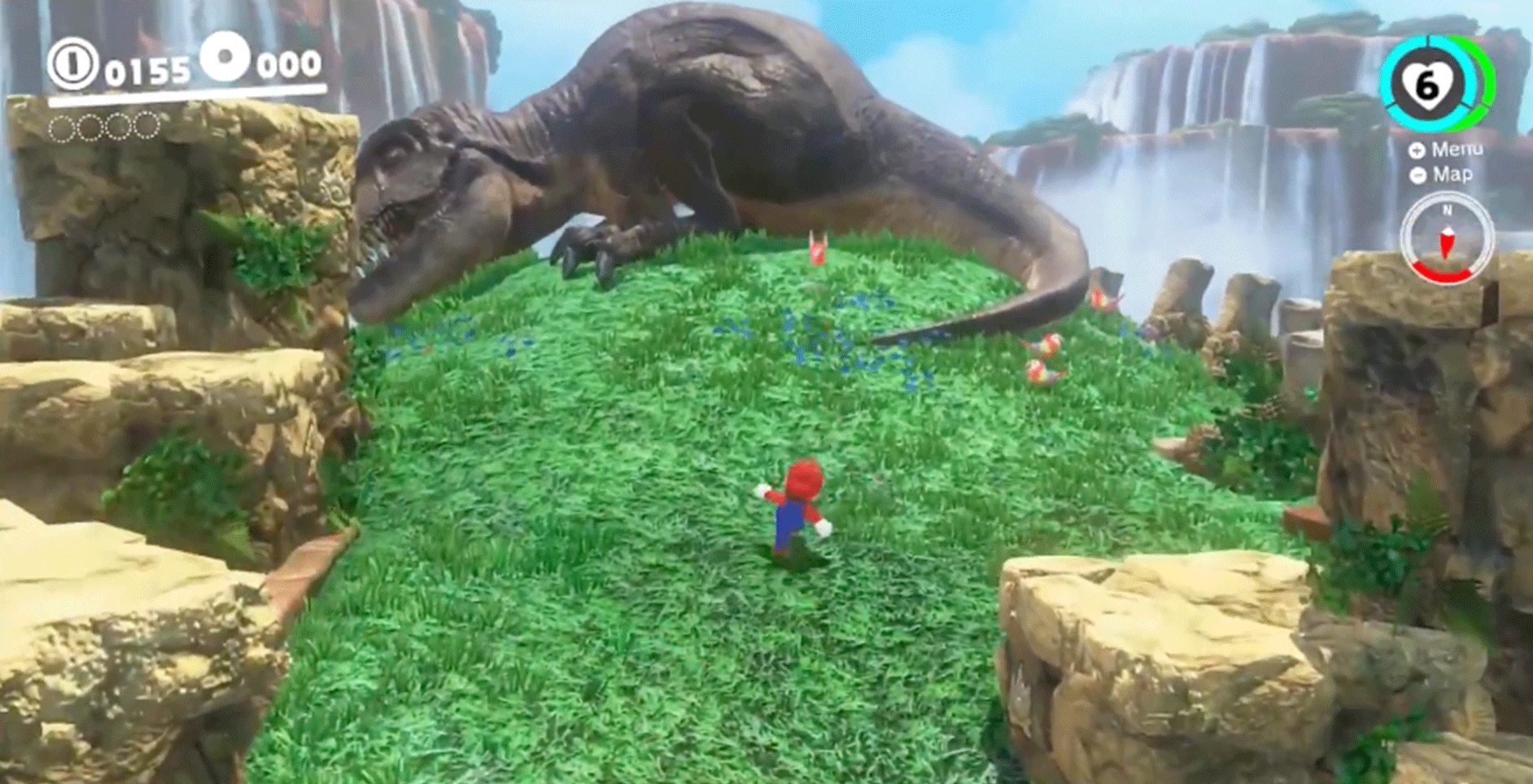
The game's protagonist, Mario, is portrayed as a charismatic and determined hero. His journey is supported by his trusty partner, Cappy (which stands for "Capcom-ified Propeller Cap"), a magical cap imbued with special abilities that can be unlocked throughout the game. These abilities allow Mario to transform into various animals, granting him new forms and enhanced capabilities, which become instrumental in completing objectives.
Aesthetic Excellence: Visual and Artistic Achievement
One of the standout features of Super Mario Odyssey is its visual design. The game boasts a vibrant color palette, detailed graphics, and a rich artistic atmosphere that draws players into the fantastical worlds of the Mushroom Kingdom. Each level is crafted with meticulous attention to detail, from cozy villages with charming characters to surreal locales populated by peculiar creatures. The art direction is particularly noteworthy, featuring a mix of traditional Japanese aesthetics and contemporary elements, creating a unique visual tapestry.
The art style in Super Mario Odyssey is characterized by its imaginative and whimsical approach. Characters are drawn with exaggerated expressions and detailed features, making each encounter engaging and memorable. The environments themselves are meticulously designed, with every nook and cranny filled with interactive elements. These features not only enhance visual appeal but also contribute significantly to the overall gameplay experience, encouraging players to interact with their surroundings in creative ways.
Dynamic Exploration: An Open-World Adventure
Super Mario Odyssey introduces a dynamic exploration system that allows players to engage with the environment in innovative ways. Unlike traditional linear platformers where paths are pre-determined, this title rewards curiosity and experimentation. Players can climb high towers, swim in giant lakes, or slide down slopes, all contributing to a sense of discovery and wonder.
The introduction of the Magic Cap is pivotal to the exploration aspect. Mario can transform into different animal forms such as a bird, a wolf, and even more exotic creatures, each with its own unique set of abilities and movements. For instance, turning into a bird allows Mario to glide through the air, while becoming a wolf grants him faster running speed. These transformations not only add variety to the game but also require players to adapt their strategies, sometimes solving puzzles or navigating obstacles in entirely new ways.
In addition to these transformations, Super Mario Odyssey includes a feature called the "Mushroom Switches." These switches, scattered across each level, can be activated to change the layout of certain areas temporarily. This adds an element of surprise and unpredictability, making each playthrough feel fresh and exciting. The ability to manipulate the environment in this manner encourages players to revisit areas even after completing the main objectives, uncovering hidden secrets and treasures.
This exploration-centric design philosophy fosters a strong sense of agency and empowerment among players. By allowing them to choose their own paths and methods to solve problems, the game promotes a more personalized and rewarding gameplay experience. Every discovery feels satisfying as players unravel more of the game’s vast world, driven by curiosity rather than rigid structures.
The Multiplayer Dimension
Multplayer is another important aspect of Super Mario Odyssey, adding a layer of social interaction and friendly competition to the core gameplay. Mario Party-style minigames, integrated seamlessly into the main narrative, let players test their skills against friends in cooperative or competitive scenarios. These minigames range from simple races to complex strategy puzzles and are designed to be both fun and accessible.
The multiplayer component also includes a cooperative mode where up to four players can work together to explore levels and complete challenges. This mode emphasizes teamwork and coordination, requiring players to communicate effectively and strategize collaboratively. Cooperative play can be particularly rewarding when players share their unique Cap transformation abilities to tackle tougher tasks or unlock secrets that would otherwise be unreachable alone.
Moreover, Super Mario Odyssey offers online multiplayer experiences, allowing players to connect with others around the world. Whether engaging in casual matches, sharing their progress, or competing in online leaderboards, the game encourages a sense of community and shared achievement. The multiplayer features enhance the longevity of the game, providing ongoing motivation and enjoyment even beyond initial通关。
The integration of multiplayer into the single-player campaign creates a cohesive and engaging experience. It not only expands the gameplay options available to players but also enriches the narrative, adding layers of depth to the characters and storylines. Whether players opt for solo or cooperative modes, Super Mario Odyssey ensures that the game remains entertaining and accessible, catering to a wide audience ranging from casual gamers to hardcore enthusiasts.
Conclusion
Super Mario Odyssey marks a significant milestone in the Mario series, blending classic elements with modern innovations to create a truly unique gaming experience. Its visually stunning environments, dynamic exploration mechanics, and innovative storytelling make it a standout title that has captured the hearts of many gamers worldwide. The game's success stems from its ability to push boundaries while maintaining the charm and excitement that made the original Mario games so beloved.
As players journey through the Mushroom Kingdom and beyond, they are continually rewarded with new discoveries, challenges, and delightful moments that keep them engaged and entertained. Whether playing solo or with friends, Super Mario Odyssey offers a rich and immersive experience, making it a must-play title for fans of the series and newcomers alike.
Puzzle Solving Challenges
Another key factor in Super Mario Odyssey’s appeal is its diverse array of puzzles and challenges. From simple tasks like collecting stars to more complex puzzles involving the manipulation of environment and time, the game offers a variety of mental stimuli. Each level contains a specific number of Golden Stars and Silver Stars, the former being more challenging to obtain. Collecting all stars in a level rewards players with a Starship item, which serves as a convenient method for transportation between locations and helps in saving progress.
The game introduces new types of puzzles and obstacles, such as gravity-defying platforms and intricate spatial arrangements that require careful planning and execution. For instance, certain environments may have time-sensitive challenges where players must act quickly to avoid hazards or reach specific points within a limited timeframe. These challenges require players to think strategically and adapt to constantly changing scenarios, making each level unique and engaging.
To further enhance the puzzle-solving experience, Super Mario Odyssey incorporates a wide range of items and power-ups. Items like the Feather, which slows Mario’s descent upon falling, or the Warp Cap, which allows Mario to teleport to previously visited stars, provide additional tools for solving puzzles. Additionally, the use of the Magic Cap to transform into different animals often requires players to think outside the box, employing unconventional methods to overcome obstacles. For example, turning into a fish allows Mario to navigate underwater paths that are inaccessible in human form, or transforming into a bird enables him to access areas above ledges.
Storyline and Character Development
The storyline of Super Mario Odyssey is not only a vehicle for action and adventure but also a device for character development and emotional investment. As players delve deeper into the narrative, they uncover the complexities of Mario’s journey and gain insight into the motivations behind his quest to save Princess Peach. Significant plot points include encounters with mysterious characters like Sir Kibble and the ghostly presence of Rosalina, leader of the Lumas. These interactions provide context and depth, enriching the overall experience.
The relationship between Mario and Cappy evolves significantly throughout the game. At the beginning of the adventure, Mario relies heavily on Cappy’s abilities to perform actions and solve puzzles. However, as the story progresses, Cappy gradually becomes more autonomous, leading to a dynamic partnership where both characters grow and learn from each other. This shift reflects Mario’s journey as a mentor and a friend, showcasing how his friendship with Cappy strengthens over time.
The narrative is woven into a seamless framework, seamlessly blending platforming action with dialogue-driven sequences and cutscenes. These elements are used to reveal critical plot points and emotional moments, making the story feel personal and impactful. The inclusion of Rosalina’s story, set thousands of years in the future, introduces an interdimensional narrative layer that ties back to the present day story, enhancing the overarching theme of unity and destiny.
Adapting to Player Preferences
Super Mario Odyssey’s adaptability to different player preferences is a testament to Nintendo’s attention to detail and commitment to satisfying a broad audience. The game offers multiple difficulty settings, allowing players to tailor the experience according to their skill level. For those who prefer a more relaxed challenge, the game can be played on easier settings, while hardcore players can take on the harder modes, which often involve more demanding puzzles and enemies.
The game also caters to players with varying levels of comfort with platforming. While some may find the increased variety in terrain and enemy behavior challenging, others will enjoy the new mechanics and creative freedom provided. The optional replay modes, which allow players to revisit levels for achievements or just to experience them differently, enhance the replay value, ensuring that even experienced players find new enjoyment in the game.
Nintendo has also addressed accessibility concerns through various features such as adjustable camera angles, customizable controller settings, and the inclusion of subtitles and sound cues. These considerations make the game accessible to a wider audience, including players with physical disabilities or sensory impairments. This inclusivity is a commendable trait that further enhances the game’s appeal and longevity.
Longevity and Reusability
Super Mario Odyssey’s lasting appeal is evident in its robust replay value. The game features numerous collectibles and achievements that encourage players to revisit levels multiple times. Not only do these elements provide additional motivation, but they also offer new gameplay opportunities and insights into the story. For instance, players can attempt to find hidden collectibles, compete against their previous scores, or unlock new transformations and abilities.
The game also benefits from online multiplayer features, which can keep the gameplay dynamic even after completing individual levels. Online leaderboards and cooperative modes introduce a competitive or collaborative element that can extend the life of the game well beyond the initial single-player run-through. These social features provide ongoing excitement and a sense of community among players who share goals and accomplishments.
Furthermore, the game’s modular structure allows for endless creative recombination of levels and items, making each playthrough feel unique. Unlocking various capabilities from the Magic Cap offers players multiple pathways to reach their objectives, promoting a highly customizable experience. This flexibility ensures that the game remains fresh and engaging for repeated engagements, supporting its reputation as an enduring classic in the video game industry.
Technical Achievements and Performance
From a technical standpoint, Super Mario Odyssey stands as a remarkable achievement for Nintendo. The game runs smoothly on various platforms, including Nintendo Switch, showcasing the capabilities of both portable and console versions of the system. The performance is consistent, with minimal loading times and responsive controls that enhance the immersion factor.
The graphical fidelity is impressive, especially given the large and varied environments that the game traverses. Each biome—from the snowy peaks of Snow Fort Froto to the futuristic cities of the Lumas—is rendered with stunning detail that captures both beauty and chaos. The lighting and particle effects are particularly noteworthy, providing a visually rich experience that complements the game’s overall aesthetic.
The sound design plays an equally crucial role in setting the tone and atmosphere of Super Mario Odyssey. The music, composed by Koichi Hayashizaki, is dynamically adapted to match the mood and context of each environment, from whimsical tunes in peaceful forests to intense and dramatic scores during intense battles. The voice acting, which brings many characters to life, is of high quality and contributes to the emotional richness of the narrative.
The game also benefits from its comprehensive localization efforts, supporting multiple languages and providing subtitles for deaf and hard-of-hearing players. This inclusivity is reflected in the game’s marketing and release strategies, making it accessible to a diverse global audience.
Reception and Impact
Super Mario Odyssey was widely acclaimed by critics and players alike upon its release. Positive reviews praised the game for its creativity, depth, and entertainment value. Many critics noted the game’s willingness to innovate while maintaining the core essence of what makes Mario games enjoyable. The game won several awards, including Game Critics Awards for Best Nintendo Game and Best Action/Adventure Game of 2017, solidifying its status as a standout entry in the franchise.
The reception of Super Mario Odyssey extended beyond gaming circles, influencing various aspects of pop culture. Its art styles, iconic characters, and catchy themes were featured in numerous merchandise and fan art. The game’s success also inspired a wave of remixes, mods, and fan content, further extending its cultural footprint.
The commercial success of Super Mario Odyssey was significant, helping to boost sales of the Nintendo Switch and attracting non-core gamers to the console. Its popularity also led to several merchandise releases, from gaming toys to clothing and collectibles, expanding the franchise's reach into other retail sectors.
The impact of Super Mario Odyssey on the gaming industry cannot be overstated. It demonstrated the potential for modernized platformers that can incorporate cutting-edge technology while preserving and building upon beloved franchises. This model has been emulated by many other developers, leading to a resurgence of interest in classic genres and an exploration of new territories within established series.
Conclusion
Super Mario Odyssey is a masterpiece that combines traditional elements of the Mario franchise with innovative twists and a fresh narrative approach. Its stunning visuals, engaging exploration mechanics, and intricate puzzles have created a gaming experience that resonates with both long-time fans and newcomers. The game’s replay value, technical excellence, and social features ensure that it remains relevant and enjoyable for years to come.
Mario’s latest adventure sets a high standard for what can be achieved within the realm of platformers. As players embark on their journeys through a kaleidoscope of worlds, they are left with enduring memories of exhilarating gameplay and enchanting stories. Super Mario Odyssey not only reinvigorated the Mario franchise but also redefined the expectations for what video games can accomplish, cementing its legacy as a pioneering title in the genre.
Future Directions and Legacy
Since its release, Super Mario Odyssey has continued to influence both the Mario series and the broader video game industry. The game’s success paved the way for subsequent entries in the series, such as Super Mario 3D World + Bowser's Fury, which built upon many of the same gameplay concepts and aesthetic elements. These follow-ups further refined the formula, adding new features and expanding on the core mechanics established in Odyssey. The enduring popularity of Super Mario Odyssey has helped sustain the Mario franchise, ensuring its relevance in contemporary gaming culture.
The success of Super Mario Odyssey has also inspired other developers to re-examine traditional genres and incorporate innovative ideas. Platforms like Stardew Valley have shown that thoughtful blending of old and new mechanics can yield highly enjoyable experiences. Furthermore, the widespread adoption of open-ended exploration and puzzle-solving mechanics in games like Horizon Zero Dawn and The Legend of Zelda: Breath of the Wild demonstrates the lasting impact of Odyssey’s design choices.
Nintendo has continued to support Super Mario Odyssey with regular updates and events. Annually, they host Mario Kart tournaments and other community events that promote fan engagement and encourage players to share their experiences. These initiatives have fueled a loyal fan base and have contributed to the ongoing popularity of the game. Fans from around the world can meet, exchange tips, and showcase their best performances, fostering a strong sense of community that extends well beyond the game’s release.
Educational Value and Cultural Impact
Super Mario Odyssey’s focus on creative exploration and problem-solving has educational implications. The game encourages players to think critically, plan strategically, and persist through challenges—skills that are valuable both in gaming and in real-life situations. By presenting puzzles and environments that require players to adapt and innovate, the game fosters a spirit of curiosity and perseverance, traits that are essential for success in learning and problem-solving scenarios.
The game’s cultural significance extends beyond mere entertainment. It has been referenced in popular media, inspiring parodies, homages, and other forms of fan art. The game’s distinctive aesthetic and memorable characters have found their way into memes, fanfiction, and even academic studies examining the impact of video games on culture and society. The game’s influence can be seen in everything from animated shorts to comic books, further cementing its place in modern pop culture.
Conclusion and Reflection
Super Mario Odyssey stands as a towering achievement in the video game landscape. Its blend of classic elements and novel gameplay innovations has redefined what fans expect from Mario games and set a benchmark for future titles in the genre. The game’s rich storytelling, stunning visuals, and deep exploration mechanics have created an enduring legacy that continues to resonate with players worldwide.
As players continue to explore the expansive worlds of Super Mario Odyssey, they are reminded of the timeless charm and innovation that have defined the Mario franchise. The game’s success is a testament to Nintendo’s commitment to pushing the boundaries of what is possible in platform gaming, and it serves as a model for future developers seeking to combine creativity with traditional gameplay.
Mario’s journey in Odyssey not only entertains and educates but also fosters a sense of community and shared experience among fans. It is a game that transcends its immediate context and speaks to the fundamental human desire for adventure, discovery, and connection. Super Mario Odyssey remains a shining example of how video games can captivate and inspire, ensuring its place in the annals of gaming history.
Thank you for reading this article on Super Mario Odyssey. If you enjoyed this piece, please feel free to share your thoughts in the comments below or continue exploring our site for more in-depth analyses of other classic and modern video games.
[End of Article]

Jacques Cousteau: The Pioneer of the Deep
The Early Life of a Visionary Explorer
Jacques-Yves Cousteau was born on June 11, 1910, in Saint-André-de-Cubzac, France. From a young age, he was fascinated by the sea, though his path to becoming one of the most renowned ocean explorers of all time was not straightforward. Cousteau's early years were marked by curiosity and a rebellious spirit. He loved machines, nature, and adventure, but his formal education initially led him toward aviation.
However, a near-fatal car accident in 1933 altered the course of his life. While recovering, he was introduced to spearfishing and underwater exploration by his friend Philippe Tailliez. The experience ignited a deep passion for the ocean, setting him on a journey that would redefine marine science, conservation, and storytelling.
The Invention of the Aqua-Lung
One of Cousteau’s most significant contributions to underwater exploration was the co-invention of the Aqua-Lung in 1943. Working alongside engineer Émile Gagnan, Cousteau developed the first open-circuit, self-contained underwater breathing apparatus (SCUBA). This revolutionary device allowed divers to explore the ocean depths with unprecedented freedom and mobility, unshackled from heavy diving helmets and surface-supplied air.
The Aqua-Lung not only transformed underwater exploration but also opened new frontiers for marine biology, archaeology, and underwater filmmaking. Scientists could now study marine ecosystems firsthand, and divers could document the world beneath the waves in ways never before imagined.
The Calypso and the Beginnings of Oceanographic Expeditions
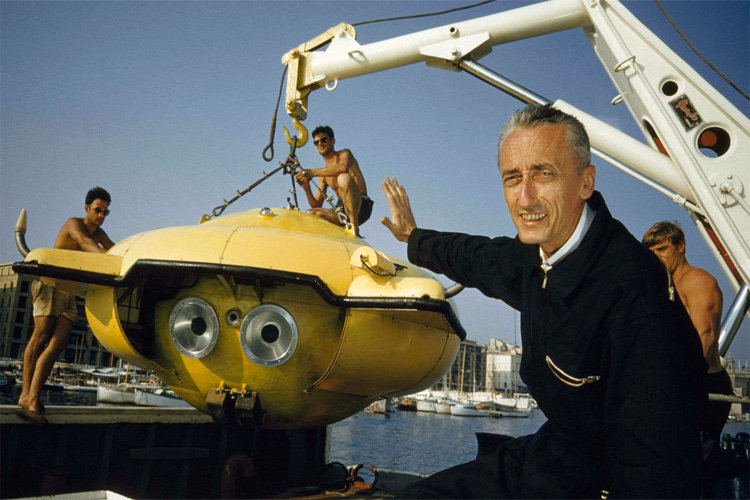
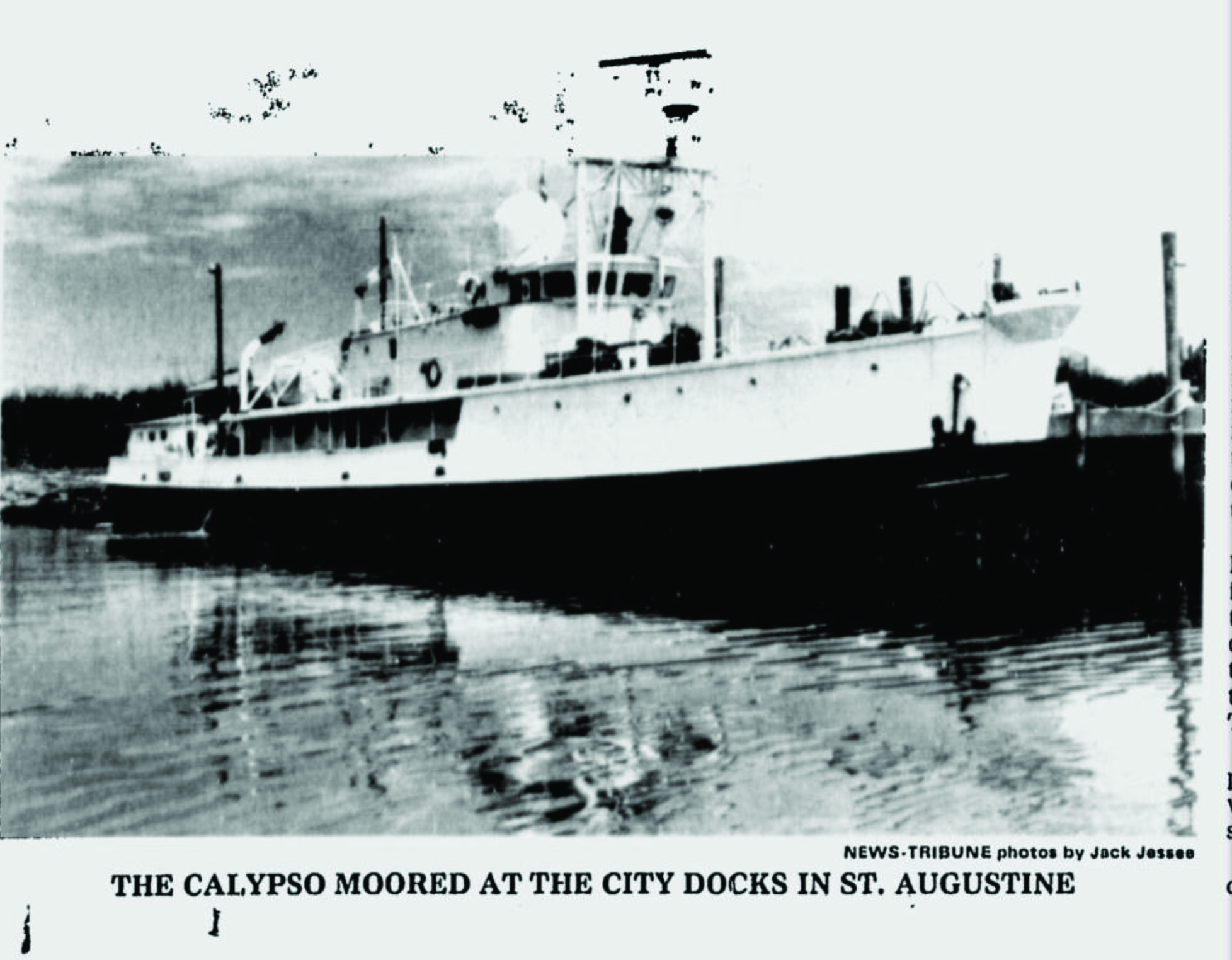
In 1950, Cousteau acquired the Calypso, a former minesweeper that he converted into a floating oceanographic laboratory. The vessel became legendary, serving as the base for Cousteau’s groundbreaking expeditions. Equipped with underwater cameras, submersibles, and diving gear, the Calypso allowed Cousteau and his team to explore remote marine environments and bring their discoveries to the public.
Through the 1950s and 1960s, Cousteau and his crew traveled the globe, documenting coral reefs, shipwrecks, and deep-sea trenches. His expeditions were not just scientific missions but also media sensations, capturing the imaginations of millions with stunning footage of previously unseen underwater worlds.
The Silent World: A Cinematic Revolution
In 1956, Cousteau released The Silent World, a documentary film co-directed with Louis Malle. Shot in vibrant Technicolor, the film showcased the beauty and mystery of the ocean, winning critical acclaim and the Palme d’Or at the Cannes Film Festival. It was also the first documentary to win an Academy Award for Best Documentary Feature.
The Silent World was more than just a film—it was a cultural phenomenon that introduced mainstream audiences to the wonders of marine life and the fragility of ocean ecosystems. Cousteau’s ability to combine science, adventure, and cinematic artistry set a new standard for nature documentaries.
Advocacy for Marine Conservation
As Cousteau witnessed firsthand the impacts of pollution, overfishing, and habitat destruction, he evolved from an explorer into a passionate conservationist. In 1973, he founded the Cousteau Society, an organization dedicated to marine research, education, and advocacy. Through his later documentaries, books, and public campaigns, he warned of the dangers facing the ocean and called for global action to protect it.
Cousteau's legacy is not just in his technological innovations or breathtaking films but also in his enduring message: that the ocean is a vital, interconnected system that must be preserved for future generations. His work laid the foundation for modern marine conservation movements and inspired countless individuals to take up the cause of protecting the planet.
(To be continued...)
Cousteau’s Television Legacy: Bringing the Ocean into Homes Worldwide
Jacques Cousteau’s influence reached its zenith with the advent of television. In 1966, he launched The Undersea World of Jacques Cousteau, a groundbreaking documentary series that aired on ABC. The show became an international sensation, captivating audiences with its stunning underwater cinematography and compelling storytelling. Viewers marveled at exotic marine creatures, vibrant coral reefs, and the eerie depths of unexplored ocean trenches—all narrated with Cousteau’s distinctive French-accented voice.
The series ran for nearly a decade, followed by other acclaimed productions like The Cousteau Odyssey and Cousteau’s Amazon. Unlike traditional nature documentaries, Cousteau’s films had a unique narrative style—blending adventure, science, and environmental ethics. He didn’t just show the underwater world; he made audiences feel emotionally invested in its preservation. His ability to humanize marine life, from playful dolphins to mysterious octopuses, set a precedent for modern environmental filmmaking.
The Birth of Underwater Archaeology
Beyond marine biology, Cousteau was a pioneer in underwater archaeology. One of his most famous expeditions was the discovery and excavation of the ancient Greek shipwreck at Grand Congloué near Marseille in 1952. Using the Aqua-Lung, Cousteau and his team recovered amphorae and artifacts, proving that shipwrecks could serve as underwater museums.
Later, in 1975, his team explored the wreck of the HMHS Britannic, the sister ship of the Titanic, using advanced diving technology. These expeditions demonstrated that the ocean floor held invaluable historical treasures—ones that could only be studied with the tools Cousteau had helped develop. His work laid the groundwork for modern maritime archaeology, inspiring future explorers to uncover lost civilizations beneath the waves.
The Tragic Loss of the Calypso
Despite its legendary status, the Calypso met a tragic fate. In 1996, while docked in Singapore, the ship was accidentally rammed by a barge and sank. Cousteau, then in his late 80s, was devastated. For nearly half a century, the Calypso had been his home, laboratory, and symbol of ocean exploration. Though efforts were made to salvage and restore the vessel, Cousteau would not live to see its full revival.
The loss of the Calypso marked the end of an era, but Cousteau’s vision endured. His expeditions aboard the ship had already cemented his status as a global icon of marine exploration, and his later projects continued to push boundaries. Even in his final years, he dreamed of new technologies—such as a wind-powered vessel called the Alcyone, featuring an experimental turbosail system designed for eco-friendly ocean travel.
Cousteau’s Later Years and Environmental Activism
As the 20th century drew to a close, Cousteau shifted his focus toward urgent environmental advocacy. He spoke at international forums, warning of climate change, ocean acidification, and the devastating effects of industrial fishing. In 1977, he co-authored The Cousteau Almanac: An Inventory of Life on a Water Planet, a comprehensive study of Earth’s water systems and the threats they faced.
Perhaps one of his most notable political campaigns was his fight against nuclear testing in the Pacific. Cousteau documented the ecological devastation caused by French atomic tests in Mururoa Atoll, using his films to lobby governments for change. His activism was not always welcomed—some saw him as an alarmist or a nuisance—but he remained steadfast. He believed that the scientist’s duty was not just to discover but to protect.
The Legacy of the Cousteau Society
Founded in 1973, the Cousteau Society became a hub for marine research and conservation. Its mission was clear: to educate the public about the fragility of the ocean and advocate for sustainable policies. Among its many projects, the society helped establish marine protected areas, funded research on endangered species, and promoted youth education through initiatives like the Water Planet Alliance.
Today, the organization continues Cousteau’s work under the leadership of his widow, Francine Cousteau, and his son, Pierre-Yves Cousteau. They campaign against deep-sea mining, plastic pollution, and overfishing—challenges that Jacques himself had warned about decades earlier. The society’s archives preserve his films, research, and writings, ensuring that future generations learn from his discoveries and warnings.
Inspiring Future Generations of Ocean Explorers
Cousteau’s influence extends far beyond his own expeditions. Film directors like James Cameron and Sylvia Earle cite him as a key inspiration for their careers. His emphasis on visual storytelling reshaped nature documentaries, paving the way for modern series like Blue Planet and Our Planet. Even in popular culture, his iconic red beanie and the silhouette of the Calypso remain symbols of adventure and environmental stewardship.
Universities and research institutions now offer marine science programs partly due to the public interest Cousteau sparked. His belief that exploration should serve a greater purpose—protection—resonates in today’s marine conservation movements. From coral reef restoration projects to citizen science initiatives, his ethos lives on.
(To be continued...)
Cousteau's Final Years and Enduring Influence
Jacques Cousteau spent his final years as a global ambassador for the oceans, though his journey was not without controversy. In the 1990s, he partnered with various corporations to fund his expeditions, drawing criticism from some environmental purists who felt he had compromised his principles. Yet even these alliances demonstrated Cousteau's pragmatic approach - he recognized that protecting the seas required engaging with industry and governments as much as opposing them. His last major project, Planet Ocean, aimed to monitor the world's water systems via satellite, reflecting his lifelong belief that technology could reveal - and potentially solve - environmental crises.
Tragically, the legendary explorer passed away on June 25, 1997 at age 87, just two weeks after celebrating his birthday. His funeral at Notre-Dame Cathedral in Paris drew dignitaries from around the world, while memorial services were held simultaneously aboard ships at sea - a fitting tribute for a man who had spent more time on water than land. UNESCO established the Jacques-Yves Cousteau Award in Marine Conservation in his honor, ensuring his name would remain synonymous with oceanic protection.
The Cousteau Family Legacy Continues
The Cousteau dynasty continues to champion marine conservation through multiple generations. His second wife, Francine, maintains the Cousteau Society while his sons and grandchildren have each carved their own paths in environmental advocacy. Jean-Michel Cousteau has become a prominent environmental educator through his Ocean Futures Society, while his son Fabien continues developing new underwater habitats and exploration technologies. Pierre-Yves Cousteau founded Cousteau Divers to engage recreational divers in conservation efforts. Even his granddaughter Céline has emerged as an influential ocean advocate, proving that the family's commitment to the seas spans generations.
This multigenerational impact creates a unique phenomenon in environmentalism - what experts call "The Cousteau Effect." Unlike other conservation movements that rely on institutions, the Cousteau legacy operates as both a scientific dynasty and a cultural force, blending exploration, media, and advocacy in ways no single organization could replicate.
Modern Scientific Validation of Cousteau's Warnings
Decades after his initial warnings, modern science has validated many of Cousteau's most urgent concerns. His early observations about coral bleaching, plastic pollution, and overfishing now form the basis of mainstream climate science. Researchers have confirmed that the ocean absorbs 30% of human-produced CO2 and 90% of excess heat from global warming, just as Cousteau predicted in his 1970s lectures.
Particularly prescient was his emphasis on the "hydrologic unity" principle - the understanding that all water systems on Earth are interconnected. Today's studies on microplastic distribution, chemical pollution dispersal, and current system alterations all reflect this foundational concept. Ocean acidification, a term barely used in Cousteau's time, has become a key climate change indicator directly linked to his early observations of changing marine ecosystems.
The Cousteau Paradox: Celebrity vs. Scientist
An ongoing debate surrounds Cousteau's dual identity as both rigorous scientist and media personality. Some marine biologists argue that his fame overshadowed his substantive contributions to oceanography. However, recent scholarship highlights how his showmanship actually advanced marine science by:
1) Securing funding for research during eras of limited academic support
2) Democratizing scientific knowledge through accessible media
3) Creating public pressure for marine protection policies
This "popular science" model has become standard practice among modern researchers like National Geographic's Enric Sala or BBC's Chris Packham, proving Cousteau's approach was ahead of its time.
Cousteau's Technologies in the 21st Century
The Aqua-Lung revolutionized diving, but it was just one of Cousteau's 32 patented inventions. Modern diving equipment still uses principles from his original designs, while his underwater camera housings became the blueprint for today's marine filming technology. The SP-350 "diving saucer" submersible, developed in 1959, foreshadowed modern underwater drones and remotely operated vehicles (ROVs) used in deep-sea exploration.
Perhaps most visionary was his 1965 Conshelf experiment, where aquanauts lived in an underwater habitat for weeks. While the program ended in the 70s, NASA now uses similar protocols for astronaut training, and private firms like OceanGate cite Cousteau as inspiration for their underwater habitation research. His proposed "oceanographic buoy" network presaged today's sophisticated ocean monitoring systems that track everything from temperature shifts to marine migrations.
Posthumous Honors and Cultural Permanence
Cousteau's cultural imprint remains strong years after his death. The 2016 documentary Becoming Cousteau reintroduced his legacy to new generations, while exhibitions at the Smithsonian and Musée de la Marine continue drawing crowds. Google honored him with a Doodle on his 100th birthday, and his image appears on everything from UNESCO medals to French postage stamps.
Academic institutions have established Cousteau chairs in marine science, while environmental groups frequently invoke his name in campaigns. This enduring relevance suggests his impact transcends mere nostalgia - Cousteau created a permanent framework for how society engages with the marine world.
The Future of Cousteau's Vision
Looking forward, Cousteau's principles could guide emerging ocean challenges. His emphasis on international cooperation anticipates current debates over deep-sea mining regulation. His warnings about technology's dual potential (to both exploit and protect) inform ethical discussions about geoengineering solutions for coral reefs. Even his early work documenting underwater noise pollution predates today's research on how ship traffic affects marine mammals.
Perhaps most crucially, Cousteau's human-centered storytelling provides a model for communicating climate science. Modern researchers increasingly adopt his narrative techniques to make complex marine issues relatable, understanding - as he did - that facts alone rarely inspire action.
Jacques Cousteau's ultimate legacy may be this: he transformed humanity's relationship with the sea from one of conquest to stewardship, proving that wonder and wisdom can coexist in our exploration of Earth's final frontier. The oceans he loved now face unprecedented threats, but the tools he created - both technological and philosophical - continue to equip new generations to protect them.