


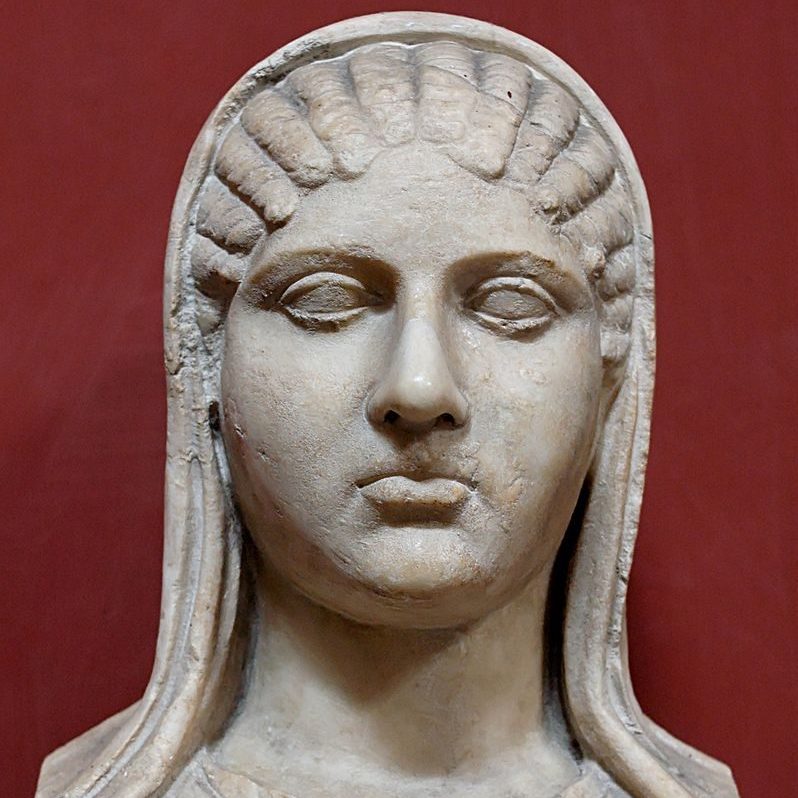


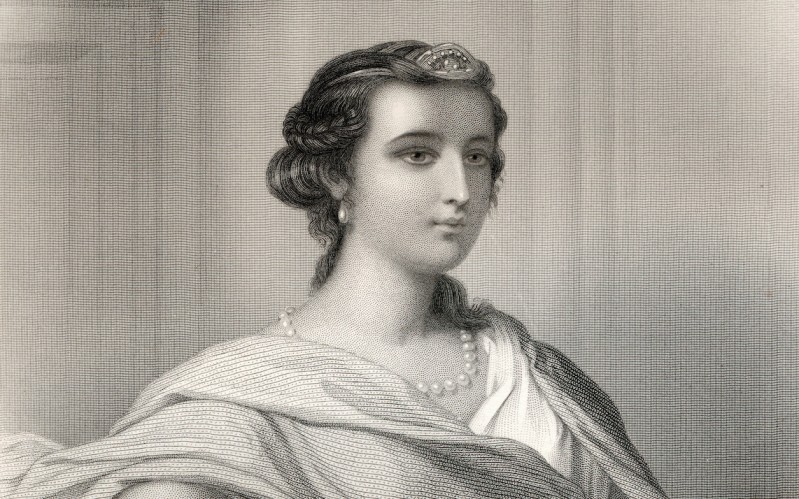
Aspasia of Phocis: A Pivotal Figure in Ancient Greek History
Aspasia, a name that echoes through the annals of ancient Greek literature and history, remains a figure of intrigue and debate. Born in Phocis around 470 BCE, Aspasia emerges as a significant and influential individual in the world of fifth-century Athens, where she played a crucial role in the societal and intellectual landscape of the time. Known for her wit and wisdom, as well as her contributions to the intellectual circles of Athens, Aspasia has been the subject of various historical and literary interpretations over the centuries.
The Birth and Early Life of Aspasia
Aspasia's origins are shrouded in mystery, and scholars often debate the exact place of her birth within Phocis. Some historians suggest that she was born in Mantineia, a city located in the region of Phocis, while others propose that she hails from Miletus in Ionia. Regardless of her specific birthplace, Aspasia's early life is marked by her association with Miletus, a city known for its intellectual and cultural sophistication. Her early years in Miletus likely provided her with a foundation of knowledge and cultural understanding that would serve her well in Athens.
Acquisition of Citizenship and Early Influences
Aspasia's journey to Athens begins with her acquisition of citizenship. Unlike many other immigrant women in ancient Greece, Aspasia secured her citizenship rather early in her life. This was a significant accomplishment, as citizenship in Athens afforded her legal rights and allowed her to participate in certain social and political activities. The process of acquiring citizenship was not trivial; it required Aspasia to demonstrate her cultural assimilation and intellectual capabilities. It is believed that her education in Miletus, which was known for its emphasis on philosophy and rhetoric, played a crucial role in her eventual citizenship in Athens.
Aspasia's early influences in Miletus likely included exposure to the works of philosophers and thinkers like Anaxagoras and Protagoras. Her intellectual environment would have been fertile ground for her future contributions to the realm of ideas and discussions, especially as she would later engage with prominent Athenian intellectuals and politicians.
Aspasia in Athenian Society
Aspasia's arrival in Athens marks the beginning of her public life, where she becomes known for her intellectual circles and her influence on the city's politics and society. Her presence in Athens is characterized by her ability to interact with both the elite and the common populace, making her a unique figure in the ancient Athenian social structure.
Engagement with Philosophy and Politics
Aspasia's reputation in Athens is largely shaped by her association with prominent philosophers and her own contributions to philosophical discussions. She maintained close ties with figures such as the sophist Anaxagoras, who was well known for his cosmological theories and ethical teachings. Her relationship with Anaxagoras and other philosophers allowed her to become a respected member of the intellectual community in Athens.
Aspasia's intellectual contributions are evident in her influence on the Socratic dialogues. While she did not write down her own philosophical thoughts, her presence in the circle of Socrates is well-documented. Socrates often visited her, and it is said that she hosted him in her house, which became a hub of philosophical discourse. This environment allowed her to engage in deep and meaningful conversations with Socrates and other intellectuals, contributing to the development of philosophical thought in Athens.
Role in Athenian Politics
Aspasia's engagement with politics is another aspect of her life in Athens that sets her apart from other women of the time. Her involvement in political matters is particularly noteworthy, given the general exclusion of women from public political life. Aspasia was reportedly the lover of Pericles, the most influential and powerful politician of the time, and she was known for her significant influence on his policies and decisions.
Her political influence extended beyond her personal relationships. Aspasia is credited with advising Pericles on foreign policy and the implementation of his plans for the cultural and financial rejuvenation of Athens. Her role as a political advisor is a testament to her political savvy and her ability to navigate the complex political landscape of fifth-century Athens.
Her Impact on Culture and Society
Aspasia's impact on Athenian society is not limited to her political and intellectual pursuits. She was known for her contributions to the cultural life of Athens, particularly in the realm of rhetoric and literature. Her ability to engage in sophisticated discussions and her extensive network of contacts across the cultural and social spectrum made her a vital link between Athens and other Greek cities.
Aspasia's influence on rhetoric and the arts is significant. Her involvement in the education of her many female guests, as well as her own presence in intellectual gatherings, contributed to the rise of a new era of rhetorical education for both men and women. Her efforts in these areas helped to shape the cultural landscape of Athens and established her as a cultural figure of great importance.
Despite her significant contributions, Aspasia's influence was not without controversy. The nature of her relationship with Pericles and her public life were subject to criticism, and she was often seen as a symbol of the social and moral changes in Athens. Nevertheless, her presence and influence remain a testament to her intelligence, wit, and the unique role she played in the city's intellectual and political life.
Aspasia in Athenian Society (Continued)
Aspasia's multifaceted role in Athenian society extends beyond her political and intellectual contributions. Her influence is also evident in her interactions with the social elite, as well as her contributions to the cultural and economic landscape of Athens. Her reputation as a woman who managed to navigate the complexities of Athenian life while maintaining her own identity and influence makes her a significant figure in the study of ancient Greek history.
Social Life and Cultural Integration
Aspasia's social life in Athens was marked by her ability to integrate into the city's elite circles. Despite her foreign background and gender, she managed to establish a network of influential contacts, including politicians, philosophers, and members of the aristocracy. Her social gatherings, known as "aspasias," were renowned for their intellectual and cultural vibrancy, attracting a diverse range of attendees. These events not only provided a platform for the exchange of ideas but also served as a means for Aspasia to maintain her influence and expand her networks.
Aspasia's cultural integration was further evidenced by her involvement in literary and artistic circles. She was known to host literary salons where poets and playwrights of the time would convene. Her home became a meeting place for the best minds of Athens, contributing to the city's intellectual and cultural renaissance. Her own writing, though not substantiated by surviving texts, is believed to have influenced the literary and philosophical discourse of the era.
Her Economic Impact and Business Interests
Aspasia's economic acumen is another aspect of her multifaceted life in Athens. She was involved in various business ventures, including the import and trade of goods, which contributed to the economic stability of the city. Her business acumen allowed her to amass wealth and enhance her social standing, a rare achievement for a woman of that era. Her economic activities extended beyond Athens, with evidence suggesting that she had business interests in other Greek cities, further cementing her status as a significant player in the ancient Greek economy.
Aspasia's economic influence is best seen through her management of the Thracians who lived in or around Athens. The Thracians were a significant group in Athens, and they contributed to the economic and military strength of the city. Aspasia was often involved in their affairs, managing their households and overseeing their operations. This role allowed her to leverage their economic potential, furthering her own and her community's prosperity.
Pericles and the Political Landscape
Aspasia's association with Pericles, the most powerful and influential politician of the time, was both a source of her political clout and a subject of debate and criticism. Their relationship was complex, and it was not without controversy. Pericles, a leader of the democratic faction in Athens, saw Aspasia as a source of political advice and support. Her influence on his policies and decisions was significant, as she provided valuable insights into the needs and perspectives of the Athenian populace.
Aspasia's role in Pericles' political endeavors is particularly evident in her involvement in the construction and embellishment of public buildings and works. She was reportedly involved in the planning and execution of the projects, including the construction of the Parthenon and other public structures. Her influence in this area was crucial, as it helped shape the cultural and architectural landscape of Athens during the height of its prosperity.
Challenges and Controversies
Aspasia's life in Athens, while marked by success and influence, was not without its challenges and controversies. One of the most significant of these was the debate over her legal status and her ability to bear children. As a foreigner, Aspasia was not a citizen of Athens and thus did not have the right to bear children, which was a significant legal and societal issue. This aspect of her life was a source of criticism, as it challenged the societal norms of the time.
Additionally, her reputation as a courtesan and her alleged promiscuity did not enhance her standing in Athenian society. These allegations, while not fully substantiated, were used to question her moral and ethical standing. The stigma associated with her status as a foreigner and her supposed promiscuous nature often overshadowed her contributions to the intellectual and political life of Athens. Her reputation was further complicated by the accusations that she influenced Pericles' decisions, leading to political and social tensions.
Perceptions and Legacy
The legacy of Aspasia is a complex one, as her contributions to Athenian life are often overshadowed by the controversies and myths surrounding her. Despite these challenges, Aspasia remains a significant figure in the study of ancient Greek history and culture. Her ability to navigate the social, intellectual, and political landscapes of Athens, while maintaining her own identity, is a testament to her strength and resilience.
Aspasia's influence on Athenian culture and society is evident in the enduring interest in her life and contributions. Modern scholars continue to debate the historical accuracy of the accounts of her life, but the impact of her presence in Athens cannot be denied. Her legacy as a woman who challenged the societal norms of her time and made significant contributions to the intellectual and cultural life of Athens is a testament to her enduring influence.
Aspasia of Phocis remains a figure of fascination and debate, her life a rich tapestry of historical and cultural importance. Her story continues to be a subject of academic and literary interest, serving as a lens through which we can explore the complexities of ancient Athenian society and the role of women within it.
The Legacy and Modern Interpretation of Aspasia
The legacy of Aspasia of Phocis is complex and multifaceted. Over the centuries, her life has been the subject of numerous literary, historical, and artistic interpretations, each offering a different perspective on her role and significance in ancient Athens. The way Aspasia has been portrayed in these interpretations reflects the changing attitudes towards women and their contributions to society, not only in ancient Greece but also in modern times.
Literary and Artistic Representations
Aspasia's life and legacy have inspired countless works of literature and art. From the ancient works of Plato and Plutarch to modern novels, films, and other media, Aspasia has been a recurring theme. In literature, she often serves as a symbol of intellectual and cultural influence, challenging traditional gender roles. For instance, in Plato's writings, particularly "Amore," Aspasia is depicted as a wise and virtuous woman who challenges the preconceived notions of women in society. This portrayal has resonated with scholars and readers, offering a counterpoint to the traditional view of women as passive or inferior.
Modern interpretations of Aspasia in art and film often focus on her complexity as a figure. Films such as "Aspasia" (1971) and "The Assassin's Apprentice" (2015) offer different perspectives on her life, each with its own narrative and ideological stance. These works often explore her influence on Pericles and the broader political and social landscape of Athens, while also delving into the personal and emotional aspects of her relationships. These representations serve to humanize Aspasia, allowing audiences to connect with her as a multifaceted individual rather than a mere historical footnote.
Modern Academic Perspectives
Modern academic perspectives on Aspasia are diverse and nuanced. Historians and scholars have approached her life from various angles, using a range of sources and methodologies. Some focus on her political influence and contributions to Athenian society, while others explore her role in the cultural and intellectual spheres. The work of scholars such as Sarah Iles Johnston and Susan Scafidel has provided new insights into Aspasia's life, challenging the traditional view of her as a mere courtesan or mistress.
Johnston, in her book "Aspasia of Miletus," offers a comprehensive and detailed analysis of Aspasia's life and contributions. She argues that Aspasia was more than just a companion to Pericles; she was a significant political and cultural figure in her own right. Scafidel, in "Aspasia of Miletus and Her Friends," emphasizes Aspasia's role in the intellectual and cultural circles of Athens, highlighting her contributions to the development of philosophical and rhetorical thought. These scholarly works have provided a more rounded and accurate picture of Aspasia, challenging the traditional narratives and offering new interpretations.
Challenges and Controversies in Modern Scholarship
Despite the progress in understanding Aspasia's life, several challenges and controversies remain in modern scholarship. One of the main challenges is the limited and often biased sources available for her life. Most of the historical accounts come from male perspectives and are filled with stereotypes and inaccuracies. This has made it difficult to separate fact from fiction, leading to ongoing debates about Aspasia's true nature and contributions.
Controversies also arise from the use of ancient sources, such as Socrates' dialogues, which are often misinterpreted or used selectively to paint a particular picture. For instance, some scholars argue that Socrates' interactions with Aspasia in his dialogues might have been a reflection of his own philosophical beliefs and not an accurate portrayal of their relationship. Such debates highlight the challenges of reconstructing the past from fragmented and subjective sources.
Conclusion
Aspasia of Phocis remains a fascinating and complex figure in ancient Greek history. Her life and legacy continue to inspire discussions and interpretations across multiple disciplines. As modern scholarship progresses, our understanding of Aspasia is evolving, offering a more nuanced and accurate portrayal of her role in Athenian society. Whether seen as a political advisor, a cultural influencer, or a symbol of the changing times, Aspasia's legacy serves as a reminder of the importance of reevaluating historical figures and understanding the complexities of the past.
As a figure who challenged the societal norms of her time, Aspasia continues to resonate with contemporary audiences. Her story is a testament to the importance of questioning and reexamining traditional narratives, and it offers valuable insights into the role of women in history. As scholars and historians continue to explore and reinterpret Aspasia's life, her legacy will undoubtedly continue to grow, enriching our understanding of ancient Greek society and culture.





Comments