Aspasia of Miletus: The Influential Woman Behind Ancient Athens
Introduction: A Woman of Mystery and Power
Aspasia of Miletus stands as one of the most intriguing and controversial figures of classical Athens. Unlike most women of her time, she wielded significant intellectual and political influence in a society that often relegated women to the domestic sphere. As the companion of Pericles, Athens's greatest statesman, and a central figure in its golden age, Aspasia defied conventions and left an indelible mark on philosophy, rhetoric, and Athenian culture. Yet, despite her prominence, much of her life remains shrouded in mystery, with historians debating the extent of her achievements and influence.
Early Life and Background
Born in Miletus, a thriving Greek city in Ionia (modern-day Turkey), around 470 BCE, Aspasia came from a wealthy and educated family. Unlike Athenian women, who were often confined to their homes, Ionian women like Aspasia enjoyed more social and intellectual freedom. This upbringing likely shaped her extraordinary confidence and eloquence, traits that would later captivate Athens's elite.
Little is known about her early years, but by her twenties, Aspasia had moved to Athens. There, she entered the world of the city's intellectual and political circles, an unusual feat for a foreign-born woman in a male-dominated society.
Aspasia and Pericles: A Powerful Partnership
Aspasia's life changed dramatically when she became the companion of Pericles, Athens's leading statesman. Though they could not marry legally (Athenian law prohibited unions between citizens and foreigners), their relationship was widely acknowledged. Pericles, known for his formidable political acumen, was deeply influenced by Aspasia, valuing her intellect and counsel.
Ancient sources, including Plutarch, suggest that Aspasia played a key role in shaping Pericles's speeches and policies, even influencing his stance during the Peloponnesian War. Her home became a gathering place for philosophers, artists, and politicians, including Socrates, who reportedly admired her rhetorical skill.
Despite their affection, their relationship was not without scandal. Athenian conservatives viewed Aspasia with suspicion, accusing her of corrupting Athenian women and meddling in politics. She was even put on trial for impiety, though Pericles's intervention secured her acquittal.
Aspasia’s Intellectual Influence
Beyond her association with Pericles, Aspasia was renowned as a philosopher and teacher of rhetoric. Some ancient writers, including Plato and Xenophon, hint that she ran an academy for elite women, instructing them in philosophy and public speaking—an astonishing claim given the restrictions on women's education in Athens.
Her rhetorical prowess earned her comparisons to the greatest orators of the time. Socrates, in Plato's *Menexenus*, jokingly credits her with authoring Pericles's famous Funeral Oration, one of the most celebrated speeches in Athenian history. Whether true or not, the anecdote reflects her reputation as a formidable intellectual.
Aspasia in Ancient Literature and Modern Perception
Aspasia appears in numerous classical texts, though often through the lens of Athenian biases. Comic playwrights like Aristophanes caricatured her as a seductress, while later philosophers debated her role in shaping Athenian politics. Modern scholars, however, have reassessed her influence, recognizing her as a rare female voice in antiquity who navigated—and subtly transformed—the rigid hierarchies of her time.
Her legacy endures not only in historical accounts but in feminist reinterpretations that celebrate her defiance of gender norms. Aspasia remains a symbol of intelligence, resilience, and the unyielding pursuit of knowledge in the face of societal constraints.
Conclusion: The Enduring Enigma of Aspasia
Part of what makes Aspasia so compelling is the ambiguity surrounding her life. Was she merely a clever companion, or did she shape the course of Athenian democracy? The truth likely lies somewhere in between, but her story challenges our understanding of women's roles in antiquity.
As we delve deeper into Aspasia's world in the following sections, we will explore her philosophical contributions, her influence on Athenian society, and the myths that continue to surround her name. Few women of ancient Greece have left such a lasting—and controversial—legacy.
Stay tuned for Part Two, where we examine Aspasia's role in Athenian politics and her enduring impact on philosophy and rhetoric.
Aspasia’s Role in Athenian Politics and Society
Though women in classical Athens were typically excluded from public life, Aspasia was an exception. Her relationship with Pericles granted her unprecedented access to the political sphere, and she is often portrayed as an influential advisor behind some of Athens’s most critical decisions. Unlike traditional Athenian wives, who were expected to remain unseen and unheard, Aspasia engaged in intellectual and political discourse, earning both admiration and contempt from contemporaries.
Some historians argue that her influence extended to foreign policy, particularly during the First Peloponnesian War. Plutarch suggests that Pericles sought her counsel on important matters, including the Samian War (440 BCE), where Athens clashed with the island of Samos. Others speculate that her Metic (foreign resident) background provided Pericles with valuable diplomatic insights. While direct evidence is limited, her presence in key discussions implies a level of political involvement unusual for any woman of her time.
The Trial of Aspasia: Scandal and Survival
One of the most dramatic episodes in Aspasia’s life was her trial on charges of impiety and corrupting Athenian women. The accusations, likely politically motivated, stemmed from her unorthodox lifestyle and her perceived influence over Pericles. Ancient sources, including Plutarch and Athenaeus, claim that her teachings led respectable Athenian women astray, undermining traditional values.
The trial became a spectacle, with prosecutors attacking her character and her foreign origins. Pericles, in a rare emotional display, reportedly pleaded for her acquittal, even shedding tears in court—an act that allegedly persuaded the jury to spare her. Though she was cleared of charges, the incident reveals the tensions surrounding her presence in Athenian society. Her survival highlights both her resilience and the precarious position of intelligent women in a deeply conservative culture.
Salon of Aspasia: A Hub of Athenian Intellectuals
Beyond politics, Aspasia’s home became a renowned intellectual gathering place. Unlike the male-dominated symposia of Athens, her salons welcomed both men and women, fostering discussions on philosophy, literature, and governance. Among her frequent guests was Socrates, who, according to Plato, regarded her as a skilled rhetorician. Other notable figures, such as the playwright Euripides and the sculptor Phidias, sought her company, suggesting that she was at the heart of Athens’s cultural flourishing.
Some scholars argue that Aspasia’s salon functioned as an informal academy, where she debated ethics, metaphysics, and rhetoric. Her emphasis on persuasive speech and logical argumentation may have influenced Socratic thought, though definitive proof remains elusive. Nevertheless, her ability to command respect in such circles underscores her intellectual prowess.
Aspasia’s Influence on Rhetoric and Philosophy
Ancient writers frequently credit Aspasia with shaping the rhetorical techniques of Athens’s greatest orators. In Plato’s *Menexenus*, Socrates claims that Aspasia composed Pericles’ Funeral Oration, a masterpiece of classical rhetoric. While this is likely a philosophical jest, it acknowledges her reputed skill in speechcraft. Similarly, Cicero and Quintilian later reference her as a model of eloquence.
Her philosophical contributions are harder to pinpoint, but hints in Socratic dialogues suggest she engaged with ideas on love, virtue, and governance. Some modern scholars propose that her teachings on relationships and morality may have influenced Plato’s concept of the philosopher-king. Whether directly or indirectly, Aspasia’s ideas permeated Athenian thought, challenging conventional gender roles.
Motherhood and Later Life
Aspasia had a son, Pericles the Younger, whose citizenship was secured through a special decree since his parents could not legally wed. Raised in Athens’s elite circles, the young Pericles later became a military leader, though his career was marred by controversy. Aspasia’s role as a mother adds another layer to her complex identity, showcasing her navigation of both private and public spheres.
After Pericles’ death in 429 BCE, Aspasia reportedly formed a relationship with another Athenian statesman, Lysicles. Though details are sparse, her continued association with prominent figures indicates her enduring influence. The date and circumstances of her death remain unknown, but her legacy persisted through the writings of philosophers and historians.
Debates Among Modern Historians
Modern scholars remain divided on Aspasia’s historical significance. Some argue that her impact has been exaggerated, shaped by the biases of ancient authors who either idolized or vilified her. Others assert that she was a genuine intellectual force whose contributions were downplayed due to her gender.
Feminist historians, in particular, highlight her as a proto-feminist figure who defied Athens’s patriarchal norms. By engaging with philosophy, politics, and rhetoric, she challenged the notion that women were unfit for public discourse. Yet, the lack of surviving writings from her own hand makes it difficult to separate myth from reality.
Conclusion: A Woman Ahead of Her Time
Aspasia’s story is one of brilliance, resilience, and contradiction. She thrived in a society that sought to silence women, shaping Athenian politics and philosophy despite relentless scrutiny. Whether as Pericles’ confidante, a philosophical teacher, or a target of political attacks, she left an indelible mark on history.
In the next and final section, we will explore Aspasia’s enduring cultural legacy, examining how her image has evolved from antiquity to modern times and what she symbolizes for contemporary discussions on gender and power. Stay tuned for the conclusion of this fascinating journey into the life of one of antiquity’s most extraordinary women.
Cultural Representations of Aspasia: From Antiquity to Modernity
The figure of Aspasia has fascinated writers, artists, and scholars for nearly 2,500 years. In classical times, playwrights like Aristophanes mocked her as a scheming courtesan in comedies such as Acharnians, reflecting Athenian discomfort with her influence. By contrast, later Greek and Roman writers often portrayed her more sympathetically as an intellectual luminary. Plutarch, writing centuries later in his Lives, acknowledges her political savvy, while Cicero praised her rhetorical skills in De Inventione.
During the Renaissance, Aspasia experienced a revival as humanists rediscovered classical texts. Pierre Corneille's 17th-century tragedy "Aspasie" depicted her as a virtuous, intelligent woman trapped by circumstance - a marked departure from ancient Athenian portrayals. Romantic era artists like Joséphine Bowes painted her as an elegant Salonnière, highlighting her role as a cultural patron. These shifting representations reveal how different eras projected their own values onto this enigmatic figure.
A Feminist Reclamation in the Modern Era
The 20th century witnessed a dramatic reassessment of Aspasia's legacy. Feminist scholars pointed to her as evidence that women participated in classical intellectual life despite systemic exclusion. Margaret Fuller's 19th-century writings cited Aspasia as proof of women's philosophical potential, while 20th-century historians like Madeleine Henry worked to disentangle historical fact from misogynistic slander.
Contemporary scholarship emphasizes Aspasia's agency, noting how she skillfully navigated Athens's restrictive environment. Some theorists suggest she pioneered what we might now call feminist rhetoric - developing persuasive techniques appropriate for someone excluded from formal political participation. Others highlight how her teachings created space for women's voices in philosophical discourse, however limited by the standards of her time.
Literary Resurrections and Popular Culture
Modern fiction has enthusiastically embraced Aspasia as a character. Taylor Caldwell's 1965 novel Glory and the Lightning offered a sympathetic fictional biography. More recently, she appears as a key character in numerous historical novels set in ancient Athens, often portrayed as an early feminist icon. Television documentaries and podcasts about the ancient world increasingly include segments discussing her influence.
In academia, Aspasia has become a case study for examining both gender dynamics in classical Athens and the methodological challenges of studying women in antiquity. The University of Houston even named a prestigious female faculty award after her, explicitly honoring her legacy as an educator and intellectual leader.
The Philosophical Legacy: Beyond Gender
Beyond feminist interpretations, Aspasia's intellectual contributions deserve independent consideration. Some scholars argue that elements of Socratic irony and dialectic may reflect her rhetorical techniques. The few surviving descriptions of her teaching methods emphasize practical applications of philosophy, suggesting she may have influenced what became the Peripatetic tradition.
Her suspected involvement in composing Pericles' speeches suggests sophisticated understanding of civic ideology. Historians note parallels between Pericles' Funeral Oration and later democratic philosophies, raising provocative questions about Aspasia's possible role in shaping foundational Western political thought. While evidence remains circumstantial, the possibility challenges traditional narratives about the exclusively male origins of democratic theory.
Teaching Methods and Pedagogical Influence
Ancient sources hint that Aspasia educated both men and women, possibly developing teaching methods that differed from the male philosophical schools. If true, she may represent an alternative pedagogical tradition in antiquity - one focused more on practical rhetoric and moral philosophy than metaphysical speculation. This aligns with Socrates' reported interest in her teachings, as his method similarly valued dialog over dogma.
Some historians speculate that Aspasia's Milesian background influenced her syncretic approach, blending Ionian rationalism with Athenian rhetorical traditions. Her purported students included not only elite women but potentially young men training for public life, suggesting her influence may have been more widespread than official records indicate.
Aspasia as a Cultural Symbol Today
In contemporary discourse, Aspasia serves multiple symbolic functions. For classicists, she represents early challenges to patriarchy in Western thought. For feminists, she embodies both the possibilities and limitations facing intellectual women throughout history. For political theorists, she raises questions about the uncredited contributions of marginalized groups to foundational ideas.
Numerous modern institutions bear her name, from academic scholarships to feminist organizations, testifying to her enduring resonance. Psychologists have even used her story to discuss attribution bias - how society discounts women's intellectual contributions. This multidimensional legacy far exceeds what few historical facts we possess about her actual life.
Historical Challenges and the "Aspasia Problem"
Reconstructing Aspasia's true historical role presents significant methodological challenges. All existing accounts come filtered through male authors with their own agendas. The lack of any surviving writings directly attributable to her forces scholars to rely on potentially unreliable secondary sources. This has led to what historian Laura McClure calls "the Aspasia Problem" - how to assess a woman's influence when the historical record is both biased and fragmentary.
Recent approaches emphasize contextual readings of ancient sources while acknowledging inevitable uncertainties. Archaeologists continue searching for material evidence about her life, hoping to supplement literary accounts. Meanwhile, digital humanities projects are using network analysis to examine her social connections in classical Athens.
Final Assessment: Why Aspasia Still Matters
Aspasia's enduring significance lies in how her story disrupts conventional narratives about classical Athens and female agency. She demonstrates that even in the most restrictive environments, exceptional individuals could challenge norms and exercise influence. Her life compels us to reconsider who gets credit for foundational ideas and how power operates in intellectual communities.
More than just a historical curiosity, Aspasia offers a lens for examining contemporary issues of gender, immigration, and intellectual recognition. As the classics confront their elitist and exclusionary past, figures like Aspasia provide alternative narratives about who contributed to the Western tradition. In an age still grappling with these same issues, her story remains powerfully relevant.
Whether viewed as brilliant rhetorician, political operator, proto-feminist, or some combination thereof, Aspasia forces us to acknowledge the complex realities behind idealized visions of classical Athens. Her absence from traditional canons of philosophy and politics says more about historical biases than about her actual contributions. As scholarship continues rediscovering such marginalized figures, our understanding of antiquity - and its connections to modern thought - grows richer and more nuanced.
The incomplete nature of Aspasia's historical record ultimately makes her more compelling, inviting each generation to reinterpret her significance anew. Rather than diminishing her importance, the mysteries surrounding her life ensure her continued engagement with contemporary intellectual debates. In this, perhaps, lies her greatest legacy - an enduring challenge to reconsider who shapes history, and why some voices get remembered while others fade from view.
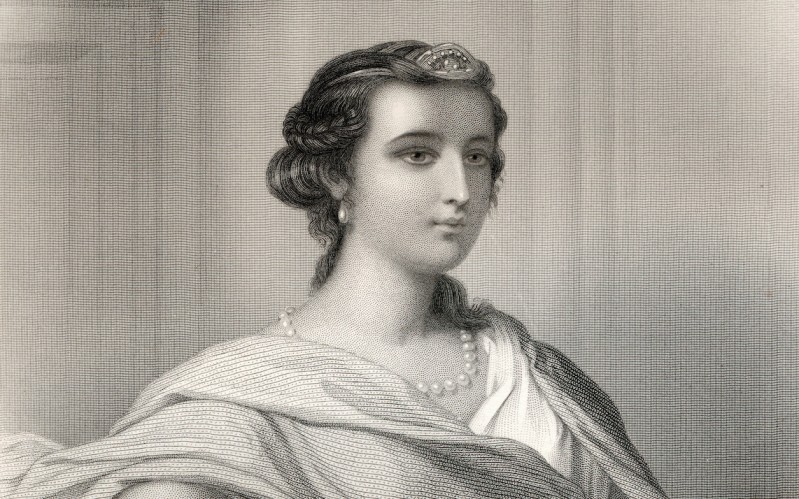


Aspasia of Phocis: A Tale of Influence and Intellectual Power
Introduction to a Mystical Historical Figure
Aspasia of Phocis, a name that echoes through the corridors of ancient history, is a figure whose life and influence are shrouded in both legacy and mystery. Often overshadowed by the more prominently discussed Aspasia of Miletus, known for her association with Pericles in Athens, Aspasia of Phocis yet commands her space among the intriguing women of antiquity. Her narrative, although not as widely chronicled in mainstream historical texts, provides a compelling insight into the intellectual and cultural landscapes of ancient Greece. Through mythological accounts and historical analyses, Aspasia emerges not merely as a peripheral personality but as a profound influencer in her own right.
Contextualizing Aspasia of Phocis
To truly understand Aspasia of Phocis, one must first delve into the geographical and temporal context that framed her existence. Phocis, a region in central Greece, was famously the home of the Oracle of Delphi, a spiritual and cultural hub that attracted individuals from across the ancient world. It is within this milieu — a blend of religion, politics, and art — that Aspasia's story unfolds.
During the classical period, Greek society was undergoing significant transformations. Intellectual curiosity was at its peak, with philosophers, artists, and rhetoricians gaining prominence. Women, however, were typically confined to domestic spheres, often excluded from public and intellectual discourse. Despite these constraints, figures like Aspasia managed to carve out spaces for themselves. While specific details about her own life remain scant, references to Aspasian influence point to her involvement in spheres traditionally held exclusive to men.
The Enigma of Aspasia's Influence
One cannot discuss Aspasia without acknowledging the broader traditions and stories that surrounded her. Legends tell of her involvement with intellectual circles in Phocis, suggesting her role as an interlocutor and influencer. Yet, much of what is said about Aspasia is interwoven with myth and speculation, a testament to her lasting impression on her contemporaries.
Historical analysis highlights her potential connections to the Delphic Oracle. In ancient Greek society, the oracle at Delphi was not simply a religious institution but a cultural epicenter that layered spiritual counsel with diplomatic and political influence. Aspasia’s purported ties to this influential site underscore a facet of her significance; through such association, she would have wielded substantial indirect power, advising and guiding through the enigmatic voice of the oracle.
Mythical Perspectives and Literary References
In literature and myth, Aspasia of Phocis sometimes surfaces as an emblematic character, synonymous with wisdom and foresight. Although frequently confused with her more famous namesake from Miletus, references in certain classical texts appear to differentiate her through narratives that emphasize her prophetic engagement and philosophical insights. The tales serve to further enshroud her in mystery, emphasizing the intertwining of female intellect with divine inspiration — a recurrent theme in Greek storytelling.
The Hellenistic and Roman traditions contributed myths that may have speculative links to Aspasia of Phocis, often portraying her with layers of mysticism and sage-like qualities. These portrayals, while not entirely reliable as historical documentation, offer a glimpse into how women like Aspasia were perceived in terms of their societal roles — as distant, yet crucial, cogs in the intellectual machinery of their time.
Challenges in Reconstructing Aspasia's Legacy
Reconstructing the legacy of Aspasia of Phocis is a challenging endeavor, primarily due to the limited sources and the amalgamation of legend and historical fact. Scholars rely heavily on piecing together fragmented stories and key cultural texts, analyzing them within the broader tapestry of Greek history. The mention of her within source material opens up vital debates regarding the roles of women, the subtleties of influence, and gender dynamics in ancient Greece.
Notably, the lack of firsthand accounts or substantial documentation highlights a broader issue faced by historians – the systemic silence surrounding women's narratives in ancient historical records. Aspasia’s story, like many of her time, is one told in echoes through the works of historians, playwrights, and storytellers, who simultaneously amplify and obscure the realities of her life.
Conclusion: Aspasia’s Subtle but Lasting Impact
Despite the challenges in unraveling the full scope of Aspasia of Phocis's life, it remains evident that her impact, though subtle, has persisted through the ages. She stands as an example of intellectual prowess and influence operating from the margins, seamlessly blending into the grander narratives of Greek history. The continued interest in figures like Aspasia reflects a growing recognition of the need to honor these hidden narratives, offering a richer, more complete understanding of the past.
In focusing on Aspasia of Phocis, we are called to reevaluate the frameworks through which history has been traditionally studied and presented. By bringing her story and those of other overlooked historical figures to the forefront, we enrich our understanding, not only of ancient times but of the ongoing legacy they imprint on the present and future generations. Her tale is a reminder of the quiet yet profound ripples made by those often relegated to the background, inviting us to look deeper into the annals of history for voices longing to be heard.
The Socio-Political Landscape of Ancient Greece
To understand the potential influence of Aspasia of Phocis, one must dive into the complex socio-political currents of ancient Greece during her lifetime. Greece was not a unified nation but rather a collection of city-states (poleis), each with its own government, army, and distinct way of life. This fragmented political landscape contributed to frequent conflicts but also spurred vibrant cultural and intellectual exchanges.
As part of central Greece, Phocis played a significant role due to its proximity to Delphi — a city that held religious, strategic, and political significance. The region was a melting pot where political ambitions and religious fervor intersected, and various rulers often sought counsel from the Delphic Oracle for both personal and state-related decisions. In this cauldron of power dynamics, influential figures, like Aspasia, could extend their impact well beyond what was typically accessible to women of her era.
Aspasia’s Contribution to Intellectual Discourse
Women in ancient Greece, particularly those in positions of influence, often contributed indirectly yet profoundly to the intellectual discourses of their day. Aspasia of Phocis, through her associations with religious and philosophical circles, would likely have engaged with the major narratives and dialogues shaping Greek thought. Philosophers and sophists flocked to Delphi not only to seek spiritual enlightenment but also to engage in spirited debate over the existential and ethical questions of the time.
Aspasia’s contribution may have been cemented in the oral traditions that survived through the teachings of associated philosophers. Though her direct contributions are not explicitly documented, the resonances of wisdom and influence attributed to her could illuminate unrecorded contributions to philosophical thought and rhetorical style, crucial elements in the blossoming field of Greek philosophy.
The Oracle's Influence: A Conduit for Aspasia's Voice?
The Delphic Oracle, renowned for its prophetic declarations, functioned as a crucial interlocutor in political and personal decision-making processes across the Greek world. It is plausible to suggest that Aspasia’s proximity to this oracle — either physically or philosophically — provided her with an avenue for exerting influence. This would have involved interactions with a wide array of visitors, from military leaders to poets, seeking counsel on a multiplicity of issues.
In working within such close quarters with the Oracle, Aspasia potentially facilitated dialogues that shaped decisions intrinsic to the development of Greek society. Her influence would not have been straightforwardly or overtly political but more nuanced — endorsing, critiquing, or subtly guiding decisions made at pivotal moments in history.
The Education of Aspasia: A Cultured Background
The extent to which Aspasia was formally educated remains speculative, as with much about her personal life. However, given her rumored association with learned circles, it is likely that she was afforded an education that surpassed the domestic training customary for women of her time. Ancient Greek education, for those privileged enough to access it, encompassed a broad curriculum, including literature, philosophy, music, and rhetoric.
Her reputed intelligence and ability to engage with notable intellectuals imply a significant degree of literacy and cultural sophistication. This educational background, rare for women of her societal class, would have equipped her with the tools necessary for engaging in intellectual discourse, enabling her to build social capital through the gatherings of her more publicly visible contemporaries.
The Mythology Surrounding Aspasia
Myths serve to elevate historical figures into the realms of archetypes, and Aspasia of Phocis was no exception. Her life, absorbed into legendary and literary expressions, reflects the dual influence of tradition and cultural assumptions. In ancient Greece, mythological frameworks wielded societal ideals and values, often reinforcing gender roles, philosophical wisdom, and the divine inspiration tied to oracles.
Tales of Aspasia’s intellect and influence, mythologized beyond verifiable history, also reflect an enduring fascination with women who defied the gender norms of their time, perhaps more so given her connection to the enigmatic Oracle. These myths both grant and obscure her agency, positing her as a vessel of ancient truths rather than as a distinct historical figure with her own stories and struggles.
Feminine Influence in Antiquity
Aspasia's story fits within a broader tapestry of female figures in antiquity who managed to navigate the intricacies of male-dominated societies to assert their influence. Women like Aspasia of Phocis utilized the positions and roles available to them, often as sacred figures, seers, or intellectual confidants, to make their mark on history.
Despite systemic restrictions, these women’s voices continue to reverberate through history's corridors, offering nuanced insights into their societies' culture, politics, and intellectual advancements. Their stories challenge traditional narratives and encourage ongoing historical reassessment and recognition of female agency in historical discourse.
Conclusion: Reimagining Aspasia's Narrative
In examining Aspasia of Phocis, we confront the intricate interplay of history, mythology, and cultural memory. Her narrative challenges us to traverse the blurred lines between documented fact and embellished story, requiring a careful sift through the remnants of historical texts and legends. This journey deepens our appreciation for the complexity of historical narratives and the rich tapestry of figures that populate them.
Aspasia serves as a symbol of the potential for influence and enlightenment in a world seeking equilibrium between tradition and intellectual exploration. By reimagining her narrative, we acknowledge the subtler forms of power wielded by those often relegated to the sidelines of history. In celebrating her legacy, even through speculative tones, we shed light on the enduring impact of women in shaping the fabric of historical and philosophical discourse.
The Legacy of Aspasia: Bridging the Ancient and Modern Worlds
In the modern world, Aspasia of Phocis stands as an emblem of bridging past and present narratives, embodying themes of gender, power, and influence that remain relevant today. As historians and scholars continue to uncover the nuanced roles women played throughout history, Aspasia's story serves as a catalyst for discussions on gender equality and the reconceptualization of historical experiences. Her life encourages a reevaluation of how we perceive historical agency and authority, particularly how marginalized voices wield influence in tangible but often understated ways.
Aspasia's Influence on Gender Norms and Intellectual Empowerment
Aspasia's narrative, situated within the male-dominated environment of ancient Greece, sparks dialogue on the shifting dynamics of gender norms. Her story challenges contemporary perceptions of ancient womanhood and the capacity of women to operate within intellectual spheres. Rather than being passive figures subjected to the whims of their male counterparts, women like Aspasia demonstrate active participation and shaping of cultural legacies.
The legacy left by figures such as Aspasia propels the dialogue about women's roles in historical intellectualism. They exemplify how intellect and influence are not bound by gender, challenging long-held conventions and inspiring future generations to pursue intellectual and philosophical empowerment.
Aspiring Narratives: The Importance of Recognition
Recognition of figures like Aspasia of Phocis is crucial in celebrating and understanding the complexities of historical narratives. By giving voice to men and women from marginalized contexts, we diversify our understanding of history, revealing its multi-layered, intricate nature. This process involves not only acknowledging their contributions but also recognizing the conditions and constraints under which they operated, offering an enriched perspective on historical progression.
Aspasia's recognition serves as a model for integrating lesser-known narratives into the broader historical canon. It encourages scholars, academics, and educators to delve into stories that may have been overlooked or undervalued, cultivating a more inclusive historical tapestry.
Turning the Myth into Motivation
The enigmatic aura that surrounds Aspasia of Phocis, partly fueled by mythological embellishments, provides not just a cautionary tale but a source of motivation. Her juxtaposed portrayal — part historical figure, part mythical muse — serves as an inspiring testament to the timelessness of intellectual pursuit and sage counsel. Aspasia’s narrative invites modern thinkers, students, and scholars to reflect on the enduring nature of knowledge and the transformative power of wisdom across ages.
Such reflection can inspire contemporary society to value the contributions made by individuals from various backgrounds and circumstances, using their narratives as motivation to unearth and disseminate knowledge and insight across all epochs and perspectives.
The Aspasia Paradox: Public Inequality, Private Influence
Aspasia’s story encapsulates a paradox that many women in history have faced: exerting private influence in contexts where public authority is denied. This paradoxier illustrates the complex mechanisms by which women have historically negotiated their power and influence. Aspasia of Phocis’s ability to potentially shape philosophical discourses from the periphery has modern implications, offering insights into how marginalized voices can wield transformative power even without mainstream recognition.
By acknowledging the subtle forms of power exercised by figures like Aspasia, we advocate for a more nuanced understanding of historical power dynamics. This recognition serves as a stepping stone for dialogues on equality, advocating a reevaluation of legacy and achievement beyond traditional hierarchal structures.
The Continuing Relevance of Aspasia’s Legacy
The continued relevance of Aspasia of Phocis extends into the realms of cultural studies, feminism, and historical analysis. Her narrative underscores the importance of maintaining dialogue on the inclusion and representation of diverse voices in historical study. Aspasia’s emblematic role challenges us to consistently pursue inclusive approaches in our quest for understanding the past, one that appreciates the layers of influence exerted by a myriad of actors.
This relevance is accentuated in modern academic pursuits and cultural discussions surrounding identity, gender roles, and intellectual history. Aspasia's life remains a benchmark for analyzing the dynamics of influence and the enduring impact of those societal figures often relegated to the fringes.
Conclusion: Aspasia as a Symbol of Enduring Influence
In drawing this exploration of Aspasia of Phocis to a close, it becomes clear that her influence transcends her own time, speaking volumes to the legacy of intellect and silent power that holds sway even from the recesses of history. Her life story, reconstructed from the depths of speculative history and vibrant myth, serves as a reminder of the enduring nature of wisdom and the subtle ways it can shape eras. Aspasia represents not only the storied past of ancient Greece but also the ongoing discourse regarding the complexity and value of historical influence.
As we reflect on Aspasia’s role and potential impact, we engage with broader questions surrounding historical narratives and their interweaving with mythology, societal norms, and philosophical contributions. Aspasia of Phocis’s tale reminds us that history is not solely a collection of well-documented events but a continuum of forgotten voices, each contributing uniquely to the ever-evolving tapestry of human understanding. Through her legacy, we gain profound insights into the cultural constructs of the past while simultaneously envisioning pathways toward a more inclusive and diverse appreciation of history’s rich legacy.