

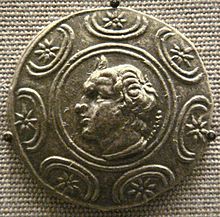
Antigonus II Gonatas: The Macedonian King Who Stabilized Greece
Introduction to Antigonus II Gonatas
Antigonus II Gonatas was a pivotal figure in ancient Macedonian history, ruling from 276 to 239 BC and founding the Antigonid dynasty. His reign marked a period of stability after the chaotic Diadochi Wars that followed the death of Alexander the Great. By securing Macedonia and establishing control over Greece, Antigonus II Gonatas played a crucial role in shaping the Hellenistic world.
Early Life and Rise to Power
Born around 319 BC, Antigonus II Gonatas was the son of Demetrius I Poliorcetes and Phila, the daughter of Antipater. His lineage tied him to some of the most powerful figures of the time, including his grandfather, Antigonus I Monophthalmus, one of Alexander the Great's successors. This heritage positioned him as a key player in the struggle for dominance after Alexander's death.
Claiming the Macedonian Throne
Antigonus II Gonatas claimed the Macedonian throne in 283 BC following his father's death. However, his rule was initially contested, and it wasn't until 276 BC that he secured his position as the undisputed king. His rise to power was marked by strategic military campaigns and alliances, which allowed him to outmaneuver his rivals.
Defeating the Galatian Invaders
One of his most significant early victories came in 277 BC when he defeated the Galatian invaders at the Battle of Lysimachia. This victory not only secured his throne but also demonstrated his military prowess and ability to protect Macedonia from external threats. The defeat of the Gauls was a turning point in his reign, solidifying his control over the region.
Military Campaigns and Strategic Victories
Antigonus II Gonatas was known for his military acumen, which he used to expand and secure his kingdom. His campaigns were characterized by strategic planning and a deep understanding of the political landscape of the Hellenistic world.
The Chremonidian War
One of his most notable military achievements was his victory in the Chremonidian War (267–261 BC). This conflict pitted Macedonia against a coalition of Athens, Sparta, and Ptolemy II of Egypt. Antigonus II Gonatas emerged victorious, capturing Athens in 263 BC and further solidifying his control over Greece.
Regaining Control After Pyrrhus of Epirus
Following the death of Pyrrhus of Epirus in 272 BC, Antigonus II Gonatas seized the opportunity to regain full control of Macedonia. This period marked the beginning of his efforts to establish Macedonian hegemony over Greece, a goal he pursued through a combination of military force and strategic alliances.
Establishing Macedonian Hegemony
Antigonus II Gonatas understood the importance of controlling key strategic locations to maintain his power. He implemented a system of garrisons and alliances that allowed him to dominate Greece and secure his rule.
The "Shackles of Hellas"
To ensure his control over Greece, Antigonus II Gonatas established garrisons in three critical locations: Corinth, Chalcis (Euboea), and Demetrias (Thessaly). These garrisons, known as the "shackles of Hellas," allowed him to monitor and control key trade routes and political centers, effectively securing his hegemony over the region.
Alliances and Diplomatic Strategies
In addition to his military campaigns, Antigonus II Gonatas was a skilled diplomat. He formed alliances with Illyria and Thrace, which helped him secure his northern borders and focus on his campaigns in Greece. His ability to balance threats from the Ptolemies of Egypt and the Seleucids of Syria through diplomacy and strategic patience was a hallmark of his reign.
Cultural and Intellectual Patronage
Antigonus II Gonatas was not only a military and political leader but also a patron of the arts and philosophy. His court was a center of intellectual activity, attracting some of the most prominent thinkers of the time.
Support for Philosophers and Poets
He was known for his support of Stoic philosophers, including Zeno of Citium, the founder of Stoicism. His patronage of philosophers and poets contributed to the cultural flourishing of Macedonia during his reign and left a lasting legacy in the intellectual history of the Hellenistic world.
Legacy and Historical Significance
Antigonus II Gonatas's reign marked a period of stability and cultural achievement in Macedonia. His ability to secure his kingdom through military victories and strategic alliances, combined with his patronage of the arts and philosophy, made him one of the most significant figures of the Hellenistic period. His legacy continues to be studied and admired by historians and scholars today.
Challenges and Revolts During Antigonus II Gonatas' Reign
Despite his military successes, Antigonus II Gonatas faced numerous internal challenges. His long reign was marked by periodic revolts and power struggles that tested his ability to maintain control over Macedonia and Greece.
The Corinth Revolt and Political Intrigue
One of the most significant challenges came in 249 BC when Alexander of Corinth led a revolt against Macedonian rule. This uprising threatened Antigonus' control over the strategic city of Corinth, a key location in his network of garrisons. The revolt was eventually suppressed, but it highlighted the ongoing resistance to Macedonian hegemony.
Antigonus II Gonatas employed a mix of military force and political maneuvering to regain control. His son, Demetrius II Aetolicus, played a crucial role in securing Corinth by marrying Nicaea, a strategic alliance that helped stabilize the region by 245/244 BC.
External Threats and Territorial Losses
In addition to internal revolts, Antigonus II Gonatas faced external threats from rival Hellenistic powers. The Ptolemaic Dynasty of Egypt and the Achaean League frequently interfered in Greek affairs, challenging his authority. In 243 BC, these pressures led to temporary losses of key territories, demonstrating the fragile nature of his control.
To counter these threats, Antigonus II Gonatas relied on his naval power, conducting raids in the Aegean, such as the attack on Andros in 245 BC. His ability to adapt to changing circumstances and leverage his alliances was crucial in maintaining his rule.
Antigonus II Gonatas' Military Strategies and Innovations
Antigonus II Gonatas was not only a skilled military leader but also an innovator in warfare. His strategies reflected a deep understanding of the political and geographical landscape of the Hellenistic world.
Defensive and Offensive Tactics
One of his most notable military achievements was his victory over the Galatian invaders in 277 BC. This battle demonstrated his ability to defend Macedonia against external threats. His tactics involved a combination of defensive fortifications and strategic engagements, allowing him to outmaneuver larger forces.
In his offensive campaigns, such as the Chremonidian War, Antigonus II Gonatas utilized a mix of siege warfare and naval blockades to weaken his opponents. His capture of Athens in 263 BC was a testament to his ability to execute complex military operations.
Use of Garrisons and Strategic Locations
Antigonus II Gonatas understood the importance of controlling key locations to maintain his power. He established garrisons in Corinth, Chalcis, and Demetrias, which allowed him to monitor and control critical trade routes and political centers. These garrisons, known as the "shackles of Hellas," were instrumental in securing his hegemony over Greece.
His strategic use of these locations enabled him to respond quickly to threats and maintain a strong presence in the region. This network of garrisons also served as a deterrent to potential revolts and external invasions.
Antigonus II Gonatas' Legacy and Historical Impact
Antigonus II Gonatas' reign had a lasting impact on the Hellenistic world. His military victories, strategic alliances, and cultural patronage shaped the political and intellectual landscape of his time.
Founding the Antigonid Dynasty
As the founder of the Antigonid Dynasty, Antigonus II Gonatas established a ruling family that would dominate Macedonia for over a century. His successors, including his son Demetrius II Aetolicus, continued his policies and maintained Macedonian control over Greece until the Roman conquest in 168 BC.
The Antigonid Dynasty's longevity was a testament to Antigonus II Gonatas' ability to create a stable and resilient political structure. His strategies and alliances laid the foundation for his successors to build upon.
Cultural and Intellectual Contributions
Antigonus II Gonatas was a patron of the arts and philosophy, attracting prominent thinkers to his court. His support for Stoic philosophers, including Zeno of Citium, contributed to the cultural flourishing of Macedonia. This intellectual legacy had a lasting impact on the development of Hellenistic thought.
His court became a center of learning and innovation, fostering an environment where philosophers, poets, and scholars could thrive. This cultural patronage enhanced his reputation as an enlightened ruler and left a lasting legacy in the intellectual history of the ancient world.
Antigonus II Gonatas in Historical Records and Modern Scholarship
Antigonus II Gonatas' life and reign have been the subject of extensive historical research. Modern scholarship continues to explore his military strategies, political maneuvering, and cultural contributions.
Historical Sources and Biographies
Key sources on Antigonus II Gonatas include ancient historians such as Plutarch and Polybius, who provided detailed accounts of his military campaigns and political strategies. Modern biographies, such as Janice Gabbert's 1997 work, offer comprehensive analyses of his reign and legacy.
These sources highlight his role in stabilizing Macedonia and establishing the Antigonid Dynasty. They also provide insights into his character, emphasizing his honesty, patience, and strategic thinking.
Modern Interpretations and Rankings
In modern scholarship, Antigonus II Gonatas is often ranked among the most significant figures of the Hellenistic period. According to Pantheon World, he is the 2,602nd most popular politician globally and the 179th most popular Greek biography. His Historical Popularity Index (HPI) stands at 70.59, reflecting his enduring influence.
Scholars continue to study his military tactics, political alliances, and cultural patronage, recognizing his contributions to the stability and intellectual development of the Hellenistic world. His legacy remains a subject of fascination and debate among historians and classicists.
Death and Succession of Antigonus II Gonatas
Antigonus II Gonatas died in 239 BC after a reign of over 44 years. His death marked the end of an era of relative stability in Macedonia, though his policies laid the groundwork for continued Antigonid rule. His son, Demetrius II Aetolicus, succeeded him, continuing the dynasty he had founded.
Succession and the Antigonid Dynasty
Antigonus II Gonatas established the Antigonid Dynasty, which ruled Macedonia from 277 to 168 BC—a period of 109 years. His strategic marriages and military victories ensured the dynasty's longevity, despite periodic rebellions and external pressures. The stability he created allowed his successors to maintain control over Greece, though eventual Roman expansion would end Antigonid dominance.
The dynasty's endurance reflected Antigonus II Gonatas's ability to balance military power with political acumen. His successors inherited a kingdom strengthened by his alliances, garrisons, and cultural investments, though they faced increasing challenges from rising powers like Rome.
Cultural Patronage and Intellectual Legacy
Beyond his military and political achievements, Antigonus II Gonatas was a patron of the arts and philosophy. His court attracted scholars, poets, and thinkers, fostering a vibrant intellectual environment that contributed to Hellenistic culture.
Support for Philosophy and Arts
Antigonus II Gonatas famously supported Stoic philosophers, including Zeno of Citium, the founder of Stoicism. His patronage helped spread philosophical ideas that would influence Western thought for centuries. The king also championed poets and artists, making Macedonia a cultural hub during his reign.
- Hosted prominent philosophers at his court
- Promoted educational institutions and libraries
- Encouraged the blending of Greek and Macedonian traditions
This cultural investment enhanced his reputation as an enlightened ruler and left a lasting impact on the intellectual landscape of the Hellenistic world. His support for learning ensured that Macedonia remained a center of innovation amid political turmoil.
Historical Significance and Modern Scholarship
Antigonus II Gonatas's reign is widely regarded as a pivotal moment in Hellenistic history. Modern scholars continue to analyze his strategies, legacy, and influence on subsequent rulers.
Rankings and Popularity Metrics
Despite the passage of time, Antigonus II Gonatas remains a significant figure in historical studies. According to Pantheon World data, he ranks:
- 2,602nd most popular politician globally
- 179th most popular Greek biography
- With a Historical Popularity Index (HPI) of 70.59
These metrics reflect his enduring relevance in academic circles. Scholars praise his ability to stabilize Macedonia after the chaos of the Diadochi Wars and his innovative approach to governance.
Modern Interpretations
Contemporary historians emphasize his pragmatism and adaptability. Unlike many of his contemporaries, Antigonus II Gonatas prioritized long-term stability over aggressive expansion, a strategy that served him well during a turbulent era. His legacy is often studied as a model of effective leadership in volatile political climates.
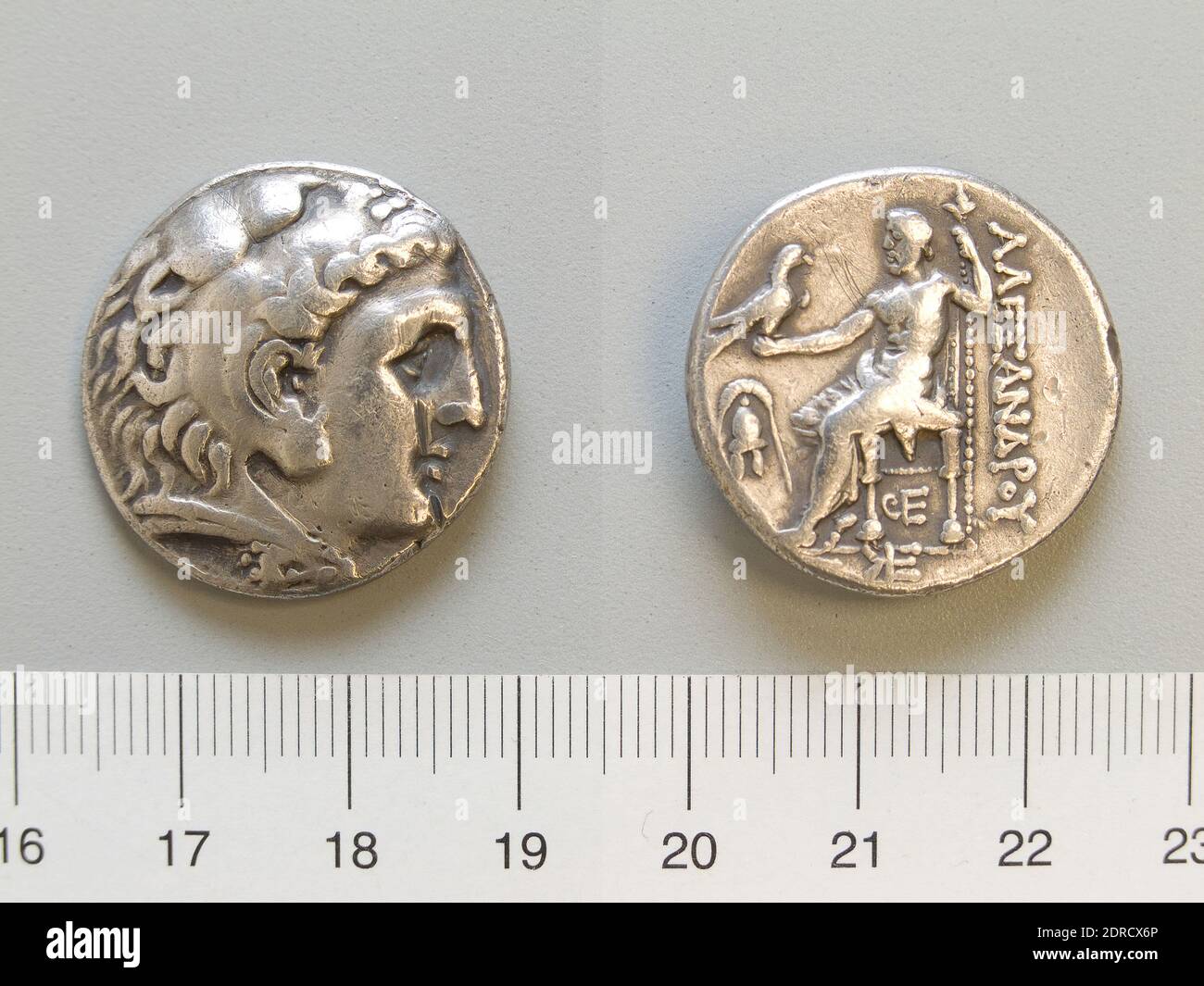
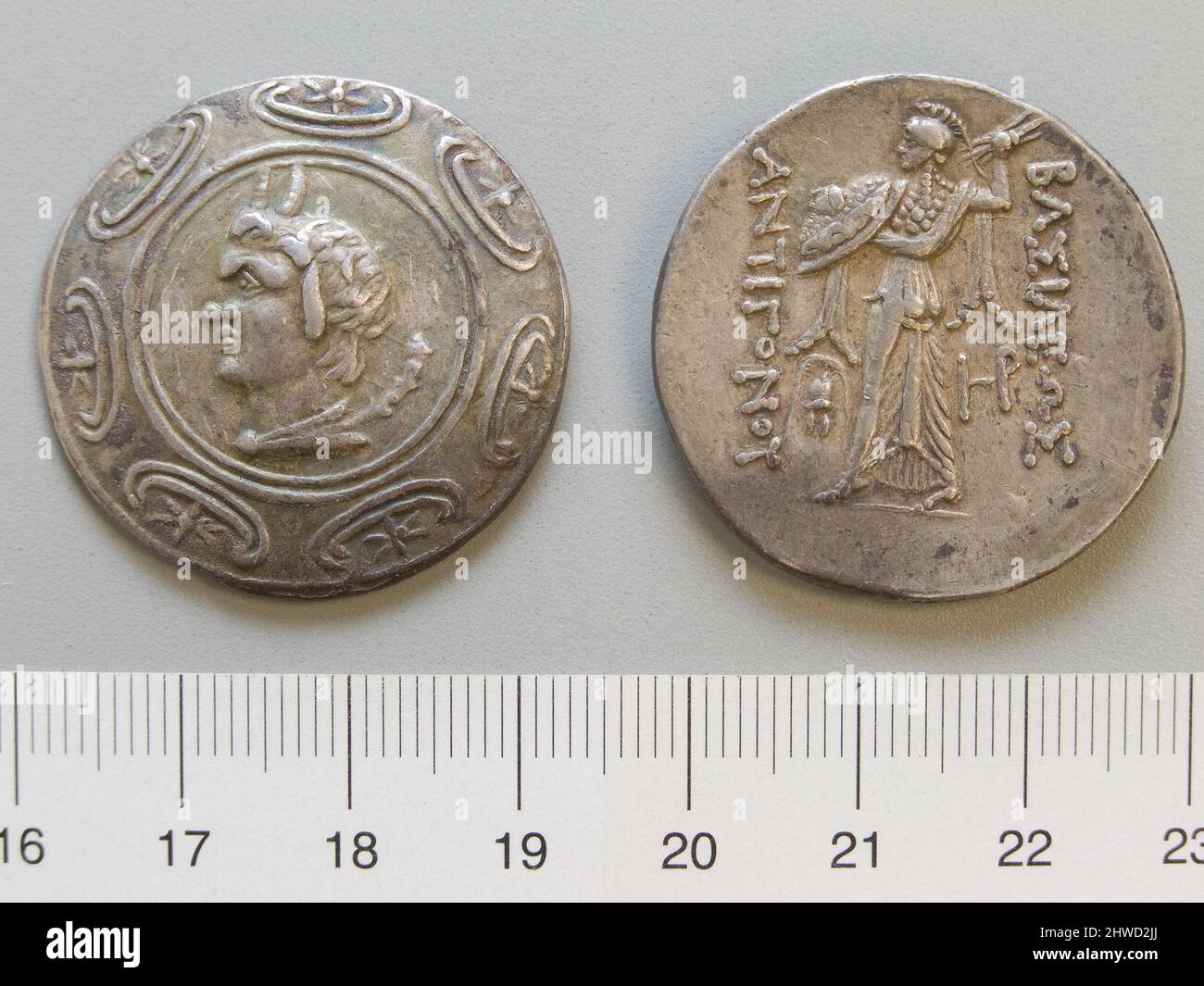
Recent archaeological discoveries, such as coins and inscriptions bearing his image, continue to provide valuable insights into his reign. These findings reinforce his role as a unifying figure who bridged Macedonian and Greek traditions.
Conclusion: The Enduring Legacy of Antigonus II Gonatas
Antigonus II Gonatas left an indelible mark on the Hellenistic world through his military victories, strategic alliances, and cultural patronage. His reign brought much-needed stability to Macedonia and established a dynasty that endured for over a century. By securing key locations like Corinth and Chalcis, he dominated Greece and thwarted external threats from Ptolemy II and the Achaean League.
His support for philosophy and the arts ensured Macedonia's intellectual growth, while his diplomatic skills allowed him to navigate complex power struggles. The Antigonid Dynasty he founded remained a dominant force until Roman conquest in 168 BC, a testament to his enduring influence.
In summary, Antigonus II Gonatas was more than a warrior king—he was a statesman, patron, and visionary leader whose legacy continues to resonate in historical scholarship. His ability to balance strength with wisdom cemented his place as one of the most significant rulers of the Hellenistic era.




Comments