Aristotle: The Father of Western Philosophy
Aristotle, born in 384 BCE in the Macedonian city of Stagira, was a polymath whose impact on Western thought is unmatched. His contributions to philosophy, science, politics, and ethics have been profound and enduring, influencing countless thinkers and shaping the way we understand the world around us.
Early Life and Education
Aristotle was born during a period known as the Hellenistic era, a time of great cultural and intellectual ferment. His father, Nicomachus, who was the personal physician to King Amintas III of Macedon, provided Aristotle with an early exposure to the field of medicine, which later informed his philosophical and scientific inquiry.
At the age of seventeen, Aristotle was sent to study in Athens at the Academy, the renowned school founded by Plato. There, Aristotle immersed himself in the intellectual community, engaging with the ideas of his teachers and fellow students. Although a pupil of Plato, Aristotle was not a mere follower and often disagreed with the older philosopher’s doctrines, particularly his more mystical and metaphysical tendencies.
Key Philosophical Influences
Aristotle's philosophy is a product of his extensive and varied education, which ranged from metaphysics and ontology to logic and politics. Among the most significant influences on his thought were the Pre-Socratic philosophers (like Thales and Parmenides) and the works of Plato. Aristotle’s approach to philosophy was characterized by empirical observation and logical analysis, a method that was more systematic and less abstract than that of his teacher.
In his works, Aristotle discusses several key themes, including the nature of reality, the structure of the cosmos, and the principles of logic and ethics. His ideas on causality and the hierarchical order of the universe were groundbreaking and have had a lasting impact on the way we think about the world.
Contributions to Philosophy
Aristotle's contributions to philosophy are numerous and diverse. In metaphysics, he developed a comprehensive system of logic and categories that has influenced Western philosophy to this day. His works include Categories, On Interpretation, and Metaphysics, which laid the foundation for the scientific method and the study of logic.
One of Aristotle's most famous works, the Nicomachean Ethics, is a treatise on the nature of virtue and happiness. In this work, Aristotle explores the concept of eudaimonia, or flourishing, which he links to the fulfillment of one's potential. He argues that the virtuous life is the path to eudaimonia, and that this virtue is not only moral but also intellectual and social.
Scientific Contributions
Aristotle’s impact on the sciences is equally significant. His approach to natural philosophy was highly observational and empirical, distinguishing him from the theoretical approach of Plato. In his scientific works, such as Aristotle’s Parts of Animals and On the Generation of Animals, he provided detailed descriptions of biological processes and the characteristics of living beings.
Aristotle classified living things into categories, a method that influenced taxonomy and biology for centuries. He also made observations in meteorology, zoology, and botany, and his works remain foundational in the history of these sciences. His theories on the elements and the structure of the universe, while later disproven, were a crucial step in the development of scientific thought.
Political Thought
Aristotle’s political philosophy is encapsulated in his work Politics and Ethics. He argues that the ideal form of government is a constitutional republic or a form of aristocracy, where the best are in charge. Aristotle believed that political institutions should be designed to protect the interests of the whole community, not just the ruling class.
In his analysis of different forms of government, Aristotle distinguished among monarchy, oligarchy, and tyranny, as well as the more democratic forms of government. His discussion of the balance between virtue and power, and the importance of ethical conduct among leaders, has had a lasting impact on political science and theory.
Teaching and Legacy
Aristotle’s most lasting legacy is his influence on education and the curriculum. His method of teaching, which involved detailed discussions and practical exercises, set the model for higher education in the Western world. In his school, the Lyceum, Aristotle encouraged his students to think critically and to engage in empirical research, a method that has become a cornerstone of modern education.
His works were heavily criticized and even banned by some in his own time, but by the 18th century, they were rediscovered and celebrated. Today, Aristotle’s ideas continue to be studied and debated, and his works remain essential reading for scholars in philosophy, science, and politics.
The influence of Aristotle is evident in the works of countless subsequent thinkers, from Galileo and Darwin to modern philosophers like Martha Nussbaum and Alasdair MacIntyre. His methods of inquiry, his commitment to empirical evidence, and his holistic approach to knowledge continue to shape the way we think about the world and ourselves.
Conclusion
Aristotle is not just a philosopher; he is a cultural touchstone, an intellectual cornerstone, and a guiding light for anyone seeking to understand the complexities of the human condition. His works, his methods, and his legacy have made him a central figure in Western civilization, and his ideas continue to inspire and challenge us today.
Philosophy of Nature and Cosmology
Aristotle’s philosophy of nature and cosmology is a complex and nuanced framework that attempts to explain the workings of the physical world. One of his most influential theories is the concept of the four elements—earth, water, air, and fire—which he believed composed all matter in the terrestrial world. Each element was associated with specific properties such as weight, heat, and shape. For example, earth was the heaviest and was associated with stability and solid form, whereas fire was the lightest and was related to heat and extension.
Aristotle’s cosmological views were grounded in a teleological perspective, where every entity has a purpose or final cause that explains its existence. This perspective led him to develop a hierarchical structure of the cosmos, with Earth at the center surrounded by concentric spheres containing the celestial bodies: the Moon, Sun, planets, and stars. This view, known as the “Celestial Spheres,” was based on the belief that the heavens moved in perfect circular orbits with eternal, unchanging motion. Aristotle further argued that there must be an unmoved mover, often identified with God, that initiated and sustained the motion of the celestial spheres.
Ethics and Politics: The Golden Mean
Aristotle’s ethical and political thought is encapsulated in his works Nicomachean Ethics and Poetics. Central to his ethical theory is the concept of the golden mean, which posits that virtue lies midway between two extremes of character traits. For instance, courage is the golden mean between excessive fear and excessive recklessness. This idea emphasizes a balanced and moderate approach to life rather than extremes.
In his Politics, Aristotle distinguishes between various forms of government—the rule of one (monarchy), few (oligarchy), many (democracy), and the best (aristocracy)—and discusses their strengths and weaknesses. He argues that the optimal form of government is one that balances the interests of all citizens and promotes the common good. Aristotle also emphasizes the importance of education and citizenship, suggesting that citizens should be educated in both virtues and practical skills to contribute effectively to society.
Criticism and Controversies
Aristotle’s ideas, while groundbreaking, were not without criticism. During his lifetime, some of his contemporaries saw him as a threat to established beliefs, particularly those of Plato. However, it was after his death that his theories faced more significant challenges. Ptolemy’s model of the universe, which retained the notion of celestial spheres, eventually gave way to more accurate models proposed by figures like Nicolaus Copernicus and later Isaac Newton.
Moreover, Aristotle’s views on slavery, hierarchy, and the subjugation of women have been widely criticized. His assertion that some individuals were naturally suited for servitude has been heavily condemned by contemporary scholars. These critiques highlight the historical context and limitations of Aristotle’s thought, reminding us that even great minds can hold problematic beliefs.
Impact on Later Thinkers
Despite the challenges, Aristotle’s ideas continued to influence later thinkers across various disciplines. In medieval Europe, during the Scholastic period, his works were studied in universities, and his teachings permeated theological, legal, and political thought. Thomas Aquinas, who synthesized Aristotelian thought with Christian doctrine, exemplified the impact of Aristotle on medieval philosophy.
During the Renaissance, humanists like Petrarch and Savonarola were influenced by Aristotle’s emphasis on empirical observation and logical analysis. This renewed interest in Greek texts contributed to the broader revival of classical learning. By the Enlightenment, thinkers like Gottfried Wilhelm Leibniz and Immanuel Kant continued to draw from Aristotelian traditions, albeit in a modified and critical manner.
Aristotle’s influence extends beyond philosophy and science into fields such as literature and aesthetics. His Poetics, which examines the structure and effects of drama, remains a seminal work in literary theory. Authors like Sophocles and Shakespeare are said to have adhered to the principles of tragic form outlined by Aristotle.
Conclusion
In conclusion, Aristotle’s legacy is multifaceted and enduring. From his pioneering scientific methods and classifications to his profound contributions to ethics and politics, his ideas have shaped Western thought in fundamental ways. Despite facing criticism and evolving alongside new discoveries and perspectives, his influence remains profound. His holistic approach to understanding the world continues to inspire and challenge contemporary scholars and thinkers alike.
The study of Aristotle’s works provides not only insights into the past but also valuable lessons for the present and future. Whether through his systematic approach to logic and categorization, his ethical theories, or his contributions to the sciences, Aristotle stands as a towering figure in the intellectual landscape of humanity.
Preservation and Transmission of Works
Aristotle’s works were not widely known for a period after his death. Many of his writings were lost or destroyed, and his works as we know them today are largely thanks to Julius Pollux, a 3rd-century CE grammarian, and other Byzantine scholars. The Corpus Aristotelicum includes around 16 works that are believed to be from Aristotle’s original writings, although the authenticity of some of these works has been questioned by contemporary scholars. These works cover everything from logic and metaphysics to biology and political thought, reflecting the breadth of Aristotle’s intellectual endeavors.
The rediscovery of Aristotle’s works during the Renaissance was a key factor in the revival of classical learning. Humanists like Erasmus and Petrarch were instrumental in translating Greek texts into Latin, making Aristotle’s ideas accessible to a wider audience. This renaissance of interest in Aristotle’s works was part of the larger intellectual movement known as the Renaissance, which sought to return to the classical wisdom of ancient Greece and Rome.
Morality and Virtue
Aristotle’s theories on morality and virtue are grounded in his broader framework of practical philosophy. He defines virtue as a mean between two extremes and argues that ethical behavior arises from habit and practice. Virtue, for Aristotle, is not just a moral concept but also involves the exercise of reason and the cultivation of character. This concept of virtue is closely linked to his notion of eudaimonia, or flourishing, which he sees as the highest form of human happiness.
One of Aristotle’s most famous ethical concepts is the golden mean, which posits that virtue lies in the middle ground between excess and deficiency. For example, courage is a mean between recklessness (excess) and cowardice (deficiency). This balanced approach to ethics has been influential in both Western and Eastern traditions, with thinkers like Confucius and Mencius drawing on similar ideas.
Political and Social Thought
Aristotle’s political thought is often seen as a precursor to modern democratic theory. He emphasizes the importance of participation in civic life and the role of education in shaping good citizens. His concept of aristocracy, where leaders are chosen based on their virtue and knowledge, has been interpreted as a form of meritocracy—a concept that remains central to democratic societies.
Aristotle believed that the ideal form of government was a mixed government that balanced the interests of different groups within society. This mixed government included elements of aristocracy, democracy, and other forms. His ideas on distributive justice, the rule of law, and the protection of individual rights have had a lasting impact on political philosophy and the establishment of democratic institutions.
Scientific Contributions
Aristotle’s contributions to science were significant and diverse. In biology, he made detailed observations of animals and plants, developing a form of systematics that laid the groundwork for future biological classification. His works on zoology, botany, and embryology, such as the Historia Animalium and Historia Plantarum, were influential and were the basis for the work of later scientists like Aristotle of Ascalon and Theophrastus (Aristotle’s successor at the Lyceum).
Apart from biology, Aristotle’s writings on astronomy, meteorology, and meteorology also reflect his empirical approach to understanding the natural world. His views on matter and form, as well as his theories on causality and explanation, were foundational to the development of scientific thought.
Later Influence on Thinkers
Aristotle’s ideas have been adapted and reinterpreted by numerous thinkers throughout history. During the Enlightenment, thinkers like Voltaire and John Locke incorporated Aristotelian concepts into their political philosophies. Voltaire, for instance, used Aristotle’s ideas to advocate for the rule of law and the protection of individual rights. Similarly, John Locke’s theories on natural rights and government were influenced by Aristotle’s emphasis on human rationality and virtue.
In modern philosophy, Aristotle’s ethics and politics continue to be relevant. Contemporary figures like Martha Nussbaum and Alasdair MacIntyre have used Aristotelian concepts to explore contemporary moral and political issues. Nussbaum, in particular, has argued that Aristotelian concepts of virtue and flourishing can provide a framework for understanding contemporary ethical dilemmas.
Assessment and Legacy
When evaluating Aristotle’s legacy, it is important to recognize both his enduring contributions and the limitations of his ideas. His systematic approach to knowledge and his insistence on empirical evidence have been influential in shaping the methods of scientific inquiry. However, his views on slavery, gender, and social hierarchy have been widely criticized and often challenged by contemporary thinkers.
Despite these criticisms, Aristotle’s works remain essential reading for scholars and students. His comprehensive system of logic and his explorations of the nature of reality, ethics, and politics continue to inspire and challenge intellectual discourse. His ideas have been subject to constant revision and reinterpretation, and they continue to be relevant in a wide range of fields, from philosophy to biology.
Aristotle’s influence is evident in the continued study and analysis of his works, as well as in the ongoing debate surrounding his ideas. His contributions to Western thought are not only a testament to his intellectual prowess but also a reminder of the dynamic and evolving nature of human knowledge.
From his early education at Plato’s Academy to his extensive works on philosophy, science, and politics, Aristotle has left an indelible mark on the history of Western civilization. His ideas continue to shape our understanding of the world and ourselves, making him a figure of immense importance in the annals of human thought.
In conclusion, Aristotle’s legacy is one of unparalleled influence and enduring relevance. His systematic approach to knowledge, his empirical methods, and his comprehensive theories have stood the test of time, shaping the way we think and live. His ideas continue to inspire new generations of scholars and thinkers, and his works remain a cornerstone of Western intellectual tradition.

Antigonus II Gonatas: The Macedonian King Who Stabilized Greece
Introduction to Antigonus II Gonatas
Antigonus II Gonatas was a pivotal figure in ancient Macedonian history, ruling from 276 to 239 BC and founding the Antigonid dynasty. His reign marked a period of stability after the chaotic Diadochi Wars that followed the death of Alexander the Great. By securing Macedonia and establishing control over Greece, Antigonus II Gonatas played a crucial role in shaping the Hellenistic world.
Early Life and Rise to Power
Born around 319 BC, Antigonus II Gonatas was the son of Demetrius I Poliorcetes and Phila, the daughter of Antipater. His lineage tied him to some of the most powerful figures of the time, including his grandfather, Antigonus I Monophthalmus, one of Alexander the Great's successors. This heritage positioned him as a key player in the struggle for dominance after Alexander's death.
Claiming the Macedonian Throne
Antigonus II Gonatas claimed the Macedonian throne in 283 BC following his father's death. However, his rule was initially contested, and it wasn't until 276 BC that he secured his position as the undisputed king. His rise to power was marked by strategic military campaigns and alliances, which allowed him to outmaneuver his rivals.
Defeating the Galatian Invaders
One of his most significant early victories came in 277 BC when he defeated the Galatian invaders at the Battle of Lysimachia. This victory not only secured his throne but also demonstrated his military prowess and ability to protect Macedonia from external threats. The defeat of the Gauls was a turning point in his reign, solidifying his control over the region.
Military Campaigns and Strategic Victories
Antigonus II Gonatas was known for his military acumen, which he used to expand and secure his kingdom. His campaigns were characterized by strategic planning and a deep understanding of the political landscape of the Hellenistic world.
The Chremonidian War
One of his most notable military achievements was his victory in the Chremonidian War (267–261 BC). This conflict pitted Macedonia against a coalition of Athens, Sparta, and Ptolemy II of Egypt. Antigonus II Gonatas emerged victorious, capturing Athens in 263 BC and further solidifying his control over Greece.
Regaining Control After Pyrrhus of Epirus
Following the death of Pyrrhus of Epirus in 272 BC, Antigonus II Gonatas seized the opportunity to regain full control of Macedonia. This period marked the beginning of his efforts to establish Macedonian hegemony over Greece, a goal he pursued through a combination of military force and strategic alliances.
Establishing Macedonian Hegemony
Antigonus II Gonatas understood the importance of controlling key strategic locations to maintain his power. He implemented a system of garrisons and alliances that allowed him to dominate Greece and secure his rule.
The "Shackles of Hellas"
To ensure his control over Greece, Antigonus II Gonatas established garrisons in three critical locations: Corinth, Chalcis (Euboea), and Demetrias (Thessaly). These garrisons, known as the "shackles of Hellas," allowed him to monitor and control key trade routes and political centers, effectively securing his hegemony over the region.
Alliances and Diplomatic Strategies
In addition to his military campaigns, Antigonus II Gonatas was a skilled diplomat. He formed alliances with Illyria and Thrace, which helped him secure his northern borders and focus on his campaigns in Greece. His ability to balance threats from the Ptolemies of Egypt and the Seleucids of Syria through diplomacy and strategic patience was a hallmark of his reign.
Cultural and Intellectual Patronage
Antigonus II Gonatas was not only a military and political leader but also a patron of the arts and philosophy. His court was a center of intellectual activity, attracting some of the most prominent thinkers of the time.
Support for Philosophers and Poets
He was known for his support of Stoic philosophers, including Zeno of Citium, the founder of Stoicism. His patronage of philosophers and poets contributed to the cultural flourishing of Macedonia during his reign and left a lasting legacy in the intellectual history of the Hellenistic world.
Legacy and Historical Significance
Antigonus II Gonatas's reign marked a period of stability and cultural achievement in Macedonia. His ability to secure his kingdom through military victories and strategic alliances, combined with his patronage of the arts and philosophy, made him one of the most significant figures of the Hellenistic period. His legacy continues to be studied and admired by historians and scholars today.
Challenges and Revolts During Antigonus II Gonatas' Reign
Despite his military successes, Antigonus II Gonatas faced numerous internal challenges. His long reign was marked by periodic revolts and power struggles that tested his ability to maintain control over Macedonia and Greece.
The Corinth Revolt and Political Intrigue
One of the most significant challenges came in 249 BC when Alexander of Corinth led a revolt against Macedonian rule. This uprising threatened Antigonus' control over the strategic city of Corinth, a key location in his network of garrisons. The revolt was eventually suppressed, but it highlighted the ongoing resistance to Macedonian hegemony.
Antigonus II Gonatas employed a mix of military force and political maneuvering to regain control. His son, Demetrius II Aetolicus, played a crucial role in securing Corinth by marrying Nicaea, a strategic alliance that helped stabilize the region by 245/244 BC.
External Threats and Territorial Losses
In addition to internal revolts, Antigonus II Gonatas faced external threats from rival Hellenistic powers. The Ptolemaic Dynasty of Egypt and the Achaean League frequently interfered in Greek affairs, challenging his authority. In 243 BC, these pressures led to temporary losses of key territories, demonstrating the fragile nature of his control.
To counter these threats, Antigonus II Gonatas relied on his naval power, conducting raids in the Aegean, such as the attack on Andros in 245 BC. His ability to adapt to changing circumstances and leverage his alliances was crucial in maintaining his rule.
Antigonus II Gonatas' Military Strategies and Innovations
Antigonus II Gonatas was not only a skilled military leader but also an innovator in warfare. His strategies reflected a deep understanding of the political and geographical landscape of the Hellenistic world.
Defensive and Offensive Tactics
One of his most notable military achievements was his victory over the Galatian invaders in 277 BC. This battle demonstrated his ability to defend Macedonia against external threats. His tactics involved a combination of defensive fortifications and strategic engagements, allowing him to outmaneuver larger forces.
In his offensive campaigns, such as the Chremonidian War, Antigonus II Gonatas utilized a mix of siege warfare and naval blockades to weaken his opponents. His capture of Athens in 263 BC was a testament to his ability to execute complex military operations.
Use of Garrisons and Strategic Locations
Antigonus II Gonatas understood the importance of controlling key locations to maintain his power. He established garrisons in Corinth, Chalcis, and Demetrias, which allowed him to monitor and control critical trade routes and political centers. These garrisons, known as the "shackles of Hellas," were instrumental in securing his hegemony over Greece.
His strategic use of these locations enabled him to respond quickly to threats and maintain a strong presence in the region. This network of garrisons also served as a deterrent to potential revolts and external invasions.
Antigonus II Gonatas' Legacy and Historical Impact
Antigonus II Gonatas' reign had a lasting impact on the Hellenistic world. His military victories, strategic alliances, and cultural patronage shaped the political and intellectual landscape of his time.
Founding the Antigonid Dynasty
As the founder of the Antigonid Dynasty, Antigonus II Gonatas established a ruling family that would dominate Macedonia for over a century. His successors, including his son Demetrius II Aetolicus, continued his policies and maintained Macedonian control over Greece until the Roman conquest in 168 BC.
The Antigonid Dynasty's longevity was a testament to Antigonus II Gonatas' ability to create a stable and resilient political structure. His strategies and alliances laid the foundation for his successors to build upon.
Cultural and Intellectual Contributions
Antigonus II Gonatas was a patron of the arts and philosophy, attracting prominent thinkers to his court. His support for Stoic philosophers, including Zeno of Citium, contributed to the cultural flourishing of Macedonia. This intellectual legacy had a lasting impact on the development of Hellenistic thought.
His court became a center of learning and innovation, fostering an environment where philosophers, poets, and scholars could thrive. This cultural patronage enhanced his reputation as an enlightened ruler and left a lasting legacy in the intellectual history of the ancient world.
Antigonus II Gonatas in Historical Records and Modern Scholarship
Antigonus II Gonatas' life and reign have been the subject of extensive historical research. Modern scholarship continues to explore his military strategies, political maneuvering, and cultural contributions.
Historical Sources and Biographies
Key sources on Antigonus II Gonatas include ancient historians such as Plutarch and Polybius, who provided detailed accounts of his military campaigns and political strategies. Modern biographies, such as Janice Gabbert's 1997 work, offer comprehensive analyses of his reign and legacy.
These sources highlight his role in stabilizing Macedonia and establishing the Antigonid Dynasty. They also provide insights into his character, emphasizing his honesty, patience, and strategic thinking.
Modern Interpretations and Rankings
In modern scholarship, Antigonus II Gonatas is often ranked among the most significant figures of the Hellenistic period. According to Pantheon World, he is the 2,602nd most popular politician globally and the 179th most popular Greek biography. His Historical Popularity Index (HPI) stands at 70.59, reflecting his enduring influence.
Scholars continue to study his military tactics, political alliances, and cultural patronage, recognizing his contributions to the stability and intellectual development of the Hellenistic world. His legacy remains a subject of fascination and debate among historians and classicists.
Death and Succession of Antigonus II Gonatas
Antigonus II Gonatas died in 239 BC after a reign of over 44 years. His death marked the end of an era of relative stability in Macedonia, though his policies laid the groundwork for continued Antigonid rule. His son, Demetrius II Aetolicus, succeeded him, continuing the dynasty he had founded.
Succession and the Antigonid Dynasty
Antigonus II Gonatas established the Antigonid Dynasty, which ruled Macedonia from 277 to 168 BC—a period of 109 years. His strategic marriages and military victories ensured the dynasty's longevity, despite periodic rebellions and external pressures. The stability he created allowed his successors to maintain control over Greece, though eventual Roman expansion would end Antigonid dominance.
The dynasty's endurance reflected Antigonus II Gonatas's ability to balance military power with political acumen. His successors inherited a kingdom strengthened by his alliances, garrisons, and cultural investments, though they faced increasing challenges from rising powers like Rome.
Cultural Patronage and Intellectual Legacy
Beyond his military and political achievements, Antigonus II Gonatas was a patron of the arts and philosophy. His court attracted scholars, poets, and thinkers, fostering a vibrant intellectual environment that contributed to Hellenistic culture.
Support for Philosophy and Arts
Antigonus II Gonatas famously supported Stoic philosophers, including Zeno of Citium, the founder of Stoicism. His patronage helped spread philosophical ideas that would influence Western thought for centuries. The king also championed poets and artists, making Macedonia a cultural hub during his reign.
- Hosted prominent philosophers at his court
- Promoted educational institutions and libraries
- Encouraged the blending of Greek and Macedonian traditions
This cultural investment enhanced his reputation as an enlightened ruler and left a lasting impact on the intellectual landscape of the Hellenistic world. His support for learning ensured that Macedonia remained a center of innovation amid political turmoil.
Historical Significance and Modern Scholarship
Antigonus II Gonatas's reign is widely regarded as a pivotal moment in Hellenistic history. Modern scholars continue to analyze his strategies, legacy, and influence on subsequent rulers.
Rankings and Popularity Metrics
Despite the passage of time, Antigonus II Gonatas remains a significant figure in historical studies. According to Pantheon World data, he ranks:
- 2,602nd most popular politician globally
- 179th most popular Greek biography
- With a Historical Popularity Index (HPI) of 70.59
These metrics reflect his enduring relevance in academic circles. Scholars praise his ability to stabilize Macedonia after the chaos of the Diadochi Wars and his innovative approach to governance.
Modern Interpretations
Contemporary historians emphasize his pragmatism and adaptability. Unlike many of his contemporaries, Antigonus II Gonatas prioritized long-term stability over aggressive expansion, a strategy that served him well during a turbulent era. His legacy is often studied as a model of effective leadership in volatile political climates.
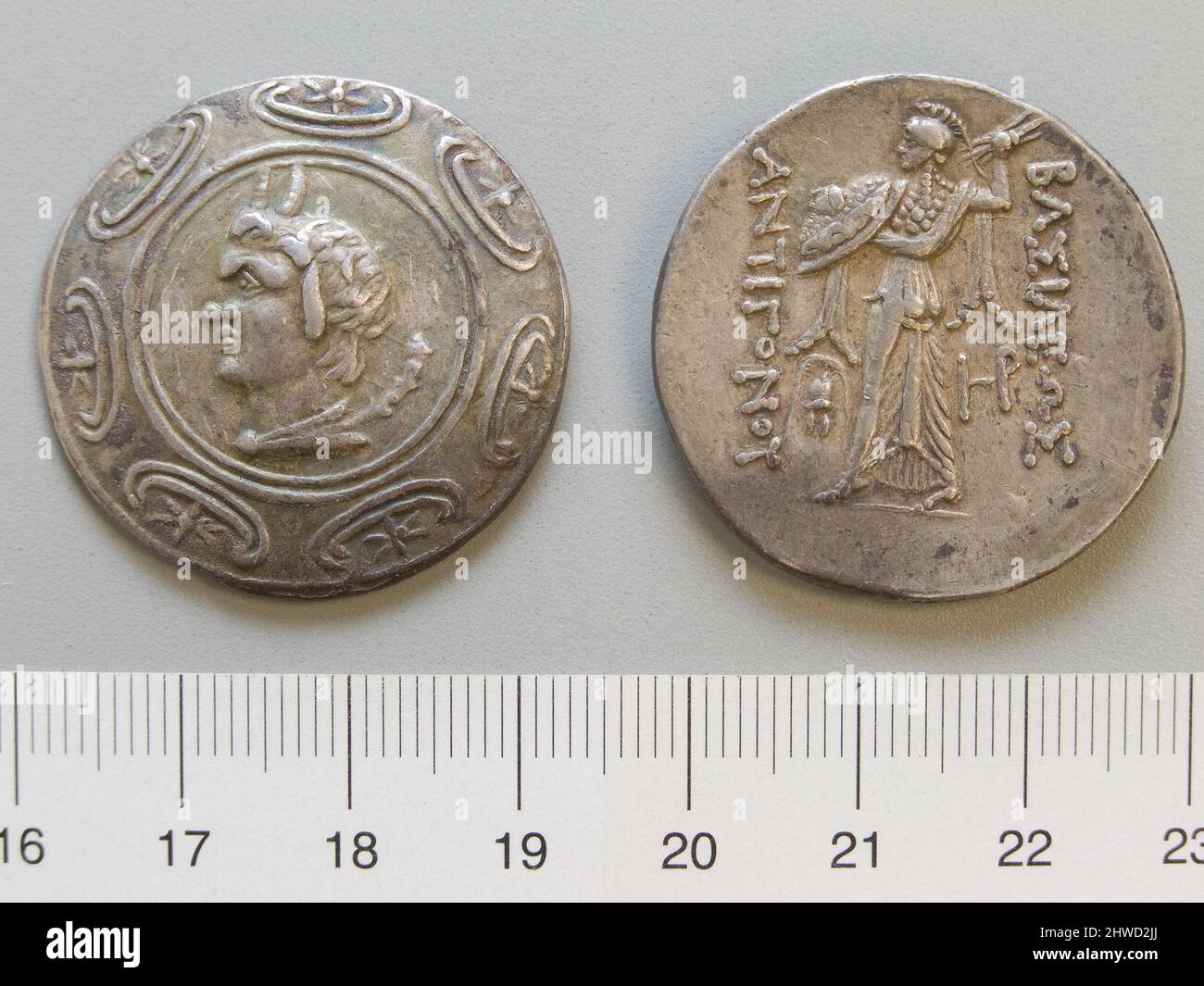
Recent archaeological discoveries, such as coins and inscriptions bearing his image, continue to provide valuable insights into his reign. These findings reinforce his role as a unifying figure who bridged Macedonian and Greek traditions.
Conclusion: The Enduring Legacy of Antigonus II Gonatas
Antigonus II Gonatas left an indelible mark on the Hellenistic world through his military victories, strategic alliances, and cultural patronage. His reign brought much-needed stability to Macedonia and established a dynasty that endured for over a century. By securing key locations like Corinth and Chalcis, he dominated Greece and thwarted external threats from Ptolemy II and the Achaean League.
His support for philosophy and the arts ensured Macedonia's intellectual growth, while his diplomatic skills allowed him to navigate complex power struggles. The Antigonid Dynasty he founded remained a dominant force until Roman conquest in 168 BC, a testament to his enduring influence.
In summary, Antigonus II Gonatas was more than a warrior king—he was a statesman, patron, and visionary leader whose legacy continues to resonate in historical scholarship. His ability to balance strength with wisdom cemented his place as one of the most significant rulers of the Hellenistic era.
Seleucus I Nicator: The Founder of the Seleucid Empire
The Birth and Early Life
Selēukos I Nikator, known as Seleucus I Nicator, was born in approximately 358 BCE in either Seleucia-on-Tigris or Jerusalem. He was an Athenian-born nobleman who served as a prominent general under Alexander the Great during his conquests in the Near East. Seleucus's family had a long history of involvement with the Hellenistic world, tracing connections back to Macedonian elites.
His mother, Laodice, was a Persian noblewoman of uncertain origin, which provided him with a unique blend of Greek and Persian influences. This fusion would prove crucial in his later career, allowing him to navigate the complex geopolitical landscape of the early Hellenistic period.
The Aftermath of Alexander’s Death
After his untimely death in 323 BCE, Alexander’s vast empire began to disintegrate among his generals. Seleucus, along with Lysimachus, Ptolemy, Cassander, and Antigonus Monophthalmus, divided Alexander’s territories, each establishing their own kingdoms. Seleucus initially aligned with Antigonus Monophthalmus, but the latter’s ambitions eventually led him into conflict with Seleucus.
Seleucus distinguished himself throughout the ensuing struggles, particularly during the Siege of Babylon in 312 BCE. During this pivotal event, Seleucus played a critical role that led to significant victories over Antigonus’s forces. His contributions to the military were acknowledged, and he was rewarded with valuable territories, including Media and Babylonia.
The Establishment of the Seleucid Empire
In 312 BCE, Seleucus established his base at Babylon. From there, he initiated a systematic expansion of his dominion to the east and west. His empire came to be known as the Seleucid Empire, named after his lineage and the city of Seleucia-on-the-Tigris, which he founded.
The Seleucid Empire reached its zenith under Seleucus’s leadership, extending its borders to encompass vast stretches of territory. To the north, the empire bordered the Caucasus, the Iranian Plateau, and even parts of Central Asia. To the south, it claimed territories stretching as far as the Indus River Valley, bringing much of the Indian subcontinent under its influence.
Diplomacy and Consolidation
Seleucus’s consolidation of power did not end with the initial expansion. Through strategic alliances and marriages, he further strengthened his position. He married Apame, the daughter of Seleucus’s former comrade-in-arms, Spitamenes, which added legitimacy and wealth to his rule.
Making effective use of diplomacy, Seleucus maintained relations with other major powers of the time. Notably, he struck alliances with Rome, ensuring that his eastern territories remained relatively independent from Roman interference. These alliances were crucial in securing Seleucid interests while avoiding direct confrontation with Rome’s growing power.
Reforms and Governance
Seleucus’s reign was marked by significant administrative and economic reforms. He continued many practices and policies initiated by Alexander, such as the introduction of Greek civic institutions, the establishment of colonies, and the promotion of Hellenistic culture across his territories.
A notable example of Seleucus’s administrative acumen is the organization of cities and the building of infrastructure, including roads, fortifications, and public works. Seleucia-on-the-Tigris became one of the largest and most important cities in the empire, showcasing Seleucus’s vision for urban planning and cultural exchange.
Economically, Seleucus implemented measures to stabilize his realm. This included standardizing currencies, increasing trade, and facilitating commerce between different regions of his empire. By promoting inter-regional trade, Seleucus ensured economic prosperity and maintained the cohesion of his sprawling domain.
Cultural Impact
Seleucus’s rule was characterized not only by territorial expansion but also by a significant cultural and intellectual impact. The integration of Persian, Greek, and other Middle Eastern elements contributed to a unique Hellenistic culture that thrived under his patronage.
The blending of cultures led to the creation of new artistic styles, literary forms, and philosophical schools. Prominent philosophers such as Dorotheus of Tyana and philosophers associated with the Stoic tradition flourished in Seleucid lands, contributing to a vibrant intellectual environment.
The Hellenistic architectural style, exemplified by the construction of the majestic palaces and temples, left a lasting legacy. The city of Seleucia-on-the-Tigris and other major urban centers displayed a harmonious blend of Greek and Persian architectural features, reflecting the cultural synthesis under Seleucus’s rule.
A Military Strategist
Beyond political and administrative roles, Seleucus was also renowned as a military strategist. His campaigns were characterized by a combination of tactical brilliance and strategic foresight. Seleucus’s military prowess was evident in numerous battles and sieges, where he demonstrated both offensive and defensive tactics.
One of Seleucus’s greatest achievements was his military genius in dealing with the nomadic tribes of Central Asia, particularly the Bactrians and Parthians. His understanding of their nomadic strategies and his ability to adapt to the harsh conditions of Central Asia allowed him to secure these regions for his empire.
Seleucus’s success on the battlefield was also due to his ability to maintain a well-disciplined and loyal army. He understood the importance of loyalty and morale in military operations, and his soldiers remained steadfast despite the challenges posed by diverse adversaries.
Strategic Campaigns and Expansion
The strategic campaigns undertaken by Seleucus I Nicator were instrumental in expanding and consolidating his empire. One of his earliest and most significant ventures was against the Bactrians (modern-day Afghanistan), whom he defeated in a series of battles. This victory secured the eastern frontiers of his empire and laid the groundwork for further expansion towards the Indian subcontinent.
Seleucus’s campaigns were characterized by his ability to outmaneuver rival claimants to Alexander’s territories. For instance, he fought and decisively defeated Peithon in the Battle of Gaugamela in 309 BCE. This victory not only secured Seleucus’s position but also paved the way for further expansion into western territories.
Moving westward, Seleucus engaged in several major wars, primarily against the Antigonid dynasty led by Antigonus Monophthalmus. In the First War of Alexander (also known as the Triparadisus War), Seleucus allied with Lysimachus and Ptolemy against Antigonus. Though initially unfavorable, Seleucus’s leadership proved decisive, leading to the Battle of Gazala in 306 BCE. Despite facing superior numbers, Seleucus’s forces emerged victorious, effectively eliminating Antigonus’s threat in the east.
Rise to Kinghood and Later Years
Crowning himself as 'Basileōs' (King) in 305 BCE, Seleucus took on Alexander’s mantle, becoming one of the Diadochi (successors of Alexander the Great). This declaration set the stage for prolonged conflicts with the other rulers of the Hellenistic world, namely Lysimachus and Ptolemy.
Namely, the war between Seleucus and Lysimachus began in 280 BCE when Seleucus invaded Thrace, capturing Lysimachia. This move was a direct provocation, as Lysimachus controlled a significant portion of the northern Aegean coastline. The conflict culminated in the Battle of Corupedium in 281 BCE, where Seleucus decisively defeated Lysimachus, leading to the latter’s death and further consolidating Seleucus’s power.
Despite his numerous successes, Seleucus faced challenges later in his life. One of his sons, Antiochus Hierax, rebelled against him in 287 BCE, leading to a series of insurrections that tested Seleucus’s authority. This rebellion required Seleucus to focus his attention on suppressing internal strife, diverting some of his military resources away from external aggression.
Legacy and Succession
Seleucus’s reign was marked by stability and expansion, leaving behind a robust and prosperous empire. Upon his death in 281 BCE in Asia Minor, he was succeeded by his eldest son, Antiochus I Soter, effectively ensuring the continuity of his legacy.
Beyond his immediate successors, Seleucus’s impact on the region was profound. His efforts to integrate diverse peoples and cultures into a cohesive empire had lasting effects. The Seleucid Empire became a melting pot of ideas and traditions, fostering innovation and cultural exchange that endured for centuries.
The administrative reforms and urban development initiated by Seleucus laid the foundation for future Hellenistic cities. The construction of Seleucia-on-the-Tigris stands as a testament to his vision of creating monumental centers of learning and commerce. These cities not only served as capitals but also as focal points for cultural and economic activity, contributing significantly to the Hellenistic world.
Conclusion
Seleucus I Nicator remains a pivotal figure in ancient history, marking the transition from the age of Alexander the Great to the Hellenistic period. His military genius, strategic acumen, and diplomatic prowess enabled him to build and govern a vast empire that stretched from the Mediterranean to the Indus River. Seleucus’s legacy extends beyond his conquests; his influence on the cultural, economic, and political landscapes of the ancient world continues to captivate historians and scholars today.
Through his visionary leadership and enduring reforms, Seleucus I Nicator played a crucial role in shaping the Hellenistic era, a period of unprecedented cultural and intellectual flourishing. His accomplishments underscore the significance of his reign and its far-reaching impact on the course of history.
While Seleucus I Nicator’s immediate successors would go on to rule the Seleucid Empire, his legacy continued to be felt across the expansive realms he had established. Under the reign of his son Antiochus I Soter, the empire faced challenges from various quarters, including internal dissension and external threats. However, the foundations laid by Seleucus ensured a degree of stability that facilitated further expansion and cultural development.
Antiochus I Soter, who ruled from 281 to 261 BCE, focused on consolidating power within the empire. He addressed the issues of succession and internal unrest that had plagued his father’s rule. Antiochus’s efforts to stabilize the empire included reinforcing the administrative structure put in place by Seleucus, ensuring that the various regions continued to flourish under the Hellenistic model.
The Seleucid Empire during Antiochus’s reign saw significant military and economic activities. The empire expanded further into Persia, Syria, and Mesopotamia, solidifying Seleucus’s vision of a grand Hellenistic state. Despite these expansions, internal strife occasionally threatened the unity of the empire. Notable instances include the insurrection led by his brother Seleucus Callinicus, which was quelled with difficulty.
One of the most significant challenges faced by the Seleucid Empire was the rise of the Parthians in northeastern Iran, leading to tensions along the empire’s eastern borders. The Parthians, under the leadership of Arsaces I, presented a formidable challenge to Seleucid dominance. In response, Seleucus II Callinicus, who assumed the throne after Antiochus’s death in 261 BCE, launched several military campaigns against the Parthians. These campaigns, though initially successful, ultimately proved unsuccessful, and the Parthians continued to expand their control over central Asia.
The Seleucid Empire’s interactions with other Hellenistic powers, particularly Rome, also played a crucial role in shaping its fate. While Seleucus I had taken preemptive steps to secure the empire from Roman interference, subsequent kings had to contend with growing Roman power. The Seleucid-Roman relations reached a significant turning point during the Third Syrian War, which lasted from 201 to 195 BCE. This conflict, initiated by Perdiccas III, a pretender to the Seleucid throne, resulted in a decisive Roman victory. The Romans, as a result, acquired strategic territories, including Cyrrhus and Seleucia, effectively diminishing Seleucid influence in western Syria.
As the Seleucid Empire dwindled, the fragmentation of its vast territories into smaller, autonomous regions became evident. The Seleucid dynasty, once powerful, could no longer maintain its grip on all parts of its empire. Internal dynastic struggles and external pressures contributed to the empire’s decline. By the late 2nd century BCE, the Seleucid Empire faced invasions from various tribes, including the Gauls and the Scythians, which further destabilized its territories.
The eventual fall of the Seleucid Empire came in 64 BCE when it was annexed by the Roman Republic. The Seleucid king Demetrius III COPYING surrendered his crown to Pompey the Great, ending three centuries of Seleucid rule. However, the legacy of Seleucus I Nicator endured far beyond his lifetime. His empire served as a bridge between the East and West, fostering cultural exchange, urban development, and economic prosperity.
The Hellenistic world that emerged from the ashes of Alexander’s conquests was forever shaped by figures like Seleucus I Nicator. His vision of a united empire combining Greek and Persian elements created a unique cultural blend that influenced not just the region but also future civilizations around the Mediterranean and beyond. The architectural marvels, philosophical schools, and literary traditions established under his rule have left indelible marks on human civilization, making Seleucus I Nicator one of the most influential figures in ancient history.
In conclusion, the Seleucid Empire, under the visionary leadership of Seleucus I Nicator, left a profound impact on the ancient world. Its enduring legacy spans across multiple disciplines and eras, serving as a testament to the enduring power of great leadership and vision in shaping the course of human history.


Ptolemy I Soter: The Rise of a Macedonian Pharaoh
In the pages of history, few figures have successfully transitioned from the chaos of conquest to the consolidation of a grand dynasty. Ptolemy I Soter, a key player in the epochal upheaval following Alexander the Great's reign, not only wove his name into the annals of history but also established the groundwork for a dynasty that endured for nearly three centuries. This Macedonian general, turned self-proclaimed king, deftly navigated the turbulent waters of post-Alexandrian society, establishing a legacy that has resonated through millennia.
The Early Years and Rise to Power
Born circa 367 BCE, Ptolemy's early life unfolded amid the pinnacle of Macedonian ambition. He was a close companion of Alexander the Great, nurtured in the traditions of classical Hellenistic education and military prowess. Ptolemy’s roots were steeped in nobility, with some accounts suggesting he may have had familial links to Alexander himself, possibly through his mother Arsinoe, hinting at a complex web of dynastic allegiances.
As a trusted general and confidante of Alexander, Ptolemy's prowess was evident in various military campaigns. From the searing sands of Egypt to the mountains of India, Ptolemy's loyalty to Alexander never waned. Upon Alexander's untimely death in 323 BCE, the sprawling empire was left in a precarious balance, with satraps and generals vying for control over fragments of the vast dominion.
The Satrap of Egypt: Initiating Rule
In the chaotic partitioning of Alexander's empire, Ptolemy was appointed satrap of Egypt, a strategically significant and wealthy province. His governance commenced amid a maelstrom of political maneuvering and alliance-building, necessitating astute judgment and strategic foresight. Ptolemy seized his opportunity with decisive actions, notably securing Alexander's body, a revered symbol of legitimate rule, and bringing it to Memphis—this act alone solidified his authority in the eyes of both the Macedonians and the Egyptians.
Ptolemy's tenure as satrap soon witnessed the intricacies of regional power dynamics. He recognized the immense potential afforded by Egyptian resources, particularly the fertile lands of the Nile. Ptolemy embarked on substantial infrastructure projects aiming to rejuvenate agriculture, restore stability, and invigorate economic prosperity. Such initiatives were pivotal not only in securing domestic peace but also in establishing Egypt as a pivotal force capable of independent assertion in the Hellenistic world.
From Satrap to King: The Birth of the Ptolemaic Kingdom
Ptolemy’s astute administrative skills combined with military might gradually steered him from a satrap's modest authority towards the regal ambition of a kingdom. By 305 BCE, Ptolemy declared himself Pharaoh, marking the inception of the Ptolemaic Kingdom. This bold move echoed a meticulous blend of Macedonian and Egyptian traditions, aligning strategically with native customs to secure local support. The adoption of pharaonic iconography, rituals, and temple sponsorships underscored Ptolemy’s adept management of cultural integration, making him a ruler not just by force, but by acceptance as well.
The newly minted Pharaoh effectively centralized his power, maneuvering deftly amid the engagements and alliances that ensued as other Diadochi (successor) rulers rose and fell across the fragmented empire. Ptolemy's strategic insight was evident in consolidating control over essential territories bordering Egypt, including Cyprus and parts of modern-day Libya, thereby buttressing his nascent kingdom against potential threats.
The establishment of Ptolemaic rule also heralded a golden age of cultural flourishing and scientific advancement under Ptolemy I’s patronage. Alexandria, the kingdom's pulsating heart, burgeoned into a formidable center of learning and cross-cultural dynamism, home to scholars, poets, and philosophers whose works would resonate long beyond Greece's borders. Through the patronage of the storied Library of Alexandria, Ptolemy laid the intellectual foundation for an enduring legacy of knowledge and inquiry.
In conclusion, Ptolemy I Soter's rise from a Macedonian general to the sovereign of Egypt echoes the transformational turbulence of his era: a testament to the interplay of ambition, cultural adaptation, and dynastic vision. As the founder of a lasting dynasty in Egypt, Ptolemy’s legacy is interwoven with the very fabric of ancient and subsequent cultures, rendering him a monumental figure in both Egyptian and Hellenistic history.
The Consolidation of Power and Cultural Patronage
Once Ptolemy I Soter secured his position as Pharaoh, he embarked on the significant task of consolidating his rule, both domestically and on the broader Hellenistic stage. His reign wasn't merely about asserting dominance through military conquest or political stratagems; it was also characterized by an intellectual and cultural renaissance that left an indelible mark on the ancient world.
Ptolemy's leadership was marked by a conscious effort to harmonize Greek and Egyptian cultures. He skillfully incorporated Egyptian religious customs into his court, taking on traditional titles such as "Soter," meaning "Savior," which resonated deeply with his subjects. By blending Greek and Egyptian traditions, Ptolemy fostered a sense of unity in a culturally diverse population. This syncretic approach was instrumental in crafting an enduring identity for his nascent empire, one that survived long after his tenure.
The Architectural and Scientific Landmarks of Ptolemy's Egypt
Under Ptolemy's reign, Alexandria rose to become a beacon of architectural splendor and intellectual achievement. The city itself was a masterstroke of urban planning, featuring Halicarnassian architect Dinocrates' vision that conveyed both grandeur and cultural sophistication. The construction of the Pharos of Alexandria, one of the Seven Wonders of the Ancient World, was initiated in his time and became a symbol of maritime prowess and engineering excellence.
More than just grand edifices, the heart of Alexandria pulsed with vibrant intellectual life. At its core was the Library of Alexandria, arguably the most ambitious and significant repository of knowledge in the ancient world. Ptolemy’s vision for this institution was grandiose—not just as a collection of texts but as a hub of intellectual exchange. Scholars, mathematicians, poets, and scientists flocked to Alexandria, drawn by the promise of patronage and the city’s cosmopolitan allure.
Ptolemy, himself a man of learning, encouraged these intellectuals by championing the translation of important texts and the development of diverse fields of study. The Ptolemaic era birthed advancements in astronomy, mathematics, and medicine. Notably, Ptolemy's patronage extended to individuals such as Euclid, whose "Elements" laid the groundwork for modern geometric theory, and Eratosthenes, who remarkably calculated the circumference of the Earth with surprising accuracy.
Navigating the Perils of the Diadochi Wars
Even as he fostered cultural and scientific achievements, Ptolemy Soter was deeply embroiled in the Diadochi Wars, the series of conflicts among Alexander’s former generals over control of the empire. His military acumen was frequently tested as alliances shifted and conflicts erupted across the Mediterranean basin. The strategic necessity of maintaining a strong military presence was evident in his careful selection of capable generals and the fortification of Egypt's borders.
Ptolemy's political and military strategy was characterized by careful diplomacy and selective engagement in warfare. This mastery of statecraft allowed him to extend influence while avoiding the pitfall of overextension that plagued many of his contemporaries. His diplomatic maneuvers often involved strategic marriages and alliances that fortified his position within the complex power structure of the post-Alexandrian world.
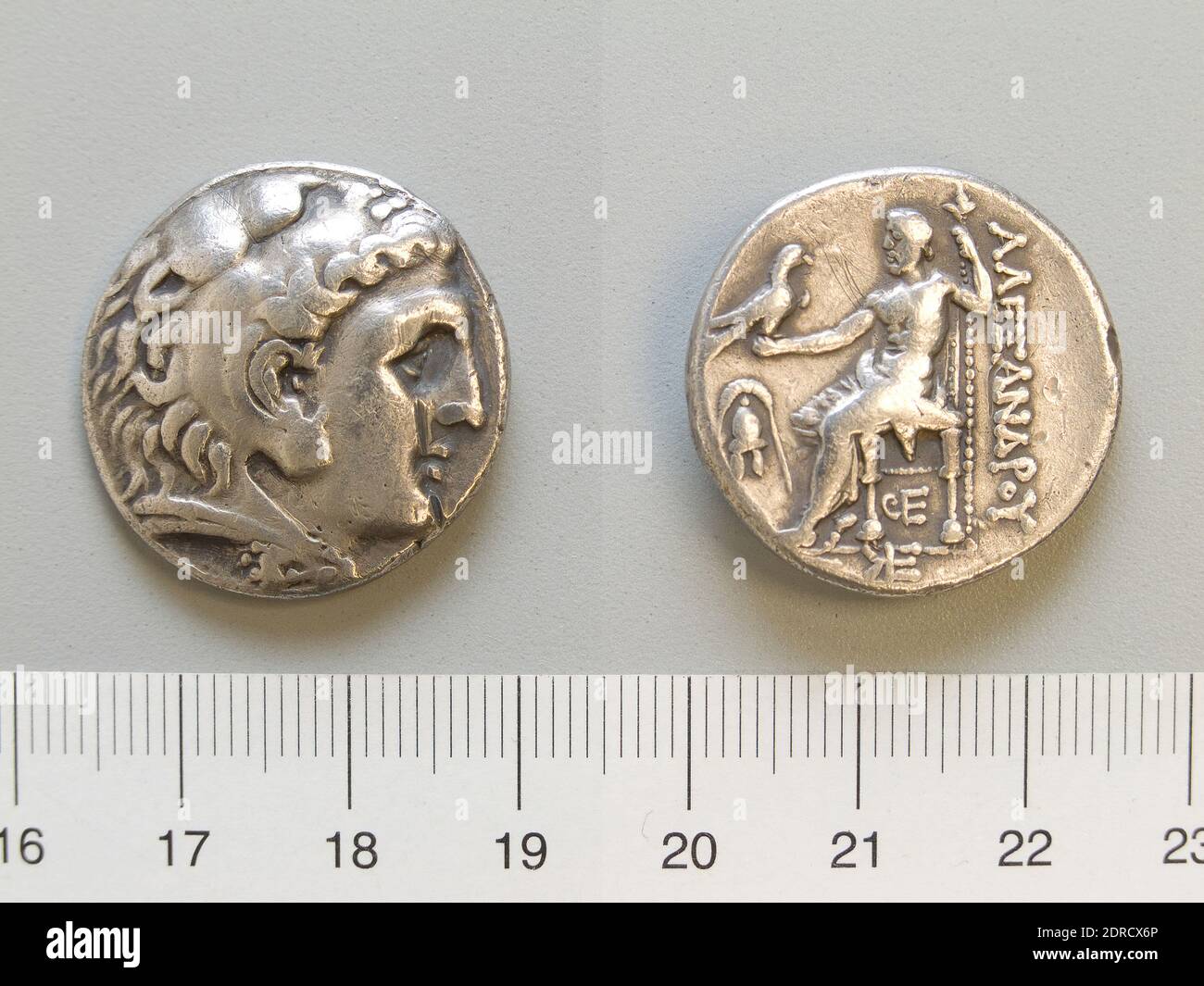
Ptolemy’s success in these endeavors did not only rest on military might but also on his acute understanding of propaganda and legitimacy. By commissioning art and coinage that depicted him favorably, often in the company of Alexander the Great, he bolstered his image both at home and abroad. Such portrayals reinforced his narrative as a rightful successor to Alexander’s legacy, aligning himself as a champion of Greek culture within his Egyptian dominion.
The Legacy of Ptolemy I Soter
Ptolemy I Soter’s reign set the foundations for a dynasty that would last until the Roman annexation of Egypt in 30 BCE. His strategies of cultural integration and political resilience laid the groundwork for a period of prosperity and unity within the diverse geographic and ethnic landscape of ancient Egypt. The Ptolemaic Kingdom transformed Egypt into a powerful and influential state, exerting a profound influence throughout the Hellenistic world.
Yet, his legacy is not without its complexities. While Ptolemy adeptly fostered a golden era of cultural and scientific achievement, the Ptolemaic dynasty faced challenges of lineage disputes and succession crises. These troubles often stemmed from the complex web of familial alliances and intermarriages that were both tools of political strategy and sources of internal strife. Nevertheless, the durability of the dynasty, initiated by Ptolemy, speaks to the solid base of power and culture he effectively instituted.
In contemplating the legacy of Ptolemy I Soter, historians find a compelling narrative of a ruler who balanced martial prowess with visionary leadership. The synthesis of Greek and Egyptian elements under his rule not only stabilized his kingdom but also enriched both cultures, creating a unique symbiosis that continued to evolve long after his death. As a general-turned-king, Ptolemy's life's work was a testament to the transformative potential of visionary leadership in an era of unprecedented change.
The Challenges of Succession and Dynasty
While Ptolemy I Soter's reign laid a robust foundation for Egypt's Hellenistic age, the challenge of securing his dynasty's future loomed large. As with many ruling families, the issue of succession was fraught with peril and potential for internecine conflict. To ensure a smooth transition, Ptolemy engaged in meticulous planning to ensure the continuity of his lineage and the kingdom’s stability.
In an astute political maneuver, Ptolemy abdicated in 285 BCE in favor of his son, Ptolemy II Philadelphus, thereby pre-empting the often uncontrollable chaos that followed a ruler's death. Ptolemy I’s decision to relinquish power while still alive was a calculated risk, reflective of his sophisticated understanding of governance and legacy. This action mitigated potential struggles over succession, allowing for a relatively peaceful transition of power and setting a precedent for future rulers.
Ptolemy II's ascension to the throne was accompanied by the continuation of his father's policies. His reign further strengthened the cultural and economic infrastructure established by Ptolemy I, maintaining Egypt's status as a beacon of Hellenistic brilliance. Despite occasional familial discord, the Ptolemaic dynasty sustained through the strategic marriages and alliances designed to fortify its dominion across the volatile Mediterranean landscape.
Ptolemy’s Influence on Religion and Integration
Religiously, Ptolemy I Soter's reign marked a significant integration of Greek and Egyptian pantheons. Recognizing the importance of religious unity in a multicultural society, Ptolemy promoted the worship of the syncretic deity Serapis, blending elements of Greek and Egyptian religious beliefs. Serapis became a unifying figure, worshipped across Egypt and by Hellenistic diasporas, effectively bridging cultural divides.
This religious fusion was both a pragmatic political strategy and a genuine reflection of Ptolemy's vision of a cohesive society. The Serapeum, a temple dedicated to Serapis, became a focal point of worship and theological study, further cementing Alexandria’s status as a spiritual as well as intellectual epicenter. The coexistence of Egyptian deities with Greek gods under Ptolemaic rule exemplified a model of cultural integration that preempted the complexities of global multiculturalism centuries later.
Furthermore, Ptolemy's encouragement of coexistence fostered not just peace, but a vibrant cultural tapestry that manifested in the arts and sciences. The Ptolemaic approach to governance not only fortified their power but emboldened Egyptian identity within the global dialogue fostered by Hellenistic culture—a dialogue that fed into the rich historical and cultural legacies witnessed today.
The Enduring Legacy of Ptolemy I Soter
Ptolemy I Soter's legacy is intricately woven into the narrative of both Hellenistic and ancient Egyptian history. His transformation of Egypt into a pivotal Hellenistic state set a precedent not only for subsequent rulers of Egypt but for the concept of governance through cultural symbiosis. Under his guidance, Egypt became a center of intellectual magnificence and economic prosperity.
The dynasty’s endurance—culminating nearly three centuries with Cleopatra VII’s famous rule before succumbing to Roman annexation—speaks volumes of the groundwork Ptolemy laid. The Ptolemaic dynasty’s prominence in history owes much to its ability to blend Greek innovation and Egyptian tradition, yielding a unique cultural and political entity that has fascinated scholars and historians through the ages.
Historians frequently cite Ptolemy I’s pragmatic leadership style, strategic marriages, and cultural policies as cornerstones of his successful reign. These elements contributed not only to his family's hold on power but also to the shaping of a dynamic society enriched by cultural cross-fertilization. His success outlined a blueprint of governance that embraced diversity, a concept increasingly relevant in today’s multifaceted global landscape.
Ptolemy I's impact reaches beyond his political achievements to an enduring symbolic legacy caught between myth and history. As both a savior and a founder, his efforts remind us of the potential of visionary leadership to craft societies that balance the chaos of innovation with the stability of tradition—a balancing act as relevant today as it was nearly two and a half millennia ago.
In reflecting on Ptolemy I Soter's life and legacy, we observe the timeless influence of a leader who harnessed the lessons of the past to forge a new path for the future. His mastery in the art of governance was not merely in wielding power but in understanding the profound impact of culture as a unifying force. As history turns its gaze to newer epochs, the story of Ptolemy I Soter remains a testament to the enduring power of visionary rule in shaping the cultural, intellectual, and political landscapes of civilization.


Antipater: The Unsung Strategist of Ancient Macedon
Introduction
Antipater, a figure often overshadowed by the titans of antiquity like Alexander the Great and Philip II, was nonetheless an indispensable architect in the construction and maintenance of the Macedonian Empire. Born in Paliura, Macedon, around 397 BCE, Antipater was a contemporary of Philip II and played a crucial yet understated role in the expansive campaigns that shaped the ancient world. His life and influence offer a fascinating glimpse into the inner mechanics of Macedonian politics, military strategy, and dynastic loyalty.
Early Life and Rise to Prominence
Though much of Antipater’s early life remains shrouded in the mists of history, it is believed he was born into a family of notable standing, a factor crucial in not only his education but also his rise through the ranks of Macedonian nobility. Under the reign of Philip II, Antipater quickly proved his loyalty and acumen, serving initially as a capable administrator in the Macedonian court.
His political sagacity and strategic insight became apparent during the early periods of Philip II’s reign, particularly during domestic and military endeavors that aimed to solidify Macedonia’s regional dominance. While others might gain prominence through dramatic conquests or calls to arms, Antipater's strengths lay in his ability to manage, coordinate, and stabilize the burgeoning empire.
The Role of Steward During Alexander’s Campaigns
Antipater’s capabilities truly came to the fore during the reign of Alexander the Great. As Alexander embarked on his legendary conquests, Antipater was appointed regent in Macedonia, responsible for maintaining order across Greek territories and countering threats that could jeopardize the empire's rear guard. This position demanded not only military prowess but also diplomatic skills to navigate the complex relations with Greek city-states and tribal coalitions.
During Alexander’s prolonged absence on his campaigns through Asia, Antipater faced significant challenges at home. Chief among them was the Spartan revolt led by King Agis III around 331 BCE, which threatened Macedonian supremacy in Greece. Demonstrating strategic foresight and military acumen, Antipater successfully crushed the uprising at the Battle of Megalopolis, securing Macedon’s control and maintaining peace on the home front.
Political Machinations and the Struggle for Succession
With the sudden death of Alexander in 323 BCE, the Macedonian Empire was thrown into turmoil. The great king left no clear heir, leading to factions forming around potential successors. Antipater, an old ally deeply invested in the stability of the realm, found himself once more thrust into the limelight of political theater.
During the Wars of the Diadochi, which erupted following Alexander’s demise, Antipater positioned himself as a stabilizing force, seeking to maintain the unity of the empire amid the ambitions of rival generals and satraps. His astute political maneuvers ensured a provisional compromise by the Treaty of Triparadisus in 321 BCE, which redistributed authority among the remaining power brokers of the Macedonian court.
Legacy and Impact
Antipater's death in 319 BCE marked the end of an era characterized by balance and political equilibrium. His legacy, however, lived on through his son, Cassander, who continued to shape Macedonian history amidst the swirling tides of empire. While not as gloriously remembered as the conquerors he served, Antipater's strategies and governance were pivotal in sustaining Macedonian hegemony and laying the foundations for its rulers in the chaotic years that followed Alexander’s death.
Antipater's life offers an extraordinary lens through which to examine the subtle yet profound influences of governance and strategy that lie behind history's grand narratives. As a pivotal figure in Macedonian politics, his efforts were key in maintaining stability during one of the most tumultuous and dynamic periods of classical antiquity.
Antipater’s Relationship with Alexander the Great
The dynamics between Antipater and Alexander the Great have long intrigued historians, as their relationship was complex and multifaceted. As one of Philip II’s trusted strategists, Antipater had already established a solid foundation within the Macedonian hierarchy by the time Alexander ascended to the throne. Initially, their relationship was collaborative, with Antipater acting as a loyal supporter during Alexander’s efforts to consolidate his rule.
However, tensions emerged as Alexander embarked on his ambitious campaigns of conquest. As regent, Antipater held significant power in Europe, managing Macedonian affairs while Alexander was away. This autonomy, combined with his growing influence, eventually led to friction between the two formidable figures. Historical accounts suggest that Alexander was somewhat wary of Antipater’s power and ambition, perceiving him as a potential rival capable of undermining his authority.
Despite these undercurrents of distrust, Antipater's experience and steady governance were indispensable. His unwavering commitment to Macedonia, along with his proven administrative and military capabilities, played a crucial role in maintaining stability across the Hellenistic world during Alexander’s expansive endeavors.
The Spartan Challenge: Battle of Megalopolis
One of the most significant episodes during Antipater’s regency was the conflict with Sparta, led by King Agis III. This confrontation emerged as a formidable test of Antipater’s leadership in the face of a substantial threat to Macedonian dominance in Greece. The Spartans, historically renowned for their military prowess, sought to capitalize on Alexander's absence by rallying support to challenge Macedonian influence.
The culmination of these tensions was the Battle of Megalopolis in 331 BCE, a decisive engagement that underscored Antipater’s strategic acumen. Leading a force of Macedonian and allied troops, Antipater successfully quashed the Spartan insurgents despite their formidable fighting reputation. His victory not only reaffirmed his leadership capabilities but also ensured continued Macedonian supremacy in Greece, safeguarding the empire during Alexander’s campaigns.
The Intricacies of Macedonian Politics
Following Alexander's untimely death, Antipater found himself navigating the turbulent waters of succession and power struggles among the Diadochi, Alexander’s former generals and administrators. This period was characterized by complex political intrigue and shifting alliances, as these leaders vied to carve out influence over the vast territories of Alexander's empire.
Antipater’s diplomacy and calculated decision-making once again came into play. His political maneuvering was instrumental in the temporary reconciliation of warring factions through the Treaty of Triparadisus in 321 BCE. This agreement, albeit fragile, demonstrated his ability to broker compromises and manage competing interests within the fractious world of ancient Macedonian politics.
Moreover, Antipater’s choice of Polyperchon as his successor, bypassing his own son Cassander, emphasized his focus on stability over personal dynastic ambition. This decision, however, sowed seeds of future conflict as it prompted Cassander to eventually rebel, underscoring the enduring challenges of succession in the Macedonian realm.
A Strategic Mind
Throughout his career, Antipater exemplified the qualities of a pragmatic and perceptive leader. His approach was marked by an acute awareness of geopolitical realities and a knack for strategic foresight. Unlike the flamboyant conquerors who relied on dramatic force, Antipater's strength lay in his methodical preparation and adeptness in balancing diverse political and military interests.
His skill in mediation and conflict resolution was pivotal during the years following Alexander’s conquest and the subsequent fragmentation of the empire. Antipater’s ability to manage internal dissent, counter external threats, and maintain alliances demonstrated a comprehensive understanding of the delicate balance of power that characterized the era.
Antipater’s Death and the Aftermath
Antipater’s death in 319 BCE marked a significant turning point for the Macedonian empire, thrusting it into even more profound disarray. The vacuum left by his departure exacerbated existing tensions, and the fragile fabric of authority disintegrated into open conflict as rival factions scrambled to seize control. His passing shone a light on the delicacy of Macedonian stability, which had largely been underpinned by his diplomatic and governing capabilities.
In the ensuing power struggle, Antipater's son Cassander emerged as a prominent figure. Despite their father-son relationship, Cassander engaged in a clash for supremacy against Polyperchon, the successor appointed by Antipater himself. The conflict between Cassander and Polyperchon was emblematic of the turmoil that followed Antipater's demise, reflecting the perennial struggle for dominance in the ancient Macedonian world.
Candidates like Antipater, who combined strategic insight, capable administration, and formidable diplomacy, were rare in the often chaotic and competitive landscape of ancient Macedon. His career and legacy serve as a testament to the significant, albeit frequently underappreciated, role of political and military strategists behind the scenes in shaping history's grand narratives.
Cassander's Rise and Antipater’s Lasting Influence
Following Antipater’s death, the challenge of sustaining Macedonian hegemony fell to Cassander, his son. Despite his father's initial decision to overlook him as heir, Cassander emerged as a central player in the tumultuous period known as the Wars of the Diadochi. He demonstrated political shrewdness reminiscent of his father but with a more aggressive approach towards securing power.
Cassander's rise to prominence involved strategic realignments and robust military campaigns. Notably, he secured alliances with other key figures, such as Ptolemy and Lysimachus, which highlighted Antipater's lasting influence in shaping the diplomatic landscape of the era. Cassander's successful campaigns against both Polyperchon and Olympias, the mother of Alexander the Great, were pivotal in consolidating his power over Macedonia and Greece.
Yet, the shadow of his father loomed large. Many of Cassander’s policies and actions bore the hallmarks of his father's strategies, blending tactful diplomacy with decisive military action. Cassander also recognized the importance of legitimacy and dynastic affiliation by marrying Thessalonike, a half-sister of Alexander the Great, thus intertwining his lineage more deeply with the royal Argead dynasty.
The Cultural and Historical Legacy
While Antipater is often cast in the shadows of more flamboyant figures from his era, his governance and strategic impact provided a foundation that significantly influenced Macedonian and Hellenistic politics for generations. His efforts were crucial in holding the empire together during the fragmented period following Alexander's death and helped to shape the geopolitical contours of the Hellenistic world.
Furthermore, Antipater’s indirect influence extended into the cultural sphere, as he facilitated the dissemination of Greek culture and political structures during his tenure. This contributed to the phenomenon of Hellenization, a process through which Greek language, art, and philosophy proliferated across the Mediterranean and Near East, profoundly shaping the cultural legacy of the ancient world.
His role as a stabilizer during warfare and as an administrator who understood the intricacies of Macedonian and Greek politics exemplifies the indispensable contributions of statesmen in times of transition and turmoil. In many ways, Antipater's strategies and policies prefigured the developments that characterized the Hellenistic Age, where the blending of cultures and the evolution of governance structures laid the groundwork for subsequent historical progressions.
Revisiting Antipater’s Contributions
In the broader sweep of history, Antipater's contributions are often eclipsed by the grand narratives of conquest and exploration associated with his contemporaries. However, a closer examination reveals a multifaceted leader whose strategies were woven into the fabric of one of history's most dynamic eras. His tenure as regent and strategist, navigating both domestic and foreign challenges, attests to a leadership style that prized continuity and balance amid chaos.
Antipater's career also serves as a reminder of the delicate interplay between force and diplomacy in shaping the ancient world. While the exploits of conquerors tend to dominate historical memory, it is the quiet resolve of figures like Antipater that ensured the functioning and longevity of vast empires. His efforts ensured that the Macedonian empire remained a formidable entity, maintaining cohesion through a judicious blend of administration, diplomacy, and military action.
Conclusion
As one of the pivotal figures of his time, Antipater remains a testament to the complexities of leadership during one of history's most transformative periods. His story underscores the importance of strategic foresight and political acumen in maintaining the stability of an empire, attributes that remain essential in governance to this day.
By acknowledging Antipater's role and impact, we gain a richer understanding of the underlying mechanisms that supported the extraordinary achievements of the Macedonian empire. His legacy, seen through the lens of strategic stability and enduring influence, offers invaluable insights into the nuances of ancient power dynamics that continue to resonate within the tapestry of history.
Through the careful study of figures like Antipater, we glean lessons in leadership that transcend their specific historical context, emphasizing the timeless virtues of adaptability, resilience, and prudent stewardship in the corridors of power.