The Critical Role of Sound in Filmmaking
In the vast and immersive world of cinema, it is easy to become enraptured by the visual spectacle that unfolds on screen. From sweeping landscapes to intricate set designs, the visual dimension of a film captures our attention immediately. However, beneath this visual layer, there lies an equally important component that significantly shapes the audience's emotional and psychological experience: sound.
The Emotional Impact of Sound
Sound in film is more than just dialogue or background noise; it is a potent tool that filmmakers use to evoke emotions, create atmosphere, and guide narrative. From the subtle rustling of leaves signaling a calm environment to the crescendo of a suspenseful score that builds tension, sound plays an integral role in manipulating the viewer's emotional response.
Consider the opening scene of a horror film. Often, it is not just the ominous visuals that instill fear and anticipation, but the eerie music, the distant whispers, or the sudden, jarring sounds that latch onto our nerves. The introduction of sound to visual elements deepens the audience's engagement, transforming a simple scene into a multi-sensory experience.
Sound as a Narrative Device
Sound can also serve as a powerful narrative device. Through sound design, filmmakers can provide context, suggest themes, or foreshadow events. A well-crafted soundscape can give the audience clues about the setting or time period without needing explicit visual cues. For instance, the sound of a crackling radio broadcast can immediately situate a film within a specific historical context.
Moreover, sound can be used to contrast what is seen on the screen, adding layers of meaning that enrich the story. Alfred Hitchcock famously used this technique in "Vertigo", where the serene visual of the protagonist's face was contrasted with an unsettling soundtrack, hinting at the inner turmoil of the character without needing a single line of dialogue.
Technological Advancements in Sound Design
Technological advancements have revolutionized the way sound is used and perceived in films. With the advent of Dolby Atmos and other state-of-the-art sound systems, audiences can now experience a spatially dynamic sound environment that mimics real-world acoustics. These technologies allow sound designers to place audio elements in a three-dimensional space, surrounding the viewer with an audio landscape that moves in sync with the on-screen action.
The meticulous attention to detail in modern sound design can be traced back to the pioneering efforts of sound engineers in the early days of cinema. Their innovative techniques laid the groundwork for the complex and immersive sound experiences we have today, underscoring the fact that high-quality sound is essential to achieving cinematic realism.
In sum, the role of sound in film is undeniable. It is a silent hero that works tirelessly in the background to stitch together diverse elements, creating a seamless tapestry that enhances every cinematic endeavor. As we delve deeper into this auditory landscape, let us appreciate the artistry behind sound, which, alongside visuals, creates the complete cinematic experience that we have come to love and cherish.


The Art of Cinematic World Building: Creating Universes Beyond Imagination
In the realm of cinema, the art of world building transcends the traditional boundaries of storytelling. It is a craft that immerses audiences into alternate realities, from sprawling fantastical worlds to intricate representations of the near future. The crafting of these universes is both a test of creativity and a strategic exercise in ensuring audience engagement and emotional investment. As cinema continues to evolve, world building proves to be an essential tool in creating narratives that stay with viewers long after the end credits roll.
Historically, world building in film can trace its roots back to the expansive sets of early Hollywood epics. One can look at the grandiose set pieces of films such as "Metropolis" (1927) by Fritz Lang or even the enchanting landscapes of "The Wizard of Oz" (1939), where filmmakers pushed technological boundaries to create visually striking worlds. Yet, it was the paradigm shift introduced by fantasy and science fiction that truly set the stage for modern world building.
Arguably, one of the most groundbreaking examples of cinematic world building is found in "Star Wars" by George Lucas. Released in 1977, "Star Wars" took audiences on an intergalactic journey across diverse planets, featuring a rich tapestry of cultures, politics, and alien species. Lucas' ability to sketch out complex histories and traditions that support the immediate narrative won "Star Wars" legions of devotees and sparked a franchise that continues to expand this universe over four decades later.
In more recent years, franchises like the Marvel Cinematic Universe (MCU) have followed a similar path. What began with the release of "Iron Man" in 2008 has blossomed into an interconnected universe that includes numerous films, television series, and a plethora of complex characters. The MCU's success in world building lies in its integrated storytelling and character development, where each narrative arc complements the whole, creating an immersive experience that rewards loyal audiences with layers of depth.
With technological advancements, particularly in CGI and special effects, filmmakers have reached unparalleled heights in world building. From James Cameron’s groundbreaking visuals in "Avatar" that transported audiences to the lush biosphere of Pandora, to the dystopian, tech-laden future of "Blade Runner 2049" crafted by Denis Villeneuve. These films exemplify how digital artistry, when blended with intricate narrative details, can produce visually stunning and thought-provoking worlds.
Beyond the visual spectacle, successful cinematic world building requires a deep commitment to detail. This often means investing time into developing the backstory, societal norms, languages, and economies of the imagined world. Films like "The Lord of the Rings" trilogy, directed by Peter Jackson and based on J.R.R. Tolkien's novels, excel in this area. Tolkien's thorough approach to crafting Middle-earth with elaborate maps, languages like Elvish, and rich historical traditions was meticulously brought to life on screen, captivating audiences with its authenticity.
Moreover, the narrative potential of world building is not confined to fantasy or science fiction alone. Filmmakers working within genres such as drama or historical fiction employ world building to ground their stories in specific contexts, offering authenticity and nuance. A stunning example is Alfonso Cuarón's "Roma," which meticulously recreates the urban landscape of 1970s Mexico City, complete with its socio-political intricacies, thereby enhancing the film's emotional and cultural resonance.
As we progress further into the 21st century, the challenge for creators is to balance innovation with audience expectations. While pioneering new worlds offers limitless creative possibilities, maintaining consistency and relatability remains crucial to sustaining audience engagement. The evolution of cinematic technology continues to inspire new dimensions of storytelling, and with virtual reality on the rise, the potential for immersive experiences is boundless.
The Decline of Movie Theaters: A Cinematic Perspective
The world of cinema has always held a captivating allure, a shared experience that transports audiences into imaginary realms and dramatic stories. For over a century, movie theaters have served as the cornerstone of this cultural institution, offering a unique setting where friends, families, and even strangers come together to be swept away by the magic of film. However, recent trends suggest that this time-honored tradition is facing an unprecedented challenge. The decline of movie theaters is not just an economic concern but a transformation in the way we consume and appreciate art. In this article, we delve into the myriad factors contributing to the theater industry's gradual wane and ponder the implications for the future of film and communal experiences.
The Rise of Streaming Services
Perhaps the most significant catalyst of the movie theater decline can be attributed to the meteoric rise of streaming services. Platforms like Netflix, Amazon Prime Video, Hulu, Disney+, and HBO Max have revolutionized how audiences consume content. By offering vast libraries of films and television shows accessible at any time and anywhere, these services cater to the growing demand for convenience. No longer must viewers schedule their time around a theater's showtimes or contend with tickets and concessions. Instead, the allure of the personal comfort of one's home, coupled with on-demand access, lures potential theatergoers to choose the couch over the cinema.
Economic Implications Amid Global Crises
The decline in attendance has also been exacerbated by global crises, notably the COVID-19 pandemic, which not only shuttered theaters for extended periods but also changed consumer behavior significantly. Hesitant to return to crowded auditoriums, audiences conditioned themselves to the digital format. Moreover, during economically strained times, spending on luxury activities like movie outings often falls by the wayside. The pandemic has accelerated the already shifting paradigms in entertainment consumption, forcing the industry to adapt or falter.
The Surge of Blockbuster Fatigue
In recent years, Hollywood's inclination towards blockbuster franchises has inadvertently led to audience fatigue. While these high-budget spectacles are designed to draw large crowds, their ubiquity detracts from the diversity of cinema by overshadowing smaller, independent productions. The repetitive nature of these formulaic films often discourages moviegoers, who may eventually seek vibrant storytelling in alternative formats. This shift presents a new challenge for theaters reliant on box office hits to fill seats, as it suggests a waning appetite for predictable entertainment at the expense of variety and originality.
Technological Advancements and Competition
Technological advancements have played a dual role in the decline of theaters, simultaneously offering enhanced viewing options and posing competitive threats. The advent of high-quality home theaters, complete with state-of-the-art sound systems and large, high-definition displays, has redefined what it means to watch a movie at home. Moreover, virtual reality and augmented reality have started to carve niches in entertainment that conventional cinemas cannot easily replicate. As more consumers invest in technology that delivers an immersive experience, the need to venture out to a theater lessens, prompting more introspection from theater owners about how to remain relevant.
Continued in the next part...


Iconic Action Movies: A Cinematic Journey
Action movies have captivated audiences around the globe for decades, offering a thrilling escape into worlds brimming with danger, excitement, and adrenaline. The genre is a treasure trove of explosive sequences, heart-pounding chases, and memorable heroes and villains. Here, we embark on a cinematic journey to explore some of the most iconic action films that have left an indelible mark on both Hollywood and audiences worldwide.
The Golden Age of Action: 1980s
The 1980s are often heralded as the golden age of action cinema, a period where larger-than-life characters and explosive storylines dominated screens. This era brought forth a new breed of action stars and cemented the genre's place in pop culture. Classic films such as Die Hard, with Bruce Willis as the gritty, wisecracking John McClane, redefined the hero archetype. This 1988 masterpiece set the standard for action sequences in confined spaces and introduced the 'everyman' hero.
Equally influential was RoboCop, released in 1987. Directed by Paul Verhoeven, this film merged science fiction with hard-hitting action, depicting a dystopian Detroit where a cyborg police officer takes on crime and corporate corruption. The film's satirical undertones and innovative special effects struck a chord with audiences and critics alike.
The 1990s: A Decade of Evolution
The 1990s saw action films evolve with advancements in technology and special effects that opened new avenues for filmmakers. James Cameron's Terminator 2: Judgment Day, released in 1991, is a testament to this evolution. Its groundbreaking use of CGI, particularly in the creation of the liquid metal T-1000, was revolutionary, blending cutting-edge technology with a compelling narrative that tackled themes of fate and humanity.
Another standout from this decade is The Matrix (1999), a film that pushed the boundaries of visual effects and introduced the world to the concept of 'bullet time'. The Wachowskis crafted a narrative that was both intellectually stimulating and spectacularly engaging, combining philosophical musings with martial arts and high-octane action.
Into the 21st Century: New Horizons
As we moved into the 21st century, action films continued to grow and diversify, drawing inspiration from global cultures and pushing the boundaries of storytelling. Gladiator (2000) directed by Ridley Scott, reinvigorated the historical epic genre, offering breathtaking battle scenes and a captivating performance by Russell Crowe as Maximus, the vengeful general turned gladiator.
Meanwhile, the Bourne series, starting with The Bourne Identity in 2002, redefined spy thrillers with its grounded, gritty realism and kinetic combat sequences. Starring Matt Damon as Jason Bourne, the franchise emphasized practical stunts and a narrative focus on identity and espionage, marking a shift from the more fantastical elements of its predecessors.
The variety within the action genre continues to expand, proving that this iconic genre is as dynamic as ever. Stay tuned for the next part of our journey into action cinema, where we will explore more contemporary classics and the future of action filmmaking.
The Dynamic Expansion of the Animation Industry
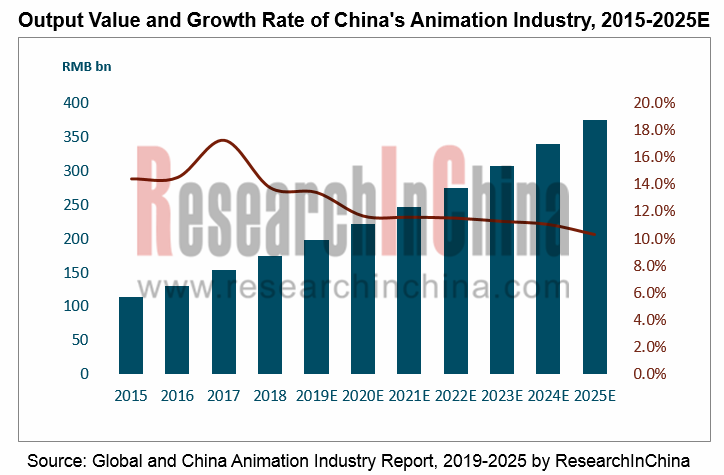
In recent years, the animation industry has experienced unprecedented growth, becoming a formidable force in global entertainment. This boom is not just a transient trend but rather a sustained surge that has been fueled by a confluence of factors, including technological advancements, evolving audience preferences, and the proliferation of platforms. The animation landscape is more diverse and expansive than ever before, spawning a plethora of opportunities for creators and consumers alike.
Technological Advancements: Fueling Creativity
At the heart of the animation industry’s growth is the rapid advancement in technology. The evolution of animation from hand-drawn frames to complex computer-generated imagery (CGI) has been nothing short of revolutionary. With the advent of sophisticated software, animators can now bring their visions to life with unparalleled precision and detail. Tools like Autodesk Maya, Blender, and Adobe Animate have democratized animation production, granting individual artists and small studios the capability to produce work that rivals industry giants.
Virtual Reality (VR) and Augmented Reality (AR) technologies have added new dimensions to storytelling within animation, allowing for immersive and interactive experiences. These technologies are not only expanding the possibilities within the medium but also attracting a new demographic of tech-savvy consumers eager for innovative content. By leveraging technological advances, the animation industry continues to redefine the boundaries of what is creatively possible.
Globalization of Content
The global reach of animation has expanded significantly in recent years, thanks in part to the internet and streaming services that transcend geographical and linguistic barriers. No longer confined to local markets, animated content now reaches audiences worldwide. This globalization is evident in the success of non-Western productions, such as Japanese anime, which has become a cultural phenomenon across continents.
Streaming giants like Netflix, Disney+, and Amazon Prime Video have recognized the universal appeal of animation and have invested heavily in both acquiring and producing animated content. These platforms boast vast libraries that feature everything from classic animations to avant-garde independent works, catering to an increasingly diverse audience. This accessibility has allowed for a cross-pollination of ideas and styles, resulting in a rich tapestry of global animation that reflects varied cultural narratives.
Evolving Audience Demographics
Animation is no longer the exclusive domain of children’s entertainment. Today, animated films and series engage audiences across age groups, addressing themes that resonate with both younger viewers and adults. This shift is partly due to the sophistication and depth of animated content being produced, covering mature themes such as politics, mental health, and existentialism, which were once considered taboo in the realm of animation.
Titles such as "BoJack Horseman," "Rick and Morty," and "Love, Death & Robots" exemplify the broadening scope of animated storytelling, demonstrating that animation can tackle complex narratives with nuance and depth. As animation continues to mature as a storytelling medium, it appeals to a demographic that appreciates layered storytelling and artistic expression.
Job Creation and Economic Impact
The animation industry's growth has also catalyzed economic impacts, particularly in job creation. As the demand for animated content rises, so too does the need for skilled professionals. This demand spans across various roles, from animators and storyboard artists to sound engineers and voice actors. Educational institutions have responded by offering specialized programs in animation and digital arts, aiming to train the next generation of industry talent.
Moreover, the animation industry has a multiplier effect on the economy. Beyond direct employment, it stimulates indirect economic activities, including merchandising, tourism (through themed attractions), and marketing. These activities contribute significantly to the GDP of regions with thriving animation sectors, making animation not only a cultural export but also an economic powerhouse.
The Road Ahead
Looking ahead, the trajectory of the animation industry suggests continued growth and evolution. As technologies advance and audience expectations shift, the industry stands on the cusp of further innovation. The advent of Artificial Intelligence (AI) in animation is a development that holds immense potential, promising to streamline production processes and introduce new creative possibilities.
However, with this growth comes the challenge of maintaining quality and originality in an increasingly saturated market. As studios proliferate and competition intensifies, the emphasis on unique, compelling storytelling will remain paramount. Moreover, the industry must also grapple with issues of diversity and representation, ensuring that the stories being told reflect the world's multifaceted nature.
In essence, the animation industry is not simply experiencing growth; it is undergoing a transformation. As it continues to adapt and expand, it remains an exhilarating domain for both creators and audiences, with the potential to influence cultural conversations on a global scale. As we explore the next phase of this dynamic growth, it becomes clear that animation is not just a genre of entertainment—it is a defining canvas of modern storytelling.
Expanding Beyond the Screen: Animation in Diverse Industries
While the animation industry is predominantly associated with film and television, its influence extends far beyond traditional entertainment. In recent years, animation has become an integral tool across various sectors including education, advertising, healthcare, and even architecture, proving its versatility and expansive applicability.
In the educational sector, animation has revolutionized the way complex concepts are communicated. Animated videos and interactive simulations have become popular instructional tools, especially in subjects like science and mathematics, where abstract ideas can be challenging to convey through conventional methods. Educational platforms are increasingly employing animated content to make learning more engaging and accessible, thereby catering to different learning styles and enhancing students' understanding of intricate topics.
The advertising industry has also harnessed the power of animation to capture audiences' attention and convey messages more effectively. Animated advertisements offer creative flexibility that live-action may not—allowing brands to conceptualize unique visual styles that stand out in a cluttered market. With the ability to incorporate fantastical elements and imaginative scenarios, animation brings a fresh perspective to marketing, engaging consumers in innovative ways.
In healthcare, animation serves as a valuable communication tool, aiding in patient education and medical training. Animated sequences are oftentimes used to explain medical procedures and conditions in a simplified and digestible manner. For instance, intricate surgical procedures can be visualized through animation, helping patients gain a better understanding of what to expect. Similarly, medical professionals benefit from animated training materials that provide a clear and concise visualization of complex anatomical processes.
Architecture and design sectors have also embraced animation to create stunning visualizations of projects before they materialize. Using animation software, architects can develop walkthroughs and flyovers of planned buildings, offering clients and stakeholders a realistic preview of the final outcome. This application of animation not only aids in design planning but also enhances client communication and decision-making processes.
The Role of Festivals and Conventions
Animation festivals and conventions have emerged as crucial platforms for celebrating and promoting innovative works, providing artists with opportunities to network, collaborate, and showcase their talents to international audiences. Events such as the Annecy International Animated Film Festival, Ottawa International Animation Festival, and SIGGRAPH create vibrant spaces for the exchange of ideas while offering insights into emerging trends and technologies in animation.
These festivals serve as incubators for creativity, often highlighting experimental and independent animations that might not attract mainstream attention. For budding animators and seasoned professionals alike, being featured at a prestigious festival can serve as a springboard for wider recognition and commercial success.
Moreover, conventions like Comic-Con and Animation Expo play a key role in connecting industry professionals with fans. They offer a forum for announcing new projects, hosting panel discussions, and engaging with dedicated fanbases, thus fostering a sense of community and shared enthusiasm for the art of animation.
Challenges Facing the Animation Industry
Despite its positive growth trajectory, the animation industry faces several challenges that must be addressed to ensure its sustainable expansion. Foremost among these is the issue of labor rights and fair compensation. As the demand for content increases, so does the pressure on animators and production teams to deliver projects on time and within budget constraints. This has occasionally led to reports of crunch time and overwork within studios, raising ethical concerns about working conditions in the industry.
Additionally, the animation sector grapples with diversity in both representation and creative voices. Although progress has been made, efforts towards inclusivity must be continually reinforced to ensure that animated narratives reflect the vast array of human experiences. This entails not only diversifying on-screen characters but also incorporating diverse voices in decision-making roles within animation studios.
The accessibility of animation as a career requires further attention, particularly in terms of providing opportunities and resources for underrepresented artists and creators. Initiatives aimed at mentorship, scholarships, and outreach can play a significant role in leveling the playing field and enriching the industry with varied perspectives.
Sustainability and Environmental Concerns
As awareness of environmental issues heightens, the animation industry is beginning to explore sustainable practices that reduce its ecological footprint. The digital nature of modern animation has inherent advantages over traditional film production, such as eliminating the need for sets and physical props. However, the energy-intensive requirements of rendering and data storage pose environmental challenges.
Studios are becoming more conscious of their energy consumption and are actively seeking solutions to align with green practices. For instance, some animation companies are transitioning to renewable energy sources to power their operations and exploring energy-efficient technologies. Moreover, cloud-based production and collaboration tools are being used to minimize the carbon footprint associated with travel and physical infrastructure.
As audiences become increasingly environmentally conscious, they are likely to respond positively to studios that prioritize sustainability. Thus, embedding eco-friendly practices within production processes not only contributes to global environmental efforts but can also enhance a studio's reputation and appeal to a growing segment of eco-minded viewers.
The animation industry’s journey is characterized by both vibrant growth and significant challenges. As it continues to innovate and expand its influence across various sectors, the path toward sustainable and equitable practices becomes crucial. With these considerations in mind, the future of animation promises to be as exciting and dynamic as the intricate frames it brings to life.
The Rise of Indie Animation and Crowdfunding
One of the notable trends contributing to the animation industry’s growth is the rise of independent creators and studios, fueled by the advent of digital tools and platforms. Indie animators, once constrained by the resources required to produce high-quality work, are now finding innovative ways to bring their visions to life. This shift is largely supported by crowdfunding platforms such as Kickstarter and Patreon, which have democratized the funding process and allowed creators to connect directly with their audience.
Crowdfunding has proved to be a game-changer, enabling projects that might not fit the commercial mold of major studios to find financial backing. This support empowers creators to explore niche topics, experimental techniques, and personal narratives, ultimately enriching the diversity of content in the animation landscape. Successful campaigns such as "Klaus" and "Bee and PuppyCat" highlight how indie projects can achieve critical and commercial success, underscoring the potential of this model to disrupt traditional production pathways.
The surge of indie animation is further bolstered by social media platforms where creators can build communities and engage fans by sharing behind-the-scenes content and updates. This direct line of communication not only fosters a loyal base of supporters but also provides invaluable feedback that can shape the development process. The accessibility and community-oriented nature of indie and crowdfunded projects are redefining the animation industry, proving that innovation often thrives outside conventional boundaries.
Emerging Markets: The New Frontier
As the global appetite for animation continues to expand, emerging markets present new opportunities and destinations for industry growth. Countries like China, India, and Brazil are witnessing significant investments in animation infrastructure, motivated by both the potential of domestic markets and the global demand for diverse content.
China, already a major player in the arts and entertainment sector, is rapidly cultivating its animation industry through governmental support and investments in animation education and production. With a burgeoning homegrown audience and international partnerships, Chinese studios are contributing to an increasingly competitive market. Productions such as "Ne Zha" and "The Legend of Hei" have achieved both financial success and critical acclaim, illustrating the viability of local content on a global scale.
India's animation industry is also on the rise, driven by a young, tech-savvy population and increased outsourcing from international studios. Indian animators are making a mark with unique storytelling and artistic styles that reflect the country's rich cultural heritage. This growth trajectory is mirrored in Latin America, where countries such as Brazil are nurturing local talent and producing animated works that resonate with both regional and international audiences.
These emerging markets offer more than just economic growth; they bring fresh perspectives and stories that enrich the global animation tapestry. As these regions continue to develop their animation sectors, the industry as a whole stands to benefit from the infusion of new ideas and cultural narratives.
The Future of Animation Technology
As we peer into the future, it is clear that technological innovations will continue to drive the evolution of the animation industry. Artificial Intelligence (AI) is poised to play a transformative role, with applications ranging from automating routine tasks to enhancing creative processes. AI-driven tools can assist animators in generating realistic motion, improving visual effects, and streamlining workflows, thereby expanding creative possibilities while reducing production time.
Moreover, developments in real-time rendering technology are set to revolutionize how animated content is produced and consumed. The ability to render scenes in real-time not only enhances production efficiency but also opens up new avenues for interactive storytelling and virtual environments. This technology is particularly beneficial for video game animation, which requires seamless integration of real-time graphics and player interaction.
Holographic and immersive technologies are also on the horizon, promising to deliver experiences that blur the lines between the virtual and the real. As these tools become more sophisticated and accessible, they have the potential to redefine audience engagement with animated content, offering entirely new dimensions of interaction and exploration.
As these advancements unfold, they will necessitate a reevaluation of traditional roles within the animation industry. Animators will need to adapt, acquiring new skills to leverage emerging technologies effectively. This evolution presents challenges but also abundant opportunities for innovation, pushing the boundaries of how stories are told and experienced.
Conclusion: Animation's Timeless Appeal
In summary, the animation industry is experiencing an era of remarkable growth, driven by technological advancements, global accessibility, and the proliferation of diverse storytelling. While challenges remain, from labor rights to environmental sustainability, the potential for continued innovation and expansion is significant.
The industry's ability to transcend cultural and linguistic barriers, address audiences of varying ages and backgrounds, and explore a wide array of genres underscores animation’s timeless appeal. As it continues to capture the imaginations of audiences around the world, animation not only entertains but also educates, inspires, and challenges societal norms.
Looking to the future, the animation industry promises to be an ever-expanding frontier for creativity and expression. Whether through indie endeavors or major studio productions, the stories told through animation have the power to shape our shared cultural landscape, reflecting and influencing the world in profound ways. As we embrace this vibrant art form, the possibilities for storytelling are limitless, ensuring that animation will remain a dynamic and integral part of the entertainment industry for generations to come.



The Greatest Animation Films of All Time: Part 1
In the realm of cinema, animation films hold a distinctive place, effortlessly bridging the gap between art and entertainment. From the early days of hand-drawn cartoons to the sophisticated CGI wonders of today, animated films have captivated audiences through their imaginative visuals and storytelling. As this medium continues to evolve, it invites us to celebrate some of the greatest animation films of all time—movies that have not only shaped the industry but also left an indelible mark on our hearts and minds.
The Pioneers of Animation: A Journey Back in Time
The history of animation dates back more than a century, with pioneers laying the groundwork for what would become a major film genre. One of the earliest examples that changed the landscape of animation forever was Walt Disney's "Snow White and the Seven Dwarfs" (1937). As the first full-length animated feature film, it was a groundbreaking achievement that showcased the potential of animation as a powerful storytelling medium. With its pioneering use of technology, heartfelt narrative, and unforgettable characters, "Snow White and the Seven Dwarfs" set the stage for countless masterpieces to follow.
Disney continued to lead the animation revolution with films like "Pinocchio" (1940) and "Fantasia" (1940). "Pinocchio" told the tale of a wooden puppet's quest to become a real boy, weaving a rich tapestry of artistry and music. Meanwhile, "Fantasia" boldly combined classical music with innovative animation techniques, creating a sensory experience that transcended traditional storytelling.
The Golden Age and Beyond: Experimentation and Innovation
The mid-20th century marked the Golden Age of animation, characterized by both Disney's continued dominance and the emergence of other creative studios. In 1950, "Cinderella" once again reaffirmed Disney's mastery in blending classic fairy tales with enchanting animation. Beyond Disney's traditional reach, Warner Bros. Animation was making waves with its beloved "Looney Tunes" series. Characters like Bugs Bunny and Daffy Duck became icons, bringing humor and satire to the forefront of animated storytelling.
Another landmark achievement came in 1968 with George Dunning's "Yellow Submarine." This visually striking film, inspired by the music of The Beatles, broke conventional molds with its psychedelic imagery and inventive animation style, demonstrating that animation could boldly cross into adult themes and ideas.
As the years progressed, animation broadened its horizons. The 1970s saw the rise of Ralph Bakshi, whose controversial works, like "Fritz the Cat" (1972), delved into adult content, testing the boundaries of what animated films could address. On the other hand, Japan's Studio Ghibli began enchanting audiences worldwide during the 1980s. Co-founded by Hayao Miyazaki and Isao Takahata, the studio delivered timeless classics such as "My Neighbor Totoro" (1988) and "Grave of the Fireflies" (1988). These films showcased the power of animation to evoke deep emotional responses while exploring themes of nature, family, and the human experience.
The Modern Era: Embracing Technology and Heartfelt Narratives
As technology advanced, animation underwent a profound transformation in the modern era. The 1995 release of Pixar's "Toy Story" heralded a new dawn, marking the first entirely computer-generated feature film. Directed by John Lasseter, "Toy Story" captured the imaginations of audiences, demonstrating the potential of CGI animation. Its success helped launch a series of celebrated Pixar films, including "Finding Nemo" (2003) and "Up" (2009), each celebrated for their emotional depth, imaginative worlds, and witty storytelling.
Parallel to Pixar's rise, DreamWorks Animation emerged with hits like "Shrek" (2001) and "Kung Fu Panda" (2008), combining humor, adventure, and stunning visuals to create unforgettable cinematic experiences. At the same time, visionary directors like Tim Burton used stop-motion animation to craft unique films like "The Nightmare Before Christmas" (1993) and "Corpse Bride" (2005), each drenched in Burton's signature gothic charm.
Meanwhile, Studio Ghibli continued to captivate audiences with works such as "Spirited Away" (2001), which won the Academy Award for Best Animated Feature. Under Miyazaki's direction, the film took viewers on a fantastical journey full of mystery and wonder, challenging the notion of animated films being primarily intended for children.
In recent years, other studios and filmmakers have embraced both traditional and experimental styles, resulting in a rich variety of animated films. Netflix's "Klaus" (2019), with its stunning hand-drawn animation, and Sony's "Spider-Man: Into the Spider-Verse" (2018), which utilized innovative animation techniques to immerse viewers in a comic book-like universe, exemplify how animation continues to evolve and surprise.
Stay tuned as we delve further into the world of animation in the next part of our exploration of the greatest animation films. From classic features that defined childhoods to groundbreaking modern masterpieces, the animated film landscape is filled with treasures waiting to be discovered and celebrated.
The International Stage: Global Contributions to Animation
While American studios like Disney and Pixar have dominated much of the animation landscape, international creators have significantly enriched the medium, bringing diverse cultural perspectives and artistic styles to the forefront. One of the most influential players on this stage is Japan, with its uniquely dynamic anime style that has captivated audiences worldwide.
Studio Ghibli, co-founded by the legendary Hayao Miyazaki, has become synonymous with exquisite storytelling and breathtaking animation. Films such as "Princess Mononoke" (1997) and "Howl's Moving Castle" (2004) exemplify Ghibli's ability to blend fantastical worlds with profound human themes, often exploring environmentalism, pacifism, and identity. Similarly, Satoshi Kon's psychological narratives in "Paprika" (2006) and "Perfect Blue" (1997) demonstrate the medium's power to traverse complex psychological landscapes and question reality itself.
Beyond Japan, other international talents have made their mark in the animation scene. French cinema offers unique gems such as "The Triplets of Belleville" (2003) directed by Sylvain Chomet, known for its minimal dialogue and exaggerated visual style. The film's whimsical narrative is driven by its vivid settings and expressive characters, demonstrating the potency of visual storytelling.
Latin American filmmakers have also started to contribute more significantly to the genre. "Coco" (2017), a collaboration between Disney and Pixar, celebrated Mexican culture and the Día de los Muertos with both artistic flair and heartfelt emotion. Although a Hollywood production, the film's roots and inspiration are thoroughly Mexican, thanks to the involvement of cultural consultants and Latinx cast members who ensured authentic representation.
In Eastern Europe, filmmakers like Jan Švankmajer from the Czech Republic have pushed the boundaries of stop-motion animation with surreal works like "Alice" (1988). His avant-garde style transforms familiar tales into mesmerizing and sometimes unsettling experiences, proving that animation can effectively delve into experimental aesthetics.
Thematic Exploration: Stories Beyond the Surface
One of the strengths of animated films is their capacity for thematic depth, often addressing societal issues in nuanced and allegorical ways. Fantasy worlds, engaging characters, and invented realities offer filmmakers a unique lens through which to explore complex concepts, often making them more accessible to diverse audiences.
For instance, Pixar’s "Wall-E" (2008) merges sci-fi storytelling with an urgent ecological message. Its portrayal of an abandoned Earth overrun by consumerism and waste resonates with contemporary environmental concerns, using a small robotic protagonist to evoke powerful emotions about neglect and redemption.
Similarly, DreamWorks Animation's "How to Train Your Dragon" (2010) subtly handles themes of leadership, understanding, and acceptance. Set in the Viking world, the film challenges preconceived notions of fear and enmity, portraying dragons not as monsters but as creatures misunderstood and deserving of empathy.
The stop-motion feature "Coraline" (2009) by Laika Studio takes on the psychological aspects of childhood and family dynamics. While drawing viewers into its eerie and fantastical narrative, it skillfully tackles issues of parental neglect and the importance of gratitude and courage.
Studio Ghibli's "The Tale of the Princess Kaguya" (2013), directed by Isao Takahata, transcends typical narrative boundaries by presenting a thoughtful reflection on life and the concept of impermanence. Through exquisite hand-drawn animation, it adapts an ancient Japanese folktale into a poignant exploration of identity and freedom against societal expectations.
The Future of Animation: Innovations and Emerging Voices
As animation continues to mature, technological advancements and emerging voices are paving the way for the future of the medium. The boundary between animation and live-action is increasingly blurred, with films like Jon Favreau's "The Lion King" (2019) blending CGI with reality so successfully that it challenges perceptions of how animation is defined.
Meanwhile, streaming platforms like Netflix and Amazon Prime have disrupted traditional distribution channels, giving rise to an eclectic array of animated films and series. These platforms offer greater creative freedom and a global audience, allowing lesser-known and innovative filmmakers to bring their stories to life.
A new generation of animators is pushing the envelope with cutting-edge technologies. Virtual reality (VR) stimulation and augmented reality (AR) are starting to find application in animation, inviting audiences to participate in immersive experiences rather than passive viewing. Projects like "Gloomy Eyes" (2019), a VR film, showcase the potential for animated storytelling to envelop audiences into the very fabric of the narrative.
At the same time, the industry's growing awareness and push for diversity and representation are opening doors for underrepresented voices. For instance, "Hair Love," a short film directed by Matthew A. Cherry, won the Academy Award for Best Animated Short Film in 2020 for its touching story about a Black father's struggle to style his daughter's hair. This recognition underscores the importance of narratives that reflect the different cultures and experiences that make up our world.
As we conclude this second installment in our exploration of the greatest animation films, it's clear that animation stands as a testament to the boundless possibilities of cinema. From multinational collaborations to thematic depth and technological innovation, the world of animation is filled with exhilarating stories yet to be told. Join us in the final part of this series as we continue our journey through the vibrant, colorful tapestry of the animated film universe.
Animated Films and Their Cultural Impact
The cultural impact of animation is immense, transcending language barriers and resonating with audiences worldwide. These films often reflect and shape the societal norms of their time, providing not only entertainment but also valuable insights and lessons. As we've seen, animated movies have the unique ability to push boundaries, challenge perspectives, and foster dialogue, making them powerful tools for cultural exchange and education.
A prime example is Disney's "The Lion King" (1994), which became a global phenomenon, cherished across generations. By drawing inspiration from Shakespeare's "Hamlet" and incorporating themes of responsibility, kinship, and the cycle of life, it struck a universal chord. The film's music, coupled with its stunning animation, contributed to its enduring legacy, influencing numerous adaptations and spin-offs that continue to broaden its reach and impact.
On another front, films like "Zootopia" (2016) have taken a more direct approach to social commentary. Through a meticulously crafted fictional world, the film explores topics of prejudice, discrimination, and racial profiling in a manner accessible to both children and adults. It encourages conversations around diversity and empathy, underscoring the medium's capacity to interrogate and reflect on contemporary issues.
Similarly, the award-winning "Persepolis" (2007), based on Marjane Satrapi's autobiographical graphic novel, offers a deeply personal perspective on the Iranian revolution. Utilizing a distinct black-and-white visual style, the film provides viewers with insights into a tumultuous period in history, while humanizing the experience through a relatable coming-of-age story. The film's unique artistic approach broadens its appeal and aids in delivering its poignant thematic messages effectively.
Animation in Education and Advocacy
Moving beyond entertainment, the potential of animation in educational contexts and advocacy is being recognized increasingly. These films can simplify complex ideas, making them more understandable and digestible for audiences of all ages. With the power to captivate, animation has proven to be a valuable educational tool across a multitude of fields.
For example, "Inside Out" (2015), produced by Pixar, excels in translating complex psychological processes into an engaging and easy-to-understand narrative. It introduces concepts of emotion, memory, and mental health through vibrant characters representing different feelings, thus acting as a starting point for discussions about emotional intelligence and psychological well-being. Its impact reaches far beyond entertainment, as it is used in classrooms and therapy settings to facilitate conversations around emotional health.
Furthermore, animation's flexibility and accessibility make it an excellent medium for advocacy campaigns. Nonprofit organizations and educational institutions use animation for storytelling and awareness-raising. Short films and animated series have been created to address issues like climate change, human rights, and health education, proving the versatility and appeal of animation in tackling societal challenges.
With the advent of new technologies and platforms, animation is becoming an essential tool in virtual learning environments. Its capacity for creating immersive, interactive experiences can aid in engaging students and enhancing learning outcomes, illustrating complex scientific concepts, historical events, or even language constructs in an easily comprehensible manner.
The Timeless Appeal of Animated Films
One of the reasons animated films stand the test of time is due to their universal themes, artistic innovation, and ability to evoke a broad spectrum of emotions. Across the years, the seamless fusion of these elements has allowed animated films to resonate universally, becoming a beloved art form for audiences of all ages and backgrounds.
The technical evolution in animation—from traditional hand-drawn frames to cutting-edge CGI and beyond—has consistently pushed the boundaries of creativity. Each advance brings a new wave of potential in storytelling, empowering filmmakers to tell more sophisticated tales with greater depth and realism. For instance, "The Mitchells vs. the Machines" (2021) succeeds in blending multiple animation styles, telling a relatable family story within an action-packed, visually stunning framework.
The rise of a collaborative, global approach to animation has also contributed to its enduring allure. With an increased focus on inclusivity and diverse storytelling, audiences worldwide see themselves reflected on screen more than ever. This drive towards representation enriches the medium, producing stories that echo various cultural experiences and traditions.
As we look to the future, the continued innovation in animation promises both new milestones and opportunities. Aspiring animators, leveraging digital tools and platforms, have even greater creative freedom to explore unconventional narratives and ideas, ensuring that animation remains a vibrant, dynamic, and evolving art form.
In conclusion, the greatest animation films are those that not only entertain but also enlighten and educate, bridging cultural divides while celebrating their diversity. As we reflect on this magical journey through some of animation's most significant contributions, it's clear that the medium is far more than just a genre—it's a testament to the limitless possibilities of storytelling, capable of captivating our imaginations, evoking emotions, and expanding our perspectives. As we eagerly anticipate the next generation of animated films, one can only dream of the uncharted territories and narratives that await in this ever-evolving artistic landscape.
The Silent Film Era: The Golden Age of Hollywood
The Silent Film Era was a period in movie history that spanned from the early years of the motion picture industry until the advent of synchronized dialogue in feature films, beginning with "The Jazz Singer" in 1927. This era is often associated with silent movies, which relied solely on visual storytelling without sound. From 1895 to 1930, silent films played a significant role in shaping cinema as one of the most influential art forms and entertainment industries of the 20th century.
The Beginnings: Early Motion Pictures
The origins of the cinematic medium can be traced back to the late 19th century when Thomas Edison’s Kinetoscope and the Lumière brothers’ Cinématographe were introduced. The Kinetoscope, invented by Edison in 1891, allowed viewers to see short films in peepshow style through a single viewer at a time. The Lumière brothers, Auguste and Louis, followed suit by premiering their Cinématographe in Paris in 1895, which was capable of recording, developing, printing, and projecting moving images in color. Their first film, "La Sortie des usines Lumière," (Workers Leaving the Lumière Factory) demonstrated the potential of cinema to document and entertain audiences.
The early films were short in duration, typically ranging from one to three minutes. They usually depicted everyday life, social activities, and simple narratives. Directors such as Georges Méliès began to experiment with special effects, creating fantastical tales that intrigued the public. Méliès, known for his innovative editing techniques, produced films like "A Trip to the Moon" (1902), which showcased his imagination and laid the groundwork for future film directors.
Evolution of Silent Films
As the demand for longer and more complex productions grew, filmmakers began to incorporate storylines that involved multiple characters and intricate plots. Directors like D.W. Griffith, recognized for his epic films such as "The Birth of a Nation" (1915) and "Intolerance" (1916), played crucial roles in advancing filmmaking technology and narrative structures. These films utilized new editing techniques, close-ups, and cross-cutting, which enhanced the storytelling capabilities of silent cinema.
In terms of content, silent films covered a wide range of genres including comedy, drama, action, and adventure. Comedies, popularized by actors like Buster Keaton and Charlie Chaplin, drew large audiences due to their physical humor and broad appeal. Actors like Rudolph Valentino became iconic figures, embodying the romantic and magnetic screen persona that captivated audiences. Dramas often dealt with historical events, social issues, and moral dilemmas, reflecting contemporary concerns while also providing escapism.
The development of film studios, particularly in Hollywood, further contributed to the evolution of silent cinema. Motion picture companies like Universal Pictures, Paramount Pictures, and Fox Films established themselves as major players, investing in elaborate production facilities and star personalities. Studios provided the infrastructure needed to produce high-quality films consistently, making Hollywood a center of innovation and creativity during this period.
Technological Advancements and Cultural Impact
Technologically, advancements in projection systems and film stock allowed for better quality screenings and longer films. Innovations like Technicolor, though not yet widely adopted, promised vibrant and lifelike visuals. Sound equipment was being developed, but it would take several years before practical solutions were implemented for syncing audio to film. During this time, silent films thrived, captivating audiences with their visual storytelling prowess.
Culturally, silent films had a profound impact on society. They reflected and shaped public opinion, promoting certain ideas and values. For example, many silent films dealt with social injustices and political issues, sparking conversations and debates among viewers. Additionally, these films often served as a form of mass entertainment, bringing people together in theaters across the United States and Europe.
Stars of the silent era became cultural icons, beloved by millions and influencing popular culture profoundly. Actors were revered not just for their performances but also for their personas projected through media. The star system, a hallmark of Hollywood, was solidified during this period. It was a collaborative effort between actors, producers, and studios to cultivate and promote specific celebrity identities, thereby enhancing the commercial success of films.
Conclusion
During its brief but transformative period, the Silent Film Era laid the foundation for modern cinema, establishing key narrative and technical elements that continue to influence the medium today. Its legacy can be seen in the enduring popularity of classic silents, preserved in film archives, and in the way directors and actors still draw inspiration from the visual language and emotional power of silent films. As we transition into the digital age, the Silent Film Era remains an essential chapter in the rich history of storytelling through moving images.
International Influence and Box Office Success
The Silent Film Era wasn’t confined to the United States; it influenced and was embraced by filmmakers and audiences around the world. European filmmakers such as Fritz Lang in Germany and Sergei Eisenstein in Russia were pivotal in pushing the boundaries of cinematic storytelling. In Germany, Lang directed "Metropolis" (1927), a science fiction epic that explored themes of class struggle and technological marvels, showcasing advanced filmmaking techniques and influencing future genre films.
In Russia, Eisenstein revolutionized the concept of montage, a technique that juxtaposed shots to convey meanings beyond individual images. His films, such as "Battleship Potemkin" (1925), utilized powerful sequences like the Odessa Steps scene to elicit strong emotions and ideological messages. Eisenstein’s work not only demonstrated the potential of editing to drive narrative but also highlighted the political and artistic significance of silent cinema.
European filmmakers were particularly successful in international markets. German Expressionist films like "Nosferatu" (1922) and "Dr. Mabuse, the Gambler" (1922) captivated global audiences with their Gothic aesthetics and complex narratives. These films often depicted psychological and moral struggles, resonating with moviegoers who were seeking deeper thematic explorations beyond surface-level entertainment.
Back in Hollywood, the rise of studio systems led to a surge in production efficiency and output. Studios like Paramount and Fox released numerous silent films each year, maintaining consistent box office success. Movies such as "The Kid" (1921) starring Charlie Chaplin and directed by King Vidor, and "The Phantom of the Opera" (1925) featured impressive sets and costumes and capitalized on the growing popularity of horror and romance genres.
Technical Innovations and Artistic Experimentation
The era was marked by rapid technical advancements that continually improved the cinematic experience. In 1924, the Movietone system was invented, allowing synchronized soundtrack recordings directly onto film, though sound synchronization remained challenging for a time. In 1928, Lee De Forest’s Phonofilm system debuted, offering a more reliable form of spoken dialogue and music interwoven into films.
Alongside these innovations, filmmakers experimented with various artistic techniques. Filmmakers like D.W. Griffith expanded shot compositions, utilizing close-ups, long takes, and intricate camera movements. They also innovated in lighting and set design, pushing the limits of visual storytelling. Griffith’s "Intolerance" (1916) was a groundbreaking epic that told the story of four historical eras, showcasing his mastery of visual narrative structure.
The use of special effects became increasingly sophisticated. Films like "The Hunchback of Notre Dame" (1923) utilized innovative makeup and miniatures to create realistic and fantastical scenes. In "The Lost World" (1925), the film explored prehistoric creatures using stop-motion animation techniques developed by Willis O’Brien, setting a precedent for future fantasy filmmaking.
Cultural Significance and Lasting Legacy
Despite the advent of talking pictures, silent films have left an indelible mark on cultural memory and appreciation. Many silent classics have been restored and re-released to new audiences through various film festivals and preservation initiatives. Organizations such as the Museum of Modern Art, the Library of Congress, and the National Film Preservation Foundation have worked tirelessly to preserve these works of art.
Film academies and educational institutions continue to teach and study silent film techniques and aesthetics, ensuring that knowledge of this era remains part of broader cinema education. Critics and scholars often reference silent films when discussing narrative theory, cinematography, and editing techniques that permeate contemporary filmmaking.
Furthermore, the influence of silent cinema can be seen in modern film adaptations. Movies like "Amélie" (2001), "The Artist" (2011), and "Pee-wee's Big Adventure" (1985) pay homage to the silent era, blending old techniques with modern storytelling. Such films not only entertain but also provide a deeper appreciation for the foundational elements of cinema.
Cultural events such as silent film screenings accompanied by live orchestras further celebrate and revitalize interest in silent cinema. These events often include special guests, behind-the-scenes panels, and educational talks, creating a rich environment for audience engagement and learning.
Challenges and Decline
The transition from silent to talkies posed significant challenges for both filmmakers and studios. Many actors found it difficult to adapt to the new format, leading to career shifts or declines in popularity. However, some actors, like Douglas Fairbanks Jr., successfully made the transition by emphasizing their charisma and screen presence.
Financially, the introduction of sound necessitated considerable investments in technology and infrastructure. Older silent stars like Rudolph Valentino found themselves marginalized, as new stars emerged who better suited the changing landscape of sound. Studios had to modernize their equipment and adapt to new production methods to stay competitive.
The Great Depressionacerbated these financial issues, leading to a decline in overall film production. This economic downturn coincided with the arrival of talking pictures, accelerating the shift away from silent film. Despite these challenges, the legacy of silent cinema continued to thrive through subsequent generations of filmmakers who incorporated silent styles and techniques into their work.
In conclusion, the Silent Film Era represents a fascinating intersection of technology, artistry, and cultural significance. Its influence extends far beyond the years of its dominance, continuing to shape and inspire the evolution of cinema. As silent films continue to captivate new audiences and receive critical acclaim, their importance in the cultural landscape remains undeniable.
Preservation Efforts and Rediscovery
Today, silent film preservation is an active field that involves both archival work and restoration efforts. Organizations like the Library of Congress, the British Film Institute, and the Museum of Modern Art hold extensive collections dedicated to preserving original footage, negatives, and alternate camera angles that can enhance understanding and enjoyment of these silent masterpieces. Technological advancements in digital restoration have made it possible to restore damaged prints and enhance their visual clarity, making silent films accessible to a wider audience.
Much of the silent film stock has degraded over time, necessitating careful restoration processes. Conservators use chemical treatments, cleaning, and stabilization techniques to protect the original film. Digital restoration methods include color correction, contrast enhancement, and the addition of missing frames. These technologies not only extend the life of the films but also bring them closer to their intended appearance.
Film festivals play a crucial role in the rediscovery and celebration of silent films. Events like the Silhouette Film Festival in Brussels, the San Francisco Silent Film Festival, and the annual TCM Classic Film Festival in Los Angeles showcase rarely seen silent films. These festivals often feature live piano, organ, or full orchestra accompaniments, enhancing the cinematic experience and drawing new viewers to the silent film genre.
Impact on Contemporary Cinema
The techniques and storytelling methods developed during the Silent Film Era continue to influence contemporary cinema. Many modern filmmakers study silent films to learn from their innovative approaches to pacing, composition, and visual storytelling. Directors like Quentin Tarantino and Steven Spielberg have openly cited silent cinema as a significant influence on their own work. Tarantino, known for his fast-paced editing and dramatic tension, draws heavily from the silent film tradition.
Another notable example is Christopher Nolan’s "Inception" (2010), which employs a complex narrative structure reminiscent of the cross-cutting and layered storytelling techniques used in silent epics like "Intolerance." The film's dream within dream sequence and non-linear plot have parallels in the montage and narrative complexity of silent films. Similarly, the slow-building tension and atmospheric storytelling in "Memento" (2000) can be traced back to the slow-burn narratives typical of silent melodramas.
Contemporary Adaptations and Homages
Contemporary directors often return to the themes and aesthetic pleasures of silent films through both direct adaptations and homages. For instance, Woody Allen’s "Hannah and Her Sisters" (1986) pays tribute to the romantic comedies of early cinema, while the music video for Björk’s "Hyperballad" (1997) combines dance and mime, echoing the style of silent performers.
More recently, films like "The Grand Budapest Hotel" (2014) by Wes Anderson draw clear parallels to silent comedy in their use of exaggerated gestures, expressive faces, and intricate, meticulously designed sets. Similarly, "Silent Movie" (1976) by Mel Brooks is a parody that explicitly references silent film conventions, making use of onscreen text and exaggerated acting styles.
Even documentaries can benefit from silent film techniques. The Oscar-winning documentary "Searching for Sugar Man" (2012) uses archival material, music, and narration to tell a compelling story without dialogue, much like a silent film. This approach enhances the emotional impact of the narrative, inviting viewers to connect more deeply with the subject matter.
Conclusion
The Silent Film Era may have ended over a century ago, but its influence continues to resonate in the world of cinema. From its pioneering techniques to its enduring storytelling methods, silent films remain a testament to the power of visual storytelling and the human capacity for innovation and creativity. As technology advances and film studies evolve, the silent film era offers a rich wellspring of inspiration that continues to shape and enrich modern cinema. Whether through preservation efforts, cultural events, or contemporary adaptations, the legacy of these silent masterpieces ensures their enduring relevance and continued appreciation.

The Cultural Impact of Cinema: A Global Force
Since the inception of cinema in the late 19th century, the medium has not only evolved but also had a profound impact on cultures around the world. From the early silent films to today’s CGI-heavy blockbusters, movies do more than simply entertain—they shape and reflect society, challenge norms, and bridge cultural divides. This article explores the multifaceted ways in which cinema influences and shapes culture, highlighting its role as both a mirror and a catalyst for change.
Defining Influence: What Constitutes Cultural Impact?
For a film to have a cultural impact, its influence should extend beyond the immediate experience of the audience to effect changes in societal attitudes, behaviors, or even the way people perceive themselves and others. This can manifest in various ways, including changing public opinion on social and political issues, inspiring technological and artistic innovations, or even contributing to shifts in cultural values and practices.
Perspectives on Cultural Impact
Cinema’s cultural impact is a complex and multifaceted topic that intersects with numerous academic and practical disciplines. Scholars from sociology, anthropology, and cultural studies, alongside filmmakers, critics, and cultural historians, contribute to our understanding of how films shape and are shaped by cultural dynamics. Each perspective offers a unique lens through which to examine the cultural impact of cinema.
Sociology and Cultural Studies Approach
Sociologists and cultural studies scholars examine how films reflect and challenge societal norms and power structures. They analyze films within the socio-political context of their production and consumption, often highlighting the role of mass media in disseminating cultural values and norms. For instance, the sociological study of feminist films in the 1960s and 1970s shows how these films challenged traditional gender roles and contributed to a broader cultural shift towards gender equality.
Historical Context and Cultural Impact
The historical context in which films are created and consumed is crucial to understanding their cultural impact. For example, early Hollywood films played a significant role in shaping American cultural identity during the early 20th century. Classic films depicting Western expansion and the “frontier” mythology not only entertained audiences but also promoted certain values and ideals about individualism, independence, and Manifest Destiny. Similarly, the post-war period in Hollywood, marked by films like "Casablanca" and "Gone with the Wind," reflects and reinforces certain national sentiments and ideologies.
Global Reach and Cross-Cultural Exchange
One of the most important aspects of cinema’s cultural impact is its global reach and the cross-cultural exchange it facilitates. Films travel beyond their country of origin, introducing audiences to different cultures, traditions, and ways of life. This global exchange helps break down stereotypes, foster understanding, and promote empathy among diverse populations.
Affirming Cultural Identities
Cinema often plays a significant role in affirming and promoting the cultural identities of minority groups. Films that represent and celebrate the experiences of individuals from marginalized backgrounds can challenge dominant cultural narratives and provide a platform for underrepresented voices. For example, films from South Asia, such as "Bride of Chucky” and “Slumdog Millionaire,” have gained international recognition and contributed to the global understanding and appreciation of South Asian cultural traditions and values.
Challenging Stereotypes and Promoting Empathy
Films can also play a critical role in challenging stereotypes and promoting empathy and cross-cultural understanding. By presenting stories and perspectives from different cultures and backgrounds, filmmakers can help audiences see the world from a new vantage point. The award-winning film "Green Book" (2018), for instance, showcased the experiences of African American musicians during the Jim Crow era, helping white audiences understand and empathize with the struggles of African Americans.
Culture-Wide Trends and Movements
Cinema can act as a catalyst for cultural and social trends. It can amplify existing movements, spark new ones, and influence public opinion on a wide range of topics. From the Civil Rights Movement to the environmental movement, films have played a significant role in advocating for and raising awareness about important social and environmental issues.
Environmental Conservation
Films like "An Inconvenient Truth" and "Before the Flood" have been instrumental in raising awareness about climate change and environmental conservation. These documentaries bring the issue into the mainstream and encourage individuals to take action, often leading to increased support for environmental policies and initiatives. The popularity of such films can also lead to a larger public engagement with environmental issues, contributing to broader cultural change.
Political Movements and Social Change
Cinema has also played a pivotal role in supporting political movements and social change. The film "Selma" (2014), for instance, not only honored the events of the 1965 Selma to Montgomery voting rights march but also brought the civil rights movement to a wider audience. This film helped to reignite conversations about racial equality and justice, contributing to a broader cultural movement towards racial equity and social justice.
Technological Innovation and Cinematic Experiences
Advancements in film technology have not only expanded the creative possibilities for filmmakers but have also contributed to the cultural impact of cinema. From groundbreaking visual effects in science fiction films to the immersive virtual reality experiences in certain independent films, these technological advancements continue to shape the way we experience and engage with cinematic content.
Virtual Reality and Immersive Storytelling
Technological advancements like virtual reality (VR) are transforming the way we experience films. VR not only provides a more immersive and interactive viewing experience but also allows filmmakers to explore new narrative techniques and storytelling possibilities. Films like "Beast" and "Job's Daughters" use VR to transport audiences into different worlds, allowing them to become part of the story in a way that traditional cinema cannot. This technology is also being used to create more accessible and engaging educational and cultural experiences, bridging gaps in understanding and fostering empathy.
The Rise of Streaming Services
The rise of streaming services like Netflix, Amazon Prime, and Hulu has also had a significant impact on the way we experience and consume cinema. These platforms have democratized access to a wide range of films and television shows, allowing for greater diversity in the types of content that reach audiences. This democratization of content has led to a greater representation of diverse voices and perspectives in cinema, contributing to a more inclusive and diverse cultural landscape.
Challenges and Criticisms
While cinema’s cultural impact is significant, it is also not without its challenges and criticisms. Critics argue that the commercial nature of the film industry can sometimes hinder the creation of critically important films and that the emphasis on profits can lead to a focus on certain types of content over others.
The Commercial Nature of the Film Industry
The commercial nature of the film industry can sometimes conflict with the goal of creating culturally impactful films. Filmmakers may face pressures from studios to produce content that is more likely to be profitable rather than content that has a broader cultural impact. This can lead to a narrowing of creative and artistic expression, with certain types of films and stories being more commercially viable while others are overlooked. For example, films that tackle nuanced and complex social issues may struggle to find commercial success, leading to a lack of diversity in the stories that are told on screen.
Conclusion
Cinema’s cultural impact is a dynamic and multifaceted phenomenon that continues to shape and be shaped by cultural, social, and technological forces. From reflecting cultural identities and challenging stereotypes to driving social and environmental change, films play a crucial role in our cultural landscape. As the film industry continues to evolve, so too will its cultural impact, offering both opportunities and challenges for the future of cinema. By understanding and embracing the ways in which cinema influences culture, we can better appreciate the role it plays in shaping the world we live in.
Innovations in Distribution and Consumption
The rise of digital streaming platforms has revolutionized the way we distribute and consume films. Traditional distribution models, dominated by theatrical releases and home video, have given way to a more fragmented and diverse landscape. Streaming services like Netflix, Amazon Prime, and Hulu have made it easier for audiences to access a vast array of films, both mainstream and indie, without leaving their homes.
On-Demand Viewing and Instant Gratification
The convenience of on-demand viewing has fundamentally altered audience behavior. Gone are the days of waiting weeks or months between theatrical releases and home video availability. Now, audiences can watch films immediately after they premiere, leading to shorter box office windows and a greater demand for high-quality content. This shift has also allowed for the rapid diffusion of films across geographical boundaries, facilitating global cultural interactions and exchanges.
Diverse Content and Representation
Streaming platforms have also become crucibles for diverse content and representation. Shows like "Master of None," "Pose," and "Squid Game" not only offer viewers a chance to explore new genres and cultures but also highlight underrepresented voices. These series often tackle contemporary social issues, such as immigration, gender inequality, and cultural identity, providing a platform for dialogue and understanding.
Economic Impacts and Business Models
The economic impact of cinema extends far beyond ticket sales. The film industry drives economic activity in countries around the world, from the cost of production and distribution to the cultural tourism that films inspire. However, the business model of cinema is evolving rapidly, reflecting changes in technology and consumer behavior.
Investment in Production and Distribution
Production companies invest heavily in films, hoping to recoup their costs through box office revenues, home video sales, and streaming rights. The high cost of production—coupled with increasing competition from streaming services—requires films to be more market-driven and commercially successful. Despite this pressure, some producers are taking risks on artistic and culturally impactful films, driven by the potential for critical acclaim and cultural significance.
Different Revenue Streams
With the decline of traditional revenue streams, such as movie theaters and home video rentals, new business models have emerged. Streaming services now offer a steady stream of revenue through subscription fees, advertising, and licensing deals. Independent filmmakers, for their part, are exploring alternative funding models, such as crowdfunding and direct-to-streaming releases, to bypass traditional gatekeepers and reach wider audiences.
Impact on Artistic Expression and Creativity
The cultural impact of cinema extends to the artistic and creative processes by which films are made. While the commercial pressures of the film industry can sometimes stifle creativity, they also provide opportunities for artistic innovation and experimentation. Films can act as vehicles for social commentary, providing a platform for artists to express their views on contemporary issues.
Exploring Social Commentary
Many filmmakers use their work as a means to address social and political issues. Films like "Get Out," "Parasite," and "The Hate U Give" tackle race relations, social injustice, and systemic inequalities, sparking important dialogues and encouraging audiences to think critically about their own beliefs and prejudices. These films illustrate how cinema can serve as a powerful tool for social change.
Experimentation and Risk-Taking
The film industry also encourages experimentation and risk-taking, particularly among independent filmmakers. Low-budget and unconventional films have found receptive audiences and critical acclaim, showcasing the value of artistic freedom and innovation. Filmmakers like Darren Aronofsky and Quentin Tarantino have pushed the boundaries of conventional storytelling, leading to new forms of cinematic expression and narrative structure.
Education and Cultural Preservation
Cinema plays a vital role in education and cultural preservation, serving as a medium for historical and cultural documentation. Films can provide insight into the past, offering a window into different eras, societies, and cultural practices. Documentaries, in particular, have become essential tools for preserving history and educating future generations.
Historical Documentaries
Documentaries like "The Vietnam War" and "When We Were Kings" offer comprehensive accounts of significant historical events, providing valuable context and insights. These films not only educate but also evoke emotions, fostering a deeper understanding of the human experience. Such documentaries often have a lasting impact, influencing public opinion and shaping historical narratives.
Preserving Cultural Heritage
Cinema also plays a crucial role in preserving cultural heritage by documenting and celebrating the traditions, arts, and folklore of different cultures. Documentaries like "Frida: The Life of Frida Kahlo" and "The Last Wave" showcase the rich cultural tapestries of Mexico and Australia, respectively, preserving these cultural traditions for future generations. Such films remind us of the importance of cultural diversity and the need to preserve our collective heritage.
Conclusion Continued
The cultural impact of cinema is a testament to its enduring power and relevance. It serves as a mirror reflecting the complexities and nuances of human cultures, from the mundane to the extraordinary. Through diverse representations, innovative storytelling, and economic dynamism, cinema continues to shape and enrich our cultural landscapes. As the industry continues to evolve, its impact on culture will undoubtedly remain a central force in our lives, driving change, fostering understanding, and celebrating the diversity of the human experience.
By recognizing the broad spectrum of cinema's cultural impact—from reinforcing stereotypes to challenging them, from driving social change to preserving cultural heritage—we can better appreciate the role it plays in our society. In doing so, we ensure that cinema remains a vital and evolving force in the ongoing development of cultures worldwide.
Globalization and International Cinema
The globalization of the film industry has led to a significant increase in international co-productions and the global spread of diverse cinematic styles. This trend has not only expanded the reach of films but has also facilitated cross-cultural exchanges and collaborations. International cinema has become a powerful medium for storytelling that transcends borders and engages audiences around the world.
Co-Productions and Shared Narratives
Co-productions are becoming increasingly common, bringing together filmmakers, producers, and actors from different countries to create films that tell shared or interwoven narratives. These projects often result in films that blend various cultural and artistic traditions, creating a unique hybrid storytelling experience. For example, the co-production between Indian and Hollywood studios of films like "Dum Lagan" and "Simmba" showcase the blending of Bollywood aesthetics with Western narratives, resulting in a distinctive and culturally rich cinematic experience.
International Awards and Recognition
The global reach of cinema is further underscored by the recognition and accolades received by international films at prestigious awards ceremonies. Films like "The Platform," "Shoplifters," and "The White Tiger" have won numerous international awards, including the Academy Awards and Cannes Film Festival, highlighting their cultural and artistic value. These honors not only increase the visibility of these films but also elevate the status of the countries and cultures they represent, fostering international cultural appreciation and dialogue.
Challenges and Opportunities for Emerging Markets
The growth of the international film industry has brought both challenges and opportunities for emerging markets. Countries like Brazil, Nigeria, and South Africa are producing significant volumes of content and gaining international recognition. However, these markets also face unique challenges, such as infrastructure constraints, limited resources, and fierce competition from established Hollywood blockbusters.
Infrastructure and Resources
Developing the necessary infrastructure for film production remains a significant challenge for many emerging markets. Lack of proper facilities, funding, and skilled labor can limit the quality and quantity of films produced. However, government and private sector support, as well as technology, are helping to address these issues. For instance, initiatives like the Nigerian Film Commission and the South African Film and Television levy are providing essential support and resources to help build the capacity of emerging film industries.
Global Distribution and Marketing
The Future of Cinema: Trends and Predictions
The future of cinema is likely to be shaped by several key trends, including the continued growth of streaming platforms, the ongoing influence of technological advancements, and the increasing cultural diversity of film production.
Streaming Platforms and Digital Streaming
Streaming platforms are expected to continue their dominance, with more content being produced directly for digital distribution. This trend is likely to reduce the reliance on theatrical releases, leading to a more diversified and global audience base. The rise of digital streaming also presents new challenges and opportunities for filmmakers, who must navigate the changing dynamics of the market and adapt to new distribution models.
Technological Advancements
Technological advancements will continue to shape the future of cinema. Virtual reality (VR), augmented reality (AR), and artificial intelligence (AI) are likely to play increasingly important roles in filmmaking. These technologies can enhance the viewer's experience, creating more immersive and interactive films. However, they also pose challenges in terms of content creation, distribution, and accessibility.
Cultural Diversity and Inclusion
There will be a continued push towards cultural diversity and inclusion in film production. Audiences are increasingly seeking out films that reflect diverse perspectives and experiences. Filmmakers and studios are responding to this demand, with a growing number of films addressing issues of race, gender, and sexuality. However, achieving true diversity and inclusion requires more than just representation on screen; it involves addressing systemic issues within the industry and ensuring that marginalized voices are given equal opportunities.
Conclusion
Cinema remains a powerful and influential cultural force, capable of shaping and reflecting the world we live in. From its role in challenging stereotypes and promoting cross-cultural understanding to its potential as a global industry, cinema continues to evolve and adapt to changing times. As technology advances and global connections strengthen, the cultural impact of cinema will only become more significant. By embracing the diverse and transformative power of cinema, we can continue to shape a more inclusive and culturally rich society.
As cinema continues to evolve, it will be fascinating to see how it shapes and is shaped by the world around us. Whether through groundbreaking technological innovations or innovative storytelling, cinema remains a vital and evolving force in the ongoing narrative of cultural development. Ultimately, the cultural impact of cinema is a dynamic and ongoing process, reflecting the complex and diverse realities of the human experience.

Fresnel Lens: The Optics Revolution That Changed History
Introduction to the Fresnel Lens and Its Impact
The Fresnel lens stands as one of the most transformative inventions in the field of optics. Developed by Augustin-Jean Fresnel in the early 19th century, this groundbreaking technology revolutionized lighthouses, maritime safety, and modern optical applications. By replacing bulky traditional lenses with a lightweight, efficient design, the Fresnel lens not only saved countless lives but also paved the way for advancements in solar energy, automotive lighting, and even augmented reality.
The Genesis of the Fresnel Lens
Who Was Augustin-Jean Fresnel?
Augustin-Jean Fresnel, a French physicist and engineer, is celebrated for his pioneering work in optics. Born in 1788, Fresnel dedicated his career to understanding the behavior of light. His research on Fresnel diffraction and the wave theory of light challenged the prevailing Newtonian particle theory, laying the foundation for modern optics. His contributions earned him a place among the most influential scientists of his time.
The Invention That Changed Optics
In 1822, Fresnel introduced his most famous invention: the Fresnel lens. Unlike traditional lenses, which were thick and heavy, Fresnel's design used a series of concentric rings (prisms) to focus light efficiently. This innovative approach reduced the weight of lenses from tons to just hundreds of kilograms while significantly increasing light output—by up to 10 times—making it a game-changer for optical technology.
The Science Behind the Fresnel Lens
Understanding Fresnel Diffraction
At the heart of the Fresnel lens is the principle of Fresnel diffraction, which describes how light bends around the edges of obstacles. Fresnel's work demonstrated that light behaves as a wave, a concept that was revolutionary at the time. His equations and theories provided a deeper understanding of light propagation, influencing fields such as holography and quantum optics.
How the Fresnel Lens Works
The Fresnel lens operates by breaking down a traditional lens into a series of thin, concentric rings. Each ring acts as a prism, bending light toward a common focal point. This design not only reduces the material required but also enhances the lens's ability to focus light over long distances. The result is a lens that is both lightweight and highly efficient, capable of projecting light beams up to 30 nautical miles or more.
Early Applications: Lighthouses and Maritime Safety
Adoption in Lighthouses
The first major application of the Fresnel lens was in lighthouses. In 1823, the Cordouan Lighthouse in France became the first to use this technology. The adoption of Fresnel lenses in lighthouses dramatically improved maritime safety by providing brighter, more focused beams that could be seen from greater distances. By the 1850s, over 200 French lighthouses had been equipped with Fresnel lenses, setting a global standard.
Impact on Shipwrecks and Navigation
The introduction of Fresnel lenses in lighthouses had a profound impact on reducing shipwrecks. The enhanced visibility provided by these lenses allowed ships to navigate more safely, especially in treacherous coastal waters. Historical records indicate that the adoption of Fresnel lenses in 49 U.S. lighthouses by 1860 significantly improved maritime safety, making it a global standard by the turn of the 20th century.
Modern Applications of Fresnel Lenses
Solar Energy and Concentrated Solar Power
In recent years, Fresnel lenses have found new applications in the field of solar energy. Concentrated Solar Power (CSP) plants use Fresnel lenses to focus sunlight onto a small area, generating high temperatures that drive turbines to produce electricity. As of 2024, there is an installed capacity of 2.5 GW of Fresnel CSP technology worldwide, contributing significantly to renewable energy efforts.
Automotive and LED Lighting
The automotive industry has also embraced Fresnel lens technology. Modern vehicles, particularly electric cars, use LED Fresnel systems for headlights. These systems provide efficient, focused lighting that enhances visibility while reducing energy consumption. The integration of Fresnel lenses in automotive lighting is a testament to their enduring relevance and adaptability.
Augmented Reality and Virtual Reality
Fresnel lenses play a crucial role in the development of Augmented Reality (AR) and Virtual Reality (VR) displays. Companies like Meta (formerly Facebook) use Fresnel lenses in their VR headsets, such as the Meta Quest, to provide immersive visual experiences. These lenses help create compact, lightweight devices that deliver high-quality images, making AR and VR more accessible to consumers.
Conclusion
The Fresnel lens is a testament to the power of innovation and its enduring impact on technology and society. From its inception in the early 19th century to its modern applications in solar energy, automotive lighting, and AR/VR, the Fresnel lens continues to shape the way we interact with light and optics. As we look to the future, the principles behind the Fresnel lens will undoubtedly inspire further advancements in meta-optics, quantum optics, and beyond.
Advancements in Fresnel Lens Technology
Nanoscale Fresnel Metasurfaces
One of the most exciting developments in Fresnel lens technology is the advent of nanoscale Fresnel metasurfaces. These ultra-thin structures, often just a few hundred nanometers thick, manipulate light at a microscopic level. Researchers have successfully created flat lenses that mimic the properties of traditional Fresnel lenses but with unprecedented precision. This innovation has led to breakthroughs in smartphone camera technology, such as the iPhone 16 Pro's 48MP ultra-wide lens, which leverages these metasurfaces for enhanced image quality.
Quantum Optics and Photon Entanglement
The principles of Fresnel diffraction have found applications in quantum optics, particularly in the study of photon entanglement. Recent research published in Nature Photonics (2023) highlights how Fresnel integrals are used to describe the behavior of entangled photons. This work is pivotal in advancing quantum communication technologies, which promise ultra-secure data transmission and quantum computing capabilities.
Sustainability and Energy Efficiency
Fresnel Lenses in Solar Energy
The push for sustainable energy solutions has renewed interest in Fresnel lenses for solar applications. Concentrated Solar Power (CSP) plants utilize large arrays of Fresnel lenses to focus sunlight onto receivers, generating steam to drive turbines. According to the International Energy Agency (IEA) 2025 report, Fresnel-based CSP systems now account for 10% of global CSP capacity, contributing significantly to the transition toward renewable energy sources.
Energy-Saving Innovations in Lighting
Modern lighthouses and maritime navigation systems have also benefited from advancements in Fresnel lens technology. The integration of LED-Fresnel hybrid systems has led to energy savings of up to 50% compared to traditional lighting methods. These hybrids combine the efficiency of LEDs with the optical precision of Fresnel lenses, ensuring brighter, more focused beams while reducing power consumption.
Future Trends and Emerging Applications
Meta-Optics and 6G Technology
The field of meta-optics is rapidly evolving, with Fresnel-inspired designs playing a crucial role. These advanced optical systems are being developed for 6G wireless communication, where they enable precise beamforming to enhance signal strength and reduce interference. The global meta-optics market is projected to reach $1.2 billion by 2025, with a compound annual growth rate (CAGR) of 25% through 2030, according to industry forecasts.
Biomedical Imaging and Microscopy
Fresnel lenses are making waves in the field of biomedical imaging. Their ability to focus light with high precision makes them ideal for advanced microscopy techniques. Researchers are developing Fresnel-based lenses capable of achieving resolutions of less than 1 micrometer, allowing for detailed imaging of cellular structures and biological processes. This technology holds promise for early disease detection and medical research.
Challenges and Limitations
Manufacturing Complexities
Despite their advantages, Fresnel lenses present certain challenges in manufacturing. The intricate design of concentric rings requires high-precision fabrication techniques, which can be costly and time-consuming. Advances in 3D printing and nanofabrication are helping to address these issues, but widespread adoption still faces hurdles related to scalability and production costs.
Optical Aberrations and Performance
Another challenge associated with Fresnel lenses is the potential for optical aberrations, such as chromatic aberration and diffraction artifacts. These issues can affect image quality and light focusing efficiency. Ongoing research aims to mitigate these problems through improved lens designs and the use of advanced materials, ensuring that Fresnel lenses continue to meet the demands of modern applications.
Case Studies: Real-World Impact
Lighthouse Modernization Projects
Several countries have undertaken projects to modernize their lighthouse systems using Fresnel lenses. For example, the U.S. Coast Guard has retrofitted numerous lighthouses with LED-Fresnel hybrid systems, resulting in significant energy savings and improved visibility. These upgrades have not only reduced operational costs but also enhanced maritime safety by providing more reliable navigation aids.
Automotive Industry Innovations
Leading automotive manufacturers are incorporating Fresnel lenses into their vehicle designs. Companies like Tesla and BMW have adopted LED Fresnel headlight systems, which offer superior illumination while consuming less power. These innovations contribute to the overall efficiency of electric vehicles, extending their range and improving driver visibility in low-light conditions.
Conclusion
The Fresnel lens remains a cornerstone of optical technology, with applications
The Legacy of Augustin-Jean Fresnel
A Visionary in Optics
Augustin-Jean Fresnel's contributions to optics extend far beyond the invention of the Fresnel lens. His work on the wave theory of light and Fresnel diffraction fundamentally changed our understanding of how light behaves. These principles remain foundational in modern physics, influencing everything from telecommunications to quantum computing. Fresnel's legacy is a testament to the power of scientific curiosity and innovation.
Recognition and Honors
Fresnel's groundbreaking work earned him numerous accolades during his lifetime, including membership in the French Academy of Sciences. Today, his name is immortalized in various scientific terms and technologies, such as the Fresnel zone in antenna theory and the Fresnel number in optics. His contributions continue to inspire researchers and engineers worldwide.
Educational and Cultural Impact
Inspiring Future Generations
The story of the Fresnel lens serves as an inspiring example of how a single invention can transform industries and save lives. Educational institutions often highlight Fresnel's work in physics and engineering curricula to illustrate the importance of interdisciplinary research and practical problem-solving. His journey from a young physicist to a pioneer in optics motivates students to pursue careers in science and technology.
Museums and Exhibitions
Museums around the world feature exhibits on Fresnel lenses and their impact on maritime history and modern technology. For instance, the National Museum of American History in Washington, D.C., showcases historic Fresnel lenses used in U.S. lighthouses. These exhibitions not only preserve the legacy of Fresnel's invention but also educate the public on the evolution of optical technology.
Global Adoption and Standardization
International Maritime Organization (IMO) Standards
The International Maritime Organization (IMO) has recognized the importance of Fresnel lenses in maritime safety. The organization has established standards for lighthouse optics, ensuring that Fresnel lenses meet specific performance criteria. These standards have been adopted by countries worldwide, contributing to a global reduction in maritime accidents and improving navigation safety.
Industrial and Commercial Standards
In addition to maritime applications, Fresnel lenses have been standardized for use in various industries. Organizations such as the International Electrotechnical Commission (IEC) and the American National Standards Institute (ANSI) have developed guidelines for the use of Fresnel lenses in automotive lighting, solar energy, and optical devices. These standards ensure consistency, reliability, and safety across different applications.
Environmental and Economic Benefits
Reducing Carbon Footprint
The adoption of Fresnel lenses in solar energy and LED lighting has significant environmental benefits. By improving the efficiency of solar concentrators and reducing energy consumption in lighting systems, Fresnel lenses contribute to lower carbon emissions. According to the IEA Renewables 2025 report, Fresnel-based CSP plants have the potential to offset millions of tons of CO2 annually, making them a key player in the fight against climate change.
Cost-Effective Solutions
Fresnel lenses offer cost-effective solutions across various industries. Their lightweight design and high efficiency reduce material and operational costs, making them an attractive option for businesses. In the automotive sector, for example, the use of Fresnel lenses in headlights has led to cost savings of up to 30% compared to traditional lighting systems. Similarly, in solar energy, Fresnel lenses provide a more affordable alternative to conventional concentrators.
Future Prospects and Innovations
Integrating AI and Machine Learning
The future of Fresnel lens technology lies in its integration with artificial intelligence (AI) and machine learning. Researchers are exploring ways to use AI algorithms to optimize the design and performance of Fresnel lenses for specific applications. For instance, AI-driven simulations can predict the behavior of light in complex optical systems, leading to more efficient and precise lens designs.
Exploring New Materials
Advancements in materials science are opening new possibilities for Fresnel lenses. Scientists are experimenting with metamaterials and nanocomposites to create lenses with enhanced properties, such as improved durability, higher light transmission, and reduced optical aberrations. These innovations could revolutionize fields like biomedical imaging, where precision and clarity are paramount.
Conclusion: The Enduring Legacy of the Fresnel Lens
The Fresnel lens is more than just an optical device; it is a symbol of innovation and progress. From its humble beginnings in the early 19th century to its modern applications in solar energy, automotive lighting, and augmented reality, the Fresnel lens has continually evolved to meet the demands of a changing world. Its impact on maritime safety, renewable energy, and advanced technologies underscores its significance in shaping our present and future.
As we look ahead, the principles behind the Fresnel lens will continue to inspire new discoveries and applications. The ongoing research in meta-optics, quantum optics, and AI-driven design promises to unlock even greater potential for this remarkable invention. The legacy of Augustin-Jean Fresnel serves as a reminder of the transformative power of scientific inquiry and the enduring impact of a single, groundbreaking idea.
In a world increasingly driven by technology and sustainability, the Fresnel lens stands as a beacon of innovation, illuminating the path toward a brighter, more efficient future.