The Impact of Film Piracy: A Global Perspective
The Epidemic of Film Piracy
In the digital age, film piracy has emerged as one of the most pressing issues in the entertainment industry. The unauthorized distribution and sharing of copyrighted films have become rampant, affecting not only the filmmakers and studios but also the global economy. This phenomenon is not confined to any particular region; it spans continents and cultures, impacting both developing and developed nations. With the internet and peer-to-peer networks making it easier than ever to distribute pirated content, the challenge of combating this issue continues to grow more complex.
Technological Facilitators of Film Piracy
The rise of film piracy can largely be attributed to advancements in technology. Streaming services like BitTorrent, Kazaa, and torrent sites offer free access to films, allowing users to download movies without legal boundaries. Streaming devices such as Smart TVs, laptops, tablets, and smartphones further contribute to the proliferation of pirated content, making it highly accessible and convenient. Additionally, the ease of creating and sharing content through platforms like YouTube and social media exacerbates the problem. Despite numerous attempts by the entertainment industry to curb these practices, the rapid evolution of digital technologies continues to pose significant challenges.
Economic Implications of Film Piracy
One of the primary concerns surrounding film piracy is its detrimental impact on the economy. Studios and filmmakers lose substantial revenue when their films are illegally distributed, leading to a decrease in funding for future productions. According to a report by IFPI (International Federation of the Phonographic Industry), illegal music and film file sharing cost the creative industries around $15 billion globally in 2021 alone. This loss of revenue not only affects the direct stakeholders but also impacts related ancillary markets such as merchandise, concerts, and tourism.
Moreover, piracy contributes to job losses within the industry. With reduced earnings, studios may cut back on personnel, resulting in fewer acting roles, fewer production jobs, and fewer opportunities for behind-the-scenes crew members. Additionally, the decline in box office revenues due to piracy can discourage the release of new films, leading to a cycle of decreased innovation and creativity in filmmaking. In many cases, independent filmmakers are hit particularly hard as they often rely on smaller budgets and have less financial cushioning against potential losses from piracy.
Legal Measures Against Film Piracy
The entertainment industry has taken several measures to combat film piracy, including lawsuits against infringing websites, lobbying for stricter copyright laws, and using technological tools like DRM (Digital Rights Management) to protect their content. Streaming platforms have invested heavily in securing their content, employing advanced encryption techniques and user authentication methods to prevent unauthorized access. However, despite these efforts, piracy remains widespread, highlighting the need for a multi-faceted approach involving law enforcement, international cooperation, and public education.
International organizations like the International Anti-Piracy Committee (IAPC) and regional bodies have undertaken initiatives aimed at curbing piracy. These include launching awareness campaigns, fostering collaboration between law enforcement agencies, and advocating for stronger legislative frameworks. For instance, the European Union has implemented Directive 2001/29/EC to harmonize copyright laws across member states, while countries like India have launched anti-piracy taskforces to tackle the problem on their domestic fronts.
The Broader Social Impact of Film Piracy
Film piracy extends beyond economic and legal considerations, as it has significant social implications as well. Firstly, it threatens the cultural significance of cinema. Piracy often results in the circulation of low-quality versions of films, which can overshadow the original artistic vision and the meticulous work put into creating high-quality content. This is especially concerning in regions where legal distribution channels may already be limited.
Secondly, film piracy can promote a culture of entitlement among consumers. When individuals regularly access content without paying, they may develop a sense that they do not need to respect intellectual property rights, potentially extending this attitude to other areas of life. This could erode the trust and support needed for creators and the arts community to thrive.
Furthermore, the proliferation of pirated content can lead to copyright infringement cases targeting ordinary citizens. As enforcement becomes more stringent, individuals who have unknowingly downloaded pirated materials may face fines or legal action. This can result in unnecessary legal costs and stress for consumers, further straining the relationship between content producers and audiences.
The Role of Education and Awareness
To effectively address the problem of film piracy, there is a critical need for increased education and awareness campaigns. Governments, non-profit organizations, and the entertainment industry must collaborate to promote understanding of the value of intellectual property and the importance of supporting legitimate distribution channels. Educational programs targeting schoolchildren and young adults, in particular, can play a crucial role in shaping future generations' attitudes towards content creation and consumption.
Campaigns should focus on providing accurate information about the impacts of piracy, including its economic consequences and the potential for legal ramifications. By educating consumers about the quality and benefits of legally obtained content, these campaigns aim to shift consumer behavior towards ethical consumption practices. Additionally, emphasizing the positive contributions that the film industry brings, such as job creation, cultural exchange, and economic growth, can help build a strong case for supporting legitimate forms of distribution.
In conclusion, the impact of film piracy is multifaceted, touching upon economic, legal, and social dimensions. While advances in technology continue to complicate efforts to combat piracy, collaborative and informed approaches offer hope in mitigating its effects. By addressing the root causes and working together, it is possible to preserve the creative industries and ensure a sustainable future for film and other forms of content.
Tackling Film Piracy: Innovative Strategies and Solutions
Given the pervasive nature of film piracy, innovative strategies are needed to effectively address this global challenge. One promising approach involves employing blockchain technology to enhance transparency and traceability in the distribution of films. Blockchain can provide immutable records of transactions, ensuring that all aspects of the supply chain—from production to delivery—are transparent and secure. This technology could help verify the authenticity of content and prevent unauthorized copying and distribution.
Another promising solution is the implementation of more effective digital rights management (DRM) systems. DRM technologies can encrypt content and restrict access to authorized users only. Advances in DRM solutions, such as those utilizing AI and machine learning, can adaptively enforce content restrictions based on real-time monitoring of user behavior. For instance, AI algorithms can detect and prevent unauthorized streaming, ensuring that content remains protected even on devices with advanced capabilities.
Educational initiatives are equally crucial. Public awareness campaigns must be designed to reach diverse audiences, leveraging social media, schools, universities, and community organizations. These campaigns should focus on the following key areas:
Raising Awareness Through Educational Campaigns
- Information Dissemination: Educators and influencers can disseminate accurate information about the risks and legal implications of piracy, highlighting how it undermines the entire creative process.
- Collaborations with film studios, filmmakers, and legal experts can provide authentic, trustworthy content to students and the general public.
- Real-Life Examples: Case studies on the economic and personal impacts of piracy can be effective in illustrating why supporting legitimate content is important.
- Stories of filmmakers who faced financial ruin due to piracy can serve as powerful teaching tools.
- Interactive Activities: Workshops, quizzes, and interactive presentations can engage young people and reinforce the message.
- For example, a competition to design a campaign against piracy can inspire creative thinking and engagement.
Public Policy and Industry Collaboration
In addition to educational efforts, public policy and industry collaboration are vital components in combating film piracy. Industry bodies like the Motion Picture Association (MPA) and the Screen Actors Guild-American Federation of Television and Radio Artists (SAG-AFTRA) play critical roles in shaping policies and guidelines that protect intellectual property rights.
Government bodies must also step up, particularly in enforcing existing laws and collaborating internationally to crack down on piracy hotspots. Cooperation between jurisdictions can facilitate extradition, evidence sharing, and coordinated legal actions against piracy rings. International treaties and agreements, such as the Agreement on Trade-Related Aspects of Intellectual Property Rights (TRIPS), need to be strengthened to ensure that member states uphold strict copyright standards.
Sector-specific regulations can also be tailored to address emerging threats. For instance, regulations for e-commerce platforms and internet service providers (ISPs) can mandate them to take proactive measures to prevent the hosting or promotion of pirated content. This includes requiring ISP filtering technologies to block known piracy sites and holding platforms accountable for failing to do so.
The Future of Film Distribution
The future of film distribution lies in a hybrid model that combines traditional theatrical releases with broader, more inclusive online dissemination. Theatrical releases can create a buzz and generate initial interest, while online platforms ensure wider accessibility and longer lifecycles for films.
Virtual reality (VR) and augmented reality (AR) present exciting possibilities for expanding the viewer experience. These immersive technologies can offer audiences unique viewing options that enhance engagement and foster deeper connections with the content. Streaming services like Netflix and Amazon Prime are already experimenting with VR experiences, and these platforms can become crucial in delivering high-quality, legally sourced content directly to consumers.
The growth of streaming services has further diversified the landscape, offering alternatives to traditional theatrical releases. Services like Apple TV+, Disney+, and Paramount+ provide consumers with extensive libraries of films and TV shows, often with exclusive premieres. As these services expand, they create new revenue streams for the industry and reduce reliance on piracy.
The Importance of Consumer Support
Ultimately, consumers play a pivotal role in shaping the future of film distribution. Supporting legal forms of content consumption directly impacts the industry's ability to produce and distribute high-quality films. Consumers can make a difference by choosing to subscribe to streaming services, purchasing tickets to theatrical releases, and attending festivals and screenings.
Encouraging consumers to share their experiences through social media and word-of-mouth also helps build a community of supporters. Reviews, ratings, and recommendations can guide others towards legally acquired content and highlight the quality and value of legitimate distribution channels.
By promoting a culture of ethical consumption, consumers can help ensure that the film industry thrives, fostering a vibrant ecosystem that supports innovation, creativity, and economic growth.
The Role of Technology in Enhancing Legal Content Consumption
While legal forms of content consumption are gaining traction, technology plays a pivotal role in making these platforms more appealing to consumers. Advanced streaming technologies and user-friendly interfaces can improve the overall viewing experience, reducing the temptation to pirate content. For instance, adaptive bitrate streaming ensures that videos stream smoothly regardless of internet connection quality, enhancing viewer satisfaction and loyalty to legal platforms.
Personalization features, such as recommendation engines and customized playlists, can also increase engagement with legal content. Platforms like Netflix and Amazon Prime use sophisticated machine learning algorithms to suggest films and TV shows tailored to individual preferences. This level of personalization makes streaming services more attractive and less likely to lose viewers to piracy.
Add-ons and integrations with other digital services can further extend the reach and functionality of legal content platforms. For example, seamless integration with gaming consoles, smart TVs, and wearable devices can make consuming legal content a more seamless and enjoyable experience. These integrations can also provide users with additional value, such as bonus content, behind-the-scenes footage, and interactive features, which might not be available via pirate channels.
Marketing and Branding Strategies
Effective marketing and branding are essential in promoting legal content consumption. Studios and distributors need to invest in robust marketing campaigns that highlight the quality and exclusivity of their content. Highlighting high production values, acclaimed directors, talented actors, and unique storylines can set legal content apart from pirated alternatives.
Content marketing plays a significant role in this strategy. Creating engaging trailers, behind-the-scenes videos, and exclusive interviews can generate buzz and anticipation for upcoming releases. Additionally, leveraging influencer partnerships and social media platforms can help reach younger and tech-savvy audiences who may otherwise turn to piracy.
Brand loyalty can also be fostered through subscription models and package deals. Offering bundled services that include streaming, music, and gaming can incentivize consumers to subscribe to more comprehensive packages rather than seeking individual content through illegal means. Loyalty programs, discounts, and early access can further reward subscribers and keep them engaged.
The Long-Term Benefits of Combating Film Piracy
Combating film piracy offers long-term benefits that extend far beyond immediate financial gains. By preserving the integrity of the creative process, piracy can be seen as a threat to the very heart of artistic expression. Protecting intellectual property safeguards the rights of creators who invest time, energy, and resources into crafting unique works of art.
In the long run, supporting legitimate content consumption supports a healthy ecosystem that fosters innovation and creativity. It encourages filmmakers, writers, and artists to continue pushing boundaries and experimenting with new ideas. Without legal protections, many creative projects may never see the light of day due to the constant risk and uncertainty of piracy.
A thriving cinematic industry translates to economic prosperity and cultural richness. It drives job creation, fuels local economies, and supports a wide range of ancillary businesses, from theaters and cinemas to hotels and restaurants. Moreover, a strong film industry attracts tourism and enhances a country’s soft power and cultural reputation.
The Ethical Argument Against Film Piracy
From an ethical standpoint, film piracy undermines the labor and creativity of countless individuals involved in producing films. From screenwriters and actors to production designers, editors, and sound engineers, every professional in the industry relies on fair compensation to sustain themselves and support their families. Piracy deprives these professionals of the earnings they deserve, robbing them of the means to continue their work.
Furthermore, the ethical implications extend to the broader community. Pirated content often lacks the legal obligations that ensure proper distribution, which can affect various aspects of film production, including censorship laws, rating systems, and age-restricted content. This can lead to inappropriate material being easily accessible to vulnerable populations, posing risks to public health and safety.
The Future Outlook
The future of film piracy looks increasingly uncertain as technology continues to evolve and legal protections strengthen. Advancements in blockchain, DRM, and other cybersecurity measures will play a crucial role in safeguarding content. As consumers become more aware of the risks and benefits of legal content consumption, they are likely to gravitate towards platforms that offer quality, security, and convenience.
Ultimately, the future of the film industry depends on the collective efforts of policymakers, industry leaders, and consumers. By working together, we can ensure that the creative arts remain vibrant, thriving entities that enrich our lives and communities. Piracy may pose a persistent challenge, but with a multi-pronged approach, it is possible to mitigate its impact and secure a prosperous future for film and other forms of content.
Related Articles
- → Le Destin : Entre Mystère et Réalité
- → Dérniéres nouvelles à propos de Cinéma Semaine du 14/10/2024 au 20/10/2024
- → La résilience psychologique : Comprendre et renforcer sa capacité à surmonter les épreuves
- → La résilience psychologique : forger son mental face à l'adversité
- → Les Couleurs de l'Esprit: Comment Les Teintes Impactent Notre Psychologie
Film Distribution: Navigating the Evolution of the Industry
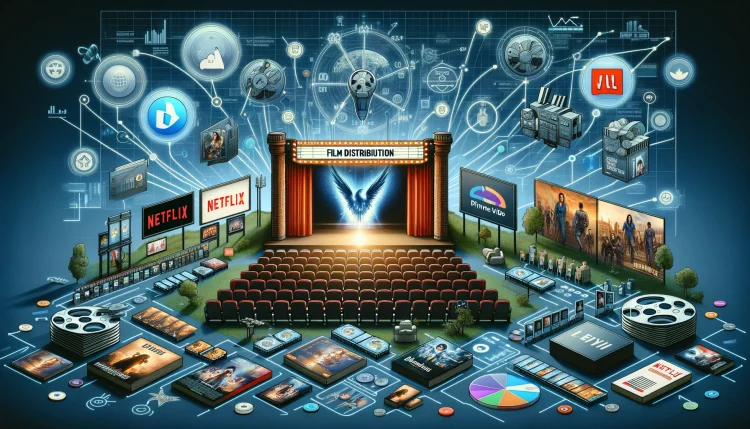
The landscape of film distribution has undergone a seismic shift in recent decades, evolving from traditional theatrical releases and home video sales to a multi-channel approach that includes streaming platforms, digital downloads, and more. This transformation is driven by technological advancements, changing consumer habits, and shifting market dynamics. In this article, we'll explore how these changes have reshaped the film distribution industry and what the future might hold.
Traditional Film Distribution: The Golden Age
In the past, film distribution was centralized around major theatrical releases. Studios like Paramount, Warner Bros., and Disney would create their own production pipelines, and then distribute films through their own theater chains or through independent distributors. The success or failure of a film was heavily dependent on its run time in theaters, with sequels providing a steady stream of income over several years.
The blockbuster model became increasingly dominant in the late 20th century. Films were promoted with massive marketing campaigns, generating buzz through social media and other avenues. Home video releases, typically one year after theatrical release, provided additional revenue streams. However, despite these successes, the film industry faced challenges such as declining theatrical attendance and piracy concerns.
The Rise of Streaming Services
The introduction of streaming services like Netflix, Amazon Prime Video, and Disney+ marked a significant turning point for film distribution. Streaming services disrupted the traditional model in several ways:
- On-Demand Viewing: Streaming allowed consumers to watch films instantly without waiting for theatrical releases or home video releases.
- Diversification of Content: These platforms diversified the content offerings, catering to niche markets and providing a wider selection of films.
- Global Reach: Streaming services can distribute films globally much faster than traditional channels.
The success of these platforms has influenced not only how films are distributed but also how they are produced and consumed. Hollywood studios began to produce exclusive content for streaming platforms, leading to intense competition.
The Impact on Traditional Theatrical Release Dates
The rise of streaming services has led to a phenomenon known as "day-and-date" release strategies. Films are simultaneously released both theatrically and on streaming platforms, bypassing the traditional window of time between a theatrical premiere and a home video release. This strategy has been employed by some high-profile filmmakers, hoping to capitalize on audience interest and generate more revenue.
However, the impact of this strategy on film theaters has been mixed. Some argue that it has cannibalized theater attendance, while others believe that it provides valuable exposure for films that may otherwise go unseen. Studios like Walt Disney Studios and Warner Bros. have experimented with hybrid models, releasing films in theaters exclusively for a limited period before making them available on streaming.
The adaptation to this new paradigm has forced film theaters to reconsider their business models. Many have invested in technology to enhance the theatrical experience and attract viewers who may otherwise opt for streaming at home. Others have experimented with subscription-based models, offering exclusive access to certain films.
Challenges and Opportunities for Independent Distributors
In the midst of these changes, independent distributors have found themselves navigating uncharted waters. While traditional theatrical distribution remains crucial for many indie films, the ability to secure wide-release windows has diminished significantly. Streaming services have become viable distribution channels for these filmmakers, albeit with different commercial models and promotional strategies.
Innovative indie distributors are exploring hybrid models that combine traditional theatrical releases with direct-to-streaming options. Companies like A24 and翠
user
Continuing from the previous article section:
Innovative indie distributors are exploring hybrid models that combine traditional theatrical releases with direct-to-streaming options. Companies like A24 and Neon have pioneered this approach, recognizing that a diverse distribution strategy can maximize exposure and revenue. These models often include promotional events to build buzz and support theater-run premieres, followed by strategic uploads to streaming services to capture the global audience.
Technological Advancements in Content Delivery
Advancements in digital technologies have further transformed the film distribution landscape. High-speed internet connections and improved coding standards have enabled high-quality video transmission over the web, reducing buffering and enhancing user experience. This has paved the way for larger, cinema-quality productions to be delivered directly to audiences without the need for physical copies.
New technologies such as 4K UHD, Dolby Atmos, and virtual theaters provide a cinematic experience akin to traditional theaters, albeit in the comfort of home viewing. These innovations cater to cinephiles and casual viewers alike, making the transition to digital distribution more appealing.
The Pandemic and Its Impact
The global pandemic further accelerated the shift towards digital distribution. When theaters were closed, studios and independent producers had to find alternative ways to reach audiences. Streaming platforms stepped in, offering a lifeline to the industry. This period saw a flurry of new releases moving straight to digital channels, bypassing traditional release dates altogether.
The pandemic also highlighted the vulnerabilities of the traditional theatrical model, leading to increased scrutiny and questioning about its future viability. It became clear that theaters would be more resilient if they could offer a unique value proposition—such as immersive experiences, special events, and limited-time screenings—that streaming cannot replicate.
Changes in Consumer Behavior
Consumer behavior has shifted significantly due to technological advancements and pandemics. Younger generations are increasingly favoring on-demand services over traditional theater experiences. According to a survey by Nielsen, the number of people choosing to stream films has surged, and this trend is expected to continue post-pandemic.
The convenience and flexibility of home viewing contribute to this shift, coupled with a growing awareness of environmental factors (the carbon footprint associated with theatrical release and distribution). Additionally, consumer reviews and word-of-mouth spread rapidly online, influencing decision-making processes.
Closing Gaps Between Different Distribution Channels
To adapt to these changes, the film industry is striving to close gaps between different distribution channels. Platforms like Netflix and Amazon have started licensing their content for theatrical releases, blurring the lines between streaming services and traditional theaters. This creates opportunities for content creators and distributors to diversify their reach.
A key challenge in this integration is ensuring that each channel's unique strengths are leveraged effectively. For example, theaters can focus on creating immersive experiences and event-driven cinema, while streaming services can take advantage of their vast libraries and on-demand capabilities.
Conclusion
The film distribution industry is undergoing a transformative shift, driven by technological advancements, consumer behavior, and market dynamics. From traditional theatrical releases to hybrid models and global streaming platforms, the industry must adapt to stay relevant. As the line between different distribution methods continues to blur, there are both challenges and opportunities for content creators, distributors, and theaters.
The future of film distribution promises to be dynamic and unpredictable. However, by embracing innovation, understanding consumer needs, and leveraging technology, the industry can navigate these changes successfully, ensuring that films continue to reach audiences in meaningful ways.
Legal and Regulatory Challenges
The rapid evolution of film distribution has brought numerous legal and regulatory challenges. Studios and distributors must navigate complex copyright laws, contractual agreements, and international regulations governing digital rights management (DRM). Streaming platforms face additional pressures to comply with data protection and privacy laws, particularly in regions like the European Union with stringent GDPR regulations.
Another significant legal hurdle is the issue of piracy. With the ease of downloading films illegally, protecting intellectual property has become essential. Companies like Paramount and Warner Bros. have aggressively pursued anti-piracy measures, including legal actions against torrent sites and implementing advanced DRM solutions.
Regulatory bodies also play a crucial role in shaping the film distribution landscape. The Motion Picture Association (MPA) works internationally to address issues such as content theft and to promote industry standards. However, these efforts must balance with the need to accommodate the innovative distribution models adopted by newer players.
Strategic Partnerships and Consolidation
To stay competitive, film distributors are forging strategic partnerships and considering consolidation. Studios are increasingly partnering with streaming giants to co-develop content and ensure a wider reach. Collaborations such as The Walt Disney Company’s deal with Comcast’s NBCUniversal highlight the growing synergy between traditional players and tech giants.
Consolidation is also a trend. Major players like Comcast and AT&T are acquiring smaller distributors and theaters to strengthen their market positions. For example, Comcast’s acquisition of Universal Studios parent company NBCUniversal created a massive entertainment conglomerate that includes a diverse array of film, television, and streaming assets.
These strategic moves are not limited to domestic markets. International partnerships and acquisitions are becoming more common as companies look to expand their global presence. For instance, Netflix’s acquisition of MillarWorld, a comic book intellectual property company, signals its ambitions to diversify content and tap into a broader audience base.
Innovations in Marketing and Promotion
The digital age has revolutionized the marketing and promotion of films. Marketing campaigns now leverage social media, influencer collaborations, and interactive content to engage audiences. Brands and filmmakers use platforms like Twitter, Instagram, and TikTok to create buzz and drive ticket sales. For example, Marvel’s promotion of its films often involves behind-the-scenes glimpses, teaser trailers, and interactive challenges.
Digital marketing strategies also extend to the pre-film experience. Movie theaters and streaming services collaborate to create immersive pre-release campaigns. These campaigns can include virtual reality (VR) experiences, augmented reality (AR) apps, and even live events that generate excitement months before the film’s official release.
Future Trends and Predictions
Much is still uncertain about the future of film distribution. However, trends indicate a continuation of the current trajectory towards hybrid models combining traditional theaters and digital platforms. The rise of subscription-based services and ad-supported streaming models suggests a potential shift away from one-time pay-per-view models.
Technologies like AR/VR and artificial intelligence (AI) are poised to offer new ways to engage audiences. AR glasses and VR headsets could revolutionize the viewing experience, allowing viewers to step into immersive worlds and interact with storylines in novel ways. AI tools can also personalize movie recommendations based on individual watching habits, driving higher engagement and conversion rates.
Moreover, the film industry is likely to see a greater emphasis on data analytics to inform distribution decisions. Understanding audience preferences and behaviors through big data can help studios time releases precisely, optimize marketing strategies, and tailor content to specific demographics more effectively.
The global distribution map is also expected to evolve. Emerging markets in Asia and Africa present untapped territories for distribution networks. Companies will need to adapt their strategies to cater to local tastes and cultural nuances, ensuring that films resonate with diverse audiences worldwide.
Conclusion
The evolving landscape of film distribution reflects the complex interplay between innovation, consumer behavior, and regulatory constraints. As the industry continues to adapt, it faces both challenges and opportunities. Strategic partnerships, robust legal frameworks, and technological advancements will play pivotal roles in shaping the future of film distribution.
By embracing these changes and remaining agile, the film sector can ensure that movies continue to captivate and inspire audiences across multiple platforms. The journey ahead is full of possibilities, and the key lies in staying informed, innovative, and responsive to the ever-changing landscape of the film industry.
The emergence of blockchain technology also presents potential solutions for the film distribution industry. Blockchain can offer secure, transparent, and immutable records of ownership and distribution, potentially reducing conflicts over rights and royalties. Platforms like DASH FILMChain and FilmChain are already exploring how blockchain can streamline the process of tracking and monetizing film distribution. These blockchain solutions can ensure that all stakeholders, from directors to investors, receive accurate payments, thereby fostering trust within the industry.
Ecosystem Integration: From Production to Consumption
To fully integrate various distribution channels, the industry is focusing on creating a seamless ecosystem from production to consumption. This involves developing platforms that can manage every aspect of a film’s lifecycle, from financing and production to marketing, distribution, and finally, consumption. Companies like FilmBuff and VOD (Video On Demand) providers are working towards creating a unified platform that connects creators with distributors and audiences.
A key component of this ecosystem is metadata management. Accurate, standardized metadata ensures that films and their related content are easily discoverable across all platforms. Standards organizations like the Metadata Interoperability Group (MIG) are working to develop and enforce metadata schemas that enable interoperability between different systems. This standardization helps in creating a more cohesive and efficient distribution network.
Global Accessibility and Local Adaptation
The increasing globalization of film distribution also necessitates adapting content to local preferences and cultural contexts. Localization services are becoming more sophisticated, allowing distributors to translate scripts, adapt marketing materials, and curate content tailored to specific regions. This approach not only enhances the relevance of films but also fosters a stronger connection with local audiences. For example, the success of films like Joker in multiple markets underscores the importance of nuanced localization.
Localization services are not limited to translations; they also involve cultural adaptation, which means tweaking plot elements, characters, and settings to align with local customs and norms. This effort ensures that films do not alienate local viewers and can effectively engage with cultural nuances. Additionally, localization can help in tapping into regional economies by offering localized financing and distribution deals.
Impact on Creative Freedom and Artist Autonomy
As the industry shifts towards more flexible and diverse distribution models, concerns around creative freedom and artist autonomy have risen. Filmmakers and independent artists may find themselves under pressure from distribution deals that restrict their creative control. For instance, studios often negotiate terms that limit the number of theatrical releases, dictate the order of home media availability, or restrict the film’s exposure on certain platforms.
To mitigate these risks, artists are advocating for clearer contract terms and stronger protections for creative rights. Organizations like the Directors Guild of America (DGA) and the Writers Guild of America (WGA) are working to establish guidelines that prioritize artist autonomy while ensuring fair compensation. Artists are also exploring new funding models and direct-to-consumer distribution platforms that give them greater control over their work and revenues.
Environmental Considerations
The increasing popularity of digital distribution also raises environmental concerns. Despite the efficiency of streaming services, the energy consumption associated with data centers and household devices remains a critical issue. Studios and distributors are adopting green practices to reduce their carbon footprint. This includes investing in renewable energy sources, improving data center efficiency, and encouraging the use of low-power hardware.
Consumers are also becoming more environmentally conscious, with many demanding sustainable practices from entertainment giants. Brands like Amazon and Netflix are responding to these demands by pledging to power their operations with renewable energy and by promoting eco-friendly viewing options. Innovative initiatives like "green streaming" campaigns educate audiences on the environmental impact of their viewing choices and encourage them to make more sustainable choices.
Conclusion
The film distribution industry is at a crossroads, facing transformative challenges and opportunities. From traditional theatrical releases to hybrid models and global streaming platforms, the industry must innovate and adapt to meet the evolving needs of both creators and audiences. Legal and regulatory hurdles, technological advancements, strategic partnerships, and emerging trends in blockchain and AI are reshaping the landscape.
As we move forward, it is crucial for all stakeholders to collaborate and prioritize transparency, creativity, and environmental sustainability. By doing so, the film industry can ensure that films remain a powerful medium for storytelling and entertainment, reaching audiences around the world in meaningful ways. The future may be unpredictable, but with determination and foresight, the industry can continue to thrive and inspire for generations to come.

The Future of Blockbusters: An Expansive Horizon
The cinema landscape has undergone dramatic transformations over the past several decades. With advancements in technology, shifts in audience preferences, and the unpredictable tides of global events, the blockbuster—a staple of the film industry—continues to evolve. As we peer into the future, the question arises: what will the future of blockbusters look like? From the implications of streaming services to the rise of international markets, and groundbreaking technological innovations, the future of blockbusters is poised to be as dynamic as it is captivating.
The Digital Shift: Streaming and Beyond
The onset of the digital age has brought about a seismic shift in how audiences consume content. Streaming services like Netflix, Amazon Prime Video, and Disney+ have not only changed viewing habits but have significantly altered the economics of the film industry. The concept of a blockbuster, once synonymous with a theatrical release characterized by massive box office numbers, is now challenged by the rise of streaming platforms that release high-budget films directly into living rooms worldwide.
This paradigm shift raises the question: is the traditional blockbuster model under threat? Not necessarily. Instead of being a threat, streaming services have become an integral part of the ecosystem, offering new opportunities for filmmakers and audiences alike. With the success of original films like "The Irishman" and "Extraction," streaming services have proven that high-budget, high-profile projects can thrive without the traditional theatrical release. This model provides a global reach that could redefine what it means to be a blockbuster, focusing more on viewership numbers over opening weekend box office returns.
International Markets and Diverse Narratives
In recent years, international markets have emerged as a force to be reckoned with in the film industry, driving the demand for content that resonates globally. China, in particular, has surpassed the United States as the largest film market, a shift that influences how blockbusters are made. Films like "Avengers: Endgame" and "Fast & Furious" franchises have increasingly catered to international audiences with strategically planned release dates, local adaptations, and marketing campaigns tailored to diverse cultural contexts.
Moreover, the thirst for diverse narratives is becoming increasingly apparent. Audiences are no longer satisfied with cookie-cutter formulas and predictable plots. There is a growing demand for films that explore different cultures, languages, and stories that offer fresh and unique perspectives. This trend is pushing content creators to think beyond the conventional realms of storytelling. It's an exciting opportunity that has already seen films like "Parasite" and "Black Panther" succeed on a global scale, illustrating the potential of diverse narratives in capturing the imagination of international audiences.
Technological Innovations: The New Frontier
As technology advances, the blockbuster of the future will likely embrace innovations that were once relegated to the realm of science fiction. Virtual reality (VR) and augmented reality (AR) are on the cusp of revolutionizing how stories are told, providing immersive experiences that transcend traditional viewing. These technologies offer interactive elements that could redefine audience engagement, making films an experience rather than just a spectator activity.
Furthermore, the use of artificial intelligence (AI) and machine learning is poised to impact the filmmaking process significantly. From scriptwriting assistance to post-production enhancements like special effects and sound design, AI offers exciting possibilities. It can optimize production processes, predict audience preferences, and allow for more personalized viewing experiences.
Theatrical Experience: Reinventing the Magic
Despite the surge in streaming and digital platforms, the theatrical experience remains an integral part of the blockbuster identity. Post-pandemic, theaters are reinventing themselves to lure audiences back into their seats. The future of blockbusters is likely to see more immersive and spectacle-driven experiences that can only be fully enjoyed on a big screen.
Moreover, there is a movement towards creating cinema events that transcend beyond just the film. Enhanced cinematic technologies, such as IMAX and Dolby, along with themed events and exclusive screenings, aim to provide a holistic experience that justifies leaving the comfort of home.
In conclusion, the future of blockbusters is not a picture of decline; instead, it's an expansive horizon filled with opportunities and challenges. As the industry continues to innovate, the essence of what makes a film a "blockbuster" will evolve. Balancing the beauty of traditional cinema with the pulse of modernity, the world is on the brink of experiencing a redefined era of storytelling. As these narratives unfold, one thing remains certain: the magic of movies will continue to captivate and unite audiences around the globe.
Content Creation: The Rise of Hybrid Models
The advent of hybrid content creation models is a significant trend that promises to redefine the future of blockbusters. This approach combines elements of traditional filmmaking with new-age digital media, creating a dynamic synergy between different storytelling avenues. For instance, films now often have accompanying digital content such as web series, video games, and interactive social media campaigns that extend their narrative universe.
This transmedia storytelling allows audiences to engage with content in multifaceted ways, creating a more profound and enriched viewing experience. Consider the "Star Wars" franchise, which has successfully utilized various media platforms to weave its intricate tapestry. The blend of films, spin-off series, novels, and merchandise has created a virtually endless narrative playground for fans. The future will likely see an increase in such integrated storytelling approaches for major blockbusters, where the film itself is just one piece of a larger narrative puzzle.
Eco-Conscious Filmmaking: A Green Revolution
The film industry is becoming increasingly aware of its environmental footprint. In response, there’s a budding trend towards eco-conscious filmmaking that prioritizes sustainability without compromising on the artistic and technical quality of blockbusters. As production houses and studios commit to green practices, they are setting a precedent for the future of film production.
From using renewable energy on set to minimizing waste and carbon emissions, the environmental ethos is reshaping traditional practices. For instance, studios are investing in sustainable set designs and costuming, employing digital workflows to reduce paper waste, and implementing strategies that promote energy efficiency during production and distribution. These initiatives not only appeal to environmentally conscious audiences but also foster a culture of responsibility in the industry. As this trend gains momentum, it is likely to become a hallmark of future blockbuster productions.
Data-Driven Decisions: Sculpting Blockbuster Success
As data analytics continues to permeate every aspect of business, Hollywood is no exception. Studios are increasingly harnessing the power of big data to make informed decisions that drive the success of their blockbusters. By analyzing audience preferences, viewing habits, and social media trends, content creators can tailor their films to meet the expectations and interests of their target demographics.
Streaming platforms are at the forefront of this data-driven revolution. They collect extensive data on viewer behavior, allowing them to fine-tune algorithms that can predict what kind of content will captivate audiences. This insight enables filmmakers to craft storylines that resonate, enhance marketing strategies, and even decide on release windows to optimize audience reach. The future of blockbusters is likely to see an even greater reliance on data analytics as producers and studios aim to maximize both artistic impact and financial returns.
The Creative Boom: Empowering New Voices
A significant change in the film industry hinges on the democratization of content. With new technology lowering barriers to entry, the future of blockbusters will see more diverse voices and fresh perspectives coming to the fore. Independent creators now have access to high-quality equipment and platforms for distribution that were previously out of reach. This democratization is fostering a creative boom, allowing filmmakers from all walks of life to tell their stories on a grand scale.
Additionally, the role of social media cannot be overstated. Platforms like YouTube and TikTok serve as breeding grounds for new talent, offering creators the chance to showcase their skills and potentially transition to larger projects. Studios are beginning to recognize the potential in these platforms, scouting for unique voices that can bring innovation to the blockbuster formula. As these new voices rise, they will continue to reshape the cultural and creative landscapes, providing audiences with an ever-expanding array of storytelling experiences.
Financial Dynamics: Changing Funding Models
The way films are financed is undergoing significant transformation as well. Crowdfunding and alternative financing methods are emerging as viable ways to generate capital for blockbuster projects. Filmmakers are increasingly turning to platforms like Kickstarter to garner support, which can not only provide much-needed funds but also build a dedicated audience even before a film's release.
In addition to crowdfunding, venture capital investment is becoming more common in the film industry. Investors are seeking to diversify their portfolios with entertainment properties, given the potential for high returns and the glittering allure of Hollywood success. As these new financial dynamics take hold, they open up opportunities for projects that might not have fitted into the traditional studio mold, giving rise to innovative and bold cinematic ventures that could redefine the blockbuster norm.
In summation, the future of blockbusters is poised on a thrilling precipice, balancing between technological advancements, evolving audience expectations, and the relentless pursuit of creative storytelling. As new models of production, financing, and distribution continue to emerge, the traditional boundaries of what defines a blockbuster are being pushed beyond conventional limits. The global film industry stands at the threshold of a new era, one where the possibilities for storytelling are endless and the potential for profound cultural impact is boundless. As we move forward, the world awaits the next cinematic masterpiece that will capture hearts and imaginations on a global scale.
Audience Participation: From Passive Spectators to Active Contributors
The role of the audience is evolving from passive spectators to active contributors in the narrative development of blockbusters. This shift is primarily facilitated by social media platforms and interactive technologies that enable fans to engage deeply with content. Today, audiences can influence the direction of a film through viral campaigns, fan art, and fan fiction that demonstrate their commitment to particular storylines or characters. Films like "Deadpool" have capitalized on fan-driven momentum, proving that audience passions can be pivotal in greenlighting and shaping projects.
Looking to the future, the potential for real-time audience participation through interactive storytelling could become a standard feature in blockbuster productions. Studios can leverage fan feedback during production phases, tailoring their creative decisions to align with audience desires. This level of engagement not only strengthens the bond between creators and viewers but also ensures that films are more reflective of diverse audience expectations.
Collaboration Over Competition: Studios Joining Forces
In an industry historically marked by fierce competition, collaborative ventures between major studios are increasingly becoming a viable strategy to produce successful blockbusters. By joining forces, studios can pool resources, talent, and intellectual properties to develop films that reach a wider audience. A notable example is Sony and Marvel Studios' partnership, which yielded the immensely popular "Spider-Man: Homecoming" and its subsequent sequels.
Such collaborations allow studios to mitigate financial risks associated with billion-dollar budgets while maximizing market potential. As intellectual property continues to play a crucial role in the entertainment industry, strategic partnerships and co-productions are likely to become more prevalent, benefiting both the creators and the global audience eager for engaging content.
Creative AI: The Screenwriters and Directors of Tomorrow?
Artificial intelligence is not only influencing the technical aspects of filmmaking but is also entering the creative realms of screenwriting and directing. AI tools capable of generating scripts, creating storyboards, and even suggesting directorial decisions are being developed, hinting at a future where AI might collaborate—or compete—with human creatives.
While the idea of AI dictating creative choices may seem unsettling to some, the technology is seen as a tool to assist creators by generating ideas and refining their vision. For instance, AI can analyze hundreds of successful scripts to provide insights into plot structure and character development, offering screenwriters valuable guidance. As these technologies advance, they present both opportunities and ethical questions about the role of AI in creative industries.
Navigating the Ethical Landscape: A Moral Compass for the Future
With technological advancements and changing paradigms, the film industry finds itself navigating a complex ethical landscape. Issues of representation, data privacy, and the responsible use of AI are at the forefront of conversations about the future of blockbusters. As films reach broader audiences, studios face increased pressure to portray diverse cultures and stories accurately and sensitively. The call for authentic representation is louder than ever, challenging creators to depict a world that resonates with audiences everywhere.
Additionally, the use of data analytics to drive filmmaking decisions raises questions about privacy and consent. Studios must ensure that viewer data is used responsibly and transparently, maintaining trust with their audiences. As AI becomes more integrated into creative processes, filmmakers and technologists must work together to establish ethical guidelines that respect artistic integrity and human input.
Preparing for Uncertain Futures
The COVID-19 pandemic served as a stark reminder of the unpredictability that the global film industry must face. While the future holds myriad possibilities, it also necessitates preparedness for unforeseen events that could disrupt traditional movie-making and distribution models. Studios are increasingly focusing on flexible production schedules, remote collaboration tools, and robust contingency plans to ensure continuity in the face of adversity.
Moreover, this uncertain landscape could push filmmakers to innovate further, using challenges as a catalyst for new storytelling methodologies and experiences. Whether it be through the rise of drive-in theaters during the pandemic or the accelerated adoption of digital releases, the industry is continually proving its resilience and capacity for adaptation.
The future of blockbusters lies not in any single direction but in the confluence of creativity, technology, and audience empowerment. As filmmakers and studios embrace the myriad changes occurring within the industry, they simultaneously shape a new definition of what a blockbuster can be—a definition that transcends box office success to encapsulate cultural relevance, technological ingenuity, and artistic excellence. While the path forward may seem daunting, it is equally promising, offering an era where dynamic storytelling can flourish and re-captivate the hearts and minds of audiences worldwide. The stage is set, and the world watches eagerly for the next chapter in cinema's storied legacy—or perhaps even its greatest masterpiece yet.



Movie Franchise Reboots: Rediscovering Classics
In the ever-evolving landscape of cinema, film studios often turn to reboots as a strategy to reignite interest in dormant franchises. These reboots serve as a fresh take on beloved classics, introducing iconic characters and stories to a new generation while invoking nostalgia for longtime fans. However, the art of rebooting a film franchise is a delicate balancing act, teetering between paying homage to the source material and offering a compelling new vision.
The Who’s and Why’s of Reboots
Franchise reboots have become a perennial trend in Hollywood. Studios often see them as a profitable venture that comes with built-in audiences. While the financial incentives are clear, the decision to reboot often stems from a desire to modernize and diversify content. Film franchises like Spider-Man, Batman, and Star Trek have all undergone reboots to varying degrees of success, demonstrating both the challenges and opportunities reboots present.
Reboots as Cultural Reflections
Reboots not only reimagine a story but also adapt it to fit the cultural and societal context of contemporary audiences. Take, for instance, the Ghostbusters reboot of 2016, which featured an all-female lead cast, reflecting a broader push for gender equality and representation in media. Similarly, the Star Wars sequel trilogy included a more diverse set of characters, resonating with today's global audience and their expectations for more inclusive storytelling.
Faithful Homage vs. Creative Risk
One of the key challenges in rebooting a film franchise is finding the right balance between maintaining the essence of the original while offering something innovative. Fans of the original often hold cherished memories and expectations, which can either be a hurdle or a strength for filmmakers. When J.J. Abrams took the reins for the Star Trek reboot, he maintained the franchise's spirit while injecting a fresh energy and narrative style, largely succeeding in both critical and financial terms.
Technological Advancements and Reimagined Worlds
One of the driving forces behind many successful reboots is technological advancement. New filmmaking techniques and special effects allow for the expansion of the narratives and realms depicted in the original films. Consider the Planet of the Apes series, which benefited greatly from the advancements in CGI. The reboots were able to portray the apes with a stunning level of empathy and detail, making the story more immersive and resonant with modern audiences.
Audience Reception: A Double-Edged Sword
Audience reception is crucial in determining the success of a reboot. While a successful reboot can revitalize a franchise, poor reception can tarnish the legacy of the original. A positive example is Mad Max: Fury Road, which not only honored the original films but elevated the franchise to unprecedented critical acclaim. On the contrary, the The Mummy reboot failed to resonate, largely due to its struggle to establish a coherent new vision while attempting to launch a larger franchise.
As we continue to anticipate new reboots on the horizon, such as The Matrix and The Lord of the Rings, it is clear that the trend of reviving and reimagining classic film franchises will persist. As studios and filmmakers toe the line between innovation and reverence, only time will tell which reboots will emerge as defining chapters in their sagas, and which will fade into obscurity.
The Decline of Movie Theaters: A Cinematic Perspective
The world of cinema has always held a captivating allure, a shared experience that transports audiences into imaginary realms and dramatic stories. For over a century, movie theaters have served as the cornerstone of this cultural institution, offering a unique setting where friends, families, and even strangers come together to be swept away by the magic of film. However, recent trends suggest that this time-honored tradition is facing an unprecedented challenge. The decline of movie theaters is not just an economic concern but a transformation in the way we consume and appreciate art. In this article, we delve into the myriad factors contributing to the theater industry's gradual wane and ponder the implications for the future of film and communal experiences.
The Rise of Streaming Services
Perhaps the most significant catalyst of the movie theater decline can be attributed to the meteoric rise of streaming services. Platforms like Netflix, Amazon Prime Video, Hulu, Disney+, and HBO Max have revolutionized how audiences consume content. By offering vast libraries of films and television shows accessible at any time and anywhere, these services cater to the growing demand for convenience. No longer must viewers schedule their time around a theater's showtimes or contend with tickets and concessions. Instead, the allure of the personal comfort of one's home, coupled with on-demand access, lures potential theatergoers to choose the couch over the cinema.
Economic Implications Amid Global Crises
The decline in attendance has also been exacerbated by global crises, notably the COVID-19 pandemic, which not only shuttered theaters for extended periods but also changed consumer behavior significantly. Hesitant to return to crowded auditoriums, audiences conditioned themselves to the digital format. Moreover, during economically strained times, spending on luxury activities like movie outings often falls by the wayside. The pandemic has accelerated the already shifting paradigms in entertainment consumption, forcing the industry to adapt or falter.
The Surge of Blockbuster Fatigue
In recent years, Hollywood's inclination towards blockbuster franchises has inadvertently led to audience fatigue. While these high-budget spectacles are designed to draw large crowds, their ubiquity detracts from the diversity of cinema by overshadowing smaller, independent productions. The repetitive nature of these formulaic films often discourages moviegoers, who may eventually seek vibrant storytelling in alternative formats. This shift presents a new challenge for theaters reliant on box office hits to fill seats, as it suggests a waning appetite for predictable entertainment at the expense of variety and originality.
Technological Advancements and Competition
Technological advancements have played a dual role in the decline of theaters, simultaneously offering enhanced viewing options and posing competitive threats. The advent of high-quality home theaters, complete with state-of-the-art sound systems and large, high-definition displays, has redefined what it means to watch a movie at home. Moreover, virtual reality and augmented reality have started to carve niches in entertainment that conventional cinemas cannot easily replicate. As more consumers invest in technology that delivers an immersive experience, the need to venture out to a theater lessens, prompting more introspection from theater owners about how to remain relevant.
Continued in the next part...


Emerging Genres: The Blurring Lines of Modern Music
In the ever-evolving landscape of music, the concept of genre has been a compass for both creators and consumers, guiding the navigation of sounds and scenes through identifiable categories like rock, jazz, hip-hop, and country. However, as the 21st century surges forward, these once distinct lines have started to blur, giving rise to an enthralling wave of genre-defying music. This new era, spearheaded by innovative artists and producers, challenges traditional paradigms and reflects a cultural zeitgeist that favors eclecticism over purity.
A profusion of emerging genres—or should we say, pseudo-genres—is a testament to this transformation. With the growth of digital production and online sharing platforms, artists are no longer confined to their local radio stations or the limited genres they provide. Instead, they have unfettered access to a global music repository and the means to distribute their experimental sounds to a receptive worldwide audience.
One shining example of this genre melding is the meteoric rise of hyperpop. A wild, internet-born style recognized for its embrace of pop sensibilities, hyperpop distorts and exaggerates components of mainstream music, infused with elements of electronic, trap, and even punk influences. Artists like 100 gecs and Charli XCX exemplify this trend, delivering synth-heavy, beat-skipping tracks that defy any single classification and instead revel in a borderless musical domain.
Another area where we see the breakdown of traditional boundaries is in the return of psychedelic music—but not as we know it. Today's neo-psychedelia is mutating, intertwining with genres like indie rock, electronica, and even hip-hop. Tame Impala's brainchild Kevin Parker has been at the forefront, creating a sound characterized by ambient synths, fuzzy guitar riffs, and introspective lyrics that push past the expectations of what psychedelic music can be.
In the hip-hop arena, sub-genres are proliferating at an unprecedented rate. Different regions and even internet-based communities are cultivating their unique sounds, symbols, and slangs. Take the brooding beats of UK drill, a sibling of Chicago drill, which imports trap music's ominous ethos into the context of London's grime scene. Or, consider lo-fi hip-hop's boom—chill, downtempo beats that provide a relaxed backdrop for studying or relaxation, an entire subculture built around the aesthetics of nostalgia and simplicity.
What's more interesting about these novel soundscapes is not just the music itself, but the culture that comes with it. Fashion, visual art, and even the way fans interact (often through social media and digital art sharing spaces) are all integral parts of the genre-blending phenomenon. This synergy of music and visual culture has propelled platforms like TikTok to become unexpected launching pads for viral hits, often leading to the meteoric success of songs that traditional labels might have overlooked.
In a similar vein, video game soundtracks have grown into a diverse genre by themselves. The likes of video game composers like Lena Raine and Austin Wintory are crafting emotion-driven scores that are just as capable of standing alone as any piece from a traditional artist. Their music, while composed for interactive experiences, transcends its original context, attracting listeners who might never even touch a game controller.
In this first part of our deep dive into the modern music scene's fluidity, we've touched on just a few examples of how genres are being reimagined. As the lines continue to blur, perhaps the very notion of genre will become obsolete, replaced by a universal appreciation for innovative sounds regardless of their origin.
In the next segment, we'll continue this exploration, focusing on the implications of this trend for the music industry and how it's affecting the way we discover, share, and experience music in the digital age. Stay tuned for an insightful continuation into the genre-bending odyssey that's shaping our auditory landscape.
The Future Soundscape: Music Consumption in the Genre-Fluid Era
In the first part of our exploration, we delved into the changing tides of modern music and how artists are dismantling the conventional boundaries of genre. This metamorphosis isn't just a creative renaissance; it's also a harbinger of change for the music industry and the ways in which we consume music. The digital age has redefined discovery, sharing, and experience, paving the way for a more eclectic soundscape.
One of the starkest changes we're observing is the way music is being consumed. Streaming services have replaced record stores as the primary conduit for finding new tracks, and their recommendation algorithms have become the modern version of the knowledgeable store clerk. These algorithms, powered by data and machine learning, create playlists that can effortlessly jump from synthwave to Chicago house to neo-classical compositions, all based on listening habits rather than rigid genre classifications. This not only exposes listeners to a wider array of music but also challenges them to redefine their tastes.
The role of social media, especially platforms like TikTok and Instagram, is also significant in the diffusion of these emergent genres. Virality now has the power to crown a new hit overnight, with songs sometimes gaining momentum based on a single catchy snippet. This has led to a democratization of the music scene, where independent artists can achieve fame without the traditional gatekeeping of record labels and radio play. For many, this is a watershed moment for the industry that is simultaneously exciting and chaotic.
Moreover, the ease of music production and distribution in the digital era allows for constant experimentation and immediacy in releasing music. Artists aren't required to fit into a box to be signed by a label—they can share their sounds directly with an audience and find their niche. This has resulted in an explosion of micro-genres and subcultures, each with its own fervent fan base and ethos.
Another industry aspect being reshaped by genre fluidity is the live music and festival scene. Events are increasingly becoming more diverse in their lineups to reflect the eclectic tastes of their audiences. Where once you would have separate rock, jazz, or electronic festivals, now genre-spanning festivals are surging in popularity, offering a mosaic of auditory experiences to attendees. This is not only a reflection of changing tastes but also a celebration of diversity and inclusivity in music.
Artists themselves are also evolving with this genre-fluid landscape. Collaborations across traditional genre lines are more frequent, with pop artists working with indie musicians, rappers joining forces with rock bands, and so forth. These collaborations often result in some of the most intriguing and innovative tracks, which cross-pollinate fan bases and create a shared dialogue among diverse listeners.
In an industry once dominated by a few major players and traditional distribution models, the rules are being rewritten. While this causes uncertainty and disrupts long-held structures, it also breathes life into a realm ripe for innovation. As we venture further into this connected world of sounds and scenes, there may come a time when genres are no longer the framework for music at all, but rather, historical footnotes in an all-encompassing auditory universe.
As the second part of our excursion concludes, the message is clear: modern music is moving beyond the confines of categories, fostering an unprecedented level of artistic freedom and listener exploration. The implications for the industry are profound, as the future will likely be defined by adaptability, open-mindedness, and the creative spirit that thrives when there are no boundaries to contain it. This genre-defying wave is not just a trend; it's the soundtrack of a new generation, echoing its complexities, diversities, and boundless possibilities.