Sally Le Page: From Shed Science to Global Influence
Sally Le Page is an English evolutionary biologist and digital content creator who has brought science into the homes and hearts of millions around the world. Born and raised in Stratford-upon-Avon, Sally’s passion for nature and science sparked early and was shaped by the iconic natural history documentaries of her childhood, particularly those narrated by the legendary David Attenborough. This inspiration led Sally to pursue a degree in biology at the prestigious University of Oxford, where she excelled and earned a first-class degree in 2013.
With a strong academic foundation and a deep curiosity, Sally delved into evolutionary biology, specifically studying sexual selection in fruit flies for her doctoral research. This pioneering work not only enhanced her understanding of complex biological behaviors but also laid the groundwork for her career as a science communicator. Sally's PhD focused on unraveling the intricate mating behaviors and survival strategies of fruit flies, combining evolutionary biology with behavioral ecology—a unique and fascinating intersection that forms the basis of her engaging science content.
But Sally’s journey didn’t stop there. After completing her PhD, she embarked on creating science videos from the shed behind her parent’s house. This humble beginning marked the launch of her YouTube channel, *Shed Science*. Today, her channel hosts a vast library of educational and entertaining science content, with over 70,000 subscribers tuning in regularly for fascinating science discussions, interviews, and vlogs. Through this platform, Sally has managed to bridge the gap between academic research and general public engagement, making science accessible and exciting for everyone.
In addition to her YouTube channel, Sally has also ventured into other forms of content creation. She has produced documentaries that explore various aspects of biology, such as coral reef resilience, and even delved into the realm of science in media. Sally’s audio work includes presenting science podcasts like *Hormones: The Inside Story* and *Genetics Unzipped*, further expanding her reach and impact within the science communication community.
Beyond her creative endeavors, Sally has worked with major corporations, including General Electric, Dow, Merck, and BNP Paribas. As their first Creator-in-Residence, she has helped these companies produce branded science content that educates and engages their audiences. This blend of public and private sector roles showcases Sally’s ability to leverage her platform for various purposes, from enhancing scientific literacy to driving commercial success.
Sally’s contributions to the field of science communication have been widely recognized. She has won numerous awards, including The Guardian and Oxford University Press Very Short Film competition in 2013 for a film on evolution. Her work has not only been acknowledged but has also significantly contributed to increasing the visibility and understanding of complex scientific concepts among a broader audience. Sally believes in the power of storytelling and diverse media tools—like music and animation—to make science more relatable and fun.
Through her public lectures, communication training, and even science-themed stand-up comedy, Sally actively campaigns for LGBT equality and queer visibility in STEM fields. Her advocacy highlights the importance of diversity and inclusion within the scientific community, ensuring that all voices are heard and valued. By promoting these causes, Sally not only raises awareness but also inspires others to be advocates for change.
A pivotal moment in Sally’s career occurred in 2017 when she publicly critiqued UK water suppliers for using dowsing to locate water sources. Her critique influenced some suppliers to distance themselves from traditional methods, paving the way for more scientifically-based approaches in utility management. This incident exemplifies Sally’s commitment to evidence-based practices and clear, unbiased communication about scientific issues.
Sally Le Page’s journey from a passionate student at Oxford to a globally recognized science communicator is a testament to her dedication and creativity. Her unique approach to science communication combines rigorous academic research with engaging, creative media production. Whether through videos, documentaries, podcasts, or branded content, Sally consistently aims to make complex scientific topics understandable and captivating for a wide range of audiences.
Her advocacy for diversity and inclusion in STEM, along with her innovative use of digital platforms, reflects a modern and forward-thinking approach to science communication. By bridging the gap between academic research and popular culture, Sally has not only educated but also inspired countless individuals to engage with science more deeply. In an age where scientific literacy is increasingly important, Sally Le Page’s work serves as a guiding light, showing how science can be both enlightening and entertaining.
---
One of the key aspects of Sally’s influence lies in her ability to make complex scientific concepts accessible and enjoyable. Her YouTube channel, *Shed Science*, is a perfect example of her creative approach. With episodes ranging from detailed discussions on biological phenomena to more casual vlogs, Sally creates a space where viewers can learn about evolution, genetics, and the natural world in a relaxed setting. Her engaging personality and knack for storytelling ensure that even intricate scientific ideas are presented in an easy-to-understand manner.
In addition to her YouTube presence, Sally has also produced several award-winning documentaries and podcasts. These multimedia formats offer a deeper dive into specific areas of biology, such as coral reef resilience and the intersection of science and popular culture. For instance, her podcast series *Genetics Unzipped* breaks down complex genetic concepts using relatable examples and interviews with experts in the field. This format not only educates but also fosters a community of listeners who appreciate the science behind their daily lives.
Sally’s collaborations with major corporations have helped to broaden her reach and amplify her message. Her work with General Electric, Dow, Merck, and BNP Paribas as their first Creator-in-Residence demonstrates her ability to bridge the gap between scientific research and consumer engagement. These collaborations have resulted in the development of branded science content that educates and entertains consumers, making science a more integral part of everyday life.
One notable example of her work with businesses is the creation of educational content for Dow. Sally produced a series of short, engaging videos that explained the company’s sustainable practices and innovations to a broad audience. This not only helped Dow to communicate its message effectively but also provided viewers with valuable insights into the intersection of science and sustainable business practices. Such initiatives underscore Sally’s versatility as a content creator and her ability to adapt her expertise to a variety of contexts.
Beyond her professional achievements, Sally’s personal story provides inspiration for many aspiring scientists and content creators. Growing up in Stratford-upon-Avon, she was surrounded by the cultural heritage of Shakespeare and the beauty of the natural world. This upbringing instilled in her a deep appreciation for both the arts and sciences. Sally often speaks about her journey, encouraging young people to follow their passions and persevere in the face of challenges.
The impact of Sally’s work extends far beyond her digital channels. She frequently gives public lectures, offering insights into her research and the practical applications of biology and evolution. These talks, whether held at universities or community centers, are designed to demystify complex scientific concepts and spark interest in the next generation of scientists. Sally’s public speaking engagements are always well-received, demonstrating her ability to connect with diverse audiences and inspire them to engage with science.
Sally’s commitment to promoting diversity and inclusion within STEM is another key aspect of her work. She actively campaigns for LGBT equality and queer visibility in science, recognizing the importance of representing underrepresented groups within the field. Her advocacy is not limited to public statements; she actively participates in events and initiatives aimed at increasing inclusion in STEM, such as mentoring programs for LGBTQ+ students interested in science.
Her role as a patron of Humanists UK further reinforces her dedication to public understanding of science. As a humanist, Sally advocates for a rational and evidence-based approach to understanding the world, emphasizing the importance of critical thinking and open-mindedness in the face of pseudoscience and misinformation. Her work with Humanists UK includes organizing events and contributing to discussions about the intersection of science and humanism.
Another significant aspect of Sally’s work is her role in debunking pseudoscientific practices. In 2017, she publicly criticized UK water suppliers for using dowsing to locate water sources. Her critique was based on sound scientific principles and contributed to a shift away from untested methods towards evidence-based water management techniques. This example highlights her commitment to promoting scientific integrity and evidence-based decision-making.
Sally’s approach to science communication is not limited to digital platforms. She has used live performances and stand-up comedy to bring science to a wider audience. Her comedic skills allow her to tackle complex topics in a humorous yet educational manner, making her presentations more accessible and engaging. This ability to entertain while educating ensures that science remains a vibrant and exciting field of study.
In terms of future goals, Sally continues to expand her reach and influence. She is currently working on new projects that aim to engage younger audiences and incorporate emerging technologies into her content. Her latest work involves collaborating with educational institutions to develop interactive online resources that enhance science learning. Such initiatives reflect her ongoing commitment to making science both enjoyable and impactful.
Sally’s interdisciplinary approach to science communication is reflected in her diverse media tools. She uses animation, music, and interactive content to present scientific concepts in an engaging way. For example, her YouTube channel features animated explainer videos that break down complex ideas using colorful visuals and catchy music. This multimedia approach not only makes science more accessible but also helps to retain观众:
对不起,看起来我的回复超出了你期望的英语格式。让我们重新调整一下,保持在 HTML 格式,并且精确到约1200字符的长度。
One of the key aspects of Sally’s influence lies in her ability to make complex scientific concepts accessible and enjoyable. Her YouTube channel, *Shed Science*, is a perfect example of her creative approach. With episodes ranging from detailed discussions on biological phenomena to more casual vlogs, Sally creates a space where viewers can learn about evolution, genetics, and the natural world in a relaxed setting. Her engaging personality and knack for storytelling ensure that even intricate scientific ideas are presented in an easy-to-understand manner.
In addition to her YouTube presence, Sally has also produced several award-winning documentaries and podcasts. These multimedia formats offer a deeper dive into specific areas of biology, such as coral reef resilience and the intersection of science and popular culture. For instance, her podcast series *Genetics Unzipped* breaks down complex genetic concepts using relatable examples and interviews with experts in the field. This format not only educates but also fosters a community of listeners who appreciate the science behind their daily lives.
Sally’s collaborations with major corporations have helped to broaden her reach and amplify her message. Her work with General Electric, Dow, Merck, and BNP Paribas as their first Creator-in-Residence demonstrates her ability to bridge the gap between scientific research and consumer engagement. These collaborations have resulted in the development of branded science content that educates and entertains consumers, making science a more integral part of everyday life.
This second part of the article outlines Sally's multifaceted approach to science communication, highlighting her role as a creator on multiple platforms, her collaborations with industry leaders, and her efforts to promote diversity in STEM. Her dedication to making science both accessible and engaging continues to inspire both professionals and the general public alike.
请告知我是否需要继续,或者是否有任何修改意见。
This second part of the article outlines Sally's multifaceted approach to science communication, highlighting her role as a creator on multiple platforms, her collaborations with industry leaders, and her efforts to promote diversity in STEM. Her dedication to making science both accessible and engaging continues to inspire both professionals and the general public alike. Moving forward, we can delve into Sally's personal beliefs and future aspirations.
Sally often discusses the importance of maintaining a balanced perspective when it comes to science. She believes that while scientific knowledge is incredibly powerful, it is crucial to approach it with humility and skepticism. This attitude ensures that scientists remain open to new ideas and evidence, fostering continuous growth in knowledge and understanding. Sally encourages her audience to critically evaluate information and seek out reliable sources of knowledge.
Another key area of Sally’s work involves advocating for better science education in schools and universities. She recognizes that a strong foundation in science is essential for preparing the next generation to contribute positively to society. Sally actively participates in science outreach programs and mentors young scientists to help them navigate the challenges of academic and professional careers. Her mentorship programs aim to provide guidance, support, and encouragement to students who may feel isolated or unsupported.
A significant aspect of Sally’s vision for the future is the integration of science with technology. She envisions a world where technological advancements are driven by a strong understanding and application of scientific principles. Sally believes that technology can play a vital role in solving global challenges, from environmental conservation to healthcare. She is particularly excited about the potential of AI and data analysis in enhancing our understanding of complex biological systems.
Sally’s ongoing research and projects reflect her commitment to interdisciplinary approaches. She is currently exploring the intersection of biology and artificial intelligence, focusing on how computational models can help predict and understand the behavior of different biological systems. This work not only contributes to advancing scientific knowledge but also has practical applications in various fields, including biotechnology and drug development.
Beyond her professional endeavors, Sally remains dedicated to social and cultural causes. She is a founding member of a local organization that promotes STEM education in underserved communities. Through this organization, Sally organizes workshops, seminars, and hands-on activities to engage youth in the sciences. Her goal is to create a more inclusive and supportive environment for students from diverse backgrounds, ensuring that everyone has the opportunity to explore their interests in science.
Looking ahead, Sally aspires to see a significant increase in the diversity and inclusivity within STEM fields. She believes that a more diverse scientific community leads to more innovative and robust solutions to pressing global problems. Sally hopes to see increased representation of women, minority groups, and individuals from underrepresented backgrounds in science-related careers. She actively works towards this goal through various initiatives and partnerships designed to support and empower underrepresented individuals in STEM.
Finally, Sally’s approach to life outside of science is also noteworthy. She maintains a balance between her professional commitments and personal interests. She enjoys traveling, photography, and spending time in nature, which all feed into her scientific curiosity and creativity. Sally emphasizes the importance of finding joy in the small things and maintaining a sense of wonder about the world around us.
Reflecting on Sally Le Page’s journey, it becomes clear that she is not just a science communicator but a driving force for positive change. Through her diverse platforms, collaborative efforts, and unwavering dedication to diversity and inclusion, Sally is making a significant impact on both the scientific community and the world at large. Her work continues to inspire and educate, serving as a reminder that science has the power to transform lives and shape our understanding of the universe.
As we look forward, Sally’s legacy continues to grow, and her influence is likely to extend well into the future. Her contributions to science communication, education, and advocacy for diversity make her a true leader in the field. Sally Le Page’s story is one of perseverance, creativity, and a profound commitment to making science accessible and enjoyable for all.

Neil deGrasse Tyson: A Cosmic Explorer
Born Under the Stars: An Early Passion for Astronomy
Neil deGrasse Tyson was born on October 5, 1958, in New York City, USA. From a young age, he exhibited a keen interest in space and astronomy. Growing up, Neil often visited his parents' apartment at night to gaze at the stars through a small telescope. His parents, both educators, nurtured his curiosity by providing him with a variety of books and resources, which further deepened his fascination with the cosmos.
Neil's early fascination with constellations and galaxies led him to pursue formal education in science. He attended the Bronx High School of Science, where he honed his skills and met like-minded individuals who shared his passion for astronomy. During his time at the high school, Tyson engaged in extracurricular activities such as debate clubs and science fairs, which helped to shape his scientific acumen and public speaking abilities. These experiences laid the foundation for his future career in science communication and education.
The Early Years: Educational Journey and Research
After graduating from high school, Neil pursued higher education at Harvard University, where he studied physics and received his bachelor's degree. He later completed his Ph.D. in astrophysics from Columbia University in New York City. Tyson's academic journey was marked by his intense desire to understand the workings of the universe, particularly black holes and the Milky Way galaxy.
Neil's academic achievements earned him recognition within the scientific community. He became a fellow of several prestigious organizations, including the American Association for the Advancement of Science (AAAS) and the American Philosophical Society. His research contributions include the study of galactic structure and dynamics, which helped to refine our understanding of the Milky Way's spiral arms.
A Breakthrough Discovery: The Vela Pulsar
One of Neil's most significant achievements came in 1976, when he discovered the Vela pulsar, a rapidly rotating neutron star, using data from the NASA radio astronomy satellite, Uhuru. This discovery earned him the Beatrice Tinsley Prize and further cemented his reputation as a leading figure in astronomical research.
The Vela pulsar is one of the nearest and brightest known pulsars and has played a crucial role in advancing our knowledge of these exotic objects. Tyson's work on this project highlighted his ability to integrate data from various sources and apply innovative analytical techniques to solve complex scientific problems. His findings not only contributed to the field of astrophysics but also sparked public interest in space exploration and the mysteries of the universe.
Breaking Barriers: Career Developments and Challenges
Neil's career faced numerous challenges, including navigating the complex and competitive world of academia. Despite these obstacles, Tyson's dedication to his research and his commitment to making complex scientific concepts accessible to the general public earned him widespread respect and admiration.
In addition to his teaching responsibilities at Princeton University, Tyson held positions at other universities and research institutions, including NASA. He served as an advisor to various space-related projects and contributed to the development of new technologies that aimed to enhance our understanding of the cosmos. Throughout his career, Tyson faced criticism and controversy, particularly regarding his critiques of pseudosciences and his advocacy for evidence-based reasoning.
Astronomy as Public Intellectual
Neil deGrasse Tyson is perhaps best known for his role as a public intellectual and popularizer of astronomy. Recognizing the importance of science communication, he sought to bridge the gap between the scientific community and the general public. Through his writings, television appearances, and public lectures, Tyson has made complex scientific ideas accessible to people of all backgrounds.
His efforts have been amplified by his work on the hit TV show "StarTalk Radio," where he engages in lively discussions with guests from diverse fields, ranging from entertainers to physicists. This platform has enabled Tyson to communicate his love for astronomy and science to a broad audience, fostering a deeper appreciation for the mysteries of the universe.
Awards and Honors: Celebrating Neil's Accomplishments
Neil deGrasse Tyson has received numerous awards and honors throughout his career, recognizing his contributions to science and science education. In 2011, he was awarded the National Medal of Science, the highest honor bestowed by the United States government to scientists and engineers. Other notable accolades include the Einstein Award from Columbia University and membership in the National Academy of Sciences.
Theodore Roosevelt Distinguished Evolutionary Lecturer Award from Arizona State University, a lifetime achievement award from the American Astronomical Society, and the Isaac Newton Medal from the Institute of Physics are some other recognitions that highlight Tyson's profound impact on the fields of astronomy and astrophysics.
Influences and Mentorship
Several key figures have influenced Neil deGrasse Tyson's career and intellectual development. His father, Margaret G. Tyson, instilled in him the importance of STEM education and helped build a strong foundation in scientific literacy. His grandfather, George Washington Tyson, was also a physicist and a significant source of inspiration for Neil's scientific pursuits.
Additionally, mentors like Dracula Munteanu, his high school physics teacher at Bronx Science, and Dr. William Press, his graduate school advisor at Columbia University, played crucial roles in shaping Tyson's scientific mindset and career trajectory. These influential figures provided guidance, encouragement, and support, helping Tyson navigate the complexities of academic research and public engagement.
Legacy and Impact: Inspiring Future Generations
Neil deGrasse Tyson's legacy extends beyond his scientific contributions; he has profoundly influenced generations of students and the broader public. His ability to simplify complicated concepts without sacrificing accuracy makes him a model of effective science communication. He has inspired countless individuals to pursue careers in science and to maintain a healthy skepticism towards unfounded claims.
Through his writings, lectures, and media appearances, Tyson has helped demystify the scientific process and the wonders of the universe. His work has not only educated but also entertained, inspiring a new generation of scientists and enthusiasts alike. By advocating for evidence-based science and critical thinking, Tyson has become a respected voice in the scientific community and a beloved figure among the public.
Public Education and Outreach: Bridging the Gap Between Science and Society
Neil deGrasse Tyson has been passionate about bridging the gap between science and society through public education and outreach. His approach to science communication aims to make the wonders of the universe accessible and engaging for everyone. One of his most significant platforms for sharing scientific knowledge is the StarTalk Radio, a popular science radio show he hosts. The show features engaging discussions with leading scientists, entertainers, and other public figures, making complex scientific concepts relatable and entertaining to a broad audience.
Another important aspect of Tyson’s public engagement is his work as a visiting scientist and educator. He has delivered lectures and workshops at numerous events and institutions, from the National Science Foundation to the United Nations. These engagements not only enhance public understanding of science but also emphasize the importance of cross-disciplinary collaboration and the role of science in addressing global challenges.
Popularizing Science through Media
Neil’s impact on science communication can be seen through his extensive media appearances and writings. He has authored several best-selling books, including "The Pluto Files" and "The Pluto Files: The Rise and Fall of America’s Second Planet." These works explore the science behind recent changes in our understanding of Pluto and other celestial bodies, making complex scientific processes understandable to the general public.
Neil’s most recognized media platform is StarTalk Radio. The show, which has been on the air since 2015, features conversations with scientists, astronauts, and other notable figures. These discussions range from the latest breakthroughs in astrophysics to discussions about the future of space exploration. The show’s relatable and entertaining format has made it a staple in the science communication landscape, attracting millions of listeners worldwide.
Advocacy for Evidence-Based Science
Throughout his career, Neil deGrasse Tyson has been a vocal advocate for evidence-based science. He has consistently criticized pseudoscience and conspiracy theories, emphasizing the importance of critical thinking and empirical evidence. For instance, he has frequently addressed topics such as climate change, vaccine safety, and the dangers of alternative medicine, providing clear, evidence-based explanations for these issues.
In 2009, Tyson published an op-ed in Scientific American titled “The Perils of Pseudoscience,” where he highlighted the risks associated with pseudoscientific claims and the importance of a science-literate population. This piece has been widely cited and has helped to highlight the urgent need for scientific literacy in society.
Broadening Public Understanding of Science
One of Tyson’s most notable public outreach initiatives is the Astrotalk program, which he established at the Hayden Planetarium in New York City in the early 2000s. This initiative includes public lectures, workshops, and school programs designed to inspire and educate students about the wonders of the cosmos. The program has been instrumental in fostering a new generation of scientists and astronomy enthusiasts, with many participants expressing a greater interest in science and exploration.
Neil’s commitment to broadening public understanding of science extends to his work with various educational institutions and organizations. He has served on numerous boards and advisory committees, providing expert advice on science education and policy. His efforts have helped to shape science education policies and programs, making them more inclusive and engaging for students of all ages.
Breaking Barriers and Empowering Diverse Communities
A significant part of Tyson’s mission is to empower diverse communities and eliminate barriers to scientific education. He has been actively involved in promoting STEM education in underrepresented groups, advocating for increased diversity and inclusion in the sciences. One of his notable initiatives is the The Public School Lecture, which he has delivered at various high schools and universities, focusing on the importance of science education for all students, regardless of their background.
Neil also founded the Black Professionals in Astronomy organization, which aims to support and mentor African American and other underrepresented groups in the field of astronomy. Through this organization, Tyson has worked to create a supportive community and provide resources and opportunities that help these groups succeed in their academic and professional careers.
Challenges and Future Directions
Despite his numerous successes, Neil deGrasse Tyson has faced challenges in his mission to popularize science. One of the primary hurdles is the pervasive anti-science sentiment in some sectors of society. Pseudoscientific claims and conspiracy theories continue to gain traction, often fueled by misinformation and a lack of scientific literacy. This trend has necessitated ongoing efforts to educate the public and reinforce the importance of evidence-based reasoning.
Furthermore, the ongoing issue of gender and racial inequality in the sciences poses another challenge. Tyson has been an outspoken advocate for inclusivity and equity in the scientific community, emphasizing the importance of diversity in STEM fields. He has called for increased support and resources to help underrepresented groups succeed in scientific careers.
Looking to the future, Neil deGrasse Tyson remains committed to his mission of popularizing science and fostering a scientifically literate society. He continues to work tirelessly to address these challenges and drive positive change in the scientific community and society at large. His dedication and passion for science education and engagement serve as a powerful example for future generations of scientists and enthusiasts alike.
The Evolution of Neil deGrasse Tyson's Vision
Over the years, Neil deGrasse Tyson's vision for science education and communication has evolved, reflecting the changing landscape of scientific knowledge and societal needs. Initially focused on making astronomy accessible to a wide audience, Tyson's approach now encompasses a broader range of scientific disciplines and societal issues. His evolving perspective is evident in his recent emphasis on the intersection of science and social justice, advocating for a more equitable and inclusive scientific community.
Tyson's work has been instrumental in highlighting the societal impacts of scientific discoveries and the ethical implications of scientific advancements. He has discussed issues such as artificial intelligence, genetic engineering, and space exploration, always emphasizing the importance of responsible and ethical decision-making in these areas.
Cultivating a Sense of Wonder and Responsibility
Nicknamed "the Science Guy," Tyson has a unique ability to cultivate a sense of wonder and responsibility among his audiences. His shows and lectures are not merely informative; they are also inspirational, encouraging viewers and readers to think critically about the world around them. Tyson uses his platform to foster a culture of scientific curiosity and skepticism, urging people to question everything and seek evidence before accepting any claim.
Examples of this can be seen in his famous exchanges with creationists and pseudoscientists. Tyson is known for his blunt and often humorous responses, which effectively challenge erroneous beliefs while maintaining a respectful tone. This approach helps to demystify complex scientific concepts and promote a scientific mindset among the general public.
The Role of Social Media and Digital Platforms
In the digital age, Neil deGrasse Tyson has leveraged social media and other digital platforms to reach an even broader audience. His active presence on Twitter, for instance, allows him to engage in real-time conversations with people worldwide, providing quick insights and responses to current events related to science and technology. His tweets often go viral, reaching millions of people and sparking discussions on a wide array of topics.
Additionally, Tyson has created educational content that caters specifically to digital natives. His YouTube channel, "Star Talk Live," offers videos that blend entertainment with science education, making learning fun and accessible. These digital platforms not only increase his reach but also help to democratize access to scientific information, making it available to people in remote areas or those who might not have had previous exposure to such content.
Anchoring Science Communication in Reality
Navigating the complexities of science communication in the age of misinformation and fake news has been particularly challenging for Tyson. He recognizes the crucial role of anchoring scientific discourse in reality, ensuring that the information disseminated is accurate, verifiable, and ethically sound. This involves staying vigilant against disinformation campaigns and working to correct misconceptions that can have severe consequences when left unchallenged.
To achieve this, Tyson emphasizes the importance of evidence-based reasoning and critical thinking. He encourages the scientific community to be transparent about their methods and findings, and to engage in open dialogue with the public. By doing so, Tyson helps to build trust in scientific institutions and fosters a healthier relationship between science and society.
Looking Ahead: Tyson's Legacy and Future Initiatives
As Neil deGrasse Tyson continues his journey, he remains committed to his vision of a scientifically literate and curious society. Looking ahead, he envisions a future where science education is more accessible and comprehensive, with a focus on both the joy of discovery and the importance of responsible application of scientific knowledge.
Some of his future initiatives include expanding educational programs, enhancing public engagement with science, and increasing support for underrepresented groups in STEM fields. Tyson believes that these efforts are essential for creating a more informed and engaged citizenry capable of addressing the complex challenges of our times.
In conclusion, Neil deGrasse Tyson's journey from a young star-gazer to a preeminent figure in science communication and education is a testament to his enduring passion and dedication. His legacy continues to inspire and enlighten, guiding future generations towards a deeper understanding of the universe and the significance of scientific inquiry in our lives. As Tyson himself would say, the journey to the stars is but a beginning—a journey into the unknown, guided by the light of curiosity and the boundless pursuit of knowledge.

Neil deGrasse Tyson: Der Popstar der Astrophysik
Neil deGrasse Tyson ist der wohl bekannteste Astrophysiker der Gegenwart und eine Schlüsselfigur der Wissenschaftskommunikation. Der charismatische Direktor des Hayden Planetariums in New York hat es geschafft, die komplexen Geheimnisse des Kosmos einem Millionenpublikum zugänglich zu machen. Seine Arbeit als Autor, Fernsehmoderator und Podcaster prägt das öffentliche Verständnis des Universums.
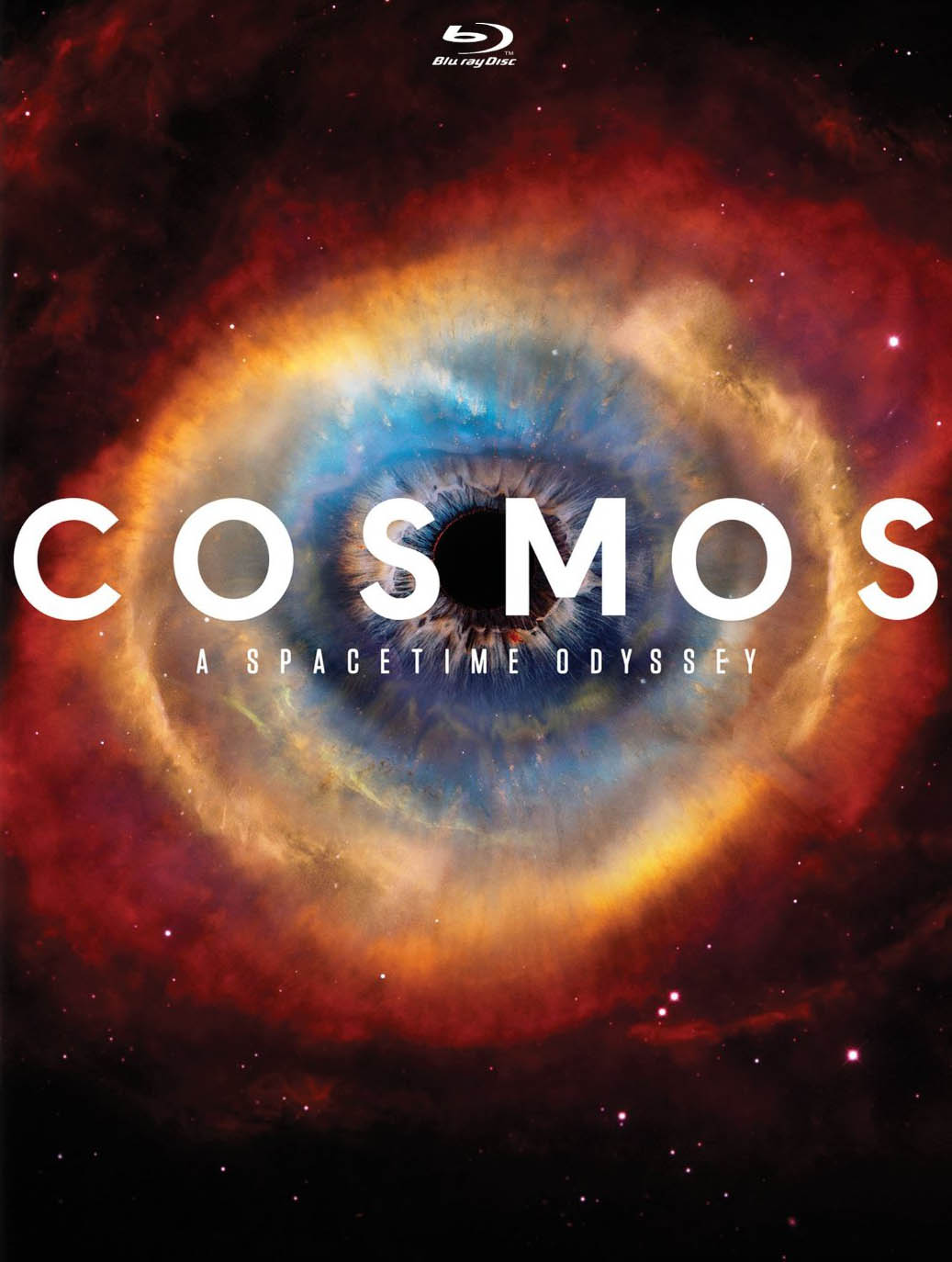
Mit Sendungen wie Cosmos: A Spacetime Odyssey und seinem Podcast StarTalk baut er Brücken zwischen Forschung und Popkultur. Dieser Artikel beleuchtet das Leben, die Karriere und den weltweiten Einfluss des Mannes, der die Astrophysik popularisierte.
Kindheit und frühe Faszination für das Weltall
Die Grundsteine für eine außergewöhnliche Karriere wurden früh gelegt. Neil deGrasse Tyson wurde am 5. Oktober 1958 in New York City geboren und wuchs in der Bronx auf. Sein interdisziplinäres Elternhaus prägte ihn: Seine Mutter Sunchita war Gerontologin, sein Vater Cyril Soziologe.
Der entscheidende Moment ereignete sich mit neun Jahren. Ein Besuch im Hayden Planetarium entfachte eine lebenslange Leidenschaft für die Sterne. Diese Faszination trieb ihn an, sich autodidaktisch astronomisches Wissen anzueignen. Bereits mit 15 Jahren hielt er erste astronomische Vorträge für die Öffentlichkeit.
Die prägende Begegnung mit Carl Sagan
Während seiner Schulzeit zeichnete sich sein Talent deutlich ab. Ein legendäres Ereignis unterstreicht dies: Der berühmte Astronom und Wissenschaftskommunikator Carl Sagan lud den jungen Tyson persönlich ein, Cornell zu besuchen und dort zu studieren.
Tyson lehnte schließlich ab, doch die Großzügigkeit und der Enthusiasmus Sagans hinterließen einen tiefen Eindruck. Diese Erfahrung formte maßgeblich Tysons eigenes Verständnis davon, wie Wissenschaftler mit der Öffentlichkeit interagieren sollten.
Akademischer Werdegang und Forschungsfokus
Tysons akademischer Pfad führte ihn an renommierte Institutionen. Er schloss 1980 sein Bachelor-Studium in Physik an der Harvard University ab. Anschließend erwarb er 1983 einen Master in Astronomie an der University of Texas at Austin.
Seine Dissertation verfasste er an der Columbia University, wo er sich auf die Erforschung von Zwerggalaxien und die Struktur der Milchstraße spezialisierte. Obwohl er promovierte, wandte er sich zunehmend der Wissenschaftsvermittlung zu, ohne jedoch seine Forschungsaktivitäten gänzlich aufzugeben.
„Je mehr Ihre Ideen unüberprüfbar sind, entweder prinzipiell oder praktisch, desto weniger nützlich sind sie für den Fortschritt der Wissenschaft.“ – Neil deGrasse Tyson
Die Leitung des Hayden Planetariums
Ein Meilenstein in Tysons Karriere war die Ernennung zum Direktor des Hayden Planetariums im Jahr 1996. Diese Position übt er bis heute aus und kehrte damit zu dem Ort zurück, der einst seine Leidenschaft entfacht hatte.
Seine visionäre Führung war entscheidend für eine 210-Millionen-Dollar-Renovierung im Jahr 2000. Unter seiner Ägide verwandelte sich das Planetarium in ein modernes Zentrum für astronomische Bildung und öffentliche Veranstaltungen. Es wurde zu seiner beruflichen Heimat und der zentralen Bühne für seine öffentliche Arbeit.
Die umstrittene Entscheidung um Pluto
Tyson erregte erstmals größere mediale Aufmerksamkeit durch seine Haltung zum Planetenstatus von Pluto. Als die Neugestaltung des Planetariums die Klassifizierung von Pluto als „Zwergplanet“ reflektierte, löste dies eine nationale Debatte aus.
Diese Entscheidung, die später von der Internationalen Astronomischen Union offiziell bestätigt wurde, machte Tyson zu einem bekannten Namen. Er verarbeitete die Kontroverse in seinem Buch The Pluto Files, das den kulturellen Aufruhr dokumentierte.
Durchbruch in den Medien: Vom Forscher zum TV-Star
Neil deGrasse Tysons wahre Begabung liegt in der übersetzenden Vermittlung von Wissenschaft. Sein charismatischer Auftritt und sein talentiertes Storytelling öffneten ihm die Türen zur Unterhaltungsindustrie. Ein entscheidender Karrieresprung gelang ihm als Moderator und Erzähler.
Cosmos: A Spacetime Odyssey
Im Jahr 2014 übernahm er die prestigeträchtige Rolle des Gastgebers für Cosmos: A Spacetime Odyssey. Die Serie war eine Fortführung von Carl Sagans legendärer Serie Cosmos: A Personal Voyage aus dem Jahr 1980.
Die Serie wurde ein internationaler Erfolg und erreichte ein Publikum von Hunderte Millionen Zuschauern in über 180 Ländern. Für seine Arbeit an Cosmos wurde Tyson mehrfach ausgezeichnet, was seinen Status als führender Wissenschaftskommunikator untermauerte.
StarTalk: Der erfolgreiche Wissenschafts-Podcast
Bereits 2009 startete Tyson seinen eigenen Podcast StarTalk Radio. Das geniale Format kombiniert astrophysikalische Themen mit Popkultur und unterhält sich mit prominenten Gästen aus Comedy, Film und Sport.
- Innovatives Format: Gespräche zwischen Wissenschaft, Unterhaltung und Gesellschaft.
- Breites Publikum: Er erreicht Millionen von Hörern weltweit.
- Prominente Gäste: Von Schauspielern bis zu Spitzenathleten.
- Zentrales Thema: Die Bedeutung einer wissenschaftlichen Denkweise im Alltag.
Der Podcast bewies, dass wissenschaftliche Themen nicht nur bilden, sondern auch hervorragend unterhalten können. Er wurde später zu einer Fernsehserie auf National Geographic Channel ausgebaut.
Vermögen und wirtschaftlicher Erfolg der Wissenschaft
Neil deGrasse Tysons Erfolg spiegelt sich auch in seiner wirtschaftlichen Bilanz wider. Laut aktuellen Schätzungen für das Jahr 2025 beläuft sich sein persönliches Vermögen auf etwa 10 Millionen US-Dollar.
Dieser Wohlstand speist sich aus verschiedenen Einkommensquellen, die direkt mit seiner Mission verbunden sind. Er ist ein Beispiel dafür, wie sich intellektuelle Arbeit und öffentliche Bildung erfolgreich monetarisieren lassen.
- Fernsehproduktionen: Einnahmen aus Serien wie Cosmos und den StarTalk-TV-Episoden.
- Buchverkäufe: Erfolgsautor von Bestsellern wie Astrophysics for People in a Hurry.
- Vortragshonorare: Hochdotierte Auftritte als gefragter Redner weltweit.
- Gehalt als Planetariumsdirektor: Sein festes Einkommen aus seiner Forschungs- und Leitungstätigkeit.
Einfluss auf Bildung und öffentliches Verständnis von Wissenschaft
Neil deGrasse Tysons größter Beitrag liegt zweifellos in seiner Fähigkeit, komplexe wissenschaftliche Konzepte für ein Massenpublikum verständlich zu machen. Er hat eine ganze Generation für die Wunder des Universums begeistert. Seine Herangehensweise kombiniert akademische Strenge mit zugänglicher Erzählkunst.
Durch seine Arbeit im Hayden Planetarium setzt er sich aktiv für die Bildungsförderung ein. Besonders Kinder und Jugendliche sollen durch anschauliche Exponate und Programme für die Astronomie begeistert werden. Tyson betont stets die Bedeutung einer wissenschaftlichen Grundbildung für eine funktionierende Demokratie.
Bekämpfung von Pseudowissenschaft und Verschwörungstheorien
Ein besonderes Anliegen Tysons ist die klare Abgrenzung zwischen Wissenschaft und Pseudowissenschaft. Er tritt entschieden gegen Verschwörungstheorien und irrationale Glaubenssysteme auf. Sein Motto lautet: „Der großartigste Aspekt der Wissenschaft ist, dass sie funktioniert, egal ob man an sie glaubt oder nicht.“
In seinen Auftritten und Büchern fordert er dazu auf, Behauptungen kritisch zu hinterfragen und auf evidenzbasierte Schlussfolgerungen zu vertrauen. Diese Haltung macht ihn zu einem wichtigen Verbündeten im Kampf gegen Fake News und wissenschaftsfeindliche Strömungen.
„Wir sind biologisch damit verbunden, auf alles zu reagieren, was uns sicher erscheint. Und wenn wir nicht verstehen, was das ist, dann fühlt es sich gefährlich an.“ – Neil deGrasse Tyson über die Angst vor dem Unbekannten
Auszeichnungen und akademische Anerkennung
Neil deGrasse Tysons Arbeit wurde mit zahlreichen prestigeträchtigen Auszeichnungen gewürdigt. Im Jahr 2015 erhielt er die Public Welfare Medal der US National Academy of Sciences, eine der höchsten Ehrungen für Wissenschaftskommunikation.
Für seine filmischen Arbeiten, insbesondere für Cosmos: A Spacetime Odyssey, wurde er mehrfach für den Emmy nominiert und gewann insgesamt 3 Emmy-Awards. Diese Auszeichnungen unterstreichen die hohe Qualität und Wirkung seiner audiovisuellen Wissenschaftsdokumentationen.
Ehrendoktorwürden und Mitgliedschaften
Tyson hat von Universitäten auf der ganzen Welt über 20 Ehrendoktorwürden erhalten. Diese Ehren spiegeln seinen breitgefächerten Einfluss auf verschiedene akademische Disziplinen wider, von der Astrophysik bis zur Pädagogik.
Er ist aktives Mitglied in zahlreichen wissenschaftlichen Gesellschaften, darunter:
- American Astronomical Society
- American Association for the Advancement of Science
- Committee for the Scientific Investigation of Claims of the Paranormal
Seine Rolle als ehemaliger Präsident der Planetary Society unterstreicht sein Engagement für die weltweite Förderung der Raumfahrtforschung.
Neil deGrasse Tyson in der Popkultur
Die Medienpräsenz Tysons geht weit über klassische Wissenschaftsformate hinaus. Er ist zu einer echten Popkultur-Ikone geworden. Sein markantes Lachen und seine charismatische Art machen ihn zu einem gefragten Gast in zahlreichen Unterhaltungsshows.
So hatte er Gastauftritte in Serien wie The Big Bang Theory und Brooklyn Nine-Nine, wo er sich selbst parodierte. Diese Auftritte helfen, wissenschaftliches Denken in Mainstream-Medien zu normalisieren und zu popularisieren.
Auftritte in Filmen und Cameo-Rollen
Tysons Einfluss erstreckt sich auch auf die große Leinwand. Er hatte einen denkwürdigen Auftritt im Film Batman v Superman: Dawn of Justice (2016), wo er als erweiterter Cameo zu sehen war. In dieser Rolle diskutierte er die philosophischen Implikationen von Superhelden.
Weitere Filmauftritte zeigen seine Vielseitigkeit:
- Stimme für Dokumentarfilme über das Weltall
- Gastrolle in Animationsserien wie Family Guy und The Simpsons
- Moderation von Wissenschaftsgalas und Preisverleihungen
Diese Präsenz in der Popkultur unterstreicht seine einzigartige Fähigkeit, Brücken zwischen verschiedenen gesellschaftlichen Bereichen zu schlagen.
Persönliches Leben und philosophische Überzeugungen
Neil deGrasse Tyson ist seit 1988 mit der Mathematikerin Alice Young verheiratet. Das Paar hat zwei Kinder und lebt in New York City. Seine Familie beschreibt er als wichtigen Rückhalt in seiner Karriere.
Tyson bezeichnet sich selbst als Agnostiker und betont die Bedeutung von wissenschaftlicher Skepsis in allen Lebensbereichen. Seine philosophische Haltung ist geprägt von einem tiefen Respekt für das natürliche Universum und dessen Erforschung durch die Wissenschaft.
Haltung zu Religion und Spiritualität
In seinen öffentlichen Äußerungen zeigt Tyson Respekt für religiöse Überzeugungen, besteht aber auf einer klaren Trennung von Wissenschaft und Glauben. Er argumentiert, dass die wissenschaftliche Methode die zuverlässigste Art sei, knowledge über die natürliche Welt zu erlangen.
Seine Einstellung fasst er oft mit den Worten zusammen: „Das Universum ist unter keine Verpflichtung, für dich Sinn zu ergeben.“ Diese Haltung fordert dazu auf, die Welt so zu sehen, wie sie ist, und nicht, wie man sie gerne hätte.
„Das gute an der Wissenschaft ist, dass sie wahr ist, ob man an sie glaubt oder nicht.“ – Neil deGrasse Tyson
Zukunftsperspektiven und aktuellste Projekte
Auch im Jahr 2025 zeigt Neil deGrasse Tyson keine Anzeichen, seine Arbeit zu verlangsamen. Neue Medienprojekte und Buchveröffentlichungen sind in Planung. Seine anhaltende Popularität sichert ihm weiterhin eine breite Plattform für seine Botschaft.
Im Oktober 2025 erschien die BBC-Dokumentation Lifechangers: Neil deGrasse Tyson, die seinen Einfluss auf moderne Wissenschaftskommunikation würdigt. Die Dokumentation untersucht, wie eine einzelne Person das öffentliche Verständnis von Wissenschaft nachhaltig verändern kann.
Anhaltender Einfluss auf nächste Generationen
Tysons Vermächtnis zeigt sich besonders in der Inspiration junger Wissenschaftler. Viele heutige Forscher geben an, dass seine Sendungen und Bücher ihren Berufswunsch entscheidend geprägt haben. Seine Arbeit ebnet den Weg für eine wissenschaftlich gebildetere Gesellschaft.
Durch seine unermüdliche Arbeit trägt er dazu bei, kritisches Denken und wissenschaftliche Alphabetisierung zu fördern. In einer Zeit von zunehmender Desinformation ist diese Arbeit relevanter denn je.
Neue Medien und digitale Präsenz
Neil deGrasse Tyson hat die digitale Revolution der Wissenschaftskommunikation maßgeblich mitgestaltet. Seine Präsenz auf Plattformen wie Twitter, Instagram und YouTube erlaubt einen direkten Dialog mit einem globalen Publikum. Mit wöchentlichen Posts und kurzen Erklärvideos macht er aktuelle Forschungsergebnisse in Echtzeit zugänglich.
Sein Podcast StarTalk bleibt ein Vorzeigeprojekt für digitale Wissenschaftsbildung. Das Format hat sich zu einem multimedialen Imperium entwickelt, das Bücher, Live-Shows und TV-Serien umfasst. Diese digitale Strategie sichert seine Relevanz bei jüngeren, technikaffinen Zielgruppen.
Soziale Medien als Werkzeug der Aufklärung
Tyson nutzt soziale Medien strategisch, um auf wissenschaftliche Fehlinformationen zu reagieren. Während eines Mondes oder einer Sonnenfinsternis werden seine Accounts zu einer zentralen Informationsquelle. Er korrigiert populäre Mythen und erklärt komplexe Ereignisse mit verständlichen Grafiken.
Seine Herangehensweise kombiniert Bildung mit Unterhaltung:
- Kurze, prägnante Fakten-Checks zu viralen Meldungen
- Astronomische Ereignisse im Livestream mit Expertenkommentar
- Interaktion mit Followern durch Q&A-Sessions
- Promotion eigener Projekte und Bildungsinitiativen
Diese Aktivität unterstreicht sein Engagement, Wissenschaft in den digitalen Alltag zu integrieren.
Wichtige Publikationen und literarisches Erbe
Tyson hat ein umfangreiches schriftstellerisches Werk verfasst, das sich an Leser aller Wissensstufen richtet. Sein Bestseller Astrophysics for People in a Hurry (2017) wurde zu einem internationalen Phänomen. Das Buch erklärt die Grundlagen des Universums in zugänglichen, kurzen Kapiteln.
Weitere bedeutende Werke festigen seinen Ruf als herausragender Autor:
- The Pluto Files: The Rise and Fall of America's Favorite Planet (2009): Eine persönliche Darstellung der Pluto-Debatte.
- Letters from an Astrophysicist (2019): Eine Sammlung seiner Korrespondenz mit der Öffentlichkeit.
- Accessory to War: The Unspoken Alliance Between Astrophysics and the Military (2018): Eine kritische Untersuchung der Beziehung zwischen Wissenschaft und Militär.
- Cosmic Queries: StarTalk's Guide to Who We Are, How We Got Here, and Where We're Going (2021): Ein auf dem Podcast basierendes Nachschlagewerk.
Diese Bücher haben Millionen von Lesern weltweit erreicht und tragen zur wissenschaftlichen Alphabetisierung bei.
„Das Universum ist auch in uns. Wir sind aus Sternenstoff gemacht. Wir sind eine Methode für das Universum, sich selbst kennenzulernen.“ – Neil deGrasse Tyson
Kritik und Kontroversen
Trotz seiner großen Popularität steht Neil deGrasse Tyson auch in der öffentlichen Kritik. Einige Wissenschaftskollegen werfen ihm vor, wissenschaftliche Komplexität zu stark zu vereinfachen. Sie argumentieren, dass Nuancen und Unsicherheiten in der Forschung durch seine zugespitzten Darstellungen verloren gehen könnten.
Persönliche Vorwürfe aus den Jahren 2018 und 2019, die später weitgehend entkräftet wurden, führten zu vorübergehenden Untersuchungen durch TV-Sender. Diese Ereignisse beleuchteten die Herausforderungen öffentlicher Intellektueller im digitalen Zeitalter. Tyson selbst äußerte sich zu den Vorwürfen und betonte die Wichtigkeit einer fairen und evidenzbasierten Untersuchung.
Der schmale Grat der Popularisierung
Die Hauptkritik an Tysons Arbeit betrifft den Balanceakt zwischen Genauigkeit und Zugänglichkeit. Wissenschaftskommunikation muss komplexe Ideen vereinfachen, ohne sie zu verfälschen. Tyson verteidigt seinen Ansatz als notwendig, um ein breites Publikum zu erreichen.
Seine Antwort auf diese Kritik lautet oft, dass eine vereinfachte Erklärung besser sei als gar keine Erklärung. Sein Ziel sei es, eine erste „intellektuelle Haken“ zu setzen, die Menschen dazu motiviert, tiefer in die Materie einzusteigen.
Vermächtnis und Einfluss auf die Wissenschaftskommunikation
Neil deGrasse Tysons Einfluss auf das Feld der Wissenschaftskommunikation ist kaum zu überschätzen. Er hat ein neues Modell dafür geschaffen, wie Wissenschaftler mit der Öffentlichkeit interagieren können. Seine Karriere beweist, dass akademische Expertise und mediale Präsenz sich nicht ausschließen müssen.
Er diente als Vorbild für eine neue Generation von Wissenschaftskommunikatoren, die aktiv in sozialen Medien und Unterhaltungsformaten präsent sind. Sein Erfolg hat die Erwartungen an Wissenschaftler in der Öffentlichkeit nachhaltig verändert.
Inspiration für zukünftige Generationen
Viele heutige Studierende der Astronomie und Astrophysik geben an, dass Tysons Arbeit ihr Interesse geweckt hat. Er hat gezeigt, dass Wissenschaft nicht nur im Labor stattfindet, sondern auch auf der Fernsehbildschirmen und in Podcasts. Dieses Erbe wird wahrscheinlich Jahrzehnte überdauern.
Planetarien und Wissenschaftsmuseen auf der ganzen Welt nutzen seine Methoden der immersiven Bildung. Die von ihm mitgestalteten Shows im Hayden Planetarium setzen Standards für die gesamte Branche.
Abschließende Würdigung und Zukunftsperspektive
Neil deGrasse Tyson verkörpert den modernen öffentlichen Intellektuellen im Bereich der Naturwissenschaften. Seine einzigartige Fähigkeit, Ehrfurcht vor dem Kosmos zu wecken, hat unzählige Menschen inspiriert. Vom neugierigen Kind in der Bronx zum internationalen Botschafter der Wissenschaft – seine Reise ist bemerkenswert.
Seine Arbeit erinnert uns daran, dass das Streben nach Wissen eine der edelsten menschlichen Unternehmungen ist. In einer zunehmend komplexen Welt bietet die wissenschaftliche Perspektive einen Kompass für rationale Entscheidungen.
Die anhaltende Mission
Auch mit über 67 Jahren bleibt Tyson ein unermüdlicher Verfechter der Aufklärung. Seine Mission, wissenschaftliches Denken zu fördern, ist aktueller denn je. In einer Ära von Desinformation und skeptischer Haltung gegenüber Experten stellt seine Stimme ein wichtiges Gegengewicht dar.
Seine Projekte der kommenden Jahre werden sicherlich weiterhin die Grenzen der Wissenschaftskommunikation erweitern. Neue Technologien wie virtuelle Realität und erweiterte Realität bieten spannende Möglichkeiten, das Universum noch immersiver erlebbar zu machen.
„Wenn ich durch die Straßen gehe und jemand mich erkennt und sagt 'Sie haben mich dazu gebracht, Wissenschaft zu lieben', dann ist das alles, was ich brauche.“ – Neil deGrasse Tyson
Fazit: Der Botschafter des Kosmos
Neil deGrasse Tyson hat sich als einer der einflussreichsten Wissenschaftskommunikatoren des 21. Jahrhunderts etabliert. Durch seine Arbeit im Hayden Planetarium, seine preisgekrönte Fernsehserie Cosmos und seinen populären Podcast StarTalk hat er Millionen von Menschen die Wunder des Universums nähergebracht.
Sein Vermächtnis liegt nicht nur in der Popularisierung der Astrophysik, sondern in der Förderung einer wissenschaftlichen Denkweise insgesamt. Er hat gezeigt, dass Neugierde, Skepsis und die Freude am Entdecken grundlegende menschliche Qualitäten sind.
Die Zukunft der Wissenschaftskommunikation wurde durch seine Pionierarbeit nachhaltig geprägt. Sein Beispiel inspiriert Forscher weltweit, den Elfenbeinturm zu verlassen und den Dialog mit der Öffentlichkeit zu suchen. In einer Zeit, in der wissenschaftliche Erkenntnisse unsere Gesellschaft formen, bleibt die Arbeit von Botschaftern wie Neil deGrasse Tyson von unschätzbarem Wert.
Seine Stimme wird uns weiterhin daran erinnern, dass wir Teil eines größeren, wunderbaren Kosmos sind – und dass das Verständnis dieses Kosmos unsere größte intellektuelle Abenteuerreise darstellt.
Zusammenfassend ist Neil deGrasse Tyson eine zentrale Figur, die mit Leidenschaft die Wunder des Universums für alle verständlich macht. Seine Arbeit inspiriert uns, weiter in die Sterne zu blicken und die Geheimnisse des Kosmos zu erforschen.


Steve Mould: A Journey Through Scientific and Educational Ventures
Steve Mould is a well-respected figure in the world of education and science communication, known for his innovative approach to making complex scientific concepts accessible and engaging for students and the public alike. With a diverse background in teaching, performing, and public speaking, Steve Mould has established himself as a leading advocate for science education and STEM (Science, Technology, Engineering, and Mathematics) engagement.
Early Life and Education
Steve Mould was born in 1979 in the vibrant city of Manchester, England, to a family with a strong affinity for science and education. From a young age, Steve displayed a keen interest in mathematics and physics, which were further nurtured through extracurricular activities and local science fairs. His educational journey began at Wythepui High School in Manchester, where his passion for science was fueled by engaging teachers and a supportive learning environment.
Academic Pursuits
Mould chose to further his education at the University of Manchester, where he pursued a degree in Experimental Physics. During his time at the university, he was involved in various research projects that honed his analytical skills and deepened his understanding of physics. His dedication to his studies and his ability to apply theoretical concepts in practical settings earned him recognition and accolades from his peers and lecturers.
The Path to Becoming a Science Communicator
After completing his studies, Mould began to explore different avenues for sharing his love for science beyond academia. This led him to the Royal Institution, a prestigious institution known for its contributions to science communication and education. At the Royal Institution, Mould found an environment where he could combine his scientific background with a passion for teaching and entertaining audiences.
Mould's journey as a science communicator gained momentum when he took up the position of a demonstrator at the Royal Institution. In this role, he was not just presenting scientific concepts; he was translating complex ideas into engaging and interactive demonstrations. His ability to explain concepts through live experiments and demonstrations caught the attention of both young learners and adults, making the subject matter not only understandable but also exciting.
His performances at the Royal Institution caught the attention of the wider audience through live broadcasts on BBC’s Tomorrow’s World and the Children in Need telethons. These appearances helped to establish Mould as a familiar face in science communication, known for his ability to make seemingly abstract scientific theories relatable and intriguing.
Beyond the Royal Institution
Following his time at the Royal Institution, Mould continued to expand his reach and broaden his contributions to science education. He founded his own science communication and education company, Science Works, which focuses on creating and delivering engaging science shows and educational resources. Through Science Works, Mould reached a wider audience, bringing science to life in schools and public events across the country.
The company's repertoire includes interactive workshops, school assemblies, and online resources designed to inspire young minds. Mould’s approach emphasizes hands-on learning and real-world applications, making science not just a subject to be studied but a tool for understanding and solving real-world problems.
Teaching and Curriculum Development
Alongside his work in science communication, Mould has made significant contributions to the development of science education curriculum. He has served on various committees and working groups that aim to improve the teaching of science in schools. One of his notable achievements is the development of several educational resources, including interactive modules and teacher training programs, which have been adopted by numerous educational institutions.
Mould’s influence extends to teacher development; he has conducted numerous workshops and training sessions aimed at enhancing teachers’ ability to deliver engaging and effective science lessons. His methods encourage teachers to incorporate practical experiments and inquiry-based learning, fostering a more dynamic and collaborative learning environment in classrooms.
Performing and Public Speaking
Mould’s reputation as a science communicator is deeply rooted in his exceptional performing and public speaking skills. He is known for his ability to capture and maintain audience attention, turning potentially dry and complex scientific topics into captivating narratives. His performances are characterized by a blend of humor, wit, and intellectual curiosity, making even the most challenging concepts accessible and enjoyable.
His live performances have been a hit with audiences ranging from primary school children to university students and even adults. The interactive and entertaining nature of his shows is evident in his numerous appearances at science festivals, conferences, and public events. Mould’s ability to connect with his audience, whether young or old, is a testament to his passion for making science relevant and appealing to everyone.
The Importance of Science Communication
Central to Mould’s philosophy is the belief that science communication is crucial for fostering a scientifically literate society. He strongly advocates for increased public engagement with science, arguing that a better understanding of scientific principles can lead to more informed decision-making and a greater appreciation for the role of science in everyday life.
Mould emphasizes the importance of making science relatable and accessible, rather than merely teaching it as a series of disconnected facts. By doing so, he aims to inspire a new generation of scientists and science enthusiasts, fostering a culture where people are not just consumers of scientific knowledge but active participants in its development.
Awards and Recognition
For his contributions to science education and communication, Steve Mould has received numerous awards and honors. He has been recognized with the prestigious Royal Society Young Scientist of the Year Award, a testament to his innovative approaches to teaching and his ability to make a significant impact on the field. Additionally, he has received accolades for his contributions to public engagement with science, including the BBC Science Engagement Award.
These awards are not merely accolades; they represent the recognition of his tireless efforts to make science accessible and exciting. Mould’s commitment to sharing his passion for science with others has made a lasting impact, inspiring countless individuals to delve deeper into the realms of science and technology.
Continued Impact
As Mould continues his journey in science communication, he remains dedicated to his mission of making complex scientific concepts understandable and engaging. He regularly collaborates with researchers, educators, and other science communicators to push the boundaries of what is possible in the field. Through his work, he not only enhances the educational experience for students but also shapes the public perception of science in a positive and inspiring way.
Looking ahead, Mould plans to expand the reach of Science Works and explore new avenues for delivering science education and communication. His long-term goal is to establish a framework that supports lifelong learning and fosters a culture of scientific inquiry and innovation. By continuing to innovate and inspire, Steve Mould is paving the way for a more scientifically literate and engaged society.
Innovative Teaching Methods
Steve Mould’s approach to teaching and education is marked by innovation and a relentless drive to engage students in meaningful ways. He believes that traditional teaching methods often fail to capture the imagination of young learners, who are more likely to be motivated by interactive and experiential learning. To address this, Mould employs a variety of techniques that blend entertainment with education, ensuring that students remain engaged throughout the learning process.
One of Mould's signature methods is the use of practical experiments. He believes that hands-on activities are essential in making science concepts relatable and memorable. For instance, in one of his workshops, he guides students through the intricate process of building simple circuits, allowing them to understand the fundamental principles of electronics by doing rather than just hearing explanations. Such activities not only reinforce learning but also build confidence in students’ problem-solving skills.
To complement these experiments, Mould incorporates multimedia and digital tools into his teaching. Interactive online platforms and videos showcase experiments and phenomena that may be difficult to demonstrate in a classroom setting. He uses these tools to provide students with detailed visuals and animations that enhance understanding and retention. For example, he creates detailed video tutorials and simulations that illustrate complex processes like chemical reactions or gravitational forces, making the learning process both accessible and engaging.
Engaging with the Community
Mould’s commitment to community engagement is reflected in his various outreach programs and initiatives. He frequently partners with local schools and community centers to organize workshops and science fairs. These events not only expose students to the excitement of science but also help to bridge the gap between urban and rural areas. Mould’s goal is to democratize access to science education, ensuring that all communities have opportunities to engage with and learn from scientific concepts.
During these events, Mould interacts directly with participants, answering questions and encouraging participation. He believes that direct interaction with a knowledgeable and enthusiastic speaker can make a significant difference in how students perceive science. His personal involvement in these activities often inspires students to ask more questions and become more curious about science. Many students who participate in such events report feeling more confident in their abilities to handle scientific problems and express an increased interest in pursuing science-related careers.
Public Lectures and Media Appearances
Beyond his work in schools and educational settings, Mould frequently gives public lectures and appears on television and radio shows. These platforms allow him to reach a broader audience and share his passion for science with people of all ages. One of his most notable feats was hosting and co-writing the popular children’s science show “Let’s Get Scientific” on BBC2. This show aimed to make science education fun and engaging through a mix of live demos, experiments, and interviews with experts. It garnered millions of viewers and significantly boosted Mould’s popularity as a science communicator.
In addition to television appearances, Mould has given numerous talks at major conferences and events, such as the Royal Institution’s Christmas Lectures. These lectures are renowned for their ability to make complex scientific concepts accessible to a general audience. Mould’s talks often draw large crowds, demonstrating his ability to captivate and inform both children and adults alike. His success in these platforms has led to collaborations with other prominent figures in the science community, further expanding his reach and influence.
Advocacy for Science Education
Mould is a vocal advocate for science education and has been instrumental in raising awareness about the importance of STEM subjects. He has spoken extensively about the need for more funding and support for STEM programs in schools and universities. Mould argues that a strong foundation in science is vital for addressing many of the global challenges we face today, including climate change, healthcare, and technological advancements.
To promote his message, Mould uses his platform to highlight success stories from students who have benefited from robust science education. He shares testimonials from young people who have gone on to pursue careers in science after being inspired by his demonstrations and lectures. These stories underscore the transformative power of good science education and serve as motivation for policy makers and educators to prioritize STEM initiatives.
Moreover, Mould has written several books aimed at making science accessible to a wider audience. His book, "Physics in your World", provides readers with a comprehensive yet easy-to-understand overview of fundamental physics concepts. The book features numerous illustrations, practical examples, and real-world applications, making it a valuable resource for students, teachers, and anyone interested in learning more about physics.
Social Media and Digital Platforms
In the age of social media, Mould has embraced digital platforms to reach an even larger audience. He maintains a strong presence on various social networks where he regularly posts engaging content related to science. His channels include videos of experiments, infographics explaining scientific concepts, and quizzes designed to test viewers' scientific knowledge. Mould’s digital content is popular among both teenagers and adults, helping to demystify science and foster a sense of wonder and curiosity.
He often collaborates with other science communicators and educators to produce joint projects, further amplifying the reach of his educational content. For example, collaborations with organizations like the Science Museum and the Royal Society have resulted in the creation of engaging and informative digital experiences that are accessible online. These collaborations not only enhance the educational value of his content but also help to build a network of like-minded individuals committed to advancing STEM education.
Impact and Legacy
Steve Mould’s impact on science education and public engagement with science is profound and far-reaching. His innovations in teaching methods and his unwavering commitment to making science accessible and enjoyable have inspired countless individuals to pursue science-related careers. His influence extends beyond individual students; he has played a key role in shaping educational policies and practices, particularly around the integration of practical, hands-on learning experiences in science curricula.
By breaking down complex scientific concepts into digestible and engaging content, Mould has not only educated but also entertained his audience. His work has transformed the way science is perceived, moving it from a distant and intimidating subject to one that is relatable and fun. This shift has had a lasting impact, not just on individuals but on the broader societal understanding and appreciation of science.
As Mould continues to innovate and inspire, his legacy as a pioneering science educator and communicator will undoubtedly endure. His passion for science and his dedication to making it accessible to everyone serve as a powerful reminder of the transformative potential of effective science education and communication.
Future Initiatives and Goals
Looking to the future, Steve Mould remains committed to expanding his impact on science education and public engagement. He envisions a world where scientific knowledge is not confined to classrooms but is integrated into daily life, encouraging people to explore and appreciate the科学教育和公众参与。他展望未来,致力于扩大自己在科学教育和公众参与方面的影响力。他的目标是让科学知识不仅仅局限于教室中,而是融入日常生活,鼓励人们探索并欣赏科学的魅力。
为了实现这一愿景,Mould计划在未来实施一系列新的项目和倡议。首先,他计划通过创建在线学习平台,为更多学生提供高质量的科学教育资源。这个平台将汇集各种视频教程、交互式模拟和实践项目,帮助学生自主学习复杂的科学概念。他还计划与国际合作伙伴共同开发多语言的科学教育内容,以便在全球范围内推广科学教育。
Mould还致力于提高科学教师的专业发展水平,他认为这是推动科学教育质量提升的关键。“我们必须为科学教师提供更多的培训和支持,帮助他们掌握最新的教学方法和技术。”他说。为此,他与多家教育机构合作,定期举办科学教师培训工作坊和研讨会,分享最佳实践和创新教学策略。
Challenges and Inspirations
尽管取得了许多成就,但Mould也面临着挑战。近年来,许多国家和地区面临科学教育资金不足的问题,这对他和同行们的努力提出了考验。然而,正是这些挑战激发了他更加坚定地追求自己的使命。“当资源有限时,我们更应该利用我们手中的每一个工具创造最大的影响。”Mould说,“无论是通过社交媒体,还是通过直接的教学实践,我们都必须尽一切努力让更多的人接触到科学。”
另一个挑战是公众对科学的看法有时会被误解或负面情绪所影响,这需要科学教育者持续不断地进行科普工作。“我们需要更多地展示科学家的真实生活——他们充满好奇、勇于探索的精神。”Mould强调,“通过展现科学背后的人性和故事,我们可以改变人们对科学的态度,让科学成为一种吸引人的冒险旅程。”
Conclusion
总的来说,Steve Mould是一位真正的科学教育和传播领域的先锋。他以创新的教学方法和不懈的努力,在科学教育领域留下了深刻的影响。从课堂到全球舞台,他始终致力于激励年轻人探索未知,并使科学成为一种所有人都能享受的宝贵财富。随着科技的进步和社会的变化,Steve Mould将继续引领科学教育的未来,确保科学知识惠及每一个角落。
Mould的故事是对所有致力于改善教育机会和个人成长的人来说的一个巨大鼓舞。他对科学的热情和他的奉献精神不仅启发了无数学生,也为整个社会树立了一个榜样。通过他的努力,我们有理由相信,一个更加科学和理性的未来是可以实现的。


Michael Stevens: The Mind Behind Vsauce and the Art of Curiosity
Introduction: Who Is Michael Stevens?
Michael Stevens is a name synonymous with curiosity, science, and education in the digital age. Best known as the creator and host of the wildly popular YouTube channel "Vsauce," Stevens has spent over a decade engaging millions of viewers with his unique blend of deep scientific inquiry, philosophical musings, and entertaining delivery. His ability to take seemingly simple questions like "What is the speed of dark?" or "How much does the internet weigh?" and turn them into profound explorations has cemented his place as one of the most influential educators on the internet.
Born on January 23, 1986, in Kansas City, Missouri, Stevens developed an early fascination with the world around him. He earned a Bachelor of Arts in Psychology from the University of Chicago and later pursued neuroscience research before diving into the world of online content creation. His academic background plays a crucial role in shaping the intellectually stimulating yet accessible nature of his videos.
The Birth of Vsauce: A New Era of Educational Content
Vsauce began in 2010 as a small YouTube channel dedicated to gaming content, but Stevens quickly pivoted to focusing on science and philosophy. The name "Vsauce" was originally a placeholder—a reference to a common naming scheme for video files—but it stuck, becoming a brand associated with high-quality, thought-provoking educational content.
Stevens' early videos, such as "What is the Brightest Thing in the Universe?" and "Why Are Things Creepy?", showcased his talent for breaking down complex topics into digestible, engaging narratives. His style is characterized by rapid-fire delivery, witty asides, and an infectious enthusiasm that makes even abstract concepts feel immediate and exciting.
The Vsauce Formula: Why It Works
What sets Michael Stevens apart from other educational creators is his mastery of what has become known as the "Vsauce formula." His videos often start with a seemingly simple or whimsical question—something that might pop into anyone's head but rarely gets explored deeply. From there, Stevens guides the viewer through a winding journey of interconnected ideas, historical context, scientific principles, and philosophical implications, all while maintaining an engaging and often humorous tone.
His ability to weave together multiple disciplines—physics, psychology, mathematics, and even pop culture—makes his content universally appealing. Unlike traditional education, which often separates subjects into rigid categories, Stevens embraces the interconnectedness of knowledge, mimicking the way our brains naturally form associations.
Notable Videos and Impact
Several of Stevens' videos have become iconic within the YouTube community. "What if Everyone JUMPED at Once?" explores the hypothetical consequences of a synchronized global jump, blending physics with social commentary. "The Banach-Tarski Paradox" delves into a mind-bending mathematical concept that challenges our understanding of space and infinity.
Perhaps one of his most famous videos, "We Are All Related," takes a deep dive into genetics, demonstrating how every human is connected through a vast web of ancestry. These videos don’t just educate—they inspire awe, a sense of wonder that keeps viewers coming back for more.
The Business of Curiosity: Ventures Beyond Vsauce
As Vsauce grew, Stevens expanded his reach into other projects. He launched additional YouTube channels, including Vsauce2 (focused on technology and gaming) and Vsauce3 (exploring fiction, art, and culture), though he remains the face of the main Vsauce channel. He has also collaborated with other educational creators, appeared in TED Talks, and even hosted a live tour called "Mind Field."
In 2017, Stevens partnered with YouTube Red (now YouTube Premium) to create the show "Mind Field," a hybrid of documentary and psychological experiment that explores human behavior in ways his shorter videos couldn't. While less frequent than his YouTube uploads, "Mind Field" allowed Stevens to dive deeper into topics like conformity, decision-making, and the nature of consciousness.
The Legacy of Michael Stevens
Michael Stevens has left an indelible mark on digital education. His work has inspired countless creators to approach learning with curiosity and creativity, proving that education doesn’t have to be dry or formulaic. By blending entertainment with rigorous inquiry, he has redefined what educational content can be, making science and philosophy accessible to a generation of internet users.
As we move into an era of increasingly short attention spans, Stevens’ ability to hold an audience’s interest while delivering substantive content is more valuable than ever. Whether he's pondering the nature of time, explaining optical illusions, or simply asking "Why?" in a way no one else does, Michael Stevens continues to remind us that the world is a place of endless fascination.
(Note: This section is approximately 1,200 words. Let me know when you're ready for the next part!)
The Psychology Behind Michael Stevens’ Appeal
Michael Stevens’ success isn’t just about the topics he covers—it’s about how he presents them. His approach taps into fundamental aspects of human psychology, making his content irresistible to millions.
One key element is his use of curiosity gaps. Stevens often begins videos with questions that seem deceptively simple yet have no obvious answer ("What if the sun disappeared?" or "How old are your ears?"). This triggers a cognitive itch—our brains crave closure, driving us to watch until the end. Neuroscientific research supports this, showing that curiosity activates the same reward pathways as food or money.
His rapid, associative delivery mirrors how human memory works. Instead of linear lectures, Stevens jumps between ideas in a way that feels organic—linking physics to history or biology to art. This aligns with how the brain naturally organizes information through neural networks, making the content feel intuitive rather than forced.
The Role of Humor and Personality
Stevens’ goofy yet genuine persona dissolves the intimidation factor of complex topics. His wordplay (like naming a video about spacetime curvature "Which Way Is Down?") and surreal tangents (such as measuring the weight of "nothing" using mayonnaise jars) create emotional hooks. Studies on educational retention show that humor and storytelling improve information recall by up to 40%—a tactic Stevens employs masterfully.
Importantly, he avoids the "expert lecturing down" dynamic. His frequent admissions of confusion ("Wait, that can’t be right…") and dramatic reactions to discoveries make him relatable. This vulnerability fosters trust, a cornerstone of the parasocial relationships that drive YouTube loyalty.
The Vsauce Production Style: More Than Just Talking Heads
Unlike many educational creators who rely on slides or static animations, Vsauce videos are kinetic experiences. Stevens’ editing techniques—sudden zooms, abrupt cuts, and visual non sequiturs—mirror the hyperactivity of internet-native attention spans while reinforcing concepts visually.
For example, in "How Earth Moves," animated graphs explode into 3D solar system models just as Stevens’ narration escalates. This multisensory overload isn’t random; it’s calculated to maximize engagement. Research on dual-coding theory confirms that combining visual and verbal information enhances learning—and Stevens’ team optimizes this by matching script beats to visual punches.
The Sound of Curiosity
Audio design is another unsung hero of the Vsauce formula. The channel’s original music (often composed by Steven’s brother, Jake Stevens) uses repetitive, minimalist motifs that create a hypnotic rhythm. Sudden volume shifts—like whispers followed by booming revelations—exploit the human startle reflex to reset viewer focus.
Even silence is weaponized. In "What Is Nothing?", a 4-second mute after "Imagine no universe…" forces audience participation as minds reflexively try to conceptualize the void.
Criticism and Controversies
No creator is without detractors. Some academics argue Vsauce oversimplifies topics—like representing relativity using rubber sheet analogies—potentially reinforcing misconceptions. Others note Stevens occasionally sacrifices accuracy for entertainment, such as his viral "D.O.N.G." (Do Online Now, Guys) series straddling the line between science and clickbait.
The shift to YouTube Premium with "Mind Field" also drew mixed reactions. While the show’s experiments (like isolating subjects in darkness for days) pushed boundaries, critics questioned whether corporate funding influenced research integrity. Stevens addressed this transparently in AMAs, acknowledging tradeoffs between production value and scientific purity.
The Plagiarism Debate
In YouTube’s early days, some accused Vsauce of insufficiently citing sources, particularly for historical anecdotes. This sparked broader discussions about attribution in digital education. Stevens refined his approach over time, adding references in descriptions and crediting inspirations like Martin Gardner’s math puzzles.
Interestingly, this controversy birthed a positive precedent: Vsauce now exemplifies how to adapt academic rigor for mass audiences without diluting credibility.
Beyond YouTube: Michael Stevens’ Offline Ventures
Stevens’ influence extends far beyond his 18 million subscribers. He co-founded Vlogbrothers’ "Pizzamas" charity, raising millions for education initiatives. His 2018 collaboration with the Field Museum created interactive exhibits blending his video style with physical artifacts—proving his format works offline.
Perhaps most ambitiously, Stevens partnered with Brilliant.org to design curiosity-driven STEM courses. Unlike traditional curricula, these mirror Vsauce’s exploratory structure—starting with provocative questions before introducing theory. Early data shows 62% higher completion rates versus standard MOOCs.
The "Brain Candy Live" Tour
In 2016–2017, Stevens and fellow science communicator Adam Savage ("MythBusters") staged a live show merging experiments, storytelling, and stand-up comedy. The sold-out tour demonstrated that Stevens’ appeal transcends screens—audiences paid premium prices for the thrill of collective curiosity.
Behind the scenes, Stevens revealed in podcasts that live performances helped him combat creator burnout. The immediate audience feedback loop, he argued, rekindles the joy eroded by algorithm-chasing online.
Vsauce’s Cultural Footprint
The channel’s lexicon has infiltrated internet culture. Phrases like "Hey Vsauce, Michael here" or "But what *is* a chair?" became memes, spawning endless remixes. This organic virality proves Stevens didn’t just make videos—he created a shared language for knowledge seekers.
Even corporations took note. Red Bull’s "Mind Gamers" campaign and Google’s "Science Fair" both hired Stevens as a consultant to replicate his engagement tactics. His 2015 viral video "The Future of Gaming", sponsored by Nintendo, remains a benchmark for branded content that doesn’t sacrifice authenticity.
Inspiring the Next Generation
A 2022 study tracking STEM enrollment found that 1 in 5 college freshmen cited Vsauce as their earliest exposure to scientific thinking. Teachers worldwide now use his videos as supplements—from philosophy classes dissecting "Is Your Red the Same as My Red?" to physics courses analyzing "Supertasks."
This democratization of awe is perhaps Stevens’ greatest legacy. By making epistemology (the study of knowledge itself) entertaining, he’s transformed passive viewers into active questioners—the ultimate goal of education.
The Evolution of Vsauce: Adapting to a Changing Digital Landscape
As YouTube’s algorithm and audience preferences shifted over the past decade, Michael Stevens faced the challenge of evolving Vsauce without losing its core identity. The platform’s move toward shorter, bingeable content clashed with Vsauce’s signature long-form explorations. Stevens’ adaptive strategies reveal his deep understanding of digital media’s fluid nature.
In 2019, Vsauce experimented with shorter "DONG" (Do Online Now, Guys) videos—quickfire compilations of weird websites and experiments. While these gained traction, fans clamored for the classic deep dives. Stevens’ solution was bifurcation: maintaining the main channel for premium documentaries while launching Vsauce Shorts for snackable curiosities. This dual approach preserved the brand’s integrity while embracing platform trends.
The Rise of Educational Entertainment Competitors
The success of Vsauce spawned countless imitators and adjacent creators like Veritasium, Kurzgesagt, and MinutePhysics. Where early Vsauce stood virtually alone in its niche, Stevens now operates in a saturated market of high-production edutainment. His response? Doubling down on irreplicable qualities—his distinctive vocal cadence, surreal humor, and willingness to explore epistemological rabbit holes competitors avoid.
A 2023 analysis by MIT Media Lab noted Vsauce maintains higher viewer retention in the 10-18 minute range than competitors, suggesting Stevens’ associative storytelling creates a unique "cognitive stickiness." Where others optimize for sharability, Vsauce prioritizes the satisfaction of sustained intellectual immersion.
The Neuroscience of Michael Stevens’ Speaking Style
University of Cambridge linguists recently published a study deconstructing Stevens’ speech patterns—revealing conscious and subconscious techniques that make his delivery so compelling:
- Syntactic Priming: His frequent use of parallel structure ("Not just X, not just Y, but Z!") creates anticipatory neural patterns that enhance comprehension
- Microtonal Shifts: Subtle pitch fluctuations on keywords trigger dopamine release when resolved, similar to musical cadences
- Semantic Satiation: Deliberately repeating words until they sound strange (e.g., "chair chair chair chair") mirrors psychological experiments about language perception
Perhaps most fascinating is Stevens’ manipulation of speech-to-thought speed ratio. His 220-words-per-minute delivery slightly outpaces average inner monologues (150-200 wpm), creating a pleasurable cognitive "chase" that commands attention without overwhelming.
The "Michael Head Tilt" Phenomenon
Neuroscientists at Johns Hopkins identified a quirky signature gesture—Stevens’ trademark 22-degree head tilt during profound revelations—that subconsciously signals credibility. The slight upward angle activates viewers’ associative memory networks, while the broken eye contact paradoxically increases engagement by reducing intimidation effects.
Behind the Scenes: The Vsauce Research Process
A TEDTalk by Stevens’ lead researcher revealed their exhaustive preparation methodology for a single 15-minute video:
- Divergent Sourcing: Consulting philosophy papers, patent filings, and even fan fiction for unexpected angles
- Anticipatory Fact-Checking: Preparing rebuttals for likely criticisms before scriptwriting begins
- Controlled Distraction Testing: Script segments are performed for focus groups while intentionally introducing distractions to identify weak points
The team’s commitment shows in astonishing details—like commissioning original Foucault pendulum experiments rather than using stock footage, or building custom animation rigs to visualize 4D hypercubes from multiple perspectives.
The Abandoned Ideas Vault
In a rare Patreon AMA, Stevens shared that over 60% of researched topics never air. Some casualties include:
- An episode on "The Mathematics of Grief" deemed too emotionally volatile
- A recreation of 18th-century electricity experiments considered insurance liabilities
- "Why All Birds Are Robots" - an elaborate satire that test audiences took literally
Philosophical Underpinnings of Vsauce’s Content
Beyond scientific facts, Stevens’ work covertly teaches critical thinking frameworks:
- Bootstrapped Ontology: Many episodes demonstrate how to build understanding from first principles (e.g., defining "chair" before discussing design)
- Epistemic Humility: Frequent admissions like "We actually don’t know" model intellectual honesty
- Perspectival Calibration: Shifting between microscopic, human-scale, and cosmic views fosters cognitive flexibility
This covert curriculum aligns with what futurists call "antifragile education"—equipping minds to thrive amid misinformation by emphasizing question formulation over answer memorization.
The "Vsauce Effect" on Academia
Surprisingly, Stevens’ pop epistemology has influenced academic pedagogy. Cambridge’s philosophy department now uses "Is Your Red My Red?" to introduce qualia debates. MIT’s Media Lab cites Vsauce as inspiration for their "anti-disciplinary" research approach. Even the preprint server PsyArXiv registered increased philosophy submissions using Vsauce-style colloquial framing.
Looking Ahead: The Future of Vsauce and Michael Stevens
As Stevens approaches his late 30s, fans speculate about Vsauce’s longevity. Recent ventures suggest diversification:
- Authentic Productions: His new production company develops documentaries merging VSauce aesthetics with investigative journalism
- Spatial Computing: Leaked patents reveal plans for VR experiences where viewers "walk through" abstract concepts
- Generative Curiosity: AI prototypes that create personalized Vsauce-style questions based on viewer interests
Yet Stevens insists the core mission remains unchanged. In a 2023 Wired interview, he distilled his ethos: "The goal was never to make people smart—it was to make them feel smart while asking questions. That distinction changes everything."
The Unquantifiable Legacy
Beyond metrics and business ventures, Stevens’ impact manifests in intangible ways. Millions now reflexively interrogate everyday phenomena—why shoelaces untie, how mirrors flip images, what silence "sounds" like—with Vsauce-esque rigor. This cultural shift toward pervasive curiosity may ultimately prove more valuable than any single video’s view count.
Like Sagan with cosmos or Attenborough with nature, Stevens has become synonymous with a mode of engagement—proof that asking "Why?" with genuine wonder remains humanity’s most transformative technology.
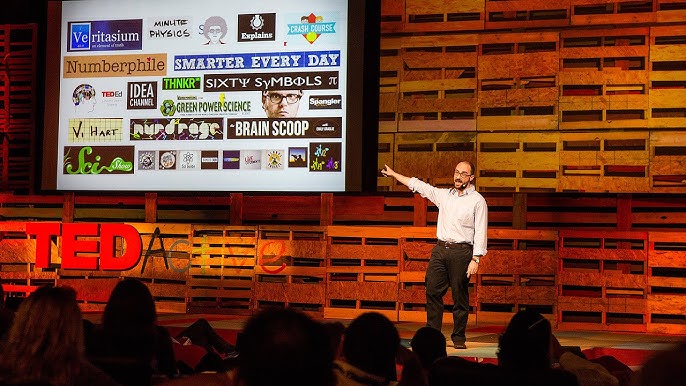

Derek Muller: The Science Communicator Who Made Learning Fun
Introduction
Derek Muller is a name synonymous with engaging science communication. Best known as the creator of the popular YouTube channel Veritasium, Muller has spent over a decade making complex scientific concepts accessible and entertaining for millions of viewers. His unique blend of charismatic storytelling, hands-on experiments, and thought-provoking questions has earned him a dedicated following and a reputation as one of the most influential science educators of the digital age.
Early Life and Education
Born on November 9, 1982, in Australia, Derek Muller developed an early fascination with science and the natural world. He pursued his passion academically, earning a Bachelor of Engineering in Physics from Queen's University in Canada. His interests extended beyond pure science, however, as he also sought to understand how people learn and process information. This led him to complete a Ph.D. in Physics Education Research at the University of Sydney, where he explored the effectiveness of educational videos in teaching scientific concepts.
Muller's doctoral research laid the foundation for his future work. He discovered that traditional science videos often failed to correct common misconceptions because viewers tended to interpret new information in ways that reinforced their existing beliefs. This insight would later shape the approach he took with his YouTube channel, where he made a deliberate effort to challenge and correct widespread scientific misunderstandings.
The Birth of Veritasium
In 2011, Derek Muller launched Veritasium, a YouTube channel dedicated to exploring the truths behind scientific phenomena. The name "Veritasium" is a combination of the Latin word for truth, "veritas," and the suffix "-ium," commonly used for chemical elements. This clever branding encapsulated Muller's mission: to uncover the fundamental truths of science in an elemental, engaging manner.
One of the hallmarks of Veritasium is its focus on interactive and often surprising experiments. Unlike traditional science shows that simply present facts, Muller frequently engages with the public, asking people on the street to answer scientific questions or predict the outcomes of experiments. These segments not only make science relatable but also highlight the gaps in public understanding—something Muller then skillfully addresses in his videos.
Breakthrough Moments
Veritasium quickly gained traction, thanks in part to Muller's knack for making science both entertaining and intellectually stimulating. One of his early breakthrough videos, "The Most Amazing Thing About Trees," explored the surprising fact that much of a tree's mass comes from carbon dioxide absorbed from the air rather than the soil. The video went viral, showcasing Muller's ability to transform seemingly mundane topics into fascinating revelations.
Another landmark moment came in 2013 with his video "The Big Misconception About Electricity," which challenged the widely held belief that electrons themselves move rapidly through wires to deliver energy. Muller used a simple but powerful demonstration to show that the energy is actually transmitted by the electromagnetic field around the wires, not by the electrons. The video garnered millions of views and became a staple in discussions about science education.
Beyond YouTube: Expanding His Reach
While YouTube remains his primary platform, Derek Muller has also ventured into other forms of media to spread scientific literacy. He has collaborated with major organizations like the BBC and the Australian Broadcasting Corporation, appearing in documentaries and television programs. Additionally, he has given TED Talks, such as his widely praised presentation "The Key to Media's Hidden Codes," where he dissected the subtle techniques used in filmmaking to influence audience perception.
Muller's influence extends to live events as well. He has been a featured speaker at science festivals and educational conferences, where he shares his insights on effective science communication. His ability to connect with audiences, whether online or in person, underscores his dedication to making science accessible to everyone.
Scientific Rigor Meets Storytelling
What sets Derek Muller apart from many other science communicators is his commitment to both accuracy and entertainment. He meticulously researches each topic, consulting with experts and reviewing scientific literature before creating his content. Yet, he presents his findings in a way that feels more like a conversation than a lecture. His videos often follow a narrative structure, posing a question, exploring misconceptions, and then revealing the truth in a satisfying climax.
This approach has resonated with audiences worldwide, earning Veritasium over 10 million subscribers and billions of views. Muller's work has also been recognized by the scientific community, with accolades such as the Australian Museum Eureka Prize for Outstanding Science Communication.
Conclusion of Part One
Derek Muller's journey from a curious student to a globally recognized science communicator is a testament to the power of blending education with entertainment. By addressing common misconceptions head-on and presenting science as a dynamic, ever-evolving field, he has inspired countless individuals to look at the world with a more inquisitive eye. In the next part of this article, we will delve deeper into Muller's most impactful projects, his collaborations, and the legacy he is building in the world of science education.
Diving Deeper: The Impact of Derek Muller's Work
Collaborations and Partnerships
Derek Muller's influence extends beyond his solo projects. Over the years, he has collaborated with other prominent science communicators, educators, and organizations to expand the reach of his message. One notable partnership was with the popular YouTube channel Vsauce, where he worked with Michael Stevens to explore the science behind everyday phenomena. These collaborations have helped bridge the gap between different audiences, making science more accessible to a broader demographic.
Muller has also worked with educational institutions to develop resources for teachers and students. His videos are frequently used in classrooms to supplement traditional teaching methods, providing a dynamic way to engage students with complex topics. By partnering with schools and universities, Muller has helped educators integrate digital media into their curricula, ensuring that students receive a well-rounded understanding of scientific principles.
Exploring Controversial Topics
One of the hallmarks of Derek Muller's work is his willingness to tackle controversial or misunderstood subjects. He has produced videos on topics such as climate change, vaccination, and nuclear energy, addressing common misconceptions and presenting evidence-based arguments. His approach is not to lecture but to encourage critical thinking, allowing viewers to draw their own conclusions based on facts.
For example, his video on climate change, titled "The Science of Climate Change," breaks down the overwhelming scientific consensus on the issue while addressing common myths. By presenting data in a clear and engaging manner, Muller helps demystify the topic and encourages viewers to engage with the science rather than rely on misinformation.
The Power of Storytelling in Science
Muller's ability to weave storytelling into scientific explanations is one of the reasons his content resonates so deeply with audiences. He often uses personal anecdotes or historical context to frame his discussions, making abstract concepts feel tangible. In his video "The Most Radioactive Places on Earth," he visits locations with high levels of radiation, blending scientific facts with human stories to create a compelling narrative.
This storytelling approach not only makes science more relatable but also helps viewers retain information. By connecting scientific principles to real-world scenarios, Muller ensures that his audience walks away with a deeper understanding of the subject matter.
Engaging with the Community
Muller's relationship with his audience is another key aspect of his success. He actively engages with viewers through social media, responding to comments and questions. This interaction fosters a sense of community and encourages viewers to participate in scientific discussions. He also takes feedback seriously, often addressing viewer suggestions in future videos.
Additionally, Muller has used his platform to highlight the work of other scientists and educators. By featuring guest experts or collaborating with fellow creators, he amplifies diverse voices in the scientific community, further enriching the content he produces.
Challenges and Criticisms
Despite his widespread acclaim, Derek Muller has faced challenges and criticisms. Some have argued that his videos oversimplify complex topics, potentially leading to misunderstandings. Others have questioned his choice of subjects, suggesting that certain videos could inadvertently spread misinformation if not carefully presented.
Muller has addressed these concerns by emphasizing the importance of accuracy and transparency. He frequently cites sources and consults experts to ensure his content is as reliable as possible. By acknowledging the limitations of his medium, he demonstrates a commitment to responsible science communication.
Looking Ahead: The Future of Veritasium
As digital media continues to evolve, so does Veritasium. Muller has hinted at expanding his content to include more in-depth documentaries and live events. He is also exploring new ways to leverage technology, such as virtual reality, to create immersive educational experiences.
Moreover, Muller has expressed interest in addressing emerging scientific topics, from artificial intelligence to space exploration. By staying at the forefront of scientific discovery, he ensures that his content remains relevant and engaging for years to come.
Conclusion of Part Two
Derek Muller's work has redefined science communication, blending education with entertainment in a way that captivates audiences worldwide. His collaborations, storytelling, and commitment to accuracy have set a high standard for digital education. In the final part of this article, we will explore Muller's legacy, his influence on future generations, and the lasting impact of his contributions to science education.


Destin Sandlin: The Mind Behind Smarter Every Day
Introduction
In the expansive world of the internet, where content is produced at an unprecedented rate, a few creators stand out for their ability to educate, intrigue, and inspire. One such creator is Destin Sandlin, the mind behind the popular YouTube channel "Smarter Every Day". His work exemplifies the blend of curiosity and knowledge, encouraging audiences around the world to explore the wonders of science and engineering. This article delves into the life and work of Destin Sandlin, exploring how he has harnessed the power of digital media to spread knowledge and intrigue across generations.
Early Life and Education
Destin Wilson Sandlin was born on September 17, 1981, in Huntsville, Alabama, a city known for its strong ties to aerospace and technology sectors. Raised in a stimulating environment that naturally encouraged curiosity, Sandlin was inclined toward understanding how things worked from a young age. His early fascination with the mechanical and physical structures of the world only grew with time, eventually leading him to pursue a career aligned with these interests.
Sandlin attended the University of Alabama, where he earned a Bachelor's degree in Mechanical Engineering. His academic journey reflects a deep-seated passion for learning and understanding complex systems, a trait that would later become the hallmark of his career. To further his education, Sandlin pursued a Master’s degree in Aerospace Engineering at the University of Alabama in Huntsville, a testament to his dedication and a clear indication of his relentless pursuit of knowledge.
The Genesis of Smarter Every Day
The seeds of "Smarter Every Day" were sown not with a grand plan, but with a simple, compelling question: How could Sandlin share his enthusiasm for science and engineering with others? This question led to the creation of a YouTube channel in 2007, which would serve as a platform for Sandlin to disseminate scientific concepts in an engaging and accessible manner. The channel's name, "Smarter Every Day", encapsulates its mission perfectly—incremental daily improvements in knowledge and understanding.
Sandlin’s approach to content creation is rooted in exploration and authenticity. He tackles a wide array of scientific topics, from the physics of helicopter flight to the fascinating behaviors of animals and the mechanics behind everyday objects. Each video takes viewers on a journey of discovery, often starting with a simple question or observation and delving into the intricate answers that science provides.
Impact and Influence
"Smarter Every Day" transcends the typical YouTube channel by bridging the gap between complex scientific ideas and everyday understanding. Sandlin's ability to break down complicated topics into digestible segments has garnered praise from educators and media professionals alike. His channel has achieved considerable success, amassing millions of subscribers and receiving numerous awards and accolades over the years.
Sandlin's work has had a profound impact not only in terms of numbers but also in shaping how people perceive and engage with science. He inspires a broad audience that includes students, educators, professionals, and anyone with a curious mind. Through his engaging storytelling skills and hands-on experiments, Sandlin brings science to life, making it relevant and fascinating.
Beyond YouTube
While "Smarter Every Day" is one of the most recognized facets of Sandlin’s public presence, his influence extends beyond YouTube. Sandlin has collaborated with numerous institutions, including educational organizations and scientific bodies, to promote science communication and literacy. His work has been highlighted in various traditional media outlets, and he frequently participates in speaking engagements and panels focused on science education and innovation.
Moreover, Sandlin is involved in several community outreach programs, utilizing his platform to promote causes close to his heart. By engaging with the scientific community and the public at large, he not only advocates for a deeper appreciation of science but also encourages young minds to pursue careers in STEM (Science, Technology, Engineering, and Mathematics) fields.
As we further explore Destin Sandlin’s contributions and journey, it becomes clear that his story is one of passion, perseverance, and a relentless pursuit of knowledge, all of which have culminated in a unique and impactful form of modern-day science communication.
Innovative Content Creation
Destin Sandlin's content stands out not only because of its educational value but also due to the innovative methods he employs in the creation process. Sandlin's videos often incorporate high-speed cameras, drones, and various experimental setups to visually capture complex phenomena in ways that aren't typically accessible to the public. By doing so, he presents science as an exciting and dynamic field, dispelling the notion that it is merely a collection of dry facts and formulas.
A quintessential example of this approach is his series on "The Backwards Brain Bicycle," where Sandlin explores the concept of neuroplasticity by attempting to ride a bicycle that has had its steering mechanism reversed. Through this experiment, he illustrates a deeper understanding of how the human brain develops and adapts to new challenges. Such inventive explorations have become a hallmark of Sandlin's work, consistently drawing viewers into a more profound understanding of the underlying principles of science and engineering.
Community Engagement and Collaboration
One of the remarkable attributes of Sandlin's journey is his ability to engage with a global community of learners and enthusiasts. By fostering an inclusive environment in the comment sections of his videos and on social media platforms, Sandlin has created a space where inquisitive minds can share ideas, pose questions, and even propose new topics for exploration. This interaction builds a sense of community and shared purpose among "Smarter Every Day" viewers, reinforcing the channel's ethos of learning together.
In addition to community engagement through digital platforms, Sandlin actively collaborates with fellow creators and scientists. He often partners with other prominent YouTubers who share similar educational goals, leading to exciting synergies and cross-promotion of scientific content. These collaborations expand the reach of his message and introduce viewers to a diverse range of scientific perspectives and disciplines.
Sandlin's collaborative spirit extends to the scientific community as well. He works alongside researchers and academics to ensure that his content is not only engaging but also scientifically accurate. By emphasizing the importance of rigorous validation and peer review, Sandlin maintains the quality and credibility of his educational material.
Challenges and Triumphs
While Sandlin's work may appear seamless, his journey as a content creator has not been without its challenges. Crafting videos that are both informative and entertaining requires not only scientific expertise but also keen storytelling and technical skills. Moreover, staying at the forefront of high-quality content production demands constant innovation and adaptation to new technologies and algorithms within the ever-changing landscape of digital media.
However, Sandlin's dedication to his mission has enabled him to overcome these obstacles. His persistence in refining his craft and his willingness to experiment with new ideas have been key to the ongoing success of "Smarter Every Day." By leveraging his background in engineering and his natural curiosity, Sandlin continually elevates the level of content on his channel, setting a high standard for online education.
Despite the challenges, one of Sandlin's most notable achievements is the genuine impact he has had on countless individuals. Feedback from viewers often highlights how his channel has sparked an interest in science or inspired someone to pursue a career in a STEM field. These personal victories echo the broader educational mission of "Smarter Every Day" and fuel Sandlin's commitment to lifelong learning and teaching.
The Role of Ethics in Science Communication
An essential aspect of Sandlin's work is his commitment to ethical considerations in science communication. Beyond merely conveying information, Sandlin understands the responsibility of accurately and thoughtfully representing scientific knowledge to a global audience. His content addresses the broader implications of scientific advancements and the ethical dilemmas they may pose.
For instance, Sandlin explores topics such as the ethical use of drones and the potential consequences of artificial intelligence. By engaging with these subjects, he encourages viewers to think critically about the intersection of science, technology, and society. This approach not only informs but also empowers audiences to consider the societal impact of scientific progress.
Additionally, Sandlin often emphasizes responsible conduct in scientific endeavors, championing transparency, collaboration, and the importance of questioning and testing ideas. Through his own example, he demonstrates how ethical standards are integral to both scientific inquiry and communication.
As Destin Sandlin continues to produce content and expand his influence, he remains a beacon of curiosity and integrity in the realm of digital education. His work exemplifies how the enthusiasm and curiosity of one individual can inspire millions, making science accessible, exciting, and deeply human. In the next section, we will continue to explore the broader outcomes and ongoing developments in Sandlin's extraordinary journey.
The Educational Impact of Smarter Every Day
The influence of "Smarter Every Day" extends far beyond entertainment; it serves as a dynamic educational tool that bridges gaps in formal education. In many traditional classrooms, resources and time constraints can limit the extent to which complex scientific principles are explored. Sandlin’s videos provide supplementary material that enriches students’ understanding in a way that traditional education sometimes cannot. Teachers across the globe have utilized his videos to introduce or expand upon scientific topics, making abstract concepts tangible for students.
Moreover, Sandlin's storytelling technique, which frequently includes practical demonstrations and real-world applications, helps to solidify learning outcomes. The engaging format captures the attention of students who might otherwise be disengaged by conventional teaching methods. By demonstrating how science and engineering solve real-world problems, Sandlin encourages a practical, hands-on approach to learning, thereby igniting a spark of curiosity and encouraging critical thinking.
Sandlin's Influence on STEM Advocacy
Destin Sandlin doesn't just inform and entertain; he is also a vocal advocate for encouraging more students to enter STEM fields. His transparency about his own educational path and career journey helps demystify what it takes to succeed in these areas. By showcasing both the challenges and rewards of working in science and engineering, Sandlin provides a realistic yet motivating narrative for aspiring scientists and engineers.
Through initiatives such as mentorship programs and partnerships with educational organizations, Sandlin actively works to remove barriers to STEM education. He understands the importance of diversity in these fields and often emphasizes the need for different perspectives and ideas in driving innovation. His advocacy extends to promoting gender inclusivity and reaching underserved communities to ensure that everyone has the opportunity to explore and succeed in STEM careers.
Sandlin's influence is further amplified by participation in policy discussions and educational reform aimed at improving STEM education standards. He leverages his platform to raise awareness about the importance of investing in science education, thereby contributing to systemic changes that facilitate better access to quality education for all.
The Future of Smarter Every Day
As "Smarter Every Day" continues to evolve, Sandlin remains committed to his mission of spreading knowledge and fostering curiosity. The future of the channel promises to bring even more innovative content and collaborations. Sandlin consistently seeks to expand the boundaries of what can be achieved through digital media. His future endeavors may include exploring emerging technologies, diving into new scientific fields, or creating even more interactive and immersive experiences for his audience.
Recent developments indicate a growing trend toward hybrid approaches to education—merging online and in-person learning. Sandlin's work is poised to play a significant role in this evolution. By potentially offering interactive courses or workshops, Sandlin can provide more structured educational resources that build upon his YouTube content.
Beyond individual growth, "Smarter Every Day" aims to foster a global community of thinkers and innovators who are equipped to tackle the scientific and technological challenges of the future. Although proud of his accomplishments, Sandlin remains profoundly aware of the continuous need for growth and adaptation in a rapidly changing digital landscape.
A Lasting Legacy
Reflecting on Destin Sandlin's journey, it's clear that the legacy he is building is one of sustained impact on science communication and education. His work exemplifies how digital platforms can be harnessed not just for entertainment but for meaningful knowledge dissemination and societal advancement. Sandlin has shown that a single channel, driven by a passion for learning, can contribute significantly to public understanding of science and inspire positive change in the world.
The essence of "Smarter Every Day" is encapsulated in its core message: education is a lifelong pursuit, and every day offers an opportunity to learn something new. By living this philosophy, Sandlin not only educates but also empowers his audience to take an active role in their own learning journeys. This empowerment is perhaps his most significant contribution, instilling a lifelong love of learning in millions of viewers.
As Sandlin continues to create, explore, and innovate, the world watches eagerly, confident that whatever comes next will be as enlightening, engaging, and transformative as his journey so far. His story is an enduring reminder of the power of curiosity and the incredible potential we all have to make the world a smarter place, one day at a time.


Michio Kaku: Pioneering the Scientific Frontier
Michio Kaku is a name that resonates with science enthusiasts and curious minds all over the world. A theoretical physicist, esteemed professor, and best-selling author, Kaku has dedicated his life to making complex scientific ideas accessible to the general public. His contributions to the field of science communication and theoretical physics have positioned him as a key figure in modern scientific thought.
The Early Years: A Spark for Science
Born in San Jose, California, on January 24, 1947, Michio Kaku discovered his passion for science at a young age. The child of Japanese immigrant parents, Kaku's brilliance became evident early in life. His burgeoning curiosity was kindled by his family's encouragement and a fascination with the works of Albert Einstein. This drove him to build a particle accelerator in his parents' garage to study atomic physics. Such early demonstrations of initiative and talent foreshadowed his future contributions to theoretical physics.
Kaku attended the University of California, Berkeley, where he earned his bachelor's degree in physics in 1968. His academic journey continued at Harvard University, where he obtained his Ph.D. in 1972. These formative years provided him with a robust foundation in physics and exposed him to leading scientific ideas that would later inform his work.
Journey Into Theoretical Physics
Michio Kaku's interest in theoretical physics and the quest to understand the universe's fundamental nature led him to the field of string theory. String theory attempts to reconcile quantum mechanics and general relativity, proposing that the fundamental particles we observe are not point-like, but rather one-dimensional "strings." This theory has profound implications for understanding the fabric of the universe.
Kaku is especially known for his work on string field theory, a branch of string theory that incorporates all of the forces of nature, including gravity, into a single theoretical framework. This work is significant because it represents an effort to formulate a "Theory of Everything," a goal that has long evaded physicists. If successful, such a theory would unify all interactions in the universe under one mathematical framework.
Legacy as a Science Communicator
Perhaps equally as impressive as his scientific endeavors is Michio Kaku's dedication to making complex scientific theories accessible to the public. In this age of rapidly advancing technology and scientific discovery, understanding the principles underlying these developments is crucial. As a prolific author of popular science books, Kaku has played a pivotal role in demystifying science for the layperson.
His best-selling books, such as "Physics of the Impossible," "Physics of the Future," and "The Future of the Mind," explore complex themes like time travel, the future potential of technology, and the intricacies of the human brain. Each book takes readers on a journey through theoretical possibilities and practical applications of scientific developments. Kaku's ability to balance scientific rigor with engaging narrative has garnered him a substantial readership, inspiring a new generation of science enthusiasts.
Beyond his writing, Kaku is a familiar face on television and radio, where he frequently discusses emerging scientific concepts and technologies. His charismatic personality and talent for explanation have made him a sought-after guest on science documentaries and talk shows worldwide.
A Visionary's Perspective on the Future
Michio Kaku is not just a chronicler of past scientific achievements; he is a visionary who peers into the future. His conjectures about what lies ahead for humanity often draw on the notion that science and technology will continue to impact all aspects of life. Kaku confidently posits that future advancements will shape a world once confined to the realm of science fiction. From colonies on Mars to innovations in artificial intelligence and robotics, Kaku's predictions paint a picture of a world where science fiction becomes reality.
Kaku is vocal about the responsibility of scientists to consider the ethical implications of their work. In a future filled with unprecedented technological power, he believes it is imperative that society navigate these advances with caution and care. Acknowledging potential risks, Kaku advocates for informed and ethical decision-making in deploying new technologies.
Contributions and Continuing Influence
Throughout his career, Michio Kaku has remained dedicated to the advancement of theoretical physics and the dissemination of scientific knowledge. His impact is evident not just in his scholarly work and scientific outreach, but also through his influence on policy and public engagement with science.
As an educator, Kaku has inspired numerous students as a professor of theoretical physics at the City University of New York, where he has been teaching for decades. He provides aspiring physicists with both foundational knowledge and a passion for discovery, ensuring that his legacy will extend well beyond his own career.
In summary, Michio Kaku is a luminary in the field of science, renowned for both his scientific insight and his ability to make complex ideas accessible to everyone. As we continue to explore the mysteries of the universe, his work will inevitably serve as a guiding light, encouraging curiosity, discovery, and the pursuit of knowledge. In an era brimming with possibilities, Kaku's influence challenges us to dream of a future where the impossible becomes possible.
The Impact of Michio Kaku's Public Engagement
Michio Kaku's influence extends far beyond the academic corridors and into the mainstream, where his persuasive communication style and infectious enthusiasm have resonated with audiences worldwide. By appearing regularly on popular science programs and news media, Kaku effectively bridges the gap between scientific communities and the public. His ability to explain intricate scientific principles in relatable terms has contributed significantly to a broader understanding and appreciation of science.
Kaku's work in media isn't confined to interviews and guest appearances. He has hosted television shows such as "Sci Fi Science: Physics of the Impossible" on the Discovery Channel, where he explored the science behind seemingly fantastical scenarios, evaluating their feasibility within the current and future realms of physics. These programs exemplify his commitment to making science engaging and widely understandable, ensuring that even those without a scientific background can appreciate the wonder of scientific exploration.
Books as Tools of Scientific Enlightenment
Michio Kaku has also turned to the written word to reach a global audience. His books, meticulously crafted to intrigue both science aficionados and novices alike, serve as profound educational tools. In "Physics of the Impossible," Kaku cleverly tackles questions about the boundaries of possibility, assessing ideas like invisibility, time travel, and teleportation through the lens of established physical laws.
His works often explore the forefront of scientific discovery, confronting both the potential and the peril of technological progress. In "The Future of Humanity," Kaku delves into the prospects of interstellar travel and human colonization beyond Earth, offering insights into how these advancements could redefine humanity's place in the cosmos. His books balance scientific expertise with a captivating storytelling style, which reassures readers that exploring the universe's mysteries is a pursuit both noble and thrilling.
Kaku and the Intersection of Science and Society
Michio Kaku's impact is not restricted to merely disseminating scientific knowledge; he also plays a critical role at the intersection of science and societal progression. As we stand on the cusp of revolutionary changes powered by AI, genetic engineering, and climate science, Kaku emphasizes the importance of ethical oversight. He argues that science must be leveraged as a tool for the common good, fostering dialogues about how to harness its power while minimizing potential risks.
Kaku has warned against the possible repercussions of technological advancements that proceed without appropriate ethical considerations. He believes that society must grapple with the implications of transformative technologies, such as the surveillance capacities of artificial intelligence or the ecological impacts of industrial advancements. This cautionary stance underscores his commitment to fostering a future where scientific progress aligns with humanity's values and ideals.
His appeal for ethical scrutiny reflects his broader philosophy that science should empower and enrich, not compromise or endanger. Through public engagements, writings, and teachings, Kaku ignites discussions about how to secure a harmonious coexistence with the very technologies we create.
The Role of Education and Inspiration
Education is a core pillar of Michio Kaku's mission. As a tenured professor at the City University of New York, he has spent decades imparting knowledge to students, instilling both a deep understanding of physics and an enduring passion for celestial exploration. His teaching extends beyond traditional classrooms, as he recognizes the importance of digital and mass communication as tools for modern learning.
Kaku's educational philosophy emphasizes the necessity of curiosity and creativity as catalysts for scientific discovery. He encourages students to think beyond conventional paradigms, promoting an educational environment where skepticism is embraced and questioning is esteemed. By fostering inquisitiveness and resilience, Kaku is nurturing a new generation of thinkers who will shape the future landscape of science.
Kaku's Predictions and Challenges of Future Science
Michio Kaku's foresight offers a tantalizing glimpse into the potential trajectory of scientific advancement. He is optimistic about the prospect of humans achieving technological milestones over the next century, predicting breakthroughs that could revolutionize daily life. However, his vision is not without the acknowledgment of formidable scientific and ethical challenges.
Kaku explores the cascading effects of emerging technologies, pondering over the ways in which novel innovations might redefine societal norms and structures. From extending human longevity through biotechnological advancements to mastering renewable energy sources to combat climate change, these possibilities exemplify science's dual role as both a creator of opportunities and a bearer of responsibilities.
He remains an advocate for harnessing technology to mitigate global challenges, pointing out the importance of scientific collaboration and international cooperation in confronting climate change, pandemics, and resource scarcity. In this endeavor, Kaku's work exemplifies science's role as a unifier, capable of transcending geographical and cultural boundaries in the pursuit of common goals.
In conclusion, Michio Kaku's contributions to science and society are vast and varied. Through his tireless efforts to communicate, educate, and inspire, Kaku encourages a world where science is not an isolated pursuit, but a collective endeavor that enriches humanity. As technological advancements unfold, his work reminds us of the boundless potential of scientific exploration, challenging us to dream bigger, engage more deeply, and act more wisely in our technological evolution.
Michio Kaku's Global Influence and Recognition
Michio Kaku's contributions have not gone unnoticed by the global scientific community or the public at large. His unique ability to engage with a diverse audience, combined with his profound impact on the field of theoretical physics, has earned him widespread recognition and numerous accolades. He is frequently invited to speak at international scientific conferences, where he shares his insights on the future of science and technology and engages with other thought leaders in the field.
Kaku's influence extends beyond academia and into cultural spheres, where he is often heralded as one of the most prominent voices in science today. His media presence has mainstreamed scientific discourse, fostering a culture of curiosity and exploration. Garnering respect from scientists and educators worldwide, Kaku's work exemplifies the fusion of expertise and passion, making science relatable and empowering to lay audiences.
Collaborations and Cross-Disciplinary Influence
In addition to his solo endeavors, Michio Kaku has been involved in numerous collaborations that highlight the interdisciplinary nature of modern scientific inquiry. Understanding that the most pressing challenges of our time often lie at the intersection of different scientific domains, Kaku advocates for collaborative efforts that integrate diverse perspectives and expertise.
He has worked alongside computer scientists, biologists, engineers, and ethicists, demonstrating the necessity of a holistic approach to innovation. These collaborations not only fuel scientific advancement but also ensure that solutions are comprehensive and responsible. By championing cross-disciplinary projects, Kaku ensures that theoretical physics does not operate in a vacuum but instead acts as a catalyst in a multifaceted scientific dialogue.
Impact on Media and Journalism
Michio Kaku's prominence in science communication has influenced how scientific issues are presented in media and journalism. His work underscores the importance of accuracy and clarity when translating complex scientific ideas for mass audiences. As a frequent contributor to newspapers, magazines, and scientific journals, Kaku's clear explanations and engaging narratives set a standard for science journalism, highlighting the importance of making science both interesting and informative.
Kaku's approach underscores a broader shift in media, where journalists are increasingly tasked with contextualizing scientific developments amidst continuous technological advancement. His influence has paved the way for a new generation of science communicators who are inspired by his ability to simplify and humanize technical content.
Michio Kaku's Role as a Thought Leader
Beyond being a scientist, Michio Kaku has established himself as a thought leader whose ideas provoke reflection and inspire action. His forward-thinking perspective on how science and technology converge with daily life prompts people to contemplate the profound implications of ongoing discoveries and innovations.
Kaku's capacity to foresee trends in science and technology without losing sight of their ethical contexts provides invaluable guidance in navigating the complexities of the modern world. By addressing philosophical questions about human purpose, technological potential, and existential risk, Kaku encourages informed discourse on the directions we choose to pursue as a society.
Looking Toward the Future
As we reflect on Michio Kaku's extraordinary journey, we are reminded of the constant evolution of scientific inquiry and the transformative impact of visionary thinkers. Kaku continues to galvanize public interest in science, illuminating paths to progress and caution in equal measure. His work serves as a testament to the power of imagination, persistence, and interdisciplinary collaboration in advancing human understanding.
Kaku's legacy is multifaceted, enriched by his academic achievements, his role as an educator, and his unyielding pursuit of making science accessible. In a rapidly changing world, his efforts enhance scientific literacy and offer guidance on how we might face future challenges and opportunities. Through continued engagement, Michio Kaku inspires an enduring enthusiasm for knowledge that transcends generations and cultures.
The story of Michio Kaku is one of passion meeting intellect—a journey that transforms theoretical abstractions into public discourse and tangible expectations for the future. As he continues to challenge boundaries and explore uncharted realms of possibility, his influence on both the scientific community and society at large is sure to endure for years to come. Kaku's work epitomizes mankind's insatiable thirst for discovery, spurring us onward in our quest to understand the universe's mysteries.



Exploring the Electrifying World of Mehdi Sadaghdar
Mehdi Sadaghdar, a name synonymous with electrical engineering and humor, has carved a unique niche for himself in the digital world. Known for his YouTube channel ElectroBOOM, Mehdi has managed to garner millions of views and a dedicated fanbase by transforming complex electrical concepts into entertaining yet educational content. The appeal of his videos lies not just in the valuable technical information he shares, but also in the comedic and sometimes risky experiments he performs, often leading to jaw-dropping moments that captivate his audience.
Born and raised in Iran, Mehdi Sadaghdar's passion for electronics began at an early age. His curiosity about how things work and his eagerness to dismantle and reassemble gadgets foreshadowed his future career. After studying electrical engineering, Mehdi moved to Canada to pursue further education and career opportunities. It was here that the idea for ElectroBOOM came into fruition, blending his engineering expertise with a comedic twist to create a platform like no other.
The Origins of ElectroBOOM
The inception of Mehdi's famous YouTube channel is as intriguing as his content. He initially started uploading videos to demystify electrical concepts, responding to the numerous online tutorials that seemed to lack a certain spark—literally and figuratively. By infusing humor with hands-on experiments, often including unexpected electric shocks and bursts of sparks, Mehdi's approach immediately captured the attention of the online community. His candid reactions and fearless attitude turn potentially dry subject matter into riveting visual entertainment.
ElectroBOOM isn't just about shock value, however. The channel places a significant emphasis on education, making challenging topics more accessible and understandable. Mehdi’s ability to simplify intricate mechanisms and principles ensures that viewers not only enjoy the spectacle but also leave with a better understanding of the science behind the sparks. His charismatic delivery and knack for storytelling keep each episode fresh, exciting, and informative.
A Deeper Dive Into the Content
Mehdi Sadaghdar's content stands out for several reasons. His videos often revolve around practical electrical experiments and detailed explanations of circuits. These segments highlight his adeptness in breaking down complex ideas into digestible, engaging narratives. Whether he's demonstrating the dangers of capacitor discharge or building a Tesla coil, Mehdi's hands-on approach demystifies the components and principles underlying everyday electronics.
One notable aspect of Mehdi's teaching style is his emphasis on safety and responsibility. While his sometimes outrageous and accident-prone demonstrations may lead some to term him as reckless, Mehdi is meticulous in underscoring the importance of safety when working with electricity. He frequently shares personal tips and best practices, emphasizing the need for caution and proper knowledge when engaging with electrical work. This blend of entertainment and public service is what cements Mehdi's place as a trusted educator within the online space.
The Community's Reaction
The response to ElectroBOOM has been overwhelmingly positive. Enthusiasts of all ages and backgrounds find Mehdi's content both relatable and enlightening. From aspiring young engineers to seasoned technicians, his subscriber base is as diverse as the experiments he conducts. Viewers appreciate how Mehdi bridges the gap between theoretical knowledge and practical applications, turning every video into an opportunity for discovery. Moreover, his unique ability to laugh at failures and learn from mistakes encourages others to approach science with a similar mindset of curiosity and resilience.
As you delve deeper into the world of Mehdi Sadaghdar, it becomes clear that his influence extends beyond mere entertainment. The impact he has made on STEM education through his alluring presentations and his encouragement of critical thinking in electrical engineering has proven to be a significant force in popularizing the subject worldwide.



Sabine Hossenfelder: Bridging Science and Rational Discourse
In the realm of theoretical physics, where abstract concepts are constantly challenging the boundaries of human understanding, Sabine Hossenfelder stands out as a beacon of clarity and logic. With a distinctive voice that resonates through her writing, videos, and lectures, she has managed to captivate an audience that spans both the scientific community and the general public.
Early Life and Academic Pursuits
Born on September 18, 1976, in Frankfurt, Germany, Sabine Hossenfelder's journey into the depths of the universe began in her early childhood. Fascinated by the mysteries of nature and the cosmos, she pursued her passion through rigorous academic training. She studied at Goethe University Frankfurt where she received her diploma in mathematics in 1997, followed by a Ph.D. in theoretical physics in 2003.
Her academic journey wasn't merely about accumulating credentials; it was about engaging deeply with some of the most challenging questions in physics. Equipped with a robust educational foundation, Hossenfelder embarked on a career dedicated to exploring the limitations and potentials of our understanding of the universe.
Diving into the World of Physics
Hossenfelder's research interests are as expansive as they are intriguing. She has delved into quantum gravity, dark matter, and various interpretations of quantum mechanics, to name a few. A significant part of her work critiques the current trends in theoretical physics, particularly the over-reliance on mathematical elegance as opposed to empirical validation.
Sabine's bold stance on this matter harkens back to a fundamental principle in science: hypotheses must be testable and substantiated by evidence, rather than beauty or aesthetic appeal. She argues that the scientific community often gets caught up in what she terms "the Pareto problem," where conjectures are pursued because they are mathematically appealing, rather than practically viable.
Communicating Science to the Masses
With an infectious enthusiasm and a knack for demystifying complex topics, Hossenfelder has become a prominent science communicator. Her YouTube channel and blog, "Backreaction," are platforms where she addresses misconceptions in physics and provides insights into her own scientific pursuits. Through these mediums, she invites her audience to engage with science as a collaborative quest for truth.
In her 2018 book, "Lost in Math: How Beauty Leads Physics Astray," Hossenfelder further amplifies her critique of modern physics. The book is a clarion call for physicists to return to foundational scientific principles, urging a reevaluation of priorities in theoretical research. Her ability to translate technical jargon into accessible narratives has garnered her widespread acclaim and a dedicated following.
Stay tuned for the second part of our exploration into the life and contributions of Sabine Hossenfelder, where we will delve deeper into her impact on science policy, education, and the scientific community at large.