Gran Turismo Sport: A Digital Racing Marvel
Gran Turismo Sport, developed by Polyphony Digital, is a virtual racing game that redefines the boundaries of realism within the gaming world. Released in October 2017, it quickly became a touchstone for racing enthusiasts and console gamers alike. The game, exclusive to the PlayStation 4, set a high benchmark with its meticulous attention to detail and its commitment to delivering an engaging and realistic driving experience.
A New Era of Competitive Racing
Gran Turismo Sport was not just another addition to the long-standing Gran Turismo franchise. It marked a significant shift towards eSports and competitive racing. The introduction of officially sanctioned FIA Championships made Gran Turismo Sport a prominent player in the world of online competition. Players from around the globe could now test their skills against one another in a structured and professional manner, with the prestige of winning FIA-recognized events.
Unmatched Realism and Graphics
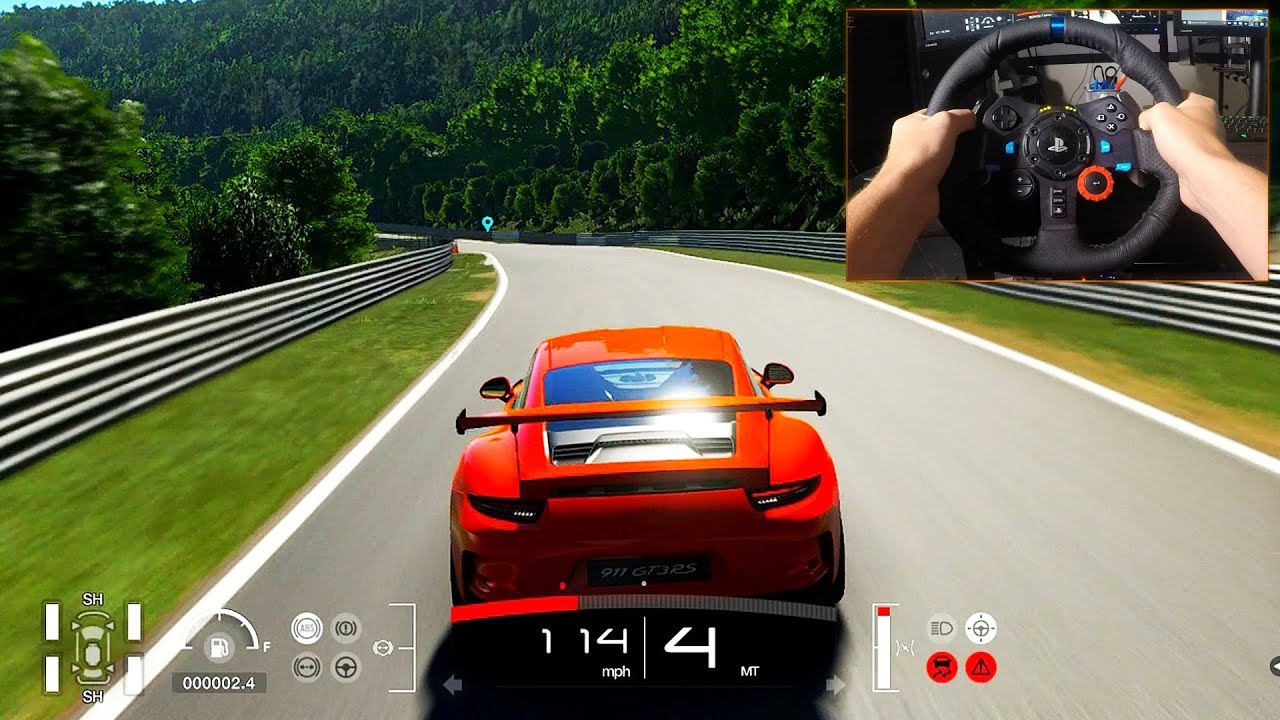
One of the standout features of Gran Turismo Sport is its stunning graphics. The developers at Polyphony Digital leveraged the power of the PlayStation 4 to create incredibly lifelike environments. From the grain of asphalt on the race tracks to the intricate details on the cars, everything in Gran Turismo Sport exudes a level of realism that is remarkable. Dynamic weather conditions and time changes further add to the authenticity, providing players with constantly evolving challenges.
The Car List: Paradise for Petrolheads
The vehicle roster in Gran Turismo Sport includes over 300 cars, each modeled with precision. The cars span various classes and eras, allowing players to experience driving high-performance supercars, classic automobiles, and everything in between. The sounds of the engines, meticulously recorded and refined, contribute significantly to the immersive quality of the game, allowing players to truly feel like they are behind the wheel of their dream cars.
Track Selection
Gran Turismo Sport offers a broad array of meticulously crafted tracks. The selection includes real-world circuits like the Nürburgring, the legendary Le Mans, as well as Polyphony Digital's original tracks, designed to test the limits of speed and skill. Each track comes with its unique set of challenges, ensuring that players have a varied and dynamic racing experience.
Gameplay Dynamics
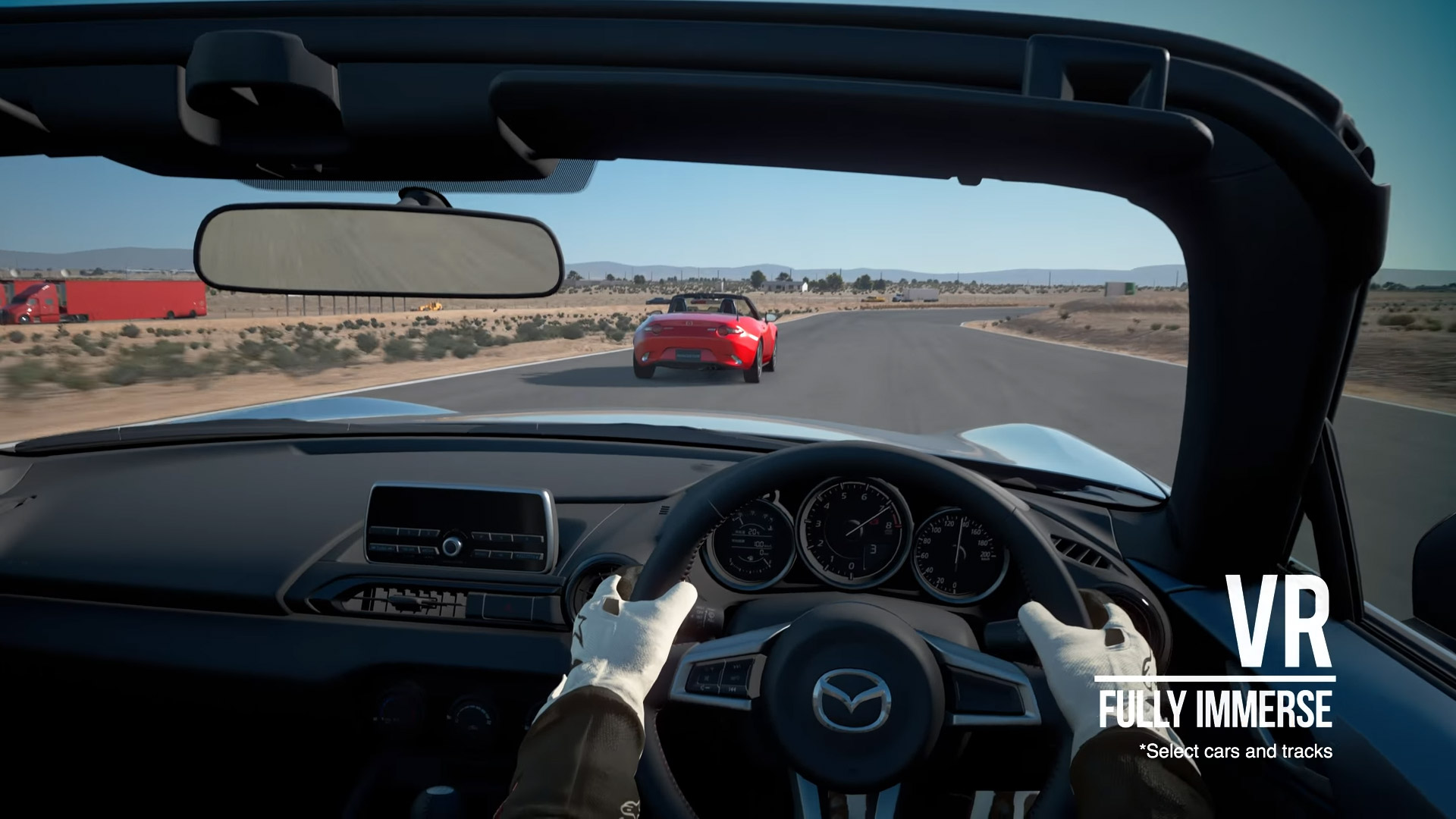
The gameplay of Gran Turismo Sport strikes a fine balance between arcade-style accessibility and simulator realism. The game is designed to appeal to both casual gamers and hardcore racing enthusiasts. The physics engine, integral to the driving experience, ensures that each car behaves on the track as it would in real life, adding layers of strategy and precision to every race. Moreover, the inclusion of VR mode allows players to immerse themselves fully in the cockpit, providing a next-level sensory experience.
Customization and Tuning
Gran Turismo Sport allows players to personalize their cars in various ways. From aesthetic modifications like liveries to tuning engines and suspensions, players can tweak their vehicles to suit their driving style or meet the requirements of specific competitions. This level of customization enhances the personal connection players feel with their vehicles, contributing to the overall experience of the game.
With a deep integration of eSports, stunning visuals, realistic driving physics, and an expansive collection of cars and tracks, Gran Turismo Sport establishes itself as a cornerstone title for racing game aficionados. Its focus on online multiplayer competitions and continuous updates has fostered a vibrant community that thrives in a complex yet accessible digital racing universe.
Realism in Cinema: Exploring the Art of Truthful Storytelling
The art of cinema has long strived to capture the complexities of human experience and reality. While many films transport audiences to fantastical worlds and speculative futures, others are born from an unwavering dedication to portray life as it truly is. This pursuit, known as realism in cinema, is a narrative style and aesthetic approach that roots itself in depicting everyday life with authenticity.
The Origins of Realism in Film
Realism as a movement has its origins deeply entrenched in the history and evolution of film. Emerging in the late 19th century, roughly coinciding with the inception of cinema itself, the first realists were the Lumière brothers, who emphasized documentary-style filming, capturing snippets of everyday life. Their short films, such as "Workers Leaving the Lumière Factory" (1895), focused on the simplicity and authenticity of daily occurrences, setting the stage for future filmmakers enchanted by the idea of realness.
By the mid-20th century, despite the dominance of Hollywood's studio-driven glamour, realism found renewed strength with the emergence of Italian Neorealism. This significant movement sought to bring to screen the unembellished lives of the Italian populace post-World War II. Masterpieces like Roberto Rossellini’s "Rome, Open City" (1945) and Vittorio De Sica's "Bicycle Thieves" (1948) captured raw emotion through non-professional actors, on-location shooting, and socio-politically charged narratives, thus immortalizing Neorealism in cinematic history.
Key Attributes of Realist Film
The quintessence of realism in cinema lies within its key attributes. One of the primary goals is to present a naturalistic portrayal of events and characters. Realist filmmakers frequently employ non-professional actors to enhance authenticity and circumvent the theatricality often associated with trained performers.
In addition, realist films tend to utilize on-location shooting as opposed to elaborate studio sets. This choice not only saves production costs but, more importantly, captures the ambiance and essence of the story’s setting, contributing to a more immersive experience for the audience. The stripped-back approach to cinematography, favoring natural light and hand-held cameras, further emphasizes the visceral and relatable essence of the storytelling.
Moreover, storytelling in realist cinema prioritizes narratives grounded in reality, often exploring themes of social, political, and economic context. These films are effective in addressing societal issues, prompting viewers to engage in critical thought about the world around them. Realism acts as a powerful tool for creating a mirror in which audiences can see not idealized characters, but rather their own lives and struggles reflected back at them.
The Influence of Realism Across the Globe
Realism has undoubtedly transcended cultural and national boundaries to influence filmmakers worldwide. Each cinematic tradition interprets realism through its individualized cultural lens, yielding diverse yet interconnected forms of storytelling. In France, the avant-garde lineage of realism can be traced through the French New Wave, a post-war movement that carried realism's baton forward. Filmmakers like Jean-Luc Godard and François Truffaut embodied this with films like "Breathless" (1960) and "The 400 Blows" (1959), further shaping the evolution of the realist aesthetic.
Similarly, Iranian cinema has witnessed its own realist renaissance. Filmmakers such as Abbas Kiarostami and Asghar Farhadi have garnered global attention through their poignant narratives exploring everyday life and relatable moral dilemmas, as seen in films like "A Separation" (2011), which symbolized the powerful impact of realistic storytelling.
These global adaptations emphasize the universal appeal of realism in cinema, which lies in the striking balance between telling personal stories and reflecting universal truths. Realism remains a vivid commentary on the socio-political landscapes of the respective cultures it emerges from, offering introspective glimpses into lives often overshadowed by more mainstream cinematic narratives.
As the field of cinema continues to evolve, the allure of realism endures, offering filmmakers and audiences alike a palpable connection to the worlds and lives being represented. It provides a lens through which the art of truthful storytelling can be appreciated and understood, resonating with viewers seeking authenticity in an ever-changing world of scripted entertainments.



Exploring the Universe of Elite Dangerous
Elite Dangerous is an expansive space simulation game that offers players the opportunity to explore a galaxy of breathtaking beauty and intricate detail. Developed by Frontier Developments, Elite Dangerous has been captivating players since its release in 2014. With its realistic portrayal of the Milky Way, dynamic economy, and thrilling space combat, this game promises an unforgettable journey through the cosmos.
A Vast Open World Experience
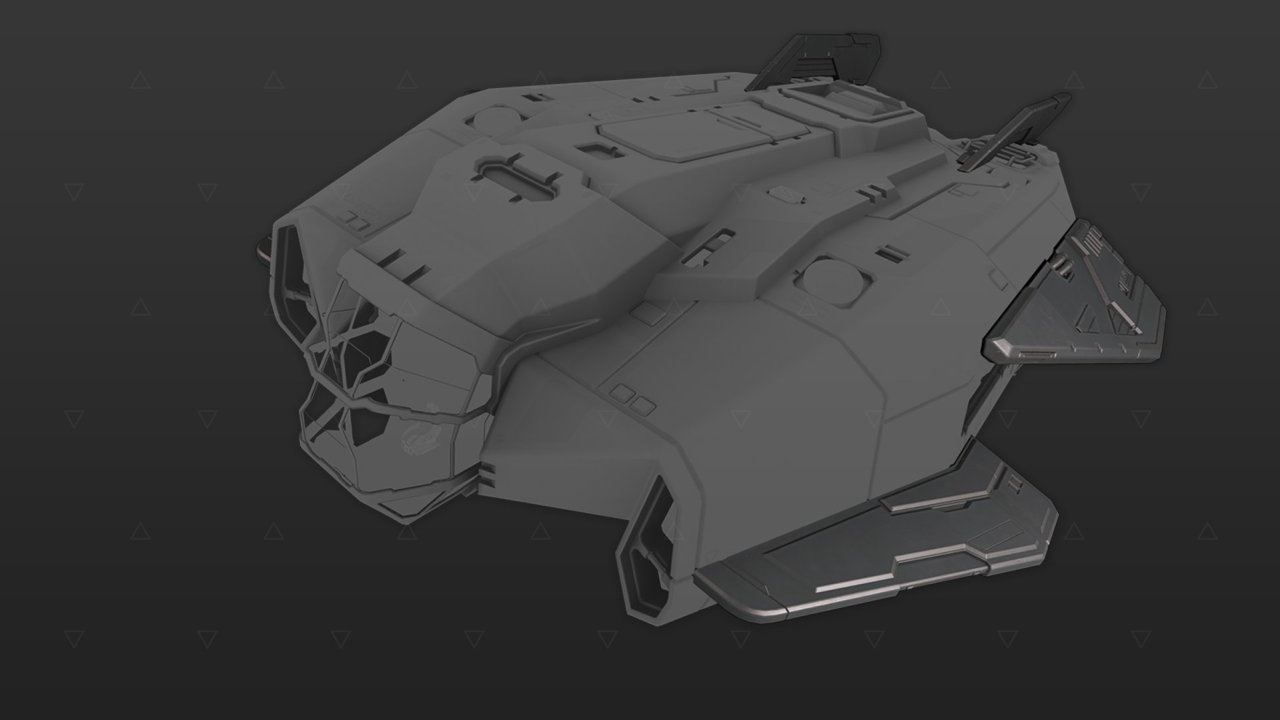
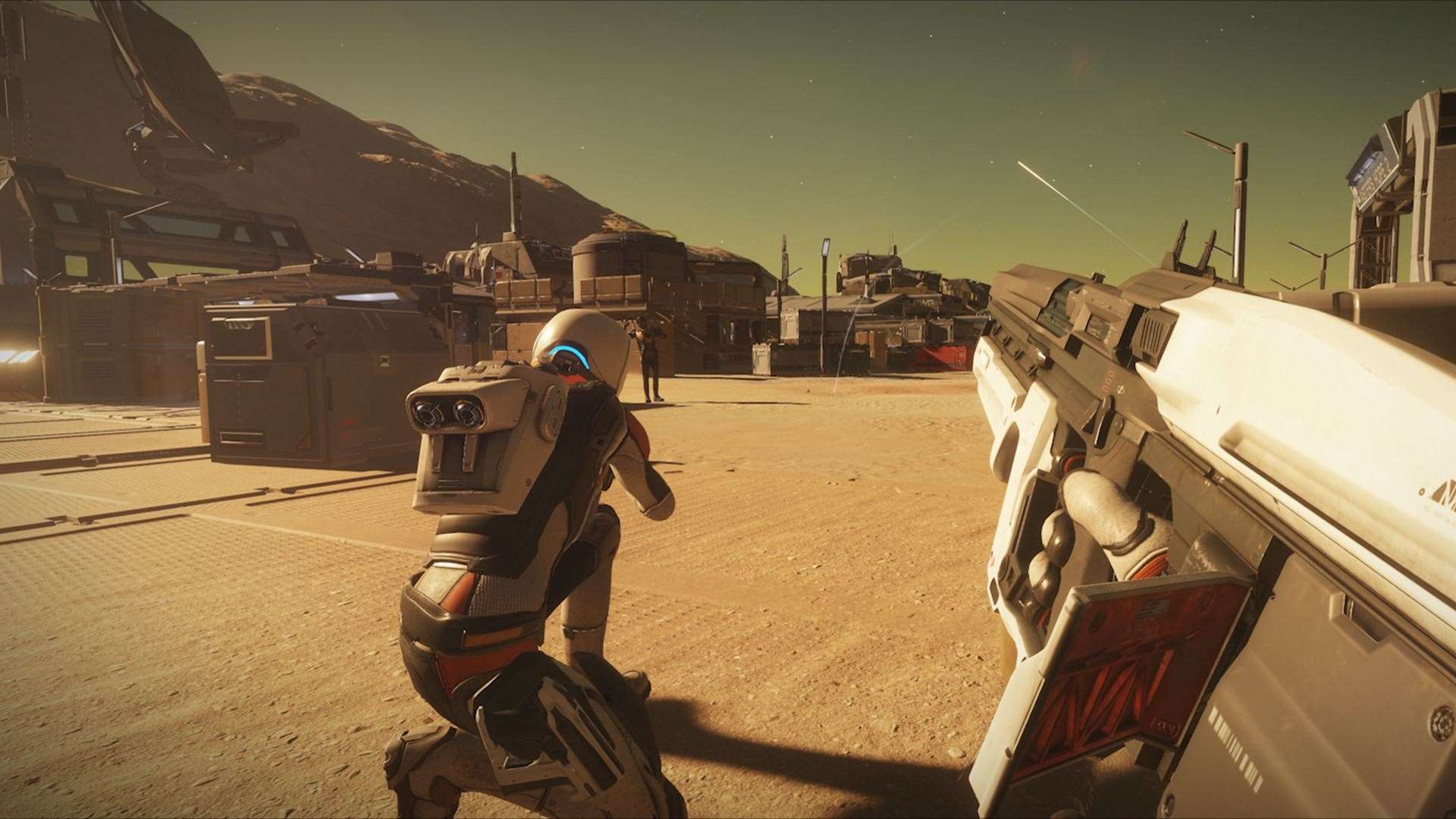
At the heart of Elite Dangerous is its vast open-world experience. The game accurately models the entire Milky Way galaxy, featuring over 400 billion star systems. Each system varies from the others, providing a diverse range of planets, stars, and moons to discover. Players can traverse this enormous universe in a variety of ships, each fully customizable and equipped to suit different playstyles.
The vastness of the galaxy in Elite Dangerous means that the possibilities for exploration are nearly endless. Players can choose to follow the established narrative arcs or pave their paths, uncovering secrets hidden among the stars. The game's procedural generation ensures that every exploration mission holds surprises, fueling the adventurer's spirit within.
Gameplay Mechanics and Features
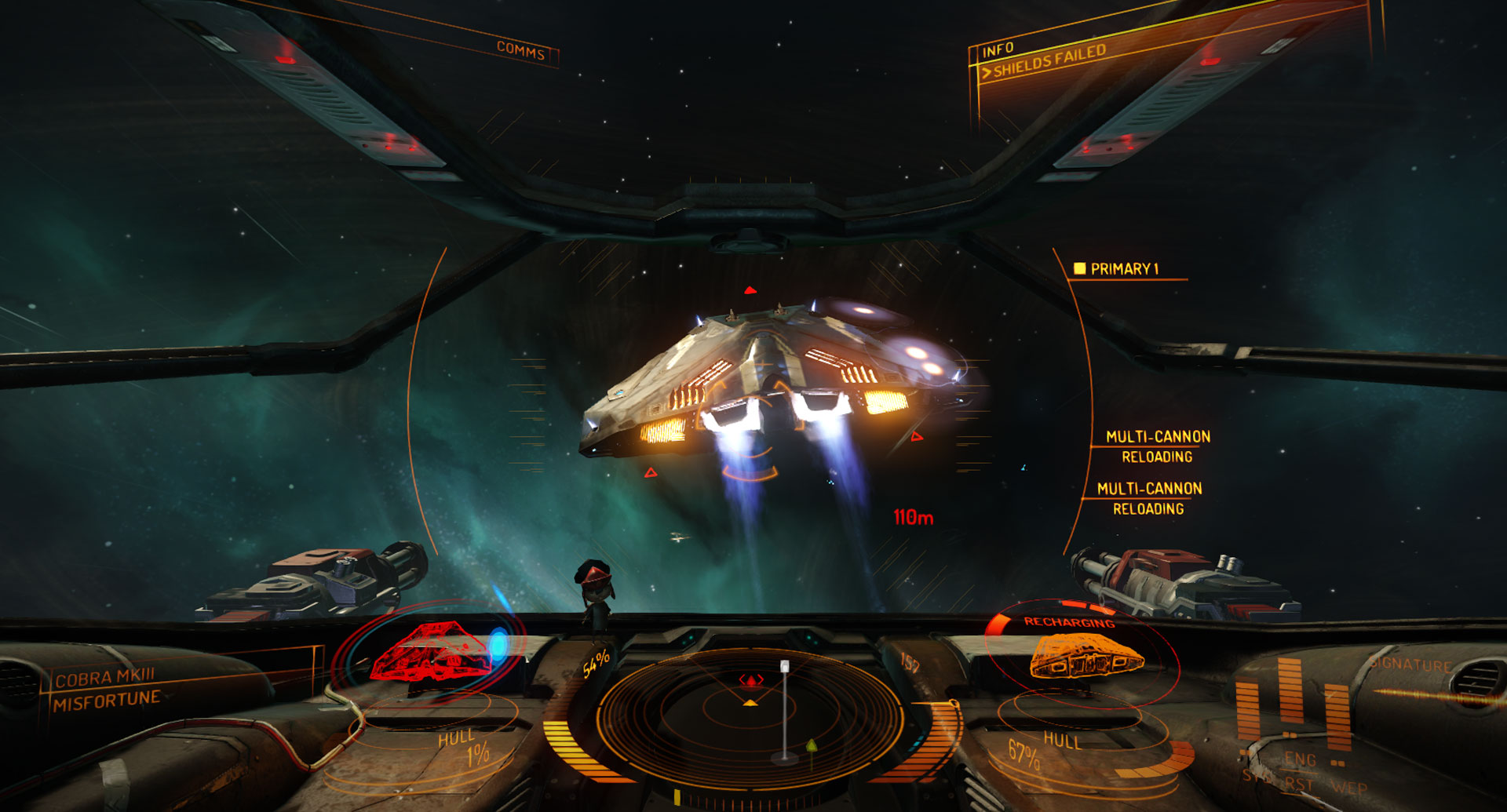
Elite Dangerous immerses players in deep and varied gameplay mechanics. One of the most compelling aspects of the game is its spaceship combat system. Players can engage in dogfights against enemy ships, band together in combat wings for large-scale fleet battles, or hunt down bounties. The game's physics engine provides a realistic flight model, giving players an authentic feeling of piloting massive spacecraft through space.
Aside from combat, Elite Dangerous offers rich interactions with the in-game economy and markets. The game's economy is driven by player actions and varies dynamically, with supply, demand, and piracy influencing prices. Players can trade goods between stations, undertake missions for rewards, or embark on mining expeditions for valuable resources. The interconnectedness of these systems ensures that player actions have meaningful impacts on the broader game world.
Community and Multiplayer Elements
One of the standout elements of Elite Dangerous is its active and passionate community. Players can join together to form squadrons, share tactical information, and participate in massive community-driven events. These events often have significant repercussions for the game's galaxy, with players visibly affecting the balance of power and control among the game's factions.
Multiplayer in Elite Dangerous is seamless, allowing players to encounter others naturally in their exploration and journeys. Whether friend or foe, other players add an unpredictable layer to the game's universe, creating encounters that range from cooperative endeavors to competitive confrontations. This dynamic social landscape amplifies the sense of wonder and camaraderie inherent in exploring such a grand setting.