2025 Jubilee Ends: The Sacred Tradition of Rome’s Holy Doors
The 2025 Jubilee, the Holy Year of Hope, is drawing to a close. This monumental spiritual event, centered in Rome, is defined by the ancient ritual of the Holy Doors. These sealed portals in the four papal basilicas were opened to pilgrims seeking grace and now stand ready to be closed, marking the end of this extraordinary period. This article explores the profound history, meaning, and ceremonial climax of Rome's Porta Santa as the 2025 Jubilee concludes.
The Culmination of the 2025 Jubilee Year
Pope Francis inaugurated the 2025 Jubilee, themed “Pilgrims of Hope,” on December 24, 2024. He opened the Holy Door at St. Peter’s Basilica, commencing a year of prayer, pilgrimage, and mercy. The Holy Year is scheduled to conclude formally on the Solemnity of Christ the King in late November 2025. As the final weeks approach, the focus shifts to the solemn sealing of the Holy Doors, a tradition that physically and symbolically ends the Jubilee.
“The Holy Door is now open. We have crossed its threshold.” – Pope Francis, December 24, 2024, inaugurating the 2025 Jubilee.
This Jubilee is the 27th ordinary Jubilee since the tradition began in 1300. It follows the standard 25-year cycle, a rhythm that brings millions of faithful to Rome. The closing sequence is a pivotal moment, reverently sealing the passage to grace until the next scheduled opening in 2050.
What Are the Holy Doors of Rome?
The Holy Doors are specially designated entrances in Rome's four papal major basilicas. They remain sealed with mortar and brick between Jubilee years. Their ceremonial opening marks the start of a Holy Year, granting the possibility of a plenary indulgence to pilgrims who pass through them with the proper devotional spirit. This act is far more than architectural; it is a core sacrament of the Jubilee experience.
The Four Papal Basilicas and Their Portals
Each of the four great churches houses a Holy Door, creating a spiritual circuit through Rome. Pilgrims journey to these sacred sites to walk through history and faith.
- St. Peter’s Basilica (Vatican City): The most famous Holy Door, inaugurated by the Pope himself. Its modern bronze door was created for the 1950 Jubilee.
- Archbasilica of St. John Lateran: The Cathedral of Rome, it housed the first documented Holy Door opened in 1423-1425.
- Basilica of St. Mary Major: Home to an ancient icon of Mary, its door is a key stop for Marian devotion.
- Basilica of St. Paul Outside the Walls: Built over the tomb of St. Paul, its door completes the pilgrimage to the tombs of the two great apostles.
Passing through any of these doors symbolizes a profound spiritual transition. It represents crossing from a state of sin into God's grace and mercy. This ritual connects to ancient concepts of sanctuary and threshold rights, later Christianized and formalized in Rome.
The Deep Historical Roots of the Holy Door Ritual
The tradition of the Holy Door is a unique fusion of biblical theology, medieval pilgrimage, and Roman history. Its evolution over seven centuries reveals its enduring significance.
Biblical and Early Christian Origins
The very concept of a Jubilee year originates in the Book of Leviticus (Chapter 25). It prescribed a year of remission every 50 years, a time for freeing slaves, returning land, and rest. The Christian Jubilee adapts this as a period for spiritual liberation—freedom from sin through the indulgence attached to the pilgrimage. The door as a symbol finds resonance in the Gospel, where Jesus declares, “I am the door.”
In ancient Rome, the concept of a sacred threshold was powerful. Pagan temples featured special entrances, and Roman law recognized the right of sanctuary. Early Christian churches, following the era of Constantine, began to formalize these ideas. Pope Sylvester I is credited with establishing a precedent for sanctuary that later influenced the Holy Door tradition.
Medieval Beginnings and Standardization
The first recorded Christian Jubilee was proclaimed by Pope Boniface VIII in 1300. Initially, the interval was set at 100 years. Historical records do not mention a specific Holy Door ritual at this first event. The focus was pilgrimage to the tombs of Saints Peter and Paul.
The physical Holy Door tradition emerged in the 15th century. The first documented opening occurred at St. John Lateran during the Jubilee of 1423-1425 under Pope Martin V. The practice then spread to the other major basilicas.
Pope Alexander VI was crucial to standardizing the ritual. For the Jubilee of 1500, he formalized the rite and decreed that Holy Doors be established at all four papal basilicas. This act cemented the Roman pilgrimage circuit we know today.
Pope Alexander VI’s 1500 decree unified the practice, creating the four-door pilgrimage that defines the Roman Jubilee.
The 2025 Opening Ceremony: A Modern Pilgrimage Begins
The commencement of the 2025 Jubilee featured adapted but deeply symbolic ceremonies. On December 24, 2024, Pope Francis opened the Holy Door at St. Peter’s. Unlike older rituals involving a physical striking of mortar, the modern ceremony saw the Pope push open the already-unsealed bronze door after prayers.
This act was repeated at the other basilicas in the following days. The Archpriest of each basilica opened its respective door, with St. John Lateran’s door opened on December 29, 2024. This staggered inauguration invited the faithful to begin their journeys across the city. These openings officially welcomed the world to become Pilgrims of Hope.
A Year of Pilgrimage and the Seven Churches
The opened doors facilitated a massive revival of ancient pilgrimage routes. Most notably, the Pilgrimage of the Seven Churches (Giro delle Sette Chiese) saw renewed popularity. This 16th-century penitential walk, established by St. Philip Neri, traditionally includes the four major basilicas with Holy Doors plus three other key Roman churches.
For the 2025 Jubilee, this one-day circuit became a premier spiritual experience for pilgrims. It embodied the themes of penance, historical connection, and physical sacrifice that are central to the Jubilee indulgence. The open Holy Doors served as monumental milestones along this sacred path.
The Symbolic Architecture and Art of the Holy Doors
The Holy Doors are not merely passages; they are profound works of sacred art and theology cast in bronze, stone, and wood. Their design and inscriptions intentionally convey the spiritual journey of the Jubilee. Over centuries, they have evolved from simple bricked-up portals to the monumental bronze masterpieces seen today, particularly at St. Peter’s Basilica.
From Brick to Bronze: The Evolution of Design
Originally, Holy Doors were simply existing side entrances of basilicas that were sealed with bricks and mortar between Jubilees. For the Holy Year, the masonry was ritually broken to create an opening, often filled with a temporary wooden door. This physically embodied the idea of opening a way to grace that was otherwise closed.
The modern era saw a transformation into permanent, artistic doors. The most famous is the bronze Holy Door at St. Peter’s, designed by sculptor Vico Consorti for the 1950 Jubilee. It features 16 narrative panels depicting scenes of sin and salvation, from the Fall of Man to the forgiveness of Christ. This door is permanently installed and bricked up from the inside, its exterior always visible but impassable outside of a Holy Year.
- St. John Lateran: Its door, also bronze, includes panels showing the first Jubilee of 1300 and the establishment of the Holy Door tradition.
- St. Mary Major: Features a door with imagery celebrating Marian devotion, central to the Basilica's identity.
- St. Paul Outside the Walls: Its design highlights scenes from the life and teachings of the Apostle Paul.
This artistic evolution serves a catechetical purpose. Pilgrims can meditate on the biblical stories and themes of mercy depicted on the doors both before and after passing through, deepening the spiritual experience of the indulgence.
The Ritual of Sealing: Preserving the Sacred Threshold
The sealing of the doors is as ritualistically significant as their opening. At the conclusion of the Jubilee, after the Pope passes through each door for a final time, masons brick and mortar the door shut from the inside. A ceremony includes blessings and the placement of commemorative medals and coins within the masonry.
The doors are sealed from the interior, leaving their artistic exteriors visible as a promise and reminder until they are opened again.
This method of internal sealing preserves the door's façade for veneration. Pilgrims in the years between Jubilees can still see and touch the Holy Door, but the sealed threshold reminds them that the special grace of the plenary indulgence is dormant. It becomes a symbol of future hope, awaiting the next proclaimed Holy Year.
The Theology of the Indulgence and the Pilgrimage
At the heart of the Holy Door tradition is the Catholic theology of the plenary indulgence. Passing through the door is the central ritual act for obtaining this grace during the Jubilee, but it is part of a fuller, required spiritual journey.
Conditions for Receiving the Jubilee Indulgence
The Church teaches that an indulgence is a remission before God of the temporal punishment due to sins whose guilt has already been forgiven. A plenary indulgence removes all such punishment. To validly obtain the Jubilee indulgence attached to the Holy Doors, pilgrims must fulfill several conditions with a sincere heart:
- Sacramental Confession: Receive the Sacrament of Reconciliation to restore grace.
- Eucharistic Communion: Receive Holy Communion, preferably during Mass.
- Prayer for the Pope's Intentions: Offer prayers (typically the Creed, Our Father, and Hail Mary) for the intentions of the Pope.
- Detachment from Sin: Have a interior disposition of complete detachment from any inclination to sin, even venial sin.
The act of passing through the Holy Door is the special work prescribed for the Jubilee that, when combined with these conditions, grants the indulgence. It physically enacts the spiritual passage from sin to grace.
The Pilgrimage as a Penitential Journey
The journey to Rome itself is a core element. The hardship, sacrifice, and intentionality of travel transform a simple visit into a true pilgrimage of penance and renewal. This aligns with the ancient Jewish concept of traveling to the Temple in Jerusalem.
The focus on the tombs of the Apostles Peter and Paul roots the pilgrimage in the earliest foundations of the Church. By visiting these sites and the other basilicas, pilgrims connect with the living history of the faith. The Holy Door serves as the culminating threshold of this sacred voyage, a final, symbolic step into the fullness of mercy offered during the Holy Year.
Global Dimensions and Modern Adaptations in the 2025 Jubilee
While the Roman Holy Doors hold primacy, the 2025 Jubilee has significantly expanded access to the grace of the indulgence. Recognizing global mobility and the desire for inclusion, the Vatican has designated Holy Doors in dioceses worldwide. This modern adaptation allows those who cannot travel to Rome to participate fully in the Holy Year.
Holy Doors Beyond Rome: A Universal Church
Following the precedent set in the 2000 Jubilee and expanded in the 2015-2016 Jubilee of Mercy, Pope Francis has authorized local bishops to designate Holy Doors in their own cathedrals and selected shrines. This means a pilgrim in Asia, Africa, or the Americas can perform the same ritual of passing through a door and fulfilling the conditions to receive the Jubilee indulgence.
This practice underscores that the Church is a universal sacrament of salvation. It democratizes access to the Jubilee's graces while still honoring the unique spiritual centrality of Rome. The Pilgrims of Hope theme is thus lived out in every corner of the globe.
Digital Outreach and Logistical Innovations
The 2025 Jubilee has embraced the digital age to spread its message. The Vatican and other official bodies have produced high-quality videos, live streams of ceremonies, and extensive online guides. This digital promotion serves both to educate and to invite participation, reaching a global audience of millions.
In Rome, logistical planning has been critical to manage the massive influx of pilgrims. Authorities have provided detailed guides for accommodation (such as the Prati district near the Vatican), transportation, and the order of ceremonies. This ensures that the spiritual focus of the pilgrimage is supported by practical hospitality, aiding in the city's post-pandemic recovery of spiritual tourism.
- Enhanced Accessibility: Efforts have been made to ensure pilgrims with disabilities can access the Holy Doors and participate in rituals.
- Cultural Events: The Jubilee year is accompanied by concerts, exhibitions, and conferences that explore the theme of hope in contemporary society.
- Ecumenical and Interfaith Dialogue: The events have included moments of prayer and dialogue with other Christian denominations and world religions, reflecting the inclusive call of the theme.
The Closing Sequence: Rituals of Conclusion for 2025
As the Solemnity of Christ the King in November 2025 approaches, the liturgical and ceremonial focus turns toward closure. The sealing of the Holy Doors is not a single event but a sequential, solemn process conducted at each of the four major basilicas. This ritual brings the extraordinary time of the Holy Year to a definitive end.
The Pope's Final Passage and the Rite of Sealing
The closing ceremony mirrors the opening in reverse. The Pope, or his designated Cardinal, will preside over a final liturgy at each basilica. As part of the rite, he will pass through the Holy Door one last time. This act signifies the Church, in the person of its shepherd, completing the pilgrimage of grace offered during the year.
Following the Pope's final passage, masons will immediately begin to seal the doorway from inside the basilica, embedding commemorative items for the year 2025.
The mortar used is often mixed with holy water, and the bricks are blessed. Once sealed, a final prayer is offered, entrusting the faithful to God's mercy until the next Jubilee. The door's artistic exterior remains, but its functional spiritual purpose is suspended.
Preservation for the Future: A Legacy for 2050
The sealing is done with an eye toward eternity and future generations. The doors are not merely walled off; they are preserved as intact sacred artifacts. The bricks and mortar placed in 2025 will likely remain untouched until the anticipated next ordinary Jubilee in 2050.
For the next 25 years, pilgrims will still visit these sites. They will see the closed Holy Doors as a testament to the 2025 Jubilee and a tangible symbol of future hope. The closed door becomes a silent preacher, speaking of a past outpouring of grace and a future promise of mercy yet to be reopened. This cyclical nature—opening, passage, sealing, waiting—is fundamental to the rhythm of Jubilee time itself, connecting generations of the faithful across centuries.
The Enduring Legacy of Jubilee 2025: Pilgrims of Hope
As the final bricks are laid in the Holy Doors of Rome, the 2025 Jubilee leaves a legacy that transcends its closing date. The theme, “Pilgrims of Hope,” was a direct response to a world facing war, ecological crisis, and social fragmentation. The millions who journeyed to the Holy Doors, both in Rome and worldwide, participated in a global witness to spiritual seeking and renewal. This Jubilee’s enduring impact will be measured in the personal conversions of pilgrims and the reinforced role of the Church as a beacon of mercy in the modern age.
Revitalizing Ancient Traditions for a New Century
The 2025 Jubilee successfully bridged ancient tradition and contemporary need. The revival of the Pilgrimage of the Seven Churches demonstrated a deep hunger for physically demanding, historically rooted penance. Simultaneously, the designation of Holy Doors across the globe made the indulgence’s grace radically accessible, embodying a truly catholic—universal—vision.
Modern communication tools brought the ceremonies into homes worldwide, while logistical planning in Rome aimed to ensure a safe and profound experience for all. This synergy of old and new ensured the Jubilee was not a museum piece but a living, dynamic event. Its legacy includes a blueprint for future Holy Years on how to maintain deep tradition while engaging a global, digital faithful.
The Holy Door in Historical Context: A Timeline of Grace
Understanding the 2025 closure requires viewing it as a single point in a vast historical continuum. The Holy Door ritual is the product of centuries of theological reflection and papal decree.
Chronology of the Holy Door Tradition
- 1294: A precursor occurs at the Basilica of Santa Maria di Collemaggio in L'Aquila, where Pope Celestine V opens a “Door of Pardon” for the “Perdonanza” indulgence, establishing an early model.
- 1300: Pope Boniface VIII proclaims the first Roman Jubilee. While focused on pilgrimage, a specific Holy Door rite is not yet documented.
- 1423-1425: The first documented opening of a Holy Door in Rome occurs at St. John Lateran during the Jubilee of Pope Martin V.
- 1475: The Holy Door rite is extended to St. Peter’s Basilica for the Jubilee proclaimed by Pope Sixtus IV.
- 1500: Pope Alexander VI standardizes the practice, decreeing Holy Doors for all four major papal basilicas, creating the Roman circuit as known today.
- 1950: The modern bronze Holy Door at St. Peter’s, designed by Vico Consorti, is inaugurated, replacing earlier temporary structures.
- 2000: For the Great Jubilee, Pope John Paul II significantly expands the practice, allowing for Holy Doors in local dioceses worldwide for the first time.
- 2024-2025: Pope Francis opens the Holy Door for the 27th ordinary Jubilee, emphasizing hope and global participation, before its sealing in late 2025.
From its 15th-century formalization to its 21st-century global expansion, the Holy Door ritual has shown remarkable adaptability while preserving its core spiritual meaning.
The Spiritual and Cultural Impact on Rome and the World
The concentration of millions of pilgrims in Rome creates a unique spiritual and cultural moment. The city, already an eternal crossroads, transforms into a living tableau of global faith. This influx has significant ramifications.
Boost to Spiritual Tourism and Local Economy
Jubilee years are a major driver for Rome’s spiritual tourism sector. Hotels, restaurants, tour guides, and transportation services all see substantial increases in activity. Districts like Prati near the Vatican become major hubs. This economic boost is coupled with a cultural exchange, as pilgrims from every continent bring their own traditions and prayers to the eternal city.
The Church and civic authorities collaborate closely on infrastructure, crowd management, and cultural programming. This partnership ensures that the city can host the event sanctimoniously and safely, leaving a positive legacy of improved services and facilities that benefit Romans and visitors long after the Jubilee ends.
A Witness of Unity and Shared Hope
Beyond economics, the sight of diverse peoples streaming through the same sacred thresholds offers a powerful counter-narrative to global division. The shared ritual of the Holy Door, the common conditions for the indulgence, and the unified prayer for the Pope’s intentions create a tangible experience of universal Church unity.
In a fragmented world, this gathering of “Pilgrims of Hope” stands as a testament to shared spiritual yearning. It reinforces Rome’s role as a center of Christian unity and a place where humanity’s deeper hopes are publicly acknowledged and channeled into prayer and sacrament.
Looking Forward: From Closed Doors to Future Hope
The sealed Holy Door is not an end, but a promise. The conclusion of the 2025 Jubilee initiates a period of anticipation. The closed doors become silent teachers and powerful symbols for the quarter-century until the next ordinary Jubilee.
The Holy Door as a Symbol in the "In-Between" Time
For the next 25 years, pilgrims visiting St. Peter’s or the other basilicas will encounter the sealed Holy Door. It will serve as a tangible link to the 2025 Jubilee for those who participated and a historical curiosity for new generations. Guides will explain its significance, telling the story of its last opening and the theme of hope that defined it.
This visible, yet closed, threshold is a profound spiritual symbol. It reminds the faithful that God’s mercy is always available through the standard sacraments, while also pointing to the extraordinary, communal outpouring of grace that a Holy Year represents. It makes the passage of ecclesiastical time visible and concrete.
Anticipating the Next Jubilee: 2050 and Beyond
Barring the proclamation of an extraordinary Jubilee, the next ordinary Holy Year is anticipated in 2050. The doors sealed in late 2025 are intended to remain shut until that time. The preservation of the commemorative items within the masonry creates a literal time capsule of the 2025 event.
The cycle of Jubilees—of opening, pilgrimage, and sealing—is a heartbeat of the Church’s life. It provides a regular rhythm for communal examination, repentance, and renewal on a grand scale. As the world changes between now and 2050, the enduring ritual of the Holy Door offers a constant: a promise that the path to mercy will be opened again.
Conclusion: The Eternal Threshold of Mercy
The closing of the Holy Doors in November 2025 marks the culmination of a year-long spiritual journey for the global Church. From its origins in the first Jubilee of 1300 to its modern expression under Pope Francis, the tradition of the Holy Door has proven to be a resilient and powerful symbol. It physically embodies the theology of indulgence, the practice of pilgrimage, and the hope of spiritual renewal.
The 2025 Jubilee, “Pilgrims of Hope,” successfully adapted this ancient rite for the contemporary world. It maintained the profound centrality of the Roman basilicas while extending the possibility of grace to every diocese. It combined the arduous, ancient Seven Churches pilgrimage with digital outreach and modern logistics. The key takeaways from this Holy Year are clear: the Church’s tradition of mercy is dynamic, its call to conversion is perpetual, and its doors—both physical and spiritual—are opened by Christ himself.
Final Reflection: Passing Through the Door of Faith
Ultimately, the ritual of the Holy Door is a metaphor for the Christian life itself. Every believer is called to move from sin to grace, from despair to hope. The sealed door reminds us that this passage is always possible through Christ, who is the true and eternal door. As the 2025 Jubilee ends, its final message endures: the journey of hope does not conclude with a sealed threshold. It continues in the daily pilgrimage of faith, bearing the grace received into a waiting world, until the day when the sacred portals are opened once more, and the Church collectively crosses again into a new season of jubilee.


Santiago de Compostela: The Timeless Pilgrimage Capital
Introduction to Santiago de Compostela
Santiago de Compostela, the historic capital of Galicia in northwest Spain, is a city steeped in spiritual significance and architectural grandeur. Renowned as the final destination of the Camino de Santiago, this UNESCO-listed gem attracts millions of pilgrims and tourists annually. Its Cathedral of Santiago de Compostela, believed to house the relics of St. James the Greater, stands as a testament to its medieval origins and enduring religious importance.
The Historical Significance of Santiago de Compostela
Origins and Medieval Development
The story of Santiago de Compostela begins in the early 9th century with the discovery of a tomb near Padrón. According to medieval accounts, this tomb was identified as that of St. James the Greater, one of the apostles of Jesus Christ. This discovery prompted King Alfonso II to establish a shrine and church, laying the foundation for the city's rapid urban growth in the 11th and 12th centuries.
Political and Ecclesiastical Role
By the 12th century, Santiago de Compostela had become a significant ecclesiastical and political center. It was elevated to an archbishopric, fostering religious, economic, and cultural exchanges across northern Iberia and Europe. The city's strategic location and spiritual significance made it a hub for pilgrims and traders alike.
Architectural Marvels of Santiago de Compostela
The Cathedral of Santiago de Compostela
The Cathedral of Santiago de Compostela is the heart of the city and a masterpiece of architectural evolution. Its core Romanesque structure dates back to the 11th and 12th centuries, while the Baroque west façade was added in the 18th century. The cathedral's Pórtico de la Gloria, a Romanesque sculptural ensemble by Maestro Mateo, is a highlight of its artistic heritage.
UNESCO World Heritage Site
The Old Town of Santiago de Compostela was inscribed on the UNESCO World Heritage List in 1985. This designation recognizes the city's exceptional Romanesque, Gothic, and Baroque monuments, all tied to the pilgrimage tradition. The UNESCO listing underscores the city's outstanding universal value and its role in medieval Christendom.
Pilgrimage and Modern Tourism
The Camino de Santiago
The Camino de Santiago is a network of pilgrimage routes leading to Santiago de Compostela. From the Middle Ages to the present day, it has been one of Christianity's principal pilgrimage destinations, alongside Jerusalem and Rome. The Camino attracts a diverse range of pilgrims, from religious devotees to cultural tourists and adventure seekers.
Balancing Heritage and Tourism
In the 21st century, Santiago de Compostela faces the challenge of balancing large volumes of pilgrims and tourists with heritage conservation. The city's Old Town is subject to ongoing conservation and restoration efforts under Spanish and UNESCO oversight. Municipal and regional tourism planning documents reflect the dynamic interplay between preserving the historic fabric and meeting contemporary needs.
Cultural and Academic Hub
University and Administrative Functions
As the capital of Galicia, Santiago de Compostela serves as an administrative and academic center. Its university, one of Europe's historic institutions, adds a vibrant intellectual dimension to the city. This blend of academic, administrative, religious, and tourism roles shapes the city's unique identity.
Academic and Cultural Interest
Santiago de Compostela continues to be a focal point for medievalists, historians of pilgrimage, and architectural historians. Its well-documented archival record, monuments, and continued ritual practices at the cathedral make it a rich subject for scholarly research and cultural exploration.
Conclusion
Santiago de Compostela is a city where history, spirituality, and culture converge. From its medieval origins as a pilgrimage destination to its modern role as a cultural and academic hub, the city offers a unique blend of experiences. Its architectural marvels, UNESCO-listed Old Town, and the enduring appeal of the Camino de Santiago make it a must-visit destination for travelers and scholars alike.
Exploring the Landmarks of Santiago de Compostela
The Pórtico de la Gloria
One of the most remarkable features of the Cathedral of Santiago de Compostela is the Pórtico de la Gloria. This Romanesque sculptural ensemble, created by Maestro Mateo in the 12th century, is a masterpiece of medieval art. The Pórtico depicts scenes from the Bible and serves as the main entrance to the cathedral, welcoming pilgrims and visitors alike.
Monastery Complexes and Historic Streets
The Old Town of Santiago de Compostela is a labyrinth of historic streets and squares, each with its own story to tell. Among the notable landmarks are the Monastery of San Martiño Pinario and the Monastery of San Francisco. These monastic complexes, along with the charming streets and squares, contribute to the city's unique atmosphere and historical significance.
The Pilgrimage Experience: Then and Now
Medieval Pilgrimage Traditions
In the Middle Ages, the Camino de Santiago was a journey of faith and penance. Pilgrims traveled from all over Europe to reach Santiago de Compostela, seeking spiritual enlightenment and the forgiveness of sins. The journey was often perilous, with pilgrims facing harsh weather conditions, bandits, and disease. Despite these challenges, the pilgrimage route became a symbol of unity and devotion in medieval Christendom.
Modern Pilgrimage Trends
Today, the Camino de Santiago continues to attract a diverse range of pilgrims. While some undertake the journey for religious reasons, others are drawn by the cultural, historical, and personal growth opportunities it offers. The pilgrimage has seen a resurgence in popularity in recent decades, with over 300,000 pilgrims receiving the compostela (pilgrimage certificate) annually. This modern pilgrimage experience is supported by a network of hostels, restaurants, and services catering to the needs of travelers.
Preserving the Heritage of Santiago de Compostela
Conservation Efforts and Challenges
The preservation of Santiago de Compostela's historic heritage is a ongoing effort. The city's UNESCO World Heritage status has brought international recognition and support for conservation projects. However, balancing the needs of heritage preservation with the demands of modern tourism presents challenges. Issues such as visitor management, environmental impact, and urban development require careful planning and coordination among local authorities, heritage organizations, and the community.
Restoration Projects and Initiatives
Several restoration projects have been undertaken to preserve the architectural and cultural heritage of Santiago de Compostela. These include the restoration of the Cathedral's façade, the conservation of historic buildings, and the enhancement of public spaces. Initiatives such as the Santiago de Compostela Heritage Management Plan aim to ensure the sustainable development of the city while safeguarding its unique character and historical significance.
Cultural Events and Festivals
The Feast of St. James
The Feast of St. James, celebrated on July 25th, is one of the most important events in Santiago de Compostela. This festival honors the city's patron saint and attracts thousands of pilgrims and visitors. The celebrations include religious processions, cultural performances, and traditional Galician music and dance. The highlight of the festival is the botafumeiro, a giant incense burner that swings through the cathedral, filling the air with its fragrant smoke.
Other Cultural Highlights
Throughout the year, Santiago de Compostela hosts a variety of cultural events and festivals. These include the International Jazz Festival, the Medieval Market, and the Galician Literature Day. These events showcase the city's rich cultural heritage and provide opportunities for visitors to engage with local traditions and arts.
Practical Information for Visitors
Getting to Santiago de Compostela
Santiago de Compostela is well-connected by air, rail, and road. The city's international airport offers flights to major European cities, while the high-speed train connects Santiago to other Spanish cities. Additionally, a network of buses and highways provides convenient access to the city from various parts of Spain and Portugal.
Accommodation and Dining
Visitors to Santiago de Compostela can choose from a wide range of accommodation options, including historic hotels, modern guesthouses, and budget-friendly hostels. The city's culinary scene is equally diverse, with restaurants serving traditional Galician dishes, international cuisine, and innovative fusion foods. Some must-try local specialties include pulpo a la gallega (Galician-style octopus), empanada (savory pie), and queixo tetilla (a type of cheese).
Exploring the Surroundings
Day Trips and Excursions
The region surrounding Santiago de Compostela offers a wealth of attractions for day trips and excursions. Nature lovers can explore the Galician countryside, with its lush forests, rolling hills, and scenic coastal areas. History enthusiasts can visit nearby towns and villages, such as Padrón, Noia, and Muros, each with its own unique heritage and charm.
Natural Attractions
Galicia is known for its stunning natural landscapes, and Santiago de Compostela is an ideal base for exploring these wonders. The Rías Altas and Rías Baixas are coastal areas renowned for their beautiful beaches, cliffs, and seafood. Inland, the Fragas do Eume and Serra do Courel offer opportunities for hiking, wildlife spotting, and enjoying the region's diverse flora and fauna.
Conclusion
Santiago de Compostela is a city that captivates the hearts and minds of visitors with its rich history, spiritual significance, and cultural vibrancy. From the awe-inspiring Cathedral of Santiago de Compostela to the charming streets of the Old Town, every corner of the city tells a story. Whether you are a pilgrim seeking spiritual enlightenment, a history buff exploring medieval landmarks, or a traveler immersing yourself in Galician culture, Santiago de Compostela offers an unforgettable experience. As you plan your visit, consider the practical information and tips provided to make the most of your journey to this timeless pilgrimage capital.
The Spiritual Journey: Rituals and Traditions
The Pilgrim's Arrival and the Compostela
For centuries, the ultimate goal of pilgrims on the Camino de Santiago has been to reach the Cathedral of Santiago de Compostela and pay homage to the relics of St. James the Greater. Upon arrival, pilgrims traditionally visit the Pilgrim's Office to obtain their compostela, a certificate confirming the completion of their journey. To qualify, pilgrims must have walked at least 100 kilometers or cycled 200 kilometers to Santiago, collecting stamps in their pilgrim passport along the way.
The Botafumeiro: A Spectacular Ritual
One of the most iconic rituals in the cathedral is the swinging of the botafumeiro, a massive incense burner. This spectacle, which dates back to medieval times, was originally used to purify the air and mask the odors of tired pilgrims. Today, the botafumeiro is swung during special occasions and pilgrim masses, creating a mesmerizing display that draws crowds from around the world. The incense burner, weighing 53 kilograms and measuring 1.6 meters in height, swings in grand arcs across the cathedral's transept.
Santiago de Compostela in Literature and Art
Medieval Manuscripts and Pilgrim Guides
The Codex Calixtinus, a 12th-century manuscript, is one of the most important historical documents related to the Camino de Santiago. This medieval guidebook provides invaluable insights into the pilgrimage routes, religious practices, and cultural landscape of the time. It includes descriptions of the route, advice for pilgrims, and even music and liturgical texts. The Codex Calixtinus is housed in the Archive of the Cathedral of Santiago de Compostela and is a testament to the city's enduring spiritual significance.
Modern Depictions in Literature and Film
Santiago de Compostela has inspired numerous works of literature and film, capturing the imagination of artists and storytellers. Notable examples include Paulo Coelho's "The Pilgrimage", a spiritual memoir that chronicles the author's journey along the Camino, and the film "The Way", directed by Emilio Estevez and starring Martin Sheen. These modern depictions have contributed to the Camino's global popularity and have introduced new audiences to the transformative power of the pilgrimage.
Sustainable Tourism and Future Challenges
Balancing Tourism and Conservation
As the popularity of the Camino de Santiago continues to grow, Santiago de Compostela faces the challenge of managing increasing numbers of visitors while preserving its historic heritage. Sustainable tourism practices are essential to protect the city's architectural treasures and maintain the integrity of the pilgrimage experience. Initiatives such as visitor quotas, eco-friendly accommodations, and responsible tourism campaigns are being implemented to ensure that the city remains a welcoming and sustainable destination.
Infrastructure and Accessibility
To accommodate the diverse needs of modern pilgrims and tourists, Santiago de Compostela is continually improving its infrastructure and accessibility. Efforts include the enhancement of public transportation, the development of accessible routes for individuals with disabilities, and the expansion of digital resources for visitors. These improvements aim to make the city more inclusive and user-friendly, ensuring that everyone can experience the magic of Santiago de Compostela.
The Galician Cuisine: A Culinary Pilgrimage
Traditional Dishes and Local Flavors
No visit to Santiago de Compostela is complete without indulging in the rich and diverse flavors of Galician cuisine. The region is renowned for its fresh seafood, hearty stews, and unique cheeses. Some must-try dishes include:
- Pulpo a la gallega: Tender octopus served with paprika, olive oil, and potatoes.
- Caldo gallego: A nourishing soup made with greens, potatoes, and pork.
- Empanada gallega: A savory pie filled with tuna, sardines, or meat.
- Lacón con grelos: A traditional dish featuring pork shoulder and turnip greens.
- Queixo tetilla: A creamy, mild cheese named for its distinctive shape.
Wine and Beverages
Galicia is also home to a variety of excellent wines and beverages. The region's Ribeiro and Rías Baixas wine denominations produce crisp white wines, particularly from the Albariño grape. Additionally, visitors can sample queimada, a traditional Galician beverage made from aguardiente (a type of brandy), sugar, coffee beans, and citrus fruits. This fiery drink is often prepared in a ceremonial manner, adding to the cultural experience.
Conclusion: The Enduring Legacy of Santiago de Compostela
Key Takeaways
Santiago de Compostela is a city that transcends time, offering a unique blend of spiritual significance, historical richness, and cultural vibrancy. Key takeaways from this exploration include:
- The city's origins as a pilgrimage destination, centered around the relics of St. James the Greater.
- The architectural marvels of the Cathedral of Santiago de Compostela and the Old Town, recognized as a UNESCO World Heritage Site.
- The enduring appeal of the Camino de Santiago, attracting diverse pilgrims and tourists from around the world.
- The city's role as a cultural and academic hub, with a vibrant university and numerous festivals and events.
- The importance of sustainable tourism and conservation efforts to preserve the city's heritage for future generations.
A City of Transformation and Inspiration
Whether you are a pilgrim seeking spiritual growth, a history enthusiast exploring medieval landmarks, or a traveler immersing yourself in Galician culture, Santiago de Compostela offers an unforgettable experience. The city's timeless charm, combined with its modern amenities and sustainable practices, ensures that it remains a beacon of inspiration and transformation. As you walk the ancient streets, visit the sacred cathedral, and savor the local cuisine, you become part of a living tradition that has captivated hearts and minds for over a thousand years. Santiago de Compostela is not just a destination; it is a journey of discovery, a testament to the enduring power of faith, history, and human connection.
Grand Mosque: The Heart of Islam and Its Sacred Legacy
Introduction to the Grand Mosque
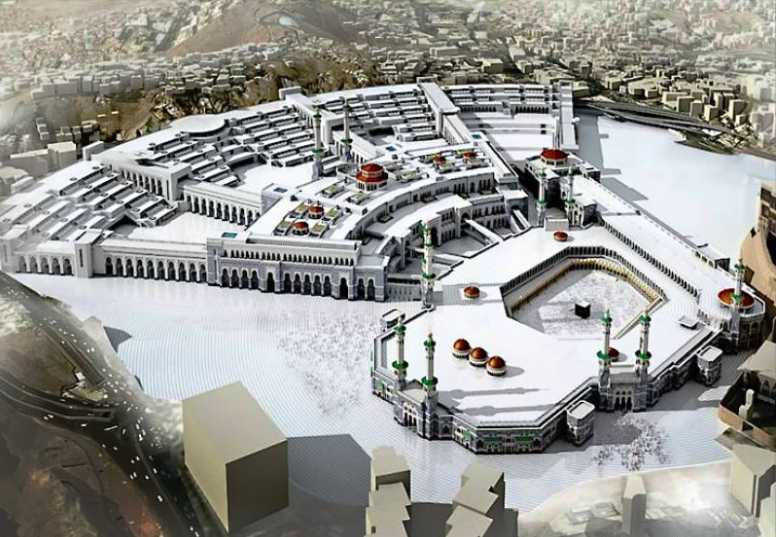
The Grand Mosque, also known as Masjid al-Haram, stands as the largest and most sacred mosque in Islam. Located in Mecca, Saudi Arabia, it encircles the Kaaba, the holiest site in Islam. This mosque is not only a place of worship but also a symbol of unity and devotion for Muslims worldwide. With an area of approximately 356,000 square meters, it can accommodate up to 2 million worshippers, making it a marvel of architectural and spiritual significance.
The Historical Significance of the Grand Mosque
The history of the Grand Mosque is deeply intertwined with the origins of Islam. According to Islamic tradition, the Kaaba was built by the Prophet Abraham (Ibrahim) and his son Ishmael (Ismail). The mosque itself originated as a simple enclosure around the Kaaba, constructed by Caliph Umar in 638 CE. This site has been a focal point for Muslim pilgrimage and worship for centuries.
The Role of the Kaaba
The Kaaba is the most sacred structure in Islam. Muslims around the world face the Kaaba during their daily prayers, symbolizing unity and devotion. The Black Stone, embedded in the eastern corner of the Kaaba, is a significant relic that pilgrims aim to touch or kiss during their rituals.
Expansions and Renovations
The Grand Mosque has undergone numerous expansions and renovations throughout history. Major developments occurred under the Umayyads, Abbasids, Mamluks, Ottomans, and Saudis. These expansions were driven by the need to accommodate the growing number of pilgrims and to address damages caused by floods and fires. The most recent renovations, initiated in 1955, have included modern amenities such as marble floors, escalators, air-conditioning, and tunnels to manage the massive crowds.
Architectural Marvels of the Grand Mosque
The Grand Mosque is an architectural masterpiece, blending historical significance with modern innovations. Its design and features reflect the rich cultural and religious heritage of Islam.
Seven Minarets
The mosque is renowned for its seven minarets, the most of any mosque in the world. These minarets, added progressively since the 8th century, serve as iconic landmarks and are used for the call to prayer. Each minaret stands tall, symbolizing the mosque's grandeur and spiritual importance.
Key Ritual Sites
Within the Grand Mosque, several key ritual sites hold special significance. The Mas'a gallery, located between the hills of Safa and Marwah, is where pilgrims perform the Sa'i, a ritual walk that commemorates Hagar's search for water for her son Ishmael. This site is an integral part of the Hajj and Umrah pilgrimages.
Modern Amenities
Recent renovations have equipped the Grand Mosque with modern amenities to enhance the pilgrimage experience. These include electric lighting, public-address systems, and advanced communication technologies. The mosque also features air-conditioning, escalators, and tunnels to facilitate the movement of large crowds, ensuring safety and comfort for all worshippers.
The Spiritual and Cultural Impact of the Grand Mosque
The Grand Mosque is not just a physical structure but a spiritual beacon for Muslims worldwide. Its significance extends beyond its architectural grandeur, deeply influencing the cultural and religious practices of Islam.
Pilgrimage and Worship
Praying at the Grand Mosque is considered highly rewarding in Islam. According to hadith, prayers offered here are multiplied 100,000-fold, drawing millions of Muslims each year. The mosque is the focal point for the Hajj and Umrah pilgrimages, which are central to the Islamic faith.
Global Unity
The Grand Mosque serves as a symbol of unity for Muslims around the world. Regardless of their nationality or background, Muslims come together in Mecca to perform their religious duties, fostering a sense of global community and shared faith.
Economic and Social Influence
The Grand Mosque plays a significant role in the economic and social fabric of Mecca. The influx of pilgrims during Hajj and Ramadan significantly boosts the local economy. The Saudi government's Vision 2030 initiative aims to further enhance the pilgrimage experience and diversify the economy, with projections of over 30 million annual visitors by 2030.
Conclusion of Part 1
The Grand Mosque is a testament to the rich history and spiritual significance of Islam. Its architectural marvels, historical expansions, and modern amenities make it a unique and revered site. As we delve deeper into its story in the next parts, we will explore more about its cultural impact, recent developments, and the experiences of pilgrims who visit this sacred place.
The Grand Mosque in Modern Times: Vision 2030 and Beyond
The Grand Mosque continues to evolve under Saudi Arabia's ambitious Vision 2030 plan, which seeks to modernize infrastructure while preserving its spiritual essence. This initiative aims to accommodate over 30 million annual visitors by 2030, enhancing both capacity and pilgrim experience. Recent developments include advanced crowd management systems, expanded prayer areas, and state-of-the-art facilities to ensure safety and comfort.
Technological Advancements
Technology plays a pivotal role in the Grand Mosque's modern operations. From electric lighting introduced in the early 20th century to today's smart crowd monitoring, innovations have transformed pilgrimage logistics. Key upgrades include:
- Public-address systems (installed in 1948) for clear prayer calls
- Air-conditioning to combat Mecca's extreme heat
- Escalators and tunnels to ease movement during peak times
- Real-time translation services for international pilgrims
Expansion Projects
Ongoing expansions focus on increasing the mosque's capacity while maintaining its historical integrity. The Saudi government has invested billions in projects such as:
- Adding new prayer halls to reduce congestion
- Constructing pedestrian walkways for safer access
- Integrating hotels and shopping centers (e.g., Abraj Al Bait Towers) nearby
These efforts ensure the Grand Mosque remains the world's most expensive building, with renovations exceeding $100 billion in recent decades.
The Grand Mosque's Role in Hajj and Umrah
The Grand Mosque is the epicenter of Islam's two most sacred pilgrimages: Hajj and Umrah. These journeys are obligatory for financially and physically capable Muslims, drawing millions annually.
Hajj: The Annual Pilgrimage
Hajj, performed in the Islamic month of Dhu al-Hijjah, is one of the Five Pillars of Islam. Pilgrims follow a series of rituals, including:
- Tawaf: Circling the Kaaba seven times
- Sa'i: Walking between Safa and Marwah hills
- Standing at Arafat: A day of prayer and repentance
The Grand Mosque accommodates up to 2.5 million pilgrims during Hajj, with Mecca's population tripling during this period.
Umrah: The Lesser Pilgrimage
Umrah, often called the "lesser pilgrimage," can be performed year-round. While not obligatory, it holds immense spiritual value. Key rituals include:
- Tawaf around the Kaaba
- Sa'i between Safa and Marwah
- Shaving or trimming hair as a symbol of renewal
Unlike Hajj, Umrah can be completed in a few hours, making it accessible to more Muslims globally.
Cultural and Educational Significance
Beyond its religious role, the Grand Mosque serves as a cultural and educational hub. It preserves Islamic heritage while fostering learning and community engagement.
Historical Artifacts and Exhibits
The mosque houses priceless artifacts, including:
- The Black Stone, embedded in the Kaaba
- Ancient Quranic manuscripts in its libraries
- Ottoman-era calligraphy and architectural elements
These treasures attract scholars and historians, offering insights into Islam's rich history.
Educational Initiatives
The Grand Mosque supports educational programs, such as:
- Quran memorization classes for children
- Islamic studies for international students
- Multilingual guided tours for visitors
These initiatives ensure the mosque remains a center for spiritual and intellectual growth.
Challenges and Future Outlook
Despite its grandeur, the Grand Mosque faces challenges, including overcrowding, security concerns, and environmental sustainability. However, Saudi Arabia's proactive measures under Vision 2030 aim to address these issues.
Overcrowding Solutions
To manage the influx of pilgrims, authorities have implemented:
- AI-powered crowd control systems
- Expanded prayer areas with retractable roofs
- Digital permit systems to regulate entry
Sustainability Efforts
Eco-friendly initiatives include:
- Solar-powered facilities to reduce energy consumption
- Water recycling systems for conservation
- Green spaces within the mosque complex
As the Grand Mosque continues to evolve, it remains a beacon of faith, unity, and progress for Muslims worldwide. The final part of this series will explore personal pilgrim experiences and the mosque's global impact.
Pilgrim Experiences: Personal Stories from the Grand Mosque
The Grand Mosque is not just a physical structure but a profound spiritual journey for millions. Pilgrims from diverse backgrounds share transformative experiences, highlighting the mosque's universal appeal and emotional impact.
Stories of Faith and Devotion
Many pilgrims describe their visit to the Grand Mosque as life-changing. A pilgrim from Indonesia shared:
"Standing before the Kaaba, I felt an overwhelming sense of peace. The unity among Muslims from every corner of the world was breathtaking."
Another from Nigeria reflected:
"Performing Tawaf with thousands of others, all dressed in white, made me realize the true meaning of equality in Islam."
Challenges and Rewards
While the journey is spiritually rewarding, pilgrims often face challenges such as:
- Physical exhaustion from long rituals
- Language barriers in a multicultural crowd
- Emotional intensity of the experience
Yet, these challenges are outweighed by the spiritual fulfillment and sense of accomplishment.
The Grand Mosque's Global Impact
The Grand Mosque transcends its physical location, influencing Muslim communities worldwide. Its significance extends to cultural, economic, and diplomatic spheres.
Cultural Influence
The mosque's rituals and architecture inspire Islamic practices globally:
- Mosque designs often mimic its features
- Prayer times are synchronized with Mecca
- Hajj stories are shared across generations
Economic Contributions
The Grand Mosque drives Saudi Arabia's economy through:
- Pilgrimage tourism, generating billions annually
- Job creation in hospitality and services
- Infrastructure development in Mecca
Under Vision 2030, these contributions are expected to grow exponentially.
Preserving the Grand Mosque for Future Generations
Ensuring the Grand Mosque's legacy requires balancing modernization with preservation. Saudi Arabia employs cutting-edge techniques to maintain its historical and spiritual integrity.
Conservation Efforts
Key preservation strategies include:
- Restoration of ancient calligraphy and artifacts
- Digital archiving of historical documents
- Structural reinforcements against natural disasters
Technological Innovations
Modern technology aids in preservation:
- 3D scanning for architectural documentation
- AI monitoring for structural health
- Virtual reality tours for global access
Conclusion: The Enduring Legacy of the Grand Mosque
The Grand Mosque stands as a testament to Islam's rich history and global unity. From its origins with the Kaaba to its modern expansions under Vision 2030, it remains the heart of Muslim worship and culture.
Key takeaways include:
- The mosque's spiritual significance as Islam's holiest site
- Its architectural marvels, including seven minarets and advanced amenities
- The global impact of Hajj and Umrah on Muslim communities
- Ongoing modernization efforts to accommodate millions
As the Grand Mosque continues to evolve, it remains a beacon of faith, unity, and progress. For Muslims worldwide, it is more than a destination—it is a lifelong spiritual journey.


The Arbaeen Pilgrimage: History and Significance of the World's Largest Gathering
The Arbaeen pilgrimage, meaning "forty" in Arabic, is the world's largest annual gathering of people. This profound event marks the 40th day of mourning after the martyrdom of Imam Husayn ibn Ali, the grandson of Prophet Muhammad. Every year, millions embark on a spiritual journey, walking approximately 80 kilometers from Najaf to Karbala in Iraq. The pilgrimage symbolizes themes of sacrifice, justice, and spiritual resilience.
The Historical Roots of Arbaeen
The origins of Arbaeen are deeply tied to a pivotal moment in Islamic history: the Battle of Karbala in 680 CE (61 Hijri). Imam Husayn and his small band of followers were martyred after refusing to pledge allegiance to the Umayyad caliph Yazid. This event became a defining moment for Shia Islam and a powerful symbol of resistance against oppression.
Jabir ibn Abdullah al-Ansari and the First Pilgrimage
The tradition began with Jabir ibn Abdullah al-Ansari, a companion of Prophet Muhammad. Forty days after the martyrdom, Jabir undertook an arduous journey of roughly 1,300 kilometers from Medina to visit the grave of Imam Husayn in Karbala. His journey, performed in 61 Hijri, established the foundational act of commemorating Arbaeen.
This first pilgrimage, undertaken by an elderly companion of the Prophet, set a powerful precedent for remembrance and spiritual dedication that continues to inspire millions today.
Centuries of Suppression and Revival
For centuries, the observance of Arbaeen faced severe suppression. Ruling powers, from the Umayyads and Abbasids to Saddam Hussein's Ba'athist regime, viewed the pilgrimage as a threat. Participants faced bans, arrests, and even torture.
The modern revival is credited to Iranian scholar Sheikh Mirza Hussein Noori in 1901. He began walking from Najaf to Karbala with a small group, growing the annual practice steadily despite ongoing restrictions. The pilgrimage's character transformed dramatically after 2003.
Understanding the Scale: The World's Largest Gathering
The sheer size of the Arbaeen pilgrimage is difficult to comprehend. It consistently draws crowds that dwarf other major global gatherings.
- Annual Attendance: Estimates range from 17 to 25 million pilgrims each year.
- Recent Peaks: Recent years have seen numbers around 21.5 million, with steady growth.
- Primary Route: The main walk covers roughly 80 kilometers between the cities of Najaf and Karbala.
- Duration: Most pilgrims complete the journey on foot in 3 to 5 days.
This scale makes it the largest annual human gathering on the planet, far surpassing other pilgrimages and festivals in raw attendance numbers.
The Spiritual Significance of the Arbaeen Walk
For participants, the Arbaeen walk is far more than a physical journey. It is a deeply spiritual act of devotion, mourning, and solidarity.
Commemorating Imam Husayn's Sacrifice
The core purpose is to commemorate the martyrdom of Imam Husayn. Pilgrims walk to express their love, grief, and connection to his stand for justice. The 40th day holds special significance in Islamic tradition, marking a time for reflection and renewed commitment.
The physical hardship of the walk—enduring heat, fatigue, and distance—is embraced as a form of empathy. It connects pilgrims to the suffering endured by Imam Husayn, his family, and his companions in Karbala.
A Universal Message of Justice
While the pilgrimage is primarily observed by Shia Muslims, its message resonates more broadly. It has become a powerful symbol of the fight against tyranny and the pursuit of humanitarian principles. The gathering transcends sectarian boundaries, attracting Sunnis, Christians, and people of other faiths.
The walk embodies a universal narrative of standing against oppression, making it a uniquely powerful and inclusive spiritual event.
The Arbaeen Route: From Najaf to Karbala
The physical path of the pilgrimage is as iconic as the event itself. The journey begins at the shrine of Imam Ali in Najaf and concludes at the shrine of Imam Husayn in Karbala.
Key Cities and Holy Sites
Najaf, the starting point, is home to the tomb of Imam Ali, the first Shia Imam and father of Imam Husayn. Karbala, the destination, is the sacred ground where the Battle of Karbala took place and where the shrines of Imam Husayn and his brother Abbas stand.
Pilgrims travel this route retracing steps of history. The landscape is dotted with stations, tents, and historical markers that tell the story of the event being commemorated.
Logistics and Pilgrim Experience
Walking 80 kilometers requires significant preparation. Pilgrims face Iraq's challenging climate, with daytime temperatures often soaring. Despite the hardships, the route is famed for its atmosphere of communal support and incredible hospitality.
A vast volunteer network sets up thousands of roadside tents known as "Mawkibs." These provide pilgrims with free food, water, medical aid, and places to rest. This volunteer effort is a cornerstone of the Arbaeen experience, feeding millions for free throughout the event.
The Modern Arbaeen: Transformation and International Growth
The Arbaeen pilgrimage has undergone a dramatic transformation in the 21st century. The fall of Saddam Hussein's regime in 2003 was a pivotal moment, lifting decades of severe suppression. This change allowed the event to evolve from a primarily Iraqi and sectarian ritual of mourning into a truly global phenomenon.
Explosive Growth Post-2003
Since 2003, participation numbers have soared exponentially. From gatherings in the thousands during the era of suppression, the event now attracts tens of millions. This explosive growth is a direct result of newfound religious freedom and the powerful desire of Shia communities worldwide to express their faith openly.
The pilgrimage's growth from a suppressed practice to a gathering of over 20 million is one of the most significant religious transformations of the modern era.
International pilgrims now flood into Iraq from across the globe. The pilgrimage route is adorned with flags from Iran, Kuwait, Syria, Lebanon, Gulf states, Europe, and North America. This internationalization has broadened the event's cultural and social impact significantly.
Resilience in the Face of Security Threats
This growth has occurred despite significant security challenges. The rise of terrorist groups like ISIS presented a direct threat to pilgrims. Attacks targeting Shia gatherings have occurred in Iraq, creating a dangerous environment.
Yet, the resilience of the pilgrims has been remarkable. Record-breaking attendance figures have been recorded even in years of heightened threat. This demonstrates the deep spiritual commitment that drives participants, for whom the journey is worth profound personal risk.
The Unique Culture of Hospitality: Mawkibs and Volunteerism
One of the most defining and celebrated aspects of the Arbaeen pilgrimage is its unparalleled culture of hospitality. This is embodied by the Mawkib system, a vast network of volunteer-run service stations.
What is a Mawkib?
A Mawkib (plural: Mawakib) is a temporary roadside tent or structure set up specifically to serve pilgrims. These are organized and funded entirely by volunteers from local communities and international groups. Their sole purpose is to provide free services to walkers.
- Free Food and Water: Volunteers cook and serve massive quantities of meals, snacks, tea, and cold water.
- Medical Services: Many Mawkibs offer first aid, foot massage stations, and even basic medical care from volunteer professionals.
- Rest and Shelter: They provide shaded areas, carpets, and sometimes overnight sleeping spaces.
- Other Services: This can include shoe repair, mobile phone charging, and religious lectures.
The Scale of Service
The statistics behind this volunteer effort are staggering. Volunteers collectively prepare and distribute food for millions of pilgrims daily. It is estimated that over the course of the pilgrimage, volunteers feed upwards of 20 million people for free.
This massive act of charity, known as "Khidma" (service), is considered an integral part of the spiritual experience. Serving a pilgrim is seen as serving Imam Husayn himself. This creates an atmosphere of selflessness and community that is often cited as the pilgrimage's most powerful feature.
Logistics and Challenges of a Mega-Gathering
Organizing an event the size of a large nation's population moving on foot presents immense logistical and infrastructural challenges. Iraqi authorities and volunteer groups work year-round to prepare for Arbaeen.
Managing the Massive Flow of Pilgrims
The primary logistical focus is managing the flow of people along the main routes. This involves coordinating security checkpoints, medical emergency services, and crowd control measures. Roads are closed to vehicular traffic to create safe walking corridors for the millions on the move.
Sanitation and waste management are critical concerns. Temporary toilet facilities and trash collection systems are installed along the entire route. Providing enough clean drinking water for millions in Iraq's often harsh climate is a monumental task tackled by both government and volunteers.
Environmental and Physical Challenges
Pilgrims face significant environmental challenges. The walk typically occurs in high heat, with temperatures sometimes reaching 48°C (118°F). This necessitates constant hydration and medical attention for heat-related illnesses.
Cold nights and the potential for dust storms or rain add to the physical difficulty. The sheer distance of 80 kilometers is demanding for people of all ages and physical conditions. The presence of elderly pilgrims and young children highlights the deeply personal nature of the journey.
Arbaeen's Evolving Identity and Global Perception
While rooted in Shia Islamic tradition, the Arbaeen pilgrimage's identity is evolving. It is increasingly recognized not just as a religious event, but as a cultural and humanitarian phenomenon with global relevance.
From Sectarian Ritual to Symbol of Peace
Academic observers note a shift in the pilgrimage's narrative. Initially framed externally as a sectarian display, it is now increasingly portrayed—and experienced—as a massive peace march. The dominant imagery is of diverse people walking together, cared for by volunteers, demonstrating unity and compassion.
This narrative focuses on the event's message of anti-oppression and its extraordinary model of volunteerism. It highlights how the gathering, despite its scale, sees remarkably low rates of crime or conflict, emphasizing its peaceful character.
Digital Promotion and Global Awareness
Global awareness of Arbaeen has grown significantly through digital media. Pilgrims and journalists use social media platforms to share real-time photos, videos, and stories. This has broken the event out of regional news cycles and onto international feeds.
Hashtags and online campaigns bring the experience to a global audience. They showcase the visual spectacle of the crowds, the beauty of the shrines, and the heartfelt interactions between pilgrims and volunteers. This digital layer adds a new dimension to the ancient practice.
Despite being the world's largest annual gathering, Arbaeen receives relatively sparse coverage in Western mainstream media, a point often noted by its observers and participants.
Interfaith and International Dimensions
The participation of non-Shia and non-Muslim individuals is a small but meaningful trend. Christians, Sunnis, and people of other or no faith have joined the walk out of curiosity, solidarity, or to witness the event's unique spirit.
This interfaith aspect, along with the sea of international flags, strengthens the perception of Arbaeen as a global event. It fosters a sense of shared humanity that transcends specific religious doctrine, focusing instead on universal values of sacrifice and service.
Contemporary Significance and Future of the Arbaeen Pilgrimage
The Arbaeen pilgrimage today stands as a powerful testament to faith, resilience, and community. Its significance extends far beyond its religious origins, offering lessons in organization, peaceful coexistence, and the power of collective action. As it continues to grow, its future trajectory is a subject of great interest.
Arbaeen as a Model of Grassroots Organization
The event provides a unique case study in large-scale grassroots management. The coordination between Iraqi government authorities and the massive volunteer network is crucial for success. This partnership manages crowd control, security, sanitation, and medical emergencies for a temporary city of millions.
The efficiency of the Mawkib system, operating without central commercial motive, challenges conventional ideas about managing mega-events. It demonstrates how shared purpose and community spirit can achieve logistical feats that typically require vast corporate or state apparatus.
Economic and Social Impact on Iraq
The pilgrimage has a substantial impact on Iraq's economy and society. It stimulates local economies in Najaf, Karbala, and the towns along the route.
- Hospitality Sector: Hotels, guesthouses, and transport services see massive demand.
- Local Vendors: Shops selling food, religious items, and supplies thrive during the season.
- Employment: The event creates temporary jobs in security, construction, and service industries.
- Infrastructure Development: The need to host millions drives investments in roads, water systems, and public facilities.
Socially, it fosters a sense of national pride and showcases Iraq's ability to host a peaceful, world-class event. It also strengthens ties with the global Shia community and other international visitors.
Spiritual and Personal Dimensions of the Journey
For the individual pilgrim, Arbaeen is a profoundly personal and transformative experience. The physical journey mirrors an inner spiritual quest, with each step holding symbolic meaning.
The Inner Journey of the Pilgrim
Walking the 80-kilometer route is an act of devotion that tests physical and mental limits. Pilgrims often speak of the walk as a process of purification and renewal. The hardship of the road—the fatigue, blisters, and heat—is embraced as a means of expressing grief and solidarity with the martyrs of Karbala.
This personal sacrifice is voluntary and deeply meaningful. It represents a break from daily life and a commitment to spiritual priorities. The shared purpose among millions creates a powerful sense of belonging and unity that many describe as life-changing.
The pilgrimage is not merely about reaching a destination; it is about the transformation that occurs along the path, through service, prayer, and community.
The Role of Ziyarat and Ritual
The culmination of the walk is the performance of Ziyarat, a ritual visitation to the shrines in Karbala. The Ziyarat of Arbaeen is a specific prayer recited at the shrine of Imam Husayn, expressing loyalty, grief, and a reaffirmation of his stand for justice.
The atmosphere in Karbala upon the pilgrims' arrival is intensely emotional. The city, centered around the magnificent shrines of Imam Husayn and his brother Abbas, becomes a focal point of prayer, mourning, and spiritual reflection. This ritual closure gives profound meaning to the physical effort of the journey.
Challenges and Considerations for the Future
As the Arbaeen pilgrimage grows, it faces ongoing and future challenges that will shape its evolution. Addressing these is critical for the safety and sustainability of the event.
Sustaining Safety and Security
Providing security for such a large, concentrated gathering remains a top priority. The threat of terrorism, though diminished since the peak of ISIS, persists. Iraqi security forces undertake massive operations to protect the routes and shrines.
This includes deploying thousands of personnel, implementing checkpoints, using surveillance technology, and coordinating intelligence. The goal is to maintain the pilgrimage's open and accessible nature while ensuring participant safety—a complex balance to achieve.
Managing Environmental Impact and Infrastructure
The environmental footprint of millions of people is significant. Issues of waste management, water usage, and land impact require ongoing attention. Future planning involves creating more sustainable systems to handle the waste generated and to provide services without long-term ecological damage.
Infrastructure must continually expand and improve to accommodate the growing numbers. This includes permanent improvements to the walkway, more robust sanitation facilities, enhanced medical stations, and better traffic management for international arrivals.
Navigating Politics and Perception
The pilgrimage exists within a complex political landscape in Iraq and the broader Middle East. It can be a point of sectarian tension or national unity, depending on the political climate. Ensuring it remains a peaceful, inclusive event requires careful navigation by religious and community leaders.
Increasing its accurate representation in global media is another challenge. Countering misinformation and providing a fuller picture of the event's scale, peacefulness, and humanitarian spirit is an ongoing effort for scholars and participants.
Conclusion: The Enduring Power of Arbaeen
The Arbaeen pilgrimage is a multifaceted phenomenon of staggering scale and deep meaning. It is simultaneously an ancient religious ritual, a modern logistical marvel, a powerful political symbol, and a unique model of human generosity.
Its core significance lies in commemorating a foundational story of sacrifice for justice. This story continues to resonate powerfully, drawing millions who find in it a source of spiritual strength and moral guidance. The walk from Najaf to Karbala is a physical enactment of this commitment.
The event's most visible miracle may be its demonstration of human goodness through the Mawkib system of volunteerism. In a world often focused on division and transaction, Arbaeen showcases the possibility of selfless service on a massive scale. It proves that communities can come together to support one another without expectation of payment or reward.
As it moves forward, the Arbaeen pilgrimage will likely continue to grow in both numbers and global recognition. It stands as a powerful reminder of the enduring human capacities for faith, resilience, and compassion. The journey of millions on the road to Karbala is more than a pilgrimage; it is a moving testament to the enduring search for meaning and justice in the human experience.
Mazar-i-Sharif: Afghanistan's Historic Northern Hub
Mazar-i-Sharif is the historic and spiritual heart of northern Afghanistan. As the capital of Balkh province, it stands as a vital economic and cultural crossroads. Its name translates to "Tomb of the Exalted," a title reflecting its deep religious significance and iconic landmark. This city combines ancient pilgrimage traditions with its role as a modern regional trade hub.
A Crossroads City of History and Faith
Mazar-i-Sharif's identity is inextricably linked to its most famous site. The city is globally renowned for the Blue Mosque, also known as the Shrine of Ali. Many Sunni Muslims believe it houses the tomb of Ali ibn Abi Talib, the cousin and son-in-law of Prophet Muhammad. This belief, though debated by historians, has made the city a major pilgrimage destination for centuries.
The mosque's stunning blue-tiled architecture provides a serene oasis in the bustling city. The surrounding plaza comes alive with pilgrims, especially during the annual Nawroz (New Year) celebrations. The city’s economy and culture are profoundly shaped by this spiritual focal point.
Geographical and Demographic Profile
Situated in a fertile plain, Mazar-i-Sharif is Afghanistan's lowest major city at an elevation of 357 meters (1,171 feet). It benefits from irrigation by the Balkh River, supporting robust agriculture. The city's population is a multi-ethnic mosaic including Uzbeks, Tajiks, Turkmen, and Hazaras.
Urban population projections estimate 681,531 people for Mazar-i-Sharif in 2025, reflecting an annual growth rate of approximately 4.29%.
This growth underscores its continued importance as a destination within Afghanistan. The city also boasts the highest percentage of built-up land among Afghan provincial capitals at 91%.
Strategic Importance and Economic Role
Mazar-i-Sharif's location is key to its regional influence. It serves as Afghanistan's primary gateway to Central Asia, positioned near the borders of Uzbekistan and Tajikistan. This strategic placement has cemented its role in trade and logistics for centuries.
Connectivity and Infrastructure
The city is well-connected by vital infrastructure. It hosts an international airport and is a node for major highways linking it to Kabul, Herat, Kunduz, and Termez in Uzbekistan. This network facilitates the movement of goods and people across the region.
- Trade Hub: A crucial transit point for goods moving between South and Central Asia.
- Agricultural Center: The irrigated plains support cotton, grain, and fruit production.
- Industrial Activity: Includes flour milling and the production of silk and cotton textiles.
The distance to the national capital is approximately 320 kilometers (200 miles), making Mazar-i-Sharif a northern counterweight to Kabul's influence.
A Turbulent Modern History
The recent decades have placed Mazar-i-Sharif at the center of Afghanistan's conflicts. Its modern political story is deeply tied to the Uzbek military leader Abdul Rashid Dostum. In the 1990s, he created a relatively stable and liberal enclave here.
The Dostum Enclave and Taliban Conflicts
Under Dostum's control in the early 1990s, the city was known for its coeducational schools and a level of social freedom unusual for the region. It received foreign aid from nations like Russia, Turkey, and Uzbekistan. This period of stability was shattered when the Taliban first captured the city in 1998.
A pivotal moment came in November 2001 during the U.S.-led invasion. The Battle of Mazar-i-Sharif saw Northern Alliance forces, with critical U.S. Special Forces and air support, recapture the city. This was the first major Taliban stronghold to fall.
The Taliban's recapture of the city on August 14, 2021, marked it as the 25th provincial capital to fall in their rapid offensive that year.
This event underscored the city's continued strategic military importance. It had long hosted the 209th Corps (Shaheen) of the Afghan National Army and the Northern Zone Border Police headquarters.
Recent Seismic Events
Beyond conflict, the region faces natural challenges. In November 2025, a significant earthquake struck southeast of Mazar-i-Sharif. While causing damage to various structures, reports confirmed the main building of the Blue Mosque remained intact. This event tested the resilience of the city's infrastructure and its iconic landmark.
The Spiritual and Cultural Heart: The Blue Mosque
No exploration of Mazar-i-Sharif is complete without focusing on its spiritual centerpiece. The Blue Mosque is not just an architectural marvel; it is the beating heart of the city's identity. Its dazzling turquoise dome and minarets are visible from across the city, serving as a constant navigational and spiritual landmark.
Architectural Splendor and Daily Life
The mosque complex is a masterpiece of Islamic architecture, featuring intricate tile work and calligraphy. The large courtyard becomes a communal space where the social and religious life of the city converges. It is a place for prayer, reflection, and community gathering.
Evening prayers draw large crowds, transforming the area into a scene of profound devotion and peaceful activity. For independent travelers and pilgrims alike, the mosque offers an oasis of calm. The site embodies the city's nickname, "The Noble Shrine," and its reputation for tolerance and spirituality.
This enduring symbol has witnessed the city's many transformations, from ancient times through empire, war, and changes in governance. Its continued prominence highlights the deep-rooted faith that defines much of Afghan culture, separate from the political tides that sweep through the region.
The Economy of Mazar-i-Sharif: Trade, Agriculture, and Industry
Mazar-i-Sharif functions as the primary commercial engine for northern Afghanistan. Its economy is a blend of traditional agriculture, transit trade, and light manufacturing. The city’s strategic location on the Silk Road corridor continues to define its economic fortunes, linking markets in Central Asia with those in South Asia.
The Agricultural Base and Local Production
The fertile plains surrounding the city, irrigated by the Balkh River, form a productive agricultural belt. This “breadbasket” supports a variety of crops that fuel both local consumption and trade. Cotton is a particularly significant cash crop, forming the foundation for local textile industries.
- Cotton Farming: Provides raw material for ginning and textile mills.
- Grain Production: Wheat and barley are staples for local and regional markets.
- Fruit Orchards: Melons, grapes, and pomegranates thrive in the climate.
- Flour Milling: A major processing industry for the region's grain.
This agricultural output not only feeds the local population but also supplies processing industries within the city. The production of silk and cotton textiles leverages local raw materials, creating finished goods for sale in the bustling bazaars.
Trade and Connectivity as Economic Drivers
As a key trade gateway, Mazar-i-Sharif's economy is heavily dependent on its cross-border links. The city is a critical transit point for goods moving to and from Uzbekistan, Tajikistan, and beyond. The Hairatan border crossing with Uzbekistan, connected by a short railroad spur, is one of Afghanistan's most important commercial ports of entry.
The flow of goods through this northern corridor includes fuel, construction materials, foodstuffs, and consumer goods, making the city a vital logistics and distribution hub.
This transit role generates significant revenue through tariffs, transport services, and market activity. The city's bazaars, such as the famed Blue Mosque bazaar, are filled with goods from across Central Asia and beyond, reflecting its connected economy.
Cultural Tapestry and Social Life
The social fabric of Mazar-i-Sharif is woven from its diverse ethnic groups. This diversity has historically contributed to a more cosmopolitan and tolerant atmosphere compared to some other regions of Afghanistan. The city's culture is a vibrant fusion of Persian, Turkic, and Central Asian influences.
Ethnic Composition and Traditions
The population is predominantly composed of Uzbeks, Tajiks, Turkmen, and Hazaras. This mix is reflected in the languages spoken, which include Dari (Persian), Uzbeki, and Turkmen. Each community contributes to the city's culinary, artistic, and musical traditions.
Traditional crafts such as carpet weaving, pottery, and embroidered textiles showcase this cultural synthesis. The city is also known for its poetry and music, maintaining a rich tradition of maqam performance. This cultural vibrancy is most visibly celebrated during the annual Nawroz (New Year) festival centered at the Blue Mosque.
The Nawroz Festival: A City Transformed
Nawroz, marking the spring equinox, is the most significant cultural event of the year in Mazar-i-Sharif. The city becomes a national and regional focal point for celebrations. The Janda (flag-raising ceremony) at the Blue Mosque is the festival's iconic opening event, attracting hundreds of thousands of pilgrims and tourists.
- Pilgrimage: Muslims from across Afghanistan and neighboring countries visit the shrine.
- Cultural Events: Music, poetry readings, and traditional sports like Buzkashi (goat-grabbing) take place.
- Economic Boost: Markets thrive with vendors selling festive foods, clothes, and crafts.
For two weeks, the city pulses with an energy that highlights its unique position as a place of shared celebration amidst Afghanistan's often turbulent history. This festival underscores the city's enduring role as a cultural unifier.
Governance and Political Significance
Mazar-i-Sharif's political importance has fluctuated with the tides of Afghan history. As the capital of Balkh province, it is the administrative center for northern Afghanistan. Its governance has often reflected the balance of power between local militias, central governments, and international actors.
Historical Role as a Northern Power Center
Following the Soviet withdrawal and the civil war of the 1990s, the city emerged as an independent power base under the control of Abdul Rashid Dostum. His administration, supported by neighboring Central Asian states, created a zone of relative stability and secular governance. This period saw policies unusual for Afghanistan at the time.
The city featured coeducational schools and permitted activities like public music and betting, setting it apart from the increasingly strict Taliban-controlled south.
This era cemented Mazar-i-Sharif's reputation as a more liberal and commercially open urban center. Its political autonomy, however, made it a constant target for the Taliban during their rise to power in the late 1990s.
Military and Security Infrastructure
The city has long been of paramount military importance. It served as the headquarters for the Afghan National Army's 209th Corps (Shaheen) and the Northern Zone Border Police. This made it the central command for Afghan government forces across several northern provinces.
Its airport has served both civilian and military purposes, including as a key logistics hub for NATO forces during the post-2001 mission. The city's capture has historically been a bellwether for control over northern Afghanistan, explaining the fierce battles fought over it in 1998, 2001, and 2021.
Urban Development and Cityscape
Mazar-i-Sharif presents a unique urban profile among Afghan cities. With 91% of its land built up, it has the highest urban density of any provincial capital in the country. This reflects its history as a concentrated trade and pilgrimage center, as well as more recent growth.
Architectural Identity Beyond the Blue Mosque
While the Blue Mosque dominates the city's skyline and identity, the surrounding urban fabric tells its own story. The city center features a mix of traditional single-story mud-brick buildings and more modern concrete structures. Broad avenues radiate from the shrine complex, lined with markets and shops.
Recent decades saw some development of modern infrastructure, including hotels, government buildings, and educational institutions. However, much of the city's growth has been organic and rapid, responding to population increases and its status as a refuge for those fleeing conflict in other regions.
Challenges of Growth and Infrastructure
The city's rapid projected growth—over 28,000 new residents annually—presents significant challenges. Strain on water resources, electricity provision, and waste management are ongoing concerns. The 2025 earthquake also highlighted vulnerabilities in building standards and infrastructure resilience outside the core historic areas.
- Water Management: Reliance on the Balkh River and groundwater for irrigation and drinking water.
- Housing: Pressure to accommodate a growing population within a constrained urban area.
- Services: Need for expanded healthcare, education, and transportation networks.
Despite these challenges, the city's essential role as a regional hub ensures continued focus on its development, even under changing political administrations.
Mazar-i-Sharif Under Taliban Rule (Post-2021)
The Taliban’s capture of Mazar-i-Sharif on August 14, 2021, marked a profound shift in the city's modern trajectory. As the 25th provincial capital to fall in their offensive, its takeover signaled the imminent collapse of the Republic. Unlike the violent takeover in 1998, the 2021 seizure was largely peaceful, with government forces offering little resistance.
A New Era of Governance and Daily Life
Under Taliban control, the city has experienced a period of relative stability, particularly when compared to more restive regions in southern Afghanistan. The Taliban administration has sought to maintain the city's function as a commercial and transit hub crucial for national revenue. However, significant social changes have been implemented, reversing many of the liberal policies of previous decades.
- Educational Changes: Coeducational schools have been ended, with strict separation imposed.
- Cultural Restrictions: Public music and entertainment, once tolerated, have been heavily curtailed.
- Security Environment: Despite the restrictions, the overall security situation has remained calm, allowing basic commerce and pilgrimage to continue.
The administration has prioritized keeping trade routes open to Uzbekistan and Tajikistan, recognizing the economic necessity. The Blue Mosque remains open for worship, though the atmosphere and demographics of pilgrims may have shifted.
Economic Impacts and International Relations
The change in governance has altered the city's international connections. While trade with immediate Central Asian neighbors continues, the loss of direct foreign aid and development projects has strained the local economy. The city's role as a logistics hub for NATO forces vanished overnight, impacting related service industries.
Despite political isolation, the pragmatic need for cross-border trade has preserved Mazar-i-Sharif's fundamental economic role as a gateway to Central Asia.
Engagement with neighboring countries like Uzbekistan focuses primarily on trade, electricity imports, and rail links. The future of major infrastructure projects initiated by the previous government, however, remains uncertain under the current regime.
Tourism and Pilgrimage: Potential and Reality
For centuries, Mazar-i-Sharif has been a destination for pilgrims drawn to the Shrine of Ali. In more peaceful times, it also held potential for cultural tourism, appealing to those interested in Silk Road history and Afghan architecture. The current reality is complex, shaped by security and political considerations.
The Enduring Pull of the Blue Mosque
The Blue Mosque continues to be a powerful spiritual magnet. Domestic pilgrimage, especially during Nawroz, remains a significant activity. Independent travel reports from 2024 describe the mosque as a "pilgrimage oasis amid markets," noting the profound beauty of evening prayers. For many Afghans, a visit to the shrine remains a life goal.
The annual Nawroz celebrations, while potentially moderated, still represent the city's biggest annual gathering. The event showcases the enduring cultural traditions that transcend political changes. The mosque's maintenance and the preservation of its artifacts are of utmost importance to both the local population and the governing authorities.
Challenges for International Tourism
International tourism to Afghanistan, including Mazar-i-Sharif, is extremely limited and fraught with challenges. Severe travel advisories from most governments, the lack of formal consular support, and security uncertainties deter all but the most determined independent travelers. The sector that once envisioned showcasing the city's history to the world is largely dormant.
However, the city's inherent attractions—its history, architecture, and position as a historic Silk Road city—ensure it remains a point of interest for future potential. Any revival of tourism would be entirely dependent on a significant and sustained improvement in the national security and political situation.
Future Prospects and Challenges
Looking ahead, Mazar-i-Sharif stands at a crossroads. Its geographic and economic advantages are permanent, but its development trajectory is heavily dependent on national stability and international engagement. The city's future will be shaped by how several key challenges are addressed.
Demographic and Environmental Pressures
The city's rapid population growth, with a projected 4.29% annual increase, will continue to strain resources. This growth is fueled by both natural increase and internal migration from less stable provinces. Managing this expansion within an arid environment poses a serious challenge.
- Water Scarcity: The Balkh River system is under pressure; sustainable water management is critical.
- Urban Services: Expanding electricity, sanitation, and housing for a growing population.
- Economic Opportunity: Creating enough jobs for a young and growing workforce.
The 2025 earthquake was a reminder of the region's seismic vulnerability, underscoring the need for improved building codes and disaster preparedness in future urban planning.
The Central Asian Nexus
Mazar-i-Sharif's greatest strategic asset is its proximity and connectivity to Central Asia. Its long-term prosperity is tied to regional trade agreements, transport corridors, and energy projects. The city is a natural candidate for any future initiatives aiming to connect South Asia to Eurasian markets.
Potential rail links, energy pipelines, and cross-border economic zones could transform the city into a much larger commercial and logistics center, but this requires regional stability and international investment.
The degree to which the current administration can foster positive relations with its northern neighbors will be a major determinant of the city's economic future. Its role as a stable northern anchor for Afghanistan remains as crucial as ever.
Conclusion: The Resilient Heart of the North
Mazar-i-Sharif is a city of profound contrasts and enduring spirit. It is a place where deep spiritual devotion meets pragmatic cross-border trade. Its history is a microcosm of Afghanistan's recent decades—marked by episodes of relative liberalism, brutal conflict, and shifting governance. Through all these changes, its core identity has persisted.
The city’s significance rests on three immutable pillars: its status as a major pilgrimage site centered on the Blue Mosque, its position as the primary economic gateway between Afghanistan and Central Asia, and its role as the historic and administrative capital of the north. These pillars have ensured its survival and relevance through empires, wars, and political transformations.
Final Reflections
Today, Mazar-i-Sharif navigates a new chapter under Taliban rule. While social freedoms have contracted, the city maintains a fragile stability that allows daily life and commerce to proceed. Its streets still lead to the breathtaking Blue Mosque, its markets still buzz with regional trade, and its people continue to embody the diverse tapestry of northern Afghanistan.
The city's projected growth to over 680,000 residents by 2025 speaks to its continued pull as a place of opportunity and refuge. Whether it can harness its strategic advantages for the broader prosperity of its inhabitants will depend on factors both within and beyond its control. One certainty remains: Mazar-i-Sharif will continue to stand as the resilient, complex, and indispensable heart of the Afghan north, a city whose story is forever intertwined with the fate of the nation itself.


Rishikesh: A Pilgrimage and Spiritual Hub in India
Rishikesh, often referred to as the "Cultural Capital of Yoga" and the "Yoga Capital of India," is one of the most sacred cities in Uttarakhand, northwestern India. Located on the banks of the sacred River Ganges, Rishikesh has been a spiritual center for thousands of years, deeply rooted in Hindu mythology and religious significance.
A Historical Overview
The history of Rishikesh dates back to ancient times, mentioned in the Vedas, which are among the oldest religious texts in Hinduism. According to legend, this city was visited by sages and saints, including Lord Vishnu himself, who rested here during his journey to the Himalayas. However, it came into prominence much later, around the eighth century, when several rishis (sages) settled along the banks of the Ganges.
During the medieval period, numerous temples, monasteries, and ashrams were established, contributing significantly to the city's cultural and religious heritage. One such notable site is the Taudayana Ghat, believed to be over 500 years old and named after a sage who performed penance there before attaining salvation.
Sacred Sites and Temples
The city boasts a plethora of sacred sites and temples that draw pilgrims and devotees from all over the world. Among the most revered is the Triveni Sangam, a point where the Ganges, Yamuna, and mythical Saraswati rivers converge. Legend has it that bathers can wash away their sins at this confluence.
Another important shrine dedicated to Lord Vishnu, particularly Hanuman and Narayana temples, is situated at Tapovan, which is believed to be the abode of rishis. Devotees often perform a dip in the river early in the morning and seek blessings for their journeys and goals.
Significance in Hindu Mythology
According to Hindu scriptures, Rishikesh played a crucial role in the epic Mahabharata. It is believed that the Pandavas, after their exile, met and sought advice from ascetic Rishi Dhaumya at Tapovan in Rishikesh before undertaking a pilgrimage to Kurukshetra for the great battle of Mahabharata.
The city is also associated with the legendary sage Adi Shankaracharya, who established four directions—East, South, North, and West—of the Bharatmandal by establishing mathas (monasteries). In Rishikesh, he established the Jnanapeeta, located near the riverbanks, which continues to be an important center of learning and philosophy.
Education and Ashrams
The educational environment of Rishikesh is enriched by various ashrams and spiritual academies. Many famous yoga gurus and meditation experts have made Rishikesh their home base, attracting students and spiritual seekers from across the globe.
One of the most prominent ashrams is the Parmahansa Yogananda Ashram, named after the renowned Indian yogi who introduced millions to the teachings of the Self-Realization Movement. Other notable places include the Parmarth Niketan, founded by Swami Vivekananda’s sister disciple, and the Brahma Kumaris Educational Centre.
Drawing inspiration from these establishments, countless yoga teachers and spiritual practitioners have emerged. The city is now a global hub for yoga, wellness retreats, and meditation workshops, making it a must-visit destination for those seeking to deepen their spiritual journey.
Sports and Recreation
While spirituality is a significant facet of Rishikesh, the city also offers a wide range of recreational activities. River sports are incredibly popular here; white-water rafting in the upper reaches of the Ganges offers adventure enthusiasts a thrill ride. Boating and kayaking are also enjoyed by visitors.
Besides water activities, trekking through the Himalayan footpaths around the city provides spectacular views and challenging terrain. The city’s surroundings offer opportunities for hiking, camping, and rock climbing in natural settings that showcase the beauty of northern India.
Gastronomy and Local Cuisine
Rishikesh is celebrated not only for its spiritual ambiance but also for its rich culinary diversity. Local cuisine features a blend of vegetarian and non-vegetarian dishes, with a strong focus on fresh ingredients sourced from the nearby hills and valleys. Traditional foods like dhokla, pakoras, and chhole bhature are favorites.
A notable street food item is kachori, a deep-fried pastry stuffed with spiced lentils or potatoes. Visitors can enjoy these treats from various stalls while strolling along the bustling bazaars and ghats. For those looking for healthier options, there is also a growing trend of organic and vegan cafes catering to conscious consumers.
Economic Importance
In recent decades, Rishikesh has emerged as a major economic center due to its significant tourism industry. The influx of pilgrims, students, and adventurers has led to considerable growth in hospitality, transportation, and service sectors. Hotels, guesthouses, and homestays have boomed, providing accommodation options to suit every budget.
The presence of numerous wellness and yoga studios has also fueled job creation. Employment opportunities extend to tour guides, travel agents, and staff within spiritual centers and resorts. The local economy continues to thrive largely due to the city's unique identity and offerings.
However, the rapid modernization has also brought challenges, including environmental degradation and pressure on the local infrastructure. Balancing growth with preservation remains a key concern for city administrators as well as spiritual custodians of the land.
In conclusion, Rishikesh stands as a beacon of spiritual and cultural richness set against the stunning backdrop of the Himalayan foothills. As it continues to evolve, it serves as both a traditional sanctuary and a vibrant modern oasis, inviting souls to explore its timeless allure and profound spiritual energy.
Eco-Tourism and Sustainable Practices
Amidst the rapid urbanization, Rishikesh has embraced eco-tourism and sustainable practices as key components of its development strategy. Eco-friendly lodgings and sustainable tour packages have gained traction, catering to environmentally conscious travelers. Initiatives such as the Green Travel Initiative encourage responsible tourism, promoting the use of clean energy, waste management, and conservation of natural resources.
The city has several organizations working towards environmental sustainability. The Shivalik Eco Foundation, for instance, focuses on tree planting, reforestation, and awareness campaigns about environmental issues. They organize regular tree plantation drives along the riverbank to combat deforestation and soil erosion.
Furthermore, efforts have been made to preserve the ecological balance. The government, along with local NGOs, implements strict pollution control measures, such as banning single-use plastics and promoting waste segregation. The Ghats, which play a vital role in spiritual rituals, are maintained by local authorities to ensure they remain pristine and functional.
Community Involvement and Social Projects
The residents of Rishikesh take an active role in community-based projects and social initiatives. Various social welfare programs target healthcare, education, and poverty alleviation. Organizations like the Rishikesh Youth Empowerment Foundation (RYEF) work towards providing quality education and vocational training to underprivileged children and youths.
Medical camps and free health check-ups conducted by local hospitals and ashrams serve the needs of the less privileged sections of society. Additionally, several NGOs provide support to victims of domestic violence and human trafficking, offering counseling and rehabilitation services.
Tourism Infrastructure and Accessibility
The city's tourist infrastructure has undergone significant improvements over the past few decades. Improved road connectivity connects Rishikesh to various parts of Uttarakhand, facilitating easier access for tourists and pilgrims. The Rishikesh Airport has recently been upgraded to handle more flights, enhancing air connectivity to major cities.
The development of luxury accommodations caters to diverse preferences, ranging from budget-friendly guesthouses to high-end resort properties. Luxury hotels and resorts, such as the Trident Resort and Spa, offer panoramic views of the Ganges and modern amenities. Meanwhile, budget-friendly options ensure affordability for pilgrims and travelers on a tight budget.
Transport facilities have seen substantial improvement, with the introduction of dedicated shuttle services connecting major ghats, ashrams, and nearby tourist attractions. The city’s fleet of bicycles and rickshaws promotes eco-friendly commuting among tourists and locals alike.
Cultural Festivals and Celebrations
Pilgrimage sites in Rishikesh host a series of cultural festivals and celebrations throughout the year, fostering a vibrant and festive atmosphere. The Makar Sankranti festival marks the beginning of spring with kite flying competitions, feasts, and ritual baths in the Ganges. Similarly, the Chhath Puja celebrates the worship of the Sun God with offerings and prayers by devotees facing the sun during winter.
The Kumbh Mela, a massive religious congregation held every twelve years, attracts millions of devotees and yatras to the Triveni Sangam. While the primary event occurs in Allahabad, smaller versions are also held at various sites along the Ganges, drawing pilgrims to Rishikesh.
Local folk culture is evident in various art forms, including music, dance, and literature. Traditional folk songs and dances performed at local fairs and cultural events reflect the rich regional heritage. Literary clubs and cultural centers organize seminars and workshops, promoting intellectual discourse and artistic expression.
Lifestyle and Community Living
The laid-back lifestyle in Rishikesh promotes a sense of harmony and peace. Residents value simplicity and self-sufficiency, embodying the core philosophies of spirituality and mindfulness. Community living in ghats and ashrams fosters a sense of connectedness and mutual support among neighbors.
Morning and evening rituals, such as performing aarti (worship ceremony) and singing devotional songs, are common sights along the riverbanks. These practices create a spiritual aura that permeates daily life, reminding all residents of the importance of inner peace and harmony.
However, despite the tranquil ambiance, Rishikesh faces contemporary challenges. Urbanization has resulted in overcrowding and increased pollution. Addressing these issues requires a balanced approach that honors the city's spiritual identity while embracing modern development.
Community groups and activists regularly organize awareness campaigns to educate residents about sustainable practices and the importance of preserving the city's natural beauty. Initiatives like the Green Campus Program promote waste reduction and recycling in educational institutions, encouraging future generations to carry forward these values.
Future Prospects and Challenges
Looking ahead, Rishikesh is poised to remain a significant spiritual hub for several reasons. The rapid increase in tourism is expected to continue, driven by growing interest in yoga, meditation, and spiritual practices. Additionally, advancements in medical tourism, supported by the city’s reputation as a wellness destination, are likely to attract patients from around the globe.
However, the city will need to address emerging challenges such as traffic congestion, pollution, and the strain on local resources. Ensuring sustainable growth will require strategic planning and collaboration between local authorities, private enterprises, and community groups.
To achieve balanced development, Rishikesh must strike a delicate equilibrium between preserving its historical and cultural heritage and adapting to evolving demands. By fostering innovation, implementing green technologies, and maintaining a focus on spiritual enrichment, Rishikesh can continue to captivate hearts and souls while staying true to its essence.
In conclusion, Rishikesh remains a spiritual and cultural epicenter, blending ancient traditions with contemporary realities. As it embraces new opportunities, it will undoubtedly continue to inspire pilgrims, yogis, and seekers from all walks of life, offering them a place to find tranquility, enlightenment, and a renewed sense of purpose.
Conclusion and Final Thoughts
Rishikesh stands as a testament to the enduring connection between spirituality, nature, and human aspirations. Its sacred sites, rich cultural heritage, and vibrant spiritual community make it a destination of profound significance. From the ancient ashrams and temples to the modern yoga centers and wellness retreats, the city offers a unique blend of tradition and innovation, appealing to a diverse array of visitors.
As Rishikesh continues to evolve, it faces the challenge of balancing its spiritual essence with modernization. The key to sustainable growth lies in the collective effort of local residents, visitors, and governing bodies. By fostering environmental consciousness, preserving cultural heritage, and promoting social welfare, Rishikesh can ensure that it remains a beacon of enlightenment for generations to come.
Ultimately, Rishikesh is a place that resonates with universal truths and spiritual aspirations. Whether one seeks inner peace, physical well-being, or a deeper connection with the divine, Rishikesh offers a haven that nurtures the soul. As the city continues to grow, it must remain committed to its spiritual roots, allowing its unique character to shine through.
In conclusion, Rishikesh stands as a remarkable blend of ancient wisdom and modern progress. It is a place that invites us to explore the depths of our own consciousness, to seek meaning, and to find our place in the world. As we step into the future, let us remember the essence of Rishikesh and strive to preserve its timeless beauty and profound spiritual legacy.
For all those who wish to visit or seek solace in Rishikesh, this place is more than just a destination; it is a journey of discovery, enlightenment, and transformation. May the serenity and peace of Rishikesh continue to spread far and wide, touching hearts and souls around the globe.
Thank you for exploring the spiritual and cultural wonders of Rishikesh. May you find inspiration and guidance in this special place.


Mashhad: The Holy City of Iran
Introduction
Mashhad, the third-largest city in Iran, is renowned for its significant religious and cultural importance. Located in the north of Khorasan Razavi province, it is known around the world as a center of pilgrimage and spiritual devotion. The city's most famous landmark, the Mausoleum of Imam Reza, draws millions of visitors annually, including pilgrims from across the Islamic world.
Mashhad’s history spans over a millennium, during which it has played pivotal roles in the cultural, religious, and political life of Iran and the broader Muslim world. From ancient times to its current status as one of the most visited pilgrimage sites, Mashhad’s journey is rich with tales of saints, scholars, and sultans.
The Establishment of Mashhad
The origin of Mashhad dates back to the early medieval period when the city was founded as a small village named Sorkhab. It gained prominence in the mid-9th century AD when Abu ‘Ali Uthman Bani Shamar, a local ruler, established it as his capital. However, it was not until much later that it acquired its current name and status.
One of the central stories surrounding the establishment of Mashhad is the naming event associated with the martyrdom of Imam Reza (Imam Rhaza in Persian), the eighth Imam of the Shia Muslims. According to lore, Imam Reza was assassinated in 818 AD during the reign of the Abbasid Caliph al-Mu'tamid. Following his death, his body was transported to the region where he had lived in exile. After several years, a shrine was constructed around his tomb, which gradually transformed into the city of Mashhad.
The Mausoleum of Imam Reza
The Mausoleum of Imam Reza stands as the heart and soul of modern-day Mashhad, drawing millions of pilgrims from every corner of the globe each year. Located on an elevated platform within the Grand Shrine complex, the mausoleum is a masterpiece of architecture and intricate carvings.
The shrine itself is built upon the foundations of the original ninth-century structure in which Imam Reza’s body rested after the assassination. Over the centuries, subsequent structures were erected, eventually forming the magnificent complex visible today—a fusion of various architectural styles, ranging from Islamic through to Safavid, Qajar, and contemporary Iranian designs. The complex includes courtyards, mosques, and libraries, all centered around the mausoleum.
Cultural Significance
Mashhad is not merely a place of faith; it is also a vibrant city with a rich tapestry of culture and tradition. Artisanal handicrafts such as carpets, jewelry, and ceramics are widely sold throughout the city, reflecting the diverse influences of the region’s history. The Friday Mosque, built in the Seljuk style, is another impressive landmark, while the Museum of Mashhad Archaeology provides insight into the area’s archaeological treasures and historical artifacts.
Eid al-Adha, the festival commemorating Abraham’s willingness to sacrifice his son, is a particularly significant event in Mashhad. Thousands of pilgrims converge on the city during this period for special prayers and rituals at the shrine. The celebrations include processions, sermons, and communal meals in the large open spaces of the shrine, bringing together people from all walks of life.
Economic Impact
The presence of the holiest site in Shi’a Islam has had a profound impact on Mashhad’s economy and urban development. Tourism plays a vital role in the city’s infrastructure and business landscape. Hotels, restaurants, and transportation services cater to the influx of pilgrims and tourists, contributing significantly to the local economy.
The construction of new facilities and improvements to existing ones reflect the government’s investment in infrastructure. Highways connecting the city to other parts of Iran and neighboring countries facilitate easier travel for both pilgrims and tourists. This economic activity extends beyond the tourism sector to include sectors like retail, hospitality, and retail trade, making Mashhad a bustling metropolis with a thriving commercial environment.
Environmental Setting
Mashhad is situated amidst some of the most stunning mountainous landscapes of northern Iran, framed by the Alborz Mountains to the west and the Kopet Dag Ranges to the east. These natural features provide a stark contrast to the bustling urban centers of Mashhad, offering residents and visitors alike a beautiful backdrop for relaxation and recreation.
Near the city lies Mount Damavand, the highest peak in Iran, attracting climbers and mountaineers. Additionally, the nearby Sarakhs Desert is a unique ecosystem, supporting various plant and animal species. Cultural heritage sites and historical buildings blend seamlessly with these natural wonders, providing a harmonious coexistence between human habitation and nature.
Conclusion
In conclusion, Mashhad’s transformation from a small village to a major religious and cultural hub reflects the enduring significance of the Imam Reza shrine. The city continues to grow and evolve, blending ancient traditions with modern innovations. As Iran’s most visited pilgrimage destination, Mashhad remains a focal point for spiritual seekers and tourists alike, offering a glimpse into the rich cultural and religious diversity of Iran.
Pilgrimage Practices and Modern Challenges
Modern-day pilgrimage entails a complex set of practices and protocols that have evolved over centuries. One of the primary rites performed by millions of pilgrims visiting Mashhad is the ziyarat, or ritual visitation. Pilgrims often perform prostrations and circumambulate the shrine, praying and reciting verses from the Quran and supplications. Some pilgrims perform namaj-e-ziarat, a specific prayer dedicated to Imam Reza, which involves touching the wall of the mausoleum for blessings.
The journey to Mashhad is meticulously planned, adhering to specific etiquettes. Pilgrims often undertake the ziyarat-e-jale, or a pilgrimage that includes staying overnight near the shrine, as it is believed that spending the night in this holy place can lead to spiritual purification and blessings. The process of making the pilgrimage involves adhering to certain guidelines, such as abstaining from certain activities and maintaining a state of ritual purity.
However, modernization brings challenges alongside benefits. The ever-increasing number of pilgrims poses significant logistical issues. Traffic congestion and accommodation difficulties have become significant problems, especially during peak times. Efforts are being made to mitigate these issues through the development of new highways and the expansion of accommodation facilities.
Social and Demographic Changes
Over centuries, Mashhad has witnessed numerous social and demographic shifts. Historically, the city attracted scholars and intellectuals who sought to study under prominent religious figures. Today, universities and research institutions continue to thrive, contributing to the city’s academic reputation. Mashhad University is one of the leading educational institutions in Iran, offering a wide range of programs from arts to science.
The city’s population composition has also changed. While a large portion of the population still identifies with local ethnicities and languages, there has been a notable increase in the number of Iranians from other provinces and even abroad, drawn by both religious and academic pursuits. This diversity is reflected in the cuisine and cultural events that celebrate various traditions and customs.
Urban Development and Infrastructure
The rapid growth of Mashhad has necessitated extensive urban planning and infrastructure development. Major urban projects include the expansion of the airport, which facilitates easier travel for pilgrims and tourists. New residential areas, shopping malls, and commercial districts have emerged to support the needs of an expanding populace. Public spaces such as parks, squares, and cultural centers have also been developed to promote community cohesion and social interaction.
Mashhad has also undergone significant environmental initiatives. Green spaces and sustainable urban planning projects aim to balance the city’s developmental needs with environmental conservation. Initiatives include the restoration of old neighborhoods and the preservation of historical sites, ensuring that the city retains its character while adapting to modern demands.
The Role of Technology and Media
Technology and media have played crucial roles in shaping the religious and cultural landscape of Mashhad. Digital platforms allow pilgrims to plan their visits more effectively, obtain information about rituals, and stay connected with loved ones during their pilgrimage. Social media networks facilitate the sharing of experiences, photos, and videos, thus amplifying the city’s significance.
Online platforms also enable the dissemination of knowledge on Islamic studies, religious practices, and historical significance. Religious leaders and scholars use videoconferencing tools to preach and educate followers, even those unable to physically visit the shrine. This technological integration has enhanced the accessibility and reach of Mashhad’s cultural and religious heritage.
Education and Research
The educational institutions in Mashhad contribute significantly to the intellectual and cultural dynamism of the city. Universities and research centers such as the Imam Reza University, which focuses on Islamic studies, play a vital role in advancing knowledge in fields related to religion, theology, and humanities. Libraries, museums, and cultural centers provide resources for students and researchers, fostering a culture of inquiry and learning.
The city hosts numerous conferences, seminars, and symposia that attract scholars from across the globe. These events not only enhance the academic standing of Mashhad but also promote international dialogue and collaboration in religious and cultural studies. Scholars of various denominations gather to discuss and disseminate knowledge, contributing to the enrichment of the city’s intellectual milieu.
Preservation of Historical Sites
Mashhad’s historical significance is not limited to its religious landmarks. The city is also home to numerous well-preserved historical sites that reflect its long and rich past. The Shahdarestan Complex, for instance, encompasses several ancient buildings and ruins that offer valuable insights into the architectural and cultural heritage of the region.
Efforts are underway to preserve and restore these historical sites, recognizing their cultural and educational value. Restoration projects focus on maintaining the authenticity of the sites while ensuring they are accessible to the public. Educational tours and guided visits help visitors appreciate the historical and cultural context of these landmarks.
Mashhad as a Cultural Hub
Beyond its religious functions, Mashhad serves as a vibrant cultural hub that hosts regular festivals, concerts, and theatrical performances. The annual international film festival, as well as traditional music and dance performances, draw audiences from around the country and beyond. These cultural events contribute to a lively and dynamic atmosphere, enriching the lives of both locals and visitors.
The city’s commitment to preserving its cultural heritage is evident in the numerous museums and archives. The Museum of Mashhad Archaeology, in particular, houses a vast collection of artifacts spanning centuries of Iranian history. Exhibits ranging from prehistoric pottery to medieval manuscripts offer a comprehensive view of the region’s past.
Conclusion
Mashhad continues to evolve, embracing both tradition and modernity. Its role as a spiritual and cultural center remains unchanged, but the city’s capacity to adapt ensures its continued relevance in a rapidly changing world. From its rich historical heritage to its vibrant cultural events, Mashhad embodies the spirit of resilience and continuity that defines its significance. As it looks toward the future, the city maintains its core values while striving to meet the aspirations of a growing populace.
Healthcare and Medical Services
Mashhad is recognized not only as a spiritual destination but also as a medical hub, with a well-developed healthcare system that attracts both domestic and international patients. The city boasts top-tier hospitals and clinics staffed with world-class medical professionals. Among the most prominent is the Imam Reza Hospital, a referral center that specializes in various fields, including cardiovascular surgery, oncology, and neurology.
The presence of medical tourism is significant, with many facilities offering high-quality care and treatment options. International patients come from neighboring countries in the Middle East and even Europe, seeking advanced medical procedures that are not available in their home nations. This influx of global medical tourists underscores the city’s reputation as a prime location for healthcare seekers.
Transportation and Accessibility
A robust transportation network ensures that visitors can move freely within and out of Mashhad. The city’s airport, Imams-Ali and Najaf Abad Airports, connects Mashhad to major cities across Iran and occasionally to destinations overseas. Regular domestic flights provide convenient connectivity to Tehran, Isfahan, and other significant cities.
In addition to air travel, rail links connect Mashhad to the rest of Iran and neighboring countries. The railway station serves as an important transit point for pilgrims and tourists, facilitating smooth journeys between different parts of the country. Road networks are comprehensive, with highways leading to different regions, including the Silk Road routes, enhancing the accessibility of Mashhad.
Community Involvement and Volunteerism
The religious and cultural significance of Mashhad fosters a strong sense of community among its inhabitants. Voluntary efforts and community involvement are prevalent, with numerous charitable organizations dedicated to assisting the less fortunate and promoting social welfare. These initiatives include free healthcare clinics, food pantries, and shelters for the homeless.
Many of these voluntary efforts are inspired by the teachings of Imam Reza and his followers, emphasizing compassion and service to others. Organizations such as the Imam Reza Relief Fund work tirelessly to address social and humanitarian needs, providing support to local communities and contributing to the city’s overall well-being.
Challenges and Future Prospects
Despite its numerous strengths, Mashhad faces several challenges, including environmental concerns and resource management issues. Climate change impacts the region, necessitating effective strategies to mitigate its effects. Water scarcity, particularly during drought seasons, is a pressing issue that requires sustainable solutions.
Efforts are underway to implement green technologies and promote water conservation. Renewable energy sources are increasingly being utilized to reduce carbon footprints and ensure a sustainable future. Additionally, urban planners aim to balance rapid growth with the need for green spaces, aiming to maintain a high quality of life for residents.
Global Recognition and Diplomacy
Mashhad’s global recognition as a center of spirituality and learning contributes to diplomatic relations and cultural exchanges. International delegations, academics, and policymakers regularly visit the city to engage with religious leaders and scholars. These interactions foster mutual understanding and cooperation between Iran and other countries.
The city also serves as a platform for promoting peace and interfaith dialogue. Cultural exchange programs and initiatives aimed at addressing common global challenges like climate change and humanitarian crises bring together people from diverse backgrounds, promoting peaceful coexistence and shared goals.
Conclusion
Mashhad stands as a living testament to the enduring legacy of Imam Reza and the enduring spiritual values of Islam. Its multifaceted role as a center of pilgrimage, education, and cultural heritage makes it a unique and vital component of the Iranian and global landscape. As it faces the challenges of the modern era, Mashhad remains committed to preserving its traditions while embracing progress and innovation. Through this duality, the city continues to inspire and enrich the lives of millions, ensuring its place as a beacon of faith and civilization.
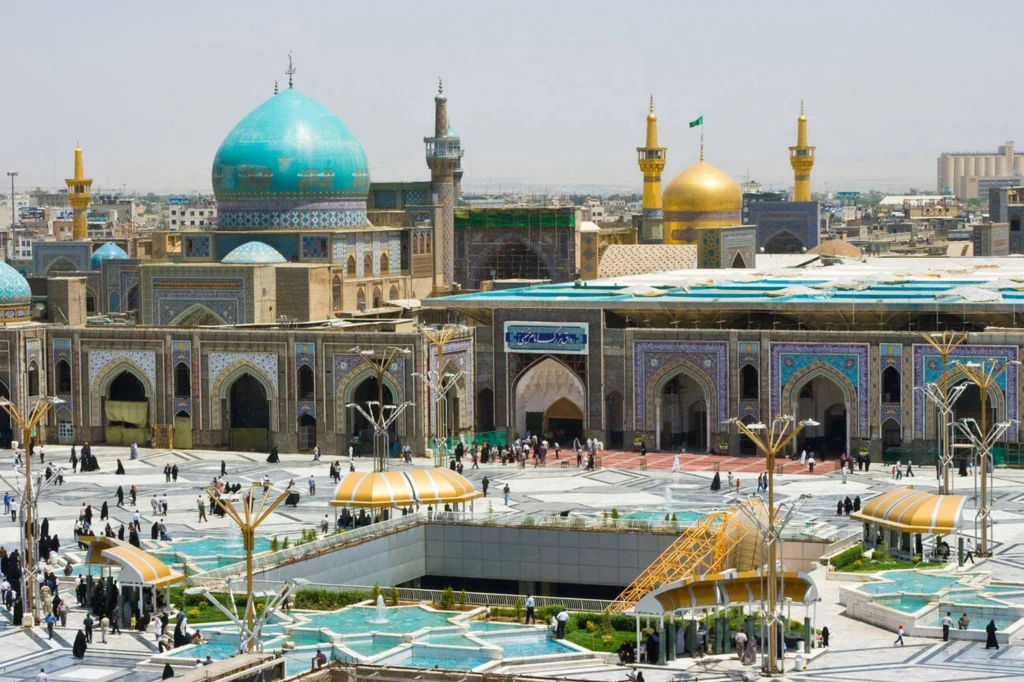

Jerusalem: The Eternal City of Faith, History, and Conflict
Introduction: The Heart of Three Religions
Jerusalem, one of the oldest cities in the world, stands as a beacon of spiritual significance, historical depth, and enduring conflict. Revered by Jews, Christians, and Muslims alike, this ancient city has been at the center of human civilization for millennia. Its narrow alleys whisper stories of prophets and kings, while its golden stones reflect the light of countless prayers offered over centuries. From the sacred Temple Mount to the solemn streets of the Via Dolorosa, Jerusalem remains a living testament to humanity's deepest beliefs and most intractable disputes.
A Brief Historical Overview
Jerusalem's recorded history stretches back over 3,000 years, making it one of the most continuously inhabited cities on Earth. Archaeological evidence suggests settlement as early as 4000 BCE, but Jerusalem first rose to prominence under King David, who made it the capital of the United Kingdom of Israel around 1000 BCE. His son Solomon built the First Temple, establishing the city as the spiritual center of Judaism.
Over the centuries, Jerusalem witnessed countless conquests and transitions of power. The Babylonians destroyed the First Temple in 586 BCE, only for it to be rebuilt under Persian rule (the Second Temple). Alexander the Great conquered the city in 332 BCE, followed by Roman rule starting in 63 BCE. It was during this period that Jesus of Nazareth preached and was crucified, adding a new layer of sacred significance to Jerusalem for Christians.
The Muslim conquest in 638 CE brought another transformation, with Caliph Umar accepting the city's surrender. The Dome of the Rock was constructed in 691 CE, becoming one of Islam's holiest sites. Through Crusader kingdoms, Mamluk sultans, Ottoman rulers, and British mandates, Jerusalem remained contested ground, finally becoming the focus of intense conflict in the modern Israeli-Palestinian dispute.
The Spiritual Significance of Jerusalem
For Jews, Jerusalem represents the center of their religious and national identity. The Western Wall, a remnant of the Second Temple, serves as Judaism's holiest prayer site. The Temple Mount itself is revered as the location of Abraham's near-sacrifice of Isaac and the site of both ancient temples.
For Christians, Jerusalem is sacred as the setting for Jesus' final days, crucifixion, and resurrection. The Church of the Holy Sepulchre stands at the traditional site of these events, making it one of Christianity's most important pilgrimage destinations. The Via Dolorosa, believed to be the path Jesus walked to his crucifixion, draws countless pilgrims each year.
For Muslims, Jerusalem (Al-Quds) is the third holiest city after Mecca and Medina. The Al-Aqsa Mosque and Dome of the Rock commemorate the Prophet Muhammad's Night Journey, mentioned in the Quran. The entire Haram al-Sharif (Temple Mount) complex serves as a powerful symbol of Islamic heritage.
The Old City and Its Quarters
At Jerusalem's heart lies the UNESCO World Heritage-listed Old City, surrounded by magnificent walls built by Suleiman the Magnificent in the 16th century. This compact area of less than one square kilometer is divided into four quarters, each with its distinctive character.
The Jewish Quarter, rebuilt after being largely destroyed during the 1948 war, contains important sites like the Western Wall and the Hurva Synagogue. Its stone-paved streets and archaeological parks offer glimpses into Jerusalem's ancient Jewish past.
The Christian Quarter centers around the Church of the Holy Sepulchre and bustles with pilgrims from around the world. The quarter's markets sell olive wood carvings, religious artifacts, and traditional foods, creating a vibrant atmosphere.
The Muslim Quarter is the largest and most populous, home to the bustling Arab market and the entrances to the Temple Mount. Its labyrinthine streets are filled with the aroma of spices and the sounds of daily commerce.
The Armenian Quarter, smallest of the four, preserves the unique culture of one of Jerusalem's oldest Christian communities, centered around the Cathedral of St. James.
Jerusalem's Modern Transformation
Beyond the Old City walls, Jerusalem has grown into a sprawling modern metropolis. After Israel's establishment in 1948 and the subsequent division of the city (with West Jerusalem under Israeli control and East Jerusalem under Jordanian rule), the city was unified under Israeli authority following the 1967 Six-Day War.
Modern Jerusalem presents fascinating contrasts. Ultra-Orthodox Jewish neighborhoods like Mea Shearim maintain strict religious observance, while secular areas like the German Colony offer trendy cafes and boutiques. The city boasts world-class museums like the Israel Museum (home to the Dead Sea Scrolls) and Yad Vashem, the Holocaust memorial.
The city serves as Israel's capital, though this status is disputed internationally. Government buildings, including the Knesset (parliament) and Supreme Court, stand as symbols of modern Israeli sovereignty. Yet East Jerusalem remains predominantly Palestinian, with ongoing tensions over issues of residency rights, construction permits, and competing national narratives.
Jerusalem's Cultural and Religious Tapestry
The cultural and religious diversity of Jerusalem creates a unique tapestry that few cities in the world can match. This diversity is reflected in the city's architecture, cuisine, festivals, and daily life. The coexistence of different faiths and traditions has shaped Jerusalem into a living museum of human civilization, where ancient customs continue to thrive alongside modern influences.
One of the most striking aspects of Jerusalem's cultural landscape is its religious festivals. The Jewish Sabbath (Shabbat) transforms the city every Friday evening, as businesses close and public transportation halts. The Muslim call to prayer echoes through the streets five times daily, while Christian church bells mark the hours. During Ramadan, the Muslim holy month, the Old City comes alive with special night markets and prayers. Easter brings Christian pilgrims from around the world to walk the Via Dolorosa, while Jewish holidays like Passover and Sukkot see thousands gathering at the Western Wall.
Architectural Marvels of Jerusalem
Jerusalem's architecture tells the story of its long and complex history. The city's skyline is dominated by the golden Dome of the Rock, an Islamic shrine that has become an iconic symbol of Jerusalem. Built in the 7th century, its octagonal structure and golden dome represent one of the earliest examples of Islamic architecture. Nearby, the Al-Aqsa Mosque stands as one of the most important mosques in Islam, with its silver dome contrasting with the golden one nearby.
The Church of the Holy Sepulchre, believed to be the site of Jesus' crucifixion and resurrection, is a masterpiece of Christian architecture. Its various chapels and shrines reflect the different Christian denominations that share custody of the church. The Crusader-era structure has been modified over centuries, creating a fascinating mix of architectural styles.
Jewish architecture in Jerusalem ranges from the ancient Western Wall to modern synagogues like the Great Synagogue on King George Street. The Hurva Synagogue in the Jewish Quarter, destroyed and rebuilt several times, stands as a testament to Jewish resilience. The Tower of David Museum, located in a medieval citadel, offers panoramic views of the city and houses exhibits on Jerusalem's history.
The Culinary Delights of Jerusalem
Jerusalem's food scene reflects its multicultural heritage, blending Middle Eastern, Mediterranean, and European influences. The city is famous for its hummus, with restaurants like Abu Shukri in the Muslim Quarter drawing crowds for their creamy chickpea dip. Falafel, another local favorite, can be found at stands throughout the city, with each vendor claiming to make the best version.
The Mahane Yehuda Market, known as "the Shuk," is the heart of Jerusalem's food culture. This bustling market offers everything from fresh produce and spices to baked goods and prepared foods. On Fridays, the market becomes especially lively as locals stock up for Shabbat. The market has also become a center for Jerusalem's culinary innovation, with new restaurants and bars opening in the surrounding area.
Jerusalem's Jewish communities have developed their own distinctive cuisines. Ashkenazi Jews from Eastern Europe brought dishes like gefilte fish and cholent (a slow-cooked stew), while Sephardic Jews from Spain and the Middle East introduced foods like bourekas (savory pastries) and shakshuka (eggs poached in tomato sauce). The city's Arab population contributes traditional Palestinian dishes like maqluba (an upside-down rice dish) and musakhan (roast chicken with sumac and onions).
Jerusalem's Academic and Intellectual Life
Jerusalem is not only a religious center but also a hub of academic and intellectual activity. The Hebrew University of Jerusalem, founded in 1918, is one of Israel's leading academic institutions and has produced numerous Nobel laureates. The university's Mount Scopus campus offers stunning views of the city and houses important research centers in fields ranging from Jewish studies to neuroscience.
The city is also home to the National Library of Israel, which contains millions of books, manuscripts, and documents, including rare Jewish texts and historical archives. The library is currently undergoing a major renovation to create a state-of-the-art cultural center that will serve scholars and the general public alike.
Religious seminaries and yeshivas (Jewish religious schools) dot the city, particularly in ultra-Orthodox neighborhoods. These institutions preserve ancient traditions of Jewish learning and attract students from around the world. Christian and Muslim educational institutions also contribute to Jerusalem's intellectual life, including the Al-Quds University and the École Biblique et Archéologique Française.
Jerusalem's Art and Music Scene
Despite its ancient roots, Jerusalem has a vibrant contemporary arts scene. The Israel Museum, one of the world's leading cultural institutions, houses an impressive collection of art, including works by Israeli and international artists. The museum's Billy Rose Art Garden features modern sculptures set against the Jerusalem landscape.
The Jerusalem Theater complex hosts performances ranging from classical music to contemporary dance. The annual Israel Festival brings international artists to the city for three weeks of performances in various venues. The Tower of David Museum often hosts sound and light shows that tell the story of Jerusalem's history through projections on the ancient walls.
Street art has become increasingly visible in Jerusalem, with murals appearing in neighborhoods like the German Colony and the Musrara neighborhood. Some artists use their work to comment on political and social issues, while others simply add color to the city's walls.
Traditional music remains an important part of Jerusalem's cultural life. The sounds of Arabic music can be heard in the Old City, while Jewish liturgical music echoes from synagogues. The Jerusalem Symphony Orchestra performs classical repertoire as well as works by Israeli composers. The city also has a growing indie music scene, with venues hosting local bands and singer-songwriters.
Jerusalem's Green Spaces and Natural Beauty
Despite its urban density, Jerusalem offers numerous green spaces where residents and visitors can escape the city's intensity. The Jerusalem Forest, located on the western edge of the city, provides hiking trails and picnic areas with views of the surrounding hills. The Botanical Garden at the Hebrew University showcases plants from around the world, including a section dedicated to biblical flora.
The Valley of the Cross, near the Israel Museum, is a peaceful green space with walking paths and ancient olive trees. The Gazelle Valley Nature Reserve in the heart of the city provides a rare urban habitat for wildlife, including a herd of mountain gazelles.
Jerusalem's unique geography, built on hills, means that many neighborhoods offer spectacular views. The Mount of Olives provides one of the best panoramas of the Old City, while the Haas Promenade in southern Jerusalem offers views of the city and the surrounding desert landscape. These vantage points allow visitors to appreciate Jerusalem's beauty and understand its strategic importance throughout history.
Jerusalem's Political and Social Challenges
The political and social landscape of Jerusalem remains one of the most complex in the world, with competing narratives and deep-seated tensions shaping daily life. The city's status as a contested capital between Israelis and Palestinians continues to fuel political disputes, with both sides claiming Jerusalem as their rightful capital. This political reality affects everything from urban planning to education, creating a unique set of challenges for residents and policymakers alike.
The issue of Israeli settlements in East Jerusalem remains particularly contentious, with the international community largely viewing them as illegal under international law. These neighborhoods, home to hundreds of thousands of Israeli citizens, have significantly altered the demographic balance of the city. Meanwhile, Palestinian residents of East Jerusalem face challenges related to residency rights, housing permits, and access to municipal services, creating a complex social dynamic that affects all aspects of life in the city.
Religious Tensions and Coexistence Efforts
The sacred nature of Jerusalem's religious sites often leads to heightened tensions, particularly around the Temple Mount/Haram al-Sharif compound. This area, sacred to both Jews and Muslims, has been the flashpoint for numerous conflicts throughout history. The delicate status quo governing access and worship at these sites requires constant negotiation and careful management by religious and political leaders.
Despite these tensions, numerous grassroots initiatives work to promote interfaith dialogue and coexistence in Jerusalem. Organizations like the Jerusalem Intercultural Center and the Interfaith Encounter Association bring together Jews, Christians, and Muslims for dialogue and joint projects. Educational programs in schools and community centers aim to foster mutual understanding among the city's diverse populations, though progress is often slow and fragile.
Economic Development and Urban Planning
Jerusalem's economy has undergone significant transformation in recent decades, moving from a government and religious-based economy to a more diversified economic base. The city has seen growth in high-tech industries, with the Har Hotzvim and Givat Ram industrial zones becoming hubs for technology companies. The Jerusalem Development Authority has worked to attract businesses and investment to the city, though economic disparities between Jewish and Arab neighborhoods remain a challenge.
Urban planning in Jerusalem must balance the need for development with the preservation of the city's historical and religious character. The Jerusalem Municipality faces the difficult task of approving new construction while respecting the city's unique architectural heritage. The light rail system, introduced in 2011, has transformed public transportation in the city, though its routes through East Jerusalem have been politically controversial.
Tourism and Pilgrimage in the Holy City
Tourism remains a vital part of Jerusalem's economy, with millions of visitors arriving each year to experience the city's religious and historical sites. The Old City's narrow streets are filled with pilgrims from around the world, walking the Via Dolorosa, praying at the Western Wall, or visiting the Church of the Holy Sepulchre. The tourism industry provides employment for thousands of Jerusalem residents, though it is highly sensitive to political and security developments.
Recent years have seen efforts to develop new tourist attractions beyond the traditional religious sites. The City of David archaeological park offers visitors a chance to explore Jerusalem's ancient water systems, while the Tower of David Museum provides an overview of the city's history. The Jerusalem Film Festival and other cultural events have helped attract visitors interested in the city's contemporary cultural scene.
Education and Youth in Jerusalem
Jerusalem's education system reflects the city's diversity, with separate school systems for Jewish and Arab students, and further divisions between secular and religious Jewish schools. The Hebrew University of Jerusalem remains a center of academic excellence, attracting students from around the world. Al-Quds University serves the Palestinian population of East Jerusalem, though it faces challenges related to its location and political situation.
Youth in Jerusalem grow up in a unique environment, often exposed to multiple languages, cultures, and political perspectives. While some young people become involved in political activism, others focus on building bridges between communities. Programs like the Jerusalem Youth Chorus bring together Jewish and Arab teenagers to create music and dialogue, offering a glimpse of potential future coexistence.
The Future of Jerusalem
As Jerusalem moves forward, it faces fundamental questions about its identity and governance. The city's demographic trends, with a growing ultra-Orthodox Jewish population and a significant


Discovering Qom: The Spiritual Heart of Iran
Nestled around 150 kilometers southwest of Tehran, Qom is a city that pulses with religious significance, cultural richness, and historical reverence in the heart of Iran. Known as the second holiest city in the country, following Mashhad, Qom holds an esteemed place in the Islamic world, drawing millions of pilgrims and tourists alike each year. It is a city steeped in spirituality and education, offering a unique glimpse into Iran's religious and cultural landscape.
Historical Overview
The origins of Qom date back to ancient times, with archaeological discoveries suggesting that the area was inhabited as far back as the Sassanian Empire, over 1,500 years ago. However, it wasn't until the advent of Islam in the 7th century that Qom began to gain prominence. The city witnessed significant growth during the reign of the Abbasid Caliphate, and by the 9th century, it had become a major center for Shia Islam.
One of the pivotal moments in Qom's history was the arrival of Fatima al-Masumeh in 816 CE. She was the sister of Imam Reza, the eighth Imam of Shia Islam, and her burial in the city marked it as a sacred site. The Shrine of Fatima al-Masumeh has since become a focal point of Shia pilgrimage, second only to the Imam Reza shrine in Mashhad.
The Holy City
At the heart of Qom lies the magnificent Shrine of Fatima al-Masumeh. This architectural masterpiece is not only a pilgrimage site but also a symbol of the city's deep-rooted spiritual identity. Adorned with exquisite tiles, soaring golden domes, and intricate calligraphy, the shrine stands as a beacon of faith for Shia Muslims worldwide. The courtyard is alive with the whispers of prayers and the humbling atmosphere of devotion, offering an awe-inspiring experience to every visitor.
Beyond its religious significance, Qom is also known for its prominent educational institutions. The city is home to the largest theological university in the world, the Qom Seminary, or Hawza of Qom, which has been a hub of advanced religious studies since its founding in the early 20th century. Aspiring clerics and scholars from across the globe come to Qom to study the complexities of Islamic law, philosophy, and theology.
Cultural Aroma
The cultural tapestry of Qom is as rich and vibrant as its history. The city's markets, known as bazaars, offer an array of traditional crafts and goods that reflect the region's heritage. From the delicate artistry of Persian carpets to the delectable flavors of local sweets, Qom's bazaars present a sensory kaleidoscope that captures the essence of Iranian culture.
The city's architecture is equally noteworthy, with numerous mosques and madrasas gracing the streets of Qom. The Jameh Mosque and the Seminary of Feizieh are quintessential landmarks that blend artistry with spirituality, embodying the architectural grandeur typical of Iranian Islamic design.
A City of Contrasts
Qom is a city of contrasts, where ancient traditions meet the dynamism of the modern world. While it stands firmly anchored in its religious roots, the city is gradually embracing modernization. The delicate balancing act between maintaining its spiritual sanctity and accommodating contemporary advancements is a testament to Qom's resilience and adaptability.
Stay tuned for more as we continue our exploration of Qom's unique offerings and historical depth in the second part of this article.