Discovering Hanoi: A Tapestry of History and Modernity
Nestled in the northern part of Vietnam, Hanoi is a city that vividly narrates its history through its ancient architecture, cultural landmarks, and bustling streets. As the capital of Vietnam, Hanoi has long been at the heart of the country's politics, culture, and history. This vibrant city offers a fascinating blend of the traditional and the contemporary, making it a unique destination for tourists and scholars alike.
A Glimpse into Hanoi’s Historical Background
Hanoi's history dates back over a thousand years to its founding in 1010 under the name Thang Long. The city, whose name means "Ascending Dragon," served as the center of power for various empires and dynasties. Its rich history is reflected in the city's architecture, which tells the stories of bygone eras through its buildings, temples, and monuments.
The city has seen many rulers, from the Chinese to the French, each leaving indelible marks on its culture and identity. The impact of colonialism is particularly noticeable in the French Quarter, where French-style villas and tree-lined boulevards transport visitors back to the days of colonial rule. The Hanoi Opera House, a striking structure reminiscent of Paris’ Palais Garnier, stands as a testament to this era.
The Cultural Melting Pot of Hanoi
Hanoi is often characterized as Vietnam’s cultural heart. This is not only due to its historical significance but also its status as a melting pot of diverse influences. The city’s culture is a harmonious blend of East and West, where traditional Vietnamese customs coexist with Western modernity.
One of the most evident expressions of Hanoi’s cultural wealth is its cuisine. The city is a haven for food lovers, offering a variety of street foods and local delicacies. Pho, a fragrant noodle soup with herbs and meats, is perhaps its most famous dish, attracting both locals and tourists. Bun Cha, famously enjoyed by former U.S. President Barack Obama, is another must-try that captures the essence of Hanoi’s culinary scene.
Hanoi is also home to numerous traditional arts, such as water puppetry. This age-old art form brings stories from Vietnamese folklore to life, fascinating audiences with its colorful performances accompanied by traditional music. The Thang Long Water Puppet Theatre offers a window into this enchanting world, preserving an essential part of the nation's intangible heritage.
Architectural Wonders of the Old and New Hanoi
The architectural landscape of Hanoi serves as a living museum, offering insights into different periods in Vietnam's history. The city's Old Quarter, with its narrow streets and bustling markets, retains the charm of an authentic Vietnamese town. This area, with its historical buildings and maze-like layout, draws tourists who are eager to explore and experience traditional Vietnamese culture firsthand.
Among the key historical sites is the Temple of Literature, an ancient Confucian temple dedicated to scholarly pursuits. Founded in 1070, it became Vietnam's first national university, and today it stands as a serene oasis amidst the city's urban hustle, drawing visitors interested in ancient Vietnamese education and architecture.
The Ho Chi Minh Mausoleum is another significant landmark, serving as the final resting place of the revered Vietnamese leader. Visitors flock to pay their respects to Ho Chi Minh, a figure who remains central to Vietnam's modern history. The mausoleum complex also includes the former leader’s stilt house and a museum dedicated to his life and legacy.
Contrasting with these historical sites is the modern face of Hanoi, seen in its rapid urban development. Skyscrapers and contemporary structures define the expanding skyline, catering to the city's growing business and commercial demands. This juxtaposition of old and new offers an intriguing visual narrative of a city embracing its future while respecting its past.
In essence, Hanoi stands as a testament to resilience and adaptation, where history and modernity coexist in a harmonious dance. Whether one is traversing its ancient streets or indulging in its culinary delights, Hanoi promises an experience that engages both the past and the present in a seamless tapestry of sights, sounds, and flavors. As one delves deeper into this enigmatic city, the rich layers of Hanoi's history and culture unfold, offering endless narratives waiting to be explored.
The Vibrant Streets and Markets of Hanoi
The pulse of Hanoi can be felt most palpably in its streets and markets, where life unfolds in an unfiltered, vibrant display. The bustling arteries of the city, such as Hang Gai and Hang Dao, teeming with locals and tourists alike, paint a vivid picture of daily life in Hanoi. These streets, part of the famed Old Quarter, are known for their "36 streets" — each traditionally dedicated to different trades, from silk and jewelry to herbs and even religious objects.
A highlight of Hanoi’s market culture is the Dong Xuan Market, a sprawling complex that has been a staple of the city since 1889. As the largest market in Hanoi, it offers everything from fresh produce and exotic spices to clothing and souvenirs. Wandering through its bustling aisles, visitors are treated to a sensory overload of sights and smells, providing a front-row seat to the hustle and bustle that defines Hanoi’s local trade scenes.
Adding to the allure are the night markets, which spring to life after sunset, illuminating the streets with vibrant lights and energetic vendor calls. These markets not only serve as shopping destinations but also as social hubs, where people gather to enjoy street performances and mouth-watering street food under the stars. It’s here that one truly appreciates the communal and lively spirit that characterizes Hanoi.
Exploring the Lakes and Green Spaces
Beyond its energetic streets, Hanoi offers a surprising serenity in its numerous lakes and parks. These green spaces provide a welcome escape from the city's frenetic pace, offering residents and visitors a place for reflection and relaxation. Hoan Kiem Lake, located in the heart of Hanoi, is undoubtedly the most iconic. According to legend, the lake is home to a mystical turtle that once aided an emperor, adding an air of enchantment to this picturesque spot.
Bordering Hoan Kiem Lake is Ngoc Son Temple, sitting on a small islet linked by the scarlet-colored The Huc Bridge. This temple is a significant cultural and historical site, honouring national heroes and scholars, and offers stunning views of the lake and the surrounding area. Walking around Hoan Kiem Lake early in the morning reveals yet another facet of Hanoi's vibrant societal fabric, with locals practicing tai chi, jogging, or simply enjoying a leisurely stroll.
West Lake, the largest freshwater lake in Hanoi, provides another natural retreat from urban life. Its vast expanse of water is surrounded by upscale restaurants, cafes, and residences, making it a popular spot for expatriates and locals alike. Visitors can rent boats or bicycles to explore the area or simply sit by the water’s edge to watch the sunset, experiencing the tranquil side of Hanoi.
Hanoi's Festivals and Traditional Celebrations
The cultural tapestry of Hanoi is also richly embroidered with festivals and traditional celebrations that highlight the city's vibrant spirit. Tet, the Vietnamese Lunar New Year, is perhaps the most significant celebration, marking the arrival of spring and a new lunar year. During this time, the city comes alive with colorful decorations, special markets, and a general sense of festivity and renewal. Streets are adorned with peach blossoms and kumquat trees, symbols of prosperity and good fortune, while families prepare special meals and pay respects to their ancestors.
Another remarkable celebration is the Mid-Autumn Festival, known as Tet Trung Thu. This festival, traditionally a children’s holiday, features vibrant lantern processions, lion dances, and mooncakes filled with lotus seeds or green bean paste. Hanoi's streets, particularly those near the Old Quarter, are enchanted with glowing lanterns, turning the city into a parade of colors and joy.
These festivals offer visitors an unforgettable glimpse into Vietnamese traditions and the communal lifestyle of Hanoi’s residents. They highlight the importance of family, community, and cultural heritage, values that resonate deeply within the Vietnamese ethos.
The Role of Art and Education in Hanoi
Hanoi's role as an educational and artistic hub cannot be understated. The city hosts numerous universities, making it a center for learning and innovation. Vietnam National University, one of the largest in the country, draws students from across Vietnam and beyond, contributing to the city's youthful vibe and intellectual vigor.
Artistically, Hanoi is a thriving epicenter for contemporary and traditional art. Galleries such as the Vietnam National Museum of Fine Arts offer remarkable displays of both ancient and modern art pieces, while the numerous private art galleries scattered across the city showcase the burgeoning talent and creativity of Vietnamese artists. The city’s dynamic art scene, coupled with its rich history, makes it a perfect canvas for exploring both traditional and avant-garde expressions.
The interweaving of education and art enriches Hanoi's cultural fabric, making it a continuously evolving narrative of tradition meeting modernity. This unique blend positions Hanoi not just as a city of historical significance but as a living, breathing capital poised for future innovations while steeped in its cultural roots. As the sun sets over its bustling streets and tranquil lakes, Hanoi stands as a testament to Vietnam's past, present, and future all coalesced into one.
Hanoi's Excursion Opportunities: Gateway to Natural and Cultural Marvels
While Hanoi itself is a treasure trove of history and culture, its strategic location makes it a perfect gateway to a plethora of spectacular excursions. Travelers looking to explore beyond the city find themselves in proximity to some of Vietnam's most captivating natural and cultural sites.
A short journey from the city lies the mystical landscape of Ha Long Bay, a UNESCO World Heritage Site famous for its emerald waters and thousands of towering limestone islands topped with rainforests. Visitors can embark on cruises that weave through the bay's serene waters, offering a chance to explore hidden caves and grottoes, or simply relax on the deck while soaking in the breathtaking scenery.
Another notable excursion is to the ancient capital of Hoa Lu in the Ninh Binh province. Known as 'Ha Long Bay on Land,' this area features dramatic karst landscapes and meandering rivers, offering more adventures to nature enthusiasts. Visitors can explore the remnants of Vietnam's ancient dynasties, paddle through the scenic Trang An grottoes, or trek the limestone peaks of Mua Cave for panoramic views of the surrounding countryside.
For those interested in culture and tradition, the Perfume Pagoda offers a spiritually enriching experience. Nestled into limestone mountains, this vast complex of Buddhist temples and shrines can be reached by a peaceful boat ride followed by a hike or cable car ride, offering insight into Vietnam's religious practices and natural beauty.
Transportation and Accessibility in Hanoi
Navigating Hanoi can be an adventure in itself, as the city's transportation landscape is diverse and bustling. The motorbike is the quintessential mode of transport, zipping through the city's busy streets and narrow alleys, a living symbol of Hanoi's frenetic pace. For visitors, riding or renting a motorbike offers an exhilarating way to experience the city, though caution and proper licensing are advised.
Public transportation in Hanoi is primarily provided via buses, which serve routes all over the city. It's an economical choice for those wanting to see more of Hanoi or needing to travel longer distances within the capital. However, the language barrier and crowded nature of the buses can sometimes be a challenge for foreign visitors.
With Vietnam's ongoing economic development, the city has also seen improvements and expansion in its transportation infrastructure, including the introduction of a metro system designed to ease congestion. Taxi services and ride-sharing apps further aid in navigating the city comfortably and efficiently, providing tourists with flexible travel options.
For those journeying beyond the city limits, Hanoi is well-served by an array of transportation options, including intercity buses and trains. The capital's Noi Bai International Airport connects Hanoi to numerous international destinations, making it a major entry point for travelers exploring Northern Vietnam.
Hanoi's Economic Landscape and Future Outlook
Hanoi's transformation over the past few decades is encapsulated not only in its evolving cityscape but also in its dynamic economic growth. As a center of political power and administration, Hanoi has benefited from significant investments in infrastructure and development. This growth is reflected in the burgeoning business districts, home to both local and international companies leveraging Hanoi as a launchpad into Southeast Asia.
Despite being modernized, Hanoi has retained a significant portion of its traditional industries, such as handicrafts and local markets, which continue to contribute to its economy. The city's Old Quarter plays a crucial role in this, drawing tourists who support local artisans and vendors by purchasing traditional Vietnamese goods.
Looking towards the future, Hanoi continues to embrace modernization while grappling with the challenges of rapid growth, including traffic congestion and urbanization. There is a concerted effort to balance development with sustainable practices, aiming to preserve Hanoi's cultural heritage and environment amidst expansion.
The rise of Hanoi as a destination for both tourism and business reflects its ability to adapt and thrive while maintaining its cultural identity. This delicate balancing act underscores Hanoi's outlook as one that embraces global influences while cherishing its rich historical roots.
Conclusion: Hanoi, A City of Endless Exploration
Hanoi is a city that captivates hearts and minds with its rich history, vibrant culture, and dynamic evolution. It invites visitors to delve deep into its multifaceted identity, from exploring ancient streets and sampling exquisite cuisine, to engaging with its thriving arts scene and picturesque landscapes. Whether you're a history buff, culinary enthusiast, or nature lover, Hanoi offers a plethora of experiences waiting to be discovered.
The essence of Hanoi lies in its unique ability to bridge the past with the present, offering glimpses into ancient traditions while bustling with modernity. It stands as a microcosm of Vietnam’s broader narrative, showcasing the resilience, richness, and vibrancy of the nation.
As one departs from Hanoi, the memories of its enchanting streets, captivating landmarks, and warm-hearted people linger, enticing travelers to return and continue the exploration of this ever-evolving city. In every corner of Hanoi, there’s a story waiting to be told, a lesson to be learned, and a memory to be made, making it a city of endless exploration and wonder.


Exploring Chennai: The Gateway to South India
Nestled along the Coromandel Coast off the Bay of Bengal, Chennai emerges as a vibrant city that seamlessly marries tradition with modernity. As the capital city of Tamil Nadu, Chennai is a tapestry woven with threads of a rich colonial past, a vibrant cultural present, and a promising future. With its booming economy, historic architecture, and a robust cultural scene, this metropolis offers much more than meets the eye.
The Historical Tapestry
Chennai, formerly known as Madras, boasts a history that stretches back over 2,000 years. Yet, it was in the 17th century when the British East India Company set foot on its shores that the city began to morph into a significant colonial stronghold. The establishment of Fort St. George in 1644 marked Chennai as the first significant English settlement in India, cementing its strategic importance to British trade and politics in the region. The city played a crucial role during the Carnatic Wars and later became a central node in the administration of British India.
A Cultural Melting Pot
Chennai is not simply a relic of the past. Instead, it bursts with cultural vibrancy that is both dynamic and deeply rooted in tradition. The city is a bastion of classical music and dance, notably hosting the world-famous Margazhi Music and Dance Festival, an annual event that draws performers and audiences from around the globe. Chennai also prides itself on its contribution to cinema; it is one of the capitals of Indian cinema and an important center for the Tamil film industry, commonly referred to as Kollywood.
Architectural Grandeur
As you stroll through Chennai, you will find a treasure trove of architectural elegance. The city’s skyline is dotted with an eclectic mix of Indo-Saracenic structures, colonial-era buildings, and modern architecture. The Madras High Court, a magnificent red sandstone structure, the San Thome Basilica, and the iconic Kapaleeshwarar Temple, a marvel of Dravidian architecture, stand as testament to the city’s diverse architectural heritage. Walking tours revealing these landmarks offer an immersive glimpse into the city's storied past.
Modern Day Metropolis
Today, Chennai is one of India’s major metropolitan economies, serving as a hub for industries such as automobile, technology, hardware manufacturing, and healthcare. The city is often dubbed the "Detroit of India" due to its automotive industry, which has attracted global giants like Ford, Hyundai, and BMW. Furthermore, with its burgeoning IT parks, including the iconic Tidel Park, the city's growth reflects India's ever-expanding digital economy. Alongside the business hubs, academic institutions like the Indian Institute of Technology Madras exemplify Chennai's standing as a vital educational center.
The Lifeline: Marina Beach
An article about Chennai would be incomplete without mentioning Marina Beach. Stretching over 13 kilometers, it's the second longest urban beach in the world. Here, the daily life of Chennai unfolds in myriad ways—morning walkers, yoga enthusiasts, fishermen, food vendors, and tourists converge to imbibe the tranquility by the sea. Marina Beach offers a bustling yet serene backdrop to experience the city, catch a sunset, or simply enjoy the rhythmic dance of the waves.


The Historical and Cultural Tapestry of Jeddah
Perched on the eastern shore of the Red Sea, Jeddah, the gateway to the holy cities of Mecca and Medina, offers a captivating blend of history, culture, and modernity. As the second-largest city in Saudi Arabia and its commercial hub, Jeddah is not only a significant port city but also a melting pot of cultures that narrates stories of ancient civilizations and contemporary aspirations.
An Ancient Port and Gateway
Jeddah's origins can be traced back over 2,500 years. It started as a modest fishing village before rising to prominence as a vital port under the rule of Caliph Uthman ibn Affan in 647 CE, who declared it the official port for Muslim pilgrims making their way to Mecca. This transformation marked the beginning of Jeddah's enduring role as the entry point for Hajj pilgrims, embedding it deeply within Islamic heritage.
Diverse Heritage and Culture
The city's strategic location and historical significance have attracted people from different corners of the world, each contributing to Jeddah's vibrant cultural tapestry. This diversity is reflected in the city's architecture, cuisine, and lifestyles. Walking through Al-Balad, Jeddah’s old town, offers a window into its rich history. Recognized as a UNESCO World Heritage site, Al-Balad is a maze of traditional coral-stone buildings that narrate tales of bygone eras and cosmopolitan influences.
The Cosmopolitan Fabric
Jeddah's cosmopolitan nature is further accentuated by its culinary landscape. The city boasts an eclectic mix of traditional and international cuisines, reflecting its history as a global crossroads. From aromatic Arabian dishes to flavors from South Asia, the city's food scene is a delightful journey through taste and time. Seafood, unsurprisingly, plays a significant role, highlighting Jeddah's deep connection to the sea.
Modern Jeddah: A Hub of Innovation and Growth
While Jeddah's historical significance cannot be overstated, its modern evolution is equally compelling. Today, it stands as a beacon of modernization and economic growth, contributing significantly to Saudi Arabia's Vision 2030. The city hosts several cutting-edge infrastructure projects, including the ambitious Jeddah Tower, which aims to become the world's tallest building. This modern skyline symbolizes Jeddah's forward-thinking drive and its aspirations to embrace innovation and technology.
A City of Festivals and Celebrations
The cultural vibrancy of Jeddah is brought to life through its myriad of festivals and public celebrations. Events like the Jeddah Season Festival captivate both locals and tourists, offering a rich blend of entertainment, heritage, and art. Such festivals not only promote cultural tourism but also foster a sense of global community within the city, emphasizing its role as a multicultural capital.
Environmental Consciousness and Promising Future
Amidst its rapid urbanization, Jeddah also focuses on sustainability and environmental preservation. The Red Sea coastline provides a stunning natural backdrop, fostering marine biodiversity that the city is committed to protecting. Efforts are continuously made to balance development with ecological consideration, a testament to Jeddah’s commitment to a sustainable future. The city aims to preserve its natural beauty while accommodating economic and infrastructural progress.
Stay tuned for the continuation of this article, where we will delve deeper into the living experiences, tourism attractions, and the future prospects for this enchanting city.

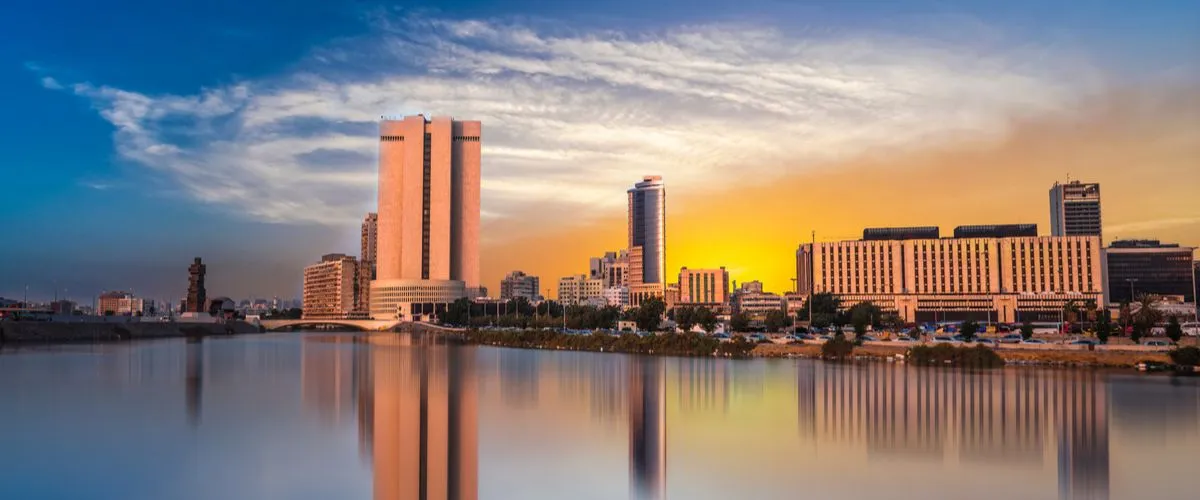
Discovering Kolkata: The Cultural Heartbeat of India
Kolkata, formerly known as Calcutta, is more than just a geographical name on the map of India. This vibrant city, often dubbed the "City of Joy," is an intricate tapestry woven from the threads of history, culture, and a profoundly distinct character. Situated along the eastern banks of the Hooghly River, Kolkata boasts an aura that seamlessly merges colonial charm with modern dynamism. In this article, we delve into the fascinating layers that constitute the essence of Kolkata.
A Historical Overview
Founded as a trading post for the British East India Company in 1690, Kolkata quickly evolved into the capital of British-held territories in India by 1772. This colonial past has left an indelible mark on the city's architecture, language, and societal norms. Imposing structures like the Victoria Memorial, St. Paul's Cathedral, and the Indian Museum are standing testaments to its imperial heritage.
Cultural Melting Pot
Kolkata is a fertile ground for cultural confluence and creativity. As the birthplace of numerous Nobel laureates, including Rabindranath Tagore and Amartya Sen, the city is a nucleus of intellectual vigor and artistic expression. The influence of Tagore, in particular, permeates the cultural fabric, evident in the way literature and music are celebrated. The annual Kolkata International Film Festival and the Book Fair further underscore the city's flair for cultural indulgence.
Festivals and Celebrations
No mention of Kolkata would be complete without highlighting its exuberant festivals. Durga Puja, the most grandiose among these, transforms the city into a burst of lights, music, and merriment. Pandal-hopping, or the act of visiting elaborately decorated public spaces, becomes a city-wide extravaganza. Stretching beyond religious bounds, the communal harmony experienced during this time is a true testament to Kolkata's spirit of togetherness.
The Gastronomic Landscape
While cultural and historical narratives define Kolkata, the city’s culinary scene serves as an equally compelling storyteller. Known for its varied and rich flavors, Bengali cuisine is an exploration in itself. The staple fish and rice, flavorful curry dishes, and iconic sweets like "Sandesh" and "Rasgulla" are reflections of a gastronomic heritage that continues to thrive. Street food enthusiasts can engage their taste buds with "puchka" (known elsewhere as pani puri), "jhalmuri," and "kathi rolls," which are local favorites, adding to the city’s reputation as a food lover’s paradise.
A City in Eternal Motion
Kolkata is not just a city that rests on its laurels; it is continuously evolving. The tech hubs springing up in sectors like Salt Lake City and New Town signify the city's ongoing progress and adaptation to the needs of the 21st century. Malls, new metro lines, and infrastructural projects are rapidly transforming the landscape, merging the city's past with its future.
Even as Kolkata strides forward with its infrastructural and economic advancements, what truly defines this city is its people. Warm, welcoming, and infinitely curious, the residents of Kolkata make the city a living dream of hospitality and kindness. They are the pulsating heartbeat that breathes life into this magnificent metropolis.
From its intricate history to its thriving cultural scene, diverse culinary offerings, and constant march towards progress, Kolkata is undeniably a city of contrasts. It is a place where the past and present coexist, creating a vibrant narrative of human endeavor and spirit. As we explore Kolkata further, we will delve into its contributions to art, literature, and how the city shapes contemporary dialogues nationwide and globally.
Stay tuned for the continued exploration of this incredible city that is unabashedly itself, inviting all who visit to partake in its abundant charms and stories.
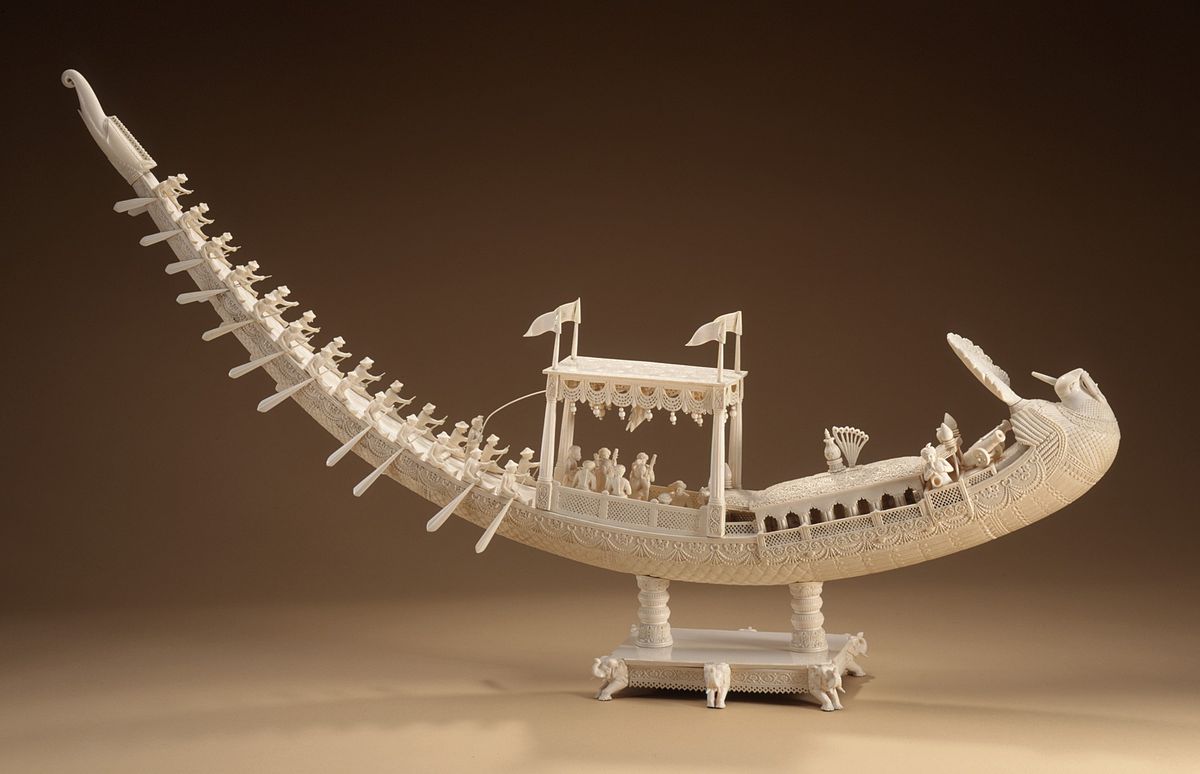
The Enigmatic History and Culture of Male
Situated like a jewel in the azure expanses of the Indian Ocean, Male stands as the beating heart of the Maldives. This dynamic city serves not only as the nation's capital but also as a fascinating microcosm, reflecting centuries of history, cultural synthesis, and modern evolution. Despite its small size, Male plays a pivotal role in shaping the Maldivian identity.
A Portal Through Time: The Historical Evolution of Male
The rich history of Male stretches back to ancient times when it served as a crucial stopover on early trade routes. With its strategic location, this island city became a melting pot where cultures collided and interwove, leaving indelible imprints that resonate even today. Historical records suggest that Male was once an epicenter for Buddhist kings before the advent of Islam in the region during the 12th century. The transition from Buddhism to Islam marked a significant cultural shift, influencing local architecture, traditions, and the governance of Male.
Unlike its illustrious predecessors, the modern face of Male reflects an intriguing blend of tradition and modernity. With limited landmass, the city sprawls densely, creating a vibrant cityscape punctuated by colorful buildings and bustling streets. Despite its urbanization, Male has retained much of its historical essence, visible in sites like the Old Friday Mosque, dating back to 1656. The mosque, with its distinctive coral stone architecture, stands as a testament to the artistry and devotion that have characterized this city for centuries.
The Cultural Tapestry: Traditions, Language, and Art
Language plays a crucial role in preserving and communicating the cultural ethos of Male. Dhivehi, the official language of the Maldives, is widely spoken here and serves as a linguistic thread linking the city’s past with its present. Dhivehi is an Indo-Aryan language, bearing influences from Arabic, Hindi, and even Portuguese, reflecting the diverse historical interactions that have shaped Male over the years.
In terms of cultural activities, Male is a treasure trove of tradition and creativity. Local festivals such as Eid and National Day bring the community together in vibrant displays of music, dance, and culinary delights. Traditional music, known as "boduberu," features prominently in these celebrations. Boduberu, which means "big drum," involves rhythmic beats and chants, encapsulating the essence of Maldivian spirit and unity.
Art in Male often mirrors the natural beauty of its surroundings, with local artists using vivid colors and themes inspired by the ocean and island landscapes. Galleries in Male, such as the National Art Gallery, serve as cultural hubs where contemporary art meets historic forms, providing a glimpse into the evolving narrative of Maldivian artistic expression.


History and Modernity: A Journey Through Warsaw
Warsaw, the vibrant capital of Poland, stands as a testament to resilience, innovation, and cultural richness. Positioned at the heart of Europe, this dynamic city bears the weight of a tumultuous history while embracing the future with unwavering optimism. Throughout its existence, Warsaw has been a crucible of political, cultural, and social developments, emerging from its challenges to become a symbol of national strength and unity.
The Historical Canvas of Warsaw
Established sometime in the late 13th century, Warsaw's origins might seem shrouded in mystery, but its impact on the historical stage is undeniable. Initially a small fishing village on the banks of the Vistula River, it swiftly burgeoned into a focal point of political influence, becoming the capital of the Duchy of Masovia by the 15th century.
As the Polish-Lithuanian Commonwealth rose to prominence, Warsaw was chosen as the Commonwealth’s capital in 1596 due to its geographically central location. This status attracted artisans, scholars, and traders, transforming the city into a vibrant hub of Baroque architecture and intellectual fervor. However, prosperity waned when the city became entangled in the destructive deluge of the Swedish invasions during the 17th century.
Warsaw's Struggles and Rebirth
Arguably, one of the most defining eras for Warsaw was the 20th century — a period of profound adversity and recovery. World War II left indelible scars on the city; the Nazi occupation led to the destruction of approximately 85% of Warsaw's infrastructure, including historic sites and the thriving Jewish community, which was decimated during the Holocaust.
The Warsaw Uprising of 1944 remains a poignant chapter in the city's narrative. Led by the Polish resistance, this heroic yet tragic attempt to liberate Warsaw from German occupation signifies the indomitable spirit of its citizens. Despite facing overwhelming odds and subsequent retaliatory destruction by the Nazis, the resilience shown during the Uprising is a cornerstone of Warsaw's identity today.
Post-war reconstruction was a monumental undertaking. Buildings—once proud and now heaps of rubble—were meticulously reconstructed, their exteriors restored to their pre-war grandeur. This reconstruction was symbolic, aimed at reanimating a city and culture that the war had attempted to obliterate.
Warsaw in the Modern Era
Stepping beyond its historical shadows, contemporary Warsaw simultaneously embodies heritage and modernity. As Poland transitioned from communism to democracy post-1989, Warsaw emerged as not only a political capital but also a beacon of economic progress within the Eastern European landscape.
The city's skyline is emblematic of this transformation, with the iconic Palace of Culture and Science being joined by modern skyscrapers that crowd the horizon. This urban Renaissance offers a juxtaposition of architectural styles, where classic elegance intermingles with cutting-edge designs.
Today, Warsaw is a thriving metropolis, where history and modern innovation coexist. Its historical sites, such as the meticulously rebuilt Old Town—a UNESCO World Heritage site—occupy space alongside contemporary art galleries, bustling markets, and cutting-edge technology hubs. The city’s cultural scene is vibrant, offering a mosaic of theaters, museums, and musical events that draw visitors from around the globe.
Warsaw stands as a living testament to resilience and renewal. Yet, as it strides confidently into the future, the echoes of its past are never far away, serving as a continuous reminder of its storied journey through time.