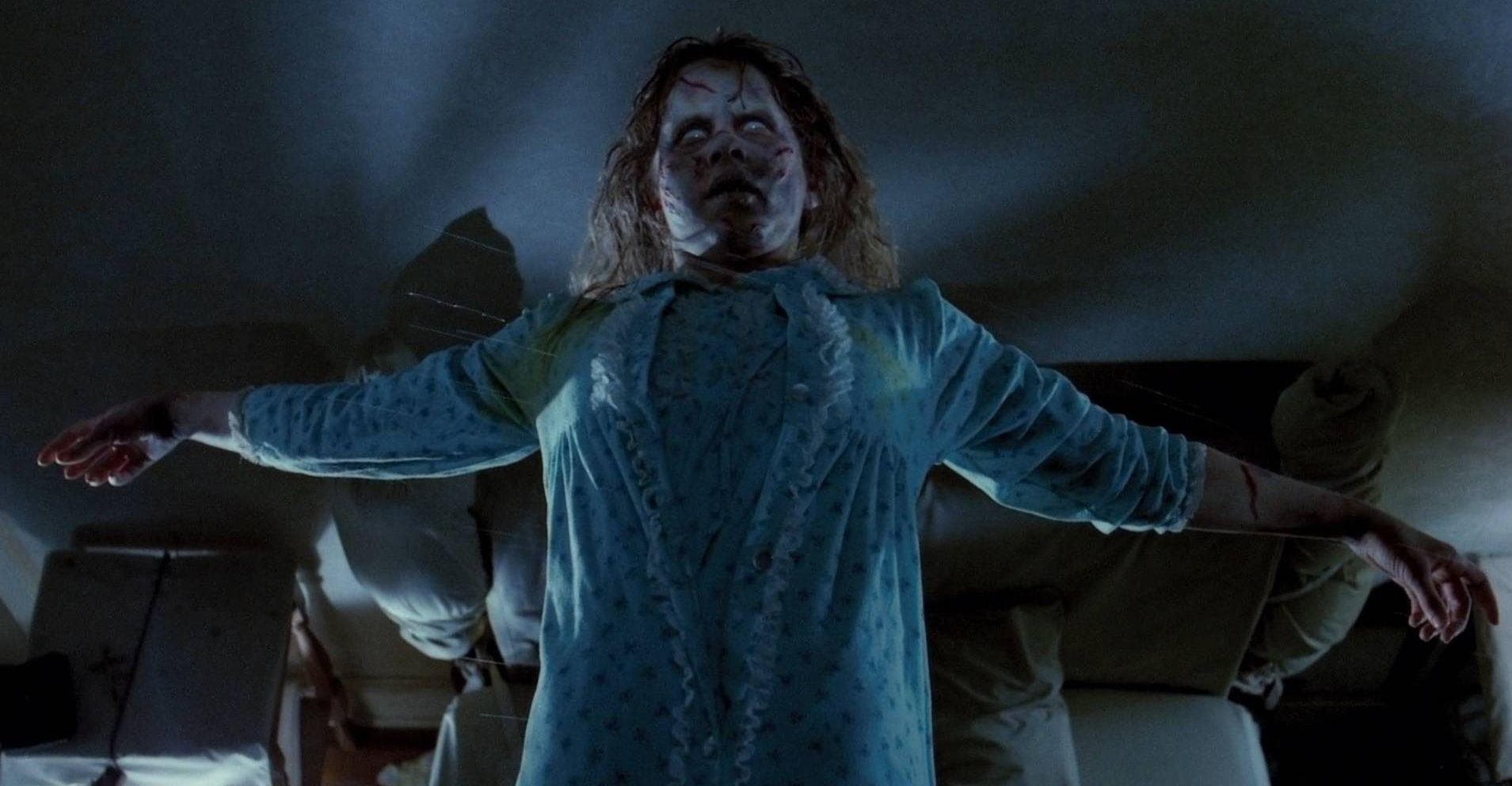
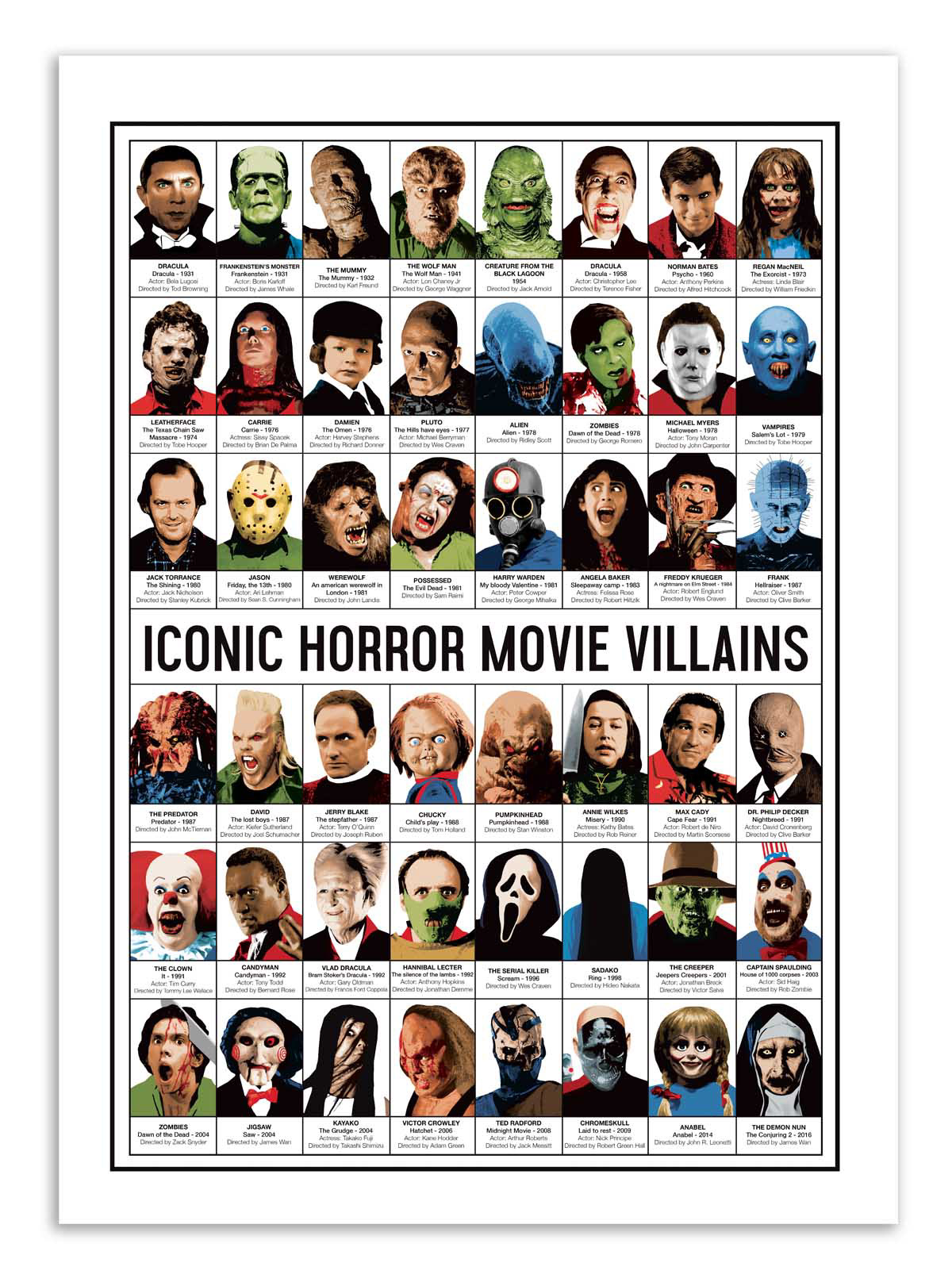
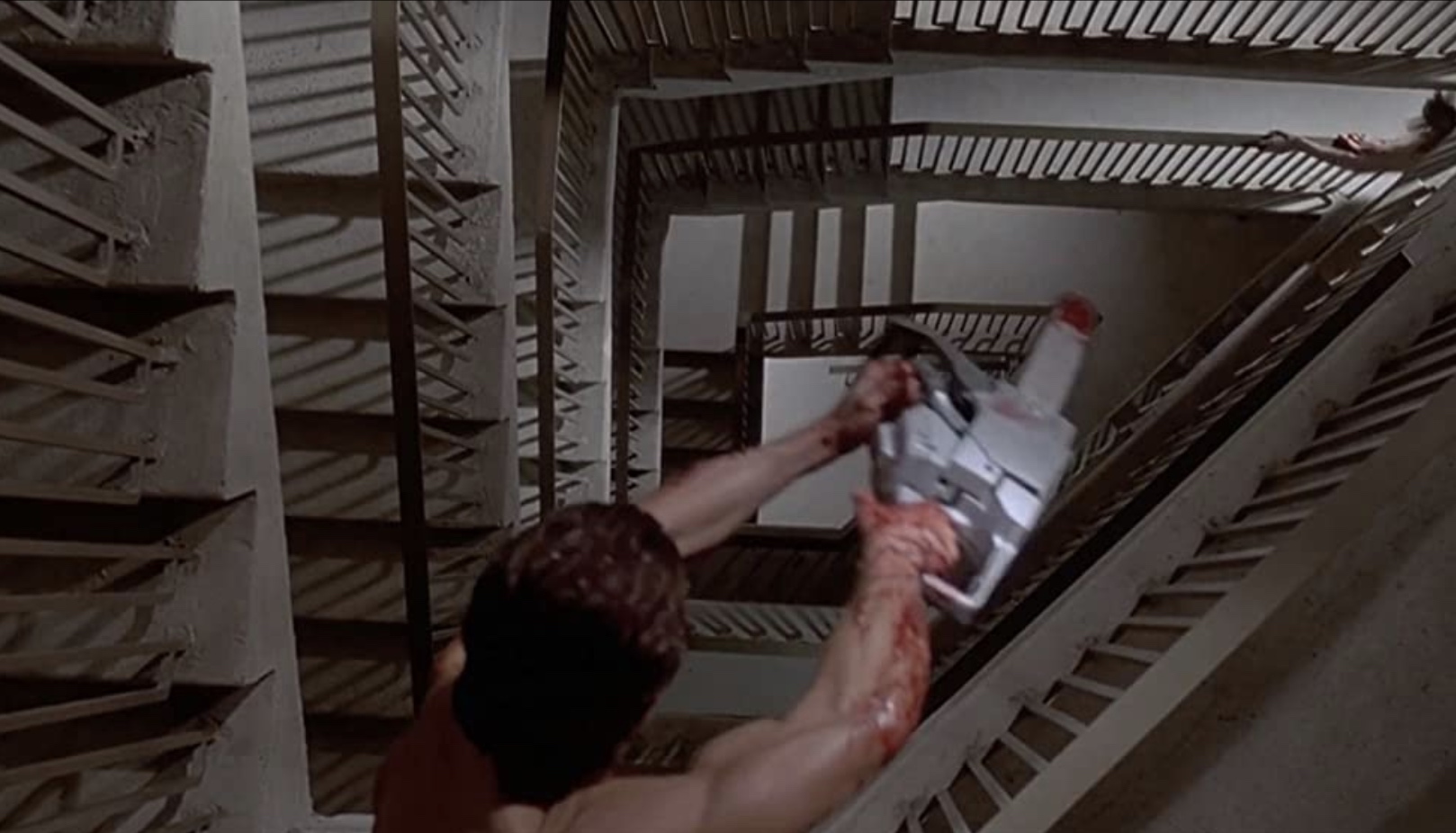
The Enduring Thrill of Horror: Exploring Top Tropes
In the vast genre of horror, there is a consistent thread that ties together stories of terror and suspense. These tropes, whether old or new, continue to captivate audiences and push the boundaries of what we can feel, see, and imagine. From the simple jump scare to the profound exploration of human nature, this article delves into the most prominent tropes in modern horror cinema.
The Jump Scare: A Timeless Stinger
At its core, horror is designed to elicit fear through a well-crafted series of moments of suspense and shock. Perhaps the most fundamental mechanism for achieving this is the jump scare. Often associated with the rapid onset of sound and image designed to startle the viewer, jump scares have been a staple of the genre since the earliest days of horror cinema. The most common form involves a loud noise or a sudden, visual shock intended to momentarily paralyze the viewer with fear.
Despite being criticized for its predictability and repetitiveness, the jump scare remains an indispensable tool in the horror filmmaker's arsenal. Effective jump scares require precise timing, a high level of synchronization between audio and visual elements, and a careful understanding of the audience's threshold for shock. They are designed to exploit the body’s natural startle response—a reflex that kicks in when faced with a perceived threat. As one study shows, jump scares can trigger a physiological response in viewers, notably increasing heart rate and adrenaline levels.
Modern horror films still utilize jump scares as a quick hit to maintain audience engagement, especially during climactic sequences. However, successful jump scares are not limited to simple fright tactics. They often integrate more complex elements such as build-up and payoff, ensuring that each startled moment contributes to a larger narrative arc. For instance, the American Horror Story anthology series often employs sophisticated jump scares that serve as foreshadowing or plot devices.
The Creepy Child: Unsettling Innocence
The introduction of the creepy child trope adds a unique layer of horror by subverting the audience expectation for childhood innocence. Characters like children who sing nursery rhymes during violent scenes or exhibit unnaturally mature behaviors tap into deep-seated psychological fears. This trope not only disrupts the natural progression of a story but also challenges the viewer’s perception of what is normal or safe.
One of the most iconic examples of this trope is seen in the film It (2017), where young children in the fictional town of Derry exhibit unsettling and sometimes violent behavior. Similarly, works like Trick 'r Treat feature children who are more sinister than their innocent appearances would suggest. This manipulation of expectations creates a sense of pervasive unease in the audience, who may find themselves second-guessing the safety and reliability of even the youngest characters.
The creepiness of a child in a horror context is particularly effective because it touches on primal fears. Children represent growth and purity, making them symbols of untainted innocence. Their portrayal as terrifying figures thus becomes a powerful narrative device, reinforcing themes of corruption and the darkness that lurks within even the purest of forms. This trope not only adds depth to a horror narrative but also allows for nuanced storytelling, where characters’ actions and motivations can be deeply explored through a lens of both fear and sympathy.
The Final Girl: A Long-Standing Tradition
A central figure in the horror landscape, the final girl epitomizes resilience and survival. Originally cemented in the late 1970s and early 1980s with slashers like Halloween and Avery, the final girl archetype remains a cornerstone of horror cinema. This trope involves the last remaining survivor in the face of multiple killings, typically played by a single, often female protagonist. Her ultimate triumph against the antagonist is seen as a metaphorical victory over gender norms and stereotypes.
Though rooted in the past, the final girl trope continues to be relevant today, although it frequently faces criticism for its potential to perpetuate stereotypes. Critics argue that portraying the final girl as a lone female survivor reinforces archaic gender roles, whereas modern filmmakers must strive to create more complex and multifaceted representations. Some contemporary films like Ghostly and Sightseers have begun to subvert the final girl tradition by highlighting alternative survivors or exploring the narrative through different lenses.
While the original incarnations of the final girl relied heavily on tropes of female resilience and strength, contemporary interpretations aim to add depth to this archetype. In films like Hereditary and Dark Waters, the final girl undergoes significant development, facing internal conflicts that reflect broader societal issues. This evolution serves as a critical commentary on the state of women in society, addressing themes of abuse, trauma, and the fight against oppressive forces. By pushing the boundaries of the final girl narrative, these films offer a more inclusive and dynamic portrayal of female empowerment.
In summary, the final girl trope holds significant cultural weight in horror cinema, representing a blend of historical and current social commentary. While it remains a powerful narrative device, its interpretation and execution must be carefully considered to avoid reinforcing harmful stereotypes and instead promote progressive storytelling.
The Haunted House: Familiar Faces Behind the Door
The concept of a haunted house is one that resonates deeply with the collective unconscious. This trope leverages a primal fear—the uncertainty and potential for danger within one’s own home. Houses, once sanctuaries of protection and comfort, transform into sites of dread and paranoia. Examples like The Conjuring and The Amityville Horror capitalize on the universal anxiety linked to the familiar turning into the unfathomable.
The efficacy of the haunted house trope can be attributed to its ability to tap into our most basic fears. Everyone has some sense of how to handle external threats, but the prospect of a threat emerging from within one’s own refuge strikes at the core of personal security. Furthermore, houses are imbued with a certain aura of permanence; they are tangible structures that stand as silent witnesses to our most intimate experiences.
In more contemporary films, haunted house plots are often layered with additional complexities, exploring themes of history, identity, and psychological trauma. For instance, Midsommar delves into deep, unsettling aspects of familial dynamics and societal breakdowns, using the confined space of a Scandinavian festival to encapsulate these deeper narratives. Similarly, Unfriended uses technology to blur the line between online and offline reality, adding a modern twist to the classic haunted house formula.
The haunting of a house can be physical, emotional, or both—in essence, it can manifest in myriad ways. It is this versatility that makes the trope so effective. Whether it’s a spectral presence that haunts the living or a dark legacy that taints the property itself, haunted house movies provide a versatile playground for filmmakers to explore various facets of horror.
In conclusion, the haunted house is a timeless trope that taps into fundamental human anxieties, offering a rich tapestry of possibilities for storytelling. Its enduring appeal stems from its ability to conjure up a range of emotions—from nostalgia to dread—and to challenge the notion of home as a sanctuary. As long as the human condition remains complex and full of mystery, the haunted house will likely continue to be a potent vehicle for fear and intrigue.
The Car Won’t Start / Weapon Just Out of Reach: Tension Through Frustration
No horror scene is complete without the promise of imminent danger combined with the realization that the hero is powerless to escape it. One classic trope, “The Car Won’t Start” or “Weapon Just Out of Reach,” capitalizes on this frustration. In these scenarios, the protagonist finds themselves at a critical juncture in the narrative where their means of escape or defense are rendered useless, intensifying the sense of impending doom.
The scene where a character discovers their car won't start—a common trope in countless horror films such as Juno Temple—is built upon the principle of helplessness. As the character realizes their transportation options are nullified, the fear of being trapped heightens dramatically. This momentary paralysis amplifies the existing anxiety, forcing the viewer to empathize with the character’s desperate situation. The car breaking down often coincides with the onset of a supernatural entity or another attacker, making the situation exponentially worse.
Analogous to this, the “weapon just out of reach” scenario places the character in a position where they are armed yet incapable of using their weapon effectively. In Final Destination, the protagonist cannot use the gun he desperately grabs, which further compounds his inability to defend himself. Similarly, in Friday the 13th Part VII, Jason stalks Amanda across water, only for her to throw the gun she needs right into the water. These moments are filled with suspense as the audience anticipates the ultimate confrontation that will be hindered by the protagonist's predicament.
The effectiveness of these tropes lies in their capacity to exploit human fear of vulnerability. When someone is in a position where they cannot defend themselves, the terror escalates far beyond the initial danger. Audiences are left with a feeling of helplessness, mirroring the protagonist’s experience. This shared experience fosters a strong emotional connection between the viewer and the character, making the fear more visceral and impactful.
The Haunters as Human Nature: Psychological and Societal Horror
A shift in recent years has seen a growing trend towards horror films that delve into human nature and societal issues rather than relying purely on supernatural entities. Films like Get Out and 10 Cloverfield Lane exemplify this new wave, wherein the true horror resides in the psychological and moral dilemmas that characters face. This approach not only deepens the narrative but also addresses real-world concerns, resonating with audiences on a profound level.
Get Out masterfully uses horror to explore concepts of racism, manipulation, and identity. Jordan Peele's directorial debut introduces Chris, who finds himself in a seemingly idyllic suburban setting with Chris Watts, but soon uncovers dark secrets about the family's true intentions. The horror in this film is less about physical threats and more about the mental torture and existential crisis Jordan undergoes. It raises questions about trust, prejudice, and the inherent dangers of social conditioning.
10 Cloverfield Lane, directed by Dan Trachtenberg, takes a similar approach, placing the protagonists in a bunker where they are confronted with a terrifying situation while also grappling with complex interpersonal dynamics and moral choices. The film delves into themes of survival, trust, and the unraveling of society, making the horror deeply rooted in human behavior and societal collapse.
This type of horror not only offers thrilling experiences but also acts as a form of social commentary. By depicting the monster as a manifestation of human flaws and societal issues, directors invite viewers to ponder broader philosophical and ethical questions. Films like these encourage deeper reflection on issues such as race, politics, and the fragile nature of civilization under pressure. They remind us that the greatest horrors might originate not from unseen creatures but from ourselves.
In terms of narrative impact, modern horror films using this approach provide more layered and thought-provoking stories. For example, The Babadook explores grief, mental illness, and the power of mythology, blending psychological horror with allegorical storytelling. It offers a nuanced and empathetic portrayal of a struggling mother and her young son dealing with a mysterious monster in their home. The film serves as a meditation on the human psyche and the struggles of parenthood, intertwining horror elements with deeper emotional undercurrents.
The Vengeful Spirit: Ghosts Seeking Justice
Ghosts and spirits seeking revenge for past wrongdoings is perhaps one of the most enduring tropes in horror fiction. These supernatural beings represent unrequited vengeance, moral retribution, and the lingering presence of unresolved trauma. Films such as Fright Night, The Grudge, and Annabelle utilize vengeful spirits to deliver messages about morality and justice.
A particularly compelling example is The Grudge franchise, which delves into the backstory of a vengeful ghost named Sadako Yamaoka. Her curse is triggered by unresolved grievances left by her husband and mother-in-law, causing her to haunt those who visit the cursed Ujihara house. This narrative explores themes of family conflict, abuse, and redemption. The story not only terrifies but also prompts viewers to reflect on the consequences of our actions and the weight of our legacies.
Similarly, Annabelle presents an eerie tale of a demonic entity that takes revenge on a family that kept a possessed doll. The film uses the supernatural as a catalyst to explore family dynamics, trust issues, and the dark side of human nature. It questions whether some traumas are too deep to be resolved and whether there are forces beyond our control that punish us for our mistakes.
The vengeful spirit trope is particularly effective because it appeals to a primal need for fairness. Ghosts seeking justice tap into the audience's belief in accountability and the idea that evil deeds will inevitably be punished. This narrative device not only creates suspense but also serves as a moral compass, reminding viewers of the ethical implications of their actions. It allows filmmakers to explore complex emotional terrain and convey powerful messages through the medium of fear.
Subversion and Innovation: Pushing the Boundaries of Fear
Modern horror genres are characterized by an ongoing quest to subvert and innovate, avoiding clichés and predictable outcomes to surprise and engage audiences. Techniques such as reimagining classic tropes, incorporating unexpected plot twists, and exploring unique narrative angles have become hallmarks of contemporary horror films.
A prime example of this is the subversion of the Final Girl trope. In Hush, directed by Michael Tully, Jessica, an ASL interpreter, is the sole survivor of a home invasion. Instead of exhibiting typical attributes of resilience and strength, she relies on her hearing impairment to outwit her attackers. This innovative storyline challenges the traditional Final Girl archetype, highlighting the limitations and vulnerabilities within the protagonist rather than reinforcing conventional notions of female heroism.
The Know-it-all Skeptic trope is another area ripe for subversion. Characters who dismiss supernatural or dangerous threats often end up regretting their skepticism. In The Witch, Thomasin McCleland initially believes her family members' explanation for strange occurrences, only to face a harrowing reality when they turn out to be witch cultists. This twist subverts the audience's expectations and highlights the unpredictable nature of fear and horror.
Moreover, contemporary films are increasingly focusing on exploring the psychological and societal dimensions of fear. For instance, Midsommar combines elements of the vengeful spirit trope with broader societal critiques, exploring issues related to white supremacy and cultural appropriation. The film's horror isn't merely external; it's deeply embedded in the protagonist's psyche and the cultural fabric of the community. Similarly, Alexandria Terror delves into the psychological warfare waged by the government against society, blending political intrigue with supernatural horror.
Technological advancements have also breathed new life into tried-and-true horror tropes. Makeup and special effects have evolved significantly, allowing filmmakers to create more convincing and terrifying portrayals of ghosts, monsters, and creatures. The use of advanced prosthetics and CGI ensures that these figures are more realistic and immersive, enhancing the overall horror experience.
Moreover, these innovations extend beyond visual effects to include sound design and editing techniques. Contemporary horror films often employ sophisticated soundscapes to augment the fear factor, using sounds of silence and sudden noises to create disorienting and unnerving environments. Editing styles that emphasize quick cuts and jumps further enhance the sense of chaos and unpredictability, keeping the audience on edge.
The Evolving Landscape of Horror
As horror films continue to evolve, they are not only entertaining but also reflective of broader cultural shifts. Subverting tropes and subverting social norms allows for narratives that are both thrilling and socially relevant. These films challenge audiences to confront their fears and question their perceptions of reality, morality, and humanity. Through innovative storytelling and cutting-edge production techniques, horror cinema remains a vital and dynamic genre capable of delivering lasting thrills and meaningful commentary.
The journey of horror from its early roots to contemporary times showcases not only technical advancements but also an ongoing dialogue around societal issues and psychological exploration. Whether through jump scares, creepy children, or vengeful spirits, the core elements of horror continue to captivate and terrify, making the genre as vital and intriguing as ever.
In conclusion, the enduring power of horror derives from its ability to tap into fundamental human fears and desires. As long as audiences yearn for the thrill of the unknown and the spectacle of terror, horror tropes will continue to shape narratives and define the boundaries of what is possible in the realm of cinematic storytelling.
Racial Representation and Bias in Horror Films
The horror genre has a complex history when it comes to racial representation and bias. Historically, certain racial stereotypes have been perpetuated in horror films, often perpetuating prejudices and reinforcing negative social constructs. For instance, the so-called "scary black man" trope, where African American characters are disproportionately represented as aggressors or villains, has become a controversial fixture in horror cinema.
This stereotype is often a result of a larger industry trend that has long neglected diverse representation and has historically favored casting white actors in leading roles. Films like Scream, particularly in its earlier iterations, and Friday the 13th Part VIII have faced criticism for perpetuating this trope. Critics argue that these portrayals reduce complex individuals to single-dimensional characters and contribute to the marginalization of black communities.
Nearly in recent years, however, there has been a concerted effort to address these inequities. Contemporary horror films have made strides in representing diversity more accurately and respectfully. For example, Get Out and Nightmare on Elm Street: Springwood (2019) both feature predominantly black casts, showcasing the resilience and humor of black characters. These films not only challenge the "scary black man" trope but also highlight the complexities and multifacetedness of black identities.
Get Out, directed by Jordan Peele, is a prime example of how horror can serve as a powerful vehicle for social commentary. The film not only entertains but also sheds light on racial tensions, fear, and discrimination in contemporary American society. By subverting the horror genre with a compelling and nuanced narrative, Get Out achieves both entertainment value and social relevance. Its success demonstrated that horror films can be both chilling and thought-provoking, paving the way for future inclusivity.
Similarly, Springwood uses humor and satire to address racial and societal issues through its ensemble cast. The film's premise involves a group of black teenagers who discover supernatural elements that mirror real-life racial tensions. By embedding social commentary within its horror elements, Springwood subverts negative tropes while highlighting the power of unity and resistance.
However, the challenge of accurate representation remains significant. Recent studies and discussions highlight the need for greater diversity in all aspects of the filmmaking process, including writing, directing, and production design. Filmmakers like Ava DuVernay, Ryan Coogler, and Nia DaCosta have been instrumental in pushing for greater inclusion and have made strides in promoting more equitable storytelling. Their work exemplifies how horror can not only entertain but also serve as a platform for social justice.
The shift towards inclusive representation in horror has also been aided by platforms that provide opportunities for underrepresented voices. Streaming services like Netflix and Amazon Prime have commissioned horror series with diverse casts, such as Black Mirror and Tales of the City, which offer platforms for new talent and fresh perspectives. These series not only diversify the genre but also empower filmmakers from diverse backgrounds to tell their stories.
In conclusion, while progress has been made, there is still much work to be done in addressing racial bias and ensuring accurate representation in horror films. As the industry continues to evolve, it is essential to promote a culture of inclusivity and diversity. By valuing and featuring a wide range of voices and experiences, horror can remain a vital and dynamic genre that captures the richness and complexity of human fears and aspirations.
Conclusion: Horror's Enduring Impact
The landscape of horror cinema is constantly evolving, driven by a desire to innovate, provoke, and entertain. From the enduring popularity of jump scares and creepy children to the psychological and societal explorations of modern tales, the genre continues to captivate audiences. Subversion and innovation are key drivers behind the genre’s evolution, ensuring that horror remains a powerful and relevant medium.
While horror films have often been criticized for their reliance on familiar tropes, the best of these films challenge and expand these conventions. Through thoughtful storytelling and masterful execution, horror cinema can offer not only thrilling narratives but also meaningful insights into our collective fears and desires. As long as audiences hunger for the unknown, the spooks, and the scares, horror will continue to be a vital and ever-changing realm of entertainment and cultural expression.
In the end, horror stands as a testament to the enduring power of storytelling. It reminds us of the depths of our fears and the strength of our resilience, making it a genre that resonates deeply and universally. As the industry moves forward, it is crucial to continue pushing boundaries and embracing diverse voices to ensure that horror remains a rich and dynamic part of the cultural landscape.
Ultimately, horror is more than just scares and thrills; it is a complex and multifaceted medium capable of delivering both entertainment and social commentary. By understanding and respecting its tropes, the horror genre can continue to engage and inspire new generations of viewers.

The Evolution of Horror: Leading Directors Shaping the Genre
In the ever-evolving landscape of cinema, few genres capture audiences quite like horror. With its ability to evoke genuine fear, challenge societal norms, and explore psychological depths, horror remains one of the most compelling and versatile forms of storytelling. In this article, we delve into some of the most influential directors who have defined the genre in the 21st century. Through a combination of in-depth analysis and a look at their recent contributions, we will explore the evolution and diverse styles present in contemporary horror.
Mike Flanagan: A Master of Psychological Horror
Mike Flanagan stands as a preeminent figure in the horror landscape, widely praised by critics and audiences alike. Known for his roles as both a director and writer, Flanagan brings a unique blend of psychological horror with intricate character development to each of his projects. His recent film, "The Life of Chuck," continues a pattern of storytelling that delves deep into the human psyche, creating narratives that are not only frightening but also thought-provoking.
A native of Denver, Colorado, Flanagan's career took off after directing the second season of the hit series "Hush" (2022). However, it was his work on Netflix's "The Haunting of Bly Manor" (2020) that truly cemented his status as one of the genre's leading lights. This series, which follows the residents of Bly Manor during the time of the American Revolutionary War, showcases Flanagan's ability to craft rich, atmospherically chilling environments and intricate narratives. His style emphasizes the gradual build-up of tension and the exploration of complex characters, ensuring that his films leave a lasting impact on viewers.
"Insidious" and "The Conjuring" series further exemplify Flanagan's expertise. These films, while driven by terrifying supernatural elements, also delve into the psychological turmoil of their protagonists. The series' nuanced exploration of grief, trauma, and paranoia sets it apart from many of its contemporaries. Flanagan's work often blurs the line between reality and the unknown, inviting audiences to question what they perceive as fact and fiction within the storylines.
Ti West: Navigating Classic Horror Traditions
Ti West, a rising star in the horror community, has garnered significant recognition for his directorial work, particularly through his "X" series and upcoming projects. His films often pay homage to classic horror tropes while introducing modern twists that keep audiences engaged. "X" and "Pearl" stand out as perfect exemplars of West's approach to storytelling, combining elements of exploitation with sophisticated filmmaking techniques.
"X" (2024), co-written and directed by West, continues the horror anthology format initiated by his earlier film "We Are Still Here" (2016). Each chapter features diverse casts and stories while maintaining a consistent tone and style. "Pearl," also co-directed with Adam Wingard, adds to this catalogue with its unique blend of psychological horror and supernatural elements. West's films are noted for their precision in pacing and storytelling, drawing heavily from classic horror films like "Halloween" and "The Texas Chainsaw Massacre."
The upcoming film, "MaXXXine," promises yet another innovative take on horror traditions. West's work often explores themes of isolation, family dynamics, and the supernatural, making his films not only entertaining but also deeply introspective. His directorial style emphasizes visual detail and performance, ensuring that every frame carries weight and contributes to the overall atmosphere of dread and suspense.
James Wan: Revolutionizing Contemporary Horror
James Wan, a seminal figure in modern horror, has played a pivotal role in reshaping the genre since the early 2000s. His career began with "Saw" (2004), a project that pushed the limits of horror storytelling with its non-linear narrative and psychological intensity. Following this success, Wan created the "Conjuring" universe, blending supernatural elements with gripping thrillers to create a cohesive and highly engaging series.
Australia-born director Wan's influence can be seen in his meticulous attention to detail and his ability to create immersive, visceral experiences for viewers. Films like "Insidious" and "The Conjuring" (2013) demonstrated his proficiency in crafting suspenseful, jump-filled scenarios while delving into the psychological underpinnings of his characters. Wan’s production style is notable for its intense and often relentless focus on horror, providing audiences with a rollercoaster ride of thrills and goosebumps.
Wan's versatility is evident in his range of projects, from the dark and disturbing "The Toxic Avenger" (2022) to the action-packed "Hawaii Five-O" (2023). His ability to balance horror with elements of comedy and drama, as seen in the latter, highlights his adaptability and broad appeal. Moreover, Wan's involvement in producing and writing his projects ensures that each film is a cohesive and consistent representation of his vision, setting him apart as a genre-defining director.
Robert Eggers: Crafting Atmospheric Folk Horror
Robert Eggers is celebrated for his historical and folkloric horror films, including "The Witch" (2015), "The Lighthouse" (2019), and the upcoming "The Northman." Eggers' work is renowned for its meticulous attention to historical accuracy and its atmospheric tension, creating an immersive experience for viewers. His films often delve into the unknown, pushing boundaries and challenging traditional horror tropes.
"The Witch," set in early colonial America, masterfully blends historical accuracy with suspenseful storytelling. Using authentic settings and costumes, Eggers crafts a world that feels real and unsettling, enhancing the psychological and supernatural terror of the film. "The Lighthouse," a more minimalist and abstract horror film, further exemplifies Eggers' ability to create an eerie and tense atmosphere using simple settings and performances.
Eggers' directorial style emphasizes long takes and minimalistic dialogue, relying heavily on visual storytelling and sound design to heighten the sense of dread. His films often explore isolation and the fragility of human existence, pushing audiences to confront their deepest fears. "The Northman," set in early Viking times, promises to continue this tradition, blending historical realism with horror elements in a visually stunning and psychologically intense film.
Emerging Forces and Future Directions
The 21st century has witnessed a diversification of horror styles, marked by a blend of supernatural, slasher, psychological, and folk horror genres. While established directors continue to push boundaries, a new generation of talent is emerging, bringing fresh perspectives and innovative concepts to the table. Jordan Peele, Leigh Janiak, Tyler Gillett, Prano Bailey-Bond, and others are all contributing to the evolution of horror in distinct ways.
One of the most prominent among these is Jordan Peele, a socially conscious director whose films, including "Get Out" (2017) and "Us" (2019), tackle complex social issues through the lens of horror. His ability to blend satire with genuine terror sets him apart, ensuring that his films resonate on multiple levels. Similarly, Leigh Janiak's "Fear Street" trilogy (2021) merges slasher and supernatural horror with a modern sensibility, offering a unique twist on classic horror tropes.
Collaborative directing teams, such as Tyler Gillett and Matt Bettinelli-Olpin behind films like "Ready or Not" (2019), are gaining prominence by blending horror with other genres. Their ability to bring diverse voices and perspectives to the forefront has enriched the horror genre, pushing it towards greater inclusivity and innovation.
Furthermore, the rise of streaming platforms has provided a fertile ground for these emerging directors to experiment with new formats and narrative structures. Projects like Mike Flanagan's series on Netflix exemplify how modern horror can thrive in these new media landscapes, offering complex, thought-provoking stories alongside traditional scares.
Conclusion: The Future of Horror
The contemporary horror genre is in a state of flux, with directors continuing to push the boundaries of storytelling, genre conventions, and creative expression. From psychological depth to atmospheric tension, from social commentary to supernatural thrills, the genre remains dynamic and vital. As we move forward into the latter decades of the 21st century, the role of horror directors in shaping our cultural narratives becomes increasingly pronounced.
With the continued emergence of new voices and the sustained success of established directors, the future of horror looks poised for even greater diversity and creativity. Whether through psychological explorations, atmospheric masterpieces, or socially conscious critiques, the best directors continue to challenge us, making horror an essential and enduring part of our cinematic landscape.
Psychological and Atmospheric Horror: Current Trends
The trend toward psychological and atmospheric horror, exemplified by directors like Ari Aster and Jordan Peele, represents a significant shift in the genre. Films in this category focus on intricate character development and thematic complexity, delving into the darker facets of the human psyche. Films like Aster's "Hereditary" (2018) and "Midsommar" (2019) showcase the power of deep, unsettling storytelling that creates a profound impact beyond surface-level thrills.
Ari Aster's acclaimed work continues to gain critical acclaim. "Hereditary" introduces a mother and her two daughters who face the malevolent forces of their ancestors, exploring themes of loss, madness, and generational curses. The film's slow-burning tension and meticulous direction create a truly terrifying experience. "Midsommar" takes this further, blending folklore with visceral horror in a setting reminiscent of ancient Scandinavia. The film’s complex storyline and symbolic imagery delve into the characters’ psychological breakdowns, making the film a profound meditation on human nature.
Jordan Peele, with his socially conscious horror films, has also contributed significantly to this trend. "Us" examines racism, class divisions, and the duality of individual identity, while "Get Out" explores racial tension and fear. Peele’s films are lauded for their clever plot twists and incisive social commentary, making them far more than mere scarefests. His approach to horror is multifaceted, addressing real-world issues through a veil of genre-bending storytelling.
These filmmakers, along with others like Prano Bailey-Bond, whose "Censor" (2021) delves into themes of power and control, push the genre towards greater depth and relevance. Bailey-Bond uses horror as a vehicle to explore psychological manipulation and the erosion of sanity, creating a narrative that resonates beyond the horror realm, touching on themes of surveillance and authoritarianism.
Reboots and Modern Retellings
The horror genre has always thrived on reboots and reinterpretations of classic monsters and franchises. These retellings offer a chance to breathe new life into timeless horror tropes, bringing them to modern audiences with fresh spins. Projects like Leigh Whannell's upcoming "Wolf Man" (2025) promise to modernize and humanize the legendary creature, presenting a character-driven narrative that avoids the pitfalls of formulaic horror.
Whannell, known for his work on "Final Destination" (2000) and "Saw" (2004), brings a seasoned directorial eye to this project. The film is expected to blend psychological suspense with supernatural elements, ensuring that the audience is constantly questioning what is real and what is not. This approach not only pays homage to classic werewolf stories but also introduces new twists and turns that challenge modern interpretations.
Other notable reboots include the recent reimagining of "Friday the 13th" with Jamie Lee Curtis reprising her role as Nancy. This reboot aims to bring a new level of tension and authenticity to the franchise, grounding the characters in relatable struggles and personal conflicts rather than relying solely on the usual slasher tropes. Such efforts signal a shift towards more nuanced and realistic portrayals of horror characters.
Diversity and Inclusion in Horror
One of the most encouraging trends in contemporary horror is the increased diversity and inclusion among genre filmmakers. Female directors are taking center stage, bringing new perspectives and narratives to the mainstream. Films by directors like Leigh Janiak ("Fear Street"), Jennifer Kent ("Wolf Creek"), and Mina Shum ("My Days of Heartbreak and Wonder") demonstrate a broader range of storytelling and character development that reflects various experiences and identities.
The international landscape of horror is also expanding, with directors from different cultures bringing unique storytelling techniques and cultural influences to their work. For instance, Korean director Park Chul-soo's "The Quiet Family" (2023) offers a deeply unsettling exploration of family dynamics and mental illness, while French director Fabrice Du Welz's films like "Pierrot Le Fou" delve into darkly comedic and tragic narratives.
Diverse representation enriches the genre, bringing varied points of view and enriching the tapestry of horror storytelling. As more women and international filmmakers gain recognition, the genre is becoming more expansive and inclusive, reflecting a broader array of human experiences and fears.
Critical Recognition and Industry Confidence
Horror directors' works are increasingly recognized for their artistic merit and critical acclaim. IMDb's ranking of top horror filmmakers of the 21st century places Mike Flanagan, Ti West, and James Wan at the forefront. These rankings reflect a growing appreciation for the technical and narrative sophistication of modern horror films, demonstrating that the genre is not merely a matter of cheap thrills but a complex art form demanding skill and creativity.
Platforms like Rotten Tomatoes and Letterboxd, which track audience responses and critical reviews, continue to highlight new horror movies that have received widespread praise. These rankings and reviews often feature films by established and emerging directors, underscoring the genre's enduring popularity and critical success.
Streaming services such as Netflix, Amazon Prime, and Hulu have become powerful drivers of horror innovation, providing extensive resources for directors to develop and produce ambitious projects. Titles like Flanagan’s "The Haunting of Hill House" (2018) and West’s "X" series demonstrate how streaming can support complex, character-driven horror narratives that push the boundaries of traditional cinema.
Conclusion: An Ever-Evolving Genre
As the 21st century progresses, horror continues to evolve, with directors experimenting with new forms and styles while maintaining the core elements of the genre. From the psychological depth of films like "Hereditary" to the atmospheric tension of "The Witch," contemporary horror offers a wide spectrum of storytelling that engages audiences on emotional and intellectual levels.
With increasing diversity and innovation, the future of horror looks bright. Emerging directors are bringing fresh interpretations and new voices to the genre, ensuring that it remains not just a source of entertainment but a platform for deeper social and psychological exploration. As horror continues to adapt and grow, we can expect it to remain a vital and exciting aspect of cinematic culture.
Critical Reception and Audience Engagement
The critical reception of contemporary horror films is marked by a high degree of engagement and varied opinions. Critics and audiences alike recognize the genre's capacity to push boundaries and provoke thought, often leading to nuanced discussions well beyond the film itself. Reviews in publications like Variety, The Hollywood Reporter, and Sight & Sound frequently highlight the thematic depth, technical expertise, and emotional resonance of these films. For instance, "Hereditary" earned rave reviews for its psychological complexity and execution, with many noting the film's ability to maintain a consistent and intense atmosphere throughout its runtime.
Similarly, "Midsommar" sparked intense debate and praise, with critics acknowledging the film's unconventional narrative structure and its willingness to engage with uncomfortable themes. Jordan Peele's work has been commended for its sharp social commentary and storytelling prowess, with films like "Get Out" winning multiple awards at major film festivals, including the Academy Award for Best Original Screenplay. These accolades affirm the critical recognition and acceptance of horror as a serious and multifaceted genre.
Online platforms like Rotten Tomatoes and Letterboxd provide valuable insights into audience sentiment, offering a mix of positive and negative reviews that often highlight specific aspects of a film. For example, the "X" series on Hulu has been praised for its precision storytelling and atmospheric tension, with critics noting the film's ability to maintain suspense even in seemingly quiet moments. Conversely, some films may receive mixed reviews, with critics and audiences differing on their effectiveness in certain areas.
The success of horror films at the box office further demonstrates their cultural impact. Films like "Us" and "Saw" not only attract large audiences but also generate significant revenue, reinforcing the economic viability of horror cinema. This success can encourage more investment in the genre, leading to more ambitious and diverse projects in the future.
Technological Advancements and Special Effects
Modern horror films also benefit from significant advancements in technology and special effects, which enhance the genre's ability to create terrifying and immersive experiences. CGI and visual effects have become crucial tools for these directors, allowing for the creation of unprecedentedly graphic and visceral scenes. For example, "The Wolf Man" leverages cutting-edge visual effects to bring the titular character to life with remarkable authenticity, providing audiences with a sense of the monster's presence that transcends traditional makeup and prosthetics.
The integration of practical and digital effects allows for a seamless blend of horror aesthetics that can transport audiences into terrifying worlds. For instance, "The Witch" uses practical effects to create a palpable sense of dread, complemented by intricate camera work that captures the oppressive atmosphere of early colonial Massachusetts. Such techniques ensure that the horror elements are not only convincing but also emotionally resonant.
In addition, advancements in sound design provide a crucial component to the horror experience. Sound designers use techniques like binaural recording, which can create a surround sound effect, making audiences feel more immersed in the horror world. For example, "Midsommar" incorporates ambient soundscapes and eerie music to heighten the sense of unease, contributing significantly to the film's overall impact.
The use of virtual reality and interactive elements in horror is also gaining traction, offering new modes of engagement that push the boundaries of traditional filmmaking. Projects like Netflix's "The Unearthed," a horror experience designed specifically for VR, exemplify this trend, allowing audiences to interact directly with the narrative and characters. Such innovations ensure that horror remains not just a visual experience but a multi-sensory journey that engages audiences on a deeper level.
Challenges and Future Prospects
Despite its success and critical acclaim, the horror genre faces several challenges. One of the primary concerns is balancing the need for innovation with the expectation of fulfilling the genre's fundamental requirements—a consistent level of scares and suspense. Directors must navigate this balance to ensure that their films resonate with audiences without veering too far from horror's core tenets.
Another challenge is the need for accessibility and diversity. While the genre has seen significant advances in terms of representation and voice, there is still room for improvement. Emerging directors from diverse backgrounds continue to push for greater inclusivity, but traditional gatekeepers and industry structures can sometimes stifle these efforts. Breaking down these barriers requires sustained effort and collaboration across the entire industry, from producers and distributors to theater owners and critics.
However, the rise of streaming platforms and new distribution models presents exciting opportunities. Streaming services can provide a more direct pipeline to audiences, bypassing some of the traditional obstacles faced by horror directors. This flexibility allows for more independent and experimental projects to find their audience, potentially revitalizing the genre with fresh ideas and perspectives.
The continued popularity and profitability of horror mean that it will likely remain a significant force in the film industry. As audiences continue to seek out engaging and challenging content, directors who can master the complexities of the horror genre will have ample opportunities to express their creativity and reach broader audiences.
Final Thoughts
In conclusion, the history and future of horror as a genre are shaped by the visionary directors who push boundaries and challenge conventional narratives. From the intricate psychological horrors of Mike Flanagan and James Wan to the atmospheric authenticity of Robert Eggers, contemporary horror offers a robust and ever-evolving landscape. Emerging talents like Jordan Peele and Prano Bailey-Bond are bringing fresh perspectives and innovative concepts, enriching the genre with diverse voices and narratives.
As technology advances and streaming platforms expand opportunities, horror continues to evolve, offering new ways to engage with and understand the human condition. The challenges of maintaining genre standards while embracing innovation underscore the complex nature of horror filmmaking. But with each new film, directors bring us closer to a truly universal and captivating form of storytelling—one that captures the essence of fear, curiosity, and the human spirit.
The future of horror looks bright, with a genre that is not just about scares but also about deep emotional connections and thoughtful exploration. As long as there are stories worth telling and fears worth facing, horror will continue to captivate and inspire.
The Art of Psychological Thrillers: A Journey into the Mind
Introduction to Psychological Thrillers
Psychological thrillers have long captivated audiences across the globe, offering a genre that is as much about exploring the complexities of human behavior and psychology as it is about suspense and intrigue. Rooted in the realm of psychological horror and mind-bending mystery, these films delve deep into the subconscious, challenging our notions of reality and sanity. Through intricate plot developments and a masterful weaving of psychological elements, this genre has become a staple of modern cinema, appealing to both critics and casual viewers alike.
The Evolution of the Genre
Early Influence
The origins of psychological thrillers can be traced back to classic works such as Alfred Hitchcock's "Psycho" (1960), which set the groundwork for this genre by exploring the darker aspects of human nature and incorporating psychological elements into a thriller framework. Hitchcock's film introduced audiences to the concept of a protagonist driven by a deep-seated psychological issue, paving the way for future filmmakers to explore similarly complex characters and narratives.
The Rise of Modern Masters
In recent years, psychological thrillers have seen a resurgence thanks to the work of modern filmmakers who push the boundaries even further. Directors like David Fincher, with his nuanced and intricate stories in films such as "Se7en" (1995) and "Gone Girl" (2014), have been instrumental in popularizing this genre. Similarly, Denis Villeneuve's " manhunts" series (2014-2021) and "Enemy" (2013) showcase how psychological thrillers can blend with other genres to create a unique cinematic experience. These movies not only keep the audience guessing but also provide profound insights into the human psyche.
Key Elements That Define Psychological Thrillers
Mind Games and Puzzles
A hallmark of psychological thrillers is their emphasis on intricate puzzles and mind games. Characters are often portrayed as deeply flawed or delusional, leading them to engage in behaviors that challenge the audience's perceptions of reality. In films like "Shutter Island" (2010) and "The Others" (2001), the protagonists are caught in a web of illusions that blur the line between sanity and madness. These movies frequently leave key clues scattered throughout the narrative, requiring viewers to piece together the story themselves, thus maintaining suspense and engagement.
Tension and Suspense
Beyond puzzles, psychological thrillers also excel in building tension and suspense through carefully crafted pacing and editing techniques. Filmmakers like John Carpenter ("Halloween," 1978) and Christopher Nolan ("Memento," 2000) have been masters at this craft, using innovative storytelling methods to keep viewers on edge. Techniques like non-linear storytelling and fragmented timelines create a sense of uncertainty, making each scene a potential revelation. Additionally, the strategic use of sound design, music, and cinematography can amplify the emotional impact of the narrative, ensuring that the audience remains immersed in the story.
Character Development and Complexity
One of the most compelling aspects of psychological thrillers lies in their rich and multi-layered characters. Unlike typical thrillers where heroes and villains are usually clearly defined, psychological thrillers often feature complex, morally ambiguous figures that challenge preconceived notions of good and evil. Films like "Black Swan" (2010) and "Split" (2016) introduce protagonists who are torn between different facets of their personality, forcing the audience to question their own moral compass. These complex character arcs not only add depth to the story but also create a more authentic emotional connection with viewers.
The Role of Subtext and Symbolism
To fully grasp the essence of psychological thrillers, one must understand the significant role played by subtext and symbolism. Directors frequently use subtle cues and metaphors to convey deeper psychological truths without overtly stating them. For instance, in "Fight Club" (1999), the recurring motif of the fight represents the protagonist's struggle against societal constraints. By embedding these symbolic elements into the storyline, filmmakers encourage audiences to engage in deeper reflection and interpretation, enhancing the overall viewing experience.
Thematic Exploration
Beyond just visual and auditory flourishes, psychological thrillers are known for their rich thematic explorations. Themes such as identity, memory, and the influence of trauma are recurrent in this genre, reflecting broader societal concerns and debates. Movies like "Memento" delve into issues of memory loss and its impact on personal identity, while "The Sixth Sense" examines the complexities of perception and reality. These themes not only enrich the narrative but also offer thought-provoking discussions for viewers to ponder after the credits roll.
Impact and Reception
Critical Acclaim
Psychological thrillers have garnered widespread critical acclaim for their ability to deliver gripping narratives that push the boundaries of conventional storytelling. Films in this genre often receive praise for their innovative approaches to character development and thematic complexity. Notable examples include "Birdman" (2014), which not only explores themes of artistic integrity but also employs a single-take performance style to heighten the sense of immediacy. Another prime example is "The Silence of the Lambs" (1991), which won several Academy Awards, including Best Picture, further cementing its place in cinematic history.
Box Office Success
Despite their cerebral nature, many psychological thrillers have achieved substantial box office success, demonstrating their broad appeal. Blockbusters like "The Da Vinci Code" (2006) and "The Exorcist" (1973) managed to bridge the gap between sophisticated storytelling and mainstream entertainment. These films prove that a well-crafted psychological thriller can captivate mass audiences while still delivering on the genre’s core values of psychological tension and intellectual challenge.
The enduring popularity of psychological thrillers is a testament to the ingenuity and skill of contemporary filmmakers. By combining intricate plots, deep character studies, and thought-provoking themes, these movies continue to captivate viewers and inspire new generations of filmmakers. As the genre continues to evolve, it promises to remain one of cinema's richest and most dynamic forms of storytelling.
The Impact on Film Culture and Media
Influence on Other Genres
The psychological thriller genre has significantly influenced other areas of film and television, extending its reach beyond the confines of its own form. Thrillers like "Mindhunter" (2017-present) on Netflix have blurred lines between fiction and reality, drawing viewers into the psychological processes of true crime investigation. Similarly, TV series such as "American Horror Story" (2011-present) incorporate psychological horror elements alongside traditional horror tropes, creating a hybrid form that resonates with audiences. These shows and series demonstrate the genre's adaptability and its capacity to integrate with other narrative styles, making it a versatile and influential contributor to modern storytelling.
Crossover with Literary Adaptations
Literary adaptations have also played a crucial role in promoting psychological thrillers. Novels by authors like Gillian Flynn ("Gone Girl"), Gillian Flynn ("Sharp Objects"), and Dan Simmons ("Bright Shining Lie") have been translated into successful films, bringing intense psychological narratives to wider audiences. The cinematic adaptation of such books often enhances the original text, adding visual and auditory dimensions that complement the written work. This crossover highlights the enduring appeal of psychological thrillers in both literary and cinematic forms, creating a symbiotic relationship between the two mediums.
The Importance of Special Effects and Visuals
In the era of advanced special effects and visual technologies, psychological thrillers have leveraged these tools to create a visceral and immersive experience for viewers. Directors utilize lighting, set design, and CGI to enhance the psychological tension of the narrative. For instance, the use of dark and claustrophobic sets in "The Babadook" (2014) amplifies the feeling of impending doom, while the symbolic representation of trauma in "Donnie Darko" (2001) through eerie visuals underscores the protagonist's inner turmoil. Such visual techniques not only support the psychological underpinning of the story but also elevate the overall aesthetic quality of the film.
Psychological Thriller in Popularity
Increased Popularity
The genre has experienced a surge in popularity in recent years, driven by a confluence of factors such as streaming services, social media, and increased interest in mental health and psychological topics. Streaming services like Amazon Prime Video, Netflix, and Hulu have invested heavily in developing original content that aligns with the psychological thriller genre. Shows like "Stranger Things" (2016-present) and "The Haunting of Hill House" (2018) blend horror and suspense with psychological elements, drawing viewers with intricate plots and relatable characters. These platforms have helped make psychological thrillers more accessible and engaging than ever before.
Subgenres and Offshoots
The psychological thriller genre has also given rise to various subgenres and offshoots, expanding its scope and appeal. One notable subgenre is psychological horror, which builds upon the thriller formula but often includes more supernatural elements. Films like "Hereditary" (2018) and "It Follows" (2014) exemplify this genre, blending psychological suspense with eerie and haunting atmospheres. Another significant offshoot is the psychological western, such as "True Grit" (2010) and "Lawless" (2012), which incorporates psychological depth into traditional Western narratives, often exploring themes of redemption and guilt.
Cultural Impact and Social Commentary
Addressing Societal Issues
Psychological thrillers often serve as platforms for addressing and commenting on societal issues. They can highlight contemporary dilemmas and challenges, providing a vehicle for social critique. Films like "The Witch" (2015) and "Lady Macbeth" (2015) use psychological tension to explore themes of societal norms, gender roles, and power dynamics. Similarly, "Fractured" (2020) delves into conspiracy theories and governmental overreach, raising questions about truth and trust in a skeptical world. These films not only entertain but also provoke thought and discussion about the broader implications of their respective themes.
Promoting Mental Health Awareness
The genre has also played a pivotal role in promoting mental health awareness and destigmatizing mental illnesses. Movies like "Silver Linings Playbook" (2012) and "Silver Linings Playbook" (2012) and "Shall We Date?" (2019) focus on characters grappling with mental health issues, providing nuanced portrayals that humanize those affected by such conditions. These films can help reduce stigma and encourage empathy, highlighting the importance of mental health in society.
Challenges and Limitations
While psychological thrillers have numerous strengths, they also face certain challenges and limitations. One major issue is the risk of becoming overly cerebral or inaccessible, especially when the narrative becomes too complex and difficult to follow. Films that rely too heavily on subtext or convoluted plot twists may alienate audiences who prefer clearer and more straightforward storytelling. Another limitation is the tendency to lean towards sensationalism, sometimes blurring the line between artistic vision and exploitation. Movies that exploit mental illness or graphic depictions of violence can perpetuate harmful stereotypes and misrepresent sensitive issues.
Famous Examples and Innovative Techniques
Notable Films
Several psychological thrillers stand out for their innovative techniques and impactful storytelling. "Memento" (2000) by Christopher Nolan, for instance, revolutionized the way stories could be told, employing a non-linear narrative and a unique visual style to create a memorable experience. "Black Swan" (2010), directed by Darren Aronofsky, delves into the physical and psychological torment faced by a ballerina, creating a haunting and visually stunning film. Similarly, "Grief is a luxury" (2022) by Yorgos Lanthimos uses satire and metaphor to explore themes of grief, isolation, and the human condition.
Innovative Techniques
Contemporary psychological thrillers frequently employ innovative techniques to maintain audience engagement and provide new perspectives. For example, "Knives Out" (2019) by Rian Johnson combines a fast-paced mystery with dark humor, creating a refreshing take on the whodunit. Another notable technique is the use of immersive virtual reality experiences, which can heighten the sense of presence and intimacy, as seen in films like "Ready Player One" (2018). These techniques not only enhance the viewer’s experience but also push the boundaries of what can be achieved in the field of filmmaking.
Conclusion
The psychological thriller genre continues to thrive and evolve, offering a rich tapestry of narratives that explore the depths of the human psyche. From complex characters and intricate plot twists to societal commentary and cultural relevance, these films provide a multifaceted and immersive experience. As technology advances and social issues become more pronounced, psychological thrillers will likely continue to adapt, incorporating new innovations and perspectives. Whether through traditional narratives or experimental forms, the psychological thriller remains a vital and compelling genre in the ever-changing landscape of cinema.
Emerging Trends and Future Prospects
Technological Advancements
Advancements in technology are poised to reshape the psychological thriller genre significantly. Virtual Reality (VR) and Augmented Reality (AR) technologies, for example, could offer unprecedented immersive experiences. Films like "The Walk" (2015) and "Spider-Man: Homecoming" (2017) have already demonstrated the potential of VR for enhancing action sequences and psychological tension. The integration of AI and machine learning might also allow for more personalized storytelling, where the narrative adapts based on individual viewer interactions, creating a truly customized psychological journey.
Diverse Representation and Inclusivity
In recent years, there has been a growing emphasis on diverse representation and inclusivity within the psychological thriller genre. Movies featuring lead actors from marginalized communities, such as "Little Women" (2019) directed by Greta Gerwig and "The Farewell" (2019) by Lulu Wang, have challenged traditional narrative archetypes and provided fresh perspectives. As the industry continues to prioritize diversity, we can expect more psychological thrillers that resonate with a wide range of audiences, bringing a more inclusive and empathetic worldview to the forefront.
Global Perspectives and International Collaboration
The global landscape of cinema offers endless opportunities for psychological thrillers, with filmmakers from around the world contributing their unique storytelling styles. International collaborations, such as the French film "Entre les murs" (2008) and the American film "Grief is a luxury" (2022), combine diverse cultural influences to create fresh and innovative narratives. These films often address universal themes of psychology and identity, allowing viewers to connect with stories from different parts of the world. The international market for psychological thrillers is booming, with countries like South Korea and India producing critically acclaimed movies in this genre, such as "Train to Busan" (2016) and "Gangs of Wasseypur" (2012).
Critical Perspectives on the Genre
Theoretical Analysis
Academics and critics often analyze psychological thrillers through various theoretical lenses. Psychoanalytic theory, for example, focuses on exploring the unconscious aspects of human behavior and motivations. Marxist theory examines class struggle and societal structures, while feminist theory critiques gender dynamics and power imbalances. These theoretical frameworks help scholars understand the deeper meanings and implications of psychological thriller narratives, enriching the genre's critical discourse and academic study.
Comparative Studies
Comparative studies of psychological thrillers can reveal interesting parallels and contrasts between different cultures and time periods. For instance, comparing Alfred Hitchcock's "Psycho" (1960) with modern films like "Shutter Island" (2010) illustrates how the genre has evolved while maintaining its core psychological thrills. Such comparisons can shed light on how societal changes and technological advancements have influenced the genre over time, providing valuable insights for both audiences and creators.
Challenges and Debates
Despite their cultural and critical significance, psychological thrillers face ongoing debates and challenges. Some criticize the genre for perpetuating stereotypes or exploiting sensitive topics without proper care. Critics argue that certain films may trivialize serious mental health issues for dramatic effect, potentially causing harm. These debates underscore the responsibility filmmakers have to approach sensitive subjects ethically and responsibly, balancing entertainment value with social consciousness.
Final Thoughts
The psychological thriller genre has undergone significant transformations, evolving from early classics to modern masterpieces that challenge and enthrall audiences. Its enduring popularity stems from its ability to explore complex psychological landscapes and deliver suspenseful narratives. As technology continues to advance, the genre is likely to embrace new tools and platforms, further enriching the viewer experience. Future psychological thrillers will undoubtedly continue to push boundaries, offering fresh perspectives and innovative storytelling techniques. Ultimately, the genre's ability to probe the depths of the human psyche ensures its continued relevance and enduring appeal in the world of cinema.
As the field of psychological thrillers continues to grow, it offers a fascinating window into the complexities of the human mind. Whether through cutting-edge technology or timeless narrative techniques, these films ensure that the genre remains a vibrant and essential aspect of modern cinema.
The art of psychological thrillers is far from exhausted, and its potential for innovation and impact is immense. As audiences and creators alike seek new ways to engage with complex psychological narratives, the genre stands ready to explore even deeper into the mysteries of the human mind.

Jason Dorsey: Generational Research and Business Expert
Jason Dorsey is a leading generational researcher, bestselling author, and acclaimed keynote speaker. His groundbreaking work helps businesses solve critical challenges related to generational differences in the workplace and marketplace. With a unique blend of data analysis and compelling storytelling, Dorsey provides actionable insights for improving employee retention and driving sales growth. This article explores his remarkable career, influential research, and lasting impact on modern business strategy.
Early Career and Foundational Success
Jason Dorsey's entrepreneurial spirit emerged at a remarkably young age. He demonstrated an early aptitude for understanding market dynamics and consumer behavior. This foundational period was crucial for developing the practical, results-oriented approach that defines his work today.
Youthful Entrepreneurship and First Book
Dorsey authored his first bestselling book when he was just 18 years old. This early achievement signaled his unique talent for translating complex ideas into accessible, impactful content. His youthful perspective gave him an early edge in identifying emerging trends.
He bootstrapped his first business while living frugally, even sleeping on a floor for two years to fund his venture. This hands-on experience provided him with a deep, practical understanding of the challenges facing business leaders. It grounded his future research in real-world applicability.
Building Inc. 5000 Companies
Dorsey's business acumen led him to found two separate companies that both earned a spot on the prestigious Inc. 5000 list. This achievement highlights his ability to build scalable, high-growth organizations from the ground up. His success is a testament to his strategic vision and operational excellence.
His leadership extended to corporate governance, where he served on the board of a public software company. This company was later acquired in a landmark $11 billion deal, further cementing his reputation as a savvy business mind. He continues to serve on boards backed by private equity and venture capital.
Expertise in Generational Research
Jason Dorsey is widely recognized as a pioneering generational researcher. He has dedicated his career to uncovering the motivations, behaviors, and expectations that define different age cohorts. His research provides a powerful framework for understanding today's multigenerational workforce and consumer base.
The Core of Generational Problem-Solving
Dorsey's central thesis is that most business problems stem from generational differences. Issues with employee retention, customer trust, and sales effectiveness often have generational roots. His research identifies these friction points and provides data-driven solutions to bridge the divides.
He has led over 150 original research studies for major brands, associations, and global leaders. This extensive body of work provides an unparalleled database of insights into Generation Z, Millennials, Generation X, and Baby Boomers. Each study is designed to deliver actionable strategies.
Unique Research Methodology
Dorsey's approach is unique because it combines rigorous behavioral research with data-driven storytelling. He transforms complex data sets into compelling narratives that resonate with executives and front-line employees alike. This methodology ensures that insights are not only understood but also implemented effectively.
His work moves beyond stereotypes to uncover the "why" behind generational behaviors. This depth of analysis helps organizations move from frustration to strategy, creating more cohesive and productive environments. The goal is always practical application and measurable results.
Leadership and Speaking Career
As a keynote speaker, Jason Dorsey is in high demand on the global stage. He delivers high-energy presentations that have earned standing ovations at executive events from Paris to Singapore. His ability to connect with audiences makes complex research accessible and engaging.
Compelling Keynote Presentations
Dorsey is praised for his dynamic presentation style, which blends humor, data, and real-world case studies. Leaders like Stephen Cannon, former CEO of Mercedes-Benz USA, have described him as a compelling blend of researcher, social anthropologist, and entertainer. This unique combination ensures his messages are memorable and impactful.
His keynotes are tailored to address the specific challenges faced by each audience, whether focusing on leadership, marketing, sales, or human resources. The presentations are designed to provide immediate takeaways that can be applied to improve business performance the very next day.
Recognition and Media Profile
Dorsey's expertise has garnered significant media attention, establishing him as a go-to expert on generational trends. His insights have been featured on major news networks and in leading publications, significantly amplifying the reach of his research.
- Major TV Appearances: Includes 60 Minutes, The Today Show, CNN, CNBC, and the BBC.
- Print Media: Featured on the front page of The New York Times.
- Industry Accolades: Called a "research guru" by the industry publication Adweek.
"Technology is only new if you remember it the way it was before. Otherwise, it is all you’ve ever known." - Jason Dorsey
This famous quote encapsulates his ability to distill complex generational relationships with technology into a simple, powerful idea. It highlights how lived experience fundamentally shapes our perception of innovation.
The Impact of Gen Z and the "Zconomy"
Jason Dorsey has become the preeminent voice on Generation Z's transformative impact on business. His latest bestselling book, Zconomy: How Gen Z Will Change the Future of Business—and What to Do About It, is the definitive guide to this influential generation. The book's insights are so vital it has been translated into seven different languages for a global audience.
Understanding the Zconomy
The term "Zconomy" refers to the massive economic and cultural influence of Gen Z as consumers, employees, and trendsetters. Dorsey's research moves beyond surface-level observations to provide a strategic roadmap for engaging this generation. He analyzes their values, financial behaviors, and communication preferences.
Gen Z is not simply "younger Millennials." They are the first true digital natives, a fact that fundamentally reshapes their worldview. Dorsey's work helps businesses adapt their marketing, product development, and workplace policies to attract and retain Gen Z talent and loyalty. This adaptation is critical for long-term success.
Key Gen Z Insights for Business
Dorsey's data reveals actionable strategies for connecting with Gen Z. These strategies are essential for companies operating in crowded, competitive markets. Ignoring these insights can lead to significant losses in market share and talent acquisition.
- Demand for Authenticity: Gen Z values genuine, transparent communication over polished marketing campaigns.
- Entrepreneurial Mindset: Many plan to start their own businesses, changing traditional employer-employee dynamics.
- Financial Pragmatism: Shaped by economic instability, they are cautious spenders and savvy researchers.
- Video-First Communication: They prefer receiving information and learning through short-form video content.
Research-Backed Solutions for Modern Business
Jason Dorsey's firm provides research-driven solutions for global brands and leaders. His consulting work focuses on turning generational insights into measurable business outcomes. The primary areas of impact are employee retention, sales growth, and rebuilding consumer trust.
Solving Employee Retention Challenges
High turnover, especially among younger generations, is a costly problem for many organizations. Dorsey's research identifies the generational mismatches in management style, communication, and rewards that cause disengagement. He then provides tailored solutions to improve retention.
For example, his work might reveal that Gen Z employees value frequent, informal feedback over annual reviews. Implementing a new continuous feedback system can dramatically increase job satisfaction and loyalty. These data-backed changes directly improve a company's bottom line by reducing hiring and training costs.
Driving Sales Growth Across Generations
Generational misunderstandings can create friction in the sales process. A sales strategy effective with Baby Boomers may fail completely with Millennial or Gen Z buyers. Dorsey decodes the purchasing triggers and communication preferences of each generation.
He advises sales teams on how to tailor their approach, from the initial contact to closing the deal. This might involve leveraging different social media platforms or reframing product benefits to align with generational values. The result is a more effective, multi-generational sales strategy that maximizes conversion rates.
Rebuilding Trust in Competitive Markets
Trust is a fragile commodity, and each generation defines and grants trust differently. Dorsey's research helps brands understand these definitions to rebuild or strengthen customer relationships. This is particularly important in industries facing skepticism or commoditization.
His strategies often involve authentic storytelling and transparent business practices that resonate with younger consumers. By aligning corporate actions with generational expectations, companies can build a powerful, trusted brand that stands out. Trust directly translates into customer loyalty and advocacy.
Delivering Insights Through High-Energy Engagement
The power of Jason Dorsey's work lies not only in the quality of his research but in his unmatched ability to deliver insights with high energy and engagement. He understands that for data to drive change, it must first captivate and motivate an audience. This principle guides every keynote and client engagement.
The Power of Data-Driven Storytelling
Dorsey does not simply present charts and statistics. He weaves data into relatable stories that illustrate key points and drive them home. This method of data-driven storytelling ensures that complex information is memorable and actionable for everyone in the room, from the CEO to entry-level staff.
His presentations are filled with surprising discoveries, humorous observations, and clear calls to action. This approach breaks down resistance and opens minds to new ways of thinking about generational dynamics. It transforms the audience from passive listeners to active participants in solving their business challenges.
"Jason's presentation was not only insightful but incredibly entertaining. He gave us a roadmap to better connect with our teams and our customers." - Fortune 500 Technology Executive
Global Recognition and Standing Ovations
The demand for Dorsey's speaking talent is truly international. He regularly receives standing ovations at major conferences and corporate events worldwide. His client list includes a vast array of industries, from automotive and finance to healthcare and retail.
This global appeal underscores the universal nature of generational challenges. Whether speaking in Paris, Singapore, or New York, the core issues of communication, motivation, and leadership transcend borders. Dorsey provides a framework that is both globally relevant and locally adaptable.
Media Influence and Public Thought Leadership
Jason Dorsey has effectively used media platforms to amplify his research and shape public conversation on generational topics. His credibility as a media-recognized thought leader extends his influence far beyond the clients he consults directly. This media presence solidifies his status as the top expert in his field.
Extensive Broadcast and News Coverage
With appearances on over 200 television shows, Dorsey has become a familiar face to millions. He is frequently called upon by major networks to provide expert commentary on trends related to youth, the workforce, and consumer behavior.
- News Programs: Regular expert commentator on CNN, CNBC, HLN, and BBC News.
- Prime-Time Features: In-depth segments on 60 Minutes and The Today Show.
- Business Analysis: Provides insight on market trends and generational economics for financial media.
This level of exposure demonstrates the high value media outlets place on his research and his ability to communicate it clearly. It also ensures that his data-driven perspectives reach a massive, diverse audience.
Shaping the Narrative in Print and Online
Beyond television, Dorsey's work is frequently cited in leading publications. His front-page feature in The New York Times is a landmark achievement that signifies his impact on the national discourse. Industry publications like Adweek rely on his analysis to inform their readers.
This comprehensive media footprint allows him to shape the narrative around generations in a positive, productive way. He moves the conversation away from stereotypes and toward evidence-based understanding and solutions. This thought leadership drives change at a cultural level, influencing how all businesses approach generational dynamics.
Actionable Framework for Business Leaders
Jason Dorsey's research culminates in a practical framework that leaders can implement immediately. This framework translates generational insights into daily business practices. It focuses on four key pillars: leadership, communication, marketing, and sales. Each pillar is supported by specific, data-backed actions.
Leadership for a Multigenerational Workforce
Effective modern leadership requires flexibility and empathy across age groups. Dorsey advises leaders to move away from a one-size-fits-all management style. Instead, they should adopt situational leadership strategies tailored to generational preferences.
This may involve offering flexible work arrangements valued by Millennials and Gen Z while providing the structured mentorship sought by Gen X. Recognizing that different generations are motivated by different rewards is crucial. A leader who understands these nuances can build a more cohesive and productive team.
Multi-Channel Communication Strategies
Communication breakdowns are a primary source of generational friction. Dorsey provides clear guidelines for optimizing communication channels for each cohort. This ensures critical information is both delivered and received effectively.
- Baby Boomers and Gen X: Often prefer detailed emails or face-to-face meetings for complex discussions.
- Millennials: May favor instant messaging platforms for quick updates and collaborative tools for project management.
- Generation Z: Typically responds best to visual, video-based communication delivered in short, concise formats.
Implementing a multi-channel approach that respects these preferences reduces misunderstandings and increases efficiency.
The Future of Generational Research
Jason Dorsey's work is inherently forward-looking, constantly evolving to address new trends. His research provides a proactive lens for viewing future workforce and consumer shifts. As Generation Z continues to mature and Generation Alpha emerges, his insights will remain essential for strategic planning.
Preparing for the Next Generational Shift
The principles of generational understanding are timeless, even as the specific traits of each cohort change. Dorsey's methodology equips organizations to anticipate and adapt to future demographic changes. This proactive stance offers a significant competitive advantage.
Businesses that learn to apply his framework today will be better prepared for the challenges and opportunities presented by the next generation. This continuous learning cycle is key to sustaining long-term growth and innovation. Dorsey positions generational intelligence as a core business competency.
Enduring Relevance in a Changing World
While technology and social norms evolve, the fundamental need to understand human behavior across life stages does not. Dorsey's focus on actionable data and practical solutions ensures his research retains enduring relevance. It moves beyond fleeting trends to address core human dynamics.
"Our research isn't about labeling generations; it's about unlocking their potential for better business and better results." - Jason Dorsey
This quote embodies the constructive, solution-oriented core of his work. It shifts the focus from problem identification to problem-solving, a value that never goes out of style.
Summary of Key Achievements and Impact
Jason Dorsey's career is a testament to the power of applying rigorous research to real-world business challenges. His achievements span entrepreneurship, authorship, and global thought leadership. The impact of his work is measured in improved retention rates, increased sales, and stronger corporate cultures for his clients.
Notable Career Milestones
Dorsey's journey includes several extraordinary milestones that highlight his diverse expertise.
- Research Leadership: Spearheaded over 150 generational research studies for global brands.
- Entrepreneurial Success: Founded two Inc. 5000 companies and contributed to an $11 billion acquisition.
- Bestselling Author: Authored multiple books, with Zconomy translated into seven languages.
- Acclaimed Speaker: Receives standing ovations for keynotes at major events worldwide.
- Media Authority: Featured on over 200 TV shows and the front page of The New York Times.
Measurable Business Outcomes
The ultimate value of Dorsey's work is seen in the tangible results achieved by organizations that apply his insights. These outcomes demonstrate a clear return on investment for engaging with his research.
Clients report significant improvements in employee retention, especially among younger generations. They experience more effective marketing campaigns that resonate with target age groups. Sales teams achieve higher conversion rates by tailoring their approach to generational buying behaviors.
Conclusion: The Definitive Generational Expert
Jason Dorsey has established himself as the world's leading expert on generational dynamics. His unique combination of entrepreneurial experience, rigorous behavioral research, and compelling communication sets him apart. He transforms complex generational data into clear, actionable strategies that drive business growth.
From his early start as a teenage author to his current role advising global Fortune 500 companies, Dorsey's career is built on a foundation of practical insight. His work addresses the most pressing challenge in modern business: navigating the diverse expectations of a workforce and marketplace spanning five generations. The companies that thrive in this environment are those that embrace generational intelligence.
Dorsey's legacy is one of bridging divides. He provides the research and the roadmap to improve communication, build trust, and unlock performance across all age groups. In an era defined by rapid change and demographic shifts, his evidence-based approach offers clarity and confidence for leaders at every level.
For any organization seeking to attract young talent, market to new consumers, or lead a multi-generational team effectively, the insights of Jason Dorsey are not just valuable—they are essential. His body of work provides the critical framework for building a stronger, more adaptable, and more successful business for the future.


Films That Redefined Genres: A Cinematic Revolution
The world of cinema has always been a fertile ground for innovation. While countless films have dazzled audiences with stunning visuals, compelling narratives, and unforgettable performances, there is a select cadre of movies that do more than entertain—they redefine entire genres. By pushing boundaries and defying conventions, these trailblazing films have left a lasting impact on the cinematic landscape. This article explores some of the most revolutionary films that reshaped their respective genres and continue to influence filmmakers and audiences today.
1. Horror: "Psycho" (1960)
Alfred Hitchcock's "Psycho" is perhaps one of the most discussed films in cinematic history, and for a good reason. Prior to its release, horror films typically navigated supernatural realms populated by monsters and mythological creatures. Hitchcock, however, turned the genre on its head by grounding terror in the human psyche. "Psycho" presented audiences with a mundane, yet chilling scenario—a motel and its enigmatic proprietor who harbored a dark secret.
"Psycho" was groundbreaking in its structure and storytelling techniques. The film famously subverted audience expectations with its shocking midpoint murder of what appeared to be the protagonist, Marion Crane, played by Janet Leigh. Further, Hitchcock's decision to depict such visceral violence was revolutionary for its time, setting a new standard for horror and establishing the psychological thriller as a viable and popular subgenre.
2. Science Fiction: "2001: A Space Odyssey" (1968)
Stanley Kubrick's "2001: A Space Odyssey" redefined science fiction cinema by elevating it from the realm of pulpy space adventures to a form of high art. Collaborating with renowned author Arthur C. Clarke, Kubrick crafted an ambitious narrative exploring themes of evolution, artificial intelligence, and existentialism. Renowned for its meticulous attention to scientific accuracy and stunning visual effects, the film remains a benchmark for sci-fi aesthetics.
Kubrick's avant-garde approach to storytelling, characterized by sparse dialogue and an emphasis on visuals and symbolic imagery, challenged audiences to reconsider the narrative potential of the genre. "2001" broke free from linear storytelling, presenting a cinematic experience akin to a symphony or a moving painting. It set the tone for subsequent sci-fi filmmakers to explore deeper, more philosophical themes.
3. Action: "Die Hard" (1988)
The action genre is densely populated with larger-than-life heroes and explosive set pieces, but "Die Hard" redefined it by introducing a more relatable protagonist. John McClane, played by Bruce Willis, was not a superhuman action star but rather an ordinary police officer thrust into an extraordinary situation. This marked a departure from the invincible heroes of the era and introduced vulnerability into the heart of the action narrative.
With its clever plot, well-paced action sequences, and sharp dialogue, "Die Hard" reinvigorated the genre and ushered in an era of high-stakes thrillers that emphasized character development alongside explosive action. The film's influence is evident in numerous action movies that followed, many of which tried to replicate its successful formula, eventually solidifying "Die Hard" as a quintessential touchstone for modern action cinema.
4. Animation: "Toy Story" (1995)
While animation was far from new by the 1990s, with studios like Disney having been in the business for over half a century, "Toy Story" marked a pivotal moment in the medium's history. As the first entirely computer-animated feature film, it signaled the arrival of a new era in animation, spearheaded by Pixar.
Pixar not only introduced a groundbreaking animation style but also revolutionized storytelling within the medium. "Toy Story" captivated audiences with its universal themes of friendship, acceptance, and the passage of time, wrapped within an imaginative narrative featuring anthropomorphic toys. The film's success paved the way for a new wave of CG-animated films and inspired animators to push the boundaries of what was possible, both technically and narratively.
5. Musical: "Moulin Rouge!" (2001)
Musicals had long been a staple of cinema, offering escapist fantasies filled with song and dance. Yet, by the turn of the millennium, the genre had waned in popularity. Enter Baz Luhrmann's "Moulin Rouge!", a frenetic, visually striking film that reinvigorated the musical genre for a new generation.
"Moulin Rouge!" distinguished itself with its innovative use of popular music reimagined in a period setting, blending original compositions with anachronistic pop hits to create a unique musical tapestry. Luhrmann's dynamic editing style and vibrant visuals combined to produce a kaleidoscopic experience that resonated with audiences. The film's success sparked renewed interest in musicals and demonstrated the genre's capacity for reinvention and relevance.
As cinema continues to evolve, these films stand as testaments to the power of innovation and creativity. By challenging conventions and expanding the boundaries of their genres, they have paved the way for new explorations in film and storytelling. In the next installment of this article, we will delve into more films that have left a profound impact on their genres and continue to inspire filmmakers around the world.
6. Crime: "Pulp Fiction" (1994)
Quentin Tarantino's "Pulp Fiction" burst onto the scene in the mid-1990s, forever altering the crime genre and, arguably, modern cinema itself. At its core, "Pulp Fiction" is a tapestry of interconnected stories woven together with a narrative structure that defied traditional linear storytelling. Tarantino’s reliance on non-sequential storytelling, eccentric dialogue, and stylized violence set a new precedent for how crime stories could be told.
By successfully interweaving multiple plotlines involving gangsters, hitmen, and other denizens of Los Angeles, "Pulp Fiction" captivated audiences and critics alike. Its innovative narrative construction, combined with an unforgettable soundtrack and an ensemble cast delivering iconic performances, carved a new path for filmmakers. The influence of "Pulp Fiction" is evident in countless films that followed, seeking to capture its wit, style, and unique narrative flair.
7. Fantasy: "The Lord of the Rings: The Fellowship of the Ring" (2001)
While fantasy as a genre had its fair share of adaptations before the new millennium, Peter Jackson's adaptation of J.R.R. Tolkien's "The Lord of the Rings" trilogy was unparalleled in its ambition and execution. "The Fellowship of the Ring," the first installment, set a new benchmark for the fantasy genre, blending breathtaking special effects, an epic scope, and a deeply human story about friendship and courage.
Jackson's meticulous world-building and dedication to staying faithful to the original text paid off, as audiences were transported to a richly detailed and immersive Middle-earth. The trilogy's success not only elevated fantasy films but also inspired a new era of epic, high-budget adaptations that were once considered too risky to produce. It solidified the idea that fantasy films could achieve both commercial success and critical acclaim.
8. Drama: "Schindler's List" (1993)
Steven Spielberg’s "Schindler's List" redefined the historical drama genre by tackling the sensitive and harrowing subject of the Holocaust with a stark realism that had rarely been seen before in mainstream cinema. Filmed in black and white, the film provided a hauntingly authentic portrayal of this tragic period in history, focusing on the story of Oskar Schindler and his efforts to save Jewish lives during World War II.
The film's unflinching depiction of the horrors faced by Jewish victims confronted audiences with a raw and emotional narrative, challenging them to engage with history on a deeply human level. Spielberg’s respectful, yet courageous exploration of such a delicate subject matter reshaped how historical dramas could be presented, offering future filmmakers a template for tackling challenging topics with both sensitivity and power.
9. Comedy: "Groundhog Day" (1993)
Though initially presented as a light-hearted romantic comedy, "Groundhog Day," directed by Harold Ramis, has since transcended simple genre categorization, becoming a philosophical exploration of life, love, and personal growth. The film utilizes a high-concept narrative involving a temporal loop in which the protagonist, Phil Connors, played by Bill Murray, relives the same day repeatedly.
What makes "Groundhog Day" groundbreaking is its ability to blend humor with existential reflection, providing a narrative that is both entertaining and thought-provoking. The film's inventive premise and its exploration of themes such as redemption and transformation redefined what a comedy could achieve, influencing numerous films and TV shows to explore similar high-concept ideas within a comedic framework.
10. Thriller: "Se7en" (1995)
David Fincher's "Se7en" took the thriller genre into darker, more psychological territory. The film follows two detectives, portrayed by Brad Pitt and Morgan Freeman, as they hunt down a serial killer who uses the seven deadly sins as his modus operandi. Fincher's meticulous direction, coupled with a hauntingly atmospheric score and startlingly bleak cinematography, crafted a moody and suspenseful experience that subverted traditional thriller conventions.
"Se7en" was notable for its complex narrative structure and its refusal to offer easy resolutions, culminating in a shocking and unforgettable climax. The film’s impact on the thriller genre is significant, encouraging filmmakers to delve deeper into psychologically complex narratives and to embrace darker, more challenging themes. It demonstrated that thrillers could offer more than just suspense—they could provoke profound reflections on the nature of good and evil.
The cinematic landscape is rich with examples of films that have redefined their genres through innovation and daring narratives. These films have not only entertained but have also set new paradigms, prompting filmmakers to challenge existing conventions and explore uncharted territories. As we continue to delve into this exploration of genre-defining films, we will uncover more cinematic masterpieces that have transformed the industry in remarkable ways. Stay tuned for the next installment as we traverse deeper into genres and their groundbreaking representatives.
11. Documentary: "Bowling for Columbine" (2002)
Michael Moore's "Bowling for Columbine" revolutionized the documentary genre by merging investigative journalism with a distinctive narrative style characterized by humor and personal introspection. The film explores gun violence in the United States, delving into the cultural factors contributing to the high rates of gun-related incidents.
Moore’s approach was unorthodox, blending interviews, archival footage, and animated segments to present serious issues in a way that was both engaging and accessible to general audiences. His exploration of controversial and complex societal issues through a personal lens set a new standard for documentaries. "Bowling for Columbine" paved the way for a wave of social and political documentaries that strive to entertain while educating, highlighting the potential of documentaries to ignite public discourse on pressing matters.
12. Romance: "Eternal Sunshine of the Spotless Mind" (2004)
In the realm of romance, "Eternal Sunshine of the Spotless Mind," directed by Michel Gondry and written by Charlie Kaufman, offered a fresh take on the genre by blending romance with science fiction elements. The film delves into the complexities of memory and identity, portraying the emotional landscape of a couple, played by Jim Carrey and Kate Winslet, who decide to erase each other from their memories after a painful breakup.
What distinguishes "Eternal Sunshine" is its inventive narrative structure and visual storytelling, which simultaneously deconstructs and reconstructs traditional romantic narratives. The film explores themes of love, loss, and the human desire for connection with a poignant depth that set it apart as a groundbreaking piece in the romance genre. Its unconventional approach inspired a new wave of romantic films that explore the intricacies of relationships beyond typical narrative frameworks.
13. War: "Saving Private Ryan" (1998)
Steven Spielberg's "Saving Private Ryan" transformed the war genre with its visceral depiction of combat and its unflinching realism. The film's opening sequence, representing the D-Day landing at Omaha Beach, remains one of the most harrowing and immersive portrayals of warfare ever captured on film. Spielberg's meticulous attention to detail and commitment to historical accuracy brought a new level of authenticity to war cinema.
"Saving Private Ryan" shifted the focus from glorified heroics to the brutal realities of war, emphasizing the personal experiences and sacrifices of soldiers. This change in perspective had a profound influence on subsequent war films, encouraging filmmakers to explore the psychological and emotional toll of warfare with greater sensitivity and realism. The film’s impact is evident in the more nuanced portrayals of war stories that emerged in its wake.
14. Superhero: "The Dark Knight" (2008)
Christopher Nolan's "The Dark Knight" redefined the superhero genre by delving into complex themes and presenting a darker, more mature narrative than its predecessors. With a morally nuanced script, the film explored themes of chaos, morality, and duality, transcending the traditional superhero template. Heath Ledger’s portrayal of the Joker became iconic, showcasing the depth and potential of character-driven storytelling within the superhero framework.
"The Dark Knight" elevated the genre by proving that superhero films could be serious, thought-provoking, and appeal to a wide audience beyond comic book fans. Its emphasis on realism and character development set a new standard for superhero storytelling, inspiring a more sophisticated and narrative-driven approach in subsequent films within the genre, laying the groundwork for more ambitious projects like "Joker" and the Marvel Cinematic Universe.
15. Mystery: "Inception" (2010)
Christopher Nolan's "Inception" brought a fresh perspective to the mystery genre by entwining it with elements of science fiction and heist film. The film explores the concept of dream manipulation with a multi-layered narrative structure that challenges viewers to question the nature of reality and perception. With its intricate plot, stunning visual effects, and thought-provoking themes, "Inception" captivated global audiences and critics alike.
The film’s innovative storytelling, characterized by a nonlinear narrative and multiple layers of reality, set a new benchmark for mystery films. It encouraged filmmakers to take creative risks and embrace complex, mind-bending narratives that engage and challenge audiences. "Inception" demonstrated the potential of mystery cinema to go beyond mere puzzles and delve into philosophical explorations, influencing a generation of filmmakers interested in exploring the boundaries of narrative and form.
As we reflect on the rich tapestry of cinema, it becomes clear that these films have not only entertained but have also pushed the boundaries of their respective genres, expanding the potential of storytelling in the process. By redefining their genres, these films have challenged audiences and inspired filmmakers to think outside the box, leading to a more diverse and innovative cinematic landscape. Their legacies endure, continuing to shape and influence the ever-evolving world of film.


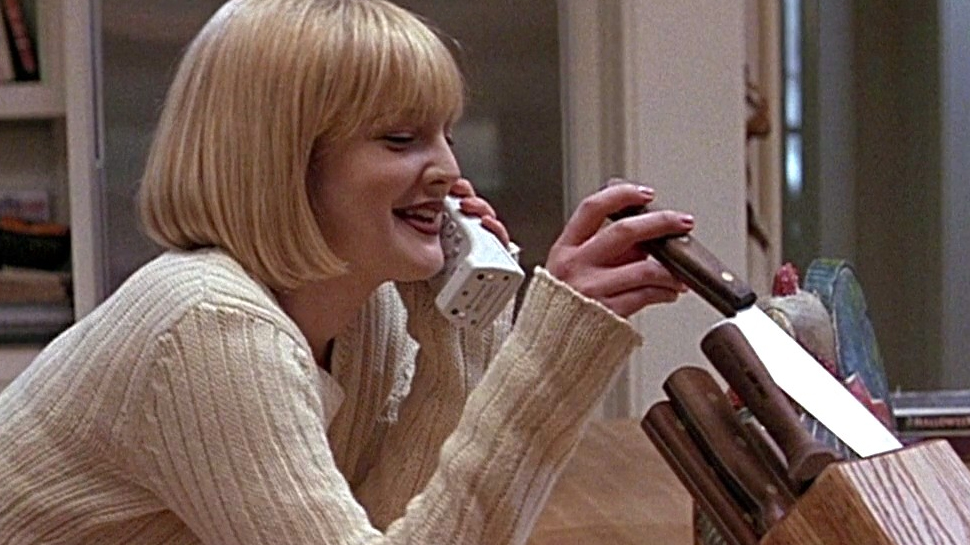
The Evolution of Zombie Films: A Cinematic Journey
The cinematic zombie has been a resilient icon of horror, undergoing a fascinating evolution that reflects social anxieties, technological advancements, and creative storytelling across decades. From its early iterations rooted in folklore to its modern transformation as both villain and protagonist, zombie films have adapted and thrived, continually captivating audiences worldwide.
Origins and Early Depictions
The concept of the zombie has been present in folklore for centuries, with early roots in Haitian Vodou beliefs where the reanimation of the dead was often linked to slavery, both spiritual and physical. This cultural myth was ripe for Hollywood adaptation, first making its cinematic debut in Victor Halperin's White Zombie (1932). Here we see a depiction of the undead tied to mysticism and manipulation, a common theme in early zombie lore where the living dead were pawns of malevolent forces.
As the 20th century progressed, zombies became prominent in the B-movie scene, often seen in films with fantastical elements that painted them as creatures of magic rather than science. Despite their presence, it wasn't until George A. Romero's seminal work Night of the Living Dead (1968) that zombies began to gain serious attention as a social and cinematic force. Romero's film broke ground with its depiction of zombies as flesh-eating ghouls capable of inducing widespread panic, set against the backdrop of societal breakdown.
The Romero Era: Redefining Zombies
George A. Romero not only established the template for modern zombie films but also imbued them with subtext on race, consumerism, and societal collapse. His Dead series, beginning with Night of the Living Dead and followed by Dawn of the Dead (1978) and Day of the Dead (1985), presented zombies as a reflection of our darkest fears and societal ills. Romero's narrative style emphasized that the true horror lay not just in the undead, but in the human struggle for survival and morality in the face of catastrophic events.
The success of Romero's films influenced a generation of filmmakers, resulting in an explosion of zombie films throughout the 1970s and 1980s. These films varied widely in tone and style, from the satirical to the outright grotesque, but all maintained the central theme that had become synonymous with the zombie subgenre: the exploration of humanity under duress.
Technological Advancements and Pop Culture Integration
The late 20th and early 21st centuries saw significant advancements in special effects and film technology, which allowed zombie films to push the boundaries of visual storytelling. The introduction of CGI and enhanced make-up techniques enabled filmmakers to create more realistic and terrifying renditions of zombies. This period also marked the infusion of zombies into mainstream pop culture.
The crossover appeal is epitomized by the blend of horror and comedy in films like Shaun of the Dead (2004), which paid homage to its predecessors while bringing a contemporary twist with its humor and relatable characters. The film's success heralded a renaissance for the zombie genre, demonstrating the malleability of zombies to exist within different cinematic frameworks.
Conclusion of Part One
The evolution of zombie films from mystical origins to reflections of societal fears has established them as a fixture in cinematic history. As pioneers like George A. Romero paved the way with subtext-rich narratives, technological advancements further expanded the scope and artistry of zombie storytelling. The genre's adaptability has ensured its continued relevance, evolving alongside audience tastes and cultural shifts.
Stay tuned as we continue to explore the modern advancements in zombie cinema and its pervasive influence across global media landscapes in the upcoming part of this article.

![[Pride 2021] Toxic Masculinity Killed the Zombie Genre — Gayly ... - The-Evolution-of-Zombie-Films-A-Cinematic-Journey](https://images.squarespace-cdn.com/content/v1/5b39608d75f9eef54c62c3f0/ce9dedd8-c446-40ac-aa8f-5d2f8a4566b3/Gayly+Dreadful+%28edit%29.png?format=1500w)

The Greatest Horror Scenes: A Journey Into Fear
The Greatest Horror Scenes: A Journey Into Fear
Horror films have long captivated audiences around the globe, drawing us in with their spine-tingling narratives, unsettling atmospheres, and haunting visuals. The most iconic scenes of horror are more than mere moments of fear—they are expertly crafted experiences that etch themselves into our minds and persist in our cultural consciousness. Join us as we embark on a journey into the heart of some of the greatest horror scenes ever committed to film.
The Shining (1980) - The Overlook Hotel Unleashed
Few horror films have left as indelible an impression as Stanley Kubrick's The Shining. Adapted from Stephen King's novel, the film is a masterclass in building tension and delivering haunting visuals. The scene where Jack Torrance (Jack Nicholson) axes his way through a bathroom door only to peer through the splintered wood and declare "Here’s Johnny!" is one for the ages. Nicholson's unhinged performance, combined with Kubrick's meticulous direction, encapsulates raw terror. This scene stands as a testament to psychological horror, cementing The Shining as a cornerstone of the genre.
Jaws (1975) - A Fiery Introduction
While "creature feature" films are abundant, few have managed to capture the primal fear of the unseen—and the underwater—quite like Steven Spielberg's Jaws. The opening sequence, depicting a carefree swim that suddenly turns vicious, sets the tone for the entire film. Without ever fully revealing the shark, Spielberg uses music, camera angles, and the actors' reactions to evoke mounting dread. John Williams’ iconic score swells as we witness a juxtaposition of leisure and fear, creating a legendary moment in horror cinema.
Halloween (1978) - The Boogeyman Comes Home
Directed by John Carpenter, Halloween is often credited with defining the slasher subgenre. The film’s closing scenes, where Laurie Strode (Jamie Lee Curtis) comes face to face with Michael Myers, are fraught with tension and panic. As the masked killer appears from shadows, we feel the weight of impending doom. Carpenter's use of extended tracking shots and the chilling score accentuates the terror, presenting Michael Myers as an unstoppable force of nature whose true horror lies in his lack of humanity. This scene forever altered the landscape of horror films.
Psycho (1960) - A Game-changing Shower
Alfred Hitchcock's Psycho delivered a scene so pivotal that it's become part of pop culture lexicon: the shower scene. Janet Leigh's portrayal of Marion Crane is brought to a screeching halt in a moment of cinematic brilliance. Bernard Herrmann's shrieking violins, combined with rapid cuts and a shadowy figure, induce a sense of helplessness and shock. The scene not only subverted audience expectations but changed the perception of horror forever, proving that terror can strike from everyday settings. Hitchcock’s genius lies in making us feel vulnerable at the most ordinary moment.
The Exorcist (1973) - The Unsettling Transformation
William Friedkin's adaptation of William Peter Blatty's novel, The Exorcist, remains one of the most terrifying films in history. The haunting scene of Regan MacNeil's transformation, where the young girl is overtaken by a demonic presence, is masterfully disturbing. The iconic moment when her head turns 360 degrees is both supernatural and harrowing. The film relies heavily on practical effects and strong performances to evoke visceral fear. This particular scene cements The Exorcist as the benchmark for possession stories, blending the supernatural with genuine emotional horror.
Alien (1979) - The Creature Emerges
Ridley Scott's Alien expertly combines science fiction with horror to deliver an intense cinematic experience. The infamous chestbursting scene stands out as a transformative moment, not only within the film itself but in the genre as a whole. As Kane (John Hurt) sits down to what appears to be an ordinary meal, a moment of false respite swiftly turns chaotic when the alien bursts forth. The practical effects, mixed with the actors’ genuine shock, intensify the scene’s impact. Alien redefined horror by introducing existential dread into the cosmic unknown.
As we reflect on these pivotal scenes, it becomes clear that the most celebrated moments in horror films aren't just about inducing fear, but creating an immersive and unforgettable experience. These scenes showcase the power of directors and actors to draw viewers into worlds where reality is stripped away and nightmares take form.
A Nightmare on Elm Street (1984) - The Death of a Dream
Wes Craven’s A Nightmare on Elm Street introduced audiences to the sadistic Freddy Krueger, a villain who blurs the line between dreams and reality. The film's terrifying grip is encapsulated in the scene where Tina Gray (Amanda Wyss) faces Freddy in her nightmares. As the boundaries between her dream and reality dissolve, she is levitated and visibly assaulted by an unseen force. This scene encapsulates the terror of feeling vulnerable even in our sleep, further enhanced by Craven’s innovative blend of practical effects and gripping storytelling. Freddy’s domination over dreams makes him a unique horror villain, forever haunting the subconscious of viewers.
Get Out (2017) - The Sunken Place
Jordan Peele’s Get Out is a modern exploration of horror, seamlessly intertwining social commentary with psychological fear. One of the most poignant scenes is when Chris (Daniel Kaluuya) is hypnotized and trapped in the "Sunken Place," a metaphorical representation of helplessness in the face of systemic racism. As his mind is plunged into an infinite void, the visuals convey utter isolation, leaving a haunting mark on audiences. Peele’s skillful use of sound and visual storytelling transforms this into a memorable horror masterpiece, highlighting that the scariest monsters often reside within societal structures.
Hereditary (2018) - A Devastation Unforeseen
Ari Aster’s Hereditary redefined family drama through a horror lens. One scene, in particular, turns the film into a modern classic: the tragic accident involving Charlie (Milly Shapiro) and her brother Peter (Alex Wolff). As Peter drives his sister in a panic, an abrupt and grotesque calamity strikes, leaving viewers in absolute shock. The raw emotion, combined with powerful performances and a complete lack of music, creates a deafening silence that reverberates throughout the entire film. Aster’s ability to invoke dread through atmosphere and narrative stakes makes this scene truly unforgettable.
The Blair Witch Project (1999) - Found Footage Dread
Setting the precedent for found footage horror, The Blair Witch Project invests in storytelling over special effects, proving that less is often more. The film’s climax, where Heather Donahue’s camera captures her frantic search for her missing companions within an eerie, abandoned house, is a culmination of the building paranoia and fear throughout the movie. The simplicity of her terror, conveyed through shaky, claustrophobic footage, and the final image of Mike standing in a corner, taps into primal fears of the unknown. This scene’s ambiguity leaves viewers questioning reality long after the credits roll.
The Ring (2002) - Samara’s Haunting Arrival
When Gore Verbinski adapted The Ring for Western audiences, he crafted one of the most iconic horror scenes of the new millennium: Samara’s emergence from the television. Naomi Watts delivers a gripping performance as her character watches the ghostly figure crawl forth into the physical world, blurring the lines between technology and supernatural horror. The scene leverages surreal visuals and sound design to intensify the fear of a looming, unstoppable curse. Samara’s crawl has lingered as a chilling tableau of inevitable doom, solidifying the film’s status as a horror staple.
Paranormal Activity (2007) - Night Terrors
Oren Peli’s Paranormal Activity reintroduced audiences to the terror of what we leave unseen. Particularly haunting is the night where Katie Featherston stands motionless by her bed, staring at her sleeping partner for hours as time-lapsed footage captures a ghostly presence. The simplicity of the scene, shot with a stationary camera while the audience awaits the unexpected, fosters a palpable sense of dread. This film exhibits how ordinary spaces can become nests of terror, proving effective horror often lies in unsettling anticipation rather than visual spectacle.
The Babadook (2014) - A Mother’s Nightmare
Jennifer Kent’s The Babadook offers a profound and psychological exploration of grief and parenthood. Its most chilling moment occurs when the titular creature reveals itself fully, both to the protagonist Amelia (Essie Davis) and the audience. The tension crescendos as it torments Amelia, reflecting her internal struggles and unchecked mental anguish. The creature’s design and its connection to the characters' psychological landscape make this scene especially poignant. The film crafts a compelling narrative where personal demons are just as terrifying as supernatural ones, elevating The Babadook to critical acclaim.
These landmark scenes contain the essence of what makes horror such a penetrating and impactful genre. From psychological terror and social commentary to pure supernatural dread, these moments have transcended their films, leaving an indelible mark on the cinematic world and beyond. Horror, at its best, is an exploration of the darkest aspects of humanity and imagination, challenging viewers to face their fears and confronting them with reflections of the unknown.
As filmmakers continue to push boundaries and innovate, the legacy of these incredible scenes endures, inspiring new generations to venture into the eerie, the terrifying, and the astonishing. These scenes remind us that in horror, the shadows hold stories that become legends—stories that define and shape the way we perceive fear.