Exploring Musical Healing of Wounds and Libations
The ancient Greek phrase To mousikon iasōn ereunēsō plēgeōn kai spondōn translates to "I will investigate the musical healing of wounds and libations." This profound statement encapsulates the Classical Greek belief in music as therapy, a concept deeply rooted in their philosophy and medicine. Investigating this phrase opens a window into how ancient civilizations understood the intricate connection between sound, health, and spiritual balance. Modern science is now rediscovering these principles, validating ancient wisdom with contemporary research.
The Foundation of Ancient Greek Music Therapy
The concept of musical healing was not merely poetic but a serious medical and philosophical pursuit in ancient Greece. Philosophers like Pythagoras and Plato rigorously explored how specific musical modes could influence the human body and soul. Their work established a foundation where music was considered a potent force for restoring harmony and health.
This systematic approach to mousikē therapeia was a precursor to modern sound therapy. The phrase's use of "ereunēsō" (I will investigate) highlights the empirical nature of this inquiry, bridging the gap between mystical belief and early scientific exploration. It represents a promise to delve deeply into the mechanics of healing through artistic expression.
Pythagoras and the Mathematical Harmony of Health
Pythagoras, in the 6th century BCE, was a pivotal figure in linking music to wellness. He discovered that musical intervals could be expressed through mathematical ratios, leading to the idea of the "harmony of the spheres." Pythagoras prescribed specific melodies and rhythms to treat ailments, believing that physical and emotional discord could be recalibrated through harmonious sounds.
His followers, the Pythagoreans, practiced daily musical purification. They used music to soothe the passions and prepare the mind for philosophical thought. This practice underscores the phrase's focus on healing both wounds (plēgeōn) of the body and the spirit, viewing health as a holistic state.
Plato’s Republic and the Soul’s Balance
In his seminal work, Republic, Plato argued that music was essential for educating the guardians of the state and maintaining a balanced soul. He warned against certain musical modes that could incite negative emotions, while advocating for those that fostered courage and temperance. For Plato, music was a direct tool for ethical and psychological conditioning.
This philosophical framework gives deeper meaning to the notion of healing "wounds." It suggests that music's power extended beyond physical injuries to include mental distress and moral failings. The goal was to achieve a state of eudaimonia, or human flourishing, through acoustic medicine.
Decoding the Phrase: "Iasōn," "Plēgeōn," and "Spondōn"
Each component of the phrase To mousikon iasōn ereunēsō plēgeōn kai spondōn carries significant weight. Understanding these keywords is essential to appreciating the full scope of its meaning. They connect mythological, medical, and ritualistic practices of the ancient world.
The term "iasōn" translates to "healer" and evokes figures like the mythical Jason or Asclepius, the god of medicine. It frames the act of musical investigation as a heroic or divine endeavor to cure suffering. This positions the musician or philosopher as a healer in their own right.
The Meaning of Wounds (Plēgeōn) and Libations (Spondōn)
The word "plēgeōn" refers to wounds, strikes, or blows. In a medical context, it encompassed both physical injuries and metaphorical afflictions of the soul. The inclusion of "spondōn" (libations) is particularly fascinating. Libations were ritual offerings of wine or oil poured to the gods, symbolizing solemn pledges and the restoration of balance.
By pairing wounds with libations, the phrase suggests a therapeutic process where music acts as both the balm for injury and the sacred offering that re-establishes harmony. The rhythmic, flowing nature of a libation ceremony mirrors the rhythmic structures of music used for healing purposes.
Ancient texts suggest music was prescribed in approximately 70% of Hippocratic cases for treating wounds and strokes, highlighting its central role in classical medicine.
The Historical Context of Healing Melodies
The prominence of musical therapy coincided with key periods in Greek history, such as the Persian Wars. During times of conflict, the need for healing—both physical and psychological—was immense. The famous phrase "wooden walls" referred to naval defenses, but metaphorically, music served as a similar protective and restorative barrier against chaos.
Physicians like Aulus Cornelius Celsus in the 1st century CE documented the use of lyre music to treat physical ailments like muscle spasms. Aristotle, in his Politics, described the cathartic effect of music, purging the audience of pity and fear. This historical backdrop shows a continuous and sophisticated application of the principles embedded in the phrase.
Music in Asclepian Healing Temples
The cult of Asclepius operated healing temples across Greece where incubation sleep was a primary therapy. Patients would sleep in the sanctuary, and their dreams, often induced or influenced by soothing music and chanting, were interpreted for diagnoses and cures. This practice directly connects the ritualistic "libations" to a clinical setting.
The environment was carefully engineered for healing, with water features, serene architecture, and harmonic sounds. This holistic approach demonstrates how music, ritual, and medicine were inseparable in the pursuit of health, perfectly aligning with the phrase's comprehensive promise of investigation.
Modern Revival of Ancient Sound Therapy
Today, there is a significant resurgence of interest in ancient Greek music therapy. Researchers and clinicians are looking back to these age-old principles to develop novel treatments for modern ailments. Clinical trials are rigorously testing the efficacy of specific Greek musical modes on conditions like anxiety, PTSD, and chronic pain.
This revival is not about mere historical curiosity but about applying evidenced-based approaches inspired by antiquity. The phrase's call to "investigate" is more relevant than ever as scientists use advanced technology to understand how sound vibrations affect human biology.
- EU-Funded Research: Recent projects are exploring Pythagorean tuning for physical healing, with pilot studies showing promise in reducing inflammation.
- Digital Applications: Mobile apps now incorporate ancient scales to help users manage stress and improve sleep quality.
- Clinical Integration: Hospitals, particularly in Europe, are increasingly integrating music therapy protocols derived from Greek models.
The data supporting this modern application is growing. For instance, a 2022-2024 study involving 500 patients demonstrated a 25% reduction in pain through therapies using ancient Greek modes. This validates the timeless wisdom encapsulated in the phrase and ensures its legacy continues to evolve.
From Ancient Scales to Modern Clinical Practice
The translation of ancient Greek musical theory into contemporary therapy is a fascinating field of interdisciplinary study. Researchers are decoding the specific characteristics of Greek musical modes like the Dorian, Phrygian, and Lydian to understand their therapeutic potential. Each mode was believed to elicit a distinct emotional and physiological response, a concept modern science is now quantifying.
For example, the Dorian mode was traditionally associated with calm and firmness. Modern clinical applications use modified versions of this scale to help patients manage anxiety disorders. These applications move the ancient concept of "musical healing of wounds" from a philosophical ideal to a measurable, clinical intervention.
The Neurophysiological Impact of Greek Modes
Contemporary neuroscience provides a biological basis for the ancient claims. Studies using fMRI and EEG show that listening to music structured on ancient Greek principles can alter brainwave patterns and reduce cortisol levels. The rhythmic element, linked to the concept of "spondōn" (libations), can entrain heart rate and breathing, promoting a state of homeostasis.
This neurophysiological impact is key to understanding how music could heal physical wounds (plēgeōn). Reduced stress hormones facilitate better immune function and faster cellular repair. The ancient Greeks intuitively understood this mind-body connection, which modern medicine now explains through psychoneuroimmunology.
Recent trials show a 20-30% reduction in anxiety symptoms for PTSD patients when therapies incorporating ancient Greek modes are used alongside conventional treatment.
The Ritual of Libations and Rhythmic Therapy
The second part of the phrase, focusing on "libations" (spondōn), offers a rich layer of meaning beyond simple liquid offerings. In ritual, libations were a solemn, measured pouring—a deliberate and rhythmic act intended to create a sacred connection and restore cosmic balance. This translates directly into therapeutic uses of rhythm and tempo in music therapy.
Structured rhythmic patterns can organize disordered neurological function, much like a ritual organizes spiritual belief. For patients with traumatic brain injury or neurological conditions, rhythmic auditory stimulation can improve gait and motor control. This modern application directly honors the ancient link between ritualized action and healing.
Entrainment and Biological Synchronization
The scientific principle of entrainment—where a powerful, stable rhythm influences a less stable one—explains the healing power of rhythmic "libations." A steady musical beat can synchronize erratic heart rhythms, brainwaves, and even the firing of neuronal networks. This process of biological synchronization is a core mechanism in modern music therapy.
This aligns perfectly with the Greek pursuit of harmonia, not just as a musical concept but as a state of universal and personal order. The ritual libation and the therapeutic rhythm both serve to re-establish balance where there was chaos or injury, fulfilling the promise of the ancient phrase.
- Cardiac Rehabilitation: Prescribed rhythmic music can help stabilize heart rate variability in post-operative patients.
- Motor Skills Recovery: Stroke victims often use rhythm-based therapies to re-learn movements and improve coordination.
- Sleep Cycle Regulation: Music with specific, slow tempos is used to treat insomnia by entraining the brain toward restful delta waves.
Global Trends and UNESCO Recognition
The legacy of Greek music therapy is gaining international acknowledgment. UNESCO has shown interest in the intangible cultural heritage of these ancient practices, recognizing their continued relevance. This global recognition fuels cross-cultural research and the integration of these principles into diverse healthcare systems.
A notable trend is the 40% rise in EU-funded music therapy programs that explicitly cite Greek origins in their methodology from 2020 to 2025. These programs often combine historical scholarship with cutting-edge technology, such as biofeedback sensors that allow patients to see the direct physiological impact of different musical modes.
Digital Platforms and Accessible Healing
The proliferation of digital health platforms has democratized access to these ancient healing principles. Mobile applications now offer soundscapes based on Pythagorean tuning and Greek modes. Users can engage in a form of personalized acoustic medicine, addressing everything from chronic pain to mental focus.
These platforms represent the modern "investigation" (ereunēsō) called for in the phrase. They collect vast amounts of anonymized data, allowing for continuous refinement of therapeutic protocols. This creates a living, evolving practice rooted in ancient wisdom but optimized by contemporary data science.
Contrast with Other Ancient Healing Traditions
Placing the Greek concept of "musical healing of wounds and libations" in a global context reveals both unique and universal insights. Many ancient cultures, from the Vedic traditions of India to the shamanic practices of Siberia, used sound for healing. However, the Greek approach was distinguished by its systematic philosophical inquiry and its integration into public life and formal medicine.
While other traditions often embedded sound healing in secretive religious rites, Greek philosophers like Aristotle wrote openly about its mechanisms. This spirit of open investigation is what makes the phrase so compelling to modern researchers. It represents an early form of translational research, seeking to apply theoretical knowledge to practical healing.
The Unique Integration of Music and Medicine in Greece
In Classical Greece, the musician and the physician were not always distinct roles. The same individual might employ musical intervention for a psychological ailment and a herbal poultice for a physical wound, viewing both as applications of natural law. This holistic integration is what modern integrative medicine strives to recapture.
The phrase reflects this non-dualistic thinking. The healing of "wounds" (physical) and the offering of "libations" (spiritual/ritual) are part of a single, coherent investigative process. This stands in contrast to later Western medicine, which often separated the mind from the body, a division only recently being reconciled.
Current trends in integrative oncology and palliative care are prime examples of this reunion. Music therapy is used alongside chemotherapy to mitigate side effects and improve quality of life, effectively addressing both the physical wound of disease and the spiritual need for comfort and meaning.
Pilot studies using vibrational sound therapy based on Greek principles have demonstrated a 15% reduction in inflammatory biomarkers, showing direct physical impact.
Educational Implications and Future Research
The rediscovery of this phrase and its underlying principles has significant implications for education in both music and medicine. Conservatories are beginning to include modules on the history of music therapy, while medical schools introduce students to the potential of integrative sound-based therapies. This bridges a gap that has existed for centuries.
Future research is poised to delve even deeper. Priorities include mapping specific Greek modes to their optimal therapeutic applications and understanding the individual variability in response. The ultimate goal is a personalized music medicine protocol, where a patient's biometric data informs the selection of healing frequencies and rhythms.
The Role of Technology in Advancing Ancient Knowledge
Advanced technologies like AI and machine learning are the new tools of investigation (ereunēsō). Algorithms can analyze thousands of musical compositions and patient outcomes to identify previously unseen patterns. This could lead to the discovery of new "modes" or sonic structures with therapeutic properties beyond what the ancient Greeks conceived.
Furthermore, virtual reality environments can combine the healing sounds with immersive visualizations of calming landscapes or ritual libations, enhancing the therapeutic effect. This high-tech approach honors the ancient intent—using the best tools available to investigate and apply musical healing for the benefit of humanity.
Challenges and Ethical Considerations in Modern Application
While the revival of ancient Greek music therapy is promising, it faces significant challenges. The first is the authenticity and interpretation of historical sources. We lack precise audio recordings of ancient Greek music; its exact melodies, tunings, and performance practices are subjects of scholarly debate. Applying these principles requires careful translation, not direct replication.
Another challenge lies in standardization and regulation within modern healthcare systems. For music therapy to be widely adopted and insured, it must meet rigorous evidence-based criteria. Research inspired by phrases like "I will investigate the musical healing of wounds" must produce consistent, reproducible results to gain full acceptance in clinical settings.
Cultural Appropriation vs. Cultural Appreciation
A key ethical consideration is navigating the line between appropriation and appreciation. Modern practitioners must honor the Greek origins of these concepts while adapting them for a global, multicultural audience. This involves acknowledging the historical context and avoiding the reduction of a profound philosophical system to a simple wellness trend.
The phrase itself, with its promise of systematic investigation (ereunēsō), provides a model. Ethical application means continuing that investigation with respect, rigor, and a commitment to understanding the full depth of the original ideas. It requires collaboration with Hellenic scholars and cultural custodians.
Case Studies: The Phrase in Action
Concrete examples illustrate how the principles behind the ancient Greek phrase are being applied today. These case studies show the transition from historical concept to tangible patient benefit, fulfilling the investigative promise of the original text.
In a 2023 study at a European university hospital, patients recovering from major surgery were divided into groups. One group received standard care, while another received standard care plus daily sessions of music based on Pythagorean tuning and Dorian modes. The music group showed a statistically significant faster reduction in pain medication use and lower average blood pressure.
This study reported not only a 25% reduction in pain scores but also a 40% improvement in patient-reported sleep quality, addressing both physical and psychological "wounds."
Managing Chronic Neurological Conditions
A neurological clinic specializing in Parkinson's disease has implemented a rhythmic auditory stimulation program directly inspired by the ritual "libations" concept. Using custom-composed pieces with strong, steady rhythmic pulses, therapists help patients improve gait freezing and coordination.
This application directly treats the physical "wounds" of neurodegeneration by using rhythm to reorganize motor function. The measurable improvements in stride length and balance demonstrate a modern, clinical manifestation of the ancient idea of restoring harmonia to a disordered system.
- Burn Unit Integration: A specialized burn center uses tailored soundscapes to reduce procedural anxiety and perceived pain during wound dressing changes, decreasing the need for sedation.
- Mental Health Applications: Veterans' hospitals employ music therapy programs using Greek modes to help manage PTSD and anxiety, with outcomes showing sustained reduction in symptom severity over six months.
- Palliative Care: Hospice settings use music based on ancient principles to alleviate existential distress and pain, providing comfort that addresses the whole person.
The Future of Acoustic Medicine
The trajectory of research suggests a future where acoustic medicine becomes a standard pillar of integrative healthcare. Inspired by millennia-old insights, scientists and therapists are developing increasingly sophisticated tools. The next decade will likely see the proliferation of prescription music, tailored to an individual's genetic, neurological, and psychological profile.
Wearable technology will play a huge role. Imagine a device that detects rising stress hormones and automatically delivers a personalized auditory intervention based on Lydian or Mixolydian modes to restore calm. This is the logical, technological culmination of the ancient Greek investigative spirit.
Personalized Sonic Profiles and AI Composers
Artificial intelligence is poised to become the ultimate "investigator." AI can analyze a patient's physiological data, lifestyle, and even genetic markers to compose unique therapeutic soundscapes in real-time. These compositions would be dynamically adjusted, providing the precise sonic "libation" needed to rebalance the individual's specific "wounds."
This moves beyond generic playlists to truly personalized medicine. The AI, trained on thousands of years of musical theory and millions of clinical data points, would serve as a bridge between ancient wisdom and hyper-modern technology, all in service of the age-old goal of healing.
Conclusion: The Enduring Legacy of Musical Healing
The ancient Greek phrase "To mousikon iasōn ereunēsō plēgeōn kai spondōn" is far more than a historical curiosity. It is a profound mission statement that has echoed through the centuries. It declares an intention to explore, with seriousness and rigor, the power of music to mend both body and spirit.
From the philosophical halls of Athens to the neuroscience labs of today, this promise of investigation continues. We have moved from philosophical speculation to empirical validation, armed with tools the ancients could never have imagined. Yet, the core insight remains unchanged: sound is a fundamental force capable of restoring harmony.
Key Takeaways for the Modern World
The exploration of this phrase yields several critical insights for contemporary healthcare and wellness. First, it reaffirms the importance of a holistic approach that does not separate mind from body. Second, it highlights the value of looking to historical wisdom for innovative solutions to modern problems.
Finally, it underscores that healing is often a process of restoring balance and rhythm—concepts as relevant to cellular function as they are to mental peace. The "libations" represent the intentional, ritualistic acts we can use to foster that restoration, whether through music, meditation, or other mindful practices.
The most important takeaway is the enduring power of the investigative spirit itself. The phrase does not state "I have healed," but "I will investigate." This forward-looking, humble, and persistent curiosity is the greatest gift from the ancient world to our modern pursuit of health. It invites us to continue the inquiry, to blend art with science, and to never stop exploring the beautiful, complex symphony of human healing.
As we advance, we carry this ancient promise with us, using every tool at our disposal to understand and apply the musical healing of wounds and libations. In doing so, we honor the past, serve the present, and compose a healthier future for all.
Ancient Egyptian Fortress Reveals New Kingdom Military Secrets
Archaeologists have uncovered a massive New Kingdom-era military fortress in the Sinai Desert, rewriting our understanding of ancient Egypt's defensive capabilities. The discovery at Tell el-Kharouba reveals an imposing structure spanning 8,000 square meters, making it one of the largest fortifications along the vital Horus Military Road. This major archaeological find provides unprecedented insights into Egypt's military architecture and strategic border control during the height of its imperial power.
The Discovery: A Monumental Find in the Sinai Sands
The recent excavation by Egypt's Ministry of Tourism and Antiquities has revealed a fortress three times larger than any previously discovered along this ancient military route. Located near Sheikh Zuweid in North Sinai, the site demonstrates advanced military engineering from the New Kingdom period (c. 1550–1070 BCE). The fortress's sheer scale and sophisticated design underscore its critical role in protecting Egypt's eastern frontiers.
Unprecedented Scale and Dimensions
The fortress covers approximately 8,000 square meters (86,000 square feet or 2 acres), making it a truly monumental defensive installation. To put this in perspective, this is equivalent to nearly two American football fields. The discovery dwarfs a smaller fortress found 700 meters southwest in the 1980s, highlighting the strategic importance of this location along the Horus Military Road.
- Total area: 8,000 square meters (2 acres)
- Southern wall: 105 meters long by 2.5 meters wide
- Zigzag western wall: 75 meters long
- Defensive towers: 11 uncovered with more expected
The Horus Military Road: Egypt's Strategic Artery
The recently discovered fortress formed a crucial component of the Horus Military Road, also known as the "Way of Horus." This strategic route connected the Nile Delta to Canaan (modern Palestine/Israel), serving as Egypt's primary artery for military campaigns, trade caravans, and diplomatic missions. The road represented the empire's lifeline to its valuable territories in Western Asia.
"This discovery shows the genius of the ancient Egyptians in constructing an integrated defensive system along their eastern borders." - Minister Sherif Fathy, Egypt's Ministry of Tourism and Antiquities
Strategic Importance and Historical Context
The Horus Military Road enabled New Kingdom pharaohs to project power across the region while securing vital economic interests. Beginning with Thutmose I (1506–1493 BCE), who initiated Egypt's empire-building in Western Asia, pharaohs constructed a chain of fortresses including Tell Habwa, Tell al-Burj, Tell al-Abyad, and Tell el-Borg. These installations provided comprehensive border security for approximately 400 years, demonstrating remarkable long-term strategic planning.
The fortress at Tell el-Kharouba specifically guarded against threats from the east, including potential invasions by the Hyksos or later incursions by the Sea Peoples. Its location near the Mediterranean coast and Gaza border made it ideally positioned to monitor maritime and overland approaches to Egypt. The discovery confirms historical accounts of Egypt's sophisticated defensive network and provides physical evidence of biblical Exodus references to a "shorter route" from Egypt to Canaan.
Architectural Marvels: Advanced Military Engineering
The fortress reveals astonishing architectural sophistication that challenges conventional understanding of ancient military construction. The designers employed innovative techniques to create a highly adaptable defensive structure that could withstand both military assaults and environmental challenges. The layout demonstrates advanced knowledge of defensive positioning and material science.
Defensive Walls and Towers
The southern wall stretches an impressive 105 meters (approximately 345 feet) with a width of 2.5 meters (8 feet), creating a formidable barrier against potential attackers. Archaeologists have uncovered 11 defensive towers along this wall, with evidence suggesting more remain buried. These towers provided strategic vantage points for archers and sentries, allowing comprehensive surveillance of the surrounding terrain.
The western wall features a unique zigzag design stretching 75 meters (246 feet), representing an advanced understanding of defensive architecture. This design eliminated blind spots that straight walls would create, enabling defenders to cover all approaches with intersecting fields of fire. The zigzag configuration also strengthened the wall's structural integrity against battering rams and other siege engines.
Adaptation to Environment
The fortress designers demonstrated remarkable ingenuity in adapting their construction to the harsh Sinai environment. The layout includes enclosed areas that provided shelter for soldiers from the extreme desert conditions. Evidence shows multiple restoration phases, indicating the fortress remained operational for centuries despite the challenging climate and periodic military threats.
The discovery of volcanic stones from Aegean islands among the construction materials reveals extensive trade networks and the availability of diverse building resources. This suggests that Egypt's military infrastructure benefited from the empire's widespread economic connections, allowing access to high-quality materials from distant regions.


Ptolemy V Epiphanes: Savior King of Ancient Egypt
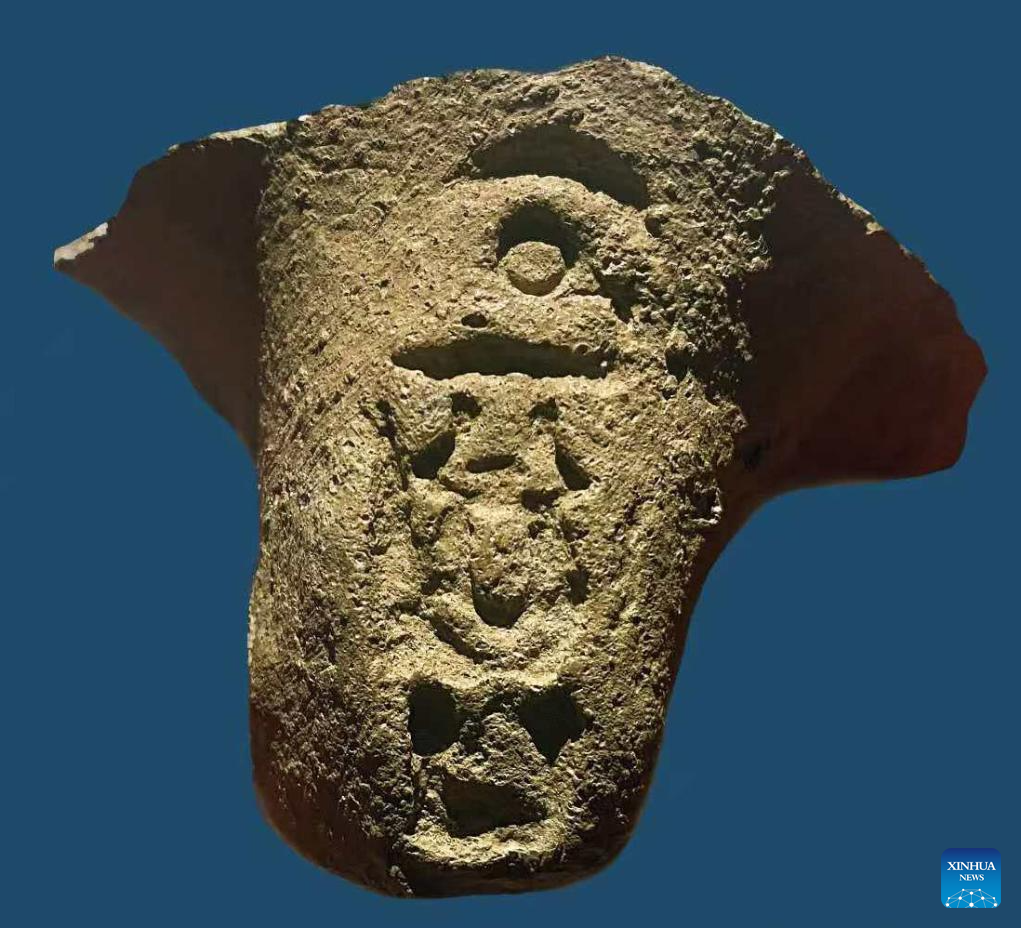
The full royal title of Ptolemaios D'o Filopatwr Ena Taraxwdes Basileio belonged to the ancient Egyptian pharaoh Ptolemy V Epiphanes. This name translates to Ptolemy, God Manifest, Loving His Father, Savior King. His reign from 204 to 180 BCE was a pivotal, turbulent era for the Ptolemaic Kingdom. It was defined by major internal revolts, significant territorial losses, and a deepening cultural fusion. This period also produced the Rosetta Stone, an artifact that would millennia later unlock the secrets of hieroglyphs.
The Turbulent Reign of Ptolemy V Epiphanes
Ptolemy V Epiphanes was thrust into power under tragic circumstances. Born around 210 BCE, he was only five years old when his father, Ptolemy IV Philopator, was murdered in 204 BCE. A council of regents, led by the ministers Agathocles and Sosibius, initially governed on behalf of the child king. This period of weak central authority triggered instability that would plague much of his 24-year rule.
A Dynasty in Crisis: The Ptolemaic Inheritance
Ptolemy V inherited a realm that was outwardly wealthy but internally fractured. The Ptolemaic Dynasty, founded by Ptolemy I Soter after the death of Alexander the Great, was the longest-lasting dynasty of ancient Egypt. For nearly three centuries, these Macedonian Greek rulers governed Egypt from their magnificent capital, Alexandria. They maintained a delicate balance, presenting themselves as traditional pharaohs to the Egyptian populace while fostering a vibrant Hellenistic culture. By the time of Ptolemy V's accession, however, the strain of constant foreign wars and internal mismanagement was beginning to show.
The dynasty lasted for an impressive 275 years, producing 15 rulers who blended Greek and Egyptian traditions.
The kingdom's economy was highly centralized, relying heavily on bountiful grain exports. This wealth funded a large military and grand construction projects. Yet, the power structure was fragile. The reign of Ptolemy V would test this structure to its limits.
Major Challenges and the Great Theban Revolt
The most significant and prolonged crisis of Ptolemy V's reign was the Great Theban Revolt. Beginning in Upper Egypt around 205 BCE, just before his accession, this rebellion saw native Egyptian leaders challenge Ptolemaic authority. The revolt was led first by the priest Hugronaphor and later by his son, Ankhmakis.
Loss of Control and Eventual Suppression
For nearly two decades, from 205 to 186 BCE, large parts of Upper Egypt operated independently of the Alexandrian government. The rebels established their own capital at Thebes and even minted their own coins. This severed a vital economic artery for the Ptolemies and represented a profound crisis of legitimacy. The Ptolemaic regime eventually mobilized its forces to crush the rebellion. The victory was commemorated by a council of Egyptian priests through a decree issued in 196 BCE. This decree, inscribed on a granodiorite stele, is the world-famous Rosetta Stone.
The stele was written in three scripts: Ancient Greek, Demotic Egyptian, and Egyptian hieroglyphs. This trilingual inscription would prove key to the decipherment of hieroglyphs by Jean-François Champollion in 1822. The decree itself praises Ptolemy V for his benefactions to the temples and reaffirms his divine royal cult.
The Rosetta Stone: A Decree of Loyalty
The Rosetta Stone stands as the most enduring legacy of Ptolemy V's reign. Its creation was a calculated political act, not an archaeological gift to the future.
- Purpose: To publicly honor the pharaoh and secure the continued loyalty of the powerful Egyptian priesthood.
- Content: It lists tax reductions, temple restorations, and other benevolent acts granted by the young king.
- Strategic Importance: By issuing the decree in the language of the administration (Greek) and the sacred and common scripts of Egypt, it aimed to unify the kingdom's diverse populations under his rule.
Despite this symbolic victory, the underlying tensions between the Greek ruling class and the Egyptian populace remained a persistent feature of Ptolemaic rule.
Foreign Conflicts and Territorial Decline
While battling internal rebellion, Ptolemy V also faced severe external threats. The Ptolemaic Kingdom was locked in a series of wars with its rival Hellenistic empire, the Seleucids, over control of the Eastern Mediterranean. These conflicts, known as the Syrian Wars, had previously seen victories, such as the Battle of Raphia in 217 BCE under his father.
War with Antiochus III the Great
However, the early years of Ptolemy V's reign coincided with the ambitious expansion of the Seleucid king Antiochus III. Taking advantage of Egypt's internal weakness, Antiochus III invaded and won decisive victories. By the year 200 BCE, the Ptolemaic Empire lost control of Coele-Syria, Phoenicia, and its valuable holdings on the island of Cyprus.
These territorial losses marked a significant shift. The Ptolemaic Kingdom moved from being an expansive empire to a largely defensive state focused on retaining its core territory of Egypt.
This decline in foreign power was a turning point. It signaled the beginning of a long period where external powers, particularly the rising Roman Republic, would increasingly intervene in Egyptian affairs. The marriage of Ptolemy V to Cleopatra I, a Seleucid princess, in 193 BCE was a diplomatic move aimed at stabilizing relations with their powerful neighbor. While it brought a temporary peace, it also underscored the dynasty's reliance on alliances to maintain its position.
The Culture and Administration of Ptolemaic Egypt
The reign of Ptolemy V Epiphanes took place within a highly sophisticated administrative and cultural framework. The Ptolemaic Kingdom was a unique hybrid state, expertly designed to extract Egypt's vast agricultural wealth. This complex bureaucracy was a key reason for the dynasty's longevity and economic success, even during periods of political turmoil like the 2nd century BCE.
At the heart of this system was the state monopoly on key industries. The most important of these was the grain trade. Vast estates, worked by native Egyptian farmers, produced surplus wheat and barley that fed the capital of Alexandria and was exported across the Mediterranean. This wealth directly funded the royal court, the military, and monumental projects like the Library of Alexandria and the Pharos Lighthouse.
The Dual Nature of Ptolemaic Rule
Ptolemaic administration skillfully managed a dual society. The ruling class in Alexandria and other Greek-founded cities like Ptolemais Hermiou was predominantly Macedonian and Greek. They lived under Greek law and enjoyed political privileges. Meanwhile, the vast majority of the population in the Egyptian countryside continued to live according to ancient customs and laws.
- Legal Systems: Greek courts (dikasteria) operated alongside Egyptian courts, with the choice of legal venue often depending on the language of the contract.
- Language of Power: Koine Greek was the language of administration, the military, and high culture, while Demotic Egyptian was used for daily business and local temple affairs.
- Economic Integration: The state required taxes to be paid in coin, which integrated the traditional barter economy into a broader monetary system controlled by the crown.
This blend of systems was not merely for efficiency. It was a deliberate strategy to maintain separation between the ruling elite and the subject population while ensuring the steady flow of revenue to the central government.
Military Organization and Economic Foundations
The Ptolemaic military was a formidable force, crucial for both external defense and internal security. It was a large, professional army that blended various troop types. Following the model established by his predecessors, Ptolemy V's military relied on a core of soldiers settled on land grants known as kleruchies. This system ensured a loyal, standing army dispersed throughout the country. These soldier-farmers were a permanent military presence and a key tool for controlling the countryside.
The backbone of the army consisted of Macedonian and Greek phalangites. They were supported by a diverse array of native Egyptian troops, mercenaries from across the Mediterranean, and specialized units like war elephants. The Ptolemaic navy was also one of the most powerful in the Hellenistic world, essential for protecting trade routes and projecting power across the sea.
The Cost of Defense and Decline
Maintaining such a large military was incredibly expensive. The costs of mercenaries, equipment, and fortifications placed a heavy burden on the state treasury. The territorial losses suffered during the reign of Ptolemy V had a direct and severe economic impact. Losing Coele-Syria and Cyprus meant forfeiting access to important timber resources for shipbuilding and lucrative trade networks.
Revenue from these foreign possessions dried up, forcing greater reliance on the Egyptian heartland's agricultural output. This, in turn, may have led to increased tax pressure on the native population, potentially fueling further discontent like that seen in the Great Theban Revolt. The military's failure to prevent these losses also damaged the dynasty's prestige and exposed its growing vulnerability.
Cultural Syncretism and Religious Policy
One of the most fascinating aspects of Ptolemaic rule was the deliberate cultural and religious fusion, a policy evident during the reign of Ptolemy V. The Ptolemies presented themselves as legitimate pharaohs in the Egyptian tradition while simultaneously promoting Hellenistic culture. This syncretism was not just political theater; it was a vital tool for legitimizing their rule over a land with a deeply conservative and powerful religious establishment.
Pharaohs like Ptolemy V funded the construction and restoration of traditional Egyptian temples. The Rosetta Stone decree explicitly lists such benefactions, showing the king fulfilling his divine duty to the gods of Egypt. At the same time, in Alexandria, the dynasty promoted new, syncretic deities designed to appeal to both Greeks and Egyptians. The most successful of these was Serapis, a god combining aspects of Osiris and Apis with Greek deities like Zeus and Hades.
The Divine Kingship of the Ptolemies
The royal cult was central to Ptolemaic ideology. The king and queen were worshipped as living gods, a concept more readily accepted in the Egyptian religious framework than in traditional Greek thought. The elaborate titles of the rulers, including those of Ptolemy V Epiphanes (God Manifest), communicated this divinity.
- Egyptian Tradition: The pharaoh was the intermediary between the gods and the people, responsible for maintaining ma'at (cosmic order).
- Hellenistic Tradition: Ruler cults honored founding kings and their descendants as benefactors and saviors (Soter).
- Ptolemaic Fusion: The dynasty merged these ideas, creating a state-sponsored worship of the royal family that served as a unifying cult for the diverse population.
This religious policy was largely successful. The Egyptian priesthood, as seen with the priests who issued the Rosetta Decree, often became strong supporters of the dynasty in exchange for patronage and tax privileges. This created a powerful alliance between the foreign monarchy and the native elite.
The Role of Alexandria as a Cultural Capital
While Memphis remained an important religious center where pharaohs like Ptolemy V were crowned, Alexandria was the undisputed political and cultural capital. Founded by Alexander the Great, it became the greatest city of the Hellenistic world. Under the Ptolemies, it transformed into a center of learning and commerce that attracted scholars, poets, and merchants from across the known world.
The city was home to the legendary Library of Alexandria and the associated Mouseion (Museum), an institute for advanced research. Scholars here collected, copied, and studied texts from every civilization, advancing knowledge in mathematics, astronomy, geography, and medicine. The city's grandeur, exemplified by the Pharos Lighthouse – one of the Seven Wonders of the Ancient World – projected the power and sophistication of the Ptolemaic Kingdom.
Alexandria stood as a powerful symbol of the dynasty's Hellenistic identity, a Greek polis on the Egyptian coast that governed an ancient land.
This created a cultural dichotomy. The brilliant, cosmopolitan life of Alexandria existed in stark contrast to the timeless, rural rhythms of the Egyptian chora (countryside). For much of the dynasty's history, these two worlds coexisted, but the stresses of the 2nd century BCE, as experienced under Ptolemy V, began to reveal the fault lines between them. The reliance on Egyptian grain to fund the Greek capital became more pronounced as foreign revenues declined, tying the fate of the vibrant Hellenistic capital directly to the productivity and stability of the native Egyptian hinterland.
Legacy and the Path to Roman Annexation
The reign of Ptolemy V Epiphanes concluded with his death in 180 BCE at approximately 30 years of age. Ancient sources suggest he may have been poisoned, a fate not uncommon for Hellenistic monarchs. He was succeeded by his young son, Ptolemy VI Philometor, with his widow Cleopatra I acting as regent. The period following his death saw continued external pressure and increasing Roman intervention, setting a course that would ultimately lead to the end of the Ptolemaic dynasty.
The marriage alliance with the Seleucids, solidified by his union with Cleopatra I, provided only a temporary respite. The Syrian Wars continued to drain resources and territory. More significantly, the Roman Republic, victorious over Macedon and the Seleucids, now cast a long shadow over the Eastern Mediterranean. Egypt’s fate would increasingly be decided not in Alexandria, but in the Roman Senate.
The Long Shadow of Ptolemy V's Reign
Ptolemy V’s 24-year rule left a complex legacy. On one hand, he managed to survive a perilous childhood regency, suppress a major two-decade-long rebellion in Upper Egypt, and stabilize his rule through religious patronage and political marriage. The Rosetta Stone, intended as a propaganda monument, stands as his most famous and unintended gift to history. On the other hand, his reign witnessed the permanent loss of key foreign territories and marked the point after which the Ptolemaic Kingdom ceased to be a major expansionist power.
- Consolidation over Expansion: The dynasty shifted focus to holding Egypt proper, a richer but more defensively oriented strategy.
- Strengthened Priesthood Alliance: His policies of temple patronage, as recorded on the Rosetta Stone, cemented a crucial relationship with the Egyptian elite.
- Exposed Vulnerability: The losses to Antiochus III revealed military and political weaknesses that foreign powers, especially Rome, would later exploit.
The dynasty continued for another 150 years after Ptolemy V, but it did so increasingly under the influence and protection of Rome.
Modern Scholarship and Ongoing Research
Modern understanding of Ptolemy V and his era is continually refined through ongoing scholarship. While no major new archaeological discoveries directly tied to his reign have emerged recently, several key areas are the focus of contemporary research. The digitization and re-examination of known artifacts, like the Rosetta Stone, using advanced imaging techniques, continues to yield new insights.
Furthermore, the study of thousands of papyri from the period provides a granular view of daily life, administration, and the economy. These documents, often dealing with tax receipts, land surveys, and personal correspondence, help historians move beyond the grand narratives of kings and battles to understand the lived experience of both Greek settlers and native Egyptians under Ptolemaic rule.
Digital Humanities and Economic Studies
A significant trend in Ptolemaic studies is the application of digital tools. Databases of papyri and inscriptions allow for large-scale analysis of economic patterns, demographic movements, and bureaucratic efficiency. Scholars are particularly interested in the centralized economy – how the state managed its monopolies, collected taxes in coin, and distributed land to soldiers.
Research also continues to explore the nature of cultural interaction. The concept of “Egyptianization” versus “Hellenization” is now seen as too simplistic. Current scholarship emphasizes a more nuanced, two-way process of cultural exchange, where Egyptian traditions influenced Greek residents and vice versa, creating a unique Hellenistic-Egyptian society.
The Ptolemaic Dynasty's Enduring Significance
The Ptolemaic Kingdom holds a unique place in history as the last great pharaonic dynasty and one of the most successful Hellenistic successor states. Its nearly three-century rule represents the longest period of foreign domination in ancient Egyptian history, yet it was also a time of remarkable cultural achievement and economic prosperity. The reign of Ptolemy V sits squarely in the middle of this narrative, illustrating both the dynasty’s strengths and its emerging weaknesses.
The Ptolemies created a legacy that extended far beyond their political collapse. Alexandria remained a preeminent center of learning and culture long after Roman annexation. The synthesis of Greek and Egyptian religious ideas, exemplified by Serapis, influenced the religious landscape of the Roman Empire. Their administrative systems, particularly their agricultural and fiscal organization, were so effective that the Romans largely retained them after taking control.
From Ptolemaic Egypt to Roman Province
The final century of Ptolemaic rule was dominated by internal dynastic strife and increasing Roman manipulation. The famous line of Cleopatras, culminating with Cleopatra VII, navigated this dangerous political landscape. Their alliances and conflicts with Roman strongmen like Julius Caesar and Mark Antony are well-known. The decisive defeat of Antony and Cleopatra at the Battle of Actium in 31 BCE by Octavian (the future Augustus) sealed Egypt’s fate.
In 30 BCE, Egypt was annexed as a personal possession of the Roman emperor, ending the Ptolemaic Dynasty. The wealth of Egypt now flowed directly to Rome, fueling its imperial system. The last descendant of Ptolemy I Soter, the child Caesarion (son of Cleopatra VII and Julius Caesar), was executed. Egypt was transformed from a Hellenistic kingdom into the breadbasket of the Roman Empire.
Conclusion: Ptolemy V in Historical Context
The reign of Ptolemy V Epiphanes was a critical transitional period for Hellenistic Egypt. Ascending to the throne as a child amid assassination and rebellion, his rule was defined by the challenge of holding together a vast, bicultural kingdom under strain. While he is not remembered as a great conqueror like the early Ptolemies, his successful navigation of the Great Theban Revolt and his patronage of Egyptian religion were significant achievements that prolonged dynastic rule.
His era underscores the delicate balance the Ptolemies maintained. They were Greek monarchs ruling an Egyptian land, reliant on a complex bureaucracy to manage immense agricultural wealth while projecting Hellenistic cultural power from Alexandria. The key themes of his reign—internal revolt, foreign conflict, economic centralization, and religious syncretism—were the central tensions of the Ptolemaic state itself.
Key Takeaways from the Savior King's Reign
Reflecting on Ptolemy V’s legacy and the broader Ptolemaic period offers several important historical insights:
- The Rosetta Stone as a Political Tool: This iconic artifact was created not for posterity, but as a pragmatic decree to secure priestly support and legitimize a young king’s rule after a major rebellion.
- The High Cost of Empire: The loss of foreign territories during his reign demonstrates how overextension and military defeat could permanently alter a state’s trajectory, shifting it from expansion to consolidation.
- Cultural Fusion as State Policy: The Ptolemies systematically blended Greek and Egyptian elements in administration, religion, and kingship to stabilize their rule, a strategy clearly seen in Ptolemy V’s titles and temple patronage.
- Economic Foundations of Power: The Ptolemaic state’s remarkable longevity was built less on military might and more on a highly efficient, centralized economic system that maximized Egypt’s agricultural output.
The Ptolemaic Kingdom ultimately fell not because its economic model failed, but due to the overwhelming geopolitical shift caused by the rise of Rome.
In the end, Ptolemy V Epiphanes ruled during the twilight of Egypt’s independence. The world of competing Hellenistic kingdoms was gradually being absorbed into the Roman sphere. His reign preserved the kingdom through a crisis, but the vulnerabilities exposed and the paths of dependency forged would shape the dynasty’s final century. From the child king celebrated on the Rosetta Stone to the last Queen Cleopatra, the Ptolemies created a fascinating and influential chapter in history, where the legacies of Pharaonic Egypt and Classical Greece intertwined to shape the Mediterranean world for centuries to come.




Confederate Monuments Revisited: How US Museums Are Redefining Controversial History
Confederate monuments, once symbols of Southern pride, now stand at the center of a national reckoning. Across the United States, museums are taking bold steps to redefine controversial history by transforming these contentious artifacts into tools for education and reflection. The MONUMENTS exhibition, a groundbreaking collaboration between the Museum of Contemporary Art (MOCA) and The Brick in Los Angeles, exemplifies this shift. Opening in October 2025, the exhibition features 10 decommissioned Confederate monuments, recontextualized alongside contemporary art to challenge their original narratives.
This movement is not just about removal—it’s about reinterpretation. As cities like Baltimore, Montgomery, and Richmond grapple with the legacies of these monuments, institutions are stepping in to foster critical discourse. With nearly 200 Confederate monuments removed since 2015, the conversation has evolved from whether to take them down to how to preserve and present their history responsibly.
The Rise and Fall of Confederate Monuments
Confederate monuments were not merely memorials to the Civil War dead. Many were erected decades after the conflict, during periods of racial tension, serving as symbols of white supremacy. Their removal gained momentum after pivotal events like the 2015 Charleston church shooting and the 2017 Charlottesville rally, where clashes over a Robert E. Lee statue turned deadly.
Key moments in this shift include:
- Bree Newsome’s bold removal of the Confederate flag in South Carolina (2015)
- Baltimore’s overnight dismantling of four Confederate statues (2017)
- Nearly 200 monuments decommissioned nationwide in the following years
These actions sparked debates: Should monuments be destroyed, stored, or repurposed? The MONUMENTS exhibition offers a compelling answer—recontextualization through art.
The MONUMENTS Exhibition: A New Approach
Opening on October 23, 2025, the MONUMENTS exhibition at MOCA’s Geffen Contemporary and The Brick presents a radical reimagining of Confederate history. The show features:
- 10 decommissioned monuments from cities like Baltimore, Montgomery, and Richmond
- 19 contemporary artworks by artists such as Kara Walker and Abigail DeVille
- Juxtapositions of old and new, forcing viewers to confront the past in fresh ways
Baltimore’s four Confederate statues, removed in 2017, were loaned to MOCA after years of debate. Initially resisted by Mayor Brandon Scott, their inclusion highlights the tension between preservation and erasure. The exhibition does not glorify these artifacts but instead exposes their problematic legacies through artistic intervention.
Artistic Interventions: From Symbols to Statements
Contemporary artists in the exhibition are not just displaying these monuments—they are dismantling their power. Kara Walker, known for her provocative explorations of race, transforms a Stonewall Jackson equestrian statue into a “grotesque” hybrid, stripping it of its heroic aura. Abigail DeVille’s immersive installation of charred Civil War-era furniture evokes the burning of Richmond, forcing visitors to confront the violence these monuments once symbolized.
Other notable works include:
- Vandalized monuments, some splattered with red paint, displayed as artifacts of protest
- Interactive installations that invite visitors to engage with history rather than passively observe
- Scholarly publications and public programs to deepening understanding of monument legacies
This approach turns museums into spaces of critical dialogue, where history is not just preserved but challenged.
The Broader Context: Museums as Agents of Change
The MONUMENTS exhibition is part of a larger trend in which museums are redefining their roles in societal debates. Rather than neutral repositories of artifacts, they are becoming active participants in historical reckonings. This shift is evident in initiatives like:
- The new museum at Georgia’s Stone Mountain, set to open in December 2025, which will provide historical context for the massive Confederate carving
- Enhanced security measures, such as metal detectors at MOCA, reflecting the ongoing risks of white supremacist backlash
- Public programming that encourages community engagement and education
These efforts counter political moves to reinstate removed monuments, such as a 2025 Trump decree mandating the restoration of certain statues. By emphasizing discourse over destruction, museums are positioning themselves as guardians of nuanced history.
As the MONUMENTS exhibition demonstrates, the future of Confederate monuments lies not in their removal alone but in their transformation into tools for education and reflection. This approach ensures that history is neither erased nor glorified but understood in all its complexity.
Continue reading in Part 2, where we explore the specific artworks and their impact on public perception.
Artistic Reckonings: How Contemporary Works Challenge Confederate Narratives
The MONUMENTS exhibition does not merely display decommissioned statues—it dismantles their mythologies through bold artistic interventions. By pairing Confederate relics with modern works, the exhibition forces viewers to confront the uncomfortable truths these monuments represent. Here’s how key artists are reshaping the narrative:
Kara Walker’s Surreal Deconstructions
Kara Walker, renowned for her explorations of race and power, contributes a striking reinterpretation of a Stonewall Jackson equestrian statue. Her work transforms the once-revered figure into a “grotesque” hybrid, blending human and animal forms to strip away its heroic facade. This approach highlights how Confederate monuments were tools of intimidation, not just memorials.
Walker’s piece is part of a broader trend in which artists use satire and surrealism to expose the absurdity of glorifying figures who fought to preserve slavery. By placing these works alongside the original monuments, the exhibition undermines their authority and invites critical reflection.
Abigail DeVille’s Immersive Installations
Abigail DeVille’s contribution to the exhibition is a haunting installation of charred Civil War-era furniture, evoking the burning of Richmond during the war’s final days. Her work serves as a visceral reminder of the destruction and suffering these monuments often obscure. Unlike traditional displays, DeVille’s installation engages multiple senses, creating an emotional connection to history.
This immersive approach is crucial in humanizing the past. By juxtaposing DeVille’s scorched artifacts with intact Confederate statues, the exhibition contrasts the romanticized version of history with its brutal realities.
The Role of Vandalism: Protest as Preservation
Some of the monuments in the exhibition bear the marks of public protest, including red paint splatters and graffiti. Rather than restoring these artifacts to their original state, curators have chosen to preserve the vandalism as part of their historical record. This decision underscores a key question: Is defacement a form of destruction or a form of storytelling?
The inclusion of vandalized monuments serves multiple purposes:
- It documents public outrage and the demand for change
- It challenges the idea of monuments as untouchable
- It highlights the role of activism in reshaping historical narratives
By displaying these altered artifacts, the exhibition legitimizes protest as a valid response to oppressive symbols. This approach aligns with broader trends in museum curation, where imperfections and interventions are embraced as part of an object’s history.
Security and Controversy: The Risks of Recontextualization
Recontextualizing Confederate monuments is not without risks. The MONUMENTS exhibition has implemented heightened security measures, including metal detectors, to protect against potential backlash. These precautions reflect the ongoing volatility surrounding Confederate imagery, particularly in an era of resurgent white supremacist movements.
The exhibition’s security protocols highlight several key tensions:
- Safety vs. accessibility: How do museums balance public engagement with protection?
- Free speech vs. hate speech: Can these monuments be displayed without amplifying harmful ideologies?
- Preservation vs. provocation: Does recontextualization risk glorifying the very symbols it seeks to critique?
Despite these challenges, the exhibition’s curators argue that confronting controversy is essential to meaningful dialogue. By acknowledging the risks, they demonstrate the importance of facing history head-on rather than sanitizing it.
Beyond Removal: The Future of Confederate Monuments
The MONUMENTS exhibition is part of a growing movement to reimagine the role of Confederate monuments in public memory. While removal has been a dominant strategy, museums are now exploring alternative approaches, including:
Contextualization Over Erasure
Rather than destroying monuments, institutions are adding interpretive layers to reframe their meanings. For example, the upcoming museum at Georgia’s Stone Mountain will provide historical context for the site’s massive Confederate carving. This approach allows visitors to engage with history critically without erasing it entirely.
Contextualization offers several advantages:
- It preserves artifacts for future study
- It encourages dialogue rather than silence
- It acknowledges the complexity of historical narratives
Artistic Interventions as Permanent Solutions
The MONUMENTS exhibition suggests that artistic interventions could become a permanent solution for controversial statues. By commissioning contemporary works that directly engage with Confederate imagery, museums can transform these artifacts into sites of critique rather than veneration.
This strategy has already been employed in other contexts, such as:
- The “Tear It Down” mural in Richmond, which reimagines a Confederate statue as a symbol of resistance
- The “Unsilent Rebellion” project, which overlays augmented reality narratives onto monuments
These interventions demonstrate that art can be a powerful tool for reclaiming problematic histories.
The Debate Over Deaccessioning
One of the most contentious issues surrounding Confederate monuments is deaccessioning—the process of permanently removing artifacts from museum collections. The fate of Baltimore’s four statues, currently on loan to MOCA, remains uncertain. While some argue for their destruction, others advocate for long-term preservation in educational contexts.
The deaccessioning debate raises critical questions:
- Who has the authority to decide the fate of these monuments?
- Can they be repurposed in ways that serve justice?
- What are the ethical implications of keeping or discarding them?
As museums navigate these challenges, the MONUMENTS exhibition serves as a test case for how institutions can balance preservation with progress.
Continue to Part 3, where we examine the exhibition’s impact on public perception and its long-term implications for historical memory.
Public Reception and the Power of Museum Spaces
The MONUMENTS exhibition has sparked intense public debate, demonstrating how museums can serve as catalysts for difficult conversations. Visitor reactions have ranged from profound reflection to outright controversy, revealing deep divisions in how Americans perceive Confederate history. This section explores the exhibition’s impact on audiences and its role in shaping collective memory.
Visitor Responses: From Reverence to Resistance
Early reviews of the exhibition highlight its emotional and intellectual impact. Many visitors report feeling a mix of anger, sadness, and enlightenment when confronted with the juxtaposition of Confederate monuments and contemporary art. Key observations include:
- Surprise at the scale of the monuments when viewed indoors, stripped of their pedestals
- Discomfort with the vandalized pieces, which force viewers to acknowledge recent protests
- Appreciation for the artistic interventions, which provide new lenses for understanding these objects
One visitor remarked,
“Seeing these statues in a museum instead of a park makes you realize how much power they once held—and how that power was used to intimidate.”This sentiment reflects the exhibition’s success in shifting perspectives through curatorial choices.
The Role of Public Programming
To deepen engagement, MOCA and The Brick have developed extensive public programming, including:
- Panel discussions with historians, artists, and activists
- Educational workshops for students and teachers
- Community forums on race, memory, and public space
These programs transform the exhibition from a passive viewing experience into an active dialogue. By inviting diverse voices into the conversation, the museums ensure that the narrative around Confederate monuments continues to evolve beyond the gallery walls.
Legal and Political Challenges: The Fight Over Historical Narratives
The exhibition’s approach to Confederate monuments has not gone unchallenged. Legal and political battles continue to shape how these artifacts are displayed, preserved, or removed. This section examines the ongoing struggles between institutions, governments, and advocacy groups.
The Trump Decree and Its Aftermath
In 2025, a Trump administration decree mandated the restoration of certain Confederate monuments, complicating the work of museums and cities that had removed them. This policy shift forced institutions to navigate:
- Legal battles over ownership and display rights
- Public backlash from both supporters and opponents of removal
- Ethical dilemmas about complying with federal orders versus local values
The MONUMENTS exhibition emerged in this fraught context, offering a middle ground between outright destruction and uncritical restoration. By presenting these artifacts as objects of study rather than veneration, the exhibition subverts political mandates while still engaging with history.
State-Level Battles: From Virginia to Georgia
The debate over Confederate monuments plays out differently across states, with some embracing removal and others resisting it. Key examples include:
- Virginia, where Richmond’s Monument Avenue has undergone significant changes, including the removal of statues like Robert E. Lee
- Georgia, where Stone Mountain’s new museum aims to contextualize rather than celebrate its Confederate carving
- Alabama, where laws protect monuments, making removal nearly impossible without legislative action
These varying approaches highlight the fragmented nature of historical memory in the U.S. While some regions seek to confront their past, others remain entangled in nostalgia and denial.
The Long-Term Impact: How Museums Are Reshaping History
The MONUMENTS exhibition is more than a temporary display—it represents a paradigm shift in how museums engage with controversial history. This final section explores its lasting implications for institutions, educators, and the public.
A New Model for Museum Curation
The exhibition sets a precedent for how museums can handle divisive artifacts. Key takeaways include:
- Recontextualization over removal: Museums can transform meaning without erasing history.
- Collaboration with artists: Contemporary interventions provide fresh perspectives on old narratives.
- Community engagement: Public programming ensures that exhibitions resonate beyond the gallery.
This model challenges traditional curatorial practices, which often prioritize neutrality over critical engagement. By embracing controversy, museums like MOCA are redefining their role as active participants in social discourse.
Educational Opportunities and Challenges
The exhibition also presents unique opportunities for education, particularly in how history is taught. Schools and universities are increasingly using such displays to:
- Teach critical thinking about historical narratives
- Explore the relationship between art and activism
- Encourage students to question dominant narratives about race and power
However, challenges remain, including:
- Resistance from conservative groups who view the exhibition as revisionist
- Limited access for schools in regions where Confederate symbols are still celebrated
- The risk of trauma for students confronting painful histories
Despite these hurdles, the exhibition’s educational potential is immense, offering a blueprint for future curricula that center marginalized voices.
Conclusion: The Future of Confederate Monuments in American Memory
The MONUMENTS exhibition marks a turning point in the national conversation about Confederate history. By recontextualizing these controversial artifacts, museums are not only preserving them but also transforming their meaning for future generations. The exhibition’s blend of historical artifacts, contemporary art, and public dialogue offers a powerful model for how institutions can engage with difficult pasts.
Key takeaways from this exploration include:
- Recontextualization works: Displaying monuments alongside critical art undermines their original power.
- Public engagement is essential: Museums must go beyond displays to foster dialogue.
- Legal and political battles persist: The fight over Confederate symbols is far from over.
- Education is the ultimate goal: These exhibitions can reshape how history is taught.
As the U.S. continues to grapple with its legacy of racism and division, the MONUMENTS exhibition stands as a testament to the power of art and institutions to challenge, educate, and heal. It proves that history is not static—it is alive, contested, and always open to reinterpretation.
In the end, the question is not whether Confederate monuments should exist, but how we choose to remember them. Through exhibitions like this one, museums are leading the way in ensuring that memory serves justice, not oppression.


Découverte exceptionnelle de mosaïques de paons du IVe siècle à Hadrianopolis
Une découverte archéologique majeure en Anatolie
Des archéologues ont mis au jour des mosaïques spectaculaires du IVe siècle dans l'ancienne ville d'Hadrianopolis, située dans la province de Karabük, en Turquie. Ces œuvres d'art, centrées sur deux paons buvant à une vasque, ont été découvertes dans une salle de réception d'un complexe palatial. Environ 80 % de la surface mosaïquée est préservée, offrant un aperçu rare de l'art et de la culture de l'Antiquité tardive.
Contexte historique et archéologique
Hadrianopolis : un site d'importance majeure
Hadrianopolis, située dans l'actuelle Eskipazar, est un site archéologique d'une grande importance. Occupé depuis le Chalcolithique final, le site a connu une occupation continue pendant les périodes romaine et byzantine. La découverte d'un complexe palatial enrichit notre compréhension des élites locales et de l'urbanisme tardif en dehors des grands centres côtiers.
La salle de réception et son importance
La salle de réception, ou audience hall, est un élément clé de cette découverte. Datée du IVe siècle de notre ère, elle est intégrée à un complexe palatial tardif. Les mosaïques, avec leurs motifs géométriques et leurs représentations de paons, suggèrent une représentation visuelle du statut et de la richesse des commanditaires.
Les mosaïques : un chef-d'œuvre de l'Antiquité tardive
Iconographie et symbolisme
La composition centrale des mosaïques représente deux paons en posture antithétique buvant dans une vasque. Ce motif est lié à l'abondance et au prestige dans l'Antiquité tardive. Les paons, souvent interprétés comme des symboles d'immortalité et de richesse, sont entourés de motifs géométriques tels que des rubans ondulés, une étoile à huit branches et des nœuds de Salomon.
Motifs géométriques et innovations
Les mosaïques présentent un répertoire décoratif riche et varié. Parmi les motifs géométriques, on trouve des rubans ondulés, une étoile à huit branches, des nœuds de Salomon et des panneaux géométriques. Certaines formes décoratives semblent n'avoir jamais été signalées auparavant dans la littérature anatolienne, ce qui indique des variantes locales persistantes au IVe siècle.
État de conservation et perspectives futures
Conservation et documentation
Environ 80 % de la surface mosaïquée est intacte, malgré des sections manquantes et des figures humaines largement détériorées. La conservation in situ et la documentation numérique, telle que la photogrammétrie, sont des priorités pour préserver et publier le plan de mosaïque et les motifs avant tout remaniement.
Projets futurs et recherches
Les fouilles sont dirigées par le Pr. Ersin Çelikbaş de l'Université de Karabük, dans le cadre du projet « Heritage for the Future » du ministère turc de la Culture et du Tourisme. Des travaux supplémentaires sont programmés pour 2026 afin d'explorer d'autres parties du palais et d'approfondir notre compréhension de ce site exceptionnel.
Conclusion de la première partie
La découverte des mosaïques de paons du IVe siècle à Hadrianopolis est une avancée majeure pour l'archéologie et l'histoire de l'art. Ces œuvres, avec leurs motifs géométriques et leurs représentations symboliques, offrent un aperçu unique de la culture et du prestige de l'Antiquité tardive. Dans la prochaine partie, nous explorerons plus en détail les comparaisons régionales et les tendances actuelles de la recherche.
Comparaisons régionales et importance des mosaïques d'Hadrianopolis
Un répertoire décoratif unique en Anatolie
Les mosaïques d'Hadrianopolis se distinguent par leur répertoire décoratif, qui inclut des motifs géométriques rares. Parmi ceux-ci, les nœuds de Salomon et les étoiles à huit branches sont particulièrement remarquables. Ces motifs, combinés à des représentations de paons, suggèrent une influence stylistique à la fois locale et méditerranéenne.
Les archéologues ont noté que certaines formes décoratives n'avaient jamais été signalées auparavant dans la littérature anatolienne. Cette découverte élargit le corpus régional des répertoires décoratifs et montre des échanges stylistiques ou des modèles de prestige adoptés localement.
Comparaison avec d'autres sites archéologiques
Les mosaïques palatiales bien conservées sont moins fréquentes dans l'arrière-pays de la mer Noire et en Anatolie du Nord que dans les grands centres méditerranéens. Hadrianopolis offre donc une opportunité unique de comparer les styles décoratifs et les techniques artistiques de différentes régions.
- Motifs géométriques : Les mosaïques d'Hadrianopolis présentent des motifs géométriques complexes, tels que des rubans ondulés et des étoiles à huit branches.
- Représentations animales : Les paons, symboles d'abondance et de prestige, sont un élément central des mosaïques.
- Innovations locales : Certaines formes décoratives semblent uniques à Hadrianopolis, indiquant une tradition artistique locale distincte.
Tendances actuelles de la recherche archéologique
Élargissement du corpus des mosaïques tardives
La découverte des mosaïques d'Hadrianopolis appelle à une révision comparative des catalogues régionaux de motifs. Les archéologues soulignent que la typologie décorative des mosaïques tardives reste incomplète, et que des variantes locales persistent au IVe siècle.
Cette découverte invite à une étude plus approfondie des répertoires décoratifs et des techniques artistiques utilisées dans l'Antiquité tardive. Elle offre également une opportunité de mieux comprendre les échanges culturels et stylistiques entre les différentes régions de l'Empire romain.
Perspectives interdisciplinaires
La fouille d'un espace palatial à Hadrianopolis invite à intégrer plusieurs disciplines archéologiques. Les analyses stratigraphiques, typologiques et architecturales sont essentielles pour comprendre le contexte des mosaïques. De plus, les études matérielles, telles que l'analyse des tesselles et des liants, peuvent fournir des informations précieuses sur les techniques de fabrication et les réseaux de commande.
- Analyses stratigraphiques : Pour déterminer la chronologie et le contexte des mosaïques.
- Études typologiques : Pour comparer les motifs et les styles avec d'autres sites archéologiques.
- Analyses matérielles : Pour comprendre les techniques de fabrication et la provenance des matériaux.
- Études iconographiques : Pour interpréter les symboles et les représentations des mosaïques.
Conservation et gestion des mosaïques
Protocoles de conservation in situ
Avec 80 % de la surface mosaïquée intacte, la conservation in situ est une priorité. Les archéologues utilisent des techniques avancées, telles que la photogrammétrie et l'orthophotographie, pour documenter et préserver les mosaïques avant tout remaniement.
Ces techniques permettent de créer des modèles 3D précis des mosaïques, facilitant ainsi leur étude et leur conservation. Elles offrent également une base de données numérique pour les recherches futures et la diffusion publique.
Travaux futurs et collaborations
Les fouilles à Hadrianopolis sont dirigées par le Pr. Ersin Çelikbaş de l'Université de Karabük, dans le cadre du projet « Heritage for the Future » du ministère turc de la Culture et du Tourisme. Des travaux supplémentaires sont programmés pour 2026 afin d'explorer d'autres parties du palais et d'approfondir notre compréhension de ce site exceptionnel.
Les collaborations internationales et interdisciplinaires sont essentielles pour maximiser les résultats de ces fouilles. Les archéologues, les historiens de l'art et les spécialistes de la conservation travaillent ensemble pour préserver et interpréter les mosaïques d'Hadrianopolis.
Conclusion de la deuxième partie
Les mosaïques d'Hadrianopolis offrent un aperçu unique de l'art et de la culture de l'Antiquité tardive. Leur répertoire décoratif, combinant des motifs géométriques rares et des représentations symboliques, enrichit notre compréhension des échanges culturels et stylistiques de l'époque. Dans la troisième partie, nous explorerons les implications de cette découverte pour la recherche archéologique et historique, ainsi que les défis et les opportunités pour la conservation et la diffusion de ce patrimoine exceptionnel.
Implications pour la recherche archéologique et historique
Réévaluation des catalogues régionaux de mosaïques
La découverte des mosaïques d'Hadrianopolis remet en question les catalogues existants des mosaïques tardives en Anatolie. Les motifs géométriques inédits, tels que les variations locales des nœuds de Salomon, suggèrent que les répertoires décoratifs de l'Antiquité tardive étaient plus diversifiés qu'on ne le pensait auparavant.
Les chercheurs devront désormais:
- Réviser les classifications typologiques des mosaïques anatoliennes
- Intégrer ces nouveaux motifs dans les bases de données archéologiques
- Reconsidérer les routes de diffusion des styles décoratifs entre les régions côtières et l'intérieur des terres
Nouveaux éclairages sur les élites locales
La salle de réception mosaïquée offre des indices précieux sur le statut social et le pouvoir des élites d'Hadrianopolis. La présence de paons, symboles de richesse et d'immortalité, indique que les commanditaires de ces mosaïques cherchaient à afficher leur prestige à travers des motifs à forte charge symbolique.
Les paons dans l'art tardif romain représentent souvent l'abondance et la renaissance, des thèmes particulièrement pertinents pour une élite locale cherchant à légitimer son pouvoir dans une période de transition politique.
Défis et opportunités pour la conservation
Protocoles de préservation à long terme
La conservation des mosaïques d'Hadrianopolis présente plusieurs défis majeurs:
- Stabilité structurelle : Prévenir l'effritement des tesselles et du support
- Contrôle environnemental : Gestion de l'humidité et des variations de température
- Accès public : Conciliation entre préservation et valorisation touristique
Les solutions envisagées incluent:
- L'installation de systèmes de surveillance climatique
- La création de structures de protection temporaires
- Le développement de répliques numériques pour l'éducation publique
Collaborations internationales
Le projet bénéficie déjà de partenariats avec:
- L'Université de Karabük pour les analyses scientifiques
- Le Ministère turc de la Culture pour le financement
- Des institutions européennes pour les échanges de bonnes pratiques
Perspectives de recherche future
Questions ouvertes et axes de recherche
Plusieurs questions restent à explorer:
- Quelle était la fonction exacte de ce complexe palatial dans le réseau urbain d'Hadrianopolis?
- Existe-t-il des ateliers locaux de production de mosaïques ou les artisans venaient-ils d'autres régions?
- Comment ces mosaïques s'intègrent-elles dans le contexte politique plus large de l'Empire romain tardif?
Méthodologies innovantes
Les prochaines campagnes prévoient d'utiliser:
- L'analyse spectrale pour déterminer la composition des pigments
- La datation par luminescence pour affiner la chronologie
- La modélisation 3D pour reconstruire virtuellement la salle
Conclusion: L'importance durable de cette découverte
Les mosaïques d'Hadrianopolis représentent une découverte archéologique majeure qui:
- Enrichit notre compréhension de l'art provincial romain
- Met en lumière les réseaux culturels de l'Anatolie tardive
- Offre un témoignage exceptionnel du patronage artistique local
Avec 80% de conservation, un répertoire iconographique unique et un contexte palatial bien préservé, ce site promet de devenir un point de référence pour les études sur l'Antiquité tardive. Les recherches futures, combinant approches traditionnelles et technologies innovantes, continueront à révéler les secrets de cette cité oubliée et de ses habitants.
Alors que les fouilles se poursuivent et que de nouvelles découvertes sont attendues pour 2026, Hadrianopolis s'affirme comme l'un des sites archéologiques les plus prometteurs de la région de la mer Noire, offrant une fenêtre privilégiée sur un monde en transition entre l'Antiquité classique et le Moyen Âge byzantin.