Van Life: The Ultimate Guide to Freedom on Wheels
Van life has transformed from a niche lifestyle into a mainstream movement, captivating over 3 million Americans who now call converted vans or RVs their full-time homes. This surge—63% growth since 2020—reflects a cultural shift toward mobility, minimalism, and the pursuit of adventure. With the global van conversion market valued at $2.5 billion in 2025 and projected to nearly double by 2033, it's clear that van life is more than a trend; it's a revolution in modern living.
Driven by remote work flexibility, rising housing costs, and a desire for sustainable travel, van life offers an unparalleled sense of freedom. Whether you're a digital nomad, a retiree, or simply someone craving a simpler existence, this guide will explore the ins and outs of life on the road. From the latest tech innovations like Starlink connectivity to the growing community of van lifers, we’ll cover everything you need to know to embrace this liberating lifestyle.
The Rise of Van Life: A Cultural Phenomenon
The van life movement has exploded in popularity, fueled by a perfect storm of societal changes. The COVID-19 pandemic accelerated the shift to remote work, with 35 million Americans now working from anywhere—a staggering increase from just 9 million in 2019. This newfound flexibility, combined with soaring housing costs, has made van life an attractive alternative to traditional living.
Google searches for "van life" have skyrocketed by 312% in five years, while the hashtag VanLife boasts over 14 million posts on Instagram. This digital buzz reflects a broader cultural embrace of minimalism, adventure, and the open road. But what’s driving this phenomenon beyond social media hype?
Why Van Life? Key Motivations Behind the Movement
Freedom is the cornerstone of van life. A whopping 86% of van lifers cite travel freedom as their primary motivation. The ability to wake up to a new view every day—whether it’s a mountain range, a beach, or a bustling city—is a powerful draw. But the appeal doesn’t stop there:
- Escape housing costs: With 67% of van lifers seeking relief from rent or mortgages, financial freedom is a major factor. The average American spends over 30% of their income on housing; van life slashes that expense dramatically.
- Reduced stress and increased happiness: 90% of van lifers report higher happiness levels, attributing their well-being to simpler living, closer connections to nature, and the absence of a daily grind.
- Remote work synergy: The rise of digital nomadism has made van life more feasible than ever. With tools like Starlink providing reliable internet on the road, professionals can maintain careers while exploring the country.
These motivations are reshaping demographics, too. The median age of RV owners has dropped to 49 in 2025, down from 53 in 2021, with millennials leading the charge. Today, 36% of RV owners are first-timers, and 52% of van lifers live solo, with women making up 60% of that group.
The Evolution of Van Life: From Hippie Vans to High-Tech Homes
Van life isn’t new, but its modern iteration is a far cry from the hippie vans of the 1960s. Today’s van conversions are sleek, tech-integrated, and designed for comfort. The market has responded with innovations that cater to every need:
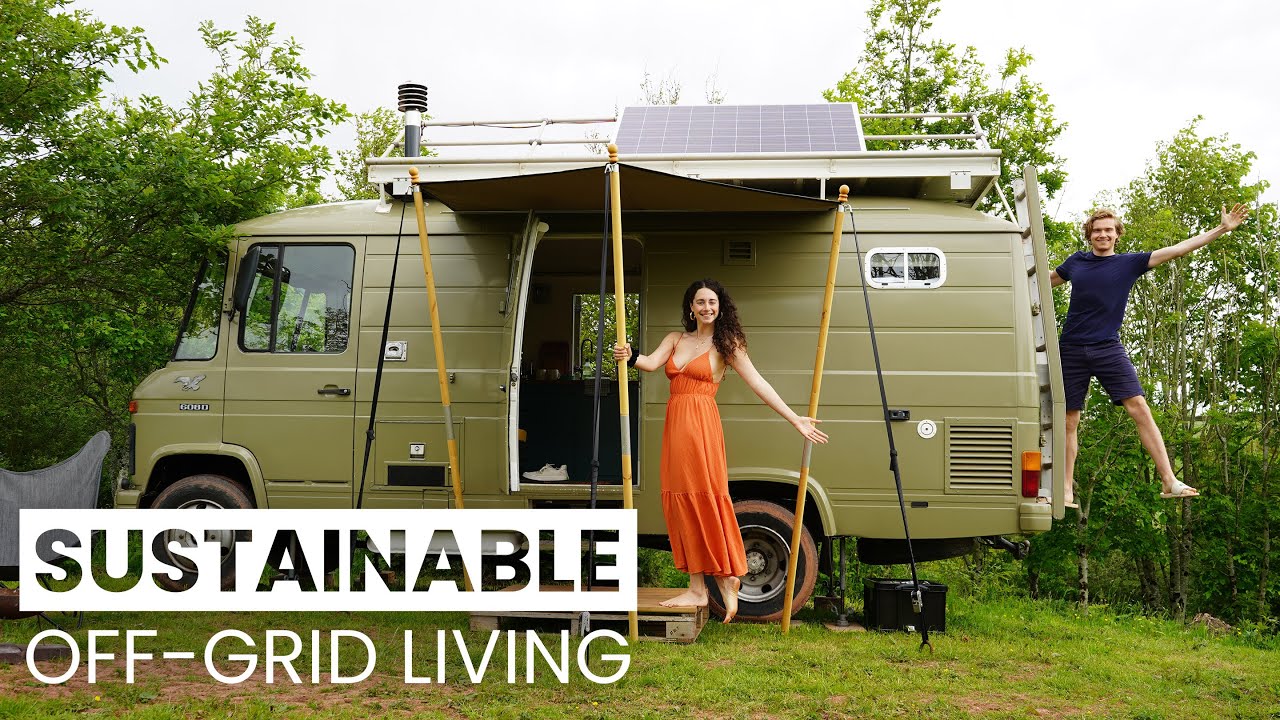
- Solar power: Over 60% of van lifers now use solar panels to power their homes on wheels, reducing reliance on generators and fossil fuels.
- Electric vans: With sustainability at the forefront, electric van conversions are gaining traction, offering eco-friendly alternatives to traditional gas-guzzlers.
- Smart tech: From Starlink internet to advanced battery systems, technology is making van life more connected and convenient than ever.
These advancements are propelling the van conversion market to new heights. With a projected CAGR of 8-9.5%, the industry is expected to reach $4.8 to $5.1 billion by 2033. North America leads in innovation, but the Asia-Pacific region is emerging as a key player, signaling global interest in this lifestyle.
Who’s Living the Van Life? Demographics and Trends
Van life isn’t just for free spirits or digital nomads—it’s a diverse movement attracting people from all walks of life. The stereotype of van life as a young, solo adventurer’s domain is evolving, with families, retirees, and even remote workers with stable careers joining the ranks.
The Changing Face of Van Life: Who’s on the Road?
The demographics of van life are as varied as the vans themselves. Here’s a breakdown of who’s embracing this lifestyle in 2025:
- Age groups: While millennials (25-44 years old) dominate, there’s growing interest from Gen X and retirees. The median age of RV owners is now 49, reflecting broader appeal.
- Living arrangements: 52% of van lifers travel solo, with 60% of solo travelers being women. Meanwhile, 44% are couples, and a small but growing number are families with children.
- Diversity: The movement is becoming more inclusive, with notable growth among Hispanic-American and African American communities, each seeing a 30% increase in participation.
Geographically, California, Colorado, Florida, Oregon, and Washington lead the U.S. in van life adoption. These states offer a mix of scenic landscapes, favorable climates, and van-friendly communities, making them hotspots for both new and seasoned van lifers.
Van Life by the Numbers: Key Statistics
To understand the scope of the van life movement, let’s dive into some compelling data:
- Growth: From 1.9 million van lifers in 2020 to over 3 million in 2025, the movement has seen a 63% increase in just five years.
- Market value: The van conversion market is now worth $2.5 billion and is projected to grow to $5.1 billion by 2033.
- Remote work: 35 million Americans work remotely in 2024, a dramatic rise from 9 million in 2019, making van life more accessible.
- Usage trends: RV owners now use their vehicles for a median of 30 days per year, up 50% from 2021, indicating a shift toward more frequent, extended travel.
These statistics underscore the rapid expansion and mainstream acceptance of van life. What was once a fringe lifestyle is now a viable, aspirational way of living for millions.
The Van Life Experience: What to Expect on the Road
Transitioning to van life is exhilarating, but it’s not without its challenges. Understanding the realities of life on the road—both the highs and the lows—is crucial for anyone considering this lifestyle.
The Joys of Van Life: Freedom, Adventure, and Community
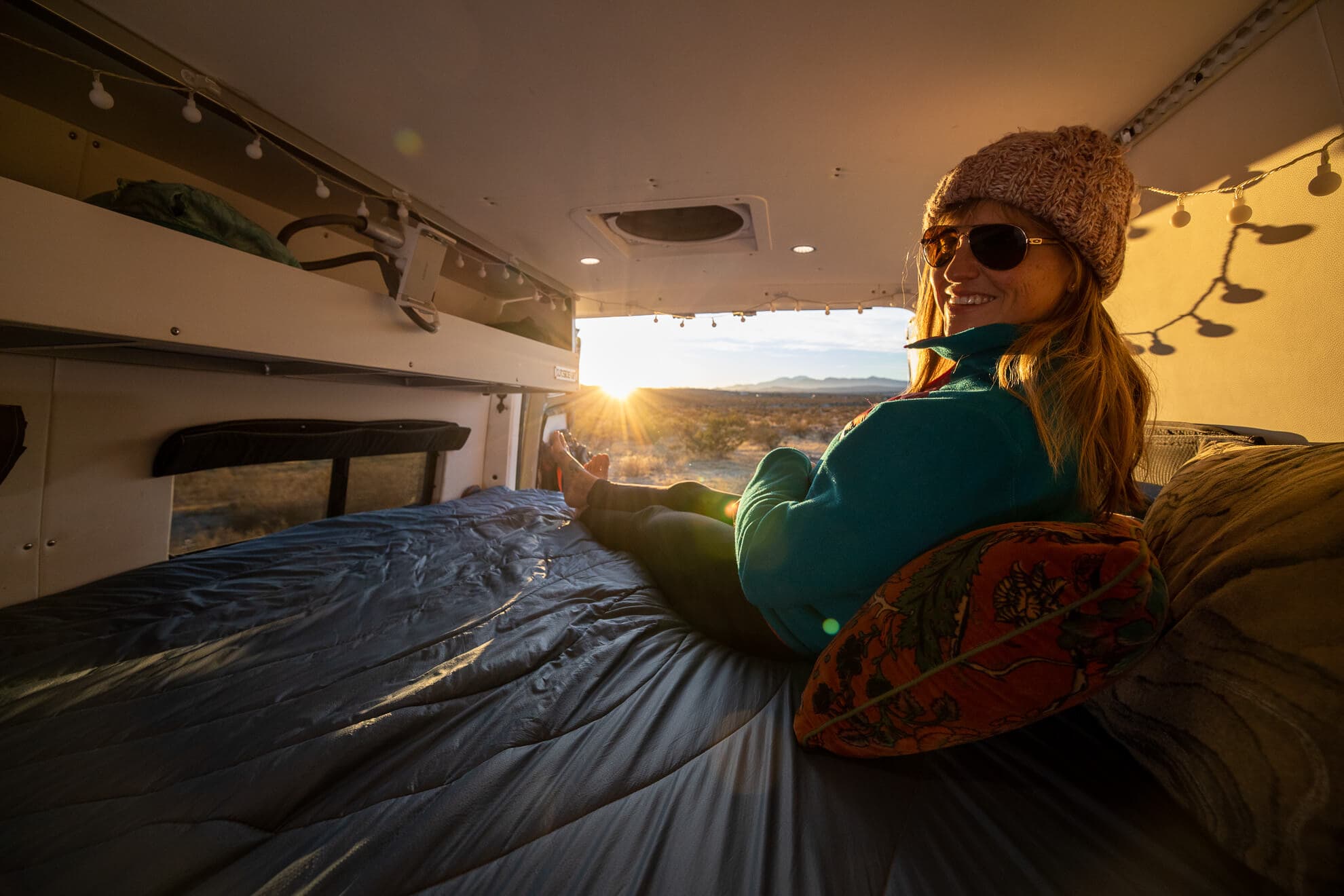
The allure of van life lies in its unmatched freedom. Imagine waking up to the sound of ocean waves one day and a mountain sunset the next. This nomadic lifestyle allows you to explore at your own pace, without the constraints of a fixed address.
Beyond the scenery, van life fosters a deep sense of community. Van lifers often gather at campgrounds, meetups, and online forums, sharing tips, stories, and support. This camaraderie helps mitigate one of the biggest challenges of van life: loneliness. For many, the connections formed on the road become lifelong friendships.
Financially, van life offers significant savings. Without rent or utilities, many van lifers reduce their living expenses by 50% or more. This financial freedom allows for more travel, experiences, and even early retirement for some.
Challenges of Van Life: What to Prepare For
While van life is rewarding, it’s not always easy. Here are some common challenges to consider:
- Loneliness: Despite the community, solo travelers can feel isolated, especially in remote areas. Building a network of fellow van lifers is key to combating this.
- Logistics: Finding parking, showers, and reliable internet can be tricky. Planning ahead and investing in tools like Starlink or campground memberships can help.
- Maintenance: Vans require regular upkeep, from engine checks to solar panel maintenance. Being handy or having a trusted mechanic is essential.
- Weather extremes: Living in a van means facing heat, cold, and storms without the insulation of a traditional home. Proper insulation and climate control are a must.
Despite these challenges, the vast majority of van lifers—90%, according to surveys—report higher happiness and satisfaction with their lifestyle. The key is preparation, adaptability, and a willingness to embrace the unexpected.
In the next section, we’ll dive deeper into the practicalities of van life, from choosing the right van to essential gear and tips for hitting the road. Stay tuned for Part 2, where we’ll cover everything you need to start your van life journey!
Choosing the Right Van: Your Home on Wheels
Selecting the perfect van is the foundation of your van life journey. The right vehicle balances space, reliability, and fuel efficiency while fitting your budget and lifestyle. With so many options on the market, it’s essential to weigh the pros and cons of each type before making a commitment.
Types of Vans for Van Life
Not all vans are created equal. Here’s a breakdown of the most popular options for van conversions:
- Cargo vans: The most common choice, used by 43% of van lifers, cargo vans like the Mercedes-Benz Sprinter, Ford Transit, and Ram Promaster offer ample space and customization potential. Their boxy shape makes them ideal for building out interiors.
- Passenger vans: Preferred by 18% of van lifers, models like the Ford Transit Passenger Van or Chevrolet Express come with windows and seating, making them a great option for those who want a ready-made layout.
- Camper vans: Pre-built camper vans, such as the Winnebago Revel or Storyteller Overland, are turnkey solutions. While pricier, they save time and effort on conversions.
- Electric vans: With sustainability in focus, electric models like the Ford E-Transit and Rivian Electric Van are gaining traction, offering eco-friendly alternatives for the future.
Each type has its advantages, so consider your budget, travel plans, and DIY skills before deciding. For example, cargo vans provide a blank canvas for customization, while camper vans offer convenience but at a higher cost.
Key Factors to Consider When Buying a Van
Beyond the type of van, several critical factors will influence your decision:
- Reliability: Opt for vans with a reputation for durability. The Mercedes-Benz Sprinter and Ford Transit are top choices for their longevity and ease of maintenance.
- Fuel efficiency: Diesel engines, like those in the Sprinter, offer better mileage for long-distance travel, while gas engines may be more affordable upfront.
- Size and layout: Consider how much space you need. High-roof vans provide standing room, while extended models offer extra length for beds, kitchens, and storage.
- Budget: Vans can range from $20,000 for a used model to $150,000+ for a fully converted luxury van. Set a realistic budget that includes conversion costs.
- Resale value: Some vans hold their value better than others. Research depreciation rates to make a smarter investment.
If you’re new to van life, consider renting a van for a trial trip before purchasing. Companies like Outdoorsy and Escape Campervans offer rentals, giving you a taste of life on the road without a long-term commitment.
Essential Van Life Gear: What You Need to Hit the Road
Once you’ve chosen your van, it’s time to outfit it with the essentials. The right gear can make the difference between a comfortable, functional home and a frustrating experience. From solar power to kitchen setups, here’s what you’ll need to thrive on the road.
Power and Energy: Keeping the Lights On
Reliable power is the backbone of van life. Most van lifers rely on a combination of solar panels, batteries, and generators to keep their electronics running. Here’s how to set up your power system:
- Solar panels: 60% of van lifers use solar power, making it the most popular energy source. A 200-400W solar setup is typically sufficient for basic needs like lights, phones, and small appliances.
- Batteries: Lithium-ion batteries, such as Battle Born or Renogy, are lightweight and efficient. A 100Ah battery can power essentials for a day or two without sunlight.
- Inverters: Convert DC power from your battery to AC power for appliances. A 1000W inverter is a good starting point for most setups.
- Generators: A backup portable generator (like the Jackery or EcoFlow) can be a lifesaver during cloudy days or high energy demands.
Pro tip: Monitor your energy usage with a battery monitor to avoid running out of power. Many van lifers also carry a portable power station for emergencies.
Kitchen and Cooking: Meals on the Go
A well-equipped kitchen is essential for healthy, cost-effective eating on the road. Here’s what to include in your van kitchen:
- Portable stove: Propane stoves like the Camp Chef or Coleman are popular for their reliability and ease of use.
- Cooler or fridge: A 12V compressor fridge (such as Dometic or ARB) keeps food fresh without ice. For budget options, a high-quality cooler like the Yeti works well.
- Cookware: Compact, durable items like a cast-iron skillet, pot, and collapsible bowls save space.
- Water system: A 5-10 gallon water tank with a foot pump or electric pump ensures you have clean water for drinking and cooking.
- Storage: Use magnetic spice racks, hanging baskets, and stackable containers to maximize space.
Many van lifers also invest in a portable grill or outdoor cooking setup to enjoy meals al fresco. Remember, meal prep can save time and reduce waste—plan your meals ahead to minimize cooking hassles.
Sleeping and Comfort: Resting Easy
A good night’s sleep is crucial for enjoying van life. Your sleeping setup should be comfortable, space-efficient, and adaptable to different climates. Here’s how to optimize your sleep space:
- Bed platform: Custom-built platforms maximize storage underneath. Many van lifers use foldable or convertible beds to save space during the day.
- Mattress: A 4-6 inch memory foam mattress provides comfort without taking up too much room. Brands like Lucid or Zinus offer affordable options.
- Ventilation: A roof fan (like the MaxxAir or Fantastic Fan) is essential for airflow, especially in warm climates.
- Insulation: Proper insulation (such as Thinsulate or foam board) keeps your van warm in winter and cool in summer.
- Window coverings: Blackout curtains or reflectix ensure privacy and temperature control.
For those traveling in extreme climates, a diesel heater (like the Webasto) or portable AC unit can make a world of difference. Don’t underestimate the importance of a cozy, well-insulated van—it’s your sanctuary on the road.
Bathroom and Hygiene: Staying Fresh
One of the biggest challenges of van life is maintaining hygiene. While some van lifers rely on gym memberships or campground facilities, others prefer self-contained solutions. Here are your options:
- Portable toilet: Compact toilets like the Thetford or Luggable Loo are easy to use and dispose of.
- Outdoor shower: A portable shower (such as the Nemo Helio) with a privacy tent offers a refreshing way to clean up.
- Public showers: Truck stops, gyms (like Planet Fitness), and campgrounds often provide shower facilities for a small fee.
- Wet wipes and dry shampoo: For quick clean-ups between showers, these are lifesavers.
Water conservation is key, so many van lifers adopt a "navy shower" approach—turning the water on only to rinse. A composting toilet is another eco-friendly option, though it requires more maintenance.
Van Life on a Budget: How to Save Money and Travel Smart
One of the biggest draws of van life is its cost-effectiveness. However, without careful planning, expenses can add up quickly. Here’s how to stretch your budget and make the most of your van life experience without breaking the bank.
Cutting Costs: Where to Save
Living in a van significantly reduces housing expenses, but other costs—like fuel, food, and maintenance—can still take a toll. Here are some smart ways to save:
- Free camping: Apps like iOverlander, FreeRoam, and Campendium help you find free or low-cost camping spots on public lands (BLM, National Forests) and parking lots (Walmart, Cracker Barrel).
- Meal planning: Cooking in your van saves hundreds per month. Buy in bulk, use discount grocery stores (like Aldi), and opt for non-perishable staples.
- Fuel efficiency: Drive at 55-65 mph to optimize fuel economy, and use apps like GasBuddy to find the cheapest gas.
- DIY conversions: Building your own van can save $10,000-$30,000 compared to buying pre-built. YouTube channels like FarOutRide offer step-by-step guides.
- Workamping: Trade labor for free campsites through programs like Workamper News or Harvest Hosts, where you can stay at farms, vineyards, or businesses in exchange for a few hours of work.
Another pro tip: Invest in a National Park Pass ($80/year) for unlimited access to parks and discounted camping. It pays for itself in just a few visits!
Earning Money on the Road: Remote Work and Side Hustles
Many van lifers fund their travels through remote work or freelance gigs. Here are some of the most popular ways to earn income while living on the road:
- Freelancing: Platforms like Upwork, Fiverr, and Toptal connect freelancers with clients in fields like writing, graphic design, and programming.
- Remote jobs: Websites like We Work Remotely, Remote.co, and FlexJobs list full-time remote positions in various industries.
- Seasonal work: Jobs at national parks, ski resorts, or farms (via CoolWorks) provide income and often include free camping.
- Content creation: Blogging, YouTube, and Instagram can generate income through ads, sponsorships, and affiliate marketing. Many van lifers monetize their adventures this way.
- Odd jobs: Gig apps like TaskRabbit, Rover (pet sitting), or Roadie (delivery) offer flexible ways to earn cash.
With 35 million Americans now working remotely, the opportunities for location-independent income are greater than ever. The key is to find a balance between work and exploration—after all, the freedom of van life is what makes it so special.
Avoiding Common Money Pitfalls
While van life can be budget-friendly, unexpected expenses can derail your plans. Here’s how to avoid common financial mistakes:
- Overestimating savings: Many new van lifers assume they’ll spend less than they do. Track expenses with apps like Mint or YNAB to stay on budget.
- Skipping maintenance: Regular oil changes, tire rotations, and van check-ups prevent costly repairs down the road.
- Impulse buys: It’s easy to splurge on gear. Stick to a "need vs. want" list and prioritize essentials.
- Parking tickets: Always check local laws. Apps like Park4Night help you find legal overnight parking.
By planning ahead and staying disciplined, you can enjoy the financial freedom that van life promises without unnecessary stress.
In Part 3, we’ll explore the best van life destinations, community resources, and tips for long-term success on the road. Stay tuned for the final installment of our ultimate van life guide!
Best Van Life Destinations: Where to Park and Explore
One of the greatest perks of van life is the ability to explore diverse landscapes, from coastal highways to mountain retreats. Whether you're seeking free camping spots, vibrant communities, or breathtaking scenery, these destinations should be on every van lifer’s bucket list.
Top U.S. Destinations for Van Life
The United States offers an incredible variety of van-friendly locations, each with its own unique charm. Here are some of the best places to park, explore, and connect with fellow travelers:
- California: A van life hotspot, California boasts everything from the Pacific Coast Highway to the Sierra Nevada mountains. Don’t miss Joshua Tree, Big Sur, and the Eastern Sierra for stunning desert and mountain views. BLM land near Slab City is a famous free camping area.
- Colorado: With its Rocky Mountain landscapes and outdoor recreation, Colorado is a paradise for van lifers. Popular spots include Great Sand Dunes National Park, San Juan Skyway, and Boulder. Many ski resorts offer winter parking for those chasing powder.
- Oregon: Known for its lush forests and coastal drives, Oregon is a dream for nature lovers. The Columbia River Gorge, Crater Lake, and the Oregon Coast are must-sees. Dispersed camping is widely available in national forests.
- Utah: Home to "The Mighty 5" national parks (Arches, Canyonlands, Capitol Reef, Bryce Canyon, and Zion), Utah offers unparalleled red rock landscapes. Moab is a van life hub with plenty of BLM camping and outdoor adventures.
- Florida: For those who love beaches and warm weather, Florida’s Gulf Coast, Everglades, and Keys are ideal. Walmart parking lots and state parks provide easy overnight stays.
- Arizona: With its desert beauty and mild winters, Arizona attracts van lifers year-round. Sedona, Grand Canyon, and Organ Pipe Cactus National Monument are top picks. The Quartzsite RV Show in January is a major gathering spot.
Each of these destinations offers a mix of natural beauty, outdoor activities, and van-friendly amenities. Be sure to check local regulations on overnight parking and campfire restrictions, especially in drought-prone areas.
International Van Life Destinations
While the U.S. is a van life paradise, other countries also offer incredible opportunities for road tripping and camping. Here are some top international destinations to consider:
- Canada: From the Rocky Mountains in Alberta to the coastal routes of British Columbia, Canada is a van lifer’s dream. Banff, Jasper, and Vancouver Island are highlights. Be mindful of winter driving conditions and wildlife encounters.
- Mexico: A favorite for winter escapes, Mexico offers affordable living and stunning landscapes. Baja California, San Cristobal de las Casas, and the Yucatán Peninsula are popular routes. Many van lifers take advantage of the temporary import permit for vehicles.
- New Zealand: Known for its epic road trips, New Zealand allows freedom camping in designated areas. The South Island’s alpine scenery and North Island’s beaches are unforgettable. Renting a campervan is a great way to explore if you’re not bringing your own.
- Australia: With vast outback landscapes and coastal drives, Australia is perfect for adventure seekers. The Great Ocean Road, Tasmania, and the Red Centre are iconic routes. Be prepared for long distances between towns and extreme weather.
- Europe: Countries like Portugal, Spain, and Norway are becoming van life hubs. Portugal’s Algarve coast and Norway’s fjords offer breathtaking views. Europe’s well-developed campground network makes travel easier, though some cities have strict overnight parking rules.
International van life requires additional planning, including visas, vehicle permits, and insurance. Research each country’s driving laws and camping regulations to avoid fines or complications.
Building Community: Connecting with Fellow Van Lifers
While van life offers freedom and independence, it can also be lonely without a support network. Fortunately, the van life community is welcoming and resourceful, with countless ways to connect, share tips, and form lasting friendships.
Online Communities and Resources
The internet is a treasure trove of van life knowledge, from Facebook groups to YouTube channels. Here are some of the best online resources to tap into:
- Facebook Groups: Groups like "Vanlife Diaries," "Cheap RV Living," and "Vanlife Trading Post" offer advice, buy/sell/trade opportunities, and meetup announcements.
- Reddit: Subreddits like r/vandwellers and r/vanlife are great for asking questions, sharing builds, and getting real-time feedback from experienced van lifers.
- YouTube Channels: Creators like Eamon & Bec, Kara and Nate, and The Vanual provide tutorials, travel vogues, and budgeting tips to help you navigate van life.
- Instagram: Hashtags like VanLife, HomeOnWheels, and VanConversion connect you with a global community. Many van lifers share their favorite spots and tips in their posts.
- Forums: Websites like Vanlife Forum and iOverlander offer in-depth discussions on everything from solar setups to border crossings.
These platforms are invaluable for troubleshooting issues, finding hidden gems, and staying motivated. Don’t hesitate to ask questions—most van lifers are eager to help newcomers!
In-Person Meetups and Events
Nothing beats face-to-face connections on the road. Van life gatherings, festivals, and meetups are fantastic ways to share stories, learn new skills, and make friends. Here are some must-attend events:
- Vanlife Gathering (Arizona): Held annually in Quartzsite, this event brings together thousands of van lifers for workshops, music, and community bonding.
- Descend on Bend (Oregon): A weekend festival celebrating van life with live music, food trucks, and van tours in the scenic town of Bend.
- Vanlife Diaries Gatherings: Hosted in various locations, these intimate meetups focus on storytelling, photography, and connection.
- RTR (Rubber Tramp Rendezvous): One of the largest gatherings, RTR takes place in Quartzsite, Arizona every January. It’s a free event with seminars on everything from solar power to budget travel.
- Local Meetups: Many cities have weekly or monthly van life meetups. Check platforms like Meetup.com or local Facebook groups to find one near you.
Attending these events can transform your van life experience, providing opportunities to learn from veterans, swap gear, and even find travel buddies for future adventures.
Tips for Staying Connected on the Road
Maintaining relationships—both old and new—is key to a fulfilling van life. Here’s how to stay connected while embracing the nomadic lifestyle:
- Coworking spaces: Many van lifers use coworking spaces (like WeWork or local cafes) to work and socialize. Apps like Workfrom help you find van-friendly spots with WiFi.
- Volunteer opportunities: Programs like Workaway, WWOOF, and HelpX connect travelers with hosts who offer free stays in exchange for work. It’s a great way to immerse yourself in local communities.
- Van life caravans: Joining a travel convoy with other van lifers can make long drives more enjoyable and safer. Many groups organize caravans through Facebook or forums.
- Regular check-ins: Schedule video calls with friends and family to maintain relationships. Tools like Zoom, WhatsApp, and Signal make it easy to stay in touch.
Building a support network is essential for mental well-being and practical help on the road. Whether it’s sharing a meal, fixing a flat tire, or just having someone to chat with, community makes van life richer.
Long-Term Van Life: Tips for Sustainability and Success
Van life isn’t just a short-term adventure—for many, it’s a long-term lifestyle. To thrive on the road for years, you’ll need strategies for sustainability, health, and adaptability. Here’s how to make van life work for the long haul.
Maintaining Your Van: Keeping Your Home Road-Ready
Your van is your home, vehicle, and lifeline, so keeping it in top shape is non-negotiable. Regular maintenance prevents costly breakdowns and ensures a smooth journey. Here’s a checklist to follow:
- Engine and fluids: Check oil, coolant, and transmission fluid every 3,000-5,000 miles. Follow your van’s manufacturer recommendations for oil changes.
- Tires: Rotate tires every 6,000-8,000 miles and monitor tread depth. Invest in all-terrain tires if you plan to explore off-road.
- Brakes: Inspect brake pads and rotors annually or if you notice squeaking or reduced stopping power.
- Battery health: Test your house and starter batteries regularly. Lithium batteries last longer but require proper charging to avoid damage.
- Solar and electrical: Clean solar panels monthly and check wiring for wear. Use a multimeter to test voltage and ensure your system is running efficiently.
- Plumbing: If you have a water system, check for leaks and mold regularly. Use food-grade hoses and drain tanks in freezing temperatures.
Keep a toolkit and spare parts (like fuses, hoses, and belts) on hand for emergencies. Learning basic mechanic skills—such as changing a tire or jump-starting a battery—can save you time and money.
Health and Wellness on the Road
Staying healthy in a van requires intentionality. Without access to gyms or regular healthcare, you’ll need to prioritize physical and mental well-being. Here’s how:
- Exercise: Incorporate bodyweight workouts, yoga, or hiking into your routine. Many van lifers carry resistance bands or a portable gym.
- Nutrition: Plan balanced meals with protein, veggies, and whole grains. A small pressure cooker (like the Instant Pot) makes cooking easier.
- Mental health: Combat loneliness by journaling, meditating, or joining local meetups. Apps like Headspace or Calm can help manage stress.
- Healthcare: Use telemedicine services (like Teladoc) for minor issues. For emergencies, know the location of nearest hospitals along your route.
- Hygiene: Regular showers, handwashing, and dental care are crucial. Carry a portable bidet and biodegradable soap for eco-friendly cleaning.
Many van lifers also invest in a gym membership (like Planet Fitness) for $10-$20/month, which provides access to showers, workouts, and a sense of routine.
Adapting to Seasons and Weather
Van life looks different in summer vs. winter, and adapting to seasonal changes is key to comfort. Here’s how to prepare for varying conditions:
- Summer: Stay cool with ventilation fans, window shades, and parking in the shade. A portable AC unit or swamp cooler can be a game-changer in hot climates.
- Winter: Insulate your van with Reflectix, wool blankets, or thermal curtains. A diesel heater (like Webasto) keeps the interior warm without draining your battery.
- Rainy seasons: Waterproof your van with sealants and carry a dehumidifier to prevent mold. A pop-up canopy creates outdoor living space.
- Extreme weather: Monitor weather apps (like Windy or NOAA) and have an emergency plan for storms or wildfires.
Many van lifers "chase the weather", moving to warmer climates in winter and cooler areas in summer. This nomadic flexibility is one of the biggest advantages of life on the road.
Conclusion: Embracing the Van Life Journey
Van life is more than a trend—it’s a transformative lifestyle that offers freedom, adventure, and simplicity. With over 3 million Americans now living on the road and a global market worth $2.5 billion, it’s clear that this movement is here to stay. Whether you’re drawn to van life for financial freedom, remote work flexibility, or the thrill of exploration, the road offers endless possibilities.
From choosing the right van to outfitting it with essential gear, from budgeting wisely to building community, success in van life hinges on thoughtful planning and adaptability.
Michael Collins: The Architect of Irish Independence
Michael Collins (1890–1922) remains one of Ireland's most pivotal figures, a revolutionary leader whose strategic brilliance and unwavering dedication shaped the nation's fight for independence. As a guerrilla warfare innovator and chief negotiator of the 1921 Anglo-Irish Treaty, Collins laid the foundation for the Irish Free State. His tragic assassination during the Irish Civil War cut short a promising political career, but his legacy endures as a symbol of resilience and vision.
Early Life and Influences
Born on October 16, 1890, in Woodfield, Sam's Cross, near Clonakilty, County Cork, Collins grew up in a family steeped in nationalist ideals. His father, a teacher and member of the Irish Republican Brotherhood (IRB), instilled in him a deep sense of Irish identity. Local figures like blacksmith James Santry further shaped his early perspectives on freedom and resistance.
Formative Years in London
In 1906, Collins moved to London, where he worked as a clerk in the Post Office. This period was crucial for his political awakening. He joined Sinn Féin in 1908 and the IRB in 1909, quickly rising to become the IRB treasurer for London and South England. His involvement in the Gaelic Athletic Association (GAA) also honed his leadership and physical discipline, traits that would later define his revolutionary tactics.
The 1916 Easter Rising and Rise to Prominence
Collins' role in the 1916 Easter Rising marked a turning point in his life. Serving as aide-de-camp to Joseph Plunkett at the General Post Office (GPO) in Dublin, he witnessed firsthand the brutal suppression of the rebellion. After the Rising's failure, Collins was imprisoned at Frongoch internment camp in Wales. Here, he emerged as a natural leader among the detainees, earning respect for his organizational skills and strategic mind.
Post-Rising Leadership
Released in December 1916, Collins returned to Ireland with a renewed sense of purpose. His experiences in Frongoch had solidified his belief in the need for a more structured and effective resistance. By 1918, he was elected as the MP for South Cork, a testament to his growing influence. His role in the First Dáil (1919) further cemented his position as a key figure in the independence movement.
Director of Intelligence and Guerrilla Warfare
As the Director of Intelligence for the Irish Republican Army (IRA), Collins revolutionized the fight against British rule. He organized "The Squad", a specialized unit tasked with targeting British agents and informants. His tactics, including the infamous Bloody Sunday in November 1920, where 14 British agents were assassinated, demonstrated his ruthless efficiency and strategic genius.
Evasion and Legacy
Collins' ability to evade capture, despite a £10,000 bounty on his head, became legendary. His guerrilla warfare strategies forced the British to evacuate numerous rural barracks, significantly weakening their control over Ireland. These efforts were instrumental in bringing the British government to the negotiating table, leading to the Anglo-Irish Treaty of 1921.
The Anglo-Irish Treaty and Provisional Government
As the chief negotiator for the Irish side, Collins played a pivotal role in securing the Anglo-Irish Treaty. The treaty established the Irish Free State, a significant step toward independence, though it included the contentious partition of Ireland. Collins supported the treaty as a pragmatic path to freedom, despite fierce opposition from figures like Éamon de Valera.
Chairman of the Provisional Government
Following the treaty's ratification, Collins became the Chairman of the Provisional Government, effectively serving as Prime Minister. In this role, he also took on the position of Minister of Finance, where he successfully raised funds through the Dáil loan. His leadership during this transitional period was marked by a delicate balance between maintaining order and addressing the divisions within the nationalist movement.
The Irish Civil War and Tragic Death
The Irish Civil War (1922–1923) erupted over the treaty's provisions, pitting pro-Treaty forces, led by Collins, against anti-Treaty factions. As Commander-in-Chief of the Free State Army, Collins faced the daunting task of uniting a fractured nation. His efforts were cut short on August 22, 1922, when he was ambushed and killed at Béal na Bláth, County Cork, by anti-Treaty forces. His death at the age of 31 marked a profound loss for Ireland.
Legacy and Commemoration
Collins' legacy continues to resonate in modern Ireland. His vision for a united Ireland and his strategic acumen are celebrated in various forms, from statues in Clonakilty to cultural depictions like the 1996 film *Michael Collins*, directed by Neil Jordan and starring Liam Neeson. Recent commemorations, such as the 2025 Ancient Order of Hibernians (AOH) History Tour, highlight his enduring impact and the ongoing relevance of his ideals.
In the next section, we will delve deeper into Collins' tactical innovations, his complex relationship with Éamon de Valera, and the lasting implications of his leadership on Ireland's path to independence.
Michael Collins' Guerrilla Warfare and Military Innovations
Michael Collins revolutionized Ireland's fight for independence through innovative guerrilla tactics that exploited British vulnerabilities. His strategic vision transformed limited resources into a formidable force, undermining British control systematically.
Intelligence Network and Covert Operations
As Director of Intelligence for the IRA, Collins built an extensive network that penetrated British forces. This covert operation system provided real-time intelligence, enabling precise strikes against key targets. His ability to remain undetected while coordinating these efforts was legendary.
The Squad and Targeted Strikes
Collins formed "The Squad", a specialized unit responsible for eliminating British informers and agents. Their most infamous operation, Bloody Sunday (November 1920), assassinated 14 British agents, severely disrupting British intelligence efforts.
- Assassinated agents tasked with suppressing Irish nationalism
- Disrupted British surveillance and communication lines
- Forced British forces into defensive positions
Forcing British Withdrawals
Through sustained pressure, Collins' tactics forced the evacuation of over 100 British barracks from rural Ireland. His strategy focused on attrition, wearing down British resolve while avoiding large-scale confrontations Ireland could not win.
"Collins' flying columns maximized limited resources in guerrilla warfare, crippling British control."Title
The Anglo-Irish Treaty Split and Political Divisions
The 1921 Anglo-Irish Treaty created a deep rift within Irish nationalism. Collins advocated acceptance as a pragmatic path to independence, while opponents viewed concessions as betrayal. This division sparked the Irish Civil War.
Pro-Treaty vs. Anti-Treaty Factions
The treaty split leaders into distinct camps: Collins and Arthur Griffith supported it as a foundation for future sovereignty, while Éamon de Valera and others rejected any partition or British ties. This ideological clash fractured the independence movement.
Collins vs. de Valera: Clashing Visions
Collins and de Valera's differing approaches created lasting tension. Collins argued the treaty bought time for Irish unity, while de Valera saw it as a permanent partition that legitimized British influence. Their conflict shaped Ireland's early political landscape.
- Pro-Treaty: Accepted Free State as stepping stone
- Anti-Treaty: Viewed any compromise as treason
- De Valera resigned as president over the treaty
Impact on the Irish Civil War
The treaty controversy ignited the Irish Civil War (1922–1923). Collins commanded Free State forces against anti-Treaty IRA holdouts, including the Battle of the Four Courts in June 1922. His death just weeks later left Ireland deeply divided.
Enduring Legacy of Michael Collins in Modern Ireland
Collins' influence persists through cultural commemoration, political discourse, and preserved historical sites. His complex legacy continues to inspire debates about Ireland's path to sovereignty.
Cultural Depictions and Biographies
The 1996 film *Michael Collins*, directed by Neil Jordan and starring Liam Neeson, cemented his global image as a revolutionary icon. Biographies dominate Irish studies, examining his childhood, strategic genius, and tragic demise.
Recent Commemorations and Events
In 2025, the Ancient Order of Hibernians (AOH) highlighted Collins' role during their History Tour of Béal na Bláth. Historian Dan Taylor noted:
"Collins' Treaty role, Civil War tensions, and vision for united Ireland remain central to understanding modern Ireland."Source
Preserved Sites and Artifacts
Michael Collins House in Clonakilty maintains artifacts from his life, offering insights into his early influences. Annual pilgrimages to his burial site reinforce his status as a national symbol of resilience and sacrifice.
- Election Wins: 27/73 Sinn Féin TDs present at First Dáil (1919)
- Government Roles: Minister of Home Affairs/Finance (1919–1921), Provisional Government Chairman (1922)
- Civil War Timeline: Four Courts seized June 1922; Collins killed August 22, 1922
The Death of Michael Collins and Its Aftermath
Michael Collins was ambushed and killed on August 22, 1922 at Béal na Bláth, County Cork, by anti-Treaty IRA forces. His death occurred just five weeks after assuming command of the Free State Army during the Irish Civil War. Collins' assassination marked a pivotal moment, intensifying the conflict and hardening divisions within the nation.
Immediate Consequences
Collins' death galvanized pro-Treaty forces to consolidate power, but it also deepened the trauma of civil strife. The Battle of the Four Courts (June 1922) had already escalated violence, and his loss removed a key moderate voice. The war continued until 1923, leaving Ireland permanently scarred by internal division.
- Free State forces gained momentum after Collins' death
- Anti-Treaty factions lost critical leadership and cohesion
- The war claimed over 3,500 lives and displaced thousands
"Collins’ assassination removed a unifying figure, allowing extremist voices on both sides to dominate."Historical Analysis
Political Legacy and Modern Ireland
Collins' vision for a united Ireland remains a cornerstone of Irish political discourse. His pragmatic approach to the Anglo-Irish Treaty continues to spark debate about sovereignty, compromise, and national identity.
Enduring Policy Impact
The treaty established the Irish Free State, which evolved into the modern Republic of Ireland. Collins' decision to accept limited independence, while securing crucial autonomy, laid groundwork for future negotiations. His belief that the treaty was a stepping stone to full sovereignty proved influential over decades.
- The Free State became a dominant political force
- De Valera’s anti-Treaty faction formed Fianna Fáil in 1926
- The partition issue remains unresolved
Contemporary Political Divisions
Irish politics still reflects the Treaty divide. Pro-Treaty descendants evolved into Fine Gael, while anti-Treaty ideals shaped Fianna Fáil. Collins’ legacy is claimed by both sides as a symbol of nationalism and strategic state-building.
Cultural Memory and Commemoration
Collins’ life and death have inspired cultural preservation efforts and artistic interpretations. His story endures through memorials, education, and periodic reassessments of his leadership during Ireland’s turbulent birth.
Films, Books, and Media
The 1996 film *Michael Collins* immortalized his role globally. Biographical works continue to analyze his childhood influences, guerrilla tactics, and political compromises. Academic journals frequently revisit his legacy in debates about revolutionary leadership.
Recent Commemorations
In 2025, the Ancient Order of Hibernians (AOH) highlighted Collins’ contributions during their History Tour of Béal na Bláth. Historian Dan Taylor observed:
"Collins’ Treaty role, Civil War tensions, and vision for united Ireland remain central to understanding modern Ireland."Source
Preserved Sites and Education
Michael Collins House in Clonakilty serves as a museum, while annual pilgrimages to his grave reinforce his status as a national martyr. Irish schools teach his role in the War of Independence, ensuring new generations grasp his importance.
- Election Wins: Elected MP for South Cork (1918); 27/73 Sinn Féin TDs at First Dáil (1919)
- Government Roles: Minister of Home Affairs/Finance (1919–1921); Provisional Government Chairman (1922)
- Civil War Timeline: Four Courts seized June 1922; Collins killed August 22, 1922
Conclusion: The Lasting Significance of Michael Collins
Michael Collins transformed Ireland’s struggle for independence through strategic brilliance, unwavering commitment, and tragic sacrifice. His innovations in guerrilla warfare, diplomatic pragmatism during the Anglo-Irish Treaty negotiations, and leadership in the early Free State established enduring paradigms for Irish governance and resistance.
Though his death at 31 denied him the chance to shape Ireland’s long-term future, Collins’ legacy persists. He remains a symbol of resilience, a master tactician, and a contentious figure whose choices continue to influence political and cultural narratives. As Ireland navigates contemporary challenges, Collins’ vision of unity and strategic compromise offers timeless lessons.
In examining Collins’ life, we confront the complexities of revolution, the weight of leadership in fractured times, and the enduring quest for a unified Ireland. His story remains not just a chapter in history, but a mirror reflecting the nation’s ongoing struggle to balance idealism with pragmatism.