Popular Cryptocurrency Scams and How to Avoid Them
The world of cryptocurrencies is rapidly evolving, with the potential for both astronomical returns and significant losses. While many enthusiasts celebrate these digital assets for their innovation and decentralized nature, it's equally important to acknowledge the risks associated with this space. Scammers and hackers have found new avenues in cryptocurrencies to exploit unsuspecting investors, leading to the rise of various scams. In this article, we will delve into some of the most common cryptocurrency scams and provide practical tips to help you avoid them.
Phishing Attacks
Phishing attacks are one of the most prevalent forms of scamming in the crypto world. Attackers often pose as trusted entities such as exchanges, wallets, or reputable projects, attempting to steal personal information or funds. They may use phishing emails, websites, or even fake social media accounts to deceive users into sharing sensitive data such as private keys or login credentials.
These attackers frequently deploy sophisticated techniques to make their attempts appear legitimate. For instance, they might create phishing websites that mimic those of well-known exchanges. These sites often have similar URLs and design elements to the real ones but are designed to capture user information and transfer funds to the attacker's controlled addresses.
To avoid falling prey to phishing attacks:
- Never reveal sensitive information over email or any unsecured communication channels.
- Carefully check the URL of the website you're visiting, especially if you've received a link via email or social media.
- Safeguard your private keys and keep them secure. Use hardware wallets when possible.
- Be wary of requests for urgent action or unexpected security updates. Legitimate companies rarely pressure clients into action.
Initial Coin Offerings (ICOs) and Token Sales
Initial Coin Offerings (ICOs) have been a popular method for raising capital since 2017. However, the lack of regulation in this space has led to numerous scams where fraudulent projects raise money under false pretenses. Investors are often misled by exaggerated promises, misleading marketing materials, and outright theft.
A common tactic in ICO scams involves creating projects with flashy websites and social media presence, often using celebrity endorsements to build credibility. Once the project gains traction, they initiate a token sale, during which investors are encouraged to send their cryptocurrencies. After collecting substantial funds, the creators may either run away with the money or simply disappear without providing any actual value or product.
To avoid falling victim to ICO scams:
- Conduct thorough due diligence before investing. Verify the team behind the project, check their track record, and understand the technology or product they're offering.
- Stay cautious of projects with vague or unrealistic business models. A clear roadmap and well-defined goals should be evident.
- Invest only what you can afford to lose, and never lend funds to others for investments.
- Always read the whitepaper and smart contract code thoroughly before making an investment decision.
Dollar-Crypto Tethering Schemes
Tether, a blockchain-based stablecoin, was once thought to be anchored to the US dollar and thus serve as a reliable form of exchange in times of market volatility. Unfortunately, questions about its reserves and transparency have raised serious concerns. Similar schemes involving other stablecoins have also emerged, often with dubious backing mechanisms. These tethers can lead to significant financial losses if investors believe they are stable but turn out to be unsupported.
Fraudulent tethering schemes usually involve creating a platform or project that claims to back its tokens with actual dollars but does not do so transparently. Investors are often lured by promised high returns or innovative features, only to find themselves exposed to a fraudulent scheme.
Here are ways to avoid such schemes:
- Verify the reserve ratio and audited reports for any stablecoin you plan to use. Only invest in assets that have transparent and verifiable backing mechanisms.
- Use reputable exchanges and custodians that follow industry best practices for auditing and transparency.
- Be wary of any stablecoin issued by a lesser-known entity or a platform that lacks a proven track record.
- Stay informed about regulatory developments related to stablecoins and their issuers.
Decentralized Finance (DeFi) Scams
Decentralized finance (DeFi) platforms have transformed traditional financial services through smart contracts and blockchain technology. However, the lack of intermediaries comes with significant risks, including smart contract vulnerabilities and liquidity manipulation attacks.
Smart contract hacks occur when attackers exploit flaws in the code to drain funds from wallets or smart contracts. One high-profile example includes the Sushiswap hack, where attackers exploited a bug to drain millions of dollars worth of funds from DeFi protocols. Similarly, liquidity manipulation attacks involve creating large volumes of trades to manipulate the price of coins or tokens, leading to financial losses for unsuspecting users.
To protect yourself in the DeFi space:
- Educate yourself on smart contract security principles and red flags that may indicate vulnerabilities.
- Always perform a comprehensive review of any DeFi application you intend to use, including audits and reviews by reputable security firms.
- Use multi-factor authentication (MFA) and strong passwords to secure your accounts and private keys.
- Monitor your transactions and balances closely, and consider using DeFi monitoring tools.
Market Manipulation Schemes
Cryptocurrencies are susceptible to market manipulation, where scammers intentionally cause price fluctuations to their advantage. This can be achieved through coordinated buying/selling activities, spreading rumors, or running pump-and-dump schemes.
Pump-and-dump schemes involve a group of actors colluding to artificially inflate the price of a coin by spreading positive news or creating fake buy orders. Once the price reaches certain levels, they quickly sell off their holdings, causing the price to drop sharply and leaving other investors holding worthless assets.
To avoid falling into these traps:
- Stay informed about legitimate developments in the crypto space. Reliable news sources can help separate fact from fiction.
- Be skeptical of sudden price movements that lack corresponding news or fundamental reasons.
- Use reputable exchanges with robust risk management systems and transparent trading activities.
- Consider trading strategies that involve longer-term analysis rather than short-term speculation.
The Role of Education and Awareness
One of the most effective defenses against cryptocurrency scams is education. Understanding how these scams work and knowing the signs to watch out for can significantly reduce your risk. Regularly staying updated on the latest scams and security measures is crucial in this constantly evolving landscape.
Additionally, community engagement plays a vital role. Platforms like Reddit, Telegram, and other forums dedicated to discussing cryptocurrencies can provide valuable insights and warnings from other experienced users. Building a network of trustworthy peers can help ensure that you receive credible information and advice.
In conclusion, while cryptocurrencies offer exciting possibilities for innovation and investment, they also come with unique risks. By learning about common scams, maintaining a vigilant mindset, and educating yourself and others, you can better protect yourself against these threats. As a responsible crypto investor, always prioritize caution and due diligence to ensure a safer and more sustainable journey in the world of digital assets.
Stay safe out there!
The Role of Regulatory Bodies
Regulatory bodies play a crucial role in mitigating some of the risks associated with cryptocurrencies. Countries around the world are increasingly introducing regulations to protect investors and consumers. For instance, the SEC (Securities and Exchange Commission) in the United States has taken several actions to crack down on fraudulent ICOs and crypto offerings. Similar efforts are being made by regulators in other countries to ensure that market participants adhere to established guidelines.
However, the patchwork of regulatory frameworks globally can create confusion and make it challenging for investors to navigate. Clear and consistent regulatory standards can help investors make informed decisions and avoid falling into traps set by scammers. Engaging with regulatory bodies and staying informed about local regulations can offer additional layers of protection.
For individuals looking to navigate regulatory landscapes, consider the following:
- Research the regulatory status of exchanges, wallets, and token offerings in your region.
- Understand the legal implications of holding and trading certain digital assets.
- Stay updated on regulatory developments and compliance measures.
- Engage with community groups and forums focusing on crypto compliance issues.
The Importance of Secure Wallets
A secure wallet is essential in protecting your investments from hacking and theft. Hardware wallets and paper wallets are popular choices among experts due to their strong security features. Hardware wallets store your private keys offline, which makes them highly resistant to online attacks. Paper wallets involve printing out your private keys and storing them securely, though they require greater care to prevent physical damage.
Software wallets are generally more convenient but come with higher risks due to their reliance on internet-connected devices. It’s crucial to ensure that you use reliable software wallets and follow best practices such as two-factor authentication, regular backups, and avoiding phishing attacks.
To enhance security with wallets:
- Choose reputable hardware wallets like Ledger Nano X or Trezor from well-known manufacturers.
- Consider using software wallets like Exodus, MyEtherWallet, or MetaMask but prioritize security settings and enable two-factor authentication.
- Always keep your software wallets’ passwords and private keys secure. Avoid sharing them and use alphanumeric combinations instead of easily guessable names or dates.
- Regularly update the versions of your wallet software to protect against known vulnerabilities.
Using Reputable Exchanges
Selecting a reputable crypto exchange is another crucial step in protecting your investments. Exchanges handle billions of dollars daily and act as central hubs for trading and liquidity provision. While exchanges offer convenience and access to a wide range of assets, they also introduce centralized risk, including potential hacks, internal mismanagement, and regulatory issues.
When choosing an exchange:
- Review the exchange’s regulatory compliance status. Look for licenses and certifications issued by relevant financial authorities.
- Evaluate the exchange’s security measures. Check if they offer two-factor authentication, cold storage for funds, and robust security protocols.
- Assess the exchange’s trading volume and fees. Higher trading volumes and lower fees typically indicate a more trustworthy platform.
- Read reviews and feedback from other users. Sites like CoinMarketCap, Trustpilot, and others can provide valuable insights.
Protecting Your Identity and Privacy
Identity and privacy are critical considerations in the crypto space. Revealing too much personal information can put you at risk of identity theft, while lack of privacy can expose you to targeted scams. Many exchanges and wallet providers offer privacy features, but it's important to understand how these work and whether they meet your needs.
To protect your identity and privacy:
- Limit the amount of personal information shared with crypto platforms.
- Use pseudonyms or aliases when registering for accounts wherever possible.
- Consider using mixers or tumblers for additional privacy when sending funds.
- Regularly monitor your account activity and report any suspicious transactions immediately.
Conclusion
While the world of cryptocurrencies offers vast opportunities for innovation and financial freedom, it also presents unique challenges and pitfalls. By understanding common scams, adhering to best security practices, and staying informed about regulatory landscapes, you can better protect yourself from falling victim to frauds. Utilizing secure wallets, choosing reputable exchanges, and maintaining strong privacy measures are all essential steps in safeguarding your investments.
Armed with knowledge and vigilance, you can navigate the complexities of the crypto ecosystem with confidence. Remember, the key to successful investments lies not only in finding profitable opportunities but in ensuring that these opportunities come with minimal risk.
Stay informed, stay cautious, and stay secure!
Community Engagement and Reporting Scams
Building a strong community around your cryptocurrency investments can be invaluable. Crypto communities are active forums where individuals share experiences, warn each other about scams, and provide support. Platforms like Reddit, Telegram, Discord, and specialized crypto communities can offer a wealth of information and resources. Joining these groups allows you to stay informed about the latest trends, scams, and security measures.
Here are some ways to engage and utilize crypto communities effectively:
- Participate Actively: Engage in discussions, ask questions, and contribute valuable insights. Active participation can help build a strong reputation within the community.
- Follow Trusted Users: Identify and follow trusted users or influencers who consistently share verified information and useful tips.
- Report Suspected Scams: If you come across something suspicious, report it to the community or the appropriate authority. Collective vigilance can help prevent larger-scale scams.
- Share Verified Information: Share verified information about legitimate projects, exchanges, and wallets. This helps protect fellow members from false information.
Beyond community engagement, reporting scams to the relevant authorities or platforms is crucial. Most exchanges and regulatory bodies have mechanisms in place to receive tips about scams. Providing detailed information can lead to quicker resolutions and prevent further losses for victims.
Utilizing Security Software and Tools
There are several security tools and software solutions that can significantly enhance your protection against scams. Here are some tools that can help:
- Antivirus Software: Make sure your computer has up-to-date antivirus software to mitigate the risk of malware and viruses that could compromise your crypto-related activities.
- Firewalls: Use firewalls to control incoming and outgoing network traffic and protect against unauthorized access.
- Security Suites: Comprehensive security suites can provide additional layers of protection against various cyber threats.
- Security Monitors: Tools like Blockscout, Etherscan, and other blockchain explorers can help monitor transfers and detect unusual activities.
In addition to using security software, it’s crucial to maintain good cybersecurity hygiene:
- Keep your operating system and application software up to date.
- Avoid opening attachments or clicking on links from unknown or suspicious sources.
- Use strong and unique passwords for different accounts.
- Enable and regularly update two-factor authentication whenever possible.
Stay Informed About Emerging Threats
The crypto space is continually evolving, and new threats emerge regularly. Staying informed about emerging threats is essential to staying one step ahead of scammers. Here are some sources to keep you updated:
- Crypto News Websites: Follow reputable crypto news sites like CoinDesk, Coindesk, and The Block for regular updates on market developments and scams.
- Industry Reports: Keep an eye on industry reports and whitepapers that discuss emerging technologies and security measures.
- Security Blogs: Security-focused blogs and newsletters from experts in the field provide valuable insights into new threats and countermeasures.
Additionally, participating in webinars, conferences, and workshops focused on crypto security can offer direct access to industry experts and cutting-edge knowledge.
Final Thoughts
Facing scams in the crypto space is an ongoing challenge, but with the right strategies and tools, you can minimize the risks. Educating yourself about common scams, using secure practices, engaging with the community, and leveraging available security tools can significantly enhance your safety and security.
Remember, the crypto world is dynamic, and staying informed is key to navigating it safely. Continuously educate yourself, remain vigilant, and take proactive steps to protect your investments. By doing so, you can enjoy the many benefits of crypto while minimizing the associated risks.
Happy crypto trading, and may you remain secure!
Risks Involved in Investing in Cryptocurrency
Introduction
Cryptocurrency has emerged as one of the most talked-about investment opportunities in recent years. With the rise of Bitcoin, Ethereum, and thousands of alternative coins (altcoins), many investors are eager to dive into digital assets in hopes of high returns. However, while cryptocurrencies offer potential rewards, they also come with significant risks that every investor must understand before committing their funds.
Unlike traditional investments like stocks or bonds, cryptocurrencies operate in a largely unregulated, highly volatile, and technologically complex environment. This article explores the key risks involved in cryptocurrency investments, helping you make informed decisions before entering this unpredictable market.
1. Extreme Market Volatility
One of the most notable risks in cryptocurrency investing is extreme price volatility. Digital assets can experience dramatic price swings in very short periods. For example, Bitcoin has seen both meteoric rises and devastating crashes, sometimes losing or gaining more than 20% of its value in a single day.
Why Is Cryptocurrency so Volatile?
Several factors contribute to cryptocurrency volatility:
- Speculation: Many investors buy cryptocurrencies based on hype rather than fundamentals, leading to bubbles and sharp corrections.
- Market Liquidity: Compared to traditional markets, crypto markets have lower liquidity, meaning large trades can cause significant price movements.
- Regulatory News: Government crackdowns or endorsements can trigger massive price swings.
- Technological Developments: Updates, hacks, or security flaws in blockchain networks can impact prices drastically.
For investors, this volatility means potential for high gains but also severe losses. Unlike stable assets, cryptocurrencies require strong risk tolerance and an ability to withstand rapid value fluctuations.
2. Lack of Regulation and Investor Protections
Unlike traditional financial institutions, most cryptocurrency markets operate without stringent regulatory oversight. This exposes investors to several dangers:
Potential Fraud and Scams
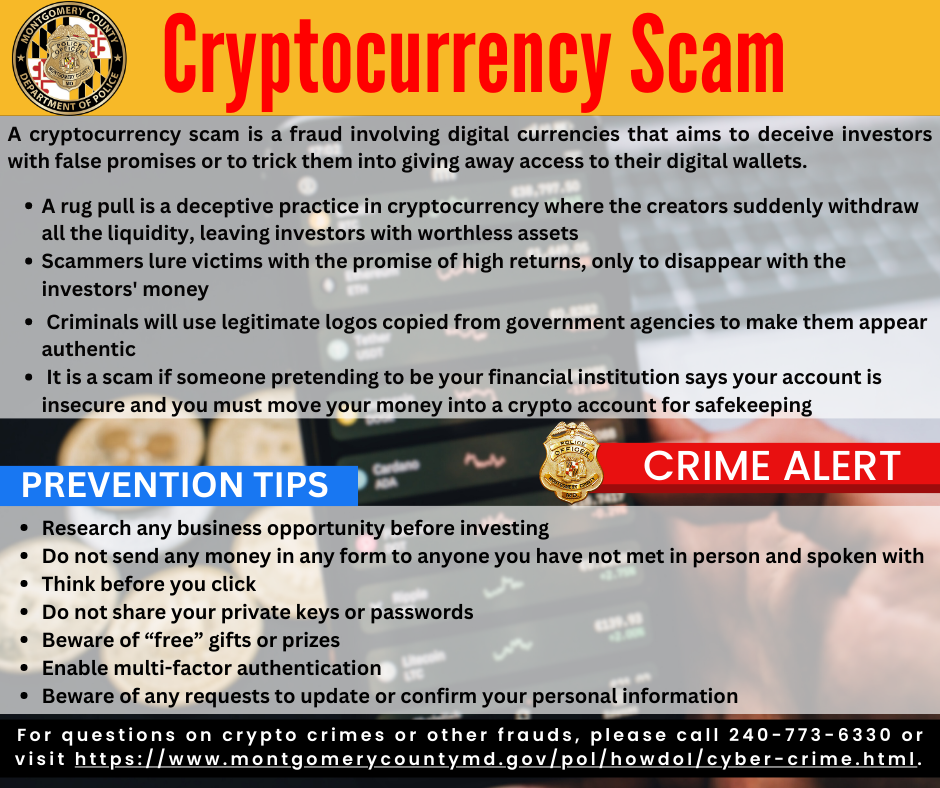
The decentralized nature of cryptocurrencies makes them an attractive target for scammers. Common fraudulent schemes include:
- Pump-and-Dump Schemes: Groups artificially inflate a coin's price before selling off their holdings, leaving others with worthless assets.
- Fake ICOs (Initial Coin Offerings): Fraudsters create fraudulent fundraising projects and disappear with investors' money.
- Phishing Attacks: Hackers trick users into revealing private keys or login credentials.
No Government Backing or Insurance
Traditional bank accounts often benefit from government insurance (e.g., FDIC in the U.S.), protecting deposits up to a certain limit. Cryptocurrencies lack such safeguards—if an exchange collapses or funds are stolen, investors may have no recourse.
Legal and Tax Uncertainties
Cryptocurrency regulations vary widely across countries, and sudden legal changes can disrupt markets. Additionally, tax reporting for crypto gains can be complex, leading to potential compliance risks.
3. Security Risks and Hacking Threats
Cybersecurity is a major concern in the cryptocurrency space. Even though blockchain technology itself is secure, exchanges, wallets, and individual users are vulnerable to attacks.
Exchange Hacks
Cryptocurrency exchanges are prime targets for hackers. Several high-profile breaches, such as the Mt. Gox hack (2014) and the Coincheck theft (2018), led to losses worth hundreds of millions of dollars. Investors storing funds on exchanges risk losing everything if security measures fail.
Wallet Vulnerabilities
Crypto wallets, whether hardware or software-based, can be compromised if not properly secured. Private keys—necessary for accessing funds—can be stolen through malware, phishing, or physical theft.
Smart Contract Exploits
Cryptocurrencies like Ethereum rely on smart contracts, self-executing agreements written in code. Flaws in these contracts can lead to exploits, as seen in the infamous DAO hack, where $60 million in Ether was stolen.
4. Liquidity Risks
While major cryptocurrencies like Bitcoin and Ethereum enjoy high liquidity, smaller altcoins may suffer from thin trading volumes. This can make it difficult to buy or sell large amounts without impacting the price.
Illiquid Markets and Price Slippage
In low-liquidity markets, executing large trades can lead to significant price slippage—where the executed price differs from the expected price due to lack of buyers or sellers. This can result in unexpected losses.
Exchange Shutdowns and Withdrawal Freezes
Some exchanges, especially smaller or less reputable ones, may suddenly halt withdrawals or shut down entirely, trapping investors' funds.
5. Technological Risks
Blockchain technology is still evolving, and cryptocurrencies face several technological challenges that can affect their viability.
Network Congestion and High Fees
During peak usage, blockchain networks like Bitcoin or Ethereum can become congested, leading to slow transactions and high fees. This reduces usability and can negatively impact investor confidence.
Potential for Obsolescence
With thousands of cryptocurrencies in existence, many may fail due to competition, lack of development, or technological inferiority. Investors risk holding coins that eventually become obsolete.
---End of Part 1---
6. Regulatory and Legal Risks
Cryptocurrency operates in a legal gray area in many jurisdictions, making it susceptible to sudden regulatory crackdowns. Governments worldwide are still figuring out how to classify and regulate digital assets, which creates uncertainty for investors.
Government Bans and Restrictions
Some countries, including China and India, have imposed strict restrictions or outright bans on cryptocurrencies. These actions can drastically reduce market liquidity and sever access to exchanges, leaving investors with limited options to trade or sell their holdings.
KYC & AML Compliance Risks
Many exchanges now enforce Know Your Customer (KYC) and Anti-Money Laundering (AML) regulations. If investors fail to comply with these requirements, their accounts may be frozen or seized. Additionally, regulatory scrutiny could force platforms to delist certain cryptocurrencies, causing price crashes.
Changing Tax Policies
Tax authorities worldwide are tightening cryptocurrency taxation rules. Investors may face unexpected capital gains taxes, reporting obligations, or audits. Misunderstanding tax requirements could result in legal penalties.
7. Market Manipulation
Due to lower liquidity and less oversight compared to traditional markets, cryptocurrency is highly prone to manipulation. Large holders, known as "whales," can influence prices by executing coordinated buy or sell orders.
Wash Trading and Spoofing
Some exchanges engage in wash trading—fake transactions designed to inflate trading volumes and attract investors. Similarly, spoofing (placing fake orders to manipulate prices) is prevalent in crypto markets, misleading traders into making poor decisions.
Whale Influence
A small number of entities hold significant portions of certain cryptocurrencies. If these whales decide to sell their holdings, prices can plummet, harming smaller investors.
8. Limited Adoption and Utility Concerns
Despite growing interest, cryptocurrencies still face adoption barriers that could hinder long-term growth. Many projects promise real-world utility but fail to deliver, leading to disillusionment and price drops.
Merchant Acceptance
While some companies accept Bitcoin and other cryptocurrencies as payment, widespread adoption remains limited. If businesses do not embrace crypto payments, demand may stagnate, negatively affecting prices.
Dependence on Speculation
Most cryptocurrencies derive their value from speculation rather than actual utility. If investor sentiment shifts due to negative news, prices can collapse rapidly without underlying fundamentals to support them.
9. Emotional and Psychological Risks
Investing in cryptocurrency can be emotionally taxing due to extreme volatility and rapid market shifts. Many investors fall into psychological traps that lead to poor decision-making.
FOMO (Fear of Missing Out)
Investors often buy into cryptocurrencies during price surges out of fear of missing profits. This can lead to buying at inflated prices before inevitable corrections.
Panic Selling
Conversely, sharp price declines can trigger panic selling, causing investors to lock in losses instead of holding for potential recoveries.
Addiction to Trading
The 24/7 nature of cryptocurrency markets can encourage compulsive trading behaviors, resulting in excessive risk-taking and financial losses.
10. Dependence on Third-Party Services
While blockchain itself is decentralized, many investors rely on centralized services that introduce counterparty risks.
Custodial Exchange Risks
Using exchanges to store funds means trusting a third party with security. If the exchange is hacked, goes bankrupt, or freezes withdrawals (as seen with FTX), users can lose access to their assets permanently.
Staking and Lending Platform Vulnerabilities
Decentralized finance (DeFi) platforms offer staking and lending opportunities but also carry risks of smart contract exploits or platform collapses, as witnessed in the Celsius and Terra (LUNA) crashes.
11. Scams and Ponzi Schemes
The anonymous and pseudonymous nature of cryptocurrency makes it a breeding ground for fraudulent investment schemes.
High-Yield Investment Programs (HYIPs)
Many scams promise unrealistic weekly or monthly returns, only to vanish with investors’ deposits.
Rug Pulls
Developers of new tokens may abandon projects abruptly (rug pulls), selling off liquidity and leaving investors with worthless coins.
12. Concentration Risk in Crypto Portfolios
Many investors focus heavily on a single cryptocurrency, increasing their exposure to that asset’s specific risks.
Overexposure to Bitcoin or Altcoins
While Bitcoin is dominant, its performance isn’t guaranteed. Similarly, altcoins can experience extreme volatility or total failure.
Lack of Portfolio Diversification
Crypto investors often neglect traditional asset allocation, making their portfolios highly susceptible to market downturns.
13. Environmental and Sustainability Concerns
Bitcoin and other proof-of-work cryptocurrencies face criticism for high energy consumption, leading to potential regulatory backlash.
Green Policies Impacting Mining
Countries may impose stricter environmental regulations on mining operations, increasing costs and reducing profitability for miners.
Investor Sentiment Shift Toward Eco-Friendly Blockchains
As sustainability becomes a priority, investors may favor proof-of-stake coins (e.g., Ethereum post-Merge), causing declines in energy-intensive cryptocurrencies.
---End of Part 2---
14. Operational Risks in Blockchain Networks
While blockchain itself is designed to be secure, cryptocurrency networks are still susceptible to operational risks that can threaten both functionality and value.
51% Attacks on Proof-of-Work Networks
Smaller proof-of-work cryptocurrencies risk "51% attacks," where a single entity gains majority control of the network’s mining power. This allows bad actors to reverse transactions, double-spend coins, and destabilize the blockchain—potentially rendering the cryptocurrency worthless.
Node Centralization Issues
Ironically, many blockchains that promote decentralization have seen increasing node centralization. If a handful of entities control most validation nodes, the network becomes vulnerable to collusion or coercion, undermining trust in the system.
15. Smart Contract and Protocol Risks
Ethereum and other smart contract platforms introduce unique risks tied to code execution and governance models.
Unintended Code Execution
Smart contracts are immutable once deployed. If a bug exists—even a minor one—it can be exploited indefinitely unless the network agrees on a manual override (as seen in Ethereum’s DAO hack reversal).
Protocol Upgrade Risks
Hard forks (major upgrades) can fragment communities if consensus isn’t reached. Bitcoin’s 2017 split into BTC and Bitcoin Cash illustrates how contentious upgrades can create competing chains, diluting value and trust.
16. Privacy and Anonymity Myths
Many investors mistakenly believe cryptocurrency transactions are fully anonymous, exposing themselves to legal and tracking risks.
Pseudonymity ≠ Anonymity
Most blockchains are pseudonymous, meaning transactions link to public wallet addresses indefinitely. Sophisticated chain analysis tools, used by firms like Chainalysis, can often trace activity back to real-world identities.
Regulatory Pressure on Privacy Coins
Privacy-focused coins like Monero (XMR) or Zcash (ZEC) face increasing scrutiny and delistings from exchanges due to regulatory concerns about money laundering, reducing liquidity and accessibility.
17. Inflation Risks in Stablecoins
Stablecoins—cryptocurrencies pegged to fiat currencies—are marketed as "safe havens," but carry hidden risks.
Collateralization Failures
Algorithmic stablecoins (e.g., Terra’s UST) rely on complex mechanisms to maintain pegs. If confidence falters, a death spiral can occur, as seen when UST collapsed alongside LUNA in May 2022.
Centralized Stablecoin Trust Issues
Fiat-backed stablecoins like Tether (USDT) require faith in the issuer’s reserves. If auditors or regulators uncover insufficient backing, a "bank run" scenario could trigger mass redemptions and destabilize markets.
18. Long-Term Viability and Technological Redundancy
The crypto space evolves rapidly, and today’s leading projects risk obsolescence due to innovation or shifting paradigms.
Quantum Computing Threats
Future quantum computers could theoretically break elliptic curve cryptography, jeopardizing Bitcoin and other networks’ security. While post-quantum cryptography is in development, proactive upgrades are uncertain.
Blockchain’s "Innovator’s Dilemma"
First-generation blockchains may struggle to adapt to superior Layer 2 solutions or entirely new architectures, leaving early investors stuck with depreciating legacy assets.
19. Cultural and Generational Risks
Cryptocurrency’s adoption hinges on sociocultural factors that remain unpredictable.
Generational Wealth Transfer Effects
If younger, crypto-friendly generations inherit significant wealth, adoption may surge. Conversely, distrust among older demographics or institutional investors could slow mainstream acceptance.
Ideological Conflicts Within Communities
Decentralized governance often leads to infighting (e.g., Bitcoin’s block size wars). Protracted disputes can stall development, fracture communities, and erode investor confidence.
20. Geopolitical and Macroeconomic Risks
Global events increasingly influence cryptocurrency markets in unpredictable ways.
Sanctions and Capital Controls
Authoritarian regimes may ban or co-opt cryptocurrencies to bypass sanctions (e.g., Russia) or enforce capital controls (e.g., Nigeria), creating regulatory arbitrage dangers for international investors.
Correlation With Traditional Markets
Once touted as "uncorrelated assets," major cryptocurrencies now often move in tandem with Nasdaq or risk-on assets. A global recession could trigger synchronized selloffs across crypto and traditional markets.
21. Psychological and Behavioral Pitfalls
Investor psychology plays an outsized role in crypto markets, often amplifying risks.
Overconfidence in Technical Analysis (TA)
Unlike traditional charts, crypto TA frequently fails due to extreme volatility and manipulation. Retail traders relying on indicators like RSI or Fibonacci retracements may suffer unexpected losses.
"HODL" Culture and Sunk Cost Fallacy
The meme-driven "HODL" mentality discourages rational profit-taking, leading investors to hold through bear markets despite fundamental deterioration.
22. Insurance and Recovery Challenges
Cryptocurrency’s irreversible transactions create unique recovery dilemmas.
Lost Private Keys
An estimated 20% of all mined Bitcoin is permanently inaccessible due to lost keys. Unlike bank accounts, no customer service exists to restore access.
Limited Insurance Coverage
While some exchanges offer partial insurance on custodial holdings, most DeFi protocols lack protections. The burden of security falls entirely on users.
Conclusion: Navigating Crypto Risks Strategically
Cryptocurrency investing isn’t inherently reckless—but it demands heightened due diligence. Unlike traditional finance, crypto markets lack safety nets, making risk management non-negotiable. Diversification, cold storage solutions, skepticism towards "guaranteed returns," and continuous education are essential. Regulatory clarity may eventually reduce some risks, but volatility and technological uncertainty will persist. Investors must honestly assess their risk tolerance before allocating capital to this dynamic but perilous asset class.
For those willing to embrace both the opportunities and hazards, cryptocurrencies remain a fascinating frontier—but one where vigilance is the price of participation.
---End of Part 3 / Final---