Cinematic Score Impact on Film Success
The cinematic score is a fundamental pillar of modern filmmaking, profoundly shaping audience emotion and engagement. This influential art form drives commercial success, with the global film soundtracks market valued between $1.5 and $2.5 billion and projected to grow significantly. The power of a great film score lies in its ability to deepen immersion and create unforgettable cinematic moments.
Understanding the Power of Film Music
A great cinematic score does more than provide background noise; it becomes the emotional heartbeat of a film. It guides the audience's feelings, signaling tension, joy, sorrow, and triumph with precise musical cues. This sonic layer is essential for transforming visuals into a completely immersive experience that resonates long after the credits roll.
The Emotional Engine of Cinema
Music connects with viewers on a subconscious level, directly influencing their emotional journey. Composers use specific melodies, harmonies, and rhythms to mirror a character's internal state or heighten the drama of a scene. This emotional manipulation is a key factor in the cinematic score impact, making stories more relatable and powerful.
Enhancing Narrative and Pacing
Beyond emotion, scores provide crucial structural support to a film's narrative. A well-placed leitmotif can instantly identify a character or theme. The tempo and dynamics of the music also control the pacing, building suspense for a thriller or accelerating the excitement of an action sequence. This synergy between sound and vision is the mark of a masterful composition.
The Booming Film Soundtracks Market
The commercial value of movie music is undeniable, evidenced by its substantial and growing market. Recent analyses confirm the sector's robust health and future potential. This growth is fueled by evolving consumption habits and technological innovations.
The global film soundtracks market was valued at $1.5 billion in 2023 and is projected to reach $3.2 billion by 2032–2033, expanding at a CAGR of 7–8.5%. [1][2]
Key Market Drivers
Several factors are propelling this impressive growth. The rise of streaming platforms has created new revenue streams and listening occasions for soundtracks. Furthermore, advancements in audio technology demand higher-quality compositions.
- Streaming Dominance: Platforms like Spotify and Apple Music have made soundtracks accessible, allowing them to be enjoyed as standalone albums.
- Immersive Audio: Technologies like Dolby Atmos require sophisticated scores designed for a three-dimensional soundscape.
- Licensing Expansion: Music originally created for film is increasingly licensed for video games, virtual reality, and advertising.
Global Market Distribution
The market's growth is not uniform across the globe, with different regions contributing uniquely. North America currently leads in revenue generation, while the Asia-Pacific region shows the fastest growth rate.
- North America: Dominates with a CAGR of 7.5%, driven by Hollywood's established infrastructure and high consumer demand.
- Asia-Pacific: Shows the fastest growth (CAGR of 9.2%) thanks to prolific industries like Bollywood and advancing Chinese and South Korean cinema.
Notable Cinematic Scores of 2025
The past year has showcased a diverse and innovative range of cinematic scores, highlighting current trends and artistic excellence. Composers are pushing boundaries, blending genres and creating music that stands on its own artistic merit.
Standout Compositions and Composers
2025 has been a remarkable year for film music, with several scores receiving critical acclaim for their originality and emotional depth. These works demonstrate the evolving language of cinematic composition.
- Frankenstein: Topping many lists for its bold use of alternative rock influences.
- Train Dreams: Composed by Bryce Dessner for Netflix, praised as a powerful standalone album.
- Sinners: A gripping score by Oscar-winner Ludwig Göransson.
- Tron: Ares: Featuring a surprising and innovative score by industrial rock legends Nine Inch Nails.
The Shift Towards Authenticity
A key trend in 2025 is a move away from overly polished, generic orchestral sounds. There is a growing preference for authentic, often indie or acoustic, music that brings a unique character to a film.
This trend sees more filmmakers sourcing music from boutique libraries and collaborating with artists from outside the traditional film scoring world. The success of scores like Frankenstein underscores the audience's appetite for fresh, distinctive sonic identities.
Evolution of the Cinematic Score: From Silent Films to Streaming
The history of the cinematic score is a journey of technological and artistic innovation. It began as live piano or organ accompaniment for silent films, designed to cover projector noise and provide emotional cues. This foundational role established music as a non-negotiable element of the theatrical experience, setting the stage for its evolution into a complex art form.
The Golden Age of Orchestral Film Music
The advent of "talkies" synchronized sound and picture, allowing for pre-recorded, elaborate scores. Composers like Max Steiner and Bernard Herrmann pioneered the use of leitmotifs and large orchestras to support the epic narratives of classic Hollywood. This era cemented the composer as a key creative voice alongside the director, crafting themes that became culturally iconic.
The late 20th century saw legends like John Williams redefine the scale and memorability of film music, with scores for Star Wars and Jaws demonstrating its power to drive box office success. This period solidified the model of the grand, symphonic cinematic score as the standard for blockbuster filmmaking, an influence that persists today.
The Modern Era: Blending Genres and Digital Frontiers
Today, the landscape is defined by genre-blending and digital accessibility. Composers freely mix electronic elements with traditional orchestration, and indie artists frequently cross over into scoring. The line between a film score and a popular album continues to blur, as evidenced by the acclaim for works like Bryce Dessner’s Train Dreams.
Streaming has transformed scores from theatrical exclusives into accessible, on-demand albums, with platforms like Netflix becoming major commissioners of original content and amplifiers of soundtrack visibility. [3][6]
The digital era also enables faster, more collaborative workflows and a global exchange of musical ideas. This has led to a richer, more diverse sonic palette in film, directly contributing to the market's expansion and the creative trends of authenticity and cultural resonance.
Current Trends Shaping Film Music Today
The industry is undergoing significant shifts, driven by consumer demand, technological advancement, and creative evolution. These trends are redefining what a cinematic score can be and how it reaches its audience. Understanding these movements is key to grasping the future of film music.
The Demand for Authentic and Standalone Music
Audiences and filmmakers are increasingly seeking scores with a distinct, often handmade, character. There is a clear move away from generic, library-style music toward scores that feel personal and authentic. This trend favors composers with strong individual voices and often incorporates acoustic, lo-fi, or alternative rock influences.
- Indie Influence: Composers from the alternative music scene, such as Nine Inch Nails for Tron: Ares, are bringing fresh sensibilities to major films.
- Album-First Mentality: Many modern scores are crafted to be compelling listening experiences outside the cinema, boosting their streaming viability.
- Boutique Sourcing: Filmmakers are turning to specialized music libraries and unique artists to find sounds that avoid cliché.
Technology and Immersive Audio Experiences
Audio technology is no longer just about recording; it's about creating immersive worlds. The adoption of spatial audio formats like Dolby Atmos has changed the composer's canvas, requiring scores to be engineered for a three-dimensional soundscape.
This technological push elevates the cinematic score impact in theaters and high-end home systems. It creates a competitive edge for films that offer a superior, immersive audio experience, directly tying audio quality to commercial success and audience demand.
Expansion Beyond Traditional Film
The application of cinematic-quality music is expanding rapidly into adjacent media. High-budget video games, VR experiences, and interactive media now demand scores with the emotional depth and production value of major motion pictures.
- Gaming and VR: These interactive mediums rely heavily on adaptive scores that react to user input, creating new compositional challenges and opportunities.
- Brand and Advertising: Commercials and brand content increasingly use film-quality music to evoke emotion and prestige.
- Streaming Playlists: Curated playlists featuring film scores and "music for focus" have become a major discovery channel, further blurring industry lines.
Industry Challenges and Market Dynamics
Despite robust growth, the film music industry faces its own set of complexities and disruptions. These challenges impact composers, studios, and the market structure itself, shaping the deals, projects, and trends that define the professional landscape.
Post-Strike Scrutiny and Budget Pressures
The 2023 industry strikes had a lingering effect, causing project delays and a temporary reduction in studio film output. This has led to increased scrutiny on high-budget scores, with producers demanding clearer returns on investment. [4]
Composers now often need to demonstrate how a score contributes not just artistically but also to downstream revenue streams like soundtrack albums and licensing. This commercial pressure exists alongside the constant drive for artistic innovation.
The Data Literacy Gap and Talent Valuation
A significant challenge within the industry is the uneven use of data. While streaming platforms provide clear metrics on playlist adds and monthly listeners, this data is not always effectively used to structure fair talent deals or predict soundtrack success.
Data literacy gaps can create inequitable opportunities, even as metrics clearly show streaming hits like the scores for Oppenheimer and Fallout generating millions of engagements. [3]
Bridging this gap is essential for ensuring composers are compensated fairly and for allowing the market to accurately value the commercial power of a great cinematic score.
The Streaming Double-Edged Sword
Streaming provides unparalleled distribution and discovery for film music, but it also changes consumption patterns. Scores are often consumed in fragments or as part of mood-based playlists, which can detach the music from its narrative context.
However, this also presents an opportunity. A track's popularity on Spotify can drive viewers to a film or series, creating a new form of marketing. Platforms like Netflix are acutely aware of this, investing heavily in original scores that can perform both narratively and algorithmically.
The Future of Cinematic Scores
The trajectory of film music points toward a future of even greater integration and innovation. As technology evolves and audience expectations rise, the cinematic score will continue to break new ground. The lines between different media will blur further, creating a more dynamic and interconnected sonic landscape.
Predictions for Composition and Technology
Artificial intelligence is poised to become a significant tool in the composer's toolkit, assisting with tasks like orchestration and generating thematic ideas. However, the human element of emotional storytelling will remain irreplaceable. The demand for authentic, human-composed music that resonates on a deep level is likely to increase.
The next frontier in audio technology will focus on hyper-immersion. Beyond current spatial audio, we may see developments in bio-responsive music that subtly adapts to a viewer's physiological state. This could create a uniquely personalized viewing experience, making the emotional impact of the cinematic score even more direct and powerful.
Evolving Business Models and Global Influence
The business of film music will continue to diversify. Composers may increasingly operate as brands themselves, with soundtrack releases serving as primary album drops. Licensing will expand into emerging media like the metaverse and advanced augmented reality applications.
The Asia-Pacific region, with its projected CAGR of 9.2%, is set to become an even more dominant creative and commercial force, influencing global soundscape trends. [2]
This global shift will encourage more cross-cultural collaborations, blending musical traditions from around the world. The future cinematic score will likely be a more globally-informed and eclectic art form, reflecting the borderless nature of modern media consumption.
Actionable Insights for Filmmakers and Composers
Navigating the current and future landscape of film music requires a strategic approach. For creators, understanding the market dynamics and audience preferences is key to achieving both artistic and commercial success. These insights can guide decision-making from pre-production to release.
Strategic Best Practices
Filmmakers and composers should view the score not as an afterthought but as an integral part of the project's DNA from the earliest stages. Early collaboration allows the music to be woven into the narrative fabric of the film, enhancing its overall cohesion and impact.
- Prioritize Authenticity: Choose a composer with a distinctive voice that aligns with the film's vision, rather than opting for a generic sound.
- Plan for Multiple Revenue Streams: Consider the soundtrack’s potential as a standalone album and its licensing opportunities for gaming or VR during the planning phase.
- Embrace Data: Use streaming metrics and audience data to understand what resonates, but never at the expense of creative integrity.
- Invest in Quality Audio: Ensure the score is mixed and mastered for immersive formats like Dolby Atmos to meet modern audience expectations.
Building a Successful Career in Film Scoring
For aspiring composers, the path to success involves more than just musical talent. It requires business acumen, adaptability, and a strong personal brand. Building a diverse portfolio that showcases versatility across genres and media is crucial.
Networking within the industry and understanding the legal and financial aspects of composition are equally important. Composers must be prepared to work in a global, digitally-driven marketplace where collaboration often happens remotely and projects span multiple continents.
Conclusion: The Enduring Impact of Cinematic Scores
The evidence is clear: the cinematic score is a powerhouse of emotional storytelling and a significant driver of commercial value in the entertainment industry. From its humble beginnings accompanying silent films to its current status as a multi-billion dollar market, film music has consistently proven its indispensable role. The projected growth to a $3.2 billion market by 2032-2033 underscores its enduring relevance and expanding influence. [1][2]
The key trends of authenticity, technological immersion, and cross-media expansion define the current era. The success of scores from Frankenstein to Oppenheimer demonstrates that audiences crave music with a unique identity and profound emotional depth. The shift towards scores that function as compelling standalone albums highlights their artistic merit beyond the cinema.
As we look to the future, the symbiotic relationship between visual media and music will only deepen. The cinematic score impact will continue to evolve, shaped by global influences, artificial intelligence, and new immersive technologies. However, the core purpose remains unchanged: to elevate narrative, evoke emotion, and create a truly unforgettable experience for the audience. The power of a great film score is, and will remain, an essential magic of the movies.
The Musical Odyssey of Gavin Dunne: From Shadows to Spotlight
Introduction
In the landscape of independent music, few figures have blended narratives and melodies as compellingly as Gavin Dunne. Known by his stage name, Miracle of Sound, Dunne has carved a niche that defies the traditional boundaries of genre, appealing to diverse audiences with his dynamic soundscapes and lyrical prowess. From the echoes of video game epics to the anthems of cinematic adventures, Dunne's creative journey has been a testament to the power of music as a storytelling medium.
Early Musical Influences
Gavin Dunne’s musical journey began in Ireland, a country renowned for its rich musical heritage and folklore. Growing up, Dunne was immersed in various musical styles, influenced by both the eclectic sounds of contemporary music and the traditional Irish rhythms that surrounded him. These formative years instilled in him a deep appreciation for storytelling—an element that would become a defining characteristic of his work. As a youth, Dunne was captivated by rock legends such as Queen and David Bowie, whose innovative approaches to artistry and performance ignited his passion for creating music that transcends mere auditory experience, turning it into a vivid emotional and narrative journey.
The Birth of Miracle of Sound
In 2011, Gavin Dunne embarked on an ambitious project that would ultimately define his musical career. Enter Miracle of Sound, an innovative platform through which Dunne released music inspired by popular video games, films, and television series. This endeavor began somewhat serendipitously when Dunne crafted a song inspired by the critically acclaimed video game, “BioShock Infinite.” Titled “Elizabeth,” the song resonated deeply with both gamers and music lovers, propelling Miracle of Sound into the spotlight.
Unlike many musicians who focus solely on mainstream exposure, Dunne took advantage of the growing digital landscape, utilizing platforms like YouTube and Bandcamp to connect directly with his audience. This decision not only democratized his music, allowing him to bypass traditional music industry gatekeepers, but also enabled him to interact with fans from all corners of the globe. Through Miracle of Sound, Dunne created a unique form of engagement and community among listeners, often tailoring his songs to incorporate feedback and requests.
Crafting an Epic Universe
Miracle of Sound is characterized by its expansive and diverse catalog, where each song is a standalone story, yet part of a grander narrative tapestry. Dunne’s skills as a songwriter and producer allowed him to explore a multitude of genres, from the heavy guitar riffs and pounding drums found in rock, to the soaring orchestral arrangements of soundtracks, and even the catchy hooks of pop and electro beats. His versatility is matched by a meticulous attention to lyrics, with each piece mirroring the themes and emotions of the corresponding game or movie.
A noteworthy example is "Commander Shepard," a tribute to the "Mass Effect" series, which became an anthem for fans with its catchy chorus and driving rhythm. This track is illustrative of Dunne’s ability to capture the essence of a character or moment, translating it into a musical form that complements and amplifies the original narrative. His music not only provides an auditory experience but also enhances the emotional connection to the stories and characters that inspired it.
Community Engagement and Fan Base
One of the most compelling aspects of Miracle of Sound is the symbiotic relationship between Dunne and his fans. Unlike traditional musicians who may remain distant from their audience, Dunne actively engages with his fan base through social media platforms and direct interactions. This accessibility has fostered a loyal community that values not only the music but also the ethos of collaboration and inclusivity that underpins Miracle of Sound.
Dunne frequently involves his fans in the creative process, whether it's gathering inspiration for new tracks or hosting Q&A sessions to discuss his artistic journey. This collaborative spirit reflects in Dunne’s openness to explore new ideas and genres, often encouraged by the suggestions and tastes of his followers. As a result, his music continuously evolves while maintaining a core of storytelling that speaks to both long-time fans and new listeners.
Conclusion
Gavin Dunne, through his alter ego Miracle of Sound, has reshaped the musical landscape by demonstrating the potential of self-produced and independently distributed music. As he embarks on new projects and continues to engage audiences worldwide, Dunne embodies the spirit of innovation and creativity, proving that passion and dedication can build bridges from the dreams of one to the lives of many. In this ever-connected world, Miracle of Sound stands as a beacon of artistic integrity and community, inviting everyone to partake in the magnificent stories set to music.
Breaking Boundaries with Genre Fusion
Gavin Dunne’s remarkable ability to seamlessly blend genres is a cornerstone of his musical identity, setting him apart from many artists who typically adhere to a singular style. This fusion is reflective of his philosophy that music should be a boundless form of expression, adapting and evolving rather than adhering to traditional confines. Throughout his discography, Dunne has traversed an eclectic spectrum of musical worlds, each piece distinct yet unmistakably a part of the Miracle of Sound universe.
Take, for instance, his song “Valhalla Calling,” which fuses Nordic folk elements with hard-hitting rock, embodying the adventurous and mythic essence of Viking sagas. Such compositions showcase Dunne’s talent for pushing genre boundaries, challenging conventional categorizations and inviting listeners to embark on an auditory adventure where multiple influences harmoniously coexist. This diversity not only keeps his music fresh and innovative but also allows him to reach audiences with varied musical tastes, thus expanding his fan base.
The Art of Collaboration
Another notable aspect of Dunne’s career is his penchant for collaboration, which has further enriched the Miracle of Sound project. By partnering with other musicians and artists, Dunne has explored new dimensions in his music, infusing his creations with fresh perspectives and innovative sounds. These collaborations are often featured on his albums and add another layer of complexity and depth to his work.
One of the most memorable collaborations was with YouTuber and singer Malukah, renowned for her hauntingly beautiful voice. Together, they created the song “Legends of the Frost,” inspired by “The Elder Scrolls V: Skyrim.” The track melds Malukah’s ethereal vocals with Dunne’s cinematic composition, resulting in a piece that transports listeners to the expansive, immersive world of Skyrim. These partnerships not only enhance the musical output but also highlight Dunne’s commitment to community and shared creativity, where each collaborator brings something unique to the table.
Collaborations extend beyond musicians to include video game developers and filmmakers, which provide insider insights that enrich Dunne’s storytelling. By engaging creators of the original narratives that inspire his music, Dunne gains a deeper understanding of the stories he is translating into song. This has led to partnerships with companies like BioWare and Ubisoft, marking a recognition of Dunne’s contributions to the broader narrative frameworks of their worlds.
Navigating the Challenges of Independent Music Production
Operating independently in the music industry presents its own set of challenges, from managing marketing and distribution to handling production and artistic direction. Yet, Gavin Dunne has not only navigated these hurdles but thrived within the independent framework. This autonomy has allowed him to retain full creative control over his work, crafting a musical identity that is authentically aligned with his vision.
Despite the obstacles, Dunne’s success is driven by his strategic use of digital platforms and his commitment to high-quality production. Through meticulous attention to sound design and recording, Dunne ensures that each track meets the standards of a professional studio album, something that listeners have come to expect and admire. His engagement with advancements in production technology allows him to consistently push the envelope, offering fans a polished and immersive listening experience without the backing of a major label.
The financial aspects of independent music production can also be challenging, yet Dunne has effectively harnessed crowdfunding models, offering fans the opportunity to support and partake in the production of new albums. This approach not only secures the resources needed to produce music but also strengthens the bond between him and his supporters, giving fans a sense of ownership and involvement in the creative process.
A Legacy in Progress
As Gavin Dunne continues to innovate and create, his legacy as Miracle of Sound is still very much a work in progress. His journey from humble beginnings to becoming a revered figure in the independent music scene exemplifies what can be achieved with dedication, creativity, and a willingness to embrace new ideas. Each release further solidifies his role as a modern bard, translating the rich narratives of visual media into songs that resonate emotionally with listeners.
Looking forward, Dunne’s trajectory suggests a future filled with continued experimentation and collaboration. His adaptability ensures that he remains at the forefront of musical innovation, perpetually seeking new stories to tell and sounds to explore. As he forges ahead, Gavin Dunne stands as a symbol of what independent artistry can achieve in an ever-evolving industry, a reminder of the power of music to connect, inspire, and transcend beyond the bounds of its medium.
In conclusion, Gavin Dunne, through Miracle of Sound, has not only enriched the world of music with his unique blend of storytelling and genre fusion but has also created a community where fans and creators come together to celebrate the magic of narrative-driven music. As one chapter closes, many more await in the epic saga of this musical visionary, poised to turn the next page in the ever-expanding tale of Miracle of Sound.
The Global Impact and Cultural Relevance of Gavin Dunne’s Music
Gavin Dunne's music, under the Miracle of Sound banner, has transcended geographical boundaries to build a global fanbase, highlighting the universal appeal of music as a medium. His distinctly narrative-driven approach resonates with audiences because it taps into the shared human experience: tales of heroics, quests for identity, the struggles against adversity, and the triumphs of spirit. Each song serves as a narrative vignette, inviting listeners to explore the stories and themes resonant in popular culture, from video games to epic films.
Dunne’s ability to draw inspiration from a wide array of cultural sources enriches his music, allowing it to serve as a connective thread among diverse audiences. By creating music that celebrates cultural giants like "The Witcher" or "Cyberpunk 2077," Dunne not only amplifies these beloved stories but also contributes to the cultural dialogue surrounding them. His music acts as both a tribute and a new lens through which fans can re-experience their favorite narratives, establishing Dunne as an active participant in the cultural zeitgeist.
Furthermore, the accessibility of his work through digital distribution ensures that his music can reach listeners anywhere, unconfined by traditional music industry limitations. Platforms like Spotify, YouTube, and Bandcamp make it possible for fans across different continents to engage with his art, solidifying Dunne’s status as a musician whose work transcends language and cultural barriers to resonate on a global scale.
The Influence of Fan Feedback on Creation
One of the significant factors that continuously shapes Dunne’s musical journey is the influence of fan feedback. Unlike many artists who may view their audience from afar, Dunne thrives on maintaining an interactive relationship with his followers. His openness to listener input not only endears him to his fanbase but also serves as a springboard for new creative endeavors. This dynamic feedback loop allows Dunne’s work to evolve in real-time, often anticipating trends or shifts in fan interests even before they become widespread.
By incorporating fan suggestions and preferences, Dunne keeps his music fresh and aligned with what his audience actively seeks. This collaborative synergy not only enriches the listener’s experience but also ensures an ongoing dialogue between creator and audience. Fans are an integral part of the Miracle of Sound project, and their enthusiasm fuels Dunne’s artistic ventures. This approach democratizes the creative process, blurring the lines between artist and audience, and fostering a collective artistic endeavor.
Future Prospects and Innovations
Looking into the future, Gavin Dunne's career is poised to explore even more uncharted territories in the realm of music and storytelling. Always at the cutting edge of innovation, Dunne is likely to delve into new technological advancements within the music industry, such as virtual reality, immersive audio experiences, and interactive storytelling formats. These technologies could offer listeners even more profound means to engage with his music, enhancing the narrative experience he so masterfully crafts.
Dunne’s commitment to exploring new forms and themes suggests an ongoing evolution of his work, ready to incorporate the latest storytelling mediums and audience engagement strategies. As the world of entertainment continues to evolve, so too does the potential for Dunne to forge new paths and expand the domain of his musical explorations. Given his track record, fans can anticipate forthcoming releases that push boundaries and challenge conventions, while maintaining the distinctive storytelling heart at the forefront of all Miracle of Sound compositions.
Additionally, as global awareness becomes increasingly crucial in artistic circles, Dunne’s work may see him entering partnerships aimed at social impact, using his platform to address pertinent global issues through the lens of music. Artists have a unique voice in today’s world, and music rooted in narrative tradition is an incredibly potent vehicle for driving social awareness and change.
Conclusion: The Timelessness of Miracle of Sound
Gavin Dunne’s journey through Miracle of Sound underscores the timeless essence of music as a storytelling art form. By merging personal passion with cultural narratives, Dunne has established himself as a modern-day bard, his songs chronicling the stories of digital worlds and collective human experiences alike. While the future holds exciting prospects for Miracle of Sound, the essence of Dunne’s work remains consistent—a dedication to crafting songs that offer listeners an escape into the realms of imagination, emotion, and thoughtful reflection.
Through his unique blend of independent spirit, genre-defying compositions, and audience-focused creation, Gavin Dunne has impacted how music interacts with stories we cherish. As audiences continue to search for authentic voices in an often overly-commercialized industry, Dunne’s Miracle of Sound stands as a beacon of innovation and authenticity, reminding us all that the power of music lies not just in its ability to entertain, but to connect us through the stories it has to tell. As the curtain closes on this chapter of Dunne’s musical narrative, one thing is clear: Miracle of Sound will continue to echo through the vast halls of music and storytelling for years to come, inspiring listeners across the globe.
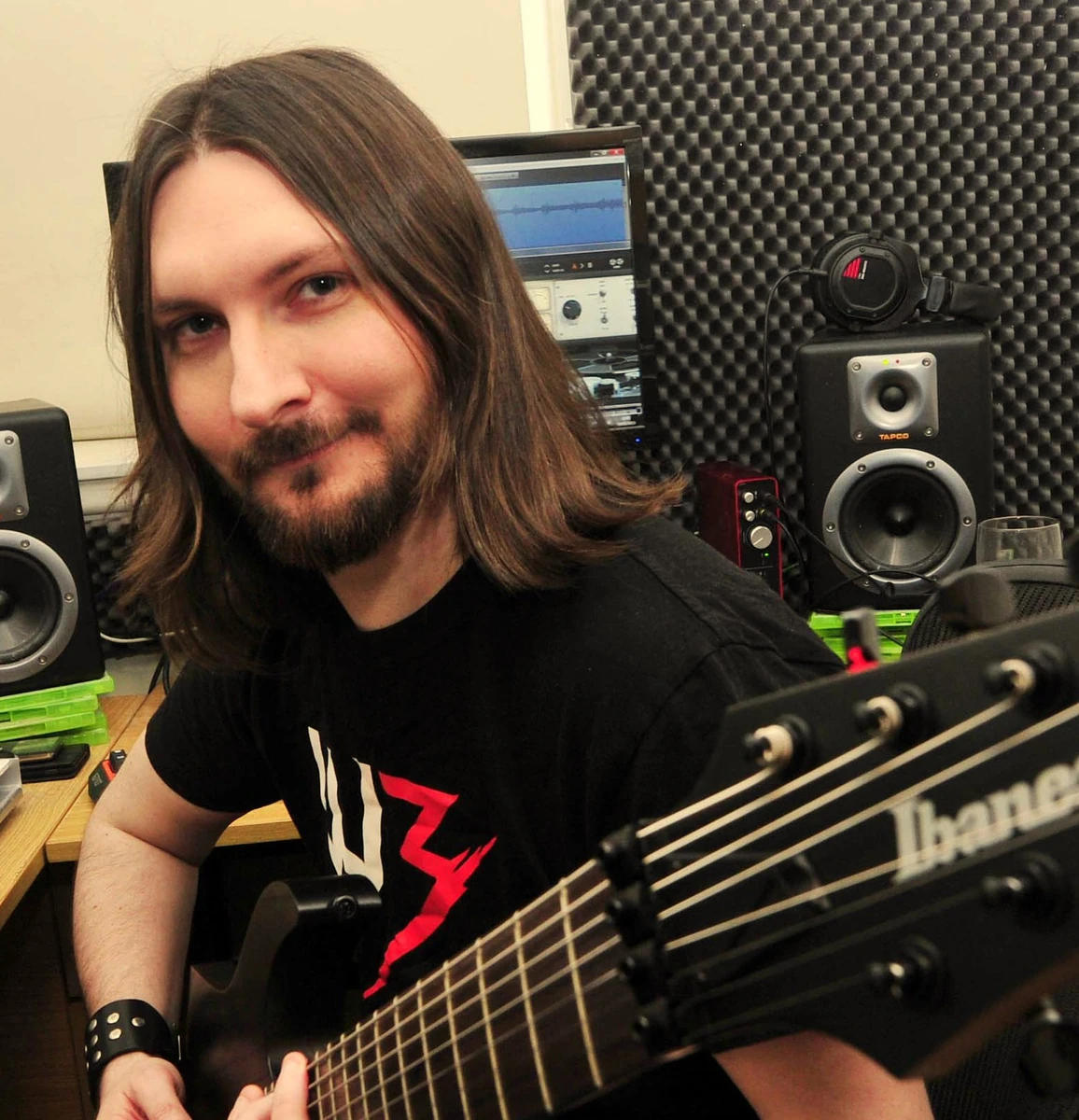
![My interview with Miracle Of Sound [ENG] | Stranger's Weblog - The-Musical-Odyssey-of-Gavin-Dunne-From-Shadows-to-Spotlight](https://strangera.com/wp-content/uploads/2012/04/miracle-of-sound.jpg)