Gregor Johann Mendel: The Pioneer of Modern Genetics
Introduction to Gregor Mendel's Legacy
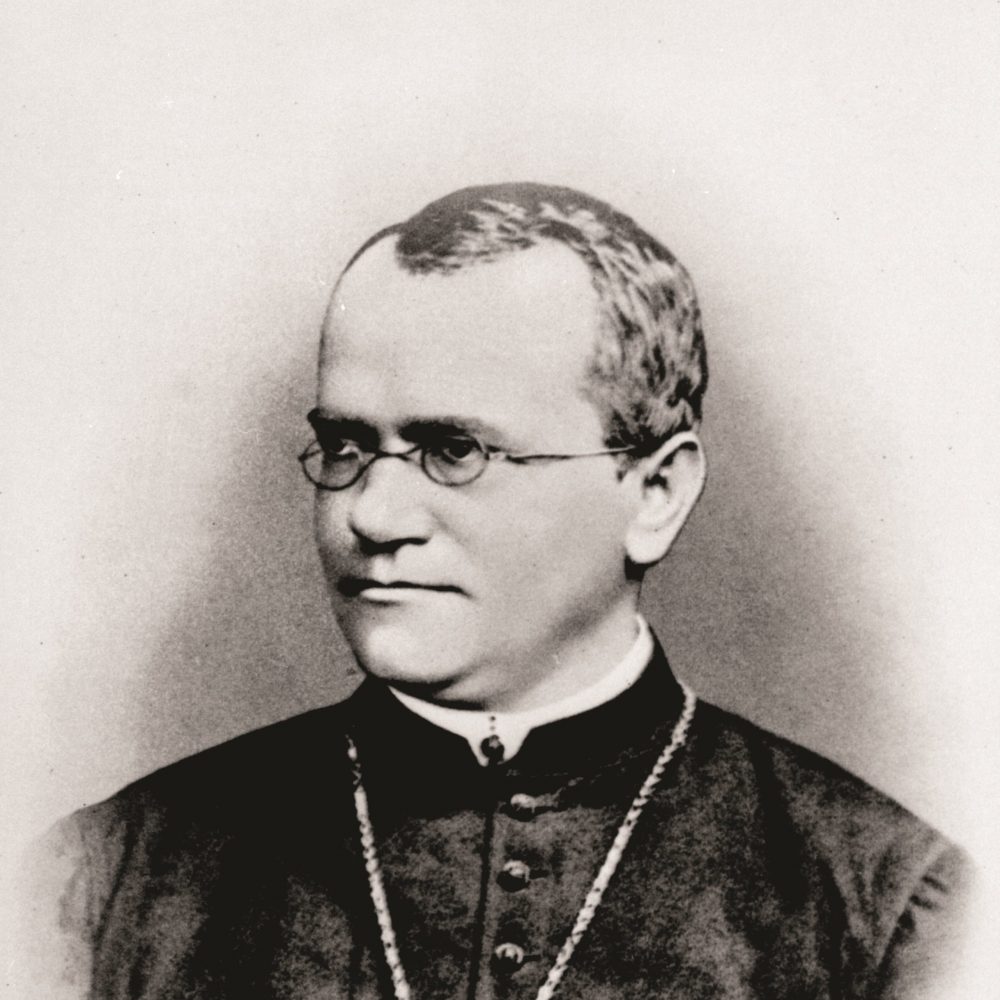
Gregor Johann Mendel, a 19th-century scientist, revolutionized our understanding of heredity through his meticulous experiments with pea plants. His work laid the foundation for modern genetics, introducing concepts like dominance, segregation, and independent assortment. Despite initial obscurity, Mendel's discoveries became cornerstones of biological science.
Early Life and Scientific Context
Born in 1822 in what is now the Czech Republic, Mendel entered the Augustinian monastery in Brno, where he combined his religious duties with scientific pursuits. The scientific context of his time was dominated by theories of blending inheritance, where traits were thought to merge between generations. Mendel's groundbreaking approach challenged these ideas.
Challenging the Status Quo
Unlike his contemporaries, Mendel believed in discrete hereditary factors—now known as genes. His experiments with Pisum sativum (pea plants) demonstrated that traits did not blend but were passed down in predictable patterns. This was a radical departure from the prevailing scientific thought.
Mendel's Groundbreaking Experiments
Between 1856 and 1863, Mendel conducted controlled crosses of pea plants, meticulously tracking seven distinct traits. His quantitative approach yielded consistent numerical ratios, such as the 3:1 ratio in monohybrid crosses, which revealed the principles of dominance and segregation.
The Scale of Mendel's Work
Mendel's experiments were unprecedented in their scale. He grew and recorded data from approximately 10,000 pea plants, ensuring statistical robustness. This large-scale approach allowed him to observe patterns that smaller studies might have missed.
Key Findings and Mendelian Ratios
Mendel's work identified several key ratios that became fundamental to genetics:
- 3:1 phenotypic ratio in the F2 generation of monohybrid crosses.
- 9:3:3:1 ratio in dihybrid crosses, illustrating independent assortment.
These ratios provided empirical evidence for his theories and remain central to genetic education today.
The Rediscovery of Mendel's Work
Despite publishing his findings in 1866, Mendel's work was largely ignored during his lifetime. It wasn't until 1900—34 years after his paper's publication—that his discoveries were rediscovered by Hugo de Vries, Carl Correns, and Erich von Tschermak. This rediscovery marked the birth of genetics as a scientific discipline.
Why Was Mendel Ignored?
Several factors contributed to the initial neglect of Mendel's work:
- His paper was published in an obscure journal.
- The scientific community was not yet ready to accept his radical ideas.
- Mendel's mathematical approach was ahead of its time.
However, once rediscovered, his work quickly gained recognition for its experimental rigor and predictive power.
Mendel's Methodological Innovations
Mendel's success can be attributed to his methodological innovations. He combined experimental design, controlled crosses, and quantitative analysis in a way that was unprecedented. His approach included:
- Tracking individual traits separately.
- Replicating experiments across large sample sizes.
- Using simple arithmetic to analyze results.
These practices made his findings robust and reproducible, setting a new standard for scientific inquiry.
The Importance of Quantitative Analysis
Mendel's use of quantitative analysis was revolutionary. By counting and categorizing traits, he transformed genetics from a qualitative observation into a quantitative science. This shift allowed for the discovery of predictable patterns and ratios, which became the bedrock of genetic research.
Conclusion of Part 1
Gregor Mendel's work with pea plants fundamentally changed our understanding of heredity. His discoveries of dominance, segregation, and independent assortment laid the groundwork for modern genetics. Despite initial obscurity, his methodological rigor and quantitative approach ensured that his contributions would eventually be recognized as foundational to the field.
In Part 2, we will delve deeper into the specifics of Mendel's experiments, the traits he studied, and the broader implications of his work for modern genetics.
The Seven Traits That Defined Mendelian Genetics
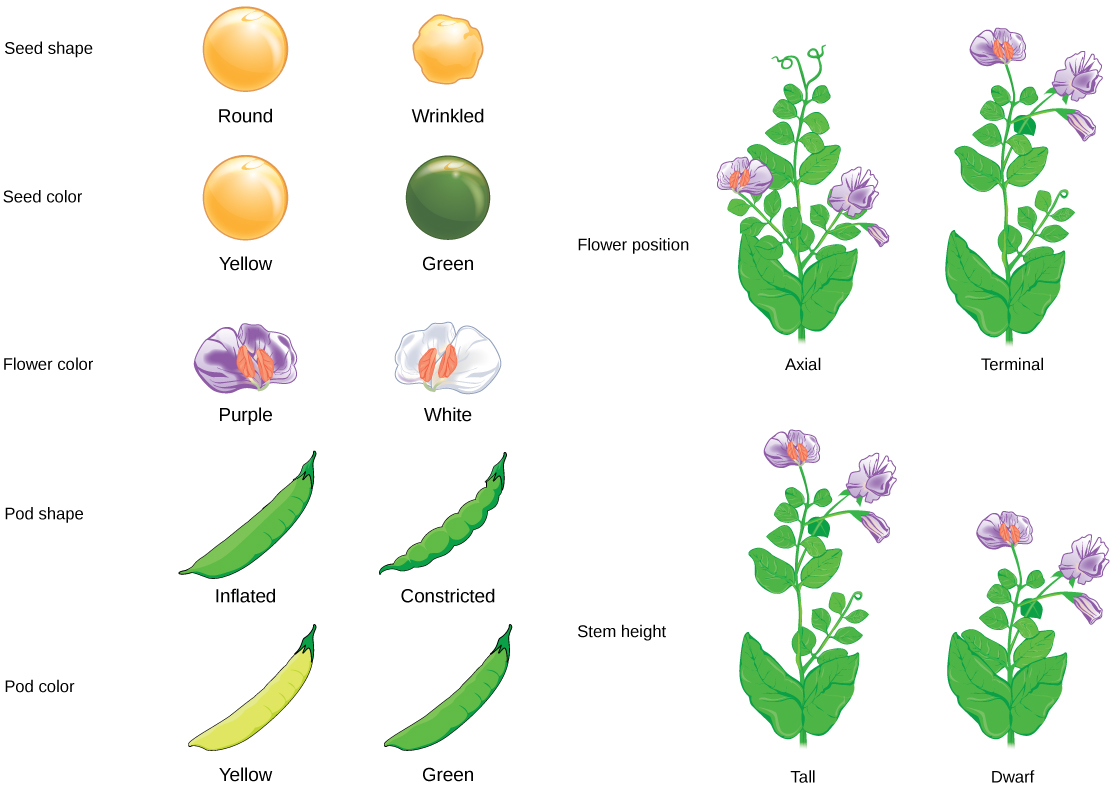
Mendel's experiments focused on seven distinct traits in pea plants, each exhibiting clear dominance relationships. These traits were carefully chosen for their ease of observation and consistent inheritance patterns. By studying these characteristics, Mendel uncovered the fundamental principles of heredity.
Characteristics of the Seven Pea Plant Traits
The traits Mendel examined included:
- Flower color (purple vs. white)
- Flower position (axial vs. terminal)
- Stem length (tall vs. dwarf)
- Pod shape (inflated vs. constricted)
- Pod color (green vs. yellow)
- Seed shape (round vs. wrinkled)
- Seed color (yellow vs. green)
Each trait demonstrated a dominant-recessive relationship, where one form consistently appeared in the F1 generation while the other remained hidden, only to reappear in predictable ratios in the F2 generation.
Statistical Consistency Across Generations
Mendel's meticulous record-keeping revealed striking statistical patterns. For example, when crossing plants with purple flowers (dominant) and white flowers (recessive), the F1 generation uniformly displayed purple flowers. However, in the F2 generation, the ratio of purple to white flowers approximated 3:1—a pattern that held true across all seven traits.
Mendel's Laws: The Foundation of Heredity
From his experiments, Mendel derived three fundamental laws that govern inheritance:
The Law of Segregation
This law states that each individual possesses two alleles for a trait, which segregate during gamete formation. As a result, each parent contributes one allele to their offspring. Mendel observed this phenomenon when the recessive trait (e.g., white flowers) reappeared in the F2 generation after being absent in the F1 generation.
The Law of Dominance
The Law of Dominance explains why certain traits appear more frequently in offspring. Mendel found that one allele can mask the expression of another. For instance, the allele for purple flowers dominated over the allele for white flowers, causing the recessive trait to remain hidden in heterozygous individuals.
The Law of Independent Assortment
Mendel's dihybrid crosses—experiments tracking two traits simultaneously—led to the discovery of independent assortment. He observed that alleles for different traits are inherited independently of one another. This principle was evidenced by the 9:3:3:1 ratio in the F2 generation of dihybrid crosses, showing all possible combinations of the two traits.
Modern Validation and Exceptions to Mendel's Laws
While Mendel's laws remain foundational, modern genetics has revealed complexities that extend beyond his original observations. Advances in molecular genetics have validated his conceptual "factors" as genes located on chromosomes, but they have also identified exceptions to simple Mendelian inheritance.
Linkage and Genetic Recombination
One significant exception is linkage, where genes located close to one another on the same chromosome tend to be inherited together. This phenomenon was discovered by Thomas Hunt Morgan in the early 20th century. While Mendel's Law of Independent Assortment holds true for genes on different chromosomes, linked genes violate this principle due to their physical proximity.
Incomplete Dominance and Codominance
Not all traits exhibit the clear dominance relationships Mendel described. In cases of incomplete dominance, heterozygous individuals display a phenotype that is a blend of the two homozygous phenotypes. For example, crossing red and white snapdragons can yield pink offspring. Similarly, codominance occurs when both alleles are fully expressed in the phenotype, as seen in the AB blood type in humans.
Epistasis and Polygenic Inheritance
Epistasis occurs when one gene affects the expression of another gene. This interaction can produce unexpected phenotypic ratios that deviate from Mendel's predictions. Additionally, many traits are polygenic, meaning they are influenced by multiple genes. Examples include human height and skin color, which exhibit continuous variation rather than the discrete categories Mendel observed.
The Molecular Era: Identifying Mendel's Genes
Recent advancements in genomics have allowed scientists to identify the specific genes responsible for the traits Mendel studied. Research institutions, such as the John Innes Centre, have played a pivotal role in this endeavor, leveraging extensive pea germplasm collections to pinpoint the molecular basis of Mendel's phenotypic observations.
From Phenotype to Genotype
Modern techniques like DNA sequencing and gene mapping have enabled researchers to locate and characterize the genes underlying Mendel's seven traits. For instance:
- The gene for flower color has been identified as a transcription factor that regulates anthocyanin production.
- The stem length trait is controlled by a gene involved in gibberellin hormone synthesis.
- The seed shape gene affects starch branching enzyme activity, influencing seed texture.
These discoveries bridge the gap between Mendel's phenotypic observations and their genotypic foundations, providing a deeper understanding of inheritance at the molecular level.
Pea Germplasm Collections and Genetic Research
Institutions worldwide maintain vast pea germplasm collections, preserving thousands of Pisum sativum accessions. These resources are invaluable for genetic research, allowing scientists to study the diversity and evolution of Mendel's traits. For example, the John Innes Centre's collection includes historical varieties that Mendel himself might have used, offering a direct link to his groundbreaking experiments.
Mendel's Enduring Influence on Science and Education
Gregor Mendel's contributions extend far beyond his lifetime, shaping both scientific research and education. His principles of inheritance are taught in classrooms worldwide, serving as the bedrock of introductory genetics courses. Moreover, his methodological rigor continues to inspire scientists across disciplines.
Educational Impact: Teaching Mendelian Genetics
Mendel's experiments are a staple in biology education, illustrating key genetic concepts through accessible examples. Students learn about Punnett squares, which visually represent Mendel's principles of segregation and independent assortment. These tools help demystify inheritance patterns, making complex genetic ideas tangible and understandable.
Scientific Rigor and Experimental Design
Mendel's approach to scientific inquiry set a precedent for future researchers. His emphasis on controlled experiments, quantitative data, and reproducibility established a gold standard for experimental design. Today, these principles are integral to scientific methodology, ensuring that research is both reliable and valid.
Conclusion of Part 2
Gregor Mendel's work with pea plants unveiled the fundamental laws of inheritance, transforming our understanding of genetics. His discoveries of segregation, dominance, and independent assortment remain central to the field, even as modern genetics has uncovered additional complexities. The identification of the molecular basis for Mendel's traits further cements his legacy, bridging historical observations with contemporary science.
In Part 3, we will explore Mendel's personal life, the historical context of his work, and his lasting impact on both science and society. We will also examine how his discoveries continue to influence modern genetic research and biotechnology.
Gregor Mendel: The Man Behind the Science
While Gregor Mendel is celebrated for his scientific contributions, his personal life and the environment in which he worked are equally fascinating. Born Johann Mendel in 1822 in Heinzendorf, Austria (now Hynčice, Czech Republic), he adopted the name Gregor upon entering the Augustinian monastery in Brno. His journey from a rural background to becoming the father of modern genetics is a testament to his intellect and perseverance.
Early Life and Education
Mendel's early education was marked by financial struggles, but his academic potential was evident. He studied philosophy and physics at the University of Olomouc before entering the monastery. Later, he attended the University of Vienna, where he was exposed to scientific methods and mathematical principles that would later inform his genetic experiments.
Life in the Monastery
The Augustinian monastery in Brno provided Mendel with the resources and time to conduct his experiments. The monastery was a hub of intellectual activity, and Mendel's work was supported by his fellow monks. His role as a teacher and later as abbot allowed him to balance his scientific pursuits with his religious duties.
The Historical Context of Mendel's Discoveries
Mendel's work did not emerge in a vacuum; it was shaped by the scientific and cultural milieu of the 19th century. Understanding this context helps appreciate the significance of his contributions and why they were initially overlooked.
19th-Century Views on Heredity
Before Mendel, the prevailing theory of heredity was blending inheritance, which suggested that traits from parents blend together in offspring. This idea was challenged by Mendel's observation that traits could remain distinct and reappear in subsequent generations. His findings contradicted the dominant scientific narratives of his time, making them difficult for contemporaries to accept.
The Role of Mathematics in Biology
Mendel's use of statistical analysis was revolutionary in biology. At a time when biological studies were largely descriptive, his quantitative approach provided a new way to understand natural phenomena. This methodological innovation was ahead of its time and contributed to the initial neglect of his work, as many scientists were not yet prepared to embrace mathematical biology.
Mendel's Health and Later Years
Recent historical and genomic analyses have shed light on Mendel's later life and health. Studies suggest that he may have had a predisposition to heart disease, which could have influenced his work and longevity. Despite these challenges, Mendel remained active in his scientific and religious pursuits until his death in 1884.
Legacy and Posthumous Recognition
Mendel's work gained recognition only after his death, following its rediscovery in 1900. Today, he is celebrated as a pioneer of genetics, with numerous institutions and awards named in his honor. His experiments with pea plants are commemorated in museums and research centers, ensuring that his contributions are remembered and studied by future generations.
Mendel's Influence on Modern Genetics and Biotechnology
Mendel's principles of inheritance have had a profound impact on modern genetics and biotechnology. His discoveries laid the groundwork for advancements in molecular biology, genetic engineering, and personalized medicine. The understanding of gene inheritance has enabled breakthroughs in agriculture, healthcare, and beyond.
Applications in Agriculture
The principles of Mendelian genetics are fundamental to plant and animal breeding. By understanding dominance, segregation, and independent assortment, breeders can develop crops and livestock with desirable traits. This has led to improvements in yield, disease resistance, and nutritional value, addressing global food security challenges.
Advancements in Healthcare
In healthcare, Mendel's work has informed our understanding of genetic disorders and inheritance patterns. Conditions such as cystic fibrosis, sickle cell anemia, and Huntington's disease follow Mendelian inheritance patterns, allowing for better diagnosis, counseling, and treatment strategies. The field of genetic counseling relies heavily on Mendel's principles to assess the risk of inherited diseases.
Genetic Engineering and CRISPR
Modern biotechnology, including CRISPR gene editing, builds on the foundation laid by Mendel. By precisely manipulating genes, scientists can correct genetic defects, enhance crop traits, and even develop new therapies for previously untreatable conditions. Mendel's insights into gene inheritance have been instrumental in these advancements.
Commemorating Mendel: Museums and Research Institutes
Mendel's legacy is preserved and celebrated through various institutions dedicated to genetics and agricultural research. These centers not only honor his contributions but also continue his work, advancing our understanding of genetics and its applications.
The Gregor Mendel Museum
Located in Brno, the Gregor Mendel Museum is housed in the Augustinian monastery where Mendel conducted his experiments. The museum showcases his life, work, and the historical context of his discoveries. Visitors can explore the garden where Mendel grew his pea plants and learn about the impact of his research on modern science.
The John Innes Centre
The John Innes Centre in the UK is a leading research institution that has played a crucial role in identifying the molecular basis of Mendel's traits. Their extensive pea germplasm collections and cutting-edge research continue to uncover the genetic mechanisms underlying plant traits, building on Mendel's foundational work.
Conclusion: The Enduring Legacy of Gregor Mendel
Gregor Mendel's journey from a humble background to becoming the father of modern genetics is a story of curiosity, perseverance, and scientific rigor. His experiments with pea plants revealed the fundamental laws of inheritance, transforming our understanding of biology and laying the groundwork for countless advancements in science and technology.
Key Takeaways from Mendel's Work
Mendel's contributions can be summarized through several key takeaways:
- Discrete hereditary factors: Mendel's discovery of genes as distinct units of inheritance.
- Predictable inheritance patterns: The principles of segregation, dominance, and independent assortment.
- Quantitative approach: The importance of statistical analysis in biological research.
- Methodological rigor: The value of controlled experiments and reproducibility.
The Future of Genetics
As we continue to unravel the complexities of genetics, Mendel's principles remain a cornerstone of the field. From personalized medicine to genetic engineering, his work informs and inspires new generations of scientists. The ongoing research into the molecular basis of his traits ensures that Mendel's legacy will endure, shaping the future of biology and beyond.
In the words of Theodore Dobzhansky, "Nothing in biology makes sense except in the light of evolution." Similarly, nothing in genetics makes sense except in the light of Mendel's groundbreaking discoveries. His story is a reminder of the power of observation, experimentation, and the pursuit of knowledge—a legacy that continues to inspire and drive scientific progress.

Julio Palacios: A Visionary Biologist in Genetic Research
Dr. Julio Palacios is a visionary biologist whose pioneering work established the foundational genomics infrastructure in Latin America. His career as a Mexican geneticist placed him at the forefront of Rhizobium genetics research, directly applying genomic science to improve agricultural sustainability. This exploration details his significant contributions to genetic research and his lasting impact on science in the developing world.
The Pioneering Legacy of Dr. Julio Palacios
Dr. Julio Palacios is recognized as a key figure who brought modern molecular biology to Mexico. After returning from advanced training abroad, he became instrumental at the National Autonomous University of Mexico's Center for Genomic Sciences (CCG). His work focused on solving practical challenges through genetic research, particularly in agriculture, which remains a critical sector for Mexico and many nations.
His visionary approach connected pure science with real-world application. Palacios understood that genomics could revolutionize food security. He dedicated his efforts to studying the bacteria that help plants thrive, aiming to harness their natural abilities through genetic understanding.
Dr. Palacios's research demonstrated that bacterial genomes contain rearrangeable segments, a discovery that opened the door to engineering more effective nitrogen-fixing variants for agriculture.
Establishing Mexican Genomics
The early 2000s marked a pivotal era for genomic science in Mexico. Dr. Palacios was central to the country's first major sequencing achievements. His leadership helped transition Mexican biology from traditional methods to cutting-edge genomic analysis. This created a skilled scientific community and necessary infrastructure for future discoveries.
His efforts ensured Mexico could participate in the global genomics revolution. The CCG became a hub for training and innovation under his influence. This legacy continues to benefit Latin American genetic research today, enabling studies on crops vital to the region's economy and culture.
Groundbreaking Work in Rhizobium Genetics
Dr. Palacios's most renowned scientific contributions are in the field of Rhizobium genetics. Rhizobia are soil bacteria that form symbiotic relationships with legumes like beans and peas. These bacteria perform biological nitrogen fixation, converting atmospheric nitrogen into a form plants can use, reducing the need for chemical fertilizers.
His research provided deep insights into the genetic mechanisms behind this symbiosis. By mapping and manipulating bacterial genes, Palacios's work aimed to create more efficient microbial partners for crops. This has profound implications for sustainable farming and environmental conservation.
- Symbiotic Plasmid Sequencing: He contributed to sequencing the 370-kb symbiotic plasmid of Rhizobium etli, a landmark project for Mexican science.
- Genome Rearrangement: His studies proved bacterial genomes have movable segments, allowing for potential genetic engineering.
- Agricultural Focus: The primary application targeted improving the symbiosis with the common bean (Phaseolus vulgaris), a staple food in Mexico.
The 370-kb Symbiotic Plasmid: A National Milestone
The sequencing of the 370 kb symbiotic plasmid stands as one of Dr. Palacios's crowning achievements. This project was Mexico's first large-scale sequencing endeavor. It provided a detailed genetic map of the plasmid, the circular DNA structure in Rhizobium etli that carries genes essential for nitrogen fixation.
This work was not just a technical feat. It unlocked a treasure trove of data for understanding how the bacterium interacts with plant roots. The knowledge gained directly supported efforts to enhance a natural process crucial for soil health and crop yields. This project placed Mexican researchers on the global genomics map.
Accolades and Recognition: The 2003 TWAS Prize
In 2003, Dr. Julio Palacios received the prestigious TWAS Prize (The World Academy of Sciences). This award is a top honor for scientists from developing countries, recognizing groundbreaking contributions to science. His winning of this prize underscores the international impact and significance of his work in genetic research.
The TWAS Prize highlighted how his research addressed both scientific excellence and regional development needs. It celebrated a career dedicated to building local capacity while tackling a globally relevant challenge: sustainable agriculture. This recognition brought well-deserved attention to the growing scientific potential within Latin America.
The TWAS Prize recognizes top developing-world scientists; Dr. Palacios was honored in 2003 for his pioneering contributions to genetics and genomics.
Impact on Science in Developing Nations
Dr. Palacios's career is a powerful case study in scientific development. He demonstrated that with vision and dedication, researchers in developing nations can lead world-class science. His work provided a roadmap for leveraging genomic sciences to solve local and global problems without relying solely on technology transfer from wealthier countries.
He inspired a generation of Mexican and Latin American biologists to pursue ambitious genomic projects. This created a virtuous cycle of training, publication, and further investment in research infrastructure. His legacy is a more robust and self-sufficient scientific community.
Contributions to Agricultural Genomics and Crop Science
The research of Dr. Julio Palacios directly fueled advancements in agricultural genomics. By focusing on Rhizobium etli and its host, the common bean, his work had immediate practical applications. This approach connected fundamental genetic discovery with the urgent need for improved food production and agricultural sustainability in Mexico and beyond.
His genomic studies provided the tools to understand and potentially enhance a critical natural process. Biological nitrogen fixation reduces dependency on synthetic fertilizers, which are costly and can cause environmental damage. Palacios's vision was to use genetic research to make this process more efficient and reliable for farmers.
The "Phaseomics" Project and Bean Genome Sequencing
Dr. Palacios was instrumental in proposing and launching the international "Phaseomics" project. This ambitious initiative aimed to sequence the genome of the common bean (Phaseolus vulgaris). As a co-proposer, he helped position Mexico as a leader in the genomics of a crop vital to global nutrition and Latin American agriculture.
This project exemplified his collaborative and forward-thinking approach. It brought together scientists from various countries to tackle a complex genomic challenge. The data generated from Phaseomics has since been used to develop bean varieties with better yield, disease resistance, and nutritional content.
- International Collaboration: The project pooled expertise and resources from multiple nations, showcasing Palacios's ability to build scientific bridges.
- Crop-Centric Science: It firmly placed the crop, not just the model organism, at the center of major sequencing efforts.
- Foundation for Future Work: The genomic resources created enabled countless subsequent studies in plant breeding and genetics.
Expanding the Genomic Portfolio: Maize, Chile, and Tomatillo
Building on the success with beans, Dr. Palacios helped expand Mexico's genomic sequencing portfolio to other essential crops. Under his influence, the Center for Genomic Sciences initiated or contributed to projects involving maize (corn), Arabidopsis, chile peppers, and tomatillos. This broadened the impact of genomic science on Mexican agriculture and biodiversity.
Each of these crops holds significant cultural and economic value. Sequencing their genomes allows scientists to identify genes responsible for desirable traits. This knowledge accelerates traditional breeding programs and opens the door to precise genetic improvements, securing food sources for the future.
His research supported agricultural genomics, expanding to maize, Arabidopsis, bean, chile, and tomatillo gene sequencing, creating a rich genetic database for national crops.
Foundational Role in Latin American Genetic Research
Dr. Julio Palacios's work transcends his individual discoveries. He played a foundational role in Latin American genetic research by building the institutions, training the people, and establishing the practices necessary for modern science. His return to Mexico marked a pivotal moment, bringing state-of-the-art molecular biology techniques back to his home country.
He championed the idea that developing nations must not just consume scientific knowledge but produce it. By proving that complex genomics could be done locally, he empowered an entire region. His career is a testament to the power of scientific capacity building as a driver of long-term development.
Building the Center for Genomic Sciences (CCG)
The Center for Genomic Sciences (CCG) at UNAM became the physical and intellectual home for Palacios's vision. He was a key figure in shaping its direction as a hub for excellence. The CCG's early milestones, including the first complete genome sequencing projects in Mexico, bear his imprint and that of his colleagues.
This center became a magnet for talented students and researchers. It provided the high-tech equipment and collaborative environment needed for large-scale genomics projects. Today, the CCG continues to be a leading institution, a legacy of its pioneering founders like Dr. Palacios.
- Infrastructure Development: He helped secure and implement the advanced sequencing and computational infrastructure critical for genomics.
- Human Capital: He trained generations of scientists who now lead their own research groups across Mexico and Latin America.
- Scientific Culture: He fostered a culture of ambitious, internationally competitive, and collaborative research.
Bridging the Gap Between Basic and Applied Science
A hallmark of Palacios's vision was his ability to bridge basic and applied science. His work on Rhizobium genetics was deeply fundamental, exploring the rearrangement of bacterial genomes. Yet, the clear application was to engineer better biofertilizers, directly benefiting agriculture. This model demonstrated the practical value of investing in basic research.
He showed that questions driven by curiosity about natural mechanisms could yield powerful technological solutions. This philosophy helped justify funding for genomic science in a developing world context. It made a compelling case for how genetic research could address national priorities like food security and economic development.
The Pre-CRISPR Era: Laying the Genomic Groundwork
Dr. Palacios's most active period predates the modern revolution in gene editing sparked by technologies like CRISPR-Cas9. His work belongs to the era of foundational genomics, where the primary goal was reading and mapping genetic codes. This groundwork was absolutely essential for the gene-editing and synthetic biology tools that followed.
Without the detailed genomic maps he helped create, later technologies would lack their precise targets. Understanding the structure and function of symbiotic plasmids and bacterial genomes provided the necessary blueprint. His contributions exemplify how science progresses in steps, with each generation building upon the last.
His work predates modern CRISPR/NGENICS but laid the foundational genomics infrastructure in Latin America that enables current and future biotechnology.
Sequencing as a Prerequisite for Engineering
In the early 2000s, simply obtaining the DNA sequence of an organism was a monumental achievement. Dr. Palacios operated in this context, where large-scale sequencing was the cutting edge. The data from these projects became public resources, freely available to scientists worldwide who would later use CRISPR to modify those very sequences.
His focus on the 370 kb symbiotic plasmid is a perfect example. That sequence data allowed researchers to identify key genes involved in nitrogen fixation. Future scientists can now use gene editing to tweak, enhance, or transfer these genes, but only because the foundational sequencing work was done first.
A Legacy Enabling Modern Precision Biology
The institutions and expertise Dr. Palacios helped establish are now engaged in modern precision biology. The CCG and similar centers across Latin America are equipped to utilize CRISPR, next-generation sequencing, and bioinformatics. This transition from mapping to editing was only possible because of the initial investments in people and technology he advocated for.
His vision ensured that Latin America was not merely a spectator in the genomics revolution but a participant. Today, researchers in the region are using these tools to develop drought-resistant crops, disease-resistant varieties, and improved microbial inoculants, directly extending the path he helped pave.
Distinction from Similar Names: Julia Palacios and Julio Collado-Vides
It is important to distinguish Dr. Julio Palacios, the Mexican geneticist, from other prominent scientists with similar names. This distinction clarifies his unique legacy and prevents conflation of their significant but separate contributions to genetic research. Understanding these differences provides a more accurate picture of the scientific landscape.
The most notable parallel is Julia Palacios, a professor at Stanford University. Her work is in population genetics and statistical phylogenetics, often applied to epidemiology and viral evolution. While both operate in the broad field of genetics, their focus, methodologies, and geographical impact are distinct.
Julia Palacios: Bayesian Methods and Big Data
Julia Palacios has established herself as a leader in developing Bayesian statistical methods for analyzing genomic data. Her research, with over 668 Google Scholar citations, tackles questions in pathogen evolution and human population history. This contrasts with Julio Palacios's wet-lab, organism-focused approach on bacterial-plant symbiosis.
Her work represents the cutting edge of computational biology and big data analytics in genomics. It highlights how the field has evolved from sequencing single plasmids to analyzing massive datasets from thousands of genomes. Both scientists, though different, showcase the diverse and expanding nature of modern genetic inquiry.
- Field: Theoretical & Computational Population Genetics.
- Focus: Phylodynamics, pathogen evolution, human migration patterns.
- Key Tool: Advanced Bayesian statistics and machine learning.
- Context: Works primarily on human and viral genomics, not agricultural microbiology.
Julio Collado-Vides: A Colleague in Genomics
Another related figure is Dr. Julio Collado-Vides, a contemporary and colleague at UNAM's CCG who served as Director. His research focuses on the transcriptional regulation of Escherichia coli, a model bacterium. While both men were instrumental in building Mexican genomics, their scientific specialties differed.
Collado-Vides's work provides a complementary foundation in microbial gene regulation. This knowledge base supports broader systems biology efforts. The collaborative environment they helped create allowed such diverse yet interconnected research programs to thrive under one institutional roof.
Dr. Julio Collado-Vides, CCG Director, focuses on E. coli regulation, a distinct but complementary field to Palacios's work on Rhizobium.
The Historical Julio Palacios: Spanish Physicist
Search results also reference a historical Julio Palacios, a Spanish physicist active in the early-to-mid 20th century. This individual led nuclear physics research at the Portuguese Cancer Institute from 1929 to 1954. It is crucial to separate this physicist's legacy from that of the 21st-century Mexican biologist.
This distinction underscores the importance of full names and context in scientific history. The shared name is coincidental, and their contributions span entirely different centuries, countries, and disciplines—physics versus biology. International symposia named in honor of the physicist, such as a 2016 event on crystallography, further attest to his separate renown.
Current Relevance and Lasting Scientific Impact
While Dr. Julio Palacios's most cited work peaks around 2007, his lasting scientific impact is undeniable. He laid the essential groundwork upon which contemporary Mexican and Latin American biotechnology is built. The current trends in agricultural genomics, including engineering enhanced nitrogen-fixing bacteria, are direct descendants of his pioneering research.
His vision of using genomics for sustainable development is more relevant today than ever. As the world seeks solutions for climate-resilient agriculture and reduced chemical inputs, the pathways he explored are at the forefront of scientific investigation. His early work provided the genetic parts list now being used in synthetic biology applications.
Sustaining the Legacy: Training the Next Generation
A primary component of Palacios's impact is the next generation of scientists he trained. These individuals now hold positions in academia, government, and industry. They carry forward the ethos of rigorous, application-oriented genetic research he championed, applying newer tools to the problems he identified.
This multiplier effect ensures his influence continues to grow. His students and collaborators are now leading their own projects in crop improvement, environmental microbiology, and genomics education. This human capital is perhaps his most valuable and enduring contribution to science in the region.
Modern Applications: From Genomics to Sustainable Agritech
The modern applications of his work are visible in the push for sustainable agritech solutions. Companies and research institutes worldwide are developing microbial inoculants based on a deep genetic understanding of plant-microbe interactions. The foundational knowledge from Palacios's studies on Rhizobium genome rearrangement informs these efforts.
Furthermore, the genomic infrastructure he helped establish allows Latin American nations to sequence and characterize their own unique biodiversity. This is crucial for conserving genetic resources and developing crops tailored to local conditions, moving beyond dependency on imported seeds and technologies.
Conclusion: The Enduring Vision of a Pioneer
Dr. Julio Palacios stands as a true visionary biologist at the forefront of genetic research in Latin America. His career was defined by a powerful combination of scientific excellence and a commitment to national development. By pioneering Rhizobium genetics and leading Mexico's first major genomics projects, he transformed the scientific capabilities of an entire region.
He demonstrated that developing nations could not only participate in but also lead in high-tech fields like genomics. His focus on agricultural applications ensured his research had tangible benefits, aligning scientific pursuit with societal need. The institutions he helped build continue to be pillars of innovation today.
Key Takeaways from a Pioneering Career
The legacy of Dr. Julio Palacios offers several critical lessons for science and society:
- Infrastructure is Fundamental: Lasting scientific progress requires investment in institutions, equipment, and trained personnel.
- Local Solutions from Global Science: Advanced genetic tools can and should be leveraged to address local challenges like food security.
- The Bridge Between Discovery and Application: The most impactful research often emerges from a clear vision of how basic discoveries can solve real-world problems.
- A Legacy of Empowerment: His greatest achievement may be empowering a generation of Latin American scientists to conduct world-class research at home.
His work laid the foundational genomics infrastructure in Latin America, proving that visionary research in developing countries has global significance and local impact.
A Continuing Inspiration for Genetic Research
As the field of genetics continues its rapid advance with tools like CRISPR and affordable sequencing, the foundational role of pioneers like Dr. Julio Palacios becomes ever clearer. He provided the essential maps and trained the first guides for the genomic exploration of Latin America's biological riches. His story is one of vision, perseverance, and transformative impact.
For current and future scientists, his career serves as a powerful model. It shows that scientific ambition is not confined by geography and that research dedicated to the public good can achieve the highest recognition. The enduring relevance of his work on sustainable agriculture ensures that his contributions will continue to be cited and built upon for decades to come, solidifying his place as a foundational figure in the history of genetic research.
August Baisman: The Revolutionary of Biology and Gamete Selection Theory
In the realm of evolutionary biology, few concepts have reshaped our understanding of reproduction as profoundly as gamete selection theory. At the forefront of this revolutionary idea stands August Baisman, a figure whose contributions have redefined how we perceive the competition and selection processes occurring at the microscopic level of gametes. This article delves into the life and work of Baisman, exploring his groundbreaking theories and their lasting impact on modern biology.
Who Was August Baisman?
While historical records present some ambiguity regarding the exact identity of August Baisman, his name is often associated with the foundational principles of gamete selection. Some scholars suggest that Baisman may be a transliteration or variant of August Weismann, the renowned German evolutionary biologist known for his work on heredity and the germplasm theory. Regardless of the exact lineage, the theories attributed to Baisman have left an indelible mark on the study of reproductive biology.
The Historical Context of Baisman's Work
The late 19th and early 20th centuries were pivotal for evolutionary biology. Charles Darwin's theory of natural selection had already laid the groundwork, but scientists like Baisman expanded these ideas to include post-mating selection processes. This period saw a shift from focusing solely on organism-level traits to exploring the intricate dynamics of sperm competition and cryptic female choice.
Key Contributions to Evolutionary Biology
Baisman's work emphasized that selection does not end at mating. Instead, it continues at the gamete level, where sperm competition and egg selection play crucial roles in determining reproductive success. His theories challenged traditional views by highlighting that:
- Gamete interactions are subject to evolutionary pressures.
- Molecular recognition between sperm and egg influences fertilization outcomes.
- Cryptic female choice allows females to bias fertilization toward specific males post-mating.
The Theory of Gamete Selection
The theory of gamete selection posits that evolutionary forces act not only on whole organisms but also on their gametes—sperm and eggs. This theory encompasses several mechanisms, including sperm competition, cryptic female choice, and gamete recognition, all of which influence reproductive success at a microscopic level.
Sperm Competition: The Battle for Fertilization
Sperm competition occurs when sperm from different males compete to fertilize the same egg. This phenomenon is widespread across species and has led to remarkable adaptations, such as:
- Increased sperm production in males.
- Changes in sperm morphology to enhance motility.
- Strategic ejaculate adjustments based on mating conditions.
Studies have shown that in species with high levels of sperm competition, males often exhibit larger testes and higher sperm counts, underscoring the evolutionary arms race driven by this process.
Cryptic Female Choice: The Hidden Bias
Cryptic female choice refers to the ability of females to influence which sperm fertilizes their eggs after mating. This can occur through:
- Biochemical environments in the reproductive tract that favor certain sperm.
- Physical barriers or storage mechanisms that selectively retain sperm.
- Molecular interactions between sperm and egg that determine compatibility.
This form of selection is "cryptic" because it operates internally, often without overt behavioral cues. It plays a significant role in sexual selection and can drive rapid evolutionary changes in reproductive traits.
Gamete Recognition: The Molecular Handshake
At the molecular level, gamete recognition involves specific proteins on the surface of sperm and eggs that facilitate or inhibit fertilization. For example:
- In sea urchins, the bindin protein on sperm binds to receptors on the egg, ensuring species-specific fertilization.
- In mammals, proteins like zona pellucida glycoproteins mediate sperm-egg interactions.
These recognition systems are under intense selective pressure, often evolving rapidly to ensure reproductive compatibility and avoid hybridization.
Modern Advances in Gamete Selection Research
The advent of genomics and proteomics has revolutionized our understanding of gamete selection. Modern research has uncovered:
- Rapidly evolving reproductive proteins, which show higher rates of mutation compared to non-reproductive proteins.
- Genomic signatures of selection in genes involved in sperm-egg interactions.
- Clinical applications in assisted reproductive technologies (ART), where understanding gamete selection can improve fertilization success rates.
These advances have not only deepened our theoretical knowledge but also opened new avenues for applied research in fertility and reproductive health.
The Role of Genomics and Proteomics
Modern techniques allow scientists to:
- Sequence genes involved in gamete recognition.
- Identify proteins that mediate sperm-egg interactions.
- Study how these molecules evolve under selective pressures.
For instance, studies on sea urchin bindin have revealed that this protein evolves rapidly, likely due to sexual conflict and the need for species-specific recognition.
Clinical Implications and Assisted Reproductive Technology
Understanding gamete selection has significant implications for assisted reproductive technology (ART). Insights from this field have led to:
- Improved sperm selection techniques in IVF.
- Better understanding of fertilization failures.
- Advances in treating male and female infertility.
By leveraging knowledge of gamete interactions, clinicians can enhance the success rates of fertility treatments, offering hope to countless individuals struggling with reproductive challenges.
Conclusion: The Legacy of August Baisman
August Baisman's contributions to the theory of gamete selection have fundamentally altered our understanding of reproduction and evolution. His work laid the groundwork for modern research in sperm competition, cryptic female choice, and gamete recognition, shaping both theoretical biology and practical applications in reproductive health.
As we continue to unravel the complexities of gamete interactions through advanced genomic and proteomic techniques, Baisman's legacy endures. His revolutionary ideas remind us that evolution operates not just at the level of organisms but also within the intricate dance of sperm and egg—a dance that continues to captivate and inspire scientists worldwide.
Gamete Selection in Action: Case Studies Across Species
The theory of gamete selection is not merely a theoretical construct—it is observable across diverse species, each offering unique insights into how selection operates at the microscopic level. From marine invertebrates to mammals, these case studies illustrate the universality and adaptability of gamete-level evolutionary pressures.
Sea Urchins: The Bindin Protein and Species-Specific Fertilization
One of the most well-documented examples of gamete recognition comes from sea urchins. The bindin protein, located on the surface of sea urchin sperm, plays a critical role in species-specific fertilization. Bindin binds to receptors on the egg's vitelline layer, ensuring that only sperm from the same species can successfully fertilize the egg.
Research has shown that the bindin gene evolves rapidly, with significant variations even among closely related species. This rapid evolution is driven by sexual selection and the need to prevent hybridization. Studies indicate that bindin's amino acid sequence can differ by up to 50% between species, highlighting the intense selective pressures at play.
Mammals: The Role of Zona Pellucida Glycoproteins
In mammals, the zona pellucida—a glycoprotein layer surrounding the egg—acts as a critical mediator in sperm-egg interactions. Specific proteins within the zona pellucida, such as ZP3, bind to sperm receptors, facilitating fertilization. This binding process is highly species-specific, ensuring that only compatible sperm can penetrate the egg.
Genetic studies have revealed that genes encoding zona pellucida proteins exhibit high rates of positive selection. For example, in primates, the ZP3 gene shows significant divergence between species, suggesting that these proteins are under constant evolutionary pressure to maintain reproductive isolation.
Birds: Sperm Competition and Cryptic Female Choice
Birds provide compelling examples of both sperm competition and cryptic female choice. In species where females mate with multiple males, such as the domestic chicken, sperm from different males compete within the female reproductive tract. Females often exhibit mechanisms to bias fertilization toward sperm from preferred males, even after mating has occurred.
Research on poultry has demonstrated that females can selectively eject sperm from less desirable males, retaining only the sperm that offers the best genetic advantages. This form of cryptic female choice ensures that offspring inherit traits from the most evolutionarily fit males, even in the absence of direct mate selection.
The Evolutionary Implications of Gamete Selection
The theory of gamete selection extends far beyond individual species—it has profound implications for our understanding of speciation, biodiversity, and the broader mechanisms of evolution. By influencing reproductive success at the gamete level, these processes drive genetic divergence and shape the evolutionary trajectories of populations.
Gamete Selection and Speciation
One of the most significant contributions of gamete selection theory is its role in explaining speciation. When gamete recognition proteins evolve rapidly, they create reproductive barriers that prevent hybridization between closely related species. This process, known as reproductive character displacement, is a key driver of speciation.
For example, in abalone, a type of marine mollusk, the lysine protein on sperm evolves rapidly to match species-specific receptors on eggs. This molecular "lock-and-key" mechanism ensures that fertilization only occurs between individuals of the same species, reinforcing reproductive isolation and promoting speciation.
Sexual Conflict and the Arms Race of Gamete Evolution
Gamete selection is also influenced by sexual conflict, where the evolutionary interests of males and females diverge. Males may evolve traits that enhance their fertilization success, while females develop mechanisms to bias fertilization toward sperm that offer the best genetic benefits.
This evolutionary arms race can lead to rapid changes in gamete proteins. For instance, in Drosophila (fruit flies), genes involved in sperm-egg interactions exhibit some of the highest rates of evolutionary change in the genome. This rapid evolution is driven by the competing interests of males and females, each striving to maximize their reproductive success.
The Impact on Genetic Diversity
By favoring certain gametes over others, gamete selection influences the genetic composition of populations. This process can:
- Increase genetic diversity by promoting the success of gametes with advantageous mutations.
- Reduce genetic diversity by favoring gametes from a subset of individuals, leading to genetic bottlenecks.
- Drive the evolution of sexually selected traits, such as sperm morphology and egg surface proteins.
These dynamics highlight the complex interplay between gamete selection and the broader evolutionary forces shaping biodiversity.
Challenges and Controversies in Gamete Selection Research
While the theory of gamete selection is widely accepted, it is not without its challenges and controversies. Researchers continue to debate the relative importance of different mechanisms, the extent of sexual conflict, and the applicability of gamete selection across all species. These discussions are essential for refining our understanding and advancing the field.
The Debate Over Cryptic Female Choice
One of the most contentious aspects of gamete selection is the concept of cryptic female choice. Critics argue that the evidence for this mechanism is often circumstantial, relying on correlations rather than direct observations. For example, while it is clear that females can influence fertilization outcomes, the extent to which this is an active, adaptive process remains debated.
Proponents, however, point to a growing body of experimental evidence. Studies in species like Drosophila and birds have demonstrated that females can bias fertilization toward sperm from males with specific genetic traits, even when mating occurs randomly. These findings suggest that cryptic female choice is a real and influential evolutionary force.
The Role of Sexual Selection vs. Natural Selection
Another ongoing debate centers on the relative contributions of sexual selection and natural selection in shaping gamete traits. Some researchers argue that gamete selection is primarily driven by sexual selection, where competition between sperm and female choice dictate evolutionary outcomes. Others contend that natural selection—such as the need for efficient fertilization—plays a more significant role.
This debate is particularly relevant in the context of sperm competition. While it is clear that sperm compete for fertilization, the question remains: is this competition driven by male-male competition (sexual selection) or by the need for efficient fertilization (natural selection)? The answer likely lies in a combination of both, with the balance shifting depending on the species and ecological context.
Methodological Challenges in Studying Gamete Selection
Studying gamete selection presents unique methodological challenges. Unlike organism-level traits, gamete interactions occur at microscopic scales, making them difficult to observe directly. Researchers must rely on indirect methods, such as:
- Genomic analyses to identify rapidly evolving gamete proteins.
- In vitro fertilization experiments to test sperm-egg interactions.
- Behavioral studies to infer cryptic female choice from mating patterns.
These methods, while powerful, often require sophisticated equipment and expertise, limiting the scope of research in some areas. Additionally, ethical considerations in studying human gamete selection add another layer of complexity.
The Future of Gamete Selection Research
As technology advances, so too does our ability to explore the intricacies of gamete selection. Emerging fields like single-cell genomics, CRISPR gene editing, and artificial intelligence are poised to revolutionize our understanding of how gametes interact and evolve. These innovations promise to shed light on long-standing questions and open new avenues for both theoretical and applied research.
Single-Cell Genomics and Gamete Transcriptomics
Single-cell genomics allows researchers to study the genetic and transcriptional profiles of individual gametes. This technology has revealed that even within a single ejaculate, sperm can exhibit significant genetic diversity. By analyzing the transcriptomes of sperm and eggs, scientists can identify which genes are actively expressed during fertilization and how these genes influence selection.
For example, recent studies have shown that sperm RNA plays a role in early embryonic development, suggesting that gamete selection may extend beyond fertilization to influence offspring traits. This discovery challenges traditional views of gamete selection and highlights the need for further research.
CRISPR and the Manipulation of Gamete Genes
The advent of CRISPR gene editing has provided researchers with unprecedented control over gamete genes. By modifying specific proteins involved in sperm-egg interactions, scientists can test hypotheses about the evolutionary pressures shaping these molecules. For instance, CRISPR has been used to:
- Knock out genes encoding bindin in sea urchins, confirming their role in species-specific fertilization.
- Modify zona pellucida proteins in mammals to study their impact on sperm binding.
- Investigate the effects of sperm competition genes in Drosophila, revealing their influence on fertilization success.
These experiments not only validate existing theories but also provide new insights into the molecular mechanisms underlying gamete selection.
Artificial Intelligence and Predictive Modeling
Artificial intelligence (AI) is increasingly being used to model the complex interactions between sperm and eggs. Machine learning algorithms can analyze vast datasets of genomic and proteomic information, identifying patterns that would be impossible to detect manually. For example, AI has been employed to:
- Predict which sperm are most likely to succeed in fertilization based on their genetic profiles.
- Model the evolutionary trajectories of gamete recognition proteins across species.
- Simulate the outcomes of sperm competition under different ecological conditions.
These predictive models are not only advancing our theoretical understanding but also have practical applications in assisted reproductive technology, where AI could be used to optimize fertilization success in IVF procedures.
Ethical Considerations and Societal Impact
As research in gamete selection progresses, it raises important ethical questions. The ability to manipulate gamete genes and predict fertilization outcomes has implications for human reproduction, genetic engineering, and biodiversity conservation. Society must grapple with questions such as:
- How should CRISPR and other gene-editing technologies be regulated in the context of human gametes?
- What are the potential consequences of selecting specific gametes for fertilization in IVF?
- How can insights from gamete selection research be used to conserve endangered species?
Addressing these questions requires collaboration between scientists, ethicists, policymakers, and the public to ensure that advancements in gamete selection research are used responsibly and equitably.
Gamete Selection in Human Reproduction: Clinical and Ethical Dimensions
The principles of gamete selection extend beyond theoretical biology into the realm of human reproduction, where they have profound clinical and ethical implications. Understanding how sperm and eggs interact at the molecular level is crucial for advancing assisted reproductive technologies (ART) and addressing infertility. However, these advancements also raise complex ethical questions that society must navigate carefully.
Assisted Reproductive Technology and Gamete Selection
Assisted reproductive technology (ART), including in vitro fertilization (IVF) and intracytoplasmic sperm injection (ICSI), relies heavily on the principles of gamete selection. Clinicians and researchers apply insights from evolutionary biology to improve fertilization success rates. Key applications include:
- Sperm selection techniques that prioritize motile and morphologically normal sperm.
- Egg quality assessment to identify oocytes with the highest potential for successful fertilization.
- Preimplantation genetic testing (PGT) to screen embryos for genetic abnormalities before implantation.
Recent studies have shown that selecting sperm based on DNA integrity and mitochondrial function can significantly improve IVF outcomes. For example, sperm with higher DNA fragmentation rates are less likely to achieve successful fertilization, highlighting the importance of gamete quality in ART.
Male Infertility and Sperm Competition
Male infertility is a growing concern, affecting approximately 7% of men worldwide. Insights from sperm competition research have shed light on potential causes and treatments. For instance:
- Men with low sperm motility often struggle with fertilization due to reduced competitive ability.
- Oxidative stress can damage sperm DNA, impairing their ability to compete effectively.
- Lifestyle factors, such as smoking and obesity, negatively impact sperm quality and competitive success.
By understanding the evolutionary pressures shaping sperm competition, clinicians can develop targeted interventions to improve male fertility. These may include antioxidant therapies, lifestyle modifications, and advanced sperm selection techniques in ART.
Ethical Considerations in Gamete Selection
The ability to manipulate and select gametes raises significant ethical considerations. As technology advances, questions arise about the potential for eugenics, genetic discrimination, and the commodification of human reproduction. Key ethical concerns include:
- Genetic selection: Should parents be allowed to choose gametes based on specific genetic traits?
- Access and equity: How can we ensure that advanced reproductive technologies are accessible to all, regardless of socioeconomic status?
- Long-term consequences: What are the potential societal impacts of widespread gamete selection and genetic manipulation?
Ethicists and policymakers emphasize the need for transparent regulations and public dialogue to guide the responsible use of these technologies. Balancing scientific progress with ethical considerations is essential to ensure that advancements in gamete selection benefit society as a whole.
The Broader Impact of Gamete Selection on Evolutionary Biology
The theory of gamete selection has not only transformed our understanding of reproduction but also reshaped the field of evolutionary biology. By highlighting the importance of post-mating selection processes, this theory has broadened the scope of evolutionary studies and inspired new avenues of research.
Integrating Gamete Selection with Modern Evolutionary Theory
Traditional evolutionary theory often focused on pre-mating selection, such as mate choice and sexual display. However, the work of August Baisman and subsequent researchers has demonstrated that post-mating selection is equally critical. This integration has led to a more comprehensive understanding of evolution, encompassing:
- Sexual selection at both pre- and post-mating stages.
- Molecular evolution of gamete recognition proteins.
- Speciation mechanisms driven by reproductive isolation.
This holistic approach has enriched evolutionary biology, providing a more nuanced view of how species adapt and diverge over time.
Gamete Selection and the Study of Biodiversity
Gamete selection plays a crucial role in maintaining biodiversity. By driving reproductive isolation and speciation, it contributes to the vast array of species we observe today. For example:
- In corals, gamete recognition proteins ensure that fertilization occurs only between compatible species, preventing hybridization.
- In fish, sperm competition and cryptic female choice contribute to the evolution of diverse reproductive strategies.
- In plants, pollen competition (a form of gamete selection) influences the genetic diversity of offspring.
Understanding these processes is essential for conservation efforts, particularly in preserving species that rely on specific gamete interactions for successful reproduction.
The Future of Evolutionary Research
As we continue to explore the complexities of gamete selection, several key areas of research promise to yield groundbreaking insights:
- Epigenetics: How do environmental factors influence gamete selection and offspring traits?
- Microbiome interactions: What role do microbial communities play in gamete competition and fertilization?
- Comparative genomics: How do gamete selection mechanisms vary across different taxonomic groups?
These research directions highlight the dynamic and interdisciplinary nature of modern evolutionary biology, with gamete selection serving as a unifying theme.
Conclusion: The Enduring Legacy of August Baisman and Gamete Selection Theory
The revolutionary ideas of August Baisman have left an indelible mark on the fields of evolutionary biology and reproductive science. His work on gamete selection has not only deepened our understanding of reproduction but also expanded the horizons of evolutionary theory. From the molecular interactions of sperm and egg to the broader implications for speciation and biodiversity, Baisman's contributions continue to inspire and guide research.
Key Takeaways from Gamete Selection Theory
To summarize, the key insights from gamete selection theory include:
- Gamete competition is a fundamental evolutionary force shaping reproductive traits.
- Cryptic female choice allows females to influence fertilization outcomes post-mating.
- Gamete recognition proteins evolve rapidly, driving reproductive isolation and speciation.
- Modern technologies, such as genomics and AI, are revolutionizing our ability to study and apply gamete selection principles.
- Ethical considerations are crucial in guiding the responsible use of gamete selection in clinical and conservation contexts.
The Path Forward
As we look to the future, the study of gamete selection holds immense promise. Advances in technology, coupled with a deeper understanding of evolutionary processes, will continue to uncover the mysteries of reproduction. From improving fertility treatments to conserving endangered species, the applications of this research are vast and far-reaching.
In the words of August Baisman, "The dance of sperm and egg is not merely a biological event—it is the very essence of evolution, where the past meets the future in a single, transformative moment." As we continue to explore this dance, we honor his legacy and the enduring impact of his revolutionary ideas.
Ultimately, the story of gamete selection is a testament to the power of scientific inquiry and the unending quest to understand the complexities of life. It reminds us that evolution is not just a process that shapes species over millennia but a dynamic and ongoing interaction that begins with the simplest of cells—the gametes.