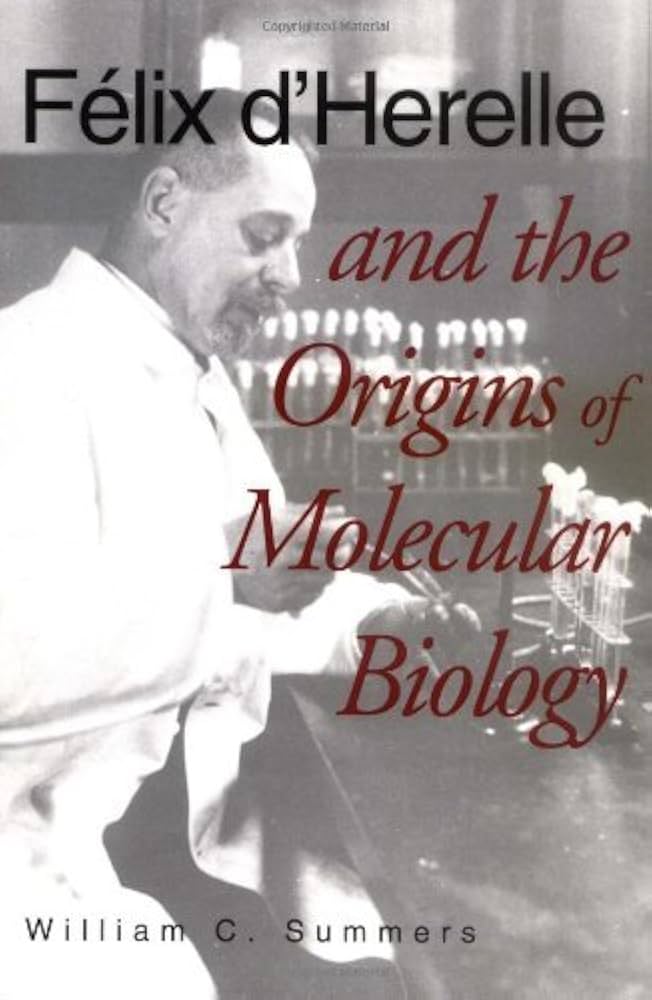
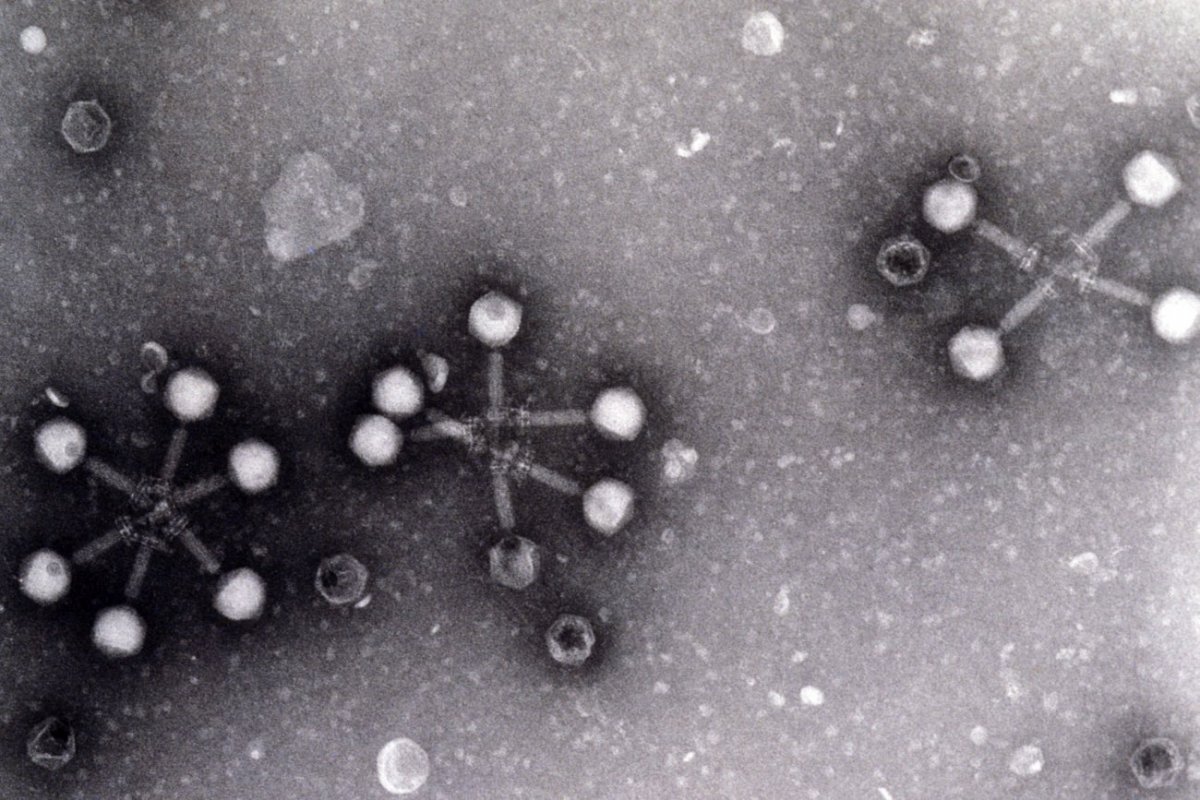
Felix d Herelle: Pioneer of Bacteriophages
The story of Félix d'Hérelle is one of unconventional genius. Born in Montreal in 1873, this French-Canadian microbiologist revolutionized science with a discovery that would shape modern medicine and molecular biology. Félix d'Hérelle is celebrated as the co-discoverer of bacteriophages, the viruses that infect bacteria. Despite having only a high school education, his pioneering work in phage therapy and biological pest control cemented his legacy.
His journey from self-taught scientist to world-renowned researcher is a testament to sharp observation and intellectual daring. D'Hérelle's work laid the foundation for entire fields of study, from virology to genetic engineering.
The Unlikely Path of a Microbiological Genius
Félix d'Hérelle's early life did not predict a future as a scientific luminary. His formal education ended with high school. Yet, an intense curiosity about the natural world drove him to teach himself microbiology. This self-directed learning became the cornerstone of a remarkable career that defied the academic norms of his era.
He began his practical work far from Europe's prestigious institutes. D'Hérelle served as a bacteriologist at the General Hospital in Guatemala City. There, he organized public health defenses against deadly diseases like malaria and yellow fever.
From Sisal to Locusts: A Pivotal Assignment
D'Hérelle's path to discovery took a decisive turn in Mexico. Initially, he was tasked with studying the alcoholic fermentation of sisal residue. This industrial project unexpectedly led him into the world of insect pathology.
While investigating diseases affecting locusts, he made a critical observation. On agar cultures of bacteria infecting the insects, he noticed clear spots where the bacterial lawn had been wiped out. This simple observation sparked the idea of using pathogens to control pests.
Joining the Pasteur Institute and Early Recognition
In 1911, d'Hérelle's growing expertise earned him a position at the famed Pasteur Institute in Paris. He started as an unpaid assistant, yet his talent quickly shone. He gained international attention for his successful campaigns against Mexican locust plagues.
He utilized a bacterium called Coccobacillus to devastate locust populations. This work established him as an innovative thinker in applied microbiology. It also foreshadowed his future title as the "father of biological pest control."
His methods represented a groundbreaking approach to agriculture. They preceded modern biocontrol agents like Bacillus thuringiensis (Bt) by decades. The stage was now set for his most profound contribution to science.
The Groundbreaking Discovery of Bacteriophages
The year 1917 marked a watershed moment in microbiology. On September 10, Félix d'Hérelle published a landmark note in the Comptes rendus de l'Academie des sciences. He described a mysterious "obligate intracellular parasite" of bacteria. This discovery would define his career and alter the course of biological science.
The discovery occurred during World War I. D'Hérelle was investigating a severe dysentery outbreak afflicting a French cavalry squadron. He filtered bacterial cultures from sick soldiers and observed something extraordinary.
The filtrate, even when diluted, could rapidly and completely destroy cultures of dysentery bacteria. D'Hérelle termed the invisible agent a "bacteria-eater," or bacteriophage.
Methodological Brilliance in Virology
D'Hérelle's genius extended beyond the initial observation. He developed a simple yet powerful technique to quantify these invisible entities. He serially diluted suspensions containing the phage and spread them on bacterial lawns.
Instead of uniformly killing the bacteria, the highest dilutions created discrete, clear spots called plaques. D'Hérelle reasoned correctly that each plaque originated from a single viral particle.
- He counted the plaques on the most diluted sample.
- He multiplied that count by the dilution factor.
- This calculation gave him the number of bacteriophage viruses in his original suspension.
This method established the foundational plaque assay, a technique still central to virology today. Between 1918 and 1921, he identified different phages targeting various bacterial species, including the deadly Vibrio cholerae.
A Note on Precedence: Twort vs. d'Hérelle
History notes that British microbiologist F.W. Twort observed a similar phenomenon in 1915. However, Twort was hesitant to pursue or promote his finding. D'Hérelle's systematic investigation, relentless promotion, and coining of the term "bacteriophage" made his work the definitive cornerstone of the field.
His discovery provided the first clear evidence of viruses that could kill bacteria. This opened a new frontier in the battle against infectious disease.
The Dawn of Phage Therapy
Félix d'Hérelle was not content with mere discovery. He immediately envisioned a therapeutic application. He pioneered phage therapy, the use of bacteriophages to treat bacterial infections. His first successful experiment was dramatic.
In early 1919, he isolated phages from chicken feces. He used them to treat a virulent chicken typhus plague, saving the birds. This success in animals gave him the confidence to attempt human treatment.
The first human trial occurred in August 1919. D'Hérelle successfully treated a patient suffering from severe bacterial dysentery using his phage preparations. This milestone proved the concept that viruses could be used as healers.
He consolidated his findings in his 1921 book, Le bactériophage, son rôle dans l'immunité ("The Bacteriophage, Its Role in Immunity"). This work firmly established him as the father of phage therapy. The potential for a natural, self-replicating antibiotic alternative was now a reality.
Global Impact and Controversies of Phage Therapy
The success of d'Hérelle's initial human trial catapulted phage therapy into the global spotlight. Doctors worldwide began experimenting with bacteriophages to combat a range of bacterial infections. This period marked the first major application of virology in clinical medicine.
D'Hérelle collaborated with the pharmaceutical company L'Oréal to produce and distribute phage preparations. Their products targeted dysentery, cholera, and plague, saving countless lives. This commercial partnership demonstrated the immense therapeutic potential he had unlocked.
However, the rapid adoption of phage therapy was not without significant challenges. The scientific understanding of bacteriophage biology was still in its infancy. These inconsistencies led to skeptical reactions from parts of the medical establishment.
The Soviet Union Embraces Phage Research
While Western medicine grew cautious, the Soviet Union enthusiastically adopted d'Hérelle's work. In 1923, he was invited to Tbilisi, Georgia, by microbiologist George Eliava. This collaboration led to the founding of the Eliava Institute of Bacteriophage.
The Institute became a global epicenter for phage therapy research and application. It treated Red Army soldiers during World War II, using phages to prevent gangrene and other battlefield infections. To this day, the institute remains a leading facility for phage therapy.
The partnership between d'Hérelle and Eliava was scientifically fruitful but ended tragically. George Eliava was executed in 1937 during Stalin's Great Purge, a severe blow to their shared vision.
Challenges in the West
In Europe and North America, phage therapy faced a more skeptical reception. Early clinical studies often produced inconsistent results due to several critical factors that were not yet understood.
- Poor Phage Purification: Early preparations often contained bacterial debris, causing adverse reactions in patients.
- Phage Specificity: Doctors did not always match the specific phage to the specific bacterial strain causing the infection.
- Bacterial Resistance: The ability of bacteria to develop resistance to phages was not fully appreciated.
The discovery and mass production of chemical antibiotics like penicillin in the 1940s further sidelined phage therapy in the West. Antibiotics were easier to standardize and had a broader spectrum of activity. For decades, phage therapy became a largely Eastern European practice.
Expanding the Scope: Public Health and Biological Control
Félix d'Hérelle's vision for bacteriophages extended far beyond individual patient treatment. He was a pioneering thinker in the field of public health. He saw phages as a tool for preventing disease on a massive scale.
He conducted large-scale experiments to prove that bacteriophages could be used to sanitize water supplies. By introducing specific phages into wells and reservoirs, he aimed to eliminate waterborne pathogens like cholera. This proactive approach was revolutionary for its time.
Combating Cholera Epidemics
D'Hérelle applied his public health philosophy to combat real-world epidemics. He traveled to India in the late 1920s to fight cholera, a disease that ravaged the population. His work there demonstrated the potential for community-wide prophylaxis.
He administered phage preparations to thousands of individuals in high-risk communities. His efforts showed a significant reduction in cholera incidence among those treated. This large-scale application provided compelling evidence for the power of phage-based prevention.
Despite these successes, logistical challenges and the rise of alternative public health measures limited widespread adoption. Yet, his work remains a landmark in the history of epidemiological intervention.
Return to Biological Pest Control
D'Hérelle never abandoned his early interest in using microbes against insect pests. His discovery of bacteriophages reinforced his belief in biological solutions. He continued to advocate for the use of pathogens to control agricultural threats.
His early success with Coccobacillus against locusts paved the way for modern biocontrol. This approach is now a cornerstone of integrated pest management. It reduces the reliance on chemical pesticides, benefiting the environment.
D'Hérelle is rightly credited as a founding father of this field. His ideas directly anticipated the development and use of Bacillus thuringiensis (Bt), a bacterium used worldwide as a natural insecticide.
Scientific Recognition and Academic Pursuits
Despite his lack of formal academic credentials, Félix d'Hérelle achieved remarkable recognition. His groundbreaking discoveries could not be ignored by the scientific community. He received numerous honors and prestigious appointments.
In 1924, the University of Leiden in the Netherlands appointed him a professor. This was a significant achievement for a self-taught scientist. He also received an honorary doctorate from the University of Leiden, validating his contributions to science.
His work earned him a nomination for the Nobel Prize in Physiology or Medicine. Although he never won, the nomination itself placed him among the most elite researchers of his generation. His legacy was secured by the profound impact of his discoveries.
The Nature of Viruses and Theoretical Contributions
D'Hérelle was not just an experimentalist; he was also a theorist who pondered the fundamental nature of life. He engaged in spirited debates about whether bacteriophages were living organisms or complex enzymes. He passionately argued that they were living viruses.
His theories on immunity were also advanced. He proposed that bacteriophages played a crucial role in natural immunity. He suggested that the body's recovery from bacterial infections was often mediated by the natural activity of these viruses.
- Theory of Natural Immunity: D'Hérelle believed phages in the environment provided a first line of defense.
- Debate on Viral Life: His arguments helped shape the early field of virology.
- Host-Parasite Relationship: He provided a clear model for understanding obligate parasitism.
These theoretical battles were vital for the development of microbiology. They forced the scientific community to confront and define the boundaries of life at the microscopic level.
Later Career and Move to Yale
In 1928, d'Hérelle accepted a position at Yale University in the United States. This move signaled his high standing in American academic circles. At Yale, he continued his research and mentored a new generation of scientists.
His later work focused on refining phage therapy techniques and understanding phage genetics. He continued to publish prolifically, sharing his findings with the world. However, his unwavering and sometimes stubborn adherence to his own theories occasionally led to friction with colleagues.
Despite these interpersonal challenges, his productivity remained high. His time at Yale further cemented the importance of bacteriophage research in American institutions.
Later Years and Scientific Legacy
Félix d'Hérelle remained an active and prolific researcher well into his later years. After his tenure at Yale University, he returned to France, continuing his work with undiminished passion. He maintained a laboratory in Paris, where he pursued his investigations into viruses and their applications.
Despite facing occasional isolation from the mainstream scientific community due to his strong-willed nature, his dedication never wavered. He continued to write and publish, defending his theories and promoting the potential of bacteriophages. His later writings reflected a lifetime of observation and a deep belief in the power of biological solutions.
D'Hérelle passed away in Paris on February 22, 1949, from pancreatic cancer. His death marked the end of a remarkable life dedicated to scientific discovery. He left behind a legacy that would only grow in significance with time.
The Modern Revival of Phage Therapy
For decades after the antibiotic revolution, phage therapy was largely forgotten in the West. However, the late 20th and early 21st centuries have witnessed a dramatic resurgence of interest. The driving force behind this revival is the global crisis of antibiotic resistance.
As multidrug-resistant bacteria like MRSA and CRE have become major public health threats, scientists have returned to d'Hérelle's work. Phage therapy offers a promising alternative or complement to traditional antibiotics. Modern clinical trials are now validating many of his early claims with rigorous scientific methods.
- Personalized Medicine: Phages can be tailored to target specific bacterial strains infecting a patient.
- Fewer Side Effects: Phages are highly specific, reducing damage to the body's beneficial microbiome.
- Self-Replicating Treatment: Phages multiply at the site of infection until the host bacteria are eliminated.
Research institutions worldwide, including in the United States and Western Europe, are now investing heavily in phage research. This represents a full-circle moment for d'Hérelle's pioneering vision.
Foundation of Molecular Biology
Perhaps d'Hérelle's most profound, though indirect, legacy is his contribution to the birth of molecular biology. In the 1940s and 1950s, bacteriophages became the model organism of choice for pioneering geneticists.
The "Phage Group," led by scientists like Max Delbrück and Salvador Luria, used phages to unravel the fundamental principles of life. Their experiments with phage replication and genetics answered critical questions about how genes function and how DNA operates as the genetic material.
Key discoveries like the mechanism of DNA replication, gene regulation, and the structure of viruses were made using bacteriophages. The 1969 Nobel Prize in Physiology or Medicine was awarded to Delbrück, Luria, and Herschel for their work on phage genetics.
This means that the tools and knowledge that underpin modern biotechnology and genetic engineering can trace their origins back to d'Hérelle's initial isolation and characterization of these viruses. He provided the raw material for a scientific revolution.
Honors, Recognition, and Lasting Tributes
Although Félix d'Hérelle did not receive a Nobel Prize, his work earned him numerous other prestigious accolades during his lifetime. These honors acknowledged the transformative nature of his discoveries.
He was awarded the Leeuwenhoek Medal by the Royal Netherlands Academy of Arts and Sciences in 1925. This medal, awarded only once every decade, is considered the highest honor in microbiology. It recognized him as the most significant microbiologist of his era.
He was also made an honorary member of numerous scientific societies across Europe and North America. These memberships were a testament to the international respect he commanded, despite his unconventional background.
The Eliava Institute: A Living Legacy
The most enduring tribute to d'Hérelle's work is the Eliava Institute of Bacteriophage, Microbiology, and Virology in Tbilisi, Georgia. Founded with his close collaborator George Eliava, the institute has remained a global leader in phage therapy for over a century.
While the Western world abandoned phage therapy for antibiotics, the Eliava Institute continued to treat patients and refine its techniques. Today, it attracts patients from around the globe who have infections untreatable by conventional antibiotics.
The institute stands as a physical monument to d'Hérelle's vision. It continues his mission of healing through the intelligent application of natural biological agents.
Conclusion: The Enduring Impact of Félix d'Hérelle
Félix d'Hérelle's story is a powerful reminder that revolutionary ideas can come from outside established systems. His lack of formal academic training did not hinder his ability to see what others missed. His greatest strength was his power of observation and his willingness to follow the evidence wherever it led.
He was a true pioneer who entered uncharted scientific territory. His discovery of bacteriophages opened up multiple new fields of study. From medicine to agriculture to genetics, his influence is deeply woven into the fabric of modern science.
Key Takeaways from a Revolutionary Career
The life and work of Félix d'Hérelle offer several critical lessons for science and innovation.
- Curiosity Drives Discovery: A simple observation of clear spots on a细菌 lawn led to a world-changing breakthrough.
- Application is Key: D'Hérelle immediately sought to apply his discovery to solve real-world problems like disease and famine.
- Persistence Overcomes Skepticism: He championed his ideas relentlessly, even when faced with doubt from the establishment.
- Interdisciplinary Vision: He effortlessly connected microbiology with medicine, public health, and agriculture.
His career demonstrates that the most significant scientific contributions often defy traditional boundaries and expectations.
A Legacy for the Future
Today, as we confront the looming threat of a post-antibiotic era, d'Hérelle's work is more relevant than ever. Phage therapy is being re-evaluated as a crucial weapon in the fight against superbugs. Research into using phages in food safety and agriculture is also expanding.
Furthermore, bacteriophages continue to be indispensable tools in laboratories worldwide. They are used in genetic engineering, synthetic biology, and basic research. The field of molecular biology, which they helped create, continues to transform our world.
Félix d'Hérelle's legacy is not confined to the history books. It is a living, evolving force in science and medicine. From a self-taught microbiologist in Guatemala to a father of modern virology, his journey proves that a single curious mind can indeed change the world. His story inspires us to look closely, think boldly, and harness the power of nature to heal and protect.

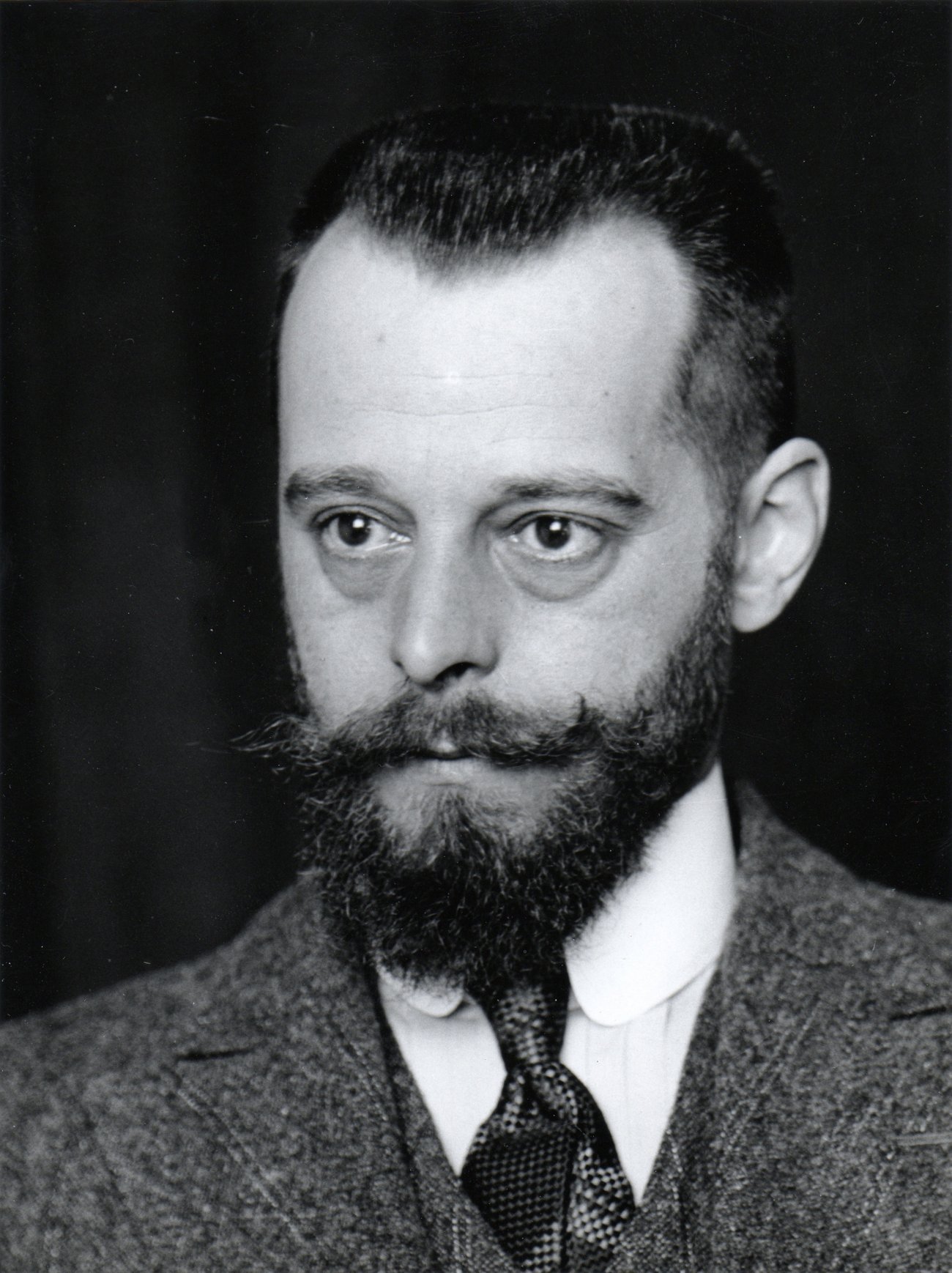
Félix d'Herelle: The Pioneer of Bacteriophage Therapy
The world of microbiology is adorned with a plethora of brilliant minds who have left indelible marks on the scientific landscape. Among these towering figures stands Félix d'Herelle, a self-taught scientist whose groundbreaking work led to the discovery of bacteriophages—viruses that infect and destroy bacteria. Through his pioneering efforts, d'Herelle laid the foundation for bacteriophage therapy, offering a glimmer of hope in an era before the widespread use of antibiotics.
Early Life and the Beginnings of a Scientific Journey
Félix d'Herelle was born on April 25, 1873, in Montreal, Canada, to a well-traveled French family. As a young boy, d'Herelle exhibited an intense curiosity about the natural world, a trait that would define his career. Unlike many of his scientific contemporaries, d'Herelle never pursued formal higher education. Instead, he voraciously read scientific literature and sought hands-on experience, leading to a unique blend of enthusiasm and prowess in scientific inquiry.
In 1899, d'Herelle's journey took him to Guatemala, where he began to experiment in earnest. There, he brewed beer and studied fermentation, igniting his interest in the microbial world. These formative years were characterized by a relentless pursuit of knowledge outside conventional academic channels, an approach that would shape d'Herelle's scientific endeavors and open-minded approach to research.
The Discovery of Bacteriophages
D'Herelle's most significant breakthrough came after he joined the Pasteur Institute in Paris in 1911. There, he focused on understanding dysentery and cholera, which were rampant in France at the time. His investigations into these bacterial infections led to one of the most significant discoveries in microbiology—the existence of bacteriophages.
In 1917, while conducting research on soldiers suffering from dysentery, d'Herelle observed that certain microscopic entities could lyse or destroy bacterial cultures. He documented these observations with meticulous detail, proposing the existence of "invisible antagonists" of bacteria, which he later named bacteriophages. These viruses were found to be specific to certain bacteria, raising the possibility of using them as therapeutic agents.
Although the discovery was met with skepticism, d'Herelle's work steadily gained traction. His meticulous documentation and persistent advocacy for bacteriophage therapy paved the way for its adoption in treating bacterial infections, offering a novel approach that was especially crucial before the advent of antibiotics.
Bacteriophage Therapy: Hope before Antibiotics
The discovery of bacteriophages provided an alternative to treating bacterial infections, long before the discovery of penicillin in 1928 by Alexander Fleming. D'Herelle was a fervent proponent of using bacteriophages in therapeutic settings to combat infectious diseases. His conviction in their effectiveness led to clinical trials and widespread use in treating ailments such as dysentery, cholera, and even typhoid fever in the early 20th century.
However, the path to acceptance was not without its challenges. The medical community was polarized, divided between skepticism and curiosity over d'Herelle’s claims. Despite this, d'Herelle's research laid the groundwork for future therapeutic use, influencing studies on bacteriophage properties, specificity, and effectiveness in clinical settings.
His work gained particular prominence in regions such as Eastern Europe and the former Soviet Union, where bacteriophage therapy continues to be utilized today. D'Herelle's advocacy and scientific contributions helped establish a legacy that remains relevant in modern microbiology, especially in the context of rising antibiotic resistance.
The Legacy of Innovation and Dedication
Félix d'Herelle's contributions extend beyond the discovery of bacteriophages. His enduring impact is rooted in his innovative spirit and unwavering dedication to scientific inquiry. He was a pioneer who bridged the gap between traditional academic environments and practical, problem-solving scientific approaches. With a career that defied conventional academic paths, d'Herelle embodied the essence of a self-taught scientist confronting the challenges of his time with diligence and ingenuity.
As the world continues to grapple with antibiotic resistance, d'Herelle's work is undergoing a renaissance, with bacteriophage therapy emerging as a promising alternative or complement to antibiotics. His legacy is a testament to the transformative power of scientific curiosity and perseverance, influencing modern research, medical treatments, and the broader field of microbiology.
In our next installment, we delve deeper into d'Herelle's later life, exploring his global influence, the broader impact of his discoveries in the scientific community, and the enduring relevance of bacteriophage therapy in contemporary medicine. Stay tuned as we continue to uncover the fascinating journey of Félix d'Herelle, a visionary who dared to look beyond the visible world and changed the course of medical science.
Global Impact and Collaborations
After his monumental discovery of bacteriophages, Félix d'Herelle began to garner attention from various corners of the globe. His work attracted the interest of scientists and medical professionals eager to explore this novel concept of viral therapy against bacterial infections. D'Herelle's career soon took on an international dimension, marked by travels and collaborations that would extend the reach of his innovative ideas and solidify his reputation as a pioneer in microbiology.
In the 1920s, d'Herelle's research took him to multiple continents. He worked extensively in countries such as India and Egypt, where bacterial infections like cholera were prevalent. His interventions demonstrated the potential of bacteriophage therapy to alleviate public health crises, as he successfully applied his methods to real-world applications. These international ventures not only spread the knowledge of bacteriophages but also highlighted the importance of cross-cultural scientific exchanges in the fight against infectious diseases.
During this period, d'Herelle also collaborated with Georgian bacteriologist George Eliava. This partnership, which began at the Pasteur Institute, led to the establishment of the Eliava Institute in Tbilisi, Georgia—a major center for bacteriophage research to this day. The collaboration between d'Herelle and Eliava was more than a professional alliance; it was a fusion of ideas and aspirations toward advancing the therapeutic potential of bacteriophages, paving the way for ongoing research in the field.
Challenges and Controversies
Despite the promising applications of bacteriophages, Félix d'Herelle’s journey was not devoid of challenges. The scientific community met his ideas with a mix of intrigue and skepticism. In the early 20th century, virology was still in its nascent stages, and the mechanisms behind bacteriophages were not fully understood. This lack of comprehension led to controversies about their efficacy and safety, hindering widespread acceptance.
Moreover, the emergence of antibiotics in the late 1930s and 1940s overshadowed bacteriophage therapy. When penicillin and other antibiotics proved remarkably effective against a broad spectrum of bacteria, interest and investment in bacteriophage research waned. The focus shifted towards antibiotic solutions, with bacteriophage therapy being largely sidelined in Western medicine.
Nevertheless, d'Herelle remained steadfast in his belief in the potential of bacteriophages. He continued to advocate for their use, particularly in regions where antibiotics were scarce or ineffective due to resistance. His unwavering commitment to his research in the face of adversity underscored his resolute character and dedication to advancing medical science.
Enduring Influence and Modern Resurgence
In an ironic twist of fate, the scientific community’s initial skepticism of Félix d'Herelle’s discoveries is being re-evaluated in the context of the modern-day challenge of antibiotic resistance. As bacteria evolve and become resistant to existing antibiotics, the global health community is revisiting the potential of bacteriophage therapy as a viable alternative or complementary treatment.
Countries such as Poland and Russia, where research into bacteriophages has continued uninterrupted, are at the forefront of this resurgence. These nations have amassed decades of clinical experience utilizing phage therapy, data that is now invaluable as the world seeks solutions to combat resistant bacterial strains.
Modern advancements in molecular biology and genetic engineering further enhance the potential of bacteriophage therapy. Current research efforts are focused on engineering phages to improve their therapeutic efficacy, targeting specificity, and overcoming hurdles such as bacterial resistance. This new era of phage research is breathing life into d'Herelle’s early 20th-century visions, blending classical microbiology with cutting-edge biotechnology.
The Timeless Vision of Félix d'Herelle
As the renaissance of bacteriophage therapy unfolds, Félix d'Herelle’s influence resonates more profoundly than ever. He was a trailblazer who, through perseverance and ingenuity, advocated for a path less taken in the realm of medical science. His ability to envisage solutions beyond the scope of current knowledge remains a hallmark of innovative thinking in scientific endeavors.
D'Herelle’s legacy exemplifies the power of pursuing scientific understanding with tenacity and open-mindedness. His contributions continue to inspire new generations of researchers committed to combating the persistent and ever-evolving challenges posed by infectious diseases.
In the final segment of this series, we will delve into the personal aspects of d'Herelle's life, exploring his character, motivations, and the lasting impact of his work on contemporary scientific research and healthcare. Join us as we conclude our exploration of Félix d'Herelle, an awe-inspiring leader whose visionary insights continue to shape the future of microbiology and therapeutic innovation.
The Personal Side of a Scientific Trailblazer
Beyond his groundbreaking scientific contributions, Félix d'Herelle was a man of remarkable character and intriguing personal dimensions. A self-taught polymath with an unconventional career, d'Herelle was driven by an unyielding curiosity and a deep-seated passion for advancing medical science. His journey was marked by both triumphs and tribulations, underscoring a profound dedication to the art of discovery.
D'Herelle was known for his relentless pursuit of understanding. His work was characterized by an unwavering intensity and a hands-on approach to experimentation. Despite lacking formal academic qualifications, he harbored an innate scientific intuition that allowed him to conceptualize and execute complex research endeavors. This commitment to self-directed learning and exploration was emblematic of d'Herelle’s innovative spirit.
His collaborations with scientists like George Eliava also reflect his openness and willingness to share ideas. By forging international connections, d'Herelle transcended the geographic and cultural barriers of his time, building a network of like-minded researchers who supported and expanded upon his work. These collaborations not only enriched his own research but also fostered a collaborative ethos within the scientific community.
Legacy and the Human Element
Félix d'Herelle's legacy is not merely confined to his scientific achievements. His life and work embody the essential qualities of perseverance, intellectual curiosity, and a profound belief in the potential of scientific inquiry to resolve pressing health challenges. D'Herelle's legacy is an inspiring testament to the power of human dedication when guided by a compelling vision.
He was a visionary who dared to challenge the status quo and explore uncharted territories in microbiology. In doing so, d'Herelle helped usher in a new era of understanding and therapeutic possibilities. His pioneering spirit continues to inspire modern researchers who face the daunting task of overcoming contemporary challenges such as antibiotic resistance and emerging infectious diseases.
In recent years, the relevance of d'Herelle's work has been further accentuated by its adaptation to modern contexts. The exploration of bacteriophage therapy as a countermeasure to antibiotic resistance has reignited interest in d'Herelle’s earlier insights, illustrating the enduring nature of his contributions. As a symbol of the continuous journey of scientific progress, his legacy persists in influencing research, shaping medical practices, and inspiring future scientific endeavors.
The Continuing Impact of a Visionary
Today, research institutions across the globe are revisiting bacteriophage therapy and investing in its potential development. The renewed interest highlights the timeless insight Félix d'Herelle possessed, recognizing bacteriophages as significant players in the battle against bacterial infections. His early 20th-century work is integral to the resurgence of phage therapy as a promising biological tool in modern medicine.
Modern bacteriophage research extends to various fields, including agriculture, environmental science, and biotechnology, where phages are explored for their ability to target and neutralize specific bacteria. This multidisciplinary application underscores the versatility and potential of d'Herelle’s discovery, demonstrating its broad relevance beyond traditional medical paradigms.
Furthermore, the personal attributes of innovation and resilience that characterized d'Herelle’s life serve as a beacon for aspiring scientists. His ability to transform challenges into opportunities and maintain a steadfast focus on his research goals, despite skepticism and setbacks, offers a timeless lesson on the importance of perseverance and adaptability in scientific pursuits.
Conclusion: Celebrating a Life of Discovery
Félix d'Herelle’s life journey, punctuated by scientific breakthroughs and unwavering dedication, is a powerful narrative of discovery and vision. His pioneering work in bacteriophage research and therapy laid a foundational stone for modern microbiology, contributing a transformative approach to combating bacterial infections. As the world continuously battles the complexities of emerging health threats, his work remains a critical reference point.
Celebrating Félix d'Herelle is to celebrate the spirit of innovation and the relentless pursuit of knowledge that drives scientific progress forward. As we stand on the shoulders of such trailblazers, it is their legacy that encourages new generations to pursue the unknown, challenge established norms, and strive for advancements that ultimately improve human lives.
The story of Félix d'Herelle is as much about the science he championed as it is about the indomitable human spirit. His legacy endures as a symbol of what can be achieved when curiosity, determination, and a vision for the future intersect to illuminate paths previously unexplored. It is this legacy that continues to inspire and will remain vital as science reaches for new frontiers in the years to come.