Demosthenes: The Greatest Ancient Greek Orator
Introduction
Demosthenes (Demóstenes, or Δημόστηνος) was a prominent Athenian statesman, orator, and writer who is widely regarded as one of the greatest speakers and writers in ancient Greece. His speeches played a crucial role in the political landscape of his time, and his influence extends to the present day, making him a significant figure in the study of history, rhetoric, and oratory. Born in 384 BCE in the Athenian suburb of Halion, Demosthenes faced numerous challenges in his youth that eventually shaped his remarkable oratorical skills and political acumen.
Early Life and Challenges
The Environment and Family Background
Demosthenes was born into a wealthy and influential family in the Athenian deme (an ancient unit of local administration) of Halion. His ancestral home was the Periclean family, which had produced numerous notable politicians and figures during the height of the Athenian Golden Age, particularly during the time of Pericles. This background instilled in Demosthenes a keen interest in politics and public affairs from a young age.
Physical and Vocal Challenges
However, Demosthenes’s path to becoming an orator was not without obstacles. He suffered from a speech impediment and a lisp, as well as poor posture and a lack of confidence in his voice. These physical and psychological challenges were significant enough to impede his ability to speak in public effectively. Despite these handicaps, Demosthenes was determined to overcome them and become a great orator. His journey towards excellence began with rigorous physical and vocal training.
Training and Development
Physical Training
Demosthenes was known to perform extreme physical training as part of his preparation for public speaking. He engaged in various exercises to improve his posture and breathing. According to ancient sources, he would stand on tiptoe and lift one leg while speaking, or recite passages in a single breath. He also used pebbles or beans placed between his teeth to help correct his lisp and strengthen his jaw muscles. These exercises were not just for show; they were essential in preparing his body and voice for the rigors of public speaking.
Vocal Training
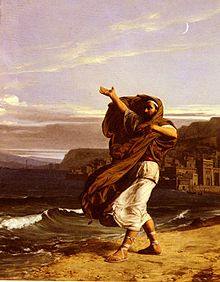
Just as important as the physical exercises were his vocal techniques. Demosthenes reportedly used techniques such as practicing long speeches while walking on a beach, shouting on the seashore to gain resonance, and reciting passages while looking at water to gain clarity. He also studied the works of great orators and philosophers, drawing inspiration from their rhetorical prowess. This methodical approach to training was crucial in developing his oratorical skills, allowing him to project his voice and communicate effectively to his audience.
Political and Rhetorical Influences
Early Influences
The young Demosthenes was deeply influenced by the political and cultural environment of Athens. The city was a hub of intellectual and political activity, with frequent debates and discussions among the citizens. This atmosphere encouraged the development of rhetorical skills, as the ability to persuade and influence through speech was paramount in Athenian democracy. Demosthenes would have absorbed these lessons from a young age, and his later works reflect this early exposure to the complexities of politics and rhetoric.
Key Orators and Philosophers
Demosthenes also studied the works of key orators and philosophers, including Antiphon, Eubulus, Isocrates, and Isocrates. He would have learned from their examples, emulating their styles and techniques. Antiphon was particularly noted for his skill in using speeches to advocate for the interests of the poor and the accused, while Eubulus and Isocrates were known for their comprehensive educational approach and focus on ethical reasoning. These influences helped shape Demosthenes’s own oratory and philosophy, contributing to his ability to articulate complex ideas and arguments effectively.
Public Speaking and Oratory Skills
Public Debates and Speeches
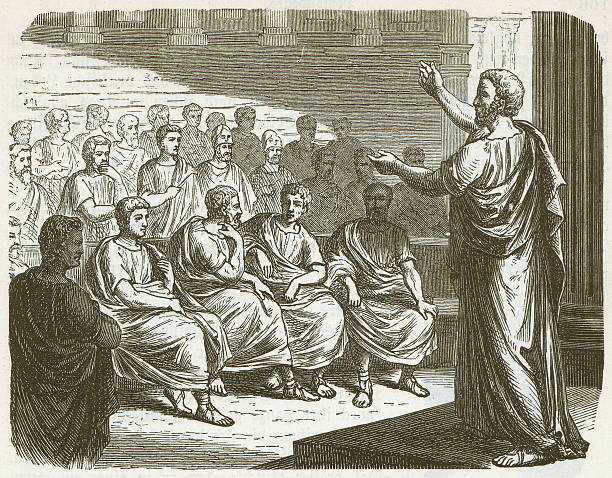
Demosthenes’s journey to becoming a great orator culminated in his many public debates and speeches. These opportunities allowed him to refine his skills and gain confidence. He participated in the assemblies, where he delivered speeches on a wide range of issues, from policy and legislation to matters of foreign policy and military strategy. These public engagements provided a platform for him to showcase his rhetorical abilities and gain renown among his fellow citizens.
Characteristics of His Oratory Style
Demosthenes’s oratory style was characterized by its clarity, logic, and emotional impact. He was meticulous in his preparation, often outlining his speeches in advance and refining them until they were perfect. His speeches were known for their logical coherence and persuasive power, often employing various rhetorical devices such as repetition, parallelism, and antithesis to create a compelling narrative. He was adept at using anecdotes and vivid imagery to engage his audience and make his arguments more relatable.
Challenges and Achievements
Despite the initial challenges, Demosthenes’s dedication and hard work paid off. He became a formidable orator, known for his eloquence and persuasive power. Some of his most notable works include the Olynthiac speeches, which defended the rights of free states against Macedonian domination, and the Philippics, a series of speeches aimed at deterring Philip II of Macedon’s expansionist policies. Through these speeches, he not only defended the interests of Athens but also contributed significantly to the intellectual and cultural landscape of ancient Greece.
Impact on Athens and the Wider World
Political Contributions
Demosthenes’s contributions to Athenian politics were extensive. He was involved in numerous debates and negotiations, advocating for policies that would enhance the city’s power and stability. His speeches often addressed critical issues such as the distribution of power among the city-states, the protection of Athenian democracy, and the defense against external threats. His efforts helped shape the political discourse of his time, and his insights continue to be studied by historians and political scientists today.
Role as an Educator
In addition to his political activities, Demosthenes was also a respected educator. He established a school of rhetoric, where he taught the art of persuasion and argumentation. This school attracted students from across the ancient world, making a significant impact on the education system and the development of public speaking skills. His teaching methods, while demanding, were highly influential and contributed to the broader cultural legacy of ancient Greece.
Legacy and Influence
The impact of Demosthenes’s work is felt across the ages. His speeches are regarded as some of the finest examples of ancient Greek rhetoric and continue to be studied in schools and universities around the world. His oratorical prowess and deep understanding of political and ethical issues have ensured his enduring relevance. Demosthenes’s legacy is not only in his words but also in the techniques and approaches to public speaking that he pioneered.
In conclusion, Demosthenes’s journey from a young man with a speech impediment to one of the greatest orators of ancient Greece is a testament to his determination and skill. His contributions to politics, rhetoric, and education have left an indelible mark on the intellectual and cultural history of the ancient world, making him a figure of immense significance for scholars and students of history and communication.
Further Challenges and Political Struggles
Negotiations with Philip II of Macedon
One of the most notable challenges Demosthenes faced was his struggle against Philip II of Macedon, who was seeking to expand his influence over the Greek city-states, including Athens. Demosthenes’s Philippic orations were a direct response to Philip’s aggressive ambitions. These famous speeches, composed over several years, served as a rallying cry for those opposed to Macedonian dominance. In particular, the Third Philippic, delivered in 341 BCE, was a scathing indictment of Philip’s policies and intentions, aiming to unite the Greeks in a unified defensive coalition against Macedonian aggression.
The League of Corinth
In the years leading up to the Corinthian War (395–387 BCE), Philip II sought to forge a league of Greek city-states under his leadership, a move that threatened the independence of many smaller states like Athens. Demosthenes played a crucial role in opposing this consolidation of power. His speeches emphasized the importance of maintaining the balance of power within Greece and the dangers of allowing any single ruler, especially Philip, to achieve such authority. The failure of these efforts led to a series of conflicts between Athens, Sparta, and their allies against the Macedonians, which ultimately resulted in a stalemate.
The Battle of Chalkis
The Corinthian War concluded with the Peace of Antipatris in 386 BCE, but tensions between Athens and Macedon continued. One of the decisive moments in this conflict was the Battle of Chalkis in 338 BCE, fought between an Athenian-led coalition and Philip’s forces. Although the Athenians initially held their ground, they ultimately faced defeat due to the numerical superiority of Philip’s troops. Following this battle, the Macedonians gained significant control over central Greece, setting the stage for further political upheaval.
Philippic Fourth and Fifth
Feeling increasingly disheartened by the ongoing challenges and recognizing the need to address the growing threat posed by Philip II, Demosthenes delivered his Philippic Fourth and Fifth between 338 and 335 BCE. These speeches were less focused on immediate military action and more on rallying support against the inevitable Macedonian conquest. The Philippic Fourth highlighted the moral and ethical arguments against Philip’s conquest, appealing to the patriotism and pride of the Athenians. Meanwhile, the Philippic Fifth, which was largely lost and reconstructed in modern times based on fragments, emphasized the necessity of forming a permanent alliance against the perceived threat of Philip.
Personal Relationships and Influences
Relationships with Fellow Politicians
Beyond his interactions with Philip II, Demosthenes also formed relationships with key political figures such as Phocion and Timotheus, who were themselves influential orators and politicians. These collaborations were vital in navigating the complex political terrain of ancient Greece. Together with Phocion, who was known for his virtuous conduct and political acumen, Demosthenes worked to promote a moderate anti-Macedonian policy. They believed in maintaining the alliances that had kept Athens relatively independent and prosperous.
Nicomachus and Other Followers
Demosthenes also had a significant following among his contemporaries and future generations of orators, including Nicomachus of Eretria, who was appointed to head the Athenian navy after Demosthenes. Nicomachus carried forward the legacy of Demosthenian oratory, continuing to champion the cause of anti-militaristic and pro-Athenian reforms. Through his followers, Demosthenes’s message and methodologies endured beyond his lifetime, shaping the discourse and strategies of subsequent generations of Greek politicians.
Literary Works and Legacy
Sources and Historical Records
Demosthenes’s literary works, primarily preserved in the form of speeches, constitute some of the most valuable historical sources from ancient Greece. These speeches, known collectively as the Polygraphic Orations, cover a wide range of topics, from legal matters to military affairs and political campaigns. Scholars refer to these texts, particularly the Philippics, for insight into the social and political dynamics of the time. The detailed accounts of battles, diplomatic negotiations, and internal squabbles provide a comprehensive view of life in fifth- and fourth-century BCE Greece.
Influence on Modern Rhetoric and Communication
The impact of Demosthenes’s oratory extended far beyond his own era. His work has been scrutinized and emulated by rhetoricians and communication scholars, contributing to the development of modern approaches to public speaking and persuasive communication. The principles of structure, coherence, and emotional appeal that he employed continue to be relevant today, serving as foundational elements in rhetoric and composition studies.
Educational Influence
Besides his practical involvement in politics and oratory, Demosthenes also left an enduring educational legacy. The methods he employed in teaching rhetoric to his students form a basis for modern pedagogical practices. His emphasis on clear articulation, logical reasoning, and effective emotional engagement in public speaking remains central to contemporary approaches to oral communication.
Conclusion
Demosthenes stands as a towering figure in the annals of ancient Greek history, not only for his exceptional oratory skills but also for his unwavering commitment to defending democracy and Athens against external threats. His political struggles, marked by intense debates and powerful orations, exemplified the virtues of civic responsibility and leadership. Through his writings and teachings, Demosthenes transmitted timeless principles of rhetoric and political engagement, leaving an indelible mark on Western civilization.
Final Years and Legacy
The End of Democracy and Aftermath
As the Macedonians gained increased control over Greece, the balance of power shifted significantly. Philip II’s son, Alexander III (Alexander the Great), further consolidated Macedonian dominance after his father's death in 336 BCE. By 322 BCE, Macedonia had effectively replaced Athens as the dominant force in the region, leading to the gradual decline of Athenian independence. Despite these political shifts, Demosthenes continued to advocate for Athenian autonomy and resist Macedonian control, though his efforts ultimately proved fruitless.
In the face of mounting pressure from Alexander, Demosthenes found himself isolated and marginalized within Athenian politics. The once-vibrant democratic institutions that he had helped shape were gradually eroded under Macedonian rule. In 322 BCE, Demosthenes, along with others opposed to Macedonian dominion, was forced to flee Athens when Alexander began to exert greater control over the city-state. This marked a significant turning point in Demosthenes’s life, as his earlier advocacy for Athenian independence became increasingly impractical in the face of Macedonian dominance.
Final Days and Death
Following his exile, Demosthenes settled in Calauria, an island close to Corinth, where he continued his political activism through correspondence and attempts to rally support. However, by 322 BCE, he found himself disillusioned and disheartened by the political turmoil and Macedonian oppression. On his return to Athens in 323 BCE, the sudden death of Alexander the Great temporarily alleviated some of the political pressure. Yet, within a short period, the situation deteriorated once more.
Determined to escape the impending political purges orchestrated by Antipater, Demosthenes decided to take his own life rather than face what he saw as certain imprisonment or execution. On September 26, 322 BCE, he ingested poison and died at the age of 59, leaving behind a legacy that would endure for centuries.
His Last Words
According to Plutarch, in his final moments, Demosthenes made his last request to those around him, asking that his body be cremated and the ashes scattered in the sea, an expression of his lifelong devotion to Athens and his determination to remain forever connected to the city that had nurtured and shaped him.
Memorials and Commemoration
The death of Demosthenes did not diminish the reverence and admiration he garnered from future generations. Memorials and tributes continued to celebrate his contributions to Greek history and oratory. Statues of Demosthenes were erected in various cities, most notably outside the Parthenon, signifying his importance to Athenian heritage. Coins honoring Demosthenes were minted, further cementing his status as a symbol of civic duty and eloquence.
The commemorative inscriptions and statues celebrated not only his oratorical prowess but also his unwavering dedication to democracy and the ideals of freedom. These memorials ensured that even after his death, Demosthenes remained a figure of admiration and inspiration for all who sought to uphold similar values.
Demosthenes’ Lasting Impact
Education and Modern Practice
The enduring legacy of Demosthenes extends far beyond his lifetime, shaping the fields of education and modern public speaking. His methodologies in training orators and his emphasis on clarity, logic, and ethical considerations remain fundamental principles taught in rhetorical studies today. Many educational institutions still incorporate Demosthenian techniques into their curricula, ensuring that his teachings continue to influence the next generation of communicators.
Modern Applications and Influence
The principles derived from Demosthenes’s works continue to be applied in various fields, including law, marketing, and public relations. His focus on effective communication and emotional appeal serves as a template for creating powerful, resonant messages. Demosthenes’s emphasis on structured arguments and ethical persuasion has been adapted to suit contemporary needs, making his strategies valuable in both ancient and modern contexts.
Final Reflections
Demosthenes’s story encapsulates the human capacity for determination and resilience in the face of adversity. From a boy with physical and emotional handicaps to one of the greatest orators of his age, Demosthenes’s journey is a testament to the power of dedicated practice and unwavering commitment. His political and oratorial legacy continues to inspire scholars and public figures alike, reminding us of the enduring value of eloquent and principled advocacy.
In conclusion, Demosthenes is not merely a historical figure; he is an archetype of perseverance and civic virtue. His life, filled with trials and triumphs, serves as a timeless example of how one can rise above personal challenges to profoundly influence society. His contributions to the field of rhetoric and his commitment to defending democratic values have secured his place in the annals of human achievement, ensuring that his message will resonate for generations to come.
Demosthenes’s enduring legacy lies not just in the words he wrote or the speeches he delivered, but in the lessons he imparted—a reminder of the transformative power of eloquent communication and the importance of fighting for what one believes in.
Stoixeia-Istorias-toy-Sebero-Oxaoy: Ancient Greek Elements
The phrase Stoixeia-Istorias-toy-Sebero-Oxaoy represents a complex transliterated term from Ancient Greek, sparking curiosity about its origins and meaning. While no direct historical matches exist for this exact phrase, its components reveal profound connections to classical linguistics, philosophy, and cosmology. This article unpacks the term’s roots, exploring how stoicheia—meaning “elements” or “principles”—intersects with history and scholarly discourse.
Decoding the Phrase: Origins and Meaning
Breaking Down Stoixeia-Istorias-toy-Sebero-Oxaoy
The term divides into three key segments: stoixeia, istorias, and Sebero-Oxaoy. In Ancient Greek, stoixeia refers to fundamental components, such as letters, philosophical principles, or material causes. Istorias translates to “of history,” positioning the phrase within historical or narrative contexts. The final segment, Sebero-Oxaoy, lacks clear historical references but may allude to distortions of names like Severus or linguistic misinterpretations.
Scholars note that Severo-Oxaoy could stem from transcription errors, potentially linking to Roman Emperor Septimius Severus (r. 193–211 CE) but without concrete evidence. The term remains a puzzle, inviting analysis through its classical roots rather than specific events.
Linguistic Roots of Stoicheia
Etymology and Classical Usage
Derived from stoichos (“row” or “line”), stoicheia entered Attic Greek around the 5th–4th centuries BCE. Plato and Aristotle used it to describe language basics (sounds versus letters) and cosmological elements (earth, water, air, fire). Aristotle’s Metaphysics contrasts stoicheia with formal causes, emphasizing material fundamentals.
- Plato’s Theaetetus (201e) explores stoicheia as phonetic elements.
- Aristotle’s On the Heavens (3.3.1) applies it to physical constituents.
- Diogenes Laertius (3rd CE) mentions it once in philosophical contexts.
Scholarly Revival in Modern Times
Contemporary academia revives stoicheia through interdisciplinary studies. Linguistics examines it as phonemes, while cosmology ties it to Aristotelian elements. Mathematics interprets it as axioms, echoing Euclid’s Elements. The term’s flexibility fosters ongoing debate across disciplines.
“Stoicheia remains a bridge between ancient thought and modern analysis.”
Key Facts and Recent Developments
Aristotelian Contributions
Aristotle references stoicheia approximately 10 times in Metaphysics, framing it as material causes. His works contrast stoicheia with formal and final causes, shaping Western philosophical discourse. These uses underscore its role in defining foundational principles.
Pronunciation Evolution
The pronunciation of stoicheia shifted dramatically over centuries. In 5th BCE Attic Greek, it sounded /stoi̯.kʰêː.on/, evolving to /styˈçi.on/ in 4th CE Koine. This shift reflects broader phonetic changes in ancient dialects and regional speech patterns.
Historical Context and Related Phrases
Classical Usage Examples
The term stoicheia appears frequently in works by Plato, Aristotle, and later classical thinkers. Plato uses it in Theaetetus and Statesman, while Aristotle references it across five-plus texts, including Metaphysics and On the Heavens. Diogenes Laertius mentions it once in the 3rd century CE, highlighting its enduring philosophical relevance.
- Plato: Featured in 2 dialogues (Theaetetus, Statesman)
- Aristotle: Cited in 5+ works, emphasizing material causes
- Diogenes Laertius: Single mention in 3rd CE writings
Related Greek Phrases
Ancient Greek scholars often paired stoicheia with other pivotal phrases. One notable example is ὅπερ ἔδει δεῖξαι (ΟΕΔ), abbreviated OED and later adopted as QED (“quod erat demonstrandum”) in Euclidean proofs. This phrase appeared in Aristotle’s logical structures and Euclid’s geometric arguments, reinforcing the rigor of classical reasoning.
“The interplay between stoicheia and OED shaped foundational principles in both philosophy and mathematics.”
Modern Academic Trends
Interdisciplinary Studies
Contemporary scholarship treats stoicheia as a cross-disciplinary concept. Linguists analyze it as phonetic elements, cosmologists link it to Aristotelian four elements, and mathematicians view it as axiomatic foundations. A 2022 Scribd document titled The Idea of Stoicheion in Grammar and Cosmology explores these intersections, emphasizing its role in ancient grammar.
- Linguistics: Studied as phonemes and language basics
- Cosmology: Connected to earth, water, air, fire
- Mathematics: Interpreted as Euclid’s axiomatic elements
Modern Greek Usage
In modern Greek, στοιχεία retains its classical meaning of “elements” or “basic facts.” It appears in scientific contexts (e.g., chemical elements) and general discourse. Directory listings, such as those on ellatha.com, categorize it generically under educational resources, reflecting its broad applicability.
Statistical Insights and Data
Attestations in Aristotle
Aristotle’s Metaphysics contains approximately 10 uses of stoicheia, primarily in discussions of material causes. These references underscore his emphasis on physical constituents versus formal or final causes. The term’s frequency in his works highlights its philosophical weight.
Pronunciation Evolution
The pronunciation of stoicheia evolved significantly over millennia. In 5th BCE Attic Greek, it pronounced as /stoi̯.kʰêː.on/, shifting to /styˈçi.on/ in 4th CE Koine. This change mirrors broader phonetic shifts in ancient dialects and regional speech patterns.
Classical Usage Summary
The following table summarizes key data points on stoicheia usage:
- Attic Pronunciation (5th BCE): /stoi̯.kʰêː.on/
- Koine Pronunciation (4th CE): /styˈçi.on/
- Plato’s Works: 2 instances (Theaetetus, Statesman)
- Aristotle’s Works: 5+ texts, including Metaphysics
These statistics illustrate the term’s enduring presence in classical literature and its adaptation across linguistic eras.
Conclusion and Key Takeaways
The phrase Stoixeia-Istorias-toy-Sebero-Oxaoy serves as a gateway to understanding Ancient Greek linguistics, philosophy, and cosmology. While the term itself lacks direct historical references, its components—stoicheia, istorias, and the ambiguous Sebero-Oxaoy—reveal profound connections to classical thought. This analysis underscores the enduring influence of Aristotelian principles and Platonic dialogues on modern scholarship.
- Stoicheia remains central to studies of elements, language, and axioms.
- Historical phrases like ὅπερ ἔδει δεῖξαι (ΟΕΔ) bridge logic and mathematics.
- Interdisciplinary approaches continue to reshape interpretations of classical texts.
Legacy in Modern Scholarship
Interdisciplinary Relevance
Contemporary academia treats stoicheia as a multidisciplinary concept. Linguists examine its role in phonetics, cosmologists tie it to Aristotelian elements, and mathematicians view it as axiomatic foundations. A 2022 Scribd analysis emphasizes its grammatical significance, while philosophical circles debate its material versus formal cause distinctions.
- Linguistics: Focus on phonetic and semantic evolution.
- Cosmology: Link to earth, water, air, and fire.
- Mathematics: Parallels with Euclid’s axiomatic method.
Modern Greek Adaptations
In modern Greek, στοιχεία retains its classical meaning of “elements” or “basic facts.” It appears in scientific terminology (e.g., chemical elements) and everyday discourse. Directory listings, such as those on ellatha.com, categorize it broadly under educational resources, reflecting its pervasive utility.
Final Thoughts
The exploration of Stoixeia-Istorias-toy-Sebero-Oxaoy illuminates the resilience of Ancient Greek thought in shaping modern intellect. From Aristotle’s material causes to Euclid’s geometric proofs, the term’s components anchor interdisciplinary dialogues. As scholarship evolves, stoicheia will likely remain a cornerstone for analyzing language, philosophy, and cosmology.
“The principles of stoicheia continue to unlock timeless insights across academic boundaries.”
This phrase, though enigmatic, invites ongoing investigation—bridging past wisdom with future discovery.
Euripides: A Towering Dramatist of Ancient Greece
Introduction to Euripides: The Controversial Genius
Euripides, one of the three great tragedians of ancient Athens, remains a figure of enduring fascination and debate. Alongside Aeschylus and Sophocles, he shaped the foundations of Western drama. Born around 484 BCE and active until his death in 406 BCE, Euripides crafted plays that challenged conventions, explored human psychology, and questioned traditional myths. His works, such as Medea, Hippolytus, and The Bacchae, continue to resonate with modern audiences, blending psychological realism with timeless ethical dilemmas.
The Life and Times of Euripides
Euripides lived during a turbulent era in Athenian history. His career coincided with the Peloponnesian War (431–404 BCE), a conflict that reshaped the Greek world. The war’s devastation, combined with the plague of Athens in the 430s BCE, influenced his dramatic themes, often reflecting the anxieties and moral ambiguities of his time. Unlike his contemporaries, Euripides was known for his skeptical view of the gods and his willingness to depict flawed, complex characters.
Key Milestones in Euripides' Career
- Early Life and Education: Born in Salamis, Euripides received a traditional Athenian education, studying philosophy and rhetoric.
- Dramatic Debut: He began competing in the City Dionysia, Athens’ premier dramatic festival, around 455 BCE.
- Later Years and Legacy: Despite limited success in competitions during his lifetime, Euripides’ reputation grew posthumously, influencing later generations of playwrights and thinkers.
Surviving Works and Themes
Of the approximately 92 plays attributed to Euripides, only 18–19 survive in substantial form. These works are celebrated for their innovative storytelling and deep exploration of human emotions. Some of his most famous tragedies include:
Notable Plays by Euripides
- Medea: A harrowing tale of betrayal and revenge, featuring one of literature’s most complex female protagonists.
- Hippolytus: A tragedy centered on themes of chastity, false accusations, and divine intervention.
- The Bacchae: A late masterpiece exploring the conflict between rational order and ecstatic religious fervor.
- Electra: A reimagining of the myth of Electra and Orestes, emphasizing psychological depth.
- Trojan Women: A powerful anti-war play depicting the suffering of women in the aftermath of the Trojan War.
Themes and Innovations
Euripides’ plays are distinguished by several key themes and stylistic innovations:
- Psychological Realism: His characters often exhibit deep emotional complexity, making them relatable to modern audiences.
- Strong Female Characters: Women in Euripides’ plays, such as Medea and Helen, are often portrayed as intelligent, resilient, and morally ambiguous.
- Skepticism Toward Myth: Euripides frequently questioned traditional religious and mythological narratives, introducing a critical perspective.
- Social and Ethical Questions: His works tackle issues like justice, gender roles, and the consequences of war, reflecting the intellectual climate of 5th-century Athens.
Reception and Reputation in Antiquity
Euripides’ contemporaries had mixed reactions to his work. While some admired his boldness and innovation, others criticized him for what they perceived as impiety and subversion of traditional values. The comedian Aristophanes famously satirized Euripides in plays like The Frogs, mocking his unconventional approach to tragedy. Philosophers such as Plato and Aristotle also commented on his techniques, often with a critical eye.
Ancient Criticism and Praise
Despite the criticism, Euripides’ influence was undeniable. His plays were widely performed and studied, and his reputation grew in the centuries following his death. Ancient scholars and playwrights frequently referenced his works, ensuring their preservation and continued relevance.
Modern Scholarship and Performance
In recent decades, scholarship on Euripides has evolved significantly. Modern researchers have shifted focus from purely literary analysis to performance-centered approaches, examining how his plays were staged and received in ancient Athens. Key trends in contemporary Euripidean studies include:
Current Trends in Euripidean Scholarship
- Performance Studies: Scholars now emphasize the role of staging, music, and audience interaction in Euripides’ plays.
- Gender and Reception Studies: Feminist and gender-theory frameworks have shed new light on Euripides’ portrayal of women.
- Political Readings: Researchers explore connections between Euripides’ works and the political turmoil of his time, particularly the Peloponnesian War.
- Digital Humanities: Computational tools and digital databases have enabled new forms of textual analysis, from stylometry to intertextual studies.
These trends reflect a broader movement in classical studies toward interdisciplinary and comparative approaches, linking ancient texts to modern cultural and intellectual contexts.
Conclusion: The Enduring Legacy of Euripides
Euripides’ contributions to drama and literature are immeasurable. His plays, with their psychological depth and social critique, continue to inspire adaptations and scholarly debate. As modern audiences grapple with themes of justice, gender, and war, Euripides’ works remain as relevant as ever. In the next section, we will delve deeper into his stylistic innovations, his influence on later dramatists, and the ongoing debates surrounding his authorship and legacy.
Stylistic Innovations: How Euripides Redefined Greek Tragedy
Euripides is often credited with revolutionizing the structure and style of Greek tragedy. Unlike his predecessors, he introduced elements that made his plays more accessible and emotionally resonant. His innovations included:
Colloquial Language and Realistic Dialogue
Euripides broke from the formal, elevated language of earlier tragedians by incorporating colloquial speech into his plays. This shift made his characters feel more human and relatable. For example, in Medea, the protagonist’s passionate monologues reflect the raw emotions of a woman scorned, using language that would have struck contemporary audiences as strikingly modern.
The Role of the Prologue
Another hallmark of Euripides’ style is his use of prologues to provide background information. Unlike Aeschylus and Sophocles, who often began their plays in medias res, Euripides frequently opened with a monologue or dialogue that set the stage for the unfolding drama. This technique helped audiences grasp complex myths and character motivations from the outset.
Deus Ex Machina: A Controversial Device
Euripides is also known for his use of the deus ex machina, a plot device where a god intervenes to resolve the story. While some critics argue that this technique undermines dramatic tension, others see it as a way to highlight the arbitrary nature of divine justice. Plays like Medea and Hippolytus employ this device to shocking effect, reinforcing Euripides’ themes of fate and human helplessness.
The Political and Social Context of Euripides’ Plays
The late 5th century BCE was a period of immense upheaval in Athens. The Peloponnesian War, the plague, and political instability shaped the city’s cultural landscape, and Euripides’ works reflect these tensions. His plays often explore themes of war, exile, and social injustice, resonating with the anxieties of his contemporaries.
War and Its Aftermath
Plays like Trojan Women and Hecuba depict the devastating consequences of war, particularly for women and children. These works are not just tragedies but also anti-war statements, highlighting the suffering of those caught in the crossfire of political conflicts. Euripides’ portrayal of war’s brutality was likely influenced by the realities of the Peloponnesian War, which saw Athens’ power and morale decline.
Gender and Agency in Euripides’ Works
Euripides’ female characters are among the most compelling in ancient literature. Women like Medea, Phaedra, and Helen are not passive victims but complex figures who challenge societal norms. Scholars have debated whether Euripides was a feminist ahead of his time or simply a keen observer of human nature. Regardless, his portrayal of women has made his plays a focal point for gender studies in classical scholarship.
Religion and Skepticism
Euripides’ relationship with religion was ambivalent. While his plays are steeped in mythological themes, they often question the justice and morality of the gods. In The Bacchae, for instance, the god Dionysus is both a figure of divine power and a symbol of irrational, destructive forces. This skepticism toward traditional religious beliefs may have contributed to the mixed reception of his works in antiquity.
Modern Adaptations and Global Influence
Euripides’ plays have transcended their ancient origins to become staples of modern theater. Directors and playwrights around the world continue to reinterpret his works, often using them to comment on contemporary issues. Some notable examples include:
Notable Modern Productions
- Medea in Contemporary Theater: Modern adaptations of Medea have explored themes of feminism, immigration, and revenge. For example, a 2014 production by the National Theatre in London reimagined Medea as a refugee, highlighting the play’s relevance to modern geopolitical crises.
- The Bacchae in Film and Opera: The Bacchae has inspired numerous adaptations, including a 1961 film by Jean Cocteau and a 2016 opera by composer Harrison Birtwistle. These works emphasize the play’s themes of ecstasy, repression, and divine punishment.
- Trojan Women and Anti-War Theater: Productions of Trojan Women have been staged in war-torn regions, from Sarajevo in the 1990s to Syria in the 2010s, underscoring its universal message about the cost of war.
Euripides in Popular Culture
Beyond the stage, Euripides’ influence extends to literature, film, and even psychology. His characters have inspired novels, such as Christa Wolf’s Medea: A Modern Retelling, and films like Pier Paolo Pasolini’s Medea (1969). The term "Medea complex" has even entered psychological discourse, referring to the extreme actions of mothers who harm their children.
Debates and Controversies in Euripidean Scholarship
Despite centuries of study, Euripides’ works continue to spark debate among scholars. Key areas of contention include:
Authorship and Chronology
Scholars still debate the exact chronology of Euripides’ plays and the authorship of certain works. For example, Rhesus, a play traditionally attributed to Euripides, is now widely believed to be the work of a later playwright. Stylometric analysis and philological research have been instrumental in these debates, though consensus remains elusive.
Interpretations of Key Plays
Plays like Medea and The Bacchae have been subject to vastly different interpretations. Some critics view Medea as a feminist heroine, while others see her as a monstrous figure. Similarly, The Bacchae has been read as both a celebration of Dionysian ecstasy and a cautionary tale about the dangers of religious fanaticism. These differing perspectives reflect the richness and ambiguity of Euripides’ writing.
The Role of the Chorus
Euripides’ use of the chorus has also been a point of discussion. Unlike Aeschylus, who gave the chorus a central role, Euripides often reduced its importance, focusing instead on individual characters. This shift has led some scholars to argue that Euripides was more interested in psychological drama than in the communal aspects of tragedy.
Digital Humanities and the Future of Euripidean Studies
The rise of digital humanities has opened new avenues for studying Euripides’ works. Projects like the Perseus Digital Library and the Thesaurus Linguae Graecae have made his texts more accessible than ever, allowing scholars to analyze them in unprecedented detail.
Stylometry and Authorship Studies
Computational tools have enabled researchers to conduct stylometric analyses of Euripides’ plays, comparing them to other ancient texts to determine authorship and chronology. These methods have provided new insights into the evolution of his style and the possible collaborations or revisions in his works.
Digital Editions and Online Commentaries
Digital editions of Euripides’ plays, complete with annotations and translations, have democratized access to his works. Platforms like the Loeb Classical Library and Oxford Classical Texts offer searchable, interactive versions of his texts, making them invaluable resources for students and scholars alike.
The Future of Euripidean Research
As technology continues to advance, the study of Euripides is likely to become even more interdisciplinary. Future research may integrate virtual reality reconstructions of ancient theaters, AI-driven textual analysis, and global reception studies to further illuminate his enduring legacy.
Conclusion: Why Euripides Matters Today
Euripides’ plays are more than just relics of ancient Greece; they are living texts that continue to challenge and inspire. His exploration of human psychology, his skepticism toward authority, and his compassion for the marginalized make his works timeless. In an era marked by political upheaval, social inequality, and existential questions, Euripides’ voice remains as relevant as ever.
In the final section of this article, we will explore Euripides’ influence on later dramatists, his legacy in modern literature and theater, and the ongoing efforts to preserve and reinterpret his works for future generations.
Euripides’ Influence on Later Dramatists and Literature
Euripides’ impact on Western drama is profound, shaping the works of playwrights across centuries. His innovative techniques and thematic depth have left an indelible mark on literature, from ancient Rome to modern theater.
Roman Adaptations and Renaissance Revivals
Roman playwrights, including Seneca the Younger, drew heavily from Euripides’ works. Seneca’s tragedies, such as Medea and Phaedra, echo Euripides’ psychological intensity and dramatic structure. During the Renaissance, Euripides experienced a revival as scholars rediscovered classical texts. His plays were translated and performed across Europe, influencing figures like William Shakespeare, who borrowed elements from Euripides’ tragedies for works like Titus Andronicus and Hamlet.
Modern Playwrights and Euripidean Themes
In the 20th and 21st centuries, playwrights such as Eugene O’Neill, Jean-Paul Sartre, and Tony Harrison have reimagined Euripides’ themes for contemporary audiences. O’Neill’s Mourning Becomes Electra transposes the Oresteia myth to post-Civil War America, while Sartre’s The Flies reinterprets Electra through an existentialist lens. These adaptations demonstrate Euripides’ enduring relevance in exploring human conflict and moral ambiguity.
The Legacy of Euripides in Modern Theater and Film
Euripides’ plays have found new life in modern theater and film, where directors use his works to address contemporary issues. His themes of war, gender, and justice resonate deeply in today’s global landscape.
Contemporary Stage Productions
Modern productions of Euripides’ plays often emphasize their political and social dimensions. For example:
- Medea in the MeToo Era: Recent productions, such as those by the Almeida Theatre (2015) and National Theatre (2019), have framed Medea’s story as a critique of patriarchal oppression, aligning her with modern feminist movements.
- The Bacchae and Religious Extremism: Directors like Robert Icke have staged The Bacchae as a commentary on religious fanaticism and the clash between rationality and ecstasy.
- Trojan Women and Refugee Crises: Productions in Europe and the Middle East have used Trojan Women to highlight the plight of refugees, drawing parallels between ancient and modern displacement.
Euripides on Screen
Film adaptations of Euripides’ works have brought his stories to wider audiences. Notable examples include:
- Pier Paolo Pasolini’s Medea (1969): Starring Maria Callas, this film presents Medea as a primordial force of nature, emphasizing her foreignness and otherness.
- Michael Cacoyannis’ The Trojan Women (1971): This adaptation, featuring Katharine Hepburn, captures the play’s anti-war message with stark, emotional intensity.
- Modern Retellings: Films like The Killing of a Sacred Deer (2017) draw inspiration from Euripides’ themes of sacrifice and divine punishment, demonstrating his influence on contemporary cinema.
Euripides in Education and Academic Research
Euripides’ works are staples in classical studies and theater programs worldwide. His plays are taught not only for their literary merit but also for their insights into ancient Greek society and their relevance to modern ethical dilemmas.
Teaching Euripides in Universities
In academic settings, Euripides’ plays are often used to explore:
- Ancient Greek Society: His works provide a window into Athenian politics, religion, and gender roles during the 5th century BCE.
- Literary and Dramatic Techniques: Students analyze his use of irony, character development, and plot structure, comparing his methods to those of Aeschylus and Sophocles.
- Modern Adaptations: Courses often include comparative studies of ancient texts and their contemporary retellings, highlighting the enduring appeal of Euripidean themes.
Key Academic Debates
Scholars continue to debate several aspects of Euripides’ works, including:
- Historical Accuracy: How much of Euripides’ portrayal of myths and events reflects historical reality versus dramatic license?
- Philosophical Influences: To what extent did Euripides engage with the ideas of contemporary philosophers like Socrates and the Sophists?
- Reception in Antiquity: Why did Euripides face criticism in his lifetime, and how did his reputation evolve in later centuries?
The Global Reach of Euripides’ Works
Euripides’ influence extends far beyond the Western world. His plays have been translated and performed in diverse cultural contexts, from Asia to Africa, demonstrating their universal appeal.
Euripides in Non-Western Theater
In countries like Japan, India, and Nigeria, Euripides’ plays have been adapted to reflect local traditions and contemporary issues:
- Japanese Noh and Kabuki: Adaptations of Medea and Hecuba have been staged in traditional Japanese theatrical forms, blending Greek tragedy with Asian aesthetics.
- Indian Theater: Playwrights like Girish Karnad have reimagined Euripides’ themes in the context of Indian mythology and social struggles.
- African Adaptations: In post-colonial Africa, Euripides’ plays have been used to explore themes of resistance, exile, and cultural identity.
Translations and Accessibility
The availability of Euripides’ works in multiple languages has contributed to their global reach. Modern translations, such as those by Robert Fagles and Anne Carson, have made his plays accessible to new generations of readers and theatergoers. Digital platforms like Project Gutenberg and Google Books offer free access to his texts, further democratizing his legacy.
Preserving Euripides’ Legacy for Future Generations
Efforts to preserve and promote Euripides’ works ensure that his contributions to drama and literature endure. These initiatives include:
Archival and Digital Preservation
Institutions like the British Library, the Library of Congress, and the Perseus Digital Library house manuscripts and digital copies of Euripides’ plays. These resources are invaluable for scholars and enthusiasts seeking to study his works in their original and translated forms.
Theater Festivals and Performances
Annual festivals, such as the Athens Epidaurus Festival and the Edinburgh International Festival, regularly feature productions of Euripides’ plays. These events celebrate his legacy while introducing his works to new audiences.
Educational Outreach
Programs like the Oxford University Classics Outreach and the National Endowment for the Humanities in the U.S. promote the study of Euripides in schools and universities. Workshops, lectures, and public readings help foster a deeper appreciation for his contributions to world literature.
Conclusion: The Timeless Relevance of Euripides
Euripides’ legacy as a towering dramatist of ancient Greece is firmly established, but his influence extends far beyond antiquity. His plays, with their psychological depth, social critique, and innovative storytelling, continue to captivate and challenge audiences worldwide. From the stages of Athens to modern theaters and cinemas, Euripides’ works remain a testament to the enduring power of drama to explore the human condition.
Key takeaways from Euripides’ life and works include:
- Innovation in Drama: His use of colloquial language, prologues, and psychological realism redefined Greek tragedy.
- Exploration of Complex Themes: Euripides tackled issues of gender, war, religion, and justice with unparalleled depth.
- Global Influence: His plays have inspired countless adaptations, from Renaissance theater to modern film and global performances.
- Enduring Relevance: In an era of political and social upheaval, Euripides’ themes resonate as strongly as ever, offering insights into the human experience.
As we continue to grapple with questions of morality, power, and identity, Euripides’ voice remains a guiding light. His works remind us that the struggles and triumphs of ancient Greece are not so different from our own, and that the power of storytelling transcends time and culture. Whether on the stage, in the classroom, or through the pages of a book, Euripides’ legacy endures, inviting each new generation to engage with his timeless tales.
Sophocles: A Timeless Voice of Ancient Greek Tragedy
Introduction to Sophocles and His Enduring Legacy
Sophocles, born in 496 BC in Colonus, Athens, stands as one of the three titans of ancient Greek tragedy, alongside Aeschylus and Euripides. His works, deeply rooted in myth yet profoundly human, have resonated through centuries, shaping not only literature but also philosophical and political thought. With seven surviving tragedies, including masterpieces like Antigone and Oedipus Rex, Sophocles' influence extends far beyond his time, embedding itself in modern interpretations and educational curricula worldwide.
Sophocles' life spanned nearly a century, a period marked by significant historical events such as the Battle of Marathon and the Peloponnesian War. His contributions to Greek theater are unparalleled, with innovations in plot structure, character development, and the introduction of a third actor, which added depth to dramatic dialogues. This article explores the life, works, and enduring impact of Sophocles, highlighting why his voice remains a cornerstone of ancient tragedy.
The Life and Times of Sophocles
Early Life and Education
Sophocles was born into a wealthy family, which afforded him a comprehensive education in music, gymnastics, and poetry. His early exposure to the arts and his participation in the victory at Marathon in 480 BC shaped his worldview and artistic sensibilities. By the age of 28, he had already made a name for himself in the theatrical world, defeating the esteemed Aeschylus in a dramatic competition in 468 BC.
Political and Military Involvement
Beyond his literary pursuits, Sophocles was actively involved in Athenian politics and military affairs. He served as a treasurer for the Delian League and was elected as a general alongside Pericles during the Saminan War. His political roles underscored his commitment to Athenian democracy and his belief in civic duty, themes that frequently surfaced in his tragedies.
Literary Achievements and Innovations
Sophocles' literary career was marked by numerous victories in dramatic competitions, with at least 20 wins to his name. He is credited with introducing several innovations to Greek tragedy, including the use of three actors and the expansion of the chorus from 12 to 15 members. His plays are renowned for their complex characters, intricate plots, and exploration of moral dilemmas, making them timeless pieces of literature.
The Themes and Style of Sophocles' Tragedies
Mythological Foundations and Humanization of Heroes
Sophocles' tragedies are deeply rooted in Greek mythology, particularly the Theban Cycle, which includes the stories of Oedipus and Antigone. However, his genius lay in his ability to humanize these mythological figures, presenting them with flaws, conflicts, and emotional depth. This approach allowed audiences to connect with the characters on a personal level, making their struggles and triumphs universally relatable.
Moral and Ethical Dilemmas
Central to Sophocles' works are the exploration of moral and ethical dilemmas. His plays often pit divine law against human law, as seen in Antigone, where the protagonist defies the decree of King Creon to bury her brother, highlighting the conflict between personal conscience and state authority. These themes resonate with contemporary audiences, underscoring the timeless nature of his works.
Innovations in Plot and Structure
Sophocles was a pioneer in dramatic structure, introducing organic plot development where each scene logically followed the previous one. His use of irony, particularly in Oedipus Rex, where the protagonist unknowingly fulfills a prophecy he seeks to avoid, added layers of complexity to his narratives. Additionally, his choruses often served as moral commentators, providing insights into the ethical implications of the characters' actions.
The Enduring Influence of Sophocles
Educational Impact and Curricular Inclusion
Sophocles' works have been integral to educational systems, particularly in Greece, where plays like Antigone are studied in high schools. These texts are not only linguistic treasures but also tools for understanding Athenian democracy, ethical philosophy, and the human condition. The inclusion of his works in curricula worldwide attests to their enduring relevance and educational value.
Modern Adaptations and Cultural Resonance
The themes of Sophocles' tragedies continue to inspire modern adaptations and interpretations. Antigone, for instance, has been reimagined in various forms, from Jean Anouilh's 1944 adaptation to contemporary theater productions. These adaptations highlight the play's universal themes of resistance, justice, and the conflict between individual and state, making it a powerful symbol in different cultural and political contexts.
In conclusion, Sophocles' contributions to literature and theater are immeasurable. His ability to blend myth with human experience, coupled with his innovations in dramatic structure, has cemented his place as a cornerstone of ancient Greek tragedy. As we delve deeper into his works and their impact, it becomes evident why his voice continues to echo through the ages, offering insights into the complexities of the human condition.
The Masterpieces of Sophocles: A Closer Look
Antigone: The Conflict Between Divine and Human Law
Antigone, one of Sophocles' most celebrated tragedies, explores the tension between divine law and human law. The play centers on Antigone's decision to bury her brother Polynices, defying King Creon's edict. This act of civil disobedience highlights themes of moral integrity, familial duty, and the consequences of hubris. The play's enduring relevance is evident in its frequent adaptations and its inclusion in educational curricula, where it serves as a catalyst for discussions on ethics and governance.
The character of Antigone embodies courage and conviction, making her a timeless symbol of resistance against tyranny. Her dialogue with Creon, particularly the line
"I was born to join in love, not hate", underscores her unwavering commitment to her beliefs, even in the face of death. This moral steadfastness resonates with audiences across generations, cementing Antigone's place as a cornerstone of Greek tragedy.
Oedipus Rex: The Tragedy of Fate and Self-Discovery
Oedipus Rex, often regarded as Sophocles' magnum opus, delves into the themes of fate, free will, and self-knowledge. The play follows King Oedipus as he uncovers the horrifying truth about his identity—that he has unwittingly fulfilled a prophecy by killing his father and marrying his mother. This revelation leads to his tragic downfall, illustrating the Greek concept of hamartia, or tragic flaw, which in Oedipus' case is his relentless pursuit of truth.
The play's structure is a masterclass in dramatic irony, where the audience is aware of Oedipus' fate long before he is. This technique heightens the emotional impact of the tragedy, making Oedipus' eventual realization all the more devastating. The chorus' reflections on human suffering and the unpredictability of life add depth to the narrative, reinforcing the play's exploration of human vulnerability and the limits of knowledge.
Oedipus at Colonus: Redemption and the Power of Sacrifice
Oedipus at Colonus, the final play in the Oedipus trilogy, shifts focus to the later years of Oedipus' life. Exiled and blind, Oedipus finds refuge in Colonus, where he is ultimately redeemed through his suffering. The play explores themes of redemption, sacrifice, and the power of prophecy. Oedipus' journey from despair to acceptance offers a poignant meditation on the human capacity for resilience and transcendence.
The play also introduces the concept of heroic suffering, where Oedipus' endurance of his trials elevates him to a quasi-divine status. His death, described as a mystical event, further emphasizes his transformation from a tragic figure to a symbol of spiritual enlightenment. This shift in tone from the earlier plays highlights Sophocles' ability to infuse his narratives with layers of meaning, making Oedipus at Colonus a profound exploration of the human spirit.
The Themes That Define Sophocles' Works
The Exploration of Human Suffering and Resilience
Sophocles' tragedies are deeply concerned with the nature of human suffering and the ways in which individuals respond to adversity. His characters often face overwhelming challenges, from the moral dilemmas of Antigone to the existential crises of Oedipus. Through their struggles, Sophocles examines the resilience of the human spirit and the potential for growth and redemption even in the darkest circumstances.
This focus on suffering is not merely pessimistic; rather, it serves as a means of exploring the depths of human emotion and the capacity for endurance. Characters like Oedipus and Philoctetes demonstrate that suffering, while painful, can also be a catalyst for self-discovery and transformation. This theme resonates with modern audiences, who continue to find solace and inspiration in the trials and triumphs of Sophocles' protagonists.
The Role of Fate and Free Will
A recurring theme in Sophocles' works is the interplay between fate and free will. His characters often grapple with the idea that their lives are predetermined by the gods, yet they also possess the agency to make choices that shape their destinies. This tension is particularly evident in Oedipus Rex, where Oedipus' attempts to escape his fate ultimately lead him to fulfill it.
Sophocles' exploration of this theme invites audiences to reflect on their own lives and the extent to which they are governed by external forces versus personal choices. The tragic irony in his plays underscores the complexity of this dynamic, suggesting that while humans may strive for autonomy, they are ultimately subject to the whims of fate. This philosophical inquiry remains relevant today, as individuals continue to navigate the balance between destiny and self-determination.
The Importance of Moral Integrity and Justice
Moral integrity and the pursuit of justice are central to Sophocles' tragedies. His characters often face difficult choices that test their ethical principles, and their actions have far-reaching consequences. In Antigone, for example, the protagonist's commitment to divine law leads her to defy human authority, raising questions about the nature of justice and the responsibilities of individuals within society.
Sophocles' works also highlight the dangers of hubris and the importance of humility. Characters like Creon in Antigone and Oedipus in Oedipus Rex serve as cautionary tales, demonstrating the perils of excessive pride and the necessity of acknowledging one's limitations. These moral lessons continue to resonate, offering timeless insights into the complexities of human behavior and the pursuit of a just and virtuous life.
Sophocles' Influence on Modern Literature and Theater
Adaptations and Reimaginings
Sophocles' works have inspired countless adaptations and reimaginings in modern literature and theater. Playwrights, novelists, and filmmakers have drawn on his themes and characters to create new narratives that reflect contemporary concerns. For instance, Jean Anouilh's Antigone, written during World War II, reinterprets the ancient tragedy as a commentary on resistance and oppression, demonstrating the play's enduring relevance in times of political turmoil.
Other notable adaptations include:
- Seamus Heaney's The Burial at Thebes, a modern translation of Antigone that emphasizes its themes of civil disobedience and moral duty.
- Pier Paolo Pasolini's Edipo Re, a film adaptation of Oedipus Rex that blends ancient myth with modern psychological insights.
- Fugen Theatre's Antigone in Ferguson, a contemporary retelling that addresses issues of racial justice and police brutality.
These adaptations underscore the versatility of Sophocles' themes and their ability to transcend cultural and temporal boundaries.
Educational and Cultural Impact
Sophocles' tragedies have had a profound impact on education and culture, particularly in the study of literature, philosophy, and theater. His works are staple texts in high school and university curricula, where they are used to teach students about Greek mythology, dramatic structure, and ethical philosophy. The inclusion of plays like Antigone and Oedipus Rex in educational programs highlights their enduring significance as tools for critical thinking and moral reflection.
In addition to their educational value, Sophocles' works have influenced cultural discourses on justice, power, and human rights. The themes of resistance and moral integrity in Antigone, for example, have been invoked in discussions about civil rights, political dissent, and the role of individuals in challenging unjust systems. This cultural resonance ensures that Sophocles' voice remains a powerful force in shaping contemporary thought and action.
Sophocles in the Digital Age
The digital age has further amplified the reach and impact of Sophocles' works. Online platforms, educational websites, and digital libraries provide unprecedented access to his tragedies, making them available to a global audience. Resources such as:
- E-books and PDF guides that offer annotated versions of his plays for students and scholars.
- YouTube summaries and analyses that break down complex themes and characters for modern audiences.
- Virtual theater productions that bring his tragedies to life in innovative and accessible formats.
These digital resources have democratized access to Sophocles' works, ensuring that his legacy continues to inspire and educate new generations of readers and theatergoers.
Sophocles' Legacy in Contemporary Thought and Art
The Philosophical Impact of Sophocles' Works
Sophocles' tragedies have left an indelible mark on philosophical thought, influencing thinkers from Aristotle to modern existentialists. His exploration of human suffering, moral dilemmas, and the tension between fate and free will has provided rich material for philosophical inquiry. Aristotle, in his Poetics, praised Sophocles for his mastery of tragic structure and character development, particularly highlighting Oedipus Rex as the quintessential example of tragedy.
Modern philosophers, too, have drawn on Sophocles' works to explore themes of existentialism and human agency. The character of Oedipus, for instance, has been analyzed through the lens of freedom and determinism, with scholars debating the extent to which his actions are governed by fate versus his own choices. This ongoing dialogue underscores the depth and complexity of Sophocles' narratives, which continue to provoke thought and discussion centuries after their creation.
Sophocles in Modern Psychology and Psychoanalysis
The influence of Sophocles extends into the realm of psychology, particularly in the field of psychoanalysis. Sigmund Freud famously coined the term Oedipus complex to describe a child's unconscious desire for the opposite-sex parent, drawing directly from the themes of Oedipus Rex. This psychological concept has become a cornerstone of Freudian theory, demonstrating the lasting impact of Sophocles' exploration of human desire and family dynamics.
Beyond the Oedipus complex, Sophocles' works have been used to examine other psychological phenomena, such as cognitive dissonance and the defense mechanisms employed by individuals facing traumatic truths. The character of Antigone, for example, has been studied in the context of moral development and the psychological toll of defying authority. These analyses highlight the relevance of Sophocles' tragedies in understanding the human psyche and the complexities of emotional and moral conflict.
The Global Reach of Sophocles' Tragedies
Sophocles in World Literature and Theater
Sophocles' influence is not confined to Western literature; his works have been embraced and adapted by cultures around the world. In Japan, for instance, playwrights have drawn on Greek tragedy to create Noh and Kabuki plays that explore similar themes of fate and suffering. Similarly, in Africa, writers like Wole Soyinka have reimagined Sophoclean themes in the context of post-colonial struggles, using the framework of ancient tragedy to address contemporary issues of power and resistance.
In Latin America, Sophocles' works have been adapted to reflect the region's political and social realities. For example, Antigone has been reinterpreted as a commentary on dictatorship and human rights violations, with the character of Antigone serving as a symbol of defiance against oppressive regimes. These global adaptations underscore the universality of Sophocles' themes and their ability to resonate across diverse cultural and historical contexts.
Sophocles in Film and Popular Culture
The reach of Sophocles' tragedies extends into film and popular culture, where his stories have been adapted and referenced in various forms. Films like Oedipus Rex (1967), directed by Pier Paolo Pasolini, bring the ancient myth to life on the silver screen, blending classical themes with modern cinematography. Similarly, Antigone has been adapted into numerous films, each offering a unique interpretation of the play's central conflict between individual conscience and state authority.
Sophocles' influence can also be seen in contemporary television and literature. Shows like The Wire and Breaking Bad echo the tragic structure and moral complexity of Sophoclean drama, with characters grappling with fate, power, and the consequences of their actions. Even in video games and graphic novels, references to Sophocles' works abound, demonstrating their enduring appeal and relevance in modern storytelling.
The Educational Value of Sophocles' Works
Teaching Sophocles in Schools and Universities
Sophocles' tragedies are a cornerstone of classical education, widely taught in schools and universities around the world. In Greece, plays like Antigone are integral to the high school curriculum, where students analyze the text for its linguistic, historical, and philosophical significance. The play's exploration of democratic values, moral integrity, and civil disobedience provides a rich foundation for discussions on ethics, governance, and human rights.
In universities, Sophocles' works are studied not only in literature and theater programs but also in courses on philosophy, political science, and psychology. His tragedies serve as case studies for examining the human condition, the nature of justice, and the complexities of moral decision-making. The interdisciplinary appeal of his works ensures their continued relevance in academic settings, where they inspire critical thinking and intellectual debate.
Digital Resources and Online Learning
The digital age has revolutionized the way Sophocles' works are accessed and studied. Online platforms like Project Gutenberg, Google Books, and educational websites offer free access to his tragedies, making them available to a global audience. Additionally, YouTube channels and educational blogs provide summaries, analyses, and even full performances of his plays, catering to diverse learning styles and preferences.
Some notable digital resources include:
- E-books and PDF guides that offer annotated versions of Sophocles' plays, complete with historical context and critical commentary.
- Online courses from platforms like Coursera and edX, which explore Greek tragedy and its influence on modern literature and thought.
- Virtual theater productions that bring Sophocles' works to life through innovative digital storytelling techniques.
These resources have democratized access to Sophocles' tragedies, ensuring that his legacy continues to inspire and educate new generations of students and scholars.
Conclusion: The Timeless Voice of Sophocles
Sophocles' contributions to literature, theater, and philosophy are unparalleled. His ability to blend mythological narratives with human experience, coupled with his innovations in dramatic structure, has cemented his place as a cornerstone of ancient Greek tragedy. From the moral dilemmas of Antigone to the existential crises of Oedipus Rex, his works explore the depths of the human condition, offering insights that remain relevant across centuries and cultures.
The enduring appeal of Sophocles' tragedies lies in their universal themes—the conflict between divine and human law, the tension between fate and free will, and the resilience of the human spirit in the face of suffering. These themes have inspired countless adaptations, from classical reinterpretations to modern films and digital media, demonstrating the versatility and timelessness of his narratives.
In the realm of education, Sophocles' works continue to serve as powerful tools for teaching critical thinking, ethical reasoning, and literary analysis. His plays are not merely relics of the past but living texts that challenge and engage students, scholars, and audiences alike. As digital resources make his works more accessible than ever, Sophocles' voice resonates with new generations, ensuring that his legacy endures in the modern world.
Ultimately, Sophocles' genius lies in his ability to capture the complexities of human existence—our struggles, our triumphs, and our unyielding quest for meaning. His tragedies remind us that while the specifics of our lives may change, the fundamental questions of morality, justice, and identity remain constant. In this way, Sophocles' voice is not just a relic of antiquity but a timeless guide for navigating the challenges of the human experience.