Antonio Meucci: The Pioneer Behind the Telephone
In the annals of technological history, many names stand out as pivotal figures who played crucial roles in shaping our modern world. One such individual is Antonio Meucci, whose contributions and untimely dismissal from the public record have only recently begun to receive the recognition they deserve.
The Early Life and Background of Antonio Meucci
Antonio Meucci was born on April 18, 1808, in仁里塔诺波利斯(Castelnuovo di Sicilia),一个小城位于意大利西西里岛东南部。他的家族来自普利亚地区,他的祖父是一位铁匠。Mecci家族在当时已定居在西西里岛达两百年之久,为当地带来了丰富的技术和工艺传统。在Meucci年幼时,父亲的不幸去世使得家庭陷入了贫困之中,但这也促使他在艰难环境中成长,并展现出对科学和技术的浓厚兴趣。
At a young age, Meucci showed a natural affinity for science and technology. His family's struggles after his father's death likely played a significant role in fostering his determination and resourcefulness. Despite the hardships, he managed to secure some form of education, which laid the foundation for his future endeavors.
The Development and Invention of Early Telephony
In 1834, at the age of 26, Antonio Meucci immigrated to the United States to work as a stage technician for Teatro della Pergola. This move brought him into contact with American scientific circles, where he became particularly interested in telegraphy and electricity, two nascent fields of science that would later prove instrumental in his groundbreaking work.
While working in New York City, Meucci experimented with various methods to transmit voices over wires. In 1849, he developed a device known as the "telettrofono," which used a platinum wire and sulfuric acid battery to transmit human voice electrically. Meucci’s telettrofono was capable of transmitting speech from one room to another, marking a significant step forward in early telecommunications technology. However, the limited resources and lack of widespread interest in his work meant that Meucci could not obtain a patent for his invention during this period.
The Birth of the Telephone
Despite the setback, Meucci continued to refine his device. Between 1850 and 1853, he conducted numerous experiments and made improvements to the telettrofono. He patented several related inventions, including improvements to wax as a sound-dampening material, which were essential for clear communication over longer distances. These advancements contributed to the development of a more practical telephonic system.
In 1857, Meucci demonstrated his invention to potential investors and supporters, including his colleague Elisha Gray. This event was crucial as it showcased the viability of his work and laid the groundwork for broader acceptance and further development of telephony.
Patent Controversies and Legal Battles
Meucci's struggle to gain recognition and protection for his invention was both lengthy and complex. By the late 19th century, Alexander Graham Bell gained significant attention for what is now widely regarded as the invention of the telephone. However, the truth is far more nuanced. Meucci had been documenting his work since 1849 and had even held a public demonstration as early as 1871 – long before Bell filed for his famous patent in 1876.
Legal challenges ensued, with Meucci attempting to protect his rights through various means. In 1872, he filed for a patent application under the Italian name 'Filofofalo,' a phonetic rendering of his own name. The patent examiner eventually dismissed his case, possibly due to incomplete documentation or lack of financial backing. This outcome left Meucci without the legal leverage necessary to assert his claims effectively in the rapidly evolving landscape of technological patents.
Life Post-Invention: Teaching and Community Building
Despite his unsuccessful legal bid, Meucci continued to contribute to the scientific community through teaching and community-building initiatives. He established himself as an influential figure in New York City, particularly among Italian-American immigrants. His teaching activities not only enriched local communities but also provided him with additional opportunities to develop and refine his telephonic devices.
Meucci's influence extended beyond technical innovation. He played a key role in establishing several organizations aimed at supporting the Italian-American community. These efforts included founding the Mutual Improvement Association, which aimed to educate and empower Italian immigrants. His dedication to community development underscored his belief in the importance of both scientific progress and social responsibility.
A Rediscovered Legacy
Rediscovered Legacy
Following his struggles and the loss of his patents, Antonio Meucci’s legacy remained almost forgotten for many decades. It was not until the late 20th century that his contributions began to be recognized. In 1979, the Italian government posthumously awarded Meucci with the title 'Inventor of the Telephone' and honored him on October 3, 1985, which is now known as 'Antonio Meucci Day' in New York City.
Despite these honors, the broader recognition of Meucci's work faced obstacles. A significant factor was the public's perception of the telephone's inventor. By the time Meucci's contributions were being acknowledged, many had already associated the telephone with Bell, who had been widely celebrated for his invention. This association was not only due to the timing of patents but also to the extensive marketing and popularization efforts by Bell and his associates.
In 1991, the U.S. House of Representatives passed a resolution acknowledging Meucci’s contributions to the invention of the telephone. The resolution, H. Res. 256, stated, "The Congress recognizes the contributions of Antonio Meucci to the development of the telephone and commends him." This was a significant milestone, as it marked the beginning of a gradual reevaluation of historical accounts. The resolution highlighted Meucci’s experimental work, noting that it was conducted before and after Bell's patent filings. It also recognized that Bell made modifications and enhancements to Meucci's early devices after purchasing them from Thomas Dolbear, who had taken over the patents from Meucci.
Meucci's story continued to unfold, with numerous academic and scholarly works coming to light. Researchers and historians began to delve deeper into Meucci’s papers and experiments. Dr. Svetlana B. Barish, a historian, conducted extensive research on Meucci, leading to the publication of her book "Antonio Meuci (Meucci): The Story of Invention." Her work provided valuable insights into Meucci's life and the technological advancements he made.
Another significant event took place in 2002 when the U. S. House of Representatives passed a second resolution, HR107, acknowledging Meucci’s prior claims to the invention of the telephone. This resolution stated, "the Congress acknowledges the contributions of Antonio Meucci to the development of the telephone for the benefit of the American people." The U. S. House acknowledged that Meucci had created the device and conducted the public tests. Congress recognized the need to correct the historical record and to give proper credit to the inventor of the telephone.
Impact on the Italian-American Community
Antonio Meucci's contributions had a significant impact on the Italian-American community and the broader cultural landscape. His work in establishing community organizations and promoting education played a crucial role in the integration and empowerment of Italian immigrants. The Mutual Improvement Association, founded by Meucci, was instrumental in providing resources and support to new arrivals, helping them navigate the challenges of life in a new country.
Beyond the direct impact on the Italian-American community, Meucci's legacy has inspired a new generation of inventors and innovators. His story serves as a testament to the importance of persistent innovation, especially in the face of adversity. Meucci's contributions have been recognized in various ways, including the naming of streets, schools, and public monuments in his honor.
Recognition and Honor
The recognition of Meucci's work has not just been in the form of resolutions and honors but also in the educational sphere. Schools and universities have adopted his story as part of their curricula, helping to educate students about the true history of the telephone. Educational institutions have also established awards and scholarships in his name, recognizing young inventors and innovators whose work shows similar dedication and perseverance.
Moreover, Meucci's legacy has been preserved through various exhibits and museums. The Meucci Museum in New York City is dedicated to showcasing his life and work. The museum features a collection of Meucci's original patents, inventions, and personal items, providing a comprehensive look at his life and the challenges he faced. Another notable exhibit can be found at the Bell Science Museum in Canada, which honors Meucci and Bell, highlighting the contributions of both inventors.
The Debate Continues
While Meucci's contributions have been officially recognized, the debate over who truly invented the telephone continues among scholars and historians. Some argue that Meucci had the initial idea, while others maintain that Bell made the crucial enhancements. This ongoing debate highlights the complexity of innovation and the often collaborative nature of scientific progress.
Despite the controversies, Meucci's story continues to gain traction. Various initiatives are dedicated to furthering his research and ensuring that his legacy is fully recognized. The Antonio Meucci Society, established in 1991, is one such organization that aims to promote awareness of Meucci's work and the broader context of early telecommunications. This society organizes conferences, workshops, and educational programs to ensure that Meucci's contributions are not forgotten.
Meucci's journey also serves as a reminder of the challenges faced by immigrant inventors. His story highlights the importance of supporting and acknowledging the contributions of individuals who may come from different backgrounds but share a common passion for innovation. It underscores the value of perseverance and the role of community in supporting scientific endeavors.
Conclusion
Antonio Meucci’s legacy is a testament to the power of persistence and innovation in the face of adversity. Despite not receiving immediate recognition during his lifetime, Meucci’s contributions to the development of the telephone are now widely acknowledged. His story continues to inspire new generations of inventors and to remind us of the importance of recognizing and honoring the true pioneers in science and technology. As we continue to explore the rich history of telecommunications, Meucci’s name will undoubtedly remain a central figure in this fascinating chapter of human progress.
Legacy and Inspiration
The recognition of Antonio Meucci’s contributions has led to a broader understanding of the historical context of the telephone and the diverse array of inventors involved. His story has become an inspiration for aspiring inventors and scientists, particularly those from marginalized communities. The rediscovery of Meucci’s work has brought attention to the importance of acknowledging a full spectrum of contributions to technological advancement.
Today, Meucci’s legacy continues to influence various fields, from telecommunications to education. Schools and universities emphasize the importance of learning about Meucci’s pioneering work, encouraging students to think critically about the history of invention and the role of collaboration and community support in scientific progress.
Influence on Modern Technology
Antonio Meucci’s innovations did not just lay the groundwork for the modern telephone but contributed significantly to the broader field of telecommunications. His work in early electrical signaling paved the way for developments in data transmission, wireless communications, and even modern internet technologies. Meucci’s experiments with signal amplification and transmission techniques have relevance in contemporary fields such as digital signal processing and electromagnetic wave theory.
The principles of early telephony that Meucci explored, such as the use of conductive materials and signal modulation, have evolved into advanced technologies that underpin much of today’s digital infrastructure. For instance, the principles behind amplifying and modulating signals are central to modern radio and television broadcasting, cellular networks, and satellite communications. Meucci’s foundational work continues to inspire researchers and engineers to push the boundaries of technological innovation.
Public Recognition and Commemoration
The acknowledgment of Meucci’s contributions has led to several public commemorations. Statues and monuments have been erected in various cities, honoring his life and work. Notable examples include statues in New York City and Trento, Italy, which stand as enduring tributes to his legacy. These monuments serve not only as physical reminders but also as educational tools, sparking discussions about the importance of inclusivity in science and technology.
Cultural events and festivals celebrating Meucci’s achievements have also become common. The annual Antonio Meucci Day in New York City, for instance, features exhibits, lectures, and community gatherings, attracting visitors from around the globe. These events promote the story of Meucci and encourage a broader appreciation of his contributions to technological progress.
Contemporary Innovations Inspired by Meucci’s Work
The impact of Meucci’s work goes beyond telecommunications and extends to various technological fields. Innovations inspired by his principles of electrical signaling and signal processing are evident in fields such as robotics, medical devices, and cybersecurity. For example, the principles of signal amplification and noise reduction that Meucci explored are fundamental in modern ultrasound technology, which relies heavily on precise electrical signals to produce high-quality images of internal body structures.
In the realm of artificial intelligence and machine learning, the concepts of signal processing and modulation, which Meucci helped pioneer, play a critical role in developing algorithms that process and interpret complex data. These technologies enhance everything from voice recognition systems to autonomous vehicles, contributing to the seamless integration of digital technologies into everyday life.
Funding and Research Initiatives
To further support research and education in honor of Meucci’s legacy, several funding and research initiatives have been established. Organizations such as the Antonio Meucci Foundation and the Antonio Meucci Society provide grants and fellowships to support emerging scientists and entrepreneurs. These initiatives aim to foster a new generation of inventors who draw inspiration from Meucci’s story and work towards innovative solutions to pressing global challenges.
Research institutes and universities have also incorporated Meucci’s legacy into their curricula, offering courses and workshops that focus on the history and significance of early telecommunications technologies. These educational opportunities not only honor Meucci’s contributions but also inspire current and future scientists to pursue groundbreaking research.
Acknowledgment Beyond Technology
Meucci’s legacy extends beyond the technical and scientific realms. His commitment to community building and education has become a model for social engagement and inclusivity. Meucci’s work with the Mutual Improvement Association exemplifies how technology and community can be intertwined, providing support and resources to marginalized groups.
His approach to fostering mutual aid and collective improvement is increasingly relevant in today’s world. Community-based projects and initiatives inspired by Meucci’s philosophy aim to create more equitable and supportive environments. This community-focused approach is particularly important in addressing issues such as access to technology and digital literacy, ensuring that underserved communities have the tools and resources necessary to participate fully in the digital age.
The Continuing Journey
The rediscovery and celebration of Antonio Meucci’s legacy represent a significant step forward in the recognition of historical facts and the importance of inclusive storytelling. As we continue to advance technologically, it is crucial to acknowledge and honor all contributors to this progress. Meucci’s journey from a stage technician to a trailblazer in telecommunications demonstrates the transformative power of persistence and community support.
His story reminds us that true innovation often emerges from diverse backgrounds and experiences. By recognizing and learning from Meucci’s life, we can foster an environment where all individuals feel empowered to contribute to scientific and technological advancements. The recognition of his work is not just about honoring the past but about shaping a brighter, more inclusive future.
Antonio Meucci’s legacy continues to inspire and guide us, urging us to value diversity, collaboration, and continuous learning in our pursuit of progress.
:max_bytes(150000):strip_icc()/thoughtCo_pin_img_default-58a21e1638e9b32984d5b865.png)

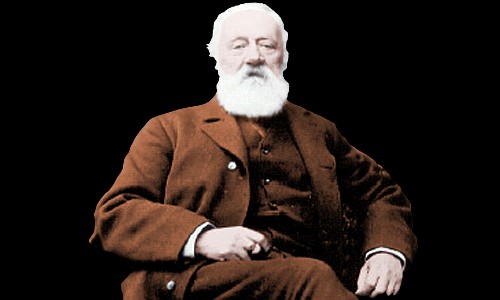
Antonio Meucci: The Overlooked Pioneer of the Telephone
Introduction to Antonio Meucci
Antonio Meucci, an Italian inventor, is often overshadowed in the annals of history despite his groundbreaking work in early voice communication. Born in Florence, Italy, on April 13, 1808, Meucci's contributions to the development of the telephone are both significant and controversial. His story is one of innovation, perseverance, and the complexities of patent law.
Early Life and Career
Meucci's journey began in Florence, where he was born and raised. He later moved to Havana, Cuba, where he worked as a stage engineer. His early experiments with electricity and sound were driven by a desire to help his wife, who was suffering from a debilitating illness. This personal motivation led him to explore ways to transmit voice over wires, laying the foundation for his future inventions.
Medical and Electrotherapy Experiments
Around 1849, Meucci began experimenting with electrotherapy, which involved using electrical currents for medical purposes. During these experiments, he discovered an "electrophonic/physiophonic" effect, where sounds could be transmitted through electrical wires. This discovery sparked his interest in developing a device that could transmit voice electrically.
The Invention of the Telettrofono
Meucci's most notable invention was the telettrofono, a device designed to transmit voice over wires. Between 1850 and 1870, he developed more than 30 variants of this device, each iteratively improving upon the last. His technical approach involved using vibrating membranes, metal strips, and electromagnetic coupling, concepts that are fundamental to modern telephone technology.
Patent Caveat and Financial Struggles
In 1871, Meucci filed a U.S. patent caveat for his telettrofono. A caveat is a temporary notice of invention, cheaper than a full patent but offering less protection. Unfortunately, Meucci's financial struggles prevented him from maintaining the caveat, which lapsed in 1874. This financial setback was a significant obstacle in his quest to secure recognition for his invention.
Controversy and Legal Battles
The invention of the telephone is often attributed to Alexander Graham Bell, who received a U.S. patent for the telephone in 1876. However, Meucci's earlier work and patent caveat have led to a historical dispute over the true inventor of the telephone. Meucci's inability to secure a full patent and his financial difficulties have been central to this controversy.
U.S. Congressional Recognition
In 2002, the U.S. House of Representatives passed a non-binding resolution (H.Res.269) recognizing Meucci's contributions to the development of the telephone. The resolution stated that his work "may have been" an important contribution, although it did not revoke Bell's patents or alter legal history. This recognition has amplified public awareness of Meucci's role in the invention of the telephone.
Legacy and Impact
Meucci's story is a testament to the challenges faced by inventors in securing recognition for their work. His contributions to the development of the telephone are now widely acknowledged, and his legacy continues to inspire discussions about innovation, patent law, and the role of financial resources in turning inventions into global technologies.
Technical and Historical Reassessments
Contemporary sources and engineering histories present Meucci as a significant early experimenter whose technical ideas overlapped with later telephone technology. While he may not be universally recognized as the sole inventor of the telephone, his work is undeniably a crucial part of the telephone's developmental history.
Conclusion
Antonio Meucci's life and work offer a fascinating glimpse into the complexities of invention and innovation. His story highlights the importance of financial resources, patent law, and the role of personal motivation in driving technological advancements. As we continue to explore the history of the telephone, Meucci's contributions remain a vital part of the narrative.
The Technical Innovations Behind Meucci's Telettrofono
Meucci's telettrofono was not just a single device but a series of evolving prototypes that incorporated several innovative techniques. His work laid the groundwork for modern voice communication technology. Below are some of the key technical aspects of his invention.
Vibrating Membranes and Electromagnetic Coupling
One of the most significant features of Meucci's devices was the use of vibrating membranes. These membranes would convert sound waves into mechanical vibrations, which were then transmitted through wires via electromagnetic coupling. This method is conceptually similar to the mechanisms used in later telephone transmitters.
Iterative Development and Multiple Prototypes
Meucci was a prolific inventor, creating more than 30 variants of his speaking telegraph between 1850 and 1870. Each prototype built upon the lessons learned from the previous versions, demonstrating his commitment to refining the technology. Some key iterations included:
- Early models that focused on basic voice transmission
- Improved versions with better sound clarity
- Devices that incorporated inductive loading for longer transmission distances
Inductive Loading and Long-Distance Transmission
Meucci's experiments also explored the concept of inductive loading, a technique that helps maintain signal strength over long distances. This innovation was crucial for the practical application of voice communication technology, as it addressed one of the primary challenges of early telegraph systems.
Meucci's Personal Struggles and Financial Challenges
Despite his technical brilliance, Meucci faced numerous personal and financial obstacles that hindered his ability to secure recognition for his inventions. These challenges provide a poignant backdrop to his story and highlight the difficulties faced by many inventors.
The Story of Meucci's Ailing Wife
One of the most touching aspects of Meucci's story is his motivation to help his wife, who was suffering from a severe illness. Meucci reportedly built an early version of his speaking telegraph to communicate with her from his workshop to their bedroom. This personal connection to his invention adds a layer of emotional depth to his technical achievements.
Financial Difficulties and Patent Issues
Meucci's financial struggles were a significant barrier to his success. He filed a U.S. patent caveat in 1871, but his inability to afford the fees for a full patent application meant that his caveat eventually lapsed in 1874. This financial setback was a critical factor in the subsequent dispute over the invention of the telephone.
- Meucci's caveat was a temporary notice of invention, offering less protection than a full patent
- His financial difficulties prevented him from maintaining the caveat and pursuing a full patent
- The lapsing of his caveat left his invention vulnerable to being overshadowed by others
Immigrant Status and Cultural Barriers
As an Italian immigrant in the United States, Meucci also faced cultural and linguistic barriers that may have contributed to his struggles. His story is a reminder of the challenges faced by many immigrant inventors who have made significant contributions to technology and science.
The Historical Dispute: Meucci vs. Bell
The debate over who truly invented the telephone has been a contentious issue in the history of technology. While Alexander Graham Bell is widely recognized as the inventor of the telephone, Meucci's earlier work and patent caveat have led to a historical dispute that continues to this day.
Timeline of Key Events
Understanding the timeline of events is crucial to grasping the complexity of the dispute between Meucci and Bell. Here are some key dates:
- 1850-1870: Meucci develops more than 30 variants of his speaking telegraph
- 1871: Meucci files a U.S. patent caveat for his telettrofono
- 1874: Meucci's caveat lapses due to financial difficulties
- 1876: Alexander Graham Bell receives a U.S. patent for the telephone
- 1889: Meucci passes away in Staten Island, New York
Legal Battles and Patent Litigation
The late 19th and early 20th centuries saw numerous legal battles over the telephone's invention. Bell's patents were the subject of hundreds of legal actions, with various inventors, including Meucci, claiming priority. The courts generally upheld Bell's patents during that era, but the historical debate has persisted.
Scholarly and Institutional Reassessments
In recent years, there has been a reassessment of Meucci's role in the invention of the telephone. Many technical histories and engineering sources now recognize Meucci as an important early experimenter who anticipated several practical elements of voice transmission. However, there is still no universal consensus on whether he should be considered the sole inventor of the telephone.
"Meucci's work may have been an important contribution to the development of the telephone, but the historical record is complex and multifaceted." - Engineering and Technology History Wiki
Cultural Recognition and Legacy
Despite the ongoing debate, Meucci's contributions have not gone entirely unrecognized. His story has been championed by Italian and Italian-American organizations, and his legacy continues to inspire discussions about innovation and the challenges faced by inventors.
The Garibaldi-Meucci Museum
The Garibaldi-Meucci Museum in Staten Island, New York, is dedicated to preserving the legacy of Antonio Meucci and other Italian-American figures. The museum houses many of Meucci's original inventions and documents, providing a tangible connection to his work and life.
Italian and Italian-American Advocacy
Italian and Italian-American organizations have played a significant role in promoting Meucci's story. Their efforts have helped to raise public awareness of his contributions and have fueled a cultural rehabilitation of his legacy. This advocacy has been crucial in ensuring that Meucci's work is not forgotten.
Modern Recognition and Awards
In addition to the 2002 U.S. House of Representatives resolution, Meucci has been honored in various ways. His story has been featured in documentaries, books, and articles, and he has been posthumously awarded for his contributions to technology. These recognitions serve as a testament to the enduring impact of his work.
The Broader Implications of Meucci's Story
Meucci's story offers valuable insights into the broader themes of innovation, patent law, and the role of financial resources in technological development. His experiences highlight the challenges faced by inventors and the importance of recognizing the contributions of all individuals involved in the process of innovation.
The Role of Financial Resources in Innovation
Meucci's financial struggles underscore the importance of financial resources in turning inventions into successful technologies. His inability to secure a full patent due to financial constraints serves as a reminder of the barriers that many inventors face, particularly those from disadvantaged backgrounds.
Patent Law and the Protection of Inventions
The dispute between Meucci and Bell also highlights the complexities of patent law. Meucci's use of a patent caveat, rather than a full patent, left his invention vulnerable to being overshadowed by others. This case serves as a cautionary tale about the importance of securing proper legal protection for inventions.
Nationalism and the Politics of Memory
Meucci's story is also intertwined with issues of nationalism and the politics of memory. The debate over the invention of the telephone has often been framed in terms of national pride, with Italian and American perspectives offering different narratives. This aspect of Meucci's story adds a layer of cultural and political complexity to the historical dispute.
The Enduring Impact of Meucci’s Work on Modern Technology
While the debate over who invented the telephone continues, there is no denying that Antonio Meucci’s contributions laid critical groundwork for modern communication technology. His experiments with voice transmission influenced later innovations, and his story remains a powerful example of how early technological breakthroughs shape the future.
Influence on Later Telephone Designs
Meucci’s use of vibrating membranes and electromagnetic coupling was ahead of its time. These principles became foundational in the development of telephone transmitters and receivers. Later inventors, including Bell, built upon similar concepts, demonstrating how Meucci’s ideas were integral to the evolution of voice communication.
Contributions Beyond the Telephone
Meucci was not just a pioneer in telephony; he also made advancements in other fields. His work included:
- Improvements in hygrometers (devices measuring humidity)
- Innovations in candle manufacturing
- Early experiments with plastics and electrical insulation
These contributions highlight his versatility as an inventor and his broader impact on 19th-century technology.
Meucci’s Legacy in Education and Popular Culture
Meucci’s story has transcended historical debates, finding its way into educational curricula and popular media. His life serves as an inspiring narrative of perseverance, innovation, and the challenges faced by immigrant inventors.
Educational Recognition
Many schools and universities now include Meucci in their discussions of invention history and telecommunication development. His story is often used to illustrate:
- The importance of documenting and patenting inventions
- The role of financial resources in technological advancement
- The impact of immigrant contributions to science and innovation
Depictions in Media and Literature
Meucci’s life has been featured in documentaries, books, and even fictional works. These portrayals often emphasize:
- His personal struggles, including his wife’s illness and financial hardships
- The historical injustice of his overlooked contributions
- His determination to pursue his inventions despite obstacles
These narratives help keep his legacy alive and ensure that his contributions are not forgotten.
The Meucci-Bell Debate: A Case Study in Invention History
The dispute between Meucci and Bell is more than just a historical footnote; it serves as a case study in the complexities of invention, patent law, and recognition. This debate offers valuable lessons for aspiring inventors and historians alike.
Lessons in Patent Law and Intellectual Property
Meucci’s experience underscores critical lessons about intellectual property protection:
- The difference between a patent caveat and a full patent
- The importance of timely renewal of patent applications
- The role of financial resources in securing legal protection
His story is a cautionary tale for inventors about the necessity of navigating patent systems effectively.
The Role of Historical Reassessment
The Meucci-Bell debate also highlights how historical narratives evolve. Early accounts often favored Bell, but modern reassessments have given Meucci more credit. This shift reflects:
- Changes in historical methodology and access to new evidence
- The influence of cultural and national perspectives
- The growing recognition of overlooked contributors in scientific history
Meucci’s Story as a Symbol of Immigrant Contributions
Meucci’s life is a testament to the significant contributions that immigrants have made to technological advancement. His story resonates with themes of resilience, adaptation, and innovation in the face of adversity.
Challenges Faced by Immigrant Inventors
Meucci’s experiences reflect the broader challenges faced by immigrant inventors, including:
- Language barriers that can hinder communication and recognition
- Financial limitations that restrict access to resources
- Cultural biases that may overshadow their contributions
His story serves as a reminder of the need to support and recognize the work of inventors from diverse backgrounds.
Celebrating Diversity in Innovation
Meucci’s legacy is now celebrated as part of a broader movement to acknowledge the contributions of immigrants to science and technology. Initiatives such as:
- The Garibaldi-Meucci Museum in Staten Island
- Italian-American heritage organizations and events
- Educational programs highlighting immigrant inventors
These efforts ensure that Meucci’s story continues to inspire future generations of innovators.
Conclusion: The Lasting Significance of Antonio Meucci
Antonio Meucci’s life and work offer a compelling narrative of innovation, struggle, and eventual recognition. While the debate over the invention of the telephone may never be fully resolved, his contributions to voice communication technology are undeniable. His story serves as a powerful reminder of the importance of:
- Perseverance in the face of adversity
- Documentation and legal protection of inventions
- Recognition of diverse contributions to technological advancement
Meucci’s legacy extends beyond the telephone. It encompasses his broader impact on technology, his role as an immigrant inventor, and his enduring influence on how we understand the history of innovation. As we continue to celebrate the achievements of pioneers like Meucci, we honor not just their inventions, but the human stories behind them—stories of passion, resilience, and the relentless pursuit of progress.
In the end, Antonio Meucci’s place in history is secure not because he may or may not have been the sole inventor of the telephone, but because his work exemplifies the spirit of invention itself: a blend of curiosity, ingenuity, and an unyielding desire to make the world a better place.
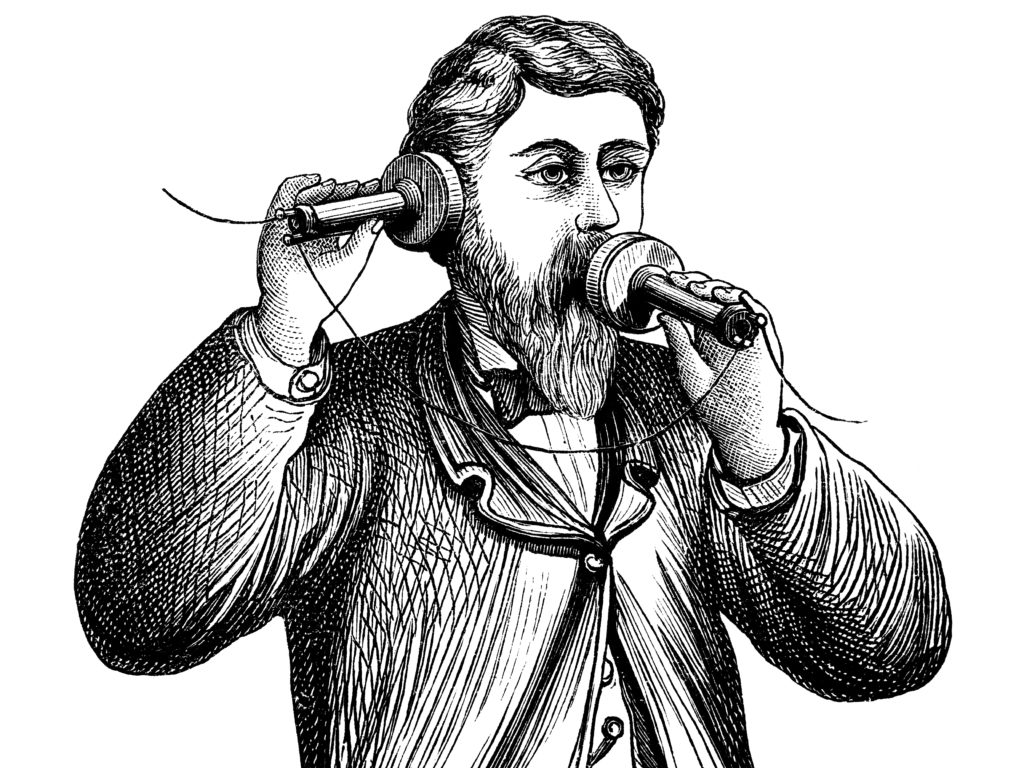


Téléphone : Une Icône du Rock Français
En septembre 1976, la scène musicale française voit émerger un groupe qui, au fil des années, deviendra incontournable : Téléphone. Composé de quatre jeunes musiciens épris de rock, Téléphone incarne l'essence même d'une époque en pleine mutation. Avec une énergie débordante et des textes engagés, ils parviennent à captiver le cœur des fans et à imprimer leur empreinte dans l'univers du rock français.
Les Débuts Prometteurs
Le groupe est fondé par quatre amis : Jean-Louis Aubert (chant et guitare), Louis Bertignac (guitare), Corine Marienneau (basse) et Richard Kolinka (batterie). Ils commencent à écumer les petites salles parisiennes, se faisant un nom grâce à leur style unique et à leur puissance scénique. En 1977, ils sortent leur premier album intitulé "Téléphone", un coup de maître qui contient déjà des titres emblématiques comme "Hygiaphone" et "Métro (C'est trop)".
Leur musique se caractérise par un mélange explosif de rock, de punk et de new wave, qu'ils interprètent avec une sincérité désarmante. Les paroles, souvent écrites par Jean-Louis Aubert, abordent des thèmes variés tels que l'aliénation urbaine, les relations amoureuses et les aspirations de la jeunesse. Leur son brut et authentique séduit immédiatement et leur permet de se hisser au sommet des charts français.
La Confirmation du Succès
Après le succès de leur premier album, Téléphone ne ralentit pas la cadence. En 1979, ils sortent "Crache ton venin", un deuxième opus qui confirme leur talent et leur place dans le paysage musical. Cet album contient des morceaux phares tels que "La Bombe humaine" et "Un autre monde", qui deviennent des hymnes pour toute une génération en quête de renouveau.
Les tournées s'enchaînent et leur popularité ne cesse de croître. Téléphone devient un phénomène national, attirant des foules immenses lors de leurs concerts. Leur énergie sur scène est incomparable et leur complicité musicale transparaît à chaque note jouée. Le groupe incarne alors la voix de milliers de jeunes Français en quête d'un monde meilleur, exprimant leur rébellion et leur désir de liberté.
Une Influence Durable
En seulement quelques années, Téléphone s'est imposé comme une référence incontournable du rock en France. Leur influence dépasse les frontières et inspire de nombreux artistes, tant en France qu'à l'étranger. Leurs albums se vendent à des millions d'exemplaires et leurs chansons continuent d'être diffusées à la radio, prouvant ainsi la pérennité de leur œuvre.
Alors que les années passent, chacun des membres s'engage dans des projets personnels, mais Téléphone reste gravé dans le cœur des fans de rock. L'héritage laissé par le groupe est considérable et leur musique continue de résonner auprès de nouvelles générations, prouvant que leur impact sur la culture musicale est encore bien vivant.