The Enduring Thrill of Horror: Exploring Top Tropes
In the vast genre of horror, there is a consistent thread that ties together stories of terror and suspense. These tropes, whether old or new, continue to captivate audiences and push the boundaries of what we can feel, see, and imagine. From the simple jump scare to the profound exploration of human nature, this article delves into the most prominent tropes in modern horror cinema.
The Jump Scare: A Timeless Stinger
At its core, horror is designed to elicit fear through a well-crafted series of moments of suspense and shock. Perhaps the most fundamental mechanism for achieving this is the jump scare. Often associated with the rapid onset of sound and image designed to startle the viewer, jump scares have been a staple of the genre since the earliest days of horror cinema. The most common form involves a loud noise or a sudden, visual shock intended to momentarily paralyze the viewer with fear.
Despite being criticized for its predictability and repetitiveness, the jump scare remains an indispensable tool in the horror filmmaker's arsenal. Effective jump scares require precise timing, a high level of synchronization between audio and visual elements, and a careful understanding of the audience's threshold for shock. They are designed to exploit the body’s natural startle response—a reflex that kicks in when faced with a perceived threat. As one study shows, jump scares can trigger a physiological response in viewers, notably increasing heart rate and adrenaline levels.
Modern horror films still utilize jump scares as a quick hit to maintain audience engagement, especially during climactic sequences. However, successful jump scares are not limited to simple fright tactics. They often integrate more complex elements such as build-up and payoff, ensuring that each startled moment contributes to a larger narrative arc. For instance, the American Horror Story anthology series often employs sophisticated jump scares that serve as foreshadowing or plot devices.
The Creepy Child: Unsettling Innocence
The introduction of the creepy child trope adds a unique layer of horror by subverting the audience expectation for childhood innocence. Characters like children who sing nursery rhymes during violent scenes or exhibit unnaturally mature behaviors tap into deep-seated psychological fears. This trope not only disrupts the natural progression of a story but also challenges the viewer’s perception of what is normal or safe.
One of the most iconic examples of this trope is seen in the film It (2017), where young children in the fictional town of Derry exhibit unsettling and sometimes violent behavior. Similarly, works like Trick 'r Treat feature children who are more sinister than their innocent appearances would suggest. This manipulation of expectations creates a sense of pervasive unease in the audience, who may find themselves second-guessing the safety and reliability of even the youngest characters.
The creepiness of a child in a horror context is particularly effective because it touches on primal fears. Children represent growth and purity, making them symbols of untainted innocence. Their portrayal as terrifying figures thus becomes a powerful narrative device, reinforcing themes of corruption and the darkness that lurks within even the purest of forms. This trope not only adds depth to a horror narrative but also allows for nuanced storytelling, where characters’ actions and motivations can be deeply explored through a lens of both fear and sympathy.
The Final Girl: A Long-Standing Tradition
A central figure in the horror landscape, the final girl epitomizes resilience and survival. Originally cemented in the late 1970s and early 1980s with slashers like Halloween and Avery, the final girl archetype remains a cornerstone of horror cinema. This trope involves the last remaining survivor in the face of multiple killings, typically played by a single, often female protagonist. Her ultimate triumph against the antagonist is seen as a metaphorical victory over gender norms and stereotypes.
Though rooted in the past, the final girl trope continues to be relevant today, although it frequently faces criticism for its potential to perpetuate stereotypes. Critics argue that portraying the final girl as a lone female survivor reinforces archaic gender roles, whereas modern filmmakers must strive to create more complex and multifaceted representations. Some contemporary films like Ghostly and Sightseers have begun to subvert the final girl tradition by highlighting alternative survivors or exploring the narrative through different lenses.
While the original incarnations of the final girl relied heavily on tropes of female resilience and strength, contemporary interpretations aim to add depth to this archetype. In films like Hereditary and Dark Waters, the final girl undergoes significant development, facing internal conflicts that reflect broader societal issues. This evolution serves as a critical commentary on the state of women in society, addressing themes of abuse, trauma, and the fight against oppressive forces. By pushing the boundaries of the final girl narrative, these films offer a more inclusive and dynamic portrayal of female empowerment.
In summary, the final girl trope holds significant cultural weight in horror cinema, representing a blend of historical and current social commentary. While it remains a powerful narrative device, its interpretation and execution must be carefully considered to avoid reinforcing harmful stereotypes and instead promote progressive storytelling.
The Haunted House: Familiar Faces Behind the Door
The concept of a haunted house is one that resonates deeply with the collective unconscious. This trope leverages a primal fear—the uncertainty and potential for danger within one’s own home. Houses, once sanctuaries of protection and comfort, transform into sites of dread and paranoia. Examples like The Conjuring and The Amityville Horror capitalize on the universal anxiety linked to the familiar turning into the unfathomable.
The efficacy of the haunted house trope can be attributed to its ability to tap into our most basic fears. Everyone has some sense of how to handle external threats, but the prospect of a threat emerging from within one’s own refuge strikes at the core of personal security. Furthermore, houses are imbued with a certain aura of permanence; they are tangible structures that stand as silent witnesses to our most intimate experiences.
In more contemporary films, haunted house plots are often layered with additional complexities, exploring themes of history, identity, and psychological trauma. For instance, Midsommar delves into deep, unsettling aspects of familial dynamics and societal breakdowns, using the confined space of a Scandinavian festival to encapsulate these deeper narratives. Similarly, Unfriended uses technology to blur the line between online and offline reality, adding a modern twist to the classic haunted house formula.
The haunting of a house can be physical, emotional, or both—in essence, it can manifest in myriad ways. It is this versatility that makes the trope so effective. Whether it’s a spectral presence that haunts the living or a dark legacy that taints the property itself, haunted house movies provide a versatile playground for filmmakers to explore various facets of horror.
In conclusion, the haunted house is a timeless trope that taps into fundamental human anxieties, offering a rich tapestry of possibilities for storytelling. Its enduring appeal stems from its ability to conjure up a range of emotions—from nostalgia to dread—and to challenge the notion of home as a sanctuary. As long as the human condition remains complex and full of mystery, the haunted house will likely continue to be a potent vehicle for fear and intrigue.
The Car Won’t Start / Weapon Just Out of Reach: Tension Through Frustration
No horror scene is complete without the promise of imminent danger combined with the realization that the hero is powerless to escape it. One classic trope, “The Car Won’t Start” or “Weapon Just Out of Reach,” capitalizes on this frustration. In these scenarios, the protagonist finds themselves at a critical juncture in the narrative where their means of escape or defense are rendered useless, intensifying the sense of impending doom.
The scene where a character discovers their car won't start—a common trope in countless horror films such as Juno Temple—is built upon the principle of helplessness. As the character realizes their transportation options are nullified, the fear of being trapped heightens dramatically. This momentary paralysis amplifies the existing anxiety, forcing the viewer to empathize with the character’s desperate situation. The car breaking down often coincides with the onset of a supernatural entity or another attacker, making the situation exponentially worse.
Analogous to this, the “weapon just out of reach” scenario places the character in a position where they are armed yet incapable of using their weapon effectively. In Final Destination, the protagonist cannot use the gun he desperately grabs, which further compounds his inability to defend himself. Similarly, in Friday the 13th Part VII, Jason stalks Amanda across water, only for her to throw the gun she needs right into the water. These moments are filled with suspense as the audience anticipates the ultimate confrontation that will be hindered by the protagonist's predicament.
The effectiveness of these tropes lies in their capacity to exploit human fear of vulnerability. When someone is in a position where they cannot defend themselves, the terror escalates far beyond the initial danger. Audiences are left with a feeling of helplessness, mirroring the protagonist’s experience. This shared experience fosters a strong emotional connection between the viewer and the character, making the fear more visceral and impactful.
The Haunters as Human Nature: Psychological and Societal Horror
A shift in recent years has seen a growing trend towards horror films that delve into human nature and societal issues rather than relying purely on supernatural entities. Films like Get Out and 10 Cloverfield Lane exemplify this new wave, wherein the true horror resides in the psychological and moral dilemmas that characters face. This approach not only deepens the narrative but also addresses real-world concerns, resonating with audiences on a profound level.
Get Out masterfully uses horror to explore concepts of racism, manipulation, and identity. Jordan Peele's directorial debut introduces Chris, who finds himself in a seemingly idyllic suburban setting with Chris Watts, but soon uncovers dark secrets about the family's true intentions. The horror in this film is less about physical threats and more about the mental torture and existential crisis Jordan undergoes. It raises questions about trust, prejudice, and the inherent dangers of social conditioning.
10 Cloverfield Lane, directed by Dan Trachtenberg, takes a similar approach, placing the protagonists in a bunker where they are confronted with a terrifying situation while also grappling with complex interpersonal dynamics and moral choices. The film delves into themes of survival, trust, and the unraveling of society, making the horror deeply rooted in human behavior and societal collapse.
This type of horror not only offers thrilling experiences but also acts as a form of social commentary. By depicting the monster as a manifestation of human flaws and societal issues, directors invite viewers to ponder broader philosophical and ethical questions. Films like these encourage deeper reflection on issues such as race, politics, and the fragile nature of civilization under pressure. They remind us that the greatest horrors might originate not from unseen creatures but from ourselves.
In terms of narrative impact, modern horror films using this approach provide more layered and thought-provoking stories. For example, The Babadook explores grief, mental illness, and the power of mythology, blending psychological horror with allegorical storytelling. It offers a nuanced and empathetic portrayal of a struggling mother and her young son dealing with a mysterious monster in their home. The film serves as a meditation on the human psyche and the struggles of parenthood, intertwining horror elements with deeper emotional undercurrents.
The Vengeful Spirit: Ghosts Seeking Justice
Ghosts and spirits seeking revenge for past wrongdoings is perhaps one of the most enduring tropes in horror fiction. These supernatural beings represent unrequited vengeance, moral retribution, and the lingering presence of unresolved trauma. Films such as Fright Night, The Grudge, and Annabelle utilize vengeful spirits to deliver messages about morality and justice.
A particularly compelling example is The Grudge franchise, which delves into the backstory of a vengeful ghost named Sadako Yamaoka. Her curse is triggered by unresolved grievances left by her husband and mother-in-law, causing her to haunt those who visit the cursed Ujihara house. This narrative explores themes of family conflict, abuse, and redemption. The story not only terrifies but also prompts viewers to reflect on the consequences of our actions and the weight of our legacies.
Similarly, Annabelle presents an eerie tale of a demonic entity that takes revenge on a family that kept a possessed doll. The film uses the supernatural as a catalyst to explore family dynamics, trust issues, and the dark side of human nature. It questions whether some traumas are too deep to be resolved and whether there are forces beyond our control that punish us for our mistakes.
The vengeful spirit trope is particularly effective because it appeals to a primal need for fairness. Ghosts seeking justice tap into the audience's belief in accountability and the idea that evil deeds will inevitably be punished. This narrative device not only creates suspense but also serves as a moral compass, reminding viewers of the ethical implications of their actions. It allows filmmakers to explore complex emotional terrain and convey powerful messages through the medium of fear.
Subversion and Innovation: Pushing the Boundaries of Fear
Modern horror genres are characterized by an ongoing quest to subvert and innovate, avoiding clichés and predictable outcomes to surprise and engage audiences. Techniques such as reimagining classic tropes, incorporating unexpected plot twists, and exploring unique narrative angles have become hallmarks of contemporary horror films.
A prime example of this is the subversion of the Final Girl trope. In Hush, directed by Michael Tully, Jessica, an ASL interpreter, is the sole survivor of a home invasion. Instead of exhibiting typical attributes of resilience and strength, she relies on her hearing impairment to outwit her attackers. This innovative storyline challenges the traditional Final Girl archetype, highlighting the limitations and vulnerabilities within the protagonist rather than reinforcing conventional notions of female heroism.
The Know-it-all Skeptic trope is another area ripe for subversion. Characters who dismiss supernatural or dangerous threats often end up regretting their skepticism. In The Witch, Thomasin McCleland initially believes her family members' explanation for strange occurrences, only to face a harrowing reality when they turn out to be witch cultists. This twist subverts the audience's expectations and highlights the unpredictable nature of fear and horror.
Moreover, contemporary films are increasingly focusing on exploring the psychological and societal dimensions of fear. For instance, Midsommar combines elements of the vengeful spirit trope with broader societal critiques, exploring issues related to white supremacy and cultural appropriation. The film's horror isn't merely external; it's deeply embedded in the protagonist's psyche and the cultural fabric of the community. Similarly, Alexandria Terror delves into the psychological warfare waged by the government against society, blending political intrigue with supernatural horror.
Technological advancements have also breathed new life into tried-and-true horror tropes. Makeup and special effects have evolved significantly, allowing filmmakers to create more convincing and terrifying portrayals of ghosts, monsters, and creatures. The use of advanced prosthetics and CGI ensures that these figures are more realistic and immersive, enhancing the overall horror experience.
Moreover, these innovations extend beyond visual effects to include sound design and editing techniques. Contemporary horror films often employ sophisticated soundscapes to augment the fear factor, using sounds of silence and sudden noises to create disorienting and unnerving environments. Editing styles that emphasize quick cuts and jumps further enhance the sense of chaos and unpredictability, keeping the audience on edge.
The Evolving Landscape of Horror
As horror films continue to evolve, they are not only entertaining but also reflective of broader cultural shifts. Subverting tropes and subverting social norms allows for narratives that are both thrilling and socially relevant. These films challenge audiences to confront their fears and question their perceptions of reality, morality, and humanity. Through innovative storytelling and cutting-edge production techniques, horror cinema remains a vital and dynamic genre capable of delivering lasting thrills and meaningful commentary.
The journey of horror from its early roots to contemporary times showcases not only technical advancements but also an ongoing dialogue around societal issues and psychological exploration. Whether through jump scares, creepy children, or vengeful spirits, the core elements of horror continue to captivate and terrify, making the genre as vital and intriguing as ever.
In conclusion, the enduring power of horror derives from its ability to tap into fundamental human fears and desires. As long as audiences yearn for the thrill of the unknown and the spectacle of terror, horror tropes will continue to shape narratives and define the boundaries of what is possible in the realm of cinematic storytelling.
Racial Representation and Bias in Horror Films
The horror genre has a complex history when it comes to racial representation and bias. Historically, certain racial stereotypes have been perpetuated in horror films, often perpetuating prejudices and reinforcing negative social constructs. For instance, the so-called "scary black man" trope, where African American characters are disproportionately represented as aggressors or villains, has become a controversial fixture in horror cinema.
This stereotype is often a result of a larger industry trend that has long neglected diverse representation and has historically favored casting white actors in leading roles. Films like Scream, particularly in its earlier iterations, and Friday the 13th Part VIII have faced criticism for perpetuating this trope. Critics argue that these portrayals reduce complex individuals to single-dimensional characters and contribute to the marginalization of black communities.
Nearly in recent years, however, there has been a concerted effort to address these inequities. Contemporary horror films have made strides in representing diversity more accurately and respectfully. For example, Get Out and Nightmare on Elm Street: Springwood (2019) both feature predominantly black casts, showcasing the resilience and humor of black characters. These films not only challenge the "scary black man" trope but also highlight the complexities and multifacetedness of black identities.
Get Out, directed by Jordan Peele, is a prime example of how horror can serve as a powerful vehicle for social commentary. The film not only entertains but also sheds light on racial tensions, fear, and discrimination in contemporary American society. By subverting the horror genre with a compelling and nuanced narrative, Get Out achieves both entertainment value and social relevance. Its success demonstrated that horror films can be both chilling and thought-provoking, paving the way for future inclusivity.
Similarly, Springwood uses humor and satire to address racial and societal issues through its ensemble cast. The film's premise involves a group of black teenagers who discover supernatural elements that mirror real-life racial tensions. By embedding social commentary within its horror elements, Springwood subverts negative tropes while highlighting the power of unity and resistance.
However, the challenge of accurate representation remains significant. Recent studies and discussions highlight the need for greater diversity in all aspects of the filmmaking process, including writing, directing, and production design. Filmmakers like Ava DuVernay, Ryan Coogler, and Nia DaCosta have been instrumental in pushing for greater inclusion and have made strides in promoting more equitable storytelling. Their work exemplifies how horror can not only entertain but also serve as a platform for social justice.
The shift towards inclusive representation in horror has also been aided by platforms that provide opportunities for underrepresented voices. Streaming services like Netflix and Amazon Prime have commissioned horror series with diverse casts, such as Black Mirror and Tales of the City, which offer platforms for new talent and fresh perspectives. These series not only diversify the genre but also empower filmmakers from diverse backgrounds to tell their stories.
In conclusion, while progress has been made, there is still much work to be done in addressing racial bias and ensuring accurate representation in horror films. As the industry continues to evolve, it is essential to promote a culture of inclusivity and diversity. By valuing and featuring a wide range of voices and experiences, horror can remain a vital and dynamic genre that captures the richness and complexity of human fears and aspirations.
Conclusion: Horror's Enduring Impact
The landscape of horror cinema is constantly evolving, driven by a desire to innovate, provoke, and entertain. From the enduring popularity of jump scares and creepy children to the psychological and societal explorations of modern tales, the genre continues to captivate audiences. Subversion and innovation are key drivers behind the genre’s evolution, ensuring that horror remains a powerful and relevant medium.
While horror films have often been criticized for their reliance on familiar tropes, the best of these films challenge and expand these conventions. Through thoughtful storytelling and masterful execution, horror cinema can offer not only thrilling narratives but also meaningful insights into our collective fears and desires. As long as audiences hunger for the unknown, the spooks, and the scares, horror will continue to be a vital and ever-changing realm of entertainment and cultural expression.
In the end, horror stands as a testament to the enduring power of storytelling. It reminds us of the depths of our fears and the strength of our resilience, making it a genre that resonates deeply and universally. As the industry moves forward, it is crucial to continue pushing boundaries and embracing diverse voices to ensure that horror remains a rich and dynamic part of the cultural landscape.
Ultimately, horror is more than just scares and thrills; it is a complex and multifaceted medium capable of delivering both entertainment and social commentary. By understanding and respecting its tropes, the horror genre can continue to engage and inspire new generations of viewers.

The Evolution of Horror: Leading Directors Shaping the Genre
In the ever-evolving landscape of cinema, few genres capture audiences quite like horror. With its ability to evoke genuine fear, challenge societal norms, and explore psychological depths, horror remains one of the most compelling and versatile forms of storytelling. In this article, we delve into some of the most influential directors who have defined the genre in the 21st century. Through a combination of in-depth analysis and a look at their recent contributions, we will explore the evolution and diverse styles present in contemporary horror.
Mike Flanagan: A Master of Psychological Horror
Mike Flanagan stands as a preeminent figure in the horror landscape, widely praised by critics and audiences alike. Known for his roles as both a director and writer, Flanagan brings a unique blend of psychological horror with intricate character development to each of his projects. His recent film, "The Life of Chuck," continues a pattern of storytelling that delves deep into the human psyche, creating narratives that are not only frightening but also thought-provoking.
A native of Denver, Colorado, Flanagan's career took off after directing the second season of the hit series "Hush" (2022). However, it was his work on Netflix's "The Haunting of Bly Manor" (2020) that truly cemented his status as one of the genre's leading lights. This series, which follows the residents of Bly Manor during the time of the American Revolutionary War, showcases Flanagan's ability to craft rich, atmospherically chilling environments and intricate narratives. His style emphasizes the gradual build-up of tension and the exploration of complex characters, ensuring that his films leave a lasting impact on viewers.
"Insidious" and "The Conjuring" series further exemplify Flanagan's expertise. These films, while driven by terrifying supernatural elements, also delve into the psychological turmoil of their protagonists. The series' nuanced exploration of grief, trauma, and paranoia sets it apart from many of its contemporaries. Flanagan's work often blurs the line between reality and the unknown, inviting audiences to question what they perceive as fact and fiction within the storylines.
Ti West: Navigating Classic Horror Traditions
Ti West, a rising star in the horror community, has garnered significant recognition for his directorial work, particularly through his "X" series and upcoming projects. His films often pay homage to classic horror tropes while introducing modern twists that keep audiences engaged. "X" and "Pearl" stand out as perfect exemplars of West's approach to storytelling, combining elements of exploitation with sophisticated filmmaking techniques.
"X" (2024), co-written and directed by West, continues the horror anthology format initiated by his earlier film "We Are Still Here" (2016). Each chapter features diverse casts and stories while maintaining a consistent tone and style. "Pearl," also co-directed with Adam Wingard, adds to this catalogue with its unique blend of psychological horror and supernatural elements. West's films are noted for their precision in pacing and storytelling, drawing heavily from classic horror films like "Halloween" and "The Texas Chainsaw Massacre."
The upcoming film, "MaXXXine," promises yet another innovative take on horror traditions. West's work often explores themes of isolation, family dynamics, and the supernatural, making his films not only entertaining but also deeply introspective. His directorial style emphasizes visual detail and performance, ensuring that every frame carries weight and contributes to the overall atmosphere of dread and suspense.
James Wan: Revolutionizing Contemporary Horror
James Wan, a seminal figure in modern horror, has played a pivotal role in reshaping the genre since the early 2000s. His career began with "Saw" (2004), a project that pushed the limits of horror storytelling with its non-linear narrative and psychological intensity. Following this success, Wan created the "Conjuring" universe, blending supernatural elements with gripping thrillers to create a cohesive and highly engaging series.
Australia-born director Wan's influence can be seen in his meticulous attention to detail and his ability to create immersive, visceral experiences for viewers. Films like "Insidious" and "The Conjuring" (2013) demonstrated his proficiency in crafting suspenseful, jump-filled scenarios while delving into the psychological underpinnings of his characters. Wan’s production style is notable for its intense and often relentless focus on horror, providing audiences with a rollercoaster ride of thrills and goosebumps.
Wan's versatility is evident in his range of projects, from the dark and disturbing "The Toxic Avenger" (2022) to the action-packed "Hawaii Five-O" (2023). His ability to balance horror with elements of comedy and drama, as seen in the latter, highlights his adaptability and broad appeal. Moreover, Wan's involvement in producing and writing his projects ensures that each film is a cohesive and consistent representation of his vision, setting him apart as a genre-defining director.
Robert Eggers: Crafting Atmospheric Folk Horror
Robert Eggers is celebrated for his historical and folkloric horror films, including "The Witch" (2015), "The Lighthouse" (2019), and the upcoming "The Northman." Eggers' work is renowned for its meticulous attention to historical accuracy and its atmospheric tension, creating an immersive experience for viewers. His films often delve into the unknown, pushing boundaries and challenging traditional horror tropes.
"The Witch," set in early colonial America, masterfully blends historical accuracy with suspenseful storytelling. Using authentic settings and costumes, Eggers crafts a world that feels real and unsettling, enhancing the psychological and supernatural terror of the film. "The Lighthouse," a more minimalist and abstract horror film, further exemplifies Eggers' ability to create an eerie and tense atmosphere using simple settings and performances.
Eggers' directorial style emphasizes long takes and minimalistic dialogue, relying heavily on visual storytelling and sound design to heighten the sense of dread. His films often explore isolation and the fragility of human existence, pushing audiences to confront their deepest fears. "The Northman," set in early Viking times, promises to continue this tradition, blending historical realism with horror elements in a visually stunning and psychologically intense film.
Emerging Forces and Future Directions
The 21st century has witnessed a diversification of horror styles, marked by a blend of supernatural, slasher, psychological, and folk horror genres. While established directors continue to push boundaries, a new generation of talent is emerging, bringing fresh perspectives and innovative concepts to the table. Jordan Peele, Leigh Janiak, Tyler Gillett, Prano Bailey-Bond, and others are all contributing to the evolution of horror in distinct ways.
One of the most prominent among these is Jordan Peele, a socially conscious director whose films, including "Get Out" (2017) and "Us" (2019), tackle complex social issues through the lens of horror. His ability to blend satire with genuine terror sets him apart, ensuring that his films resonate on multiple levels. Similarly, Leigh Janiak's "Fear Street" trilogy (2021) merges slasher and supernatural horror with a modern sensibility, offering a unique twist on classic horror tropes.
Collaborative directing teams, such as Tyler Gillett and Matt Bettinelli-Olpin behind films like "Ready or Not" (2019), are gaining prominence by blending horror with other genres. Their ability to bring diverse voices and perspectives to the forefront has enriched the horror genre, pushing it towards greater inclusivity and innovation.
Furthermore, the rise of streaming platforms has provided a fertile ground for these emerging directors to experiment with new formats and narrative structures. Projects like Mike Flanagan's series on Netflix exemplify how modern horror can thrive in these new media landscapes, offering complex, thought-provoking stories alongside traditional scares.
Conclusion: The Future of Horror
The contemporary horror genre is in a state of flux, with directors continuing to push the boundaries of storytelling, genre conventions, and creative expression. From psychological depth to atmospheric tension, from social commentary to supernatural thrills, the genre remains dynamic and vital. As we move forward into the latter decades of the 21st century, the role of horror directors in shaping our cultural narratives becomes increasingly pronounced.
With the continued emergence of new voices and the sustained success of established directors, the future of horror looks poised for even greater diversity and creativity. Whether through psychological explorations, atmospheric masterpieces, or socially conscious critiques, the best directors continue to challenge us, making horror an essential and enduring part of our cinematic landscape.
Psychological and Atmospheric Horror: Current Trends
The trend toward psychological and atmospheric horror, exemplified by directors like Ari Aster and Jordan Peele, represents a significant shift in the genre. Films in this category focus on intricate character development and thematic complexity, delving into the darker facets of the human psyche. Films like Aster's "Hereditary" (2018) and "Midsommar" (2019) showcase the power of deep, unsettling storytelling that creates a profound impact beyond surface-level thrills.
Ari Aster's acclaimed work continues to gain critical acclaim. "Hereditary" introduces a mother and her two daughters who face the malevolent forces of their ancestors, exploring themes of loss, madness, and generational curses. The film's slow-burning tension and meticulous direction create a truly terrifying experience. "Midsommar" takes this further, blending folklore with visceral horror in a setting reminiscent of ancient Scandinavia. The film’s complex storyline and symbolic imagery delve into the characters’ psychological breakdowns, making the film a profound meditation on human nature.
Jordan Peele, with his socially conscious horror films, has also contributed significantly to this trend. "Us" examines racism, class divisions, and the duality of individual identity, while "Get Out" explores racial tension and fear. Peele’s films are lauded for their clever plot twists and incisive social commentary, making them far more than mere scarefests. His approach to horror is multifaceted, addressing real-world issues through a veil of genre-bending storytelling.
These filmmakers, along with others like Prano Bailey-Bond, whose "Censor" (2021) delves into themes of power and control, push the genre towards greater depth and relevance. Bailey-Bond uses horror as a vehicle to explore psychological manipulation and the erosion of sanity, creating a narrative that resonates beyond the horror realm, touching on themes of surveillance and authoritarianism.
Reboots and Modern Retellings
The horror genre has always thrived on reboots and reinterpretations of classic monsters and franchises. These retellings offer a chance to breathe new life into timeless horror tropes, bringing them to modern audiences with fresh spins. Projects like Leigh Whannell's upcoming "Wolf Man" (2025) promise to modernize and humanize the legendary creature, presenting a character-driven narrative that avoids the pitfalls of formulaic horror.
Whannell, known for his work on "Final Destination" (2000) and "Saw" (2004), brings a seasoned directorial eye to this project. The film is expected to blend psychological suspense with supernatural elements, ensuring that the audience is constantly questioning what is real and what is not. This approach not only pays homage to classic werewolf stories but also introduces new twists and turns that challenge modern interpretations.
Other notable reboots include the recent reimagining of "Friday the 13th" with Jamie Lee Curtis reprising her role as Nancy. This reboot aims to bring a new level of tension and authenticity to the franchise, grounding the characters in relatable struggles and personal conflicts rather than relying solely on the usual slasher tropes. Such efforts signal a shift towards more nuanced and realistic portrayals of horror characters.
Diversity and Inclusion in Horror
One of the most encouraging trends in contemporary horror is the increased diversity and inclusion among genre filmmakers. Female directors are taking center stage, bringing new perspectives and narratives to the mainstream. Films by directors like Leigh Janiak ("Fear Street"), Jennifer Kent ("Wolf Creek"), and Mina Shum ("My Days of Heartbreak and Wonder") demonstrate a broader range of storytelling and character development that reflects various experiences and identities.
The international landscape of horror is also expanding, with directors from different cultures bringing unique storytelling techniques and cultural influences to their work. For instance, Korean director Park Chul-soo's "The Quiet Family" (2023) offers a deeply unsettling exploration of family dynamics and mental illness, while French director Fabrice Du Welz's films like "Pierrot Le Fou" delve into darkly comedic and tragic narratives.
Diverse representation enriches the genre, bringing varied points of view and enriching the tapestry of horror storytelling. As more women and international filmmakers gain recognition, the genre is becoming more expansive and inclusive, reflecting a broader array of human experiences and fears.
Critical Recognition and Industry Confidence
Horror directors' works are increasingly recognized for their artistic merit and critical acclaim. IMDb's ranking of top horror filmmakers of the 21st century places Mike Flanagan, Ti West, and James Wan at the forefront. These rankings reflect a growing appreciation for the technical and narrative sophistication of modern horror films, demonstrating that the genre is not merely a matter of cheap thrills but a complex art form demanding skill and creativity.
Platforms like Rotten Tomatoes and Letterboxd, which track audience responses and critical reviews, continue to highlight new horror movies that have received widespread praise. These rankings and reviews often feature films by established and emerging directors, underscoring the genre's enduring popularity and critical success.
Streaming services such as Netflix, Amazon Prime, and Hulu have become powerful drivers of horror innovation, providing extensive resources for directors to develop and produce ambitious projects. Titles like Flanagan’s "The Haunting of Hill House" (2018) and West’s "X" series demonstrate how streaming can support complex, character-driven horror narratives that push the boundaries of traditional cinema.
Conclusion: An Ever-Evolving Genre
As the 21st century progresses, horror continues to evolve, with directors experimenting with new forms and styles while maintaining the core elements of the genre. From the psychological depth of films like "Hereditary" to the atmospheric tension of "The Witch," contemporary horror offers a wide spectrum of storytelling that engages audiences on emotional and intellectual levels.
With increasing diversity and innovation, the future of horror looks bright. Emerging directors are bringing fresh interpretations and new voices to the genre, ensuring that it remains not just a source of entertainment but a platform for deeper social and psychological exploration. As horror continues to adapt and grow, we can expect it to remain a vital and exciting aspect of cinematic culture.
Critical Reception and Audience Engagement
The critical reception of contemporary horror films is marked by a high degree of engagement and varied opinions. Critics and audiences alike recognize the genre's capacity to push boundaries and provoke thought, often leading to nuanced discussions well beyond the film itself. Reviews in publications like Variety, The Hollywood Reporter, and Sight & Sound frequently highlight the thematic depth, technical expertise, and emotional resonance of these films. For instance, "Hereditary" earned rave reviews for its psychological complexity and execution, with many noting the film's ability to maintain a consistent and intense atmosphere throughout its runtime.
Similarly, "Midsommar" sparked intense debate and praise, with critics acknowledging the film's unconventional narrative structure and its willingness to engage with uncomfortable themes. Jordan Peele's work has been commended for its sharp social commentary and storytelling prowess, with films like "Get Out" winning multiple awards at major film festivals, including the Academy Award for Best Original Screenplay. These accolades affirm the critical recognition and acceptance of horror as a serious and multifaceted genre.
Online platforms like Rotten Tomatoes and Letterboxd provide valuable insights into audience sentiment, offering a mix of positive and negative reviews that often highlight specific aspects of a film. For example, the "X" series on Hulu has been praised for its precision storytelling and atmospheric tension, with critics noting the film's ability to maintain suspense even in seemingly quiet moments. Conversely, some films may receive mixed reviews, with critics and audiences differing on their effectiveness in certain areas.
The success of horror films at the box office further demonstrates their cultural impact. Films like "Us" and "Saw" not only attract large audiences but also generate significant revenue, reinforcing the economic viability of horror cinema. This success can encourage more investment in the genre, leading to more ambitious and diverse projects in the future.
Technological Advancements and Special Effects
Modern horror films also benefit from significant advancements in technology and special effects, which enhance the genre's ability to create terrifying and immersive experiences. CGI and visual effects have become crucial tools for these directors, allowing for the creation of unprecedentedly graphic and visceral scenes. For example, "The Wolf Man" leverages cutting-edge visual effects to bring the titular character to life with remarkable authenticity, providing audiences with a sense of the monster's presence that transcends traditional makeup and prosthetics.
The integration of practical and digital effects allows for a seamless blend of horror aesthetics that can transport audiences into terrifying worlds. For instance, "The Witch" uses practical effects to create a palpable sense of dread, complemented by intricate camera work that captures the oppressive atmosphere of early colonial Massachusetts. Such techniques ensure that the horror elements are not only convincing but also emotionally resonant.
In addition, advancements in sound design provide a crucial component to the horror experience. Sound designers use techniques like binaural recording, which can create a surround sound effect, making audiences feel more immersed in the horror world. For example, "Midsommar" incorporates ambient soundscapes and eerie music to heighten the sense of unease, contributing significantly to the film's overall impact.
The use of virtual reality and interactive elements in horror is also gaining traction, offering new modes of engagement that push the boundaries of traditional filmmaking. Projects like Netflix's "The Unearthed," a horror experience designed specifically for VR, exemplify this trend, allowing audiences to interact directly with the narrative and characters. Such innovations ensure that horror remains not just a visual experience but a multi-sensory journey that engages audiences on a deeper level.
Challenges and Future Prospects
Despite its success and critical acclaim, the horror genre faces several challenges. One of the primary concerns is balancing the need for innovation with the expectation of fulfilling the genre's fundamental requirements—a consistent level of scares and suspense. Directors must navigate this balance to ensure that their films resonate with audiences without veering too far from horror's core tenets.
Another challenge is the need for accessibility and diversity. While the genre has seen significant advances in terms of representation and voice, there is still room for improvement. Emerging directors from diverse backgrounds continue to push for greater inclusivity, but traditional gatekeepers and industry structures can sometimes stifle these efforts. Breaking down these barriers requires sustained effort and collaboration across the entire industry, from producers and distributors to theater owners and critics.
However, the rise of streaming platforms and new distribution models presents exciting opportunities. Streaming services can provide a more direct pipeline to audiences, bypassing some of the traditional obstacles faced by horror directors. This flexibility allows for more independent and experimental projects to find their audience, potentially revitalizing the genre with fresh ideas and perspectives.
The continued popularity and profitability of horror mean that it will likely remain a significant force in the film industry. As audiences continue to seek out engaging and challenging content, directors who can master the complexities of the horror genre will have ample opportunities to express their creativity and reach broader audiences.
Final Thoughts
In conclusion, the history and future of horror as a genre are shaped by the visionary directors who push boundaries and challenge conventional narratives. From the intricate psychological horrors of Mike Flanagan and James Wan to the atmospheric authenticity of Robert Eggers, contemporary horror offers a robust and ever-evolving landscape. Emerging talents like Jordan Peele and Prano Bailey-Bond are bringing fresh perspectives and innovative concepts, enriching the genre with diverse voices and narratives.
As technology advances and streaming platforms expand opportunities, horror continues to evolve, offering new ways to engage with and understand the human condition. The challenges of maintaining genre standards while embracing innovation underscore the complex nature of horror filmmaking. But with each new film, directors bring us closer to a truly universal and captivating form of storytelling—one that captures the essence of fear, curiosity, and the human spirit.
The future of horror looks bright, with a genre that is not just about scares but also about deep emotional connections and thoughtful exploration. As long as there are stories worth telling and fears worth facing, horror will continue to captivate and inspire.
Janoskians: The Mystical and Ethereal Race
Deep within the heart of the mystical realms lies a race unlike any other—Janoskians. They are a people shrouded in enigma, their existence only whispered about in cryptic tales and ancient legends. This ethereal species is said to possess a unique connection to the very fabric of reality, making them both revered and feared.
The Origin of Janoskians
Janoskians originate from the Janoskian Plane, a parallel dimension known for its vibrant aurora-borealis-like skies and floating crystals that cast an enchanting glow across the landscape. According to legend, these planes were formed during a cataclysmic event that separated humanity from the arcane forces governing their world. The Janoskians were one of many races displaced by this upheaval, but it was the Janoskian Plane that became their new home.
Historians believe the Janoskians’ origins date back to the early eras of magic, when powerful sorcerers sought to harness the raw energy of the cosmos. It’s said that these wizards used their knowledge to create the Janoskian Plane as a testing ground for their experiments, inadvertently birthing the Janoskians into existence from the purest forms of magical essence.
Ethereal Traits and Abilities
A distinguishing feature of Janoskians is their luminous appearance, often described as having skin like polished obsidian tinged with luminescent hues. Their eyes glow with a mesmerizing light, capable of altering colors depending on their emotions or mood, making them both captivating and unsettling to look at. Their physical presence seems almost ethereal, moving with an otherworldly grace that defies gravity and time itself.
In terms of abilities, Janoskians stand out due to their innate connection to the arcane. They can manipulate light and shadow at will, using it to cloak themselves, illuminate darkened areas, or project illusions that deceive even the most skilled illusionists. Their powers of telekinesis allow them to manipulate objects with mere thought, and they can phase through solid matter, vanishing and reappearing seemingly without any discernible means.
Another notable ability is their telepathic communication, which allows Janoskians to converse directly with each other over vast distances. Furthermore, some members of the race possess precognitive visions or even the ability to shape reality to some extent, influencing events around them in mysterious ways.
Culture and Society
Janoskian society is deeply rooted in mysticism and harmony with nature. Their cities are designed as living entities, blending seamlessly with the natural environment they inhabit. Buildings are constructed using crystalline materials that shimmer in the perpetual dusklight, and streets are lined with trees and plants that bloom with an otherworldly radiance.
Janoskians place a high value on knowledge and enlightenment. Schools of arcane studies and philosophy abound, where young members of the race learn both the theoretical and practical aspects of their magical abilities. Rituals and ceremonies dedicated to celebrating the cycles of the moons and stars are common, reflecting their reverence for the celestial bodies that guide and influence their lives.
Interaction with Humans
The relationship between Janoskians and humans has been complex and often strained. While there have been instances of mutual respect and trade, misunderstandings and fear have also led to conflicts. Many human populations see Janoskians as either allies or adversaries, depending largely on their experiences and exposure.
Those who have encountered Janoskians firsthand report feeling an immediate sense of awe and wonder, often struggling to reconcile their existence with conventional understanding. Stories of Janoskians aiding humans in times of need, sharing knowledge, and even founding communities together are not unheard of, though such instances are rare and often met with skepticism.
Conversely, there are tales of Janoskians using their powers to manipulate or control humans for their own purposes, leading to suspicion and paranoia among suspicious populations. Despite these challenges, there are ongoing efforts towards greater understanding and cooperation between the two races.
The Future of Janoskians
As the balance between different magical energies continues to shift across the realms, the future of Janoskians remains uncertain. However, their resilience and adaptability suggest that they will play a significant role in shaping the future of these lands.
With new threats emerging from dimensions beyond, whispers of impending conflict draw attention to the potential alliances or confrontations between Janoskians and humans. As they navigate these challenging times, the fate of Janoskians hangs in the balance, a testament to the enduring mysteries that lie at the heart of these mystical realms.
Their enigmatic nature makes them both intriguing and elusive, prompting scholars, adventurers, and curious souls to seek answers to the riddles surrounding their existence. Whether you believe in the myths and legends or seek to prove them false, Janoskians continue to captivate minds and stir the imagination.
Historical Figures and Legendary Tales
Beyond the whispers and tales passed down through generations, there are numerous historical figures among the Janoskians who leave an indelible mark on the realm. One such figure is Elenara, a renowned sorceress who wielded immense power over the elements. Her tales of battles against dark creatures and her ability to heal the wounded have inspired countless Janoskian heroes, earning her the title of "The Luminous Protector."
Another notable Janoskian is Mirothar, a philosopher-king whose teachings emphasize the balance between magic and reason. His written works, such as "The Harmony of Shadows," are still studied today, offering profound insights into the nature of reality and the role of magic in shaping worlds. Mirothar's rule saw a period of unprecedented peace and prosperity, during which Janoskian civilization flourished.
In more recent times, a figure known as the "Shadow Weaver" has garnered significant attention. This enigmatic sorcerer is rumored to possess the ability to manipulate time and weave intricate patterns of shadows. Legends say that those who cross paths with the Shadow Weaver face both danger and opportunity, as she chooses her allies and enemies with an uncanny precision. Despite her elusive nature, her actions have influenced major events, including the current political climate in various regions.
Tales and Legends
Janoskian mythology is rich with tales that explore the complexities of their existence and the broader universe. One famous legend tells of the "Great Convergence," an event where all planes of existence came into alignment, allowing brief portals of reality. During these moments, Janoskians and other magical races would gather to observe and potentially harness the immense power released. The convergence lasted only fleeting moments, but the experiences left deep impressions in Janoskian lore.
A darker legend speaks of the "Shattered Stars," a cataclysmic event that occurred millennia ago when fragments of the stars fell to earth, bringing chaos and destruction. Many Janoskians believe that the Shattered Stars heralded the era of darkness and led to the displacement of countless races, including their own ancestors. Some believe that the Shattered Stars were the result of a malevolent force seeking to disrupt the balance of magic across the realms.
The tale of "The Whispering Wind" serves as a reminder of the delicate balance between life and death. According to the legend, a powerful Janoskian sorceress named Lysandra discovered a way to communicate with the spirits of the dead. She spent years honing her craft, learning secrets that allowed her to heal wounds of both the living and the deceased. Her methods remain largely shrouded in secrecy, but tales of her work continue to inspire hope among those facing loss and grief.
Magic and Technology
Janoskian magic and technology are intricately linked, reflecting their harmonious relationship with the natural world. Craftsmen and artisans create tools and devices that enhance the user's magical abilities, allowing for greater control and efficiency. For instance, "Crystal Staffs" are enchanted weapons that amplify the wielder's telekinetic powers, enabling them to move objects with ease and precision.
Other technological advancements include "Luminothium," a crystal substance mined in specific areas of the Janoskian Plane. When processed, Luminothium emits a gentle, steady light that can be used in everything from personal lamps to grand public illuminations. These crystals also serve as key components in magical constructs and devices, further integrating magic into Janoskian daily life.
Advanced mechanical constructs, known as "Lightweavers," are highly valued for their utility. Lightweavers are essentially mechanical beings powered by a combination of magic and technology, designed to perform tasks ranging from construction to transportation. These intelligent machines operate autonomously, guided by sophisticated algorithms and the guidance of their creators, ensuring optimal functionality.
Mythological Elements and Symbolism
Ancient symbols play a crucial role in Janoskian culture, each with deep and varied meanings. The "Lunar Sigil," for example, is a symbol associated with the celestial bodies and their cyclical patterns. It signifies harmony, balance, and the passage of time. Often seen in temples and ceremonial sites, the Lunar Sigil fosters a sense of reverence for the natural rhythms governing their world.
The "Aurora Emblem," on the other hand, represents light and illumination, embodying the purity and elegance of the Janoskian spirit. Found frequently in art and architecture, this symbol serves as a reminder of the beauty and wonder that permeates their existence. Its presence encourages introspection and reflection among Janoskian individuals, urging them to stay connected to the luminous qualities within themselves.
"Whispering Wings," a lesser-known symbol, is tied to the concept of free will and personal choice. It is often depicted as two wings in motion, suggesting the ability to soar above limitations and make independent decisions. While less commonly displayed, this symbol plays a vital role in spiritual practices, emphasizing the importance of self-determination and autonomy.
The symbolic integration of these elements fosters a cohesive identity among Janoskians, reinforcing their shared values and beliefs. Whether through rituals, art, or daily life, these symbols remind the Janoskians of their intrinsic connection to the mystical forces that govern their plane.
Modern Challenges and Adaptation
As the centuries have passed, Janoskians have faced various challenges that test their resilience and adaptability. One of the most recent and pressing issues is the gradual erosion of the magical barriers separating different planes of existence. This phenomenon, known as "dimensional instability," poses a threat to the entire realm and requires urgent attention from Janoskian scholars and leaders alike.
Dimensional instability causes pockets of alternate realities to breach the boundaries of the Janoskian Plane, introducing foreign elements and disruptive forces. These incursions vary in severity, from minor disturbances like sudden shifts in the climate to catastrophic events involving the collapse of entire regions. Efforts are underway to study and predict these occurrences, with a dedicated council of experts working tirelessly to mitigate risks and preserve the integrity of the plane.
Another challenge Janoskians face is the emergence of a darker faction within their race. Known as the "Tenebrous Order," this group seeks to harness and exploit the darker aspects of magic for their own gain. They reject the principles of harmony and balance, pushing for a more chaotic and destructive reality. Tensions between the Tenebrous Order and the main population have escalated, leading to occasional skirmishes and political strife. Balancing these opposing forces remains a delicate matter requiring diplomacy, wisdom, and strategic foresight.
To combat these and other challenges, Janoskians have established institutions for research, defense, and cultural preservation. The Institute of Arcane Research, a scholarly organization, leads groundbreaking studies aimed at understanding and harnessing the intricate workings of magic. Their findings contribute to the ongoing development of protective measures and innovative solutions to address dimensional instability.
The Janoskian Defense Force, meanwhile, comprises elite soldiers trained in both physical and mystical combat. Their primary mission is to safeguard the borders and maintain order in the face of internal and external threats. Equipped with cutting-edge technology and ancient spells, these warriors stand ready to protect their people and preserve the delicate balance of their existence.
Final Thoughts
The Janoskians continue to be an enigmatic and fascinating aspect of the magical realms, embodying a unique blend of myth, wonder, and resilience. Their contributions to the broader cosmology of the world are immeasurable, whether through their mystical knowledge, artistic expressions, or the sheer power of their abilities.
As they navigate a changing landscape filled with both promise and peril, Janoskians remain a testament to the indomitable spirit of those who seek to understand the boundless possibilities hidden within the fabric of creation. Their legacy inspires not only among their own ranks but also among those who seek to uncover the mysteries of the universe.
Whether viewed through the lens of legend or reality, the Janoskians' story is one of enduring intrigue and unparalleled fascination. As we continue to explore the depths of the mystical realms, the tales of the Janoskians serve as a powerful reminder of the boundless wonders that await us in the uncharted territories of the unknown.
Exploring Janoskian Art and Culture
Janoskian art and culture are steeped in symbolism and mysticism, reflecting their deep connection to the natural and supernatural worlds. One of the most striking forms of Janoskian art is "Luminescent Weaving," a practice that involves intricate tapestries and textiles infused with magical properties. These creations are not just visually beautiful but also serve functional purposes, such as providing light or protection.
Luminescent Weaving requires a great deal of skill and magical talent, as the weavers must manipulate light and color to reflect the emotions and stories they wish to convey. Each piece is a testament to the artist's creativity and the viewer's experience of the story. These works are commonly displayed in Janoskian homes and ceremonial places, serving both aesthetic and communicative roles.
Musical Traditions
Janoskian music is another crucial aspect of their culture, with melodies often intertwined with the elements and celestial bodies. The "Celestial Harp" is one of the most prominent instruments used in Janoskian music, believed to channel the very essence of starlight and moonlight. Players of the Celestial Harp are often seen performing concerts in the open air, where the music blends seamlessly with the natural sounds of the surrounding environment.
Another popular musical form is the "Whispered Ballad," a type of oral tradition where singers carry tales and histories through song. These ballads are often accompanied by subtle magical effects that enhance the emotional impact of the performance. Performances of these ballads can sometimes cause the audience to experience vivid dreamlike states, leaving listeners moved and inspired long after the performance ends.
Healing Arts and Practices
Janoskians place a heavy emphasis on holistic healing practices, integrating physical and magical techniques. The "Lumina Healers," adept practitioners of this art, are respected throughout the Janoskian Plane. They use a variety of natural and magical remedies to treat ailments, often combining herbs and incantations for maximum effectiveness.
A hallmark of Janoskian healing is the use of "Lumina Touch," a technique where healers place their hands on the patient to channel therapeutic energy. This process not only heals physical injuries but also provides mental and spiritual comfort. Many Janoskians believe that Lumina Touch can even aid in spiritual growth and enlightenment, aligning the patient's soul with the natural balance of the realm.
Cultural Festivals and Celebrations
Janoskian festivals and celebrations are vibrant expressions of their collective heritage. One of the most significant festivals is the "Lunar Festival," held every year during the brightest full Moon. This festival marks the peak of magical energy and joy, as Janoskians gather to celebrate the cycles of light and darkness. Activities often include elaborate dance performances with Luminescent Weavings and festive meals featuring magical ingredients.
The "Starfall Celebration" is another notable event, marking the beginning of spring when the auroras reach their peak brilliance. During this festival, Janoskians set up temporary settlements where they honor the fallen stars and celebrate rebirth. Special rituals include lighting bonfires, reciting ancient poems, and performing aerial dances to evoke the grace and beauty of the night sky.
Janoskian children are also immersed in cultural traditions early on. Coming-of-age ceremonies mark the transition from childhood to adulthood and include apprenticeships in various crafts and disciplines. These ceremonies often involve magical trials, where young Janoskians must demonstrate their mastery of a particular skill under the guidance of experienced mentors.
Education and Learning
Educational institutions play a pivotal role in Janoskian society, fostering not just intellectual growth but also the development of magical talents. "Arcane Colleges" are centers where aspiring scholars and magicians pursue higher education. These colleges offer a wide range of subjects, from the practical application of magic to philosophical inquiry into the nature of reality.
A notable educational tradition is the "Sorcery Apprenticeship," where young Janoskians undergo hands-on training with master sorcerers. This process involves a rigorous regimen of exercises, experiments, and challenges designed to cultivate both skill and character. Apprentices often form close bonds with their mentors, learning not only magic but also the importance of balance and wisdom.
Preserving Their Legacy
To ensure the preservation of Janoskian heritage, the Janoskian Academy of History has been established. This institution acts as a repository for oral traditions, written records, and artifacts related to Janoskian history and culture. Historians and archivists work tirelessly to document and share Janoskian knowledge with the wider world, preserving it for future generations.
The Janoskian Library of Lore, housed within the Academy, contains vast collections of ancient texts, spellbooks, and artifacts. These resources are constantly expanding with contributions from scholars and practitioners, ensuring that knowledge is always evolving. The Library stands as a beacon of Janoskian intellectual achievement, attracting scholars and adventurers from distant lands.
Efforts to promote cultural exchange and understanding are crucial in maintaining harmony among different races. Programs such as the "Harmony Council" facilitate dialogue and cooperation between Janoskians and other magical beings. These councils serve as platforms where disputes are resolved and mutual benefits identified. Through these initiatives, Janoskians strive to forge strong alliances and foster a more unified magical community.
Conclusion
The Janoskians continue to captivate the imaginations of those who seek to understand their unique place in the tapestry of magical reality. Their stories, art, and traditions are not merely relics of the past but living examples of a vibrant and dynamic culture. As the realms continue to evolve, so too do the Janoskians, adapting and thriving in a world filled with both mystery and wonder.
Through their unwavering commitment to knowledge, art, and harmony, Janoskians ensure that their legacy endures, serving as a beacon of inspiration for all who venture into the enigmatic landscapes of the mystical realms. The journey of discovery never truly ends; there will always be new tales to unravel and secrets to uncover as we delve deeper into the heart of their captivating world.
As we conclude this exploration of Janoskians, one thing remains clear: the allure of these mystical beings only grows stronger with each revelation. Whether through the legends shared across generations or the present-day encounters with their kind, Janoskians forever remain a source of fascination and admiration. In their unique blend of myth and reality, they continue to hold a special place in the vast and diverse realms.
The Greatest Horror Scenes: A Journey Into Fear
The Greatest Horror Scenes: A Journey Into Fear
Horror films have long captivated audiences around the globe, drawing us in with their spine-tingling narratives, unsettling atmospheres, and haunting visuals. The most iconic scenes of horror are more than mere moments of fear—they are expertly crafted experiences that etch themselves into our minds and persist in our cultural consciousness. Join us as we embark on a journey into the heart of some of the greatest horror scenes ever committed to film.
The Shining (1980) - The Overlook Hotel Unleashed
Few horror films have left as indelible an impression as Stanley Kubrick's The Shining. Adapted from Stephen King's novel, the film is a masterclass in building tension and delivering haunting visuals. The scene where Jack Torrance (Jack Nicholson) axes his way through a bathroom door only to peer through the splintered wood and declare "Here’s Johnny!" is one for the ages. Nicholson's unhinged performance, combined with Kubrick's meticulous direction, encapsulates raw terror. This scene stands as a testament to psychological horror, cementing The Shining as a cornerstone of the genre.
Jaws (1975) - A Fiery Introduction
While "creature feature" films are abundant, few have managed to capture the primal fear of the unseen—and the underwater—quite like Steven Spielberg's Jaws. The opening sequence, depicting a carefree swim that suddenly turns vicious, sets the tone for the entire film. Without ever fully revealing the shark, Spielberg uses music, camera angles, and the actors' reactions to evoke mounting dread. John Williams’ iconic score swells as we witness a juxtaposition of leisure and fear, creating a legendary moment in horror cinema.
Halloween (1978) - The Boogeyman Comes Home
Directed by John Carpenter, Halloween is often credited with defining the slasher subgenre. The film’s closing scenes, where Laurie Strode (Jamie Lee Curtis) comes face to face with Michael Myers, are fraught with tension and panic. As the masked killer appears from shadows, we feel the weight of impending doom. Carpenter's use of extended tracking shots and the chilling score accentuates the terror, presenting Michael Myers as an unstoppable force of nature whose true horror lies in his lack of humanity. This scene forever altered the landscape of horror films.
Psycho (1960) - A Game-changing Shower
Alfred Hitchcock's Psycho delivered a scene so pivotal that it's become part of pop culture lexicon: the shower scene. Janet Leigh's portrayal of Marion Crane is brought to a screeching halt in a moment of cinematic brilliance. Bernard Herrmann's shrieking violins, combined with rapid cuts and a shadowy figure, induce a sense of helplessness and shock. The scene not only subverted audience expectations but changed the perception of horror forever, proving that terror can strike from everyday settings. Hitchcock’s genius lies in making us feel vulnerable at the most ordinary moment.
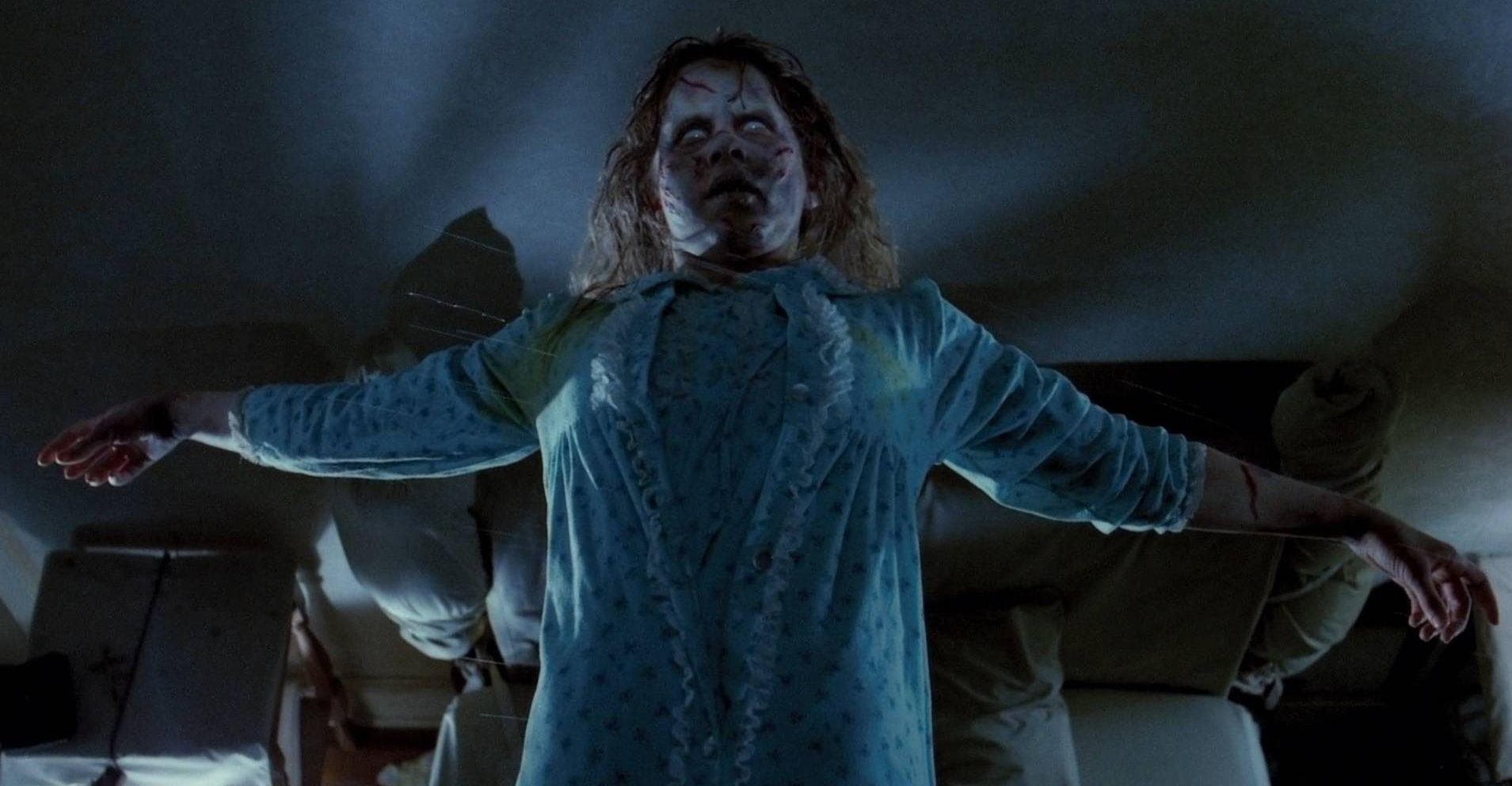
The Exorcist (1973) - The Unsettling Transformation
William Friedkin's adaptation of William Peter Blatty's novel, The Exorcist, remains one of the most terrifying films in history. The haunting scene of Regan MacNeil's transformation, where the young girl is overtaken by a demonic presence, is masterfully disturbing. The iconic moment when her head turns 360 degrees is both supernatural and harrowing. The film relies heavily on practical effects and strong performances to evoke visceral fear. This particular scene cements The Exorcist as the benchmark for possession stories, blending the supernatural with genuine emotional horror.
Alien (1979) - The Creature Emerges
Ridley Scott's Alien expertly combines science fiction with horror to deliver an intense cinematic experience. The infamous chestbursting scene stands out as a transformative moment, not only within the film itself but in the genre as a whole. As Kane (John Hurt) sits down to what appears to be an ordinary meal, a moment of false respite swiftly turns chaotic when the alien bursts forth. The practical effects, mixed with the actors’ genuine shock, intensify the scene’s impact. Alien redefined horror by introducing existential dread into the cosmic unknown.
As we reflect on these pivotal scenes, it becomes clear that the most celebrated moments in horror films aren't just about inducing fear, but creating an immersive and unforgettable experience. These scenes showcase the power of directors and actors to draw viewers into worlds where reality is stripped away and nightmares take form.
A Nightmare on Elm Street (1984) - The Death of a Dream
Wes Craven’s A Nightmare on Elm Street introduced audiences to the sadistic Freddy Krueger, a villain who blurs the line between dreams and reality. The film's terrifying grip is encapsulated in the scene where Tina Gray (Amanda Wyss) faces Freddy in her nightmares. As the boundaries between her dream and reality dissolve, she is levitated and visibly assaulted by an unseen force. This scene encapsulates the terror of feeling vulnerable even in our sleep, further enhanced by Craven’s innovative blend of practical effects and gripping storytelling. Freddy’s domination over dreams makes him a unique horror villain, forever haunting the subconscious of viewers.
Get Out (2017) - The Sunken Place
Jordan Peele’s Get Out is a modern exploration of horror, seamlessly intertwining social commentary with psychological fear. One of the most poignant scenes is when Chris (Daniel Kaluuya) is hypnotized and trapped in the "Sunken Place," a metaphorical representation of helplessness in the face of systemic racism. As his mind is plunged into an infinite void, the visuals convey utter isolation, leaving a haunting mark on audiences. Peele’s skillful use of sound and visual storytelling transforms this into a memorable horror masterpiece, highlighting that the scariest monsters often reside within societal structures.
Hereditary (2018) - A Devastation Unforeseen
Ari Aster’s Hereditary redefined family drama through a horror lens. One scene, in particular, turns the film into a modern classic: the tragic accident involving Charlie (Milly Shapiro) and her brother Peter (Alex Wolff). As Peter drives his sister in a panic, an abrupt and grotesque calamity strikes, leaving viewers in absolute shock. The raw emotion, combined with powerful performances and a complete lack of music, creates a deafening silence that reverberates throughout the entire film. Aster’s ability to invoke dread through atmosphere and narrative stakes makes this scene truly unforgettable.
The Blair Witch Project (1999) - Found Footage Dread
Setting the precedent for found footage horror, The Blair Witch Project invests in storytelling over special effects, proving that less is often more. The film’s climax, where Heather Donahue’s camera captures her frantic search for her missing companions within an eerie, abandoned house, is a culmination of the building paranoia and fear throughout the movie. The simplicity of her terror, conveyed through shaky, claustrophobic footage, and the final image of Mike standing in a corner, taps into primal fears of the unknown. This scene’s ambiguity leaves viewers questioning reality long after the credits roll.
The Ring (2002) - Samara’s Haunting Arrival
When Gore Verbinski adapted The Ring for Western audiences, he crafted one of the most iconic horror scenes of the new millennium: Samara’s emergence from the television. Naomi Watts delivers a gripping performance as her character watches the ghostly figure crawl forth into the physical world, blurring the lines between technology and supernatural horror. The scene leverages surreal visuals and sound design to intensify the fear of a looming, unstoppable curse. Samara’s crawl has lingered as a chilling tableau of inevitable doom, solidifying the film’s status as a horror staple.
Paranormal Activity (2007) - Night Terrors
Oren Peli’s Paranormal Activity reintroduced audiences to the terror of what we leave unseen. Particularly haunting is the night where Katie Featherston stands motionless by her bed, staring at her sleeping partner for hours as time-lapsed footage captures a ghostly presence. The simplicity of the scene, shot with a stationary camera while the audience awaits the unexpected, fosters a palpable sense of dread. This film exhibits how ordinary spaces can become nests of terror, proving effective horror often lies in unsettling anticipation rather than visual spectacle.
The Babadook (2014) - A Mother’s Nightmare
Jennifer Kent’s The Babadook offers a profound and psychological exploration of grief and parenthood. Its most chilling moment occurs when the titular creature reveals itself fully, both to the protagonist Amelia (Essie Davis) and the audience. The tension crescendos as it torments Amelia, reflecting her internal struggles and unchecked mental anguish. The creature’s design and its connection to the characters' psychological landscape make this scene especially poignant. The film crafts a compelling narrative where personal demons are just as terrifying as supernatural ones, elevating The Babadook to critical acclaim.
These landmark scenes contain the essence of what makes horror such a penetrating and impactful genre. From psychological terror and social commentary to pure supernatural dread, these moments have transcended their films, leaving an indelible mark on the cinematic world and beyond. Horror, at its best, is an exploration of the darkest aspects of humanity and imagination, challenging viewers to face their fears and confronting them with reflections of the unknown.
As filmmakers continue to push boundaries and innovate, the legacy of these incredible scenes endures, inspiring new generations to venture into the eerie, the terrifying, and the astonishing. These scenes remind us that in horror, the shadows hold stories that become legends—stories that define and shape the way we perceive fear.

The Art of Transformation: Magic Realism in Modern Literature
In the ever-evolving tapestry of modern literature, one genre stands out for its unique ability to blend the mundane with the extraordinary: magic realism. This literary mode, often mistaken for pure fantasy, differs in its anchoring to the real world while introducing elements that defy logical explanation. This fascinating interplay between the real and the surreal has captured the imaginations of readers and writers alike, offering a canvas where the complexities of human experience are painted with a brush dipped in the otherworldly.
The roots of magic realism are deeply embedded in the cultural soil of Latin America, with its syncretism of indigenous myths and colonial histories. The term "magic realism" was initially coined in the 1920s by German art critic Franz Roh to describe a new style of painting that depicted the mundane in a fantastical light. However, it was the Latin American authors of the mid-20th century who propelled the concept into the literary arena. Gabriel García Márquez's "One Hundred Years of Solitude" and Isabel Allende's "The House of the Spirits" are seminal works that have become synonymous with the genre, weaving together the threads of reality and magic to create tapestries of compelling narratives.
At its core, magic realism serves as a tool for writers to explore and critique the complexities of their societies. Through the insertion of magical elements into otherwise realistic settings, authors can expose the undercurrents of political, social, and cultural tensions in a way that is both engaging and thought-provoking. For example, in "One Hundred Years of Solitude," the rise and fall of the Buendía family in the fictional town of Macondo mirrors the turbulent history of Latin America, with its cycles of colonialism, revolution, and rebirth. The supernatural becomes a powerful metaphor for the inescapable forces of history and human nature.
Not limited to the Latin American context, magic realism has transcended geographical and cultural boundaries, with writers across the globe adopting and adapting the style to tell their stories. Contemporary authors like Haruki Murakami and Salman Rushdie have incorporated elements of the genre into their works, using it to bridge the gap between the seen and unseen, the said and unsaid. For instance, Murakami's "Kafka on the Shore" blends a coming-of-age tale with inexplicable phenomena, including talking cats and rain showers of fish, to create a multilayered narrative that defies traditional categorization.
Despite its whimsical flair, magic realism is grounded in the authenticity of emotional experience. It often employs the fantastic to illuminate the truths of human existence, delving into themes of love, loss, identity, and the search for meaning. These stories resonate with readers not because they offer an escape from reality, but rather because they provide a mirror that reflects our collective dreams, fears, and desires in a way that is at once familiar and astonishing.
As we move forward into an era marked by rapid technological advances and social upheaval, magic realism remains as relevant as ever. Its capacity to address the contradictions of our time, to reconcile the logical with the illogical, makes it an ideal conduit for contemporary storytelling. It challenges us to expand our perceptions of reality, to recognize that sometimes the most profound truths can be revealed through the most improbable narratives.
In a literary landscape saturated with content that often prioritizes the factual over the fantastical, magic realism reminds us that there is magic to be found in the most ordinary of places—if only we are willing to see it. It is a celebration of the human capacity to find wonder in the everyday, to recognize the extraordinary within the ordinary, and to understand that life, in all its complexities, can be as marvelous as it is real.In this exploration of the ways in which magic realism enriches modern literature, it becomes evident that the genre's true magic lies in its versatility and universal appeal. The narrative strategy of interlacing the fantastic with the realistic allows for a multifaceted exploration of various global issues within a framework that is culturally specific yet universally understandable. This global reach has led to a proliferation of works that, while divergent in setting and style, share a common ground in their approach to storytelling.
Take, for instance, the works of Nigerian author Ben Okri, whose novel "The Famished Road" tells the story of Azaro, a spirit-child in an African ghetto. Okri masterfully interweaves Yoruba folklore with the harsh realities of poverty, political corruption, and social upheaval, using the ethereal experiences of his protagonist to underscore the resilience of the human spirit in the face of suffering. Here, as in Latin America, magic realism becomes a vehicle for postcolonial discourse, engaging with the legacies of imperialism and the ongoing struggle for cultural identity and autonomy.
Moving to a different continent, Louise Erdrich's novels portray the lives of Native American characters with a delicate touch of the supernatural. In books like "The Round House" and "Love Medicine," Erdrich uses magic realism to bring the spiritual beliefs and cultural heritage of the Ojibwe people to the forefront, juxtaposing them with the often-painful realities of life on the reservation. This blending of the mystical with the actual allows Erdrich to delve into issues of justice, tradition, and belonging in a way that is both poetic and poignant.
Magic realism also acts as a bridge between generations, knitting together the wisdom of the past with the dynamism of the present. Contemporary writers like Helen Oyeyemi and Yaa Gyasi employ this technique to explore the intergenerational trauma and triumphs within their narratives. Oyeyemi's "Boy, Snow, Bird" reimagines the Snow White fairy tale in the context of race and identity in mid-20th century America, using the lens of magic realism to expose and unravel the complexities of these constructs. Similarly, Gyasi's "Homegoing" employs subtle elements of the supernatural to connect the disparate experiences of two half-sisters and their descendants across continents and centuries, illuminating the enduring impact of the Atlantic slave trade.
Criticism of the magic realist approach often stems from a misunderstanding of its intention. It is not a genre that seeks to obscure or distort reality but rather one that aims to illuminate it through the prism of the extraordinary. In the world of magic realism, the supernatural does not negate the real; it magnifies it, casting a light on the overlooked nooks of human existence and encouraging readers to question their perceptions of reality. It is here, in the dance of the unreal within the real, that readers find a deeper connection to the collective human experience.
The enduring charm of magic realism, then, may lie in its ability to make the invisible visible. The subtleties of culture, the nuances of history, and the depths of emotion—all can be made palpable through the lens of the magical. Whether it's the spontaneous appearance of beautiful butterflies in a time of despair, as seen in Márquez's work, or the haunting, time-defying love in the pages of "The Time Traveler's Wife" by Audrey Niffenegger, magic realism enables these narratives to transcend the boundaries of the expected.
As we continue to navigate the complexities of our modern world, the stories we tell and consume play a critical role in shaping our understanding of it. Magic realism, with its inherent ability to transfigure the ordinary, acts as a reminder that our reality is itself a mosaic composed of myriad experiences, some seen, some unseen, and some that reside in the captivating space between. It is through this literary tradition that we can appreciate the profound artistry in blending the tangible with the intangible, creating a hybrid that captures the essence of what it means to be alive. It is a genre that does not shy away from the truth; it reveals it in a spectrum of color and wonder, begging the question: what is reality but a story we agree to tell each other, and to ourselves?