2025 Jubilee Ends: The Sacred Tradition of Rome’s Holy Doors
The 2025 Jubilee, the Holy Year of Hope, is drawing to a close. This monumental spiritual event, centered in Rome, is defined by the ancient ritual of the Holy Doors. These sealed portals in the four papal basilicas were opened to pilgrims seeking grace and now stand ready to be closed, marking the end of this extraordinary period. This article explores the profound history, meaning, and ceremonial climax of Rome's Porta Santa as the 2025 Jubilee concludes.
The Culmination of the 2025 Jubilee Year
Pope Francis inaugurated the 2025 Jubilee, themed “Pilgrims of Hope,” on December 24, 2024. He opened the Holy Door at St. Peter’s Basilica, commencing a year of prayer, pilgrimage, and mercy. The Holy Year is scheduled to conclude formally on the Solemnity of Christ the King in late November 2025. As the final weeks approach, the focus shifts to the solemn sealing of the Holy Doors, a tradition that physically and symbolically ends the Jubilee.
“The Holy Door is now open. We have crossed its threshold.” – Pope Francis, December 24, 2024, inaugurating the 2025 Jubilee.
This Jubilee is the 27th ordinary Jubilee since the tradition began in 1300. It follows the standard 25-year cycle, a rhythm that brings millions of faithful to Rome. The closing sequence is a pivotal moment, reverently sealing the passage to grace until the next scheduled opening in 2050.
What Are the Holy Doors of Rome?
The Holy Doors are specially designated entrances in Rome's four papal major basilicas. They remain sealed with mortar and brick between Jubilee years. Their ceremonial opening marks the start of a Holy Year, granting the possibility of a plenary indulgence to pilgrims who pass through them with the proper devotional spirit. This act is far more than architectural; it is a core sacrament of the Jubilee experience.
The Four Papal Basilicas and Their Portals
Each of the four great churches houses a Holy Door, creating a spiritual circuit through Rome. Pilgrims journey to these sacred sites to walk through history and faith.
- St. Peter’s Basilica (Vatican City): The most famous Holy Door, inaugurated by the Pope himself. Its modern bronze door was created for the 1950 Jubilee.
- Archbasilica of St. John Lateran: The Cathedral of Rome, it housed the first documented Holy Door opened in 1423-1425.
- Basilica of St. Mary Major: Home to an ancient icon of Mary, its door is a key stop for Marian devotion.
- Basilica of St. Paul Outside the Walls: Built over the tomb of St. Paul, its door completes the pilgrimage to the tombs of the two great apostles.
Passing through any of these doors symbolizes a profound spiritual transition. It represents crossing from a state of sin into God's grace and mercy. This ritual connects to ancient concepts of sanctuary and threshold rights, later Christianized and formalized in Rome.
The Deep Historical Roots of the Holy Door Ritual
The tradition of the Holy Door is a unique fusion of biblical theology, medieval pilgrimage, and Roman history. Its evolution over seven centuries reveals its enduring significance.
Biblical and Early Christian Origins
The very concept of a Jubilee year originates in the Book of Leviticus (Chapter 25). It prescribed a year of remission every 50 years, a time for freeing slaves, returning land, and rest. The Christian Jubilee adapts this as a period for spiritual liberation—freedom from sin through the indulgence attached to the pilgrimage. The door as a symbol finds resonance in the Gospel, where Jesus declares, “I am the door.”
In ancient Rome, the concept of a sacred threshold was powerful. Pagan temples featured special entrances, and Roman law recognized the right of sanctuary. Early Christian churches, following the era of Constantine, began to formalize these ideas. Pope Sylvester I is credited with establishing a precedent for sanctuary that later influenced the Holy Door tradition.
Medieval Beginnings and Standardization
The first recorded Christian Jubilee was proclaimed by Pope Boniface VIII in 1300. Initially, the interval was set at 100 years. Historical records do not mention a specific Holy Door ritual at this first event. The focus was pilgrimage to the tombs of Saints Peter and Paul.
The physical Holy Door tradition emerged in the 15th century. The first documented opening occurred at St. John Lateran during the Jubilee of 1423-1425 under Pope Martin V. The practice then spread to the other major basilicas.
Pope Alexander VI was crucial to standardizing the ritual. For the Jubilee of 1500, he formalized the rite and decreed that Holy Doors be established at all four papal basilicas. This act cemented the Roman pilgrimage circuit we know today.
Pope Alexander VI’s 1500 decree unified the practice, creating the four-door pilgrimage that defines the Roman Jubilee.
The 2025 Opening Ceremony: A Modern Pilgrimage Begins
The commencement of the 2025 Jubilee featured adapted but deeply symbolic ceremonies. On December 24, 2024, Pope Francis opened the Holy Door at St. Peter’s. Unlike older rituals involving a physical striking of mortar, the modern ceremony saw the Pope push open the already-unsealed bronze door after prayers.
This act was repeated at the other basilicas in the following days. The Archpriest of each basilica opened its respective door, with St. John Lateran’s door opened on December 29, 2024. This staggered inauguration invited the faithful to begin their journeys across the city. These openings officially welcomed the world to become Pilgrims of Hope.
A Year of Pilgrimage and the Seven Churches
The opened doors facilitated a massive revival of ancient pilgrimage routes. Most notably, the Pilgrimage of the Seven Churches (Giro delle Sette Chiese) saw renewed popularity. This 16th-century penitential walk, established by St. Philip Neri, traditionally includes the four major basilicas with Holy Doors plus three other key Roman churches.
For the 2025 Jubilee, this one-day circuit became a premier spiritual experience for pilgrims. It embodied the themes of penance, historical connection, and physical sacrifice that are central to the Jubilee indulgence. The open Holy Doors served as monumental milestones along this sacred path.
The Symbolic Architecture and Art of the Holy Doors
The Holy Doors are not merely passages; they are profound works of sacred art and theology cast in bronze, stone, and wood. Their design and inscriptions intentionally convey the spiritual journey of the Jubilee. Over centuries, they have evolved from simple bricked-up portals to the monumental bronze masterpieces seen today, particularly at St. Peter’s Basilica.
From Brick to Bronze: The Evolution of Design
Originally, Holy Doors were simply existing side entrances of basilicas that were sealed with bricks and mortar between Jubilees. For the Holy Year, the masonry was ritually broken to create an opening, often filled with a temporary wooden door. This physically embodied the idea of opening a way to grace that was otherwise closed.
The modern era saw a transformation into permanent, artistic doors. The most famous is the bronze Holy Door at St. Peter’s, designed by sculptor Vico Consorti for the 1950 Jubilee. It features 16 narrative panels depicting scenes of sin and salvation, from the Fall of Man to the forgiveness of Christ. This door is permanently installed and bricked up from the inside, its exterior always visible but impassable outside of a Holy Year.
- St. John Lateran: Its door, also bronze, includes panels showing the first Jubilee of 1300 and the establishment of the Holy Door tradition.
- St. Mary Major: Features a door with imagery celebrating Marian devotion, central to the Basilica's identity.
- St. Paul Outside the Walls: Its design highlights scenes from the life and teachings of the Apostle Paul.
This artistic evolution serves a catechetical purpose. Pilgrims can meditate on the biblical stories and themes of mercy depicted on the doors both before and after passing through, deepening the spiritual experience of the indulgence.
The Ritual of Sealing: Preserving the Sacred Threshold
The sealing of the doors is as ritualistically significant as their opening. At the conclusion of the Jubilee, after the Pope passes through each door for a final time, masons brick and mortar the door shut from the inside. A ceremony includes blessings and the placement of commemorative medals and coins within the masonry.
The doors are sealed from the interior, leaving their artistic exteriors visible as a promise and reminder until they are opened again.
This method of internal sealing preserves the door's façade for veneration. Pilgrims in the years between Jubilees can still see and touch the Holy Door, but the sealed threshold reminds them that the special grace of the plenary indulgence is dormant. It becomes a symbol of future hope, awaiting the next proclaimed Holy Year.
The Theology of the Indulgence and the Pilgrimage
At the heart of the Holy Door tradition is the Catholic theology of the plenary indulgence. Passing through the door is the central ritual act for obtaining this grace during the Jubilee, but it is part of a fuller, required spiritual journey.
Conditions for Receiving the Jubilee Indulgence
The Church teaches that an indulgence is a remission before God of the temporal punishment due to sins whose guilt has already been forgiven. A plenary indulgence removes all such punishment. To validly obtain the Jubilee indulgence attached to the Holy Doors, pilgrims must fulfill several conditions with a sincere heart:
- Sacramental Confession: Receive the Sacrament of Reconciliation to restore grace.
- Eucharistic Communion: Receive Holy Communion, preferably during Mass.
- Prayer for the Pope's Intentions: Offer prayers (typically the Creed, Our Father, and Hail Mary) for the intentions of the Pope.
- Detachment from Sin: Have a interior disposition of complete detachment from any inclination to sin, even venial sin.
The act of passing through the Holy Door is the special work prescribed for the Jubilee that, when combined with these conditions, grants the indulgence. It physically enacts the spiritual passage from sin to grace.
The Pilgrimage as a Penitential Journey
The journey to Rome itself is a core element. The hardship, sacrifice, and intentionality of travel transform a simple visit into a true pilgrimage of penance and renewal. This aligns with the ancient Jewish concept of traveling to the Temple in Jerusalem.
The focus on the tombs of the Apostles Peter and Paul roots the pilgrimage in the earliest foundations of the Church. By visiting these sites and the other basilicas, pilgrims connect with the living history of the faith. The Holy Door serves as the culminating threshold of this sacred voyage, a final, symbolic step into the fullness of mercy offered during the Holy Year.
Global Dimensions and Modern Adaptations in the 2025 Jubilee
While the Roman Holy Doors hold primacy, the 2025 Jubilee has significantly expanded access to the grace of the indulgence. Recognizing global mobility and the desire for inclusion, the Vatican has designated Holy Doors in dioceses worldwide. This modern adaptation allows those who cannot travel to Rome to participate fully in the Holy Year.
Holy Doors Beyond Rome: A Universal Church
Following the precedent set in the 2000 Jubilee and expanded in the 2015-2016 Jubilee of Mercy, Pope Francis has authorized local bishops to designate Holy Doors in their own cathedrals and selected shrines. This means a pilgrim in Asia, Africa, or the Americas can perform the same ritual of passing through a door and fulfilling the conditions to receive the Jubilee indulgence.
This practice underscores that the Church is a universal sacrament of salvation. It democratizes access to the Jubilee's graces while still honoring the unique spiritual centrality of Rome. The Pilgrims of Hope theme is thus lived out in every corner of the globe.
Digital Outreach and Logistical Innovations
The 2025 Jubilee has embraced the digital age to spread its message. The Vatican and other official bodies have produced high-quality videos, live streams of ceremonies, and extensive online guides. This digital promotion serves both to educate and to invite participation, reaching a global audience of millions.
In Rome, logistical planning has been critical to manage the massive influx of pilgrims. Authorities have provided detailed guides for accommodation (such as the Prati district near the Vatican), transportation, and the order of ceremonies. This ensures that the spiritual focus of the pilgrimage is supported by practical hospitality, aiding in the city's post-pandemic recovery of spiritual tourism.
- Enhanced Accessibility: Efforts have been made to ensure pilgrims with disabilities can access the Holy Doors and participate in rituals.
- Cultural Events: The Jubilee year is accompanied by concerts, exhibitions, and conferences that explore the theme of hope in contemporary society.
- Ecumenical and Interfaith Dialogue: The events have included moments of prayer and dialogue with other Christian denominations and world religions, reflecting the inclusive call of the theme.
The Closing Sequence: Rituals of Conclusion for 2025
As the Solemnity of Christ the King in November 2025 approaches, the liturgical and ceremonial focus turns toward closure. The sealing of the Holy Doors is not a single event but a sequential, solemn process conducted at each of the four major basilicas. This ritual brings the extraordinary time of the Holy Year to a definitive end.
The Pope's Final Passage and the Rite of Sealing
The closing ceremony mirrors the opening in reverse. The Pope, or his designated Cardinal, will preside over a final liturgy at each basilica. As part of the rite, he will pass through the Holy Door one last time. This act signifies the Church, in the person of its shepherd, completing the pilgrimage of grace offered during the year.
Following the Pope's final passage, masons will immediately begin to seal the doorway from inside the basilica, embedding commemorative items for the year 2025.
The mortar used is often mixed with holy water, and the bricks are blessed. Once sealed, a final prayer is offered, entrusting the faithful to God's mercy until the next Jubilee. The door's artistic exterior remains, but its functional spiritual purpose is suspended.
Preservation for the Future: A Legacy for 2050
The sealing is done with an eye toward eternity and future generations. The doors are not merely walled off; they are preserved as intact sacred artifacts. The bricks and mortar placed in 2025 will likely remain untouched until the anticipated next ordinary Jubilee in 2050.
For the next 25 years, pilgrims will still visit these sites. They will see the closed Holy Doors as a testament to the 2025 Jubilee and a tangible symbol of future hope. The closed door becomes a silent preacher, speaking of a past outpouring of grace and a future promise of mercy yet to be reopened. This cyclical nature—opening, passage, sealing, waiting—is fundamental to the rhythm of Jubilee time itself, connecting generations of the faithful across centuries.
The Enduring Legacy of Jubilee 2025: Pilgrims of Hope
As the final bricks are laid in the Holy Doors of Rome, the 2025 Jubilee leaves a legacy that transcends its closing date. The theme, “Pilgrims of Hope,” was a direct response to a world facing war, ecological crisis, and social fragmentation. The millions who journeyed to the Holy Doors, both in Rome and worldwide, participated in a global witness to spiritual seeking and renewal. This Jubilee’s enduring impact will be measured in the personal conversions of pilgrims and the reinforced role of the Church as a beacon of mercy in the modern age.
Revitalizing Ancient Traditions for a New Century
The 2025 Jubilee successfully bridged ancient tradition and contemporary need. The revival of the Pilgrimage of the Seven Churches demonstrated a deep hunger for physically demanding, historically rooted penance. Simultaneously, the designation of Holy Doors across the globe made the indulgence’s grace radically accessible, embodying a truly catholic—universal—vision.
Modern communication tools brought the ceremonies into homes worldwide, while logistical planning in Rome aimed to ensure a safe and profound experience for all. This synergy of old and new ensured the Jubilee was not a museum piece but a living, dynamic event. Its legacy includes a blueprint for future Holy Years on how to maintain deep tradition while engaging a global, digital faithful.
The Holy Door in Historical Context: A Timeline of Grace
Understanding the 2025 closure requires viewing it as a single point in a vast historical continuum. The Holy Door ritual is the product of centuries of theological reflection and papal decree.
Chronology of the Holy Door Tradition
- 1294: A precursor occurs at the Basilica of Santa Maria di Collemaggio in L'Aquila, where Pope Celestine V opens a “Door of Pardon” for the “Perdonanza” indulgence, establishing an early model.
- 1300: Pope Boniface VIII proclaims the first Roman Jubilee. While focused on pilgrimage, a specific Holy Door rite is not yet documented.
- 1423-1425: The first documented opening of a Holy Door in Rome occurs at St. John Lateran during the Jubilee of Pope Martin V.
- 1475: The Holy Door rite is extended to St. Peter’s Basilica for the Jubilee proclaimed by Pope Sixtus IV.
- 1500: Pope Alexander VI standardizes the practice, decreeing Holy Doors for all four major papal basilicas, creating the Roman circuit as known today.
- 1950: The modern bronze Holy Door at St. Peter’s, designed by Vico Consorti, is inaugurated, replacing earlier temporary structures.
- 2000: For the Great Jubilee, Pope John Paul II significantly expands the practice, allowing for Holy Doors in local dioceses worldwide for the first time.
- 2024-2025: Pope Francis opens the Holy Door for the 27th ordinary Jubilee, emphasizing hope and global participation, before its sealing in late 2025.
From its 15th-century formalization to its 21st-century global expansion, the Holy Door ritual has shown remarkable adaptability while preserving its core spiritual meaning.
The Spiritual and Cultural Impact on Rome and the World
The concentration of millions of pilgrims in Rome creates a unique spiritual and cultural moment. The city, already an eternal crossroads, transforms into a living tableau of global faith. This influx has significant ramifications.
Boost to Spiritual Tourism and Local Economy
Jubilee years are a major driver for Rome’s spiritual tourism sector. Hotels, restaurants, tour guides, and transportation services all see substantial increases in activity. Districts like Prati near the Vatican become major hubs. This economic boost is coupled with a cultural exchange, as pilgrims from every continent bring their own traditions and prayers to the eternal city.
The Church and civic authorities collaborate closely on infrastructure, crowd management, and cultural programming. This partnership ensures that the city can host the event sanctimoniously and safely, leaving a positive legacy of improved services and facilities that benefit Romans and visitors long after the Jubilee ends.
A Witness of Unity and Shared Hope
Beyond economics, the sight of diverse peoples streaming through the same sacred thresholds offers a powerful counter-narrative to global division. The shared ritual of the Holy Door, the common conditions for the indulgence, and the unified prayer for the Pope’s intentions create a tangible experience of universal Church unity.
In a fragmented world, this gathering of “Pilgrims of Hope” stands as a testament to shared spiritual yearning. It reinforces Rome’s role as a center of Christian unity and a place where humanity’s deeper hopes are publicly acknowledged and channeled into prayer and sacrament.
Looking Forward: From Closed Doors to Future Hope
The sealed Holy Door is not an end, but a promise. The conclusion of the 2025 Jubilee initiates a period of anticipation. The closed doors become silent teachers and powerful symbols for the quarter-century until the next ordinary Jubilee.
The Holy Door as a Symbol in the "In-Between" Time
For the next 25 years, pilgrims visiting St. Peter’s or the other basilicas will encounter the sealed Holy Door. It will serve as a tangible link to the 2025 Jubilee for those who participated and a historical curiosity for new generations. Guides will explain its significance, telling the story of its last opening and the theme of hope that defined it.
This visible, yet closed, threshold is a profound spiritual symbol. It reminds the faithful that God’s mercy is always available through the standard sacraments, while also pointing to the extraordinary, communal outpouring of grace that a Holy Year represents. It makes the passage of ecclesiastical time visible and concrete.
Anticipating the Next Jubilee: 2050 and Beyond
Barring the proclamation of an extraordinary Jubilee, the next ordinary Holy Year is anticipated in 2050. The doors sealed in late 2025 are intended to remain shut until that time. The preservation of the commemorative items within the masonry creates a literal time capsule of the 2025 event.
The cycle of Jubilees—of opening, pilgrimage, and sealing—is a heartbeat of the Church’s life. It provides a regular rhythm for communal examination, repentance, and renewal on a grand scale. As the world changes between now and 2050, the enduring ritual of the Holy Door offers a constant: a promise that the path to mercy will be opened again.
Conclusion: The Eternal Threshold of Mercy
The closing of the Holy Doors in November 2025 marks the culmination of a year-long spiritual journey for the global Church. From its origins in the first Jubilee of 1300 to its modern expression under Pope Francis, the tradition of the Holy Door has proven to be a resilient and powerful symbol. It physically embodies the theology of indulgence, the practice of pilgrimage, and the hope of spiritual renewal.
The 2025 Jubilee, “Pilgrims of Hope,” successfully adapted this ancient rite for the contemporary world. It maintained the profound centrality of the Roman basilicas while extending the possibility of grace to every diocese. It combined the arduous, ancient Seven Churches pilgrimage with digital outreach and modern logistics. The key takeaways from this Holy Year are clear: the Church’s tradition of mercy is dynamic, its call to conversion is perpetual, and its doors—both physical and spiritual—are opened by Christ himself.
Final Reflection: Passing Through the Door of Faith
Ultimately, the ritual of the Holy Door is a metaphor for the Christian life itself. Every believer is called to move from sin to grace, from despair to hope. The sealed door reminds us that this passage is always possible through Christ, who is the true and eternal door. As the 2025 Jubilee ends, its final message endures: the journey of hope does not conclude with a sealed threshold. It continues in the daily pilgrimage of faith, bearing the grace received into a waiting world, until the day when the sacred portals are opened once more, and the Church collectively crosses again into a new season of jubilee.


Lucius Verus: The Parthian War Co-Emperor of Rome
The reign of Lucius Verus marks a pivotal chapter in Roman history. As the first formal co-emperor, he ruled jointly with the philosopher-king Marcus Aurelius from 161 AD until his death in 169 AD. This partnership emerged during a time of severe crisis for the empire, including a massive eastern war. Though often overshadowed, Lucius Verus played a crucial role in defending Rome's frontiers and managing its greatest challenges.
The Rise of Lucius Verus Through Adoption
Lucius Verus was born Lucius Ceionius Commodus on December 15, 130 AD. His path to the imperial throne was not direct but was engineered through a series of strategic adoptions by emperors without sons. His biological father, also named Lucius Ceionius Commodus, was adopted by Emperor Hadrian as his heir, given the name Lucius Aelius Caesar.
Hadrian’s Dynastic Plan for the Empire
When Lucius Aelius died in 138 AD, Emperor Hadrian orchestrated a new succession plan. He adopted the senator Antoninus Pius on the condition that Antoninus would, in turn, adopt two young boys. These boys were Marcus Aurelius, the nephew of Antoninus’s wife, and the seven-year-old Lucius Verus. This complex arrangement secured the peaceful transition of power within the Nerva-Antonine dynasty.
This adoption chain, beginning with Nerva in 96 AD, established the era later known as the Five Good Emperors.
Life as Heir and Caesar
Under the reign of Antoninus Pius, Lucius Verus and Marcus Aurelius were groomed for leadership. They received an elite education in rhetoric and statecraft. In 153 and 154 AD, Verus served as consul, gaining vital administrative experience. Upon the death of Antoninus Pius in March 161 AD, Marcus Aurelius immediately insisted that the Senate grant Verus equal power.
This move was unprecedented. For the first time, Rome had two Augusti, or senior emperors, with identical legal authority. Marcus, the elder and more experienced, is believed to have taken the lead, but Verus was a fully empowered partner from the start of their joint rule.
The Parthian Crisis and Verus’s Military Command
Their reign began with immediate disaster. The Parthian Empire under King Vologases IV invaded the Roman client kingdom of Armenia, destroying a Roman legion. This triggered the Roman-Parthian War of 161-166 AD, a defining event for Lucius Verus’s legacy.
Taking Command in the East
Marcus Aurelius sent his co-emperor east to personally oversee the war effort. This was a monumental responsibility for Verus, who had little prior military command experience. His journey to Antioch, the headquarters of the war, was notably slow. Ancient sources, like Cassius Dio, criticized this delay, attributing it to hedonistic pursuits in cities like Corinth and Antioch itself.
Modern scholars, however, suggest that illness or complex logistical preparations may have been factors. Regardless, upon arrival, Verus demonstrated a key leadership trait: strategic delegation. He appointed highly competent generals to lead the actual campaigns while he managed the broader strategy and morale from Antioch.
Victory Through Delegated Generals
Verus entrusted the Armenian campaign to the general Statius Priscus. In 163 AD, Priscus captured the Armenian capital of Artaxata. This victory was so significant that both Verus and Marcus Aurelius accepted the honorific title Armeniacus, meaning "Conqueror of Armenia."
The war then shifted south into the Parthian heartland of Mesopotamia. General Avidius Cassius led these brutal campaigns. He achieved staggering victories, culminating in the sacking of the twin mega-cities of Seleucia and the Parthian capital, Ctesiphon, in 165-166 AD. For these triumphs, Verus earned the prestigious title Parthicus Maximus
- 163 AD: Statius Priscus captures Artaxata, securing Armenia.
- 164-165 AD: Avidius Cassius secures key victories at Nisibis and Nicephorium.
- 166 AD: Seleucia and Ctesiphon are sacked, ending the war.
- New Titles: Verus and Marcus became Armeniacus, Parthicus Maximus, and later, Medicus.
The war ended in a resounding, if costly, Roman victory. It re-established Rome’s supremacy in the east and brought immense plunder back to Rome. However, the returning legions carried with them a hidden, devastating consequence.
The Antonine Plague: A Catastrophic Aftermath
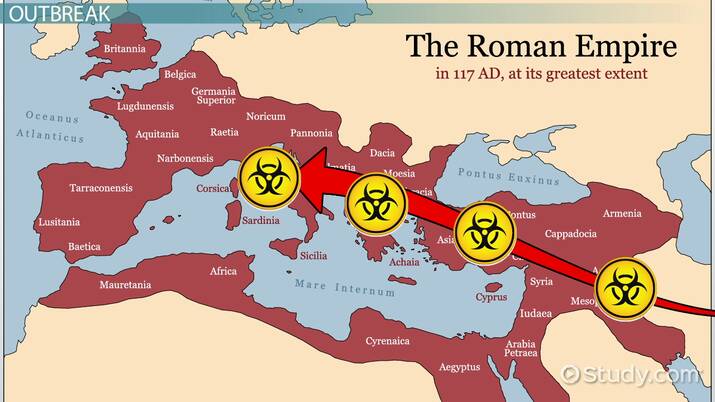
The greatest legacy of the Parthian War was not territorial gain, but a pandemic. Troops returning from the sack of Seleucia in 166 AD brought back a virulent disease, now believed to be smallpox or measles. This outbreak became known as the Antonine Plague.
Spread and Impact of the Ancient Pandemic
The plague swept across the entire Roman Empire and beyond. It raged for over a decade, with some estimates suggesting it lasted until 180 AD. Ancient historians described horrific symptoms and massive death tolls. The city of Rome itself was said to have lost ~2,000 people per day at its peak.
Modern historians estimate the Antonine Plague killed between 5 and 10 million people across the empire, decimating the population and crippling the economy.
This demographic catastrophe severely weakened the Roman military and the state’s tax base at the worst possible time. It directly preceded and fueled the Marcomannic Wars on the Danube frontier, which Marcus Aurelius would spend much of the rest of his reign fighting.
Verus’s Death and a Legacy Overshadowed
Lucius Verus died in January or February of 169 AD at Altinum, aged 38. While the exact cause is uncertain, the most common belief, both ancient and modern, is that he succumbed to the Antonine Plague. His death ended Rome's first experiment with formal diarchy, or rule by two emperors.
Marcus Aurelius was deeply affected, mourning the loss of his brother and partner. Verus was deified, and his body was interred in the Mausoleum of Hadrian. His death left Marcus to face the brutal Marcomannic Wars alone, a struggle that would define the remainder of his reign. The shadow of the plague and his brother’s death hung heavily over the Stoic emperor.
Lucius Verus and Marcus Aurelius: A Study in Co-Emperorship
The partnership between Lucius Verus and Marcus Aurelius is a unique case study in Roman governance. This was the empire's first official instance of two Augusti ruling with equal authority. Their collaboration set a crucial precedent for future imperial divisions of power, including the later Tetrarchy established by Diocletian.
The Dynamics of Joint Imperial Power
While Marcus was the elder and held greater influence, ancient sources emphasize that he insisted on Verus’s equal status. The Senate had reportedly hoped Marcus would rule alone, but he honored the adoptive arrangement made by Antoninus Pius. Their partnership allowed for a division of labor essential for managing the empire's vast frontier crises. While Verus commanded the Parthian War in the east, Marcus could focus on administrative and legal matters in Rome and prepare for threats along the Danube.
Coinage from the period often features the two emperors side-by-side, symbolizing their shared power. Inscriptions also grant them identical titles, reinforcing the legitimacy of the joint rule. This system proved effective for a time, demonstrating that imperial authority could be successfully shared to address multiple threats simultaneously.
Contrasting Personalities and Public Perception
Ancient historians frequently painted a picture of two contrasting personalities. Marcus Aurelius is depicted as the stoic, philosophical ruler, dedicated to duty and simple living. In contrast, Lucius Verus was often characterized as more pleasure-seeking, enjoying the luxuries of court life, games, and the company of actors.
- Marcus Aurelius: The Stoic philosopher, known for his Meditations, discipline, and dedication.
- Lucius Verus: The charismatic commander, criticized for lavish tastes but praised for his loyalty and effective delegation.
Modern scholarship has begun to reassess this caricature of Verus. While he may have enjoyed a less austere lifestyle, his successful management of the eastern war suggests a capable administrator and leader. His ability to trust seasoned generals like Statius Priscus and Avidius Cassius shows pragmatic leadership rather than neglect.
Military Campaigns and Strategic Achievements
The military successes under Lucius Verus’s nominal command were significant, though their long-term strategic value is debated. The Roman-Parthian War resulted in a decisive victory that enhanced Roman prestige and filled the treasury with plunder. However, it also stretched the empire's resources and had devastating unintended consequences.
The Eastern Theater and Key Battles
The war effort was executed in two main phases. The first phase focused on Armenia, a strategic buffer state. After initial Roman setbacks, General Statius Priscus swiftly reversed fortunes. His capture of the capital, Artaxata, in 163 AD was a masterstroke that restored a pro-Roman king to the Armenian throne.
The second phase, led by Avidius Cassius, was a punitive campaign deep into Parthian territory. The campaign targeted the heart of Parthian power in Mesopotamia. The sack of the great cities of Seleucia and Ctesiphon in 165-166 AD was a humiliating blow to the Parthian Empire and a spectacular display of Roman military might.
The victory at Ctesiphon was so complete that the Romans were able to burn the royal palace to the ground, a symbolic act of dominance.
Long-Term Consequences of the Parthian Victory
While the war was a tactical success, it had mixed strategic outcomes. Rome established a stronger presence in Mesopotamia but found the region difficult to hold. More critically, the returning legions brought the Antonine Plague with them. This pandemic crippled the empire's population and economy just as a new threat emerged on the Danube frontier.
The resources expended in the east left the northern borders vulnerable. The Marcomannic Wars that erupted almost immediately after the Parthian conflict ended would prove to be a much longer and more grueling struggle for Marcus Aurelius. The victory Verus oversaw, therefore, created a paradoxical situation of winning a war while weakening the state for the next conflict.
Personal Life, Family, and Character of Lucius Verus
Beyond the battlefield and the court, the personal life of Lucius Verus reveals a man shaped by his privileged yet constrained position as a destined emperor. His marriages were strategic, and his character remains a topic of historical debate.
Strategic Marriages and Dynastic Links
Lucius Verus was married twice, both unions serving clear political purposes within the Antonine dynasty. His first wife was Annia Aurelia, though this marriage was likely never consummated and ended with her early death. His second and most famous marriage was to Annia Aurelia Galeria Lucilla, the daughter of Marcus Aurelius and Faustina the Younger.
This marriage in 164 AD strengthened the bond between the two co-emperors, making Verus both Marcus's brother and son-in-law. Lucilla was given the title Augusta. The couple had at least three children, though only a daughter, Annia Aurelia Galeria Lucilla or another Lucilla, is known to have survived infancy. This line would eventually connect to later emperors, extending the dynastic reach.
Assessing the "Playboy Emperor" Reputation
Ancient sources, particularly Cassius Dio and the later Historia Augusta, heavily emphasize Verus's indulgent side. They accuse him of spending more time at banquets and with his acting troupe than on state affairs while in Antioch. He was criticized for his luxurious tastes, including a famous gemstone-covered glass goblet.
- Ancient Critique: Described as frivolous, hedonistic, and overly influenced by favorites.
- Modern Reappraisal: Seen as a capable delegator whose personal life did not impede effective rule.
- Key Trait: His unwavering loyalty to Marcus Aurelius is universally acknowledged.
Modern historians argue that this "playboy" image may be exaggerated. His successful prosecution of a major war suggests he was far from incompetent. The criticism may reflect a bias toward the more philosophically inclined Marcus Aurelius or a simple disapproval of a different, more public-facing leadership style. His ultimate legacy is that of a loyal partner who effectively managed a critical military command.
The Antonine Plague: A Turning Point in Roman History
The pandemic that bears the dynasty's name was arguably the most significant event during the co-reign of Marcus Aurelius and Lucius Verus. Its impact reshaped the Roman world, contributing to a period of instability often seen as the beginning of the empire's long decline.
Origins and Devastating Spread
The plague is believed to have originated in Central Asia and was brought back by Roman troops after the sack of Seleucia in 166 AD. It first erupted in the crowded army camps on the eastern frontier before spreading along trade routes and with moving legions. The disease reached Rome by 166 or 167 AD and quickly spread to Gaul and the Rhine frontier.
Ancient descriptions by Galen, the famous physician, suggest the disease was either smallpox or measles. Symptoms included fever, diarrhea, skin pustules, and a sore throat, often leading to death within a week or two. The population, with no immunity, was devastated. The death toll had a catastrophic effect on every aspect of Roman society.
Socio-Economic and Military Consequences
The Antonine Plague caused a demographic disaster that rippled through the empire for a generation. The agricultural workforce shrank, leading to food shortages and inflation. The tax base collapsed as entire communities were wiped out, starving the state of revenue needed for defense and infrastructure.
The army, concentrated in camps and on the move, was hit exceptionally hard, losing a significant portion of its manpower at a time of heightened military threat.
This military depletion directly impacted the Marcomannic Wars. Marcus Aurelius faced great difficulty in recruiting new soldiers and was even forced to recruit slaves and gladiators into the legions. The plague created a vacuum of power on the frontiers that Germanic tribes were quick to exploit, leading to over a decade of brutal warfare that defined the latter part of Marcus's reign. The world Lucius Verus left behind in 169 AD was fundamentally weaker than the one he had helped rule just a few years prior.
Death and Succession: The End of the First Co-Emperorship
Lucius Verus died unexpectedly in early 169 AD, at the age of 38, while traveling with Marcus Aurelius to the northern frontier. The most widely accepted account is that he suffered a sudden illness, believed to be a stroke, and succumbed a few days later near the town of Altinum. His death marked the abrupt end of Rome's pioneering experiment with formal diarchy.
The Immediate Aftermath of Verus's Death
Marcus Aurelius was reportedly deeply affected by the loss of his brother and co-ruler. He accompanied Verus’s body back to Rome, where he delivered a public funeral oration. The Senate, following tradition, deified Lucius Verus, proclaiming him Divus Verus. His remains were interred in the Mausoleum of Hadrian, the final resting place for the emperors of the Nerva-Antonine dynasty.
The death of Verus left Marcus Aurelius as the sole emperor during a period of immense crisis. The Marcomannic Wars were raging on the Danube, and the empire was still reeling from the effects of the Antonine Plague. Marcus was forced to manage these unprecedented challenges alone, though he would later elevate his son, Commodus, to co-emperor in 177 AD, establishing a different, familial model of succession.
Historical Reputation and Modern Reappraisal
For centuries, the historical legacy of Lucius Verus was largely shaped by the negative portrayals in ancient sources. Writers like Cassius Dio and the author of the Historia Augusta emphasized his luxurious lifestyle and contrasted it unfavorably with the stoic virtue of Marcus Aurelius. This created a lasting caricature of Verus as the lesser, hedonistic co-emperor.
Shifting Scholarly Perspectives
In recent decades, historians have undertaken a significant reappraisal of Lucius Verus. Modern analysis focuses less on moralizing about his character and more on the practical outcomes of his rule. Scholars now argue that his delegation of military command to proven experts like Statius Priscus and Avidius Cassius was not a sign of weakness but a mark of pragmatic leadership.
- Effective Administration: Despite the plague and war, the eastern provinces remained stable and loyal under his oversight.
- Military Success: The Parthian War ended in a decisive Roman victory that secured the eastern frontier for decades.
- Loyal Partnership: His unwavering support for Marcus Aurelius ensured political stability during a dangerous period.
This reassessment positions Verus not as a failed emperor, but as a competent ruler whose managerial approach successfully navigated a major war. His story is now seen as a valuable case study in shared power and effective delegation within the Roman imperial system.
Lucius Verus in Popular Culture and Media
While not as famous as emperors like Julius Caesar or Nero, Lucius Verus has maintained a presence in modern cultural depictions of ancient Rome. His unique role as co-emperor and his dramatic life story provide rich material for novels, films, and documentaries.
Depictions in Film and Television
Lucius Verus has been portrayed in various historical dramas, often serving as a foil to the more philosophically inclined Marcus Aurelius. These portrayals frequently explore the tension between their contrasting personalities. A notable upcoming depiction is in the film Gladiator II, where he is expected to feature as a significant character, sparking renewed public interest in his historical role.
Television series and documentaries frequently highlight the Antonine Plague and the Parthian War, events central to Verus's reign. These productions often use his story to illustrate the complexities of the Roman Empire during the 2nd century AD, a period of both great power and profound vulnerability.
Digital and Academic Revival
The digital age has facilitated a wider exploration of Verus’s legacy. YouTube channels dedicated to history have produced in-depth biographies that reach global audiences. Furthermore, virtual reality reconstructions of sites like Antioch and Ctesiphon allow users to visualize the world in which Lucius Verus operated, providing greater context for his campaigns and administrative decisions.
Online academic forums and podcasts now regularly debate his legacy, moving the conversation beyond ancient biases and into a more nuanced analysis of his contributions to Roman history.
The Enduring Legacy of Lucius Verus
The reign of Lucius Verus, though brief, left a significant imprint on the Roman Empire. His partnership with Marcus Aurelius established a vital precedent for the formal division of imperial power. This model would be revisited and refined by future emperors facing the immense challenge of governing a vast, multi-front empire.
Precedent for Future Roman Rulers
The success of the Aurelius-Verus diarchy demonstrated that imperial authority could be effectively shared. This concept reached its full expression a century later with Diocletian’s Tetrarchy, a system of four rulers designed to bring stability to an empire in crisis. The decision to appoint a co-emperor with equal power became a strategic tool for managing an empire that was simply too large for one man to control alone.
Even after the collapse of the Tetrarchy, the idea persisted. The Byzantine Empire frequently utilized a system of co-emperors, often a senior Augustus and a junior Caesar, to ensure smooth succession and share the burdens of administration and defense. The reign of Verus provided the foundational example for these later developments.
Final Assessment and Historical Significance
When assessing the life of Lucius Verus, it is essential to look beyond the caricature of the decadent playboy. The historical evidence points to a more complex figure. He was a ruler who presided over a major military victory, managed a critical portion of the empire during a pandemic, and remained a loyal partner to one of Rome's most revered philosophers.
His reign encapsulates both the peak of Roman power under the Five Good Emperors and the beginning of the challenges that would plague the empire in the following centuries. The victory in the Parthian War showed Rome's strength, while the Antonine Plague revealed its profound fragility.
- Key Achievements: Successful conclusion of the Parthian War, stabilization of the eastern provinces, establishment of the co-emperorship model.
- Lasting Impact: His death left Marcus Aurelius to face greater crises alone, while his reign provided a blueprint for shared rule.
- Modern Relevance: His story is a lesson in leadership, delegation, and the re-evaluation of historical figures based on outcomes rather than gossip.
In conclusion, Lucius Verus was far more than just a secondary emperor. He was an integral part of a ruling partnership that successfully guided Rome through one of its most tumultuous periods. His legacy is not one of failure, but of a competent leader whose contributions have been unjustly overshadowed and are only now being fully appreciated by modern historians. The story of the first co-emperor remains a compelling chapter in the long and complex history of ancient Rome.

Marcus Licinius Crassus : L'homme le plus riche de Rome
Marcus Licinius Crassus (vers 115-53 av. J.-C.) fut l'homme le plus riche de l'histoire romaine, un général et homme politique clé dans la transition de la République vers l'Empire. Célèbre pour sa répression de la révolte de Spartacus et sa participation au Premier Triumvirat, sa quête de gloire militaire s'acheva tragiquement à la bataille de Carrhes. Son parcours incarne l'ambition et les contradictions de la Rome républicaine tardive.
L'ascension fulgurante de Marcus Licinius Crassus
L'ascension de Marcus Licinius Crassus est un exemple remarquable de résilience et d'ambition dans la Rome antique. Issu d'une famille noble plébéienne, son destin bascula durant les guerres civiles qui déchirèrent la République. Ces événements forgèrent un homme aussi déterminé qu'avisé, prêt à tout pour restaurer la fortune et l'influence de sa lignée.
Jeunesse et héritage familial
Né vers 115 av. J.-C. dans l'illustre gens Licinia, Crassus baigna très tôt dans les arcanes du pouvoir. Son père, Publius Licinius Crassus, avait atteint les plus hautes magistratures, devenant consul en 97 av. J.-C. et censeur en 89 av. J.-C. Cette position avantageuse offrit au jeune Marcus une éducation et des réseaux précieux. Cependant, la violence politique allait brutalement interrompre ce parcours prometteur.
L'exil et l'alliance avec Sylla
En 87 av. J.-C., les partisans de Marius et Cinna lancèrent des proscriptions, visant les soutiens de leur rival Sylla. Le père de Crassus, confronté à cette purge, se suicida. Marcus lui-même fut contraint à l'exil pour échapper à la mort. Cet épisode traumatisant fut un tournant décisif. Il se réfugia en Hispanie, où il prépara sa revanche. Lorsque Sylla revint en Italie pour la seconde guerre civile, Crassus se rallia à lui, levanta une armée et se distingua de manière cruciale à la bataille de la Porte Colline en 82 av. J.-C., une victoire qui scella le destin de Rome et le sien.
La construction d'une fortune colossale
La richesse de Crassus était légendaire, au point qu'il fut surnommé Dives ("le Riche"). Sa fortune, considérée comme la plus importante de toute l'histoire romaine, ne fut pas le fruit du hasard. Elle fut le résultat d'une stratégie économique calculée et impitoyable, exploitant les chaos politiques et les faiblesses du système.
Spéculation immobilière et biens des proscrits
La méthode la plus notoire utilisée par Crassus fut la spéculation immobilière. Après la victoire de Sylla, des centaines de propriétés appartenant aux proscrits furent confisquées et mises en vente. Crassus acheta ces biens à des prix dérisoires, constituant un immense portefeuille foncier. Il perfectionna même ce système en créant la première brigade de pompiers de Rome, qui n'intervenait que si le propriétaire désemparé lui vendait son bien en flammes à bas prix.
Diversification des investissements
Son empire économique ne se limitait pas à l'immobilier. Crassus diversifia ses actifs de manière remarquable pour l'époque.
- Mines d'argent : Il possédait et exploitait d'importantes mines, source de métal précieux essentiel à la monnaie romaine.
- Marché des esclaves : Il achetait, formait et louait des centaines d'esclaves, faisant de la main-d'œuvre servile une entreprise hautement lucrative.
- Publicains : Il finançait les sociétés de publicains, ces percepteurs d'impôts qui prélevaient les taxes pour l'État, une activité au potentiel de profit énorme.
Cette accumulation de richesses lui procura le pouvoir financier nécessaire pour influencer la vie politique et s'imposer comme un acteur incontournable.
La révolte de Spartacus : Le chemin vers la gloire militaire
Malgré sa fortune, Crassus manquait de la gloire militaire qui était la véritable monnaie du prestige à Rome. L'opportunité de combler ce vide se présenta avec la plus grande révolte d'esclaves que la République ait jamais connue, menée par le gladiateur Thrace Spartacus.
Un défi majeur pour Rome
Entre 73 et 71 av. J.-C., l'armée d'esclaves de Spartacus, forte de plusieurs dizaines de milliers d'hommes, infligea une série de défaites humiliantes aux légions romaines. Le Sénat, paniqué, se tourna finalement vers Crassus. On lui confia le commandement de huit légions, une force immense, avec pour mission d'écraser la rébellion une fois pour toutes.
La répression brutale et la crucifixion
Crassus fit preuve d'une grande fermeté. Après plusieurs engagements, il accula l'armée de Spartacus en Lucanie. La bataille finale fut un massacre. Les sources antiques estiment que l'armée rebelle comptait entre 70 000 et 120 000 hommes. Les survivants, au nombre de 6 000, subirent un châtiment exemplaire.
Crassus fit crucifier les 6 000 survivants de l'armée de Spartacus le long de la voie Appienne, de Capoue à Rome, sur une distance de près de 200 kilomètres.
Cet acte de terreur visait à dissuader à jamais toute révolte servile. Bien que Pompée ait intercepté et vaincu quelques groupes de fuyards, s'attribuant une part du mérite, la victoire contre Spartacus était indéniablement celle de Crassus. Elle lui offrit enfin le prestige militaire dont il rêvait et lui permit d'accéder au consulat.
Le consulat et la rivalité avec Pompée
En 70 av. J.-C., Marcus Licinius Crassus devint consul aux côtés de son rival, Pompée. Cette collaboration forcée entre les deux hommes les plus puissants de Rome fut marquée par des tensions constantes, mais aussi par des réformes politiques importantes qui modifièrent l'équilibre des pouvoirs.
L'abolition des réformes de Sylla
Ensemble, les deux consuls firent abolir une grande partie des réformes constitutionnelles mises en place par Sylla, qui avaient renforcé l'autorité du Sénat au détriment des tribuns de la plèbe. Ce revirement politique était pragmatique : il s'agissait de s'attirer les faveurs de la plèbe et de rétablir un certain équilibre.
L'expulsion des sénateurs corrompus
Un autre acte fort de leur consulat fut une purge au sein du Sénat lui-même. Sous leur impulsion, pas moins de 64 sénateurs furent expulsés pour corruption ou conduite indigne. Cette mesure, bien que populaire, était aussi un moyen pour chacun de consolider son influence en écartant des opposants potentiels.
Malgré ces actions communes, la rivalité entre Crassus, l'homme d'argent, et Pompée, le héros militaire, resta un moteur de la politique romaine pendant des années, jusqu'à ce qu'un troisième homme ne propose une alliance qui changerait le cours de l'Histoire.
Le Premier Triumvirat : l'alliance secrète qui gouverna Rome
L'année 60 av. J.-C. marqua un tournant politique majeur avec la création du Premier Triumvirat. Cette alliance informelle et secrète unit les trois hommes les plus puissants de Rome : Crassus, Pompée et Jules César. Leur objectif était simple mais redoutable : unir leurs forces pour contourner l'opposition du Sénat et réaliser leurs ambitions personnelles.
La genèse d'un pacte historique
Chacun des triumvirs avait des motivations précises. Pompée, le général victorieux, rencontrait des résistances pour faire approuver ses réformes orientales et attribuer des terres à ses vétérans. César, de retour d'Hispanie, convoitait le consulat puis un grand commandement militaire. Quant à Crassus, il souhaitait protéger les intérêts des publicains, ces percepteurs d'impôts qu'il finançait, et contrer l'influence grandissante de Pompée. Leur rivalité fut mise de côté au profit d'un intérêt commun : le pouvoir.
La répartition des pouvoirs et des provinces
Le Triumvirat fonctionnait sur un système de soutien mutuel. En 59 av. J.-C., César obtint le consulat grâce au soutien financier de Crassus et à l'influence de Pompée. Une fois consul, César fit voter les lois favorables à ses alliés. En contrepartie, les triumvirs s'accordèrent pour obtenir des commandements proconsulaires lucratifs et prestigieux pour cinq ans.
- Jules César : Reçut le gouvernement de la Gaule cisalpine et transalpine, lui offrant l'opportunité de conquérir la Gaule et de bâtir sa légende.
- Pompée : Obtint le gouvernement de l'Hispanie, qu'il administra depuis Rome par l'intermédiaire de légats.
- Marcus Licinius Crassus : Se vit attribuer le gouvernement de la province de Syrie, une région riche qui lui offrait la base arrière pour une campagne contre l'Empire parthe.
Ce partage des richesses et des armées consolida leur mainmise sur la République, réduisant considérablement l'autorité du Sénat.
La campagne parthe de Crassus : la quête tragique de la gloire
Pour Marcus Licinius Crassus, le gouvernement de Syrie n'était pas une fin en soi, mais un moyen. À près de soixante ans, il était conscient que sa richesse et son consulat ne suffisaient pas à égaler les triomphes militaires de César en Gaule et de Pompée en Orient. Il lui fallait une victoire éclatante. Son choix se porta sur une invasion de l'Empire parthe, un royaume puissant mais qu'il sous-estima gravement.
Les préparatifs et les avertissements
Dès son arrivée en Syrie en 55 av. J.-C., Crassus ignora les tâches administratives pour se concentrer sur la guerre. Il leva des légions supplémentaires et s'allia avec des souverains locaux. Cependant, plusieurs signes avant-coureurs furent ignorés. Des tribuns de la plèbe tentèrent de s'opposer à cette guerre non provoquée. Pire, lors d'une cérémonie de départ à Rome, un tribun aurait maudit Crassus, présageant un désastre. Ces avertissements ne firent que renforcer son entêtement.
La marche vers le désastre de Carrhes
Au printemps 53 av. J.-C., Crassus lança son offensive. Il disposait de sept légions, soit environ 35 000 à 40 000 légionnaires, accompagnés de 4 000 cavaliers auxiliaires. Son guide, un chef arabe nommé Ariamnes à la solde des Parthes, le trompa et conduisit son armée épuisée par la chaleur dans une plaine désertique dépourvue d'eau, près de la ville de Carrhes (Harran, dans l'actuelle Turquie). C'est là que l'armée romaine, épuisée et désorientée, fit face à la redoutable cavalerie parthe.
La bataille de Carrhes : une défaite historique
La bataille de Carrhes est restée dans l'histoire comme l'une des pires défaites de Rome. Elle fut une démonstration de la supériorité tactique de la cavalerie parthe face à la légion romaine, pourtant invincible en combat rapproché. La stratégie de Crassus, fondée sur une arrogance et une méconnaissance de l'ennemi, mena son armée au carnage.
Le choc des tactiques militaires
L'armée parthe, commandée par le général Sûrêna, était principalement composée de cavaliers. Elle employait une tactique de harcèlement dévastatrice.
- Archers à cheval : Ces cavaliers mobiles encerclaient les légions et les arrosaient de flèches, refusant le combat au corps-à-corps.
- Cataphractaires : Une cavalerie lourde cuirassée de la tête aux pieds, qui chargeait pour briser les formations romaines déjà désorganisées par les tirs.
Les légionnaires, conçus pour le pilum et le glaive, étaient impuissants face à cette guerre de mouvement. Ils formaient le testudo (tortue) pour se protéger, mais cette formation les rendait immobiles et vulnérables.
Le massacre et la mort de Crassus
La bataille tourna rapidement au massacre. Les Romains, aveuglés par le soleil et assoiffés, subirent des pertes terribles sous les flèches parthes. Le fils de Crassus, Publius, qui commandait la cavalerie gauloise, fut tué en tentant une contre-attaque désespérée. Voyant la tête de son fils plantée sur une pique, Crassus perdit tout moral. Les survivants tentèrent une retraite nocturne vers la ville de Carrhes, mais la cavalerie parthe les poursuivit sans relâche.
Les pertes romaines furent catastrophiques : on estime que 20 000 légionnaires furent tués et 10 000 autres furent capturés et réduits en esclavage.
Quelques jours plus tard, Crassus, affaibli et vaincu, accepta une offre de pourparlers avec Sûrêna. La rencontre tourna au piège. Crassus et ses officiers furent massacrés. La légende raconte que les Parthes, connaissant sa soif de richesse, lui auraient fait couler de l'or en fusion dans la gorge. Les étendards des légions, les fameux enseignes, furent capturés, une humiliation suprême pour Rome.
Les conséquences immédiates de la mort de Crassus
La nouvelle de la défaite et de la mort de Crassus provoqua un séisme politique à Rome. La disparition du triumvir le plus âgé et le plus riche rompit l'équilibre précaire du Premier Triumvirat, précipitant la République dans sa phase finale de crise.
La fin du Premier Triumvirat
Avec Crassus disparu, plus rien ne contenait la rivalité latente entre Jules César et Pompée. Crassus jouait le rôle d'arbitre et de tampon entre les deux hommes. Sa mort laissa face à face deux géants aux ambitions démesurées. Le Sénat, mené par Caton et les Optimates, tenta de s'allier avec Pompée pour affaiblir César, conduisant directement à la guerre civile qui éclata en 49 av. J.-C.
Une humiliation nationale et une revanche future
La perte des enseignes légionnaires fut vécue comme une souillure nationale. Pendant des décennies, la revendication de ces étendards devint un objectif de la politique étrangère romaine. Il faudra attendre près de trente ans et des négociations menées par l'empereur Auguste pour que les enseignes de Carrhes soient finalement restituées à Rome, mettant un terme symbolique à cette humiliation.
La défaite de Crassus eut également un impact militaire durable. Elle démontra les limites des légions face à un ennemi extrêmement mobile et marqua le début de centuries de conflits intermittents entre Rome et l'Empire parthe, puis sassanide, pour le contrôle du Moyen-Orient.
L'héritage et la postérité de Marcus Licinius Crassus
L'héritage de Marcus Licinius Crassus est complexe et contrasté. Il fut à la fois un bâtisseur de fortune, un politicien calculateur et un général dont l'échec fut monumental. Son empreinte sur l'histoire romaine est profonde, non seulement par ses actions, mais aussi par le vide politique qu'il laissa à sa mort.
Une dynastie politique durable
Malgré sa fin tragique, la lignée de Crassus ne s'éteignit pas. Son petit-fils, également nommé Marcus Licinius Crassus, poursuivit la tradition familiale en atteignant le consulat en 30 av. J.-C. sous le règne d'Auguste. Il se distingua par des campagnes militaires victorieuses en Macédoine et en Thrace, contribuant à la création de la province de Mésie. Cette continuité démontre la résilience de la gens Licinia et la pérennité du nom Crassus dans l'élite impériale naissante.
Crassus dans la culture et l'historiographie modernes
Dans les études historiques modernes, Crassus est souvent présenté comme un archétype. Il incarne le symbole de l'oligarchie républicaine tardive, où la cupidité et l'ambition personnelle primaient sur le bien commun. Les historiens analysent son rôle dans le développement de la spéculation immobilière à grande échelle, un modèle précoce de capitalisme agressif. Son échec face aux Parthes est fréquemment cité comme un cas d'école d'hubris militaire et de sous-estimation de l'adversaire.
Dans la culture populaire, Crassus apparaît régulièrement, souvent en antagoniste. La série télévisée Spartacus l'a dépeint comme un personnage froid et calculateur. Ces représentations renforcent son image d'homme dont la soif de gloire et de richesse conduisit à sa perte, une "malédiction de Midas" moderne où l'or ne peut acheter l'honneur véritable.
Les leçons de la vie et de la chute de Crassus
Le parcours de Crassus offre des enseignements politiques, militaires et moraux qui transcendent les siècles. Son histoire est une étude de cas sur les limites du pouvoir dérivé exclusivement de la richesse et sur les dangers de l'ambition démesurée.
La richesse comme outil politique
Crassus maîtrisa comme peu d'autres l'art d'utiliser la richesse comme un levier de pouvoir. Sa célèbre maxime, rapportée par Plutarque, selon laquelle un homme ne pouvait être considéré comme riche s'il ne pouvait entretenir une armée à ses frais, résume sa philosophie. Il démontra que dans la République romaine tardive, l'argent pouvait acheter des clientèles, influencer les élections et financer des légions. Cependant, son histoire prouve aussi que la fortune seule ne suffisait pas à garantir le prestige militaire et le respect durable, deux valeurs cardinales de l'aristocratie romaine.
L'échec de la démesure (hubris)
La campagne parthe est un exemple parfait du concept grec d'hubris – la démesure qui précède la chute. Crassus, poussé par la jalousie envers Pompée et César, lança une guerre non nécessaire et mal préparée. Il ignora les avertissements, méprisa son ennemi et surestima ses capacités. La défaite de Carrhes est moins un accident militaire qu'une conséquence directe de ces fautes stratégiques et de son arrogance.
La chute de Crassus illustre le principe que, dans la quête de la gloire, l'ambition sans préparation et sans respect de l'adversaire mène inévitablement au désastre.
Crassus et la fin de la République romaine
Le rôle de Crassus dans le déclin de la République romaine est fondamental. Son alliance avec César et Pompée scella le sort des institutions républicaines en créant un pouvoir parallèle et suprême au Sénat. Sa mort, en brisant cet équilibre à trois, accéléra la crise qui conduisit à la guerre civile.
L'accélérateur des crises
En permettant à César d'obtenir le commandement en Gaule grâce au Triumvirat, Crassus contribua directement à créer la menace militaire qui allait plus tard renverser la République. Sans les légions et la gloire acquises en Gaule, César n'aurait jamais eu les moyens de défier le Sénat et Pompée. Ainsi, en cherchant à contrer Pompée et à servir ses propres intérêts, Crassus mit involontairement en place les conditions de la chute du système qu'il tentait de manipuler.
Le vide politique après Carrhes
L'équilibre instable du Triumvirat reposait sur une logique de terreur mutuelle. Chaque triumvir empêchait les deux autres de devenir trop puissants. La disparition de Crassus laissa César et Pompée face à face, sans arbitre. Le Sénat, en tentant de jouer Pompée contre César, précipita le conflit final. On peut donc affirmer que la mort de Crassus à Carrhes fut l'étincelle qui mit le feu aux poudres de la guerre civile romaine.
Conclusion : le portrait ambigu d'un géant romain
Marcus Licinius Crassus reste une figure ambiguë et fascinante de l'histoire romaine. Son parcours résume les tensions d'une époque où la République vacillait sous le poids des ambitions individuelles. Il fut un homme de son temps, utilisant toutes les ressources à sa disposition – financières, politiques et militaires – pour atteindre un statut suprême.
Résumé des faits marquants
Pour résumer l'impact et la vie de Crassus, on peut retenir plusieurs points clés :
- Architecte de la plus grande fortune de Rome, bâtie sur l'immobilier, les mines et l'esclavage.
- Vainqueur de Spartacus, écrasant la plus grande révolte servile avec une brutalité calculée.
- Membre fondateur du Premier Triumvirat, alliance qui manipula la République et permit la montée de César.
- Victime de son hubris à Carrhes, où sa quête de gloire militaire se solda par une défaite catastrophique et sa mort.
- Catalyseur involontaire de la chute de la République, son départ précipita l'affrontement entre César et Pompée.
Une réévaluation historique permanente
Les historiens continuent de réévaluer son rôle. Était-il un avide opportuniste ou un politicien visionnaire qui comprit avant d'autres que l'avenir appartenait à ceux qui contrôlaient à la fois la richesse et la force militaire ? Sans doute un peu des deux. Sa vie démontre que dans la Rome antique, la frontière entre la virtus (la vertu) et l'ambition pure était souvent mince.
En définitive, Crassus échoua dans son objectif ultime : égaler la gloire militaire de ses rivaux et laisser un nom associé aux triomphes plutôt qu'à un désastre. Pourtant, son héritage est incontestable. Il fut l'un des hommes les plus puissants d'une époque charnière, et ses actions eurent des conséquences directes sur le cours de l'histoire mondiale. En cherchant à devenir un nouveau Alexandre le Grand, il devint plutôt un avertissement : une leçon sur les dangers de la démesure et sur le fait que même la plus colossale des fortunes ne peut acheter le destin. Son histoire, riche en enseignements sur le pouvoir, l'argent et l'ambition, résonne encore avec une étrange actualité.


Marco Claudio Marcello: Il Grande Generale di Roma
Marco Claudio Marcello fu una delle figure militari più brillanti e celebrate della Repubblica Romana. Conosciuto come "la spada di Roma", il suo nome è indissolubilmente legato alle vittorie contro i Galli e alla strenua resistenza contro Annibale durante la Seconda Guerra Punica. La sua carriera, costellata da cinque consolati, rappresenta un esempio di dedizione assoluta allo stato romano.
La sua morte eroica nel 208 a.C. chiuse un capitolo fondamentale della storia di Roma, lasciando un'eredità di coraggio e strategia. Questo articolo esplora la vita, le battaglie e l'impatto duraturo di Marco Claudio Marcello, un uomo la cui statura leggendaria è riconosciuta ancora oggi.
L'Ascesa di un Condottiero: Carriera Politica e Militare
La carriera di Marco Claudio Marcello fu caratterizzata da una progressione straordinariamente rapida e da una serie di incarichi prestigiosi. La sua abilità non solo in campo militare, ma anche nell'arena politica, fu evidente fin dagli inizi. Marcello seppe navigare con maestria il cursus honorum, la sequenza delle cariche pubbliche romane.
La sua ascesa raggiunse un apice notevole nel 222 a.C.. In quell'anno singolare, ricoprì consecutivamente tre magistrature di alto livello. Questo evento eccezionale dimostra la fiducia che il senato e il popolo riponevano nelle sue capacità.
- Edile Curule: Una carica legata all'organizzazione dei giochi pubblici e alla manutenzione della città.
- Pretore: Una magistratura con importanti funzioni giudiziarie e, spesso, militari.
- Console: La massima carica della Repubblica, detenuta in coppia, con comando supremo dell'esercito.
La sua elezione a console per la prima volta nel 222 a.C. coronò un anno politico senza precedenti, gettando le basi per il suo futuro ruolo di difensore di Roma.
Il Consolato e la Campagna Gallica
Il primo consolato di Marcello coincise con un'emergenza militare cruciale. Le tribù galliche della Gallia Cisalpina, in particolare gli Insubri, rappresentavano una minaccia costante per la sicurezza romana. Marcello, insieme al suo collega Gneo Cornelio Scipione Calvo, ricevette il comando della guerra.
L'obiettivo strategico era chiaro: piegare definitivamente la resistenza degli Insubri e consolidare il dominio romano nel nord Italia. La campagna che ne seguì non solo dimostrò il valore di Marcello, ma gli valse anche uno degli onori militari più rari della storia romana.
La Battaglia di Clastidium e le Spoglie Opime
Lo scontro decisivo della campagna avvenne presso Clastidium (l'odierna Casteggio). Qui, le legioni romane si trovarono di fronte all'esercito degli Insubri, guidato dal loro duce, Viridomaro. La battaglia non fu solo uno scontro tra eserciti, ma assunse i toni di un duello epico tra i due comandanti.
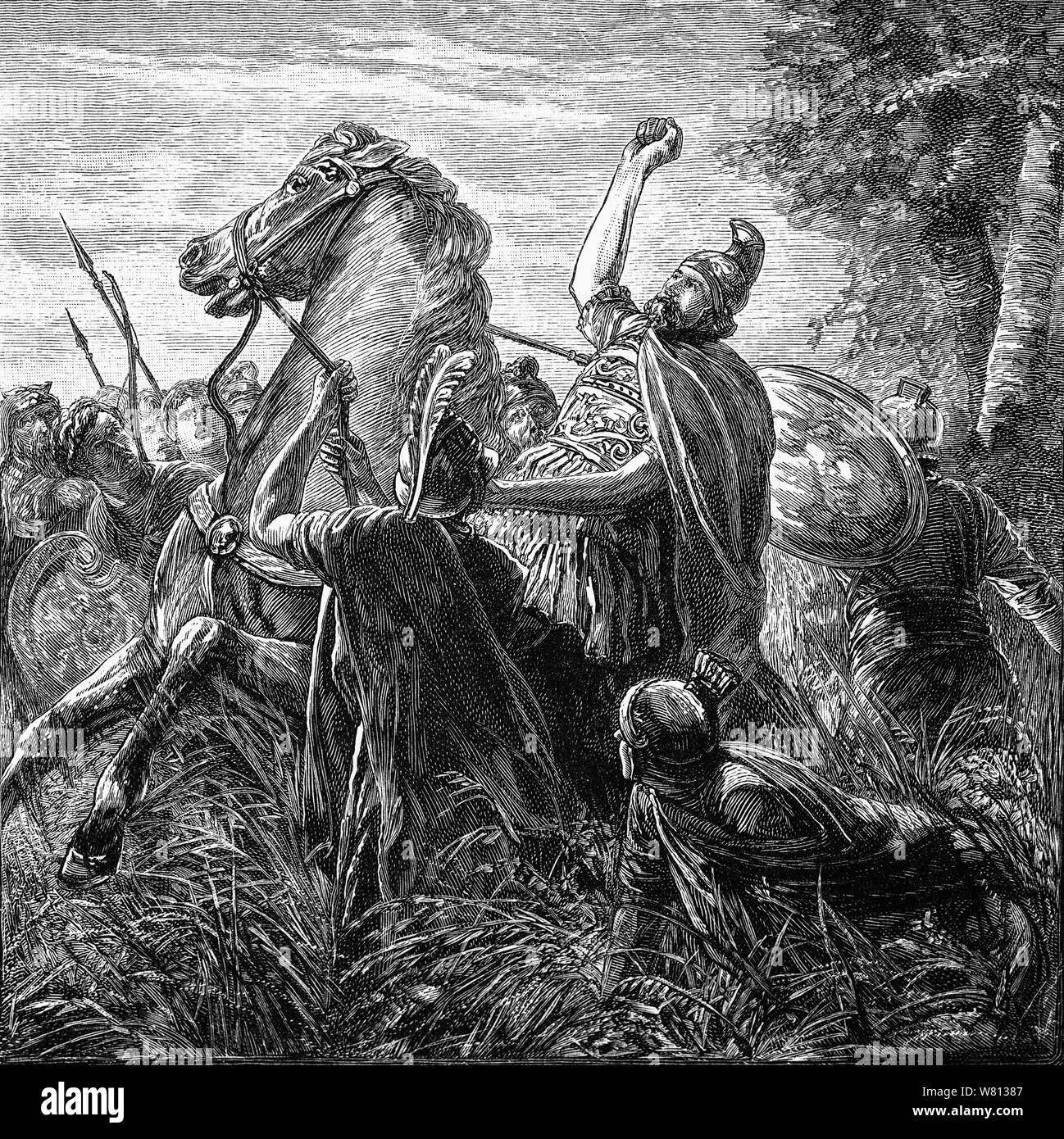
Marcello, infatti, individuò personalmente il leader gallico sul campo. In uno scontro diretto e cavalleresco, il console romano affrontò e uccise Viridomaro. Questo gesto di valore straordinario aveva un significato profondo nella tradizione romana. Secondo il rito più antico, solo un comandante romano che avesse ucciso in duello il comandante nemico poteva ambire a un onore specifico.
Proprio per questa azione eroica, Marco Claudio Marcello ottenne il diritto di dedicare le Spolia Opima (le "spoglie opime") a Giove Feretrio sul Campidoglio. Si trattava di un'onorificenza rarissima, conferita soltanto tre volte in tutta la storia di Roma.
Le spoglie consistevano nell'armatura completa strappata al comandante nemico sconfitto. Questo atto non era solo un trionfo militare, ma una consacrazione religiosa e simbolica. Marcello entrò così nella leggenda, paragonato a Romolo, il fondatore di Roma, che per primo aveva compiuto un'impresa simile.
La Conquista di Mediolanum e la Pacificazione
Dopo la vittoria di Clastidium, la campagna proseguì verso il cuore del territorio insubre. L'obiettivo finale era Mediolanum, l'odierna Milano, che fungeva da capitale e principale roccaforte della tribù gallica. Marcello e Scipione Calvo unirono le loro forze per assediare la potente città.
L'assedio fu lungo e combattuto, ma la determinazione romana ebbe la meglio. La caduta di Mediolanum segnò la fine effettiva della guerra contro gli Insubri. La vittoria romana fu schiacciante e portò a una pacificazione duratura della regione.
Secondo le fonti storiche, nella campagna complessiva furono uccisi circa 40.000 guerrieri galli. Inoltre, ben 28 centri minori dipendenti dalla città di Como si arresero senza condizioni ai Romani.
Con questa vittoria, Marco Claudio Marcello non solo consolidò la sua fama, ma garantì a Roma il controllo della Pianura Padana. Questo successo strategico fu fondamentale per i decenni successivi, liberando risorse militari che sarebbero state presto necessarie per una minaccia ben più grande: Annibale Barca e la potenza di Cartagine.
Il Nemico ai Cancelli: La Seconda Guerra Punica
Mentre Roma celebrava le sue vittorie nel nord, una tempesta si stava avvicinando da ovest. Nel 218 a.C., il generale cartaginese Annibale compì l'impresa ritenuta impossibile: attraversò le Alpi con il suo esercito e invase l'Italia. Le prime, disastrose battaglie del Ticino e della Trebbia gettarono Roma nello sconforto.
La situazione divenne catastrofica nel 216 a.C. con la battaglia di Canne. L'esercito romano subì una delle peggiori sconfitte della sua storia, con perdite stimate tra 50.000 e 70.000 uomini. In questo momento di crisi esistenziale per la Repubblica, Roma aveva disperatamente bisogno di comandanti capaci, risoluti e, soprattutto, non intimiditi dalla fama di Annibale.
Marco Claudio Marcello emerse proprio come uno di questi uomini. La sua esperienza, il suo carisma e la sua irriducibile fedeltà lo resero un pilastro della resistenza romana. Mentre molti cercavano scampo o contemplavano la resa, Marcello si preparava a contrattaccare.
Il suo ruolo cambiò da conquistatore di territori a salvatore della patria. Dopo Canne, gli fu affidato il compito di raccogliere e riorganizzare i superstiti delle legioni distrutte. La sua missione immediata era stabilizzare il fronte in Campania, una regione cruciale e strategicamente vulnerabile, dove molte città oscillavano tra la fedeltà a Roma e la seduzione cartaginese.
La Difesa di Nola: Il Primo Scacco ad Annibale
La città di Nola divenne il teatro del primo grande successo difensivo di Marcello contro l'invincibile Annibale. La città campana era contesa e la sua fazione aristocratica filo-romana rischiava di essere sopraffatta. Marcello vi condusse i suoi uomini con rapidità, prevenendo un possibile tradimento.
Quando Annibale si presentò alle porte di Nola, trovò non una città pronta ad arrendersi, ma una guarnigione determinata e ben comandata. Marcello orchestrò una difesa attiva, non limitandosi a stare dietro le mura. Sfruttando abilmente le sortite e la conoscenza del terreno, inflisse perdite significative alle forze cartaginesi.
La difesa di Nola fu un punto di svolta psicologico. Dimostrò a Roma e al mondo che Annibale non era invincibile. Per la prima volta dopo una serie di sconfitte disastrose, un generale romano aveva tenuto testa al nemico e l'aveva respinto. Questo successo valse a Marcello immense lodi e consolidò la sua reputazione come "la spada di Roma", l'uomo su cui la Repubblica poteva contare nei momenti più bui.
La sua azione salvò non solo una città, ma anche il morale di un'intera nazione. Il fronte in Italia meridionale si stabilizzò, permettendo a Roma di riprendersi, riorganizzarsi e preparare la lunga e faticosa guerra di logoramento che avrebbe infine logorato Annibale.
L'Assedio di Siracusa: Uno Scontro di Geni
Dopo aver consolidato il fronte in Campania, Marco Claudio Marcello fu chiamato a un nuovo, complesso compito nel 213 a.C.. La ricca e potente città-stato di Siracusa, nell'isola di Sicilia, si era ribellata a Roma, schierandosi al fianco di Cartagine. La perdita della Sicilia sarebbe stata un colpo devastante per le forniture granarie romane.
Marcello, nominato proconsole, fu incaricato di riconquistare la città. Tuttavia, Siracusa non era una preda facile. Protetta da possenti mura e da una posizione naturale forte, poteva contare anche su una mente geniale per la sua difesa: il celebre matematico e inventore Archimede.
L'assedio si trasformò così in uno scontro epocale tra la determinazione militare romana e l'ingegno tecnologico greco. Le macchine ideate da Archimede divennero leggendarie, seminando il terrore tra le legioni assedianti e rendendo vani i primi assalti.
Le Macchine di Archimede e la Difesa Impenetrabile
Le fonti antiche descrivono con meraviglia le invenzioni di Archimede utilizzate per la difesa di Siracusa. La sua genialità trasformò le mura della città in un incubo per gli assedianti romani. Marcello si trovò ad affrontare un nemico completamente nuovo.
- Le "Manus Ferreae": Enormi gru con bracci meccanici che afferravano le prue delle navi romane, sollevandole per poi lasciarle cadere e farle schiantare contro gli scogli.
- Catapulte a Lunga Gittata: Macchine da getto perfezionate che scagliavano proiettili di ogni tipo con precisione e potenza inaudite per l'epoca.
- Specchi Ustori (secondo la leggenda): Un sistema di specchi parabolici che, concentrando i raggi solari, appiccavano il fuoco alle vele e agli scafi delle navi della flotta assediante.
Di fronte a queste difese, Marcello commentò, secondo Plutarco, che Archimede beveva la sua birra mentre distruggeva la flotta romana, sottolineando lo scontro tra la forza bruta e l'intelligenza superiore.
Nonostante le perdite e la frustrazione, Marcello non si arrese. Comprese che un assalto frontale era impossibile e adottò una strategia di assedio prolungato. L'obiettivo era isolare la città per fame e logorarne la resistenza, cercando nel frattempo un punto debole.
La Caduta della Città e la Morte di Archimede
La svolta arrivò nel 212 a.C., dopo quasi un anno di assedio. Durante le celebrazioni di una festa religiosa in onore della dea Artemide, i Siracusani abbassarono la guardia. Marcello, informato da alcuni traditori all'interno della città, colse al volo l'opportunità.
Nella notte, un reparto scelto di soldati romani scalò le mura di un quartiere periferico, l'Epipoli, cogliendo completamente di sorpresa le sentinelle assopite. Una volta aperte le porte, le legioni di Marcello irruppero nella città. Tuttavia, Siracusa era vasta e la resistenza continuò in altri distretti per diversi giorni ancora.
Fu durante il caotico saccheggio della città che avvenne l'episodio più tristemente celebre dell'assedio. Nonostante Marcello avesse dato ordine di risparmiare il grande scienziato, Archimede fu ucciso da un soldato romano. Secondo la tradizione, era così assorto nei suoi studi geometrici da rifiutarsi di obbedire all'ordine del soldato, dicendo la famosa frase "Non disturbare i miei cerchi".
La presa di Siracusa fu un successo strategico fondamentale per Roma. Marcello ottenne un immenso bottino, inclusi tesori d'arte e opere greche che poi portò a Roma, influenzando il gusto artistico romano. Soprattutto, assicurò il controllo della Sicilia e privò Annibale di un alleato cruciale.
Marcello, la Spada di Roma, contro Annibale
Rientrato in Italia, Marcello tornò al suo ruolo principale: contrastare Annibale nella penisola. La sua tattica divenne chiara: evitare grandi battaglie campali, dove il genio cartaginese eccelleva, e preferire una guerra di logoramento, assedi e scaramucce. Era la "spada" che colpiva rapida e si ritirava, indebolendo progressivamente il nemico.
Questa strategia fu applicata con successo in Apulia. Nel 210 a.C., durante il suo quarto consolato, Marcello diresse la sua attenzione verso Salapia, una città che si era schierata con Annibale. L'operazione fu un esempio di astuzia e determinazione.
Grazie all'aiuto di alcuni traditori all'interno delle mura, i Romani riuscirono a entrare nella città di notte. La guarnigione numida, alleata di Cartagine, fu colta completamente di sorpresa e annientata. La riconquista di Salapia fu un duro colpo per Annibale, privandolo di una base importante e di rifornimenti nella regione.
La Tattica del "Morso e Fuggi"
Marcello perfezionò una tattica che divenne caratteristica del suo comando. Invece di offrire ad Annibale la battaglia decisiva che il cartaginese cercava, lo impegnava in continui scontri minori. Attaccava le sue linee di rifornimento, minacciava le città alleate e tendeva agguati ai suoi distaccamenti.
Questa guerra di attrito era estenuante per entrambi gli eserciti, ma giocava a favore di Roma, che poteva contare su risorse umane e materiali molto maggiori. Il ruolo di Marcello fu quello di tenere Annibale in costante movimento, impedendogli di consolidare le sue conquiste o di ricevere rinforzi dall'Africa o dalla Spagna.
- Negare il Riposo: Tenere l'esercito cartaginese in allerta continua, logorandone il morale e le energie.
- Proteggere gli Alleati: Difendere le città italiche ancora fedeli a Roma, dimostrando che la Repubblica era capace di proteggerle.
- Reclamare Territorio: Riconquistare sistematicamente le città che avevano defezionato, riducendo l'area controllata da Annibale.
Questa strategia fece di Marcello il principale ostacolo ai piani di Annibale nell'Italia meridionale. Lo storico Polibio scrive che i Cartaginesi temevano Marcello più di ogni altro generale romano, perché era imprevedibile e non rispettava le regole convenzionali della guerra.
Il suo quinto e ultimo consolato, nel 208 a.C., lo vide ancora una volta impegnato in operazioni contro Annibale nell'area della Lucania. La situazione strategica stava lentamente volgendo a favore di Roma, anche grazie al lavoro instancabile di Marcello e di altri comandanti come Scipione l'Africano, che nel frattempo stava vincendo la guerra in Spagna.
L'Ultima Ricognizione: La Morte di un Eroe
Nel corso del 208 a.C., Marco Claudio Marcello continuava a monitorare da vicino i movimenti di Annibale nella zona di Venosa, in Lucania. La guerra era ormai una successione di marce, contromosse e piccoli scontri, con entrambi i generali che cercavano un vantaggio tattico.
La tradizione storica, tramandata da autori come Livio e Plutarco, racconta due versioni leggermente diverse degli eventi che portarono alla morte del console. Tuttavia, il nucleo della storia resta lo stesso: Marcello cadde in un'imboscata durante un'operazione di ricognizione.
Desideroso di valutare personalmente il terreno e la disposizione del nemico, Marcello si spinse troppo avanti con una piccola scorta. La sua esperienza e il suo coraggio, che lo avevano reso celebre, si rivelarono questa volta fatali. Cade nella trappola tesagli dalla cavalleria cartaginese.
Il Fatale Incontro nei Pressi di Venosa
Secondo la versione più diffusa, Marcello stava conducendo una perlustrazione nei dintorni di Venosa con pochi uomini, quando fu individuato da reparti di cavalleria numida al servizio di Annibale. I Numidi, esperti e veloci, circondarono rapidamente il piccolo gruppo romano.
Nonostante la disparità di forze, Marcello combatté con il valore che lo aveva sempre distinto. Tuttavia, il numero soverchiante dei nemici ebbe la meglio. Il console romano fu ucciso sul colpo durante lo scontro. La sua morte non fu immediatamente nota al suo esercito principale, che si trovava accampato a una certa distanza.
Un'altra versione colloca l'episodio mortale presso la città di Petelia. In questa ricostruzione, Marcello sarebbe caduto mentre cercava attivamente di attirare Annibale in una battaglia decisiva, forse sottovalutando la vicinanza di forze nemiche più consistenti.
La sua morte rappresentò una grave perdita per Roma. Lo stesso Annibale, riconoscendo il valore del suo avversario, gli tributò onori funebri secondo la tradizione militare, restituendone le ceneri al figlio in un gesto di rispetto cavalleresco.
La scomparsa di "la spada di Roma" privò la Repubblica di uno dei suoi comandanti più aggressivi e rispettati. Tuttavia, la strategia da lui perseguita aveva già dato i suoi frutti: Annibale era ormai accerchiato e logorato, e il corso della guerra era irreversibilmente cambiato a favore di Roma.
L'Eredità di Marcello: il Modello del Generale Romano
La morte di Marco Claudio Marcello segnò la fine di un'epoca per l'esercito romano. La sua eredità, tuttavia, sopravvisse ben oltre la sua scomparsa sul campo di battaglia. Egli incarnò un modello di virtù militari e di dedizione allo Stato che sarebbe diventato un punto di riferimento per le generazioni future di comandanti.
Marcello non fu solo un tattico abile, ma un leader capace di ispirare i suoi soldati e di farsi rispettare dai suoi nemici. Il suo coraggio personale, dimostrato nel duello di Clastidium, e la sua tenacia strategica, evidenziata nella guerra di logoramento contro Annibale, definirono il suo stile di comando.
La sua capacità di adattarsi alle circostanze, passando dalla guerra campale contro i Galli all'assedio tecnologico di Siracusa e alla guerriglia contro Cartagine, dimostrò una flessibilità mentale rara. Questa combinazione di valore, astuzia e resilienza costituisce il nucleo della sua leggenda.
Il Confronto Storico: Marcello e Fabio Massimo
La figura di Marcello è spesso accostata e contrastata con quella di Quinto Fabio Massimo, detto il "Temporeggiatore". Mentre Fabio adottò una strategia prudentissima di evitare lo scontro diretto, logorando Annibale con la terra bruciata e le marce estenuanti, Marcello rappresentò l'approccio più aggressivo.
- Fabio Massimo: Simbolo della cautela, della pazienza e della strategia indiretta. Il suo obiettivo era preservare l'esercito a tutti i costi.
- Marco Claudio Marcello: Simbolo dell'azione, del coraggio e della pressione costante. Il suo obiettivo era infliggere perdite e demoralizzare il nemico con colpi continui.
Questi due stili, apparentemente opposti, furono in realtà complementari nella strategia romana complessiva. Fabio impedì ad Annibale di ottenere vittorie decisive, mentre Marcello gli impedì di trovare riposo e consolidare le conquiste. Insieme, contribuirono al logoramento finale del grande generale cartaginese.
Lo storico Tito Livio sintetizzò questa dualità descrivendo Fabio come lo scudo di Roma e Marcello come la spada di Roma. Entrambi gli strumenti erano essenziali per la sopravvivenza e la vittoria finale.
Il Mito e la Memoria: Marcello nella Cultura Romana
La figura di Marco Claudio Marcello trascende la semplice narrazione storica per entrare nel mito nazionale romano. Il suo soprannome, "la spada di Roma", ne riassume perfettamente il ruolo: strumento affilato, diretto e letale della volontà repubblicana.
La conquista delle Spolia Opima rimase un evento senza pari per secoli, paragonato solo alle imprese dei re leggendari. Questo successo personale lo collocò in una dimensione eroica, quasi soprannaturale, agli occhi dei suoi contemporanei e dei posteri.
Anche la sua morte in combattimento, avvenuta mentre era in carica come console per la quinta volta, contribuì alla sua aura di martire militare. Morì come aveva vissuto: in prima linea, esposto al pericolo, combattendo personalmente per la Repubblica.
La Diffusione del Culto e della Storia
Le sue gesta furono celebrate nella storiografia, nella poesia e nell'arte romana. La sua vita divenne un esempio per la gioventù aristocratica, un modello da emulare per chi aspirava alla gloria nel nome di Roma. Il suo nome fu ripreso da importanti personaggi della famiglia Claudia Marcella nei secoli successivi, a testimonianza del prestigio che continuava a portare.
L'assedio di Siracusa e il confronto con Archimede, in particolare, catturarono l'immaginazione collettiva. Questo episodio simbolizzava non solo la forza militare romana, ma anche il suo incontro-scontro con la superiore cultura greca, un tema ricorrente nella storia della Repubblica.
Le opere d'arte saccheggiate da Siracusa e portate a Roma da Marcello, inoltre, ebbero un impatto culturale duraturo. Esse accelerarono il processo di ellenizzazione del gusto artistico romano, influenzando profondamente l'arte e l'architettura della capitale.
Conclusioni: Il Valore Strategico di una "Spada"
Analizzando la carriera di Marco Claudio Marcello, emerge con chiarezza il suo contributo decisivo alle sorti di Roma in uno dei suoi momenti più critici. La sua azione fu fondamentale non tanto per grandi battaglie vinte in campo aperto, quanto per una serie di successi strategici che, sommati, logorarono irreparabilmente il nemico.
La sua importanza può essere riassunta in alcuni punti chiave che definiscono il suo ruolo storico unico.
- Stabilizzatore del Fronte: Dopo il disastro di Canne, la sua difesa di Nola e la sua presenza in Campania evitarono il collasso completo del sud Italia.
- Riduttore delle Risorse Nemiche: Con la riconquista di città come Salapia, privò Annibale di basi operative e rifornimenti cruciali.
- Maestro della Guerra d'Attrito: Perfettò la tattica del "morso e fuggi", che sfruttava la superiorità romana in riserve umane e logistica.
- Conquistatore di Simboli: La presa di Siracusa ebbe un enorme valore propagandistico e strategico, eliminando un potente alleato di Cartagine.
- Icona del Valore: La sua figura divenne il simbolo della resistenza romana, incarnando la volontà di non arrendersi mai.
Marcello dimostrò che Roma poteva vincere non solo con la forza delle legioni, ma anche con la tenacia, l'astuzia e l'aggressività costante di un solo uomo determinato.
La Lezione per il Futuro: Oltre la Morte
La morte di Marcello non vanificò i suoi sforzi. Al contrario, la strategia da lui perseguita fu continuata e perfezionata da altri generali. Il lavoro di logoramento aveva ormai stretto Annibale in una morsa dalla quale non poté più liberarsi.
La guerra si spostò sempre più fuori dall'Italia, grazie alle vittorie di Scipione l'Africano in Spagna e in Africa. Tuttavia, fu il lavoro di Marcello e Fabio in Italia a tenere Annibale in scacco, impedendogli di capitalizzare le sue vittorie e di ricevere rinforzi significativi.
In questo senso, Marcello fu uno degli architetti, anche se non lo vide, della vittoria finale romana nella Seconda Guerra Punica. La sua "spada" aveva contribuito a ferire mortalmente la potenza cartaginese in Italia, preparando il terreno per il colpo di grazia di Scipione a Zama.
Marcello nella Storia: un'Impronta Indelebile
Marco Claudio Marcello rimane una delle figure più iconiche della Repubblica Romana medio-repubblicana. La sua storia è un concentrato di tutti gli elementi che i Romani ammiravano: coraggio personale, devozione allo Stato, successo militare e fine eroica in battaglia.
La sua capacità di ottenere le Spolia Opima lo lega al mito delle origini di Roma. La sua ostinata resistenza ad Annibale lo lega al mito della resilienza nazionale. La sua morte in azione lo lega al mito del sacrificio per la patria.
Studiare la sua vita significa quindi non solo analizzare le campagne di un generale, ma comprendere i valori fondanti dell'identità romana in un'epoca di crisi e rinascita. Egli rappresenta il momento in cui Roma, piegata dalle sconfitte, trovò in se stessa la forza di reagire, producendo uomini capaci di guidarla dalla disperazione alla vittoria.
La sua eredità vive nella storiografia, dove viene celebrato come un eroe, e nella strategia militare, dove il suo approccio aggressivo e flessibile resta un caso di studio. Marco Claudio Marcello, la spada di Roma, fu molto più di un semplice comandante: fu il simbolo vivente della volontà di una nazione di sopravvivere e prevalere, a qualsiasi costo.


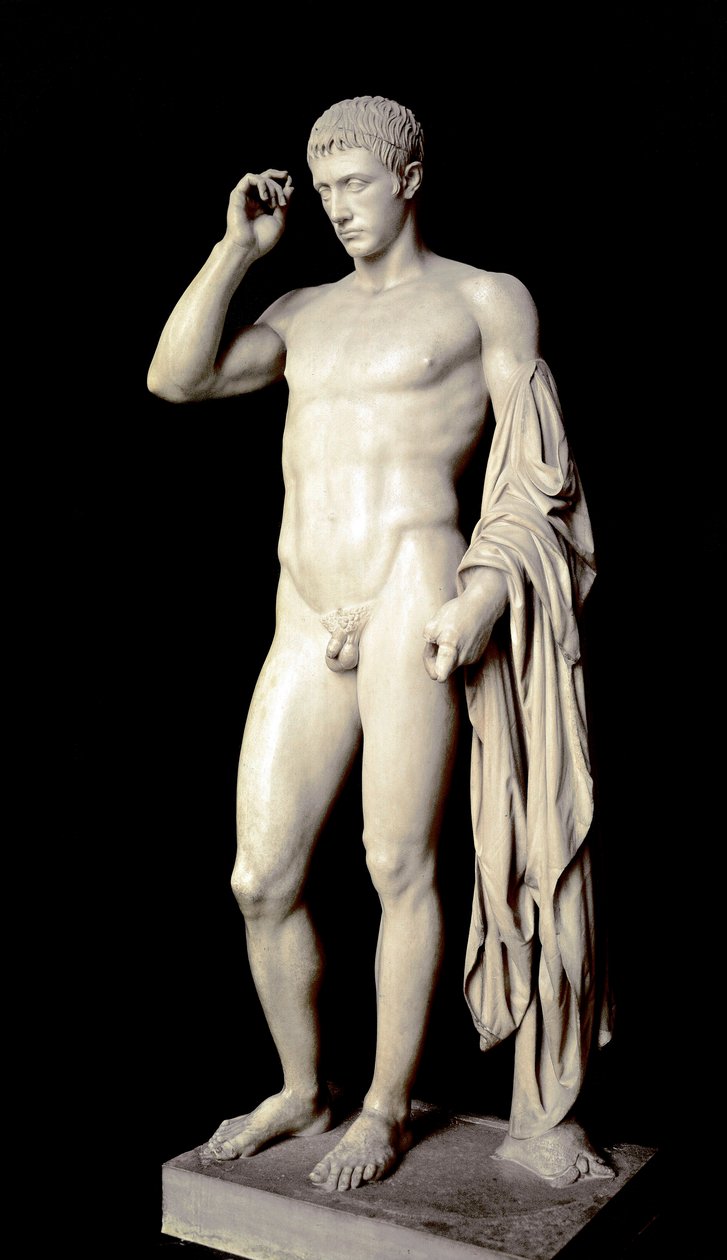
Tiberius Gracchus: Reforms That Shook Ancient Rome
The story of Tiberius Gracchus is a pivotal chapter in the history of the Roman Republic. As a tribune in 133 BC, his ambitious agrarian reforms aimed to address severe economic inequality but triggered a political crisis that ended in his violent death. His legacy is often seen as the beginning of the end for the Republic, marking a shift from political debate to armed conflict.
Early Life and Military Career of Tiberius Gracchus
Born around 163 BC into the prestigious Sempronia gens, Tiberius Gracchus was destined for a life of public service. His early military experience proved his courage and competence.
Service in the Third Punic War
As a young soldier, Tiberius served under his cousin, Scipio Aemilianus, during the final siege of Carthage. Historical accounts credit him with being among the first to scale the city walls, demonstrating notable personal bravery.
The Numantine War and a Fateful Decision
Later, as a quaestor in Spain during the Numantine War, Tiberius faced a crisis. The Roman army, led by Consul Gaius Hostilius Mancinus, was surrounded and facing annihilation. Tiberius negotiated a truce that saved an estimated 20,000 Roman soldiers. However, the Senate, viewing the treaty as dishonorable, rejected it. This event profoundly shaped Tiberius's cynical view of the senatorial elite.
The Crisis That Sparked Reform
Upon returning to Rome, Tiberius witnessed firsthand the social and economic decay threatening the Republic. The core of the problem was the ager publicus, or public land.
The Problem of the Ager Publicus
Wealthy landowners had illegally occupied vast tracts of public land, creating large slave-run estates called latifundia. This pushed small farmers off their land, leading to:
- Rural depopulation across Italy
- Increased urban poverty in Rome
- A shrinking pool of citizen-soldiers who owned the property required for military service
Tiberius argued that this crisis was destroying the traditional Roman social fabric and military strength. He channeled his frustration into a bold political platform.
The Lex Sempronia Agraria: A Radical Solution
Elected as a plebeian tribune in 133 BC, Tiberius proposed his revolutionary land reform bill, the Lex Sempronia Agraria.
Key Provisions of the Law
The law aimed to redistribute wealth and power by addressing land ownership directly. Its main points were:
- A cap of 500 iugera (approximately 300 acres) of public land per family.
- Any land held above this limit would be confiscated by the state.
- This confiscated land would then be distributed in small plots to landless Roman citizens.
- The law also established a three-man commission, the tresviri agris iudicandis, to oversee the process.
"The wild beasts that roam over Italy have their dens... but the men who fight and die for Italy enjoy nothing but the air and light." - Tiberius Gracchus, as recorded by Plutarch, on the plight of the landless Romans.
Political Conflict and Constitutional Crisis
The proposal was immensely popular with the common people but met with fierce resistance from the wealthy landowners who dominated the Senate. The conflict escalated quickly.
The Veto of Marcus Octavius
A fellow tribune, Marcus Octavius, who was sympathetic to the optimates (the conservative senatorial faction), vetoed the bill. In an unprecedented move, Tiberius appealed to the People's Assembly to depose Octavius from his office, arguing that a tribune who acted against the people's interest was no longer legitimate. The assembly complied, removing Octavius.
This action was a severe breach of Roman political norms. While technically possible, it set a dangerous precedent by undermining the sacrosanct power of the tribunician veto.
Passing the Law and Seizing Funding
With the veto circumvented, the land reform bill was passed into law. The commission, consisting of Tiberius, his brother Gaius, and his father-in-law Appius Claudius Pulcher, began its work. To fund the commission's activities, Tiberius later proposed using the treasury bequeathed to Rome by Attalus III of Pergamon, again bypassing the Senate's traditional control over finances. This further enraged his political opponents.
Escalation and the Quest for Re-election
Tiberius Gracchus's actions after passing his law created a dangerous political deadlock. His enemies in the Senate were now openly hostile, and his support among the urban plebs was volatile. To protect himself and his reforms, Tiberius made a fateful decision.
Seeking a Second Term as Tribune
Roman custom strongly forbade a tribune from holding office for consecutive years. Tiberius, fearing the commission would be dismantled and the reforms reversed if he left office, announced his candidacy for the tribunate of 132 BC. This move was portrayed by his opponents as a blatant power grab, an attempt to establish a tyranny.
The optimates seized on this to rally opposition. They spread rumors that Tiberius aimed to make himself king, a potent charge in a Republic founded on the rejection of monarchy.
The Senate's Response and Mounting Tensions
The senatorial faction, led by the pontifex maximus Scipio Nasica Serapio, refused to accept what they saw as an overthrow of the constitution. On election day, tensions exploded into violence.
"When the people are being wronged and deprived of their livelihood, and the tribunes are silent and do not speak in their defence, should not a citizen come to their aid?" - A sentiment attributed to Tiberius Gracchus defending his actions.
The Assassination of Tiberius Gracchus
The violent death of Tiberius Gracchus shattered a centuries-old Roman taboo against political murder within the city. It marked the first time citizens killed each other in armed conflict over a political issue.
The Day of the Riot
As Tiberius's supporters gathered on the Capitoline Hill for the election assembly, a group of senators and their clients, armed with clubs and chair legs, charged into the crowd. They were led by Scipio Nasica, who claimed he was acting to save the Republic.
In the ensuing chaos, Tiberius Gracchus and hundreds of his followers were clubbed to death. Their bodies were thrown into the Tiber River, a final insult denying them proper burial rites.
Immediate Aftermath and Legacy of Violence
The assassination established a grim precedent. Political disagreement had been settled by mob violence sanctioned by senatorial authority. This event is widely considered by historians as the beginning of the Roman Republic's century-long descent into civil war.
The land commission, however, was not immediately disbanded. It continued its work for several years, overseeing the distribution of a significant amount of land. Historical estimates suggest the commission redistributed over 3,000 square kilometers (1,200 square miles) of public land to Roman citizens.
Brotherly Legacy: Gaius Gracchus Continues the Reforms
The death of Tiberius did not end the Gracchan movement. A decade later, his younger brother, Gaius Gracchus, took up the mantle of reform with even more ambitious and far-reaching proposals.
Expanding the Reform Agenda
Elected tribune in 123 BC, Gaius Gracchus learned from his brother's experiences. He built a broader political coalition and proposed a wider suite of laws designed to curb senatorial power and aid the plebs. His reforms included:
- State-subsidized grain for the urban poor at a fixed low price.
- Establishing colonies outside Italy to provide land for citizens.
- Transferring judicial power from the Senate to the equites (equestrian class).
- Expanding and continuing the agrarian land distributions.
Violent End and Lasting Impact
Like his brother, Gaius faced extreme senatorial opposition. After a period of intense conflict, the Senate passed a senatus consultum ultimum (a final decree), declaring him an enemy of the state. Gaius was killed or committed suicide in 121 BC, and thousands of his supporters were executed without trial.
The fate of the Gracchi brothers demonstrated that the traditional political mechanisms of the Republic could no longer contain its social conflicts. Their deaths opened the door for future populares (politicians who appealed to the people) and military strongmen.
Modern Perspectives on Tiberius Gracchus
Historians and political thinkers have long debated the legacy and motivations of Tiberius Gracchus. Modern interpretations often reflect contemporary political concerns.
The Proto-Populist or First Socialist?
Some 19th and 20th-century historians viewed Tiberius through the lens of their own times. He has been labeled a proto-populist for his direct appeal to the masses against the elite. Others, particularly in socialist traditions, hailed him as one of history's "first socialists" for his wealth redistribution policies.
Most modern scholars reject these anachronistic labels. They analyze him within the context of late Republican crises, seeing his actions as a radical but fundamentally Roman attempt to solve a traditional problem.
A Revolutionary or a Traditionalist?
A central debate revolves around whether Tiberius was an innovator or a revolutionary. His methods—deposing a tribune and seeking consecutive office—were radical breaks with tradition.
However, his stated goals were conservative: to restore the traditional Roman citizen-soldier farmer, the backbone of the early Republic's army and society. He justified his land law by citing ancient Licinian-Sextian laws from the 4th century BC.
Symptom vs. Cause of Republican Decline
Contemporary analysis often frames Tiberius not as the sole cause of the Republic's fall, but as a symptom of its deep-seated structural problems. The growing economic inequality, the breakdown of military recruitment, and the rigidity of the senatorial aristocracy created the crisis he tried to address.
His failure and violent death revealed that the system was incapable of reforming itself peacefully. In this view, the Gracchi did not destroy the Republic; they exposed its fatal flaws.