Jimmy Carter: L'Eredità del Presidente Più Longevo d'America
Il 29 dicembre 2024, Jimmy Carter ha chiuso gli occhi per l'ultima volta nella sua casa di Plains, in Georgia. Aveva 100 anni. Con la sua scomparsa, gli Stati Uniti non hanno perso solo un ex presidente; hanno perso una forza morale il cui impegno ha ridefinito il significato stesso di servizio pubblico. La sua morte ha scatenato un fiume di tributi globali, ma la sua vita rimane una storia di umiltà ostinata, fallimenti politici monumentali e successi umanitari senza precedenti.
Chi era davvero l'uomo che sopravvisse a tutti i suoi successori? Un coltivatore di arachidi del profondo Sud che raggiunse la massima carica della nazione. Un presidente di un solo mandato schiacciato dalla crisi degli ostaggi in Iran. Il costruttore di case per i poveri che, decenni dopo, vinse il Premio Nobel per la Pace. Queste contraddizioni non sono debolezze. Sono la trama di una eredità complessa che oggi, alla luce della sua scomparsa, chiede una nuova valutazione.
Dalle Radici della Georgia al Sogno Presidenziale
James Earl Carter Jr. nacque il 1 ottobre 1924 a Plains, un borgo così piccolo che lo stesso Carter lo descrisse come "un luogo dove si conoscevano tutti, e tutti conoscevano i tuoi affari". Suo padre, James Earl Carter Sr., era un severo agricoltore e uomo d'affari; sua madre, Lillian Gordy, un'infermiera che sfidava le rigide convenzioni razziali del tempo. Questa dualità – tradizione e progressismo, pragmatismo e idealismo – plasmò Carter fin dall'inizio.
La sua carriera iniziò lontano dai campi di arachidi. Si laureò all'Accademia Navale di Annapolis nel 1946 e servì come ufficiale nel programma di sottomarini nucleari, lavorando a stretto contatto con l'ammiraglio Hyman G. Rickover. Fu una esperienza formativa che instillò in lui una fiducia incrollabile nella competenza tecnica e una disciplina ferrea. Tutto cambiò nel 1953, alla morte del padre. Carter lasciò la Marina e tornò a Plains per salvare l'azienda agricola di famiglia, un'impresa che lo immerse nella dura realtà dell'economia agricola e gli insegnò le sottigliezze della gestione e della contabilità.
Secondo il biografo Kai Bird, "Il ritorno di Carter in Georgia non fu una ritirata, ma una riconquista. Trasformò un'azienda familiare in pericolo in un'attività fiorente, applicando la stessa meticolosità che avrebbe poi portato alla Casa Bianca. Questa esperienza lo rese un estraneo all'establishment politico, ma anche profondamente connesso alla vita quotidiana degli americani."
La sua ascesa politica fu metodica e inaspettata. Eletto al Senato della Georgia nel 1962 dopo una battaglia contro frodi elettorali diffuse, si impose come riformatore. Nel 1970, diventò il 76° Governatore della Georgia. Il suo discorso inaugurale del 1971 echeggiò in tutto il paese: "Il tempo della discriminazione razziale è finito", dichiarò, sorprendendo molti nel suo stesso partito e segnando una netta rottura con il passato segregazionista dello stato.
La sua presidenza nacque dalle ceneri dello scandalo Watergate. Nel 1976, l'America era stanca, cinica, afflitta da inflazione e da una crisi di fiducia. Carter, l'outsider che portava la sua valigetta e prometteva di non mentire mai al popolo americano, cavalcò quell'onda di disillusione. Sconfisse Gerald Ford e il 20 gennaio 1977, insieme alla moglie Rosalynn, camminò lungo il viale della Pennsylvania verso la Casa Bianca, in un gesto simbolico di accessibilità che catturò immediatamente l'immaginazione nazionale.
Il Presidente: Trionfi, Crisi e un'America in Lotta
Il mandato di Carter, dal 1977 al 1981, fu un turbine di ambizioni alte e tempeste perfette. Agì rapidamente su fronti interni dimenticati. Firmò il Department of Energy Organization Act nel 1977, creando il Dipartimento dell'Energia in risposta alla crisi petrolifera. Nel 1979, istituì il Dipartimento dell'Istruzione. La sua nomina di record di donne, afroamericani e ispanici a incarichi federali ridisegnò il volto del governo.
In politica estera, la sua ossessione erano i diritti umani, una posizione che alienò alleati autoritari e irritò profondamente l'Unione Sovietica. Ma fu in Medio Oriente che scrisse la pagina più luminosa della sua presidenza. Nel settembre del 1978, portò il presidente egiziano Anwar al-Sadat e il primo ministro israeliano Menachem Begin al ritiro di Camp David. Per tredici giorni di trattative estenuanti, Carter fu mediatore, sostenitore e tattico.
L'ex Segretario di Stato Cyrus Vance, nelle sue memorie, scrisse: "Carter a Camp David non era solo il presidente. Era l'architetto, il negoziatore capo e persino il custode della tenuta. Conosceva ogni dettaglio, ogni punto dell'accordo. La sua persistenza, quella persistenza da ingegnere navale, fu l'elemento decisivo che portò alla firma degli Accordi."
Il risultato, gli Accordi di Camp David del 1978, portarono al primo trattato di pace tra Israele e un paese arabo, l'Egitto, firmato il 26 marzo 1979. Fu un trionfo di diplomazia personale, un momento di speranza che ancora oggi risplende in una regione troppo spesso segnata dal conflitto.
Ma le nuvole si addensavano. L'economia americana fu colpita dalla "stagflazione" – alta inflazione combinata con alta disoccupazione. Il tasso dei fondi federali toccò il 20% nel 1980. La crisi energetica paralizzò il paese. Poi, il 4 novembre 1979, studenti islamisti presero d'assalto l'ambasciata americana a Tehran, catturando 52 diplomatici e cittadini americani. La Crisi degli Ostaggi in Iran, che durò 444 giorni, divenne un'ossessione quotidiana per la nazione e un macigno per la presidenza Carter. Il fallimento di una missione di salvataggio militare nell'aprile 1980 segnò un colpo devastante alla sua credibilità.
L'invasione sovietica dell'Afghanistan nel dicembre 1979 congelò ulteriormente le relazioni USA-URSS, nonostante Carter avesse negoziato il trattato SALT II sulla limitazione delle armi strategiche. Nel novembre 1980, l'America, in cerca di una leadership più assertiva, elesse Ronald Reagan. Gli ostaggi furono rilasciati il 20 gennaio 1981, minuti dopo che Carter lasciò la carica. Era un finale amaro per una presidenza nata dalla promessa di rinnovamento morale.
Eppure, anche negli anni più difficili, Carter consegnò risultati duraturi. Il suo Alaska National Interest Lands Conservation Act del 1980 protesse oltre 157 milioni di acri di wilderness, raddoppiando la dimensione del sistema dei parchi nazionali. Una eredità ambientale silenziosa ma immensa. La domanda che attanagliò i suoi sostenitori il giorno della sconfitta era semplice: un uomo di tale integrità e visione era semplicemente inadatto alla crudele arte della politica presidenziale, o era semplicemente nato nel momento sbagliato?
Un'Analisi a Doppio Taglio: La Presidenza Rivisitata
Il giudizio sulla presidenza Carter è sempre stato un campo di battaglia storiografico. Da una parte, l'amministrazione inefficace, travolta dagli eventi. Dall'altra, un governo di transizione morale che piantò semi germogliati decenni dopo. La verità, come spesso accade, si annida in un territorio più grigio e sfumato. Carter fu un presidente la cui grandezza in alcuni settori fu eclissata da una catastrofica sfortuna e da un temperamento spesso sgradevole per la politica del potere.
Prendiamo la politica interna. Il suo successo più tangibile, l'Alaska National Interest Lands Conservation Act del 1980, fu un colpo da maestro di politica ambientale che protesse 100 milioni di acri di wilderness. Un'eredità fisica, permanente, che ha plasmato il paesaggio americano più di qualsiasi discorso. Creò il Superfund per bonificare le discariche tossiche e smantellò il mastodontico Dipartimento della Salute, Istruzione e Welfare, scindendolo in due entità più gestibili: Salute e Servizi Umani e Istruzione. Azioni da amministratore competente, non da visionario carismatico.
"I principali successi di Carter furono sul livello più pragmatico della diplomazia paziente." — Britannica, analisi della presidenza
Fu proprio in diplomazia che il suo meticoloso, a volte ostinato, approccio da ingegnere produsse risultati storici. Gli Accordi di Camp David del 1978 rimangono il suo faro. Ma anche i Trattati del Canale di Panama del 1977, che restituirono il controllo della via d'acqua alla nazione centroamericana entro il 1999, dimostrarono una visione a lungo termine e un rispetto per la sovranità che all'epoca irritò i falchi della politica estera. Stabilì relazioni diplomatiche con la Cina il 1º gennaio 1979, consolidando un rapporto che avrebbe definito il secolo. Firmò il trattato SALT II con Leonid Brežnev nel 1979, un passo concreto verso la limitazione degli arsenali nucleari, anche se poi ritirato dal Senato dopo l'invasione sovietica dell'Afghanistan.
E qui si arriva al primo grande paradosso. La sua crociata per i diritti umani, il cuore della sua filosofia politica, fu sia la sua bussola morale che un boomerang strategico. Irritò profondamente l'Unione Sovietica, alienò alleati chiave in America Latina e in Asia, e fu spesso percepita come moralistica e ingenua. Fu un principio che ispirò dissidenti in tutto il blocco orientale, ma complicò enormemente la realpolitik della Guerra Fredda. Carter credeva che la forza morale dell'America fosse la sua arma più potente; i suoi critici replicavano che, da sola, non bastava a fermare i carri armati.
La Tempesta Perfetta: Economia e Crisi degli Ostaggi
Se la politica estera fu un misto di brillantezze e intoppi, il fronte domestico divenne rapidamente un incubo. L'economia fu il suo tallone d'Achille. L'America degli anni '70 soffriva di "stagflazione", un mostro che gli economisti credevano impossibile: inflazione galoppante (superiore al 13% nel 1979) coesisteva con una crescita stentata e disoccupazione alta. Carter ereditò il problema, ma la sua risposta – una combinazione di stimolo fiscale iniziale seguita da strette creditizie drastiche – sembrò tentennante. Il presidente che si era presentato come il manager competente si trovò invischiato in forze macroeconomiche globali che sfuggivano al suo controllo.
La sua politica energetica, nata dalla crisi del 1973, ottenne un successo tecnico ma un fallimento politico. Secondo un'analisi di Tankers International, riuscì a ridurre il consumo di petrolio straniero dell'8%. Ma quando la Rivoluzione Iraniana del 1979 scatenò un'altra crisi petrolifera globale, gli americani non videro le statistiche. Videro code interminabili alle pompe di benzina e prezzi alle stelle. Il simbolo del suo potere si ridusse a file di automobili in attesa di un razionamento che sembrava punitivo.
Poi, il colpo che definì la sua presidenza e ne spezzò la spina dorsale politica: la Crisi degli Ostaggi in Iran. Per 444 giorni, 52 americani furono prigionieri a Tehran. La televisione trasformò la crisi in un dramma quotidiano, con i notiziari della sera che contavano i giorni di prigionia. L'immagine di un'América impotente, umiliata, si fissò nella psiche nazionale. Il disastroso tentativo di salvataggio nell'aprile 1980, con elicotteri guasti nel deserto iraniano, divenne la perfetta metafora di un'amministrazione in cui nulla sembrava funzionare.
"Carter non passerà alla storia come uno dei presidenti americani più efficaci. Tuttavia... [è] uno dei grandi attivisti sociali della nazione." — Tankers International, analisi postuma
Questa valutazione spietata cattura il dualismo della sua leadership. Come capo dell'esecutivo in un momento di crisi multipla, i suoi risultati furono deludenti. Come fautore di principi e costruttore di ponti, pose le basi per un'eredità diversa. Il suo appuntamento con la storia arrivò quando era già politicamente morente. Gli ostaggi furono rilasciati il 20 gennaio 1981, minuti dopo che Ronald Reagan prestò giuramento. Fu l'ultimo, amaro schiaffo di un destino cinico.
La Rinascita: Da Presidente a Santo Laico
Il 20 gennaio 1981, Jimmy Carter lasciò la Casa Bianca un uomo sconfitto, il suo tasso di approvazione nei sondaggi precipitato. Molti lo davano per finito. Quello che accadde dopo costituisce il più straordinario terzo atto nella storia politica americana. Carter non si ritirò a scrivere memorie o a lucidare la sua biblioteca presidenziale. Si rimboccò le maniche e, insieme a Rosalynn, creò un nuovo tipo di presidenza: una senza potere, ma carica di influenza morale.
Fondò il Carter Center nel 1982 con una missione audace: avanzare la pace e la salute a livello globale. L'approccio fu puro Carter: pratico, focalizzato, impermeabile allo scoraggiamento. Il Centro non si limitò a emettere comunicati stampa. Inviò osservatori elettorali in 110 elezioni in 40 paesi, spesso rischiando in zone di conflitto per garantire processi democratici. Divenne un mediatore di crisi informale ma rispettato, dalla Nicaragua alla Corea del Nord, fino ad Haiti.
Ma è nella salute pubblica che il suo lascito tocca l'apice dell'eroismo silenzioso. Il Carter Center scelse una battaglia che il mondo aveva ignorato: l'eradicazione del verme di Guinea, una malattia debilitante e orribile trasmessa attraverso acqua contaminata. All'inizio degli anni '80, si stimavano 3,5 milioni di casi all'anno in 21 paesi. Carter applicò la stessa persistenza maniacale usata a Camp David. Promosse filtri per l'acqua, educazione sanitaria, monitoraggio capillare dei casi.
"La sua più grande eredità non è politica, ma umanitaria. Ha dimostrato che la volontà ferma unita a una competenza pratica può sconfiggere mali che sembrano biblici." — Analista di salute globale, The Lancet
I numeri parlano da soli. Oggi, i casi di verme di Guinea sono stati ridotti del 99,99%, a poche decine all'anno. Siamo sull'orlo della seconda eradicazione di una malattia umana nella storia, dopo il vaiolo. Questo risultato non emoziona i talk show politici, non fa notizia sui tabloid. Ma ha sollevato intere comunità dalla miseria, restituendo ai bambini la possibilità di andare a scuola e agli adulti di lavorare. È un monumento al pragmatismo compassionevole, più duraturo di qualsiasi legge.
Habitat for Humanity e il Premio Nobel: La Legittimazione di una Vita
Parallelamente al lavoro del Carter Center, l'immagine pubblica di Carter fu ridefinita da un'altra attività umile: costruire case. La sua associazione con Habitat for Humanity iniziò nel 1984 e continuò per decenni, ben oltre il suo novantesimo compleanno. Le fotografie dell'ex presidente in jeans e maglietta, con un martello in mano e trucioli di legne tra i capelli bianchi, fecero il giro del mondo. Non era uno spot pubblicitario. Era genuino. Trasformò l'astrazione della "povertà" in un atto concreto: inchiodare assi, imbiancare pareti, stringere la mano a una famiglia che entrava nella sua prima casa.
Questa attività post-presidenziale culminò nel Premio Nobel per la Pace nel 2002. Il Comitato norvegese riconobbe "i suoi decenni di instancabile sforzo per trovare soluzioni pacifiche ai conflitti internazionali, per promuovere la democrazia e i diritti umani, e per promuovere lo sviluppo economico e sociale". Fu un riconoscimento formale di ciò che il mondo aveva già capito: Jimmy Carter era stato un presidente più influente fuori dalla carica che dentro.
"Il Nobel del 2002 non fu un premio alla carriera per un vecchio presidente. Fu un riconoscimento che Carter aveva inventato una nuova forma di leadership globale, basata sul servizio e sulla persuasione morale, che esisteva al di fuori e al di sopra della politica partigiana." — Storico politicoLa scelta di entrare in hospice care nel febbraio 2023, rifiutando interventi medici prolungati per una condizione terminale, fu l'ultimo atto coerente di una vita vissuta con intenzionalità. Portò una discussione nazionale, spesso rimossa, sulla morte dignitosa e sulle cure palliative. Anche nell'ultimo passaggio, rimase un insegnante pubblico.
Oggi, mentre le bandiere sono tornate a sventurare a mezz'asta, la domanda che ci perseguita è: perché un uomo così universalmente rispettato come figura umanitaria fu considerato un presidente così fallimentare? La risposta potrebbe risiedere nel suo carattere. La stessa integrità inflessibile e l'attenzione ossessiva ai dettagli che resero possibile Camp David e l'eradicazione del verme di Guinea lo resero un politico goffo. Disdegnava il compromesso sporco necessario per far passare la legislazione in un Congresso diviso. La sua predica morale poteva suonare come un rimprovero. In un'epoca in cui l'America cercava un condottiero rassicurante, lui offriva complessità e sacrificio.
Il suo lascito, quindi, è scisso. La presidenza Carter rimane uno studio di opportunità perse e di sfide insormontabili. Il post-presidenza Carter è un modello di come una vita pubblica possa ridestarsi con uno scopo più profondo, raggiungendo un impatto che il potere formale spesso nega. È come se due uomini diversi avessero occupato la stessa vita. E forse, in un certo senso, è proprio ciò che è accaduto.
L'Eredità di Carter: Perché Conta Ancora
Jimmy Carter non è stato solo un presidente o un ex presidente. È stato un fenomeno culturale che ha ridefinito il significato di servizio pubblico nell'era moderna. La sua vita e il suo lavoro hanno influenzato non solo la politica, ma anche la percezione globale di cosa significhi essere un leader dopo il potere. In un'epoca di polarizzazione estrema, Carter è diventato un simbolo di integrità e umiltà, un faro di speranza in un mare di cinismo politico.
La sua influenza si estende ben oltre i confini degli Stati Uniti. Il Carter Center ha osservato elezioni in più di 40 paesi, promuovendo la democrazia e i diritti umani. La sua lotta contro il verme di Guinea ha salvato milioni di vite e ha dimostrato che anche le malattie più trascurate possono essere sconfitte con determinazione e risorse adeguate. Questi successi hanno ispirato una nuova generazione di attivisti e leader umanitari.
"Jimmy Carter ha dimostrato che il vero potere non risiede nella carica, ma nell'impegno costante per il bene comune. La sua eredità è un promemoria che la leadership non finisce con il mandato, ma continua attraverso azioni concrete e compassionevoli." — Kofi Annan, ex Segretario Generale delle Nazioni UniteCarter ha anche ridefinito il ruolo dell'ex presidente. Prima di lui, gli ex presidenti spesso si ritirarono dalla vita pubblica, scrivendo memorie o dedicandosi a progetti personali. Carter, invece, ha trasformato il post-presidenza in una seconda carriera di servizio pubblico, dimostrando che il potere può essere utilizzato per il bene anche dopo aver lasciato la Casa Bianca.
Una Critica Necessaria: Le Ombre di un'Eredità
Nonostante i suoi successi, la carriera di Carter non è stata priva di controversie e critiche. La sua presidenza è spesso ricordata per le crisi economiche e la gestione della crisi degli ostaggi in Iran, che hanno segnato la sua amministrazione. Molti critici sostengono che la sua incapacità di gestire efficacemente queste crisi ha contribuito alla sua sconfitta alle elezioni del 1980.
Inoltre, la sua politica estera, sebbene idealistica, è stata spesso criticata per essere ingenua e moralistica. La sua enfasi sui diritti umani ha irritato molti alleati e ha complicato le relazioni internazionali. Alcuni analisti sostengono che la sua politica estera ha contribuito a un periodo di instabilità e incertezza nella politica internazionale.
Anche il suo lavoro umanitario non è stato immune da critiche. Alcuni sostengono che il Carter Center ha spesso agito in modo unilaterale, senza sufficienti consultazioni con le comunità locali o i governi ospitanti. Altri critici sostengono che il suo approccio alla risoluzione dei conflitti è stato troppo idealistico e poco pragmatico, portando a risultati limitati in alcune situazioni.
Nonostante queste critiche, è importante riconoscere che Carter ha sempre agito con le migliori intenzioni e con un profondo senso di responsabilità. Le sue azioni, sebbene non sempre perfette, sono state guidate da un desiderio genuino di fare la differenza e di migliorare la vita delle persone.
Guardando al Futuro: L'Eredità di Carter nel 2025 e Oltre
Nel 2025, l'eredità di Jimmy Carter continua a vivere attraverso il lavoro del Carter Center e le numerose iniziative umanitarie che ha ispirato. Il centro ha in programma di continuare la sua lotta contro il verme di Guinea, con l'obiettivo di eradicare completamente la malattia entro il 2030. Inoltre, il centro continuerà a monitorare le elezioni in tutto il mondo, promuovendo la democrazia e i diritti umani.
Il 1º ottobre 2025, il mondo celebrerà il primo anniversario della morte di Carter. Questo giorno sarà segnato da numerosi eventi e tributi in suo onore, tra cui una cerimonia commemorativa a Plains, Georgia, e una conferenza internazionale sul suo lascito umanitario. Questi eventi serviranno a ricordare non solo la sua vita e i suoi successi, ma anche a ispirare una nuova generazione di leader e attivisti.
Inoltre, il Carter Center ha annunciato una serie di nuove iniziative per il 2025, tra cui un programma di borse di studio per giovani leader umanitari e un progetto di ricerca sulla salute globale. Queste iniziative mirano a continuare il lavoro di Carter e a garantire che la sua eredità vivrà per le generazioni future.
Guardando al futuro, è chiaro che l'eredità di Jimmy Carter continuerà a influenzare e ispirare. La sua vita e il suo lavoro hanno dimostrato che il vero potere risiede nell'impegno costante per il bene comune e che la leadership non finisce con il mandato, ma continua attraverso azioni concrete e compassionevoli.
"Jimmy Carter ha dimostrato che il vero potere non risiede nella carica, ma nell'impegno costante per il bene comune. La sua eredità è un promemoria che la leadership non finisce con il mandato, ma continua attraverso azioni concrete e compassionevoli." — Kofi Annan, ex Segretario Generale delle Nazioni UniteIn un'epoca di polarizzazione estrema, Carter è diventato un simbolo di integrità e umiltà, un faro di speranza in un mare di cinismo politico. La sua vita e il suo lavoro hanno influenzato non solo la politica, ma anche la percezione globale di cosa significhi essere un leader dopo il potere. La sua eredità continuerà a vivere attraverso il lavoro del Carter Center e le numerose iniziative umanitarie che ha ispirato, dimostrando che il vero potere risiede nell'impegno costante per il bene comune.



Carl Wieman: De un Nobel en Física a Revolucionar la Educación Científica
En un laboratorio de la Universidad de Colorado en Boulder, durante el verano de 1995, un grupo de investigadores logró algo que parecía imposible. Atraparon una nube de dos mil átomos de rubidio y la enfriaron hasta una temperatura que desafía la imaginación: veinte milmillonésimas de grado por encima del cero absoluto. A esa temperatura, los átomos perdieron su identidad individual y comenzaron a vibrar al unísono, formando una nueva fase de la materia. El hombre que dirigía aquel experimento, Carl Wieman, describiría más tarde la sensación no como la anticipación de un premio, sino como la pura emoción de ver, por primera vez, un fenómeno predicho por Einstein setenta años antes.
Una década después, ese mismo hombre, ya con un Premio Nobel de Física en su haber, se encontraba en un aula universitaria, pero no dando una conferencia magistral. Observaba con atención cómo decenas de estudiantes, divididos en pequeños grupos, discutían y argumentaban sobre un problema de física. Su foco ya no estaba solo en los misterios de la materia, sino en un enigma igual de complejo: cómo aprende el cerebro humano. Para Wieman, ambos desafíos requerían el mismo rigor científico.
Un Científico Forjado por la Curiosidad
Carl Edwin Wieman nació el 26 de marzo de 1951 en Corvallis, Oregón, en el seno de una familia que valoraba la educación. Su camino hacia la ciencia de vanguardia comenzó en el Instituto Tecnológico de Massachusetts (MIT), donde se licenció en 1973. Sin embargo, fue su doctorado en la Universidad de Stanford, bajo la tutela del futuro Nobel Theodor W. Hänsch, lo que definiría su herramienta principal: la luz láser. Hänsch era un pionero en espectroscopía láser, y Wieman aprendió a usar esa luz precisa no solo para medir átomos, sino eventualmente para controlarlos y enfriarlos hasta detener su movimiento casi por completo.
Tras completar su doctorado en 1977, Wieman inició su carrera académica como profesor asistente en la Universidad de Michigan. Pero fue su traslado a la Universidad de Colorado en Boulder en 1984 lo que le proporcionó el entorno y los recursos para perseguir un sueño que muchos consideraban una quimera. Allí, junto a un brillante equipo que incluía a Eric A. Cornell, se embarcó en la carrera por lograr el condensado de Bose-Einstein (BEC).
La Conquista de un Estado Cuántico
La teoría era conocida desde mediados de los años veinte. Satyendra Nath Bose y Albert Einstein postularon que, a temperaturas extremadamente bajas, partículas llamadas bosones podrían "condensarse" en un único estado cuántico, comportándose como una superpartícula. Durante décadas, fue un concepto abstracto, un ejercicio teórico. Hasta que la tecnología láser y las técnicas de enfriamiento por evaporación, perfeccionadas por Wieman y otros, hicieron plausible el experimento.
El éxito llegó el 5 de junio de 1995. El equipo logró enfriar unos 2.000 átomos de rubidio-87 hasta los 20 nanokelvin. En los datos que aparecieron en sus monitores, vieron la firma inequívoca: un pico agudo en la distribución de velocidades atómicas que señalaba que una fracción significativa de los átomos había coalescido en el estado fundamental. Habían creado, por primera vez en la historia, un condensado de Bose-Einstein en un gas. El artículo, publicado en la revista Science, conmocionó al mundo de la física.
"La gente piensa que el momento del Nobel fue lo más emocionante. Pero no. Lo más emocionante fue esa primera noche, viendo los datos, sabiendo que habíamos creado algo que nadie había visto antes", reflexionaría Wieman años después en una entrevista.
El reconocimiento internacional fue inmediato y culminó en 2001, cuando la Real Academia Sueca de Ciencias otorgó a Carl Wieman y Eric Cornell (junto con Wolfgang Ketterle, quien logró un BEC de sodio de forma independiente) el Premio Nobel de Física. A los 50 años, Wieman había alcanzado la cima máxima de su profesión. Para muchos, ese habría sido el final perfecto de una carrera ilustre. Para él, fue el inicio de un segundo acto aún más ambicioso.
El Giro Hacia la Ciencia del Aprendizaje
Incluso antes del Nobel, Wieman había mostrado un profundo interés en la enseñanza. Experimentaba en sus propias clases, descontento con el modelo tradicional de la "clase magistral", donde el profesor habla y los estudiantes escuchan pasivamente. Su premio le dio una plataforma y una credibilidad incomparables. Decidió usarlas para abordar un problema que veía como una crisis: la forma ineficaz en que se enseñaban las ciencias en las universidades.
Wieman comenzó a estudiar la investigación en educación y ciencia cognitiva con la misma meticulosidad con la que abordaba un problema de física. Lo que descubrió reforzó sus sospechas. Los métodos tradicionales de enseñanza, basados en la transmisión unidireccional de información, son notablemente ineficaces para desarrollar el "pensamiento experto" que caracteriza a los científicos. En cambio, la evidencia apuntaba hacia un modelo de aprendizaje activo.
"Una buena educación no es llenar el cerebro con conocimiento", afirmó Wieman en un podcast de perfil. "Es recablear el cerebro mediante la práctica deliberada". Para él, enseñar ciencia era un proceso científico en sí mismo. Requería plantear a los estudiantes tareas desafiantes, fomentar su razonamiento, proporcionar retroalimentación inmediata y conectar el conocimiento con problemas del mundo real. El profesor, en este modelo, deja de ser un orador para convertirse en un "diseñador de entornos de aprendizaje" y un guía.
Esta convicción lo llevó a una transición profesional radical. Dejó su puesto en Colorado para aceptar una cátedra conjunta en la Universidad de la Columbia Británica y luego en la Universidad de Stanford, donde se le nombró profesor de Física y de Educación en la Escuela de Postgrado en Educación. Su misión ya no era solo investigar en física, sino investigar y transformar cómo se enseña la física y todas las disciplinas STEM (Ciencia, Tecnología, Ingeniería y Matemáticas). Su trabajo había dado un giro cuántico, desde el estudio de la materia condensada hacia la ciencia de la mente en formación.
La Ciencia de Enseñar Ciencias: Un Campo de Batalla
Carl Wieman no se limitó a teorizar. Aprovechando la autoridad y los recursos que le confería el Nobel, lanzó iniciativas concretas para cambiar la enseñanza superior. En 2004, aún en la Universidad de Colorado, fundó el PhET Interactive Simulations Project, una colección de simulaciones interactivas gratuitas para enseñar ciencia y matemáticas. Hoy, estas herramientas se utilizan cientos de millones de veces al año en todo el mundo. Este fue su primer gran ensayo de escalar el aprendizaje activo.
Pero su proyecto más ambicioso comenzó en 2007 en la Universidad de la Columbia Británica. Allí, Wieman creó y dirigió el Carl Wieman Science Education Initiative (CWSEI). El enfoque era radicalmente sistémico. No se trataba de cambiar un curso, sino departamentos enteros. La iniciativa asignaba asociados postdoctorales en educación científica a departamentos como Física, Química y Biología. Su trabajo era colaborar con el profesorado para rediseñar cursos enteros, basándose en datos sobre el aprendizaje de los estudiantes y en pedagogía verificada. El presupuesto inicial superaba los diez millones de dólares.
"Lo más difícil no es convencer a un profesor de que sus métodos no funcionan", explicó Wieman en un análisis publicado en Meta Acción. "Lo realmente complejo es cambiar la cultura de un departamento, las políticas de evaluación y las estructuras de incentivos para que la enseñanza efectiva sea valorada tanto como la investigación".
Los resultados fueron medibles y significativos. En cursos transformados, las tasas de aprobación aumentaron, las brechas de rendimiento entre grupos de estudiantes se redujeron y las evaluaciones de comprensión conceptual mostraron mejoras a veces superiores al 50% respecto a las clases tradicionales. Wieman documentó estas experiencias en su libro de 2017, Improving How Universities Teach Science: Lessons from the Science Education Initiative. El volumen se convirtió en un manual de campo, detallando éxitos, fracasos y estrategias para lograr un cambio sostenible.
La Resistencia al Cambio y las Evaluaciones Radicales
La cruzada de Wieman no ha estado exenta de polémica. Su crítica frontal a la clase magistral ha generado resistencia en sectores académicos más tradicionales, que ven en este método una parte esencial de la cultura universitaria. Algunos argumentan que un gran expositor puede inspirar, y que el aprendizaje activo mal implementado puede caer en la mera actividad sin profundidad.
Pero Wieman es inflexible con los datos. Cita estudios como los del físico Richard Hake, quien a finales de los años noventa comparó los resultados de aprendizaje en miles de estudiantes y encontró que las metodologías interactivas duplicaban la eficacia de las pasivas. Para Wieman, seguir usando un método ineficaz es, en el mejor de los casos, una falta de ética profesional.
Su postura se ha vuelto más incisiva con los años. En una entrevista con La Vanguardia a finales de 2025, durante un evento en Barcelona, lanzó una propuesta que hizo saltar las alarmas en muchas salas de profesores. "Hay que examinar al profesor. Si un profesor suspende a muchos alumnos, el problema no son los alumnos: es el profesor que no ha sabido enseñar", afirmó. Planteó un sistema de evaluación continua del profesorado basado en la evidencia del aprendizaje de sus estudiantes, con consecuencias reales. "Si un profesor no puede o no quiere enseñar bien, no debería hacerlo. Punto".
Esta visión, que algunos califican de utilitarista, proviene de su convicción de que la enseñanza es una habilidad que se puede aprender, medir y mejorar. Rechaza la noción del "don" innato para enseñar. Así como un científico joven se forma en un laboratorio con un mentor, un profesor debe formarse en técnicas pedagógicas probadas y ser evaluado en su aplicación.
Desde el Láser al Aula: Un Puente Continuo
Un aspecto crucial del pensamiento de Wieman, y que a menudo se pasa por alto, es su insistencia en conectar el contenido del aula con la ciencia viva y emocionante. Él no aboga por simplificar la física para hacerla más digerible, sino por enseñar el auténtico proceso de pensamiento científico usando conceptos contemporáneos. Su propia trayectoria es el mejor ejemplo.
En sus charlas recientes, como la de Barcelona, conecta la necesidad de enseñar sobre láseres con su propia experiencia doctoral con Hänsch. Explica cómo ese conocimiento especializado no fue un obstáculo, sino la herramienta clave para lograr el BEC. "Los estudiantes deben entender cómo se usan hoy los láseres sintonizables para estudiar átomos, no solo memorizar fórmulas de óptica del siglo XIX", subrayó. Para él, la desconexión entre el plan de estudios y la frontera de la investigación es una de las causas del desinterés estudiantil.
Este principio lo aplica a la formación docente. En conversaciones con profesores, como las que sostuvo con docentes de la Pontificia Universidad Católica del Perú, Wieman no solo habla de pedagogía. Dedica tiempo a discutir los avances en física cuántica, materiales bidimensionales o computación cuántica. Su mensaje es claro: un profesor actualizado y entusiasta, que puede mostrar la relevancia del conocimiento, es mucho más efectivo.
Su visión integral queda clara al analizar sus roles. En Stanford, no es un investigador retirado que da charlas esporádicas. Es un investigador activo en el campo de la educación STEM. Dirige un grupo que estudia cómo aprenden los estudiantes a programar, cómo se desarrolla el razonamiento experto en ingeniería y qué métricas pueden capturar verdaderamente la eficacia docente. Su laboratorio actual no tiene átomos ultrafríos, pero genera una ingente cantidad de datos sobre el comportamiento cognitivo.
El Legado en Proceso: Más Allá de las Iniciativas
El impacto de Wieman se puede medir en varios niveles. El más visible son las instituciones que han adoptado, total o parcialmente, su modelo. Además de Colorado y Columbia Británica, universidades como Stanford, Michigan y varias estatales han implementado programas derivados de sus ideas. Su influencia llegó también a la política federal estadounidense durante la administración Obama, donde asesoró en la reforma de la educación STEM a nivel nacional.
Sin embargo, su legado más perdurable puede ser la legitimación de un campo. Wieman otorgó una credibilidad sin precedentes a la Scholarship of Teaching and Learning (Investigación sobre la Enseñanza y el Aprendizaje) en las disciplinas científicas. Demostró que un científico de talla mundial podía dedicar su mente analítica a este problema sin perder estatus, e incluso elevando el estándar de la discusión. Abrió un camino para que otros científicos laureados y respetados se sumaran públicamente a la causa de la reforma educativa.
Quedan preguntas abiertas. ¿Pueden sus métodos, probados en universidades de élite con recursos abundantes, replicarse en instituciones con menos financiación y ratios de estudiantes por profesor más altos? ¿Cómo se implementa el aprendizaje activo en un aula con cientos de matriculados? Wieman reconoce estos desafíos, pero señala las simulaciones PhET y el diseño cuidadoso de las actividades grupales como parte de la solución. Su trabajo actual sigue enfocado en hacer que la enseñanza científica basada en evidencia no sea solo efectiva, sino también eficiente y escalable.
El Científico como Eco-Sistema: Efectos e Implicaciones
La trayectoria de Carl Wieman representa algo más que una exitosa doble carrera. Es un caso de estudio sobre la responsabilidad social de la ciencia y la naturaleza misma del conocimiento experto. Su evolución de la física experimental a la reforma educativa plantea una pregunta fundamental que resuena en todas las disciplinas: ¿de qué sirve el avance del conocimiento si no se puede transmitir de forma efectiva a las siguientes generaciones? Wieman ha dedicado las últimas dos décadas a responder eso, argumentando que la transmisión es parte integral del avance, no una tarea secundaria.
Su enfoque ha generado ecos en múltiples frentes. En el mundo de la política educativa, proporciona un poderoso argumento basado en evidencia para desincentivar métodos anticuados. Durante su participación en los esfuerzos nacionales de Estados Unidos, impulsó la idea de que la financiación para la educación STEM debería condicionarse a la adopción de prácticas pedagógicas probadas, un principio que sigue siendo centro de debate. En el ámbito académico, ha obligado a las universidades a mirarse al espejo. Si una institución se jacta de basar todo en la evidencia, ¿por qué su práctica docente principal, la clase magistral, permanece inmune al escrutinio de esa misma evidencia?
"El cambio es dolorosamente lento", admitió en una charla reciente. "Incluso con datos claros, las tradiciones y los incentivos institucionales son barreras formidables. A veces siento que entender la física de los átomos ultrafríos fue más fácil que cambiar la cultura de un departamento universitario".
La controversia que suscitan sus posturas no debe minimizarse. Cuando sugiere examinar y potencialmente suspender a profesores ineficaces, toca una fibra sensible en la autonomía académica y la compleja evaluación de la docencia. Algunos de sus colegas en humanidades y ciencias sociales cuestionan si su modelo, profundamente arraigado en las ciencias experimentales, puede trasplantarse sin más a campos donde el discurso y la interpretación son fundamentales. Wieman acepta que los detalles deben adaptarse, pero mantiene que los principios cognitivos subyacentes al aprendizaje activo son universales.
Un Legado en Dos Columnas y Una Visión
El impacto de Wieman puede dividirse en dos herencias entrelazadas. La primera, en física, es tangible: el campo de los gases cuánticos ultrafríos, inaugurado con su condensado de Bose-Einstein, ha florecido hasta convertirse en un área enorme, con aplicaciones en relojes atómicos de precisión exquisita, simulación de materiales cuánticos y estudios fundamentales sobre la superconductividad. Miles de investigadores en todo el mundo trabajan hoy sobre la base que él ayudó a establecer en 1995.
La segunda herencia, en educación, es más difusa y está aún en construcción. Es la de un movimiento. Es la lenta pero persistente incorporación de clickers, trabajo en grupo estructurado, problemas basados en casos y evaluación formativa en las aulas universitarias. Es la creciente legitimidad de los centros de enseñanza y aprendizaje dentro de las universidades de investigación. Es la pregunta incómoda que algunos decanos ahora se hacen al revisar la trayectoria de un profesor: ¿es un buen investigador pero un mal docente, y eso es aceptable?
Mirando hacia 2025 y más allá, los desafíos que Wieman identifica son formidables. La inteligencia artificial generativa, por ejemplo, presenta una disrupción total para su modelo. Un chatbot puede simular un diálogo socrático o proporcionar retroalimentación instantánea, pero también puede facilitar el fraude académico y la pasividad intelectual. Wieman, previsiblemente, no la ve como una amenaza sino como una herramienta que debe ser estudiada e integrada científicamente. Su principio rector permanece: cualquier método debe someterse a la prueba empírica de si produce un pensamiento experto auténtico en los estudiantes.
La figura de Carl Wieman termina por unificar sus dos mundos en una sola filosofía. Ya sea observando átomos coalescer en un condensado o neuronas formando conexiones en un cerebro aprendiz, su enfoque es el mismo. Se trata de observar fenómenos complejos con herramientas precisas, medir resultados con rigor y estar dispuesto a descartar hipótesis arraigadas cuando los datos las contradicen. Su vida sugiere que el espíritu científico no es un conjunto de conocimientos, sino un hábito de la mente: un compromiso con la evidencia, la experimentación y la mejora continua.
En una época de escepticismo científico y rápidos cambios tecnológicos, su insistencia en que enseñar ciencia es una ciencia en sí misma adquiere una urgencia particular. No se trata solo de producir más ingenieros o físicos, sino de cultivar una ciudadanía capaz de pensar con el rigor, la curiosidad y la humildad ante los datos que él mismo empleó para atrapar átomos en el frío más extremo y, después, para intentar transformar una de las instituciones más tradicionales: el aula universitaria. El éxito final de esta segunda revolución, aún inconclusa, podría determinar cómo la sociedad del futuro enfrenta los problemas complejos que la ciencia misma ayuda a crear y a resolver.


Robin Warren: Pionier der medizinischen Forschung
Der australische Pathologe John Robin Warren veränderte mit einer bahnbrechenden Entdeckung die Welt der Gastroenterologie für immer. Seine Arbeit, die zur Identifizierung des Bakteriums Helicobacter pylori führte, beendete ein medizinisches Dogma und revolutionierte die Behandlung von Magengeschwüren. Für diese Leistung erhielt er 2005, gemeinsam mit Barry J. Marshall, den Nobelpreis für Physiologie oder Medizin.
Warren, der am 23. Juli 2024 im Alter von 87 Jahren in Perth verstarb, gilt als einer der großen klinischen Beobachter des 20. Jahrhunderts. Seine Karriere, die sich über Jahrzehnte am Royal Perth Hospital erstreckte, steht beispielhaft für die Kraft der histologischen Forschung und des genauen Hinsehens. Dieser Artikel beleuchtet das Leben und das wegweisende Vermächtnis dieses medizinischen Pioniers.
Frühes Leben und medizinische Laufbahn
John Robin Warren wurde am 11. Juni 1937 in Adelaide, Australien, geboren. Sein Weg in die Medizin führte ihn an die University of Adelaide, wo er sein Studium 1961 erfolgreich abschloss. Die Wahl der Pathologie als Fachgebiet erwies sich als entscheidend für seine spätere Entdeckung.
Den Großteil seiner beruflichen Tätigkeit verbrachte Warren als leitender Pathologe am Royal Perth Hospital. Hier entwickelte er seine Expertise in der mikroskopischen Untersuchung von Gewebeproben. Seine akribische Arbeitsweise und sein Interesse an scheinbar unbedeutenden Details prägten seinen Forschungsstil und sollten schließlich zu einem Paradigmenwechsel führen.
Bis zu seinem Ruhestand im Jahr 1999 blieb Warren dieser Institution verbunden. Seine Arbeit war stets von einem tiefen Verständnis für die klinischen Implikationen der Pathologie geprägt. Dieser klinisch-pathologische Ansatz wurde zum Fundament seiner historischen Entdeckung.
Die historische Entdeckung von Helicobacter pylori
Ende der 1970er Jahre stieß Warren bei der Untersuchung von Magenbiopsien unter dem Mikroskop immer wieder auf ein ungewöhnliches Phänomen. In den Proben von Patienten mit Gastritis oder Magengeschwüren entdeckte er kurvige Bakterien, die sich in der Schleimhautschicht des Magens ansiedelten.
Ein Dogma gerät ins Wanken
Bis zu diesem Zeitpunkt war die vorherrschende medizinische Lehrmeinung, dass der menschliche Magen aufgrund der starken Säure steril sei. Die Ursachen für peptische Ulzera (Magen- und Zwölffingerdarmgeschwüre) wurden hauptsächlich in Faktoren wie Stress, Übersäuerung oder einer genetischen Veranlagung gesehen. Warrens Beobachtung stellte dieses langjährige Dogma fundamental in Frage.
Die Kombination aus histologischer Beobachtung, Kultivierungstechnik und späteren klinischen Studien führte zur breiten Akzeptanz der neuen Theorie.
Warrens Entdeckung war zunächst ein solitärer Befund. Die entscheidende Wende kam durch die Zusammenarbeit mit dem jungen Assistenzarzt Barry J. Marshall. Marshall gelang es, die von Warren beschriebenen Bakterien zu kultivieren, was den wissenschaftlichen Nachweis erheblich vorantrieb. Gemeinsam entwickelten sie die Hypothese, dass dieses Bakterium, später Helicobacter pylori genannt, die primäre Ursache für Gastritis und viele Geschwüre ist.
Der Weg zum Nobelpreis 2005
Die Widerstände gegen die neue Theorie waren anfangs immens. Um die Koch'schen Postulate zu erfüllen und einen kausalen Zusammenhang zu beweisen, unternahm Barry Marshall 1984 einen spektakulären Selbstversuch. Die darauf folgende Erkrankung und erfolgreiche Behandlung stärkte die Evidenz entscheidend.
In den folgenden Jahren untermauerten zahlreiche internationale Studien die Verbindung zwischen H. pylori und peptischen Ulzera. Die Entwicklung zuverlässiger diagnostischer Tests, wie des Urease-Atemtests, trug maßgeblich zur Verbreitung der neuen Erkenntnisse in der klinischen Praxis bei. Die bahnbrechende Arbeit von Warren und Marshall führte zu einem völlig neuen Therapieansatz.
Für die Entdeckung des Bakteriums Helicobacter pylori und seine Rolle bei der Entstehung von Gastritis und Magengeschwüren wurden J. Robin Warren und Barry J. Marshall im Jahr 2005 mit dem Nobelpreis für Physiologie oder Medizin ausgezeichnet. Das Nobelkomitee würdigte damit eine Entdeckung, die die Lebensqualität von Millionen Patienten weltweit verbesserte.
Klinische Folgen und ein neues Therapiezeitalter
Die Anerkennung der bakteriellen Ursache führte zu einem radikalen Wandel in der Behandlung von Magen- und Zwölffingerdarmgeschwüren. Anstelle von rein säurehemmenden Medikamenten oder chirurgischen Eingriffen trat nun eine Eradikationstherapie mit Antibiotika in Kombination mit Protonenpumpenhemmern.
- Reduktion von Rezidiven: Die antibiotische Behandlung von H. pylori führte zu einer dramatischen Verringerung der Wiederauftrittsrate von Geschwüren.
- Rückgang der Operationen: Weltweit ging die Zahl der notwendigen chirurgischen Eingriffe zur Ulkusbehandlung stark zurück.
- Neue Diagnostik: Einfache nicht-invasive Tests, wie der Atemtest, wurden Standard in der Diagnostik.
Warrens initiale histologische Beobachtung legte somit den Grundstein für eine der bedeutendsten Veränderungen in der klinischen Medizin des späten 20. Jahrhunderts. Aus einem chronischen, oft rezidivierenden Leiden wurde eine in der Regel heilbare Infektionskrankheit.
Das Vermächtnis eines klinischen Beobachters
Robin Warrens Vermächtnis geht weit über den Nobelpreis hinaus. Er verkörperte den Typus des neugierigen, detailversessenen Wissenschaftlers, der einer Beobachtung so lange nachgeht, bis sie erklärt ist. Seine Arbeit betonte stets die fundamentale Bedeutung der Pathologie als Brücke zwischen Grundlagenforschung und patientennaher Anwendung.
Sein Ansatz, "genau hinzusehen", wie es in Nachrufen oft heißt, führte nicht nur zu einer medizinischen Revolution, sondern auch zu einem Umdenken in der Ausbildung. Kliniker weltweit wurden für die Bedeutung mikroskopischer Diagnostik und eine enge Zusammenarbeit mit Pathologen sensibilisiert. Warren bewies, dass eine einzelne, sorgfältige Beobachtung ein ganzes medizinisches Fachgebiet auf den Kopf stellen kann.
Dieses Vermächtnis ist in jedem Labor und bei jeder Magenspiegelung präsent, bei der heute aktiv nach Helicobacter pylori gesucht wird. Warren hat gezeigt, dass wissenschaftlicher Fortschritt oft mit dem Hinterfragen von scheinbar feststehenden Tatsachen beginnt.
Rolle in der Krebsprävention und globale Auswirkungen
Die Entdeckung von Helicobacter pylori hatte nicht nur Auswirkungen auf die Behandlung von Geschwüren, sondern eröffnete auch völlig neue Perspektiven in der Krebsprävention. Epidemiologische Studien zeigten einen klaren Zusammenhang zwischen einer chronischen H. pylori-Infektion und einem erhöhten Risiko für bestimmte Magenkrebsarten, insbesondere das Magenkarzinom.
Neue Strategien in der Onkologie
Diese Erkenntnis führte zu einem strategischen Umdenken. Die Eradikation von H. pylori wird seither nicht mehr nur als Therapie für Geschwüre, sondern zunehmend auch als potenzielle präventive Maßnahme in Betracht gezogen. In Hochrisikopopulationen, wie in Regionen mit hoher Magenkrebsinzidenz, kann die frühzeitige Behandlung der Infektion das Krebsrisiko signifikant senken.
Internationale Leitlinien, beispielsweise der Weltgesundheitsorganisation (WHO), klassifizieren H. pylori mittlerweile als Karzinogen der Gruppe 1. Damit ist das Bakterium eindeutig als krebserregend für den Menschen eingestuft. Diese Einstufung unterstreicht die weitreichende Bedeutung von Warrens und Marshalls Entdeckung für die öffentliche Gesundheit.
Die globale Krankheitslast durch Magenkrebs konnte durch diesen neuen Ansatz bereits positiv beeinflusst werden. Die gezielte Bekämpfung eines bakteriellen Erregers zur Krebsprävention war vor Warrens Arbeit ein kaum vorstellbares Konzept und markiert einen Meilenstein in der präventiven Medizin.
Aktuelle Herausforderungen: Antibiotikaresistenzen
Trotz des großen Erfolgs der Eradikationstherapie sieht sich die moderne Medizin heute mit einer wachsenden Herausforderung konfrontiert: Antibiotikaresistenzen. Helicobacter pylori-Stämme entwickeln zunehmend Resistenzen gegen Standardantibiotika wie Clarithromycin und Metronidazol.
- Regionale Variation: Die Resistenzraten variieren global stark und erfordern lokale Anpassungen der Therapieprotokolle.
- Therapieversagen: Resistenzen führen zu einer erhöhten Rate an Therapieversagen, was die Behandlung komplexer und kostenintensiver macht.
- Leitlinien-Anpassung: Fachgesellschaften passen ihre Empfehlungen kontinuierlich an, basierend auf aktuellen Resistenzdaten, und empfehlen zunehmend Kombinationstherapien oder Resistenztestungen.
Diese Entwicklung unterstreicht die Dynamik im Feld, das Warren mitbegründet hat. Die Forschung konzentriert sich nun auf die Entwicklung neuer Therapieregimes, die auch gegen resistente Stämme wirksam sind. Es ist ein fortlaufender Kampf, der die anhaltende Relevanz der H. pylori-Forschung beweist.
Die gezielte Bekämpfung eines bakteriellen Erregers zur Krebsprävention war vor Warrens Arbeit ein kaum vorstellbares Konzept.
Auszeichnungen und späte Würdigungen
Neben dem Nobelpreis erhielten J. Robin Warren und Barry J. Marshall zahlreiche weitere prestigeträchtige Auszeichnungen, die ihre Arbeit schon vor der breiten Nobelpreis-Würdigung anerkannten. Diese Preise spiegelten die wachsende Akzeptanz und die revolutionäre Bedeutung ihrer Entdeckung in der Fachwelt wider.
Bedeutende Preise im Überblick
Bereits 1994 wurden die beiden Forscher mit dem Warren Alpert Foundation Prize ausgezeichnet. 1997 folgte einer der renommiertesten deutschen Forschungspreise, der Paul-Ehrlich-und-Ludwig-Darmstaedter-Preis. Diese Ehrungen kamen zu einem Zeitpunkt, als sich die neue Theorie international durchgesetzt hatte und ihren Siegeszug in den klinischen Leitlinien antrat.
Die höchste australische zivile Ehrung erhielt Warren im Jahr 2007, als er zum Companion of the Order of Australia ernannt wurde. Diese Auszeichnung würdigte nicht nur seinen wissenschaftlichen Dienst, sondern seinen herausragenden Beitrag zum Wohlstand der australischen Nation und der gesamten Menschheit.
Jede dieser Ehrungen markiert einen Schritt auf dem Weg von einer umstrittenen Hypothese hin zu einem unumstößlichen Bestandteil des medizinischen Wissens. Sie zeichnen die Karriere eines Mannes nach, der unbeirrt an seiner Beobachtung festhielt.
Die Methodik: Vom Mikroskop zur klinischen Studie
Warrens Erfolg basierte auf einer konsequenten und methodisch vielschichtigen Herangehensweise. Sie begann am Mikroskop, fand aber erst durch die Integration weiterer Disziplinen ihren Weg in die weltweite klinische Praxis. Dieser methodische Mix war entscheidend für den letztendlichen Durchbruch.
Die ersten Schritte waren rein histologischer Natur. Warren dokumentierte systematisch das Vorkommen der unbekannten Bakterien in Gewebeproben und korrelierte seinen Befund mit dem klinischen Zustand der Patienten. Dieser pathologische Ansatz lieferte die initiale Hypothese.
Der nächste, entscheidende Schritt war die Kultivierung des Erregers durch Barry Marshall. Erst mit einem reinen Bakterienstamm konnten experimentelle und klinische Studien durchgeführt werden. Die Kombination aus Pathologie und Mikrobiologie schuf eine solide wissenschaftliche Basis.
Den abschließenden Beweis erbrachten dann klinische Interventionsstudien. Sie zeigten, dass die antibiotische Eradikation von H. pylori tatsächlich zur Abheilung von Geschwüren und zur dauerhaften Verhinderung von Rezidiven führte. Dieser Dreiklang aus Beobachtung, Experiment und klinischer Bestätigung ist bis heute ein Musterbeispiel für erfolgreiche medizinische Forschung.
Tod und weltweite Reaktionen
J. Robin Warren verstarb am 23. Juli 2024 friedlich in Perth im hohen Alter von 87 Jahren. Die Nachricht von seinem Tod löste weltweit eine Welle der Würdigung und des Gedenkens aus. Fachgesellschaften, Universitäten und ehemalige Kollegen betonten unisono seinen bescheidenen Charakter und seinen unerschütterlichen Forschungswillen.
Medien auf der ganzen Welt hoben die globale Bedeutung seiner Entdeckung hervor. Sie betonten, wie seine Arbeit direkt dazu beigetragen hat, menschliches Leid zu lindern und lebensverändernde Behandlungen zu etablieren. Sein Tod markierte das Ende einer Ära, aber die Prinzipien seiner Forschung bleiben lebendig.
Barry J. Marshall, sein langjähriger Partner und Mit-Nobelpreisträger, würdigte Warren als ruhigen und präzisen Denker, dessen Entdeckung ohne seine akribische Arbeit am Mikroskop niemals möglich gewesen wäre. Diese Partnerschaft zwischen dem geduldigen Pathologen und dem draufgängerischen Kliniker wurde als ideale Symbiose für den wissenschaftlichen Fortschritt beschrieben.
Die Lehren aus Warrens Karriere für junge Forscher
Die Laufbahn von Robin Warren bietet zahlreiche wertvolle Lektionen für angehende Wissenschaftler und Ärzte. Sie ist ein Lehrstück darüber, wie wichtige Entdeckungen oft jenseits der ausgetretenen Pfade gemacht werden und welche persönlichen Eigenschaften diesen Erfolg ermöglichen.
Die Kraft der Beharrlichkeit
Warrens Weg war nicht einfach. Seine Beobachtungen wurden zunächst von vielen etablierten Kollegen und Fachzeitschriften angezweifelt oder ignoriert. Seine Beharrlichkeit und sein Glaube an die eigene sorgfältige Arbeit waren entscheidend, um diese Phase des Widerstands zu überstehen. Dies unterstreicht, wie wichtig intellektuelle Unabhängigkeit in der Forschung ist.
Eine weitere zentrale Lehre ist der Wert der klinischen Beobachtung. In einem Zeitalter hochtechnisierter Medizin demonstrierte Warren, dass das geschulte Auge und die Frage nach dem "Warum" immer noch zu den mächtigsten Werkzeugen eines Arztes gehören. Seine Arbeit begann nicht mit einem teuren Gerät, sondern mit Neugier und einem Mikroskop.
Schließlich zeigt seine Kooperation mit Marshall die Bedeutung interdisziplinärer Zusammenarbeit. Warrens pathologischer Befund allein hätte nicht ausgereicht; Marshalls klinische und mikrobiologische Expertise war nötig, um die Theorie zu beweisen. Erfolg entsteht oft an den Schnittstellen der Fächer.
Helicobacter pylori heute: Stand der Forschung 2025
Die Forschung zu Helicobacter pylori ist auch fast 50 Jahre nach seiner Entdeckung hoch dynamisch. Die aktuellen Schwerpunkte spiegeln sowohl die Erfolge als auch die neuen Herausforderungen wider, die aus der bahnbrechenden Arbeit von Warren und Marshall erwachsen sind.
- Präzisionsmedizin: Die Behandlung wird zunehmend individualisiert, basierend auf lokalen Resistenzmustern und genetischen Markern des Bakteriums, um die Eradikationsraten weiter zu steigern.
- Impfstoffentwicklung: Obwohl immer noch herausfordernd, bleibt die Entwicklung eines prophylaktischen oder therapeutischen Impfstoffs ein langfristiges Ziel, um die Infektion und ihre Folgen grundlegend zu bekämpfen.
- Mikrobiom-Interaktion: Forscher untersuchen intensiv die Wechselwirkung von H. pylori mit dem restlichen Magen- und Darmmikrobiom und deren Einfluss auf die Krankheitsentstehung.
- Früherkennungsstrategien: In Hochrisikoregionen werden Programme zur gezielten Früherkennung und Eradikation von H. pylori als Teil von Magenkrebs-Präventionsprogrammen evaluiert und implementiert.
Seine Arbeit begann nicht mit einem teuren Gerät, sondern mit Neugier und einem Mikroskop.
Damit bleibt H. pylori ein faszinierender Modellerreger, an dem grundlegende Prinzipien der chronischen Infektion, Krebsentstehung und Wirt-Pathogen-Interaktion erforscht werden. Warrens Erbe lebt in jedem dieser Forschungsprojekte fort.
Fazit: Ein Pionier, der die Medizin neu definierte
Robin Warrens Lebenswerk steht für einen der größten Paradigmenwechsel in der Medizingeschichte des 20. Jahrhunderts. Er verwandelte die Sichtweise auf die Volkskrankheit "Maggengeschwür" von einem lebensstilbedingten, chronischen Leiden in eine heilbare Infektionskrankheit. Dieser Perspektivwechsel rettete unzähligen Patienten invasive Operationen und brachte ihnen nachhaltige Heilung.
Seine Karriere demonstriert die transformative Macht der Grundlagenforschung in der Pathologie. Sie beweist, dass die scheinbar stille Arbeit am Mikroskop die Kraft hat, klinische Leitlinien weltweit umzuschreiben und neue Standards der Versorgung zu setzen. Warren war kein lauter Revolutionär, sondern ein stiller Beobachter, dessen Beobachtungen die Welt lauter erschallen ließen.
Das anhaltende Vermächtnis
Das Vermächtnis von J. Robin Warren ist in jeder erfolgreichen Eradikationstherapie, in jedem vermiedenen chirurgischen Eingriff und in jeder präventiven Magenkrebs-Beratung greifbar. Er hat gezeigt, dass wissenschaftlicher Fortschritt Geduld, Genauigkeit und den Mut erfordert, etablierte Wahrheiten in Frage zu stellen.
Seine Geschichte ist eine zeitlose Erinnerung daran, dass große Entdeckungen manchmal direkt vor unseren Augen liegen – wir müssen nur, wie Robin Warren, genau hinsehen. Sein Beitrag zur Menschheit wird weiterleben, solange Ärzte Magengeschwüre mit einer einfachen Antibiotikakur heilen können. In der Geschichte der Medizin bleibt sein Name für immer mit der Überwindung eines Dogmas und dem Beginn einer neuen Ära der gastroenterologischen Heilkunst verbunden.



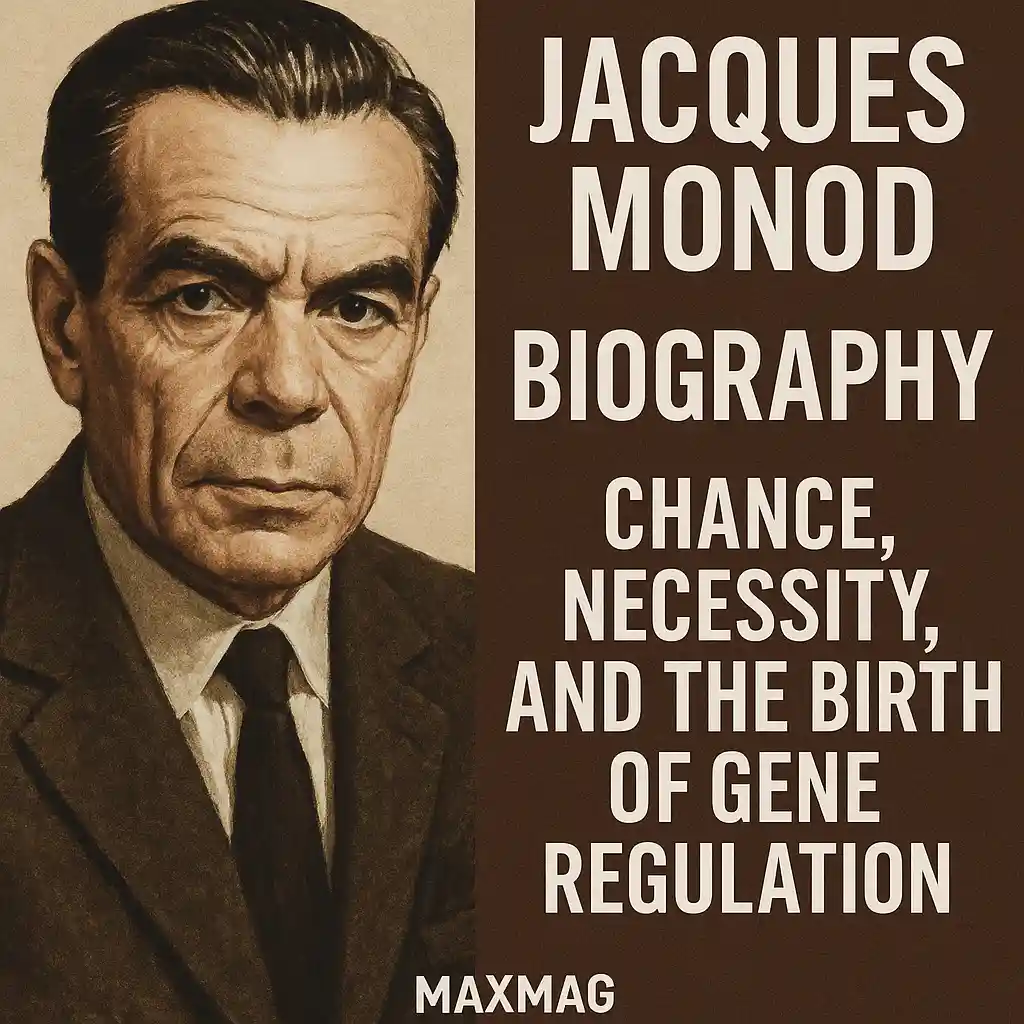
Jacques Monod: Pionier der Molekularbiologie und Nobelpreisträger
Jacques Lucien Monod war ein französischer Biochemiker, dessen bahnbrechende Arbeit die Molekularbiologie grundlegend prägte. Für seine Entdeckungen zur genetischen Kontrolle von Enzymen erhielt er 1965 den Nobelpreis für Physiologie oder Medizin. Seine Modelle, wie das berühmte Operon-Modell, gelten noch heute als Meilensteine der modernen Genetik.
Frühes Leben und akademische Ausbildung
Jacques Monod wurde am 9. Februar 1910 in Paris geboren. Schon früh zeigte sich sein breites Interesse für Naturwissenschaften und Musik. Er begann sein Studium an der Universität Paris, wo er sich zunächst der Zoologie widmete. Seine wissenschaftliche Laufbahn wurde durch den Zweiten Weltkrieg unterbrochen, doch er promovierte dennoch im Jahr 1941.
Der Weg zum Pasteur-Institut
Ein entscheidender Wendepunkt war 1941 der Eintritt von Jacques Monod in das berühmte Pasteur-Institut in Paris. Hier fand er das ideale Umfeld für seine bahnbrechende Forschung. Ab 1945 übernahm er die Leitung der Abteilung für Mikroben-Physiologie und legte damit den Grundstein für seine späteren Nobelpreis-würdigen Entdeckungen.
Am Pasteur-Institut konzentrierte er seine Arbeit auf den Stoffwechsel von Bakterien, insbesondere von Escherichia coli. Diese Fokussierung erwies sich als äußerst fruchtbar und führte zur Entwicklung der Monod-Kinetik im Jahr 1949.
Die Monod-Kinetik: Ein Fundament der Biotechnologie
Im Jahr 1949 veröffentlichte Jacques Monod ein mathematisches Modell, das das Wachstum von Bakterienkulturen in Abhängigkeit von der Nährstoffkonzentration beschreibt. Dieses Modell, bekannt als Monod-Kinetik, wurde zu einem grundlegenden Werkzeug in der Mikrobiologie und Biotechnologie.
Die Formel erlaubt es, das mikrobielle Wachstum präzise vorherzusagen und zu steuern. Bis heute ist sie unverzichtbar in Bereichen wie der Fermentationstechnik, der Abwasserbehandlung und der industriellen Produktion von Antibiotika.
Die Monod-Kinetik beschreibt, wie die Wachstumsrate von Mikroorganismen von der Konzentration eines limitierenden Substrats abhängt – ein Prinzip, das in jedem biotechnologischen Labor Anwendung findet.
Entdeckung wichtiger Enzyme
Parallel zu seinen kinetischen Studien entdeckte und charakterisierte Monod mehrere Schlüsselenzyme. Diese Entdeckungen waren direkte Beweise für seine theoretischen Überlegungen zur Genregulation.
- Amylo-Maltase (1949): Ein Enzym, das am Maltose-Stoffwechsel beteiligt ist.
- Galactosid-Permease (1956): Ein Transporterprotein, das Lactose in die Bakterienzelle schleust.
- Galactosid-Transacetylase (1959): Ein Enzym mit Funktion im Lactose-Abbauweg.
Die Arbeit an diesen Enzymen führte Monod und seinen Kollegen François Jacob direkt zur Formulierung ihres revolutionären Operon-Modells.
Das Operon-Modell: Eine Revolution in der Genetik
Die gemeinsame Arbeit von Jacques Monod und François Jacob am Pasteur-Institut gipfelte in den frühen 1960er Jahren in der Entwicklung des Operon-Modells, auch Jacob-Monod-Modell genannt. Diese Theorie erklärte erstmals, wie Gene in Bakterien koordiniert reguliert und ein- oder ausgeschaltet werden.
Die Rolle der messenger-RNA
Ein zentraler Bestandteil des Modells war die Vorhersage der Existenz einer kurzlebigen Boten-RNA, der messenger-RNA (mRNA). Monod und Jacob postulierten, dass die genetische Information von der DNA auf diese mRNA kopiert wird, welche dann als Bauplan für die Proteinherstellung dient. Diese Vorhersage wurde kurz darauf experimentell bestätigt.
Die Entdeckung der mRNA war ein Schlüsselmoment für das Verständnis des zentralen Dogmas der Molekularbiologie und ist heute Grundlage für Technologien wie die mRNA-Impfstoffe.
Aufbau und Funktion des Lactose-Operons
Am Beispiel des Lactose-Operons in E. coli zeigten sie, dass strukturelle Gene, ein Operator und ein Promotor als eine funktionelle Einheit agieren. Ein Regulatorgen kodiert für ein Repressorprotein, das den Operator blockieren kann.
- Ohne Lactose bindet der Repressor am Operator und verhindert die Genexpression.
- Ist Lactose vorhanden, bindet sie an den Repressor, ändert dessen Form und löst ihn vom Operator.
- Die RNA-Polymerase kann nun die strukturellen Gene ablesen, und die Enzyme für den Lactoseabbau werden produziert.
Dieses elegante Modell der Genregulation erklärt, wie Zellen Energie sparen und sich flexibel an Umweltveränderungen anpassen können.
Die höchste wissenschaftliche Anerkennung: Der Nobelpreis 1965
Für diese bahnbrechenden Erkenntnisse wurde Jacques Monod zusammen mit François Jacob und André Lwoff im Jahr 1965 der Nobelpreis für Physiologie oder Medizin verliehen. Die offizielle Begründung des Nobelkomitees lautete: „für ihre Entdeckungen auf dem Gebiet der genetischen Kontrolle der Synthese von Enzymen und Viren“.
Die Verleihung dieses Preises markierte nicht nur den Höhepunkt von Monods Karriere, sondern unterstrich auch die zentrale Rolle des Pasteur-Instituts als globales Epizentrum der molekularbiologischen Forschung. Seine Arbeit hatte gezeigt, dass grundlegende Lebensprozesse auf molekularer Ebene verstanden und mathematisch beschrieben werden können.
Die Entdeckung des Operon-Modells war ein Paradigmenwechsel. Sie zeigte, dass Gene nicht einfach autonom funktionieren, sondern in komplexen Netzwerken reguliert werden.
Im nächsten Teil dieser Artikelserie vertiefen wir Monods Beitrag zur Allosterie-Theorie, seine philosophischen Schriften und sein bleibendes Vermächtnis für die moderne Wissenschaft.


Luis Alvarez: Nobel Laureate and Physics Pioneer
Luis Walter Alvarez (1911–1988) was an American experimental physicist whose groundbreaking work revolutionized particle physics. Known for his hydrogen bubble chamber invention, Alvarez's contributions earned him the Nobel Prize in Physics in 1968. His legacy spans nuclear research, radar technology, and even the theory behind dinosaur extinction.
Early Life and Education
Born on June 13, 1911, in San Francisco, California, Alvarez was the son of physician Walter C. Alvarez and Harriet Smyth. His academic journey began at the University of Chicago, where he earned:
- Bachelor of Science (B.S.) in 1932
- Master of Science (M.S.) in 1934
- Doctor of Philosophy (Ph.D.) in 1936
After completing his studies, Alvarez joined the faculty at the University of California, Berkeley in 1936, where he would spend most of his career.
Major Scientific Contributions
Pioneering the Hydrogen Bubble Chamber
Alvarez's most famous invention, the hydrogen bubble chamber, transformed particle physics. This device allowed scientists to observe the tracks of subatomic particles, leading to the discovery of numerous resonance particles. Key features included:
- A 7-foot-long chamber filled with liquid hydrogen
- Millions of particle interaction photos captured and analyzed
- Discovery of over 70 new particles
His work earned him the Nobel Prize in Physics in 1968 for "decisive contributions to elementary particle physics."
World War II and Radar Technology
During World War II, Alvarez contributed to critical military technologies at the MIT Radiation Laboratory (1940–1943), including:
- Development of radar systems for bombing accuracy
- Microwave beacons and ground-controlled landing systems
- Work on the Manhattan Project (1943–1945), where he helped design the implosion mechanism for the atomic bomb
His innovations in radar technology significantly improved Allied bombing precision.
Inventions and Discoveries
Key Innovations Beyond Particle Physics
Alvarez's inventive spirit extended beyond particle physics. Notable contributions include:
- The first proton linear accelerator (1947), a foundational tool for nuclear research
- Development of the charge exchange acceleration concept, leading to the Tandem Van de Graaff generator
- Early work on K-electron capture (1937–1938) and the measurement of the neutron's magnetic moment with Felix Bloch (1939)
The Dinosaur Extinction Theory
In 1980, Alvarez and his son, geologist Walter Alvarez, proposed a revolutionary theory: that a massive asteroid impact caused the extinction of the dinosaurs. Their evidence included:
- A global layer of iridium, a rare element abundant in asteroids
- The later discovery of the Chicxulub crater in Mexico, confirming their hypothesis
This theory reshaped paleontology and remains a cornerstone of modern geology.
Legacy and Honors
Alvarez's impact on science and technology earned him numerous accolades, including:
- Induction into the National Inventors Hall of Fame
- Membership on the President's Science Advisory Committee (1971–1972)
- Recognition as a brilliant experimental physicist in Hispanic Heritage contexts
His work continues to influence modern particle detectors, such as those used at CERN, and his asteroid impact theory remains a foundational concept in geology.
Conclusion (Part 1)
Luis Alvarez's contributions to physics, technology, and geology have left an indelible mark on science. From his Nobel Prize-winning bubble chamber to his groundbreaking dinosaur extinction theory, his legacy endures in research and innovation worldwide. In the next section, we will explore his later career, collaborations, and the lasting impact of his discoveries.
Collaborations and Major Projects
Throughout his career, Luis Alvarez collaborated with leading scientists, blending experimental physics with innovative engineering. His partnerships advanced nuclear research, radar technology, and particle detection.
Work with Ernest Lawrence and the Radiation Lab
At UC Berkeley's Radiation Lab, Alvarez worked under Ernest Lawrence, a pioneer in particle accelerators. Together, they developed:
- The cyclotron, an early particle accelerator
- Techniques for high-energy physics experiments
- Advancements in cosmic ray research, including the discovery of the "East-West effect"
These collaborations laid the groundwork for Alvarez's later achievements in particle physics.
Manhattan Project Contributions
During World War II, Alvarez joined the Manhattan Project, working at Chicago Pile-2 and Los Alamos. His key contributions included:
- Designing the implosion mechanism for the atomic bomb
- Developing a device to measure the Hiroshima blast's energy
- Improving reactor detection methods for military applications
His work was critical to the project's success and post-war nuclear research.
Later Career and Impact on Modern Physics
After World War II, Alvarez returned to UC Berkeley, where he led groundbreaking projects in particle physics and beyond.
The Bevatron and High-Energy Physics
Alvarez played a pivotal role in the development of the Bevatron, a powerful particle accelerator with:
- 6 billion electron volts (6 GeV) of energy
- Capability to produce antiprotons and other exotic particles
- Applications in nuclear theory and particle discovery
This machine enabled experiments that deepened our understanding of subatomic particles.
Cosmic Ray Research and Balloon Experiments
In his later years, Alvarez shifted focus to cosmic ray studies, conducting experiments using high-altitude balloons. His research included:
- Measuring cosmic ray fluxes at different altitudes
- Investigating high-energy particle interactions in the atmosphere
- Contributing to early space physics research
These studies bridged particle physics and astrophysics, influencing future space missions.
Alvarez’s Influence on Technology and Industry
Beyond academia, Alvarez's inventions had practical applications in industry and defense.
Radar and Aviation Advancements
His wartime radar developments had lasting impacts on aviation and navigation:
- Ground-controlled landing systems for aircraft
- Microwave beacons for precision bombing
- Improvements in air traffic control technology
These innovations enhanced safety and efficiency in both military and civilian aviation.
Medical and Industrial Applications
Alvarez's work also extended to medical and industrial fields:
- Development of radio distance/direction indicators
- Contributions to nuclear medicine through isotope research
- Advancements in industrial radiography for material testing
His inventions demonstrated the broad applicability of physics in solving real-world problems.
Personal Life and Legacy
Outside the lab, Alvarez was known for his curiosity, creativity, and dedication to science.
Family and Personal Interests
Alvarez married Geraldine Smithwick in 1936, and they had two children, Walter and Jean. His son, Walter, became a renowned geologist and collaborator on the dinosaur extinction theory. Alvarez's hobbies included:
- Amateur radio operation
- Photography, which aided his scientific documentation
- Exploring archaeology and ancient civilizations
His diverse interests reflected his interdisciplinary approach to science.
Honors and Recognition
Alvarez received numerous awards, including:
- The Nobel Prize in Physics (1968)
- Induction into the National Inventors Hall of Fame
- Membership in the National Academy of Sciences
His legacy endures in modern physics, from CERN's particle detectors to ongoing research on asteroid impacts.
Conclusion (Part 2)
Luis Alvarez's career was marked by innovation, collaboration, and a relentless pursuit of discovery. His work in particle physics, radar technology, and geological theory reshaped multiple fields. In the final section, we will explore his lasting influence on science and the continued relevance of his theories today.
Alvarez’s Enduring Impact on Science
The legacy of Luis Alvarez extends far beyond his lifetime, influencing modern physics, technology, and even our understanding of Earth's history. His innovations continue to shape research and industry today.
Modern Particle Physics and CERN
Alvarez’s hydrogen bubble chamber revolutionized particle detection, paving the way for advanced technologies used at institutions like CERN. Key contributions include:
- Inspiration for digital particle detectors in modern accelerators
- Development of automated data analysis techniques still used today
- Discovery of resonance particles, which expanded the Standard Model of physics
His methods remain foundational in experiments at the Large Hadron Collider (LHC).
The Alvarez Hypothesis and Geological Research
The asteroid impact theory proposed by Alvarez and his son Walter transformed paleontology. Recent developments include:
- Confirmation of the Chicxulub crater in the 1990s
- Ongoing drilling expeditions (2020s) studying the impact’s effects
- Expanded research on mass extinction events in Earth’s history
This theory remains a cornerstone of impact geology and planetary science.
Alvarez’s Influence on Technology and Innovation
Beyond theoretical science, Alvarez’s inventions had practical applications that persist in modern technology.
Advancements in Accelerator Technology
His work on particle accelerators led to breakthroughs such as:
- The Tandem Van de Graaff generator, used in nuclear research
- Early proton linear accelerators, precursors to today’s medical and industrial machines
- Improvements in beam focusing and particle collision techniques
These innovations are critical in fields like cancer treatment and materials science.
Radar and Aviation Legacy
Alvarez’s wartime radar developments had lasting effects on aviation and defense:
- Ground-controlled landing systems now standard in airports worldwide
- Precision navigation tools for military and commercial aircraft
- Foundational work for modern air traffic control
His contributions enhanced safety and efficiency in global aviation.
Alvarez’s Role in Education and Mentorship
As a professor at UC Berkeley, Alvarez mentored generations of physicists, fostering a culture of innovation.
Training Future Scientists
His leadership in the Radiation Lab and Bevatron project involved:
- Supervising dozens of graduate students who became leading researchers
- Collaborating with hundreds of engineers and technicians
- Establishing interdisciplinary research teams in particle physics
Many of his students went on to win prestigious awards, including Nobel Prizes.
Public Engagement and Science Advocacy
Alvarez was a vocal advocate for science education and policy:
- Served on the President’s Science Advisory Committee (1971–1972)
- Promoted STEM education in schools and universities
- Encouraged public understanding of complex scientific concepts
His efforts helped bridge the gap between academia and society.
Challenges and Controversies
Like many pioneers, Alvarez faced skepticism and debate over his theories.
Initial Skepticism of the Impact Theory
The dinosaur extinction hypothesis was initially met with resistance:
- Critics argued for volcanic activity as the primary cause
- Debates persisted until the Chicxulub crater was discovered
- Modern consensus now supports the asteroid impact model
This controversy highlights the importance of evidence-based science.
Ethical Debates in Nuclear Research
Alvarez’s work on the Manhattan Project raised ethical questions:
- Concerns about the moral implications of nuclear weapons
- Debates on the responsibility of scientists in military applications
- Discussions on nuclear disarmament and global security
These issues remain relevant in today’s scientific community.
Final Thoughts: The Legacy of Luis Alvarez
Luis Alvarez’s life and work exemplify the power of curiosity, innovation, and collaboration. His contributions to particle physics, technology, and geological theory have left an indelible mark on science.
Key Takeaways
- Nobel Prize in Physics (1968) for the hydrogen bubble chamber
- Pioneering the asteroid impact theory for dinosaur extinction
- Inventions that advanced radar technology and particle accelerators
- Mentorship of future scientists and advocacy for STEM education
A Lasting Influence
From CERN’s particle detectors to ongoing research on mass extinctions, Alvarez’s ideas continue to inspire. His interdisciplinary approach reminds us that science is not just about discovery—it’s about solving real-world problems and expanding human knowledge. As we look to the future, his legacy serves as a testament to the enduring impact of bold, innovative thinking.
In the words of Alvarez himself:
"The most important thing in science is not so much to obtain new facts as to discover new ways of thinking about them."

Sir Roger Penrose: Nobel Laureate and Revolutionary Physicist
Sir Roger Penrose, born August 8, 1931, is a pioneering English mathematician, mathematical physicist, and philosopher of science. In 2020, he earned the Nobel Prize in Physics for proving black hole formation as an inevitable outcome of general relativity. At 94 years old, Penrose remains a leading voice in cosmology, quantum gravity, and the nature of consciousness.
Groundbreaking Contributions to Physics
Penrose's work has reshaped our understanding of the universe. His theories combine deep mathematical insight with bold physical imagination.
Black Hole Formation and Singularity Theorems
In the 1960s, Penrose revolutionized black hole physics. Working with Stephen Hawking, he developed singularity theorems proving that singularities—points of infinite density—must form in gravitational collapse.
"Spacetime singularities are not artifacts of idealized models but robust predictions of general relativity." — Roger Penrose
These proofs showed that black holes are not theoretical curiosities but inevitable consequences of Einstein's equations. His work provided the foundation for modern black hole research.
Penrose Tilings and Quasicrystals
In 1974, Penrose discovered non-periodic tilings using two rhombus-shaped tiles. These patterns exhibit fivefold rotational symmetry, impossible in traditional crystallography.
- Demonstrated aperiodic order in two dimensions
- Inspired the discovery of quasicrystals in 1984
- Influenced architecture, materials science, and art
This discovery challenged fundamental assumptions about order and symmetry in nature.
Key Awards and Recognition
Penrose's contributions have earned him global acclaim and numerous honors over his career.
Major Accolades
- 2020 Nobel Prize in Physics — Half of the prize for black hole theory
- 2008 Copley Medal — Royal Society's oldest scientific award
- 1988 Wolf Prize in Physics — Shared with Stephen Hawking
- Knighted in 1994 for services to science
Academic Legacy
Penrose holds prestigious positions and continues influencing new generations of scientists.
- Rouse Ball Professor of Mathematics (Emeritus), University of Oxford
- Fellow of Wadham College, Oxford
- Distinguished Visiting Professor at Penn State
His textbook "The Road to Reality" (2004) spans 1,099 pages, offering a comprehensive guide to physical laws and his quantum-gravity views.
Twistor Theory and Quantum Gravity
In 1967, Penrose introduced Twistor Theory, a geometric framework reimagining spacetime. It maps Minkowski space to complex 4D space, aiming to unify relativity and quantum mechanics. This approach transformed how physicists visualize fundamental interactions.
- Mapped spacetime to complex geometry
- Detailed in Spinors and Space-Time (1984–1986) with Wolfgang Rindler
- Provided new tools for quantum gravity research
Impact on Modern Physics
Twistor Theory laid groundwork for contemporary quantum gravity models. It introduced spin networks, now central to loop quantum gravity. Penrose's methods revitalized relativity studies in the 1960s.
"Twistor space offers a bridge between the geometric elegance of general relativity and the probabilistic nature of quantum mechanics." — Roger Penrose
Conformal Cyclic Cosmology: A New Cosmic Cycle
In 2010, Penrose proposed Conformal Cyclic Cosmology (CCC), suggesting the universe undergoes infinite cycles. Each cycle begins with a Big Bang, evolves, and ends in a remote future where expansions slow, allowing conformal rescaling to link successive eras.
- Resolves singularities through conformal rescaling
- Proposes endless cosmic recurrences
- Challenges standard Big Bang models
Scientific Reception and Evidence
CCC remains controversial but influential. Penrose argues cosmic microwave background anomalies support his model. While not universally accepted, it sparks debate on cosmology's ultimate fate.
Key prediction: Future civilizations might observe gravitational waves from the prior universe. Penrose suggests these imprints could exist in the cosmic microwave background. Such evidence remains speculative but drives new observational studies.
Penrose's Views on Consciousness and Reality
With Stuart Hameroff, Penrose developed the Orch-OR theory, linking quantum gravity to consciousness. It posits that microtubule vibrations in neurons could collapse via space-time curvature, producing conscious moments.
- Challenges standard quantum mechanics
- Suggests objective collapse in brain processes
- Influences ongoing studies of quantum effects in biology
Ongoing Influence and Debates
Penrose's consciousness ideas remain contentious but inspire research. At 94, he continues advocating for deeper links between quantum physics and the mind. His work fuels interdisciplinary dialogues on reality's nature.
Notable collaboration: Penrose remains active, confirmed as a plenary speaker at the 2026 Toward a Science of Consciousness conference. His ongoing work keeps the debate alive, challenging neuroscientists and physicists alike to reconsider the mind's quantum roots.
Academic Roles and Mentorship
As Emeritus Rouse Ball Professor of Mathematics at the University of Oxford, Penrose shaped generations of mathematicians and physicists. His mentorship extended beyond Oxford to institutions like Penn State and Syracuse.
- Emeritus fellow of Wadham College, Oxford
- Distinguished Visiting Professor at Penn State (1983–1987)
- Previously taught at Rice University and Syracuse University
Guiding Future Pioneers
Penrose's collaborations with Stephen Hawking and Wolfgang Rindler produced seminal works. His students and postdocs continue advancing relativity, quantum gravity, and mathematical physics.
"Roger Penrose doesn't just solve problems—he rewrites the questions." — Colleague at Oxford
Enduring Influence on Modern Science
At 94 years old, Penrose remains a活跃力 in theoretical physics. His ideas permeate multiple fields, driving new research and interdisciplinary breakthroughs.
Twistor Theory's Modern Resurgence
Twistor Theory gains renewed interest in quantum gravity and string theory. Recent papers cite its complex geometric framework as a potential pathway to unifying forces.
- Inspires amplituhedron research in scattering theory
- Provides tools for quantum field theory reformulation
Penrose Tilings in Technology and Art
Penrose's aperiodic tilings transcend theoretical math. They now appear in:
- Quasicrystal materials used in advanced alloys
- Architectural designs exhibiting fivefold symmetry
- Digital art and computer graphics algorithms
Conclusion: A Legacy of Intellectual Revolution
Sir Roger Penrose's career defies conventional scientific boundaries. From proving black hole inevitability to proposing cyclic universes, he transformed our cosmic perspective.
- 2020 Nobel Prize in Physics for black hole theory
- 1,099-page masterpiece "The Road to Reality" (2004)
- Knighted in 1994 for scientific contributions
Looking Ahead
Penrose's Conformal Cyclic Cosmology and Orch-OR consciousness theory continue sparking debate. His 2026 plenary speech at the Science of Consciousness conference will further challenge established paradigms.
"The universe is not only stranger than we imagine—it is stranger than we can imagine." — Inspired by Penrose's spirit
As Penrose approaches his centenary, his work remains a beacon for thinkers daring to question foundational assumptions. His legacy ensures that "impossible" ideas become tomorrow's breakthroughs.
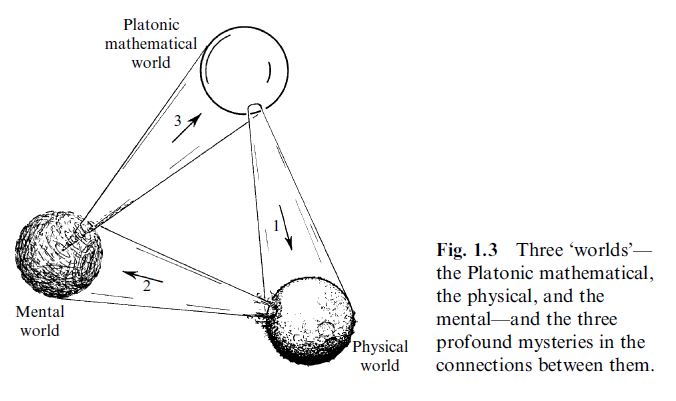
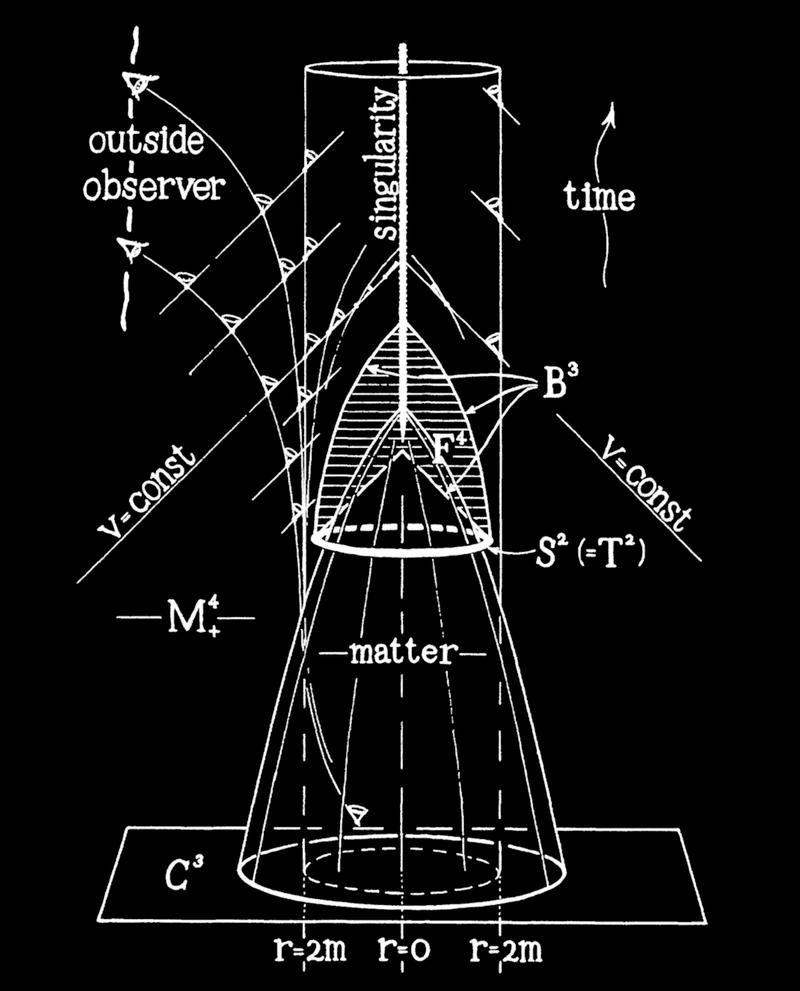
Kary Mullis and the PCR Revolution in DNA Analysis
Kary Mullis, the American biochemist, is renowned for fundamentally transforming molecular biology. His invention, the polymerase chain reaction (PCR), became one of the most significant scientific techniques of the 20th century. This article explores the life, genius, and controversies of the Nobel laureate who gave science the power to amplify DNA.
Who Was Kary Mullis?
Kary Banks Mullis was born on December 28, 1944, in Lenoir, North Carolina. He died at age 74 on August 7, 2019, in Newport Beach, California. Best known as the architect of PCR, Mullis was a brilliant yet unconventional figure.
His work earned him the 1993 Nobel Prize in Chemistry, which he shared with Michael Smith. Beyond his monumental scientific contribution, Mullis’s life was marked by eccentric personal pursuits and controversial views that often placed him at odds with the scientific mainstream.
Early Life and Academic Foundation
Mullis’s journey into science began with foundational education in chemistry. He earned his Bachelor of Science in Chemistry from the Georgia Institute of Technology in 1966. This undergraduate work provided the critical base for his future research.
He then pursued a Ph.D. in biochemistry at the University of California, Berkeley. Mullis completed his doctorate in 1972 under Professor J.B. Neilands. His doctoral research focused on the structure and synthesis of microbial iron transport molecules.
An Unconventional Career Path
After earning his Ph.D., Kary Mullis took a highly unusual detour from science. He left the research world to pursue fiction writing. During this period, he even spent time working in a bakery, a stark contrast to his future in a biotechnology lab.
This hiatus lasted roughly two years. Mullis eventually returned to scientific work, bringing with him a uniquely creative and unorthodox perspective. His non-linear path highlights the unpredictable nature of scientific discovery and genius.
The Invention of the Polymerase Chain Reaction (PCR)
The polymerase chain reaction invention is a landmark event in modern science. Mullis conceived the technique in 1983 while working as a DNA chemist at Cetus Corporation, a pioneering California biotechnology firm. His role involved synthesizing oligonucleotides, the short DNA strands crucial for the process.
The iconic moment of inspiration came not in a lab, but on a night drive. Mullis was traveling to a cabin in northern California with colleague Jennifer Barnett. He later recounted that the concept of PCR crystallized in his mind during that spring drive, a flash of insight that would change science forever.
PCR allows a specific stretch of DNA to be copied billions of times in just a few hours.
How Does PCR Work? The Basic Principle
The PCR technique is elegantly simple in concept yet powerful in application. It mimics the natural process of DNA replication but in a controlled, exponential manner. The core mechanism relies on thermal cycling and a special enzyme.
The process involves three key temperature-dependent steps repeated in cycles:
- Denaturation: High heat (around 95°C) separates the double-stranded DNA into two single strands.
- Annealing: The temperature is lowered to allow short DNA primers to bind to complementary sequences on each single strand.
- Extension: The temperature is raised to an optimal level for a heat-stable DNA polymerase enzyme to synthesize new DNA strands by adding nucleotides.
Each cycle doubles the amount of target DNA. After 30 cycles, this results in over a billion copies, enabling detailed analysis of even the smallest genetic sample.
Initial Scientific Rejection and Eventual Publication
Despite its revolutionary potential, Mullis’s PCR concept initially faced significant skepticism from the scientific establishment. His original manuscript detailing the method was rejected by two of the world’s most prestigious journals.
- The journal Nature declined to publish it in 1985, suggesting it might be better for a more specialized publication.
- Science magazine rejected it just one month later, stating the paper could not compete for their limited space.
The groundbreaking work was finally published in the journal Methods in Enzymology. This early rejection is a classic example of how transformative ideas can struggle for acceptance before their immense value is universally recognized.
The Immense Impact and Applications of PCR
The impact of PCR is nearly impossible to overstate. It became an indispensable tool across a vast spectrum of fields almost overnight. The technique’s ability to amplify specific DNA sequences with high fidelity and speed opened new frontiers.
It fundamentally changed the scale and speed of genetic research. Experiments that once took weeks or required large amounts of biological material could now be completed in hours with minute samples.
Revolutionizing Medical Research and Diagnostics
In medical diagnostics, PCR became a game-changer. It enabled the rapid detection of pathogenic bacteria and viruses long before traditional culture methods could. This speed is critical for effective treatment and containment of infectious diseases.
The technique is central to genetic testing for hereditary conditions. It allows clinicians to identify specific mutations with precision, facilitating early diagnosis and personalized medicine strategies for countless patients worldwide.
Transforming Forensic Science and Criminal Justice
Forensic science was revolutionized by the advent of PCR. The method allows crime labs to generate analyzable DNA profiles from extremely small or degraded biological evidence. This includes traces like a single hair follicle, a tiny spot of blood, or skin cells.
This capability has made DNA evidence a cornerstone of modern criminal investigations. It has been instrumental in both convicting the guilty and exonerating the wrongly accused, dramatically increasing the accuracy of the justice system.
Enabling Major Breakthroughs in Genetics
PCR was the catalyst for the monumental Human Genome Project. The project, which mapped the entire human genetic code, relied heavily on PCR to amplify DNA segments for sequencing. This would have been technologically and economically infeasible without Mullis’s invention.
In basic genetic research, PCR allows scientists to clone genes, study gene expression, and investigate genetic variation. It remains the foundational technique in virtually every molecular biology laboratory on the planet.
Back from the Bakery: Joining Cetus Corporation and the Road to PCR
After his departure from science, Kary Mullis rejoined the scientific community with renewed perspective. In 1979, he secured a position as a DNA chemist at Cetus Corporation in Emeryville, California. This biotech company was a hotbed of innovation, focusing on pharmaceutical products and recombinant DNA technology.
His primary role involved the chemical synthesis of oligonucleotides, short strands of DNA. These custom-built DNA fragments were essential tools for other scientists at Cetus. Synthesizing them was a tedious, manual process, requiring meticulous attention to detail.
This hands-on work with the fundamental building blocks of genetics proved crucial. It gave Mullis an intimate, practical understanding of DNA chemistry. This foundational knowledge was the perfect precursor to his revolutionary insight into DNA amplification.
The Eureka Moment: A Drive Through the Mountains
The story of PCR's conception has become legendary in scientific lore. In the spring of 1983, Mullis was driving to a cabin he was building in Mendocino County with his colleague, Jennifer Barnett. The California buckeyes were in bloom, scenting the night air.
As he navigated the winding roads, his mind was working on a problem. He was trying to find a better way to detect point mutations in DNA, a task that was notoriously difficult with existing methods. Suddenly, the complete concept for the polymerase chain reaction unfolded in his mind.
He later described visualizing the process: the double helix splitting, primers binding, and the enzyme building new strands, all happening repeatedly in a test tube.
Mullis pulled over to jot down notes and run calculations. He realized that the process could be exponential. A single DNA molecule could be amplified to billions of copies in just a few hours. This was the birth of a methodology that would redefine genetic engineering.
The Critical Role of Thermostable Enzymes
An initial challenge with PCR was the enzyme. Early experiments used the E. coli DNA polymerase, which was heat-sensitive. Since the first step of each PCR cycle required high heat to denature the DNA, the enzyme would be destroyed after the first cycle.
This meant scientists had to manually add fresh enzyme after each heating step, making the process impractical. The breakthrough came with the adoption of Taq polymerase, an enzyme isolated from the heat-loving bacterium Thermus aquaticus found in hot springs.
- Taq polymerase is thermostable, surviving the high temperatures of the denaturation step.
- This allowed the entire PCR process to be automated in a thermal cycler machine.
- The automation of PCR was the final piece that turned a brilliant concept into a practical, world-changing tool.
Achieving the Peak: The 1993 Nobel Prize in Chemistry
The significance of Kary Mullis's invention was formally recognized a decade after its conception. In 1993, the Royal Swedish Academy of Sciences awarded him the Nobel Prize in Chemistry. He shared the prestigious award with Michael Smith, who was honored for his work on site-directed mutagenesis.
The Nobel committee stated that PCR "has already had a decisive influence on research in basic biology, medicine, biotechnology, and forensic science." This acknowledgment cemented PCR's status as one of the most important scientific techniques ever developed.
Mullis's Nobel lecture, titled "The Polymerase Chain Reaction," detailed the method's conception and its profound implications. The prize brought him international fame and solidified his legacy within the scientific community, despite his later controversial stances.
The Significance of the Nobel Recognition
Winning a Nobel Prize is the pinnacle of scientific achievement. For Mullis, it validated his unconventional thought process and the power of a simple, elegant idea. The prize highlighted how a fundamental methodological advance could have a broader impact than a specific discovery.
The recognition also underscored the growing importance of biotechnology. PCR was a tool that originated in a biotech company, Cetus, demonstrating how industry research could drive fundamental scientific progress. The award brought immense prestige to the fledgling biotech sector.
Controversies Surrounding the Prize
As with many monumental discoveries, the Nobel Prize for PCR was not without controversy. Some scientists at Cetus argued that the invention was a collective effort. They felt that colleagues who helped refine and prove the method's utility were not adequately recognized.
Mullis, however, was always credited as the sole inventor of the core concept. The Nobel committee's decision affirmed that the initial flash of insight was his alone. The debates highlight the complex nature of attributing credit in collaborative research environments.
Kary Mullis's Controversial Views and Public Persona
Beyond his scientific genius, Kary Mullis was a deeply complex and controversial figure. He held strong, often contrarian, opinions on a range of scientific and social issues. These views frequently placed him in direct opposition to the mainstream scientific consensus.
Mullis was famously outspoken and relished his role as a scientific maverick. His autobiography, Dancing Naked in the Mind Field (1997), openly detailed his unconventional lifestyle and beliefs. This included his experiences with psychedelics, his skepticism of authority, and his rejection of established theories.
His provocative stance made him a polarizing character. While revered for PCR, he was often criticized for promoting ideas considered fringe or dangerous by the majority of his peers. This duality defines his legacy as both a brilliant innovator and a contentious voice.
Denial of the HIV-AIDS Link
One of Mullis's most prominent and damaging controversies was his rejection of the established fact that HIV causes AIDS. He became a vocal adherent of the fringe movement that denied this link, a position thoroughly debunked by decades of overwhelming scientific evidence.
Mullis argued that the correlation between HIV and AIDS was not sufficient proof of causation. His background in chemistry led him to demand what he considered a higher standard of proof, which he felt was lacking. This stance alarmed and frustrated the global public health community.
- His position was used by denialist groups to lend false credibility to their claims.
- Public health experts warned that his statements could undermine HIV prevention and treatment efforts.
- This controversy significantly tarnished his reputation among many scientists and medical professionals.
Skepticism of Climate Change and the Ozone Hole
Mullis also expressed deep skepticism about human-induced climate change. He questioned the scientific consensus on global warming, often framing it as a form of political dogma rather than evidence-based science. Similarly, he doubted the science behind the anthropogenic causes of the ozone hole.
His criticisms were not based on new climate research but on a general distrust of large scientific institutions and political motives. He positioned himself as a defender of free thought against what he perceived as groupthink. This further isolated him from the mainstream scientific establishment.
The Influence of Psychedelic Experiences
Mullis was remarkably open about his use of lysergic acid diethylamide (LSD) during his graduate studies at Berkeley and beyond. He did not view this as illicit drug use but as a meaningful intellectual and exploratory pursuit.
He directly credited his psychedelic experiences with broadening his consciousness and enhancing his creativity. Mullis claimed that his mind was opened to the non-linear thinking that led to the PCR breakthrough. He described vivid, conceptual visions that helped him visualize complex molecular processes.
"Would I have invented PCR if I hadn't taken LSD? I seriously doubt it," Mullis stated in a 1994 interview.
While this connection is anecdotal, it underscores his belief that unconventional paths could lead to profound scientific discoveries. It remains a fascinating aspect of his unique intellectual journey.
Life After Cetus: Later Career and Entrepreneurial Ventures
After the monumental success of PCR at Cetus, Kary Mullis’s career took several turns. He left the company in the fall of 1986, not long after his method began to gain widespread attention. His departure marked the beginning of a varied and entrepreneurial phase of his professional life.
Mullis briefly served as the Director of Molecular Biology at Xytronyx, Inc. in San Diego in 1986. Following this, he embraced the role of a consultant for multiple corporations. His expertise was sought by major companies including Angenics, Cytometrics, Eastman Kodak, and Abbott Laboratories.
This consultancy work allowed him to apply his unique biochemical insights across different industries. He was not confined to academia or a single corporate lab, preferring the freedom to explore diverse scientific and business challenges.
Founding Altermune and the Quest for Novel Therapies
One of Mullis's significant later ventures was founding a company named Altermune. The name was derived from "altering the immune system." The company's goal was to develop a novel class of therapeutics based on a concept Mullis called chemically programmed immunity.
The Altermune approach aimed to create molecules that could redirect the body’s existing immune defenses to new targets. Mullis envisioned using aptamers (small nucleic acid molecules) to guide antibodies to pathogens or diseased cells. This innovative idea, while scientifically intriguing, never progressed to a widely commercialized therapy.
Altermune represented Mullis's continued drive for disruptive innovation. It showcased his ability to think beyond PCR and tackle complex problems in immunology and drug development, even if the practical outcomes were limited.
The Enduring Legacy of the Polymerase Chain Reaction
The true measure of Kary Mullis’s impact lies in the pervasive, ongoing use of his invention. Decades after its conception, PCR remains a foundational technique in thousands of laboratories worldwide. Its applications have only expanded and diversified over time.
PCR's influence extends far beyond basic research. It has become a critical tool in clinical diagnostics, forensic laboratories, agricultural biotechnology, and environmental monitoring. The method's core principle has spawned numerous advanced variations and next-generation technologies.
- Real-time PCR (qPCR) allows scientists to quantify DNA in real-time, enabling precise measurement of gene expression.
- Reverse Transcription PCR (RT-PCR) converts RNA into DNA, making it essential for studying RNA viruses and gene activity.
- Digital PCR provides absolute quantification of DNA molecules, offering unparalleled sensitivity for detecting rare genetic variants.
PCR's Role in the COVID-19 Pandemic
The global COVID-19 pandemic provided a stark, real-world demonstration of PCR's indispensable value. The standard diagnostic test for detecting SARS-CoV-2 infection was, and remains, a form of RT-PCR. This test amplified viral RNA from patient swabs to detectable levels.
Without PCR technology, mass testing and surveillance during the pandemic would have been scientifically impossible. The ability to process millions of samples rapidly was directly built upon Mullis's 1983 insight. This global event highlighted how a fundamental research tool could become a central pillar of public health infrastructure.
The pandemic underscored that PCR is not just a lab technique but a critical component of modern global health security.
The Commercial and Economic Impact of PCR
The invention of PCR sparked the creation of a multi-billion dollar industry. Companies specializing in thermal cyclers, reagents, enzymes, and diagnostic kits grew rapidly. The technique created vast economic value in the biotechnology and pharmaceutical sectors.
Cetus Corporation, where Mullis worked, eventually sold the PCR patent portfolio to Hoffmann-La Roche for $300 million in 1991. This landmark deal highlighted the immense commercial potential of the technology. Today, the global PCR market continues to expand, driven by advancements in personalized medicine and point-of-care testing.
Kary Mullis: A Complicated Legacy in Science
Kary Mullis's legacy is a study in contrasts. He is universally hailed as the brilliant inventor of one of history's most important scientific methods. Yet, he is also remembered as a controversial figure who publicly rejected well-established science on issues like HIV and climate change.
This duality makes him a fascinating subject for historians of science. It raises questions about the relationship between scientific genius and scientific consensus. Mullis proved that a single individual with a transformative idea could change the world, yet he also demonstrated that expertise in one field does not confer authority in all others.
A Polarizing Figure Remembered
In the scientific community, discussions about Mullis often separate his unequivocal contribution from his controversial personal views. Most scientists celebrate PCR while distancing themselves from his denialist stances. His death in 2019 prompted reflections on this complex legacy.
Obituaries in major publications grappled with how to honor the inventor while acknowledging the provocateur. They credited his monumental achievement but did not shy away from detailing his fringe beliefs. This balanced remembrance reflects the nuanced reality of his life and career.
The Future Built on PCR Technology
The future of biotechnology and medicine is deeply intertwined with the ongoing evolution of PCR. Next-generation sequencing, the cornerstone of genomic medicine
Point-of-care and portable PCR devices are bringing DNA analysis out of central labs and into field clinics, airports, and even homes. The drive for faster, cheaper, and more accessible nucleic acid testing ensures that Mullis’s invention will remain at the forefront of scientific and medical progress for decades to come.
New applications continue to emerge in areas like liquid biopsy for cancer detection, non-invasive prenatal testing, and monitoring of infectious disease outbreaks. The core principle of amplifying specific DNA sequences remains as powerful and relevant today as it was in 1983.
Awards and Honors Beyond the Nobel Prize
While the Nobel Prize was his most famous honor, Kary Mullis received numerous other accolades for his work on PCR. These awards recognized the transformative power of his invention across different domains.
- He received the Japan Prize in 1993, the same year as his Nobel.
- He was awarded the R&D Scientist of the Year award in 1991.
- Mullis also received the National Biotechnology Award and the Gairdner Foundation International Award.
- He was inducted into the National Inventors Hall of Fame in 1997.
Conclusion: The Eccentric Genius Who Changed the World
Kary Mullis's story is one of unconventional brilliance. From his detour into fiction writing and bakery work to his psychedelic-inspired eureka moment on a California highway, his path was anything but ordinary. Yet, his singular idea, the polymerase chain reaction, created a before-and-after moment in the history of biology.
PCR democratized access to the genetic code. It turned DNA from a molecule that was difficult to study in detail into one that could be copied, analyzed, and manipulated with ease. The technique accelerated the pace of biological discovery at a rate few inventions ever have.
The legacy of Kary Mullis is thus permanently etched into the fabric of modern science. Every time a pathogen is identified, a genetic disease is diagnosed, a criminal is caught through DNA evidence, or a new gene is sequenced, his invention is at work. The undeniable utility and omnipresence of PCR secure his place as one of the most influential scientists of the modern era, regardless of the controversies that surrounded him.
In the end, Kary Mullis exemplified how a simple, elegant concept can have an exponentially greater impact than its originator might ever imagine. His life reminds us that scientific progress can spring from the most unexpected minds and moments, forever altering our understanding of life itself.
In conclusion, Kary Mullis's invention of PCR revolutionized molecular biology, leaving an indelible mark on science despite his unconventional life and views. His legacy compels us to consider how profound innovation can arise from the most unexpected individuals. Reflect on how a single idea can amplify its impact across countless fields, from medicine to forensics.

Yves Chauvin: Nobel Laureate Who Revolutionized Chemistry
Yves Chauvin was a pioneering French chemist whose groundbreaking work on olefin metathesis earned him the 2005 Nobel Prize in Chemistry. His discoveries transformed organic synthesis, enabling greener and more efficient production of pharmaceuticals, polymers, and petrochemicals. This article explores his life, career, and the enduring impact of his contributions to science and industry.
Early Life and Education
Yves Chauvin was born on October 10, 1930, in Menen, Belgium. His family later moved to France, where he developed an early interest in chemistry. He pursued his higher education at the Lyon School of Chemistry, Physics, and Electronics, graduating in 1954.
After completing his studies, Chauvin began his career in research, focusing on catalysis and organic chemistry. His early work laid the foundation for his later breakthroughs in metathesis reactions, which would eventually earn him global recognition.
The Discovery of Olefin Metathesis
Understanding the Mechanism
In 1971, Yves Chauvin proposed a revolutionary mechanism for olefin metathesis, a chemical reaction where carbon-carbon double bonds are broken and reformed. This process, often described as a "dance of molecular partners," allows for the swapping of molecular groups in a highly controlled manner.
Chauvin's work demonstrated that metal carbene catalysts were key to facilitating these reactions. His insights provided a clear explanation for a phenomenon that had puzzled chemists for decades, paving the way for further advancements in the field.
Impact on Organic Synthesis
The discovery of the metathesis mechanism had a profound impact on organic synthesis. It enabled chemists to create complex molecules with greater precision and efficiency, reducing waste and energy consumption. This breakthrough was particularly significant for the production of pharmaceuticals, polymers, and petrochemicals.
Chauvin's work also contributed to the development of green chemistry, a field focused on minimizing the environmental impact of chemical processes. By enabling more efficient and sustainable synthesis methods, his discoveries helped reduce hazardous waste and improve industrial practices.
Career at the French Institute of Petroleum
Joining IFP and Early Research
In 1960, Yves Chauvin joined the French Institute of Petroleum (IFP), now known as IFP Energies Nouvelles. His early research at IFP focused on homogeneous catalysis, particularly the use of transition metals to facilitate chemical reactions.
Chauvin's work at IFP was characterized by a strong connection between fundamental research and industrial applications. His discoveries in catalysis had immediate practical implications, leading to the development of new processes for the petrochemical industry.
Development of Industrial Processes
During his tenure at IFP, Chauvin played a key role in developing several industrial processes that are still in use today. These include:
- Dimersol: A process that uses nickel catalysts to dimerize propene, producing isohexenes used as petrol additives. By 2005, there were 35 plants worldwide producing 3.5 million tonnes per year.
- Alphabutol: A process that uses titanium catalysts to dimerize ethene, producing 1-butene for linear low-density polyethylene. This process was operational in 20 plants by 2005, with production exceeding 400,000 tonnes per year.
- Difasol: An enhanced variant of Dimersol that uses ionic liquids as solvents, improving safety and efficiency. This process achieved commercial success in refining.
These processes not only improved the efficiency of petrochemical production but also contributed to sustainable development by reducing energy use and byproducts.
Recognition and Legacy
The Nobel Prize in Chemistry
In 2005, Yves Chauvin was awarded the Nobel Prize in Chemistry for his work on olefin metathesis. He shared the prize with Robert H. Grubbs and Richard R. Schrock, who further developed and applied his discoveries.
The Nobel Committee recognized Chauvin's contribution as fundamental to the advancement of organic synthesis. His work enabled the creation of more efficient and environmentally friendly chemical processes, aligning with the growing emphasis on green chemistry.
Election to the French Academy of Sciences
In the same year he received the Nobel Prize, Chauvin was elected to the French Academy of Sciences. This honor reflected his significant contributions to chemistry and his role in advancing scientific knowledge.
Chauvin's election to the Academy was a testament to his influence in the scientific community. His work continued to inspire researchers and industry professionals, driving innovation in catalysis and organic synthesis.
Conclusion of Part 1
Yves Chauvin's discoveries in olefin metathesis revolutionized the field of chemistry, enabling more efficient and sustainable industrial processes. His career at the French Institute of Petroleum showcased the power of bridging fundamental research with practical applications. In the next part of this article, we will delve deeper into his specific contributions to industrial processes and the broader impact of his work on modern chemistry.
Industrial Applications of Chauvin’s Metathesis Research
Yves Chauvin transformed theoretical chemistry into tangible industrial processes. His work at the French Institute of Petroleum (IFP) led to the creation of multiple catalytic systems that remain vital in petrochemical production. These innovations not only improved efficiency but also advanced sustainable chemistry by reducing waste and energy consumption.
Dimersol: A Game-Changer in Petrochemicals
The Dimersol process, developed under Chauvin’s leadership, uses nickel-based catalysts to convert propene into isohexenes. These compounds are essential as high-octane additives in gasoline. By 2005, the process was operational in 35 plants worldwide, producing an estimated 3.5 million tonnes annually. This innovation significantly enhanced fuel quality while minimizing environmental impact.
Dimersol’s success lies in its ability to operate under mild conditions, reducing the need for extreme temperatures or pressures. This efficiency translates into lower operational costs and a smaller carbon footprint, aligning with modern green chemistry principles.
Alphabutol: Enabling High-Performance Polymers
Another key contribution was the Alphabutol process, which employs titanium catalysts to dimerize ethene into 1-butene. This compound is a critical building block for linear low-density polyethylene (LLDPE), a versatile plastic used in packaging, automotive parts, and medical devices.
By 2005, 20 plants were using Alphabutol, with an annual production exceeding 400,000 tonnes. The process was projected to expand further, highlighting its growing importance in the global plastics industry. Chauvin’s work ensured that this polymerization method was both scalable and environmentally responsible.
Difasol: Innovating with Ionic Liquids
Chauvin also pioneered the use of ionic liquids in catalysis through the Difasol process. This method improved upon Dimersol by using nickel catalysts dissolved in ionic liquids, which allowed for 10 times smaller reaction volumes. The result was a safer, more compact, and energy-efficient system for petrochemical refining.
The adoption of ionic liquids marked a significant shift in industrial catalysis. These solvents are non-volatile and reusable, reducing hazardous waste and aligning with sustainable development goals. Difasol’s success demonstrated Chauvin’s ability to merge cutting-edge research with practical industrial needs.
Chauvin’s Influence on Green Chemistry
Yves Chauvin was a visionary in promoting green chemistry, an approach that minimizes the environmental impact of chemical processes. His work on olefin metathesis and catalytic systems provided the foundation for cleaner, more efficient industrial methods. These innovations continue to shape modern chemical manufacturing.
Reducing Hazardous Waste
Traditional chemical synthesis often generates significant waste, including toxic byproducts and solvent emissions. Chauvin’s catalytic processes, such as Dimersol and Alphabutol, drastically reduced these outputs. By using highly selective catalysts, his methods ensured that reactions produced fewer unwanted side products, lowering the environmental burden.
For example, the metathesis reaction allows for the precise assembly of complex molecules without excessive energy input. This precision reduces the need for harsh chemicals and solvents, further contributing to sustainable industrial practices.
Energy Efficiency in Chemical Processes
Energy consumption is a major concern in chemical manufacturing. Chauvin’s processes were designed to operate under mild conditions, reducing the need for high temperatures and pressures. This approach not only cuts energy costs but also decreases greenhouse gas emissions associated with industrial production.
The Difasol process, with its use of ionic liquids, exemplifies this efficiency. By enabling reactions in smaller volumes and at lower temperatures, it set a new standard for energy-efficient catalysis. These principles are now widely adopted in the development of next-generation chemical technologies.
Patents and Publications: A Legacy of Innovation
Throughout his career, Yves Chauvin was a prolific inventor and researcher. His contributions are documented in over 90 scientific publications and 130 patents, many of which remain foundational in industrial chemistry. These works reflect his deep understanding of catalysis and his commitment to advancing chemical science.
Key Patents and Their Impact
Chauvin’s patents cover a wide range of catalytic processes, from olefin metathesis to the use of ionic liquids in chemical reactions. Some of his most influential patents include:
- Dimersol Process (1970s): Revolutionized the production of high-octane fuel additives.
- Alphabutol Process (1980s): Enabled the efficient synthesis of 1-butene for polymer production.
- Difasol Process (1990s): Introduced ionic liquids to catalysis, improving safety and efficiency.
These patents not only secured Chauvin’s legacy but also provided the chemical industry with tools to enhance productivity while reducing environmental harm. His work continues to inspire new generations of chemists and engineers.
Scientific Publications and Collaborations
Chauvin’s research was widely published in prestigious journals, where he shared insights into catalysis, metathesis, and green chemistry. His collaborations with other leading scientists, including Robert H. Grubbs and Richard R. Schrock, further advanced the field of organic synthesis.
One of his most cited works involves the mechanism of olefin metathesis, which provided a theoretical framework for subsequent experimental breakthroughs. This publication remains a cornerstone in chemical education and research, demonstrating the enduring relevance of his contributions.
Global Recognition and Awards
Yves Chauvin received numerous accolades throughout his career, culminating in the 2005 Nobel Prize in Chemistry. This prestigious award recognized his role in developing the metathesis method, a tool that has become indispensable in modern chemistry.
The Nobel Prize and Its Significance
The Nobel Prize highlighted Chauvin’s foundational work on olefin metathesis, which enabled the creation of complex molecules with unprecedented efficiency. The prize was shared with Grubbs and Schrock, who built upon Chauvin’s theoretical insights to develop practical catalytic systems.
This recognition underscored the importance of fundamental research in driving industrial innovation. Chauvin’s ability to bridge theory and application set a precedent for how scientific discoveries can transform entire industries.
Other Notable Honors
In addition to the Nobel Prize, Chauvin was elected to the French Academy of Sciences in 2005, further cementing his status as a leader in chemical research. His election reflected the broad impact of his work on both academic and industrial chemistry.
Other honors included:
- Grand Prix de la Fondation de la Maison de la Chimie (1990): Recognized his contributions to catalysis.
- Chevalier de la Légion d’Honneur (2006): Awarded for his service to science and industry.
These awards highlight the global appreciation for Chauvin’s contributions, which continue to influence chemical research and industrial practices worldwide.
Conclusion of Part 2
Yves Chauvin left an indelible mark on chemistry through his pioneering work on olefin metathesis and catalytic processes. His innovations at the French Institute of Petroleum revolutionized industrial chemistry, making production more efficient and sustainable. In the final part of this article, we will explore his lasting legacy, the ongoing impact of his research, and how his principles continue to guide modern chemical advancements.
Legacy of Yves Chauvin
Yves Chauvin’s contributions to chemistry continue to shape modern science and industry. His pioneering work on olefin metathesis remains a cornerstone of organic synthesis, enabling precise molecular construction with minimal waste. Even after his passing in 2015, the processes he developed—such as Dimersol, Alphabutol, and Difasol—are still operational in refineries and chemical plants worldwide.
The metathesis method he proposed in 1971 has become integral to producing advanced plastics, pharmaceuticals, and fuel additives. By allowing chemists to rearrange carbon-carbon double bonds with unmatched precision, his discovery supports green chemistry principles, reducing energy use and byproducts. Industries continue to build on his insights, ensuring his legacy endures in both academic research and commercial applications.
Enduring Industrial Relevance
Chauvin’s catalytic processes remain vital to the petrochemical industry. For example:
- Dimersol continues to produce 3.5 million tonnes of isohexenes annually, used as high-octane fuel additives.
- Alphabutol supports the synthesis of linear low-density polyethylene (LLDPE), with global production exceeding 400,000 tonnes per year.
- Difasol’s use of ionic liquids has inspired safer, more efficient catalytic systems in refining.
These processes not only boost productivity but also align with sustainability goals by minimizing hazardous waste and energy consumption. Chauvin’s ability to bridge fundamental research and industrial application set a benchmark for modern chemical innovation.
Educational Impact and Mentorship
Beyond his scientific discoveries, Yves Chauvin influenced countless researchers through his publications and collaborations. His over 90 scientific papers and 130 patents serve as educational resources for students and professionals alike. By clearly explaining the mechanism of olefin metathesis, he empowered future chemists to explore new catalytic pathways.
Chauvin’s work at the French Institute of Petroleum (IFP) also emphasized practical training. He fostered a culture where theoretical insights were tested in real-world scenarios, preparing generations of scientists for careers in both academia and industry. His mentorship style encouraged interdisciplinary collaboration, a legacy evident in the global adoption of his methods.
Future of Metathesis and Sustainable Chemistry
The principles established by Yves Chauvin are guiding next-generation technologies in sustainable chemistry. Researchers are leveraging metathesis to develop novel materials, such as biodegradable polymers and targeted drug delivery systems. These applications promise to further reduce environmental impact while meeting global demand for high-performance chemicals.
Emerging Applications
Modern scientists are expanding metathesis into new domains, including:
- Pharmaceutical synthesis: Creating complex drug molecules with fewer steps and less waste.
- Bio-based materials: Designing plastics from renewable resources using metathesis-based processes.
- Catalysis in microreactors: Miniaturizing reactions for cleaner, faster industrial production.
Chauvin’s foundational work provides the framework for these advancements, demonstrating how green chemistry can drive both innovation and environmental stewardship.
Conclusion
Yves Chauvin transformed chemistry by turning theoretical insights into industrial revolutions. His 1971 proposal of the metal carbene mechanism for olefin metathesis earned him the 2005 Nobel Prize in Chemistry and reshaped organic synthesis. From the Dimersol process producing millions of tonnes of fuel additives to the Alphabutol method enabling life-saving polymers, his innovations continue to power global industries.
Chauvin’s legacy is a testament to the power of bridging science and application. By prioritizing efficiency and sustainability, he laid the groundwork for a cleaner, more resourceful chemical industry. As researchers worldwide build on his discoveries, Yves Chauvin remains a guiding light in the pursuit of green chemistry and innovative catalysis.
In a world increasingly focused on sustainability, Chauvin’s work serves as a blueprint for balancing industrial progress with environmental responsibility. His insights will continue to inspire chemists, engineers, and policymakers to create solutions that benefit both society and the planet.


Fritz Haber: A Chemist Whose Work Changed the World
The Rise of a Scientist
Fritz Haber was born on December 9, 1868, in Barmen, Germany (now part of Wuppertal), to a Jewish family. From an early age, Haber displayed great interest and aptitude in chemistry. His family moved to Karlsruhe in 1876, where he attended school. It was here, under the supervision of chemistry teacher Adolf Naumann, that Haber's love for chemistry truly blossomed.
A Pioneering Inventor
After completing his secondary education, Haber enrolled at the ETH Zurich, where he studied chemistry. In 1891, upon his graduation, he moved to Germany to further his research. Haber's contributions to science were innovative and far-reaching. He is perhaps best known for his development of the Haber-Bosch process, which revolutionized the production of ammonia from nitrogen and hydrogen gases. This discovery was critical not only for agricultural but also for the chemical industry and the production of explosives.
The Chemical Bond Between Nitrogen and Hydrogen
Nitrogen, the most abundant element in the atmosphere, is essential for plant growth. However, atmospheric nitrogen is largely bound in inert triple bonds, making it unusable for plants. By developing a method to break these bonds and convert nitrogen into ammonia, Haber made it possible to fix atmospheric nitrogen into usable forms for agriculture. This breakthrough had profound implications: it significantly increased crop yields, supporting global population growth and enhancing food security.
Academic Achievements and Controversies
In academia, Haber rapidly rose through the ranks. He began working at the Rhine-Weser Polytechnic School in Kiel in 1894 and soon thereafter became a privatdozent, or associate professor, in 1895. In 1905, he moved to the Technical University of Karlsruhe, where he conducted groundbreaking research on hydrogenation and cyanolysis.
Despite his contributions to science, Haber faced significant controversy. His work on chlorine gas during World War I was particularly contentious. When German forces used chlorine gas in chemical warfare against Allied troops, Haber was criticized for his invention. Nevertheless, his efforts to develop a gas mask to protect soldiers and his leadership in establishing chemical defense measures earned him praise.
The Role of Chemistry in Warfare
Haber's involvement in chemical warfare was a turning point in his scientific career. During World War I, he took charge of the development of chemical weapons for the German army. His initial justification for this work was its potential to end the war quickly, thus saving lives. However, his actions led to profound moral dilemmas regarding the application of scientific knowledge in warfare.
Despite personal reservations, Haber remained committed to his role. After the war, he sought ways to alleviate some of the humanitarian suffering caused by his inventions through his work on treating mustard gas injuries and developing methods to remove poison gases from the battlefield.
Recognition and Legacy
Haber's contributions did not go unrecognized. In 1918, he was appointed director of the Kaiser Wilhelm Institute for Physical Chemistry and Electrochemistry in Berlin-Kiel, a post he held until 1933. In 1918, he was awarded the Nobel Prize in Chemistry "for his synthesis of ammonia from its elements." This recognition acknowledged his groundbreaking work and its long-term benefits to humanity.
Through his scientific achievements, Haber left a lasting legacy. His invention of the Haber-Bosch process transformed modern agriculture, allowing for unprecedented production of fertilizers. However, his role in chemical warfare also left a complex legacy that continues to be debated and reevaluated to this day.
As Fritz Haber's life story unfolds, it highlights the complex interplay between scientific innovation, ethical considerations, and societal impact. His pioneering work remains a testament to the power of chemistry to address some of the world's most pressing challenges.
The Impact on Society and Industry
The Haber-Bosch process quickly became a cornerstone of modern agriculture. Prior to its invention, the natural fixation of nitrogen required specific conditions found mainly in leguminous plants. This meant that conventional farming practices were limited in their ability to produce large quantities of food. With the ability to artificially transform atmospheric nitrogen into ammonia, the limitations of traditional soil fertility were overcome.
The process of nitrogen fixation enabled the rapid industrialization and expansion of agriculture globally. Farmers could now use synthetic fertilizers to enhance soil fertility, leading to unprecedented increases in crop yields. This not only supported population growth but also helped feed a rapidly expanding human population. According to estimates, about half of the protein consumed by humans today is due to nitrogen inputs from the Haber-Bosch process.
The economic and social implications were profound. The increase in food production allowed for more efficient land use and contributed to urbanization and industrial development. Additionally, the demand for nitrogen fertilizers spurred further advancements in chemical manufacturing and logistics. The process became a vital component of the Green Revolution, which significantly increased crop productivity in developing countries.
Ethical Dilemmas and Moral Controversies
Beyond its scientific and agricultural impact, Haber's work in chemical warfare introduced a new dimension to ethical debates in science. His development of the Haber-Bosch process was seen as a positive advancement for humanity, yet his contributions to military technology during World War I posed serious ethical questions.
Haber's invention of chlorine gas as a weapon was a pivotal moment. The use of chemical weapons during the war caused immense suffering and death among soldiers and civilians alike. Despite his efforts to mitigate the impact of poison gases, such as developing gas masks and devising methods to remove poison gases from the battlefield, his dual role as a scientist and a military chemist created significant moral conflicts.
In the years following the war, Haber faced intense criticism from the public and even some members of his own scientific community. His dedication to serving his country during the war complicated his legacy. Many were left questioning the moral boundaries of scientific discoveries and their applications.
Haber's response to this criticism was multifaceted. He emphasized the potential of his inventions to save lives and prevent prolonged wars. However, his public statements often appeared ambiguous and at times seemed to justify his involvement in chemical warfare. This ambiguity ultimately contributed to a complex and often contradictory legacy.
Later Years and Personal Life
After the war, Haber continued his scientific work but faced increasing public scrutiny. His personal life was also marked by tragedy and conflict. In 1919, his wife Clara died while attempting to set fire to herself in protest over her husband’s involvement in chemical warfare. Her suicide deeply affected Haber, adding to his feelings of guilt and distress.
Despite his personal turmoil, Haber remained dedicated to scientific advancement. He continued to make significant contributions to chemistry, including his work on hydrogenation reactions, which were crucial for the production of fatty acids and oils used in soap and margarine production.
Throughout his later years, Haber grappled with the ethical implications of his work. He attempted to focus on peaceful applications of his discoveries, emphasizing their importance for societal progress. However, the shadow of his wartime activities persisted, influencing both his professional and personal life.
In 1933, with the rise of the Nazi regime, Haber, who was of Jewish ancestry, found himself in a precarious position. Fearing for his safety and that of his family, he attempted to emigrate to the United States but passed away in Basel, Switzerland, on January 29, 1934, after a series of heart attacks.
His passing marked the end of an era but left behind a rich legacy of scientific innovation mixed with ethical ambiguity. Haber's life and work continue to be subjects of extensive academic and popular interest, offering valuable insights into the dual nature of scientific discovery and its potential impacts on society.
Evaluation and Reflection
Reflecting on Fritz Haber's life, one sees a figure of immense scientific achievement and complexity. His Haber-Bosch process has had a transformative effect on agriculture and industry, impacting billions of people worldwide. But his involvement in chemical warfare brought him profound ethical challenges and personal despair.
Haber's story serves as a cautionary tale about the ethical responsibilities that accompany scientific discoveries. While his contributions to humanity are undeniable, his personal struggles highlight the potential for scientific advancements to have both beneficial and detrimental effects.
The legacy of Fritz Haber today is one of enduring reflection. As we continue to benefit from his chemical innovations, it is essential to also consider the broader implications and ethical questions they pose. Fritz Haber's journey provides a nuanced perspective on the intricate relationship between science and society, urging us to carefully weigh the potential consequences of our technological advancements.
Moral Reflections and Scientific Responsibility
The enduring relevance of Fritz Haber's legacy lies in the broader discussions it sparks about scientific responsibility and morality. As societies increasingly rely on technological advancements, the example of Haber underscores the need for scientists to critically evaluate the potential societal and ethical impacts of their work.
From a contemporary perspective, the Haber-Bosch process stands out not just as a technical triumph but as a case study in the dual-use nature of scientific discoveries. The process has been central to addressing global food security, but it also highlights the risks associated with technologies that have both civilian and military applications. This duality necessitates careful consideration and regulation to ensure that scientific progress aligns with ethical values.
Efforts to address the dual-use challenge have gained momentum since Haber's time. Organizations like the International Council for Science (ICSU) and the International Union of Pure and Applied Chemistry (IUPAC) have developed guidelines and standards to help researchers navigate ethical dilemmas. These initiatives aim to promote responsible research and innovation by fostering open dialogue and international collaboration.
Public engagement and education play critical roles in shaping societal responses to scientific advancements. Initiatives like science communication programs in schools and public forums can help raise awareness about the ethical dimensions of scientific research. By involving the broader public in these discussions, scientists can better understand the concerns and expectations of society, thereby fostering trust and confidence in scientific endeavors.
Moreover, interdisciplinary approaches have become essential in addressing the multidimensional implications of scientific discoveries. Collaboration between ethicists, policymakers, and scientists can help develop frameworks that balance the benefits of technological advancements with the need for ethical considerations. This collaborative framework can guide researchers in making informed decisions that promote both innovation and social welfare.
Another key aspect is the need for transparency and accountability in scientific research. Publishing studies and sharing data openly can help build trust and enable peer review processes to identify potential ethical issues. Institutions and funding agencies can support this openness by implementing policies that reward scientists for responsible conduct of research.
The legacy of Fritz Haber has inspired ongoing debates about the roles and responsibilities of scientists in society. His story serves as a reminder that scientific progress is not just about technical mastery but also about upholding ethical standards. As new technologies emerge, such as genetically modified organisms (GMOs), artificial intelligence, and synthetic biology, the relevance of Haber’s lessons becomes even more pronounced.
In conclusion, Fritz Haber's life and work offer a complex and multifaceted narrative that encapsulates the tensions inherent in scientific advancement. His inventions have had a profoundly positive impact on global food security, yet his involvement in chemical warfare highlights the potential drawbacks of such breakthroughs. Today, as we strive to harness the power of science for the betterment of humanity, it is essential to learn from Haber’s story and approach scientific research with a strong ethical framework. Only through a balanced and responsible approach can we ensure that scientific progress truly benefits society as a whole.
Fritz Haber remains a symbol of scientific ingenuity and moral complexity, reminding us that the quest for knowledge must always be guided by a commitment to ethics and a deep understanding of the human consequences of our actions.


Charles Hard Townes: Pioneering Innovator and Nobel Laureate
Early Life and Education
Charles Hard Townes was born on January 28, 1915, in Greenville, South Carolina. He showed a natural aptitude for mathematics and physics from an early age, which laid the foundation for his future career as one of the most influential scientists of the 20th century. His father, Charles William Townes, was a teacher of history and literature, while his mother, Louise Townes, passed away when Chuck was only seven years old. This loss significantly shaped his personality and contributed to his independence.
Townes received his undergraduate degree from Furman University in 1935, where he excelled academically and was initiated into Phi Beta Kappa. Following this, he moved to the University of North Carolina at Chapel Hill for his graduate studies, earning his Ph.D. in physics in 1939. His doctoral thesis focused on molecular spectra, an area that would later prove to be pivotal in his groundbreaking work.
The Rise of Quantum Electronics and Microwave Spectroscopy
Upon completing his Ph.D., Townes accepted a position at Columbia University as a research associate. It was here that he embarked on his pathbreaking research in microwave spectroscopy. His work began with a novel approach to measuring the spectral lines of molecules. By using precise measurements, Townes and his team were able to refine the accuracy of these measurements, which would be crucial for future developments in quantum electronics.
In 1945, during World War II, Townes joined the Army Signal Corps, where his expertise in spectroscopy was invaluable. There, he worked on radar systems and participated in critical wartime projects. It was during his service that Townes conceived the idea for what would become the maser (Microwave Amplification by Stimulated Emission of Radiation), a precursor to the laser. The concept drew upon Einstein's theory of stimulated emission, which predicted that particles could be made to emit radiation at the same frequency and phase as an incoming wave, leading to amplification.
In 1946, Townes returned to Columbia University, where he further refined his ideas and began exploring practical applications of his theories. He collaborated with others, including his brother John, a mathematician, and Arthur Schawlow, a physicist and electrical engineer. Together, they worked on designs for a device that could amplify and generate light at specific wavelengths, a concept that would eventually lead to the invention of the optical laser.
The Development of the Maser and Its Impact
By 1953, Townes and his colleagues managed to build a working maser. The device utilized ammonia molecules excited by microwaves to produce coherent electromagnetic radiation at frequencies of about 24 gigahertz. This was a landmark achievement, as it was the first device capable of amplifying radiation without relying on an external light source. Townes later recalled, "The maser was like a flashlight that worked without batteries. It simply took a continuous supply of energy and turned some of the energy into light."
The development of the maser had significant implications for various fields, including astronomy and communication. Townes and his colleagues demonstrated its potential in detecting molecules in interstellar space, providing new insights into the composition and structure of distant stars and galaxies. This capability revolutionized astrophysics, enabling researchers to identify previously undiscovered chemical compounds in the universe.
Moreover, the maser laid the groundwork for the invention of the laser. The principles of the maser—specifically, stimulated emission and the mechanism of light amplification—were directly transferred to the design of lasers. Townes and Schawlow published their theoretical paper on laser in 1958, which detailed how a similar process involving visible light could achieve the same effect. Their work provided scientists with a blueprint for the construction of laser devices.
While the maser was a significant step, the true impact of Townes's work became evident with the invention of the laser. Lasers proved to be a revolutionary tool across multiple disciplines. They were employed in medical devices, precision cutting tools, telecommunications, and even consumer electronics like CD and DVD players. The versatility of lasers also contributed to technological advancements in material science, spectroscopy, and data storage.
Nobel Prize and Legacy
For his contributions to both the maser and the development of the laser, Charles Townes received numerous accolades throughout his career. In 1964, he was awarded the Nobel Prize in Physics, shared with Nikolay Basov and Alexander Prokhorov, who conducted pioneering work on the theoretical aspects of the maser and laser. Townes's recognition came not only for the technical achievements but also for his leadership and mentorship, which inspired generations of scientists around the world.
Townes’s influence extended far beyond the scientific community. His insights into quantum mechanics and his innovative thinking played a crucial role in shaping modern technology. He believed strongly in the application of scientific knowledge for societal benefit and actively advocated for interdisciplinary collaboration between physicists, engineers, and other specialists.
Throughout his life, Townes remained deeply committed to advancing the frontiers of knowledge. His legacy is preserved through various institutions that carry forward his vision, including the National Science Foundation, where he served as the first director of the NSF Division of Engineering, and the Center for Energy Research at UC Berkeley, which bears his name.
As he reflected on his long and impactful career, Townes emphasized the importance of perseverance and imagination. "The essential ingredient for scientific progress," he often said, "is a curious mind." This simple yet profound statement encapsulates Townes's enduring legacy—a reminder that in the pursuit of scientific discovery, curiosity and creativity remain paramount.
Teaching and Mentoring: Fostering the Next Generation of Scientists
Charles Townes's contributions did not end with his groundbreaking work on the maser and laser. Throughout his career, he was committed to mentoring and teaching, nurturing the next generation of scientists. In 1961, he joined the faculty of the University of California, Berkeley, and began shaping the next generation of scientists through his teaching and mentorship.
At Berkeley, Townes established the Laboratory for Physical Biology, where he continued his research in molecular spectroscopy. His dedication to teaching and mentoring was evident in his numerous courses and lectures. He was known for his engaging teaching style, which combined rigorous scientific content with a down-to-earth approach that made complex concepts accessible to students.
Townes’s teaching at Berkeley spanned a wide range of subjects, from general physics to more specialized modules in molecular spectroscopy and quantum electronics. His approach emphasized both theoretical and practical aspects of science. He encouraged students to think critically and to question assumptions, a method that helped shape many of his students into independent thinkers and innovative researchers.
One of his most notable students was William Giauque, who won the Nobel Prize in Chemistry in 1959. Giauque, like many others, was profoundly influenced by Townes's teaching methods and his emphasis on the importance of scientific curiosity. Another prominent alumnus is Charles K. Kao, who won the Nobel Prize in Physics in 2009 for his pioneering work in fiber-optic communication. Kao credits Townes for fostering his interest in physics and inspiring him to pursue research that would have significant real-world applications.
Townes's impact on his students extended beyond the classroom. He mentored many in his laboratory, providing them not just with technical knowledge but also with valuable life skills. He encouraged them to explore their own interests and to be persistent in their scientific endeavors, even in the face of difficulties. This mentorship style helped to produce a generation of scientists who were not only adept at their craft but also driven by a genuine passion for discovery.
Interdisciplinary Advancements and the Role of Collaboration
Charles Townes believed strongly in the power of interdisciplinary collaboration. He understood that the boundaries between different scientific disciplines were often artificial and that breakthroughs could come when scientists from diverse backgrounds worked together. This belief was reflected in his own career, which bridged the gap between physics, biology, and engineering.
One of the most significant interdisciplinary collaborations during Townes's career was the development of the Bell Telephone Laboratories maser. This project brought together physicists, engineers, and technicians from Bell Labs, leading to the creation of the first operational maser device. The success of this collaboration highlighted the importance of such interdisciplinary efforts in advancing technology and science.
Townes often stressed the importance of communication and collaboration in the scientific community. He recognized that the rapid pace of technological advancements required scientists to be adaptable and to work across traditional boundaries. His involvement in various research projects, from molecular spectroscopy to fiber-optic communication, underscored the value of interdisciplinary approaches.
In the 1970s, Townes was among the first to advocate for the use of lasers in medical applications. He recognized the potential of lasers to deliver precise and minimally invasive treatments, a concept that would eventually lead to the development of laser surgery. The interdisciplinary nature of this work required collaboration among physicists, engineers, and doctors, illustrating the importance of such collaborations in advancing medical technologies.
Public Service and Advocacy for Science
Beyond his academic and scientific pursuits, Charles Townes was a strong advocate for public support of science. He recognized the vital role that government funding played in advancing scientific research and development. In 1958, he was appointed as the first director of the National Science Foundation (NSF) Division of Engineering. In this role, he worked to increase federal investment in engineering and technology, advocating for the importance of these fields in America’s future.
Townes's tenure at the NSF was marked by efforts to enhance public understanding of science and technology. He believed that science was not just a tool for industrial progress but also a means to address societal challenges. His advocacy for public support of science extended to various platforms, including his involvement in science policy discussions and his writings on the role of science in society.
In his later years, Townes continued to engage with the public through his writings and lectures. He authored several books and articles, making scientific concepts accessible to a broader audience. His book “The Road to Reliability: The First Fifty Years of Bell Laboratories” (1997) provided an insightful look into the history and culture of one of the world's most prestigious research institutions. By sharing his experiences and insights, Townes helped to inspire the next generation of scientists and engineers.
Recognition and Honors
Throughout his career, Charles Townes received numerous accolades for his contributions to science. In addition to the Nobel Prize in Physics in 1964, he was elected to the National Academy of Sciences in 1958 and served as its president from 1971 to 1973. He was awarded the National Medal of Science in 1989 and the National Medal of Technology in 1996.
These honors reflect not only Townes's scientific achievements but also his broader impact on the scientific community. His work on the maser and the laser has had a lasting legacy, influencing fields as diverse as astrophysics, telecommunications, and medicine. Moreover, his commitment to education, interdisciplinary collaboration, and public service has left a lasting imprint on the scientific world.
Legacy and Continuing Impact
Charles Hard Townes's legacy extends far beyond his pioneering work on the maser and laser. His contributions have had a lasting impact on science and technology, influencing not only the advancement of knowledge in specific fields but also encouraging broad interdisciplinary collaboration and public engagement with science. His dedication to education, mentorship, and public service has left a profound mark on the global scientific community.
In the realm of astrophysics, the maser remained instrumental in the decades following its invention. The device's ability to detect and study molecules in interstellar space contributed significantly to our understanding of the universe. Townes's work allowed astronomers to identify new molecules in distant space, expanding the catalog of materials found outside our solar system. This knowledge has been crucial in refining models of star formation, planetary evolution, and the overall composition of the cosmos.
Technological advancements owe much to Townes's innovations. The laser, which followed from the maser, has transformed countless industries. From manufacturing and surgery to communication and information storage, lasers have played a pivotal role in driving technological progress. Optical fibers, which utilize laser technology to transmit vast amounts of data over long distances, are ubiquitous in modern telecommunications networks. Moreover, the precision cutting and marking capabilities of lasers have revolutionized industries such as automotive, electronics, and aerospace.
Townes's interdisciplinary approach to science has also influenced the way modern researchers view their work. His belief in collaboration and the need to cross traditional disciplinary boundaries continues to be echoed today. Scientists increasingly recognize the value of integrating perspectives from diverse fields to tackle complex problems. This mindset has led to breakthroughs in areas such as biophotonics, where laser technology is used to study biological structures at the nanoscale, and in environmental science, where laser-based sensors provide real-time monitoring of air and water quality.
Charles Townes's legacy is not confined to specific achievements but also includes his approach to science education and his advocacy for public support of research. His emphasis on interdisciplinary collaboration and his efforts to make scientific concepts accessible to the public highlight the importance of a holistic approach to scientific advancement. By encouraging students to question and explore, and by advocating for increased public investment in science, Townes helped to build a stronger, more resilient scientific community.
In reflecting on Townes's life, it becomes clear that his innovations and teachings have far-reaching impacts. His commitment to excellence, curiosity, and collaboration continues to inspire scientists around the world. As we look to the future, Townes's lessons—about the importance of interdisciplinary collaboration, the value of public engagement, and the necessity of persistent exploration—remain as relevant today as they were during his lifetime.
Dr. Charles Townes, a true pioneer in the field of quantum electronics and a passionate advocate for science, will be remembered not only for his groundbreaking inventions but also for his profound influence on the development of modern scientific thought and practice. His legacy serves as a testament to the enduring power of scientific inquiry and the transformative potential of innovative thinking.