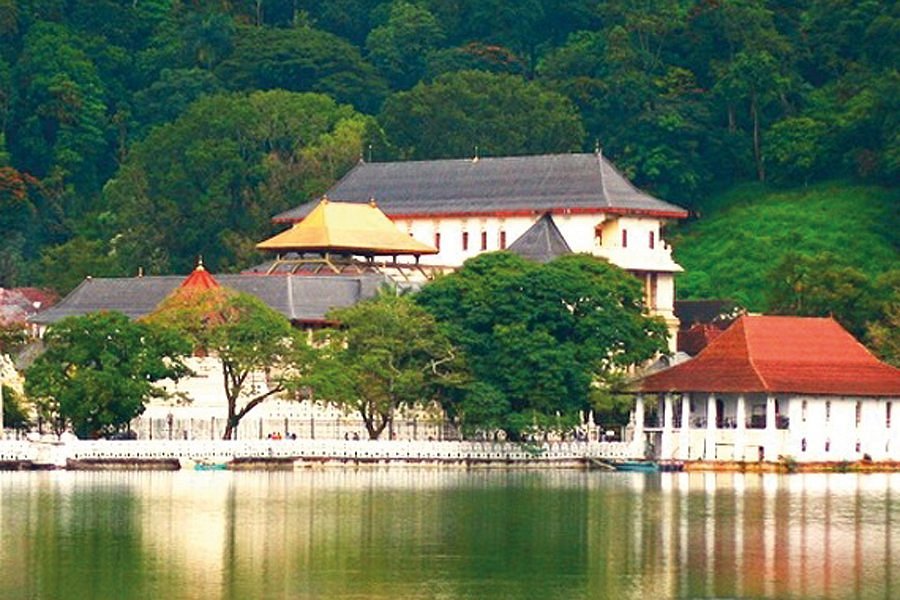
Kandy: Last Capital of the Sinhalese Monarchy
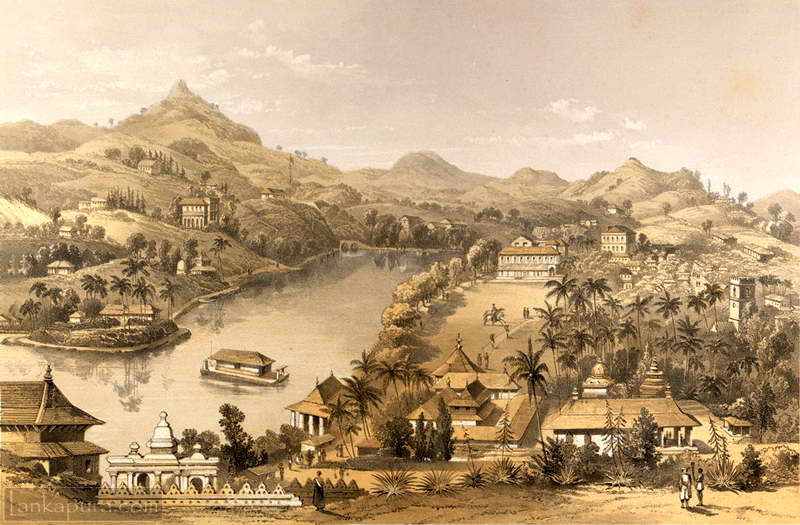
Nestled in the lush verdure of central Sri Lanka's central highlands, the ancient city of Kandy stands as a testament to the rich history and resilience of the Sinhalese people. From its establishment in the late 15th century to its fall to British colonial forces in 1815, Kandy served not only as a political and administrative center but also as a refuge embodying the enduring spirit of Sinhalese independence and cultural heritage.
The city’s roots trace back to the 1470s when King Wickramabahu III founded the Kingdom of Kandy as a sanctuary from encroaching European powers. This strategic move was pivotal; as coastal territories fell under Portuguese and Dutch control, the central highlands became the last stronghold of the Sinhalese kingdom. Kandy's geographical advantage, perched on a plateau surrounded by mountains, provided a natural defensive barrier, ensuring its longevity as a native polity until its eventual conquest by the British.
Historically, the Kingdom of Kandy has been celebrated for its robust resistance against European colonization. The late 16th and early 17th centuries saw Kandy emerge as a formidable opponent to colonial forces, employing guerrilla warfare tactics and diplomatic negotiations. Notably, during this period, a strategic alliance between the Kandyan Kingdom and the Dutch against the Portuguese in the 1630s further underscored its military prowess. Despite these valiant efforts, the Kingdom of Kandy ultimately succumbed to the might of the British Empire, marking the end of a long era of Sinhalese sovereignty.
Kandy's final capitulation came in 1815 with the signing of the Kandyan Convention. The treaty resulted in the deposition of King Sri Vickrama Rajasinha, effectively bringing an end to the last native monarchy in Sri Lanka. However, the convention preserved certain local rights, allowing a measure of autonomy within the broader framework of British colonial rule. This transition from independence to semi-autonomy was marked by the suppression of internal dissent among Kandyan chiefs who, disillusioned with their king, favored collaboration with British interests.
A Sanctuary of Culture and Religion
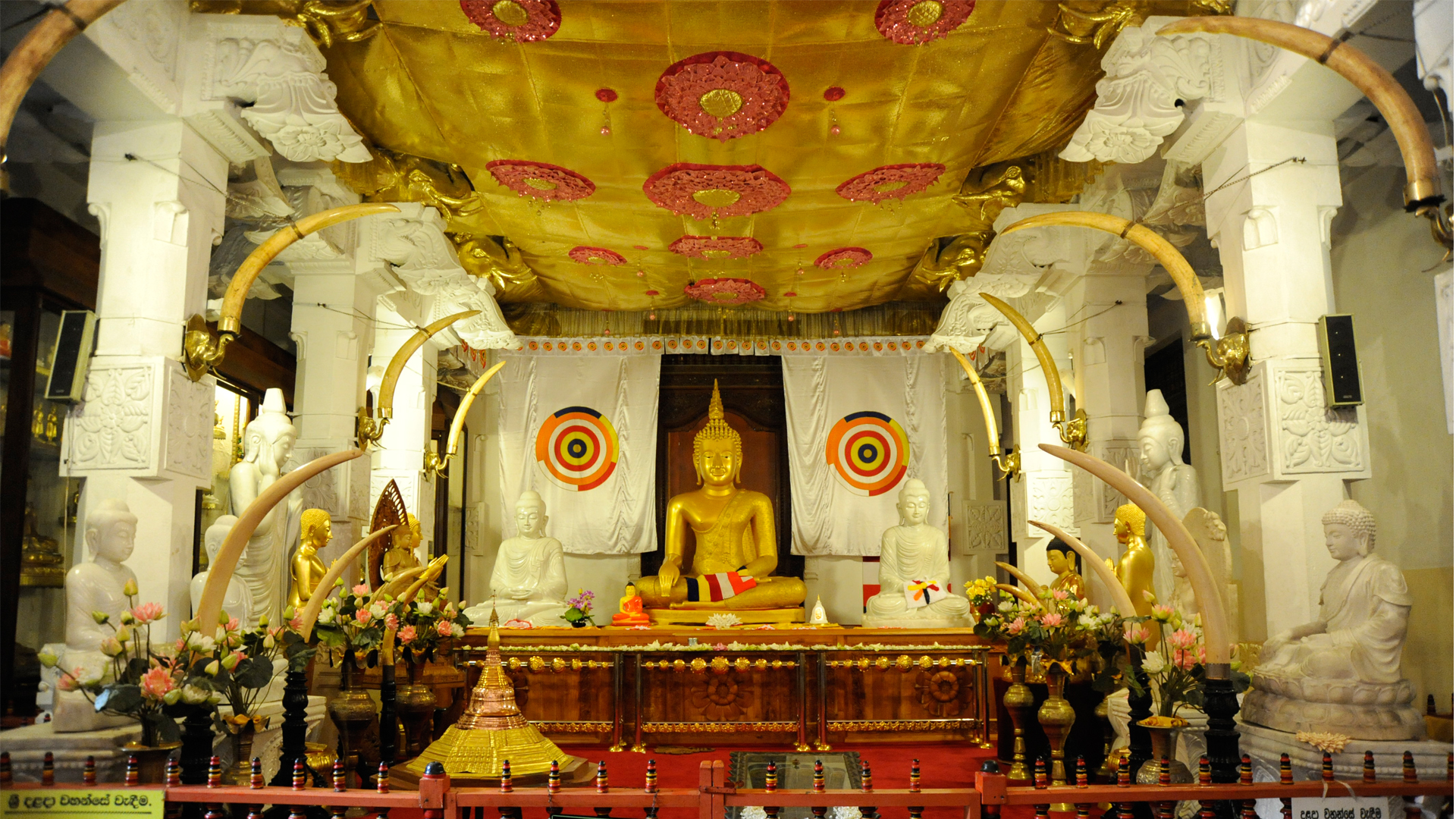
Despite its turbulent political history, Kandy has always been revered for its profound cultural and spiritual significance. Central to this significance is the famous Temple of the Tooth (Sri Dalada Maligawa), a UNESCO World Heritage Site that houses one of Buddhism's most revered relics—the tooth of the Buddha. Visitors from across the world are drawn to Kandy annually for the grand Esala Perahera festival, a spectacular pageant featuring intricate costumes, elephants, drumming, and dancing in honor of the sacred relic.
The temple and the surrounding precincts have been meticulously preserved over centuries, maintaining their cultural and religious functions. The Kandy Esala Perahera, traditionally held in July–August, is an extravagant ritual procession where the relic is worshipped with elaborate ceremonies and colorful displays. This event encapsulates the enduring traditions and spiritual practices that define Sinhalese culture, making the city a place brimming with heritage and reverence.
Moreover, Kandy has long been instrumental in sustaining various forms of traditional art and craftsmanship, such as Kandyan Dance, wooden sculpture, and weaving. These disciplines play a crucial role in perpetuating the unique cultural identity of the region and serve as a bridge connecting past generations to contemporary ones.
Urban Development and Modern Significance
While Kandy’s historical legacy remains deeply embedded in its landscape and architecture, the city has also undergone significant modern development, harmonizing its old-world charm with contemporary needs. Today, Kandy functions as a vital regional economic and educational center, leveraging its rich cultural heritage for tourism while ensuring sustainable urban growth. The city has made strides in preserving historical sites while embracing innovative approaches to education and healthcare.
Infrastructure improvements and technological advancements have enhanced Kandy’s connectivity, positioning it as a key player in Sri Lanka’s modern economy. Educational institutions like the University of Peradeniya, located within close proximity, contribute significantly to the region’s intellectual and academic ecosystem.
Education, healthcare, and cultural preservation are all integral components of Kandy’s current socio-economic framework. The city continues to thrive by balancing its historical riches with modern development, ensuring that future generations can inherit a thriving and vibrant center of culture and learning.
Today, Kandy stands as more than just a historical relic; it is a living testament to resilience and cultural continuity, continuing to shape the identity of Sri Lanka even in the modern era.
The city’s blend of traditional and modern elements is evident in its bustling streets, adorned with colonial architecture alongside contemporary commercial enterprises. Kandy’s central business district remains anchored by historic structures, providing a unique urban landscape that reflects its storied past. Shops selling local crafts, textiles, and spices intermingle with cafes offering traditional beverages and gourmet options, captivating both locals and visitors alike.
Historical Sites and Modern Tourism
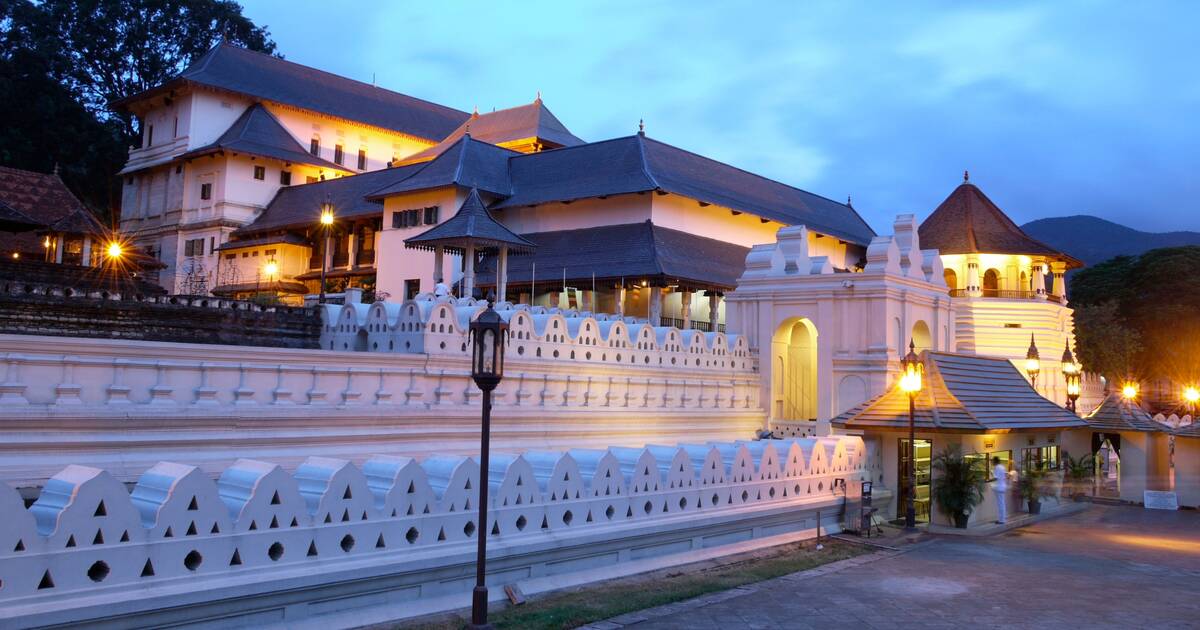
The Temple of the Tooth (Sri Dalada Maligawa) dominates the skyline and remains the most prominent landmark in Kandy. Its golden spire and elaborate decorations serve as an enduring symbol of national pride and religious devotion. Surrounding the temple are numerous other sites of historical and cultural significance, such as the Royal Palace, which was once the residence of the Kandyan kings. While the palace itself has not survived intact, its site continues to be a focal point for guided tours and reflections on the royal legacy.
Natural beauty surrounds Kandy, enhancing its appeal as a tourist destination. The picturesque mountain ranges provide panoramic views, making it an ideal spot for hikers and nature enthusiasts. The nearby Knuckles Mountain Range and the Adam’s Peak area offer diverse hiking trails, each revealing breathtaking vistas and unique flora and fauna. Eco-tourism initiatives have gained traction in recent years, promoting sustainable practices and environmental stewardship among visitors.
Preserving Cultural Identities
Efforts to preserve Kandyan arts and culture are ongoing and well-supported. Traditional dance forms, particularly Kandyan Dance, are performed regularly in various venues around the city. These performances showcase intricate movements, elegant costumes, and vibrant music, drawing audiences from all walks of life. The city hosts numerous festivals throughout the year, celebrating not just the Esala Perahera but also other local customs and traditions.
The Kandyan Dance school at the State School in Kandy provides training to young dancers, ensuring the continuation of this important cultural practice. Other initiatives, such as the Kandyan Folk Museum, offer insights into the daily lives of Sinhalese people during the Kandyan era. These museums exhibit artifacts, clothing, and other items that help preserve the rich tapestry of Kandyan culture.
Economic Role in Central Sri Lanka
Beyond its cultural and religious significance, Kandy plays a crucial role in the economic development of central Sri Lanka. As the capital of the Central Province, the city serves as a hub for trade, commerce, and services. Local industry focuses on agriculture, particularly tea production, which has been a defining feature of the region for centuries. Tea factories dot the countryside, reflecting Kandy’s status as the birthplace of the Ceylon Tea Industry.
The city’s economic strength is also supported by its status as a major educational center. Institutions like Peradeniya University and several other colleges and schools attract students from all over Sri Lanka and beyond. Research facilities and academic programs in fields ranging from science to humanities contribute to the city’s intellectual landscape. This educational infrastructure fosters innovation, enhances scientific research, and provides skilled graduates for the region’s workforce.
In addition to education, healthcare facilities in Kandy are advanced and accessible, reflecting the city’s commitment to public welfare. Hospitals and clinics offer a range of medical services, catering to both residents and visitors. Modern amenities and healthcare initiatives ensure that the population enjoys high standards of health and well-being, contributing to the overall quality of life in the region.
Cultural Integration and Urban Planning
Efforts toward integrating traditional culture with contemporary urban planning have produced innovative solutions. Architectural designs in Kandy today often incorporate traditional Sinhalese styles with modern functionalities, creating buildings that pay homage to the city’s rich heritage while meeting contemporary needs. Public spaces, parks, and green areas have been designed to foster community engagement and promote environmental sustainability.
Local initiatives focused on sustainable development have garnered international recognition. Programs such as community-based tourism and conservation projects highlight Kandy’s commitment to preserving its natural and cultural resources. These initiatives often involve collaboration between government bodies, NGOs, and community members, fostering a sense of shared responsibility for the city’s future.
The blend of tradition and modernity in Kandy creates a unique urban environment that attracts tourists and residents alike. The city’s efforts to balance its historical heritage with the demands of the 21st century exemplify the challenges and opportunities faced by many cities in the post-colonial era. Kandy continues to evolve, ensuring that its rich history remains a guiding force for its future direction.
Challenges and Opportunities for Future Growth
Despite its many achievements, Kandy faces several challenges that must be addressed to sustain its growth and development. Infrastructure upgrades remain a priority, especially in ensuring efficient transportation networks and reliable utilities. The city continues to grapple with issues related to waste management and water supply, necessitating innovative solutions to enhance sustainability. Environmental degradation, driven partly by rapid urbanization and tourism, also poses a significant challenge.
Efforts are underway to address these challenges through collaborative initiatives. Local governments and international organizations are working together to implement sustainable development programs that balance economic growth with environmental protection. Community-driven projects have shown promising results in areas like renewable energy adoption and waste recycling. These initiatives not only contribute to the city’s green credentials but also educate the public on the importance of sustainable practices.
Conclusion
Kandy’s journey from a medieval Kingdom of Kandy to a thriving provincial capital is a story of resilience, adaptation, and cultural preservation. The city’s strategic position and historical significance continue to make it a vital part of Sri Lanka’s national identity. Today, Kandy stands as a testament to the enduring spirit of the Sinhalese people and their capacity to integrate tradition with progress.
As Kandy looks towards the future, it must continue to find ways to balance its rich heritage with the demands of modernization. By doing so, it can ensure that the legacy of its past is never forgotten while paving the way for a sustainable, prosperous, and inclusive future.
Kandy’s story is far from over, and with continued effort and collaboration, the city is poised to continue its role as a vibrant cultural and economic hub in central Sri Lanka.
End of Article
Kandy : Un Trésor Caché au Cœur du Sri Lanka
Lorsque l'on évoque le Sri Lanka, des images de plages dorées et de temples anciens viennent souvent à l'esprit. Toutefois, au cœur de ce pays insulaire se trouve une ville qui incarne la culture, l'histoire et la beauté naturelle : Kandy. Nichée au centre des collines verdoyantes du Sri Lanka, Kandy a toujours été un site de confluence tant pour les pèlerins que pour les voyageurs curieux venant du monde entier.
Un Voyage à Travers l'Histoire
L'histoire de Kandy est riche et fascinante. Fondée au 15e siècle, la ville a joué un rôle crucial dans la préservation de l'indépendance du Sri Lanka face aux envahisseurs européens. Kandy était la dernière capitale des rois anciens sri-lankais et a résisté avec ténacité aux forces coloniales. Aujourd'hui, elle abrite le célèbre Temple de la Dent, ou Sri Dalada Maligawa, où est conservée une relique d'une importance inestimable pour les bouddhistes : une dent sacrée de Bouddha lui-même.
Le Temple de la Dent : Un Centre Spirituel
Le Temple de la Dent est sans doute l'attraction la plus célèbre de Kandy. Classé au patrimoine mondial de l'UNESCO, ce temple attire des milliers de visiteurs chaque année, venus pour admirer son architecture impressionnante et participer aux rituels qui s'y déroulent. Le festival Esala Perahera, l’un des plus anciens et des plus grandioses festivals bouddhistes du monde, offre aux visiteurs l’occasion unique de voir les reliques être portées en procession à travers la ville.
Une Évasion dans la Nature Luxuriante
Outre son importance historique et spirituelle, Kandy est également un endroit idéal pour les amoureux de la nature. Les jardins botaniques de Peradeniya, situés à quelques kilomètres de la ville, offrent une escapade paisible avec leur vaste collection de plantes exotiques. Le lac de Kandy, situé au centre de la ville, est l'endroit parfait pour une promenade tranquille et offre des vues panoramiques remarquables à chaque coin.
Explorer la Culture et les Traditions
Kandy est une ville où l'on peut découvrir la diversité culturelle du Sri Lanka. Les marchés locaux bourdonnent d'activité et vous offrent une occasion en or de déguster des délices culinaires typiques, de vous imprégner des arômes d'épices et de faire l'expérience de l'hospitalité chaleureuse des habitants. Les spectacles de danse traditionnelle kandienne sont une fenêtre ouverte sur le patrimoine artistique unique de la région, mêlant costumes colorés, percussions rythmiques et mouvements gracieux.
Avec ses temples majestueux, sa nature enchanteresse et sa culture vibrante, Kandy est plus qu'une simple étape sur un itinéraire touristique au Sri Lanka. C'est une destination qui invite à la découverte et à l'émerveillement continuel. Pour tout voyageur en quête de profondeur culturelle et spirituelle, cette ville demeure un incontournable à explorer.