Frederick Banting: Nobel Laureate Who Discovered Insulin
Sir Frederick Grant Banting stands as a monumental figure in medical history. His co-discovery of insulin in the early 1920s transformed a deadly diagnosis into a manageable condition. This article explores his life, his groundbreaking research, and his lasting legacy in diabetes care and beyond.
A Canadian physician and surgeon, Banting's work saved and continues to save millions of lives worldwide. His Nobel Prize-winning achievement at the age of 32 remains one of science's most profound humanitarian breakthroughs. We will delve into the journey that led to this momentous discovery.
Early Life and Path to Medicine
Frederick Banting was born on November 14, 1891, on a farm near Alliston, Ontario. His rural upbringing instilled a strong sense of perseverance and hard work. Initially, he enrolled at Victoria College, University of Toronto, to study divinity and become a minister.
A pivotal change in direction occurred when he transferred to the study of medicine. He graduated in 1916, as World War I raged in Europe. His medical training was accelerated due to the wartime need for physicians. This decision set him on the path that would later change the world.
Service and Injury in World War I
After graduation, Banting immediately joined the Canadian Army Medical Corps. He served as a surgeon in England and later in France. During the Battle of Cambrai in 1918, he displayed exceptional courage while treating wounded soldiers under heavy fire.
Despite being severely wounded in the arm by shrapnel, he continued to care for patients for over sixteen hours. For his heroism, he was awarded the Military Cross, one of the highest military honors. This injury, however, complicated his initial plans for a career as an orthopedic surgeon.
Post-War Medical Practice and Research Idea
After the war, Banting completed his surgical training and began a practice in orthopedic surgery in London, Ontario. He also took a part-time teaching position at the University of Western Ontario. It was while preparing a lecture on the pancreas in October 1920 that a transformative idea struck him.
He read a medical journal article linking pancreatic islets to diabetes. Banting conceived a novel method to isolate the internal secretion of these islets. He famously scribbled his idea in a notebook: "Diabetus. Ligate pancreatic ducts of dog. Keep dogs alive till acini degenerate leaving Islets. Try to isolate the internal secretion of these to relieve glycosurea."
The Historic Discovery of Insulin
Driven by his hypothesis, Banting moved to Toronto in the summer of 1921 to pursue his research. Professor J.J.R. Macleod of the University of Toronto provided laboratory space and resources. Macleod also assigned a young medical student, Charles Best, to assist Banting for the summer.
Their early experiments involved surgically ligating the pancreatic ducts in dogs to degenerate the enzyme-producing cells, leaving the islet cells intact. They then extracted the material from these islets, which they initially called "isletin."
Critical Experiments and Refinement
The team faced numerous challenges and failures. However, by July 30, 1921, they successfully extracted a pancreatic extract that lowered the blood sugar of a diabetic dog. This proved the extract's life-saving potential. The substance was soon renamed insulin.
To purify the extract for human use, biochemist James Collip joined the team later in 1921. His expertise was crucial in refining a sufficiently pure and consistent batch of insulin. This collaborative effort was intense and sometimes fraught with personal tension.
Banting and Best famously sold the insulin patent to the University of Toronto for a symbolic $1, with Banting stating, "Insulin belongs to the world, not to me."
First Human Trial and Immediate Impact
The first human recipient was a 14-year-old boy named Leonard Thompson, who was dying from type 1 diabetes in Toronto General Hospital. The first injection in January 1922 caused an allergic reaction due to impurities. After Collip's further purification, a second injection was administered.
The results were nothing short of miraculous. Thompson's dangerously high blood glucose levels dropped to near-normal ranges. His strength returned, and he gained weight. Leonard Thompson survived, living for another 13 years with insulin therapy, proving the treatment's revolutionary efficacy.
The Nobel Prize and Controversy
In 1923, the Nobel Assembly awarded the Nobel Prize in Physiology or Medicine for the discovery of insulin. The prize was awarded jointly to Frederick Banting and J.J.R. Macleod. This decision immediately sparked controversy, as it overlooked the direct laboratory contributions of Charles Best and James Collip.
Feeling that Best's role was seminal, Banting publicly announced he would share his prize money with his young assistant. Macleod later split his share with Collip. This episode highlights the often-complex nature of attributing credit in scientific discoveries made by teams.
- Youngest Winner: At 32, Banting became the youngest Nobel laureate in Physiology or Medicine at that time.
- First Canadian: He was also the first Canadian to win a Nobel Prize in this category.
- Enduring Debate: Historical accounts continue to analyze the contributions of all four key figures.
The award solidified the importance of insulin on the world stage. It also brought Banting immense fame and pressure. Despite the acclaim, he remained deeply committed to the humanitarian purpose of his work, ensuring affordable access to the life-saving hormone.
Banting's Later Scientific Career and Aviation Medicine
After the whirlwind of the insulin discovery and Nobel Prize, Frederick Banting continued his scientific pursuits with vigor. He was appointed a professor at the University of Toronto and continued medical research. However, his interests expanded significantly beyond endocrinology into new and critical fields.
He dedicated considerable energy to cancer research and the study of silicosis. Banting also maintained his artistic side, taking up painting as a serious hobby. His paintings, often landscapes, provided a creative outlet from his intense scientific work.
Pioneering Contributions to Aviation Medical Research
With the growing threat of World War II, Banting turned his formidable research skills to a national defense priority. In 1939, he was appointed Chairman of Canada's Associate Committee on Aviation Medical Research. He threw himself into this role, focusing on the physiological challenges faced by pilots.
His committee's work was pragmatic and directly aimed at improving pilot safety and performance. Key research areas included the effects of high-altitude flight, oxygen deprivation, and G-forces on the human body. Banting understood that aviation medicine was crucial for Allied air superiority.
- Carbon Monoxide Detection: His team developed improved methods for detecting deadly carbon monoxide in aircraft cabins.
- Protective Eyewear: They pioneered the development of anti-fogging and shatterproof goggles for pilots.
- Early Helmet Design: Research was conducted on protective helmets to mitigate the impact of crashes and turbulence.
- Cold Weather Survival: Studies focused on the physiology of survival in extreme cold for downed airmen.
This work established a foundation for Canadian expertise in aerospace medicine that continues to this day. Banting's ability to pivot from a laboratory-focused researcher to a leader in applied military science demonstrated his versatility and deep patriotism.
The Tragic Death of a National Hero
Frederick Banting's life was cut short on February 21, 1941. He was en route to England aboard a Lockheed Hudson bomber to deliver crucial research findings and discuss wartime collaboration in aviation medicine. The plane crashed shortly after takeoff from Gander, Newfoundland, killing Banting and two other crew members instantly.
The pilot, Captain Joseph Mackey, survived the crash and later recounted that Banting, though seriously injured, helped him escape the wreckage before succumbing to his own injuries. This final act of heroism was consistent with Banting's character, evidenced decades earlier on the battlefields of WWI.
Banting's death at age 49 was mourned across Canada and the scientific world as a profound loss. Prime Minister Mackenzie King called him "one of Canada's greatest sons," and he was given a state funeral in Toronto.
The Enduring Legacy of His Final Mission
His mission to England underscored the strategic importance he placed on his aviation research. The work of his committee directly contributed to the safety and effectiveness of Allied air crews throughout the war. While the insulin discovery defined his public legacy, his contributions to wartime science were a significant second act.
The crash site remains a place of historical significance. A memorial was later erected near Musgrave Harbour, Newfoundland. His death highlighted the risks taken by scientists and personnel during the war, even those not on the front lines of direct combat.
Frederick Banting's Legacy and Honors
Frederick Banting's legacy is multifaceted, encompassing medical innovation, national pride, and ongoing scientific inspiration. His name is synonymous with one of the most important medical breakthroughs of the 20th century. This legacy is preserved through numerous honors, institutions, and continued public remembrance.
In Canada, he is celebrated as a national hero. His image appeared on the Canadian $100 bill for many years until the series was redesigned. This prominent placement on the banknote was a testament to his status as a figure of monumental national importance.
Institutions and Memorials
Several major institutions bear his name, ensuring his contributions are never forgotten. The Banting and Best Department of Medical Research at the University of Toronto continues his tradition of inquiry. Banting House in London, Ontario, where he had his crucial idea, is now a National Historic Site of Canada and museum dubbed "The Birthplace of Insulin."
Furthermore, the Banting Research Foundation was established to fund innovative health research in Canada. World Diabetes Day, observed on November 14th, is held on his birthday, creating a permanent global link between his legacy and the ongoing fight against the disease.
- Banting Postdoctoral Fellowships: Prestigious Canadian government awards for top-tier researchers.
- Statues and Plaques: Numerous public memorials exist across Canada, including at the University of Toronto and the Parliament of Canada.
- International Recognition: He was knighted by King George V in 1934, becoming Sir Frederick Banting.
The Centennial of Insulin and Modern Reflections
The year 2021 marked the 100th anniversary of Banting and Best's initial successful experiments. This centennial was commemorated worldwide by diabetes organizations, research institutions, and patient communities. It was a moment to reflect on how far treatment has come and the distance still to go.
The University of Toronto and other institutions hosted special events, publications, and exhibitions. These highlighted not only the historical discovery but also its modern implications. The centennial underscored insulin as a starting point, not an endpoint, in diabetes care.
From Animal Extract to Modern Analogs
The insulin Banting's team extracted from dogs and later cows was life-saving but imperfect. It was relatively short-acting and could cause immune reactions. Today, thanks to genetic engineering, we have human insulin and advanced analogs.
Modern synthetic insulins offer precise action profiles—rapid-acting, long-acting, and premixed varieties. This allows for much tighter and more flexible blood glucose management. Delivery methods have also evolved dramatically from syringes to insulin pumps and continuous glucose monitors.
Despite these advancements, the core principle Banting proved—that replacing the missing hormone could treat diabetes—remains the bedrock of therapy for millions with type 1 diabetes worldwide.
Ongoing Challenges and Access to Medicine
A central theme of the 2021 reflections was Banting's humanitarian ethos. His decision to sell the patent for $1 was a conscious effort to ensure broad, affordable access. This stands in stark contrast to modern controversies over the high cost of insulin in some countries, particularly the United States.
Advocates often invoke Banting's original intent in campaigns for drug pricing reform. The centennial served as a reminder that the moral imperative of accessibility is as important as the scientific breakthrough itself. Ensuring all who need insulin can afford it is viewed by many as fulfilling Banting's vision.
Recent articles from institutions like the University of Toronto have also revisited his lesser-known legacy in aviation medicine. This has brought a more complete picture of his scientific career to public attention, showcasing his versatility and commitment to applying science to urgent human problems, whether chronic disease or wartime survival.
The Team Behind the Discovery: Collaboration and Controversy
The story of insulin’s discovery is a powerful case study in scientific collaboration and its attendant complexities. While Frederick Banting is the most famous name associated with insulin, he worked within a talented team. The roles of Charles Best, J.J.R. Macleod, and James Collip were all indispensable to the final success.
Banting provided the initial hypothesis and relentless drive, while Best executed the day-to-day experiments with skill and dedication. Macleod provided the essential institutional support, laboratory resources, and broader physiological expertise. Collip’s biochemical prowess was critical for purifying the extract for human use.
Analyzing the Nobel Prize Decision
The Nobel Committee's 1923 decision to award the prize only to Banting and Macleod remains a subject of historical debate. This choice reflected the scientific conventions of the era, which often credited the senior supervising scientist and the principal ideator. The contributions of junior researchers like Best and specialists like Collip were frequently overlooked.
Banting’s immediate and public decision to share his prize money with Best was a clear acknowledgment of this perceived injustice. Similarly, Macleod shared his portion with Collip. This action speaks to the internal acknowledgment within the team that the discovery was a collective achievement.
- Banting's Role: Vision, surgical skill, and determination.
- Best's Role: Technical execution of experiments and data collection.
- Macleod's Role: Supervision, resources, and scientific guidance.
- Collip's Role: Biochemical purification for clinical application.
Modern historical analysis tends to recognize the "Toronto Four" as the complete team behind the discovery. This nuanced view honors the collaborative nature of modern scientific breakthroughs, where diverse expertise is essential for turning an idea into a life-saving therapy.
Banting's Personal Life and Character
Beyond the laboratory, Frederick Banting was a man of strong character, humility, and diverse interests. He was known for his straightforward manner, resilience, and a deep sense of duty. These personal qualities profoundly shaped his scientific and medical career.
He married twice, first to Marion Robertson in 1924, with whom he had one son, William. The marriage ended in divorce in 1932. He later became engaged to Henrietta Ball, who was with him in Newfoundland before his final flight. His personal life, however, was often secondary to his consuming dedication to his work.
The Artist and the Scientist
Banting found a creative counterbalance to his scientific work in painting. He was a skilled amateur artist who took his painting seriously, studying under prominent Canadian artists like A.Y. Jackson of the Group of Seven. His landscapes demonstrate a keen eye for detail and a love for the Canadian wilderness.
This artistic pursuit was not merely a hobby; it was a refuge. It provided a mental space for reflection and a different mode of seeing the world. The combination of scientific rigor and artistic sensitivity made him a uniquely rounded individual, showing that creativity fuels innovation across disciplines.
Colleagues noted that Banting was intensely focused and could be stubborn, but he was also generous and deeply committed to the humanitarian application of science, famously forgoing vast wealth to ensure insulin reached those in need.
The Global Impact of Insulin on Diabetes Treatment
The introduction of insulin marked a paradigm shift in medicine. Before 1922, a diagnosis of type 1 diabetes was a virtual death sentence, particularly for children. Patients were subjected to starvation diets that only prolonged life for a short, miserable period.
Insulin therapy transformed this bleak reality almost overnight. It was the first effective treatment for a chronic endocrine disease, proving that hormone replacement could successfully manage a previously fatal condition. This paved the way for subsequent hormone therapies.
From Survival to Thriving: The Evolution of Diabetes Management
The initial goal of insulin therapy was simple survival. Today, the objectives are vastly more ambitious: enabling people with diabetes to live long, healthy, and fulfilling lives. Advances built upon Banting’s work have made this possible.
Modern diabetes care focuses on tight glycemic control to prevent complications such as heart disease, kidney failure, and blindness. Technology like continuous glucose monitors (CGMs) and insulin pumps allows for unprecedented precision in management. These tools represent the ongoing evolution of Banting’s foundational discovery.
- Increased Lifespan: Life expectancy for people with type 1 diabetes has increased by decades.
- Quality of Life: Modern regimens allow for greater dietary flexibility and physical activity.
- Ongoing Research: Work continues on islet cell transplantation, artificial pancreases, and ultimately, a cure.
Banting's Legacy in Modern Medical Research
Frederick Banting’s legacy extends far beyond the molecule of insulin. His story continues to inspire new generations of researchers, physicians, and students. He embodies the ideal of the physician-scientist who moves seamlessly from patient-oriented questions to fundamental laboratory investigation.
Research institutions that bear his name, like the Banting and Best Department of Medical Research, continue to operate at the forefront of biomedical science. The Banting Postdoctoral Fellowships are among Canada’s most prestigious awards, attracting top scientific talent from around the world to conduct research in the country.
Lessons for Today's Scientists
Banting’s career offers several enduring lessons. It demonstrates the power of a simple, well-defined idea pursued with tenacity. It highlights the critical importance of collaboration across different specialties. Most importantly, it shows that scientific achievement is fundamentally connected to human benefit.
His decision regarding the insulin patent remains a powerful ethical benchmark. In an era of biotechnology and pharmaceutical commerce, Banting’s stance that a life-saving discovery "belongs to the world" challenges us to balance innovation with accessibility and equity.
Conclusion: The Enduring Significance of Frederick Banting
Frederick Banting’s life was a remarkable journey from a rural Ontario farm to the pinnacle of scientific achievement. His co-discovery of insulin stands as one of the most transformative events in the history of medicine. It turned a deadly disease into a manageable condition and gave hope to millions.
His legacy is not confined to a single discovery. His heroic service in two world wars, his pioneering work in aviation medicine, and his artistic pursuits paint a portrait of a complex and multifaceted individual. Banting was a national hero who embodied perseverance, ingenuity, and profound humanity.
The story of insulin is ongoing. While Banting and his team provided the key that unlocked the door, scientists continue to build upon their work, striving for better treatments and a ultimate cure. The centennial celebrations in 2021 were not just about honoring the past but also about reinforcing commitment to the future of diabetes care.
Frederick Banting’s greatest legacy is the breath of life he gave to countless individuals and the enduring inspiration he provides to all who seek to use science as a force for good. His work reminds us that dedicated individuals can indeed change the world.
In remembering Sir Frederick Banting, we celebrate more than a historical figure; we celebrate the very ideal of scientific progress in the service of humanity. His life continues to inspire a simple, powerful truth: that curiosity, coupled with compassion, can conquer some of humanity’s most daunting challenges.
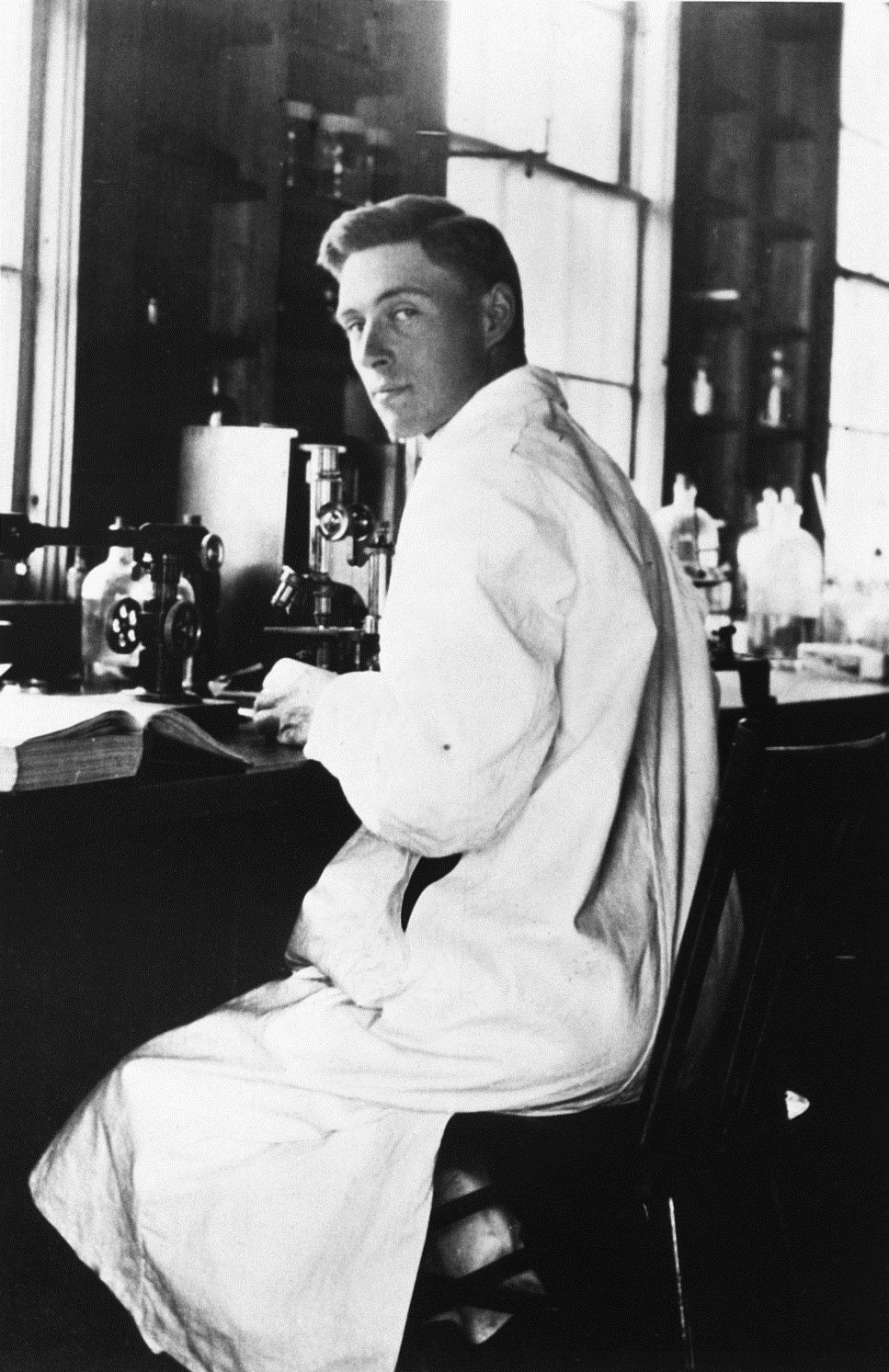


Frederick Banting: Una Vita Dedica alla Ricerca Medicale
Un Avvocato con un Percorso di Sviluppo Medico
Frederick Banting, nato il 14 marzo 1891 a Alliston, Ontario, Canada, era noto anche come un avvocato prima della sua passione per la ricerca medica diventare un nome da riempire di admiration nella comunità scientifica internazionale. La sua vita fu permeata da una costante ambizione di trovare cure innovative per condurre la vita migliore possibile alle persone.
Educazione e Formazione
Banting iniziò la sua strada verso l'eccellenza accademica al Bishop's College School prima di trasferirsi a Toronto, dove si diplomò nel 1912 all'University of Toronto con un dottorato in legge. Tuttavia, la sua passione per la medicina lo spinse presto a lasciare la carriera legale.
Guerre e Avventure Militari
Dopo essersi dedicato alla medicina, Banting partecipò al Fronte di Flanders durante la Prima Guerra Mondiale e svolse importante servizio sanitario. È stato brevemente prigioniero di guerra, ma il suo desiderio di assistere a pazienti infelici e sofferenti lo incoraggiò a tornare in prima linea.
Il suo coraggio durante i combattimenti non era senza costo. Rientrato dal Fronte nel 1916, Banting si era dimostrato ferito due volte e ricevette diverse decorazioni per il suo servizio, come il Military Cross.
L'Invenzione del Insulina
Primi Passi Nella Ricerca
La passione di Banting per la medicina continuò dopo la guerra e il suo ritorno in ospedale. Nel 1920, incontrò Charles Best, uno studente di medicina, e insieme decisero di dedicarsi allo studio dell’ipsa azione dell’insulinemia di forma idiopatica nell'anima e nel cane.
Grazie alla fondazione di J.A. Macleod, direttore del Medical Research Institute dell'University of Toronto, la ricerca di Banting ebbe ulteriore sostegno finanziario. Nel 1921, Banting fece la scoperta che cambiava la storia della medicina: la separazione del principale prodotto chimico di isola beta delle cellule pancréatiche del pancreatic extract, l'insulina.
La Rivoluzione dell'Insulina
La ricerca di Banting e Best portò loro alla prima dose umana di insulinina estratta dai pancotti di mucine del becco di polpa di un cane. Nel gennaio dello stesso anno, l'insulina fu usata per trattare un paziente di diabetes mellitus presso l'ospedale di Toronto.
Quando furono presentati i risultati alla conferenza dell'American Diabetes Association nel maggio 1921, l'interesse mondiale era stato catturato. La scoperta di Banting e Best, che risparmiò infinite vite attraverso l'insulina, avrebbe migliorato l'autonomia dei pazienti di diabetes.
Carriera e Contributi Scientifici
Attività Scientifiche Post-Insulina
Apartire dall'invenzione dell'insulina, Banting non smise di fare saperi sulla medicina. Collaborò con altri ricercatori per lavori che contribuirono al campo della medicina, tra cui studi sulla cura per le lesioni alla pelle indotte dalle ustioni.
Continuò anche a insegnare alla University of Toronto, contribuendo a formare una generazione di medici ed eccellenti scienziati. La sua carriera accademica è rimasta profondamente influenzata dal desiderio di comprendere completamente le malattie e trovare cure efficaci.
Riconoscimenti Internazionali
Questo lavoro scientifico gli meritò numerosi riconoscimenti internazionali, tra cui la Médaille Cellier-Hulstaert, conferita dalla Société Belge de Médecine Externe, e il Nobel della Fisiologia o Medicina nel 1923, che condivideva con J.B. Murphy.
L’importanza delle sue scoperte non si limita al campo della terapia di base; l’insulina oggi continua ad essere un complesso farmaco di grande utilità per il trattamento del diabete e ha salvato numerose vite.
Impatto Sociale e Personale
Influenza sui Pazienti
Le scoperte di Banting hanno rivoluzionato la vita dei pazienti di diabetes, permettendogli una gestione migliore della propria condizione. Troppe persone che erano state condannate a morte da questa malattia, ora avevano speranza di vivere lunghe e soddisfacenti vite.
Il suo lavoro ha permesso a numerose famiglie di trovare un nuovo senso di routine e normalità. La cura dell’insulina è diventata una parte chiave di quelle vite interrotte e migliorate, rendendo possibile che gli amanti sposassero le loro partner, i bambini crescessero più grandi e le persone vecchiano più lentamente.
Personalità e Personalità
Banting non era solo una figura di grandezza scientifica: conosceva anche il valore del tempo libero. Era appassionato di arte e di arte del paesaggio, passando molto tempo in compagnia dell'amico e collega Sir William Osler, un altro illustre medico e scrittore canadese.
Mai si sarebbe immaginato che la sua vita sarebbe stata così intensamente impegnata, né che il suo nome sarebbe stato segnalato nelle annate storiche della medicina con tanto orgoglio.
Conclusione
La carriera di Frederick Banting rappresenta una storia eccezionale di perseveranza e successo contro le difficoltà. Dal campo legale alla medicina, da soldato di guerra a scienziato di primissimo piano, il suo percorso è stato un viaggio senza precedenti nel perseguire la verità dietro le condizioni che affliggono l'uomo.
Le rinunce e sacrifici che ha fatto, non solo sul campo combattente, ma anche per rispondere ai misteri della medicina, hanno permesso all'umanità di conquistare strade migliori contro il diabete. Frederick Banting è rimasto uno spunto di inspiratione per molti, continuando a illuminare il nostro cammino nell'ambito della ricerca medica.
Come Frederick Banting Diventò un Icona della Medicina
La Fondazione della Banting Institute per la Ricerca Diabetologica
Oltre alla scoperta dell'insulina, Frederick Banting contribuì significativamente allo sviluppo della ricerche di diabetologia, fondando il Banting Institute for Medical Research a Toronto nel 1934. Questo istituto ha rivestito un ruolo cruciale nella promozione e sviluppo della scienza medica, producendo una serie di importanti scoperte e innovazioni.
I fondi del Banting Institute venivano in gran parte forniti da una donazione significativa di Sir Alexander Grier, un importante imprenditore canadese. Questa somma generosa permetteva a Banting di avere piena libertà scientifica, consentendogli di continuare i suoi studi senza dover dipendere da fonti finanziarie limitate o restrittive.
Banting era convinto che il progresso scientifico fosse una priorità cruciale per migliorare la salute pubblica e che ogni ricerca avesse il potenziale di farla avanzare. La direzione del suo istituto fu un atto di visione, mirando a colpire il centro scientifico che oggi conosce il nome di Banting.
Approfondimento e Espansione dell'Insipienza Insulinica
Una volta che la scoperta dell'insulina ebbe luogo, il suo impatto continuò ad espandersi. La cura dell'insipienza insulinica non solo salvava vite, ma permetteva alle persone di vivere una vita di qualità superiore. Banting continuò a collaborare con altri scienziati per ottimizzare la formulazione e la consegna dell'insipienza insuperabile, assicurando che fosse disponibile in forme più agevoli di administrazione.
Allo stesso tempo, Banting vide l'opportunità di utilizzare le proprie scoperte per diffondere informazioni su come gestire la malattia, organizzando conferenze e scrivendo articoli educativi. Queste attività rivoluzionarono la comprensione popolare della diabetes, facendo sì che più persone sapessero come vivere con essa e gestirla efficacemente.
I Ritiempi e L'Impatto Duraturo
Contributo Duraturo alla Materia Medica
In aggiunta alla scoperta dell'insipienza insulinica, Banting si impegnò nei suoi tempi liberi per ulteriori contributi alla terapia di base. Collaborò con molti ricercatori per sviluppare altre forme di terapie anti-diabetiche, contribuendo al progresso costante in questo campo.
Il suo impiego della scienza come strumento per migliorare la vita degli umani non si limitò all'insipienza insulinica. Continuò a esplorare nuovi campi di ricerca, sempre guidato dalla sua passione per scoprire nuove soluzioni per i problemi sanitari.
Come Frederick Banting Fece Impatto Durante la Seconda Guerra Mondiale
Beyond its initial contribution to medicine and research, Frederick Banting's legacy extends to his wartime experiences and contributions. During World War II, Banting was appointed to organize and administer a research committee in England, where he was responsible for establishing military hospitals and providing medical supplies.
This role allowed him to apply his scientific expertise to practical and urgent needs, assisting soldiers and serving civilians through his work. His experience in wartime service also influenced his future research, showing him firsthand the importance of medical innovation in saving lives under challenging conditions.
L'Avventura Inedita: I Viaggi Scientifici e Culturali
Scoperte Estreme e Risorse Scientifiche Mondiali
La passione di Banting per conoscere nuove idee e scoprire nuove pratiche lo spinse a intraprendere diversi viaggi estesi per studiare l'insipienza insulinica e le cure relative al diabete in diverse parti del mondo. Fu in questi viaggi che poté confrontarsi direttamente con diversi approcci alla medicina e con altri ricercatori internazionali.
Nel 1927, insieme a sua moglie Marion, visitò Europa e Nord America, dove si imbarcò in incontri scientifici e studi delle tecniche moderne di ricerca farmaceutica. Questa esperienza fortunata gli permise di rafforzare le sue competenze in molteplici campi della scienza, consolidando la sua posizione nel panorama mondiale della ricerca scientifica.
Una Persiana Internazionale per la Dieta e la Medicina
Durante i suoi viaggi, Banting fu anche in grado di mettersi al passo con la più avanzata ricerca scientifica. Visite in Svizzera e Germania furono particolarmente cruciali, dove studiò la lavorazione della carne animale e il produttoro dell'insulina nella pancreatina del becco di polpa. Questi viaggi gli diedero una profonda comprensione delle pratiche e delle tecnologie farmaceutiche in uso nei Paesi più avanzati.
Di ritorno nel Canada, Banting utilizzò le conoscenze e le esperienze raccolte durante i suoi pellegrinaggi scientifici per migliorare il processo di produzione dell'insulina in laboratorio, rendendo la sua formula più sicura e duratura.
Il Destino Prematuro e la Leggenda Immortale
Il Triste Evento che Interrompeva la Carriera di Banting
Nonostante sia stata una vita di rinnovate scoperte e successi, la carriera di Frederick Banting si interruppe prematuramente quando morì in un incidente aerea nel 1941 durante un volo di ricerche in Francia. L'aereo in cui lui e alcuni colleghi stavano volando cadde nel Mar Nero poco dopo decollare. Questo triste evento non poté impedire a Banting di diventare una leggenda nel mondo della medicina.
I suoi contributi non solo alla rassegnazione dell'insipienza insulinica, ma anche alla sua costante innovazione nel campo medico, continuarono a influenzare gli scienziati e i pazienti per anni a causa del suo impatto duraturo.
Lasciando una Leggenda Nella Scienza
Il leggenda di Frederick Banting vive ancora oggi. Il suo nome è ormai associato ai principali istituti di ricerca medica del Canada e del mondo. Ogni anno, il premio Frederick Banting viene conferito ai ricercatori che mostrano una forte determinazione scientifica e un'innovazione continuata. Questo premio riveste un ruolo cruciale nel mantenere vivo l'energico spirito di ricerca di Banting.
L'istruzione e la ricerca che Banting introdusse nel Mediteraneo, e i suoi sforzi di rafforzare la sanità pubblica nei tempi di guerra e pace, hanno creato un impatto duraturo che continua a influenzare la società. La sua dedizione al betterare il mondo attraverso l'uso della scienza continua a ispirare generazioni di ricercatori e scienziati.
L'eredità Scientifico-Mediatica di Frederick Banting
Il Continuo Influenzare di Banting Sul Medici e Ricercatori
Frederick Banting continua a essere un icona vivente nella comunità medica e scientifica. I suoi principi fondamentali di dedizione alla ricerca clinica e al progresso sanitario sono rimasti relevanti nel XXI secolo. Molti medici e ricercatori ancora oggi guardano a Banting come fonte di ispirazione e modello di come la scienza può trasformare le vite degli individui e della società.
Le conferenze e seminari organizzati nel suo onore sono regolarmente presi parte da scienziati e ricercatori provenienti da tutto il mondo. Questo evento riveste un ruolo cruciale in promuovere un ambiente di collaborazione internazionale e nell'avanzamento delle scoperte mediche.
Molte università e istituti di ricerca intitolano i loro edifici o labbra in onore di Banting, celebrando il suo complesso contributo al miglioramento delle pratiche mediche. La University of Toronto, in particolare, ha mantenuto viva la memoria di Banting attraverso l'istituito che porta il suo nome. Questa tradizione serve come rammentare delle sue scoperte epocali e del suo impegno per la ricerca medica.
Conclusione E Leggenda Vivente
La vita e l'opera di Frederick Banting sono un ricordo vivente del potenziale della scienza per migliorare la vita umana. Il suo contributo all'insulina non era solo una scoperta scientifica; era una rivoluzione nel campo dei trattamenti per la diabetes, una malattia che affliggeva molte vite prima della sua scoperta.
La dedizione di Banting a trovare soluzioni alle malattie che affliggevano il mondo ci ha dato una lezione preziosa sulla potenza della determinazione e dell'innovazione. I suoi contributi scientifici non sono stati solo una serie di scoperte e trovate; hanno rappresentato la volontà di migliorare il mondo che lo circondava.
Oggi, oltre a ricordarlo per la sua opera nel campo dell'insulinoterapia, Banting viene inoltre ammirato per la sua visione e determinazione. La sua passione per la scienza e la medicina ha ispirato molti a perseguire una carriera nella ricerca medica e nella scienza. La memoria di Frederick Banting vivrà nei contributi che continua a fare alla ricerca sanitaria attraverso il nome che porta, rimanendo una fonte di ispirazione per coloro che seguitano a lottare contro malattie chroniche e a cercare soluzioni nuove e innovative.
In conclusione, la storia di Frederick Banting è un testamento a quella che può essere la vera influenza di una persona attraverso la scienza e la dedicazione alla medicina. Il suo nome e il suo lavoro sono segni di speranza e di speranza per le generazioni future.
"L'ispirazione e il complesso contributo di Frederick Banting ci ricordano sempre della forza del pensiero scientifico e della perseveranza nel trovare soluzioni per le malattie."
Seguendo il percorso di Banting, possiamo vedere come la ricerca medica può portare cambiamenti significativi e migliorare la qualità di vita delle persone. La sua leggenda vivente continua a ispirare tutti coloro che si impegnano nella scienza e nella medicina per una causa più grande.
Frederick Banting: Der Pionier der Insulinentdeckung
In der Welt der Medizin gibt es wenige Entdeckungen, die einen so tiefgreifenden Einfluss auf das Leben von Millionen Menschen hatten wie die Entdeckung von Insulin. Frederick Banting, ein kanadischer Mediziner und Forscher, spielte eine zentrale Rolle bei dieser bahnbrechenden Entdeckung, die die Behandlung von Diabetes revolutionierte. In diesem Artikel werfen wir einen detaillierten Blick auf das Leben und Werk von Banting, von seinen frühen Jahren bis zu den entscheidenden Momenten seiner Forschungsgeschichte.
Die frühen Jahre und der Weg zur Medizin
Frederick Grant Banting wurde am 14. November 1891 in Alliston, Ontario, Kanada, geboren. Aufgewachsen auf einer Farm, entwickelte Banting bereits in jungen Jahren einen starken Arbeitsethos und praktischen Einfallsreichtum, die später in seiner wissenschaftlichen Karriere von unschätzbarem Wert sein sollten. Nach seinem Abschluss an der Oberschule begann Banting zunächst ein Studium der Theologie am Victoria College der Universität Toronto, entschied sich jedoch bald, in die Medizin zu wechseln. Dieser Richtungswechsel sollte nicht nur sein Leben, sondern auch die Welt der Medizin verändern.
Im Jahr 1916 schloss Banting sein Studium der Medizin an der Universität Toronto ab und trat als Sanitätsoffizier in den Ersten Weltkrieg ein. Nach dem Krieg setzte er seine medizinische Ausbildung fort und widmete sich der Chirurgie sowie der Forschung. Trotz erheblicher finanzieller Schwierigkeiten und beruflicher Ungewissheit verfolgte Banting unbeirrt seine Leidenschaft für die medizinische Wissenschaft.
Der zündende Funke: Die Idee zur Insulin-Forschung
Es war ein scheinbar zufälliges Ereignis, das Banting auf die Idee brachte, sich mit der Insulin-Forschung zu beschäftigen. Im Oktober 1920 las er einen Artikel über die Bauchspeicheldrüse und Diabetes, der von Moses Barron verfasst worden war. Im Laufe einer schlaflosen Nacht formulierte Banting eine Hypothese, dass sich Insulin im Pankreas von Tieren isolieren ließe und somit möglicherweise die Symptome von Diabetes lindern könnte. Diese Idee war revolutionär, denn zu jener Zeit war man der Ansicht, dass die Pankreas alles Insulin nach der Produktion sofort abbaue.
Mit dieser Idee im Kopf suchte Banting Hilfe an der Universität von Toronto. Er wandte sich an Professor John J.R. Macleod, einen angesehenen Physiologen, der Banting Laborraum sowie zehn Versuchshunde zur Verfügung stellte. Banting konnte sich des Professoren Macleods Unterstützung jedoch nur bedingt sicher sein, da dieser anfänglich skeptisch war.
Die entscheidende Zusammenarbeit mit Charles Best
Um seine Forschung voranzutreiben, benötigte Banting einen fähigen Assistenten. Diesen fand er in Charles Best, einem talentierten Medizinstudenten, der gerade seine eigenen Studien an der Universität Toronto begann. Zusammen mit Best begann Banting im Sommer 1921 im Labor Macleods zu arbeiten.
Das Ziel der Experimente war klar: die Isolierung einer Substanz aus der Bauchspeicheldrüse, die in der Lage wäre, den Blutzuckerspiegel bei Hunden zu senken. Durch eine Reihe von Versuchen und Fehlern entwickelten Banting und Best eine Methode, um das Insulin aus den Pankreas-Zellen zu extrahieren, ohne dass es sich zersetzte, eine Aufgabe, die sich zuvor als überaus schwierig erwiesen hatte.
Erfolge und Herausforderungen auf dem Weg zur Entdeckung
Die Experimente waren nicht ohne Rückschläge und Herausforderungen. Viele Hunde starben, und die Wissenschaftler mussten die genaue Dosierung des isolierten Insulins akribisch untersuchen, um Hypoglykämie oder andere unerwünschte Nebenwirkungen zu vermeiden. Trotz der Schwierigkeiten erzielten Banting und Best im Sommer 1921 einen bedeutenden Durchbruch. Sie gelang es, den Blutzuckerspiegel eines diabetischen Hundes drastisch zu senken, indem sie ihm das extrahierte Insulin verabreichten.
Nach diesen ersten Erfolgen stieß die Arbeit von Banting und Best auf zunehmendes Interesse und Unterstützung. Professor Macleod erkannte nun die Bedeutung der Forschung und gewährte den beiden Wissenschaftlern Ressourcen sowie zusätzliche Unterstützung durch den Biochemiker James Collip, der später ebenfalls zu einem entscheidenden Teil des Teams wurde. Die Weiterentwicklung der Insulinextraktionsmethoden führte schließlich zu einer stabilen und reineren Form des Wirkstoffs, die auch beim Menschen eingesetzt werden konnte.
Die ersten klinischen Anwendungen von Insulin
Im Jahr 1922 trat Insulin schließlich in die klinische Erprobungsphase ein. Der erste menschliche Patient, der von dieser revolutionären Entdeckung profitieren sollte, war Leonard Thompson, ein 14-jähriger Junge, der an schwerem, insulinabhängigem Diabetes litt und in einem Krankenhaus in Toronto behandelt wurde. Zu diesem Zeitpunkt stand Leonard fast am Rande des Todes, da es keine wirksame Behandlung für seine Erkrankung gab.
Am 11. Januar 1922 erhielt Leonard seine erste Injektion von Insulin, die jedoch nicht den gewünschten Effekt hatte und sogar einige allergische Reaktionen auslöste. Dennoch war die Hoffnung der Wissenschaftler ungebrochen. Mit dem Wissen über die notwendigen Verbesserungen der Extraktionsmethoden arbeitete Collip an einer reineren Form des Insulins. Nur wenige Wochen später, am 23. Januar, wurde Leonard erneut injiziert – diesmal mit großem Erfolg. Sein Blutzuckerspiegel sank deutlich, und sein Zustand verbesserte sich dramatisch. Diese Behandlung führte Leonard aus einem diabetischen Koma zurück ins Leben und begründete die klinische Nutzung von Insulin.
Akzeptanz und Anerkennung in der Wissenschaft
Die erfolgreiche Anwendung von Insulin bei Leonard Thompson markierte den Beginn eines neuen Zeitalters in der Diabetes-Behandlung. Die Nachricht verbreitete sich schnell in der medizinischen Gemeinschaft, und bereits im selben Jahr wurden viele weitere Patienten erfolgreich mit Insulin behandelt. Dies führte zu internationalem Interesse und Anerkennung für Banting, Best und ihre Mitstreiter. Die Entdeckung bedeutete nicht weniger als das Ende eines Todesurteils für viele Diabetiker weltweit, die zuvor keine Hoffnung auf eine wirksame Behandlung hatten.
1923 wurde Banting im Alter von nur 32 Jahren der Nobelpreis für Physiologie oder Medizin verliehen, den er sich mit John Macleod teilte. Diese Entscheidung war nicht unumstritten, da viele glaubten, dass Charles Best, Bantings enger Partner und Mitforscher, ebenfalls die Auszeichnung verdient hätte. In einem Akt der Anerkennung teilte Banting das Preisgeld jedoch sofort mit Best, was die tiefe Wertschätzung ihrer gemeinsamen Arbeit unterstrich.
Die kommerzielle Produktion und Verbreitung von Insulin
Mit der zunehmenden Anerkennung der medizinischen Welt wuchs auch das Interesse der Pharmaindustrie an der Produktion und weltweiten Verbreitung von Insulin. Die Universität Toronto vermittelte Lizenzen an mehrere Unternehmen, darunter Eli Lilly and Company in den USA, wodurch die Massenproduktion und Verteilung von Insulin möglich wurde. Innerhalb weniger Jahre nach seiner Entdeckung stand Insulin einem breiten Publikum zur Verfügung, wobei die Qualität und Reinheit des Produkts stetig verbessert wurden. Dies brachte der Medizinindustrie einen enormen Entwicklungsschub und stellte sicher, dass unzählige Leben weltweit gerettet werden konnten.
Banting, der immer bemüht war, die sozialen und ethischen Dimensionen seiner Arbeit zu berücksichtigen, bestand darauf, dass das Patent für Insulin zu einem symbolischen Preis von einem Dollar verkauft wurde. Sein Anliegen war es, das Medikament für alle Menschen erschwinglich zu machen und den Zugang dazu nicht durch finanzielle Hürden zu beschränken. Diese Haltung hat bis heute Bestand und wird als ein frühes Beispiel für das Engagement zur sozialen Gerechtigkeit in der Medizin angesehen.
Fortsetzung der Forschung und soziales Engagement
Auch nach dem sensationellen Erfolg von Insulin setzte Banting seine wissenschaftliche Arbeit fort. Er wandte sich verschiedenen medizinischen Forschungsbereichen zu, einschließlich Arbeiten zur Silikose, einer Berufskrankheit der Lunge, und zu den Einflüssen von hohen Fluggeschwindigkeiten auf den menschlichen Körper, die während des Zweiten Weltkriegs relevant wurden. Sein dynamischer Forschungsansatz und sein Verantwortungsbewusstsein für gesellschaftliche Belange blieben unverändert.
Trotz der weitreichenden Auswirkungen, die seine Arbeit hatte, blieb Banting ein bescheidener Mensch, dem das Wohl der Patienten immer am Herzen lag. Er hielt Vorträge, schrieb Artikel und engagierte sich für die Ausbildung der nächsten Generation von Medizinern – stets mit dem Ziel, das medizinische Wissen zu erweitern und den Zugang zu lebensrettenden Behandlungen zu verbessern. Die Entdeckung von Insulin und seine ständige Arbeit machen Banting zu einer der inspirierendsten Figuren in der Geschichte der Medizin.
Die bleibende Wirkung von Frederick Bantings Entdeckung
Frederick Bantings Entdeckung und seine unermüdliche Arbeit haben weitreichende Auswirkungen auf die Medizin und die Gesellschaft insgesamt gehabt. Einer der bemerkenswertesten Erfolge der Insulinentdeckung liegt in der dramatischen Verbesserung der Lebensqualität und Lebenserwartung für Millionen von Menschen weltweit, die mit Diabetes leben. Vor der Einführung von Insulin war die Prognose für Patienten mit Typ-1-Diabetes düster, und die Behandlung beschränkte sich auf strenge Diäten, die oft zu Mangelerscheinungen und früher Sterblichkeit führten.
Heute hat die Weiterentwicklung der Insulintherapie durch neue Technologien, wie die Insulinpumpe und kontinuierliche Glukosemesssysteme, den Rahmen für eine individuell angepasste und effizientere Diabetes-Behandlung geschaffen. All dies wäre ohne die bahnbrechende Forschungsarbeit von Banting und seinen Kollegen undenkbar gewesen.
Ehrungen und Vermächtnis
In Anerkennung seiner enormen Beiträge zur Wissenschaft und Gesellschaft erhielt Banting zu Lebzeiten zahlreiche Ehrungen und Auszeichnungen. Neben dem Nobelpreis ehrten ihn verschiedene wissenschaftliche Gesellschaften auf der ganzen Welt. 1934 wurde er von König George V. zum Ritter geschlagen, was ihm den Titel Sir Frederick Banting einbrachte. Dies war eine seltene Ehre, die seine nachhaltigen Leistungen und seinen Einfluss auf die medizinische Forschung betonte.
Bantings Erfolge blieben nicht auf die Medizin begrenzt. Sein ethischer Ansatz zur Forschung und sein Engagement, wissenschaftliche Entdeckungen für die Allgemeinheit zugänglich zu machen, legten einen Grundstein für die verantwortungsvolle Forschungspraxis. Historiker und Medizinethiker verweisen oft auf Bantings Arbeit als Beispiel für den moralischen und sozialen Auftrag der medizinischen Forschung, die in der Pflicht steht, der Gemeinschaft zu dienen und vom individuellen Gewinn absehen sollte.
Über sein Werk hinaus: Privatleben und tragisches Ende
Auch abseits seiner wissenschaftlichen Karriere führte Banting ein ereignisreiches Leben. Er war ein begeisterter Maler und pflegte Freundschaften mit Künstlern der "Gruppe der Sieben", einer bekannten kanadischen Kunstbewegung. Seine Leidenschaft für die Malerei bot ihm nach eigener Aussage einen Ausgleich zum wissenschaftlichen Drill und wurde zur Ausdrucksform seiner persönlichen Perspektive abseits der Labore.
Tragischerweise fand Bantings Leben ein abruptes Ende am 21. Februar 1941. Während eines Einsatzes als medizinischer Berater und Forscher für die kanadische Luftwaffe stürzte sein Flugzeug auf einem Flug nach England ab. Banting überlebte den Absturz zunächst, erlag jedoch bald darauf seinen Verletzungen. Sein Tod war ein herber Verlust für die Welt der Wissenschaft und hinterließ eine Lücke, die bis heute spürbar ist.
Nachwirkung und Inspiration für zukünftige Generationen
Frederick Bantings Vermächtnis geht weit über seine Entdeckung des Insulins hinaus. Er inspirierte Generationen von Wissenschaftlern und Krankenhauspersonal, immer nach innovativen Lösungen für medizinische Probleme zu suchen. Seine Bereitschaft, Risiken einzugehen und gegen den Strom zu schwimmen, lehrt uns die Wichtigkeit von Beharrlichkeit und Hingabe im Streben nach wissenschaftlichem Fortschritt.
Jedes Jahr am 14. November, Bantings Geburtstag, wird der Weltdiabetestag begangen. Dieser internationale Aktionstag weist auf die Herausforderungen von Diabetes hin und würdigt die bedeutende Rolle Bantings und seiner Zeitgenossen bei der Behandlung der Krankheit. Diese jährliche Erinnerung bringt die unveränderte Dringlichkeit und Verantwortung zum Ausdruck, die wissenschaftlichen Erkenntnisse kontinuierlich zu erweitern und zu verbessern, um das Leben der Menschen, die mit Diabetes leben, noch weiter zu erleichtern.
Frederick Banting bleibt in den Herzen all jener Menschen lebendig, die täglich von seiner Entdeckung profitieren, und in den Gedanken jener Forscher, die seinen Weg fortsetzen, getrieben von einem ebenso tiefen Engagement für das Wohl der Menschheit. Sein Leben und seine Leistungen stehen als Beweis dafür, dass einzelner Mut und Entschlossenheit die Kraft haben, die Welt zu verändern.