Julia Domna: Rome's Influential Syrian Empress
Julia Domna was one of the most powerful and influential women in Roman history. Rising from a Syrian priestly family, she became empress and a cornerstone of the Severan dynasty. For over two decades, she shaped imperial ideology, advised emperors, and managed state affairs.
Her story is a compelling narrative of power, intellect, and survival in the turbulent world of ancient Rome. This article explores her life, her unprecedented political role, and her lasting legacy as a key figure in Roman imperial history.
The Early Life and Rise of Julia Domna
Julia Domna was born around 160 CE in Emesa, a major city in Roman Syria, modern-day Homs. She was the daughter of Julius Bassianus, the high priest of the powerful sun god Elagabal. This elite religious and political background was her first platform.
A crucial prophecy set her destiny in motion. It was foretold that her horoscope predicted she would marry a king. This prophecy attracted the ambitious Roman general, Septimius Severus. He married her around 187 CE, years before he became emperor.
A Strategic Marriage and Dynasty Foundation
The marriage to Severus was a masterstroke of political alliance. Severus, from Leptis Magna in Africa, combined his influence with Domna's prestigious Eastern lineage. This created a powerful cross-continental base of support.
Julia Domna quickly became more than just a wife. She was a vital partner in building the image and stability of Severus's rule after he seized the imperial throne in 193 CE following a civil war.
Her union with Severus founded the Severan dynasty, which would rule Rome for 42 years from 193 to 235 CE.
Empress and "Mother of the Camps"
As empress, Julia Domna broke traditional molds. She actively participated in her husband's military campaigns across the empire. This visibility with the legions was strategic and earned her immense loyalty.
In 195 CE, she was granted the extraordinary title "Mater Castrorum" or "Mother of the Camps." This title, previously reserved for only one other woman, directly linked her to the army's morale and well-being.
Unprecedented Imperial Titles and Propaganda
Her titles expanded significantly over time, becoming a key part of Severan propaganda. They were prominently displayed on coins and public monuments to reinforce dynastic strength.
- Mother of the Camps (Mater Castrorum)
- Mother of the Augustus
- Mother of the Senate
- Mother of the Country (Mater Patriae)
Historians note she held more official titles than any prior Roman empress. These honorifics were not empty. They publicly declared her central role in the empire's military, political, and social fabric.
The Severan Dynasty's Matriarch
Julia Domna was the mother of two emperors: Caracalla and Geta. Her position as the emperor's wife and the emperor's mother gave her unique and sustained authority. She was a constant in a period of great instability.
She played a crucial role in promoting the dynasty's image as a united, divine family. Official portraiture often showed her with Severus and their sons, emphasizing harmony and legitimate succession.
Managing Court Politics and Rivals
Her power faced significant challenges, most notably from the Praetorian Prefect Plautianus. Plautianus grew so powerful he was considered a co-emperor. Accusations of adultery against Julia Domna were circulated, likely by Plautianus himself.
However, her influence prevailed. Plautianus was executed in 205 CE, cementing her and Severus's control. This incident highlights the dangerous court intrigues she navigated successfully.
Julia Domna's Intellectual Patronage and Salon
Beyond politics, Julia Domna was a renowned patron of arts, philosophy, and literature. She surrounded herself with leading intellectuals of her era, creating a vibrant cultural circle often called her "salon."
This group included the famous sophist Philostratus, whom she commissioned to write the "Life of Apollonius of Tyana." Her patronage helped preserve classical culture during her time.
Her court in Rome and later in Antioch became a center for philosophical debate and literary production, enhancing the dynasty's prestige as enlightened rulers.
This intellectual role distinguished her from many predecessors and added a layer of soft power to her political influence. It solidified her reputation as a sophisticated and learned leader.
The Death of Septimius Severus and a Fragile Co-Rule
Emperor Septimius Severus died in 211 CE in Eboracum (modern-day York, Britain). His final wish was for his two sons, Caracalla and Geta, to rule the empire jointly. This arrangement was fraught with peril from the start.
Julia Domna played a critical role in the immediate aftermath. She used her authority as their mother to persuade the bitterly rivalrous brothers to accept their father's will. Her presence was essential to temporarily maintaining a fragile peace between them.
The brothers returned to Rome, but their co-rule was characterized by deep hostility, forcing them to divide the imperial palace into separate, guarded quarters.
A Mother's Bargain Shattered by Fratricide
Despite Julia Domna's efforts to mediate, the hatred between Caracalla and Geta escalated. Caracalla, determined to rule alone, orchestrated a brutal plot. In December 211 CE, he had his younger brother, Geta, murdered in their mother's arms.
This act of fratricide was a devastating personal and political blow to Julia Domna. She was forced to witness the violent disintegration of her family, the very dynasty she had worked so hard to build and protect.
Political Administration from Antioch
Following Geta's murder, Caracalla embarked on extensive military campaigns. He left the day-to-day administration of the vast Roman Empire to his mother. Julia Domna established her base in Antioch, one of the empire's largest cities.
From Antioch, she effectively became the empire's chief administrator. Her responsibilities were vast and crucial to maintaining imperial stability while her son was away at war.
Unprecedented Responsibilities of an Empress
Historical accounts, including the work of the historian Cassius Dio, detail the scope of her power. Julia Domna handled a wide range of governmental affairs with remarkable competence.
- Receiving petitions and embassies from across the empire.
- Managing imperial correspondence with officials and provinces.
- Overseeing communications with the Roman Senate.
- Directing financial and logistical support for Caracalla's campaigns.
This period from 212 to 217 CE represents one of the most significant examples of a woman exercising direct, de facto rulership in Roman history. Her administration was noted for its efficiency and intelligence.
Cultural and Religious Influence on Rome
Julia Domna's Syrian heritage had a profound impact on Roman culture and religion. She was a prominent figure in introducing and popularizing Eastern religious ideas and deities within the Roman world.
The sun god Elagabal, whom her family served as high priests, gained increased prominence in Rome during her time. This set a precedent for the later, more radical introduction of the god by her great-nephew, Elagabalus.
Promoting Syncretism and Philosophical Thought
Julia Domna was a key figure in the religious and philosophical syncretism characteristic of the Severan period. She supported the blending of Greco-Roman and Eastern traditions.
Her intellectual salon was not merely academic; it had ideological purpose. Philosophers like Philostratus helped craft a vision of a universal, cosmopolitan empire that mirrored the diverse origins of the Severan family itself.
Her patronage helped shape a more inclusive imperial ideology, reflecting the growing importance of the Eastern provinces to the Roman Empire's identity and economy.
The Downfall of Caracalla and Julia Domna's End
In April 217 CE, while campaigning in the East, Emperor Caracalla was assassinated by the Praetorian Prefect, Macrinus. This event marked the end of the direct Severan male line and catapulted Julia Domna into an impossible position.
Macrinus, seeking to legitimize his own rule, initially allowed Julia Domna to retain her status and household. However, he soon perceived her enduring influence and popularity as a direct threat to his precarious authority.
A Final Act of Defiance
Facing pressure from Macrinus and perhaps despairing at the collapse of her life's work, Julia Domna chose her own fate. According to most historical sources, she refused to eat and died by starvation.
Some accounts suggest she may have taken a more direct path, but her death in 217 CE was almost certainly a calculated act of defiance. It was a refusal to live under the rule of her son's murderer and the end of her dynasty.
- Cause of Death: Suicide by starvation or poison.
- Location: Likely in Antioch, her administrative capital.
- Immediate Consequence: Macrinus attempted to tarnish her reputation posthumously.
Posthumous Deification and Legacy Secured
Macrinus's reign was short-lived. In 218 CE, Julia Domna's great-nephew, Elagabalus, led a rebellion that restored the Severan bloodline to the throne. One of his first acts was to honor his great-aunt.
Elagabalus had Julia Domna deified, officially declaring her a goddess. This act was politically astute, linking his own controversial rule to the respected legacy of Septimius Severus and his influential empress.
Enduring Presence in Art and Archaeology
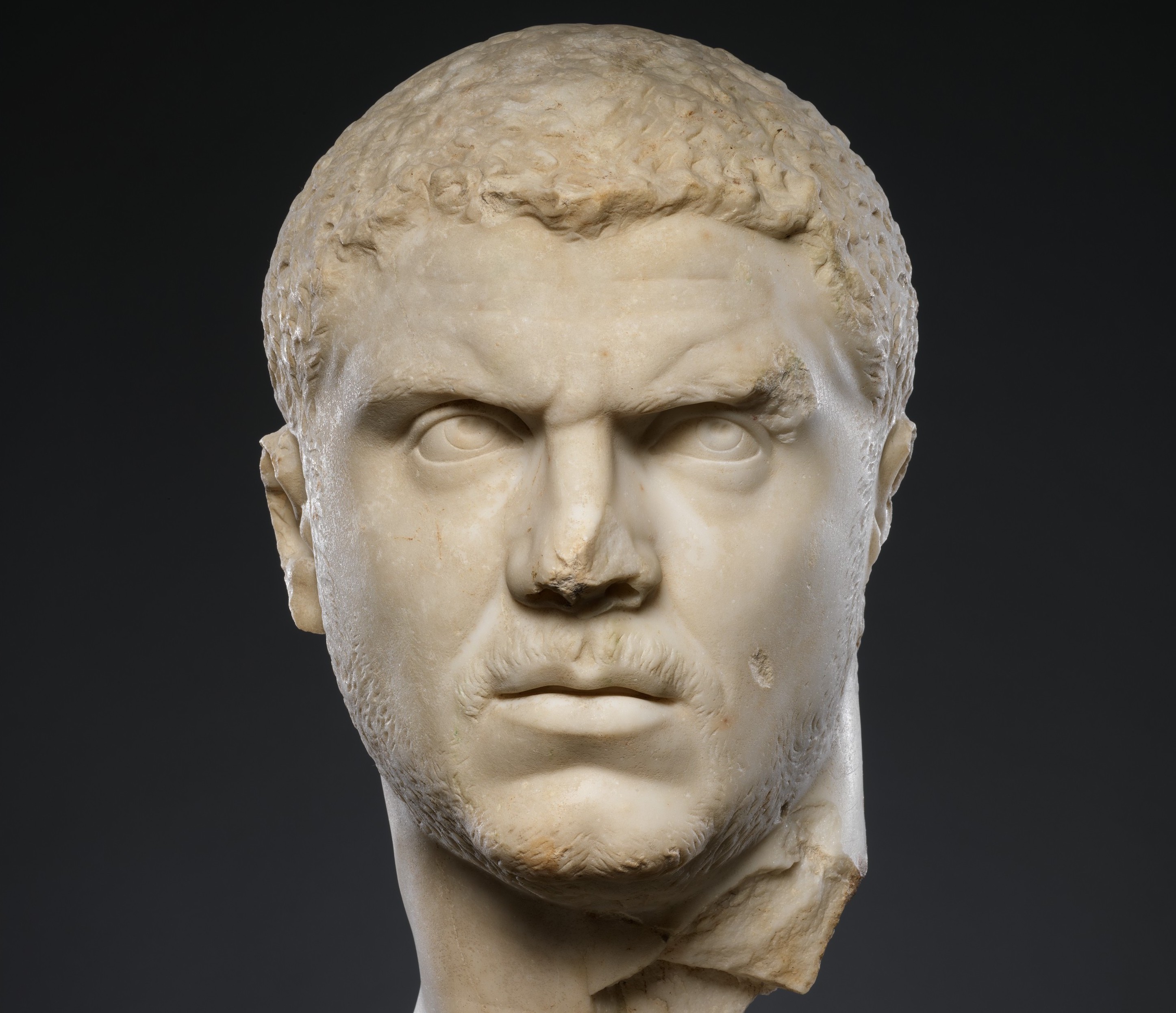
Julia Domna's image remained powerful long after her death. She is prominently featured in some of the most significant surviving monuments from the Severan era.
Her likeness can be seen on the Arch of the Argentarii in Rome and the Severan Arch in Leptis Magna. These sculptures continue to testify to her central role in the dynasty's public image and propaganda.
Coins bearing her portrait, with elaborate hairstyles and titles like "Julia Augusta," circulated throughout the empire. They serve as lasting physical evidence of her unprecedented status and the widespread recognition of her authority.
Modern Scholarly Perspectives on Julia Domna's Power
Contemporary historians continue to analyze the nature of Julia Domna's influence. Debate centers on whether her titles and responsibilities constituted genuine, independent political power or were largely ideological constructs for dynastic propaganda.
Scholars like Julia Langford have provided nuanced analyses, suggesting her role must be understood within the constraints of the Roman patriarchal system. Her power was real but often exercised through traditional channels like advising her husband and sons.
Despite academic debates, consensus affirms she achieved a public prominence and administrative role "unprecedented" among Roman empresses up to that time.
An Empress of Ideology vs. Direct Command
Her title "Mother of the Camps" is a key point of study. While it cemented army loyalty to the Severan family, it did not grant her formal military command. Her power was immense but derived from her proximity to the emperor—first as wife, then as mother.
Her administration in Antioch, however, demonstrates a significant level of operational authority. Handling state correspondence and petitions required deep understanding of law, finance, and diplomacy.
- Ideological Power: Shaping dynastic image, promoting religious and cultural syncretism.
- Administrative Power: Direct management of petitions, finances, and communications for the empire.
- Influence vs. Authority: Expertly navigating the informal networks of influence available to imperial women.
The Severan Dynasty's Decline and Her Enduring Symbol
After Julia Domna's death, the Severan dynasty continued under her great-nephews, Elagabalus and Severus Alexander. Their reigns were unstable, and the dynasty finally ended in 235 CE with Alexander's assassination.
Julia Domna's legacy, however, endured beyond the dynasty's fall. She remained a powerful symbol of Syrian influence and a model for subsequent ambitious imperial women. Later empresses looked to her example of intellectual patronage and public engagement.
Connecting the Severan Halves
Modern historians emphasize her crucial role in dynastic continuity. Her great-nephew Elagabalus claimed the throne by declaring himself the illegitimate son of Caracalla, a fiction made plausible by his familial link to Julia Domna.
Thus, she acted as the vital genealogical and symbolic link between the first Severan emperors (Septimius Severus, Caracalla, Geta) and the later ones (Elagabalus, Severus Alexander). Her deification by Elagabalus was a deliberate political act to harness her lasting prestige.
Julia Domna in Popular Culture and Media
Interest in Julia Domna has seen a resurgence in recent years. She features in documentaries, historical fiction, and online educational content, often highlighted for her unique background and powerful story.
A 2022 YouTube documentary, for instance, focuses extensively on her Syrian heritage and administrative acumen. This reflects broader modern trends in re-examining historical figures from the Roman East.
A Symbol of Cross-Cultural Identity
In today's context, Julia Domna is frequently presented as a figure of cross-cultural fusion. She represents the complex identity of the Roman Empire at its height—a Syrian woman wielding power at the very heart of Rome.
Her life story is used to explore themes of immigration, cultural integration, and the often-overlooked contributions of the Eastern provinces to Roman history. This makes her a highly relevant figure for contemporary audiences.
- Documentaries: Highlight her political role and Eastern origins.
- Academic Articles: Reassess her power within feminist and post-colonial frameworks.
- Public Interest: Growing fascination with her as one of history's most powerful women.
Key Statistics and Data Summary of Her Life
To fully grasp Julia Domna's impact, reviewing the key data of her life and era is essential. These statistics underscore the scale of her influence and the dynasty she helped build.
Julia Domna was actively involved in Roman imperial politics for over 24 years, from her husband's accession in 193 CE to her death in 217 CE.
Defining Numerical Legacy
The following points consolidate crucial facts and figures related to her historical significance.
- Lifespan: c. 160 – 217 CE (approximately 57 years).
- Years of Active Influence: 24+ years (193-217 CE).
- Emperors in Her Immediate Family: 5 (Husband Septimius Severus, sons Caracalla and Geta, great-nephews Elagabalus and Severus Alexander).
- Duration of Severan Dynasty: 42 years (193-235 CE).
- Key Titles Held: Augusta, Mater Castrorum, Mater Senatus, Mater Patriae.
- Major Administrative Base: Antioch (212-217 CE).
Conclusion: The Legacy of Rome's Syrian Empress
Julia Domna's journey from the temple of Emesa to the pinnacle of Roman power is a remarkable historical narrative. She skillfully navigated the lethal politics of the Roman imperial court for nearly a quarter of a century.
Her legacy is multifaceted. She was a dynastic matriarch, an administrative ruler, an intellectual patron, and a religious innovator. She helped steer the Roman Empire during a critical period of its history.
Final Historical Assessment
While ancient sources, often biased against powerful women, sometimes included unverified rumors about her, the factual record of her achievements stands firm. She wielded more documented, public authority than any empress before her.
Julia Domna demonstrated that power in the ancient world could be exercised through intelligence, patronage, and adept political partnership. She expanded the very possibility of what an imperial woman could be and do.
Her story concludes not with the end of the Severan dynasty, but with her enduring image in stone and history. Julia Domna remains a powerful symbol of the interconnectedness of the ancient world and a testament to the profound influence one individual could have on the course of the Roman Empire. Her life continues to inform our understanding of power, culture, and identity in the ancient Mediterranean.


Caracalla : L'Empereur Romain au Cœur de la Controverse
Introduction à un Règne Complexe
Caracalla, de son nom complet Marcus Aurelius Severus Antoninus Augustus, fut un personnage central de l'histoire romaine. Né en l'an 188 après J.-C., il n'a régné que pendant six ans, mais son impact sur l'Empire romain et les révélations sur sa personnalité en ont fait une figure historique controversée. Son règne est souvent associé à la fois à des réformes audacieuses et à une brutalité sans précédent.
Origines et Ascension au Pouvoir
Caracalla est né le 4 avril 188 à Lugdunum, aujourd'hui Lyon, en Gaule, d'une famille impériale influente. Son père, Septime Sévère, était un empereur respecté, et sa mère, Julia Domna, était une femme d'une grande intelligence, issue d'une riche famille syrienne. Ses origines mixtes ont joué un rôle crucial dans sa vision et sa politique. Dès son plus jeune âge, Caracalla a été préparé à succéder à son père et a été nommé co-empereur en 198, partageant le pouvoir avec son frère cadet, Geta, à partir de 209.
Le règne conjoint de Caracalla et Geta fut marqué par des tensions croissantes. Dès la mort de Septime Sévère en 211, ces tensions se matérialisèrent sous la forme d'un conflit fraternel dévastateur. Caracalla, animé par une méfiance tenace et une ambition dévorante, finit par orchestrer l'assassinat de son propre frère Geta en décembre 211, devenant ainsi l'unique empereur de Rome.
Réformes et Réalisations
Malgré ses méthodes brutales pour consolider le pouvoir, Caracalla a également été l'initiateur de réformes significatives. L'une de ses réalisations les plus notables fut l'édit de Caracalla, ou Constitutio Antoniniana, promulgué en 212. Cet édit octroya la citoyenneté romaine à presque tous les hommes libres de l'Empire romain, un geste qui visait à renforcer l'unité au sein de l'Empire et à augmenter les recettes fiscales en élargissant la base d'imposition.
Sous le règne de Caracalla, les frontières de l'Empire furent également renforcées. Il conduisit plusieurs campagnes militaires pour défendre les limites romaines contre les menaces externes. Bien que souvent considérées comme coûteuses et impitoyables, ces campagnes renforcèrent son image d'empereur guerrier, déterminé à préserver la grandeur de Rome.
Les Thermes de Caracalla : Un Héritage Archéologique
Parmi les réalisations les plus tangibles de Caracalla, on trouve les célèbres Thermes de Caracalla, dont la construction commença en 212 à Rome. Ces bains publics géants symbolisaient la puissance et la richesse de l'Empire tout en offrant un lieu de loisirs et de socialisation à ses citoyens. D'une beauté impressionnante, ces thermes constituèrent une prouesse d'ingénierie et incarnaient la volonté de Caracalla de laisser une marque durable sur l'architecture romaine.
Aujourd'hui, les ruines des Thermes de Caracalla continuent de fasciner les archéologues et les touristes du monde entier. Leur immense structure, qui comportait des piscines, des gymnases, et des jardins, était un microcosme de la vie urbaine romaine. Cet aspect du règne de Caracalla témoigne de son désir d'accroître la splendeur matérielle de son empire, contrastant avec les aspects plus sombres de son administration.
Conclusion
La figure de Caracalla est un paradoxe fascinant de l'histoire romaine. Entre réformes progressistes et excès despotiques, son règne fut un moment charnière qui continue de susciter l'intérêt et le débat parmi les historiens. Si ses réalisations témoignent d'une volonté de renforcer et d'unifier l'Empire, ses actions restent teintées de violence et de suspicion. Dans la suite de cet article, nous explorerons plus en détail les aspects les plus sombres de son règne et son influence durable sur l'Empire romain.
Un Règne Entaché par la Tyrannie
Bien que Caracalla soit reconnu pour certaines de ses réformes novatrices, le portrait sombre de son règne se dessine, en grande partie, à travers ses actions tyranniques et son recours à la violence. L'une des premières marques de son despotisme fut le massacre organisé après la mort de son frère Geta. Bien décidé à effacer toute trace de son rival, Caracalla ordonna la damnatio memoriae de Geta, une pratique romaine consistant à rayer de la mémoire et de l’histoire publique les figures indésirables. Cette décision entraîna aussi un bain de sang où milliers de partisans de Geta, ainsi que tous ceux suspectés de s'opposer à Caracalla, furent exterminés.
En outre, Caracalla se fit rapidement une réputation de monarque instable et autoritaire. Il se méfiait des élites sénatoriales et jugea essentiel de renforcer son propre pouvoir par la terreur et la répression. Son règne fut marqué par des purges politiques régulières, intrigue de palais et des exécutions sommaires, visant à maintenir son autorité par la peur. L'empereur n'hésitait pas à éliminer sans scrupule quiconque était perçu comme une menace potentielle à son pouvoir.
L'Influence de Julia Domna
Malgré sa brutalité, Caracalla resta influencé par sa mère, Julia Domna, une femme érudite et respectée dans l'empire. Julia joua un rôle crucial dans l'administration romaine, servant souvent de conseiller de confiance à Caracalla. Elle apporta une certaine stabilité et tenta d'adoucir les décisions les plus impitoyables de son fils, bien que cela n'ait suffi qu'à tempérer légèrement l'aura tyrannique de son règne.
Julia Domna, avec ses origines syriennes, témoigne également de l'interconnexion croissante entre l'Orient et l'Occident à cette époque. Elle adressait souvent des questions de philosophie et de culture, étant elle-même philosophe, et sa cour devint un centre d'expression intellectuelle. Cette richesse culturelle contrastait nettement avec l'atmosphère de terreur politique sous Caracalla, illustrant à la fois la diversité et la dichotomie perturbante de son règne.
Les Ambitions Militaires
Sur le plan militaire, Caracalla nourrissait des ambitions impériales marquées par son penchant pour la guerre. Il entreprit plusieurs campagnes, notamment contre les Alamans, une confédération de tribus germaniques, et tenta d'étendre l'influence romaine en Orient. En 214, il lança une campagne en Parthie, illustrant sa volonté de poursuivre la politique expansionniste de ses prédécesseurs.
L'expédition en Orient, cependant, trouva un obstacle majeur sur son chemin. En 217, Caracalla fut assassiné par un complot fomenté par le préfet du prétoire, Macrin. Ce dernier, motivé par une conjonction de ressentiments personnels et de mécontentements militaires, profita de l'impopularité croissante de Caracalla. L'empereur fut frappé à mort alors qu'il se soulageait sur le bord d'une route, mettant ainsi fin à l'une des périodes impériales les plus tumultueuses de Rome.
Le Legs de Caracalla
Malgré les aspects sombres de son règne, l'impact de Caracalla sur l'Empire romain n'est pas à négliger. Son édit de 212, la Constitutio Antoniniana, bien qu'initialement motivé par un besoin fiscal, a eu des répercussions profondes et durables sur la structure sociale de l'empire. La citoyenneté universelle contribua à dissiper les distinctions entre régions conquises et citoyens romains de naissance, facilitant une intégration accrue et une meilleure cohésion territoriale.
De plus, les Thermes de Caracalla témoignent toujours de son désir d'immortaliser son nom à travers des projets monumentaux. Ces bains deviennent le symbole d'une grandeur architecturale romaine, transcendant son règne pour demeurer une partie intégrale du patrimoine culturel mondial.
Caracalla, bien que souvent réduit à un despote sanguinaire, mérite aussi d'être reconnu pour ses contributions à l'unité et la réforme structurelle de l'empire. Si son règne fut tragiquement répressif, il fut également un moment de transition qui préfigurait les transformations structurelles imminentes de l'Empire romain. Dans la suite de cet article, nous examinerons l'héritage controversé de Caracalla et son impact persistante sur les dynamiques impériales.
L'Impact Durable de la Constitutio Antoniniana
L'édit de Caracalla, la Constitutio Antoniniana, est souvent considéré comme l'une de ses décisions les plus influentes et les plus révolutionnaires. En accordant la citoyenneté romaine à tous les hommes libres de l'Empire, Caracalla a transformé la structure sociale et politique de Rome. Bien que ce geste ait été en partie motivé par la nécessité d'élargir la base fiscale, il a également favorisé un sens accru de l'unité au sein des provinces.
Avant cet édit, la citoyenneté romaine était un privilège précieux réservé à une élite. En élargissant ce statut, Caracalla a ouvert la voie à une intégration plus étroite des divers peuples sous domination romaine, favorisant ainsi une perception plus homogène de l'identité romaine. Cela a non seulement affaibli les distinctions entre les classes au sommet de la société, mais a également joué un rôle crucial dans l'évolution de l'idée de citoyenneté et des droits qui y étaient associés.
Cependant, cette réforme n'était pas sans conséquences complexes. Si l'idée d'une citoyenneté universelle apparaît comme unifiant, elle a également intensifié certaines tensions internes. Les élites traditionnelles de Rome percevaient souvent cette homogénéisation comme une menace à leur statut exclusif, exacerbant les rivalités sociales déjà présentes. Malgré ces contradictions, l'édit demeure une pierre angulaire de l'héritage de Caracalla, ayant influencé de manière significative la dynamique sociale de l'Empire.
Un Règne Violent et Sa Mémoire Historique
La réputation de Caracalla en tant qu'empereur est en grande partie façonnée par sa brutalité et son penchant pour la violence. Son meurtre de Geta et les purges sanglantes qui ont suivi, son exécution de sénateurs et de membres de l'élite qui s'opposaient à lui, illustrent un règne dominé par la peur et la coercition. Son autoritarisme impitoyable a assuré son contrôle du pouvoir, mais a également laissé un souvenir indélébile et souvent négatif dans l'historiographie romaine.
Toutefois, il est important de replacer ces récits dans le contexte de l'époque. À une époque caractérisée par des luttes incessantes pour le pouvoir et des instabilités politiques, la répression de Caracalla peut être vu comme une réaction extrême dans un monde où la force et la cruauté étaient souvent monnaie courante. Cette complexité historique soulève des questions sur l'interprétation des actions de Caracalla et la dualité de son héritage.
Caracalla dans la Culture Populaire
Au fil du temps, la figure de Caracalla a transcendé l'histoire romaine pour influencer la culture populaire. Des romans historiques aux films et aux séries télévisées, l'histoire de Caracalla inspire bon nombre de récits fictifs illustrant les drames tragiques et les dynamiques du pouvoir impérial à Rome. Ces œuvres, bien qu'elles soient dramatisées, permettent de rendre accessible au grand public l'histoire romaine et ses protagonistes emblématiques.
Les monuments édifiés sous son règne continuent aussi de captiver l'imagination, les Thermes de Caracalla restant un site touristique majeur qui évoque l'opulence et le génie architectural de l'antiquité. L'intérêt contemporain pour ces structures témoigne de l'impact durable de Caracalla, au-delà des actions controversées de son règne.
Conclusion
L'empereur Caracalla, malgré sa réputation de tyran, a laissé une empreinte complexe sur l'histoire de Rome. Son règne, caractérisé par des actes de répression sévère mais aussi par des réformes profondément transformatrices, offre un aperçu des paradoxes du pouvoir impérial. Sa décision de conférer la citoyenneté universelle marque un tournant dans l'histoire romaine, redéfinissant les structures sociales et renforçant l'idée d'une unité impériale.
Au-delà de ses politiques, l'héritage de Caracalla subsiste à travers les vestiges matériels, comme les Thermes, et dans l'imaginaire collectif à travers la littérature et les médias. Comme beaucoup de figures historiques, la compréhension de Caracalla exige de démêler les faits des récits biaisés, et de reconnaître les diverses facettes de son impact sur le monde romain. L'étude de son règne reste ainsi une invitation à explorer les complexités d'un empire à son apogée, et les ombres portées par ceux qui l'ont gouverné.
![[2/2] Caracalla et Geta, les f–Au Cœur de l'Histoire – Apple Podcasts - Caracalla-L-Empereur-Romain-au-Coeur-de-la-Controverse](https://is1-ssl.mzstatic.com/image/thumb/Podcasts211/v4/e4/8c/0c/e48c0c05-47e0-e2e0-864a-e8683a999120/mza_15957592301711614330.jpg/1200x1200ECA.PESS01-60.jpg?imgShow=Podcasts211/v4/d4/63/a9/d463a92c-79b6-0845-ef06-3457368e4877/mza_6619624997544738867.jpg)