Aspasia of Miletus: Influential Athenian Intellectual
The name Aspasia of Miletus resonates as one of the most remarkable figures from classical Athens. A foreign-born woman, she captivated the city's intellectual elite and influenced its most powerful leader, Pericles. Her story defies the strict conventions of her time, offering a unique glimpse into the world of ancient Greek philosophy and politics.
This influential woman from Miletus became a central figure in Athenian society despite her status as a metic, or resident alien. Her life and legacy are a testament to the power of intellect and rhetoric in the ancient world. This article explores her journey, her profound influence, and her lasting historical significance.
The Early Life and Arrival of Aspasia
Aspasia was born around 470 BCE in the Ionian Greek city of Miletus, located in Asia Minor. Historians believe she immigrated to Athens around 450 BCE, a move that would place her at the heart of the city's golden age. Her background as a foreigner was a defining aspect of her identity in her new home.
Unlike citizen women who were largely confined to the private sphere, Aspasia's status as a metic afforded her a different, albeit still limited, set of freedoms. This unique legal position allowed her to participate in public life in ways that were impossible for Athenian-born women. Her arrival coincided with a period of immense cultural and intellectual flourishing in Athens.
Aspasia's Social Status as a Metic
The term metic referred to a free resident alien who lived in Athens without the rights of citizenship. While metics paid taxes and had legal responsibilities, they could not own land or participate directly in the Athenian democracy. This status, however, was paradoxically liberating for an educated woman like Aspasia.
Athenian citizen women were expected to live private, domestic lives, largely separated from the intellectual and political discourse of men. As a metic, Aspasia was not bound by these same social restrictions. This freedom was crucial, enabling her to engage with the leading minds of her era and establish her own intellectual salon.
The Role of a Hetaira in Ancient Greece
Aspasia is often described as a hetaira, which translates to "companion." This was a distinct class of woman in ancient Greece. Unlike typical wives, hetairai were educated, cultured, and trained in the arts of conversation, music, and dance.
This role provided Aspasia with social mobility and access to the elite circles of Athenian society. As a hetaira, she could host gatherings, participate in philosophical debates, and form relationships based on intellectual companionship. This position was the foundation from which she built her considerable influence.
Aspasia and Pericles: A Powerful Partnership
Aspasia's most famous relationship was with Pericles, the preeminent statesman and general of Athens during its Classical Age. Their partnership began around 445 BCE and lasted until his death from the plague in 429 BCE. This union placed Aspasia at the very center of Athenian power.
Although she could not legally marry Pericles due to a law he himself had sponsored restricting Athenian citizenship, their relationship was a profound personal and intellectual partnership. Ancient sources, including Plutarch, suggest that Pericles valued her not just as a companion but as a trusted adviser.
Plutarch recorded that Pericles held Aspasia in "high favor because of her rare political wisdom."
The Intellectual Salon of Aspasia
Aspasia’s home became a renowned intellectual hub, attracting the brightest minds of Athens. Figures like the philosopher Socrates and the artist Phidias were known to attend her gatherings. These salons were spaces for vibrant discussion on philosophy, rhetoric, and politics.
This environment allowed Aspasia to exert significant indirect influence on Athenian thought. Her ability to host and engage with the elite in reasoned debate was unprecedented for a woman of her time. Her salon was a crucible for the ideas that shaped classical Athens.
The Son of Pericles and Aspasia
Their relationship produced a son, named Pericles after his father. Initially, the younger Pericles was not eligible for Athenian citizenship due to his mother's foreign status. However, after the deaths of Pericles's two legitimate sons from his first marriage, the Athenian assembly passed a special decree.
This extraordinary enactment granted citizenship to Aspasia's son, a clear indication of the elder Pericles's stature and the unique regard in which their family was held. The younger Pericles would later go on to serve as an Athenian general, continuing his father's legacy.
The Intellectual Influence of Aspasia
Aspasia was widely celebrated for her rhetorical skill and sharp intellect. Her reputation for eloquence and political wisdom was noted by multiple ancient authors. She was not merely a hostess but an active participant and teacher in the intellectual life of the city.
Her influence extended far beyond social gatherings. Credible historical sources suggest that her insights directly impacted the political decision-making of the most powerful man in Athens. She demonstrated that intellectual authority could be wielded effectively from a position outside formal power structures.
Aspasia as a Teacher of Rhetoric
One of the most compelling pieces of evidence for Aspasia's expertise comes from Plato. In his dialogue Menexenus, Socrates explicitly credits Aspasia as his teacher in the art of rhetoric. He even suggests that she was the true author of the famous Funeral Oration delivered by Pericles.
This attribution, whether factual or a literary device, underscores the high regard in which Aspasia's rhetorical abilities were held. To be named by Socrates as a master of persuasion placed her in an elite category of thinkers. Her teachings were considered worthy of the greatest Athenian orators.
Further evidence of her respected knowledge appears in Xenophon's Oeconomicus. In this work, Socrates acknowledges Aspasia's superior understanding of household management and the economic partnership between spouses. This highlights the breadth of her intellectual contributions, spanning from public rhetoric to private virtue.
- Rhetorical Genius: Credited with teaching Socrates and composing speeches for Pericles.
- Political Adviser: Provided counsel on matters of state to Athens's leading statesman.
- Philosophical Host: Fostered debate among the era's top intellectuals.
Political Controversy and Legal Challenges
The prominent public role of Aspasia inevitably made her a target for political adversaries and comic playwrights. In the fiercely competitive and often misogynistic atmosphere of Athenian democracy, her influence over Pericles was viewed with suspicion and scorn. She faced a barrage of slanderous attacks that questioned her morality and accused her of manipulating state affairs.
The primary sources of these attacks were the writers of Old Comedy. Playwrights like Aristophanes and Eupolis used her as a frequent subject for ridicule, a common tactic for criticizing powerful men through their associates. These theatrical portrayals, while fictionalized, shaped public perception and contributed to a hostile environment for the influential metic.
The Trial of Aspasia for Impiety
Ancient sources recount that Aspasia was put on trial for asebeia, or impiety. This was a serious charge in ancient Athens, as demonstrated by the trial and execution of Socrates years later. The accusation allegedly stemmed from her supposedly introducing free-thinking women and new religious ideas to the city's women.
However, modern scholars widely question the historicity of this specific trial. Many believe the story originates from a fictional portrayal in a now-lost comedy by Hermippus. While the trial may be apocryphal, its persistence in the historical record highlights the political vulnerability she faced as a foreign woman with perceived power.
Scholars debate whether her prosecution for impiety was historical fact or a plot device from Athenian comedy, illustrating the blurred lines between her real life and her public persona.
Aspasia and the Causes of War
In a more direct political attack, Aspasia was accused of influencing major military decisions. Comic poets claimed she persuaded Pericles to launch the Samian War in 440 BCE, allegedly to aid her native Miletus in a conflict against Samos. This accusation framed her as a dangerous foreign agent using her intimate access to sway Athenian policy.
She was also blamed, even more dramatically, for instigating the Peloponnesian War. The story claimed she convinced Pericles to attack Megara, a key escalation leading to the protracted conflict with Sparta. These accusations, almost certainly invented, reveal how her gender and origin were used to personify and criticize Pericles's political strategies.
- Asebeia Charge: Faced a potential trial for impiety, a grave accusation in Athenian society.
- Warmonger Allegations: Falsely blamed for inciting the Samian War and the Peloponnesian War.
- Comic Slander: Her character was routinely assassinated in popular Athenian plays for political effect.
The Death of Pericles and Aspasia's Second Marriage
The great plague of Athens in 429 BCE claimed the life of Pericles, devastating the city and dramatically altering Aspasia's life. She had lost her partner of nearly two decades and her primary protector in the volatile political landscape. Despite this profound loss, historical records show that Aspasia's influence did not end with Pericles's death.
Demonstrating her unique skills in mentorship and rhetoric, Aspasia later married Lysicles, a seemingly ordinary Athenian sheep merchant. This union further cements her reputation as a teacher and political strategist. Under her guidance, Lysicles emerged as a prominent popular leader in the tumultuous years following Pericles's death.
This second marriage is a powerful testament to her enduring agency and intellect. It proved that her perceived power was not solely derivative of her relationship with Pericles but was rooted in her own formidable capabilities. She could guide a man from humble origins to a position of political leadership through instruction in public speaking and statecraft.
The Later Life and Death of Aspasia
The historical record becomes less clear regarding the final years of Aspasia's life. The date and circumstances of her death are not definitively known. Most historians estimate she died sometime around 400 BCE. Little is documented about her life after Lysicles, who himself was killed in battle in 428 BCE, just a year after their marriage.
Despite the silence on her later years, her legacy was already firmly established. Ancient authors continued to discuss her influence for centuries, ensuring her story survived. The fact that she re-married and continued her role as an adviser confirms she remained an active and respected figure in Athenian society until the end of her life.
Aspasia in Ancient Sources and Historical Analysis
Reconstructing the life of Aspasia requires careful navigation of complex and often biased ancient sources. She is mentioned by pivotal figures including Plato, Xenophon, Plutarch, and Aristophanes. However, each author wrote with a specific agenda, from philosophical dialogue to comedic satire, which colors their portrayal.
The challenge for modern historians is separating the factual woman from the literary construct. She appears as a symbol of wisdom, a scapegoat for political woes, and a philosophical muse. This multiplicity makes her one of the most intriguing, yet elusive, figures from classical antiquity.
The Philosophical Portrayal: Plato and Xenophon
In philosophical texts, Aspasia is presented with considerable respect. Plato's *Menexenus*** is the most significant of these. By having Socrates credit her with composing Pericles's Funeral Oration, Plato elevates her to the highest level of rhetorical mastery. This was not a casual compliment but a serious attribution in a philosophical work.
Similarly, Xenophon's *Oeconomicus*** uses Aspasia as an authority on domestic economy and marital partnership. These philosophical portrayals suggest that among intellectual circles, her wisdom was recognized as genuine and authoritative. They provide a counter-narrative to the slander found in comedic works.
The Comic Portrayal: Aristophanes and His Contemporaries
In stark contrast, the comedic tradition painted Aspasia as a licentious and manipulative figure. Aristophanes, in his play *Acharnians*, crudely blames her for the Peloponnesian War. This portrayal was designed for laughs and political point-scoring, using her as a stand-in to attack Pericles.
While these portrayals are not reliable history, they are invaluable for understanding her public perception. They reveal the deep anxiety her influence provoked and the standard tactics used to undermine powerful women. The very frequency of these attacks confirms that she was a household name in Athens.
- Platonic Respect: Portrayed as a master rhetorician and teacher of Socrates.
- Xenophonic Authority: Cited as an expert on economics and household management.
- Comedic Slander: Depicted as a promiscuous warmonger in popular plays.
- Plutarch's Biography: Provided a more balanced, though later, historical account in his *Life of Pericles*.
Modern Scholarly Perspectives on Aspasia
Contemporary scholars approach Aspasia with cautious analysis. She is recognized as one of the best-attested women from the Greco-Roman world, yet significant uncertainty surrounds specific details. The consensus is that while the comic accusations are fabrications, her intellectual influence and social prominence are historical facts.
Modern scholarship often focuses on her role as a hetaira and what it reveals about gender and class in ancient Athens. Her ability to navigate this role to achieve intellectual recognition is a key area of study. Scholars also analyze how her story has been interpreted and reinterpreted from antiquity through to the modern feminist movement.
As one modern analysis notes, "Aspasia remains a figure who stands at the intersection of historical reality, literary invention, and modern ideological debate."
The Enduring Legacy and Modern Relevance of Aspasia
The story of Aspasia of Miletus extends far beyond the confines of fifth-century Athens. Her legacy has been reinterpreted across centuries, serving as a symbol for intellectual women, the power of rhetoric, and the complexities of gender in historical narratives. From the Renaissance to the modern day, she remains a figure of fascination and scholarly debate.
Her life challenges modern perceptions of the ancient world, revealing nuances in social structures often overlooked. Aspasia proves that even within highly restrictive systems, exceptional individuals could carve out spaces of influence. Her legacy is a powerful reminder of the voices that history often marginalizes but cannot completely silence.
Aspasia in Art and Literature Through the Ages
Since antiquity, Aspasia has been a popular subject in Western art and literature. Renaissance painters, drawn to classical themes, often depicted her in the company of Pericles and Socrates. In the 19th century, she became a romantic figure in novels and plays, symbolizing enlightened feminine wisdom amidst Athenian glory.
The Victorian era saw a renewed interest in her story, though often filtered through contemporary moral sensibilities. In more recent times, she features prominently in historical fiction and feminist reinterpretations of classical history. Each era recreates her image to reflect its own values and questions about gender, power, and knowledge.
- Renaissance Art: Appeared in paintings as an emblem of classical learning and beauty.
- 19th-Century Literature: Romanticized as the cultured and influential partner of Pericles.
- Modern Fiction: Reimagined as a proto-feminist icon and intellectual force in historical novels.
Aspasia and Feminist Historiography
In the 20th and 21st centuries, Aspasia has taken on a significant role within feminist scholarship. Historians seeking to recover the contributions of women have pointed to her as a prime example of female agency in a male-dominated society. She is studied as a case study in how women could exert informal power when formal avenues were barred.
Feminist readings often highlight the contrast between the slander she endured and the respect she commanded from philosophers. This dichotomy illuminates the strategies used to police women who transgressed social boundaries. Her life offers critical insights into the construction of gender norms and the resistance they faced.
Aspasia serves as a crucial anchor point for feminist classical studies, demonstrating that influential women existed even in societies that systematically excluded them from public life.
Aspasia's Significance in Classical Studies
For students of ancient history, philosophy, and rhetoric, Aspasia provides a unique and invaluable perspective. She acts as a connective thread linking major figures like Pericles, Socrates, and the artistic milieu of the Athenian Golden Age. Studying her offers a more holistic view of Athenian society beyond the standard narratives of great men.
Her documented involvement in rhetorical education forces a reconsideration of the origins of this critical Athenian art form. If influential men like Socrates and Pericles learned from her, then the standard, male-centric history of rhetoric requires expansion. She challenges us to ask whose voices are missing from our historical accounts.
Aspasia and the History of Rhetoric
The claim that Aspasia taught rhetoric and even authored speeches places her at the very foundation of Western oratory. The Funeral Oration, attributed to Pericles, is one of the most celebrated speeches in history, a cornerstone of democratic ideals. The suggestion that Aspasia composed it is revolutionary.
This positions her not as a peripheral figure but as a potential architect of democratic ideology. It invites scholars to re-examine the collaborative nature of intellectual production in antiquity. Her role encourages a broader definition of authorship and influence in the ancient world.
Questioning the Historical Record
Aspasia’s life forces historians to confront the limitations and biases of the source material. The fact that most of our information comes from comedy, philosophy, and later biography means we see her through multiple, distorting lenses. Separating the historical Aspasia from these representations is a central challenge.
This process, however, is intellectually rewarding. It teaches critical methodology and highlights how figures are constructed for various purposes—political, philosophical, or comic. Aspasia becomes a lens through which we examine how ancient societies recorded, and often misrepresented, the lives of complex women.
Key Takeaways and Conclusion on Aspasia of Miletus
The story of Aspasia is one of exceptional intellect navigating a world of severe constraints. A metic from Miletus, she leveraged her position as a hetaira to become a central node in the intellectual network of classical Athens. Her relationships with Pericles and Socrates underscore her significant, though informal, authority.
Despite facing slander, legal threats, and social prejudice, she left an indelible mark on her time. Her legacy is preserved in the writings of philosophers, the jokes of comedians, and the ongoing work of modern historians. She symbolizes the persistent human capacity for influence beyond prescribed social roles.
Summary of Aspasia's Lasting Impact
Aspasia’s impact can be measured in several key areas. First, she demonstrated that intellectual influence could be wielded from outside traditional power structures. Second, her life exposes the gendered dynamics of Athenian public life and the mechanisms used to attack powerful women. Third, she serves as a critical figure for understanding the social world of the Athenian elite.
Finally, her enduring presence in historical memory highlights the ongoing desire to understand women's roles in the ancient world. She continues to inspire because she represents a triumph of mind over circumstance, a theme that resonates across the centuries.
- Intellectual Hub: Hosted the premier salon of Classical Athens, influencing philosophers and statesmen.
- Political Influence: Acted as a trusted adviser to Pericles during Athens's peak power.
- Rhetorical Mastery: Credited by ancient sources as a teacher of rhetoric and speechwriter.
- Historical Symbol: Evolved into an icon for female agency and intellectual contribution in a patriarchal society.
Final Reflection on an Ancient Icon
Aspasia of Miletus remains a compelling and somewhat enigmatic figure two millennia after her death. She stands at the intersection of history and legend, fact and fiction. While the precise details of her life may be debated, the broad outline of her significance is clear: she was a woman of profound intellect who shaped, and was shaped by, the most vibrant cultural center of the ancient world.
Her journey from a foreigner to a central figure in Athenian intellectual life is a testament to the power of ideas. It reminds us that history is filled with individuals whose influence rippled through time, not from positions of formal title, but from the strength of their character and their mind. Aspasia’s story encourages a deeper look into the past, prompting us to listen for the voices that traditional narratives have often obscured.
In the end, Aspasia transcends her specific historical moment. She becomes a figure for all eras—a symbol of the struggle for recognition, the price of influence, and the enduring power of a sharp intellect. By studying her, we gain not only insight into classical Athens but also a timeless reflection on knowledge, gender, and legacy.


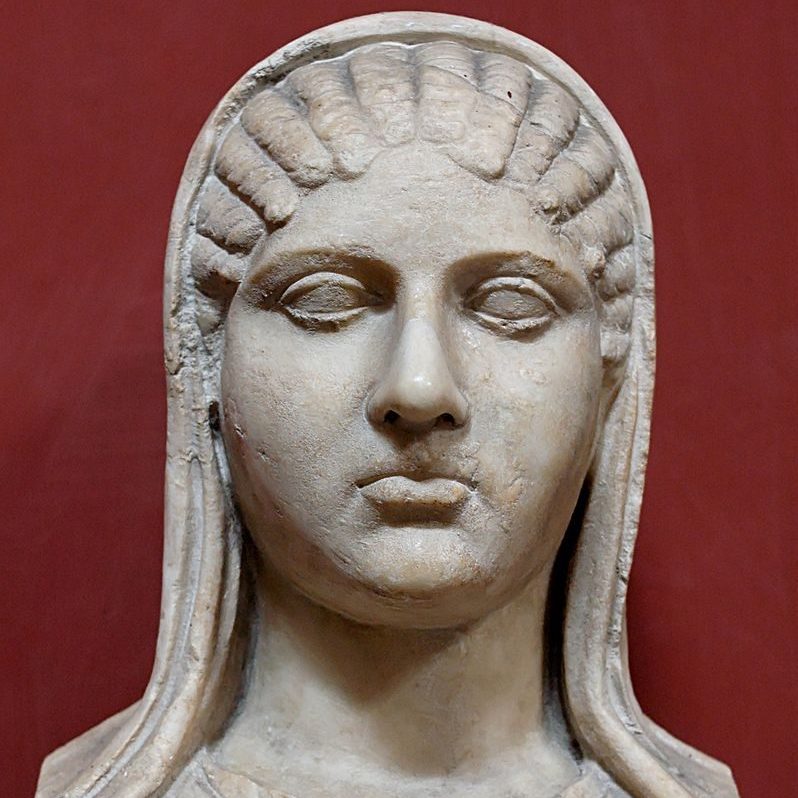
Aspasia of Miletus: The Influential Woman Behind Ancient Athens
Introduction: A Woman of Mystery and Power
Aspasia of Miletus stands as one of the most intriguing and controversial figures of classical Athens. Unlike most women of her time, she wielded significant intellectual and political influence in a society that often relegated women to the domestic sphere. As the companion of Pericles, Athens's greatest statesman, and a central figure in its golden age, Aspasia defied conventions and left an indelible mark on philosophy, rhetoric, and Athenian culture. Yet, despite her prominence, much of her life remains shrouded in mystery, with historians debating the extent of her achievements and influence.
Early Life and Background
Born in Miletus, a thriving Greek city in Ionia (modern-day Turkey), around 470 BCE, Aspasia came from a wealthy and educated family. Unlike Athenian women, who were often confined to their homes, Ionian women like Aspasia enjoyed more social and intellectual freedom. This upbringing likely shaped her extraordinary confidence and eloquence, traits that would later captivate Athens's elite.
Little is known about her early years, but by her twenties, Aspasia had moved to Athens. There, she entered the world of the city's intellectual and political circles, an unusual feat for a foreign-born woman in a male-dominated society.
Aspasia and Pericles: A Powerful Partnership
Aspasia's life changed dramatically when she became the companion of Pericles, Athens's leading statesman. Though they could not marry legally (Athenian law prohibited unions between citizens and foreigners), their relationship was widely acknowledged. Pericles, known for his formidable political acumen, was deeply influenced by Aspasia, valuing her intellect and counsel.
Ancient sources, including Plutarch, suggest that Aspasia played a key role in shaping Pericles's speeches and policies, even influencing his stance during the Peloponnesian War. Her home became a gathering place for philosophers, artists, and politicians, including Socrates, who reportedly admired her rhetorical skill.
Despite their affection, their relationship was not without scandal. Athenian conservatives viewed Aspasia with suspicion, accusing her of corrupting Athenian women and meddling in politics. She was even put on trial for impiety, though Pericles's intervention secured her acquittal.
Aspasia’s Intellectual Influence
Beyond her association with Pericles, Aspasia was renowned as a philosopher and teacher of rhetoric. Some ancient writers, including Plato and Xenophon, hint that she ran an academy for elite women, instructing them in philosophy and public speaking—an astonishing claim given the restrictions on women's education in Athens.
Her rhetorical prowess earned her comparisons to the greatest orators of the time. Socrates, in Plato's *Menexenus*, jokingly credits her with authoring Pericles's famous Funeral Oration, one of the most celebrated speeches in Athenian history. Whether true or not, the anecdote reflects her reputation as a formidable intellectual.
Aspasia in Ancient Literature and Modern Perception
Aspasia appears in numerous classical texts, though often through the lens of Athenian biases. Comic playwrights like Aristophanes caricatured her as a seductress, while later philosophers debated her role in shaping Athenian politics. Modern scholars, however, have reassessed her influence, recognizing her as a rare female voice in antiquity who navigated—and subtly transformed—the rigid hierarchies of her time.
Her legacy endures not only in historical accounts but in feminist reinterpretations that celebrate her defiance of gender norms. Aspasia remains a symbol of intelligence, resilience, and the unyielding pursuit of knowledge in the face of societal constraints.
Conclusion: The Enduring Enigma of Aspasia
Part of what makes Aspasia so compelling is the ambiguity surrounding her life. Was she merely a clever companion, or did she shape the course of Athenian democracy? The truth likely lies somewhere in between, but her story challenges our understanding of women's roles in antiquity.
As we delve deeper into Aspasia's world in the following sections, we will explore her philosophical contributions, her influence on Athenian society, and the myths that continue to surround her name. Few women of ancient Greece have left such a lasting—and controversial—legacy.
Stay tuned for Part Two, where we examine Aspasia's role in Athenian politics and her enduring impact on philosophy and rhetoric.
Aspasia’s Role in Athenian Politics and Society
Though women in classical Athens were typically excluded from public life, Aspasia was an exception. Her relationship with Pericles granted her unprecedented access to the political sphere, and she is often portrayed as an influential advisor behind some of Athens’s most critical decisions. Unlike traditional Athenian wives, who were expected to remain unseen and unheard, Aspasia engaged in intellectual and political discourse, earning both admiration and contempt from contemporaries.
Some historians argue that her influence extended to foreign policy, particularly during the First Peloponnesian War. Plutarch suggests that Pericles sought her counsel on important matters, including the Samian War (440 BCE), where Athens clashed with the island of Samos. Others speculate that her Metic (foreign resident) background provided Pericles with valuable diplomatic insights. While direct evidence is limited, her presence in key discussions implies a level of political involvement unusual for any woman of her time.
The Trial of Aspasia: Scandal and Survival
One of the most dramatic episodes in Aspasia’s life was her trial on charges of impiety and corrupting Athenian women. The accusations, likely politically motivated, stemmed from her unorthodox lifestyle and her perceived influence over Pericles. Ancient sources, including Plutarch and Athenaeus, claim that her teachings led respectable Athenian women astray, undermining traditional values.
The trial became a spectacle, with prosecutors attacking her character and her foreign origins. Pericles, in a rare emotional display, reportedly pleaded for her acquittal, even shedding tears in court—an act that allegedly persuaded the jury to spare her. Though she was cleared of charges, the incident reveals the tensions surrounding her presence in Athenian society. Her survival highlights both her resilience and the precarious position of intelligent women in a deeply conservative culture.
Salon of Aspasia: A Hub of Athenian Intellectuals
Beyond politics, Aspasia’s home became a renowned intellectual gathering place. Unlike the male-dominated symposia of Athens, her salons welcomed both men and women, fostering discussions on philosophy, literature, and governance. Among her frequent guests was Socrates, who, according to Plato, regarded her as a skilled rhetorician. Other notable figures, such as the playwright Euripides and the sculptor Phidias, sought her company, suggesting that she was at the heart of Athens’s cultural flourishing.
Some scholars argue that Aspasia’s salon functioned as an informal academy, where she debated ethics, metaphysics, and rhetoric. Her emphasis on persuasive speech and logical argumentation may have influenced Socratic thought, though definitive proof remains elusive. Nevertheless, her ability to command respect in such circles underscores her intellectual prowess.
Aspasia’s Influence on Rhetoric and Philosophy
Ancient writers frequently credit Aspasia with shaping the rhetorical techniques of Athens’s greatest orators. In Plato’s *Menexenus*, Socrates claims that Aspasia composed Pericles’ Funeral Oration, a masterpiece of classical rhetoric. While this is likely a philosophical jest, it acknowledges her reputed skill in speechcraft. Similarly, Cicero and Quintilian later reference her as a model of eloquence.
Her philosophical contributions are harder to pinpoint, but hints in Socratic dialogues suggest she engaged with ideas on love, virtue, and governance. Some modern scholars propose that her teachings on relationships and morality may have influenced Plato’s concept of the philosopher-king. Whether directly or indirectly, Aspasia’s ideas permeated Athenian thought, challenging conventional gender roles.
Motherhood and Later Life
Aspasia had a son, Pericles the Younger, whose citizenship was secured through a special decree since his parents could not legally wed. Raised in Athens’s elite circles, the young Pericles later became a military leader, though his career was marred by controversy. Aspasia’s role as a mother adds another layer to her complex identity, showcasing her navigation of both private and public spheres.
After Pericles’ death in 429 BCE, Aspasia reportedly formed a relationship with another Athenian statesman, Lysicles. Though details are sparse, her continued association with prominent figures indicates her enduring influence. The date and circumstances of her death remain unknown, but her legacy persisted through the writings of philosophers and historians.
Debates Among Modern Historians
Modern scholars remain divided on Aspasia’s historical significance. Some argue that her impact has been exaggerated, shaped by the biases of ancient authors who either idolized or vilified her. Others assert that she was a genuine intellectual force whose contributions were downplayed due to her gender.
Feminist historians, in particular, highlight her as a proto-feminist figure who defied Athens’s patriarchal norms. By engaging with philosophy, politics, and rhetoric, she challenged the notion that women were unfit for public discourse. Yet, the lack of surviving writings from her own hand makes it difficult to separate myth from reality.
Conclusion: A Woman Ahead of Her Time
Aspasia’s story is one of brilliance, resilience, and contradiction. She thrived in a society that sought to silence women, shaping Athenian politics and philosophy despite relentless scrutiny. Whether as Pericles’ confidante, a philosophical teacher, or a target of political attacks, she left an indelible mark on history.
In the next and final section, we will explore Aspasia’s enduring cultural legacy, examining how her image has evolved from antiquity to modern times and what she symbolizes for contemporary discussions on gender and power. Stay tuned for the conclusion of this fascinating journey into the life of one of antiquity’s most extraordinary women.
Cultural Representations of Aspasia: From Antiquity to Modernity
The figure of Aspasia has fascinated writers, artists, and scholars for nearly 2,500 years. In classical times, playwrights like Aristophanes mocked her as a scheming courtesan in comedies such as Acharnians, reflecting Athenian discomfort with her influence. By contrast, later Greek and Roman writers often portrayed her more sympathetically as an intellectual luminary. Plutarch, writing centuries later in his Lives, acknowledges her political savvy, while Cicero praised her rhetorical skills in De Inventione.
During the Renaissance, Aspasia experienced a revival as humanists rediscovered classical texts. Pierre Corneille's 17th-century tragedy "Aspasie" depicted her as a virtuous, intelligent woman trapped by circumstance - a marked departure from ancient Athenian portrayals. Romantic era artists like Joséphine Bowes painted her as an elegant Salonnière, highlighting her role as a cultural patron. These shifting representations reveal how different eras projected their own values onto this enigmatic figure.
A Feminist Reclamation in the Modern Era
The 20th century witnessed a dramatic reassessment of Aspasia's legacy. Feminist scholars pointed to her as evidence that women participated in classical intellectual life despite systemic exclusion. Margaret Fuller's 19th-century writings cited Aspasia as proof of women's philosophical potential, while 20th-century historians like Madeleine Henry worked to disentangle historical fact from misogynistic slander.
Contemporary scholarship emphasizes Aspasia's agency, noting how she skillfully navigated Athens's restrictive environment. Some theorists suggest she pioneered what we might now call feminist rhetoric - developing persuasive techniques appropriate for someone excluded from formal political participation. Others highlight how her teachings created space for women's voices in philosophical discourse, however limited by the standards of her time.
Literary Resurrections and Popular Culture
Modern fiction has enthusiastically embraced Aspasia as a character. Taylor Caldwell's 1965 novel Glory and the Lightning offered a sympathetic fictional biography. More recently, she appears as a key character in numerous historical novels set in ancient Athens, often portrayed as an early feminist icon. Television documentaries and podcasts about the ancient world increasingly include segments discussing her influence.
In academia, Aspasia has become a case study for examining both gender dynamics in classical Athens and the methodological challenges of studying women in antiquity. The University of Houston even named a prestigious female faculty award after her, explicitly honoring her legacy as an educator and intellectual leader.
The Philosophical Legacy: Beyond Gender
Beyond feminist interpretations, Aspasia's intellectual contributions deserve independent consideration. Some scholars argue that elements of Socratic irony and dialectic may reflect her rhetorical techniques. The few surviving descriptions of her teaching methods emphasize practical applications of philosophy, suggesting she may have influenced what became the Peripatetic tradition.
Her suspected involvement in composing Pericles' speeches suggests sophisticated understanding of civic ideology. Historians note parallels between Pericles' Funeral Oration and later democratic philosophies, raising provocative questions about Aspasia's possible role in shaping foundational Western political thought. While evidence remains circumstantial, the possibility challenges traditional narratives about the exclusively male origins of democratic theory.
Teaching Methods and Pedagogical Influence
Ancient sources hint that Aspasia educated both men and women, possibly developing teaching methods that differed from the male philosophical schools. If true, she may represent an alternative pedagogical tradition in antiquity - one focused more on practical rhetoric and moral philosophy than metaphysical speculation. This aligns with Socrates' reported interest in her teachings, as his method similarly valued dialog over dogma.
Some historians speculate that Aspasia's Milesian background influenced her syncretic approach, blending Ionian rationalism with Athenian rhetorical traditions. Her purported students included not only elite women but potentially young men training for public life, suggesting her influence may have been more widespread than official records indicate.
Aspasia as a Cultural Symbol Today
In contemporary discourse, Aspasia serves multiple symbolic functions. For classicists, she represents early challenges to patriarchy in Western thought. For feminists, she embodies both the possibilities and limitations facing intellectual women throughout history. For political theorists, she raises questions about the uncredited contributions of marginalized groups to foundational ideas.
Numerous modern institutions bear her name, from academic scholarships to feminist organizations, testifying to her enduring resonance. Psychologists have even used her story to discuss attribution bias - how society discounts women's intellectual contributions. This multidimensional legacy far exceeds what few historical facts we possess about her actual life.
Historical Challenges and the "Aspasia Problem"
Reconstructing Aspasia's true historical role presents significant methodological challenges. All existing accounts come filtered through male authors with their own agendas. The lack of any surviving writings directly attributable to her forces scholars to rely on potentially unreliable secondary sources. This has led to what historian Laura McClure calls "the Aspasia Problem" - how to assess a woman's influence when the historical record is both biased and fragmentary.
Recent approaches emphasize contextual readings of ancient sources while acknowledging inevitable uncertainties. Archaeologists continue searching for material evidence about her life, hoping to supplement literary accounts. Meanwhile, digital humanities projects are using network analysis to examine her social connections in classical Athens.
Final Assessment: Why Aspasia Still Matters
Aspasia's enduring significance lies in how her story disrupts conventional narratives about classical Athens and female agency. She demonstrates that even in the most restrictive environments, exceptional individuals could challenge norms and exercise influence. Her life compels us to reconsider who gets credit for foundational ideas and how power operates in intellectual communities.
More than just a historical curiosity, Aspasia offers a lens for examining contemporary issues of gender, immigration, and intellectual recognition. As the classics confront their elitist and exclusionary past, figures like Aspasia provide alternative narratives about who contributed to the Western tradition. In an age still grappling with these same issues, her story remains powerfully relevant.
Whether viewed as brilliant rhetorician, political operator, proto-feminist, or some combination thereof, Aspasia forces us to acknowledge the complex realities behind idealized visions of classical Athens. Her absence from traditional canons of philosophy and politics says more about historical biases than about her actual contributions. As scholarship continues rediscovering such marginalized figures, our understanding of antiquity - and its connections to modern thought - grows richer and more nuanced.
The incomplete nature of Aspasia's historical record ultimately makes her more compelling, inviting each generation to reinterpret her significance anew. Rather than diminishing her importance, the mysteries surrounding her life ensure her continued engagement with contemporary intellectual debates. In this, perhaps, lies her greatest legacy - an enduring challenge to reconsider who shapes history, and why some voices get remembered while others fade from view.
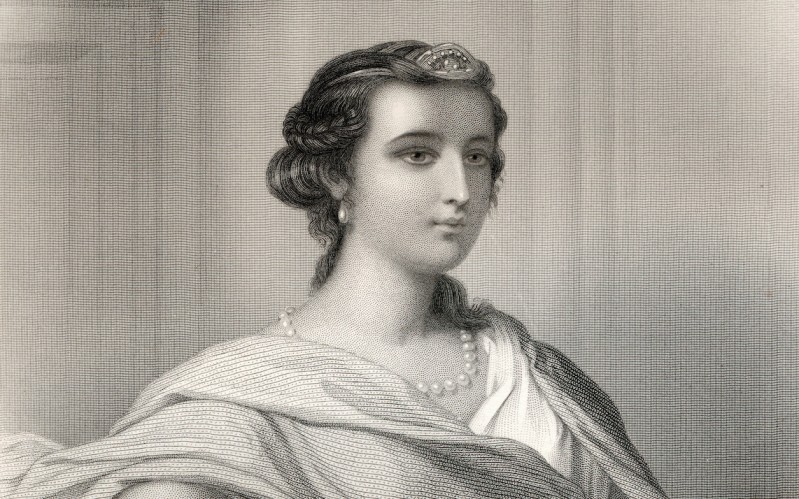


Aspasia : Une Femme d'Influence dans l'Athènes Antique
Introduction : Une Figure Enigmatique
À travers les siècles, Aspasia de Milet a suscité fascination et intrigue parmi les historiens comme parmi les amateurs d'histoire. Ayant vécu au Ve siècle av. J.-C., pendant l'âge d'or de l'Athènes antique, elle demeure l'une des rares femmes de l'Antiquité gréco-romaine dont le nom a traversé les âges. Cependant, peu de détails concrets de sa vie nous sont parvenus, souvent enveloppés par les légendes et les anecdotes rapportées par des hommes de son temps. Qui était réellement Aspasia, et pourquoi son existence continue-t-elle à captiver l'imaginaire collectif ?
Une Étrangère à Athènes
Aspasia est née à Milet, une ville portuaire d'Ionie, située dans l'actuelle Turquie. Elle émigra à Athènes, attirée par la richesse de sa civilisation et peut-être aussi par la liberté relative que offrait la cité aux femmes étrangères. À l'époque, Athènes était le centre intellectuel et artistique du monde grec, un lieu où les idées nouvelles et les débats philosophiques fleurissaient.
Malgré son statut d'étrangère, Aspasia parvint à s'immiscer dans les cercles les plus influents de la société athénienne. Son esprit vif et sa culture étendue lui permirent de se faire une place parmi les sophistes et les philosophes. Une telle reconnaissance était rare pour une femme, encore plus pour une métèque (étrangère résidant à Athènes), ce qui témoignait déjà de son génie social et intellectuel.
Compagne de Périclès
Le nom d'Aspasia est indissociable de celui de Périclès, le célèbre homme d'État athénien sous lequel Athènes connut son plus grand épanouissement. Elle fut d'abord sa compagne, bien que les récits varient quant à la nature exacte de leur union, certains suggérant qu'ils se seraient même mariés selon les rites locaux non officiels. À travers Périclès, elle acquit une influence politique qui lui permit d'exercer indirectement un certain pouvoir sur la cité.
Les opposants politiques de Périclès ne manquèrent pas de critiquer cette relation, voyant en Aspasia une intruse aux mœurs potentiellement corrompues. Certains la décrivirent comme une hétaïre, une courtisane de haut rang, ce qui n'avait pas forcément la connotation exclusivement négative que l'on pourrait imaginer aujourd'hui. En effet, les hétaïres pouvaient jouir d'une éducation et d'une indépendance financière qui les plaçaient parfois au-dessus des femmes grecques de naissance citoyenne soumises aux rigueurs de la vie domestique.
Une Intellectuelle Respectée
Outre ses relations avec Périclès, Aspasia est souvent qualifiée de philosophe et de rhétoricienne. Elle aurait joué un rôle non négligeable dans le développement intellectuel de son époque, conseillant non seulement Périclès mais aussi l'un des plus grands philosophes de l'histoire, Socrate. Les écrits de Platon et d'autres philosophes suggèrent qu'Aspasia tenait un salon où se réunissaient les esprits brillants d'Athènes pour discuter de questions philosophiques, politiques et artistiques.
Son intelligence et sa capacité à exprimer des idées complexes en firent une figure respectée, voire redoutée. Elle pourrait même avoir contribué à la rédaction de certains discours politiques de Périclès, bien que cela reste conjectural. C'est en tout cas à son légendaire esprit que l'on prête certains propos rapportés plus tard par des penseurs comme Plutarque et Eschine.
Controverse et Défense
Malgré son importance, Aspasia ne fut pas à l'abri des controverses. Ses détracteurs l'accusèrent de s'être immiscée dans les affaires politiques d'Athènes, alimentant ainsi la défaite que connut la ville lors de la guerre du Péloponnèse. Elle fut accusée, parfois publiquement, de corrompre les femmes athéniennes et de contribuer à la décadence morale de la cité.
Cependant, des récits contemporains la montrent également sous un jour plus positif, soulignant sa capacité à influencer les décisions stratégiques d'Athènes. Sa défense la plus notable vint du philosophe Socrate lui-même, qui reconnut son intelligence et sa compétence dans l'art du discours. Cette reconnaissance par l’un des plus grands esprits de l’histoire témoigne de l’ampleur du respect qu’elle imposait dans certains cercles.
Aspasia demeure donc une figure complexe et fascinante. En dépit des obstacles de son époque, elle réussit à sortir de l’ombre des grandes figures masculines pour laisser une empreinte durable dans l’histoire. C’est sans doute cette singularité qui fait qu’elle continue d’être étudiée et célébrée aujourd'hui comme une pionnière de l'émancipation féminine. Dans cette Athènes d'une autre époque, entre réalité historique et légende, Aspasia a su se forger une place à part entière.
Le Rôle d'Aspasia dans les Arts et l'Éducation
Aspasia n'était pas seulement une personnalité influente sur le plan politique et philosophique, elle exerçait également une influence significative dans le domaine des arts et de l'éducation. On l'associe souvent au cercle élitiste de créateurs et de penseurs qui a contribué à l'efflorescence culturelle d'Athènes. Bien que les preuves tangibles de son implication directe manquent, de nombreux historiens supposent qu'elle joua un rôle crucial dans le soutien et la promotion des arts dramatiques et visuels de l'époque.
À une époque où l'éducation des femmes était sévèrement limitée, Aspasia semble avoir su contourner ces restrictions non seulement pour son propre bénéfice, mais aussi pour celui de son entourage. Elle aurait accueilli chez elle, dans un espace privilégié, des hommes et des femmes partageant une curiosité commune pour les arts et la philosophie. Ce salon, par essence précurseur des salons littéraires et intellectuels plus tardifs, aurait servi de lieu de débats fructueux et de refuge pour les femmes désireuses de développer leur culture et leur savoir-faire oratoire.
Critiques et Défenses dans la Littérature
Les récits abondent sur la personnalité et le mode de vie d'Aspasia, soulignant les ambivalences dans la perception de sa persona publique. Les auteurs comiques tels qu'Aristophane ne manquèrent pas de la tourner en dérision dans leurs pièces, lui prêtant une influence délétère sur Périclès et accusant même la célèbre guerre du Péloponnèse d'avoir été déclenchée sous son influence. Ces portraits satiriques servaient essentiellement à critiquer l'expansionnisme et les politiques de Périclès par le biais d'une figure féminine étrangère.
Cependant, d'autres écrits plus sérieux, comme ceux de Plutarque, présentent un portrait nuancé qui évoque la dignité et le respect qu'Aspasia inspirait à certains de ses contemporains. Plutarque, dans sa biographie de Périclès, souligne la capacité d'Aspasia à surpasser ses contemporains dans l'art oratoire, une capacité qu'il estime être suffisamment exceptionnelle pour reconnaître son talent distinct. À travers ces lignes diverses, un motif constant se dessine : Aspasia était à la fois redoutée et admirée, attaquée et soutenue, ce qui témoigne encore de son poids social et culturel.
Aspasia et la Condition Féminine
Aspasia incarne un paradoxe intéressant : elle a transcendé de nombreuses limites imposées traditionnellement aux femmes, tout en restant un sujet de controverse en raison même de cette transgression. Par le simple fait de recevoir des invités de haut rang ou de participer activement aux discussions philosophiques, elle fit fi des conventions restrictives en vigueur à Athènes. En cela, elle devint un symbole en avance sur son temps, montrant qu'il était possible pour une femme d'occuper un espace dans le domaine public, bien que cette occupation fût minoritaire et parfois fortement contestée.
Son exemple sert aujourd'hui à illustrer l'importance des figures féminines dans les rouages de l'histoire, souvent omises ou minimisées dans les récits traditionnels. En étudiant Aspasia, les regards modernisent leur perception d'un passé marqué par les inégalités de genre. Son cas offre une opportunité de réévaluer les rôles que les femmes ont pu jouer dans les sphères politiques et intellectuelles, même dans un contexte historique dominé par les hommes.
L'Héritage d'Aspasia
En dépit des critiques et de la rareté des sources directes, l'héritage d'Aspasia perdure au-delà des siècles. Elle est devenue une icône non seulement de la résistance et de la transgression des normes, mais aussi du potentiel intellectuel et du pouvoir des femmes à influencer la société. Les débats sur sa vie et son rôle soulignent la complexité de l'émancipation féminine à travers les âges.
En somme, Aspasia continue de représenter une voie alternative de l'histoire, un rappel de la contribution durable des femmes dans des mondes trop souvent marqués par les récits masculins. Son influence s'étend bien au-delà de ses réalisations personnelles, elle réside dans les discussions continuelles qu'elle suscite et les inspirations qu'elle offre à toute une série de disciplines académiques et artistiques. Aspasia, à travers sa vie, son réseau et son impact, reste un témoignage vibrant du potentiel de subversion positive, inspirant une quête de reconnaissance et de réévaluation des femmes dans toutes les époques de l'histoire.
Le parcours d'Aspasia nous rappelle que même dans les périodes les plus restrictives, des voix émergent pour défier et redéfinir les normes établies. Dans ce tumulte d'ombres et de lumière, elle reste une figure pionnière du dialogue entre sexes et de l'équité intellectuelle. Son histoire, qu’elle soit légendaire ou véridique, continue de résonner, animant les efforts contemporains pour la reconnaissance et la valorisation des contributions féminines à travers le temps.
Aspasia à Travers les Mentions Philosophiques
L'héritage d'Aspasia dépasse largement les frontières d'Athènes, s'inscrivant profondément dans la philosophie occidentale. Platon, l'un des plus grands penseurs de l'Antiquité, mentionne Aspasia dans plusieurs de ses dialogues. Dans le "Ménexène", par exemple, il présente Aspasia comme une enseignante éminente de la rhétorique qui aurait guidé Socrate dans l'art du discours. Même si certains critiques pensent que Platon utilisait Aspasia de manière satirique, pour illustrer la maîtrise de la rhétorique par le biais d'une figure féminine peu conventionnelle, ces mentions renforcent l'idée qu'elle était largement reconnue pour son intelligence et son savoir-faire exceptionnels.
En outre, l'association d'Aspasia avec Socrate est particulièrement significative, car elle suggère que leurs échanges ont pu influencer la pensée socratique profonde et l'enseignement ultérieur transmis par ses élèves. Si rien n'indique qu'Aspasia ait laissé des écrits directement, son influence supposée nuance le cadre traditionnellement masculin des origines de la philosophie occidentale.
Réhabilitations Modernes
Dans les temps modernes, la figure d'Aspasia a bénéficié d'un regain d'intérêt, notamment à travers les études féministes et l'historiographie révisionniste. Ce regard contemporain cherche souvent à réhabiliter des figures féminines historiques dont l'importance a été minimisée ou ternie par des siècles de narration dominée par les hommes. En ce sens, Aspasia est redécouverte comme une pionnière, une femme qui a brisé les stéréotypes de son époque et défié les attentes culturelles.
Les historiens et les écrivains actuels tentent de reconstituer son influence en décrivant un tableau plus équilibré des dynamiques sociales et politiques d'Athènes. Il s'agit de redonner à Aspasia une place légitime dans les annales des femmes qui ont osé repousser les limites de l'acceptable et du possible en leur temps, contribuant ainsi à mieux comprendre l'histoire sous un angle plus inclusif et diversifié.
Aspasia dans la Culture Populaire
Aspasia est devenue une icône intemporelle dans la culture populaire, figurant dans des œuvres variées, allant de la littérature aux arts de la scène. Son personnage apparaît dans des pièces de théâtre, des romans historiques et même des productions cinématographiques, où son rôle fascinant et compliqué dans la société athénienne est exploré. Ces œuvres offrent parfois une interprétation romancée de sa vie, jouant sur les émotions fortes qu'elle inspire, allant de la curiosité à l'admiration, en passant par l'appréhension.
Cette présence dans la culture contemporaine souligne à quel point son histoire continue d'inspirer et de résonner, illustrant des thèmes universels de lutte pour la reconnaissance, la force intérieure, et le défi aux normes sociétales. Les artistes contemporains trouvent en Aspasia un modèle de courage féminin, une source d'engagement face à l'oppression et un symbole éternel de l'émancipation par le savoir.
Conclusion : L'Héritage Indélébile d'Aspasia
Aspasia de Milet n'était peut-être pas destinée à gravir les échelons de l'Histoire, mais elle est parvenue à laisser une marque indélébile sur son époque et celles qui ont suivi. À travers son esprit brillant, sa présence dans les cercles influents et sa relation avec Périclès, elle a participé à façonner une partie de l'identité intellectuelle et culturelle de l'Athènes antique.
Bien que les détails concrets de sa vie demeurent parsemés d'incertitudes et de contradictions, la figure d'Aspasia symbolise un défi éternel au statu quo imposé à son époque. Elle incarne la possibilité, pour une femme, d'exercer une influence malgré des circonstances défavorables, et de laisser un héritage qui continue d'être exploré et célébré aujourd'hui.
En fin de compte, Aspasia reste bien plus qu'un simple personnage historique : elle est une inspiration continue pour les générations futures, une preuve vivante que, même dans les périodes les plus restreintes, l'audace et l'intelligence peuvent ouvrir la voie à des changements durables et significatifs dans la société. À travers elle, les leçons du passé revivent, illuminant des chemins nouveaux vers un avenir où l'équité et la reconnaissance transcendent les barrières du genre et du temps.

