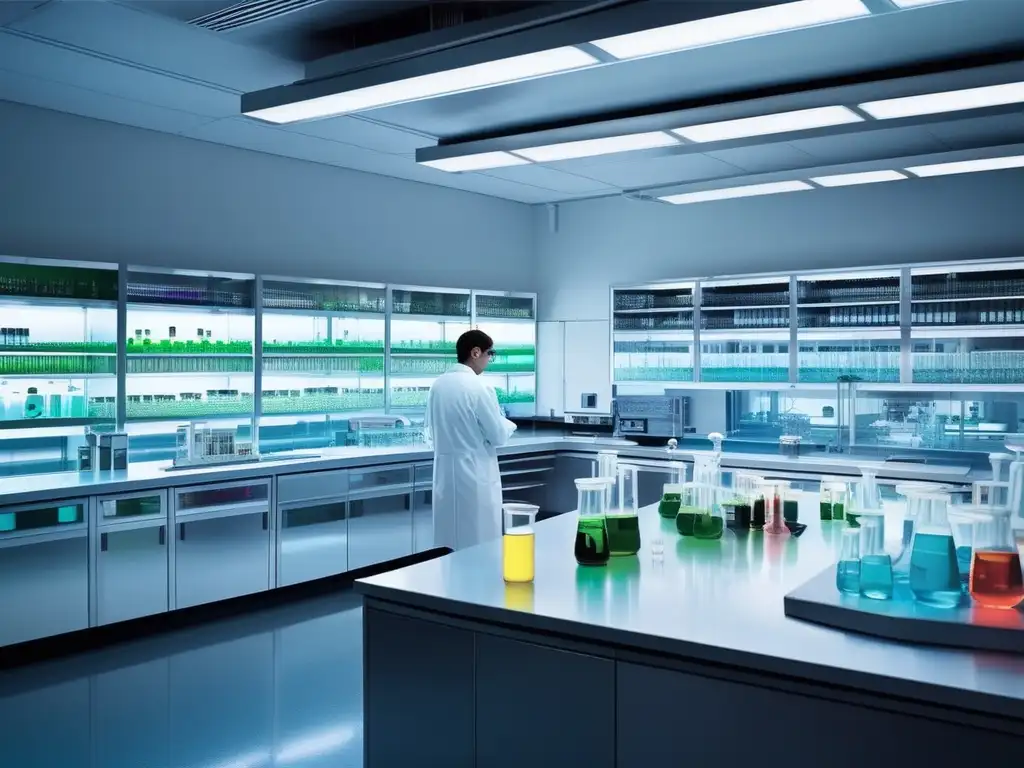
Alexander Fleming: The Pioneer of the Antibiotic Revolution
In the annals of medical history, few discoveries have had as profound an impact as Alexander Fleming's discovery of penicillin in 1928. This Scottish physician and microbiologist inadvertently sparked the antibiotic revolution, forever changing the landscape of modern medicine. His groundbreaking work not only introduced the world's first broadly effective antibiotic but also laid the foundation for the development of countless life-saving drugs. This article delves into the life, discoveries, and enduring legacy of Alexander Fleming, the man who transformed our ability to combat infectious diseases.
The Early Life and Career of Alexander Fleming
Born on August 6, 1881, in Lochfield, Scotland, Alexander Fleming grew up in a rural setting that would later influence his scientific curiosity. After completing his education at St. Mary's Hospital Medical School in London, Fleming embarked on a career in microbiology, driven by a desire to understand and combat bacterial infections.
Education and Early Influences
Fleming's academic journey began at the University of London, where he studied medicine. His early exposure to the works of Louis Pasteur and Robert Koch ignited his passion for bacteriology. These pioneers in microbiology inspired Fleming to explore the intricate world of bacteria and their role in human health.
Military Service and Post-War Research
During World War I, Fleming served as a captain in the Royal Army Medical Corps. His experiences on the battlefield, where he witnessed the devastating effects of bacterial infections on wounded soldiers, deepened his resolve to find effective treatments. Post-war, he returned to St. Mary's Hospital, where he continued his research on antibacterial substances.
The Discovery of Lysozyme: A Prelude to Penicillin
Before his monumental discovery of penicillin, Fleming made another significant contribution to microbiology with the identification of lysozyme in 1922. This enzyme, found in tears, saliva, and mucus, exhibited weak antibacterial properties against certain non-pathogenic bacteria.
The Significance of Lysozyme
Although lysozyme's antibacterial effects were limited, its discovery was crucial for several reasons:
- It demonstrated the existence of natural antibacterial substances within the human body.
- It provided insights into the body's innate defense mechanisms against bacterial infections.
- It set the stage for Fleming's later, more impactful discovery of penicillin.
Experimental Observations
Fleming's meticulous observations during his experiments with lysozyme highlighted his keen eye for detail. He noted that the enzyme could dissolve certain bacteria, albeit not the more harmful pathogens. This work underscored the potential for discovering more potent antibacterial agents, a pursuit that would soon lead him to penicillin.
The Serendipitous Discovery of Penicillin
The story of penicillin's discovery is one of scientific serendipity. In 1928, while studying Staphylococcus aureus at St. Mary's Hospital, Fleming noticed something unusual in one of his Petri dishes. A mold, later identified as Penicillium notatum, had contaminated the dish and inhibited the growth of bacteria around it.
The Contaminated Petri Dish
Fleming's laboratory was known for its somewhat disorganized state, a characteristic that ironically played a role in his discovery. An uncovered Petri dish near an open window became contaminated with mold spores. Instead of discarding the dish, Fleming observed that the bacteria near the mold were being destroyed. This observation led him to isolate the antibacterial substance, which he named penicillin on March 7, 1929.
Initial Reactions and Challenges
Despite the promising nature of his discovery, Fleming's initial publication in 1929 garnered little attention. The scientific community was skeptical, and the instability of penicillin posed significant challenges for its practical application. It would take over a decade for the full potential of penicillin to be realized, thanks to the efforts of Howard Florey and Ernst Chain.
Collaborators in the Antibiotic Revolution
While Alexander Fleming is credited with the discovery of penicillin, the development of the antibiotic into a viable medical treatment involved the collaborative efforts of several key figures. Among them, Howard Florey and Ernst Chain played pivotal roles in purifying penicillin and demonstrating its efficacy.
Howard Florey: The Driving Force Behind Purification
Howard Florey, an Australian pharmacologist, led the team at the University of Oxford that successfully purified penicillin. His relentless efforts in the late 1930s and early 1940s transformed Fleming's "mold juice" into a stable, usable antibiotic. Florey's work was instrumental in scaling up production and conducting the first clinical trials.
Ernst Chain: The Biochemist's Contribution
Ernst Chain, a German-born biochemist, collaborated closely with Florey. His expertise in biochemistry was crucial in isolating and concentrating penicillin. Chain's contributions ensured that the antibiotic could be produced in quantities sufficient for medical use, paving the way for its widespread adoption.
The Nobel Prize and Recognition
In 1945, Alexander Fleming, Howard Florey, and Ernst Chain were jointly awarded the Nobel Prize in Physiology or Medicine for their groundbreaking work on penicillin. This recognition underscored the collaborative nature of scientific discovery and the profound impact of their contributions to medicine.
The Impact of Penicillin on World War II
The advent of World War II provided a critical impetus for the mass production of penicillin. The urgent need for effective treatments for infected wounds and diseases among soldiers accelerated the development and distribution of the antibiotic.
Early Clinical Trials and Successes
The first human trial of penicillin took place in 1941, with a policeman named Albert Alexander. Although the initial results were promising, supply shortages limited the treatment's effectiveness. However, subsequent trials demonstrated penicillin's remarkable ability to combat a range of bacterial infections, including streptococcal, staphylococcal, and gonococcal infections.
Mass Production and Military Use
By 1942, the United States had established pilot plants for the mass production of penicillin. Companies like Merck played a crucial role in scaling up production, ensuring that the antibiotic was available in sufficient quantities for military use. Penicillin became a vital tool in treating wounded soldiers, significantly reducing mortality rates from infections.
Post-War Impact and Public Health
The success of penicillin during the war set the stage for its post-war adoption in public health. The antibiotic's effectiveness against diseases such as syphilis, pneumonia, and meningitis revolutionized medical practice. Penicillin's impact extended beyond the battlefield, transforming the treatment of bacterial infections worldwide.
Alexander Fleming's Legacy and the Antibiotic Era
The discovery of penicillin marked the beginning of the antibiotic era, a period characterized by the development and use of antibiotics to combat bacterial infections. Fleming's work laid the foundation for modern antibiotic therapy, saving countless lives and shaping the course of medical history.
The Foundation of Modern Antibiotics
Penicillin's success inspired the discovery and development of numerous other antibiotics. Drugs like streptomycin, tetracycline, and erythromycin followed, each contributing to the arsenal of treatments available to combat bacterial infections. The antibiotic era has been marked by continuous innovation, driven by the principles established by Fleming's discovery.
Challenges and the Rise of Antibiotic Resistance
Despite the transformative impact of antibiotics, their use has not been without challenges. Alexander Fleming himself warned of the potential for antibiotic resistance as early as 1942. His concerns have proven prescient, as the rise of multidrug-resistant bacteria poses a significant threat to global health. The ongoing battle against antibiotic resistance underscores the need for continued research and innovation in the field of microbiology.
Honoring Fleming's Contributions
Today, Alexander Fleming is remembered as a pioneer in the field of microbiology. His discovery of penicillin has earned him a place among the most influential figures in medical history. Institutions and organizations worldwide continue to honor his legacy, recognizing the profound impact of his work on human health and well-being.
In the next part of this article, we will delve deeper into the scientific details of penicillin's discovery, its mechanism of action, and the ongoing efforts to combat antibiotic resistance. Stay tuned for an exploration of the intricate world of antibiotics and the enduring legacy of Alexander Fleming.
The Science Behind Penicillin: Mechanism and Development
The discovery of penicillin by Alexander Fleming was a pivotal moment in medical history, but understanding its mechanism of action and the subsequent development process is equally fascinating. This section explores the scientific intricacies of penicillin, from its antibacterial properties to the challenges faced in its mass production.
How Penicillin Works: A Bactericidal Agent
Penicillin operates as a bactericidal agent, meaning it kills bacteria rather than merely inhibiting their growth. Its primary mechanism involves interfering with the synthesis of the bacterial cell wall. Specifically, penicillin targets the enzyme transpeptidase, which is crucial for cross-linking the peptide chains in the bacterial cell wall.
When penicillin binds to transpeptidase, it prevents the formation of a strong and rigid cell wall. This weakening leads to the bacteria becoming susceptible to osmotic pressure, ultimately causing the cell to lyse (burst) and die. This mode of action is particularly effective against Gram-positive bacteria, which have a thick cell wall composed primarily of peptidoglycan.
The Challenges of Early Penicillin Production
Despite its promising antibacterial properties, the early production of penicillin faced numerous challenges. Fleming's initial "mold juice" was highly unstable and difficult to purify. The key obstacles included:
- Instability: Penicillin degraded rapidly, making it challenging to store and use effectively.
- Low Yield: The mold Penicillium notatum produced only small amounts of penicillin, insufficient for medical use.
- Purification Difficulties: Isolating pure penicillin from the mold broth was a complex and time-consuming process.
These challenges necessitated innovative solutions, which were ultimately provided by Howard Florey and Ernst Chain at the University of Oxford.
From Laboratory Discovery to Mass Production
The journey of penicillin from a laboratory curiosity to a widely available antibiotic is a testament to the power of scientific collaboration and innovation. This section delves into the critical steps that transformed penicillin into a medical marvel.
The Oxford Team's Breakthrough
In the late 1930s, Howard Florey and Ernst Chain took up the challenge of purifying and stabilizing penicillin. Their work at the University of Oxford marked a turning point in the antibiotic's development. By 1940, they had successfully produced a purified form of penicillin that was stable enough for clinical trials.
The Oxford team's breakthrough involved several key innovations:
- Improved Cultivation Techniques: They developed methods to grow Penicillium notatum in large quantities, increasing the yield of penicillin.
- Advanced Purification Processes: Using techniques such as chromatography, they isolated pure penicillin from the mold broth.
- Stabilization Methods: They found ways to stabilize penicillin, making it suitable for storage and medical use.
The First Clinical Trials and Human Use
The first human trial of penicillin took place on February 12, 1941, with a patient named Albert Alexander. Alexander, a policeman, was suffering from severe infections caused by Staphylococcus aureus. The trial demonstrated penicillin's remarkable efficacy, as Alexander showed significant improvement shortly after receiving the treatment.
However, the initial success was tempered by the limited supply of penicillin. Despite the Oxford team's efforts, they could not produce enough penicillin to sustain Alexander's treatment, and he ultimately relapsed. This experience underscored the urgent need for large-scale production of the antibiotic.
Mass Production During World War II
The onset of World War II provided the necessary impetus for the mass production of penicillin. The United States, recognizing the antibiotic's potential to save lives on the battlefield, invested heavily in scaling up production. Key developments during this period included:
- Industrial Collaboration: Pharmaceutical companies such as Merck and Pfizer established pilot plants for penicillin production.
- Innovative Fermentation Techniques: Scientists developed deep-tank fermentation methods, significantly increasing the yield of penicillin.
- Government Support: The U.S. government funded research and production efforts, ensuring that penicillin was available in sufficient quantities for military use.
By 1944, penicillin was being produced in large quantities, with hundreds of liters available weekly. This mass production effort was instrumental in treating wounded soldiers and reducing mortality rates from bacterial infections.
The Impact of Penicillin on Modern Medicine
The introduction of penicillin revolutionized the field of medicine, transforming the treatment of bacterial infections and saving countless lives. This section explores the profound impact of penicillin on modern medical practice and public health.
Revolutionizing the Treatment of Bacterial Infections
Before the advent of penicillin, bacterial infections were a leading cause of death worldwide. Diseases such as pneumonia, syphilis, and meningitis often proved fatal due to the lack of effective treatments. Penicillin changed this landscape dramatically, providing a powerful tool to combat a wide range of bacterial infections.
Some of the key infections treated by penicillin include:
- Streptococcal Infections: Including strep throat and scarlet fever.
- Staphylococcal Infections: Such as skin infections and abscesses.
- Gonococcal Infections: Including gonorrhea, a common sexually transmitted infection.
- Syphilis: A previously devastating disease that could now be effectively treated.
Penicillin's Role in Surgery and Wound Care
The impact of penicillin extended beyond the treatment of systemic infections. The antibiotic played a crucial role in surgical practice and wound care, significantly reducing the risk of post-operative infections. Before penicillin, surgical procedures carried a high risk of complications due to bacterial contamination. With the advent of penicillin, surgeons could perform operations with greater confidence, knowing that infections could be effectively managed.
During World War II, penicillin was extensively used to treat wounded soldiers, preventing infections that would have otherwise been fatal. This application not only saved lives but also demonstrated the antibiotic's versatility and efficacy in a range of medical settings.
The Foundation for Antibiotic Research
The success of penicillin inspired a wave of research into other antibiotics. Scientists around the world began exploring the potential of natural and synthetic compounds to combat bacterial infections. This research led to the discovery of numerous antibiotics, each with unique properties and applications.
Some of the notable antibiotics developed in the wake of penicillin include:
- Streptomycin: Effective against tuberculosis and other Gram-negative bacteria.
- Tetracycline: A broad-spectrum antibiotic used to treat a variety of infections.
- Erythromycin: An alternative for patients allergic to penicillin.
The discovery of these antibiotics expanded the arsenal of treatments available to medical professionals, further enhancing their ability to combat bacterial infections.
Alexander Fleming's Warnings and the Rise of Antibiotic Resistance
Despite the transformative impact of penicillin, Alexander Fleming was acutely aware of the potential for antibiotic resistance. As early as 1942, he warned that the overuse and misuse of antibiotics could lead to the development of resistant bacterial strains. This section explores Fleming's prescient warnings and the ongoing challenge of antibiotic resistance.
Fleming's Early Observations on Resistance
In his Nobel Prize acceptance speech, Fleming cautioned about the dangers of antibiotic resistance:
"It is not difficult to make microbes resistant to penicillin in the laboratory by exposing them to concentrations not sufficient to kill them, and the same thing has occasionally happened in the body."
Fleming's observations were based on his experiments, where he noted that bacteria exposed to sub-lethal doses of penicillin could develop resistance. This phenomenon, known as antibiotic resistance, occurs when bacteria evolve mechanisms to survive the effects of antibiotics.
The Emergence of Resistant Bacterial Strains
The first cases of penicillin-resistant bacteria were documented in the early 1940s, shortly after the antibiotic's introduction. One of the most notable examples is Staphylococcus aureus, a common pathogen that quickly developed resistance to penicillin. Today, methicillin-resistant Staphylococcus aureus (MRSA) is a significant public health concern, causing infections that are difficult to treat with standard antibiotics.
The rise of antibiotic resistance is driven by several factors, including:
- Overuse of Antibiotics: The excessive prescription of antibiotics for viral infections, which they cannot treat, contributes to resistance.
- Incomplete Treatment Courses: Patients who do not complete their prescribed antibiotic courses allow bacteria to survive and develop resistance.
- Agricultural Use: The use of antibiotics in livestock farming accelerates the development of resistant strains.
The Global Crisis of Antibiotic Resistance
Today, antibiotic resistance is recognized as a global health crisis. The World Health Organization (WHO) has warned that without urgent action, we could enter a post-antibiotic era where common infections become untreatable. The implications of this crisis are profound, affecting medical procedures, public health, and global economies.
Key statistics highlighting the severity of the issue include:
- 700,000 deaths annually are attributed to antibiotic-resistant infections.
- By 2050, this number could rise to 10 million deaths per year if no action is taken.
- The economic impact of antibiotic resistance is estimated to be $100 trillion by 2050.
Addressing this crisis requires a multifaceted approach, including the development of new antibiotics, improved stewardship of existing antibiotics, and global cooperation to combat the spread of resistant bacteria.
The Legacy of Alexander Fleming and the Future of Antibiotics
The legacy of Alexander Fleming extends far beyond his discovery of penicillin. His work laid the foundation for modern antibiotic therapy and inspired generations of scientists to explore the potential of antimicrobial agents. This section reflects on Fleming's enduring impact and the future of antibiotic research.
Fleming's Contributions to Microbiology
Fleming's contributions to microbiology are vast and varied. In addition to his discovery of penicillin, he made significant advancements in the understanding of bacterial infections and the body's immune response. His work on lysozyme provided insights into the body's natural defense mechanisms, while his research on antibacterial agents paved the way for the development of numerous life-saving drugs.
Fleming's approach to scientific inquiry, characterized by curiosity and keen observation, serves as a model for researchers today. His ability to recognize the potential in seemingly mundane observations, such as a contaminated Petri dish, highlights the importance of curiosity-driven research.
The Future of Antibiotic Research
The ongoing challenge of antibiotic resistance underscores the need for continued innovation in the field of antimicrobial research. Scientists are exploring several avenues to address this crisis, including:
- Development of New Antibiotics: Research efforts are focused on discovering novel antibiotics with unique mechanisms of action.
- Alternative Therapies: Approaches such as phage therapy, which uses viruses to target bacteria, are being investigated.
- Antibiotic Stewardship: Programs aimed at promoting the responsible use of antibiotics to preserve their efficacy.
The future of antibiotic research holds promise, with advancements in technology and a deeper understanding of bacterial biology driving innovation. However, the lessons of the past, embodied in Fleming's warnings about resistance, must guide these efforts to ensure the continued effectiveness of antibiotics.
In the final part of this article, we will explore the broader implications of Fleming's discovery, its impact on society, and the ongoing efforts to honor his legacy. Stay tuned for a comprehensive conclusion to our exploration of Alexander Fleming and the antibiotic revolution.
The Societal Impact of Penicillin and the Antibiotic Era
The discovery of penicillin by Alexander Fleming not only revolutionized medicine but also had profound societal implications. This section explores how the antibiotic era transformed public health, extended life expectancy, and reshaped medical practices worldwide.
Transforming Public Health and Life Expectancy
Before the antibiotic era, infectious diseases were the leading cause of death globally. Conditions like pneumonia, tuberculosis, and sepsis claimed millions of lives annually. The introduction of penicillin dramatically altered this landscape:
- Reduction in Mortality Rates: Penicillin's effectiveness against bacterial infections led to a 20-30% decrease in mortality rates from treatable diseases within a decade of its widespread use.
- Increased Life Expectancy: Global life expectancy rose by 8-10 years in the mid-20th century, with antibiotics playing a crucial role in this improvement.
- Decline in Child Mortality: Infant mortality rates dropped significantly as antibiotics became available to treat childhood infections.
These changes had far-reaching economic and social consequences, allowing populations to grow healthier and more productive.
Changing Medical Practices and Hospital Care
The availability of effective antibiotics transformed medical practices in numerous ways:
- Surgical Advancements: Complex surgeries that were previously too risky due to infection concerns became viable. Organ transplants, joint replacements, and cardiac surgeries all benefited from antibiotic prophylaxis.
- Hospital Infection Control: The ability to treat infections reduced the fear of hospital-acquired infections, making medical facilities safer for patients.
- Chronic Disease Management: Patients with chronic conditions like diabetes or cancer, who are more susceptible to infections, experienced improved outcomes.
The antibiotic era fundamentally changed how doctors approached patient care, shifting from reactive treatment of infections to preventive measures and more aggressive medical interventions.
Alexander Fleming's Enduring Influence on Science and Medicine
Beyond his scientific discoveries, Alexander Fleming's approach to research and his personal philosophy continue to inspire scientists and medical professionals today. This section examines his lasting influence on the scientific community and medical education.
Fleming's Scientific Method and Legacy
Fleming's discovery of penicillin exemplifies several key principles that remain fundamental to scientific research:
- Observational Skills: His ability to notice the antibacterial effect in a contaminated Petri dish highlights the importance of keen observation in scientific discovery.
- Interdisciplinary Approach: Fleming's work bridged microbiology, chemistry, and medicine, demonstrating the value of interdisciplinary research.
- Persistence: Despite initial skepticism about penicillin's potential, Fleming continued his research, eventually leading to its development as a life-saving drug.
These principles continue to guide scientific inquiry and innovation in the 21st century.
Inspiring Future Generations of Scientists
Fleming's story has become a cornerstone in medical education, inspiring countless students to pursue careers in microbiology and pharmaceutical research. His life and work demonstrate:
- The potential for groundbreaking discoveries to come from unexpected sources
- The importance of collaboration in scientific progress
- The ethical responsibility of scientists to consider the long-term implications of their discoveries
Many modern researchers cite Fleming as a key influence in their decision to study infectious diseases and antibiotic development.
Preserving Fleming's Legacy: Museums, Awards, and Commemorations
The global recognition of Alexander Fleming's contributions has led to numerous commemorations and institutions dedicated to preserving his legacy. This section explores how his work continues to be honored worldwide.
Museums and Historical Sites
Several institutions around the world celebrate Fleming's achievements:
- The Alexander Fleming Laboratory Museum in London, located at St. Mary's Hospital where penicillin was discovered, preserves his original laboratory and artifacts.
- The Fleming Museum in Scotland showcases his early life and scientific journey.
- Exhibits at the Science Museum in London and the Smithsonian Institution in Washington, D.C. feature penicillin's development and impact.
These museums serve as educational resources, helping the public understand the significance of antibiotic discovery and the ongoing challenges in infectious disease treatment.
Scientific Awards and Honors
Fleming's name has become synonymous with scientific excellence in microbiology:
- The Fleming Prize, awarded by the Microbiology Society, recognizes outstanding research in microbiology.
- Numerous universities have established Fleming Scholarships for students pursuing studies in medical research.
- His portrait appears on banknotes and stamps in several countries, commemorating his contributions to science.
These honors ensure that Fleming's legacy continues to inspire new generations of scientists and medical professionals.
Lessons from Fleming's Discovery: Addressing Modern Challenges
The story of penicillin offers valuable lessons for addressing contemporary challenges in medicine and public health. This section examines how Fleming's experiences can inform our approach to current and future health crises.
Applying Fleming's Principles to Antibiotic Resistance
Fleming's early warnings about antibiotic resistance provide crucial insights for combating this modern crisis:
- Responsible Antibiotic Use: Fleming's observations about resistance development underscore the need for antibiotic stewardship programs in hospitals and communities.
- Investment in Research: The prolonged period between penicillin's discovery and its mass production highlights the importance of sustained research funding.
- Global Cooperation: The international collaboration that enabled penicillin's development serves as a model for addressing global health challenges.
These principles are particularly relevant as we face the growing threat of antimicrobial resistance, which the WHO has identified as one of the top 10 global public health threats.
Innovation in Antimicrobial Development
The penicillin story demonstrates the potential for innovative solutions to emerge from unexpected sources. Modern approaches to antimicrobial development include:
- CRISPR Technology: Gene-editing tools that could target bacterial DNA with precision.
- Phage Therapy: Using bacteriophages (viruses that infect bacteria) as an alternative to traditional antibiotics.
- Antimicrobial Peptides: Naturally occurring compounds that show promise in combating resistant bacteria.
These innovative approaches, inspired by the spirit of Fleming's discovery, offer hope in the fight against antibiotic-resistant infections.
Conclusion: The Lasting Impact of Alexander Fleming's Discovery
The discovery of penicillin by Alexander Fleming in 1928 stands as one of the most significant milestones in medical history. This accidental yet revolutionary finding transformed the treatment of bacterial infections, saved countless lives, and laid the foundation for modern antibiotic therapy. As we reflect on Fleming's contributions, several key takeaways emerge:
- Scientific Serendipity: Fleming's discovery reminds us that groundbreaking innovations often come from unexpected observations and curiosity-driven research.
- Collaborative Progress: The development of penicillin into a viable medical treatment required the combined efforts of Fleming, Florey, Chain, and many others, demonstrating the power of scientific collaboration.
- Global Health Transformation: Penicillin's introduction marked the beginning of the antibiotic era, dramatically reducing mortality rates and extending life expectancy worldwide.
- Ongoing Challenges: Fleming's early warnings about antibiotic resistance highlight the need for responsible antibiotic use and continued research into new treatments.
- Enduring Legacy: From museums to scientific awards, Fleming's contributions continue to inspire and educate future generations of scientists and medical professionals.
As we face the challenges of antibiotic resistance and emerging infectious diseases, the story of Alexander Fleming and penicillin serves as both a source of inspiration and a cautionary tale. It reminds us of the transformative power of scientific discovery while underscoring the importance of responsible innovation and global cooperation in addressing health crises. The antibiotic revolution sparked by Fleming's discovery continues to shape modern medicine, and his legacy endures as a testament to the profound impact that a single scientific breakthrough can have on humanity.
In an era where the threat of antibiotic-resistant bacteria looms large, the lessons from Fleming's discovery are more relevant than ever. By embracing the spirit of curiosity, collaboration, and responsible innovation that characterized his work, we can honor his legacy while forging new paths in the ongoing battle against infectious diseases. The story of Alexander Fleming and penicillin is not just a chapter in medical history—it is a continuing narrative that challenges and inspires us to push the boundaries of scientific discovery for the betterment of global health.
Alexander Fleming: El Hombre que Revolucionó la Medicina
Alexander Fleming es un nombre que resuena en el campo de la medicina y la ciencia gracias a su descubrimiento revolucionario de la penicilina. Este evento no solo transformó el tratamiento de infecciones bacterianas, sino que también pavimentó el camino para el desarrollo de los antibióticos modernos, marcando una nueva era en la medicina y mejorando la calidad de vida de millones de personas.
Un Comienzo Humilde
Alexander Fleming nació el 6 de agosto de 1881 en Lochfield, Escocia. Era el hijo menor de una familia numerosa de granjeros, lo cual le inculcó valores de humildad y trabajo arduo desde temprana edad. A pesar de su entorno rural y los recursos económicos limitados, Fleming se destacó académicamente, lo que le permitió ganar una beca para estudiar en Kilmarnock Academy. Posteriormente, se trasladó a Londres, donde se inscribió en el St. Mary's Hospital Medical School. Fue allí donde comenzó su notable carrera en microbiología, un campo apenas emergiendo en esa época.
Un Desarrollo Inesperado
El descubrimiento de la penicilina por parte de Fleming es un ejemplo clásico de serendipia científica. En 1928, mientras investigaba las propiedades de los estafilococos, Fleming notó algo inusual: un moho llamado Penicillium notatum había contaminado una de sus placas de Petri y destruido las bacterias circundantes. Con gran curiosidad e intuición científica, Fleming se dedicó a investigar este fenómeno. A pesar de las dificultades iniciales para aislar y producir la sustancia activa del moho, fue capaz de identificar su capacidad antibacteriana y nombrarla penicilina.
Impacto en la Medicina
La importancia de este descubrimiento no fue plenamente reconocida inmediatamente. Durante años, Fleming luchó por encontrar métodos eficientes para producir penicilina en cantidades suficientes. No fue sino hasta la década de 1940, gracias al esfuerzo conjunto de varios investigadores durante la Segunda Guerra Mundial, que se pudo desarrollar un método de producción masiva. La penicilina pronto demostró ser vital en el tratamiento de infecciones en soldados heridos en el frente, salvando innumerables vidas y marcando un antes y un después en la historia médica.
Antes de la penicilina, infecciones bacterianas como la neumonía, la gonorrea y la fiebre reumática eran a menudo letales. Con la introducción de antibióticos derivados de la penicilina, estas enfermedades, que alguna vez fueron temidas, comenzaron a controlarse y tratarse efectivamente. La penicilina se convirtió en el catalizador para el desarrollo de nuevos antibióticos, abriendo un nuevo campo en la farmacología que cambió fundamentalmente cómo las patologías infecciosas eran percibidas y tratadas.
Legado y Reconocimientos
El legado de Alexander Fleming está profundamente arraigado en los cimientos de la medicina moderna. En 1945, recibió el Premio Nobel de Fisiología o Medicina junto con Howard Florey y Ernst Boris Chain, quienes fueron fundamentales en la producción industrial de penicilina. Fleming, conocido por su modestia, solía advertir sobre el peligro del mal uso de los antibióticos, creando conciencia temprana sobre la resistencia bacteriana, un tema de máxima importancia hasta hoy.
Además de su legado científico, Fleming dejó un profundo impacto cultural y social. Su historia es un testimonio del poder de la observación, la curiosidad intelectual y el pensamiento crítico. Su trabajo no solo salvó vidas, sino que también inspiró a generaciones futuras de científicos y profesionales de la salud a continuar su búsqueda de conocimiento para mejorar el bienestar humano.
Las Retos de Producción y Desarrollo
Aunque el descubrimiento de la penicilina por parte de Alexander Fleming fue un hito científico, la producción de este "medicamento milagroso" a escala no fue una tarea sencilla. Inicialmente, las extracciones de penicilina eran limitadas e ineficaces, lo que impedía su aplicación clínica generalizada. Fue en este punto cuando entraron en escena otros científicos, interesados en llevar la penicilina al siguiente nivel.
Howard Florey, un patólogo australiano, y Ernst Boris Chain, un químico alemán, jugaron un papel crucial en la optimización de métodos para el aislado y la producción masiva de penicilina durante los años 40. Colaborando en la Universidad de Oxford, desarrollaron técnicas que facilitaban la extracción y purificación de la sustancia a gran escala. Su trabajo se vio impulsado por el contexto bélico de la Segunda Guerra Mundial, ya que las infecciones bacterianas representaban una amenaza significativa para los soldados heridos.
Con la cooperación entre el Reino Unido y Estados Unidos, se emprendieron proyectos a gran escala para incrementar la producción de penicilina. Se utilizaron ingeniosas técnicas de fermentación profunda que resultaron en un aumento espectacular de la producción. Estos esfuerzos conjuntos no solo permitieron el tratamiento de muchas infecciones durante la guerra, sino que también sentaron las bases para la industria moderna de antibióticos.
La Conciencia sobre la Resistencia Bacteriana
Alexander Fleming demostró ser un pionero no solo por su descubrimiento sino también por su aguda comprensión de los peligros inherentes en el mal uso de los antibióticos. En su discurso de aceptación del Premio Nobel, Fleming advirtió sobre el potencial desarrollo de resistencia bacteriana como resultado del uso inapropiado de la penicilina. Esta advertencia era notablemente profética; hoy en día, la resistencia a los antibióticos es uno de los desafíos más grandes que enfrenta la medicina moderna.
La resistencia bacteriana se presenta cuando las bacterias evolucionan para sobrevivir los efectos de los antibióticos, lo cual es un resultado directo de su uso desmedido y a veces innecesario, tanto en medicina humana como en agricultura. El legado de Fleming en este aspecto radica en su incansable labor para educar a la comunidad médica y a la sociedad en general sobre la importancia del uso responsable de los antibióticos para preservarlos como herramientas efectivas contra las infecciones.
Innovaciones Futuras Inspiradas por Fleming
El asombroso impacto del descubrimiento de la penicilina por Fleming también ha inspirado una oleada de investigaciones y desarrollos en el ámbito de la química farmacéutica. Su descubrimiento encendió un interés renovado en el estudio de compuestos naturales y su potencial terapéutico, lo que llevó al descubrimiento de una diversa gama de nuevos antibióticos y medicamentos.
Además, la historia de Fleming ha sido una inspiración para enfoques interdisciplinarios en la ciencia, integrando la biología, la química y la medicina. En la actualidad, la búsqueda de soluciones a la resistencia bacteriana está impulsando innovaciones tecnológicas y metodológicas, como la terapia fágica, el uso de bacteriófagos para tratar infecciones resistentes y el desarrollo de nuevos agentes antibacterianos. Todos estos enfoques son, en parte, un tributo al camino que Fleming, con su aguda observación y mente inquisitiva, ayudó a pavimentar.
El Hombre Detrás del Científico
Más allá de sus logros científicos, Alexander Fleming era conocido por su accesibilidad y calidez como individuo. Sus colegas lo describían como una persona con un agudo sentido del humor y una profunda dedicación a su trabajo. A pesar de su fama, mantuvo siempre una postura humilde, considerando su descubrimiento como una contribución afortunada en el transcurso de una vida de observación y experimentación.
La personalidad de Fleming y su pasión por la ciencia han inspirado a generaciones de científicos. Su enfoque hacia la investigación, caracterizado por la perseverancia y la curiosidad, continúa siendo un modelo a seguir en el ámbito científico actual. Fleming no solo cambió el curso de la medicina; su trabajo y su vida demuestran cómo una combinación de atención al detalle y pensamiento innovador puede generar cambios fundamentales en el conocimiento humano.
La Influencia de Fleming en la Cultura Popular
El impacto de Alexander Fleming y su descubrimiento no se ha limitado exclusivamente a la comunidad científica o médica; también ha permeado la cultura popular. La historia de cómo una placa de Petri contaminada desencadenó una revolución médica ha capturado la imaginación de muchos, convirtiendo a Fleming en una figura emblemática no solo en el campo académico, sino también en el público en general.
Fleming ha sido objeto de numerosas producciones cinematográficas, literarias y educativas, lo que resalta la fascinación por su vida y su obra. Su historia es a menudo utilizada para motivar a estudiantes y aspirantes a científicos, demostrando cómo la perseverancia y la atención a los detalles más pequeños pueden conducir a descubrimientos trascendentales. Este interés cultural ha contribuido a crear conciencia sobre la importancia de la investigación científica y el papel que puede desempeñar en mejorar y salvar vidas.
Desarrollos Contemporáneos y Retos
Hoy en día, la lucha contra la resistencia bacteriana sigue siendo un reto acuciante. El legado de Fleming resuena más fuerte que nunca en los laboratorios de investigación donde científicos de todo el mundo trabajan para desarrollar nuevos antibióticos y alternativas terapéuticas. La biotecnología ha avanzado significativamente, proporcionando herramientas que habrían sido inimaginables durante la época de Fleming, como la edición genética y el uso de inteligencia artificial para la identificación de nuevos compuestos antimicrobianos.
Sin embargo, a pesar de todos los avances, la advertencia de Fleming sobre el uso desmedido de antibióticos sigue vigente. La aparición de "superbacterias", o bacterias resistentes a múltiples antibióticos, ha forzado a la comunidad médica a reconsiderar y reajustar sus estrategias de tratamiento. La investigación actual no solo se centra en encontrar nuevos agentes terapéuticos, sino que también busca incluir estrategias integrales de salud pública que promuevan el uso responsable de los antibióticos existentes para prevenir la resistencia.
El Legado Duradero de Alexander Fleming
La influencia de Alexander Fleming en el ámbito de la ciencia y la medicina es innegable. Su descubrimiento de la penicilina no solo cambió el curso de la medicina, sino que estableció un estándar de cómo la curiosidad y la observación meticulosa pueden llevar a grandes descubrimientos. Este legado sirve como un recordatorio perdurable de la importancia de la investigación científica y ha sentado las bases para innumerables avances en la medicina moderna.
Fleming no solo es recordado como un científico consumado, sino también como un defensor de la ética en la ciencia médica. Su capacidad para reconocer la importancia de la penicilina y su disposición para advertir sobre sus posibles riesgos ha sido una linterna que guía la práctica médica hacia la responsabilidad y la innovación.
Con el paso de los años, la historia de Alexander Fleming continúa inspirando nuevos enfoques y metodologías que prometen avanzar en la lucha contra las enfermedades infecciosas. A medida que enfrentamos desafíos médicos persistentes y emergentes, el espíritu de investigación que Fleming encarnó sigue siendo crucial para el desarrollo del conocimiento científico y el bienestar de la humanidad. Al celebrar el legado de Fleming, no solo honramos su contribución a la ciencia, sino que también renovamos nuestro compromiso con el progreso y la innovación en la medicina.