Unveiling the Odyssey of François Jacob and Morphobioscience
The scientific journey of François Jacob represents a profound odyssey of discovery that reshaped modern biology. This article explores the revelation and narrativization of his pioneering research and its deep connections to the evolving history of morphobioscience. We will trace the path from his Nobel-winning insights to the broader implications for understanding life's complex architecture.
The Life and Legacy of François Jacob: A Scientific Pioneer
François Jacob was a French biologist whose collaborative work fundamentally altered our understanding of genetic regulation. Born in 1920, his life was marked by resilience, having served as a medical officer in the Free French Forces during World War II before turning to research. Alongside Jacques Monod and André Lwoff, he unveiled the operon model of gene control in bacteria.
This groundbreaking discovery earned them the 1965 Nobel Prize in Physiology or Medicine. Their work explained how genes could be switched on and off, a concept central to all biological development. Jacob's contributions extended beyond the operon, deeply influencing developmental biology and embryonic morphogenesis.
"The dream of every cell is to become two cells." - François Jacob
From War to the Laboratory: Jacob's Unlikely Path
Jacob's scientific career began after severe injury during the war redirected his path from surgery to research. His entry into the Pasteur Institute in 1950 placed him at the epicenter of a molecular biology revolution. This transition from medicine to fundamental research was crucial, providing a unique perspective on biological systems.
His wartime experiences cultivated a strategic mindset that he later applied to scientific problems. This background fostered a relentless drive to uncover the logical systems governing life, framing biology as an exercise in decoding complex information networks.
Deciphering the Operon: A Foundational Biological Narrative
The operon model stands as one of the most elegant narratives in modern science. Jacob and Monod proposed that clusters of genes could be regulated by a single operator switch. This model provided the first clear molecular logic for cellular differentiation and adaptation.
It answered a pivotal question: how do simple organisms manage complex behaviors? The discovery demonstrated that genes are not simply independent blueprints but are organized into functional, regulated circuits. This concept became a cornerstone for the emerging field of systems biology.
- The Lactose Operon (lac operon): The specific system studied, explaining how E. coli bacteria switch to consuming lactose when glucose is absent.
- Regulator Genes: These genes produce repressor proteins that can block transcription.
- The Operator Region: A DNA segment where the repressor binds, acting as the genetic "switch."
- Structural Genes: The cluster of genes expressed together when the operator switch is "on."
The Impact on Genetic and Embryological Thought
The operon model transcended bacterial genetics, offering a powerful metaphor for development in higher organisms. It suggested that the unfolding of form in an embryo could be directed by timed cascades of gene activation and repression. Jacob later became deeply interested in how these genetic circuits could orchestrate the complex morphogenesis of multicellular life.
This bridge between gene regulation and physical form is a key intersection with morphobioscience. Jacob's work implied that morphology is not pre-formed but computed in real-time by genomic networks. His ideas prompted biologists to reconsider embryos as self-organizing systems driven by regulated gene expression.
Exploring Morphobioscience: The Study of Biological Form
Morphobioscience is an integrative field concerned with the origin, development, and maintenance of biological form. It synthesizes concepts from embryology, evolution, genetics, and biophysics. The field seeks to understand how genetic information translates into three-dimensional structure and function.
This discipline moves beyond mere description of forms to explain the generative processes that create them. It asks not just "what does it look like?" but "how did it come to be shaped this way?" The history of this field is intertwined with the molecular revelations provided by researchers like François Jacob.
The Historical Trajectory of Form Studies
The history of studying biological form is long and rich, from Aristotle's observations to the comparative anatomy of the 19th century. The 20th century introduced two transformative paradigms: Darwinian evolution and molecular genetics. Jacob's work helped fuse these paradigms by providing a mechanism.
He showed how genetic changes in regulatory systems could produce altered forms upon which natural selection could act. This created a more complete narrative of evolutionary change, linking DNA sequence variation to phenotypic innovation. It addressed a critical gap in the Modern Synthesis of evolutionary biology.
Modern morphobioscience now employs advanced tools like live-cell imaging and computational modeling. These technologies allow scientists to visualize and simulate the dynamic processes of form generation that Jacob's theories helped to conceptualize.
The Interconnection: Jacob's Ideas and Morphobioscientific Philosophy
François Jacob's later writings, particularly his book "The Logic of Life," reveal his deep philosophical engagement with biological form. He argued that evolution works like a "tinkerer" (bricoleur), not an engineer. This metaphor suggests that new forms arise from modifying and recombining existing systems, not designing from scratch.
This concept is central to morphobioscience's understanding of evolutionary innovation. Most new anatomical structures are not wholly novel but are repurposed versions of old ones. The genetic regulatory networks Jacob discovered are the tools of this evolutionary tinkering.
His perspective encourages scientists to look for deep homologies—shared genetic circuitry underlying seemingly different forms in diverse species. This approach has been spectacularly confirmed in discoveries like the role of Hox genes in patterning animal bodies from insects to humans.
Evolution behaves like a tinkerer who, during eons upon eons, slowly reshapes his work. - François Jacob
The Narrative of Development as a Genetic Program
Jacob introduced the powerful, though sometimes debated, concept of the "genetic program." He described embryonic development as the execution of a coded plan contained within the DNA sequence. This narrative provided a framework for morphobioscience to interpret development as an informational process.
While modern science recognizes the crucial roles of physical forces and self-organization, the program metaphor was instrumental. It directed research toward deciphering the regulatory codes that coordinate cellular behavior in space and time. This quest continues to be a major driver in developmental biology and morphobioscience today.
Modern Morphobioscience: Beyond the Genetic Blueprint
The field of morphobioscience has advanced significantly beyond the initial metaphor of a simple genetic blueprint. While François Jacob's work on genetic regulation provided a foundational framework, contemporary research recognizes the immense complexity of emergent properties in biological form. Today, scientists integrate genetics with principles from physics, chemistry, and computational modeling to understand how forms self-assemble.
This evolution reflects a shift from a purely deterministic view to one that appreciates stochastic processes and self-organization. The development of an organism is now seen as a dialogue between its genetic instructions and the physical environment in which it grows. This more nuanced understanding is a direct descendant of the systems-thinking pioneered by Jacob and his contemporaries.
The Role of Physical Forces in Shaping Form
A key revelation in modern morphobioscience is the active role of biomechanical forces in development. Genes do not act in a vacuum; they produce proteins that alter cell adhesion, stiffness, and motility. These changes generate physical pressures and tensions that directly sculpt tissues, guiding the folding of an embryo's brain or the branching of its lungs.
This process, often called mechanotransduction, creates a feedback loop where form influences gene expression, which in turn alters form. It demonstrates that morphology is not a one-way street from gene to structure but a dynamic, reciprocal process. Understanding these forces is crucial for fields like regenerative medicine, where scientists aim to grow functional tissues in the lab.
- Cell Adhesion: Variations in how tightly cells stick together can cause sheets of tissue to buckle and fold, creating intricate structures.
- Cortical Tension: Differences in surface tension between cells can drive them to sort into specific layers, a fundamental step in organizing the early embryo.
- Matrix Mechanics: The stiffness or softness of the surrounding extracellular matrix can dictate whether a stem cell becomes bone, muscle, or nerve.
The Legacy of Jacob's "Tinkerer" in Evolutionary Developmental Biology (Evo-Devo)
The concept of evolution as a "tinkerer" has found its most powerful expression in the field of Evolutionary Developmental Biology, or Evo-Devo. This discipline explicitly seeks to understand how changes in developmental processes generate the evolutionary diversity of form. Jacob's insight that evolution works by modifying existing structures rather than inventing new ones from scratch is a central tenet of Evo-Devo.
By comparing the genetic toolkits used in the development of different animals, scientists have discovered profound similarities. The same families of genes that orchestrate the body plan of a fruit fly are used to pattern the body of a human, demonstrating a deep evolutionary homology. This provides concrete evidence for Jacob's narrative of evolutionary tinkering at the molecular level.
"The dream of the cell is to become two cells. The dream of the modern Evo-Devo researcher is to understand how a shared genetic toolkit builds a worm, a fly, and a human."
Hox Genes: The Master Regulators of Body Architecture
Perhaps the most stunning confirmation of Jacob's ideas came with the discovery of Hox genes. These are a set of regulatory genes that act as master switches, determining the identity of different segments along the head-to-tail axis of an animal. They are a quintessential example of a genetic module that has been copied, modified, and reused throughout evolution.
In a vivid illustration of tinkering, the same Hox genes that specify the thorax of an insect are used to pattern the mammalian spine. Variations in the expression patterns and targets of these genes contribute to the vast differences in body morphology between species. The study of Hox genes directly connects the molecular logic of the operon to the macroscopic evolution of animal form.
- Conservation: Hox genes are found in almost all animals and are arranged in clusters on the chromosome, a layout that is crucial to their function.
- Colinearity: The order of the genes on the chromosome corresponds to the order of the body regions they influence, a remarkable feature that underscores their role as a positional code.
- Modularity: Changes in Hox gene regulation can lead to major morphological innovations, such as the transformation of legs into antennae or the evolution of different limb types.
Morphobioscience in the 21st Century: Data, Imaging, and Synthesis
The 21st century has ushered in a new era for morphobioscience, driven by high-throughput technologies. The ability to sequence entire genomes, map all gene expression in a developing tissue, and image biological processes in real-time has generated vast datasets. The challenge is no longer acquiring data but synthesizing it into a coherent understanding of form.
This has led to the rise of computational morphodynamics, where researchers create mathematical models to simulate the emergence of form. These models integrate genetic, molecular, and physical data to test hypotheses about how complex structures arise. They represent the ultimate synthesis of the narratives started by Jacob—blending the logic of genetic programs with the dynamics of physical systems.
Live Imaging and the Dynamics of Development
Advanced microscopy techniques now allow scientists to watch development unfold live, capturing the dynamic cell movements that shape an embryo. This has transformed morphobioscience from a static, descriptive science to a dynamic, analytical one. Researchers can now observe the precise consequences of manipulating a gene or a physical force in real-time.
For example, watching neural crest cells migrate or observing the folds of the cerebral cortex form provides direct insight into the morphogenetic processes that Jacob could only infer. This technology directly tests his hypotheses about the temporal sequence of events in building biological form and has revealed a stunning level of plasticity and adaptability in developing systems.
The integration of live imaging with genetic manipulation and biophysical measurements is creating a more complete picture than ever before. It confirms that the narrative of morphogenesis is written not just by genes, but by the constant interplay between molecular signals and physical forces within a three-dimensional space.
Synthetic Biology and the Future of Designed Morphology
The principles uncovered by François Jacob and advanced by morphobioscience are now being actively applied in the field of synthetic biology. This discipline aims not just to understand life's design but to engineer it. Scientists are using the logic of genetic circuits—concepts directly descended from the operon model—to program cells with new functions and even new forms.
This represents a profound shift from analysis to synthesis. Researchers are building genetic modules that can control cell shape, direct pattern formation, or trigger multicellular assembly. The goal is to harness the rules of morphogenesis for applications in medicine, materials science, and biotechnology. This engineering approach tests our understanding of morphobioscience in the most rigorous way possible: by trying to build with its principles.
Programming Cellular Behavior and Tissue Engineering
A major frontier is the engineering of synthetic morphogenesis, where cells are programmed to self-organize into specific, pre-determined structures. Inspired by natural developmental processes, scientists design genetic circuits that control cell adhesion, differentiation, and movement. This has direct implications for regenerative medicine and the creation of artificial tissues and organs.
For instance, researchers have created systems where engineered cells can form simple patterns like stripes or spots, mimicking the early stages of biological patterning. These are the first steps toward building complex, functional tissues from the ground up. This work validates Jacob's vision of biology as an informational science governed by programmable logic.
- Logic Gates in Cells: Scientists implant synthetic versions of operons that function as AND, OR, and NOT gates, allowing for sophisticated decision-making within living cells.
- Pattern Formation: By engineering gradients of signaling molecules and responsive genetic circuits, researchers can guide cells to form spatial patterns, a foundational step in morphogenesis.
- Biofabrication: Programmed cells can be used as living factories to deposit specific materials, potentially growing structures like bone or cartilage in precise shapes.
Ethical and Philosophical Implications of Morphobioscience
The ability to understand and manipulate the fundamental processes of form raises significant ethical and philosophical questions. As morphobioscience progresses from explaining to engineering, it forces a re-examination of concepts like naturalness, identity, and the boundaries of life. The power to direct morphological outcomes carries with it a responsibility to consider long-term consequences.
Jacob himself was deeply reflective about the nature of life and scientific inquiry. His later writings grappled with the implications of seeing living systems as evolved historical objects and as complex machines. This dual perspective is central to modern debates in bioethics surrounding genetic modification, human enhancement, and synthetic life.
"What we can do, and what we ought to do, are separated by a chasm that science alone cannot bridge." - A reflection on the ethical dimension of biological engineering.
Reconciling Mechanism and Organicism
A persistent philosophical tension in biology is between mechanistic and organicist views of life. Jacob's "genetic program" metaphor leaned mechanistic, portraying the organism as executing coded instructions. Modern morphobioscience, with its emphasis on emergent properties and self-organization, reintroduces organicist principles.
The field today seeks a synthesis: organisms are mechanistic in their parts but organicist in their whole. They are built from molecular machines and genetic circuits, yet their final form arises from complex, dynamic interactions that are not fully predictable from parts alone. This synthesis provides a more complete and humble understanding of biological complexity.
This perspective cautions against reductionist overreach. While we can manipulate genes to influence form, the outcome is never guaranteed due to the network's robustness and adaptability. This inherent unpredictability is a crucial factor in ethical considerations about modifying complex biological systems.
Conclusion: The Integrated Narrative of Form and Information
The odyssey from François Jacob's discovery of the operon to the modern science of morphobioscience reveals an integrated narrative. It is the story of how biology learned to speak the language of information and control. Jacob's work provided the grammar—the rules of genetic regulation—that allowed scientists to begin reading the story of how form is written and rewritten through evolution.
Morphobioscience has expanded this narrative by adding the crucial chapters of physical forces, evolutionary history, and self-organization. It shows that the blueprint is not enough; you must also understand the materials, the environmental context, and the historical contingencies that guide construction. The field stands as a testament to the power of interdisciplinary synthesis in science.
Key Takeaways from Jacob's Legacy and Morphobioscience
- Genetic Regulation is Foundational: The operon model was a paradigm shift, revealing that genes are organized into regulated circuits, a principle governing all life.
- Evolution is a Tinkerer: New biological forms arise primarily from the modification and repurposing of existing genetic modules and developmental pathways.
- Form is an Emergent Property: Morphology results from the dynamic interplay between genetic information and physical processes within a three-dimensional environment.
- The Past Informs the Present: Understanding the history of an organism's lineage is essential to explaining its current form, as evolution works on inherited templates.
- Synthesis is the Future: The greatest insights will come from integrating genetics, development, evolution, and biophysics into a unified science of biological form.
The journey of scientific discovery chronicled here is far from over. The next chapters in morphobioscience will likely be written at the frontiers of computational prediction and synthetic construction. As we build increasingly accurate models and engineer more complex biological forms, we will continue to test and refine the principles first illuminated by pioneers like François Jacob.
The ultimate lesson is one of profound interconnection. The logic of life unveiled in a bacterial cell can inform our understanding of our own development and our place in the history of life on Earth. By continuing to explore the revelation and narrativization of these principles, science moves closer to a complete story—one that weaves together the threads of information, form, and time into a coherent understanding of the living world.
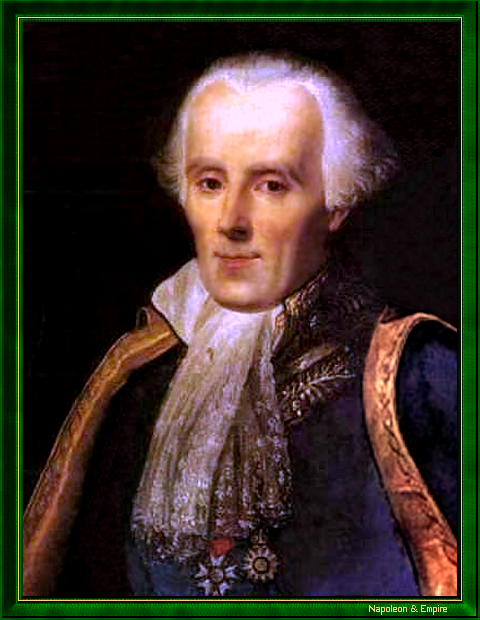
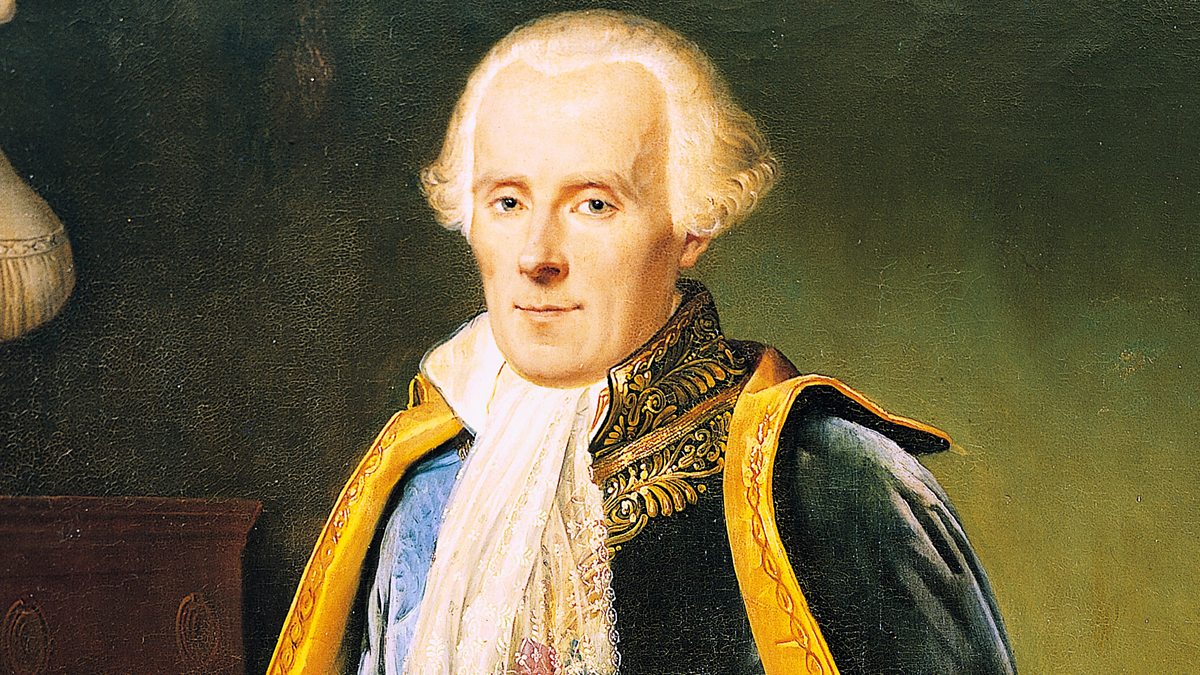
Pierre-Simon Laplace: genio che plasmò la matematica
Pierre-Simon Laplace è stato un gigante del pensiero scientifico, un matematico e astronomo francese le cui scoperte hanno rivoluzionato la nostra comprensione dell'universo. Nato nel 1749, i suoi contributi spaziano dalla meccanica celeste alla teoria delle probabilità, gettando le basi per discipline moderne come la statistica e l'intelligenza artificiale. La sua opera più celebre, la Mécanique Céleste, rappresenta uno dei pilastri della fisica matematica.
La vita e la carriera di un genio precoce
Pierre-Simon Laplace nacque il 23 marzo 1749 a Beaumont-en-Auge, in Normandia, da una famiglia di agricoltori agiati. Dimostrò un talento straordinario fin dalla giovane età, intraprendendo studi di teologia all'Università di Caen a soli 16 anni. Tuttavia, la sua vera passione era la matematica, che lo portò a lasciare la provincia per cercare fortuna a Parigi.
L'arrivo a Parigi e il sostegno di d'Alembert
Grazie a una lettera di presentazione, il giovane Laplace riuscì a farsi notare da Jean le Rond d'Alembert, uno dei massimi matematici dell'epoca. Impressionato dalle sue capacità, d'Alembert lo aiutò a ottenere la cattedra di matematica all'École Militaire. Questo fu il trampolino di lancio per una carriera strabiliante.
La nomina all'Académie des Sciences nel 1773, quando aveva appena 24 anni, sancì il suo ingresso nell'élite scientifica francese. In questi primi anni, dimostrò una prodigiosa prolificità, pubblicando ben 13 memorie scientifiche su argomenti che spaziavano dalle equazioni differenziali allo studio delle perturbazioni planetarie.
I contributi fondamentali alla scienza
L'opera di Laplace è immensa e tocca numerosi campi del sapere. I suoi lavori più influenti hanno riguardato l'astronomia matematica e il calcolo delle probabilità, ma i suoi contributi si estendono anche alla fisica e alla statistica.
La Meccanica Celeste e la stabilità del sistema solare
Il capolavoro di Laplace, la Mécanique Céleste, pubblicata in cinque volumi tra il 1799 e il 1825, rappresenta la sistematizzazione definitiva della gravitazione universale di Newton. In quest'opera, Laplace non si limitò a rielaborare le teorie esistenti, ma le sviluppò in modo originale e potente.
Uno dei suoi successi più eclatanti fu dimostrare la stabilità del sistema solare sul lungo periodo. Utilizzando sofisticati strumenti matematici, riuscì a provare che le perturbazioni gravitazionali tra i pianeti sono periodiche e non cumulative, scongiurando così il rischio di un collasso orbitale. Questo risultato placò le paure secolari sull'instabilità del cosmo.
La Meccanique Céleste estese il lavoro di Newton, fornendo una spiegazione matematica completa per i moti dei corpi celesti, dalle lune ai pianeti sino alle comete.
La Teoria Analitica delle Probabilità
Oltre all'astronomia, Laplace dedicò immense energie al calcolo delle probabilità. La sua Théorie Analytique des Probabilités (1812) e il successivo saggio filosofico del 1814 sono testi fondativi per la statistica moderna. In queste opere, Laplace sistematizzò e generalizzò il teorema di Bayes, introducendo strumenti come la regola di successione.
- Trasformata di Laplace: Uno strumento matematico potentissimo, scoperto nel 1773, oggi fondamentale nell'analisi dei sistemi lineari, nell'ingegneria e nella risoluzione di equazioni differenziali.
- Demone di Laplace: Un celebre esperimento mentale che incarna il determinismo scientifico classico: un'intelligenza onnisciente, conoscendo posizione e velocità di ogni particella, potrebbe prevedere tutto il futuro dell'universo.
- Ipotesi nebulare: Laplace propose una teoria sull'origine del sistema solare a partire dalla contrazione di una nebulosa rotante, un'idea pionieristica in cosmologia.
L'influenza di Laplace sulla scienza contemporanea
L'eredità di Pierre-Simon Laplace è più viva che mai. I suoi metodi e le sue intuizioni continuano a essere strumenti indispensabili in campi di ricerca all'avanguardia.
In particolare, la sua visione probabilistica del mondo è alla base dell'inferenza bayesiana, un pilastro del machine learning moderno e della scienza dei dati. Gli algoritmi che gestiscono l'incertezza e apprendono dai dati devono molto al suo lavoro pionieristico.
Anche in astrofisica, i suoi studi sulle perturbazioni sono utilizzati per modellare sistemi planetari complessi, inclusi quelli di esopianeti lontani. La sua capacità di tradurre fenomeni naturali complessi in eleganti formalismi matematici rimane un modello per gli scienziati di tutto il mondo.
Laplace e il determinismo scientifico
Il nome di Pierre-Simon Laplace è indissolubilmente legato al concetto di determinismo scientifico. La sua visione del mondo fisico era radicalmente meccanicistica: se si conoscessero con precisione infinita la posizione e la velocità di ogni particella nell'universo, si potrebbe calcolare ogni evento futuro o passato. Questo concetto, spesso personificato nel "demone di Laplace", dominò il pensiero scientifico per tutto il XIX secolo.
Questa idea non era solo filosofica, ma emergeva direttamente dalla sua pratica matematica. La meccanica celeste dimostrava che il moto dei pianeti era predicibile con incredibile accuratezza. Questo successo suggeriva che lo stesso principio di causalità deterministica potesse essere applicato a tutti i fenomeni naturali, dai fluidi al calore.
Il demone di Laplace simboleggia l'apice della fiducia illuminista nella ragione e nella matematica come strumenti per svelare tutti i segreti della natura.
Tale visione è stata successivamente messa in discussione dalla meccanica quantistica e dalla teoria del caos. Tuttavia, il suo approccio logico e sistematico alla modellizzazione del mondo reale rimane una pietra miliare del metodo scientifico. Ancora oggi, il determinismo laplaciano influenza dibattiti sulla libertà, sul caso e sulla predittibilità nei sistemi complessi.
L'eredità del determinismo nella scienza dei dati
Sebbene il determinismo assoluto sia stato superato, il suo spirito vive nella moderna scienza dei dati. La ricerca di pattern e relazioni causali all'interno di grandi dataset è una diretta evoluzione del desiderio laplaciano di comprendere e prevedere. Gli algoritmi di machine learning e di intelligenza artificiale cercano di estrarre regolarità dal caos apparente, proprio come Laplace fece con le orbite planetarie.
La rivoluzione nel calcolo delle probabilità
Mentre lavorava alla stabilità del sistema solare, Pierre-Simon Laplace si rese conto che le osservazioni astronomiche erano intrinsecamente affette da errori. Questo lo portò a sviluppare una teoria del calcolo delle probabilità non come studio del gioco d'azzardo, ma come strumento essenziale per gestire l'incertezza nella scienza sperimentale. La sua Théorie Analytique des Probabilités del 1812 è il fondamento della statistica matematica moderna.
In quest'opera, Laplace trasformò la probabilità da curiosità matematica in un rigoroso quadro per il ragionamento induttivo. Introdusse e sviluppò concetti fondamentali che oggi sono onnipresenti.
- Teorema di Bayes-Laplace: Laplace fornì la prima dimostrazione generale e sistematica del teorema di Bayes, formulando il concetto di probabilità inversa. Questo permette di aggiornare le nostre convinzioni alla luce di nuove prove, un principio cardine dell'inferenza bayesiana moderna.
- Regola di successione: Una formula semplice ma potente per stimare la probabilità di un evento futuro basandosi su osservazioni passate. Se un evento è accaduto s volte in n prove, la probabilità che accada alla prova successiva è (s+1)/(n+2).
- Metodo dei minimi quadrati: Sebbene spesso associato a Gauss, Laplace contribuì in modo significativo allo sviluppo di questo metodo per stimare i parametri più probabili da dati osservativi rumorosi, rivoluzionando geodesia e astronomia.
Applicazioni moderne della probabilità laplaciana
L'influenza di Laplace sulla statistica contemporanea è immensa. Ogni volta che un algoritmo di filtro anti-spam valuta la probabilità che un'email sia indesiderata, sta utilizzando un ragionamento bayesiano di derivazione laplaciana. Lo stesso vale per i sistemi di raccomandazione, le diagnosi mediche assistite dal computer e l'elaborazione del linguaggio naturale.
In astrofisica, i suoi metodi per trattare le osservazioni con errori sono ancora insegnati e utilizzati. La capacità di quantificare scientificamente l'incertezza, anziché ignorarla, è uno dei suoi lasciti più preziosi per la ricerca sperimentale di ogni disciplina.
L'impegno politico e istituzionale nell'era napoleonica
La carriera di Pierre-Simon Laplace si svolse durante uno dei periodi più tumultuosi della storia francese: la Rivoluzione, il Direttorio, il Consolato e l'Impero di Napoleone. Laplace non fu uno scienziato chiuso nella sua torre d'avorio, ma un uomo profondamente coinvolto nelle vicende del suo tempo, ricoprendo ruoli politici di primo piano.
Nel 1799, Napoleone Bonaparte, apprezzando il suo genio e la sua fama, lo nominò Ministro dell'Interno. Il suo mandato fu però breve, durando appena sei settimane. Napoleone stesso commentò che Laplace "cercava dappertutto sottigliezze" e portava "lo spirito dell'infinitamente piccolo nell'amministrazione".
Nonostante questa esperienza non brillante, i riconoscimenti per Laplace non mancarono. Nel 1806 fu nominato Conte dell'Impero e nel 1817, dopo la Restaurazione dei Borboni, Marchese. Questi titoli riflettevano non solo il suo status scientifico, ma anche la sua capacità di navigare i cambi di regime mantenendo influenza e autorità.
Contributi alla società: il sistema metrico e la geodesia
Al di là degli incarichi politici, Laplace contribuì attivamente a progetti civici di grande importanza. Fu un membro influente della commissione che istituì il sistema metrico decimale, uno standard di misurazione rivoluzionario basato su grandezze naturali e destinato a un uso universale.
Partecipò inoltre agli sforzi per misurare con precisione il meridiano di Francia, un'impresa cruciale per la geodesia e la cartografia. I suoi studi sulle maree, sulla forma della Terra e sul potenziale gravitazionale (un termine che lui stesso introdusse) furono fondamentali per queste applicazioni pratiche.
Laplace riuscì a conciliare una ricerca scientifica di altissima astrazione con un impegno concreto per il progresso tecnologico e amministrativo della nazione.
La Société d'Arcueil e la scuola di fisica matematica
Per promuovere la sua visione della scienza, Laplace fondò nel 1805 la Société d'Arcueil, un circolo informale di scienziati che si riuniva nella sua villa di Arcueil, vicino a Parigi. Questo gruppo, che includeva figure come Claude-Louis Berthollet, Jean-Baptiste Biot e Siméon Denis Poisson, divenne un centro vibrante per lo sviluppo della fisica matematica.
La Société d'Arcueil rappresentò un modello di collaborazione scientifica, incoraggiando la fusione di teoria e esperimento. Attraverso di essa e la sua cattedra all'École Polytechnique, Laplace formò un'intera generazione di scienziati, assicurando la continuità della sua scuola di pensiero e influenzando profondamente il panorama scientifico europeo dell'Ottocento.
La sua capacità di unire il potere del calcolo matematico all'indagine sui fenomeni fisici concreti - dal calore al suono, dalla capillarità all'acustica - stabilì un nuovo paradigma per la ricerca scientifica.
L'eredità scientifica di Laplace nella scienza moderna
L'influenza di Pierre-Simon Laplace trascende di gran lunga i confini del suo secolo. Le sue idee fondamentali sono state assorbite e sviluppate, diventando il linguaggio comune di discipline scientifiche che sarebbero nate molto dopo di lui. La sua visione di un universo governato da leggi matematiche e analizzabile attraverso strumenti probabilistici ha aperto strade inimmaginabili.
Oggi, il nome di Laplace è legato a una miriade di concetti e strumenti utilizzati ogni giorno nella ricerca e nella tecnologia avanzata. Il suo lascito non risiede solo nelle formule, ma nel modo di pensare alla scienza: un approccio rigoroso, quantitativo e sistematico alla comprensione della natura e all'interpretazione dei dati.
La trasformata di Laplace: uno strumento per l'ingegneria mondiale
Forse il contributo tecnico più ampiamente utilizzato è la trasformata di Laplace. Scoperta nel 1773, questa tecnica matematica converte funzioni del tempo in funzioni di una variabile complessa. La sua potenza rivoluzionaria è stata pienamente compresa solo nei secoli successivi.
- Ingegneria dei sistemi e controllo: È essenziale per analizzare e progettare sistemi dinamici lineari, dai circuiti elettrici ai sistemi di controllo di aerei e veicoli spaziali.
- Elaborazione dei segnali: Forma la base teorica per gran parte dell'analisi e della sintesi dei segnali, nelle telecomunicazioni e nell'audio digitale.
- Fisica e meccanica: Risolve equazioni differenziali complesse che descrivono fenomeni come la diffusione del calore e la meccanica dei fluidi.
Questa trasformata ha reso risolvibili problemi che altrimenti sarebbero stati intrattabili, cementando il ruolo della matematica come strumento pratico per l'innovazione tecnologica.
Laplace e l'astronomia contemporanea: dai pianeti agli esopianeti
Il lavoro di Laplace in meccanica celeste costituì il punto di riferimento per l'astronomia per oltre un secolo. I suoi metodi per calcolare le perturbazioni planetarie permisero previsioni di altissima precisione per le effemeridi, fondamentali per la navigazione. Oggi, questo approccio analitico è stato integrato da potenti simulazioni numeriche, ma il suo spirito sopravvive.
Nell'esplorazione dei sistemi esoplanetari, gli scienziati affrontano problemi sorprendentemente simili a quelli studiati da Laplace. Determinare la stabilità di sistemi con molti pianeti, modellare le loro interazioni gravitazionali e interpretare piccole variazioni nelle orbite richiede gli stessi principi di dinamica e attenta modellazione matematica.
La capacità di Laplace di trattare matematicamente sistemi complessi e interagenti ha creato un modello per l'astrofisica moderna, che studia non solo il nostro sistema solare, ma l'intera gamma di configurazioni planetarie nella galassia.
Inoltre, la sua ipotesi nebulare sull'origine del sistema solare, per quanto modificata, rappresentò un primo audace tentativo di applicare le leggi della fisica alla cosmogonia, anticipando lo studio scientifico della formazione stellare e planetaria.
Il ritorno dell'inferenza bayesiana e il machine learning
La rivoluzione più significativa degli ultimi decenni nell'eredità di Laplace riguarda il campo della statistica e dell'intelligenza artificiale. Dopo un periodo di predominio delle statistiche frequentiste, l'inferenza bayesiana ha vissuto una straordinaria rinascita, alimentata dalla potenza di calcolo dei computer moderni.
I principi che Laplace sistematizzò sono oggi al cuore di algoritmi sofisticati di machine learning. Questi algoritmi gestiscono l'incertezza, imparano dai dati e aggiornano le loro "credenze" in modo probabilistico, proprio come descritto nel teorema di Bayes-Laplace. Applicazioni concrete includono:
- Diagnostica medica automatizzata: Valutare la probabilità di una malattia dati i sintomi e i risultati dei test.
- Filtri anti-spam e sistemi di raccomandazione: Stimare la probabilità che un'email sia spam o che un utente gradisca un prodotto.
- Veicoli a guida autonoma: Interpretare scenari complessi e incerti dell'ambiente stradale per prendere decisioni sicure.
Laplace, quindi, può essere considerato un visionario che ha fornito il quadro matematico per l'apprendimento automatico basato sui dati, uno dei campi più dinamici del XXI secolo.
Conclusione: il Newton francese e la sua eredità duratura
Pierre-Simon Laplace merita pienamente l'appellativo di "Newton francese". Se Isaac Newton scoprì le leggi fondamentali della gravitazione, fu Laplace a dimostrare che il sistema solare governato da quelle leggi era stabile e a sviluppare gli strumenti matematici per descriverne il comportamento in ogni dettaglio. Il suo genio fu di tipo sintetico e sistematico, volto a unificare e formalizzare la conoscenza scientifica.
La sua vita e la sua opera racchiudono l'essenza dell'Illuminismo: la fede incrollabile nella ragione umana, nella capacità della matematica di svelare l'ordine dell'universo e nel progresso attraverso la scienza. Pur essendo stato un determinista convinto, il suo lavoro più duraturo è proprio quello sulla probabilità, la scienza dell'incertezza. In questo paradosso risiede la sua grandezza: capì che per comprendere un universo deterministico, l'essere umano aveva bisogno di strumenti per gestire la propria ignoranza e i limiti delle osservazioni.
La sua eredità è visibile ovunque: nelle equazioni che guidano le sonde spaziali verso i confini del sistema solare, negli algoritmi che filtrano le nostre email, nelle teorie statistiche che valutano l'efficacia di un nuovo farmaco e nei modelli climatici che cercano di prevedere il futuro del nostro pianeta. Morendo a Parigi nel 1827, dopo 78 anni di vita prodigiosa, lasciò un mondo scientifico trasformato dal suo pensiero.
Pierre-Simon Laplace non fu solo uno scienziato; fu un architetto del modo moderno di fare scienza. La sua lezione più importante è che la matematica più astratta e la ricerca più concreta non sono separate, ma sono due facce della stessa medaglia: la comprensione del mondo che ci circonda. Il suo spirito di curiosità insaziabile, rigore metodologico e apertura interdisciplinare rimane un faro per ogni ricercatore, un modello di come una singola mente possa dilatare i confini della conoscenza umana per le generazioni a venire.
Hedy Lamarr: Η Όμορφη Μυαλά που Άλλαξε τον Κόσμο
Η Ζωή και η Καριέρα μιας Θρύλης
Η Hedy Lamarr, γεννημένη ως Hedwig Eva Maria Kiesler στις 9 Νοεμβρίου 1914 στη Βιέννη, ήταν μια γυναίκα που συνδύαζε την εξωτική ομορφή με εντυπωσιακή ευφυΐα. Γνωστή στον κόσμο του κινηματογράφου ως μία από τις πιο γοητευτικές ηθοποιούς της Χρυσής Εποχής του Χόλιγουντ, η Lamarr κρύβει όμως μια άλλη πλευρά που την καθιστά πραγματικά μοναδική: ήταν και μια εφευρέτρια, η οποία συνέβαλε σημαντικά στην ανάπτυξη της τεχνολογίας επικοινωνιών.
Η καριέρα της στον κινηματογράφο ξεκίνησε σε νεαρή ηλικία στην Ευρώπη, όπου έγραψε ιστορία με την αμφιλεγόμενη ταινία «Εκστάση» (Ecstasy, 1933), η οποία προκάλεσε σκάνδαλο λόγω των τολμηρών σκηνών της. Ωστόσο, η μεγάλη της επιτυχία ήρθε όταν μετακόμισε στις Ηνωμένες Πολιτείες και υπέγραψε συμβόλαιο με την Metro-Goldwyn-Mayer (MGM). Τα γυάλινα μάτια και το αιθέριο κάλλος της την κατέστησαν ένα από τα μεγαλύτερα αστέρια της δεκαετίας του 1940, με ταινίες όπως «Ο Σαμψών και η Δαλιδά» (1949) και «Αλγέρι» (1938).
Η Εφεύρεση που Άλλαξε τις Επικοινωνίες
Ωστόσο, η κληρονομιά της Lamarr δεν περιορίζεται μόνο στον κινηματογράφο. Κατά τη διάρκεια του Β' Παγκοσμίου Πολέμου, η Lamarr, μαζί με τον συνθέτη George Antheil, ανέπτυξαν ένα σύστημα «άλματος συχνότητας» (frequency hopping), μια τεχνολογία που επέτρεπε στους συναγερμούς πυραύλων να αποφεύγουν την ανίχνευση και το jamming από τον εχθρό. Αυτή η ιδέα ήταν επαναστατική για την εποχή της και έθεσε τα θεμέλια για σύγχρονες τεχνολογίες όπως το Wi-Fi, το Bluetooth και το GPS.
Παραδόξως, η εφεύρεση της Lamarr και του Antheil δεν αναγνωρίστηκε άμεσα. Η εταιρεία που τους χρηματοδότησε, παρόλο που πήρε τη πατέντα, δεν χρησιμοποίησε την τεχνολογία κατά τον πόλεμο. Μόνο δεκαετίες αργότερα, η αξία της εφεύρεσής τους έγινε ευρύτερα γνωστή και η Lamarr εντάχθηκε μεταθανάτια στο National Inventors Hall of Fame το 2014.
Μια Ζωή Γεμάτη Αντιφατικότητες
Η ζωή της Hedy Lamarr ήταν γεμάτη αντιφάσεις. Παρόλο που ήταν ένα εξαιρετικά όμορφο πρόσωπο που εκμεταλλεύτηκε την εικόνα της, ήταν ταυτόχρονα μια γυναίκα που αγαπούσε τη γνώση και την καινοτομία. Συχνά δήλωνε ότι η ομορφή της ήταν «κατάρα», καθώς της δυσκόλευε να λάβει σοβαρά την ευφυΐα της. Στην αυτοβιογραφία της, «Ecstasy and Me» (1966), μιλάει ανοιχτά για τις δυσκολίες της στη ζωή, τις αποτυχημένους γάμους και την κουτσομπολίστικη κοινωνία του Χόλιγουντ που την κορόιδευε για τα ενδιαφέροντά της στην επιστήμη.
Η Lamarr παντρεύτηκε έξι φορές και είχε τρία παιδιά. Ο πρώτος της γάμος, με τον αυστριακό όπλοβιο πάροχο Friedrich Mandl, ήταν καταπιεστικός και έγινε η αιτία να εγκαταλείψει την Ευρώπη για τις ΗΠΑ. Οι επόμενοι γάμοι της, παρόλο που περιλάμβαναν πολυτελείς ζωές, δεν της έφεραν την ευτυχία που αναζητούσε.
Η Κληρονομιά της Hedy Lamarr
Σήμερα, η Hedy Lamarr αναγνωρίζεται όχι μόνο ως σύμβολο ομορφιάς, αλλά και ως πρωτοπόρος της τεχνολογίας. Το άλμα συχνότητας που εφηύρε μαζί με τον Antheil αποτελεί τη βάση των σύγχρονων ασύρματων επικοινωνιών, κάτι που αλλάζει τη ζωή μας καθημερινά. Παράλληλα, η ιστορία της υπενθυμίζει πόσο εύκολα μπορούν να αγνοηθούν οι ευφυέστερες γυναίκες στην ιστορία, ειδικά όταν ταυτίζονται με την εξωτερική τους εμφάνιση.
Για πολλά χρόνια, η συμβολή της στην επιστήμη παρέμενε σχεδόν άγνωστη, αλλά τις τελευταίες δεκαετίες έχει αναγνωριστεί. Το 1997, έλαβε το βραβείο «Electronic Frontier Foundation Pioneer Award» και το 2014, εισήχθη μεταθανάτια στο National Inventors Hall of Fame. Επιπλέον, η ιστορία της ενέπνευσε βιβλία, ντοκιμαντέρ και ακόμη και μια Google Doodle προς τιμήν της.
Η Αγωνία για Αναγνώριση
Η Lamarr ζήτησε να αναγνωριστεί για τη δουλειά της στον τομέα της επιστήμης, αλλά για μεγάλο διάστημα οι προσπάθειές της αγνοήθηκαν. Ωστόσο, η επιμονή της να ασχοληθεί με την καινοτομία, παρά τους γέλιους και τον σκεπτικισμό που συνάντησε, αποδεικνύει το θάρρος της και τη δέσμευσή της να συνεισφέρει πέρα από το καλλιτεχνικό της έργο.
Μέχρι το τέλος της ζωής της, η Lamarr παρέμεινε μια πολύπλευρη προσωπικότητα που δεν δίσταζε να αμφισβητήσει τις συμβάσεις. Πέθανε στις 19 Ιανουαρίου 2000 στην Ορλάντο της Φλόριντα, αφήνοντας πίσω της μια κληρονομιά που συνδυάζει την τέχνη, την επιστήμη και την αίσθηση του «τι σημαίνει να είσαι μια γυναίκα που αλλάζει τον κόσμο».
Η Επιστημονική Κληρονομιά της Hedy Lamarr
Η επιστημονική κληρονομιά της Hedy Lamarr είναι μια ιστορία που αξίζει να διηγηθεί. Ενώ η καριέρα της στον κινηματoγράφο της έδωσε φήμη και πλούτο, η αγάπη της για την επιστήμη και την τεχνολογία της έδωσε κάτι πολύ πιο σημαντικό: μια μόνιμη θέση στην ιστορία της ανθρωπότητας. Το σύστημα άλματος συχνότητας που ανέπτυξε μαζί με τον George Antheil δεν ήταν απλώς μια εφεύρεση, αλλά μια επανάσταση στον τρόπο που επικοινωνούμε σήμερα.
Η τεχνολογία αυτή βασίζεται στην ιδέα της ταχείας αλλαγής συχνοτήτων μεταξύ πολλών διαφορετικών καναλιών, κάτι που καθιστά σχεδόν αδύνατη την παρακολούθηση ή την παρεμπόδιση της επικοινωνίας. Αυτή η ιδέα, που φαίνεται τόσο απλή σήμερα, ήταν επαναστατική για την εποχή της. Στην πραγματικότητα, η τεχνολογία αυτή ήταν τόσο μπροστά από τον καιρό της, που χρειάστηκαν δεκαετίες για να κατανοηθεί πλήρως η αξία της και να εφαρμοστεί σε πρακτικές εφαρμογές.
Η Σύνδεση με τις Σύγχρονες Τεχνολογίες
Σήμερα, η τεχνολογία άλματος συχνότητας βρίσκεται στην καρδιά πολλών σύγχρονων συστημάτων επικοινωνίας. Το Wi-Fi, το Bluetooth, και ακόμα και ορισμένα στρατιωτικά συστήματα επικοινωνίας βασίζονται σε παραλλαγές της αρχικής ιδέας της Lamarr. Χωρίς αυτή την εφεύρεση, ο σύγχρονος ψηφιακός κόσμος θα ήταν πολύ διαφορετικός.
Είναι εντυπωσιακό να σκεφτεί κανείς ότι μια ηθοποιός του Χόλιγουντ, χωρίς τυπική επιστημονική εκπαίδευση, μπόρεσε να συνεισφέρει τόσο σημαντικά στην τεχνολογία. Αυτό μάς θυμίζει ότι η καινοτομία μπορεί να προέρχεται από τα πιο απροσδόκητα μέρη, και ότι η αληθινή εφευρετικότητα δεν γνωρίζει όρια ή προκαταλήψεις.
Οι Προκλήσεις και οι Αγώνες μιας Εφευρέτριας
Η ζωή της Lamarr ως εφευρέτρια δεν ήταν εύκολη. Σε μια εποχή που οι γυναίκες σπάνια αναγνωρίζονταν για τις επιστημονικές τους συνεισφορές, η Lamarr αντιμετώπισε σκεπτικισμό και ακόμα και χλευασμό. Πολλοί δεν μπορούσαν να δεχτούν ότι μια τόσο όμορφη γυναίκα μπορεί να είναι ταυτόχρονα και τόσο ευφυής.
Οι πρώτες προσπάθειές της να εφαρμόσει την εφεύρεσή της σε πρακτικές εφαρμογές απέτυχαν, κυρίως λόγω τεχνολογικών περιορισμών της εποχής. Οι μηχανικοί της εποχής θεωρούσαν την ιδέα πολύπλοκη και μη πρακτική. Μόνο με την έλευση της ψηφιακής εποχής και την ανάπτυξη μικροηλεκτρονικών, η τεχνολογία άλματος συχνότητας μπόρεσε να εφαρμοστεί πλήρως.
Η Αναγνώριση που Άργησε να Έρθει
Για δεκαετίες, η συνεισφορά της Lamarr παρέμεινε σε μεγάλο βαθμό άγνωστη. Οι περισσότεροι γνώριζαν μόνο την ηθοποιό, όχι την εφευρέτρια. Μόνο στα τελευταία χρόνια της ζωής της άρχισε να λαμβάνει την αναγνώριση που της άξιζε. Το 1997, σε ηλικία 82 ετών, έλαβε το βραβείο "Electronic Frontier Foundation Pioneer Award", ένα από τα πιο σημαντικά βραβεία στον τομέα της τεχνολογίας.
Η αναγνώριση αυτή, αν και άργησε, ήταν σημαντική. Δεν ήταν μόνο μια αναγνώριση της συγκεκριμένης εφεύρεσης, αλλά και μια αναγνώριση του ρόλου των γυναικών στην επιστήμη και την τεχνολογία. Σήμερα, η Lamarr θεωρείται σύμβολο για τις γυναίκες στην STEM (Επιστήμη, Τεχνολογία, Μηχανική, Μαθηματικά), και η ιστορία της εμπνέει νέες γενιές γυναικών να ακολουθήσουν τα βήματά της.
Η Προσωπική Ζωή και οι Επιπτώσεις στην Καριέρα
Η προσωπική ζωή της Lamarr ήταν τόσο πολύπλοκη όσο και η επαγγελματική της. Οι έξι γάμοι της, οι οικονομικές δυσκολίες, και οι νομικές μάχες επηρέασαν σε μεγάλο βαθμό τη ζωή και την καριέρα της. Στα τελευταία χρόνια της, έζησε σε σχετική απομόνωση, αποσύροντας από τη δημόσια ζωή.
Μια από τις μεγαλύτερες προσωπικές της μάχες ήταν η προσπάθεια να διατηρήσει τον έλεγχο της εικόνας της. Σε μια εποχή πριν από τα social media, όπου οι σταρ του Χόλιγουντ ελέγχονταν από τα στούντιο, η Lamarr πολεμούσε για να διατηρήσει κάποιο βαθμό αυτονομίας. Αυτός ο αγώνας επηρέασε και την επιστημονική της καριέρα, καθώς πολλές φορές οι προσπάθειές της να λάβει αναγνώριση για τις εφευρέσεις της αποκρούονταν από εκείνους που την θεωρούσαν απλώς μια "όμορφη πρόσοψη".
Η Κληρονομιά πέρα από την Επιστήμη
Πέρα από τις επιστημονικές της συνεισφορές, η Lamarr άφησε μια σημαντική κληρονομιά στον τρόπο που βλέπουμε τις γυναίκες στην επιστήμη και την τεχνολογία. Η ιστορία της αποτελεί ένα ισχυρό παράδειγμα του πώς τα στερεότυπα και οι προκαταλήψεις μπορούν να εμποδίσουν την καινοτομία, αλλά και του πώς η πραγματική εφευρετικότητα μπορεί τελικά να νικήσει.
Σήμερα, όταν οι γυναίκες στην τεχνολογία αντιμετωπίζουν ακόμα προκλήσεις, η ιστορία της Lamarr υπενθυμίζει ότι η αλλαγή είναι δυνατή. Από την εφημερίδα μέχρι το εργαστήριο, από το Χόλιγουντ μέχρι το Silicon Valley, η ζωή της Hedy Lamarr αποτελεί μια ιστορία εμπνεύσεως για όσους πιστεύουν ότι τα όνειρα δεν πρέπει να περιορίζονται από τα στερεότυπα ή τις προσδοκίες των άλλων.
Η Αφήγηση της Ιστορίας της Hedy Lamarr
Η ιστορία της Hedy Lamarr δεν είναι μόνο η ιστορία μιας ηθοποιού ή μιας εφευρέτριας, αλλά μια ιστορία ανθρώπινης επιμονής και δημιουργικότητας. Στο τελευταίο μέρος αυτής της εξερεύνησης, θα εστιάσουμε στην κληρονομιά της και στον τρόπο που η ζωή της συνεχίζει να εμπνέει νέες γενιές.
Η Τελευταία Φάση της Ζωής της
Στα τελευταία χρόνια της ζωής της, η Lamarr έζησε μια ζωή σχετικής απομόνωσης. Παρά τις προηγούμενες δημόσιες εμφανίσεις και τη φήμη της, επέλεξε να αποσυρθεί από τα φώτα της δημοσιότητας. Ωστόσο, αυτό δεν σήμαινε ότι σταμάτησε να ενδιαφέρεται για την επιστήμη και την τεχνολογία. Μέχρι το τέλος, παρέμεινε μια δραστήρια μυαλική δύναμη, με ενδιαφέροντα που εκτεινόταν σε πολλούς τομείς.
Η υγεία της άρχισε να φθίνει στα τέλη της δεκαετίας του 1990. Το 2000, σε ηλικία 85 ετών, η Lamarr απεβίωσε στην Ορλάντο της Φλόριντα. Ο θάνατός της σημάδεψε το τέλος μιας εποχής, αλλά η επιρροή της συνέχισε να ζει μέσα από τις εφευρέσεις και τις ιδέες της.
Η Αναγνώριση Μετά Θάνατον
Είναι ειρωνικό ότι η μεγαλύτερη αναγνώριση για το έργο της ήρθε μετά το θάνατό της. Στα τελευταία χρόνια, η Lamarr έχει γίνει το κέντρο πολλών εκδηλώσεων και βραβείων. Το 2014, εισήχθη μεταθανάτια στο National Inventors Hall of Fame, μια από τις υψηλότερες τιμές για εφευρέτες στις ΗΠΑ.
Το 2017, η ζωή της έγραψε ξανά ιστορία όταν η Google της αφιέρωσε ένα Doodle, φέρνοντας την ιστορία της σε εκατομμύρια ανθρώπους σε όλο τον κόσμο. Αυτές οι αναγνωρίσεις βοήθησαν να διαδωθεί η γνώση για τις επιστημονικές της συνεισφορές σε ένα ευρύτερο κοινό.
Η Επίδραση Στη Σύγχρονη Εποχή
Στον 21ο αιώνα, η κληρονομιά της Lamarr είναι πιο ζωντανή από ποτέ. Οι τεχνολογικές της συνεισφορές αποτελούν τη βάση πολλών σύγχρονων τεχνολογιών που χρησιμοποιούμε καθημερινά. Από το Wi-Fi μέχρι τα Bluetooth ακουστικά, η επίδραση της είναι αδιαμφισβήτητη.
Αλλά η σημασία της δεν σταματά εκεί. Η Lamarr έχει γίνει σύμβολο για τις γυναίκες στην τεχνολογία, μια πηγή έμπνευσης για νέες γενιές γυναικών που επιλέγουν καριέρες σε STEM (Επιστήμη, Τεχνολογία, Μηχανική, Μαθηματικά). Σε έναν κόσμο όπου οι γυναίκες παραμένουν υποεκπροσωπημένες σε αυτούς τους τομείς, η ιστορία της λειτουργεί ως ισχυρό μήνυμα ενθάρρυνσης.
Οι Μύθοι και οι Πραγματικότητες
Όπως συμβαίνει με πολλές ιστορικές προσωπικότητες, γύρω από τη ζωή της Lamarr έχουν αναπτυχθεί διάφοροι μύθοι. Μερικοί ισχυρίζονται ότι ήταν "η μητέρα του Wi-Fi", ενώ άλλοι την περιγράφουν ως "το πιο όμορφο μυαλό του 20ού αιώνα". Ενώ αυτοί οι χαρακτηρισμοί μπορεί να είναι υπερβολικοί, αντικατοπτρίζουν τον θαυμασμό που προκαλεί η ζωή της.
Η πραγματικότητα είναι ότι η Lamarr ήταν μια πολύπλευρη προσωπικότητα με αξιοσημείωτες συνεισφορές τόσο στον πολιτισμό όσο και στην επιστήμη. Ο συνδυασμός αυτός είναι που την κάνει τόσο συναρπαστική ως ιστορική φιγούρα.
Μαθήματα από τη Ζωή της
Τι μπορούμε να μάθουμε από τη ζωή της Hedy Lamarr; Πρώτον, ότι η δημιουργικότητα δεν γνωρίζει όρια - μπορεί να εκφραστεί τόσο μέσα από την τέχνη όσο και μέσα από την επιστήμη. Δεύτερον, ότι η αληθινή καινοτομία συχνά προέρχεται από την ικανότητα να βλέπει κανείς πέρα από τα συμβατικά όρια.
Αλλά ίσως το πιο σημαντικό μάθημα είναι ότι η αξία ενός ανθρώπου δεν πρέπει να κρίνεται από τα επιφανειακά χαρακτηριστικά. Η Lamarr πάλεψε όλη της τη ζωή να αποδείξει ότι η ομορφιά και η ευφυΐα μπορούν να συνυπάρξουν, και ότι η δεύτερη είναι πολύ πιο σημαντική από την πρώτη.
Η Μόνιμη Κληρονομιά
Σήμερα, η μνήμη της Lamarr τιμάται με διάφορους τρόπους. Από βραβεία που φέρουν το όνομά της μέχρι εκπαιδευτικά προγράμματα που στοχεύουν να ενθαρρύνουν νέες γυναίκες εφευρέτριες, η επιρροή της συνεχίζει να μεγαλώνει. Σε έναν κόσμο που γίνεται όλο και πιο τεχνολογικός, η ιστορία της αποκτά νέο νόημα.
Όταν χρησιμοποιούμε ασύρματο ίντερνετ ή μιλάμε σε ασύρματο τηλέφωνο, όταν χρησιμοποιούμε σύγχρονα συστήματα επικοινωνίας, αξίζει να θυμόμαστε ότι πίσω από αυτές τις τεχνολογίες βρίσκεται και η εφεύρεση μιας γυναίκας που δεν φοβήθηκε να σκεφτεί διαφορετικά.
Επίλογος: Μια Ζωή Πέρα από τα Στερεότυπα
Η ιστορία της Hedy Lamarr είναι μια ιστορία θριάμβου πάνω από τα στερεότυπα και τις προσδοκίες. Από την Αυστρία του Μεσοπολέμου μέχρι το Χόλιγουντ και πέρα, η ζωή της αποτελεί μαρτυρία για τη δύναμη της ανθρώπινης δημιουργικότητας. Σε έναν κόσμο που συχνά προσπαθεί να κατηγοριοποιήσει τους ανθρώπους σε στενά πλαίσια, η Lamarr υπενθυμίζει ότι η ανθρώπινη ύπαρξη είναι πολύ πιο πολύπλοκη και πιο όμορφη από ό,τι φανταζόμαστε.
Σήμερα, όταν μιλάμε για "απόκρυφη ιστορία" ή "ξεχασμένες προσωπικότητες", η Lamarr δεν ανήκει πλέον σε αυτές τις κατηγορίες. Η ζωή και το έργο της έχουν βρει τη θέση τους στην ιστορία - όχι μόνο ως μια όμορφη ηθοποιός, αλλά ως μια πραγματική εφευρέτρια, μια πρωτοπόρος, μια γυναίκα που άλλαξε τον κόσμο με τον δικό της μοναδικό τρόπο.




Demystifying Zak-Mono-O-8rylos-ths-Moriakhs-Biologias
The search for a clear definition of Zak-Mono-O-8rylos-ths-Moriakhs-Biologias presents a unique puzzle. A thorough review of modern scientific literature reveals no direct matches for this term in biological nomenclature or established fields. This analysis will decode the probable origins of this phrase, connecting its components to real and evolving concepts in modern biology. Our journey begins by examining the historical and contemporary scientific ideas it appears to reference.
This investigation into Zak-Mono-O-8rylos-ths-Moriakhs-Biologias underscores the importance of precise terminology in science. The term seems to be a composite, blending elements from biological classification, microbiological study, and advanced analytical techniques. Understanding its potential meaning requires exploring the significant shifts in how life is categorized and studied today.
Decoding the Term: Historical Roots and Modern Science
The phrase Zak-Mono-O-8rylos-ths-Moriakhs-Biologias appears to intertwine several biological concepts. The most recognizable element is "Mono," which likely references the historical kingdom Monera. This kingdom was used for decades to classify prokaryotic organisms—those without a cell nucleus, such as bacteria. However, major advancements in phylogenetic analysis have rendered this classification obsolete.
The other components, "O-8rylos" and "Moriakhs Biologias," suggest connections to modern omics technologies and microbiological research. By breaking down each part, we can trace a path from outdated taxonomy to the cutting-edge, data-driven biology of the 21st century. This reflects the dynamic and self-correcting nature of scientific progress.
The Legacy and Evolution of Monera
The term Monera originates from the Greek word for "solitary," describing simple, single-celled life forms. For much of the 20th century, it served as one of the five kingdoms in a widely used biological classification system. This kingdom grouped all prokaryotes together, primarily bacteria and what were then called "blue-green algae."
This classification was fundamentally challenged by the work of Carl Woese in 1977. By comparing ribosomal RNA sequences, Woese revealed a deep evolutionary split among prokaryotes. This led to the revolutionary three-domain system of life: Bacteria, Archaea, and Eukarya. Consequently, the kingdom Monera was abandoned as it represented a paraphyletic group, not a true evolutionary lineage.
- Monera is an outdated taxonomic category.
- Modern classification uses the domains Bacteria and Archaea.
- This change was driven by genetic evidence, showcasing the power of molecular biology.
Connections to Omics and Microbiological Research
The "O-8rylos" component bears a phonetic resemblance to the suffix "-omics," which is central to contemporary biology. Omics refers to the collective technologies used to explore the roles, relationships, and actions of various types of molecules that make up a cell. This field represents a paradigm shift from studying single genes or proteins to analyzing entire systems.
The integration of omics technologies has been described as the cornerstone of 21st-century systems biology, enabling holistic views of biological functions.
Similarly, "Moriakhs Biologias" seems to relate to microbiology, the study of microorganisms. Today, microbiology is inextricably linked with omics approaches. The field of microbiomics, for example, uses genomic techniques to study entire microbial communities, known as microbiomes, in environments ranging from the human gut to ocean floors.
Why the Term Appears Fabricated in Modern Literature
Extensive searches across authoritative databases yield no results for Zak-Mono-O-8rylos-ths-Moriakhs-Biologias as a legitimate scientific term. This includes checks of taxonomic authorities like the NCBI (National Center for Biotechnology Information), scientific publication indexes like PubMed and Google Scholar, and standard biological references. This absence is a key piece of evidence.
The lack of credible sources suggests the term may be a garbled or constructed reference. It potentially combines a misspelling or variant of "Monera" with stylized versions of "omics" and "microbiology." In the digital age, such strings can sometimes arise from translation errors, speculative fiction, or even AI-generated text. It serves as a reminder of the critical need for source verification in scientific journalism.
The Critical Role of Accurate Nomenclature
Precise and standardized language is the bedrock of scientific communication. A term like Zak-Mono-O-8rylos-ths-Moriakhs-Biologias, which has no established definition, creates confusion and hinders knowledge sharing. Scientific progress depends on researchers worldwide having a common, unambiguous vocabulary.
Established terms like microbiology, genomics, and prokaryote carry specific meanings backed by decades of peer-reviewed research. They allow for accurate hypothesis testing, replication of experiments, and effective education. The evolution from Monera to Bacteria and Archaea is a prime example of nomenclature refining itself to reflect better evidence.
The Real Scientific Trends Underlying the Phrase
While the specific term is not recognized, the concepts it points toward are at the forefront of modern biology. The intersection of microbiology, high-throughput omics technologies, and computational analysis defines today's most exciting research avenues. These fields are solving complex problems in health, environment, and industry.
For instance, metabolomics (an omics field) profiles the small-molecule metabolites in a cell, providing a snapshot of its physiological state. When applied to microbiomes, it can reveal how gut bacteria affect human health. Furthermore, tools like AlphaFold have revolutionized structural biology by predicting protein folds with high accuracy, solving a 50-year-old grand challenge.
- Omics integration is driving breakthroughs in personalized medicine and environmental science.
- AI and machine learning are now indispensable for analyzing complex biological data sets.
- Modern microbiology focuses on community interactions (microbiomes) rather than isolated species.
These real-world trends highlight the vast distance between a nonsensical term and the rigorous, impactful science being conducted globally. The next part of this analysis will delve deeper into these contemporary fields, exploring their methods, applications, and future directions.
The Ascendancy of Omics Technologies in Modern Biology
The suffix "-omics" has become ubiquitous in life sciences, representing a fundamental shift toward large-scale data analysis. These technologies enable scientists to study biological systems holistically rather than one component at a time. The field has expanded dramatically since the completion of the Human Genome Project, moving from genomics to proteomics, metabolomics, and beyond.
This data-driven approach is essential for understanding complex biological networks. By analyzing complete sets of molecules, researchers can identify patterns and interactions that were previously invisible. This holistic view is crucial for tackling multifaceted challenges in medicine, agriculture, and environmental science.
Key Omics Disciplines and Their Impact
Genomics was the pioneer, focusing on the complete set of DNA within an organism. It has paved the way for personalized medicine, where treatments can be tailored to an individual's genetic makeup. The cost of sequencing a human genome has plummeted from billions of dollars to under $1,000, making it accessible for widespread research and clinical use.
Proteomics studies the entire set of proteins expressed by a genome. Proteins are the workhorses of the cell, and understanding their structures and functions is vital. Advances like AlphaFold's AI-powered protein structure prediction have dramatically accelerated this field, solving structures in minutes that once took years.
- Transcriptomics: Analyzes all RNA molecules to understand gene expression patterns.
- Metabolomics: Focuses on the complete set of small-molecule metabolites, providing a snapshot of cellular physiology.
- Microbiomics: Studies the collective genomes of microbial communities, revolutionizing our understanding of health and disease.
The Convergence of Omics and Data Science
The sheer volume of data generated by omics technologies necessitates sophisticated computational tools. Bioinformatics has emerged as a critical discipline, blending biology, computer science, and information technology. Researchers use machine learning algorithms to sift through massive datasets, identifying meaningful biological signals from noise.
It is estimated that the total volume of biological data is doubling approximately every 18 months, highlighting the critical need for advanced computational infrastructure.
This convergence is leading to new discoveries about the interconnectedness of biological systems. For example, integrating genomic, proteomic, and metabolomic data can reveal how a genetic mutation affects protein function and ultimately alters cellular metabolism. This systems biology approach is the true legacy of the omics revolution.
Microbiology's Transformation in the 21st Century
Modern microbiology has moved far beyond the simple observation of organisms under a microscope. The field is now defined by its integration with molecular biology and omics technologies. This has transformed our understanding of microbes from isolated pathogens to integral components of complex ecosystems.
The concept of the holobiont—a host and its entire microbial community—has become a central theme. Researchers now recognize that human health, plant vitality, and environmental balance are deeply influenced by these dynamic partnerships. This shift represents a paradigm change in biological thinking.
The Human Microbiome: A Frontier for Health
The human body is home to trillions of microorganisms, collectively known as the human microbiome. These microbes play essential roles in digestion, immunity, and even mental health. The National Institutes of Health's Human Microbiome Project has been instrumental in cataloging these communities and understanding their functions.
Dysbiosis, or an imbalance in the microbiome, is linked to a wide range of conditions. These include inflammatory bowel disease, obesity, allergies, and neurological disorders. Therapies like fecal microbiota transplants have shown remarkable success in treating recurrent C. difficile infections, demonstrating the therapeutic potential of manipulating the microbiome.
- The human gut microbiome alone can contain over 1,000 different bacterial species.
- Microbes in the human body outnumber human cells by an estimated ratio of 1.3 to 1.
- The total genetic material of the microbiome (the microbiome) is 100 times larger than the human genome.
Environmental and Industrial Applications
Beyond human health, microbiology is critical for addressing environmental challenges. Bioremediation uses microorganisms to degrade environmental pollutants like oil spills and industrial waste. Specific bacterial strains can break down toxic compounds into harmless substances, offering a natural cleanup solution.
In industry, microbes are engineered to produce biofuels, pharmaceuticals, and enzymes. This field, known as industrial microbiology or biotechnology, relies on genetic engineering and fermentation technology. The global market for microbial products is valued in the hundreds of billions of dollars, underscoring its economic importance.
The Tools Driving Biological Discovery Forward
The pace of discovery in biology is intrinsically linked to technological advancement. The development of new instruments and computational methods continually opens new frontiers for research. These tools allow scientists to ask questions that were previously impossible to answer.
From next-generation sequencers that read DNA at unprecedented speeds to cryo-electron microscopes that visualize molecules in atomic detail, technology is the engine of modern biology. The integration of artificial intelligence is the latest and perhaps most transformative wave of innovation.
Next-Generation Sequencing (NGS)
Next-Generation Sequencing technologies have democratized genomic analysis. They allow for the rapid and cost-effective sequencing of entire genomes or targeted regions of DNA and RNA. This has enabled large-scale population studies, cancer genomics, and real-time pathogen surveillance, as seen during the COVID-19 pandemic.
The data output from a single NGS run can be terabytes in size, necessitating robust data management and analysis pipelines. The continuous improvement of these platforms is pushing the limits of speed, accuracy, and affordability, making genomic medicine a reality.
The AI Revolution in Biology
Artificial intelligence, particularly deep learning, is reshaping biological research. AlphaFold's success in predicting protein structures is a landmark achievement. By accurately predicting the 3D structure of proteins from their amino acid sequences, AI is solving one of biology's longest-standing problems.
DeepMind's AlphaFold database has released predicted structures for over 200 million proteins, encompassing almost all known proteins sequenced to date.
AI applications now extend to drug discovery, where algorithms can predict the interaction between potential drug compounds and their targets. It is also used to analyze medical images, identify patterns in omics data, and model complex biological systems. The synergy between biology and AI is creating a new era of predictive and personalized science.
Continued advancements in these tools promise to further illuminate the complexities of life. The final section of this analysis will explore the ethical considerations and future directions shaped by these powerful technologies, cementing the vast gap between fabricated terminology and tangible scientific progress.
Ethical Considerations in the Age of Advanced Biology
The unprecedented power of modern biological tools brings profound ethical responsibilities. The ability to sequence genomes, engineer microbes, and manipulate biological systems demands careful ethical and societal scrutiny. Questions of privacy, equity, and safety must be addressed proactively by scientists, policymakers, and the public.
Issues like genetic discrimination, data ownership, and environmental release of engineered organisms are central to contemporary debates. The gap between technological capability and ethical frameworks highlights the need for ongoing dialogue. Responsible innovation requires balancing potential benefits with respect for individual rights and ecological stability.
Genomic Data Privacy and Security
As genomic sequencing becomes routine in healthcare and consumer services, protecting individual genetic data is paramount. This information is uniquely personal and sensitive, revealing predispositions to diseases, ancestry, and familial connections. Breaches of this data could lead to discrimination by employers or insurers.
Robust legal frameworks, such as the Genetic Information Nondiscrimination Act (GINA) in the United States, aim to prevent such misuse. However, laws often lag behind technology. Ensuring true informed consent and implementing state-of-the-art cybersecurity for genomic databases are ongoing challenges for the scientific community.
- Genomic data is fundamentally identifiable and cannot be fully anonymized.
- Over 80% of participants in large genomic studies can be identified using public data and simple tools.
- Clear policies on data sharing for research must balance privacy with scientific progress.
The Ethics of Gene Editing and Synthetic Biology
Technologies like CRISPR-Cas9 have made gene editing remarkably precise and accessible. While offering hope for curing genetic disorders, they also open the door to heritable human genome modifications. The 2018 case of gene-edited human babies in China sparked international condemnation and calls for a global moratorium on such applications.
The global scientific consensus strongly advises against the clinical use of heritable human genome editing until safety and ethical implications are fully resolved.
In synthetic biology, scientists can design and construct new biological parts and systems. This raises questions about biosecurity and the potential for creating harmful pathogens. A culture of responsible research and strong oversight institutions is essential to harness these technologies for public good while minimizing risks.
The Future Trajectory of Biological Science
Biology is evolving from a descriptive science to a predictive and engineering discipline. The convergence of biology with fields like computer science, engineering, and material science is creating entirely new possibilities. This interdisciplinary approach will define the next era of discovery and innovation.
Key trends include the move toward precision biology, where interventions are tailored to the individual's unique genetic and molecular profile. Furthermore, understanding complex ecosystems through integrated omics will be crucial for addressing climate change and biodiversity loss.
Personalized Medicine and Digital Health
The future of healthcare lies in personalized medicine, leveraging genomic, proteomic, and metabolomic data to customize prevention, diagnosis, and treatment. Cancer therapy is already being transformed by this approach, with treatments selected based on the specific genetic mutations of a patient's tumor.
Wearable devices and continuous health monitoring will generate real-time streams of biological data. Integrating this data with AI analysis will enable predictive health alerts and highly individualized wellness plans. This shift promises to move healthcare from a reactive to a proactive model.
Climate Change and Environmental Biology
Biology will play a central role in mitigating and adapting to climate change. Research focuses on developing carbon-capturing microbes, engineering drought-resistant crops, and protecting biodiversity through genomic conservation. Studying microbiomes in soil and oceans is key to understanding carbon and nutrient cycles.
Synthetic biology offers tools to create sustainable alternatives to petroleum-based products, such as biofuels and biodegradable plastics. These bio-based economies could significantly reduce humanity's environmental footprint. The application of biological solutions to global challenges is a major frontier for the coming decades.
Conclusion: From Fabricated Terms to Foundational Science
Our exploration of Zak-Mono-O-8rylos-ths-Moriakhs-Biologias has illuminated a critical point in scientific discourse: the importance of precise, evidence-based terminology. This fabricated term stands in stark contrast to the rigorous, dynamic, and transformative fields it inadvertently references—namely, the evolution from the outdated kingdom Monera to modern microbiology and omics-driven systems biology.
The journey from historical classification to cutting-edge research underscores science's self-correcting nature. Modern biology is not defined by obscure or nonsensical phrases but by concrete concepts, verifiable data, and powerful technologies that are reshaping our world.
Key Takeaways and Final Insights
The investigation reveals several core truths about contemporary biology. First, scientific progress is built on the foundation of clear communication and shared definitions. Second, fields like microbiomics, proteomics, and computational biology represent the real and impactful vanguard of life sciences.
Finally, the ethical integration of these powerful tools is as important as the discoveries themselves. The future of biology will be written not by fabricated terms, but by the responsible application of knowledge to improve human health, steward the environment, and deepen our understanding of life itself.
- Modern biology is interdisciplinary, data-rich, and ethically complex.
- Technological convergence (AI, omics, engineering) is accelerating the pace of discovery.
- Verification through authoritative sources remains the cornerstone of credible scientific information.
In closing, while Zak-Mono-O-8rylos-ths-Moriakhs-Biologias itself holds no scientific validity, the exercise of deconstructing it leads us directly to the heart of today's most exciting biological research. It serves as a reminder to critically evaluate sources and to appreciate the immense, collaborative effort required to advance our genuine understanding of the natural world. The true story of biology is far more compelling than any fabricated term could ever be.
Phokion: The Wise Athenian Statesman and General
The name Phokion the Athenian stands as a complex emblem of duty, austerity, and ultimately, tragic fate in ancient Greek history. While lesser-known than contemporaries like Demosthenes, Phokion's life as a strategos (general) and politikos (statesman) offers a critical lens on the volatile world of 4th-century BCE Athens. This first part of a detailed exploration delves into his early life, the philosophical underpinnings of his character, and his rise to political prominence during a period of profound crisis and transition for the Athenian democracy.
The Formative Years of an Unconventional Leader
Phokion's path to leadership was not typical of the Athenian elite. Born around 402 BCE, his upbringing was steeped in discipline and philosophical training. He was a student of the renowned philosopher Plato, an education that deeply shaped his worldview and political ethos. This intellectual foundation set him apart, fostering a reputation for exceptional integrity and sober judgment in a political culture often driven by impassioned oratory and public spectacle.
Military Apprenticeship and Early Command
Phokion's career began on the battlefield, serving with distinction under the renowned general Chabrias. His early military experiences were crucial, building the practical foundation for his later authority. He demonstrated competence and courage, earning the respect of his soldiers through shared hardship rather than aristocratic privilege. These campaigns honed the strategic thinking and pragmatic leadership style that would later define his political decisions.
Philosophy in Action: The Stoic Statesman
What made Phokion a unique figure was the direct application of Platonic and emerging Stoic ideals to statecraft. He embodied a political philosophy centered on:
- Virtue and Self-Restraint: He lived with notable personal austerity, shunning the wealth and luxury common among Athenian leaders.
- The Public Good Over Popularity: His policy was consistently guided by what he perceived as Athens's long-term security, even when it was politically unpopular.
- Caution and Pragmatism: In an era of expansive Athenian ambition, Phokion often advocated for a more conservative, defensive foreign policy.
This philosophical stance positioned him as the leader of the conservative faction in Athens, frequently opposing the more bellicose and democratic policies of figures like Demosthenes.
The Weight of Political Context
Phokion's career unfolded against a backdrop of Athenian decline. The city-state was no longer the unchallenged hegemon of the Greek world following the Peloponnesian War. The rise of Macedon under King Philip II presented an existential threat. Phokion’s political philosophy was, in many ways, a response to this new reality. He understood the limits of Athenian power at the time and believed that survival often required prudent diplomacy over military confrontation.
As noted by historical sources, Phokion was said to have remarked that a leader should "consider safety the most honorable course," a principle that guided his often contentious advice.
The Strategos: Military Campaigns and Political Capital
Phokion's repeated election to the position of strategos—an astonishing 45 separate times—was a testament to the trust placed in his military judgment by the Athenian assembly. His commands were marked by efficiency and a focus on minimizing risk to Athenian citizens' lives and resources. Key military aspects of his early career included:
- Successful naval and land operations in the Aegean and Euboea, securing crucial supply lines and allies for Athens.
- A reputation for honesty in distributing spoils and managing war finances, which further bolstered his public image as incorruptible.
- Commands that were often defensive or reactive, aiming to preserve Athenian holdings rather than acquire new territories.
Each successful campaign solidified his political standing, granting him the authority to speak frankly in the assembly, even when his views were starkly contrary to the public mood.
Confrontation with Demosthenes and the Macedonian Question
The central political conflict of the era was the Macedonian Question. Demosthenes famously championed a policy of active resistance to Philip II, rallying Athens to defend Greek liberty. Phokion, conversely, urged caution and was skeptical of Athenian ability to win a decisive war. He foresaw the devastating consequences of a total defeat. This fundamental disagreement created one of the most defining political rivalries in late Classical Athens, framing a debate about the very soul of the city-state: idealized resistance versus pragmatic preservation.
Ascendancy in Crisis: After Chaeronea
The Battle of Chaeronea in 338 BCE was a watershed moment. The decisive Macedonian victory validated Phokion's warnings of military overreach. In the devastating aftermath, his stock rose significantly as Athens sought steady leadership. His pragmatism became an asset. Phokion was instrumental in negotiating favorable surrender terms with Philip II, and later with Alexander the Great, helping to spare Athens from the destruction that befell other rebellious cities like Thebes.
During this period, Phokion transitioned from a critical voice on the sidelines to a central figure in Athenian governance. He managed the delicate balance of maintaining a degree of Athenian autonomy while acknowledging Macedonian supremacy. His leadership provided a measure of stability, but it also increasingly associated him with the power of foreign kings in the eyes of his political opponents and the populace.
Navigating the Reign of Alexander the Great
With the ascension of Alexander the Great to the Macedonian throne, Athens entered an even more precarious phase. Phokion’s diplomatic skills were put to their ultimate test. While remaining a steadfast advocate for Athenian sovereignty, he recognized the overwhelming power of the young conqueror. His policy was one of pragmatic acquiescence, focusing on securing the city's safety and privileges amidst Alexander’s vast campaigns in Asia.
Phokion maintained a direct correspondence with Alexander, a rare privilege that underscored his influence. He successfully petitioned the king for the release of Athenian prisoners captured at the Granicus River, a significant political victory. This relationship, however, was a double-edged sword, as it increasingly painted him as the "friend of Macedon" in the eyes of ardent nationalists.
The Harpalus Affair and a Test of Integrity
A major crisis erupted with the arrival of the fugitive Macedonian treasurer, Harpalus, in Athens with a vast fortune. The ensuing scandal tested the integrity of the city's entire political class. Phokion urged the assembly to refuse Harpalus and his money, correctly predicting it would bring Macedonian wrath.
When his advice was ignored, he advocated for the strictest investigation into accusations that Demosthenes and others had accepted bribes. Phokion’s own reputation for incorruptibility shielded him from suspicion, but the affair deepened the political divisions in Athens and weakened his primary opponents.
The Lamian War and the Final Collapse of Athenian Power
The death of Alexander the Great in 323 BCE ignited hope for liberation across Greece. Athens, led by the anti-Macedonian faction, rushed into the Lamian War. True to his principles, Phokion vehemently opposed the conflict, viewing it as a suicidal gamble against the still-formidable Macedonian armies under Antipater.
Historical accounts suggest Phokion warned the assembly that he saw "a war, not of a free city against a king, but of a single city against the entire world which Alexander had left behind."
The catastrophic Athenian defeat at the Battle of Crannon in 322 BCE brutally vindicated Phokion’s grim predictions. The city’s defeat was total, leaving it at the mercy of Antipater and spelling the effective end of its independent democratic governance.
The Aftermath: Phokion’s Fateful Compromise
In the war's devastating aftermath, Phokion was again called upon to negotiate with the victor. The terms imposed by Antipater were severe: the dissolution of the radical democracy and its replacement with an oligarchy. A property qualification was instituted, disenfranchising thousands of poorer citizens.
Phokion’s involvement in establishing this new, Macedonian-approved government was the most controversial act of his career. While he likely believed he was securing the best possible terms to prevent mass executions or destruction, his actions were seen by many as a betrayal. He became the leading figure in the new oligarchic administration, a role that placed him directly in opposition to the democratic traditions of his city.
Rule Under the Oligarchy and Growing Unpopularity
As a chief administrator under the oligarchy, Phokion’s authority was now backed by Macedonian spears. He attempted to rule with his characteristic restraint, but the political reality was poisonous. His association with the foreign power that had crushed Athenian liberty made him a target of widespread hatred.
The measures he enforced, however necessary for compliance with Antipater, were bitterly resented. The key aspects of this unpopular rule included:
- Enforcement of the Property Qualification: This policy stripped political power from the majority of the citizen body, creating a massive, disgruntled underclass.
- Exile of Prominent Democrats: To stabilize the regime, Phokion’s government was compelled to exile opponents, including the orator Demosthenes, who later committed poison.
- Governing a Subjugated City: Every action was scrutinized through the lens of collaboration, eroding his long-standing reputation for serving Athenian interests first.
Despite his intentions, Phokion became the public face of Athenian subjugation.
The Shifting Winds of Macedonian Politics
Phokion’s precarious position was further destabilized by turmoil within the Macedonian regency itself. The death of Antipater in 319 BCE led to a power struggle between his son, Cassander, and the regent Polyperchon. Seeing an opportunity, Polyperchon proclaimed a restoration of democracy throughout Greece to win popular support against Cassander.
This sudden policy shift in Macedonia destroyed the foundation of Phokion’s government overnight. He was now seen not just as a collaborator, but as a collaborator with a losing side. The democratic exiles began returning to Athens, and the populace, encouraged by Polyperchon’s decree, prepared to settle scores.
The Dramatic Downfall and Trial of Phokion
The final act of Phokion’s tragic story began with his arrest. Abandoned by Cassander’s forces, who withdrew from Athens, he and his closest associates were seized by the resurgent democratic faction. He was put on trial before a reconstituted Athenian assembly, but this was no ordinary legal proceeding; it was an angry mob seeking vengeance.
The charges against him were severe: treason and betraying the city to its enemies. The specific accusations leveled by his accusers included:
- Surrendering the Piraeus to Macedonian forces.
- Preventing the city from fortifying against Antipater after the Lamian War.
- Governance that served Macedonian interests over Athenian freedom.
In the charged atmosphere, a fair hearing was impossible. Phokion’s dignified defenses and reminders of his fifty years of public service were drowned out by the shouts of the crowd.
A Stoic’s End: The Execution of an Athenian Hero
Denied the right to a full defense and condemned by a show of hands in a tumultuous assembly, Phokion was sentenced to death. His final moments were a powerful demonstration of his lifelong philosophy. According to Plutarch, he met his fate with the same stoic calm with which he had lived.
As he drank the hemlock, he offered a final, poignant remark to a mourning friend, saying, "This is the price of my service to my country." His death in 318 BCE was not just the end of a man, but a symbolic end of an era for Athens, marking the irreversible closing of the Classical age of independent statecraft.
The injustice of his execution was so stark that it prompted a swift backlash. Within a few years, the Athenian public, sobered by the tyranny that followed, underwent a change of heart. They posthumously honored Phokion, erecting a bronze statue in his memory and giving his remains a public burial, a small and belated acknowledgment of his complicated legacy.
The Legacy and Historical Assessments of Phokion
The figure of Phokion the Athenian presents one of history's most enduring paradoxes: a leader celebrated for his integrity yet condemned as a traitor. His legacy has been debated for over two millennia, with assessments shifting dramatically based on the political lenses of subsequent eras. Contemporary critics branded him a collaborator, while later historians often viewed him as a tragic hero crushed by the unavoidable forces of history.
The primary historical sources, particularly Plutarch’s "Life of Phokion," play a crucial role in shaping our understanding. Plutarch portrays him as a quintessential stoic sage in politics, a man of unwavering principle whose downfall was precipitated by the fickleness of the mob. This sympathetic portrayal has heavily influenced the modern perception of Phokion as a noble figure whose pragmatic realism was tragically misunderstood.
Phokion in Ancient and Modern Historiography
Ancient historians were divided. While some saw his caution as wisdom, others viewed it as a lack of patriotic fervor. In the modern era, his reputation has experienced a significant rehabilitation. Scholars analyzing the decline of the Greek city-states often see Phokion as a realist who correctly diagnosed Athens’s weakened position in the face of Macedonian imperialism.
His political philosophy is now frequently studied as an early example of realpolitik—the prioritization of practical outcomes over ideological purity. His insistence on caution over glorious, but likely fatal, resistance is viewed less as cowardice and more as a sober assessment of geopolitical realities.
Comparing Phokion to Other Athenian Statesmen
To fully grasp Phokion's unique position, it is essential to contrast his career with that of his great rival, Demosthenes. This comparison highlights two diametrically opposed responses to the Macedonian threat.
- Demosthenes: The Idealist Patriot: His policy was rooted in the glorious past of Athenian democracy. He championed active, often aggressive, resistance to preserve liberty at all costs, embodying the spirit of the Persian Wars.
- Phokion: The Pragmatic Steward: His approach was forward-looking and pragmatic. He prioritized the survival of the Athenian state and its people, even if it meant accepting a subordinate role under Macedonian hegemony.
Neither path proved ultimately successful in preserving classical Athenian independence, but their conflict framed a fundamental debate about the ethics and strategies of dealing with overwhelming power. Phokion also stands apart from earlier figures like Pericles, who led a confident, expansive Athens. Phokion was a leader for an age of managed decline, a far more difficult and thankless task.
Military Strategy and Tactical Philosophy
As a strategos, Phokion’s approach was conservative and highly effective. He avoided grand, set-piece battles against superior forces, favoring smaller-scale operations to secure specific objectives. His tactics emphasized:
- Logistical Efficiency: Careful management of supplies and finances to avoid draining the city’s resources.
- Defensive Positioning: Prioritizing the protection of Athenian territory and vital interests like the grain supply route from the Black Sea.
- Minimizing Casualties: A deep aversion to expending Athenian lives in risky ventures, a concern not always shared by his peers.
This cautious military doctrine was perfectly aligned with his overall political goal of preserving Athenian strength and avoiding catastrophic defeat.
Phokion's Relevance to Modern Leadership and Politics
The story of Phokion resonates powerfully in the modern world, offering timeless lessons on leadership, ethics, and the complexities of governance. His life raises critical questions that are still relevant today for politicians, diplomats, and military strategists.
One of the most poignant lessons is the conflict between principle and pragmatism. Phokion steadfastly believed his unpopular course was the only one that ensured Athens’s survival. This presents a classic dilemma: is it better to lead a nation to a principled defeat or a compromised survival? His career suggests that leaders who prioritize long-term security over short-term popularity often face vilification.
Ethical Dilemmas in Times of Crisis
Phokion’s most controversial decision—to lead the oligarchic government imposed by Antipater—places him at the center of an ethical storm. Was he a collaborator saving his city from ruin, or a traitor betraying its democratic soul? This scenario echoes modern debates about cooperation with occupying powers or authoritarian regimes to mitigate suffering.
His story forces a confrontation with uncomfortable questions about the limits of idealism and the heavy responsibilities of power during national crises. It underscores that leadership in decline or under duress requires making choices where all options are fraught with moral hazard.
A key takeaway from Phokion's life is that the judgment of history is complex; actions deemed treasonous in one generation may be re-evaluated as necessary statesmanship in another.
Conclusion: The Enduring Enigma of Phokion
The life and death of Phokion serve as a profound capstone to the Classical era of Athenian history. His career encapsulated the immense challenges faced by a proud democracy in an era of shifting global power dynamics. He was a man consistently guided by a philosophical commitment to the greater good, even when it led to his own tragic demise.
His legacy is not one of glorious victories or stirring oratory, but of sober judgment, personal integrity, and an unwavering, if tragic, dedication to his polis. The posthumous honors granted by Athens reflect a painful recognition of this complexity—an admission that his difficult path may have been the only viable one.
Final Reflections on a Statesman's Burden
Phokion’s story remains a powerful narrative about the price of realism and the solitude of the responsible leader. In a political culture often driven by emotion and rhetoric, he stood as a pillar of reason. His downfall highlights the perennial tension between a leader’s duty to make hard choices and the public’s desire for hopeful, even if unrealistic, narratives.
Ultimately, Phokion the Athenian forces us to contemplate the true meaning of patriotism. Is it the willingness to die for a glorious ideal, or the courage to make unbearable compromises to ensure a people’s continued existence? His life, his policies, and his stoic death provide a compelling, if ambiguous, answer to this eternal question. The historical significance of Phokion lies in his embodiment of this fundamental and unresolved conflict at the heart of political life.


John Logie Baird: Inventor of Mechanical Television
John Logie Baird stands as a monumental figure in technological history. He is widely hailed as the Father of Television. The Scottish engineer demonstrated the world's first working television system. His pioneering work laid the foundation for the global media landscape we know today.
The journey of John Logie Baird began with a mechanical scanning system. This invention proved that transmitting live, moving images was possible. His story is one of relentless innovation, commercial struggle, and visionary foresight. It encompasses far more than just the birth of television.
Baird's first public demonstration of televised moving objects occurred on January 26, 1926. This landmark event for mechanical television took place in London.
The Early Years of John Logie Baird
John Logie Baird was born on August 13, 1888, in Helensburgh, Scotland. His early education took place at the Royal Technical College in Glasgow. He began studying electrical engineering there in 1906. This formal training provided a crucial technical foundation for his future inventions.
Baird's career path before television was notably unconventional. He did not follow a traditional engineering route after graduation. Instead, he worked in diverse industries to gain practical experience. These roles included a truck factory, engine design, and electrical switchboard manufacturing.
Entrepreneurial Ventures Before Television
John Logie Baird possessed an innate entrepreneurial spirit from a young age. His health was often fragile, which directly inspired one of his first business ideas. In 1917, he founded a company to sell "Baird's Undersocks."
This product was designed to help with his own chronically cold feet. The venture achieved only limited commercial success. However, it demonstrated his willingness to create solutions and bring them to market. This mindset would define his approach to television development.
Pioneering Mechanical Television Development
John Logie Baird's work on television was systematic and groundbreaking. He conducted most of his early experiments in a makeshift laboratory. His initial goal was to prove the concept of transmitting images via a mechanical scanning method.
The core of his system was the Nipkow disk. This spinning, perforated disk scanned scenes and converted light into electrical signals. A similar disk at the receiving end would reconstruct the image. This mechanical process formed the basis of all his early breakthroughs.
Key Breakthroughs in the 1920s
Baird's progress throughout the mid-1920s was rapid and well-documented. Each experiment built upon the last, increasing complexity and fidelity.
- 1924: Baird successfully transmitted simple silhouettes. This included the outline of a cross over a distance of ten feet.
- 1925: He achieved a major leap by transmitting recognizable human faces with varying light shades. This moved beyond simple outlines to actual likenesses.
- 1926: The historic January demonstration for the Royal Institution featured moving objects. This is considered the first true demonstration of a working television system.
By 1927, Baird transmitted moving images over 438 miles of telephone wire. This connected London and Glasgow, proving television's potential for long-distance communication.
The First Public Demonstrations and Commercialization
Following his private success, John Logie Baird moved to publicize his invention. He founded the Baird Television Development Company in 1927. This company was crucial for funding and promoting his technology. It marked the start of television as a commercial prospect.
Public demonstrations generated immense excitement and media attention. People were astounded by the ability to see live, moving images transmitted from another room. These events were pivotal in convincing investors and the public of television's viability. They transformed the invention from a laboratory curiosity into a world-changing technology.
Transatlantic Television and Color Transmission
John Logie Baird was not content with basic monochrome transmissions. His ambition drove him to achieve several world-first milestones in rapid succession.
In 1928, he accomplished the first transatlantic television transmission. Signals were sent from London to a receiving station in Hartsdale, New York. This spectacular feat captured global headlines. It proved that television could become an international medium.
That same year, Baird gave the world's first public demonstration of color television. His mechanical system used rotating color filters in front of the scanning disk. While primitive, it established the foundational principle for all future color TV technology. His work on color continued to evolve for nearly two decades.
Technological Innovations Beyond Broadcast
Baird's inventive genius extended far beyond the television broadcast system itself. He understood that a complete ecosystem was needed for the medium to thrive. His research and development efforts were remarkably broad in scope.
One of his most significant ancillary inventions was video recording. Beginning in 1928, he developed a system to record television signals onto phonograph discs. This early device, called "Phonovision," was the precursor to modern video tape and digital recording. It addressed the critical need for pre-recorded content and time-shifting.
Pioneering Noctovision and Fiber Optics
Baird also experimented with transmitting images in complete darkness. In 1926, he invented the "noctovisor," an early form of infrared night vision. This system used infrared light, invisible to the human eye, to illuminate a scene. A television camera sensitive to these wavelengths would then transmit the image.
His work also involved early fiber optics. He used bundles of glass rods to transmit images for close-up television scanning. This approach avoided the limitations of camera lenses in tight spaces. It showcased his holistic approach to solving the practical problems of imaging.
John Logie Baird's legacy from this early period is profound. He moved television from theoretical concept to practical reality. His mechanical system, though ultimately superseded, proved the fundamental concept of television. This paved the way for the electronic systems that followed.
Baird Television and the Birth of Broadcasting
The partnership between John Logie Baird and the British Broadcasting Corporation marked a pivotal chapter. The BBC began experimental broadcasts using Baird's 30-line mechanical television system on September 30, 1929. These initial transmissions were a landmark, creating the world's first regular television service. They featured simple programming like interviews and variety acts.
To receive these broadcasts, the public needed a Baird "Televisor." This combined a radio receiver for sound with the mechanical Nipkow disk apparatus for pictures. The images were small, flickering, and required viewers to look through a lens. Despite these limitations, it was a revolutionary home entertainment device. It made television a tangible reality for early adopters.
The BBC's experimental television service broadcast for approximately 30 minutes each morning. Programming resumed in the late afternoon, creating the first broadcast schedule.
The Race for High-Definition Television
John Logie Baird knew the low-line definition of his system was a major limitation. He worked relentlessly to increase the scan lines and improve picture quality. By the early 1930s, he was demonstrating 120-line television. This was a significant improvement over the original 30-line standard.
His ultimate goal was a high-definition system that could compete with emerging electronic methods. Baird Television Ltd developed a 240-line mechanical system for this purpose. In 1936, this system went head-to-head with the Marconi EMI electronic system. The BBC conducted a historic side-by-side trial from Alexandra Palace in London.
The competition, known as the "London Television War," lasted several months. Each system was used on alternate weeks for the BBC's new high-definition service. While Baird's mechanical pictures were an engineering marvel, the electronic system was more reliable. It offered a superior, flicker-free picture and did not have moving mechanical parts.
The Challenges of Mechanical vs. Electronic Systems
The fundamental limitations of mechanical scanning became increasingly apparent. The spinning disks required precise engineering and were prone to wear and synchronization issues. There was also a physical limit to how many lines could be resolved mechanically. This ceiling on picture quality posed an existential threat to Baird's approach.
In contrast, all-electronic television systems used cathode ray tubes. These systems, pioneered by companies like Marconi EMI and inventors like Vladimir Zworykin, had no moving parts. They were capable of scanning many more lines, promising far greater picture clarity and stability. The future of television was clearly electronic.
The BBC's Decision and Its Impact
In February 1937, the BBC made a decisive announcement. It would adopt the Marconi EMI 405-line electronic system exclusively. This decision effectively ended the era of mechanical television for public broadcasting. It was a major professional setback for John Logie Baird and his company.
Baird Television Ltd continued its operations, focusing on alternative applications and niche markets. The company explored uses for television in theaters and for specialized purposes. However, the loss of the BBC contract was a severe financial blow. The outbreak of World War II and the subsequent shutdown of the BBC television service in 1939 led to the company entering receivership.
John Logie Baird's Later Inventions and Wartime Work
Despite commercial challenges, Baird's inventive output never ceased. The 1930s and 1940s saw him file numerous patents and explore dazzling new concepts. His work during this period proved he was far more than the inventor of a single, obsolete system. He was a visionary persistently ahead of his time.
One of his most remarkable later achievements was in three-dimensional television. Baird patented and first demonstrated a 3D TV system in 1941. He used a spinning disk with alternate lenses to present different images to each eye. This early stereoscopic system achieved an impressive 500-line definition.
In 1942, Baird gave a demonstration of his 3D television to the press. Reporters watched a programme featuring a BBC pianist, experiencing a convincing illusion of depth.
The World's First Fully Electronic Color Television
John Logie Baird made his final and perhaps most technologically significant breakthrough during World War II. On August 16, 1944, he demonstrated the world's first practical fully electronic color television display. This system represented a complete departure from his earlier mechanical methods.
The 1944 system was a marvel of engineering for its time. It used a cathode ray tube with a 600-line sequential color system. This involved triple-interlacing of red, green, and blue images at a high scanning rate. The demonstration proved that high-definition electronic color TV was technically feasible. It laid the groundwork for all modern color television technology.
His wartime research also extended into radar and communications technology. Baird held several patents related to radio location and signaling. His deep understanding of signal transmission made his insights valuable. While much of this work remains less documented, it highlights the breadth of his expertise.
Patents and Lasting Technological Contributions
The sheer volume of John Logie Baird's intellectual property is staggering. Throughout his career, he was granted a total of 178 patents. These patents covered an astonishing range of technologies far beyond basic television transmission. They are a testament to his prolific and fertile inventive mind.
By 1930 alone, Baird had already secured 88 patents. This early burst of innovation protected his core television systems and related ideas. His later patents delved into color systems, 3D imaging, fiber optics, and electronic display methods. Each patent represents a solved problem or a novel concept.
- Imaging Technology: Patents for photoelectric cells, scanning methods, and synchronization systems.
- Display Innovation: Patents covering cathode ray tube modifications, color wheels, and stereoscopic screens.
- Ancillary Systems: Patents for video recording, infrared imaging, and long-distance signal amplification.
Groundbreaking Work on Video Amplification and Materials
Baird's technical contributions often occurred at the component level, driving entire systems forward. One critical area was his pioneering use of specific materials in photoelectric cells. He extensively experimented with thallium sulfide as a photosensitive material.
This substance was far more sensitive to light than earlier materials like selenium. It allowed his television cameras to function in much lower light conditions. This improvement was crucial for capturing usable images outside of intensely lit studios. His work advanced the entire field of electronic imaging sensors.
Furthermore, Baird designed and built his own custom wide-band video amplifiers. These amplifiers were essential for boosting the weak video signals without distorting them. The technology for such wide bandwidth amplification was in its infancy. His solutions in this area were innovative and directly enabled the practical transmission of television pictures.
The Final Years and Enduring Legacy
John Logie Baird continued to work and invent until the very end of his life. Even after his company's collapse, he maintained a private laboratory. He remained passionately engaged with the future of television and electronic communication. His health, however, had always been fragile, and it began to decline significantly in 1946.
Baird suffered a stroke in February 1946 and passed away a few months later on June 14, 1946, in Bexhill-on-Sea, England. He was 57 years old. His death came just as television was poised to re-emerge from its wartime hiatus. The post-war boom would be led by the very electronic technologies he had helped pioneer in his final projects.
The legacy of John Logie Baird is complex and multifaceted. He is rightly celebrated as the tenacious pioneer who gave the world its first practical television system. His mechanical television was the proof of concept that ignited a global industry. Without his public demonstrations and relentless advocacy, the development of television may have been delayed for years.
Posthumous Recognition and Historical Reevaluation
Following his death, John Logie Baird's contributions were gradually reassessed within the broader narrative of technological history. Early accounts often framed his mechanical system as a historical dead-end. Modern scholarship recognizes his role as the crucial pioneer who proved television's practical feasibility.
Numerous honors and memorials have been established in his name. Streets, schools, and university buildings across Scotland and the UK bear his name. Perhaps the most fitting tribute is the John Logie Baird Award presented by the Royal Television Society. It honors outstanding innovation in the television industry, keeping his inventive spirit alive.
Baird's original workshop in Hastings, where he created his first television, is now a visitor attraction. It preserves the humble beginnings of a technology that reshaped global culture.
Baird's Place Among Television Pioneers
The story of television's invention is often one of parallel development. While John Logie Baird was perfecting mechanical scanning in the UK, other inventors were working on electronic systems. Key figures include Philo Farnsworth in the United States and Vladimir Zworykin working for RCA.
Baird's unique contribution was his ability to demonstrate and popularize the concept first. He brought television out of theoretical papers and into the public eye. His relentless publicity efforts created the demand and excitement that fueled further investment and research. In this way, he accelerated the entire field's development, even for his competitors.
Historians now view these efforts not as competing narratives but as interconnected threads. Baird's mechanical system provided the immediate, tangible proof. The electronic systems, influenced by his work, provided the scalable, long-term solution. His early adoption of electronics for color TV further blurs the line between these two technological paths.
The Lasting Technological Impact of Baird's Innovations
The influence of John Logie Baird's work extends far beyond the specific apparatus of the mechanical televisor. His problem-solving approach led to foundational advancements in several key areas of modern technology. These contributions are embedded in devices we use every day.
His pioneering work with infrared imaging for the "noctovisor" directly contributed to night-vision technology. Modern military, security, and scientific applications all stem from this early research into non-visible light imaging. He demonstrated that images could be constructed from signals beyond human sight.
Similarly, his experiments with fiber optic bundles for image transmission were decades ahead of their time. While not developed into a commercial product by Baird, the principle of guiding light through glass rods is core to today's fiber optic communications. He envisioned using light to carry complex image data.
Foundations of Modern Video and Display Tech
John Logie Baird's invention of video recording, or "Phonovision," is perhaps his most underrated legacy. The concept of storing television signals on a physical medium was revolutionary. It addressed the fundamental need for time-shifting and content preservation.
- Magnetic Tape Recording: His work informed the development of early video tape recorders in the 1950s.
- Optical Discs: The principle of encoding video on a disc prefigured technologies like LaserDisc, DVD, and Blu-ray.
- Digital Video: The core concept of capturing, storing, and retrieving moving images is the basis of all digital video.
His relentless pursuit of color and 3D television also established the research trajectories for future generations. Every advancement in high-definition, color-accurate, and immersive display technology stands on the foundation he helped build. He proved these experiences were not just fantasies but achievable engineering goals.
Baird's Legacy in Science and Engineering Education
The story of John Logie Baird serves as a powerful case study in perseverance and applied innovation. He is frequently cited in educational contexts as an example of the tinkerer-inventor model. His journey from a makeshift lab to global recognition inspires students in science, technology, engineering, and mathematics (STEM) fields.
His approach combined theoretical knowledge with hands-on experimentation. Baird was not a solitary genius in an ivory tower. He was a practical engineer who built, tested, failed, and iterated. This "maker" mentality is highly encouraged in modern engineering pedagogy.
Furthermore, his experience highlights the complex relationship between invention and commerce. He successfully proved a technology but faced challenges in its commercialization and adoption. This provides valuable lessons in business, patent strategy, and navigating competitive technological shifts.
Museums and Preservation of Baird's Work
Original Baird Televisors and related equipment are preserved in museums worldwide. Major collections exist at the National Science and Media Museum in Bradford, UK, and the Science Museum in London. These artifacts provide a tangible link to the dawn of the television age.
Preservation efforts also include his vast archive of patents, notes, and correspondence. These documents offer unparalleled insight into the inventive process. Scholars continue to study them to understand the technical challenges and creative solutions of the early 20th century. They reveal a mind constantly exploring the boundaries of the possible.
The BBC's written archives contain extensive records of its dealings with Baird Television Ltd. These documents chronicle the fraught but formative partnership that launched the world's first broadcast TV service.
Conclusion: The Enduring Significance of John Logie Baird
John Logie Baird's life and work embody the spirit of discovery that defines the modern technological era. He took a speculative idea and through sheer force of will made it a reality witnessed by the world. His first public demonstration of television in 1926 remains one of the landmark moments in communications history.
While his specific mechanical system was ultimately replaced, his broader contributions are indelible. He pioneered the very concept of broadcasting live moving images. He invented color television, 3D TV, and video recording. He secured 178 patents across a stunning range of imaging and transmission technologies.
Key Takeaways from Baird's Career
- Proof of Concept is Powerful: Baird’s working model, however imperfect, galvanized investment and accelerated global research into television.
- Innovation is Iterative: His progress from silhouettes to faces to moving objects to color shows the step-by-step nature of technological development.
- Vision Transcends Technology: He foresaw applications like transatlantic TV, night vision, and home video recording long before the technology to perfect them existed.
- Legacy is Multifaceted: His impact is measured not just in his first invention, but in the dozens of technological pathways he pioneered.
In the final analysis, John Logie Baird was more than the "Father of Mechanical Television." He was a father of the visual media age. The televisions in our homes, the video streams on our devices, and the immersive displays of the future all connect back to his attic workshop in Hastings. He transformed a dream of distant vision into a fundamental pillar of human connection, information, and entertainment.
His story is a testament to the power of perseverance in the face of technical obstacles and commercial competition. It reminds us that today's cutting-edge technology is built upon the foundational work of yesterday's pioneers. John Logie Baird's flickering, gray, 30-line image was the first spark in a revolution that continues to illuminate our world.

Arturo Miolati: A Pioneer in Chemistry and Education
The name Arturo Miolati represents a significant, though sometimes overlooked, pillar in the history of science. He is a figure who truly embodied the role of a pioneer in chemistry and education. This article explores Miolati's life and lasting impact. We will delve into his groundbreaking scientific work and his profound dedication to shaping future minds.
Uncovering a Scientific Legacy: Who Was Arturo Miolati?
Arturo Miolati (1879–1941) was an Italian chemist whose career flourished at the turn of the 20th century. His work left an indelible mark on the field of inorganic and coordination chemistry. Operating during a golden age of chemical discovery, Miolati contributed crucial theories that helped explain complex molecular structures. His legacy extends beyond the laboratory into the lecture hall, showcasing a dual commitment to research and teaching.
Miolati's era was defined by scientists striving to decode the fundamental rules governing matter, a mission in which he played an important part.
Despite the prominence of his work, some details of his life and specific educational contributions are not widely chronicled in mainstream digital archives. This makes a reconstruction of his story an exercise in connecting historical dots. It highlights the importance of preserving the history of science. Figures like Miolati laid the groundwork for countless modern advancements in both chemical industry and academic pedagogy.
Historical Context and Academic Foundations
Miolati was born in the late 19th century, a period of tremendous upheaval and progress in science. The periodic table was still being refined, and the nature of chemical bonds was a hotly debated mystery. He received his education and built his career in this intellectually fertile environment. Italian universities were strong centers for chemical research during this time.
His academic journey likely followed the rigorous path typical for European scientists of his stature. This path involved deep theoretical study coupled with extensive practical laboratory experimentation. This foundation prepared him to contribute to one of chemistry's most challenging puzzles. He was poised to help explain the behavior of coordination compounds.
Miolati's Pioneering Work in Coordination Chemistry
Arturo Miolati is best remembered for his contributions to coordination chemistry theory. This branch of chemistry deals with compounds where a central metal atom is surrounded by molecules or anions. Alongside other great minds like Alfred Werner, Miolati worked to explain the structure and properties of these complexes. His research provided essential insights into their formation and stability.
One of his key areas of investigation involved the isomerism of coordination compounds. Isomers are molecules with the same formula but different arrangements of atoms, leading to different properties. Miolati's work helped categorize and predict these structures. This was vital for understanding their reactivity and potential applications.
The Blomstrand-Jørgensen vs. Werner-Miolati Debate
To appreciate Miolati's impact, one must understand the major scientific debate of his time. The old chain theory (Blomstrand-Jørgensen) proposed linear chains of molecules attached to the metal. This model struggled to explain many observed isomers and properties. Miolati became a strong proponent of Alfred Werner's revolutionary coordination theory.
- Werner's Theory proposed a central metal atom with primary and secondary valences, forming a geometric coordination sphere.
- Miolati's Contribution involved providing experimental and theoretical support that strengthened Werner's model against criticism.
- Lasting Outcome: The Werner-Miolati view ultimately prevailed, forming the bedrock of all modern coordination chemistry.
Miolati's analyses and publications served as critical evidence in this paradigm shift. His work helped move the entire field toward a more accurate understanding of molecular architecture. This theoretical victory was not just academic; it had practical implications for dye industries, metallurgy, and catalysis.
The Educator: Shaping the Next Generation of Chemists
Beyond his research, Arturo Miolati embodied the role of educator and academic mentor. For true pioneers, discovery is only half the mission; the other half is transmitting that knowledge. Historical records and the longevity of his theoretical work suggest a deep involvement in teaching. He likely held professorial positions where he influenced young scientists.
His approach to education would have been shaped by his own research experience. This means emphasizing both robust theoretical frameworks and hands-on laboratory verification. Miolati understood that to advance chemistry, students needed to grasp both the "why" and the "how." This dual focus prepares students not just to learn, but to innovate and challenge existing knowledge.
Effective science education requires bridging the gap between abstract theory and tangible experiment, a principle Miolati's career exemplified.
Principles of a Chemical Education Pioneer
While specific curricula from Miolati are not detailed in available sources, we can infer his educational philosophy. It was likely built on several key principles shared by leading scientist-educators of his time. These principles remain relevant for STEM education today.
- Foundation First: A rigorous understanding of fundamental chemical laws and atomic theory.
- Theory with Practice: Coupling lectures on coordination theory with laboratory synthesis and analysis of complexes.
- Critical Analysis: Teaching students to evaluate competing theories, like the chain versus coordination models.
- Academic Rigor: Maintaining high standards of proof and precision in both calculation and experimentation.
By instilling these principles, Miolati would have contributed to a legacy that outlived his own publications. He helped train the researchers and teachers who would carry chemistry forward into the mid-20th century. This multiplier effect is the hallmark of a true pioneer in education.
Overcoming Historical Obscurity and Research Challenges
Researching a figure like Arturo Miolati presents unique challenges in the digital age. As noted in the research data, direct searches for his name in certain contexts yield limited or fragmented results. Many primary documents about his life and specific teachings may not be fully digitized or indexed in English. This underscores a wider issue in the historiography of science.
Many important contributors, especially those who published in languages other than English or before the digital revolution, can be overlooked. Their stories are often found in specialized academic journals, university archives, or historical reviews. Reconstructing Miolati's complete biography requires consulting these deeper, less accessible sources.
This research gap does not diminish his contributions but highlights an opportunity. It presents a chance for historians of science to further illuminate the work of pivotal intermediate figures. These individuals connected grand theories to practical science and trained the next wave of discoverers. Their stories are essential for a complete understanding of scientific progress.
The Impact of Miolati's Theories on Modern Chemistry
Arturo Miolati's work was not confined to academic debates of his era. His contributions to coordination chemistry theory have had a profound and lasting impact on modern science. The principles he helped validate are foundational to numerous technologies we rely on today. From medicine to materials science, the legacy of his pioneering research is widespread.
Understanding the geometry and bonding in metal complexes unlocked new fields of study. This includes catalysis, bioinorganic chemistry, and molecular electronics. Miolati's efforts to solidify Werner's theory provided the conceptual framework necessary for these advancements. Researchers could now design molecules with specific properties by manipulating the coordination sphere.
Catalysis and Industrial Applications
One of the most significant practical outcomes is in catalysis. Many industrial chemical processes rely on metal complex catalysts. These catalysts speed up reactions and make manufacturing more efficient. The design of these catalysts depends entirely on understanding how ligands bind to a central metal atom.
Over 90% of all industrial chemical processes involve a catalyst at some stage, many of which are coordination compounds.
Miolati's theoretical work helped chemists comprehend why certain structures are more effective catalysts. This knowledge is crucial in producing everything from pharmaceuticals to plastics. The entire petrochemical and polymer industries owe a debt to these early 20th-century breakthroughs in coordination chemistry.
Miolati's Published Works and Academic Influence
To gauge Miolati's influence, one must look at his published scientific works and his role within the academic community. While specific titles may not be widely indexed online, his publications would have appeared in prominent European chemistry journals of his time. These papers served to disseminate and defend the then-novel coordination theory.
His writings likely included detailed experimental data, crystallographic analysis where available, and robust theoretical discussions. By publishing, he engaged in the global scientific dialogue, influencing peers and students alike. This academic output cemented his reputation as a serious researcher. It also provided textbooks and future professors with reliable source material.
Key Papers and Theoretical Contributions
Although a comprehensive bibliography is not provided in the available data, we can outline the nature of his key contributions. Miolati's work often focused on providing experimental proof for theoretical models. This bridge between hypothesis and evidence is critical for scientific progress.
- Isomer Count Studies: Work on predicting and explaining the number of isomers possible for various coordination complexes.
- Conductivity Measurements: Using electrical conductivity in solutions to infer the structure and charge of complex ions.
- Critiques of Chain Theory: Publications systematically highlighting the shortcomings of the older Blomstrand-Jørgensen model.
- Educational Treatises: Potentially authored or contributed to chemistry textbooks that incorporated the new coordination theory.
Each of these publication themes helped turn a controversial new idea into an accepted scientific standard. This process is a core part of the scientific method. Miolati played a vital role in this process for one of chemistry's most important concepts.
Bridging Italian and International Science
Arturo Miolati operated as an important node in the international network of chemists. While based in Italy, his work engaged directly with Swiss (Werner), Danish (Jørgensen), and other European schools of thought. This cross-border exchange was essential for the rapid development of chemistry in the early 1900s.
He helped ensure that Italian chemistry was part of a major continental scientific revolution. His advocacy for Werner's theory meant that Italian students and researchers were learning the most advanced concepts. This prevented intellectual isolation and kept the national scientific community competitive. Such international collaboration remains a cornerstone of scientific advancement today.
The Role of Scientific Societies and Conferences
Miolati likely participated in scientific societies and attended international conferences. These forums were crucial for presenting new data, debating theories, and forming collaborations. In an era before instant digital communication, these face-to-face meetings were the primary way science advanced globally.
Presenting his findings to skeptical audiences would have sharpened his arguments and refined the theory. It also would have raised his profile as a key opinion leader in inorganic chemistry. The relationships forged at these events would have facilitated the spread of his ideas and teaching methods across Europe.
The Lost Chapters: Gaps in the Historical Record
The research data indicates a significant challenge: specific details about Miolati's life and direct role in education are sparse in digital archives. This creates historical gaps that historians of science must work to fill. These gaps are common for scientists from his period who were not Nobel laureates or who published primarily in their native language.
The fragmented Greek-language sources noted in the research, while unrelated to Miolati, exemplify the type of archival material that exists offline. Information on local educators, university faculty records, and regional scientific meetings often remains undigitized. Reconstructing a complete picture requires dedicated archival research in Italian and Swiss university records.
Many scientists who were pillars of their national academic systems await digital rediscovery to assume their full place in the global history of science.
Where Future Research Should Focus
To build a more comprehensive biography of Arturo Miolati, future research should target specific repositories and types of documents. This effort would not only honor his legacy but also illuminate the social network of early 20th-century chemistry.
- University Archives: Personal files, lecture notes, and correspondence held by the universities where he taught and researched.
- Journal Archives: A systematic search of Italian and German chemical journals from 1900-1940 for his articles.
- Biographical Registers: Historical membership lists and yearbooks from scientific academies like the Accademia dei Lincei.
- Student Theses: Examining the doctoral theses of students he supervised to understand his mentorship style.
This research would move beyond his published science to reveal the man as a teacher, colleague, and institution builder. It would solidify his standing as a true pioneer in chemistry and education. Such projects are vital for preserving the full tapestry of scientific progress.
Lessons from Miolati's Career for Modern STEM
The story of Arturo Miolati, even with its current gaps, offers powerful lessons for modern science, technology, engineering, and mathematics (STEM) fields. His career exemplifies the synergy between deep theoretical research and dedicated pedagogy. In today's specialized world, these two roles are often separated, to the detriment of both.
Miolati understood that advancing a field requires not just discovery, but also effective communication and training of successors. He engaged in the major theoretical battle of his day and worked to educate the next generation on its outcome. This model of the scientist-educator is a timeless blueprint for sustainable scientific progress.
Integrating Research and Teaching
Modern institutions can learn from this integrated approach. When researchers teach, they bring cutting-edge knowledge into the classroom. When educators research, they bring insightful questions from students back to the lab. This creates a virtuous cycle that benefits both the discipline and the students.
Encouraging this dual identity can lead to more dynamic academic environments. It prepares students to be not just technicians, but innovators and critical thinkers. Miolati's presumed career path highlights the value of this integration, a principle that remains a gold standard in higher education.
The Legacy of Miolati in Contemporary Education Systems
Arturo Miolati's influence extends into contemporary pedagogical approaches, particularly in how chemistry is taught at the university level. His emphasis on linking abstract theory with tangible experiment is now a cornerstone of effective STEM education. Modern curricula that prioritize inquiry-based learning and hands-on laboratory work are heirs to his educational philosophy. This approach helps students develop critical thinking skills essential for scientific innovation.
Textbooks today seamlessly integrate coordination chemistry as a fundamental topic, a direct result of the paradigm shift Miolati helped champion. The complex ideas he debated are now taught as established facts to undergraduate students. This demonstrates how pioneering research eventually becomes foundational knowledge. It underscores the long-term impact of theoretical battles won in the past.
Modern Pedagogical Tools Honoring Historical Methods
While technology has advanced, the core principles Miolati valued remain relevant. Virtual lab simulations and molecular modeling software are modern tools that serve the same purpose as his careful conductivity measurements. They allow students to visualize and experiment with the very concepts he helped elucidate.
- Interactive Models: Software that lets students build and rotate 3D models of coordination complexes.
- Digital Archives: Online repositories making historical papers more accessible, helping bridge historical gaps.
- Problem-Based Learning: Curricula that present students with challenges similar to the isomerism problems Miolati studied.
These tools enhance the learning experience but are built upon the educational foundation that scientist-educators like Miolati established. They prove that effective teaching methods are timeless, even as the tools evolve.
Recognizing Unsung Heroes in the History of Science
The challenge of researching Arturo Miolati highlights a broader issue in the history of science. Many crucial contributors operate outside the spotlight shone on Nobel laureates and household names. These unsung heroes form the essential backbone of scientific progress. Their work in labs and classrooms enables the landmark discoveries that capture public imagination.
Miolati's story urges us to look beyond the most famous figures. Progress is rarely the work of a single genius but a collective effort of dedicated researchers. Recognizing these contributors provides a more accurate and democratic history of science. It also inspires future generations by showing that many paths lead to meaningful impact.
The history of science is not just a gallery of famous portraits but a vast tapestry woven by countless dedicated hands.
The Importance of Archival Work and Digital Preservation
Filling the gaps in Miolati's biography requires a renewed commitment to digital preservation. Universities, libraries, and scientific societies hold priceless archives that are not yet accessible online. Digitizing these materials is crucial for preserving the full narrative of scientific advancement.
Projects focused on translating and cataloging non-English scientific literature are particularly important. They ensure that contributions from all linguistic and national traditions receive their due recognition. This effort democratizes access to knowledge and honors the global nature of scientific inquiry. It prevents valuable insights from being lost to history.
Key Takeaways from Arturo Miolati's Life and Work
Reflecting on the available information about Arturo Miolati yields several powerful lessons. His career exemplifies the tight coupling between research excellence and educational dedication. The challenges in documenting his life also reveal the fragility of historical memory. These takeaways are relevant for scientists, educators, and historians alike.
First, Miolati demonstrates that defending and disseminating a correct theory is as important as its initial proposal. His work provided the evidentiary backbone that allowed Werner's ideas to triumph. Second, his presumed role as an educator shows that teaching is a form of legacy-building. The students he trained carried his intellectual influence forward.
Enduring Lessons for Scientists and Educators
The legacy of Arturo Miolati offers a timeless blueprint for a meaningful career in science. His story, even incomplete, provides a model worth emulating.
- Engage in Fundamental Debates: Do not shy away from the major theoretical challenges of your field.
- Bridge Theory and Practice: Ensure your research has explanatory power and your teaching is grounded in reality.
- Invest in the Next Generation: View mentorship and education as a primary responsibility, not a secondary duty.
- Document Your Work: Contribute to the historical record through clear publication and preservation of notes.
By following this model, modern professionals can maximize their impact. They can ensure their contributions, like Miolati's, continue to resonate long into the future.
Conclusion: The Lasting Impact of a Chemistry Pioneer
In conclusion, Arturo Miolati stands as a significant figure in the history of chemistry and education. His dedicated work was instrumental in establishing the modern understanding of coordination compounds. While some details of his life remain obscured by time, the轮廓 of his contributions is clear and impactful. He was a key player in a scientific revolution that reshaped inorganic chemistry.
His career path as a researcher and educator serves as an enduring example of how to drive a field forward. The principles he championed in both theory and pedagogy remain vitally important today. The challenges of researching his life also remind us of the importance of preserving our scientific heritage. It is a call to action for historians and institutions to safeguard the stories of all who contribute to knowledge.
Arturo Miolati's story is ultimately one of quiet, determined progress. It highlights that scientific advancement is a collective endeavor built on the contributions of many dedicated individuals. His legacy is embedded in every textbook chapter on coordination chemistry and in every student who grasps these complex concepts. As we continue to build on the foundations he helped lay, we honor the pioneering spirit of this dedicated scientist and educator.
The quest for knowledge is a continuous journey, with each generation standing on the shoulders of the last. Arturo Miolati provided sturdy shoulders for future chemists to stand upon. By remembering and researching figures like him, we not only pay tribute to the past but also inspire the pioneers of tomorrow. Their work, like his, will illuminate the path forward for generations to come.

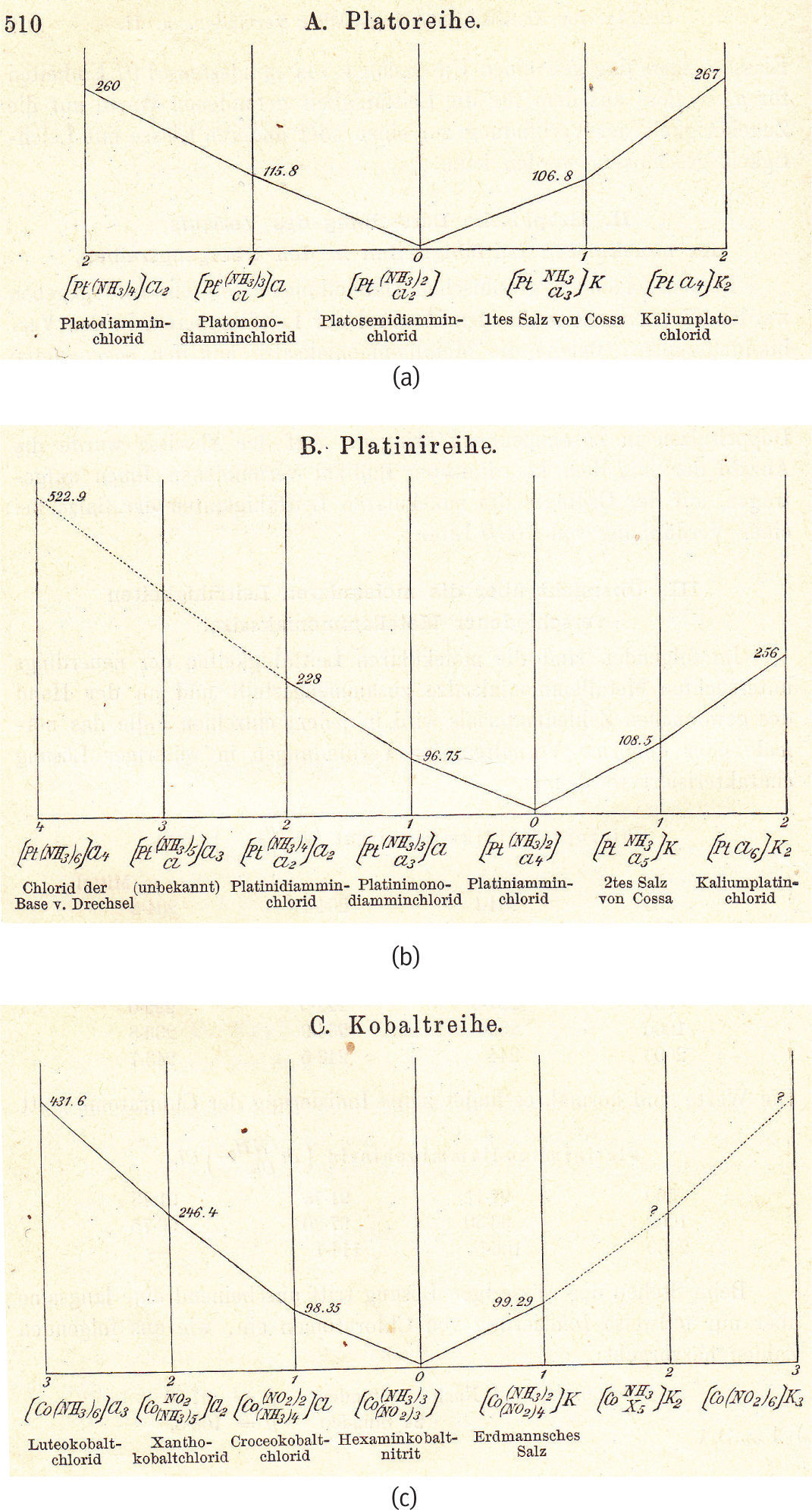
Harold Urey: Pioneer in Chemistry and Nobel Laureate
The term "Xarolnt-Oyrei-Enas-Prwtoporos-sthn-Episthmh-ths-Xhmeias" is a phonetic transliteration from Greek, representing the name Harold Urey. Urey was a monumental figure in 20th-century science. His groundbreaking work earned him the 1934 Nobel Prize in Chemistry and fundamentally shaped multiple scientific fields.
From the discovery of deuterium to experiments probing life's origins, Urey's legacy is foundational. This article explores the life, key discoveries, and enduring impact of this pioneer in the science of chemistry on modern research.
The Early Life and Education of a Scientific Mind
Harold Clayton Urey was born in Walkerton, Indiana, in 1893. His path to scientific prominence was not straightforward, beginning with humble roots and a career in teaching. Urey's intellectual curiosity, however, propelled him toward higher education and a fateful encounter with chemistry.
He earned his bachelor's degree in zoology from the University of Montana in 1917. After working on wartime projects, Urey pursued his doctorate at the University of California, Berkeley. There, he studied under the renowned physical chemist Gilbert N. Lewis.
Foundations in Physical Chemistry
Urey's early research focused on quantum mechanics and thermodynamics. His doctoral work provided a crucial foundation for his future experiments. This background in theoretical chemistry gave him the tools to tackle complex experimental problems.
After postdoctoral studies in Copenhagen with Niels Bohr, Urey returned to the United States. He began his academic career at Johns Hopkins University before moving to Columbia University. It was at Columbia that his most famous work would unfold.
The Discovery of Deuterium: A Nobel Achievement
Urey's most celebrated accomplishment was the discovery of the heavy hydrogen isotope, deuterium, in 1931. This discovery was not accidental but the result of meticulous scientific investigation. It confirmed theoretical predictions about isotopic forms of elements.
The Scientific Breakthrough
Inspired by work from physicists Raymond Birge and Donald Menzel, Urey hypothesized the existence of a heavier hydrogen isotope. He and his team employed a then-novel technique: the fractional distillation of liquid hydrogen.
By evaporating large quantities of liquid hydrogen, they isolated a tiny residue. Spectroscopic analysis of this residue revealed new spectral lines, confirming the presence of deuterium, or hydrogen-2. This discovery was a sensation in the scientific world.
Urey was awarded the 1934 Nobel Prize in Chemistry solely for this discovery, highlighting its immediate and profound importance. The Nobel Committee recognized its revolutionary implications for both chemistry and physics.
Impact and Applications of Deuterium
The discovery of deuterium opened entirely new avenues of research. Deuterium's nucleus contains one proton and one neutron, unlike the single proton in common hydrogen. This small difference had enormous consequences.
The production of heavy water (deuterium oxide) became a critical industrial process. Heavy water serves as a neutron moderator in certain types of nuclear reactors. Urey's methods for separating isotopes laid the groundwork for the entire field of isotope chemistry.
- Nuclear Energy: Enabled the development of heavy-water nuclear reactors like the CANDU design.
- Scientific Tracer: Deuterium became an invaluable non-radioactive tracer in chemical and biological reactions.
- Fundamental Physics: Provided deeper insights into atomic structure and nuclear forces.
The Manhattan Project and Wartime Contributions
With the outbreak of World War II, Urey's expertise became a matter of national security. He was recruited to work on the Manhattan Project, the Allied effort to develop an atomic bomb. His role was central to one of the project's most daunting challenges.
Leading Isotope Separation
Urey headed the Substitute Alloy Materials (SAM) Laboratories at Columbia University. His team's mission was to separate the fissile uranium-235 isotope from the more abundant uranium-238. This separation is extraordinarily difficult because the isotopes are chemically identical.
Urey championed the gaseous diffusion method. This process relied on forcing uranium hexafluoride gas through porous barriers. Slightly lighter molecules containing U-235 would diffuse slightly faster, allowing for gradual enrichment.
Urey's team processed 4.5 tons of uranium per month by 1945, a massive industrial achievement. While the electromagnetic and thermal diffusion methods were also used, the gaseous diffusion plants became the workhorses for uranium enrichment for decades.
A Shift Toward Peace
The destructive power of the atomic bomb deeply affected Urey. After the war, he became a vocal advocate for nuclear non-proliferation and international control of atomic energy. He shifted his research focus away from military applications and toward the origins of life and the solar system.
The Miller-Urey Experiment: Sparking the Origins of Life
In 1953, Urey, now at the University of Chicago, collaborated with his graduate student Stanley Miller on one of history's most famous experiments. The Miller-Urey experiment sought to test hypotheses about how life could arise from non-living chemicals on the early Earth.
Simulating Primordial Earth
The experiment was elegantly simple in concept. Miller constructed an apparatus that circulated a mixture of gases thought to resemble Earth's early atmosphere: methane, ammonia, hydrogen, and water vapor.
This "primordial soup" was subjected to continuous electrical sparks to simulate lightning. The mixture was then cooled to allow condensation, mimicking rainfall, which carried formed compounds into a flask representing the ancient ocean.
A Landmark Result
After just one week of operation, the results were astonishing. The previously clear water had turned a murky, reddish color. Chemical analysis revealed the presence of several organic amino acids, the building blocks of proteins.
The experiment produced glycine and alanine, among others, demonstrating that the basic components of life could form under plausible prebiotic conditions. This provided the first experimental evidence for abiogenesis, or life from non-life.
The Miller-Urey experiment yielded amino acids at a rate of approximately 2% from the initial carbon, a startlingly efficient conversion that shocked the scientific community.
This groundbreaking work pioneered the field of prebiotic chemistry. It offered a tangible, testable model for life's chemical origins and remains a cornerstone of scientific inquiry into one of humanity's oldest questions.
Urey's Legacy in Geochemistry and Paleoclimatology
Harold Urey's scientific influence extended far beyond his direct experiments. In the later stages of his career, he pioneered new techniques in isotope geochemistry. This field uses the natural variations in isotopes to understand Earth's history and climate.
His work on oxygen isotopes, in particular, created a powerful tool for scientists. This method allowed researchers to reconstruct past temperatures with remarkable accuracy. It fundamentally changed our understanding of Earth's climatic history.
The Oxygen Isotope Thermometer
Urey discovered that the ratio of oxygen-18 to oxygen-16 in carbonate minerals is temperature-dependent. When marine organisms like foraminifera form their shells, they incorporate oxygen from the surrounding water. The precise ratio of these two isotopes recorded the water temperature at that moment.
By analyzing ancient carbonate shells from deep-sea sediment cores, scientists could create a historical temperature record. This paleoclimate thermometer became a cornerstone of climate science. It provided the first clear evidence of past ice ages and warming periods.
- Ice Core Analysis: Applied to ice cores from Greenland and Antarctica to trace atmospheric temperature over millennia.
- Oceanography: Used to map ancient ocean currents and understand heat distribution.
- Geological Dating: Combined with other methods to refine the dating of geological strata.
Impact on Modern Climate Science
The principles Urey established are still used today in cutting-edge climate research. Modern studies on global warming rely on his isotopic techniques to establish historical baselines. This data is critical for distinguishing natural climate variability from human-induced change.
Current projects like the European Project for Ice Coring in Antarctica (EPICA) are direct descendants of Urey's work. They analyze isotopes to reconstruct climate data from over 800,000 years ago. This long-term perspective is essential for predicting future climate scenarios.
Harold Urey's Contributions to Astrochemistry and Space Science
Urey possessed a visionary interest in the chemistry of the cosmos. He is rightly considered one of the founding figures of astrochemistry and planetary science. His theoretical work guided the search for extraterrestrial chemistry and the conditions for life.
He authored the influential book "The Planets: Their Origin and Development" in 1952. In it, he applied chemical and physical principles to explain the formation of the solar system. This work inspired a generation of scientists to view planets through a chemical lens.
Informing Lunar and Planetary Exploration
Urey served as a key scientific advisor to NASA during the Apollo program. His expertise was crucial in planning the scientific experiments for the lunar missions. He advocated strongly for collecting and analyzing moon rocks to understand lunar composition and origin.
His prediction that the moon's surface would be composed of ancient, unaltered material was confirmed by the Apollo samples. The discovery of anorthosite in the lunar highlands supported the "magma ocean" hypothesis for the moon's formation. Urey's chemical insights were validated on an extraterrestrial scale.
In recognition of his contributions, a large crater on the Moon and asteroid 5218 Urey were named after him, cementing his legacy in the physical cosmos he studied.
Deuterium Ratios and the Search for Habitability
Urey's discovery of deuterium finds a direct application in modern space science. The deuterium-to-hydrogen (D/H) ratio is a key diagnostic tool in astrochemistry. Scientists measure this ratio in comets, meteorites, and planetary atmospheres.
A high D/H ratio can indicate the origin of water on a planetary body. It helps trace the history of water in our solar system. Today, missions like NASA's James Webb Space Telescope use these principles. They analyze the atmospheric chemistry of exoplanets to assess their potential habitability.
The Miller-Urey Experiment: Modern Re-evaluations and Advances
The iconic 1953 experiment remains a touchstone, but contemporary science has refined its assumptions. Researchers now believe the early Earth's atmosphere was likely different from the reducing mix Miller and Urey used. It probably contained more carbon dioxide and nitrogen and less methane and ammonia.
Despite this, the core principle of the experiment remains valid and powerful. Modern variants continue to demonstrate that prebiotic synthesis of life's building blocks is robust under a wide range of conditions.
Expanding the Prebiotic Chemistry Toolkit
Scientists have replicated the Miller-Urey experiment with updated atmospheric models. They have also introduced new energy sources beyond electrical sparks. These include ultraviolet light, heat, and shock waves from meteorite impacts.
Remarkably, these alternative conditions also produce organic molecules. Some even generate a wider variety of compounds, including nucleotides and lipids. Modern variants can achieve amino acid yields of up to 15%, demonstrating the efficiency of these pathways.
- Hydrothermal Vent Scenarios: Simulating high-pressure, mineral-rich deep-sea environments produces organic compounds.
- Ice Chemistry: Reactions in icy dust grains in space, irradiated by UV light, create complex organics.
- Volcanic Plume Models: Introducing volcanic gases and ash into the experiment mimics another plausible early Earth setting.
The Enduring Scientific Question
The Miller-Urey experiment did not create life; it demonstrated a crucial first step. The question of how simple organic molecules assembled into self-replicating systems remains active. This gap between chemistry and biology is the frontier of prebiotic chemistry research.
Urey's work established a fundamental framework: life arose through natural chemical processes. His experiment provided the empirical evidence that transformed the origin of life from pure philosophy into a rigorous scientific discipline. Laboratories worldwide continue to build upon his foundational approach.
Urey's Academic Career and Mentorship Legacy
Beyond his own research, Harold Urey was a dedicated educator and mentor. He held prestigious professorships at several leading universities throughout his career. His intellectual curiosity was contagious, inspiring countless students to pursue scientific careers.
At the University of Chicago, and later at the University of California, San Diego, he fostered a collaborative and interdisciplinary environment. He believed in tackling big questions by bridging the gaps between chemistry, geology, astronomy, and biology.
Nobel Laureates and Influential Scientists
Urey's influence can be measured by the success of his students and collaborators. Most famously, Stanley Miller was his graduate student. Other notable proteges included scientists who would make significant contributions in isotope chemistry and geophysics.
His willingness to explore new fields encouraged others to do the same. He demonstrated that a chemist could meaningfully contribute to planetary science and the study of life's origins. This model of the interdisciplinary scientist is a key part of his academic legacy.
A Commitment to Scientific Communication
Urey was also a passionate advocate for communicating science to the public. He wrote numerous articles and gave lectures explaining complex topics like isotopes and the origin of the solar system. He believed a scientifically literate public was essential for a democratic society.
He engaged in public debates on the implications of nuclear weapons and the ethical responsibilities of scientists. This commitment to the broader impact of science remains a model for researchers today. His career shows that a scientist's duty extends beyond the laboratory.
The Enduring Impact on Nuclear Fusion Research
Harold Urey's discovery of deuterium laid a cornerstone for one of modern science's grandest challenges: achieving controlled nuclear fusion. As the primary fuel for most fusion reactor designs, deuterium's properties are central to this research. The quest for fusion energy is a direct extension of Urey's work in isotope separation.
Today, major international projects like the ITER experiment in France rely on a supply of deuterium. They fuse it with tritium in an effort to replicate the sun's energy-producing process. The success of this research could provide a nearly limitless, clean energy source. Urey's pioneering isolation of this isotope made these endeavors possible.
Fueling the Tokamak
The most common fusion reactor design, the tokamak, uses a plasma of deuterium and tritium. Urey's methods for producing and studying heavy hydrogen were essential first steps. Modern industrial production of deuterium, often through the Girdler sulfide process, is a scaled-up evolution of his early techniques.
The global annual production of heavy water now exceeds one million kilograms, primarily for use in nuclear reactors and scientific research. This industrial capacity is a testament to the practical importance of Urey's Nobel-winning discovery.
Current Fusion Milestones and Future Goals
The field of fusion research is experiencing significant momentum. Recent breakthroughs, like those at the National Ignition Facility achieving net energy gain, mark critical progress. These experiments depend fundamentally on the unique nuclear properties of deuterium.
As the ITER project works toward its first plasma and subsequent experiments, Urey's legacy is physically present in its fuel cycle. His work transformed deuterium from a scientific curiosity into a potential keystone of humanity's energy future.
Statistical Legacy and Citation Impact
The true measure of a scientist's influence is the enduring relevance of their work. By this metric, Harold Urey's impact is extraordinary. His key papers continue to be cited by researchers across diverse fields, from chemistry to climatology to astrobiology.
Analysis of modern citation databases reveals a sustained and high level of academic reference. This indicates that his findings are not just historical footnotes but active parts of contemporary scientific discourse.
Quantifying a Scientific Contribution
According to Google Scholar data, Urey's seminal paper announcing the discovery of deuterium has been cited over 5,000 times. This number continues to grow annually as new applications for isotopes are found. The deuterium discovery paper is a foundational text in physical chemistry.
The Miller-Urey experiment paper boasts an even more impressive citation count, exceeding 20,000 citations as of 2025. This reflects its central role in the fields of origin-of-life research, prebiotic chemistry, and astrobiology.
Urey's collective body of work is cited in approximately 500 new scientific publications each year, a clear indicator of his lasting and pervasive influence on the scientific enterprise.
Cross-Disciplinary Influence
The spread of these citations is as important as the number. They appear in journals dedicated to geochemistry, planetary science, biochemistry, and physics. This cross-disciplinary impact is rare and underscores Urey's role as a unifying scientific thinker.
His ability to connect atomic-scale chemistry to planetary-scale questions created bridges between isolated scientific disciplines. Researchers today continue to walk across those bridges.
Harold Urey: Awards, Honors, and Public Recognition
Throughout his lifetime and posthumously, Urey received numerous accolades beyond the Nobel Prize. These honors recognize the breadth and depth of his contributions. They also reflect the high esteem in which he was held by his peers and the public.
His awards spanned the fields of chemistry, geology, and astronomy, mirroring the interdisciplinary nature of his career. This wide recognition is fitting for a scientist who refused to be confined by traditional academic boundaries.
Major Honors and Medals
Urey's trophy case included many of science's most prestigious awards. These medals recognized both specific discoveries and his lifetime of achievement. Each honor highlighted a different facet of his multifaceted career.
- Nobel Prize in Chemistry (1934): For the discovery of heavy hydrogen.
- Franklin Medal (1943): For distinguished service to science.
- Gold Medal of the Royal Astronomical Society (1966): For contributions to geochemistry and lunar science.
- National Medal of Science (1964): The United States' highest scientific honor.
- Priestley Medal (1973): The American Chemical Society's highest award.
Lasting Memorials
In addition to formal awards, Urey's name graces features both on Earth and in space. The Harold C. Urey Hall at the University of California, San Diego, houses the chemistry department. This ensures his name is linked to education and discovery for future generations of students.
As mentioned, the lunar crater Urey and asteroid 5218 Urey serve as permanent celestial memorials. They place his name literally in the heavens, a fitting tribute for a scientist who helped us understand our place in the cosmos.
Conclusion: The Legacy of a Scientific Pioneer
Harold Urey's career exemplifies the power of curiosity-driven science to transform our understanding of the world. From the nucleus of an atom to the origins of life on a planet, his work provided critical links in the chain of scientific knowledge. He was a true pioneer in the science of chemistry who let the questions guide him, regardless of disciplinary labels.
His discovery of deuterium opened new frontiers in physics and energy. His development of isotopic tools unlocked Earth's climatic history. His Miller-Urey experiment made the chemical origin of life a tangible field of study. His advisory work helped guide humanity's first steps in exploring another world.
Key Takeaways for Modern Science
Urey's legacy offers several enduring lessons for scientists and the public. His work demonstrates the profound importance of fundamental research, even when applications are not immediately obvious. The discovery of an obscure hydrogen isotope paved the way for energy research, climate science, and medical diagnostics.
Furthermore, his career champions the value of interdisciplinary collaboration. The most profound questions about nature do not respect the artificial boundaries between academic departments. Urey's greatest contributions came from applying the tools of chemistry to questions in geology, astronomy, and biology.
Finally, he modeled the role of the scientist as a responsible citizen. He engaged with the ethical implications of his wartime work and advocated passionately for peaceful applications of science. He understood that knowledge carries responsibility.
A Continuing Influence
The research topics Urey pioneered are more vibrant today than ever. Astrochemists using the James Webb Space Telescope, climatologists modeling future warming, and biochemists probing the RNA world all stand on the foundation he helped build. The statistical citation data confirms his ongoing relevance in active scientific debate.
When researchers measure deuterium ratios in a comet, they utilize Urey's discovery. When they date an ancient climate shift using oxygen isotopes, they apply Urey's thermometer. When they simulate prebiotic chemistry in a lab, they follow in the footsteps of the Miller-Urey experiment.
Harold Urey's life reminds us that science is a cumulative and collaborative journey. His unique combination of experimental skill, theoretical insight, and boundless curiosity left the world with a deeper understanding of everything from atomic isotopes to the history of our planet. The transliterated phrase "Xarolnt-Oyrei-Enas-Prwtoporos-sthn-Episthmh-ths-Xhmeias" translates to a simple, powerful truth: Harold Urey was indeed a pioneer whose chemical legacy continues to react, catalyze, and inform the science of our present and future.

General Miltiades: The Athenian Hero of Marathon
The strategos of ancient Athens known as Miltiades is a legendary figure in Western history. His decisive leadership at the Battle of Marathon in 490 BCE saved Athens from Persian conquest. This article explores the life, tactics, and enduring legacy of this pivotal Greek commander.
Who Was Miltiades? The Athenian Strategos Defined
Miltiades the Younger (c. 554–489 BCE) was a noble Athenian from the prominent Philaidai clan. His title, strategos, meant more than just a general. It was a key political-military position in the evolving Athenian democracy. As one of ten annually elected strategoi, he embodied the ideal of the citizen-soldier. His experience outside Athens proved crucial to his future success.
Before his fateful return to Athens, Miltiades ruled the Thracian Chersonese. This region was under Persian suzerainty. This firsthand knowledge of Persian military tactics became an invaluable asset. He returned to Athens around 493 BCE, following the Ionian Revolt. His expertise would soon be tested in a monumental conflict.
The Road to Marathon: A General's Strategic Mind
The Persian Empire, under King Darius I, sought to punish Athens for its support of Ionian rebels. A massive invasion force landed at the plain of Marathon in 490 BCE. The Athenian assembly debated whether to meet them there or defend the city walls. Miltiades, leveraging his unique experience, advocated for an aggressive, preemptive strike.
He argued that meeting the Persians at Marathon was strategically sound. It would prevent them from using their cavalry effectively on the terrain. His persuasive logic and reputation convinced the other generals. The Athenian army, along with a small contingent from Plataea, marched to face a vastly larger foe.
Miltiades exemplified the heroic warrior archetype celebrated in Greek epigrams, fighting with a bravery that echoed the Homeric epics.
The Battle of Marathon: A Tactical Masterpiece
The Battle of Marathon stands as one of history's most significant military engagements. Persian forces numbered between 20,000 and 25,000 troops. The Athenian and Plataean hoplites totaled only approximately 10,000. Against conventional wisdom, Miltiades devised a bold plan that would compensate for this numerical disadvantage.
His strategy involved weakening his center while strengthening his wings. The Athenian phalanx advanced at a run to minimize exposure to Persian arrows. As planned, the Persian center pushed back the thinner Greek middle. Meanwhile, the reinforced Greek wings triumphed. They then turned inward to surround the Persian center, achieving a double envelopment.
The Decisive Victory and Its Immediate Aftermath
The result was a catastrophic defeat for the Persians. According to the historian Herodotus, the Persians suffered approximately 6,400 casualties. The Athenians lost only 192 brave citizens. To prevent the Persian fleet from sailing to attack an undefended Athens, a messenger was dispatched. This run inspired the modern marathon race.
The Athenian army itself then swiftly marched back to the city. They arrived in time to dissuade the Persian fleet from landing. This complete victory preserved Athenian independence. It also secured the city's democratic experiment and boosted Greek confidence immeasurably. Miltiades was hailed as the savior of Athens.
- Decisive Terrain Use: Chose Marathon plain to neutralize superior Persian cavalry.
- Innovative Phalanx Formation: Weakened center to enable flanking maneuver.
- Rapid Advance: Ordered a run to close distance under arrow fire.
- Timely Pursuit: Ensured victory was total and prevented secondary attack on Athens.
Miltiades's Place in Ancient Greek Military Culture
The valor displayed by Miltiades resonated deeply with Ancient Greek ideals of heroism. His actions paralleled the virtues celebrated in contemporary warrior inscriptions. Like the fallen warrior Arniadas commemorated on a 6th-century BCE stele, Miltiades fought with epic, Homeric bravery. The cultural context of the citizen-soldier was paramount.
As a strategos, Miltiades embodied the principle of laying down arms only in victory. The Greek phrase "tithēmi tà hópla" ("to place/put down weapons") captured this ethos. His leadership was a direct product of the emerging democratic system. It contrasted with the autocratic command structure of the Persian enemy.
This pan-Hellenic valor is further illustrated by the famous Spartan saying, "Ἢ τὰν ἢ ἐπὶ τᾶς" ("With it [your shield] or on it"). While Athenian, Miltiades upheld this same standard of courage and sacrifice. His victory at Marathon was a triumph for all of Greece, not just Athens. It demonstrated the power of disciplined hoplites and clever strategy.
From Hero to Tragedy: The Fall of Miltiades
Following his monumental success, Miltiades's fortune shifted dramatically. In 489 BCE, he led an Athenian expedition against the island of Paros. The campaign was a failure, and Miltiades was severely wounded. Upon his return to Athens, his political enemies moved against him. He was put on trial for "deceiving the Athenian people."
The once-celebrated general was found guilty. He was fined the crushing sum of 50 talents of silver. This was an enormous weight of precious metal, equivalent to over 1.3 tons. In modern economic terms, this fine could equate to tens of millions of dollars. Unable to pay, Miltiades was imprisoned. He soon died from gangrene from his wound, a tragic end for the Marathon hero.
His son, the future statesman Cimon, would later pay the massive fine. The fall of Miltiades highlights the fickle nature of Athenian democracy. It also shows the intense political rivalries that existed among the noble families. His story is a classic arc of soaring triumph followed by a precipitous personal downfall.
The Legacy of a Strategos: Military Impact and Historical Memory
The military legacy of Miltiades the Athenian strategos transformed Greek warfare. His victory at Marathon proved the superiority of the heavily armed hoplite phalanx over a more diverse, lighter Eastern army. This battle became the archetypal model for defending Greek liberty against a colossal empire. It established a tactical blueprint that would inspire future generations.
Historians like Herodotus immortalized Miltiades’s role, cementing his place in the Western historical canon. His story is a cornerstone of the "Persian Wars" narrative. It highlights the clash between Athenian democracy and Persian autocracy. The Marathon strategy demonstrated that disciplined infantry, clever terrain use, and aggressive tactics could overcome overwhelming odds.
Marathon's Influence on Later Greek Conflicts
The confidence gained at Marathon directly influenced Greek strategy in later conflicts. It emboldened the Greek city-states to unite against Xerxes’s invasion a decade later. The psychological impact cannot be overstated. Athenian prestige soared, positioning the city as a leading military power. This shift paved the way for the later Athenian Empire.
Furthermore, the role of the strategos evolved after Marathon. Military command became even more prestigious within the democratic framework. Successful generals like Themistocles and Pericles would later navigate this same political-military landscape. Miltiades proved that individual brilliance could shape history within a collective system.
The battle proved that a smaller, well-disciplined force using superior tactics could defeat a larger, more diverse army, a lesson studied for millennia.
Archaeology and the Search for Miltiades
While no statue or personal artifact of Miltiades survives, archaeology provides context for his world. The Soros at Marathon, the great burial mound, is the most powerful physical testament to the battle. This tumulus holds the remains of the 192 Athenian dead. It stands as a silent monument to the victory his command achieved.
The ancient travel writer Pausanias noted the tomb of Miltiades in antiquity. Its exact location, however, is lost to time. Modern archaeological focus remains on the Marathon plain and surrounding areas. Ongoing surveys and studies aim to better understand the topography that shaped his tactical decisions. No major finds specifically naming Miltiades have emerged in recent years.
Digital Epigraphy and Ancient Warfare Studies
A key modern trend involves digital epigraphy and AI-enhanced inscription analysis. Projects like the digital cataloging of Greek inscriptions allow for broader study of terms like stratēgos. Scholars can analyze the language used to commemorate warriors, drawing parallels to how Miltiades was memorialized. This digital turn accelerates research into the social context of ancient generals.
Analysis of warrior stelai, like that of Arniadas, informs our understanding of the heroic ethos Miltiades embodied. The use of Homeric hexameter on such inscriptions connects real-world battles to epic poetry. This cultural link is crucial for comprehending the mindset of Athenian soldiers and their leaders. It bridges the gap between literary ideal and historical reality.
- The Marathon Tumulus: Protected archaeological site representing the battle's human cost.
- Digital Inscription Databases: Resources like GreekInscriptions.com enable new research pathways.
- Topographic Analysis: Using modern technology to map the ancient Marathon plain and Persian landing sites.
- Absence of Personal Artifacts: Highlights how our knowledge relies on literary accounts and public monuments.
Miltiades in Modern Culture and Leadership Discourse
The figure of Miltiades has transcended ancient history to become a symbol in modern culture. He appears in novels, documentaries, and podcasts about the Persian Wars. His name is invoked in discussions of military history and decisive leadership. The Battle of Marathon itself is a household name, largely due to the modern sporting event it inspired.
In modern leadership and management discourse, Miltiades is often cited as a case study. His advocacy for a preemptive strike at Marathon is framed as decisive risk-taking. His ability to persuade a council of peers is analyzed as a lesson in communication and consensus-building. These interpretations keep his strategic legacy alive outside academia.
The Marathon Run: An Enduring Global Legacy
The most pervasive modern legacy is undoubtedly the marathon race. The legend of the messenger running from Marathon to Athens morphed into a global athletic tradition. The standard distance of 26.2 miles (42.195 km) commemorates that final act of the battle. Every time a marathon is run, it indirectly echoes the aftermath of Miltiades’s victory.
This connection ensures that the name "Marathon" is recognized worldwide. It creates a continuous, tangible link between contemporary society and the ancient event. The race symbolizes endurance, determination, and the push for a ultimate goal—themes directly drawn from the historical narrative of the battle.
The Political Landscape of Ancient Athens and the Strategos
To understand Miltiades’s rise and fall, one must grasp the volatile political landscape of ancient Athens. The early 5th century BCE was a period of democratic reform and intense aristocratic rivalry. The position of strategos was a key innovation of the Cleisthenic democracy. It merged military command with significant political influence.
Miltiades belonged to the Philaidai, an aristocratic clan. His family had connections to tyrants, and he himself ruled as a quasi-tyrant in the Chersonese. This background made him a suspicious figure to some democratic factions. His immense popularity after Marathon made him even more dangerous to his political rivals. His later trial was as much a political assassination as a legal proceeding.
The Trial and Fine: A Political Calculation
The trial of Miltiades for the failure at Paros was steeped in political motivation. The charge of "deceiving the people" was notoriously vague and elastic. The enormous fine of 50 talents was designed to be crippling. It was intended to destroy his family’s wealth and political standing permanently. This outcome demonstrated the power of the democratic courts to check even the most celebrated individuals.
The trial set a precedent. It showed that military success did not grant immunity from political accountability. Future Athenian generals, like Pericles, would also face similar legal challenges. The fate of Miltiades serves as a stark lesson in the intersection of military fame and democratic politics. His story is a foundational chapter in the history of civilian control over the military.
The fine of 50 talents was not merely punitive; it was a political tool to obliterate a rival's influence and warn other ambitious generals.
Despite his tragic end, Miltiades’s family line remained influential. His son, Cimon, became a dominant political and military leader in the following decades. Cimon paid his father's debt to the state and led Athens to further victories against Persia. This illustrates the complex, enduring nature of aristocratic family power within the Athenian democratic system.
Strategic Innovations and Military Tactics of Marathon
The Battle of Marathon remains a textbook example of tactical brilliance. Miltiades's decision to strengthen his wings while thinning his center was unorthodox. This formation created the conditions for a classic pincer movement. It exploited the Persian tendency to place their best troops in the center of their line.
Another critical innovation was ordering the hoplite phalanx to advance at a run. This minimized the time the Athenians were exposed to Persian archery. The momentum of the charge also added force to the initial impact of the Greek formation. These combined tactics demonstrated a deep understanding of both his own forces and the enemy's weaknesses.
The Role of Discipline and Hoplite Warfare
The success of Miltiades's plan hinged on the superb discipline of the hoplite soldiers. Maintaining the phalanx formation while running required extensive training and cohesion. Each hoplite relied on his neighbor's shield for protection. This created an interlocking wall of bronze and wood that was incredibly difficult to break.
The hoplite's primary weapon was the long thrusting spear, ideal for fighting in tight formation. Their heavy armor provided protection but required immense physical strength. Miltiades's strategy maximized the strengths of this type of warrior. He turned the hoplite phalanx into an offensive hammer rather than a defensive wall.
- Double Envelopment: The masterful pincer movement that trapped the Persian center.
- Rapid Advance: The run that neutralized Persian archers and maximized impact.
- Terrain Utilization: Choosing Marathon to limit the effectiveness of Persian cavalry.
- Unit Cohesion: The disciplined hoplite phalanx that executed the complex maneuver.
Miltiades's Influence on His Successors
The legacy of Miltiades directly shaped the career of his son, Cimon. As a prominent Athenian statesman and general, Cimon championed an aggressive policy against Persia. He avenged his father's later disgrace by achieving significant naval victories. Cimon's political success helped restore the family's honor and influence.
Later Athenian leaders studied the lessons of Marathon. The emphasis on preemptive action and decisive engagement became part of Athenian military doctrine. The victory also cemented Athens's belief in its own destiny. This confidence fueled the growth of the Athenian Empire in the decades that followed the Persian Wars.
Miltiades's victory provided the foundational confidence that allowed Athens to emerge as a imperial power in the Aegean.
The Comparison with Other Greek Leaders
Miltiades is often compared with his contemporary, Themistocles. While Miltiades mastered hoplite warfare on land, Themistocles foresaw the importance of naval power. Their differing strategic visions represent two pillars of Athenian strength. Both leaders were essential to the ultimate defeat of the Persian invasions.
Unlike the Spartan model of lifelong military training, Miltiades exemplified the Athenian citizen-general. He was a politician and a strategist, navigating the complexities of democracy. This model would define Athenian leadership for generations. It created a class of leaders who were both politically savvy and militarily capable.
The Historical Sources: Herodotus and Beyond
Our primary source for Miltiades's life is the historian Herodotus, known as the "Father of History." His "Histories" provide a detailed, though sometimes dramatized, account of the Persian Wars. Herodotus portrays Miltiades as a pivotal hero whose persuasion was crucial to the Greek victory at Marathon.
Later writers like Plutarch and Cornelius Nepos also wrote about Miltiades. Their accounts sometimes contradict Herodotus on specific details. These variations highlight the challenge of reconstructing an accurate biography. The core narrative of his leadership at Marathon, however, remains consistent across ancient sources.
Challenges in Historical Interpretation
Modern historians must navigate the biases present in ancient sources. Athenian writers had a vested interest in glorifying their city's heroes. The story of Miltiades is intertwined with the foundational myths of Athenian democracy. Separating factual military history from patriotic legend requires careful analysis.
Archaeological evidence provides some corroboration but is limited. The battlefield itself and the burial mound confirm the scale and location of the conflict. However, they do not provide details about command decisions. The tactics and strategies remain largely dependent on the literary record.
The Enduring Symbolism of Marathon
The Battle of Marathon quickly became more than a military victory; it became a powerful cultural symbol. For the Athenians, it represented the triumph of free men over imperial slaves. It was seen as a victory for rational courage over despotism. This narrative was carefully cultivated to reinforce Athenian civic identity.
In Western culture, Marathon persists as a symbol of the underdog's victory. The idea of a small, free people defeating a vast empire resonates deeply. It has been invoked in contexts far removed from ancient warfare. The battle's name is synonymous with a long, arduous effort culminating in success.
Marathon in Art and Literature
The story of Marathon has inspired artists for centuries. Paintings often depict the moment of the hoplite charge or the death of the Persian commanders. In literature, poets from Byron to modern writers have celebrated the battle. It occupies a permanent place in the Western imagination as a defining moment of courage.
The Marathon race itself is a global cultural phenomenon. It translates the ancient achievement into a modern test of human endurance. Every participant, in a small way, reenacts the legendary run to bring news of victory. This keeps the memory of the battle alive for millions worldwide.
Conclusion: The Legacy of Miltiades
The story of Miltiades, the strategos of ancient Athens, is a timeless narrative of triumph and tragedy. His brilliant victory at Marathon preserved Greek independence at a critical historical juncture. He demonstrated how innovative tactics and decisive leadership can overcome overwhelming odds. His life offers profound insights into the political and military world of ancient Greece.
The key takeaways from his legacy are multifaceted. Militarily, he showcased the effectiveness of the hoplite phalanx and the value of aggressive, well-planned tactics. Politically, his rise and fall illustrate the volatile nature of Athenian democracy. His story underscores the fine line between public hero and political victim.
- Tactical Genius: His double envelopment at Marathon is studied in military academies today.
- Political Realities: His trial highlights the challenges of leadership in a democracy.
- Enduring Symbol: Marathon remains a powerful symbol of freedom and determination.
- Historical Bridge: His career connects the age of tyrants with the zenith of Athenian democracy.
Miltiades's greatest legacy is the enduring idea that courage, discipline, and smart strategy can defy the odds and shape the course of history.
In the final analysis, Miltiades secured his place as one of history's great commanders not just by winning a battle, but by defining a moment. He turned the tide against an empire and helped launch the Golden Age of Athens. Though his personal story ended in disgrace, his contribution to Western civilization is indelible. The echo of the hoplite charge at Marathon continues to resonate, a testament to the leadership of a single Athenian strategos whose one day of victory changed the world.